
Your BURNOUT isn't your FAULT | 90% of patients are MISSING THIS! | Dr. Cheryl Kam #90

.jpg)
In this episode of The Quinntessential Questions Podcast, Paul Quinn sits down with Dr. Cheryl Kam, Functional Medicine Doctor, Burnout Recovery Coach, and Founder of CALM Supplements. From Singapore's top schools to King's College London — the largest medical school in Europe — to nearly two decades in clinical medicine, Cheryl shares the moment conventional medicine stopped being enough.
She discusses the silent epidemic of burnout in high-performing women, why your chronic condition may already be your body's cry for help, and the root-cause approach that led her to walk away from retail medicine entirely. Cheryl also opens up about building a clean supplement brand from scratch — starting with her most chemically sensitive patients — and why she believes most people are walking around magnesium-depleted without knowing it.
Whether you're a high-performing woman running on empty, a parent trying to protect your family's health, or someone who's tried everything and still can't sleep, this conversation offers hard-won wisdom on burnout recovery, functional nutrition, and building health from the inside out. Let's explore what's "Inside the Mind of a Functional Medicine Doctor."
TIMESTAMPS:
(0:00) Introduction
(1:30) Who Is Dr. Cheryl Kam
(14:56) King's College London
(23:26) Homeschooling 5 Kids
(26:41) Building Health vs Fighting Disease
(30:17) Why Women Normalise Fatigue & Hormone Chaos
(37:22) PMS, Perimenopause & Menopause
(44:06) The Coaching Business
(48:55) CALM — Pharmaceutical Grade Magnesium
(51:04) 90% of Patients Are Depleted
(52:42) The Deep Sleep Stack
(56:26) How She Became an Entrepreneur
(1:00:15) Fertility & IVF — Generational Toxicity
(1:02:45) Migraines, Eczema & The 6-Step System
(1:05:05) Food as Medicine — BBC Twin Study
(1:10:45) TRT, HRT & Looking Upstream
(1:15:43) Most Underrated Nutrient: Magnesium
(1:17:31) NMN, Ozempic & Overrated Trends
(1:21:36) Most Misunderstood Hormone in Women's Health
(1:22:49) Symptoms Women Normalise
(1:25:10) Walking, Nature & The Greatest Gift
(1:27:24) Lab Markers — Vitamin D & Ferritin
(1:31:59) Wellness in Your 40s & 50s
(1:40:20) Where to Find Dr. Cheryl Kam
Bio
Dr. Cheryl Kam is a family physician, integrative medicine practitioner, and founder of Vibrant Life Academy as well as CALM Supplements, where she is dedicated to helping individuals optimise their health by combining evidence-based conventional medicine with functional and lifestyle medicine. With a special interest in brain health, nutrition, gut health, hormonal balance, sleep, and mental well-being, she takes a root-cause approach to healthcare, empowering patients to achieve long-term wellness rather than simply managing symptoms.
With a medical degree from King's College London School of Medicine and further qualifications in functional medicine and nutrition, Dr. Kam has spent years working with patients seeking a more holistic and personalised approach to health. Beyond her clinical practice, she is an educator, speaker, and advocate for preventive healthcare, equipping both individuals and healthcare professionals with practical tools to improve physical, mental, and emotional well-being.
Recognised for her thought leadership in integrative health, Dr. Kam has been featured across numerous publications and wellness platforms and serves as a medical advisor to organisations focused on health and community well-being. Through her clinical work, educational programmes, and public speaking, she continues to champion a proactive approach to health, helping people live healthier, more vibrant lives.
Transcript
we drink coffee or we're stressed and we don't sleep too well at night and the magnesium washes out >> Mhm. >> from our body. I've been a family physician for very close to 20 years now, trained in the UK and I found that I was more interested in helping people come off medicines than going on medicines. >> I love that. >> Then became incompatible with working a retail clinic type [music] setting. Any kind of chronic condition >> Your body's talking >> Your body's already saying that hey, like the burnout is already there. Even if even if you don't feel the drama of the burnout, the body's already compromised. An individual woman breaking down and having burnout often will come to me feeling like a failure, but it's not failure of them. It's a failure of the system >> constructs, right? >> in which we are operating. >> Yeah. >> I also founded a clean supplement brand as well, which really started from crafting supplements for my most chemically sensitive patients. During the lockdowns, I realized that hey, this formula is going to serve everyone who has got anxiety and sleep problems and at that point it was at an all-time high. 90% of patients with any kind of issue from down to like a little bit of fatigue or tension down to chronic health disease, they are coming into my clinic responding very well to this. 100% of my patients respond very well to it. >> Really? >> When your body is replenished with magnesium, you are going to sleep better. There is no pill or supplement that is going to replace that sleep. >> [music] >> Good morning. >> That's all right. Good morning, Dr. Sheryl. How are you? >> Thank you. I'm very good. Well, thank you. >> lovely. >> Thanks and thanks for having me. Also >> My pleasure and I've wanted you on the show, you know, for quite some time. We we met I've got to give a shout out to Paul Foster and at his at his 9D breath work. Was that the first time? >> and Layla >> Yeah. >> with their Foster the love. >> Yes. Was that your first time going to one of those? >> It was my first time at a breath work uh kind of a workshop situation. >> Mhm. >> Um obviously breathing has been a very known thing, you know, with meditation and all that, but when they kind of call it 9D breath work and they're talking through you and putting headphones on you, that was quite something, wasn't it? >> It was. >> you scream at the end. >> Yeah. It was quite there was >> Not wanting to reveal too much more. >> Yeah. >> But you know, that was really something. >> guttural, you know, and the thing is you were there with your husband Neil, your lovely husband, but I don't think I do that with my wife. Because if there's any things dredged up or any animosity she has towards me over the last 23 years, it's going to come out there, isn't it? >> [laughter] >> Yeah. I mean, I think for me truth is truth. >> True. >> You know, so between me and Neil, it's like, okay, whatever that is true comes up between us. >> Yeah. >> That's better than >> Well, five children, there's nowhere to hide. >> holding it. Yeah, that's right. >> Well, look, for for the few guests that may not know you, my audience members, can you be kind of to give a quick intro and then we'll get stuck in. >> Yeah, so I call myself now a functional medicine doctor. I've been a family physician for very close to 20 years now, trained in the UK and you know, did all the hospital things and was finding my way. Finally, I realized that family physician as a job scope was much more family-friendly for myself, so I went into that. And holistic health was really taking off um for me anyways and for the patients that were approaching me and I thought, hey, gosh, like I didn't learn any of this. So I postgraduate trained uh sponsored myself to uh study environmental and nutritional medicine. At the time, that's what it was called, and right now uh functional medicine is more of the uh American marketed term that people understand. Um integrative medicine is another word for it as well, holistic, you know. So, we look at root causes, and I found that I was more interested in helping people come off medicines than going on medicines. >> I love that. >> Yeah. So, um it then became incompatible with working a uh retail clinic type setting. Mhm. So, started the uh business and online coaching and empowering women and families to handle their care independently. Um and to use the health care system in a way that is empowering to them rather than um uh restrictive or addictive. And I also founded a uh clean supplement brand as well, which really started from crafting supplements for my most chemically sensitive patients. And during the lockdowns, I realized that, hey, this formula is going to serve everyone who has got anxiety and sleep problems, and at that point it was at an all-time high. >> Wow. >> So, I released it to my existing patients at the time, and they so very kindly referred it to everyone else around it, and it was just growing on its own as we looked at the numbers, and we thought, oh gosh, this is worth paying attention to cuz um it really needs to get out to more people. So, so that's what we're doing now. We're getting the brand out to more families through moms, cuz moms do a lot of the purchasing and >> Of course. >> Yeah. >> Well, it's an amazing journey. I can't wait to unpack it. So, let's roll back. So, you were born and raised in Singapore? >> Yes, born and raised in Singapore. >> Okay. >> Always had itchy itchy feet, loved traveling, love outside perspectives. You know, by the time I was maybe 13, 14, I'd already thought, I want to go abroad, man. Like, you know, I've had enough of this. >> What What What did your parents do? >> in the tradition I mean, traditional or the local um schooling system. >> Okay. >> Right? So, did well and you know, excelled in in that. Um but second language, which Chinese was not something natural that for me. So, I did struggle with that and so, going abroad was like the best possible option cuz then Chinese would be dropped. >> Yeah. >> was my little >> How How old were you when you went abroad? >> I was um 17. >> So, you did your A levels? >> after O levels. >> Okay. >> After doing okay at actually really well in O levels cuz I was in a top school. So, it was okay for the top school, but >> Overall? >> overall in the whole country, now I know, was actually pretty good. >> Do you remember your grades? >> Um no, actually. >> Why not? >> I mean I mean, yeah, there were There's definitely A stars and A's in there. And then the lowest grade was a B. >> What subject? >> In um Chinese. >> [laughter] >> You still got a B? >> made to retake it. >> Wow. >> Yeah, cuz you need the the school needed a certain average standard and I was pulling the average grade down. >> Isn't it crazy? Yeah, that's how schools are measured. >> was I was definitely a number in the in the school and I said, "Hey, you know, I can't um do this now um because at the same time I was also like you in track and field." >> Yeah, so you were 200, 400, 800? >> Yeah, so I did uh I remember doing everything. It was like 100 at some point um I was doing 100-m relays, 200-m 200-m had relays as well, right? >> run a 200 relay. >> Yeah, was it 200 relay? >> There was well, normally there isn't, but there could have been. >> Normally there isn't, right? Yeah, that's right. But I remember some kind of thing. So, anyway, there was There was definitely 200 in there. >> Okay. >> And then 400, and I realized actually 800 was a sweet spot. So, I was like kind of gold sil- gold silver for for 800 at certain meets at that time. >> you know it's funny because um I had Roger Black, who's the Olympic silver medalist in the 400 m in 1996 behind the great Michael Johnson, and he was an idol of mine, he was a hero of mine. Um but he said, "Your event speaks to you, it calls you." And for me, I I I fell in love with 100 and 200 because my other hero was Linford Christie. >> Mhm. >> Um and I was probably better suited for 4 or 800 m. >> Right. >> like Usain Bolt, he was he was actually fated to run the 400. He probably I actually think he might have been a better 400 m runner than he was even the one and two. >> Okay. >> But but so, what happened was he was a 200 m runner. His coach wanted him to run 400, and Usain Bolt said, "Look, I don't want to run 400 cuz it it hurt, it's pain, it's hard." >> It's harder. >> So, he said, "Look, if I run 100 m in a fast time, I'll do the one and the two, and that's how he fell into the 100 m." >> Right. >> Crazy, right? >> And what part of it is fate? >> I don't know. I think it's it's things call you like me the the Neil was called to you and vice versa, right? You know? Um but for me but for me, I don't think it was fate, it was just like I loved running as a as a youngster. When I was eight, I became the fastest boy in the first school. >> Wow. >> And and you know when you when you have some success early and you enjoy it, you tend to pursue it. >> Mhm. >> Um but I just I loved and the thing about running, it's very pure. >> Yes. >> There's no BS, there's no politics, really. There's >> It you get rid of a lot of the team stuff, right? I mean, I I I think that um teamwork is Teamwork's definitely one of those skills that I learned later. >> Yes. >> Yeah, cuz this was a very easy one to get, you know, to not have any variables around it, and it was just about you. >> I could imagine you were a very dainty, tall, elegant runner. >> Mhm. Average size, compact, quite explosive. Yeah. So, always thought that I was a sprinter, but then, you know, then yeah, really it was like middle distance. So, 400, 800. I I know we're talking about this, but it's so lovely to talk about this. You can cut anything off if you want, but it's it's really lovely to talk about this actually cuz these are like really lovely memories. >> I I'm sure. I don't know about you, but like from >> It's laced with loveliness and nervousness. I remember being very nervous for a lot of the meets, you know, at that time as well, right? Like it comes with >> It comes with So, it's fun cuz like so two of my kids have gone to the Singapore national teams in their respective sports. >> Oh, fantastic. >> Yeah, and what what I said to them was I remember running a 400-m race and I I thought I would win the race and I came off the top of the third leg, right? So, coming off 300 m and there was another guy and he was right on my shoulder and I was I was dying. I I thought I'm going to die now cuz I I was spent after 300 m. And he just he went past me. >> Mhm. >> And I knew I wasn't going to win and I feigned an injury. I pretended I'd hurt my hamstring. But I didn't. I What happened was I was embarrassed to lose cuz my parents were there. >> Yeah. >> And I told my kids that and they were quite surprised cuz I'm kind of rah-rah and I said, "I'm telling you because I understand the pressure that you're going into in in any game or boxing match or whatever. So, don't stress about it. I'm I'm with you win, lose, or draw, you know?" But at the time at 14, I just felt all this pressure in the world >> That's beautiful, Paul, that you can give that to your children. >> Well, you know, you got to you you try to learn. >> Mhm. >> But what I've learned through my son is is uh he he said cuz he he wasn't naturally a gifted athlete. He didn't or he he didn't think he was. And I always believed in him and I think it's really interesting about psychology because his younger sister who's 2 years younger than him up until he was about 13 or 14 she was stronger and faster than him but she was 2 years younger. And I think that put him off and you know I always felt Cayden he could be the best in Singapore if he put his mind to it and but what I learned as a parent that kids don't always listen to their parents. So I got him a great coach to come to the house during COVID and then he got into the Singapore national team and he started to flourish and it's difficult cuz you push and you pull and my mom my wife always says that where I have failed is cuz I'll compare me to the kids or the kids to me. Right? And it's difficult cuz I would look at him and he'd be doing push-ups with the national team and I think at the time like that the most any boy could do is like 60 or 70 push-ups and I said son I can do more than that now. Right? That you need to be going for 100 and he was at about 30. I said I know you can do it. When I was your age I could do five sets of 100 with a minute in between. You can do it. But that kind of backfired so I learned from that and the other thing I learned and you know I love to be in a parent is he then said to me one day that he was afraid. I said what are you afraid of? I'm afraid I don't know if I'm good enough. I'm I'm afraid of getting hurt. And I don't want to hit people. And I said well that last one's a major issue if you're boxing but if someone's coming after you but what I realized in that moment and I was 45 at the time I'm 48 now was actually you know what I was probably always afraid in life in general but you bury it deep. Do you know what I mean and you put on this facade that I'm not afraid and that's what a lot of men do. So I've learned that through my kids and and and hopefully the girls are learning from that. But the the difference amazing >> that you're sharing this cuz you're also revealing that to to me to realize also that, you know, things that we pushed down you can get away with in your life and then you have children and they'll >> You You don't want Yeah, you don't want them You know, even in work, I always thought I love confrontation in business and in life, you know, when I was a sportsman, when I was a boxer or martial artist, I love confrontation. You know, and and I realized I've won nearly most things through intimidation uh because I would tell people I'm physically superior to you. I'm the best. And everything, right? And in And the truth is I felt that way. I did believe that way, but it didn't mean I wasn't afraid. You know, so some of the some of the greatest sports people now talk about that they couldn't do it at the time right in front of their opponent. But, there's there's a lot of lessons there and a lot of psychology. So, one of my favorite athletes we'll have to move on from this is a guy called GSP. Georges St-Pierre. He's one of the best mixed martial artists of all time. He was the two-time champion in the UFC. And he's good-looking, he's very cerebral, he's from Canada. And he lost a fight that he wasn't meant to lose. He lost the his world championship. And he couldn't get a rematch immediately. He had to have other fights to climb back up the ladder. And he engaged a psychologist. And the psychologist said to him, "You're too obsessed with your ex-opponent that he lost to, guy called Matt Serra." He was embarrassed cuz he shouldn't have lost that fight. And he was so busy thinking about him, he wouldn't even think about the guy that he was fighting next who was very dangerous. So, psychologist gave him a brick and made him write Matt Serra's name on the brick. He said, "You're going to carry that brick everywhere you go. When you go to training, you have to go up the stairs, you've got to put it in your bag. You cannot take the brick out until I allow you to take the brick out." And then after about 6 months, it's probably It's quite tiring, right? And then he said, "Can I take the brick out?" No, you can't. You haven't given this up yet. And eventually, he said, "You can get rid of the brick now." So, he went to the nearest river and he threw it away. And then physically and psychologically, he felt some sort of relief. >> Of course. >> It's so interesting, right? >> Wow, like to use that and to instigate change. It really teaches me here that it's not about saying the thing. Oh, just let it go. You know, and that psychologist probably understood that it was so deep-seated that it needed to have that bodily and that time to process it as well, to get to the level of frustration and then to process it, and let actually let it go, to realize it as well. >> and I see with my 6 months. I think it was 6 months. You know what's really interesting cuz I It's I I I don't know why cuz my wife always thinks that my brother and I overly confident. And she's like, "Where did that come from?" And then and my mom and dad didn't they didn't really say, "Well done, son." or whatever. It was just it was the psychosis, but I've always been convinced if you think you're bad at something, guess what? You probably will be. But if you think you're good and you believe in it and you put the work in, guess what? You will be good at it. >> Absolutely. >> You know, it's it's quite simple, really. >> look for what we're trying to spot. >> Yeah. So, tell me about you. So, you then went to King's to study, which is an amazing university. How was that experience? >> Oh, King's is one of the most progressive universities even at that time. And now, as an alumni watching what they do, especially in the world of nutrition, I believe that they might be already teaching their medical students much more on nutrition. Cuz I know that there's a a a a society. You know, they set up like these sports and societies as well. So, a student-led society on nutrition and approaching health in a holistic way. And then they're inviting, you know, the movers and shakers in the industry to come in and speak to the students as well, which I think it's fantastic. So, it was a great interview. It was a great selection process. I enjoyed King's. I loved that we were in the classroom or the lecture theater of 400 people, largest medical school in Europe. >> Amazing. >> Um and then of course you split out into tutorial groups. But you're in the hall with um pro- postgraduate art students. You know, postgraduate English literature students. >> Really eclectic. >> Yes, eclectic. And also students who have come in through some kind of sponsorship because they were in a lesser um privileged area, but smart. >> Mhm. >> Right? So, there was this big mix and then it really was not your typical medical school experience of just studying with the elite. >> Wow. >> Right? And that was fantastic. That was really a life experience. And then the first thing that they asked at the um the interview, which really is telling of what a kind of school they are, is about ethics and your reasoning around a particular case. You know, they're big on mental health as well. Um >> And this was back then, right? [clears throat] >> Yeah, then in 2001 was the interview process. I graduated 2007. And um yeah, it was all about the reasoning and all that. It was not about how much research you had done and how clever you were or something. It was It was really the holistic around it. So, now it's no surprise and and I realize now in retrospect as well, they are the biggest um providers of GPs in the country. >> Right? Can see why now. >> And also, yeah, and then you can see why. And GPs tend to be holistic minded as well. And mental health is a very big problem and mental health is one of their very, very strong points, too. It's part of our education included going to the Maudsley in South London, >> Mhm. >> um which was a mental health institute, but we also went to the one in the middle of the country where what's it called now? The The The The name um >> It's more the area or the university? >> Oh gosh, it's a high security mental health >> Dartmoor? >> unit. >> Not Dartmoor prison. >> Could be. >> Okay. >> Yeah, not It's It's a pri- It >> It's good It's >> It's actually a prison, but it's a ment- you know, turned mental health >> Okay. >> unit, you know? >> It's good that I don't know cuz it means I haven't been. >> Huge security around the area. You can be talking >> one other that The name escapes me. Okay. >> Yeah. Yeah, so mental health was a big exposure for a lot of the King's College students, as well. >> You know, it's interesting talking about university because I was looking I read an article maybe a week ago saying that there's a sale on most MBAs globally because all their students are kind of backing off now. And I think with technology and AI, it's like, will universities still have the same kind of meaning in in MBAs, anyway. >> Did I catch you correctly? So, MBAs are dropping their prices? >> They're dropping the prices, you know, up to 40% for some of the universities because so many of the MBA grads can't get jobs. >> Yeah. >> Right. And you know, when my wife, cuz I I went to a university which was crap. And I learned nothing at university, and it was a I worked full-time throughout uni, but I just I I I think about it now cuz I want my kids to go to university. But when my wife got into Yale to do a master's and a PhD, she came back I think it was on the first day of her master's program. And the the said, "Don't Don't worry about getting great grades." Cuz someone asked, like, "How do you do really well and excel?" "You've already gone into Yale. Now what you're going to focus in on is changing the landscape of the legal framework. You're going to impact the world. You're already here. Now you focus on doing good work." And I just love that. >> Mhm. >> I thought that was so powerful cuz that's what it should be. >> You're already there. >> You're already there. And now you're going to What are you going to do with it? Right? How are you going to learn? How are you going to apply it? Isn't that cool? So what So what happened when you came out of King's? What was the next step for you? >> So with King's, I mean, with any kind of medical degree, after that you have to do your internship. >> Hard work, right? >> Right. And gather your experience. >> Yeah. >> And it mirrors a little bit of the apprenticeship model. With medicine, there's that. >> Yeah. >> Right? So you you you do that and then you gather enough experience and then you hopefully gather enough self-knowledge as well by that point to know what you want to specialize in and then you go specialize. And they're trying to push people through early specialization as well these days. I think they turn out doctors quicker and whatnot. Um so yeah, that's that's just generally how it works with with medicine. So went through all the hospital specialties, palliative care, care of the elderly, A&E. Um respiratory medicine, neurology, all all of it, yeah. >> It's hard. >> Surgery, medicine, yeah. >> You know, I've seen both my parents go through palliative care. It's a really difficult part of the process. >> Mhm. My consultant was depressed. >> Really? I think we can imagine. >> supervise me while I was doing that as well. >> It's so It's so hard. >> Yeah, I mean, it it painted my picture of where I wanted to be because if you're seeing um if you're seeing your bosses not happy, >> Yeah. >> then then and and that's your kind of ladder, then you wonder what's at the end of the ladder and whether you really want to do this whole ladder climbing thing. >> to have the courage to switch out, right? And do something different. >> out. So, I did a lot of research at that time and wondered whether I could switch out or was was, you know, very uh acutely aware of, you know, my transferable skills even at that time. So, um >> But, what >> But, I kept them. >> Did you identify what they were? You had so many, right? >> Oh, there's a there's a lot, but uh you know, it's hard to see. It's hard to see um and assess your own uh transferable skills cuz they're so specialist by that point. >> Yeah. >> Um so, you know, if you were to do that, probably you want a coach to guide you with it. >> But, I think on that on that point, you we have to step back, right? And objectively look at what's in front of you cuz when it's under your own nose, it's not easy. >> It's not easy to do it from the inside. >> It's it's so tough, right? And >> and and much simpler for someone on the outside to be like, "Hey, you're, you know, in the wrong fit or something." Yeah. >> not it's not easy. Talking about apprenticeships, I think they're a great idea. My my prediction is that a lot of the multinationals will end up running almost their own university programs but in the form of an apprenticeship. So, if I ran a multinational, I was thinking about this this week in fact. You know, if you had a program, say a 5-year program, and rather than someone going to university, say, "Well, look, come and work with us. You will get an MBA or an MBA, whatever you want to call it. We you will have on-the-job learning. And then you got a job for 5 years while you're getting this. And then you're bonded. I I think that's the future because I think, you know, I worry about like my I look at my wife, just like everyone, you know, you go and see a doctor now and they're typing in front of you on the computer, "What is this ailment?" Right? >> Yeah. >> Which is which is I get it, but it's a bit disconcerting, right? >> [laughter] >> Yeah. It's not It's not actually about the knowledge. It's about what you uh do with the knowledge and your thinking process, right? And it's it's it's even more stark now that, "Hey, we're not here for the knowledge cuz every patient can also do the same AI search now. >> Crazy, right? >> Yeah, which is great. But I agree with you on the apprenticeship and I can totally see how that's a way that people go down and and with my kids as well and the oldest coming nine and us homeschooling like I >> You're You're homeschooling? >> Yeah, we decided Well, I think we'll put it this way. We decided not to send them to the Singapore local school. >> Yeah. >> Yeah, so so that's all it is. I'm not against schools um or anything, but for my family and what I wanted to solidify and focus on with them, which was their health and their nutrition and their mental health and their connection and and their closeness with their parents, which is us, >> Yeah. >> then then really I felt that that was a priority more than getting the busy work done of the ABCs and the phonics and the whatnot. And the magic of that is that they are all actually ahead. >> I would I could imagine. >> So the doing less yeah, actually was more. >> Yeah. >> Which is fantastic. And so it made me look at oh wow, the first one went into preschool. Um the second one had an experience of it for about a couple of months and started crying. Um and we were like okay, fine. And then by the third and fourth and fifth one we're like actually I can see that they're all learning what they need to learn without the fanfare and without the expense. >> And out the expense Well, the thing is what you have is you have your own mini school. You have the social You have your own socialization. >> That's that's another thing that you have to You're right. Thanks for recognizing that because I'm teaching Nathaniel who's nine um his Chinese. And his responsibility so-called after that or at least I praise him for that and I recognize him for that is that if he's able to then teach >> Yeah. sister or his brothers >> Yeah. >> um what he's just learned >> Yeah. >> That That gives me the assurance that I know he's learned it and he he knows that I recognize that. And And that's even a better way, you know, that's solid. That's solid knowledge. >> one will be the most dangerous. They'll be the most [laughter] prolific cuz they they mature they mature a lot more quickly, right? >> My 11-year-old >> Gosh, yeah. >> She's going on 21. She's giving me life advice, marital advice about the way my you know, my interactions with my wife. It cracks me up. So, imagine imagine your fifth one. >> everything. >> Well, I want to I want to touch upon that cuz you and Neil really are outliers. >> We're outliers. I realize that. >> You know, have you read that book Malcolm Gladwell? >> Uh no. He had a prior book, didn't he? >> Yeah, he's written some great books. But But you >> point? >> Yes. You know, but you know, if you think about this, let's touch upon this and I I do want to as an entrepreneur, you both run your own businesses. So, you've stepped away from the conventional norm of a corporate life and a corporate paycheck. You've got five kids under the age of 10. So, you you know, the Singapore government must be quite happy with you. You're keeping the national average up. >> Yeah. >> But you're probably not We don't get anything really from it. We don't get much of a >> There's been some nicer bonuses that have been going into, you know, their dental checkups and things like that. So, do appreciate that. >> bonuses? Cuz I've got three kids. I don't know how you do with five, man. You guys are savages. >> Yeah, savage. Savage clinically crazy, maybe. >> Well, let's let's break let's break let's break I want to come back to that in a minute, but let's let's unpack the rest of your journey cuz I don't want to forget it. So, you you went on to do brain biochemistry. >> That's right. So, how it works out with um you know, uh holistic training at that point and that you must think, right? Now functional medicine has its own course and everything. But back then, it was you learned from whoever you could learn from and you learned from your patients. So studying nutrition and studying environmental medicine was as structured as it was. And then after that it was meeting up with TCM doctors and learning from them. >> Yeah. >> It was meeting up with naturopaths and learning from them. >> back in London still? >> Back in um no, I was already in Singapore. So 2011. >> TCM is not a big thing in the UK back then. >> So 2011 say and then going all the way to all the eclectic energy medicine or or um speaking to people who do biofeedback or kinesiologists. Like I was just going wherever >> Yeah. >> my curiosity and sensibilities was were taking me. In the UK they called it ecological medicine and that is a fantastic It was started by the allergists. >> Okay. >> So there's another small little group of of people as well who who began their work as as allergists and they were noticing more and more kids being allergic and more and more people being being allergic to almost everything and then they started studying on these people. So and then really um understanding their environment. But environmental medicine hasn't got that ring to it. >> Yeah. >> I'll just say that. But you know, like you you're picking and pulling from all everywhere that you can learn from because I wanted to know what made a person healthy. I didn't really fancy focusing on the disease anymore. I wanted to build health. >> Yes. >> And so I just pulled information from everywhere. >> it. >> You know, uh from legitimate to like more cowboy techniques at that time being judged as um and then put put things together in my head to a point where I'm pretty satisfied I can you know, pattern recognize and and also um organize care around a person. >> I mean I'll I'll I'll give you this piece of information. You will have heard this before. So when we lived in the US for a quite a few years, you go into the middle school and there is a board. And the board is bigger than this area with all the children's names, pictures, and their elements. So, I don't know at what percentage, but a high percentage of them had an EpiPen on them. We threw parties. We had to make a cake basically made with water because they were allergic to so many different things. >> were growing up? >> No, when my kid when we were studying at sorry, in in when my wife was at Yale. So, we had two kids at the time in the schooling system there. And you know, allergic to eggs, flour, wheat. And And it was so And then you got to realize it's it's what we're putting into our bodies. It has to be It's got to be the pesticides in the farm and what have you. But it was horrific. It would like You come back to Singapore, you don't really come across that very often. Right? But it's Isn't it interesting? >> It's definitely there. I mean, with kids' parties and and all that. And even with this short time that we were at preschool as well, there were no nuts. >> Yeah, no nuts. That's a That's a big one. >> right? And it was a small school, so proportionally there was someone in there that was the the nut allergy one, right? A severe one as well. >> Yeah. >> Uh that's tough. That's tough. >> So, >> later. >> I want to talk about this. I've written this down because I think this is an important question, right? So, I'll just share with you my experience when I work with elite women. So, I coach men and women, obviously. Apart from the women at the very top that I feel are more alpha than the top men to get to where they are, the majority of ladies I work with struggle with this one thing, which is if if there's a promotion or they've been asked to do more, they're very honest. They'll say, "I'm not sure. I haven't done that before." And most of them will say, "Let me try." Um but it depends on who the person is interviewing them or who their boss is. Because sometimes the ladies end up self-sabotaging themselves, right? And And if you think about especially in Asia, these amazing women they have to go home and become Asian wives. And they're leading teams and businesses and franchises. And then the men, if they're given the same task and challenge, they'll And they don't know what to do. Yeah, no problem, I can do it, mate. And they'll it. But the question I've written down linked to that is high-performing women. So, high-performing women often normalize fatigue and hormone chaos, right? Why do you feel that this is so common but ignored? Cuz I'm seeing this all the time. >> Yeah. It almost takes that to succeed >> Mhm. >> in the world as it's structured today. It's just the existing structures that we have today and actually generations before us as well that have created this. So, I see women almost exclusively um and it's very, very different to when I see the husbands. When I see the husbands, things are just so easy, right? You know, if there's a certain change that they need to make, they make it, they move on. They don't need the whole holding of it. But we carry so much, so much just from how society has been structured >> Yeah. >> in the last 50 years, possibly. And we've borne We've borne a lot of the stresses, the expectations, >> Yeah. >> the cultural norms, like all of that is resting on the women and you can't just shed it and move on. >> So, interesting. >> So, there's a lot of nuance and um holding when we say change a behavior. How do you change a hyper-masculine behavior which was set up to help you survive? >> Yes. >> Uh you, not just you, your mother, your grandmother, and all that. It's all carried down, this behavior trait. >> yeah. >> Right? Uh how do you just kind of get rid of it because now you're like, "Oh, yeah, it served me so well, but now it's inconvenient. Snap. No, can't." >> Yeah. >> It's in your nervous system. And it's in the nervous systems of all the women around you. >> Yes. >> So, how? So, so this is a deeper uh social problem uh actually. >> It's very hard to deconstruct, right? >> And the danger comes in blaming. The women already self-blame. They go, "Why can't I deal with this? Something's wrong with me. I should change and I need to do better for my fatigue." And not realizing that they're carrying the fatigue in the system of themselves, the parents, and their grandparents. In they're working their bodies into a system that isn't built for their body. >> Yeah. >> Or cycle. >> Yes. >> Or nature. >> Yeah. >> So, it's that big thing. So, an individual woman breaking down and having burnout often will come to me feeling like a failure, but it's not failure of them. It's a failure of >> The constructs, right? >> in which we are operating. >> Yeah. >> So, I have real compassion and sympathy and understanding of this Well, the understanding is growing all the time as well. Um but I recognize that. >> You know what's so interesting? It's like my my two heroes in my life were was my mom and my wife. And when our first child was born, Caden, he was in hospital for the first 3 months on and off. And it was we felt it was we were worried. It was a bit touch-and-go. And that's where I started to lose my hair very quickly. And I felt sick for 2 weeks. So much so that I couldn't go and see him cuz he was in the neo- a neonatal ward. And um my wife was just a rock. You know, and we spent every night with him. And then I realized how tough she is. And then I look at my own family, my dad had a stroke when I was 14. And he could never work again properly. And my mom always worked. She was a chartered surveyor, but you know, then she became the breadwinner. We became a single income family, and I just saw how, you know, most women are a lot most They're They're emotionally tougher than most men, I I believe. I think they can handle a lot more. >> Mhm. >> And then I always I was talking to my daughters the other day, and I just said, you know, most men die before the women. So, maybe you should go out with a younger guy. You know. >> [laughter] >> Yeah. >> But you know, when you get older, we were just having a teasing each other, and it was quite like cuz they were saying, "Daddy, when do you think we'll get married? How old will we be?" And all that kind of stuff. But is But don't don't you feel that women sometimes are not appreciated in that one regard? Cuz I just think women are a lot tougher than men emotionally. >> We're able to handle different things. I think the softer things. >> Yeah. >> And it's There's an adaptability. >> Yeah. >> But then adapting and going uh you know, being the breadwinner, for example, right? It's something that we can do. >> 100%. >> Because of that over um arching love for the family and our loved ones and our community. That's very strong, right? The bonding and the connection. >> Yeah. >> So, that bonding and connection makes you just make it work. >> Mhm. >> But is it optimal for the functioning of our bodies in the way that it was designed? I don't know. I can't say. >> Yeah. >> Because it works. But then I think that society maybe then says, uh well, it works. The woman can carry all this. Let's continue piling more onto it. It's invisible anyways. No one's complaining. It works. >> Yeah. >> And now you've got the whole working mom syndrome. >> Yes. >> And we're carrying too much. You're working, you're you know, handling the kids. You're you know, doing all the presents for their kids' birthday meetups. You're doing all their dental and medical and then you're cooking you you know, you're in charge of their nutrition. It is a lot and we I do this as well. We can't park them away. They all come in as one whole cloud of the issue and that's why we're so integrative in general because we don't park things away. But that also means that the more floating about, the more spinning plates you've got in in the air and it can become that way very quickly. >> Very quickly. >> Very quickly. >> Tell tell me what you think about this. This is my observation. Unfortunately, at least half of my friends I'm most I'm 48, so most of my friends are a bit older than me. They they've gotten divorced. And 25% of the remaining half are thinking about getting divorced and I've analyzed it. So I've broken it down into this. Number one, the women earn money, so they're not dependent upon the men anymore. It's like, "F you. I don't need to worry about money." Two, empty nesters. I think the the whole dynamic of the family changes. So that's why it's important couples remember why they're together and still go on dates, you know? And then thirdly, the biggest thing that no one talks about is um menopause. >> Yes. >> Right? Because cuz I see that and I've you know, it's like there's going to be a period where your wife's going through some real So my wife's going through now. She had a unfortunately, she had a very serious spinal operation and then 6 weeks later she had to have a hysterectomy and no one talks about these things and I think if people talked about it and men understood it better, they might be able to navigate it. But what what's your take? Do you do you agree that this is one of the major considerations? >> Yeah, I mean the way I see hormonal problems is might help. So I'll just describe that when we have our cycles and you know, you go through the first phase with the follicular and then you go through the ovulation phase, and then there's the later part where there's the luteal phase where your period's about to come. >> Yeah. >> And you're moody and melancholy. >> Yes. >> Right? And any problems that have been swept under the rug come out. >> They surface. So, it's not a problem that you have PMS. It's a problem of whatever that hasn't been swept up gets revealed. So, I suspect that I haven't been through menopause myself, but I do see women around me who are in their perimenopause and menopause, and I manage clients like that, too. Is that everything that has been swept under the rug for your whole life, not even for that cycle, comes up at the perimenopause. It's like the veil is down. >> Oh man, the filter's off. It's gone. >> yeah, then the filter's off, and the frustration is high, and finally you see it, and it hits you, and there's grief, there's sadness, there's anger, there's you know, like everything, right? Yeah, right. So, So, this then I'm a root cause thinker, right? So, this then leads me back to how do we prevent this from happening? It's really doing that sweep every month, not masking your PMS with a pill >> Yeah. >> or some fancy-schmancy self-care flotation bath or whatever it is, but dealing with the thing at that point as it comes up. And sweeping then, then there'll be less to sweep at the end. >> Yes. >> And of course with relationships and everything like that as well. >> It's a It's It's a >> find that that is the kind of little flags that your body's like, "Hello. >> Yeah. >> Deal with me." And a lot of the times we don't because it's inconvenient and life is happening at too fast a pace, and we have to keep going. >> Yeah. >> Then then then you'll have a pile of dust. >> You know, I said to my wife, you know, because we're this is a our 20th wedding anniversary. So, on Saturday we're going to the US. >> Congratulations. >> kids. Thank you. Well, she needs the congratulations put put up with my crazy ass, right? Cuz I can assure you I'm not an easy person to live with. But, um So, the three kids are coming with us. My son's got some time off from NS and we're going to renew our vows in Jackson Hole, Wyoming. Um I've just got this lovely place we're going to stay in. It's going to be just the five of us and it was just the two of us now it's five of us. I thought that's that would be lovely. >> That's beautiful. >> Yeah, but I was I was uh I was telling my wife I was teasing. I said, "Baby, I I know what it's like now living with me." She goes, "What do you mean?" I said, "Exactly." What you just did cuz you're so passive and relaxed. And then I was and I said, "This is like getting back to my boxing days." You know, she goes, "What do you mean?" I said, "I'm dodging bullets like, you know." So, I've got like I said, so we have a rule now that um we will not drink alcohol together. Because if if my wife she rarely drinks, but if she drinks maybe more than two or three glasses of wine, she's going to remember what I did 20 years ago. And she remembers everything. So, I just run. At that point I just I'm out of here, babe. >> [laughter] >> Oh my goodness. Okay. >> No, but we but we got such a wonderful relationship. What I'm What I realize is is you have to keep talking. You got to laugh at it, >> Mhm. >> you know? And um so, I one I'm I'm I want to write a few books. I'm I'm in the process of doing it, but one of the books is how to win her twice, right? And cuz I think it's marriage, as you know, it's for a lot of people it becomes old. But, for me I still feel that it's new. I don't know how. I don't know why. Right? But, I'll do things. I'll write her a message. I'll say, "Dear Mrs. Quinn, you're cordially invited out to a romantic dinner with your extremely sexy, handsome husband. Please RSVP by 6:00." And she typically does and I write back to her. I said, "If you don't RSVP, someone else might, you know?" So, we kind of have we kind of have that banter. >> Yeah, I love that playfulness, right? >> you have to, right? >> We've been married 10 years and we've had the kids all at that time. So, we had kids very quickly. Um I mean, we were like sort of mid-30s when we got married and so we didn't have time to waste in terms of biology. >> Yes. >> So, we said, "Hey, you want kids? Let's Let's do it, you know?" And we loved it we love our lifestyles. We created a lifestyle to be able to hold them. Uh definitely a lot of lifestyle tweaks now that my fifth one is 10 months old only. I'm definitely due a bit of a reconfiguration. >> Yeah. >> Um but uh >> Have you closed shop? >> Y- Yeah. >> to I said to Neil cuz I met him that first night and I said to him, "There's this thing you might not have heard of it. It's called a vasectomy." >> [laughter] >> Yeah, I I remember that. >> that? >> And then we laughed. >> [laughter] >> Um yeah. Yeah, so um >> No, but it's all good, right? >> Yeah, so it's it's we're all good now. I mean, I'm we're at a point where like I said, you know, the reconfiguration is is highly needed. We're we're looking around at the support that we actually have and the formats and everything. Especially running the two businesses of mine that are actually very um >> T- Talk about the Talk about the second business. >> right? >> Yeah. >> It's a supplement business and a coaching business. >> So, talk about the coaching business. I want to hear about that. >> Yeah, so coaching is where the empowerment piece comes in. So, all the things about being reliant on a medical system and being reliant even on a functional health holistic practitioner is not the end point for for for me and I don't see it as an end point for a lot of my patients and clients. You know, if you can spend the time going through your health intentionally and learning the things and embedding them in your life, then you're in total control and you prevent yourself from having to bounce out to doctors all the time and to me that's empowering and that's what we teach. >> I love that. Do you have ladies coming to you that are high in professional saying look, I how do I coexist my ambition right at work and then to run a family and my deep feminine health? Do you mean it you know, are you having those conversations? >> Oh yeah, I mean first of all when they're coming they're usually at some level of burnout and burnout is maybe a word that is not easily we sometimes find it a bit of a failure to say I'm burning out. >> Mhm. >> But a clue of of of burning out is you've you've got a a diagnosis already under your belt of diabetes or you've got a thyroid autoimmunity or you've got IBS or you've got eczema or PCOS or something. If you've got any kind of chronic condition >> Your body's talking to you. >> then your body's already saying that hey like the burnout is already there even if even if you don't feel the drama of the burnout, the body's already compromised. So that's actually my definition of what burnout can be can be very silent. >> I I saw that you know >> it a lot. >> with my mom. She she was a caregiver to my dad after they retired and she came to visit us and I was so pissed off with my dad with my dad because she had really bad eczema all here and I actually almost cried when I saw her and I said how come they haven't taken to see a doctor or do anything or whatever. And um and I just said I'm going to look after you. I said you're going to stay here, we're going to go to Bali and I said you're going to have steam fish every day all all of the food that she loves. We're going to you know, you're going to get foot massages every day and then within 2 weeks could could just see and I think it was looking after my dad cuz that's hard because he's grumpy. >> Mhm. >> And then you're a caregiver and he's a grumpy bastard, right? I love my dad, but you know, it was it was tough. Um, what about um, you know, >> What you're pointing out is the effects of stress. >> Yeah, so like irritable irritable bowel syndrome is if you IBS is something that most people will overlook. Right? But that that to me is a real telltale sign that you're stressed, right? And things are going wrong. >> Yeah, I mean the IBS patients themselves will tell you that I've got this condition it is exacerbated by stress. So it's not easy to work out where the root cause is, you know? I mean you can um, spend days and weeks and months and buried in the research papers about what exactly the pathology is. >> Yeah. >> Um, but until you can you you can entertain, you know, I find it a little bit of like scientific entertainment to deal with exactly where the pathway's broken or where is inflamed and you know, to to put anti-inflammation on, but where's the actual root of the problem is is in how we are processing the stress. >> Yeah. >> By no fault of anyone, but uh, like I said in the beginning of the podcast as well, we're carrying a lot. >> Yes. >> Um, but how do we begin to unpack it? So you begin to unpack it through the medical and health bit because you can't think clearly anyways and can't reconfigure your life anyways when you're not thinking clearly and your brain fogged. >> Yeah. >> Your mental health is shot. So that's why I start with the body at all times and then my patients and and the ones that end up doing really well is that take what we've done in our coaching, right? And they maintain it. Their brain starts working better. Their emotions and everything all the pieces are more connected, the mental, the emotional, the clarity and they begin making these decisions and lifestyle decisions on their own about what they've been carrying too much of, you know, reconfiguring their lifestyle, what they say yes to and what they say no to. This is all stuff that I don't do which is the life coach but they literally life coach themselves out out of their situation once their bodies are intact and put back together again. And then some of them after the physical part go and engage their own coaches for for the life bit as well. Then then, you know, that's also a very powerful way of doing it. Um but I love the work that I do cuz health, by the time we've come into the situation, your health needs attention. >> Yeah, and you're helping these people and you can see >> It's a top layer. >> must be very meaningful. >> It is very >> split your time between the two businesses? Like would you say it's 50/50 or or more on the coaching? >> I don't know how I split the time. There's no balance to it. I I do what needs doing or I accept what needs doing. Um so it's not It's not There's no like a 50/50 at any one point, really. >> So talk to me about these lovely gifts that you've got me. So we have two different um >> Yes, so there is Yeah, um >> This is built-in clinic uh mirroring the sequential system that I use >> Okay. >> to treat my patients. So um and conveniently it it it also settles the nervous system. >> Yeah. >> So you'll see that there are two things that we start with. The first one is going to be calm which is pharmaceutical grade magnesium glycinate. >> What What is pharmaceutical grade to most people that don't know? >> Yeah, so first of all, there's magnesium which is something that can uh will is an essential mineral that contributes to your your ability to relax. >> Yes. >> Um and not have tension headaches. Your ability to pump uh your heart regularly at a normal pressure. Right? And your ability to form hard bone and hard enamel on your teeth. >> Yes. >> Mineral This is a mineral that's needed for all processes in your body. >> Okay. >> Right? Unfortunately, we drink coffee or we are stressed and we don't sleep too well at night and the magnesium will washes out >> Mhm. >> from our body. Um and for a start, the magnesium in the soil has been washed out already. So, whatever we're eating is not replenishing it enough. And that is why 90% of patients with any kind of issue from down to like a little bit of fatigue or tension down to chronic health disease, they are coming into my clinic responding very well to this. 100% of my patients respond very well to this. >> Okay. >> Because they're already depleted >> Yes. >> by the time they try something. >> Yes. >> And when I push this out to uh the wider community, that means my non-patients, just like supplement customers. >> Yeah. >> Um again, no referral, no marketing spend, but people coming back to buy this grade as well. >> Yeah. So, >> What's the second What's the second one? Deep sleep? >> Yes. So, you would stack them. When your body is replenished with magnesium, you are going to sleep better. Everything's just going to work better. If you're on chronic health medication, they'll work better as well, less side effects, say for example, right? Your mood is going to work better. So, this is already a wonderful foundation. But further to that, there are some people who require further help sleeping. >> Yeah. >> Or they want to use it for jet lag or to reset an unhealthy pattern >> Okay. So, you stack them. >> or mood is in the way as well and mood affects your cyclical rhythm. Then you stack. You stack your deep sleep on top of that. So we've got like a herbal tranquilizer called valerian in there. >> Really? >> Mhm. That's >> what you said herbal tranquilizer. >> Herbal tranquilizer. >> [laughter] >> Don't think it's any It's just valerian. >> Okay. >> Right? And uh you know that traditionally has been used for all ages including pregnant women. >> Okay. >> Right? So safe but effective. >> Okay. >> And paired up with a couple of amino acids like L-theanine, L-tryptophan to give you that nice sleepy thing and a touch of melatonin not a lot just 1.5 mg of it. For uh so that we can use it for jet lag as well. So it's kind of a multi formulation safe to use non-addictive as well. So this stack helps you to optimize your daytimes. >> You know think about this. Think about how many corporations aren't encouraging their teams to eat well, sleep well, supplement well. And what it would mean to their bottom line. >> Exactly. >> Isn't it interesting? >> Yeah. >> I just I I think about that all the time. >> Yeah. >> I I want to dig down a little bit. So when you I want to go through share as much as you're comfortable but when you started this process where do you even begin? Where do you Where do you make this you know and how did you find >> Oh like how to manufacture and all that. I mean in our circle of doing holistic health we we small batch make I mean I bespoke supplements for my patients anyways. >> Mhm. >> Um depending on their nutritional needs. >> Okay. >> Right? So with the same process I I made this so it's done in a very bespoke way but we have mhm starting to turn into bigger volumes now which is actually >> Exciting. >> You know it's it's uh challenging for someone who's used to doing small batch but I love my partners and and precisely doing small batch means that you've got quality ingredients, and you're able to do it without the fillers that the bigger machines require. >> Yes. >> So, it won't clog up your body. >> Yeah. >> You know? It won't build up in your body. It won't mess with the absorption of the person. You can have a fantastic premium quality magnesium, and lots of people maybe maybe you might use premium quality magnesium, but if you mix it with a filler or a binder or something else, then your body's just not going to absorb it the same way. So, this has been made so clean and so uncompromising. >> Cuz it's made on a smaller scale. Is that why? >> Yeah, a little bit like there's a Yeah. It has to be. >> There have been a lot of athletes, by the way, that have got caught for doing drugs, and they've got picograms, and they'll you know, they'll turn around and say, "Well, we don't know if this was made in China, and it was mixed, and they didn't clean out >> Yes. >> the drums beforehand, you know? And it's it's it's very interesting, cuz you don't think about that. You think well, where is all this made, and how's it made, and so then have you worked with your partners now for some time? >> Yeah, that's right. So, right from the beginning, so maybe 10 years now. >> Amazing. >> Yeah, just from using it with my patients one-on-one, and then getting them on board with creating bigger volumes of the small batch stuff. The bigger volume small batch. So, uh we run out once in a while. Um >> How do people uh buy this? Is it online? >> Online, yeah. So, you would go to iwantcalm.com. I can give you the link. >> Yes, we'll put the links in. >> Yeah, so first timers will get a 10% off their purchase, and make it easy for them to to get on board, >> Lovely. >> and to love the product, and love what we stand for, and you know, a lot people are very, very long-term clients as well, referring to >> tells the story. That means it's working. >> it's it's been really great. I mean, I'm very, very grateful for our customers. Yeah. That help us to um stand for what we're doing. Cuz if anything at all I'd be using it. >> Yeah. >> And this is the quality of stuff that I want that I haven't been able to find out there. >> Yeah. >> At all. >> Yeah. >> Yeah. I could halve my cost, but you know >> No, you're you're >> No, cuz I want to I want to take it. Yeah, I want to take it. I've had babies and been pregnant. I'm not going to want to add the toxic load onto them either. >> Of course. >> Um yeah. So. >> Now, what was your journey like becoming an entrepreneur? Because the thing that I think people don't think about is you're now responsible for generating revenue. >> Right. >> you have to put a sales hat on, which is daunting for a lot of people. I'm just curious >> Yeah. >> what what that path would look like for you. >> for a very long time, I mean, I didn't go into entrepreneurship thinking "Okay, today I'm going to go and and be an entrepreneur." Like, the word didn't even I didn't even realize I was an entrepreneur because I was helping people. >> Yes. >> Like, "Oh, I noticed that my people need this. Let's provide that." >> You're an educator. >> Right. So, and then it And then it's like, "Oh, well, there's a name for that. You're a business owner now. Oh, okay. Right. Oh, you're There's a name for that. You're an entrepreneur now. Oh, okay. Great. Wonderful." But uh I think that at the end of the day it's being creative in your solutions. >> Yes. >> Uh and providing those solutions, and then boom, you've got a business, I guess. >> Yeah. >> Right. >> For sure. Well, it helps that you're very genuine. But I do think, you know, I always talk to people, even if you're a lawyer and you become a partner in a law firm, all of a sudden, you now become a salesperson cuz you've got to create revenue. So, you just got to put that marketing hat on and you know >> Yeah, that's right. You know, you talk about masculine, feminine as well, right? There's there's all that. So, when um when I was trying to do it all on my own, perhaps there was a little bit I I am quite masculine. >> Are you? >> In the way that we uh high-performing women. Uh aren't we all? So, then getting my husband to come in and help me with certain structural things in the business helped me to relax a little bit more and bring >> How does that work working together with your husband? >> energy >> are brave. >> Right? >> Yeah. >> Yeah, we are. >> kids is one thing, but then mixing the businesses as well. >> you we didn't It just made sense to do that. We didn't think, "Oh, what's it like working together?" And then we didn't like kind of pre-contemplate it. We just did it >> Yeah. >> because it made sense. >> Of course. Um I think that's the problem. >> Actually, that's got its plusses, which is you just go do it and figure it and you will and and there's a level of self-trust where we think we're going to figure it out later. But, having said that, I did tell you that actually our lives now with the fifth child coming in, >> Yeah. >> we I I feel that there's a bit of reconfig at this moment of recording this podcast. >> Of course. >> Right? That that we need to move, you know, and set so that things are easier. And there is a definitely a belief that things can be easy. >> Yeah. >> Um and I do believe that sometimes I make things I'm the one making things harder by thinking too much about certain things. >> so much going on. It's crazy. >> There's Yeah, there's a lot and there's also not a lot because when everything's going well, >> Yeah. >> it just overflows. one thing that you need going going well, right? It's It's the relationship. It's the relaxation. It's the recovery. All the down to your health. It's how much I sleep. It's what I do that um I tell my clients all the time. It's how much you sleep. >> And women need more sleep than men, right? >> It's how you take care of your uh cycles or your and your health. >> Yeah. >> You know, it's how you eat. It's all that little boring things that you repeat and automate. >> Yes. >> You know, to look at them and go and go and see, okay, what is it I'm automating and and systematizing so that I can thrive. >> Can we talk a little bit about >> by default. >> Yeah, it's so it's so big cuz you you deal with a lot of um prenatal and postnatal. What can women cuz I again I I work with some quite a few ladies unfortunately are going through IVF. And you know, what what can you recommend that ladies can do to help before they become pregnant in their attempt to become pregnant in terms of their diet and and that balance. >> Yeah, that's right. So, first of all, I want to pretext it with saying, "Hey, it's not your fault that this is a struggle." >> 100%. >> Right? Because we are carrying um compounds that our grandmothers were exposed to, right? If your grandmother had a mercury amalgam filling, which was the practice at the time, then we're going to be carrying perhaps some of that toxic and inflammatory load three generations >> heard that before. >> down, right? So, a woman can take you know, we tend to take the responsibility and feel that personal guilt and and failure >> Yeah. >> for not managing to thrive like everyone else around you is thriving. You know, we all do all that, right? But remember we're carrying generations of this and so we need to honor that. And so, the best thing to do in our generation now, however much, you know, 50 years post-industrial, to take that into account and pay attention to it and don't pretend like we're just wanting to load our body and and everything should be functioning fine and we we we are entitled to just use it. I think we need to understand what your constitution is and that ideally happens a year before conception. >> Mhm. >> Ideally. >> People don't think that. >> It's not the ideal all the time, but the sooner the better. But I do know some people who do fertility work and specialize in functional health and fertility work that will not work with anyone who's trying to fall pregnant the next cycle. >> Yeah. >> Cuz it's a year's worth of detoxification, awareness, lifestyle changes, everything to make the space and the safety conditions for for the baby. Having said that, there is always space for for to happen, right? So So So there's also the balance with that as well. I don't want to scare people into thinking, "Oh, no, we haven't had that year and you know, we're we've failed." No, not at all. >> And Well, the other thing is >> my first son with amalgams in my mouth as well and I know a lot of women have had children with amalgams in their mouth as well, right? So >> But there's there's so much going on because there's Well, the stress at work, the stress to get pregnant, all these things compound, right? >> It's uh it's really a lot. I mean, I think you know, I think if you speak to a men's coach, you you know, men have their unique issues, right? And you will know that even. But uh I speak for the women and and the the issues and I just want to widen the the viewfinder and say it's not personal failure most of the time. It's not personal failure. >> No. I wanted to pick your brain on this. So my daughter who's 17, she's had uh chronic migraines. We've taken her for various tests. Nothing's come back. Um but but I mean, she's young, so I'm I'm hoping she's going to grow out of it. But what can people do if they got chronic migraines? And eczema. That's the other thing. >> Yeah, that's right. So um again, there is a system in which I work, so I wouldn't be presumptuous and say I understand her or the family system or anything. So we work through the steps and then we get to the answer. Uh of course with migraine and and eczema you can tell that stress is going to going to be one piece of the story, but there can be nutrient deficiencies and inflammation and talk environmental toxins that we're exposed to and for some reason she's holding on to them, you know, it can be so many so many things, right? And then it can be the time in her um her life say if it's a very fast time of growth. >> Yes. >> Right? Puberty and whatnot. So those things can come on. Yeah, right. So at that point I would say she's vulnerable to nutrient deficiencies. And a lot of actually a lot of women are. So that's the low-hanging fruit. That's where I start. That's my step one. >> Okay. >> I I have a six-step system. I take people through it over the time that they spend with me >> Okay. >> um in a structured manner, but the step one is the nutrients. >> So you do that work out. >> Okay. >> Yeah. May not be the root cause. It's not the root cause actually most of the time, but we start there. >> Okay. >> And then we start like you know, crossing off things off the list. >> Yeah. >> Right? Like that. >> I love that. >> Yeah, going going through it. So no conclusions in the beginning at all as to what this could be, you know. >> would like to get her to see you cuz that that's been an ongoing challenge for her. >> Yeah. >> Um actually interestingly enough, I also think she struggles with her breathing so when she plays basketball >> Mhm. >> you know, and when you're not breathing properly or you're struggling to breathe that you know, low oxygen. >> Correct. >> That that would probably have a big one. >> Correct. >> I want to tell you about a great TV show I watched years ago on the BBC and it was about food and it was about how one handled stress. I had um two set sorry, I had five sets of twins that went into the forest and they were given two different types of food. So one set of twins three square meals like you have in the UK, lunch, you know, dinner, breakfast. And the other ones had six smaller meals. And they measured the difference in how far they would walk. Right? So, two sets of twins split up. And the set of twins that had the six small meals ran walked 10k further in the same time frame. And I always explain to people, tell me what you think about this analogy. If you have a big meal, it's like throwing a big log on a fire. It And that's your metabolism, it burns very slowly. But if you have small meals, it's like little twigs burning more quickly. So, it keeps your metabolism burning. Is that a good analogy? Or am I way off? >> And what's the point? >> Point is is that you're more productive if you're having you're not feeling less lethargic. You know, most people like eat a big meal, they want to go and sleep afterwards. Versus small meals, cuz if you think about it >> And you get further. >> Yeah, like in the old days >> calories the same? >> Um they didn't I can't remember the calorie measurement. And the other test was really interesting >> And were they walking to get the meal? Cuz they were hungry. >> No, [laughter] that would have been a good one. That would have been a good one, right? But the other one that was really interesting was about black cab drivers who have highly stressful jobs. And then they introduced fish into their diet like four times a week. Um salmon and mackerel. So, all and oily fish and mackerel. And it reduced their stress levels significantly. So, the way that they were engaging >> that. >> Yeah, and it was it was interesting. So, >> I love that they introduced the food item rather than what they thought the food item contained like omega-3 >> Yes. >> tablets. >> Yes. >> I love it that it's down to the food, right? >> Yeah, because, you know, it's cuz I I uh try when we go and eat Japanese food, which is quite regularly, I'll always try and have the salmon or the mackerel or something. Right? And I mean, And it it's a lot. But I know it's good for my feel better. >> It's fantastic. >> Yeah. >> And you know, um fish eggs. >> Yes. >> Right, they contain the kind of DHA >> Yes. >> which is an omega type >> Yeah. >> that goes straight to your brain. Cuz not all DHA goes to your brain. Not all omega-3 goes to your brain as well. So in those people who are interested in brain health and attention span and focus and clarity right, and brain growth as well for the children, fish eggs. >> It's big. So interesting. >> the salmon salmon roe. >> Yeah. >> All this. >> It's very interesting. Yeah, my 17-year-old daughter won't go near fish, but my youngest one will. And the other thing that it was So you know, when I was boxing, one of the things a lot of deaths and serious injuries in boxing happen at the middleweight down, so like maybe 80 kg and below. So what happens in boxing and it depends on the tournament or the competition or or the federation, but typically you'd have to weigh in the day of the fight. Maybe the day before the fight. And then you try to rehydrate. So, you know, in the old days you could rehydrate using a drip. >> Mhm. >> People would try and rush their nutrients back into the body and some federations won't allow that now. But where I felt the injuries were always happening, it takes maybe 24 hours for the body to rehydrate, but 48 hours for the brain to rehydrate. So if you're if you're getting hit, you know, you don't have that cushioning. So why I've I've analyzed it and I've studied it a lot, very few deaths and serious injuries happen at the heavyweight division because they're not having to lose weight. So what would happen is let's just say I'm walking around at 80 kg. And my fight's at 70 kg. I will try and lose that weight and then, you know, if if the person doesn't understand the science and they try and do it very quickly and and do it through what losing water weight, they're going into that fight unprepared, you know, and and that's a major issue. So >> And and dehydrated? >> Dehydrated. It's a major issue. And so, there are some competitions now that will say they will measure your percentage of hydration, right? And it's quite scientific in in order to know you can't do this, or they'll measure your walk around weight, and if if your walk around weight is 80 kg, you can't lose more than 10% if you're going to compete. But the reality is people are always trying to game the system. So, it'll be bigger people trying to lose weight, and then, you know, scale back up. So, some people they will put on 20 to 30 lb, even more sometimes, in 24-hour period. Can you imagine that? So >> Because it's back to their normal >> Back to their normal, and it and it's it's crazy. So, no, but I just I find all this stuff so interesting, and then um >> I like your point about the brain cushioning. >> Yeah, people don't think about that. >> Yeah, because because, you know, and and in in all sports, but the craziest thing about fighting is that people are fighting impaired because they've had to lose weight. >> Yeah. >> To make weight, right? That that's the real challenge, cuz in most sports, like in running, it doesn't matter what your weight is, right? Um and that's thing People don't really You're going to war. You You're trying to inflict damage on somebody. It's fascinating, right? >> Yeah, I mean, there are these oscillations that your body has to go through even before it's fought anything. It's already fighting you trying to do make it do something. >> Yeah. >> Non-physiological. >> What about um maybe I don't know if this is probably not your specialist area, but like um a friend of mine I I saw him, and I said to him, "Are you on TRT?" He said, "Why do you ask that?" I said, "You look like you're on TRT." He goes, "How do you know?" And I said, "I've known you for a long time. Your face is chiseled, you look more ripped." I've known him for like close to 17 or 18 years, and he was so shocked that I could tell. And he saw an endocrinologist, and he had he had some male elements. Um but what do you think about TRT? Cuz a lot of guys maybe in 40s onwards are going on to it. And and I'm just curious cuz I know that as I get older, I just look at food, I put weight on. >> Mhm. >> Right? Like I'm struggling. I'm I'm struggling to maintain a healthy kind of balance because as I get older, my metabolism just slows down. >> Yeah. So by TRT, we're talking about testosterone replacement therapy, right? And there is a role for that. I do agree. But my question always comes down to why why is the testosterone low so that it needs replacing? >> Ah. >> Right? So replacement can solve that problem, but you haven't solved the root problem of why it's low. >> Yes. >> So when you do those two together, can be very powerful and can give you solutions very quickly. But you want quick solutions, but you also want the longevity of your solutions as well, yeah? Because TRT replacement and then >> You can't have both worlds. >> come off it? What happens >> That's the thing you >> Have you planned? Yeah, have you planned ahead as to what's going to happen after that? Have you built your life up in such a way that your own T testosterone's going to kick in? >> Yeah. >> Uh in a healthy and age-respecting manner? >> Yeah. >> Cuz I do that with my um women clients, right? So women, we have also hormone replacement. >> Yes. >> And there's a group of people who um are uh very excited about hormone replacement being much more accepted again. >> Yeah. >> And I'm also very happy for that uh to be on the menu again. >> Why was it taken off, was it? >> It >> My mom was on HRT, I remember. >> on HRT and then my mom was on HRT, too. And then when a uh Women's Health Initiative paper came out and it was kind of painted in a bad light. >> Okay. >> Um then a lot of practitioners were stopped you know, practicing it. >> Yeah, yeah. >> Right. So, um and and that taste hasn't left people's mouths, even though there's studies and a multiple studies overlying that now saying that it is safe and actually very very beneficial. >> Okay. >> a bit of a historical context, but however, with the replacement, you can replace the hormones. Um when are you when are you going to come off? And also, are you providing your own uh resource? Are you providing your body the resources to actually make those hormones? Because perhaps if you did, you'd not have a hormone problem. >> Yeah. >> So, I look upstream. >> Yeah, I love that. >> And the patients and my clients who look for me tend to think that way as well, and that's why I don't practice too much hormone replacement. >> Yes. >> I've used them, but majority of my clients actually have the similar world view as me. Let's provide the body what it needs. >> Yeah. >> And I don't believe my body is innately broken, so let's see what I then produce at the end of that, and we get results. >> Wow. >> We get results. >> You know, I've I've got some rapid fire questions for you, but you just made me think about when we were talking about traditional Chinese therapy medicine. So, my mom and dad had a acupuncturist called Dr. See Au, who's based in Wembley. And um he used to treat my grandfather. Um he had a practice on Harley Street, but um every other Sunday, he would open his home for 8 hours a day, and he would not charge people. He would say, "Pay whatever you feel comfortable paying." There was a pretty big queue, and I had a lot of injuries as a kid as a sports kid. A lot. And um and my mom and dad went to him for various things, but I remember at the time thinking, this guy is amazing cuz I think like the Prince of Monaco would fly him out once a month and he was in high demand. But what what an amazing thing to do, right? >> Yeah, that's >> Just just to just to to help people. >> Yeah. >> Cuz he obviously made good money. >> Yeah, so on one hand he was making and then on the other hand he could give back to society this way. Yeah. >> sweet. Okay, I've got some rapid fire questions. What's the most underrated nutrient? >> [snorts] >> That's an easy one. >> Go on. >> It's the magnesium. >> Yeah. I love it. >> It's the magnesium glycinate. Don't have to mess with any other forms. There are 11 or 20 or 27 or I don't care how many forms of magnesium glycinate there are. >> Okay. >> Also known as magnesium bisglycinate, same molecular structure, just different abbreviation. That it is super underrated because people are talking about calcium and vitamin D and you know, vitamin C, zinc or whatever. If you haven't got your magnesium, you're not going to absorb all the others. Super underrated. Talked about here and there. I've seen it on Vogue or you know, magazines now people talking about magnesium. Still underrated and still unknown to a lot of people who come to me and go, "What's magnesium? Is it like calcium? Is it magnesium? >> it, so I'm I'm excited. >> Absolutely. Super underrated. >> Branch chain amino acids, do they help Do they help with delayed onset muscle soreness? >> Um, you know something? I am a person who likes to give your body everything. Like why only give the branch chain amino acids? >> So you creatine is well, is it? >> Why only give the branch chain? Why don't you give all the amino acids? >> Okay. >> In a soup. >> Yeah. >> Right. >> Okay. >> In a very very long cooked, slow cooked soup and you have all your amino acids in there in a not a bone broth, but a everything broth. >> Yes. >> Bone, fat, cartilage, uh meat. >> Wow. >> So you get all your amino acids in there. Why only do the branch chain >> that's traditional mama's cooking, right? In the old days. >> only do the branch chain one? Yeah, because like processors in families, so, you know, not our kids are not going to take the branch chain. >> No, I love that, of course. Most overrated wellness trend at the moment. There's a lot. >> I should have thought about this one for a for a long time. Why don't you give me a couple and then I will kind of uh >> Well, if you think about like the if you think about diet, right? It you know, so at the moment if you don't eat food, you fast, water fast for 3 days, you know, come back, you know, maybe bone broth. You don't agree with it? Don't think it's so >> Overrated will be anything that promises a quick fix and it sounds like a panacea. >> What about >> Right? Like NMN pills, right? These are a This is a new uh compound and they've discovered that N- NMN increases your ATP production in your body. >> And uh um NMN is actually a B vitamin derivative and they find that your um your mitochondria and all your cells need it and it actually is used in a lot of anti-aging formulas and it's supposed to give you lots of energy and make you feel younger and and whatnot, okay? >> Yes. >> Uh and people are using it as the next magic pill cuz everyone loves magic [snorts] pills and don't want to do look at the foundations that actually change lifestyles. And if your lifestyle is then your NMN is going to work well for you. NMN. >> Okay. >> going to work well for you because it's going to patch you up >> Not M&M's, the chocolates, yeah? >> No, not Not M&M's and not Eminem either, uh but, you know, quick fixes, right? >> [snorts] >> Um but in my clients that I've been working with, we are having all our foundations so good and we're functioning optimally that they don't respond to NMN >> Okay. >> anymore. Why? Because they're already producing it optimally themselves. >> Yes. >> So I don't believe in quick fixes and you know the whole longevity new ingredients here and there whatsoever. Um but I keep an eye on them. But this is one of them that's making its rounds and I just know I've tried it myself as well and just didn't feel anything. So um that's not a measure of whether it does work either, but philosophically as well my focus is not to burden someone with taking their two capsules of NMN three times a day. >> Okay. >> But telling them you need to sleep max. >> Yes. >> And you got to start here. >> What about what what about um these magic tablets and injections people are taking to lose weight? There's two main ones at the moment. >> The like the Ozempics and all that. >> Ozempic, yeah. >> Yeah, I mean there's definitely a place for it. >> a lot of people and the thing is you can see it because they've lost so much weight, they've shrunk. They do look good. They do look good, but you know, do you think it has it is sustainable? >> Well, I went in and looked at the data of the weight regain or the rebound weight gain that they get after they stopped. >> Significant, is it? >> And uh within 2 years it's not 100%, it's more than 100%. So there is something it does >> Yeah. >> to you that is not sustainable and >> keep on it though. You can't stay on that stuff forever, can you? >> I don't think it's healthy to, but um I'm not >> There's always >> really going down that path. I mean I certainly think that there is a role for it and there's a a suitable cohort of patients for it. >> Yeah. >> I just don't think it's everyone and when you look at data telling you that the weight gain is almost guaranteed >> Yeah. That's scary. >> regain and rebound >> It's scary. >> game is more >> Yeah. >> than before. >> to think you got to think >> Yeah. >> Yeah, but people are short-sighted. You know You know what my son said to me? Cuz he's got a great six-pack, eight-pack even at the moment. He goes, "When we're renewing the vows," I said, "I haven't been able to I've been working so much. I haven't lost a I wanted to lose about 8 kg and come in slim and you know, we want to get some nice pictures." He said, "Don't worry, Dad. You look good." I said, "Oh, thanks, son." He goes, "By the way, I'm going to get you this shirt that compresses your gut and it keeps it all in for the pictures." And I said, "Fuck off, mate." >> [laughter] >> Don't worry, you look great, but here's this special shirt. >> was winding me up big time. And then my my And then my daughter said, she "You don't need this, Caden. There's cling film in the kitchen. You can wrap that around [laughter] yourself a couple of times, Dad." But But that's retribution. Um What's the most misunderstood hormone in women's health? >> Ooh. Ooh. Thyroid hormones, actually. I will say that I'll say that um to to explain that a lot of people are chasing the thyroid hormone like it's a problem, when actually the thyroid hormone is a symptom of the problem. >> Ah, so interesting. >> Often. Often it is. So, um either an autoimmune problem, which is at the root of it, or a cortisol and stress problem that is at the root of it as well. And the thyroid is merely responding >> Okay. >> to those root cause problems. So, where we work is on the root cause cuz I use the thyroid as a marker of how well we're doing. I don't treat the thyroid necessarily all the time. >> So interesting. >> Thyroid Treating the thyroid to me is like chasing your tail. Right. >> that. >> So, a lot of women have thyroid disorders. Chasing the tails. Yeah, so we we work on the >> What symptoms do high-performing women normalize that they shouldn't do so. >> [sighs] >> Hmm, this is a hard one because the denial can be so strong. >> Yeah. >> I know you said rapid fire. This is not in any way rapid, is it? >> Rapid is it? >> Symptoms, gosh. If you're in any way feeling fatigue, >> Yeah. >> or in and it will catch you in moments, right? Like And sometimes we don't allow ourselves to even feel or recognize it cuz we go everything's okay and our mindset wants to take over. But there is a hint of that, use it as a clue to get looked into especially with the nutrients and hormones. >> Do you know how I can tell sometimes? >> How do you tell? >> When I speak to people and their eyes glaze over. >> Mhm. >> You know, and I'd like to think I'm not so boring that their eyes are glazing over, but when it's some people that you know well, and their eyes go, and I I bring them back in. I said, "What?" >> Right. >> You know, you and I talk about energy because any I think energy is everything. You can sense it. You can almost smell it. You can see it when someone comes into a room, are they depleted or not? And you know, I I will tell people cuz energy is a big one. >> Yeah. >> Right? As as a telltale so sign. >> Absolutely. >> Um burnout. Do you think it's typically when you see it in in people, is it more psychological or is it chemical? >> By the [snorts] time there is any kind of burnout, it's going to be a mix. >> 100%. >> is. I mean, I wish I could give you a quick answer to that, but it really is going to be a mix by the time you hit the recognition of burnout or you already have a functioning problem with functioning. >> Yeah. >> Um then then either the mindset has has has been so deep rooted and driven us to a point of chemical and mineral and nutrient and inflammation imbalance. >> Yeah. >> Yeah. So, and that itself can then be a vicious cycle back into the negativity of it as well. So, it's it's really a cycle, um but it begins it actually begins with the cultural norms almost >> Yeah. >> and the habits that we think are helpful to us. >> Yes. >> Living conveniently away from sweat and sun. >> Yes. >> We think that's helping us. It's not. >> No. Do you have a cap people just go out for walks? >> Yes. >> I tell I tell all of my coaching clients >> Actually, I tell I should tell myself more of this too. Like just do it. Just do it right now. I'm telling this to myself right now. >> got a coaching client right now, a lady. She's a bit depressed. And I just said, "Listen, stop around. You need to get up in the morning. >> That's just one thing. >> half an hour walk. Don't worry about, [snorts] you know, put some suntan lotion on. Get out there. And and she she she won't listen to me. And it's it's going to be detrimental to her career and health. She doesn't realize it's inextricably linked. >> Yeah, I love that you can pinpoint that's just the easiest one thing that she can >> Immediately. I said it's the greatest gift I can give you right now because the thing is it's not even just a physical act and having sun on your face. It's actually going out and then being on your own. And I said, "Try not to listen to anything." There there is a time and place for listening to podcast, music, but you need time to reflect and recharge. >> Interesting, right? And working around the buying for even a health promoting behavior. >> She has no clue. Like I literally said I I said this to her, "I will not arrange any interviews for you until you're doing some things." And she said, "What do What do you mean? Why?" I said, "Because you're going to crash and burn. You don't realize you're meeting uh you're going to be meeting elite people and they're going to feel it and they're not going to tell you why. It's just a no. >> Mhm. >> And you you will will get a second chance. So, if you need to go and rework on your energy, you know, your confidence, you have to build these things. And she thinks I'm full of because she thinks this is one thing. I said, "Well, but you you do dance, you're a ballet dancer, and that's that's great. This is an extension of it, but you being outdoors and nature can be quite healing." >> Oh, nature is absolutely healing. So, this is a big reminder to myself now as well. So, thank you. >> it. That's why I live here. Every day I'm outside. Go outside and >> a step away from rifle range. >> So, it's so easy, but I won't My wife gets upset cuz she always wants to do the corridor. And I can't I don't like being around people. Despite my job, I'm an introvert. I like being on my own a lot. And I'll go off the track and I'll I I love being on my own. And it's a gift. You know, it's a gift like half an hour to yourself or an hour every day. What lab marker do you wish more doctors paid attention to? >> I have two. >> Go on. >> Right. So, the first one is vitamin D, and a lot of people are already doing that. It's just making sure that you're aiming for optimal rather than alive. >> Okay. >> Uh so, that's one. Uh and the other one for women is actually the ferritin, which is a um in itself, when it's low, then you're low in iron. But a lot of people test iron, but your body will not allow your iron to drop >> Really? >> until it's at the very late stages. Right? So, um doctors uh tend not to treat things until it's a little bit too late. And ferritin alone already gives a person number one symptoms and also loss of function. Meaning that if the ferritin is low enough with a normal iron and a normal hemoglobin and a normal blood level, you're not anemic or anything, >> Yeah. >> but if your um ferritin is low enough, 50 is my number, >> Yeah. >> then the person is not ovulating at every cycle. >> So interesting. >> There's a loss of function. >> Wow. >> Yeah. >> You know, you know, we were talking about running earlier. You know, I read this article the other day about how most people over the age of 21 no longer sprint don't sprint. They don't run. Think about it. At best, when you're going to run for the bus? >> Mhm. >> Right? And I mean, when I look at myself running now, I I I don't even recognize myself. I look like an an old guy running backwards. I just you know, cuz I don't move in the same way. >> Gosh. >> But I But I still I sprint pretty much every day. You know, there are two Well, I sprint uphill. Because cuz I feel that I I can't get hurt, you know, too much. But I I push it to about 90%. Um but >> Wow. >> And then I I talked my to my guys in the office, the sales guys. I said, "Just do some squats." And there's a young lady that works for me. Her name is Nasha. It's her 23rd birthday today. So, happy birthday, Nasha. But she I I said to her, "I want you to go for a 10K walk." Cuz I've never done 10K. I said, "You'll do it easily." And then 2 weeks later, I said, "I want you to go for a 20K walk." And she goes, "I've never done a 20K walk." And I said, "Listen to some music. Listen to, you know, a podcast. Tell me how you feel. Take your time. Drink some water. Go early, so it's not too hot." And she breezed it. I said, "The the great thing about walking is you you don't need a lot of recovery. You can literally go home, have a shower, and be at your desk, no problem. And I think what walking's very underrated. >> Oh, yeah. That's what my PT says as well. Walking, I mean, are you getting your 10,000 steps in? It's super underrated. >> So underrated. >> can um yeah, you can either make time for it or you can just go um walk a bus stop or something like that, right? >> does the whole the measurement of 220 minus your age being your maximum heart rate? You know that measurement? >> Yeah. >> What What does the 220 come from? Do you know the history? >> know it. >> No, I was I'm curious where these things come from. But if you if you take that I always say to guys like you work out if you use that principle, um if you're doing 120 to 135 heart rate, which is not too high. That's the fat burning zone. That's where you're comfortable walking without being too distressed. It's It's a gift. >> Yeah. >> I just I love it. Okay. >> having the numbers is is one thing to to measure, but when you're out in the woods >> Yeah. >> walking, >> Yeah. >> you're not You know, unless you have a device with you, you should be able to tell yourself. >> You know, like you know, like if you've got to stop for 10 minutes, all right, take a break. Listen to your body. >> markers cuz they they force you to tune in to your body a lot more than wearing something and allowing that thing to tell you what's going on. >> True. What I >> a very techy person. >> Well, yeah, you can become obsessive, but when I when I used to train and even now, if I'm sometimes I'll I'll be kind to myself, so I'll let my heart rate come down to to, for example, maybe 85 beats a minute before I do another really strenuous exercise or whatever it is again, just to give myself a little cuz as I get older, I need more recovery. >> Okay. >> You know, I did like it's it's embarrassing to me sometimes like my eyesight's gone. 2 years ago, I had perfect vision. Now, I need, you know, two sets of glasses. >> Right. Yeah. >> when did that happen? How did that happen? It's crazy. >> It it is, yeah. I I I need to wear my readers more often than not as well, and I'm still in slight denial. I think that, oh, you know, if I reduce my screen time use, it might improve. >> Yeah. >> We'll see. >> I have a really good friend who's like an ophthalmologist says, no, >> No. >> degenerate the it's going downhill from here, you know. >> it is, right? >> Right. >> It's crazy. >> Yeah. >> Um okay, in in terms of wellness right now, what are the few things you think >> Wellness? >> Wellness. >> Mhm. >> That, you know, someone in their 40s or 50s, male or female, should be doing like daily routines that are not too difficult, not too expensive, that will help optimize their health. >> Mhm. So, one you've talked about which is walking. >> Yes. >> Ideally with a friend, so you settle the social piece. Ideally, and you can't say no to a friend as easily as you can say no to yourself. >> Very good. >> that's the one thing, right? >> that. >> And then you get to talk. For women, very important. >> Yes. >> We like to chatter and things can Maybe you like to walk alone. >> Yes. >> Right, that's that's the difference. >> Yes. >> Um and ideally in nature and in the sun. So, you're settling so many things at once. You're settling your vitamin D, you're settling your nature, your grounding, you're settling your social thing, and you're getting the steps in. I mean, that's four in one. >> Yeah. >> Such a powerful thing as well, right? In the morning. And in the morning sun, you will reset your circadian rhythm, and then you will lean into the second thing that you absolutely must do, which is sleep well. >> Yes. >> Um and I'm not saying that I'm perfect in this or whatever, but that is something that definitely going going to lean into the most because there is no pill or supplement that is going to replace that sleep. >> Yeah. >> You can cope for a while, and I've done that in my shift work and whatnot, taken B vitamins to prop myself up, but eventually um I have to sleep. Right? Or the mood and everything's going to sink. >> Big time. >> Yeah, so those are the two things, and they're so unsexy. It's just, you know, it is funny, right? I wish I could give you some like special >> that's the point. >> jazzy things, but it's really that. Yeah. >> I think I think movement movement just in general is so underrated. >> Yeah. >> Like this is going to crack you up. So, I was teaching a sales team at a bank, and there was an alpha male there. He's like the top sales guy, and um and I just said, "Are you a You're a hunter in a sales contest?" He goes, "Yes." I said, "Okay, cool." And I just said, um "I don't think you're a hunter anymore. I think you used to be a hunter because it's not your fault. You built these great clients 10, 15, 20 years ago, and you're still working with the same clients. When's the last time you brought new clients in? And um that's fine, right? And then he he didn't like it. He got aggro and I said, "But you look like a great athlete." And then I I hooked him and he goes, "Yeah." I said, "Sorry, let me rephrase that. You look like you used to be a great athlete." And that that pissed him off. So I said to him, um "My point is this. I'm not the athlete I was. You're probably not. And you're probably not the hunter you were." So this was about sales, but he got really agitated. He said, "Well, how many push-ups can you do in a row now?" And he said 30. And I said, "You should be ashamed of yourself. You know, cuz if you were a real sportsman, you could do at least at your age 50." And um but my my point was was that you people stop setting personal bests. So I'm not going to beat any personal best now anytime soon vis-à-vis when I was a young man, but I can beat my personal best against last week. >> Mhm. >> And I can recalibrate. And I think the greatest thing about sports or cooking or whatever your hobbies are, try new things. I use cooking as an example. So, you know, try and cook a new dish or recalibrate and do a new type of exercise. And um that BBC show, there was another extension of it which was longevity. So the number one type of exercise that prolongs health based on this study of people in their 70s and 80s was dancing. >> Mhm. >> Because they said >> Yes. >> people enjoy it. >> Mhm. >> The rhythm, the memory to remember the steps, the socialization. And I thought, "Isn't that brilliant?" >> cuz you like it. >> Yeah. Hopefully not dancing because it's good for your health and gives you longevity. >> Yeah. >> You see like in itself it's a thing to do and by the way you're going to live longer and all that with it, right? You know. >> It's fascinating. >> that we have over thought, I think. We always think that oh I'm going to do something because it's going to give us longevity or health. How about doing things that you just love? Cuz doing anything you love is going to get you happier anyways. And and and you know, less stressed anyways and those things are going to lead to a better um kind of a life. What do you call that? Quality of life. >> Yeah. >> Right? >> People over-engineer things and like everyone's trying to sell you ideas. >> They said um racket sports as well increases your lifespan, you know? But am I going to pick up a racket sport because it increases my lifespan if I don't like racket sports, you know? Like so that's another thing. >> Talking of which, my 17-year-old daughter >> me. >> She she is she's we argue a lot cuz we're similar, but it's it's fun argument and uh so I picked her up from basketball the other night and it was 10:00 after training and she she she wanted me to take her to Popeyes. I said, "I'll I'll go in then." And um of course I had to eat with her, but she said, "Daddy, you're on TikTok." And I said, "I'm not, but one of my guys set up a TikTok account. I've never used it." She goes, "I know." I go, "Why?" And she goes, "I've done two TikToks with you recently. It got a lot of views." I said, "What did you do?" And I was dancing in my cowboy hat. I was in my boxer shorts, my T-shirt, and there was music on I was dancing to it. I didn't know she was flipping filming. And the other one, which was last week, my I took my two daughters out for dinner. And um there's a wig shop in Great World City. And we're walking past it on the way out to the car park and they said, "Daddy, dare you to go in there and get a fitting." I said, "Yeah, of course." You know, like so I go in there and the two women thought prime suspect for selling a $5,000 wig to. And she I didn't know she'd filmed the whole flipping thing. And what's worse is she chose the one clip where I was closing my eyes because they were putting on and then I was like this and it looked terrible. It looked like I was really enjoying the process. So like moral of the story is don't don't mess with your kids cuz they can do you. >> can do and they can do it very well as well. Why that clip, right? She's got she's onto something. >> know. I mean I mean >> Let her do it. >> I've done Well, I've done it now. I didn't know she put him out there. She put him out there. >> It's awesome. >> Are there any projects that you're working on you want to tell us about? >> Oh, gosh, like no, now it's more of um doing what I do better and with more ease, I would say. >> Yeah, so I just want to find that way of doing everything with more ease and I get to bring that to my clients and the people I work with as well. >> I love it. >> Um so >> Do you have a physical clinic? >> Mhm. >> Or where where do you do your consulting? >> on Zoom. >> Okay. >> Yeah, that's how it works out for me and the family. I love it this way. >> Yeah. >> And uh my patients then get their bloods done after and then we meet again. They get >> do you do it? Do you send you send the uh phlebotomist to their home or >> No, they um there are lots of labs in Singapore that they can go to with the form that I give them. >> Yeah. >> Um so >> drips will become a thing in Singapore? We cuz >> Vitamin drips? >> Yeah, because in the US >> Mhm. >> they are but they're not here. >> Yeah, and you know, in places even like Bali or Thailand, you're getting them hangover drips and what not, right? So um in Singapore, the regulations allow a IV iron drip. But apart from that um >> That's it. >> that that's it. Yeah, that's right. >> I cuz when I was in the US, I had I had drips a few times. >> Mhm. >> And it was just it was I don't know. I think I don't know if it worked or not, but I I enjoyed cuz I tried different things. >> Right. >> You know? >> Yeah. I mean, we've tried it as well, but again, the nature of being optimal already meant that the drips didn't really give me that >> Cuz you're already there. >> Right, didn't give me that the energy hike that I was expecting to have because people were talking about the energy hike and they realized, oh, well, they might have been missing quite a lot of things and got that drip to fix them temporarily. >> They didn't have the base, the foundation of what you're saying. >> when you have your base, you stop buying into these things. You just don't need it. >> Well, Sheryl, it's been a pleasure. Thank you for sharing your amazing story. I'm in awe of you and your husband cuz, you know, like people say to me, "You've got three kids. How you managing?" I was thinking, "I've got three, you've got five and at the age of 10 and three businesses between you and your husband." Amazing. >> We are mad. >> We are mad, but in the best possible way. >> it. >> Yeah. >> And figuring it out as we go and here to show you that it can be possible. >> Can be done. Thanks, Sheryl. I appreciate the time. >> Thanks for having me. >> Cheers. >> [music] [music]
Behind the Scenes
No career journey is a straight line, and mine taught me
to ensure ambition strengthens lives rather than gambles with them.
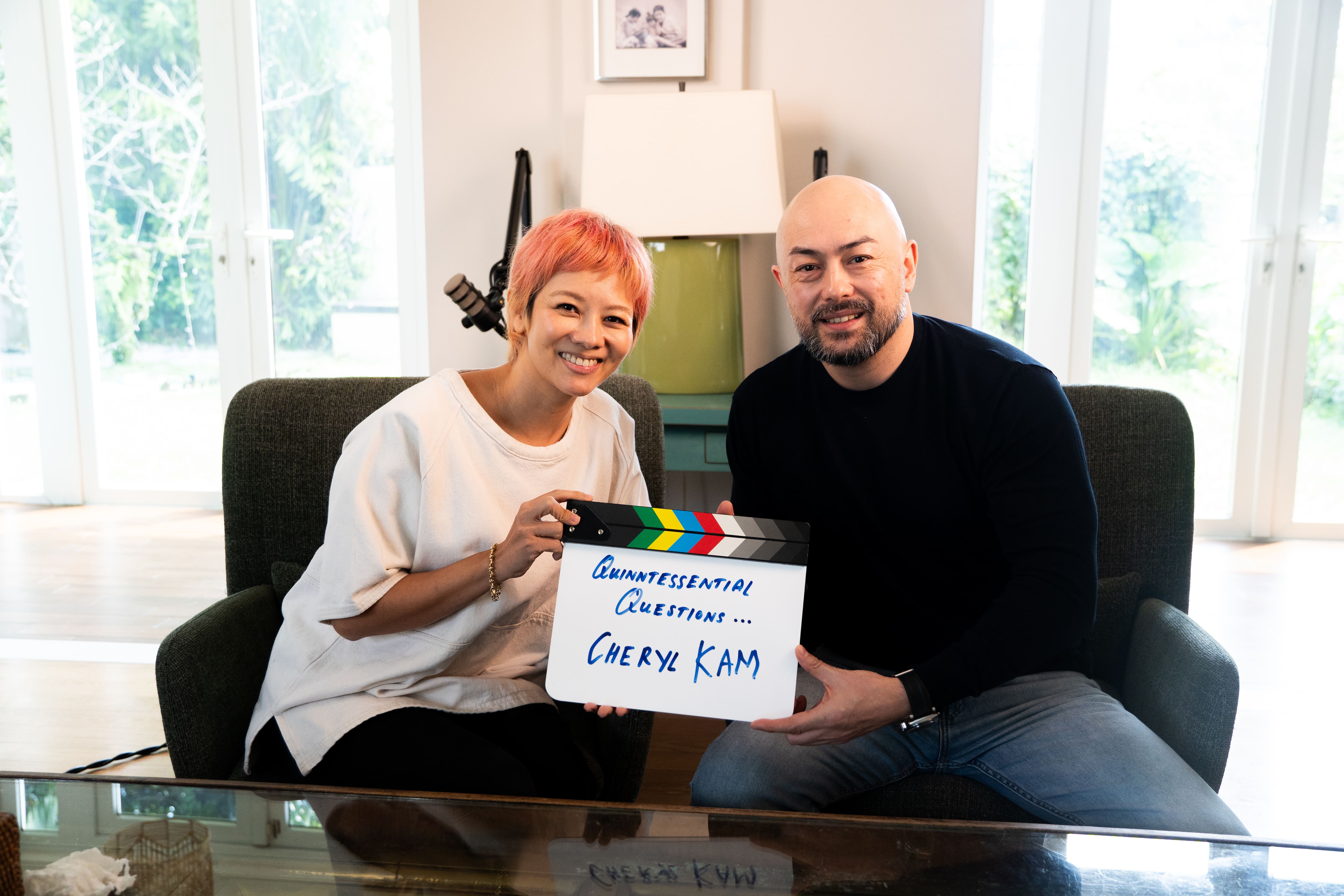
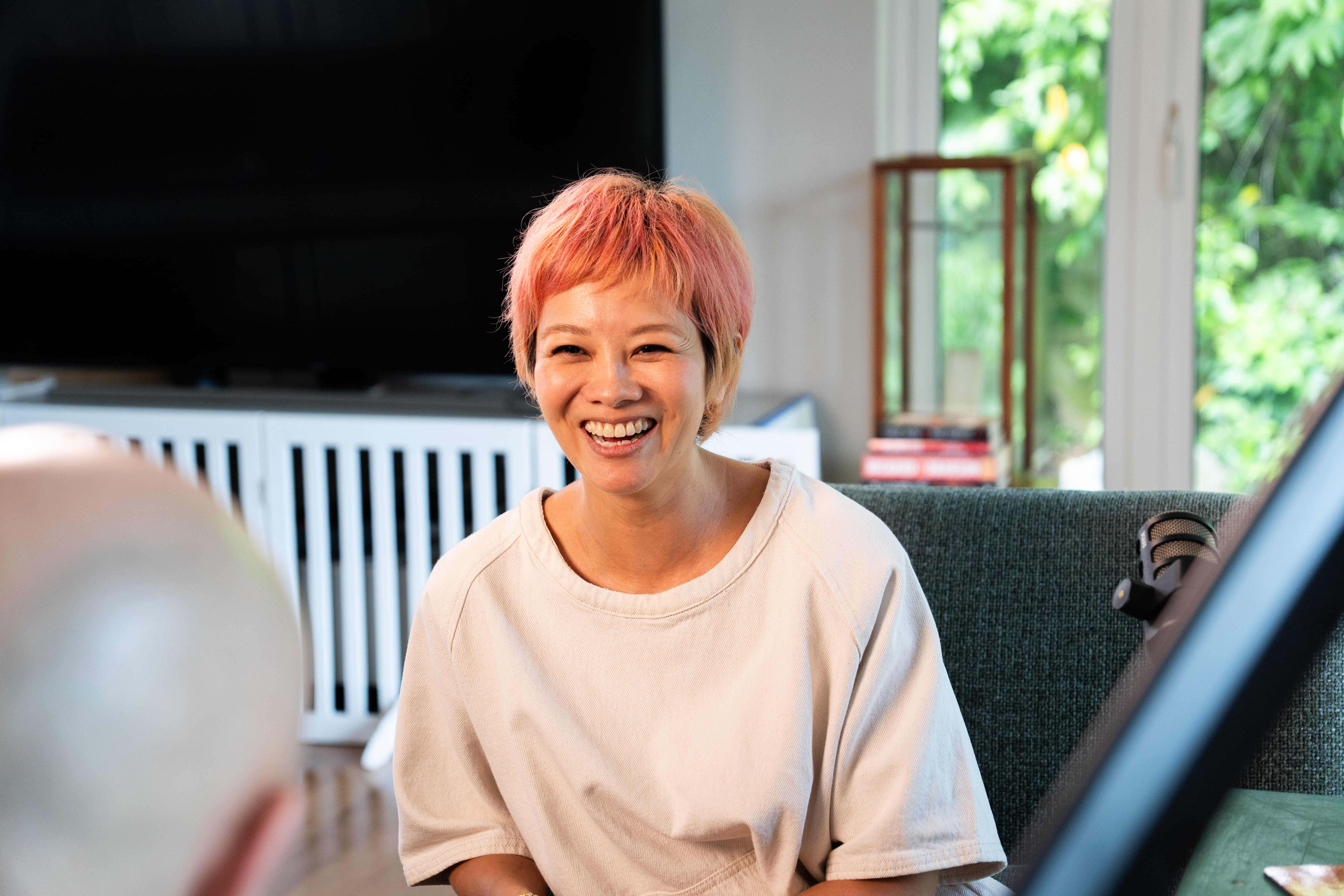
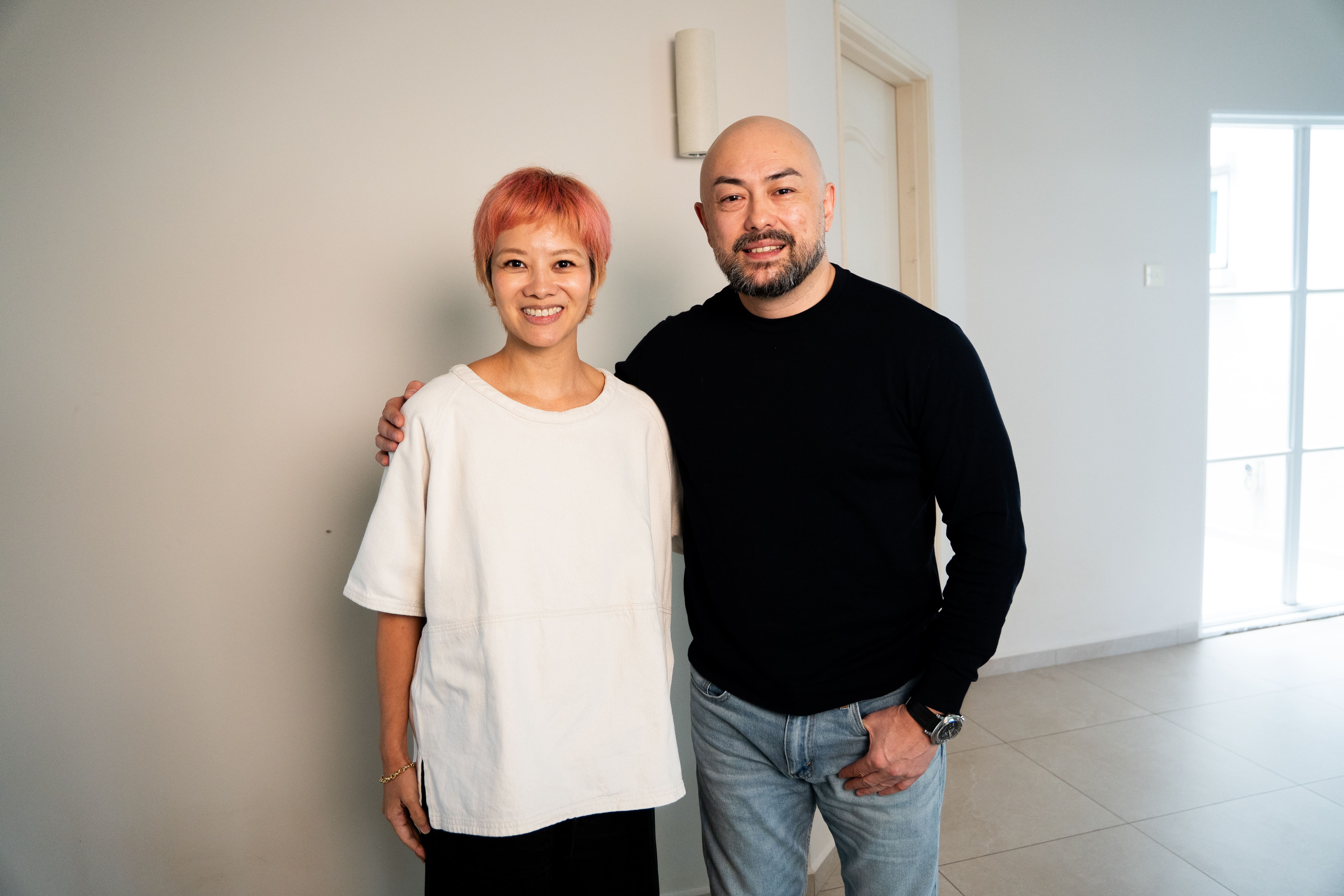
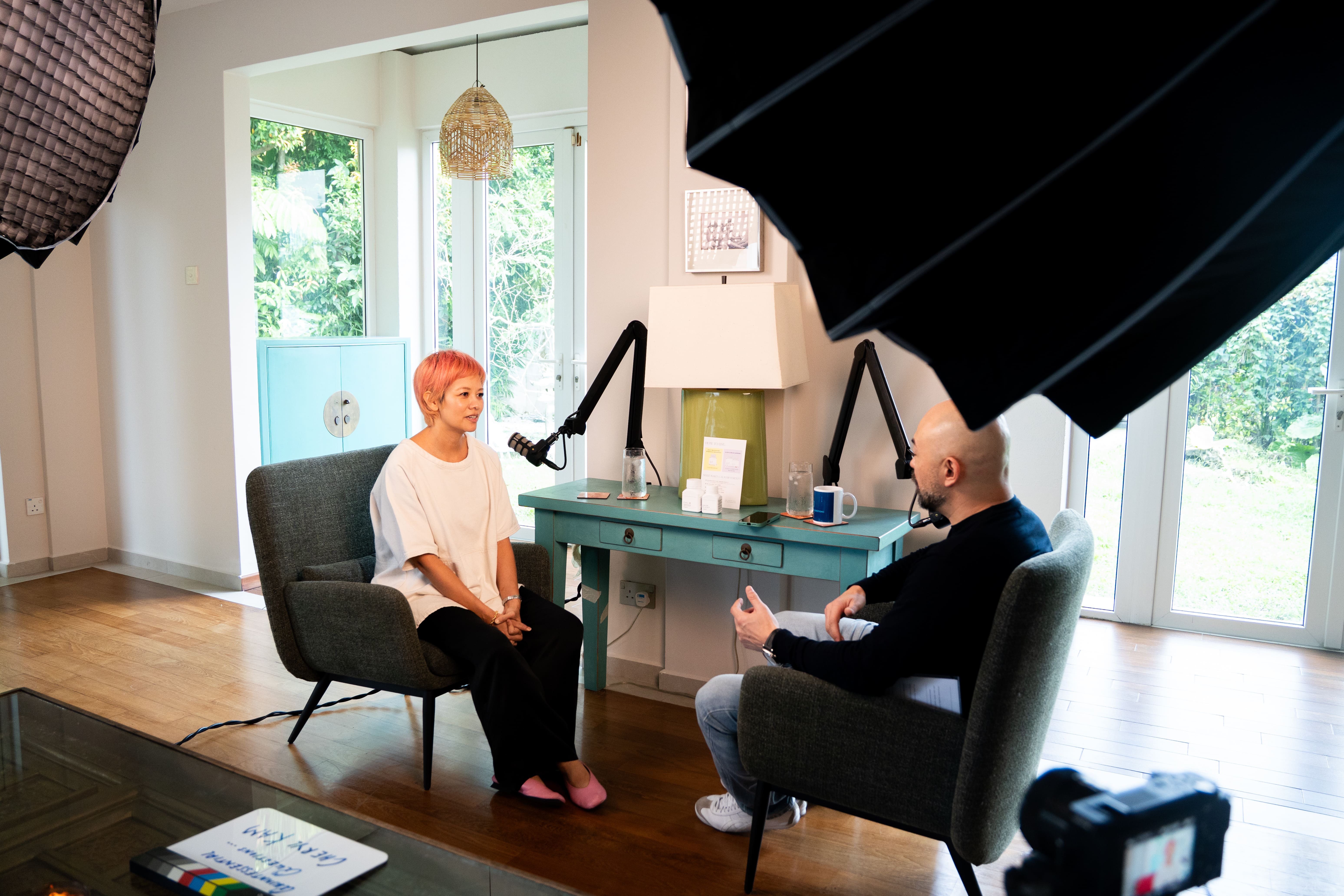
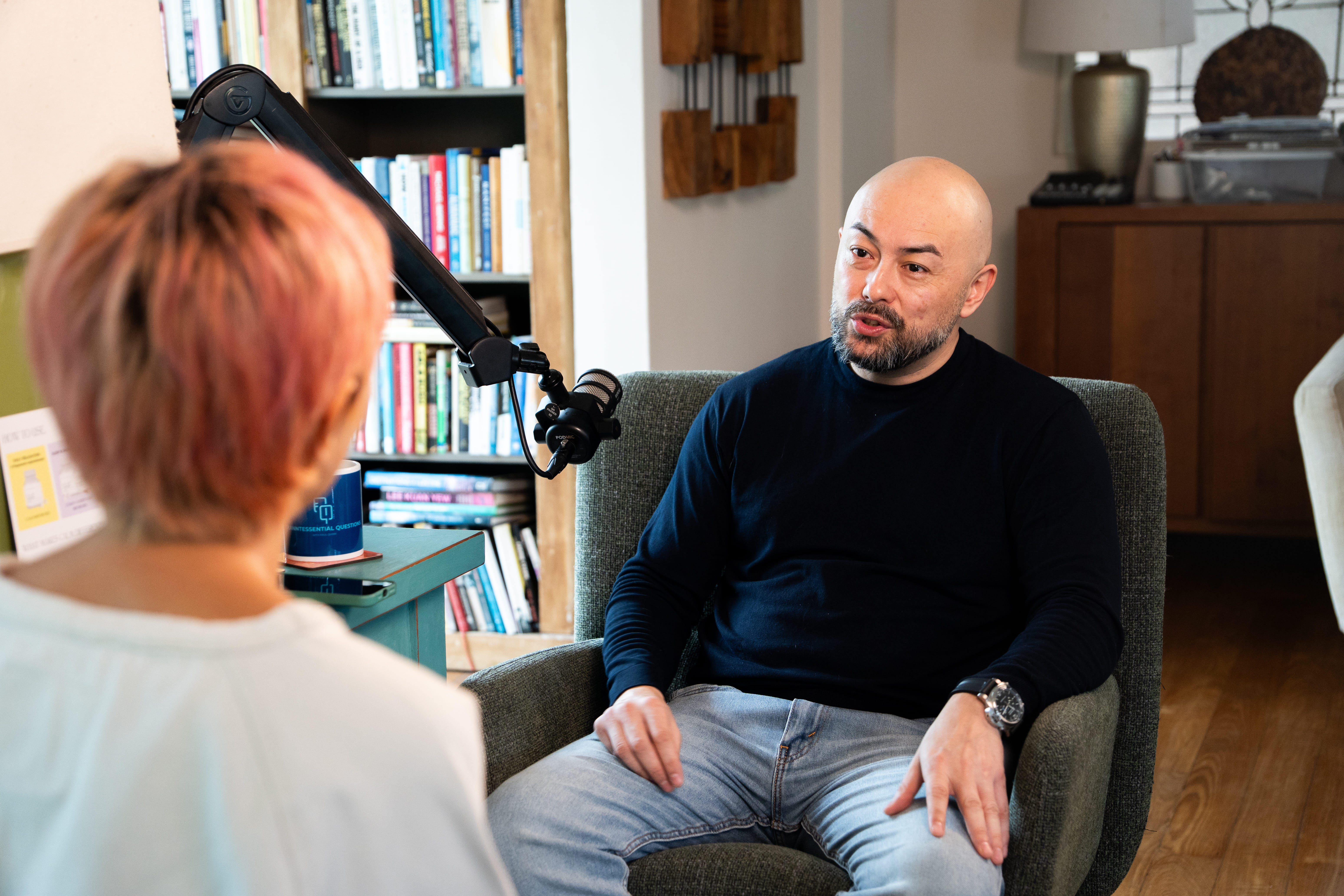
Our Other Episodes
Lorem ipsum dolor sit amet consectetur. Sed morbi adipiscing ultrices in vel placerat.
Building an AI Company Inside a Search Firm with Roger Olofsson #103
In this episode of The Quinntessential Questions Podcast, Paul Quinn sits down with Roger Olofsson, CEO and co-founder of Olofsson & Company, the executive search firm hiring for startups, AI, tech and fast-growth companies. From a childhood in Luleå, near the Arctic Circle, to landing in Singapore in 1996 as an exchange student with a backpack and a suitcase, Roger shares his transformation journey through almost three decades of recruitment in Asia, and the moment he finally backed himself to build his own firm.
One Video, 70K Followers: Jess Whitney Morris's Breakthrough | #102
In this episode of The Quinntessential Questions Podcast, Paul Quinn sits down with Jess Whitney Morris, model, social media management company founder, and media presenter. From growing up in poverty in Uganda and working-class England to working her way through Abercrombie, Hollister, and a self-funded university degree, Jess shares her transformation journey and the moment her father tore up her first modelling contract in half.
I Interviewed 100 Extraordinary People. Here’s What I Learned | Paul Quinn
In this episode of The Quinntessential Questions Podcast, the host takes the hot seat. After 100 episodes in the interviewer's chair, Paul Quinn, who runs Westport Executive Search and founded Quinntessential Coaching, answers questions sent in by guests, friends, family and listeners. From hitting a career plateau to building a podcast that now welcomes Olympians, world champions and global CEOs, Paul shares his transformation journey and the moment he decided to put a spotlight on helping people.