
Why Your Mind Is the Strongest Muscle You Have | Lim Yao Xiang #94

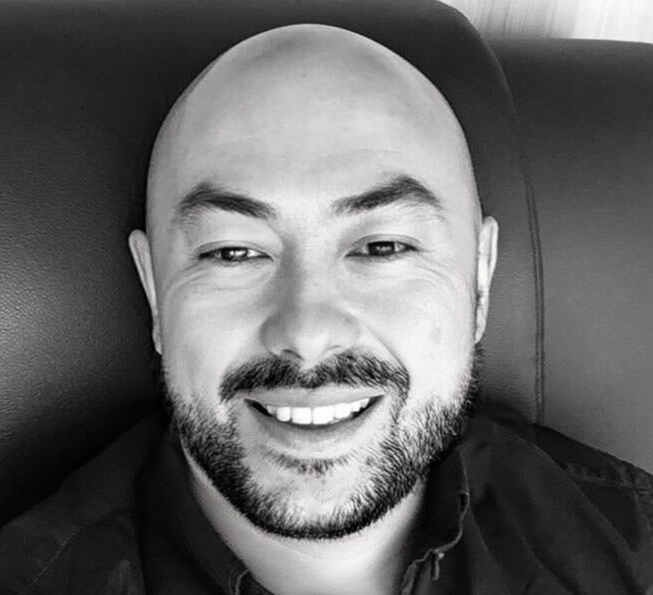
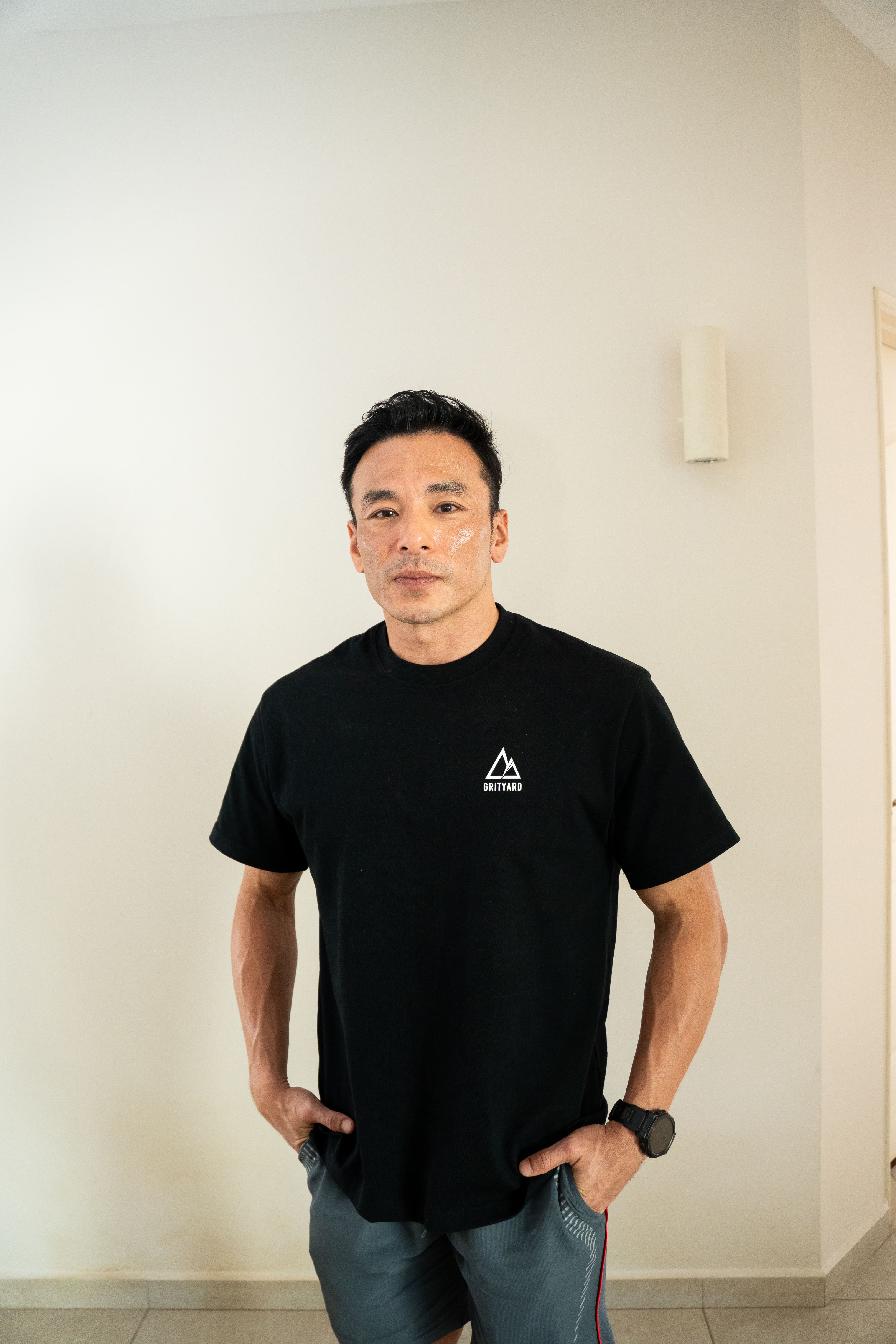
In this episode, Paul Quinn interviews Lim Yao Xiang, an athlete, coach, and co-founder of Grid Yard. Yao Xiang shares his inspiring journey from learning to swim at a young age to representing Singapore in multiple sports, discussing the mental challenges and realities of athletic life in Singapore.
Bio
Lim Yao Xiang is a multi-sport SEA Games athlete, coach, and co-founder of GritYard. He learned to swim at nine years old and within two years was representing Singapore at national youth level. After a decade in competitive swimming, he discovered fin swimming at 21, won the Singapore trial the following day, and went on to claim a SEA Games gold medal. He then pivoted to water polo — a sport he had never played competitively — and within eighteen months represented Singapore at three SEA Games. Returning to fin swimming at 40, he broke both national and World Masters records competing against athletes who had trained in the sport since childhood. Beyond competition, Yao Xiang spent over a decade as a Physical Education teacher and swimming and water polo coach at Raffles Institution, guiding his girls' A Division water polo team to six championships in six seasons. He currently serves as Team Coach at the Singapore Swimming Association and coach at Chinese Swimming Club. Together with his brother, he co-founded GritYard, a training gym built on the belief that being athletic is a concept, not a person.
Transcript
For the next 5 years, I was scared to swim every time when I raised the event. Firstly, I broke a few uh one one or two of the national record and then the world masters record. Within 2 years of learning how to swim, I was in the national youth setup. How our minds are such powerful tools and my mind led me to believe to be fearful of my favorite event. 3 days later, someone from the fin swimming team say, "Hey, why don't you come and try this new sport called Finn Swimming? We have a C games trial." Two days later, damn, how am I supposed to pick up a new sport that I've never tried? And then we went to C games and then we won one gold medal. But the inbetweens, it's hard for you to >> That's where that's where the work is done. >> Yeah. >> I always think the work the work's done in the shadows. And >> sometimes you prepare a lot for something that you think that you're supposed to be doing. >> Yeah. >> But it's actually preparing you to be ready for something that you may not know that was waiting for you. The key thing is when a door opens, walk through it. >> Thank you for taking the time. >> Yeah, thanks for having me. >> My my pleasure. So, what I want to do is I want to unpack your journey, but if you can just give a quick intro as to who you are, your background, and then we'll get stuck in. >> Um, I think a great great summary for me is uh my name is Yaoyang. Um, sorry, Yaoyang. U 44. Um I'm in the pursuit of my own business building on beliefs and of fitness that I want to share with the world. So um and through my own personal actions um that I want to showcase that whatever you believe in and if you believe in it you have to see it through um no matter what society says people say you know um and I think it comes with a lot of gratification at the end of the day. >> Yeah. but only having to go through a lot of obstacles because I think when you try to path your own way, people will tell you not to do that because you're supposed to be doing something, >> you know, and that's a conflict that I actually enjoy because they tell you to be unique, >> but yet they they want you to conform in in in certain ways. So, >> I like not conforming at times. Yeah. >> Listen, to be an outlier, you can't conform. You got to do things unconventionally. >> So, so share your story. You grew up in Singapore. How did how did sport find you? >> I think Yeah. So, typical Singaporean HDB uh parents work in the office, you know, um just to support the kids. Um I think I discovered swimming like every other Singaporean kid is when you learn to swim at a young age. And when I say young, mine was actually old because I was nine. >> Okay. >> So, I picked up swimming at nine. uh took a year to finish my SS which the teacher said was quick fast then say why don't you just try this national uh yearly annual national games for swimmers >> at that age already they saw you straight away bang >> so there was age groups 11 and under uh 12 and 13 14 to 16 and so on so forth so I was in the youngest group so at 10 years old I went for my first race I was like oh I got fifth >> yeah in Singapore, you know, and for someone who doesn't do, my parents don't do sport to them. It's like my son's fifth in Singapore. Then the coach was like, "Oh, next year he can in a national team, then how does that work?" So they say, "Why don't you just train one more year? You'll be 11 and you'll be the oldest in the age group." And judging from this year, there's only one kid that is faster than you cuz the rest of them are now 11, so they'll be in the 12 year. >> Yes. And then blindly we just said okay let's train five times a week or six times a week I can't remember from once a week and >> you were only training once a week at the time you learn to swim then you say okay just come every Sunday and you see Sunday and then you just go and race. >> Yeah. Yeah. >> Yeah. So and then >> so within two years of learning how to swim I was in the national youth setup. >> Amazing. >> Right. And and because of that I was brought over to uh a pre prestigious club. >> Yeah. Yeah, >> swimming club which is still around >> and when I went there I realized >> I was a small fish even though we were in the national team. >> All my mates they were competing since it was six seven >> you know. So um did 10 years of that wanted to go for C games uh missed out in C games by barely a second or half a second and then at the same year fins there was a sport called fin swimming which I knew nothing about. Um >> how old were you at this stage? >> So I was 21. >> 21. Okay. I >> I waited for many years at six at age 16 I was third in Singapore. >> Yeah. So hopefully by 17 we should try for C games because that was the next year. >> But uh I did very badly when I went to college held on for 5 years because I think that I think that 5 years was very interesting like I realized that how our minds are such powerful tools and my mind led me to believe to be fearful of my favorite event. So I couldn't do well in 5 years. >> Really? >> Yeah. It's quite crazy. >> What was I want to unpack that what was preventing what was holding you back? So because I did well in act 16 and then um I trained fulltime for 3 months cuz that time was like a 3 months JC that you didn't need to go school much >> so I train all like day in day out every day and then I came back 2 seconds slower >> and that really flipped by I like >> you're scared so for the next 5 years I was scared to swim every time when I raised the event. >> What event was that? >> Uh breast stroke. >> Okay. No what distance? uh 100 m. >> So 2 seconds is quite a long time for 100 meters. >> Oh, it's it's a lot. So that's why it was so damaging as well. >> What was it? Do you did you unpack it? Was it had you put weight on or something or muscle? >> So we to be very honest there was no solution because at that time no coaches would know and our coaches did not see us throughout. >> Yeah. So my coach at 16 and my coach at 17 was different coach. >> So they there was no contacts or anything you know. So long story short, uh I sort of gave up trying for the national team although I was still in the circuit. I think what was unique was that I decid I knew that I couldn't go for the next C game. I decided to just try water polo and and I picked out water polo and I want to go with the college team and I still had to swim because I was a DSA kid which means I went through swimming. >> Yes. And because I knew I didn't train much, I was like, let's just just swim. There's no expectation. And I actually came back almost to my best time when I had no pressure >> really. >> So I realized that it was all in my mind that I couldn't do it. >> It's very powerful. >> So I came back 21, I said, "Let's try one last time." At 21 years old, by then from third, I dropped all the way down to fifth. >> So it was quite, you know, like we all touch at the same time. Literally the shot clock, the first five names were the same. >> Crazy. >> 107 just that. And I was fifth. >> So I mean >> that's going to piss you off though. >> Yeah. So I mean and the weird thing is 3 days later someone from the Finn swimming team said, "Hey, why don't you come and try this new sport called Finn Swimming? We have a C games tri how am I supposed to pick up a new sport that I've never tried?" And when I went to the pool, I realized they're all swimmers. >> Yeah. >> My my my peers who maybe didn't have the chance to go to see games. So they they were the next tier down. Yeah. So they did try and they were investing their time for the last six months apparently. I was like, damn, I didn't even know this existed. Long story short, I >> I jumped in, wear a snorkel, couldn't breathe, wear the big fin, had no idea what I was doing. Uh the next day I went for the trial and I came in first. >> Wow. >> Yeah. So then I realized that maybe my swimming, all these years of swimming was to lead me to fin swimming because I was so strong. >> Yeah. that without an additional help like a fin, >> yeah, >> I couldn't move as fast through the water. So interesting. Once I have the fin, my strength could shine through. >> I was like, this is crazy, you know. And then we went to C games and then we won one gold medal and then that was the end of fin swimming. And then I said I tried water polo in JC without any water polo background and in four months I could make the first team >> compared to my peers who took 5 years to be there. So why not try for the national team? And then within one and a half years I went to three more C games for water polo. Even though I picked it up at 23 24 >> most people half of people actually quit the 23 24. >> That's the thing. >> Yeah. >> So I actually went to my first C game at age 27 for water polo. Yeah. >> I didn't know that. >> Yeah. So that's my second C game but first in water polo and went 20 27 29 31 wanted to play for my last one at 33 uh but was asked to give a chance to someone not that I'm I was at tail end at that point of time. So and then 33 then I came back again I retired totally no competitive no competitive sports age 39 uh they said C games going to bring back fin swimming would you like to try and I was like wow I'm double the age that I tried before where's my fin it was still sitting in the cupboard tried for half a year with the young kids they were all 20 21 and then I made the team yeah so I was Oh, I could still do it. I'm not the same as I used to be, but I'm still fast enough at the current stage. >> So, that was >> tremendous. >> Yeah. So, I think there's a lot of lessons. >> A lot of lessons. >> Yeah. Knowing that uh life lessons will be to say sometimes you prepare a lot for something that you think that you're supposed to be doing. >> Yeah. >> But it's actually preparing you to be ready for something that you may not know that was waiting for you later. The interesting thing about I had one of my idols growing up was a guy called Roger Black >> who won the Olympic silver medal in the uh 1996 world championships 400 meters behind Michael Johnson. >> Right. >> And one of his training partner is a guy in the UK called Chris Akabusi >> who was probably the number one 400 meter runner at the time >> and Roger Black and another guy called Derek Redmond were coming up. They were younger. Yeah. >> And they trained together and then Chris Akabusi realized >> I can't compete with these guys. So he changed his event from the 400 to the 400 hurdles, but his goal was still to get an Olympic medal. >> And what I' what I've realized in all sports, you know, you you you can you can adapt. >> You know, it's it's it's like the sprinters that become bobsled, you know, it's you can try many different things that are transferable in life. >> 100%. >> Right. And and yeah, I think that's >> and you have to be >> but I think the first thing that you need to do is >> you have to put in the work at what you're supposed to be doing in the first place and but because you have done that work you were ready for the >> next opportunity that came along without you expecting it and you ready to grab it. I think that's >> now a lot of people might not know that that you've been a teacher. >> Yeah. >> Share that story because a lot of people may not know that part of you. I think >> yeah I think if anyone sees me they will know that I would I don't look like a typ typical teacher in Singapore right uh I I don't know what teachers look like overseas but >> yeah not not like you >> yeah so in in I knew that I don't look like a teacher I don't behave like a teacher and I know that my my ideas and the way I want to teach kids and interact with kids can be maybe a little bit different >> what will you teaching >> um I mean obviously uh physical education the second subject that I was supposed to teach was social studies but I was quite lucky to be roped into a college Ruffles college at that point of time. >> Yes. So my the the focus was came a full circle that I was now taking charge as the teacher in charge for swimming and and water polo and because Raffles is a six-year program >> uh the idea was that after my second third year I would take on the the the secondary school side >> you know with the help of the school. So I think that was my six years in in in in teaching which was really very interesting >> you know if you because if you look at what you've just said about your journey and if you if you look at your friends uh Sham UK Sham >> he actually came in I didn't know he came into sprinting quite so late >> and he didn't really have a proper training program. I'm curious like if you go back in time and he had world class training facilities and coaches >> I I I suspect he would have run even faster. >> I think >> you know >> that's there's a saying right that the athletes today are >> more athletic than the athletes in the I I >> don't really think that's always truth. Yeah, >> I think it's a science behind it. The training methodology, the resources >> for sure >> that like you correctly mentioned, you know, so I actually, in fact, I actually knew who Sham is. I was in college. >> You told me. Yeah. When we spoke. >> So he was I think he did mention this story whereby Uncle Ping Chong gave him a job. >> Yes. >> To coach as a SNC. I was like, "Oh." So that's the first time I saw Sham. Wow. Then we went back. So that means we we knew each other since we were, you know, 17. I think he was probably 20 at the point of time. >> Yeah. >> So, you know, so he taught us some sprinting mechanics. >> Yeah. >> I was like, but I'm not a runner. Why? You know, that kind of thing. You didn't understand what you need at the point of time. >> Yeah. >> So, I think I and I know that he didn't have much help. >> No. >> Uh as much as the the help the runners nowadays have. >> Yeah. >> You know, in terms of the technology, the shoes in fact. >> And he managed to do what he did, you know. Uh I think he'll be quite respectful. >> Yeah. >> Right. It's it's in hard to imagine what he have gone through in order to >> Yeah. Well, he he he said this one thing. He was he one of his best friends, one of my best friends, a guy called Kamal and he connected us. But what was interesting was uh in the podcast he said he didn't want to go home because things weren't so good at home. So he stayed on the track, >> right? But what what what I've learned is is you know >> if you start off as a child early >> and that hard work is put in there it's very difficult to replicate it. So if you're coming into a sport later on >> Yeah. >> like what you did was really amazing when you think about it cuz you know you weren't even coming in at 16 17 18 all these sports were much later. So you if you think about this did you have to change the way that you process the training or >> I think that's the amazing part right where I could transit into different sports um I think it's the discipline that you have groomed since you were young >> you know uh my personal experience was that swimming is definitely a sport that requires more discipline >> than water polo at time Because I think swimming is an individual sport. >> Yes. >> Right. No one can make up for what you're lacking. No one can help you. You're going to help yourself. Whereas water polo, there's this team dynamics, partnership, whatnot, when to take a break. So I don't know. I I felt that because a swimmer, I came in and when I joined the training, I realized that I was much disciplined in my own personal opinion. M >> so I would go there early you know doing just tapping the ball against the wall cuz I I couldn't catch the ball at that kind of time and I knew that I had to catch up and the only way to catch up is to do something every day. >> Yeah. >> How far will that go? We will not know but you just have to do it first. But I think those things will >> it's it's the habits and the values that you and I'm still doing it maybe in business in in in your daily life as a husband as a son. >> Yeah. >> Whatot, >> right? Is to keep thinking what you're supposed to be doing and it's transferable. And that's how I believe and approach it when I teach the kids. >> Yeah. >> Nowadays, >> I love that. One of my favorite sayings is how you do anything is how you do everything. >> Yeah. and and I believe that you can be good at multiple things because it's the same discipline and approach and values is the same >> right so if you get a black belt in this area you apply to this >> it will take a bit of time but you'll get back back there >> so talk to me about your entrepreneurial journey so when did you and your brother decide hey >> we're going to do this >> I think yeah so the interesting was I was like you say I was a teacher for 7 years what not including the nie period was probably 10 years so I think it was moving towards was a direction whereby I could do this for a long time but is there something else that I want to do that I can't do when I'm older you know so the struggle was real in Singapore because financially teaching was very stable right >> uh uh you could save all your money on food parking because at a point of time parking was free >> right and you could so I was like wow and And it was predictable, right? But at the same time, something felt like it was missing. Like, you know, I've done all these things. I traveled. I met, you know, people from all around the world. What could we do? You know, um could I write my own destiny? That kind of thing instead of just >> because at that point of time, I was retiring from sports. uh the school sort of uh did not continue my contract right um and then at the point of time uh relationship was like going to end. >> Okay. It it made Yeah. So it made me feel like hey the only three things that I was really working very hard for for the last number of years is coming to an end which means I couldn't control anything in the first place >> cuz I always thought that the more you put in your work hard work pays off one day or what not. So I was like oh so maybe it's time to just move on and what do I want to do? So I did the scary thing of taking a break for a year. >> You did? >> Yeah. That's why I took a year off, >> burnt through my savings. And >> what did you do? >> I mean, I just >> firstly I started reading >> which I've never done. >> Uh, >> talk on that because a lot of people overlook that. To me, that ch that's when things change. It opens your mind to things. >> Uh, the reading part or the reading? >> I think to me I never read because >> it's just not me, you know. I find it boring and I'll fall asleep, you know. >> What were you reading? >> I can't remember. I just I remember when I went to uni I need to do arts and then that's the first time I had to read chapters after chapters and I struggled to keep my eyes open but then I think after that if you knew what you're looking for and I try to search for books that I want to read more about or find out about. >> Yeah. >> Cuz I hate studying >> and I enjoy learning things. >> So if it's enjoyable something I want to learn I I will keep awake a bit more. So I mean I tried to read up about doing business was it you know rich dad that poor dad I think those typical books >> so things like that um and then um I tried doing some small little business bringing >> me and my partner we brought in some um those floating platforms individual platforms that you can do exercise in the water >> okay >> so we were the first ones to bring in in Singapore we do not know what's marketing we have no idea what rental is and then we just use that as a platform to go to pools, talk to people who own the pools, uh created our own marketing. We have no idea what that is. Um so we did that for a year and they were like this is tough. What do we actually want to do? It was like oh we actually want to open a gym to sell our beliefs which is our coaching philosophies and the only way is to have a gym >> and at point of time my brother has always been a self-employed coach. M >> so he has he always believed in himself since day one >> so he came out and do his own thing from day one >> he's younger than you >> seven seven years younger yeah >> say you know why don't we just partner up join >> so nice >> yeah I was like oh obviously financially how much savings do I have how much does he have and then we put our money together and at that point of time we felt that we were the only not we felt I we We we still strongly believe until today we're the only national athletes that came out to do a business that uh we used in our past >> because we know of some athletes they they came out and they run businesses nothing to do with sports maybe with wellness >> but we are doing training which is what we've been doing since we were young. >> Yeah. And we felt that there is something in this athletic journey that we did that we can share with the common men outside. >> Yeah. >> That they can use these philosophies to improve their lives. You know that kind of thing. And then from there it slowly be venture into doing strength and conditioning for athletes uh for individual who want to pursue sports at a more social level but yet want to invest some time and then they join us and things like that and then we've been doing that for >> it's our seventh year. >> How's it going? >> I think it's tough right? I mean rental parts are tough. Uh I think rental we are spending half our time not doing the coaching stuff you know which is tough but yet >> what what do you mean what are you spending that time? So that means we we need to learn how to uh do platforms, do your social media, do marketing, >> learning how to edit videos at age 40, you know, with the current trends. >> It's a lot, >> you know, business development and then on the ground you have to find coaches, develop the coaches, take care of them, pay them, >> you know, these are a lot of think clients have a lot of things to deal with. >> Yeah. Yeah. you know, and then doing the parts that we love, which is the program creation. >> How can I create something that is uniquely uh to us Singaporean athlete that we can share, you know, hey, there's this thing that we learned in the past, >> come and join us, >> you know, that kind of thing. Yeah. So, but obviously, >> and how do you market that? >> Yeah. >> Which is a big mess. The the thing is when you become a business person, no one really understands until they do it. You're now responsible for generating revenue. >> Correct. >> So you become sales and there's many different guises to it and it's uh you know I've been in sales for 31 years and I someone said to me >> what's what's the heaviest weight you've ever lifted and I said picking up the telephone. There are times when you don't want to pick up the telephone, right? cuz you you hear a no no many times and most of the sales guys I worked with they get burnt out because you hear no too often. >> Yeah. >> Um but I do think when you run your own business everything changes cuz you got skin in the game. Your livelihood is dependent upon it >> and therefore you give it everything. >> I think yeah I think it teaches you a lot of things that you never thought >> possible. You see from more perspectives that you never could understand. You know maybe as a teacher I was like oh why did my boss did this? Why did his boss have these ideas? Why do they make these decisions? It's so stupid. It's easy easy to criticize. >> Yeah. >> But then I realized that oh, I did not have the information or the challenges that they were and the responsibility that they were dealing with. >> Yeah. >> Right. I could make a call based on what I wanted. Yes. >> But they had to make calls based on >> maybe what the school needed at point of time. And some of these calls could mean upsetting certain people. Yes. >> And they felt that that was the best decision. Yeah. >> So now that I'm a boss, I get >> there's a lot of nuance politics. >> You know, my trainers, my members may not understand why we make certain decisions. >> Yeah. >> Because they don't have the information that we have or they know what we're going through. So that's quite interesting. Makes you a better person. Uh because when things don't go well, you tend to respond uh to your instincts >> which may or may not be good depends on what those instincts are. >> Right? Right. So, mine could be uh my fiery personality has helped me um do well in water polo for example. >> Yeah. >> Right. Because it's a bit it's a bit >> uh what do you call that? Uh a bit of combat >> nature in the sport. You hit me, I he mind games, >> you know. But then actually when you do business, you need to be you you want to solve a problem, but the approach cannot be fiery. >> Yeah. >> Because you Yeah. you you want to burn that bridge but yet obviously I've done that. >> Yeah. >> You know thinking that that was the right way and things like that and you grow individually >> uh into different roles I think. >> Yeah. >> Right. How as a brother to your partner as a friend to your business partner because >> we were that before we were business partner. How do you maintain that? >> Because there were arguments. >> There were I'm sure there still are. >> I mean there's there's arguments. Um and then yeah clients nasty clients which we don't share sometimes and and you wonder why do you put yourself through it >> but I think that's the business side of things. So I >> you can't escape it. >> I learned so much >> from the business even even if one day it stops. I will always look back knowing that I can't re replicate this experience had I not taken this uh opportunity to come out >> to be uncomfortable >> but knowing that >> the fact that I'm able to take this step out means I'm actually quite a blessed individual because some people don't even get the opportunity to say let me think of what I want to do through >> yeah but yeah but you you back yourself you know you I think you are fortunate but I think it takes a lot of courage Right. And listen, I've owned my company for 20 years now, and I've I've seen a lots of ups and downs, >> which people don't see. They they see what they want to see, but the reality is I always remind myself I'm I'm not a toilet cleaner. >> So, I'm grateful. Although I still have to clean the toilets every now and again, but you know, and I think if you smile more than you frown, >> right? But it's a choice. And actually I think guys like you, you probably even though in training there's a lot of mundane, there's a lot of repetition, but I can't see you and your personality from what I've seen in a school, you'll be you would struggle, you know, you'll feel contained. >> Correct. So I mean that's why I said uh I shared just now I was not your typical teacher. the things I wanted to do weren't really a teacher like I think because in especially in Singapore in my opinion growing up in Singapore as a student you're supposed to follow rules. Yeah, >> there's a time for this, you do this. When this happens, you do that. And I think I struggle with that as a kid. So, I get into trouble. >> But because we try to be different, that's why we're successful in certain parts of our lives, maybe as an athlete. >> But then now as a teacher, I need to be doing my job within those lines, which I feel that, you know, sometimes we can just move out the line. >> Yeah. >> Let the kids fail. >> Yes. you know uh make that a bit tougher little there are certain policies I don't really understand I I mean they may not be wrong would uh if I can share one would be um I believe schools um reduce the number of P lessons >> or and definitely CCA uh training sessions during nearing exam periods nearing term uh test periods And the reason is because they need time to balance their studies. >> But you took everything away. There's nothing to balance. >> Yeah. >> The only way to learn how to time manage is you give me three things, I have to manage them. >> I love that. >> Right. Which is what we did. >> Yeah. >> And if I did not do that, something suffers. >> Yeah. >> And I learned from that. >> Great point. >> Right. I actually almost retained at 15 years old because I put so much energy into my training. >> Yeah. And then I realized I have to pass. >> Yes. >> To go to sec four. >> Yeah. >> Okay. But I want to train this number of times. >> Yeah. >> So now what do you need to do? Yaang sleep later, wake up earlier, give up something else. >> Because you can't give up swimming. >> Yeah. >> You don't want to. >> You have to study, right? At least pass. So you need to give up. So you find ways around it. But right now it's like you're telling the kids, at least in my head is there's a big exam. >> Yeah. >> Coming up. >> Forget everything else. >> Yeah. >> Take this commitment away from you. But that's not how life works. >> No. >> In fact, >> great point. >> It's opposite. >> Yeah. >> Right. You have a project due in in in at work. >> Yeah. >> Big deadline. >> But that deadline is not going to move or change because you have having a you're having a family crisis at home. >> Correct. Got to deal with it. >> Exactly. So to me that's how you become resilient in the first place. >> Yeah. >> By suffering. But I believe when we suffer even in Singapore we all have a safety net. >> Yeah. >> Things can only go that bad. We're not going to let you suffer until that no one's going to help you. So actually it's >> okay to suffer, right? I feel or to >> it's part of learning. It's part of learning >> bruises and know. So I mean that that was one reason why I felt that I can't if I had to stay I had to give up that uh that belief I have >> which was tough. >> Talk talk about longevity and trending cuz I turned 50 next year and my challenge is cuz I run three businesses and I've got three kids. >> So like I'm an Uber driver the most evenings and weekends, right? You know, like my daughter finishes basketball training >> like sometimes 9:00, half 9, 10. >> And I'll stay. So I'm at work from half 7 or 8, >> finish at work at 7 or 8, go and collect to bring. So it, you know, it's where do you get time, right? So if I train now, it has to be early in the morning. >> Um, but I've reached that point in my metabolism. If I look at food, >> I put weight on. >> I don't even have to bloody eat the thing. So, and you know, you've you've remained in remarkable shape, but share with me some of the things that you've learned about longevity and and health and keeping it all together. >> Um, I think first thing to put it out there is I think there's a lot of training methods, what to eat and dietry and things like that. I think one thing we have to firstly acknowledge is genetics, >> right? >> Goes a long way. >> Those things are given to us. >> Yeah. >> Can we influence them a little bit? Sure. Right. you can you can make your metabolism rate go a bit faster but you will never be as fast as someone who is naturally a high metabolism rate right so I think once you have that you sort of manage your expectations right so it's like I will never become a supermodel that's 1.8 it I I can't I just physically cannot and if I allow and tell myself >> that's not within my sphere of possibility >> accept it >> just accept it but without downplaining yourself what's the best I can be in that kind of sense >> 100% >> so the next thing would be I feel >> and one question in my head will be how have I been able to maintain obviously the work is there >> but I also know that while I'm still the frequency has not dropped as much But I know the intensity has dropped a lot because my body can't be going hard 10 days a week. >> Yeah. >> But yet I have not been able I have not put on weight >> you know. So something must be doing well and I realized that it is the longevity of work including my brother who is even leaner that we've been doing since we were kids >> and the body adapts. >> Yeah. >> Right. It's not because I in my 30s uh the ads that you see 12week program >> I don't I think those are marketing. >> Yeah. >> We have put in the work since we were 10 11 and we've been doing it non-stop in our 20s 30s now into our 40s and the body adapts in that way. When it trains our training methods firstly what we do is important. >> How you do it the mind body connection. Are you present? >> Yeah. >> Or are you on your phone half the time? >> Yeah. you know, um, >> can you talk about that? Because a lot of people I see the gym and they're like, but there's no intensity. There's there's no focus. I I I think when it comes down to um really getting results, I believe those really experienced trainers would tell you is will tell you to do less >> because they will know that there's a lot of things that people are doing out there are doing too much >> and they're not doing the right things. They're just doing a lot of things for no reason. So the intentional part or the mind body connection like me I we were talking about just now is firstly why what is your goal how you going to get there would be the exercises that you need to commit to next is really understand why you're doing it and the last one is how you're doing it. >> You know like we were saying it's easy to just keep jumping but do you know what you're doing? What is happening when you're jumping? Right? And if you keep building that bridge, that relationship with your body, uh it can be a body part, with your mind, could be your knees today, could be your fingers tomorrow, and you can control all these things really well. I mean, that's what happens when you unfortunately become paralyzed. You lost the ability for your brain >> to draw that connection to whichever part that has lost ability. So while we have it, are we really maximizing that extremity that you're doing? It's like, you know, when we're studying, everyone just goes through assessment books after after one another. >> That's all. Yeah. >> Correct. The more I do, the better I'll get. >> And and sometimes when I see kids last time in school, my question is, >> why don't you just do those that you don't know? >> Just be better at things that you don't know. >> Yeah. Work on that. Why you keep doing questions that you know you can solve? >> Yeah. >> I say, don't you think you save a lot of time? Yeah. >> You know, little tricks like that. >> Yeah. >> Because that's how I did it. >> Makes a big difference. So, you're very efficient. >> Yeah. Because >> you need to know what you're doing at that point of time when you're training. And I think training nowadays has become bigger weights. >> Yeah. >> Um more sweat. >> But that's not intentional moving. You're just burning calories without your body knowing what it's actually doing. >> Yeah. >> Accounting. >> Walk us through your week now. What does it look like your your physical training? >> Um, so right now I'm still compete. I'm still trying to compete in fin swimming. So I try to go to the pool two to three times a week. >> Okay. >> Which may not be enough, >> but uh >> How much time are you putting in? An hour a session is it? >> I think an hour and a half. >> Oh, really? >> Yeah. And a half. So it's very it's actually quite short >> for swimming. Swimming swimmers take like two two and a half hours >> really. >> But I realized that I can't do that anymore cuz firstly I'm not that. >> So I again I train my I changed my mentality when I'm there. So today it's about sprints. I just need to get good six to eight good sprints >> and the rest of the time what do I need to work on and it's not so much about mileage mileage mileage. And I realized that uh and then once I do that then I'll say gym let's do gym twice a week three times a week. Um it used to be one half hours. Now I try to keep it to within an hour. >> And I go in I say okay I need to do my mobility work and I'm very specific in what joints to do. Um I need to carry heavy move fast. That's it. >> I love it. >> Three to four sets. >> Well no one talks about mobility enough. >> Yeah. So three to four sets and then you need to be intentional to move fast. And I think when you're moving fast, you're actually burning more. You're for sure >> you're using more strength. So your muscles are contracting more. So now if you learn to do all these things well, >> you actually burn more calories overall. I think that's why sometimes when we do a same amount of work or duration of work, we seem to be doing more. >> Not because we are fitter, we just put things together better. >> Yeah. How did you marry your brother's uh training and your training? Cuz he was a sprinter on the track, right? >> So he So it was quite interesting. So when I went for my world uh masters and I wanted to go to the world stage, I have never been there. I said uh my younger brother, why don't you be my coach, >> which is quite weird. Firstly, he's younger. Secondly, he's not a swimmer. >> Yeah. >> So he was he said he found it quite interesting because he has never done a program for swimmers before. So he had the opportunity to go and research. So because when you are doing something new, you're also learning and and we like that. Right. So he he gave me some exercises. Now like other than one or two, everything else looks like track. >> Yeah. >> Right. You're doing your box step ups, your isometric holes in a 90° angle. This is like running. >> Yeah. >> Right. And then he he did mention why his idea is like whether we're running or swimming, we're using the same muscles. >> Yeah. is just moving in a different medium. >> Yes, >> it is moving in different uh angles >> but you're still using that. So the only difference is my input will be my spot move in within this angle. It doesn't it's not as much as yours for example. Then we just tweak according to that. Uh okay let's just do it right. Um, yeah. So, I went ran through his program, did more, carried heavier for my pull-ups than when I was in water polo. Jump higher. Uh, weights wise, I could carry as heavier, maybe not as heavy as, sorry, not not heavier than when I was past I was 40 by then. >> Yeah. >> I was carrying something when I was like 25. >> Wow. >> Right. Or maybe improve a little bit, you know, counting. So, I was like, at 40 years old, I could do this. >> Did you see a difference? >> Yeah. Yeah, I mean firstly I broke a few uh one one or two of the national record and then the world masters record you know so >> amazing >> for someone again I think for all my sports I got baby in the baby in a sense of the duration of time >> because when I went to the masters people in the same age were exactly the same age but they've been doing this sport since they were 11 or 12. >> Wow. >> Yeah. I say oh I picked it up at 40. I mean I did once when I was 21 but that was like for a month >> and then I never did it again and I came back at 40. >> Crazy. >> So I was like oh then yet our timings are the same. >> Yeah. >> You know so to me >> Yeah. So I think these are things that really reinforce uh that some of the things that I have been doing or my brother has been doing is actually correct. >> Did you you know when I when I uh spoke with Amanda Lim she said that she didn't do any specific sprint training for a long time. did multiple different events. >> Um, but like if you look on in track and field, everyone specializes even if it's say one, two or two and four, >> right? But you wouldn't be doing two and 400 and then running 1500 meters. >> And and that amazed me and I think a lot of her breakthrough is in the last two years training in Australia. >> Um, so that's one part of the question, but the second part of the question is being a self-funded athlete in Singapore is so difficult. it it's almost impossible in my humble opinion to compete at a world stage if you're fully selfunded because yeah >> you don't have the financial means to do everything. So I think there's a misinterpretation or concept that if you sees an athlete doing well a lot of people assume we are funded >> you know um no there there is funding there is definitely funding >> but most of the time it's either the individual or the family firstly is able to >> secondly is willing to spend that money >> to say let's pursue this even if it turns out to be nothing. >> Yes, >> I think that's the challenge beforehand. I would think that Singaporeans there will be more people who are actually actually can afford they can actually afford to say let's do something to pursue this but it's always asking what do I get back in return >> and that stops them from doing that investment. >> That's a great point. I feel I not that saying that it's easy for everybody. >> Of course, >> right? I think you have to take into account >> there's you can't guarantee a gold medal. >> Yeah, you can't you know and then again it's about worth. You're training very hard. Is it always about medals? Because imagine you train very hard just to qualify. >> Yeah. >> To compete. >> Yes. >> And and then >> Yeah. >> Then people say, "Wow, why why do you waste your time on that?" But if it means something to you, it means something to you. I mean, it's the same thing. What I'm doing now would be I'm selfunded, you know, uh our sport is small, so I need to find I need to swim in the morning. I'll just go to my pool, my my club and then ask my coach to come down to just give me some timings. Yeah. And then things like that. Coach is selfunded. He's he's not being being paid by the athletes. Oh. >> Right. >> And then people ask why why do you keep doing this? That's it. You know, I'm happy and lucky that I can do it. >> Yes. >> You know, um because I don't have a family. >> Yeah. >> Uh my kids, I don't have kids. >> Yeah. >> So again, these are priorities, >> right? So I think a lot of athletes I think the funding part will be I think recently uh more of these big corporations are coming out. >> Yeah. >> To support um this runner, I remember his name, right? He's going to be professional for two years. is going to run. And I think there is money in Singapore. It's just how do you get funded? Because everyone is trying. But how do you prove that you're supposed to be funded? Because if attempt alone is enough to be funded, then everyone will get the money. And >> well, selfunding is almost like running your own business cuz you you have a dichotomy which is you need to train, you need to eat, sleep, go for massages, >> do all the selfcare, but then you're trying to raise money that consumes time >> and and there's a certain level of anxiety thinking, I don't know if this money is coming in. I don't know if I can do this training. >> And that's so hard. I I don't know whether it's the right way to do it but at least for me is I need to ask myself or the individual who's watching this is trying to do that is how much do you need to survive? >> Yeah. >> Uh is that number really a need or want? Because if you need 5 to 6,000 to survive, for example, I don't know, >> but you want 10 because you think you need 10, then there's no way you're going to be able to earn 10 because to earn 10, you need to be in certain jobs that will never allow you to >> see the day of light. Yeah. >> Right. >> So what can you make that sacrifice? >> Yes. >> Right. >> Yes. >> Meaning people say practical, I need to buy a house. Why not? >> Maybe you can buy a smaller house. I don't know. Again, I I think people hate me for saying that. >> No, but you've but you've got you've got a concrete mindset. You understand what is required. It's a sacrifice. You have to be prepared to forgo some things. >> Yeah. For me, it's my future, you know, now married what not. Okay. We need to get a house. So, what's the agreement? Can we get a basic one? Blah blah blah. We need the cooperation of our partners and our family members for sure >> to say that I think in life this is what we need. You can go and pursue your other things and then we work around that. And I think um when it comes down to support, I think you can't wait for the government to support you. If you want, you can go and do it yourself first. You >> got to go and get it. >> And then I think there's many ways uh I think nowadays with social media and if you're athlete, I think I think there's great value in being an athlete uh now because I think a lot of brands see athletes as the epitome of a lot of things. Rest. >> Yeah, >> it's quite interesting. I never knew or thought of that is because there was a mattress that say I would like to sponsor you and a brother. >> Yeah. >> As athletes like >> why >> why no but it makes perfect sense. >> Then they said because athletes need rest in order to perform and if you are using >> my product >> to sleep then it should be for the for everyone. >> Yeah. Yeah. So I think this is actually an opportunity for athletes to invest a bit of time and I believe there are brands out there. >> Yeah. >> Because I'm quite lucky in the last two years when I pursue this world masters thing. I actually went out >> the deck basic one to say who I am >> you know I I'm training >> uh I need massage. >> So I sent out to all the >> and then see what who gets question say >> how much do you need? What do you need? Oh, okay. I need at least twice a month. How much does that cost? And then they try to figure it out. >> And that's how I manage to save money because I don't pay for these things. >> Yes. >> As much. >> Right. So I think and that then that reduces your cost. >> Yeah. Big time. >> You know, so >> Right. Uh like those recovery compression boots. So I went to them. I they say, "Wait, why not we just give you one? Use it as much as you want." >> Love it. >> Right. In return, just do a few stories. We want to support you. >> Brilliant. get out of there, >> right? Um, >> but obviously you have to start >> maybe sending out the rejection thing, right? >> Send out to 10 or 100 >> two people reply you. Just start with two first. >> You learn because there's some art into doing all these things. >> Building this relationship with them and >> and having the courage to do it and not not taking the a lot of people will say, "Oh, I got like 98 nos." No, you really maybe you didn't. You may 50 people may not reply to you >> and you just try go >> go again >> and then the next year work with the same two. >> Yeah. >> Can you build on one more >> and then I think >> it takes care of yourself. >> Yeah. It takes because you learn and then the way you respond the way you interact and you strike a deal with these brands will be different and they can tell that you are experienced in it. >> Yeah. Yeah, >> they say, "Oh, this is not the first time you're doing anything. >> How you handled yourself >> because they said that my replies showed them that I have worked with a few people before." >> You know what what I've learned and what I coach people on is how you handle rejection is very important. So, if you ask for a promotion at work or to take on more responsibilities, prepare for it. Pitch for it. Go in like it's you put everything into it, but prepare for the no. Because if they say no, um the way you handle that rejection, if you handle it well, they'll owe you a future favor. >> Yeah. >> But sometimes you can tell it's no not now or no, f off, never, >> right? But but there's some value in that at the same time. >> I think all of that's a learning journey. Talk talk to me about like if you could cuz if I looking at you in person. Yeah. >> The funny thing is you probably could have done many different sports. Had you ever fancied any other sports? uh fancy. I mean, I like playing multiple sports, but I knew that >> I was never going to do well in a lot of them. I mean, I like playing basketball. It's a tall man's game. There's no way. >> So, I mean, I've never really pursued whatever I've pursued so far was something that came to me. I I feel like like the swimming, you learn to swim and then the coach say, "Why don't you try and then not bad, let's continue?" And then the next thing is because I swam, my school had water polo. Let's try water polo. I did quite well. Let's try the national team. Maybe in Singapore, uh our talent pool is not as big as some of the bigger ones. I managed to squeeze in despite, you know, being slightly smaller. Uh and things like that. >> Yeah. >> Right. Um >> but you do the key thing is when a door opens, walk through it. walk through it because you know there are things that you you know I and I really enjoy being athletic because I find that it's a gift >> of course >> that I think a lot of us actually have >> but it's also part of don't you find it's part of one our psychology >> it's part of who you are as an individual if you were to take that away from you you would feel very different I >> I think that's also one reason how when people ask me you know why why 40s why you still doing it I mean Even in my 30s, my friends who have kids will say, "Why are you wasting your time still playing?" >> Yeah. >> I'm like, >> "But I can >> and I enjoy it." >> Yeah. >> You know, >> and one thing I always tell myself is every day that I'm training, >> I'm playing, I'm whatever, I'm moving. Might be the last day. I mean, I think I think that is a fact. >> Yeah. >> I could touch wood, >> get injured, >> break something, get injured, and then I never ever play again. Yeah. >> And I don't know when that day will come. But before that day comes, let's move as much as you can. I mean, you're given this for a reason. >> Yeah. Roll with it. >> Yeah. So, to me, I think people >> Well, also now because you own a gym, I mean, it's hard because people assume you own a gym, therefore you can work out all the time. That's not the case. >> But, but, you know, if you're a big fat slob, >> Yeah. >> people are probably not going to be as interested in training with you, even if you had that previous, you know, >> correct, >> great experience. So, you you have to embody it. >> I think you have to embody it. You need to show that it's part of your lifestyle. If not, you won't really >> I feel that at least for me and my brother because this is who we are. >> Yeah. >> Hence, we open this gym. >> I think there are business out there whereby they're opening it because for >> commercially I open a franchise, I just take something, I have money, I pump it in. Hopefully, >> it gives me some return in the long run. But for us, >> siblings, we're different. >> This is what we knew since we were kids. Uh we are quite good at that. We are still rather competitive at our age group. You know my brother is still running track you know for he's going for masters. >> Oh is he >> right at 37 you know things like we're still doing that. >> Uh and we hope and I think we have inspired certain people even the younger ones to say you know wow at this age you can do this blah blah blah so why can't I do that as well? Yeah. >> And and I think that's quite flattering and that's all you get. Not say that's all. I think it's a lot of things to be grateful for. >> You you when you influence one person, 100 people, it's all is big positives. Um if you could if you could train with any three athletes, >> you know, in their heyday, right? Who who would you love to train with to to enjoy see what they're doing, mix it up with? Uh firstly as a swimmer I think the number one person that uh that I would like to train with ironic I won't say ironic it's actually uh Uncle Ping Chong. >> Oh okay. >> Right. Um because to me it's like in the 80s you're the fastest not Singaporean you're literally the fastest in the world at one point no matter how short that was. >> How do you do that as a Singaporean? Right. Um, so that would be amazing to to and the reason why I chose Singaporean because he is a Singaporean. He's living in Singapore. He's living our lives, you know, and sometimes when we aspire to be, you know, if I were to say Malcolm Phelps. >> Yeah. >> We don't live in US. >> No, he's close to home. >> Yeah. Correct. So, this guy is >> his achievement is great. >> Yeah. >> And he's literally someone that we can follow >> and and have a blueprint. So I think that's one uh you know the basketball would be your Jordan and your Kobe whereby like they they keep saying they're killers super competitive that switch. >> Yeah. >> I can't imagine how competitive they can mean. Those two are savages >> because those even when their peers say that and these people are the elites >> and to have the elite say that you're even more elite than them in that sense. >> It's amazing how to >> see what they do because I'm quite sure that they >> it's not just the training part but how they could be themselves and know that it might or not might it probably will turn certain people off. >> Yeah. >> And but still they didn't care >> going through that. Right. That's that's why I think Usain Bolt is such an anomaly because you know before him the sprinters were like heavyweight boxers. They would be angry like and he came and he starts smiling kissing to the crowd. >> Um but I saw an interview with him recently which was uh when one of the guys his Johan Blake who's the second fastest guy of all time beat him in a race >> and did this. >> All right. >> And he said and he said no mate. >> Yeah. >> Right. Cuz that that fueled him. Yeah. >> And of course he's a competitor at the highest level, but he hid it, >> right? Cuz he acted really relaxed, but I but I love the way that he kind of carried himself. >> You know what I mean? But for the rest for the rest of those guys, they're just savages. They've got concrete mindset. I mean, we think as a ex alete yourself, you I think there's so many intangible things that we can't really explain to people because like just the the the the statement that you just made just said is >> he took it to heart. >> Yeah. >> And then and we know that after taking it to heart, >> what happened? He he broke the world record what not. >> Yeah. But in between that moment to the moment that he won, what went through that day? Yeah. He just every day he's thinking about correct I'm going to get this guy, >> you know. So, and then the psychology of that is, >> you know, a lot of us think about the results. >> Yeah. >> But I also learned once is you think about the result. Once you see in your head, that's the last time you'll see it >> until the day itself. I couldn't understand what that means. I think what it meant was a lot of us want to achieve that goal and sometimes that goal can be quite overwhelming. So it prevents you from doing it to even start or you you get so fixated on a goal that you negate what you're supposed to be doing every day, you know. So I I I truly believe that the the best athletes know they have a goal and that's the last time they probably think about it. >> Yeah. Well, as in think about it, >> it goes back into their mind. They get on with the work and they go on. Okay, they will know like okay, so Michael Phelps will say that for four years or how many x number of years he have never miss a street and that's the first thing you need to do. You need to show up all the time. >> Next thing will be when you're showing up >> cuz right now everyone is oh showing up is better than not. Yeah, it's true. But what are you doing when you show up? >> Yeah, it's got to be productive >> and things like that and so detailed that I don't think a lot of people can comprehend. >> Yeah. uh all the small adjustments that can't be taught. >> Yeah. >> Because it's it's an art. >> Yeah. >> You know, so and that's how we train and that's how we go through life. I feel as a business owner, you will know that >> Yeah. >> There's a template to follow. >> Yes. >> But the inbetweens, it's hard for you to >> that's where that's where the work is done. >> Yeah. >> I always think the work the work's done in the shadows. And um when I when I I tell you a funny thing because I've always believed in you be gracious and you should appreciate other people around you. >> So like when I was in high school um you know I always like to think I was the best athlete >> and then >> I think you have to >> you have to you have to think in a way delusional but you even if you know that you're not you have to say that you are. >> It's okay right? It's good. And then one of my friends said once um oh you're in great shape and I said oh thank you. And I said, I'm I'm in good shape. That guy's in great shape. So I went to school with a guy called Canai Jackson. He's part of my coaching business now. So he went on to become a two-time Comwalth gold medalist gymnast. >> And um he worked for SEO sole for 15 years, 10 years as a performer and then a coach. >> And um just to give you an idea, right? So we used to run against each other and jump against each other. >> Uh but we went on to do different sports. And in my heyday, so I remember I I could do five sets of 100 push-ups with a minute in between each set. >> 100 push-ups. >> That's a lot. >> It's so 100 in a row, a minute off, 100. So very int and that training was actually from martial arts training. >> Okay. >> And then I I wanted to challenge myself against him. So I said, "How many pull-ups can you do?" >> And uh I did 45 in a row, clean pull-ups, legit pull-ups. And I thought, "There's no way." >> Right. I thought, "I've got I've got him." Yeah, >> he did 85 >> and then and then this is the guy's world class, right? At at the time there were only like five guys in the world could do uh what he did on the vault. >> Okay. >> And my point was was people always thought we were in competition. We were never in competition. Um because I always recognize greatness in other people and you can learn from them and you build it into your game and the reality is all you can do is be the best that you can be. >> Yeah. >> Right. on it. And the thing about sports which is unlike anything else if you think about it right if you came first in Southeast Asia >> imagine if you were a lawyer or a banker or a doctor and say I came f I'm the number one person in the whole of Southeast Asia. People don't understand how difficult that is. It is it is so difficult and and the challenging thing is like sport is very cruel. So if you look at like Amanda Lim she hasn't qualified for the Olympics. So when she just broke the national record, that would have met the qualifying time to get into the Tokyo Olympics. >> Yeah. >> But it misses out by 300th of a second for the current Olympics. >> But but it's interesting cuz she's right on the verge of it. >> Yeah. >> Right. But but sport is is cruel. So I'll tell you one quick funny one. So when I went to the Rio Olympics as a fan to watch the sports, I went to go and watch the diving. >> Okay. >> And I was watching the high meter 10 m board. >> Okay. and it's right by uh a port so there's a lot of wind and these guys are doing a handstand about to do their different maneuvers and I felt so bad for them because you've trained your whole life >> to get to the Olympics you're about to dive in the final dive >> and this dive is going to determine everything and the wind was so strong if you were wearing a wig it would blow it off >> you know what I mean and I was just thinking sport is unforgiving >> you know but it's beautiful because of that >> yeah I think It it's one reason why so many people watch sports even if they don't play the sports. >> Yeah. >> Right. Because it it it is able to encapsul. >> Yeah. >> You know, uh and the next thing would be the life lessons. Yes. >> That >> only you can teach. >> Yeah. >> Uh and you can share. >> Yeah. um after when you're done and how it applies to everything that does which will make you feel like you're unfaced. >> Yes. >> Which I totally enjoy at times. >> Yeah. >> You know, so >> it it tests you. >> Yeah. It >> you know if you look at Theresa Go the amazing Parolympic bronze >> med sport. >> Yeah. She's shooting now. And actually actually I was asking her about some of her lifts. I think she could have been a powerlifter. some of the lifts that she was doing really quite incredible, >> right? And I I just I just take my hat. I marvel at people that try new things. That's the thing also not being afraid to fail. Just try, >> give it a go. >> I mean, it's it's always easy to say uh when you're not on the other side, which is I always ask myself like what's the worst that can happen? >> Yeah. >> If you can deal with the worst thing that can happen actually then just go do it. Yeah, you're okay. >> To be honest, I mean that's how cuz last time when you're afraid, you don't even know what you're afraid of actually >> until you sit down and say, "Okay, why don't you want to take part in this race? I scared if I lose." >> Yeah. >> And oh, because I will be uh my pride, you know, I don't want people to know that I can't do it. Who are these people? Then you realize, oh, there are nobody. >> Nobody. >> But if you have done it uh two weeks later, are you still thinking about these people? Oh, no. Okay. and then let's just go let's roll. Yeah, I love that. >> So, it's quite interesting. >> Great way to look at things. >> So, it's Yeah, I think I always like to look at the end. >> You have to. >> Yeah. >> Tell me now a little bit to wrap up. Tell me about the business and how people can reach out to you and the types of training programs and memberships that you have. >> So, I think uh no I think sorry. So, the gym is called Greyard for a reason, right? Um because grit is what me and my brother believe uh from day one to now that has worked in our favor right you don't give up no matter how tough things can be yard is a place so grit yard um we we have two sides of the business one sorry two sides of the business using one philosophy which is basically the training athletic training methodology that we adopt right and we believe that >> um being athletic is a concept. It's not a person. I think the word athletic misguides people to think that is for an athlete, >> right? It's just being really good at movement. >> Yes. >> Athletic, right? >> Yes. >> We believe that. So, that's the first side. If you're someone that wants to be fit and you somehow understand that just going lifting heavy and sweating a lot is not the end goal into moving better. Um you can always come to us for for for that kind of training because um prime example like you mentioned just now >> we move well so we burn more and we become more muscular and leaner. >> Yeah. >> So that's the putting on muscles and burning fat is always the byproduct. >> Yeah. >> Right. because you get the other benefits. But if it becomes your purpose and it stops there, I we we believe the moment you leave your gym. And then the next one will be we run um athletic programs, strength conditioning programs for all sports in in in Singapore, right? So we have like canoe polo players, we have Ushu sprinters, basketball players. uh because the the the our job is to make you stronger, condition you well in the gym so that when you do your sport >> um you'll be able to perform much better. Yeah. And because we have gone through that uh we have worked with amazing stren conditioning coaches in the past from Singapore to overseas >> uh and we add we add that into the fact that we are athletes in the past uh in the past even to today. So >> we can really help a lot of people that Yeah. >> Well, beautiful. Thank you for taking the time. >> Thanks for having me here. It's a pleasure. >> Thanks. Thanks. Thank you.
Our Other Episodes
Lorem ipsum dolor sit amet consectetur. Sed morbi adipiscing ultrices in vel placerat.
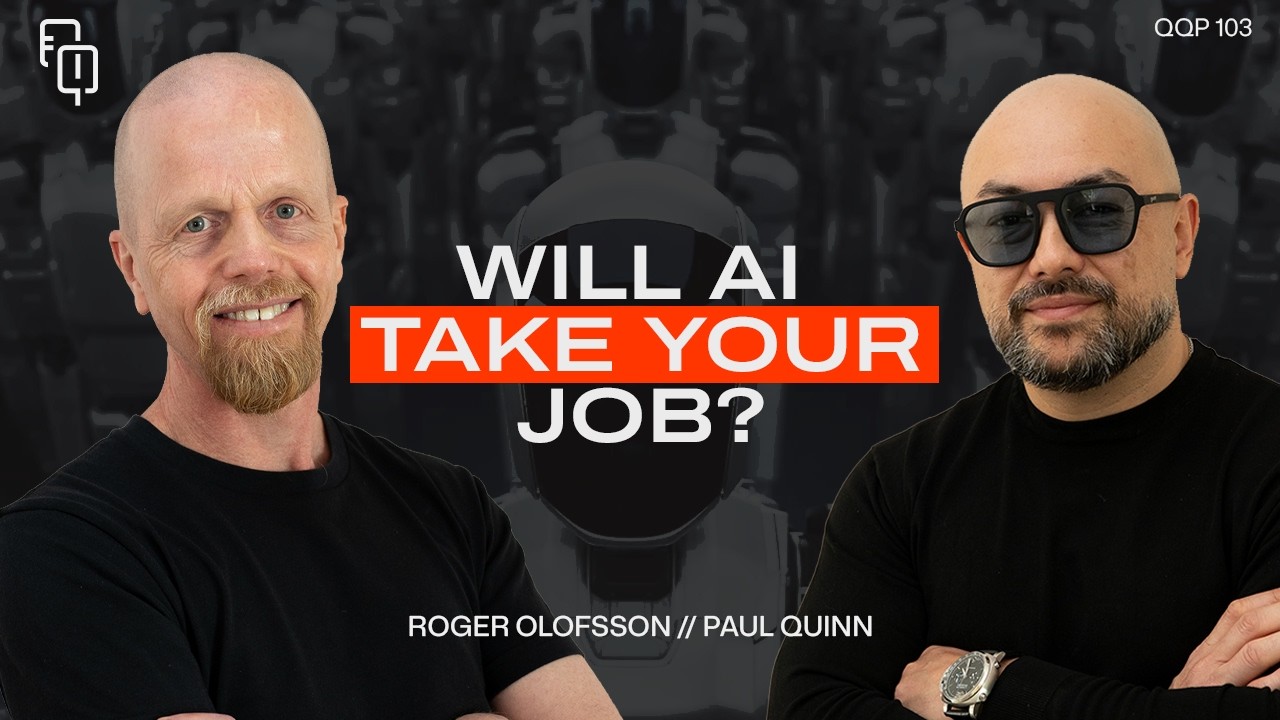
Building an AI Company Inside a Search Firm with Roger Olofsson #103
In this episode of The Quinntessential Questions Podcast, Paul Quinn sits down with Roger Olofsson, CEO and co-founder of Olofsson & Company, the executive search firm hiring for startups, AI, tech and fast-growth companies. From a childhood in Luleå, near the Arctic Circle, to landing in Singapore in 1996 as an exchange student with a backpack and a suitcase, Roger shares his transformation journey through almost three decades of recruitment in Asia, and the moment he finally backed himself to build his own firm.
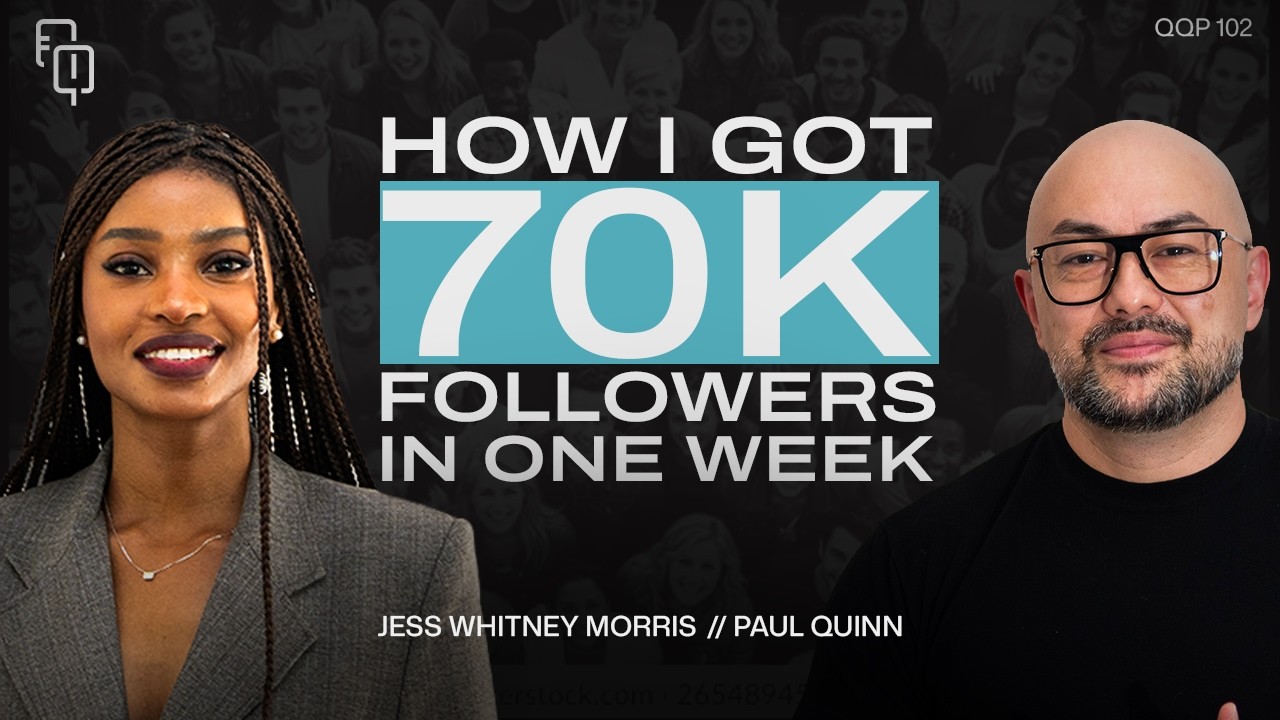
One Video, 70K Followers: Jess Whitney Morris's Breakthrough | #102
In this episode of The Quinntessential Questions Podcast, Paul Quinn sits down with Jess Whitney Morris, model, social media management company founder, and media presenter. From growing up in poverty in Uganda and working-class England to working her way through Abercrombie, Hollister, and a self-funded university degree, Jess shares her transformation journey and the moment her father tore up her first modelling contract in half.
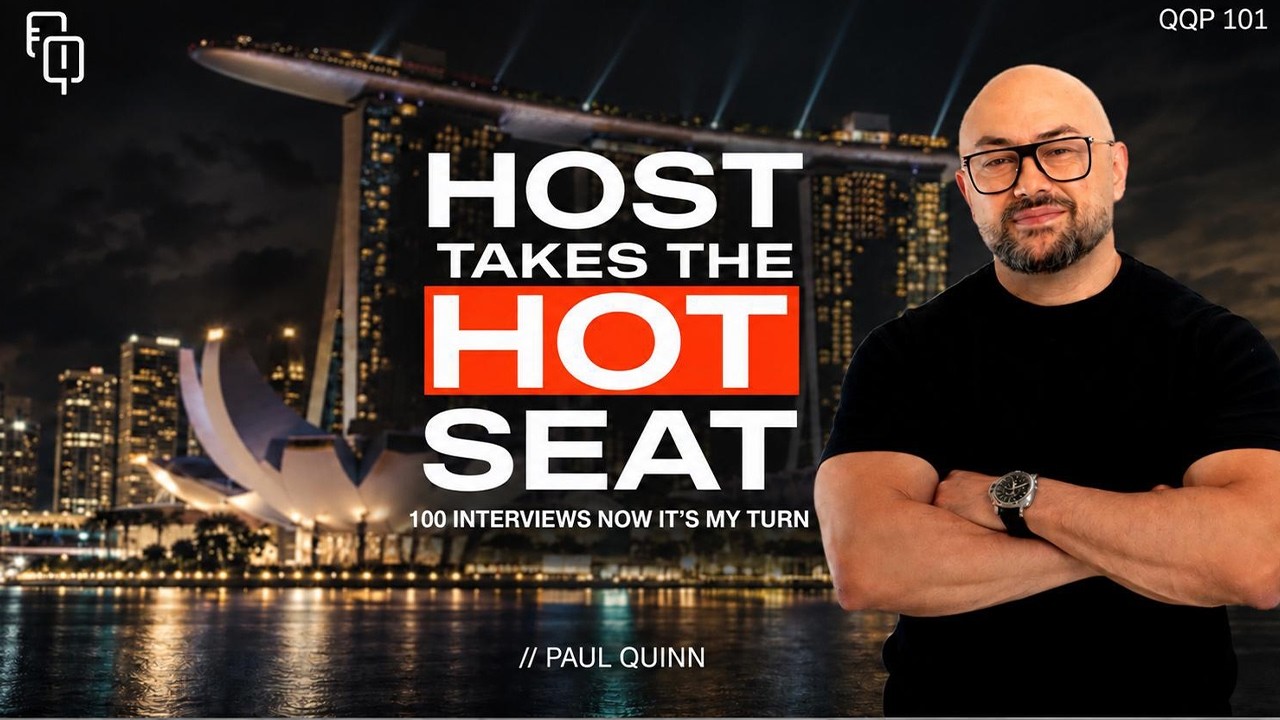
I Interviewed 100 Extraordinary People. Here’s What I Learned | Paul Quinn
In this episode of The Quinntessential Questions Podcast, the host takes the hot seat. After 100 episodes in the interviewer's chair, Paul Quinn, who runs Westport Executive Search and founded Quinntessential Coaching, answers questions sent in by guests, friends, family and listeners. From hitting a career plateau to building a podcast that now welcomes Olympians, world champions and global CEOs, Paul shares his transformation journey and the moment he decided to put a spotlight on helping people.