
Building an AI Company Inside a Search Firm with Roger Olofsson #103

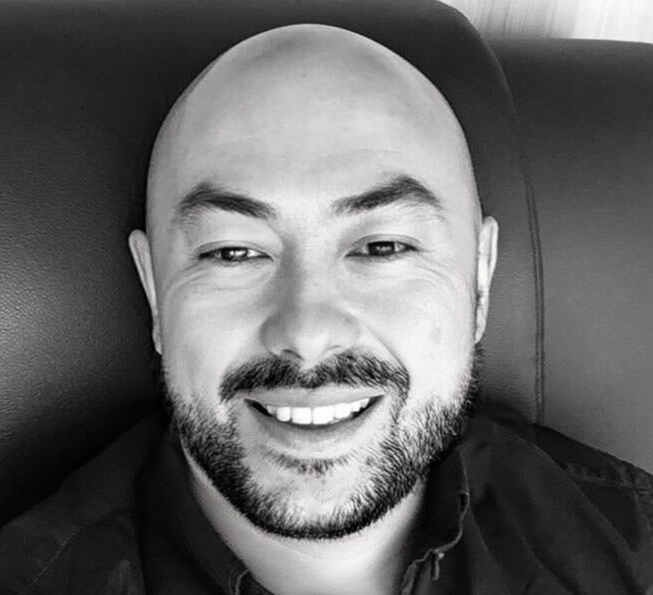
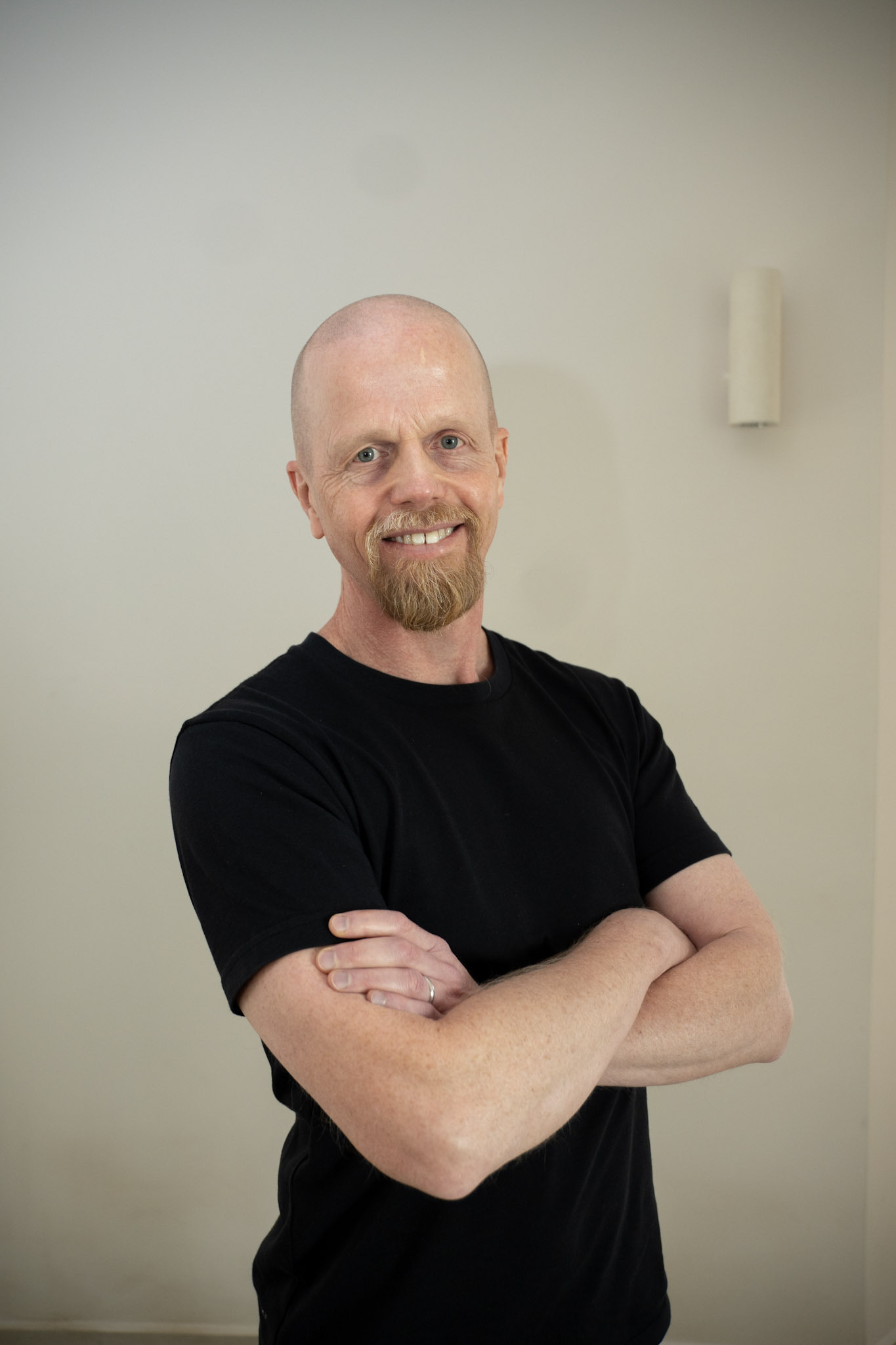
In this episode of The Quinntessential Questions Podcast, Paul Quinn sits down with Roger Olofsson, CEO and co-founder of Olofsson & Company, the executive search firm hiring for startups, AI, tech and fast-growth companies. From a childhood in Luleå, near the Arctic Circle, to landing in Singapore in 1996 as an exchange student with a backpack and a suitcase, Roger shares his transformation journey through almost three decades of recruitment in Asia, and the moment he finally backed himself to build his own firm.
He discusses narrowly missing out on medical school, how recruitment found him twice, the discreet headhunting call that took him to Robert Walters, and why he believes professional services firms that keep working the same way are writing their own death warrant. Roger also opens up about the existential crisis AI sparked for him, what pulled him through it, and shares powerful lessons about turning a recruitment firm into an AI-native business.
Whether you're weighing up a career move, thinking about starting your own business, or wondering what AI means for your job, this conversation offers hard-won wisdom on reinvention, entrepreneurship and staying relevant. Let's explore the journey of a headhunter turned AI builder.
TIMESTAMPS:
(00:00) Introduction
(02:38) Inside Olofsson & Company
(04:07) The numbers that blew Paul away
(05:33) Growing up near the Arctic Circle
(15:39) The universe gives you what you need
(18:22) Turned down by medical school, twice
(21:22) The boy with the plastic briefcase
(25:47) Arriving in Singapore with a backpack
(28:03) Job hunting through the Asian financial crisis
(32:20) The headhunting call that felt like a movie
(37:45) When yes actually means no
(43:05) The counteroffer lesson
(50:15) Realising it was not the life he wanted
(56:19) Meeting his co-founder
(59:01) The coffee that started a company
(1:00:42) Switching the lights on in January 2018
(1:07:48) Interested, passionate or obsessed
(1:13:14) Why Paul built a coaching platform
(1:19:36) Klarna's CEO and Sam Altman
(1:21:31) An AI existential crisis
(1:24:47) Why doing it the same way is a death warrant
(1:27:00) Building AI agents for recruitment
(1:31:31) Two pieces of career advice for the AI era
(1:38:46) Supercharging recruiters, not replacing them
Bio
Roger Olofsson is the Co-Founder and CEO of Olofsson.ai, a Singapore-based executive search and management consulting firm at the intersection of technology, talent and artificial intelligence. Originally from Sweden, Roger came to Singapore in 1996 as a software engineering exchange student at Nanyang Technological University and went on to build a career spanning nearly three decades in technology recruitment and executive search across Asia. After developing his expertise at Robert Walters, he co-founded his own firm in 2018, driven by a passion for connecting exceptional talent with opportunities that accelerate innovation and business transformation.
Today, Roger is leading Olofsson.ai’s evolution into an AI-native business, integrating artificial intelligence and agentic technology into executive search to transform how organisations identify, engage and develop talent. A strong advocate for practical AI adoption, he believes the future of work lies not in competition between humans and AI, but in empowering people to achieve more through intelligent technology. Roger brings a distinctive perspective on entrepreneurship, leadership, the changing technology landscape and the opportunities AI presents for businesses and individuals alike.
Transcript
We're up 91% on revenue and down 30% on staff cost. So, uh it's just been I've never seen a change or a productivity gain like this ever before or ever before and didn't think it was possible in professional services. I run a executive search firm called Olofsson and Company as the CEO and co-founder. My foundation years of growing up years was in a small town called Lulea next to the Arctic Circle [music] Midnight Sun in the summers. We used to play tennis at midnight. I used to walk around with a plastic briefcase with pretend money and pretend contracts and being a businessman doing the closing deals and really and uh negotiating. Yeah. Exactly. And I I just literally [music] wanted to build a there was the first conscious memory of wanting to be an entrepreneur. Came to Singapore in 1996 to finish my engineering degree as an exchange [music] student. I was only going to be here for 10 months. I had a backpack and a suitcase. That was it. the universe will always gives you what you need, not necessarily always what you want. By the way, have you ever thought of starting a recruitment business? And he just looked at me and said, "No, why would I? I don't I know nothing about recruitment." And then he asked me, "Have you have you ever thought about starting a business?" And I said, "Uh, as a matter of fact, you my whole life pretty much." We are actually becoming a tech company ourselves. We're building our own uh AI native or AI agentic uh platform. Amazing. Are we going to have jobs? Is human human capital going to be important anymore? [music] Roger. Welcome. Thank you, Paul. Thank you. Good to be here. It's good to It's good to see you. You know, we used to be in the same office building for quite a while and I miss seeing you every day and catching up, you know, at the pantry having a coffee. Yeah. No, I I there was those were good days, you know, and uh we've we've actually known each other for quite some time now. It's many years again. Yeah. I actually think you're one of the few people in Singapore. Um especially that's not from Singapore that have been doing this longer than I have and I've been here for 25 years. How long have you been in Singapore now? So, actually just a month ago or 6th of July, I I celebrated 30 years in Singapore. Wow. Congratulations. Thank you. Thank you. It's not, you know, people think it's easy. It's not. It's, you know, especially as a business owner. Um, but look, what I want to do is to get you to do a quick intro as to who you are um and what you're currently doing. Just a quick intro and then we'll unpack your fantastic career journey thus far. Cool. Yeah. So maybe if I if I sort of start in the uh you know in the present moment what we're doing now you know I'm a I run a executive search firm called Olson and company as the CEO and co-founder and uh we're focusing on startups uh in AI and tech. So we're really working with uh some of the leading profession leading large global uh tech companies placing some of the most critical staff across GTM and engineering and uh AI research. What a dynamic space to be in. Yeah, you must be loving it. It is it is phenomenal actually. It's a you know we were just talking about it earlier and one thing that has come to me recently is that uh you and I've seen I've really seen the effect we're very blessed to be in the space that we are in because AI is by far the fastest growing you know you know movement that is happening currently and uh it's like a it's akin to the industrial revolution you know probably bigger than even the internet and uh I say that we're experiencing this what I call the tripaa AI effect. We are uh uh working with AI companies and we're placing some of the most skilled AI professionals into these companies. And then what has become absolutely super cool that we might unpack a little bit later on as well is that we are actually becoming a tech company ourselves. We're building our own AI native or AI agentic uh platform. Amazing. Yeah. You know, you know, when you think about it, I mean, we'll dive into this in a minute, but you just said H1 has been up, but cost income ratio for staff has gone down. Give us a quick summary about that because the numbers that you just shared with me blew me away. Yeah. Yeah. Know, exactly. So, age age one this year compared to age two last year, we're up 91% on revenue and down 30% on staff cost. So, uh, it's just been I've never seen a change or productivity gain like this ever before or ever before and didn't think it was possible in professional services. Yeah. And, uh, this is attributed to us doing things so much faster and better with this technology, this AI platform that we built. And then of course also because we are in the right space or in that in the space of where there's so much demand for AI professionals and uh in some ways and I and I would love to talk a little bit more about that later on as well but we are you know the in ter when it comes to what what what is AI's impact on the world and on on the world of work right in people's careers and stuff and I probably have a slightly more optimistic view on that than you're in the nucleus of it and you're You're benefiting from it from every angle. The thing with AI is what's new today is old tomorrow. So, you know, you're on the frontier of all of this. Yeah. It's moving so fast. It's so exciting. So, let let's throw back. You grew up in Sweden. That's right. So, tell us what was childhood like in Sweden. Yeah. So, uh you know, I was I was I was born in Stockholm, uh the capital of Sweden, you know, but my parents moved up back north when I was 2 years old. So literally all my my foundational years or growing up years was in a small town called Lulio that has uh that is about as far away from the Arctic Circle about 100 km south of the Arctic Circle as Singapore is from the equator because we're 100 km north of the equator here. Yeah. So it couldn't be h it's hard to find a place that is a lot more different than Singapore. So Lulu next to the Arctic Circle midnight sun in the summers. We used to play tennis at midnight. That's how bright it was. She had like an hour of darkness. Maybe no darkness. No darkness. Zero for about a month and a half. Wow. Daylight all the time. Daylight so good. So you can play tennis, right? So not even like the you know there is like dusk or something like that. And then we had but then you have the winters where you only have about two hours of daylight. crazy during the darkest part and uh it could be it can be minus 30 centrades like super cold lots of snow um and uh there were there is about so the this the the the city that I grew up in Ludo or town you would call it probably here in in some parts of Asia would just be a village right you know and uh so it's 70,000 people the the the space uh for that town city is about the same size as Singapore. Wow. With 70,000 people. In Singapore, we have 6 million people. Very spread out. Yeah. Yeah. And uh so grew up there in a um so my you know in a in a probably middle class work, you know, working worker type of family background. What did your parents do? H So my dad worked for the Singtel equivalent or British telecom equivalent at that time. He had his uh almost his entire career in uh in that company working as a technician. It's so rare nowadays to have someone spend the whole career in one company, right? Exact. Yeah. We don't see that. I mean, you don't have the the gold watch for 25 years, right? The youngsters wouldn't even know what that what if you say golden watch, they wouldn't even know what that means. I I feel that's missing. I I spoke to someone that just spent 10 years at BMP Parab and I said, "Did you get a Cartier watch?" She laughed and she said, "No charge." Think about that. Say the watch cost $10,000. They've been with you 10 years or even 20 years. You know, it's $500 or $1,000 a year. It's pretty good return on investment if you if you motivate you. That's what I think anyway. Same. Same. I think about it in a very similar way. Yeah. Exactly. Exactly. So, he's with them all his life, all of his career. Okay. Exactly. And then my mother was a housewife when we were growing up. And then when we got a little bit older about seven eight years old maybe maybe I was 10 my brother I I have one brother so with two siblings he's three years younger than me and uh so I think when he got into primary school when he was seven my mother then started to work but she worked in a very basic job as a you know as a cleaner cleaning uh you know houses you office buildings these kind of things and uh but you know a really good honest job she did a great uh never had a sick day her whole career and living in that extreme weather as well. That's tough. Yeah. You know, she's she's she's a trooper. She's so so tough. And um and and what we had, you know, the and I I have to say this and and I think this this has been very formative. You know, we um my parents are our parents, you know, my parents are incredible. You know, they they love that they have for [snorts] me and my brother and now their grandchildren as well. My brother has kids. They're still aliveing, both of them. Yeah. Yeah. And they and they are uh they so because they didn't they didn't they earned decent you know enough for us to you know to get by without hardship but they weren't making like big money and uh and we never we were never left wanting for anything you know and uh I got into I I was I got into sports very young a lot of sports and I got into you know both football and ice hockey and ice hockey is a very expensive sport with a lot of equipment and I always got, you know, really good equipment and so they were the type of parents that sacrificed themselves for us and they didn't do it grudgingly or they they they did it with all their hearts with Exactly. Just out of love, you know, and uh that's so beautiful to hear. Yeah. Yeah. And I and I feel that and that's and I I feel that so strongly now with the kids with our daughters that you know we and I'm lucky and blessed to be married to a person my wife that feels exactly the same and we both have brought that that that love as well to our children and uh and I never understand when people say oh I can't wait until my kids have finished university and then I've I'm I you know my financial obligations are gone and [snorts] now I kind of live life and take foot off the gas and stuff. I we just want to we just want to give them everything that we can and enjoy the time with them. The I I completely agree with you. Where I struggle with is cuz I grew up in a very humble family. I was I used to be a toilet cleaner. That's how I fell into recruitment. Yeah. But what's interesting is this the the dichotomy for me is this is um I think kids they need that balance, you know. So I've see some kids that are very very privileged and they take it for granted. They like they get our private coachings for this and for that and you know so sometimes they always find a little bit of grind goes a long way you know like when you're doing that hard work you know but I I absolutely agree with you it's all about the kids. It's all about the kids. Yeah. You know so so you did what was your favorite sport growing up? So in the early days I got I got to do so many sports. My dad took me to wrestling very early. When I was 7 years old, I started wrestling and that was like I'm so grateful for that because it was one of the best fun foundation sports that you can do. It's meant to be it's meant to be the hardest. I've never done it. The strength, the balance, and the ability to fall and roll and stuff all came from there that I then brought into other sports. I ended up doing uh downhill skiing that I I loved a lot. And I did that more in my teens and stuff with more intensity in early 20s. Um, but football and ice hockey were the two sort of main sports that I really did. What position did you play? Midfielder. I was a a wing or what do you call it? So, not the center but a forward in ice hockey. Okay. Because you have to be a little bit bigger and stronger as a center normally. And then I was a right winger most of my sort of football career if you like. You know what I love is that you've tried different things. Like a lot of people that may not know you well know that you you did quite a lot of Mai. You've tried different things, a lot of running, you know. So I I think the key is to try new things as you get older and uh you reset. You become a white belt in that new sport and then you just love it, right? You enjoy it. Yeah. What have you fallen in love with since since your teenage years? So uh yeah, good uh uh good question. I think that was um um you know probably one of the things was you was Muay Thai you know the so I and I kind of fell into that slightly or not not not accidentally I so I've done I did wrestling uh I did uh jiu-jitsu but not Brazilian jiu-jitsu the Japanese jiu-jitsu for a number of years in my teens and uh that again I found was fantastic IC, you know, allrounded training because it's like a combination of Brazilian jiu-jitsu and uh and um and um karate and um judo in a way. You've done so many. Yeah. The the crazy thing is I tease my my colleagues about this. The younger ones I say, you know, they're like, "How do you chat up this girl?" Chad GBT, right? And then I said, "The girl at the other end is like, "This guy's reaching out to me. You might as well just put the two phones together." and they they can they can hook up. It's crazy the way that technology is changing. Yeah. Need help with LinkedIn optimization? Visibility decides your career. That's what we built. Quintessential career coaching. Check out our intelligence platform today. You studied engineering. Yeah. Right. So what what was the progression that led into that? Yeah. Yeah. So I so uh yeah so I actually did uh really well uh in school and uh and got good you know I was just a couple I think I was blessed with just being generally curious I I was always interested in understanding how things work and uh and what's behind it all and uh and then it was very easy for me to to learn things and to absorb things and then to uh and to uh uh understand and to remember as well. So you know my memory was good and for details. So, so it was relatively easy for me to do reasonably well in school and get good grades and stuff and uh so I had many different options um when I was going to go into the the the that next phase of studying at university at that time for some and honestly I love how the how life works and how the universe universe works in a way it's uh sometimes I have a strong feeling that it doesn't necessarily always if you if you trust this thing called life and you're leaning into or you're falling back into it, it I have the experience and I've seen it in others people's lives as well. The universe will always gives you what you need, not necessarily always what you want or what you need. Yeah. And uh this was one of these examples I had at that time I wanted to become a medical doctor. Okay. But I wanted to become a medical doctor. How how old were you at the time? This was this was when I was like starting to get uh ready to get into university. So 20 years something like that 20 and but I was very ambitious. I'd always wanted to be successful and to make money. I wanted to be able to have a life and give a life to my kids that I found my parents really, you know, it was really difficult for them. They had to sacrifice so much for themselves to give us as as much they could, right? And they gave us more than enough, right? But I felt I knew that it was always tight. I knew I had those I remember as a kid when I heard the conversations that they had before Christmas maybe in terms of how they were going to try to save enough money so they can give buy us the Christmas presents they wanted to to buy us and yeah exactly but I didn't want to I I wanted to have a life that was that didn't have all of those uh limitations if you like and so when I started to think about becoming a med medical doctor I've always said I wanted it for all the wrong reasons I wanted to be the I wanted to be famous and rich. So I wanted I wanted to be a brain surgeon that was on the medical magazines or fortune you know whatever you know that like this is the brain surgeon that is brilliant and uh and not because I really had this calling to cure people or help people I think and I and I actually I looking back here and reflecting back I went through a period of life where I was perhaps or I wouldn't say even perhaps I was like compared to what it what I how I look at life Now I was too self-centered. I was too focused on my myself and my own success and I would not have been in that that Roger would not have been I think a good doctor. Yeah. But by the way how you describe yourself that's completely the antithesis to the Roger that I know. Yeah. And yeah, thank you for saying that and that means a lot to me because a lot have changed and I'm not like that anymore, but I was and uh now I actually think I probably could be I probably could approach that uh profession from the right place really wanting to help people because that's become a really big important part for me in my life. Me too. And uh yeah and uh and uh so I I was I almost got in to medical school is really hard to get into. You need to have really good grades. I became the you know the 17th reserve or something like that. And then I decided to study psychology whilst I was waiting for the next intake. Okay. H did really well enjoyed that but didn't want to study too much. I studied one semester and I thought okay any more than that you know the if you learn too much psychology you you you turn crazy you know. So I better better stop there. [laughter] I applied again and almost got in again. Didn't get in the second time. Okay. Then I ended up studying mathematics whilst waiting uh or deciding what to do with my life. Mathematics the course that I took at university was so dry and boring I couldn't handle it. I decided I got I quit. I don't want to do this. and I applied and the government had this program then where they were supporting companies for fresh grad or or or lower or less um early entrance salaries into the workforce. Yeah. So I because I I had a ski instructor certification education I applied to all the ski resorts all the mountains all the ski resorts in in sing in Sweden like 20 of them sent this beautifully let email and have the certifications and everything. Did they have email back then? Uh or actually there was probably letters. Yeah, I was about to say right because when we started off I remember there was no email. It was facts. It was it was letters. It was letters actually that I sent and I got I got accepted. So I got to work as a ski instructor on this um uh government supported um program where they paid a certain amount of the salary h at the ski resort that the Swedish royal family go to for their family holidays. Wow. and to just teach kids how to how to ski. Because the junior guys, they get we get to teach the the smaller kids and then the more experienced ski instructors get to teach the grown-ups, the adults and the the rich people and that sort of stuff. So I spent the season in the mountains being a ski instructor and that was just amazing. You'll always remember it. I will never forget it. I at that time I thought then I just okay that's what I'm going to do. I'm going to study business and I'm going to be I'm going to build a business in uh in um in skiing like in ski. By the way, I want to touch upon that because at that age you're already thinking about becoming an entrepreneur. Yeah. Because I do feel by and large entrepreneurialism is in your blood. I've seen other people that have gone into it when they've lost their job and whatnot. Um, but my experience has been unless they were thinking about it from a long time ago and were planning it, I don't know if they'll last. I've seen it because they they come out and they do they have no other option. They realize it's not for them and then they go back to the corporate life. That's been my experience. Exactly. No, Paul, I think you're Yeah, I think you're spot on. I think I think it is entrepreneurship and I think to to to some extent to a large extent sales is like that as well. I think that's something you know you you almost have to be born with you know and uh and uh um you can definitely learn and become better and that sort of stuff but I think there's something that you need to have inate. Yeah. Yeah. And entrepreneurship I think is really like like that too. And I tell you, my mother reminded me some years ago that I used to, as a seven-year-old, when the other kids played other role plays and stuff, I used to walk around with a plastic briefcase with pretend money and pretend contracts and being a businessman doing the closing deals and really and negotiating. Yeah. Exactly. And I I just literally have wanted to build a there was the first conscious memory of wanting to be an entrepreneur or build a business. That's amazing. What's the What's the first thing you ever sold that you can remember? Was it like I sold sweets at school? Yeah. I think it was I think it was Christmas cards. Wow. Christmas cards. Yeah. Yeah. Knocking on doors and then sending Christmas cards. You see what I mean? It's it's in the DNA. And then I it's gone on since. So all the time I then I worked extra in a sport shop my whole since probably secondary school onwards on the weekends and and holidays just to be able to finance my ski trips and that sort of stuff. And then I got discounts on sports equipment as well. And um and then I worked uh there was a guy is probably in junior college or something like that. guy that had started a an entrepreneur that my very close friend, one of my best friends knew that had started a hot dog selling business. Yeah. In my hometown. Wow. So, we I got recruited for that. So, I started to sell hot dogs in the middle of the night outside the nightclubs and that was a double that was a I made literally double the money in a way because I didn't go to the nightclub and I didn't spend 100 bucks uh on drinks and then uh I I made money selling hot dogs to the drunk guys coming out of the nightclub and you always want a a burger or hot dog or something a dirty Donna kebab. Yeah. [laughter] Oh, yeah. That's right. So, so you finished that season on the mountain and then then what happened? So, yeah. So, that's when So, then I Yeah, good. Yeah. Good questions. Then I I I knew so I had I started in a different town and some changes had happened on the relationship side and and all these kind of things. And I was kind of re-eval re-evaluating what to do next. I decided I'm not going to continue this attempt to try to do medical school. Maybe it's not meant to be. Yeah. and uh I decided to move back to my hometown that had a very good technological university uh in Lulio and and and uh I applied to what is called industrial management and engineering the program and it's a combination of engineering and business management subjects marketing and stuff okay and I I felt because now I started to find my bearings more towards yeah I it is business that I want to do I want to be in business and I felt This was like the best combination in a way where I could both study and understand technology. Mhm. Problem solving and you know these type of concepts and and then really dive deep dive into business and learn about that as well. It's amazing because actually what you studied now is dovetail all to towards what you're doing now, right? Yeah. You know, if you think about and break it down. Now my my question to you is is did recruitment find you? because no one, not of our generation, dreamt about becoming a recruiter cuz we didn't even know what a recruiter was back then at university. So, how did recruitment find you? Oh, yeah. That you're spot on. It's such a good such a good question, Paul. And I know a little bit about your background story as well and how it uh how it found you and uh and u and the uh you know, mine is you know, it's a different similar but different story. uh you know so I I um had uh and actually in some ways I I would say that in to certain extent recruitment found me twice and then uh I and then I I subsequently fell in love with recruitment. So it's like three moments that happened. Tell me about cuz not many people say they fell in love with recruitment. I'll be candid with you. It's not really opposite but ex Yeah, that's true. That's true. I'm very lucky, very blessed that way. and uh and um you know because I I do I do often hear myself saying that I I'm very blessed because I wake up every morning doing exactly what I want to do you know and bouncing out of bed like let's go another day and so so I after studies I came to Singapore in 1996 to finish my engineering degree as an exchange student was only going to be here for 10 months I had a backpack and a suitcase that was it and uh then I fell in love with this place or Asia and the opportunity ities here. H the the the the energy the you know it was just it was palpable. It was in the air. You know we here was a place not just Singapore but all of Southeast Asia or Asia pack at large. It was a place where people were ready to work extremely hard in the present moment for a better future. I felt like we had lost that in Europe. It was like everybody had a great we had an amazing it was amazing standards of living and stuff but people were like just complaining and no one was really interested in trying to get it do something with it. Yeah. And here it was completely the opposite and and also you know at that time maybe it was 4 billion people out of 7 billion people on the planet that lived in Asia Pacific and GDP growth was higher than anywhere else on the planet and I felt this is the future I want to be here. Yeah. So I decided rather than so I finished my master thesis here attached to a company called Volvo big Swedish company and similar there my sales skills and sort of a you know just tenacity me and a a student mate we decided we want to do our master thesis here the research project rather than going back to Sweden. So we started selling. So we sent out letters to every single Swedish company that had an office in Singapore and saying this is what we can do for you and uh this is literally and it will cost you nothing because the Swedish government pays for pays the bills literally. Yeah. So we got we got a bunch of offers, a few offers and decided to start work with Volvo on this um really cool market research project that we did for about 9 months. And then after that I graduated with my you know completed the masters and graduated and and that's when I decided I'm not ready to go back. I don't want to do the u the traditional going back to Sweden like my coursemates doing becoming a management trainee in Ericson or something like that. It's like it didn't did appeal to you right? Yeah it felt bland and boring and dull and safe in a way. I wanted to see can I do something unconventional and get my career started here. That was during the Asian financial crisis. So it wasn't the best time to look for a job. Yeah. And lit honestly Paul at that time I could have been I don't think there would have been many western fresh grads that ever had looked for a job in Singapore. Just put it into context because I I came here a little bit after you but an expat was you know there aren't really expats like that anymore but they were probably mid-30s at the youngest. Yeah. Right. So it just didn't exist. Exactly. Exactly. So, so I I knocked on a lot of doors. I wanted to get like into consulting or software sales and um because I'd studied computer engineering as my the engineering part of my degree and um so so I thought working for SAP as a salesperson or Accenture as a consultant, but that would be great. But and I got some interviews, but I didn't get any luck. I didn't get any offers. And then I got invited. I applied to a job with a local recruitment company that was very um forward-looking, very ambitious, very uh expansive. They were expanding internationally and I applied to them and uh and I got the offer to join them to uh join the newly started IT contract recruitment division. There was brand new which is a big back then was a big thing IT contract recruitment. Yeah. Yeah. It's just it was just starting. It was just starting. We were one one of the first local companies doing it. Um and uh and in that that was a great experience in that company. I learned you know recruitment like the hard way in a way selling phones old school old school old school recruitment. It was all um you know we didn't even have at that time computers were expensive. So we were actually two colleagues sharing one computer. Yeah. And you had to CVs came in. We had to retype the CVs in our format. Yes. And then print them out and fax them to our clients. And uh it was a completely different world. The good old days maybe. Exactly. [laughter] That tells us a little bit about how old we start to get, right? But young at heart, right? and um and uh and then in but in that company because the CEO the founder was so entrepreneurial I got the opportunity I saw this opportunity in the market because there was a lot of demand to build customuilt software back in those days. So I got the opportunity to actually I pitched that internally and build a business plan. And I got opportunity to start a software project business in when I was that young and you so we successfully went out and we sold to Ericson Swedish company. We sold to Singtel. We sold to Western Digital a big uh American tech company. We built a partnership with Sun Micros Systemystems which was back then what Google is today. It was the biggest most successful tech company on the planet. And um and we and and we and it was it was fun and but it was stressful. It was crazy. We were literally we were running software projects and I went to Borders and bought the equivalent of D project management for dummies. Borders is a bookshop by the way guys for those of you that don't know what it is. [laughter] Exactly. Exactly. Way before Amazon. Amazon. and uh and uh and so I got so much experience and exposure during that early days of my career. Yeah. And but then I had kind of moved out of recruitment. So I was more into software software and projects and uh I met a gentleman called Kevin Gibson who had just come over from Australia to start Robert Walters uh here in Singapore. Rob Robert Walters is a listed global successful recruitment company and uh and he was the first man on the ground here and we met at an event that uh we had both both been shortlisted for PWC lo at that time what largest consulting company on the planet they had 40,000 SAP consultants globally 8,000 in APAC and we had both done ran the proposals to win engagements to recruit for them in and and run projects for them in SAP and uh We were the only two foreigners uh westerners in the room in that in this briefing room. So we talked after and then I got this it was awesome this classic headhunting call like it was like take it was the it was like out of a movie. So I'm on open office uh floor right picking up the phone as you do mostly outgoing calls but some incoming calls from clients and stuff and picking up the call and then I'm hearing is this Roger Olofsson? Yes. Okay, this is Kevin Gibson from Robert Walters. We met a week ago at the PWC event at Higher Hotel. I know this is going to be a little bit uncomfortable for you because you're an open office landscape. So, just be com be relaxed, just answer my questions this and this and that way and I'm going to tell you a few things. So, I okay listen yes, no, and try to make it look like it was nothing suspect going on. And he said, then he finished the call. Okay. So, this Saturday we're advertising for a manager for IT contracting uh in Straits Times and I want you to apply. Click bang. And that was it. Wow. And I applied to that and then nine months later I joined uh Robert Walters. You know, you know, well, first it's an amazing story, but secondly, I want to talk about the technique that he used cuz you and I have met many recruiters. So, when I coach my guys, I call it situational awareness. So, you call the candidate, they're not expecting the phone call. Now granted nowadays everyone has a cell phone but they're still in an office and now most people work in an open plan office. Yeah. So the first thing I do I'll tell my guys to say to to whoever they're calling and of course you need to have situational awareness. If you if they're downstairs and you can hear a cab, it's different. But if they're upstairs is a bit quiet. Just say and it sounds like you're potentially in the office. Yes. Can you listen? Boom boom boom boom. Give the pitch. Share what it is. is. And then sometimes you say, "Look, is there any chance you can go into a private meeting room or go downstairs for a quick cigarette coffee break?" Um, but I always say get in there quickly cuz nine times out of 10, I've heard recruiters call people, um, can't talk, call me back. Um, when shall I call you back? Call me next month. And then that's the end of the call. And they say, oh, I made my call. Yeah. I said, get back in there. You know what I mean? It's Exactly. But I but I love the fact that he did that back then because that that was a proper call. Yeah. Yeah. Exactly. It was in fact I think I first met you when you were rubber Walters and my I just remember seeing you I didn't even know what you did but I knew you were a recruiter. Yeah. Yeah. You can spot recruiters sometimes right? Yeah I think so pretty some of certainly if we are really maybe if we have that uh that special thing that maybe that it takes to be a really good recruiter which comes like being able to pick up you pick up on these things I think. So anyway I think so. So then what was that journey like? So were you always on the IT contracting desk or did you then evolve to do permanent placements? No, exactly. So I started in IT contracting which I think was great because it taught me speed and speed and volume. Yeah. Exactly. And um and then uh I got the honestly Rob that that part of my rob was fantastic uh for me because we were I was consultant number six in Southeast Asia when I joined. So it was kind of a combination of a startup but then having a big mother ship listed in London, the London Stock Exchange, a lot of resources, lot of ability to get things done and uh but we had to we got to build a lot here. So I uh I literally got to set up the IT contracting division from scratch with uh you know all the the policies and processes and procedures and uh so you you immediately learned then how to build something. Yeah. Yeah. Which is rare because most consultants they join a desk and at best they're building their own desk, but you've got to build a whole part of the franchise, right? Yeah. Exactly. Exactly. And we actually and we built and and we built the most successful IT contract business uh that uh for any foreign any western company. So the only ones that had bigger business were a couple of local companies but they were doing more volume lower margin and then the this the sort of the body shop companies that came out of India. Yeah. And uh they had larger volume. Explain to people what body shop companies mean because they may not all understand it. Yeah. So it's sort of a I mean it is a uh a a term that is used more for um the volume contract businesses where they and the model tends to be a little bit different. So they sort of hire people on a permanent basis, bring them in from lower cost countries so they keep the cost really low. Yeah. And then uh and then then farm them out on projects with clients and uh h but it's a little bit more it gives a little bit more of a feeling of just sort of without as much of preciseness just putting bodies into filling bodies into projects into places. uh whilst what the way we approach in robs as well with contract recruitment was very much about specialized roles project managers solutions architects etc that clients needed for high priority projects and then it was still about going out there and finding the best person yeah it's very focused right was the other one the other methodologies right throw enough crap at the wall something will stick a little bit like that I mean it sounds a little bit you know it probably doesn't give enough credit to those but Yeah, it's a it's a different model, right? You know, one of the things I wanted to know about uh if you've experienced the same thing. So, when I moved here in 01 and I always say this, it took me seven years. I remember I felt it was about 7 years before I truly understood in Asian Singapore at that time that yes, yes, yes was actually no. Yeah. And then, you know, I then spent the next part of my career bringing the nos forward. Whereas in I always say like in places like London, New York, Hong Kong, you know, it's a no. They tell you it's a no. But in Singapore, I always I got excited. I got excited and I realized, oh, it was a no. So, so I I then spent the next part of my career just pulling those nose forward. Did you experience that a little bit? Yeah, exactly. I love that. I love that insight. And uh you know, I uh and that you have that sort of strong kind of timeline feeling about how long it took to learn that as well. And uh uh it's yeah I I this is this becomes so natural you know for me now but I I can it's been something that I have uh coached new people when they come over from uh Europe for example to to here to work here to learn to bring these the nose forward right and to understand that uh you know just candidate man both on the client side and the candidate side you think you're getting a candidate a client really needs or it's going to give you a mandate if it's a you know permanent or executive search and um they might they they might just you know in a very polite way just giving you the you know giving you a little bit of a show of interest but uh they really it's not real. Exactly. It's not real. They don't have the need or they don't have the budget but they just don't want to offend you in a way. Right. So it's a it's a way Exactly. Exactly. It's not a it's almost it's almost sometimes uh giving people the the freedom to an empowerment. No, it's okay. I won't be offended. We move on. Do you know what I mean? But I do think the world that we live in now is it's more more global things a little bit more commercial. But the wonderful thing about doing business around the world, it's each location is a little bit nuanced and you learn how you handle it a little bit differently. I love I love that. cuz it's Rojack as they say in Singapore. You know, I know you do international business as well, but it's all a little bit different. So, take me from there to when you were about to set up on your own. Like, what was the line and when were you thinking this is what I want to do and when I'm going to do it? Yeah. Yeah. So, uh it's it's a um so again, Rob Wal I spent almost 11 years with Robert Walters. So, that's a long time. And uh I got to become I was a very one of the younger managers you know maybe a year in I started to manage people I really I and and there was another you know I just heard someone say that uh you know when you're starting as an entrepreneur no one is ever a great entrepreneur from the get-go. No, because you never done it before. You you know you know and I felt similarly with management, right? You know, and uh I you know the only way to become a good manager is by being a crap manager that is still but you're trying it any you're trying it anyway, right? And over time by making mistakes and learning and stuff you hopefully then become good at it. And you know and I give you an example and we still best of friends to this day but one girl that my my I think she was my second hire in Rob Walters probably about six months in she bought me a book from Borders again. Okay. About how to manage people. [laughter] I love it. I love it. What a great what a great technique as an employee, dear boss, you know, go and read that and come back to me next week. Exactly. Exactly. Exactly. She didn't she didn't hold any punches, you know, and I love it. But she's she's brilliant and uh and it was so good and uh and uh and then I uh I got to uh you know build this contract business and then a few years later my counterpart u that had built the permanent technology business got promoted to become the country manager start uh robots in Malaysia and then I got to inherit his business on the permanent side and that's the first time I started to do permanent recruitment and then I continued to build that out and we actually built the the largest most successful technology uh recruitment business in Singapore. We had $6 million NFI um with uh and that was not the full invoice value because of course in the contract business it's bigger. I think it was about 12 million uh in terms of uh annual revenue and uh 6 million NFI and on that NFI we had uh more than 35% uh profit contribution after all cost and uh all the overheads back to head office in in the UK. So was it was a nice little tiny business. it's a good business and um but then I also started to feel after um or actually you know the this probably it's probably worth uh you know I don't I I don't talk about this too often every now and then but because you know how we say in in um recruitment we always and for all the right reasons we always guide candidates don't accept a counter offer. Yeah. Because again, it's gonna goes wrong. Yeah. It's going it goes wrong. You know, you're gonna you're you're going to leave later on anyway. The reasons why you wanted to leave in the first place are not going to change. You've also kind of you've burnt you've burnt bridges. Bridges. The trust is not there anymore. Yeah. Six years into Rob Walters, I got an offer to become a country manager for a pretty cool recruitment business. And it was a big step up and they they counter offered you. They counter offered me. you just said, but we tell everyone not not to accept counter offers and and and my boss was so cle he's a brilliant operator. So good. He was so good. And Mark Elwood is he he runs his own recruitment firm now. And um and he ended up being uh the head of all of APAC at a very young age. I always used to say when I worked for him, I remember I remember distinctly saying it saying to him that you are the oldest 27y old I've ever known. Yeah. He was so mature for his age and really good and he knew exactly he knew that I wouldn't accept a counter offer. So he was able to actually construct a counter offer that didn't feel like a counter offer. He created something. Yeah. And to some extent he was a little maybe a little bit lucky as well because you I told you about this my colleague that was going to go to Malaysia to become the country manager. This was actually at the same time. So that plan was actually already in place. I just didn't know about it. So they were having a promotion ready for me that I didn't know about. Okay. So there was some constructing around it. I mean obviously I probably benefited from getting an even higher salary and stuff because of this counter offer situation. But I I think I would have gotten that role anyway. But having said that, even though the next few years Rob Bolters was good as well, h I don't feel like it was ever the same as uh before that the the counter office situation. And I feel like I probably overstayed my welcome a little bit uh when I finally left at uh almost 11 years. It's a deeply psychological. It's this is a bit of a far stretch, but it's like if your if your girlfriend's cheated on you or or if she's gone out on a date with another fella, it's like you, you know, it's in the back of your mind. And I think that people overlook this. It's like, well, you weren't loyal to me or things change. Yeah. You know what I mean? And um we've we've experienced that. So, so after 11 years, you moved on. Yeah. So, yes. Another Rob Walters guy, Angus Washington, that was based in Hong Kong had moved out to start his own business called Inspire Search and Selection. And um and and he had been we had learned to know each other quite well. did run technology for Rob Wols in Hong Kong and uh he was really keen on me coming on board with him and we met when he was in uh in Singapore a couple of times and then one of those meetings that we had he really pitched it really well to me and I felt yeah man this is this is this is the it's time it's the next right thing I get to be part of I get to be a partner even though it was a minority partner in almost the startup phase of this executive search business and then to run technology which is my passion my focus and so I'll I'll joined uh I joined forces with him and uh and we had a really good uh um it was a really good experience it was relatively short but we did really really well and we grew that business relatively quickly and we got acquired less than a year into my me joining them that's cost. Yeah. So we Australia listed, Sydney listed, uh um recruitment company called Chandler Mloud acquired the business and uh I stayed on it in it uh being trying to be excited about being part of a large company again. The whole idea was like I want to be entrepreneur. I I missed the what I loved was those early days of robotics when I got to build when I was consultant number six in Southeast Asia. Then later on when it becomes more administrative management I started to lose steam. It's not really me. I'm not really excited about the spreadsheets and after the acquisition did you feel like [ __ ] I'm back in the belly of the beast? Exactly. Exactly. And then and then and then again and then I got my second head call. H first time ever I got a head on call from a recre. Okay. And even though by the way rectore guys is a recruitment agency that calls head hunters. Exactly. Exactly. Exactly. and uh like you would have thought that we wouldn't need that in our own industry, right? But actually it is a very useful sub sector and I've used it a lot in my both in as a leader for other businesses as well as for our own uh business since I started my own. So I'm I'm a big uh big believer in that and uh um and in some ways I think if we believe in our service that it adds value we should absolutely we should see that it adds value to ourselves as well. 100%. Yeah. So, so I got this call from this rectore and and I wasn't looking because I was locked in with the with equity in the uh in the new in the acquiring company and and I was still okay. I was still, you know, I was a little bit, you know, a little bit not so excited about being part of a big company. Something in me said this, you know, not really what I want to do again. But I tried to convince myself that this is going to be great. you know, I got a big title and a big role and and I had this, you know, vesting equity and stuff. So, I told the guy that I'm not really looking I'm not looking out. And then he told me about this opportunity and I said to him, I think you could have uh you could this call you could have positioned it any other role or in any other way and my answer would have been no. There was only there was I feel there was only one way and one thing that you could have shared with me that would have made me say let's continue the conversation and this is it. What was it? It was a it was this specialist the projectbased technology boutique consulting recruitment consulting firm out of the UK that needed a managing director for APAC and the way that they built their business and the way they moved and the international aspects of it. You know recruitment often when you work for the bigger companies you end up being very country focused. So they done some business travel and some international work but not that much. Yeah. And I still felt the hunger for that. And here I was going to be the AP pack managing director, continue to manage a small business Singapore, start a business in China, start a business in Hong Kong, do business in Philippines, in Malaysia, in Korea, in China, all over the place. And it was really exciting. And um I went through the interview process, got the job um joined it and realized relatively early in to that role that actually this is this is this is what I used to want to do, but it's not really who I am now and what I want to do. Our twin daughters at that time was um this was in 2011. So they were 3 years old and uh it was a it was a uh it it was a number of things. You know we it was a super intense business. We were making commitments and promises to clients that were often either not possible to achieve or they were you had to stretch yourself and the team beyond reason to to get that done to get it done. I ended up being on a plane and being in hotel rooms, you know, I thought I thought Mandarin Oriental in Manila, wow, this is amazing. I made it. This is, you know, now you never seen the kids, right? Yeah. Exactly. And I I was like, this is not what I enjoy at this time of my life. And and even when I was at home over the weekends, I felt I wasn't present with them because I was worrying about or problem solving something with a client project in China or something like that. That's a very poignant point. And sometimes you don't know what you don't want until you've experienced it. Yeah. You know and and you know what we want changes as individuals as professionals depending where we are in our personal and career journey. So is this when you hatch the plan to go into business for yourself? Yeah. No, actually I think it it wasn't it wasn't actually. Even though I still had that entrepreneurial desire, you know, in me still and I had it the whole time, but at this time with the kids being young and stuff, I just didn't feel like it was the right time. And uh I got you know I told I told my wife how I felt about it and uh and then and she said yeah she gave me my you know her blessings if you like said no go I know it's not been a you know your usual long stay and uh but if you're feeling this way you know absolutely go and you know go and explore other things and um and and actually I was I was really lucky again a little bit earlier than that an ex-colague of mine had called me that I joined Hayes and said we're looking for they're looking for someone to run technology for Singapore I said no because I was still kind of trying to find my feet at this company and make it work and all that sort of stuff and uh and then they called me again at this time and now I felt differently and I'd had a conversation with my wife as well and I said yeah let's let's have conversation and uh and Hayes Hayes was a major player, right? So, but but you know to your point about no know this is the tagline for the podcast is no career journey is a straight line. Yeah. You know, but I want to well I want to jump I want to come into your business. Yeah. So when like how did that come about and you're you've got a co-founder with you. So walk me through that process. Yeah. Know exactly. Exactly. Yeah. So, so um so I got the uh so I got the safe landing that I felt that I needed in Hayes and I got to learn actually you know from perhaps one of the best largest most successful companies in the business. You know I looked at their data and they had uh four times the revenue and 10 times the profitability of Robert Walters I think back in those days and I said I need to learn what these guys are doing even though I was back in a big business again. Um and um and then I I um uh I had the opportunity to then I was asked to join another firm Charter House. A close friend, ex-colague of mine that had wanted me to come over for a period of time. So after a number of years with Hayes, I joined him to build technology in Charter House and uh this desire to do something on my own just never left me and it grew stronger and stronger and now did Robertson own um Charter House? Yeah. John Robertson. Yeah. Yeah. He's got an interesting background cuz he was was he a CFO or COO? He cuz he used to own Robertson Smart. Yes. You know, and then it changed and that's who that's who brought me out to Singapore. Yeah. Yeah. In Wow. Yeah. 2001. And you know it was I mean that that was a prolific place. Yeah. You know they they um they took away your chairs so you had to stand. They measured how many hours you were on the phone. If you weren't on two the phone for two and a half hours a day, you were fired. Yeah. If you weren't in at your desk at 8:30, you were in trouble big time. Yeah. Um, you know, you you had to get the secretary to write your emails. So, they wanted you on the court the phone. Um, but the one thing I will say is that they produced I think 90% of the people that left that firm that have been there and done well set up their own company. Wow. Yeah. it. So the the irony is I think if they had stuck with a lot of those people and nurtured them, they would have done phenomenally well. Yeah. But you know, John Robson went on and founded Chart House and they did very well. That's right. Yeah. Yeah. Yeah. But he wasn't a recruiter. He was a businessman. Yeah. Right. Very much a businessman. Yeah. I got along got on really really well with with John Robertson and you know he was the guy that I had my you know final interviews with and stuff and when when Gary brought me on board was the managing director. So who's your co-founder and how did you guys get to know each other? So Simon Rowling super an amazing amazing guy you know I I had um really smart guy PhD in engineering out of the UK joined consulting felt that there wasn't that much of a perhaps a career in engineering itself so he ended up joining consulting after his PhD and stuff and uh early in his consulting career he realized oh my god we probably could do is ourselves. So he and a couple of uh colleagues went out to co-found and start their own consulting firm and um that's how we came over to Singapore to build out Asia Pacific for his own firm that they built and grew into a global business and that's how I learned to know him as a client. So I started to recruit for him. So I've known him for probably 25 years now. So he knew what you were capable of because he was your client. Yeah. Exactly. Love that. Exactly. Then he moved back to the UK, but we stayed in touch because we both kind of at that age as well started to change our lives, lifestyles. We stopped burning the candles in both ends, being out, you know, working hard, partying hard, that sort of stuff. Fam, started to have a family. You animal. I didn't know you used to do that. Did you go hard? I used to do way too much of that as a youngster. Way you or maybe not way a lot. Maybe not way too much, but a lot. a lot. You enjoyed yourself? Yeah. And uh and I and I so we both got into running as part of you know turning becoming healthy and thinking more of of health and stuff and family and and uh so we bu both went into marathon running and started run marathons. So we kept in touch when he moved back to UK and exchanged notes on LinkedIn and stuff every now and then. And then he sold his business. They had a really su successful exit to Cognizant big uh Indian IT firm or it's actually Boston headquartered or New Jersey headquartered global huge but with their their roots and their base in India. India and u and then he subsequently started a second uh consulting firm and then he came out to Singapore again to do the same thing and he dropped me a note. Hey, by the way, I'm coming back to Singapore. It would be great to do some work together again. I was like, "Man, that's super cool. Simon is coming back into Singapore. I I it's going to be so exciting to work together again as a client and uh to recruit for him." So, we started to work on it. I started to work on a couple of roles with him. H then I remember he went back for Christmas holiday, came back in January. We met for a coffee and he said, "Roger, there's going to be some changes. We've just sold the company to a private equity firm. So, this is second exit." And uh I said, "They might not want to build Asia-Pacific." And you know that coffee chat that we had, we maybe remember it slightly differently, but the way that I remember it was that uh I was because I had my recruitment hat on. So I was like thinking and I know him and he's very senior, very accomplished. I was think trying to and you're going to place him. Yeah, exactly. So I was trying to sort of extract from him, what do you want to do then? Because he said, I want to be I want to continue to be based in Singapore. It's a family decision and u so if we wind this down then I'll find something else to do. It's like, do you want to work for another big consulting firm or do you want to take on maybe a chief transformation officer for a large MNC or something like that? Maybe I can connect you with some people. And uh he didn't bite on anything. I was like, man, that's a bit that's a bit odd. And then I just had this moment of feeling this trust with this guy. I've known him for a long time. And I just said to him, by the way, have you ever thought of starting a recruitment business? And he just looked at me and said, "No, why would I? I don't I know nothing about recruitment. Why would I have ever thought about that?" And then I said, "Uh," and then he asked me, "Have you ever have you ever thought about starting a business?" And I said, "Uh, as a matter of fact, you know, my whole life pretty much." And then it's like, "Okay, how how old are you at this point?" At this point I was, this was in 2017. So I was 45. Okay. 44 or 45. You look bloody good for your age, mate, by the way. Thank you. Thank you. Thank you. Yeah. So, and then he then he said, "Okay." Yeah. So, then we started to we Exactly. And we started to build a business plan, look at it. We did for that whole year. So, that was January 2017. and we switched the lights on on January 8th, 2018. That was the first Monday of of January 2018. And we had everything ready to go. We had all the material, we had all the financing, we had the website, the office, the office that that we the the sh service office. So, you're ready to rock and roll. Yeah. Well, you were ready. You've been ready for years basically. Yeah. Yeah. No, exactly. Exactly. And then and then we had our first employee as well, you know, which was amazing, a girl, a lady called Nara that had that you know, you learn to know her as well, right? And she's amazing. She's just a very very special. She's dynamic lady. Yeah. Yeah. And uh and uh and she or she she was our first uh senior recruiter uh you know, the the and a and a employee director in the business. and um she had worked for me in Robert Walters and [clears throat] in contract recruitment and she was the first million-dollar biller in Robert Walters and uh that's obviously in Singapore a badge of honor a hard thing to I remember when um back in the day you know you you said you watched my founders story remember back in the day it's like if you build $150,000 in a quarter uh you were a superstar right and so you know so that's 600k a year and there was only one million. There was only one $1 million biller in the company where I worked and I remember and but there was a big gap between a million and everyone else. Yeah. You know what I mean? Exactly. Exactly. And very similar with her. So she is so I remember when I spoke to her probably about uh relatively early. So this is maybe about 8 n months before we started the business. M I had lunch with her and I said uh I told her about my plans and I told her that I wanted her to come on board and join me and she said yes I this is I wouldn't I wouldn't want to do anything else than that. I I felt like, wow. Yeah. She believed in you. You were a good manager. Obviously, you read that book basically. I did. Yeah. I must I must I must have read it. I must have read it and learned a couple of things from it. Right. And um and um and these were some of the things that uh I felt uh it was important. That was one of those moments where I felt like, yeah, maybe this is going to work. Maybe this is the right thing. I don't know about you but for me and I would be interested to hear about sort of your your your uh experience of starting your own and stuff right but even though in many ways and you have to as an entrepreneur and as a salesp person as a recruiter you need to have a lot of confidence and in many ways I do have a lot of confidence in myself and in my abilities but I also at the same time it's this kind of uh coexisting set of feelings and emotions and thoughts about the future. I have this confidence, but I also have these doubts and this fear. Is it going to work? Is it am I going to You're a human being. I mean, that's that's very real. Yeah. Um I always look at So, for recruitment, what's interesting, I look at the what's the business model? What's the methodology? So, what I found is a lot of people that went into recruitment as business owners, you and I are very different um from a lot of the guys that I've observed, they became business owners, so they didn't have to become a be a recruiter anymore. They're wanting to manage a recruitment business. Yeah. I don't know if you've noticed that. Right. So, they don't want to speak to clients unless they have to or they're not closing deals. Um, and then I I've seen people. So, I had a friend that said he worked for a company and that company got sold and each of the the shareholders of that business made you know between 2 to5 million pounds and, you know, that was his business model when he set up his own company. He bought a franchise and I just said, you know, that's great. Good luck. Can I I I never comment on what other people do. Um and there's nothing wrong with that, but the thing is the whole premise is that you're going to be able to sell the business and it's going to do really well. Um and you know, for a lot of companies, they want to hire a bunch of naras, but there aren't many. And and the biggest problem I've seen in recruitment, the irony is is hiring good people. We're in the hiring business. Yeah. But hiring good people and and I've analyzed this long and hard, Roger. I've thought about it. You see, recruitment attracts the best and the worst of people. And if you look at your average recruitment consultant, what would you say? They've been in the in their company for two and a half, three years. That's it. And and the reality is, and I've analyzed this, the majority of them run out of runway or they get greedy or combination of both. And they move and they move and they move and uh and I I came to that realization early. I just thought, you know what, I'm a superstar biller. I can have a whole team of researchers helping me and those that are good will become consultants. There will be a couple of consultants but I didn't want to be dependent on other consultants when I could do what I do right and I and and maybe maybe um that was a unique way of looking at it but I always thought it it contained the risk to an extent. Um and the the the key for me is you need to know what you enjoy. You need to know what you're good at. Um, I never had those concerns though about whether or not it was going to be successful. I don't know if it was youthful exuberance. I don't know what it was, but I've I've always believed in myself. But, but what I've realized is there's levels. You know, there are guys that can take the business from zero to one. Guys that can take the business from 1 to 10, 10 to 100, right? But what I found is very rarely is it the same person. You get to another level. So for example, you play for your high school team in football and then you get to uh you know county level and then it's a different coach and then you get to the country level and it's a different coach. Yeah. You know so sometimes I've I've analyzed that but I've always thought about well what makes one happy? So for example you love I would imagine from what you're saying the construct of running your own business doing what you want not having really to answer to anyone and and you grow at your own steam. What I always struggled with was working for someone that questioned everything that I said and I just thought, "No, I'm I'm I'm prepared to back this." So, even when I had a business partner, we were 50/50 business partners. Um, I did close to 100% of the hiring. And, uh, to his credit, he would back me up on it. Um, if it went wrong, uh, then it went wrong for both of us. But, I always felt a lot more pressure cuz I owned that. And, um, it wasn't by design. He he wanted to leave. He had four kids in international school, global financial crisis. So I brought him out. And the key thing for me was always, well, what do you enjoy doing? And I've always struggled, you know, we've been through multiple recessions. Yeah. Exactly. That's when you see what someone's made of. Absolutely right. And and I what I've always struggled with is if you are not I always say this to people. Are you interested? Are you passionate? Are you obsessed? um you know you and I worked in the same office for many years and you know when I would see you there were two times of the day and the first time would always be early in the morning. You and I were nearly always first in the office and I just thought there is there's so much in common hairstyle recruitment business owners and we're there. We're there to graft. We're there to put the work in. We're not shying away from the work. And what I always struggled with was other people giving up when times got hard because the thing in business is what goes up comes down. When people say, "What's the market like?" You know, I've been in the game for 31 years. It's like this, you know, you adapt. You roll with the punches, you know, like a multi. So, I I find that part of the business really interesting. What I'm interested in now is now how you're adapting, how you are becoming a technology firm. So, where did that start and how are you doing it? Yeah. I know. Such a such a good question and and u I love that uh you know the the the reflections that you just uh had now and I can relate so much to that and uh and I love that uh interested passionate or obsessed. I was I've always been obsessed. You know like all the years I've done martial arts or any sports I was the only person I ever saw taking notes. I would I would analyze everything. I read everything because I realized so physically I I was always very gifted, very fast, very strong, especially for my size. But I came to the realization there's always going to be someone that's a bit faster. So I might be stronger than that person, but he might be faster than me or someone who's a bit stronger. Maybe I'm a bit faster. But the one thing that I always thought that I would have that no one else would be able to have, it's it's the everything that you pulled together, you know? So the psychology um the the graft the the hard work the techniques. So so if you look at you look at sports I would always look at patterns. Yeah. So so if you watch a tennis match or a boxing match there are patterns like how does someone move right? And then and then I came to the realization at some point that's all great but how do you move? What do you do? Right? And then you you after a while you you come to terms with who you are and what you are and maybe because I've done a lot of solo sports but what I always struggled is when someone in the team wasn't doing well they'd give up. Yeah. And I I don't understand that. We can't give up. You got to put food on the table. That I think the thing is as an employee you're thinking about your salary as a business owner you know I pay everyone for I only pay myself once a year. I've done that forever. people. It I don't know many people that do that. But the concept is this. I don't want to run out of money in six months time because I've overspent, right? I I just put enough money in the bank for a year or more and I know that I can pay my guys. And for me, it's it's a psychological thing. It alleviates a lot of pressure. Yeah. And and you know, I've seen a lot of people set up their own businesses or even recruitment consultants that in theory are very capable, but they can't close a deal when everything's on the line because of the pressure. Yeah. Right. And I always say I've seen that. You've seen that a lot. A lot a lot. And and I've analyzed it. One of the key things is uh is this most of those people are no longer thinking about what's right for the client or the candidate. They're thinking about the deal. Yes, you're spot on. And I feel that the client and the candidate, they can feel that. They can feel it. You can feel the energy. You can feel it's subtle, but it's different. And yeah, it impacts the whole thing. And and you you you find out very quickly. And you know, I'm I'm allin kind of guy, right? And I I you know, and I'm very confident in my skill set. But more than that, what I'm confident is I'm doing the right thing. So I've actually told K, I don't think you should take that role. And and I said, no, let's work it. Let's go back. if they offer you a bigger role, this is what we should pitch for, right? Well, let's try this and work it out. And then, uh, you know, our track record as a company in the last two decades. So, I've been a businessman for 20 years in recruitment now, right? Which is pretty cool. I've survived. Um, but just over 96% of the people that we've ever placed are still working in the companies we place them in. Yeah. Now, that's that's unheard of, right? That's crazy. You know, so I'm really proud of that. You know, people say, "You sure? I given the statistics, I know exactly who's moved, who's retired, who's not. Um, but of course that's going to change in time and I'm just very grateful and I and I always analyze what makes a great recruiter and you know there are different type like I told you I had the wonderful Ned Phillips on the podcast earlier this week. Amazing. We haven't released the podcast yet, but I just felt there was so like two world class titans going not headtohead cuz we were collaborating about sales cuz I'm I'm big on sales. I'm big on how do you do it? But I feel that in what we do really in anything unless you're selling a ball bearing but even then what is the ball bearing do? Well, it's it's going into a part of the the car engine and if it goes wrong the car's going to crash and someone's going to die. So actually selling ball bearings is not just selling around ball. You're selling something that's part of and I always feel that if you're doing right by everyone comes it all comes together and your reputation precedes you. Exactly. Because because there are so many, you know, people that come and go. That's why I said to you, you know, I've seen you walking across Raffles Place before I ever knew you 20 years ago. You know, it's like, you know, and and I love that. But um what I found now for my I've adapted in a slightly different way from you which is a few years ago I reached this inflection point and and in my market of private banking um it's a double-edged sword. It's been a brilliant business to be in but uh there were like 45 registered private banks with the MAS 20 years ago. Now we're down to half. Oh wow. Through through consolidation and and all of the banks typically have hired in-house recruiters. uh most of them were ex you know head hunters so a lot of the banks don't want to pay for you know you and I have talked about you work with smaller companies or uh new setups so it's a little bit different which I think is really exciting so I've just well you know what can I do now that takes my knowledge and shares it with people so I set up uh this career coaching platform an online platform um that's been very successful yeah so it helps people so think about this if if you engage through my platform and let's just say you're a mid-level person and you it enables you to get a $10,000 increment on your annual salary over 10 years that's 100 grand so the ROI is pretty great 30 years inside the rooms where careers are made we've built an intelligence platform that's yours real frameworks no theory quintessential coaching your career starts now but more than that it helps give people visibility and clarity So, even if I had met you when you were say 35 and I I was the guy that you engaged, I'd do a diagnostic analysis and I would say, "Well, Roger, what do you really dream about doing?" Yeah. What do you want to do? And you would talk to me and I would and I would say based on everything you told me, you want to set up your own company. Let's break that down. What does that look like? You know, if you stay for another 3, four years, what does that look like? So, so I've been able to apply that. And this is the crazy thing, Roger. It's going to make you laugh. And I want to ask you this question. So, in 31 years of recruitment, only three candidates that I've ever been involved in placing have sent me a gift. Only three. Yeah. Nearly all of my career coaching clients who pay me, ironically, will gift me something at the end of the process or to say, "Thank you. You've really helped me gain clarity in my current role or you've helped me get me a new role or a promotion." Isn't it ironic? And they're paying you. Interesting. So, have many people gifted you things or sent you a note saying, "Rog, thank you so much. You've changed my life. Yeah, I've gotten a few but but not many. Not so many. No, it's a it's a small very small percentage for sure. So, think about that. So, that made me sad because your sweat, blood, and tears, your love, your passion, your soul goes into the business. I know that. I've seen you do it. Same with me. But what I realized the candidates feel that the clients paying us, therefore, it's a transaction. So, I kind of likened it to, so say you save up your your life savings, you and your wife, and you buy your dream home. M you don't really think about what the agent's been through to get you to that position, right? No one. But so I I try to understand where the person's coming from. So what that's done, it's completely transformed some of the conversations I'm having with the candidates. So they'll sign NDAs and they'll tell me, well, you know, I might want to stay or I'm interviewing with this organization or through that head hunter. Um and that's why I set up the podcast cuz the podcast was really I want to become a center of excellence. So many people like yourself, like Ned, have got these amazing journeys. But think about this. How many people would get to be inside your boardroom and have this conversation? Not many. So now, anyone that's listening to this, they're sat with two people that have been in recruitment collectively. How long have you been in it? What is it now? 20 28 years, I think. So I'm 31 years, right? So 60 years. Yeah. 60 years between us, right? And and all the knowledge of living in Asian, that's priceless. Yeah. Yeah. You know, they just pick up one little note. So, that's why I set up the podcast. So, going back to you, how did you set up the technology function? Yeah. Yeah. Yeah. So, and uh but man, I should have uh I should have You should if you would have been a career coach when I was 35 and I would have sat down with you, I could have started my business a lot earlier, right? Same. If it was my career coach, it would have I I 27. But, but it's true. And a lot of people need a little bit of courage and clarity. And what I've learned over time is, you know, I'm going to go back to what you said at school. You were curious. That's the one thing that differentiates I believe the best people in business and industry cuz I'm I'm always curious like what makes you tick like you know what do you like you do Mutai? Why do you do Muai? And it's not and why did you do this and you've got a you've got an investor and how does that work? And it's it's not that I'm those I'm just really curious. But you said how do things work? So I think in in recruitment and in business that curiosity will help you find solutions. And I got this advice by a gentleman called Mustafa Jafar who's you know a global head of HR and Standard Chartered Bank. And I met him years ago. We were friends and I said I'm going through a bad time in my career. I'm not sure what to do with the business. And um he said why don't you look for the problems? Why don't you look for problems in the business in the market and go and fill those problems? And we're in Dunkin Donuts. remember and I thought that was powerful and in fact the other day we WhatsAppapped each other and cuz I sent him my founder story and he said mate you know you fantastic great job and I said this kind of started from that conversation and I reminded him and he said I I can barely remember the conversation but that's pretty cool. Yeah. You know because you do take get takeaways from these great conversations. Exactly. No, absolutely, absolutely. And um yeah, and and um you know, the uh the you know and and I was thinking about the um the experience over these last few years now with AI and uh how that's transforming the world and um and um and how that got us into becoming more of a technology company, right? And uh we we so when did Chacht event happen? In November 2022. Yeah. So almost four years ago. It's only four years ago. Crazy. Yeah. It's crazy how fast it's chang. And the you know the um a guy that is in the is very successful that is in the sort of space to be operating in startups and scaleups and tech companies and fintexs. Sebastian who runs a company called Cla which is by now pay later big fintech out of Sweden. He he experimented with chat GBT over that Christmas after November 20 22 and realized had this epiphany that this is going to change the world. This is so big. So he actually got on an email straight away after Christmas and booked a meeting with Sam Alman in OpenAI. Wow. and uh did you know and he did the oldest sales guys trick in a book and said I'm in San Francisco end of January hans to be there and you know I'll be just around the corner so could I pop out your office and meet you to hear a little bit more or tell you a little bit more about or explore what we could do with this new technology and at that time openai hadn't yet become this super most famous company on the planet as they are today right so he actually had time in his calendar. So he got three hours booked with Sam Alman. No way. By the time that meeting came up, it was had been reduced to 45 minutes because you just get busier and busier and busier. But Sebastian literally tell told him that I want Cloner to be OpenAI's guinea pig for AI. Anything that can be done with ChatBT or with this technology, do it on us. No questions asked. And they went straight in. And actually since then they've reduced headcount with about half and they've doubled their revenue. So they that's the model now. Exactly. Exactly. You've seen it in your business, right? Yeah. Yeah. Exactly. Isn't that crazy? Yeah. It's crazy. And then I I had a so I had a similar type of uh or or I had a couple of experiences or events that happened to me as a result of this AI thing. first was it was almost like an extential crisis because I I I went through a phase where I started to question you know are we actually going to are we going to have jobs is human human capital going to be important anymore because I had actually we had lived in a world until then where I beame become completely convinced that value of human capital was only going one direction yeah up to the right right the the right up corner and uh we'd seen You know, I I some of my my my people that I that worked for me in the past used to think that I was almost like crazy when I said like we're going to be if you're in human capital, we're going to be the like the investment bankers of the future. Yeah. Because you started to see companies like Google for example where their the value of Google was so much more than what was on the balance sheet in terms of physical assets etc. Right? They didn't even have they actually got accused one time by Peter Teal I think it was that that they were not a he said you're not a technology company. What are you talking about? You are failing to meet the uh the amount of cash generated that you're investing back into your core business based on generally accepted accounting practices for that to be your core business. You're not reinvesting enough into Google. You're not a technology company. you're a venture capital company because you're buying companies. You're spending more money buying companies than investing in your own business because they were printing money. Yeah, they but why? Because they didn't have enough IDs in the company, i.e. not enough humans, smart, brilliant talent. And I could see that that was likeif that was in 2010 or something like that 2010 and I saw like wow we are in the best business whether it's in the form of a recruitment company or not but the conduit the connector between the needs to build businesses or innovate or grow and expand and human capital the conduit between those two was only going to become more and more and more important and I think that's been the case as well but that's where I started to question that premise after the chat GPT event and when this generative AI started coming into the world. If we get intelligence that is as good or better than us, yeah, is this going to continue to be the case? Maybe not. Maybe the human capital won't be that important or that valuable anymore. Um and um so I went through a phase of being uh uh questioning things a lot and looking at things and reading and studying and uh being almost a little bit depressed about it. But then I got to the other side of it and I realized I had this kind of realization as well that uh no it's not going to happen. Humans we humans are just too fascinating, amazing, complex, difficult, tricky. We have all these we have all these ambitions and desires and curiosity and uh competitiveness and uh pettiness and everything. We we there's no way there's going to be a future where humans are not going to be busy doing something right and finding ways to engage and build relationships and compete and test each other out and stuff right and ourselves. So I was like, okay, I'm cool. I think this is still going to be a place of, you know, matching people, great smart talent with great opportunities to make a difference in the world. So then how do we do it in the best possible way? And that's when I saw I became absolutely convinced that if you're in a professional service business like ours, the safest way to kind of write or the most certain way to write our own death warrant would be to continue to do it the same way. Yeah. in this rapid change that we're experiencing now because people asked me as well. Yeah. People ask me I was on a people asked me back in I had I got the same question a few times where they said you know Roger is this an is this is AI an internet event or is it just another tool like a CRM tool or something like that right or or a phone or something right? And I was very convinced early that no, it's not a tool. It's an internet event. It's maybe even bigger than the internet. Yeah. And I like Dennis Asabi who is the founder of Deep Mind and is now running AI for Google and he's uh a Nobel Prize winner and from the UK. Super smart guy. Grew up in Singapore actually and I think he has a Singapore Singaporean parent and a UK British parent. And uh so Dennis Demis Demi says says that I like it. He has this 10x 10x concept around AI. He said AI is going to have 10x 10 times the impact of the industrial revolution. Yeah. But at 10 times the speed. Yeah. So so what hap if you think about everything that happened as a result of the industrial revolution. Yeah. Multiply that with 10. But you do that over 15 years instead of 150 years. That's what we're going through now. We're three years into that. It's a light speed. Yeah. And um Exactly. And I saw so so I was thinking we we if we're going to have any chance I mean this is the greatest opportunity to do something really special. And it's also defensively what we need to do to just survive. We need to become we can't just be dabbling around or be passive users of this. We need to become practitioners. We need to jump into the deep end and we need to do it ourselves. So your technology in your business what is it doing? So we are building now agents that is helping us with all the different workflows that you can think of in recruitment. So the biggest one that we have uh that we have uh put the most effort into is the actual sourcing and matching engine to actually go out and find candidates, the right candidates for these really specialized complex briefs that we do. like we're building we've recently for example built an AI lab from scratch in Singapore for a Silicon Valley based uh um AI startup that that is building frontier model technology in the video space and they need they need to hire AI scientists that have this specific knowledge in video generative generation models. That's what that's what I was going to ask you because these these new individuals that are doing this, you know, they don't even exist. Some of them, do you know what I mean? We're talking about literally kids right now that are creating these things. Yeah. Do you know what I mean? So recruitment is different. I mean, there are older people. So where are you where do you source candidates from? It's outside of the traditional routes. You're having to think differently, right? Yeah. Yeah. Differently. I mean, there's still traditional things like LinkedIn, etc., right? And um no what I mean is where do they work? Because in the old days if you said we're looking for uh you know a chief information officer that's a senior person you'll go and you look at your your client's competitor and that's where they'll be probably. Oh absolutely absolutely oh yeah spot on. So we are sourcing for people now in research labs in universities. Yeah. uh we are using things like um websites like archive where researchers are publishing their u their um their work. Yeah. and uh and we um their papers and stuff and we and we are involved in we've even been part of launching uh um these communities build communities where entrepreneurs and enthusiasts and kids comes together to build with AI and uh where we have now these vibrant communities with you know up to thousand people on a WhatsApp group that is communicating on a daily basis on the on the sharing with each other the things building. It's It's so crazy. You know, I was going to ask you, do you find now when you're working and placing this younger generation um who just think differently, it's very difficult to think long term when you're talking to them because, you know, they might go and join a company, but who knows what's going to happen in the next year or two and yeah, does your conversation change accordingly? Yeah. Yeah, it is. uh it does uh it does change and uh oh definitely I mean one way for example that it's changed is that u I and I do a fair bit of uh career talks as well to and I like that part to to be able to give where do you do that at the uh at universities for example and uh it could be at universities n us the bit the MBA school even for more experienced people love it and for early for career affairs. We did one with the Swedish Chamber of Commerce where it was a combination of a sport event floor ball which is actually Swedish sport that is really big here in Singapore as well. Both my daughters play and they are in their they won the national school championship in uh in floor ball and yeah they are they're brilli they're so good at it and yeah I'm so proud of them and uh and they love it so much and uh and I used to play it when I was so floor ball came up as a offseason sport for ice hockey players. Ah, so it's the same style and technique, but just no skates and ice and big big gear and protection and a light board and a light stick, but the g the game the feel of the game is the same. So it keeps everyone training basically. Exactly. The skills and the fitness and uh and you do all those tours. That's amazing. Yeah. So So we did this for kids as well or or kids about to graduate on this um sports career fair. There was a floor ball tournament and all the Swedish companies were there to present themselves and we did we had seminars and did talks to to to the students. And one thing that have changed a lot was that and I I tell them I I I probably say this in every talk as well that in the old days I used to really care a lot about what I the advice I would give to you in terms of which career paths to take which you know to become a software engineer would be great and you know a lawyer or an accountant or something like that but now with so much uncertainty in it I actually I honestly would say I have no idea I don't know and In some ways I'm almost don't care. Now my advice Exactly. My advice I just I just now I just give people two two pieces of advice. One is try to really go deeply into finding what you love doing. And most of the time what you love doing and what you're really good at tends to coincide 100% you know and it's like effortless the stuff that you're good at and you love it. And so find that and then find the type of jobs the type of you know careers that have as much of that in it as possible and then and focus on that. And then all I want all I ask you to do on top of that is learn how to do it even better with AI. Use as much AI as possible to to supercharge yourself to become the best version of that with AI. It's it's what you say is so spot on. And then you know underpinning that is I always feel and it helps if you enjoy something but your attitude. Yeah. Your attitude because you know someone said to me this person doesn't have as much skill in this area and I just said look it's very clear the person that I'm recommending cuz I've represent both candidates. this person in the first 6 months is not going to make that impact but her attitude and she's got a black black belt mentality and mindset in this she's going to apply it to this and and six 6 to 12 to 18 24 months her stock's going to rise you know because of her attitude cuz sometimes I think what what I find really interesting a lot of hiring managers they they will go the safe route they'll go with someone um that has been there done that and I always feel that there's an element of medioc because they're worried if they hire someone that's left field. If it goes wrong, they're in trouble. Yeah. And I and I always say, listen, stop thinking about playing defensively. You know, there has to come a point. You can't win a fight unless you hit someone. Yeah. Right. You have to hit someone at some point. And I always think it's like, you know, with the English football team, I always wonder what would happen if they kept trying to win, you know, not we're up 1 nil, 2-0, we're going to defend, you know, if you look at the World Cup recently. And I always I always find but I think in business, you know, there's a time and place for everything, but play to win, man. Play to win, you know, let's go all in. And I do find it fascinating. So, look, let's just let's because we'll be here all day. We've got so many great stories. So, as your business moves forward, what are some of the key projects that you want to tell your clients, your candidates about that you're working on right now? Yeah, good question, Paul. Good question. And um I uh you know so the the one is that we we're mapping out so a forward deployed engineers AI engineers uh is becoming is one of the fastest growing job categories on the planet and these are various different and you can actually become an AI engineer coming from a software engineering background but you can also become an AI engineer coming from more of a business or business consulting, business analyst type of background or something similar a domain expertise in a space but enough interest to go into the technicalities of AI as well and and uh and these days you can with a curious mind and um an ability to you know to approach problems with a with a logical pro problem solving mindset and stuff you can learn a lot about AI very quickly and with AI using AI to your advantage as well. So this AI engineering job category is already one of the fastest growing job categories on the planet and uh they're going to it's going to continue to grow and expand because we have a we we call it this sort of overhang in the world now where the models have become incredibly good. The large language models they are actually there's no bottleneck in them now. They are so powerful and so intelligent mad. But the the overhang is that we don't know how to use it yet properly both in our own personal lives and but even so more certainly even more so in the enterprise world where you have all the you know you have you know it's a bigger game and you have more people and you have more process and bureaucracy and and legacy and and you have compliance and regulations and and all and and all the fears of failing and and stuff, right? So, so for people that are interested in that and that can build those skills to become these forward deployed engineers, AI engineers, uh that are going in and deploying these these techn there there is going to be there is such a demand for them and there's not not enough candidates now. Yeah. And it it's just going to continue to grow because I've heard estimates for example where we say that only about 3% of all the workflows and stuff in the enterprise world globally has been touched by generative AI. It's just it's just starting. Yeah, exactly. We're so early. You know, when I set up my second iteration of my coaching platform recently and I've always been a technoblind. I've never been great great with technology. The technology I use on a daily basis I'm brilliant with. In terms of bandwidth, I've always kind of my limitation is I'm not good with tech, so I don't do it. So, what happened was I thought, let me start playing with this. So, I was playing heavily with Claude. And what I did was I've created like these free career assessments. Yeah. That are linked to my coaching platform. So wherever you are in your career journey, you go and [clears throat] you answer 40 questions and it's based on my platform and it will say okay um based on where you are in your career and what's important your priority right now this is what you these are the videos you should watch in order right and it's really cool and it comes up some really nice clean graphics and then I created um uh an AI uh interview platform but what was really funny I just to screw it up I just said um my boss is se sexually harassing me. I want a 200% payout and I want a guaranteed bonus for the next two years or else. And I just typed that in, right? What to do? And then the AI was like processing everything and then came back with, well, you need to be very careful here. And it broke it all down. But I do find it amusing. But yeah, I I do worry cuz we've all seen Terminator. We all know what happens in the end. And um but if you don't embrace this, you're going to get left behind. I think so. And a lot of people say that, you know, the people are not going to be replaced by AI, but you're going to be replaced by other people that are using AI and is using I love that. Yeah. And I think uh so that's why I think it is a so so and that's also why we part of the motivation of embarking on the AI journey as well and what I told my team as well is that uh this is not about reducing staff for us. you know, and uh we but it's about supercharging you with AI capabilities so that you can be literally have superhuman capabilities as a recruiter and be the best version of yourself, better than you've ever been before. and and uh and it's going to end up doing all the things that we mostly don't like doing anyway. All the admin and follow-ups and and uh and it's going to leave you with more time to do the stuff that is really fun and exciting. Meeting with super smart people, understanding their their desires and needs and wants and help them to structure their career and then looking for the right opportunities for them, negotiate a great package, all the fun stuff, right? There's so there's so there's so there's so much, you know, like it's like now with technology, I remember when I used to box, when I was an amateur boxer, you would have three judges. Yeah. Yeah. And they had to press a button at the same time in order for a punch to register. And I won fights where I knock the other person out and on on on the scorecard, I didn't score a point because they didn't press at the same time. you had a bunch of old guys, you know, like, you know, looking over the glasses or whatever. And this is ridiculous score system, right? It's a crazy system. So now you've got everything and it's programmed and it's it's there. So the data is real. So as a bit of a geek, I find all these things funny. But look, the reality is you still need like right now if you went into chat GPT, who are the top sprinters of all time, they will probably, unless you if you say it generic like that, they'll do it based on time. So I said, well, that doesn't make sense. do it based on championships, times, consistency over a long period of time. And you're right, we'll come back and recalibrate. So, so there's still a place, we have a place to be. I was I was teasing Galam because he's still a young man. He I guarantee he's going to date a robot at some point, you know, still young enough to do it. I'm But listen, Roger, I just want to let you know, I've been in business for many, many years and I've I've been around other recruiters. And you know there's this weird thing in recruitment where people don't like each other sometimes because it's competition or which I've never understood. I've always believed if you meet great people a rising tide you know raises all ships and I've got to say you are one of the nicest people I've ever met in our industry just pure integrity. Um I'm glad to call you a friend and it's been a privilege to have you on the show today. Oh, thank you so much for that those kind words, Paul. And uh and it feels I feel very much the same, you know, with you as well. Thanks, Roger. Thank you so much. Been a pleasure. Thank you. [music]
Behind the Scenes
No career journey is a straight line, and mine taught me
to ensure ambition strengthens lives rather than gambles with them.
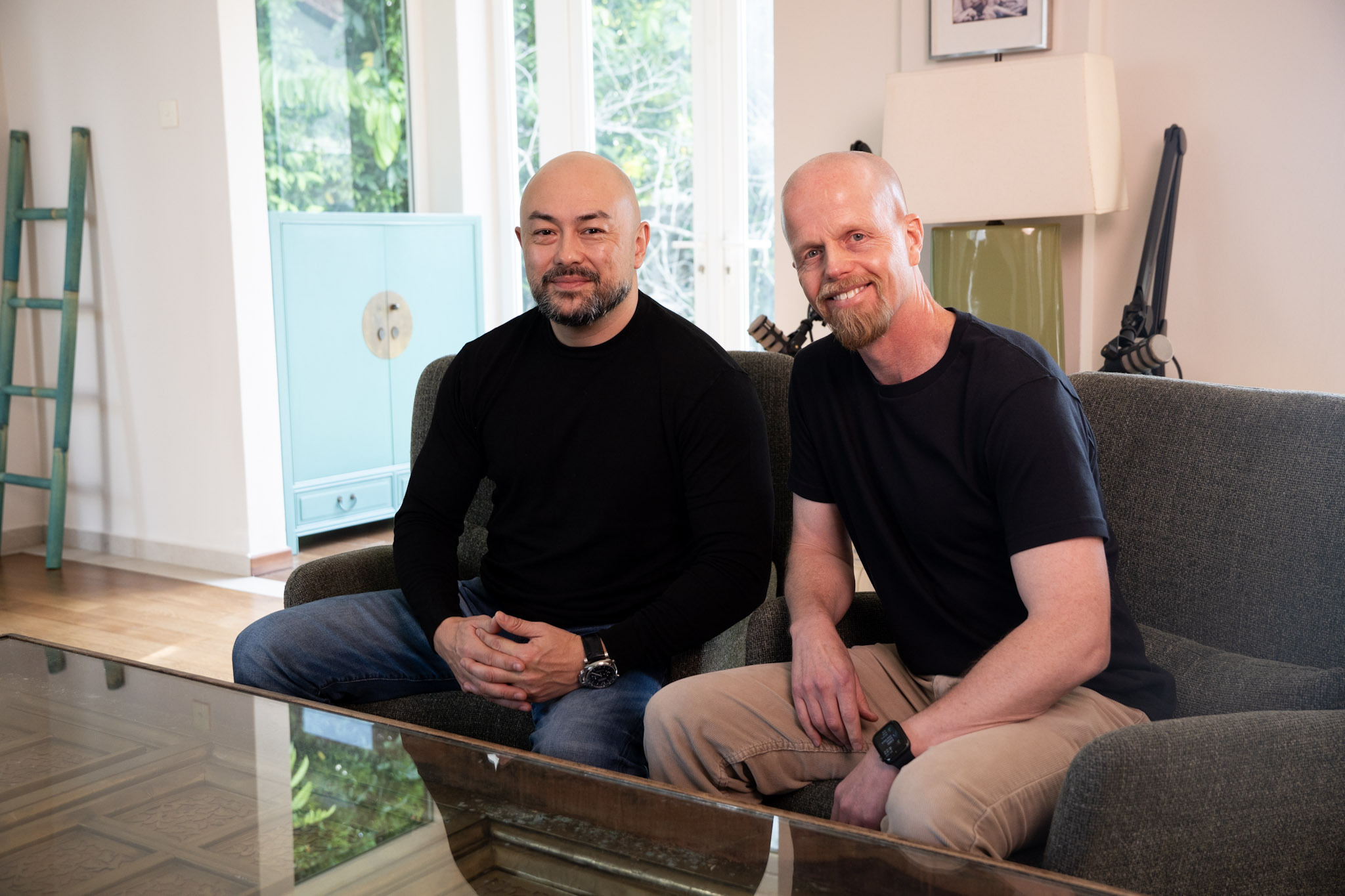
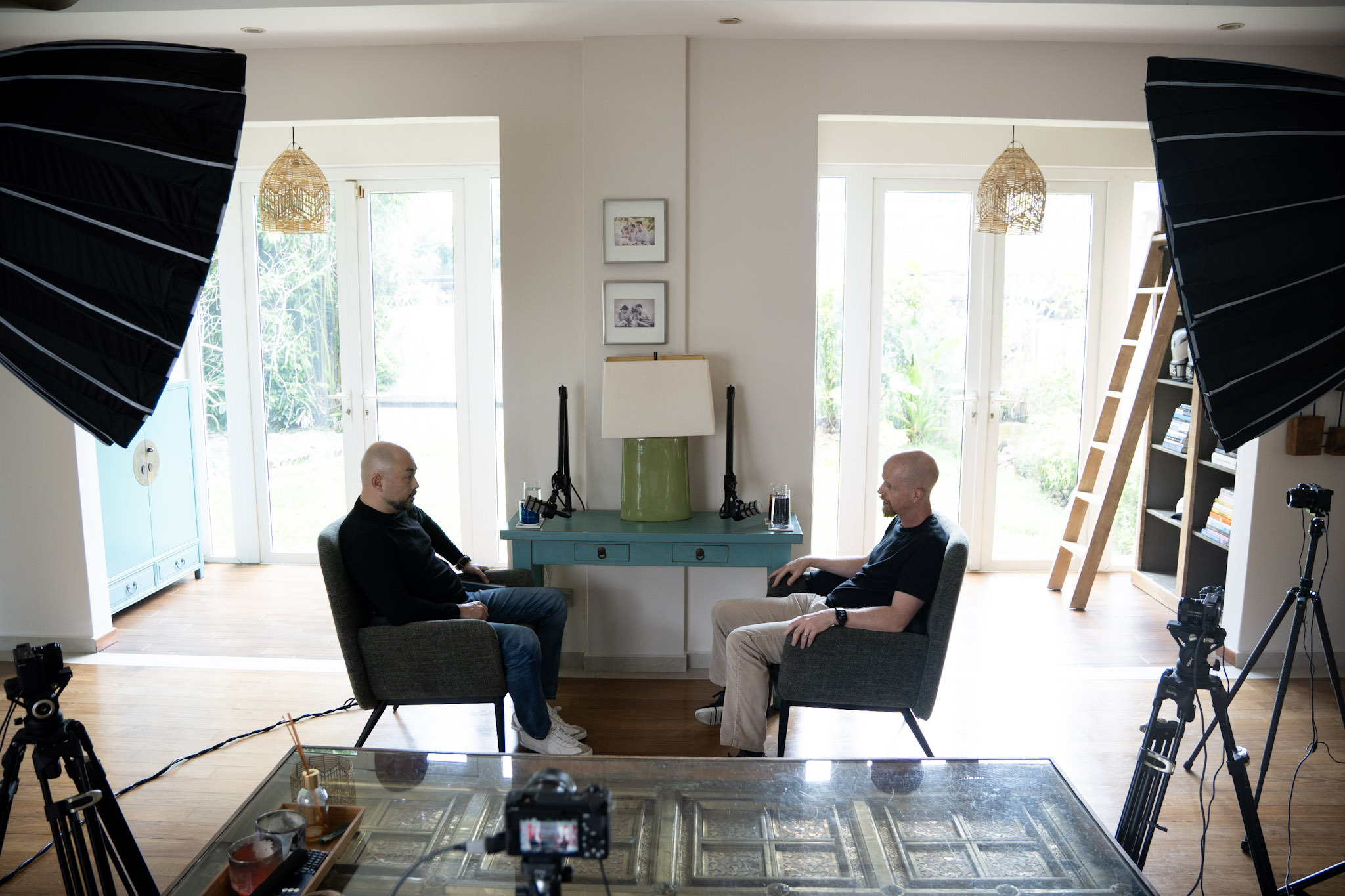
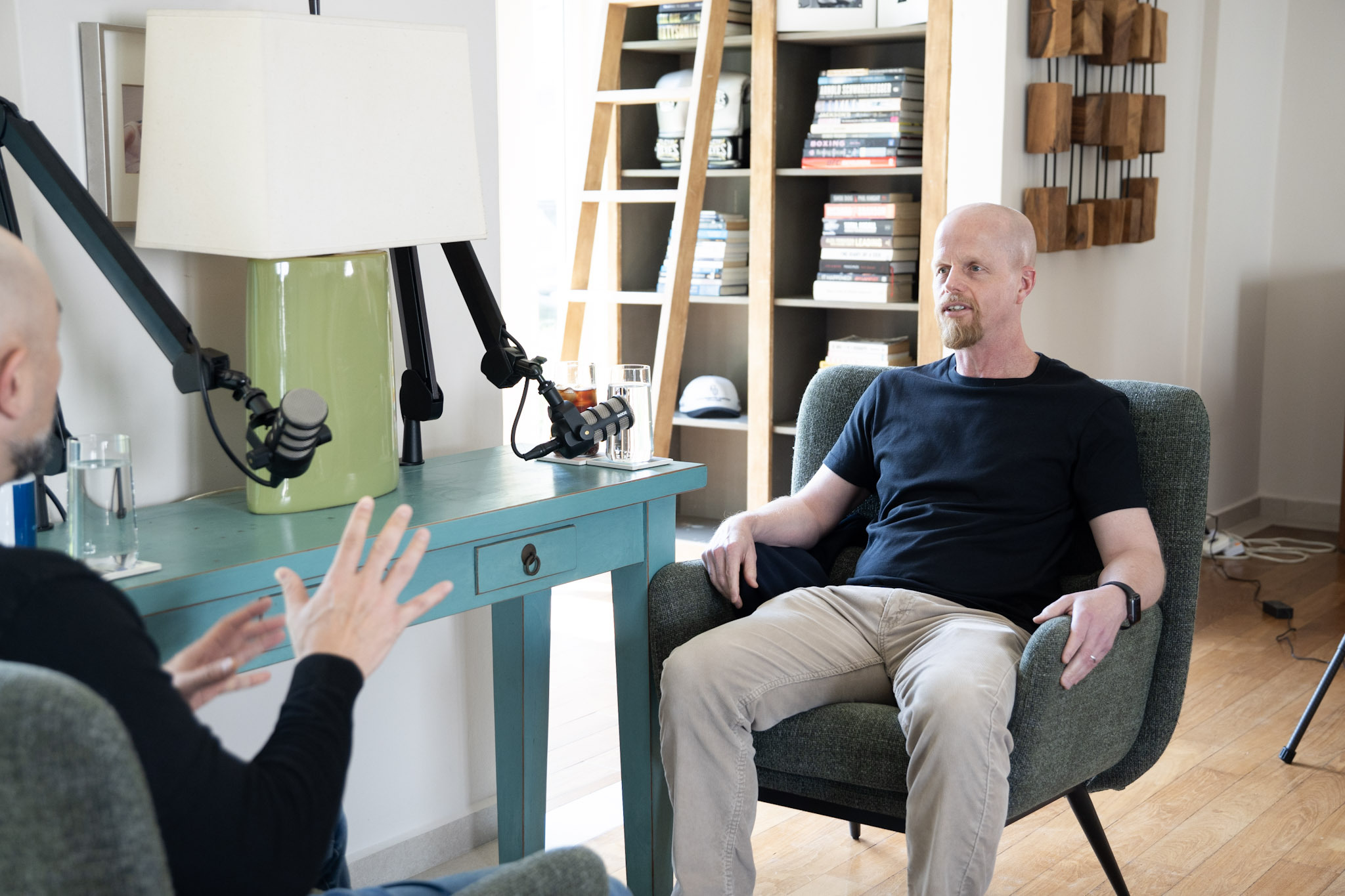
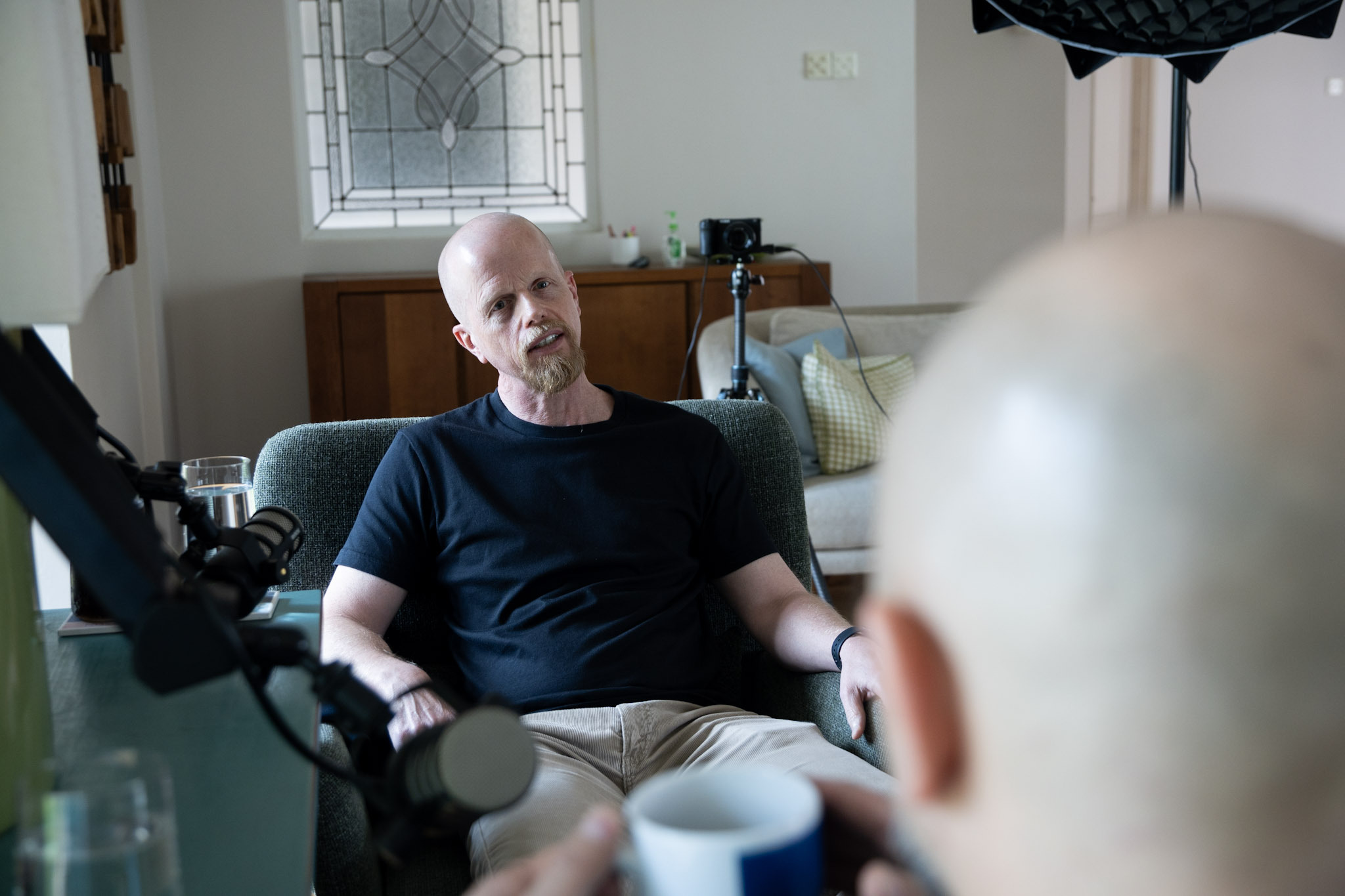
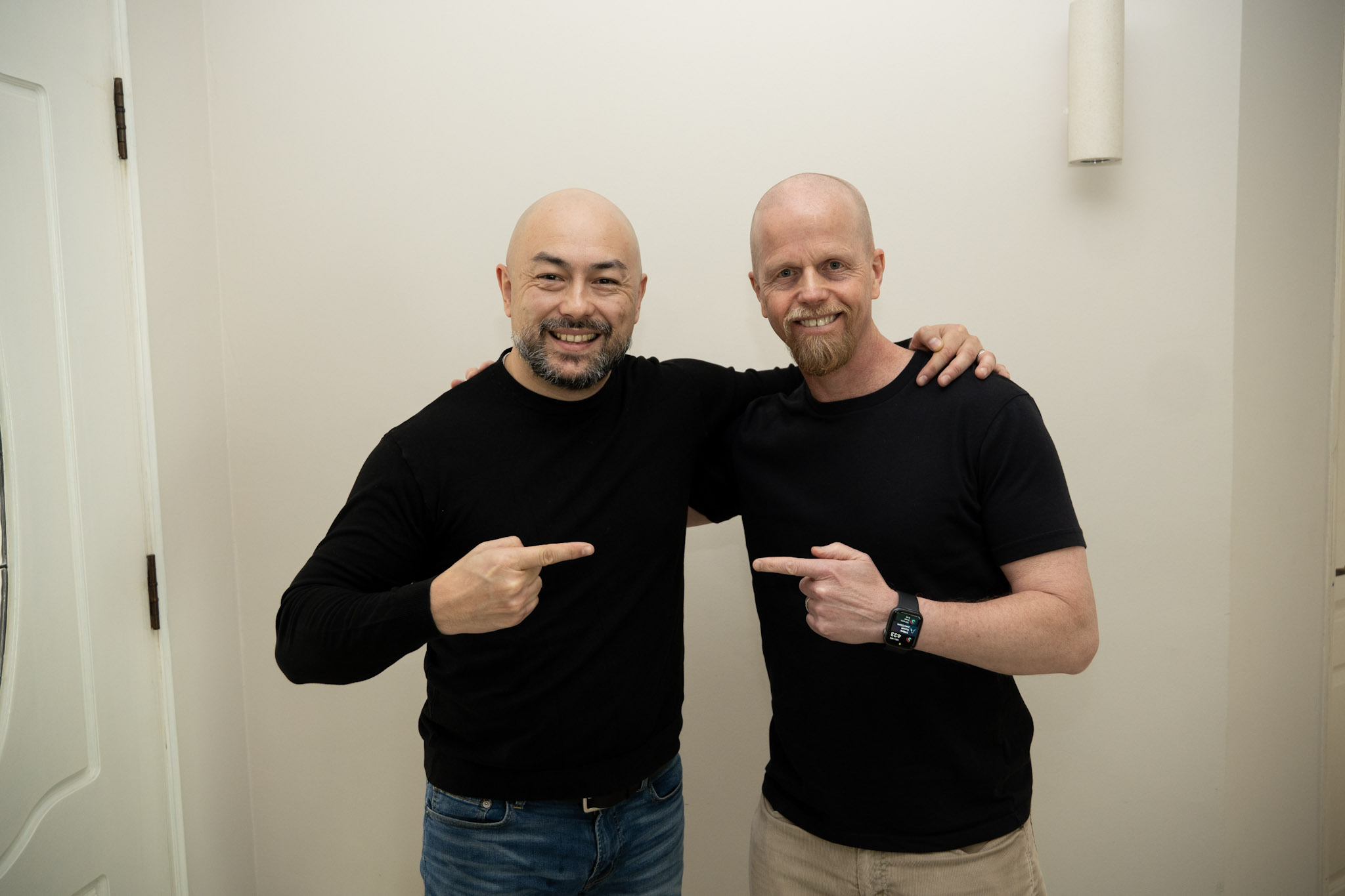
Our Other Episodes
Lorem ipsum dolor sit amet consectetur. Sed morbi adipiscing ultrices in vel placerat.
One Video, 70K Followers: Jess Whitney Morris's Breakthrough | #102
In this episode of The Quinntessential Questions Podcast, Paul Quinn sits down with Jess Whitney Morris, model, social media management company founder, and media presenter. From growing up in poverty in Uganda and working-class England to working her way through Abercrombie, Hollister, and a self-funded university degree, Jess shares her transformation journey and the moment her father tore up her first modelling contract in half.
I Interviewed 100 Extraordinary People. Here’s What I Learned | Paul Quinn
In this episode of The Quinntessential Questions Podcast, the host takes the hot seat. After 100 episodes in the interviewer's chair, Paul Quinn, who runs Westport Executive Search and founded Quinntessential Coaching, answers questions sent in by guests, friends, family and listeners. From hitting a career plateau to building a podcast that now welcomes Olympians, world champions and global CEOs, Paul shares his transformation journey and the moment he decided to put a spotlight on helping people.
70% Of Winning Is Mental: Olympian Sally Gunnell On Confidence, Pressure & It's Never Too Late #100
In this episode, Paul Quinn interviews Sally Gunnell, an Olympic champion and world record holder in the 400m hurdles. She shares her journey from a hesitant young athlete to a renowned competitor, discussing the mental aspects of performance, her achievements, and her current project helping women over 45 build confidence and strength.