
Turn It Into Your Superpower: MMA to Coaching Success | #56

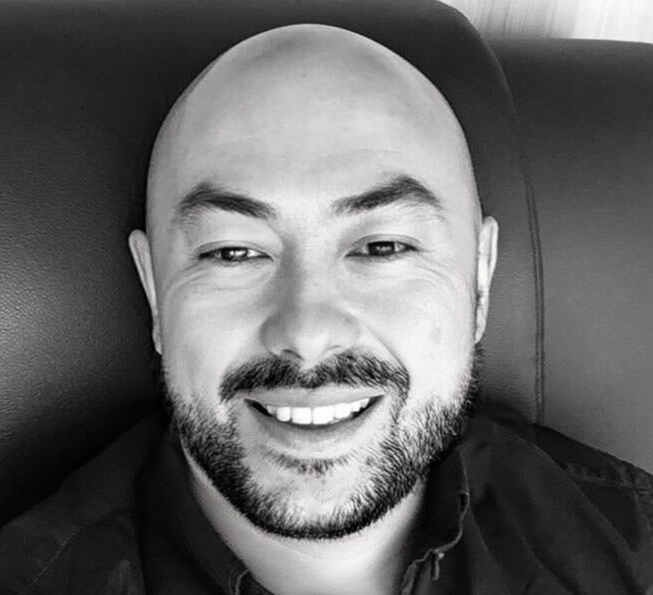
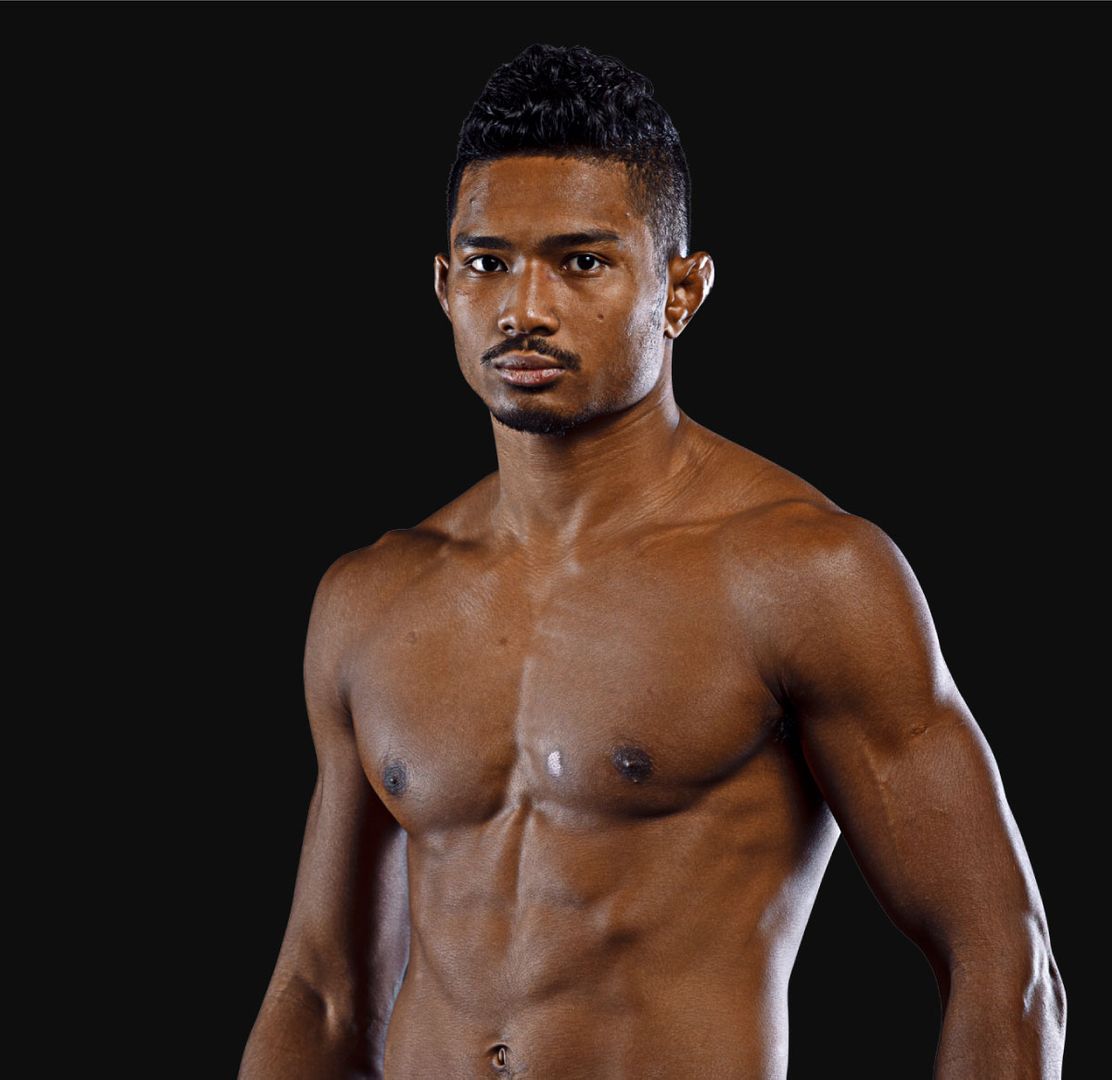
In this episode of The Quinntessential Questions Podcast, Paul Quinn sits down with Amir Khan, professional MMA fighter and mindset coach. From being diagnosed with Tourette's Syndrome at 13, to dropping out at 17 to pursue fighting in America, Amir shares his transformation journey to becoming a respected athlete with a 10-year career in ONE Championship.
He discusses overcoming adversity, mental toughness, the brutal reality of weight cutting, and why his father quit his engineering career to become his full-time coach. Amir also opens up about pre-fight terror, competing at 70% capacity due to injuries, battling depression after losses, and his transition from professional fighting to entrepreneurship and mindset coaching.Whether you're facing your own challenges, building a business, or searching for purpose beyond your current circumstances, this conversation offers hard-won wisdom on turning pain into power, choosing the right environment, and why leaning into fear is the only path to growth. Let's explore what's "Inside the mind of a Fighter".
TIMESTAMPS
(02:05) Introduction & Being Diagnosed with Tourette’s Syndrome
(05:07) Contender Asia & John Wayne Parr
(06:44) Moving to the USA On His Own
(09:29) Deciding on Louisiana As The Location
(11:25) Abundance Mindset & Can Do Attitude
(13:39) Finding A Community In The Right Way
(15:57) Fights Before ONE Championship
(17:06) Sage Northcutt
(18:05) Wrestling In The USA
(21:18) Tiger Woods
(22:36) Amir’s Dad
(24:55) The Pressure Of Getting Out There
(27:37) Small Outcome
(28:12) Breakdown of Training
(30:09) Habits & Psychology
(33:45) Weight Cutting
(34:50) Fighting With An Injury
(35:49) Best Three Career Victories
(37:54) Retirement
(39:40) Entrepreneurial Journey
(41:40) Fear of Public Speaking
(42:17) Mike Tyson
(44:42) Rapid Fire Questions
Bio
Although he is one of Asia’s finest MMA fighters today, Singaporean Muay Thai Champion Amir Khan did not always have it easy. He suffers from Tourette’s Syndrome, a neurological disorder that causes involuntary muscle tics and spasms. As a result, he was picked on and bullied growing up.
Fortunately, he discovered Muay Thai and fell in love with “the art of eight limbs” instantly. What’s more, he found that the training actually helped him to focus and overcome his disorder, giving him a tremendous boost in self-confidence and popularity among his peers.
Khan was also a promising young golfer, but when the time came to choose between golf and martial arts, he chose to follow his passion and turned out to be a legitimate prospect.
After winning a few bouts in Muay Thai, Khan moved to the United States to attend high school, where he began cross-training in wrestling and Brazilian Jiu-Jitsu to expand his skills in preparation for his MMA debut.
Upon returning to Singapore in 2014, Khan joined Evolve MMA and earned a spot on the famed Evolve Fight Team through his undeniable talent. He then signed with ONE Championship and has since accumulated several highlight-reel finishes that showcase his immense talent and growing skills.
Transcript
All I wanted is basically just be like, you know, John, yo, Clyde, fight in front of thousand people one day. That's my only goal. >> Okay. >> I said I'm just going to build a name for myself through fighting. Then I'm going to go into entrepreneurship. [screaming] [cheering] >> I was really skinny, [music] really not confident. How I overcome my Tourette's is because I went through a training camp. >> Psychologically changes [music] everything. >> When I went to the US, I mean the school where I was at, they are not even big on wrestling. of all uh discipline, wrestling is the toughest sport. You know, I just hated wrestling because >> it's so gritty, it's so grindy and uh feels you pain every session is painful >> and I question start question my life because I was exposed to that. So my transition to MMA becomes a bit easier. >> So Mike Tyson was always my favorite fighter. I I didn't think he was the best. Yeah. But >> I think when I getting my hands wrapped, my hand will shiver. Yeah. >> And with shiver, [music] I have to okay, calm down. I can't show weakness to my opponent. >> And I will get up the [music] ring. I will always >> uh kind of like have this talk to myself. Why are you doing this? Why are you pulling you? Why are you putting yourself through this? And then can maybe I will just get knocked out and I can I [music] can let me go home as fast as I can. Yeah. >> So I think I will have all this fear. But every time I okay I recompose, reassess, refocus and and tell myself okay I'm just going to try I'm going to do it face my fears that's where I always see growth and that's where my mindset changes my real passion is to help unlock my potential in terms of mindset coaching yes in terms of physical transformation and anyone who is willing who want to learn who wants to unlock their best potential mental toughness resilience and I realized it's not true fighting it's actually the wisdom the process cuz how you do one thing is how you do everything, right? >> You know, that's my favorite saying, by the way. >> Oh, is it? Is it? Okay, >> Emir, welcome. How are you? >> Very good. Thanks for having me. >> It's my absolute pleasure, man. Now, most people in Singapore know who you are, but for some of my audience members that may not know you, can you just give a quick intro before we turn back the pages of time? >> Let me give a quick introduction. My name is Amir Han and uh most people know me as a mixed martial art fighter in Singapore. Let me actually I think share a few on how I began my journey. Right. So at a young age at the age of like 12 13 I was actually diagnosed with this neurological disorder called Tourett syndrome. So if you do not know what storeets do you actually know what storeets is? >> A little bit but maybe educate us. >> Okay. So basically uh think involuntary ticks all over your body. So I will be constantly fidgeting my head making like facial movement maybe of my mouth blink winking winking at people. [snorts] >> So basically all these sticks are uncontrollable. So I always like to describe is basically when you have a mosquito bite the only way to relieve the itch is to scratch it. >> So this is what I struggle every second of my life. So because of that as you can imagine I remember going to secondary school and when we have to basically fall in line take the pledge have assembly right we uh sing the national anthem and then I will constantly fidget because I had no control then every day I have to go through this torment of like I I hear all I hear is like laughters uh all around my peers and yeah even like guys girls started making fun of me >> must have been tough must been tough especially as a 13-year-old boy all you wanted is like a girlfriend right [laughter] so so yeah I think I I was really broken you know I would say you know like >> at that point of time we didn't know what really depression was right but I when I look back probably I would have like feelings even of depression because I remember going home every day I would cry I look up uh to the ceiling I would just cry like basically blaming I think blaming the universe say why I have to be the unlucky one >> of course >> because you know torret is just like the zero 0.01% >> of the population. >> Yes. >> But I think luckily, you know, I had my dad in my corner. I think that really made a big change. So he was not only my dad, but he was like literally my coach, my mentor, my best friend, anything I wanted him to be. >> Wonderful. >> And because of that, right, he constantly gave me encouragement. He always kind of tried to reframe my my own personal adversity, right? He always uh tells tells me like you know this happens to you for a reason right you have to use it towards your strength then he always like to give me examples see look at all these superheroes they went through certain uh some kind of tough adversity but they managed to turn it around and in return it became a superpower >> of course it wasn't overnight that I can change his mindset but because constantly he's just whispering that in my ear I look for outlets outlet to basically find my superpower. That's where I one day I just watch on the television. I think back then there's a very famous Muay Thai show called Contender Asia. >> Yeah. >> Yeah. You know, right contender Asia. So I remember watching the finals. It was like John Wayne versus Yson. >> Yes. >> So both guys were fight. >> How old were you? >> I was like I think 13. I was 13. Yeah. >> You know I had John Wayne on the show. >> You had Okay. Very cool. Very cool. I think I met him once. I not sure whether he knows because of that show like actually >> you inspired him. >> Yeah, I was inspired by >> He'll watch this afterwards and he'll know cuz he's an amazing guy. >> Very nice. Yeah, I was inspired about both guys when they battled their hearts out at the end of the day, the winner, the loser, right? All the fans I think cheered for them and >> yeah, we won as fans, right? It was a great fight. >> Yeah. And yeah, even I was really inspired by his efforts, right? And that's what when I look at that I told myself that's what I wanted. I just wanted to be respected. I wanted I wanted to be known. I wanted to be um not say glorified but I want people to know me that oh I'm I can I am something I have something special to offer to the world like a value. >> So that's where I started my martial art journey. >> Amazing. It's funny because um we speak to a lot of people and they you know he's a very humble guy. Yosai is an amazing athlete right? He cut him. I think he cut John Wayne Pa and their fights maybe 49 times. He had 49 sets of stitches. Crazy. But I said to him, I was a big fan of his. And like you, he's just a very kind person, very generous. And you don't think about someone being so kind in such a brutal sport, right? But I love it. Let's unpack your journey then. So what a lot of people may not know is that you moved to the US. Yeah. >> Right. Tell us about how you and your dad got set on that path. at uh when I picked up Mashad age of 13 going to 14. So I started with Muay Thai just I wanted to just be a Muay Thai fighter. Yeah. >> So first three years I was uh just competing in the local circuit in Singapore and also often travel to Thailand. >> Mhm. >> But then as a person right I don't like to be limited by just eight limbs. I want to I always wanted to like okay what's more I want because I always come to this thought in my head yeah if I would fight if I had to fight someone outside I have to protect myself I still feel a bit insecure if someone took me down >> so that's where where I knew like okay I need needed to learn the other aspects of fighting >> and then at that point of time mixed martial arts were I think up and coming in in the US in the west in the west >> yeah but here >> here it was nothing >> non-existent >> so I I realized I needed to put myself in environment that gives me opportunities, right? >> Yeah. >> So I actually secondary fire I was doing my old levels actually. >> How how old secondary five 16 >> 17. So I told my dad actually it's pointless that I'm continuing continuing this path. I think in the environment in my school environment it doesn't give allows me to thrive because I'm a kind of person I can't sit down and study. It's not my I mean I can study but in a different way. Yes, >> I can't just sit down like 5 hours and just write and study. I need I like I like experiential learning. That's how I learn the best. >> By but by the way, a lot of a lot of kids, you know, I feel they're overlooked because we're not all built for the school system. >> Yeah. Yeah. So, I think we all learn differently, right? It's not that then they label me as, oh, I'm not smart. I'm not competent. I can't sit still and because of my condition I don't like to sit still. Uh so, so yeah, I told actually I told my dad like there's no point me just studying and I'm not going to do well. Why don't you can I just quit school and go to the US? >> And then my dad like I don't know I don't >> you came up with the US on your own. >> I went there by myself. Yeah. >> But why? So you were thinking about the US cuz you were watching what was going on. >> Okay. So there's two parts of the story. Like one part I want to actually find opportunities for myself. >> Yeah. >> The second part even though I kind of overcame uh this Torx condition it was I wouldn't say I fully embraced it. I still wanted to I guess almost like start a fresh because still in Singapore at a point of time as I was 17 I was a bit known and respected uh >> on the local circuit >> in the local circuit but >> I'm still known as the boy with Tourette's. So I wanted to start a fresh. So I was thinking if I go to the US no one knows me I can just start a fresh. >> Good. >> So there's two parts. Two parts. Yeah. >> And then where where and how did you decide where to go in the US because it's a big endeavor. >> Yeah. So I had uh my coach in Singapore had a mutual friend that just opened a gym. >> So it was in Louisiana. So short Louisiana. Okay. >> So people say why short Louisiana? I just had a mutual connection there. >> Yeah. >> So I went there. >> Do you do you fall in love with Gumbo? >> Yeah. Gambo Crawfish this season will go crazy on it. >> Yeah. Yeah. Yeah. [laughter] >> Yeah. Yeah. So yeah. >> So you are you by the way are you a Daniel Cormier and Poria fan then? >> I think I trained him once. I think when he was very early on his UFC career, I think managed to actually spot of him. >> Wonderful. >> And in Lafayette, we we went down all the way to Lafayette. >> Amazing. >> Yeah. >> Okay. And then keep going. So you so you you went there and then what? >> So I went there think I just had this I think I always have this uh feeling that okay it'll bring me somewhere. I have this belief and faith. So I just went and compete in the uh whatever fight I can find Muay Thai fights in Vegas. I compete in MMA fight, amateur MMA fights because over there at the age of 17, you still you can fight MMA. Yeah. >> And [snorts] then when I put myself out there, I was just sharing post on Facebook. That's where I think one championship scouted me and also Evolve MMA that the whole gym scouted me because they were looking for Singapore talent >> and I'm a Singapore talent but I was basically across the world but through the power of social media at that point of time was just Facebook. >> Yeah. they reached out to me and yeah that's why that's how I actually started my journey and won championship. >> Amazing. I didn't know that part. So how long were you in the US for? >> Three and a half years. >> Okay. >> So >> that's quite a long time. >> So so initially was me just to train but then I wanted to stay longer. So I thought I was being smart. So I convinced my parents why don't you just put me in school here? Yeah. >> But I think [laughter] the my purpose is just to extend my stay. >> So I did my junior's senior year high school over there. >> Amazing. in in a private school in the US and and yeah, so that's why I'm able to stay for a period of time. >> Did you find that cuz I lived in the US for a few years and I just feel that the psychology of the Americans is completely different cuz I grew up in England >> and the thing about the US is that everyone is trying to win >> and if someone else across the street from you is a winner and doing well, >> you know, you tend to admire them and think if you know if me can do it, maybe I can try and do it. But I found in the UK unfortunately when I was growing up >> that wasn't the case. You would be people are jealous of other people. They would tear them down if you know. So I just find that the Americans have a very strong can do attitude. >> Yeah. I think they have a lot very abundance mindset. I think I come from you know in Singapore environment where they they feel that only few people in the in Singapore can be successful. They don't believe everyone can be successful. Yes, >> I think the also this part of how it shaped my mind right when I'm in the US when you're there it's equal opportunities as long you put in the work as long you find a way it's very possible and everyone there you find the right people they are very supportive they will actually teach you stuff you know they'll teach you and they will they want you to be genuinely want you to be successful so of course there's also good crowd bad crowd but I think as a whole me having both perspective then I can have a conclusion of how I also want to lead my life and also how I want to lead my my son's life as well. >> And and how did how did you avoid getting into too much trouble cuz you know guys like us when you're youngsters you know a few rocks on the void deck and stuff. What did did this all happen to you? How did you deal with all of that? >> So even in Singapore I mean I had my path where almost went down the wrong path. Yeah. Like I was like I think you pro you guys probably hear my story that I would used to fight under the boy deck actually at age 13 I picked up smoking. >> Yeah. >> Just but actually to be honest because I was lost. Yeah. I think I picked up all these vices and I also uh tried to went to the wrong path because I wanted to find actually what I really wanted is community >> because I realized I thought if I do cool things or things that are I don't know like bad or cool I will have friends >> that are supportive with that. >> So I think then but luckily I when I found martial arts I realized I got the same >> feeling I I got this community that's what I need >> but in the right way >> in the right way. Yeah. So luckily I found that at an early age. So when I went to the US I still I still went out I still party still have fun of course but I already know my my purpose and I I already know that what >> where I where I should not cross the line. >> I love that. >> So pretty mature at a young age. So thankfully for martial arts. Yeah. >> That's beautiful. And when you were in the US did you look into your Tourette's? Was there any guidance or help there or not really? >> Okay. So basically uh in Singapore in Singapore I I remember when I went to the doctor once you know me my mom my dad they diagnosed me with Tourette's. So they gave me two options. They said you could either do nothing and they say this condition will not be cured >> or they can give me like a medicine >> but still not guaranteed cure but maybe 20 30% your ticks will subside. But then when I understand the medication that they're going to give me, it took they they warn me but this has side effects like keep you a bit low energy >> uh moody like you might feel mentally low and that's not what I want. So actually a young age I said okay no no medication I'm going to figure out myself. My dad even my dad was supportive. He said actually >> the power of the mind is powerful. Yeah. And he really g me that belief and trust like you can find your way and if you can control your mind imagine how powerful you can do you can basically your world is limitless in this condition that uh technically you can't cure it can't be controlled but like now if I have conversation with you it's under control because I've learned how to basically control it >> just for through the power of the mind >> but but it would have taken years right >> yeah yes yes of course it doesn't comes overnight >> what what I think is so admirable about you is that so many young people could, boys, girls, young adults can learn from your journey because it's all about trying, >> not being, you know, being afraid. We all have fear, but the courage to try new things. And nothing is scarier than getting into the octagon or a squared circle, you know, and and it's it's a lot scarier than boxing or even Muai cuz you're doing the the ultimate form of combat, right? Yeah. So, bring us forward. So you how what was how many fights did you have before one championship? >> So before one championship I have over what 30 Muay Thai fights 30 Muay Thai fights and then I complete uh maybe 40 wrestling matches, Brazilian jiu-jitsu matches, maybe 20 matches and then amateur fight I had only five MMA amateur fights. >> Okay. >> Yeah. >> That's the thing people don't understand versus boxing in MMA you don't have to have many amateur fights before you turn professional. Right. >> I I think it's changing now. Yeah. >> I think it's changing now. back then it's basically we do it I would say anyhow >> because you know why because there's no path no one's no guidance yeah I mean like I feel you know like my career could have been a bit more smooth if I have proper guidance proper manager like even after one I don't really have a proper manager no one's really you know how boxing they really guide you progressively I think it should be done you know it's not like you're picking fight but >> you should go progressively build your confidence build your skills Yes, >> because sometimes all it takes is one fight and sometimes you have this mental trauma and no one's and some we don't have access to all these psychologies. We don't know how to get over it. >> It's so hard and also it depends because you know I give you a good example. It's uh and you never know until you know but Sage Northcut when he fought I think that's a very good example where he stepped up a level that he was nowhere near ready for and he got badly hurt right and he completely changed everything and he's a very talented guy you know what I mean um but it's hard to say and the other thing is that people don't realize is as a as a fighter it's not like if you're playing for a football team you have to be your own manager your own coach even if you have this infrastructure and then you have to market yourself. It's you're running a whole business entity on your own shoulders. It's not it's not easy to navigate, right? >> Yeah. >> So, so, so were you 21 or 22 for your first one championship fight? >> Actually, I was like 19 during 2020. So, actually fighting for organization about 10 years. Yeah. >> Wow. Amazing. So, let's go back a little bit. So, the other thing is I think what you were gifted was during your time in the US was wrestling. Right. Now, unlike the guys that grew up in the US doing wrestling from the age of five, you still had that base, right? So, how was wrestling in the US? Cuz it's there's no joke over there, right? >> Yeah. So, I think it's uh tough, brutal. I mean, the school where I was at, they're not even big on wrestling. But still, I think the the training I think of all uh discipline, wrestling is a tougher sport, you know. >> I don't know. I just like being a Muay Thai fighter going to wrestling I just hated wrestling because >> it's so gritty it's so grindy and it's uh feels you pain every session is painful and I question something question my life so but I feel because I'm because I was exposed to that so my transition to MMA becomes a bit easier when I learn a bit jiu it feels a bit more chill bit more chill technique a bit more fun wrestling is just grind grind grind grind grind so when you were caught by championship at that point. I'm just curious. Let's go back in terms of your psychology and mindset. Were you thinking right this is the path for me? I'm thinking that this is what the next 2 three years is looking like or cuz you're so young. You just throw yourself into it. >> No, actually the honest truth is like I'm just trying. I was just trying. I actually have no expectation. I think that's the beauty of it. Like even me being a fighter, I never really intend to like all I wanted is basically just be like, you know, John, yo, Clyde fight in front of thousand people one day. This is my only that's my to be honest, that's my only goal. >> Okay. >> And I just basically like >> going to that direction cuz I knew if I can reach that, I will I always knew like I can cultivate a lot of skills that not many people can actually cultivate and that will always bring me a lot of opportunities in life >> for sure. >> So I always kind of have this ambition. People always ask me, "What's your plan in in your life, in your career?" I say, "I'm just going to build a name for myself through fighting, then I'm going to go into entrepreneurship." This has been always my uh my answer since young. I don't I don't know how, but this has always been my that's what I >> What What What do your parents do growing up? What was their job? I'm curious. >> So, uh my my mom, she was a nursing manager for the whole life. So, really raffles for 25 years and before that like just different hospitals. >> That's a hard job. >> Hard job. And I always see her, she's really hardwork, really hardworking, very very structural. But I told her that's something I don't want to do as well. I But my dad, he's a bit of a smart worker, but >> he keep changing jobs here and there. He was a mechanical engineer, got a good paying job, but then but then also because of my condition, >> he basically said, "I'm not going to I'm I'm not going to focus my career. I'm just going to help you." and he end up being became a golf teacher >> golf instructor because he had a good passion for golf and he was really good so he took his certificate because this uh the reason why he chose this career so he have more flexibility to spend time with me so I'm kind of thankful thankful for that as well of course so I realized like he doesn't have to work so much but still able to sustain I wouldn't say like super high paying job because most of the hours he spend time with me but this his goal his goal was he he felt like if I was if I didn't have any direction I would be so lost. I might I don't know end up somewhere bad. >> What a remarkable man. >> Mhm. >> Tell tell the audience members about one of your idols growing up because funny enough that person wasn't from MMA or from fighting. >> So actually uh yeah I was speaking to you earlier right so it was actually Tiger Woods >> because my first I think ambition right of athlete I wanted to be a professional golfer. M >> so I was playing the local circuits at a young age like 10 11 was competing in in Indonesia in Malaysia was I want to pursue this as a career >> and why I like Tiger Woods it's because I think you know his story right when he was when he was growing up because it's a white man's sport right yeah >> and he was uncommon and he didn't had the support with his environment he didn't everyone didn't want him to succeed But he stayed true to his cause. He persevere and then he became this star. >> Yeah. >> So I always kind of admire that because I think I relate in that sense where I'm different, right? I'm different in I have thourett not many people understand me but I want to pursue a certain path and I want to succeed and I just want to stay focused, you know, ignore all the noise. >> Yeah. >> And and yeah. So I think that story inspired me and I can see how he relates to me. That's why that's what I love about him. parallel similarities and then with your dad were you guys talking about hey son this is what you could potentially do this is the road or the journey because what I find I said this uh once to a on camera I said most boys and their fathers the journey for a lot of boys is they idolize their dads when they're younger they demonize them in their teenage years or early 20s and then unfortunately only when the dad dies do they humanize them >> and I said to my son I want to skip chapter two do you know what I mean Yeah, >> but it's difficult, right? So, how how was that with your dad? Did did he sit down and talk to you? Did you listen or when you were younger there was a bit of disagreement? >> Um, actually not. I think he guided me really well. I think one thing I learned from him a lot is uh he never really put any expectation on me. >> Wow. >> Even through schools like he never felt the pressure that I need to get straight A's. He never felt he never like I never feel that basically I need to be a world champion to get his love. So I think the fact that he doesn't put expectation he only all he asked is you work hard you focus on what you love and if he bring you brings you joy brings you meaning it will bring you money. So he always taught me these values and >> he's a wise man >> and then he told me at the end of the day even you do do succeed but he knows he said guarantee you go this path you will succeed but at least you'll be happy. So I think because of no expectation I think especially in Singapore context I see a lot of parents especially in school academic >> they just grinding the kids >> they grinding and they say oh get straight A's go into this school but also because the reason they put expectation I also don't feel is best interest of the kids that's why sometime pisses me off is because >> they want to look good in their community of like parents oh my son get a so it's not even for them >> so yeah I I think you know um because he really connect with me and really uh find out what I truly want to do and he basically just ignite that spark in me. >> It's beautiful. You see, again, going back to the reputation that you have and what I think you bring to to our community is someone that had the courage to do things because otherwise how are people going to learn it? No one would know your story unless you were speaking to people. Yeah. You know, and think about this, just as a fighter, it's inspirational, >> but with your Tourette's and everything else combined together, even more so. >> Talk about the pressure of, you know, getting out there, putting on your gloves. >> Yeah. >> And this is what sports people that are not in combat sports don't understand. It's not like losing a game of tennis. >> Yeah. >> You can wake up looking up at the stars, gone to hospital. Um, it's a very different psychology. Can you talk to us about what goes through your mind in your preparation? >> Yeah. So I think it's different in the sense because as fighters there like when we invest our our time, energy, effort, all our sacrifices, our relationship, we in we invest into a certain bout because in fighting a bout can change your life. You know that's how much emotionally attached we will add to a certain bout. And when it's fight camp, when we know like literally when I sign a fight, I know I know who's the opponent in front of me. Everything lives get serious. >> Yeah. >> When I go to the gym, the way I wake up, every time I go to sleep, how I interact with people, I making sure I doing things properly because I know if I don't do things properly if I don't want him to get the upper edge because from experiences, right? If I I remember when I was under prepared when I doubt myself whether I'm putting 100% effort in those tough moments your brain will will definitely quit. Your brain will that negativity in your voice will say okay you didn't put in the right work just quit and I know like I had to take it really seriously >> so because we take it really seriously generally right I think when I was a young fighter >> and actually most fighters we go through that we tend to attach the outcome to our identity. >> Yeah. And I think that's uh what's heartbreaking because sometimes things don't go in our favor, right? >> Yeah. >> So when let's say we lost a fight, let's say we get knocked out because we have perceived expectation of what the fight is going to bring us. Yes. >> And >> when actually that happens, right, your whole world crumbles. Yeah. >> I remember going into like I was like after a loss, I would not be happy myself for 3 to four months. >> Yeah. >> Because >> did you fall into depression? Cuz it often happens >> like I don't know. I don't want to say label depression but I would say towards a spectrum because I feel like depression and good state of mind is a spectrum right I didn't get into depression where I couldn't do anything. >> Yeah >> but yeah every day I wake up I think when I look at my exartner I look at my kid or I look at family I feel like they are they are looking at me like a failure. When I look when I walk on the street, friends come, hey, can I take a picture of you? I just look I bically >> I have these thoughts in my head that they're thinking they're laughing at me like, oh, you're a failure. You lost. >> Yeah. >> Then I realized like >> why am I attach after a while I realized why am I attaching this small outcome? >> Yes. >> To my whole life. >> Brilliant. That's very powerful. One of my favorite definitions of success is how high you bounce when when you reach rock bottom. >> And the truth is when you lose a fight, you haven't lost rock bottom. And the wonderful thing I love about MMA, it's we now see that you can have a career. But in boxing historically, it was like you lose a fight and you can't come back from it. We know that's nonsense. And the reality is if if you haven't lost at some point in your life, that means you're going up against the wrong people. >> Yeah. >> You know, losing is inevitable. It's it's just part of life. >> Um, talk to me a little bit about I want to know about the training because, you know, like I'm a I'm a sports guy as well. >> How how did you break down like how you would train? how much is strength and conditioning versus technique, you know, cuz obviously your background is mut. And when I watch you fight, >> I always tell me if I'm, you know, how close I am to the M, but I always felt that your elbows and your knees were your favorite. >> Y is it? >> I think just ingrediented uh since young if if I'm dead tired or if I'm just like >> going autopilot, I would just lean to my elbows and knees and I really Yeah. enjoy them. I enjoy them and it's I think second second nature to me. Yeah. >> And and and yeah, so I think training I have different phases. When I was younger, when I went to Muay Thai camp, it was really brutal, was really old school. It was just really mentally grinding. Yeah. But I feel depends on phases where I'm at at the early phases is needed to build mental toughness to cultivate uh this resilience because especially in Singapore, we don't we never face these harsh conditions, right? So I think uh the first early curious was more of that. Then after I become a MMA athlete, after I I mean we're more educated about how to do strength conditioning uh and also how to periodize properly then it'll be a bit more structured. No, more balance uh where we don't overtrain because I also have instances where I train so hard in the fight I feel so weak because I'll basically burn out towards the fight. >> Yes. >> So but all these I have to learn through losses in my career and actually it shouldn't be right. It should be like you should know what to do already. But also because the sport is ever evolving. Yeah. >> So yeah, after >> I think after years and years I realized like yeah you just need to find that right balance. I think for me if you have like 10 to 12 sessions of MMA sessions >> a week that's more than enough including strength conditioning. Okay. >> I mean uh I think you need to look at your sleep, you need to look at your habits. I think also psychology most people don't look at it. >> Talk about talk about the habits and the psychology cuz that's a very interesting point that a lot of people overlook. So I think uh psychology I think got to do a lot of environment. I think environment of uh your friends, environment of your partner. I feel like because you are spending the gym maybe 2 hours or 4 hours a day, right? Most of the how your psychology it's who you've been exposed on a constant basis. If the if their environment is negative, if your environment is not supportive, if your environment does not >> uh align you with the same goals, dreams and desires, right? Then you're going to you're going to start having doubts because you train hard, you come home, maybe you come home, you uh let's say your parents, you argue your parents, your friends, you know, if you're not aligned, then slowly you you won't you won't you won't feel this confident as what you can be. So I feel really environment we got to really fix our environment actually who we pick we surround myself that's why I was very careful on my friends it's not that I stop hanging out with friends that are are basically not the same mindset but because I realized if they're not in the same frequency they'll give me some negative energy and affect my training affect my my outcome affect my fight and then also >> like we say I try I say relationship I think have to really work on if you have partner in your relationship I think If you guys are not aligned, sometimes it can carry spills over to your work because I think as as humans, we need we need to fix the >> Yeah, you need a great support system. >> Support everything else because I said training is not not easy. It's not easy. It's actually brutal. It's tough. Yeah. >> And then yeah, I think that's one thing very underloop that I think coaches or uh maybe maybe just talking about Asia context, Singapore context, but we we don't really prioritize and focus on a lot of that. >> Well, also cuz you know when you're a fighter and you're you're preparing, you're cutting weight, you're moody, right? And you're in the kill zone. So it's you know your partner's got to be very understanding and your communication with your partner is big. Um and which part of the training did you enjoy the most? Did you because training is tough you know did you always enjoy you know did you enjoy sparring the weight training you know the technique training >> okay so I think as fighters we always joke uh the strength training is always a recovery rest recovery day because even though we're lifting heavy but it's kind of like low intensity so I think uh strength training we just like I think with teammates we just mess around. I think it's just fun. >> Yeah. I I like to do it but I think uh sparring is what I enjoy the most but also we tend not to do it most towards later career because I think it's not smart to take a lot of damage so we do more specific sparring and I think skill acquisition I like really to drill skill build skill maybe certain strategy uh certain game plan instead of hitting pet work very mindlessly I like to do a bit more specific start uh specific stuff as I mature in the career. I love that, you know, like um you know, my background is primarily boxing and muai, but in boxing um most of the major injuries uh and brain damage happen from maybe 80 kg and below. And I've I've analyzed it and I think it's for a few reasons. Number one, like if you have a heavy weight, they don't really need to cut weight. >> So the lighter weight guys, they're cutting weight and it takes 24 hours for the body to rehydrate, but 48 hours for the brain to rehydrate. And unlike MMA, the thing is there's a constant pounding. And that's that's really the sad difference. And then you see in MMA, you don't really have such horrific injuries. Um, but talk to me about weight cutting cuz that's something again people don't understand. It's so difficult and is a science. >> Yep. Yep. So at in one championship, I think the first five years I have to do the weight cut then after that they ban the weight cut. So no more dehydration. So at an early stage when I was I think uh doing this severe dehydration to meet the weight requirement. So I was around 77 kilos. I will fight at 66. Yeah. >> So I would say >> and how like you're such a big guy like you at 66. >> I you suck tucked in, right? >> I was suck in. So I I had to eat really little, eat really clean. At that point of time I didn't really know about nutrition much. So I would just focus on eating less. I'll still eat right food but I still eat less because no guidance. No guidance. Right. And then uh I think it'll point some towards the towards the fight it will affect my sleep because if you're not getting right nutrients you won't have good sleep quality and then sometimes you get you get minor injuries. That's why I always fight we tend to get injured because we are overtraining undernourished under fuel under recovered. So chances of >> Explain explain to the audience because most people don't they probably assume everyone's in 100% condition going into the fight but most people fight with an injury. >> Yeah. Yeah. because I think we really want to I guess you know we want to push the limits right like I said like a fight we want to ensure that we're ready that's where I think a good guidance a good coach should step in because as a fighter we are just all all our job is just to push to our best efforts >> if it's a rest day we're still going to push hard >> a third party has to come in and say no it's done for you >> so I think that's where it's important but most fighters unfortunately we don't have that good support system of a good coach who understand this principle where to give us boundaries. So we end up pushing ourselves too much and we end up getting injured and we'll end up because we really sign for the fight. We don't want to pull out because it's kind of disrespect disrespectful and all the fans have been waiting for the fight. Yes. >> And often most of the time we always fight at 70% of our capacity or maybe less. Yeah. >> Which is crazy. >> What what would you say were the best three career victories that you had when you look back now? So I think best three career victory it's uh when I would say when the support the team and when I was going at one point I was having like a seven fight winning streak in one championship I feel uh I was I was at a point of time I was trained under a coach called Eddie I think he opened a gym right now. >> So in evolve you know I think in evolve one uh because we keep changing head coaches. >> So at one point I got really close to my training partner uh and he basically positioned himself as a coach even though he was a fighter. Mhm. >> And all I did was that trading with bunch of amateurs but because of the environmental support where there's no pressure uh the environment support where I really enjoy the process and it was very intentional on the skill building and also had my dad to basically handle my life stresses. Basically he will come in take my gloves he'll help me do my laundry he'll help me uh basically cook for me everything. >> Your dad really is an amazing man. Yeah, he's really he really like he just dedicated his whole life just for uh just for just for my success or my career, right? >> So life stresses I'm getting handled >> and then uh my gym environment was really good and then >> I wasn't didn't even expecting an outcome and I was just getting the outcome. >> Yeah. Yeah, then the moment I think everything crumbles when unfortunately my dad passed away and then when I didn't have this environment due uh due to the change of management gym and stuff >> I feel this a correlation of my career being unstable. >> Yeah. But I only realized it after I stopped because >> then you reflect then you learn then you can see the parallel lessons and then I see also in that's why in organizations or in like businesses it's the same it's the same thing right. Yeah, it's, you know, there aren't many great father and sons combinations in our sport, but those that are are very potent, you know, like Joe Kazagi is one of my favorite boxers and his dad was a musician and he trained him, you know, and to become, you know, an amazing world champion. Um, talk to me about coming to retirement, like when did you realize, look, it was time to hang up the gloves? >> I think about two years ago. Two years ago. So, I never officially said retirement because I don't want to be that person like, "Oh, maybe I'll come back." Yeah. But I as of now, I think what retirement means to me is that it's not my number one priority. It's not my full-time job. So, I think two years ago, I realized that because also um right now I'm no longer fighting just for myself. I think my why changes. You know, initially it was me to overcome myself, you know, to overcome this thouret to I think to prove to myself that I can do something in my life, right? Yeah, >> I can uh have certain value in this world. But then uh ever since becoming a dad, I think you know >> it's a game changer, right? >> Different, right? >> I keep thinking I'm doing it for him, but actually >> this fighting journey is not doesn't at all. It doesn't ties with him like I actually want him to I want to give the best experience to him. Yes. >> I want to be a good father. I want to build a legacy, a fortune for him, you know. And I realized where I was at at that point of time and the platform I'm at right it's a bit limited because at the end of day like um you don't have control of your career it's uh the matchmakers it's the maybe the gym or the promotion and >> there's a lot >> there's a lot of internal politics if you piss someone off or if you don't do a certain way >> then it determines your outcome and also that's not an example I want to leave for my son. So that's why I decided okay I need to take a pause reassess what I'm doing and I think I can use I think I'm really grateful for all the support I have in Evolve one championship. I think without that also I wouldn't mold to the person I am of course >> but I feel right now it's time for me to saw on my own. >> So talk about your entrepreneurial journey. Tell us about cuz you always said you were thinking about becoming an entrepreneur. What was the transition and your mindset and tell me about the projects you're working on in the business. Okay. So like uh entrepreneural journey I think through fighting I me we me and my ex partner we had certain like retail shops in Singapore where it's a kids entertainment you know like kids place place area but I think it was just more to dwell into entrepreneurship to see what's out there. It was just really random. It was just getting skin of the game if you could say like how like if you want to be a fighter you just need to start right. So I wanted to start something but then I think after I stopped fighting reassess I realized I naturally inclination I think I have a lot >> of uh value to offer to people in the terms of mindset coaching yes in terms of physical transformation and yeah so initially figuring out I was doing a lot of personal training mindset coaching live sessions but now I want it to be more I want to reach the masses where it's basically I can do it uh digitally and help I think countless of be CEOs, exe executive. >> Yeah. >> Uh or anyone know I don't want to just label specific uh you have to be a specific caliber to work with me. anyone who is willing, who want to learn, who wants to unlock their best potential and I truly believe I can help them >> and yeah through that as well I managed to get a lot of speaking engagements because of my unique story right I think being a speaker what I realized I used to have a lot of limiting belief like I can't speak because I mean being a really introvert I think being a introvert and someone who stutter a lot growing up >> yes >> and someone who I know don't know how to I know I'm very awkward in social conversation. >> So I never thought I would be a speaker. Even my mom was surprised like you know she looked at me. >> That's why I admire you. And I'm sure when you meet people today, people probably can't I'm an introvert as well and people will not believe it. And you know cuz we we learn to wear a hat >> for that moment. But like um how do you deal with the fear of public speaking? Is it is it through practice? >> So it's I think I I I take it like how I started fighting, right? >> Yeah. But >> it can't. Which is more scary? Public speaking is more scary. Exactly. And I think fighting is much more harder because literally it just took like a short amount of time for me to be a public speaker and get paid for it. Fighting took me like 10 years. >> But but literally because I when I when I fight actually it's I'm I'm not someone who is very brave, courageous. I remember first fight I stood up there. I wanted to jump out the ring. I was like I need to get out of here. >> Well, tell tell your cuz a lot by by the way my Tyson I told my favorite fight. He used to cry before his fights when he was a teenager, you know, like it's it's no joke, man. >> No joke. Like I think when I getting my hands wrapped, my hand will shiver. Yeah, >> hand will shiver. I have to, okay, calm down. I can't show weakness to my opponent. When I will get up the ring, I will always >> uh kind of like have this thought to myself. Why are you doing this? Why are you putting you why are you putting yourself through this? And then can maybe I will just get knocked out and I can I can let me go home as fast as I can. Yeah. >> So I think I will have all this fear. But every time I okay I recompose, reassess, refocus and and tell myself okay I'm just going to try I'm going to do it face my fears that's where I always see growth and that's where my mindset changes. Then I realized public speaking is the same you know I had this internal dialogue that I'm not a good speaker. I mean I didn't even learn English properly. You know my vocab is not on point. I have a lot of excuses in the world. But then I tell myself okay if I'm that fearful all I need to do is lean into the fear. I love it. >> And and then then I then after that I will actually >> be good at it and I will actually grow from it. At the end of day I will grow. So I will just focusing okay I just want to grow. So I lean into fear and then it just then I become a speaker of >> beautiful >> and are you enjoying that? >> Yeah enjoying that. I think because I get to share my story and I get to speak to from my heart. It's no there's no theory. There's no script like right now you even you share me what conversation you want want to talk. I did not prep anything. don't need to because you're speaking from the heart. >> Speaking from the heart. Yeah. And that's what I get to in my speaking engagement where I get to speak to my hearts. But of course now it's speaking to heart and how I translate and correlate to their uh to their professional industry and then I feel this is just uh something that I enjoy and how I correlate these parallel lessons that could be empowering for them. >> But you see the thing about your brand is you're confident but you're humble and you're very honest, right? you know, you've you've shared your journey about Tourette's because I mean, I have very severe dyslexia. My son's got ADHD. My wife my wife's got a PhD from Yale. >> She found out after doing a PhD that she's got ADHD, right? And um you know, how do you tackle it? But what I realize is most of our weaknesses >> can become our strengths, right? But you have to lean into it. You have to take it on. Um, I just want to ask you some questions in terms of, you know, when you look at the best MMA fighters in the world, let me break, let me get some breakdown from you. Who do you think MMA has got the best standup, >> you know, >> stand up? I would say Jon Jones or Alex Spar. Ah, >> yeah. But I prefer Jon Jones. I just I feel he's just more wellrounded. So, yeah, he >> is he is he's a savvy. And you're going to, if I said ring IQ, you're going to go to him as well, right? Jones, I think. Overall, Jon Jones, Kabib, if you talk about as a whole compete fighters, Kabib and Jon Jones, but personally, I really like Jon Jones. >> Yeah, >> I like his confidence. >> He's He's tough. >> Yeah, he's tough. >> That's the thing. He's overlooked just how tough he is. Do you know what I mean? If if you could have for anyone in MMA history and in Muai history that you know, and I don't mean you're not meaning this disrespectfully, but just the chance to compete with these guys at around your weight level. Who in MMA and who in Muay Thai? >> I think MMA I think Max Holloway because I actually like him as a person. Very chill. I always like and I have really close Hawaiian friends as well and he beat >> I I just like personality. He brings it fights. >> You know when he beat Justin Gatei, I lost my voice for about 48 hours. I was just screaming at the end. It was ridiculous. >> That's a great shout. That was a great shout. And then Muay Thai >> in Muay Thai. I would say um block out. Block out. >> I I knew you were going to say that. >> Block out. So basically uh after watching Continent Asia and when I became offsets from Muay Thai, I was always I bought this uh K1 Max DVD and I always uh put in uh put in my DVD set, right? Still old school. >> And then uh >> I'm old school a VHS. >> Okay. At least mine is a bit upgraded. But then I will always go home watch like he was fighting the K1 Max and I >> I would always also inspired to be be someone like him like fighting in international stage. Yeah. >> And yeah like I also wanted to be like him. So I thought uh yeah I think some someone my weight class and he also looks like me. >> Yeah. Have you ever met him? >> I met I met him but not like I never actually hang out with him. >> Yeah. >> Yeah. He's um and also what I love about him he's very charismatic. >> Yeah. >> You know he's he created a real brand for himself. talk a little bit about some of the future projects like that you're working on and how people can reach out to you. >> Yep. So I think people can reach out to me through my socials either through like LinkedIn or through Instagram you know my Instagram handle is Ahan MMA LinkedIn you search Ahan. >> Yeah. >> Uh and yeah so I generally help people I think like you know unlock their full potential. Yes, >> I think first I always feel most people needs a physical transformation because I feel like like also for me as a how I overcome my Tourette's is because I was really skinny, really not confident. It's because I went through a training camp. So I I I see like this transformation like the 3 months uh training. It's like a training camp psychologically changes everything how you feel about yourself >> cuz how you do one thing is how you do everything right when you have >> you know that's my favorite saying by the way. >> Oh is it? Is it? That's why I'm smiling. >> Okay, nice. Yeah. >> So basically from your habits I think your dietary habits from also uh your exercise from I think also how you show up positively each day right so all these I try to kind of uh basically compile in in a program we which where you also have a clear transformation because transformation is something is a a valid proof you know I'm not expecting everyone to go for a fight if I going to come off a program everyone go to a fight I will run out of business [laughter] but I actually you know that's not My real passion actually is not to breed fighters. >> My real passion is to help people unlock the potential. And I realized it's not through fighting. >> It's just fighting is just one of the modality that is correct. >> Can be anything. It could also be >> through I say like physical transformation. It could be through dancing. It could be art. >> So the modality it's actually not my main focus. It's actually the wisdom through the process. It's my main focus. Yeah. >> You got so much wisdom for a young man, you know. >> Mhm. >> Yeah. I think because like experiences right I think it's not it's not the age I think it's not the age is it's the experiences and >> I feel I've been through a lot still I think I have to go through a lot I think next phase I'm quite excited because I'll go through a lot of experience as an entrepreneur the ups and downs >> as well but I think as of now I am able to handle like I think the downs of an entrepreneur >> doesn't seem so bad >> no it's out but think about this you're you're you've done what is arguably the scariest thing to do yeah >> right you know standing across you know, the ring from someone who's trying to take your head off, >> you know, and and and execute you effectively. That is as scary as as it can possibly be. The there's a direct correlation between entrepreneurship for me and my hairstyle. And I've been it's coming up to 20 years. At the end of this year, it'll be 20 years. But the thing is is it's a it's a lonely journey. But the one thing is, and listen, this goes back to your brand. What I realized is people that will admire you. They want to be part of your journey and they they will try to um replicate part of that, right? And entrepreneurship, it's just it's no different, right? So, it's it's very exciting. I appreciate you taking the time today. >> Um thank you, Amir. It's been a pleasure, man. >> Yeah, I truly enjoying sharing my story and hope uh whoever's out there gain a lot of value from our conversation today. Yeah, >> 100%. How could they not, man? Thanks, Amir. Appreciate it. Cheers. Cheers. Heat. Heat. [music]
Our Other Episodes
Lorem ipsum dolor sit amet consectetur. Sed morbi adipiscing ultrices in vel placerat.
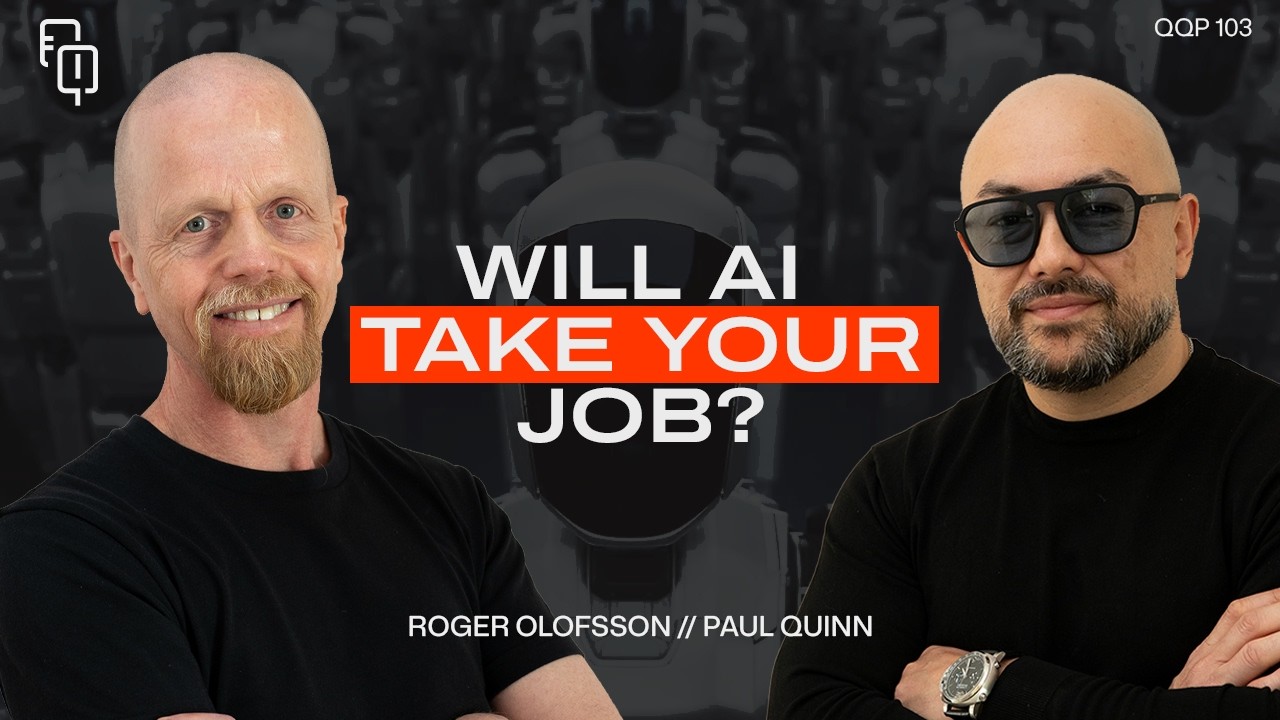
Building an AI Company Inside a Search Firm with Roger Olofsson #103
In this episode of The Quinntessential Questions Podcast, Paul Quinn sits down with Roger Olofsson, CEO and co-founder of Olofsson & Company, the executive search firm hiring for startups, AI, tech and fast-growth companies. From a childhood in Luleå, near the Arctic Circle, to landing in Singapore in 1996 as an exchange student with a backpack and a suitcase, Roger shares his transformation journey through almost three decades of recruitment in Asia, and the moment he finally backed himself to build his own firm.
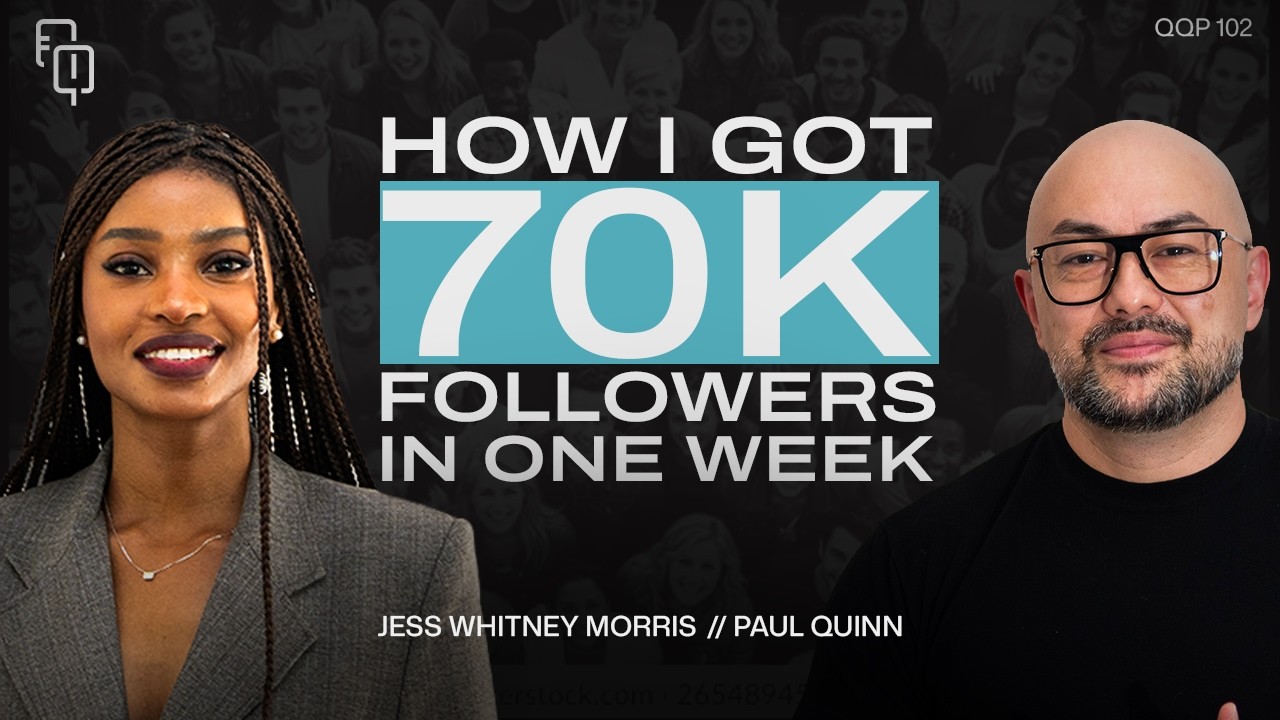
One Video, 70K Followers: Jess Whitney Morris's Breakthrough | #102
In this episode of The Quinntessential Questions Podcast, Paul Quinn sits down with Jess Whitney Morris, model, social media management company founder, and media presenter. From growing up in poverty in Uganda and working-class England to working her way through Abercrombie, Hollister, and a self-funded university degree, Jess shares her transformation journey and the moment her father tore up her first modelling contract in half.
I Interviewed 100 Extraordinary People. Here’s What I Learned | Paul Quinn
In this episode of The Quinntessential Questions Podcast, the host takes the hot seat. After 100 episodes in the interviewer's chair, Paul Quinn, who runs Westport Executive Search and founded Quinntessential Coaching, answers questions sent in by guests, friends, family and listeners. From hitting a career plateau to building a podcast that now welcomes Olympians, world champions and global CEOs, Paul shares his transformation journey and the moment he decided to put a spotlight on helping people.