
The Missing Skill for Neurodiverse Kids: Dr. Vicki Rogers | #65

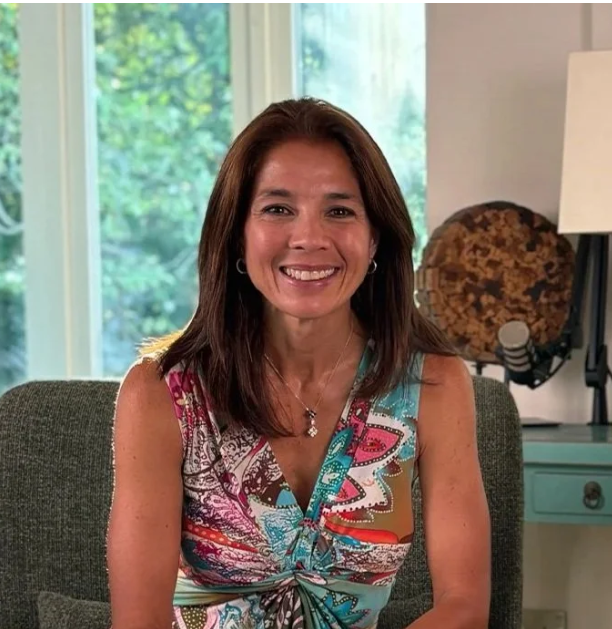
ADHD, Dyslexia & the Power of Difference.
In this episode of The Quinntessential Questions Podcast, Paul Quinn sits down with Dr. Vicki Rogers, Educational Psychologist and Founder of Champion Coaching & Consulting. From teaching for 17 years at the school she attended as a student, to leaving a classroom she "couldn't walk past for five years," Dr. Rogers shares her transformation journey and the profound realization that led her to pioneer executive functioning coaching.
She discusses systems over goals, the truth about what makes smart kids scattered, why executive functioning skills aren't sexy but deliver immediate results, and her direct philosophy: "You gotta want it more than me." Dr. Rogers also opens up about growing up as a third culture kid who "wasn't the sharpest tack in the box" and shares powerful strategies for parents, educators, and professionals struggling with organization, task initiation, and follow-through.
Whether you're a parent whose child is "smart and scattered," an educator frustrated by curriculum constraints, or a professional who needs better systems, this conversation offers science-based wisdom on learning, executive functioning, and what schools don't teach.
TIME STAMPS
(00:00) Introduction montage
(01:36) Meet Dr. Vicki Rogers
(03:05) Starting private practice before "coaching was a thing"
(03:32) "I could switch lanes but couldn't intersect lanes"
(04:54) What is executive functioning?
(08:42) Third culture kid background
(11:03) Building econometrics model on resilience
(15:35) "Not the sharpest tack in the box, but I learned habits"
(16:10) Systems over goals - James Clear quote
(16:50) Students demanding the training
(17:31) Leaving school - crisis of conscience
(17:50) "Couldn't walk past my classroom for five years"
(18:32) Knowledge economy evolution: Libraries → Google → AI
(19:50) How kids learn now has changed
(24:35) "Not sexy but super effective"
(30:21) "You gotta show up" - minimal expectation
(30:40) "You gotta want it more than me"
(32:00) Self-efficacy definition
(32:35) "When that's hit, we are at ground zero"
(33:00) "My smart and scattered kid is not scattered anymore"
(34:00) Adding executive functioning coach to org chart
(01:18:00) Favorite quote - systems over goals
(01:26:00) Resilience is a practice, not a notion
Bio
Dr. Vicki Rogers is an educational psychologist and executive functioning expert known for helping "smart and scattered" kids become organized, and for her philosophy that "you don't rise to the level of your goals—you fall to the level of your systems."
After 17 years as a master teacher at Singapore American School—the same school she attended as a student, where she met her husband and sent her own child—Dr. Rogers left the classroom in what she calls "a crisis of conscience." For five years after leaving, she couldn't walk past her classroom. The decision to leave came from a frustrating reality: "I could switch lanes, but I couldn't intersect lanes." As a teacher bound by curriculum delivery, she watched students struggle with task initiation, organization, and prioritization—skills the system didn't teach.
In 2016, before "coaching was even a common term," Dr. Rogers founded Champion Coaching & Consulting to teach the executive functioning skills schools don't cover. What began with neurodiverse middle schoolers has expanded dramatically.
A third culture kid born in the Philippines to a Singaporean mother and American father, Dr. Rogers struggled academically in homogenous communities. That vulnerability became her strength—proof that the right systems can transform anyone's learning journey.
Dr. Rogers holds a Bachelor's and Master's in Economics from Colorado State University, a Doctorate in Education from Durham University (UK), and post-doctoral certification in Executive Leadership from Stanford University. Her coaching philosophy is direct: "You gotta show up. You gotta want it more than me. Because it's your learning journey."
Transcript
couldn't walk past my classroom for 5 years. I met my husband at that school because I taught at the school that I went to school at for 17 years and I worked with thousands of students and colleagues from around the world. That's what made me a master teacher. I could switch [music] lanes but I couldn't intersect lanes and because I had several degrees and several different things that became a bit frustrating because at the end of the day I couldn't really help and be as useful as I wanted to be. I had to jump away from that. I started a private practice 10 years ago before coaching became a common term >> a thing >> a thing I actually had to define coaching I said because I've always been I've always identified as an academic and now I was an academic life coach [music] and what did that mean come to find very quickly one of the big deficits of neurodeiverse learners is executive functioning skills executive functioning skills are not just a neurodiverse thing you know it's it's a it's a skill set that helps anybody who wants to get things done develop emotional regulation have some cognitive flexibility. I was not the sharpest tack in the box. >> Yeah. >> But I learned habits. You don't rise to the level of your goals, you fall to the level of your systems. I started something that ended up really creating this ground swell of interest because the need was so profound. My smart and scattered kid is not scattered anymore. Yeah. So, like how how do you do that? >> Hi Vicki, how are you? >> Great. Thanks for having me. >> Dr. Vicky Rogers. >> Dr. Oh, you can call me Vicki. >> You sure? >> Yes, absolutely. So, can you just be kind enough just to give a little bit of an intro as to who you are um for my audience members that may not know you and then I'll turn back the pages and then we'll unpack your journey, your story. >> Sure. Yeah. Professionally, I am a teacher, an edsych, a counselor, a coach, a life coach. That the professional resume is varied and diverse and eclectic because I've done lots of different things, but mostly in the education space. >> Okay. And so for a while I worked in traditional institutions and about 10 years ago I realized that a lot of my training and experience it was hard to intersect that when you're in a traditional architecture of an institution and I loved working in institutions. I really did. It's what made me a master teacher and I got a lot of experience and I worked with thousands of students and colleagues from around the world. But I really wanted to intersect some of my experience and my training, which is hard to do when you're sort of siloed in different lanes in schools, just the nature of how schools are set up. >> And so I started a private practice 10 years ago before coaching became a common term, >> a thing, >> a thing. I actually had to define coaching. I said because I've always been I've always identified as an academic and now I was an academic life coach. And what did that mean? this is all pre precoid and so I said well it's part and parcel of the same thing and yet it's also very different >> and so when I started the practice it was grounded in some pretty profound and impactful experiences I had with specifically neurodiverse students that I had taught over the years and had done as many things as I could within the bandwidth that I was given within the architecture of school and the contract that I had to deliver curriculum to help them and it was never enough. And >> did you find it limiting? >> Very. And it wasn't institutionally the problem. It was just the architecture and the ability to reach beyond the lanes that I was assigned to. I could switch lanes, but I couldn't intersect lanes. And because I had several degrees and several different things, that became a bit frustrating because at the end of the day, I couldn't really help and be as useful as I wanted to be. So, I had to jump away from that. That was hard because as a teacher, you know, we're creatures of habits and we know our systems. We plan our potty breaks. We know our curriculum. We know what we do. >> And I just I started something that ended up really creating this ground swell of interest because the need was so profound >> and it was beyond even the classroom experience that I had, which I had anticipated and had a hunch that there was more than what I was just seeing, but I didn't really know until I came away from it. And then I met other educators who also had these cross-sectional training and experiences and they joined the team. And so now we have this really wonderful team of really eclectic diverse educators with lots of different expertise but all seeped and grounded in helping. Initially it was neurodiverse learners but come to find very quickly one of the big deficits of neurodiverse learners is executive functioning skills. M >> and we can talk about what that is and broadly speaking and then really unpack it more. But executive functioning skills are not just a neurodeiverse thing, >> you know, it's it's a it's a skill set that helps anybody who wants to get things done develop emotional regulation, have some cognitive flexibility. It's it's a set of skills that's important for anybody. So while we started with a neurodeiverse community in mind, we now serve the whole bell curve of students. >> Well, what you do is so meaningful and I want to, you know, unpack how you got there. Yeah. >> Um before we get to where you started, >> my own journey was when I was about 15, my mom said, "I think you're dyslexic." And I didn't, it wasn't really a thing back then. I'm 47. >> And she just said, "You're just struggling in different ways." and uh spoke to my teachers and no one believed it because what we find is that if you're dyslexic or or you have any challenges you find ways to cover up you get you know great memory or what have you >> and then my school I went to a school a state school called Whitmore High School was a great school they had a special learning development program and you know we had all what I loved about my school it had all sorts of kids from you know every type of background diversity what have you And what I found really interesting was I had to go into the classroom one day and learn to reread. >> And I went in there and I thought, everyone's going to see me going in. I'm 15. And I went in there and all the loudmouth bullies >> from my year were in there. I thought, ah, this makes a lot of sense. They're all struggling >> and they be they become bullies probably as as a way of lashing out. >> And actually, u my grades went up two levels within a year. Um and it was it was just really >> So what happened in that school? >> So I had to learn to reread effectively. Um and I think break down some of the the barriers that I had created in my own mind. Um it also massively helped the way that the teachers reacted to me because >> they I think they thought I was obtuse. I wasn't engaged. The truth is I was shy and scared and sat at the back of the classroom. >> Um and then everything changed and instead of that I sat at the front of the classroom. Um, and I I got berated by my math teacher in particular. >> Um, and I was actually I instead of spending half an hour on the homework, I'd spend three and a half hours, >> but you'd think I'd spent 5 minutes on it cuz I didn't just didn't get it. And and in the end, math was a different language to me anyway. Always was. So that changed. And uh, but it was a very quick change. And the great thing is that last year I was able to study at home. So it was it was that was the beginning of my journey and my grades got better and better and better. Um, but I think I was a little bit typ cast because even my mom thought this is what you can do, what you can't do. And anyway, now as as a as a man, as an adult, I've realized I'm I'm just not going to listen to people. I never took any extra time. I didn't take a computer. I didn't use anything cuz I thought in the boardroom in life, you don't get that break. And and I think probably >> that's the messaging that we're told often, you know, subtly or or overtly. >> Yeah. So, so that was my journey. And then we'll come on to how we met later on. But but so you know my goal today is to share with people be it you know employers, employees, parents you know how to help people but I'm curious. So your journey where were you born and raised and and how did you get to university? >> Yeah you're my I was born in the Philippines. My mom is Singaporean. My dad is a Midwestern Wisconsin farm boy. They were probably one of the only Chinese cheese heads coupling in Singapore at the time. I don't know. Um, but we ended up growing up in Singapore. >> Okay. >> And as a biracial, >> there were not many people that looked like me. >> Yeah. >> And that Yeah. I was born in 77. >> Yeah. >> And so >> Oh, I'm 77 as well. >> Yeah. So my si I mean that look like us. You know, I'd walk around with my siblings. I have an older sister, younger brother. And there were lots of assumptions made about our family because we were not a homogeneous looking family. >> Yeah. >> And so that was in printing as well. I'm a middle child and do the research on that. You know, some of that is also imprinting in terms of what your role is in the family structure and and then my mom is a teacher was a teacher. She taught in the local schools here. My mother-in-law was a teacher. So I was surrounded by education was always very important. I wasn't really good at it. I was um capable, but I didn't really get good at it until I learned how to learn. And that is >> That's so important, by the way. >> Oh, it's so And that that lesson came from my farm boy father >> really >> cuz he struggled in school. He It wasn't >> I don't think education had the same level of emphasis in his community. It was important. Yeah. you go to school, you do your things, you do the chores. But there was a much more collectivist um a distribution of other responsibilities that didn't make education the sole and only lifeblood of the system. >> Yeah. >> And so he didn't thrive. And I just remember him saying all along the way because I kind of went straight through school. As soon as I figured out how to learn how to learn, he said, "Study skills are really important." I was like, "Study skill? What does that mean? you sit down and focus. It's more sophisticated and there's a big science behind study skills. Yeah. What they are, what works, what doesn't work, what are passive skills, what are active skills. And then baldled up in that are this other set of subset skills which are critical and those are executive functioning skills. So when you marry those two things together, >> you can do great. I mean, you can surprise yourself. So I was scholarship to do my masters in economics. >> Okay. >> I struggled with math all through high school. >> Yeah. Why the hell did you choose economics that >> I figured out how to learn. >> Amazing. >> One of the first classes I taught was econometrics. >> Okay. >> Which is the math of economics? >> Yeah. >> And I just it was so empowering to decode this idea of learning and break it down. It's kind of like investing. You know, there's this notion that oh this investing is hard and then you actually figure out well >> if you break down some of the basic concepts of investing and compound interest and index fun. Yeah. It's not that complicated. >> Yeah. But most don't do that and we don't teach that in school >> unfortunately. >> We teach content delivery often. We teach to the test standards and common assessments. That's just the architecture of school. There's not a lot of time and training dedicated to really solid study skills. Yeah. >> So I was finding that I was sneaking in. I was crushing my curriculum and I was trying to buffer five minutes, seven minutes, 10 minutes at the end of every class to teach study skills and executive functioning skills and I was sort of testing it out on certain classes, the ones that were stocked with some of my neurodiverse learners. >> Come to find then some of my other blocks got wind of it and said, "Can we learn that? We need that tool." But so I had the best test case because I got to use the systems and tools on students and tweak them as they went around. I did that for about four or five years. So hold on. When So you your first degree was where? >> So my first degree was in science. >> Okay. >> My second degree was in economics >> but outside of Singapore, right? >> Outside of Singapore in the States and then I did my third degree in the UK. >> Do you think why I asked that is is you know I'm looking at where to send the kids now where they can get into. >> Sure. >> And I think if you get the opportunity studying abroad is a wonderful opportunity. Um do you feel it would have been different if you had studied here? The states was hard for me. >> Really? >> It was for me it was hard biracial. I grew up here >> really >> and I was a third culture kid before we knew what TCK's were. >> So my master's degree was my research for my master's degree was I built an econometrics model because now I learned how to learn so I can do math. >> Yeah. >> Around how resilient really are third culture kids. I came across the book third culture kids by David Pock. He coined the term third culture kids >> and I had written to him and I had said listen I no one has done a quantitative study on how resilient we global nomads are. >> Yeah. Can will you will you work with me because I've I've got >> I was working with a great superintendent at the time, Bob Gross, and asked for his permission to use the school that I was working at as granted with consent with parents as my n my numbers and was able to gather a lot of data and actually put together build an econometrics model around resilience and measure it quantitatively >> really. >> So that was the beginning of but it was hard. hard. I mean, going back to the States as a third culture kid, not really knowing that's what I was, not feeling sounding like this. Yeah. >> Looking biracial. I went to a very homogeneous community for my bachelor's degree. I got scholarship for my economics masters. So, I stayed there in Colorado. >> Okay. >> Didn't know anybody. >> Yeah. >> Went to the UK for my doctorate because I just felt like I needed some change as is the itch of so many third culture kids. >> So, did my doctorate at the University of Durham. That was a different kind of >> very different >> homogeneous community. Yeah. And then eventually came back to Singapore because this was home. >> Full circle, right? >> But I'm not a Singaporean. >> Yeah. >> So that's displacing too, you know. That's a >> You know what was so weird? So I I'm half Chinese, half Irish. And I grew up in a place called South, which is Little India in London. Was a migrant area where families that couldn't afford to live anywhere else ended up there. And there was a on my street there were 110 houses. It was a culde-sac and there were only two non-brand families. There was a Jamaican family in my family. So I really got it. And then um you know I was I was the only Chinese boy cuz I was perceived as Chinese throughout school until I got to university. And um and the thing is there's a massive stereotype or there was when I grew up that if you're Chinese your mom and dad are either they run a fish and chip shop, a Chinese takeaway or they're accountants. And um so very quick and then because I've got an Irish surname, the English hate the Irish. Then when I went to Ireland, I really got it cuz I'm Chinese with an English accent. So very quickly you have to toughen up and you just lean into it. And um there's a great Paul Young song called Wherever I Lay My Hat I I Call Home. >> That's home. >> That's home, right? You just you got to roll with it. >> It's not concrete. It's concept. >> Yeah. Exactly. >> And so that's the that is the journey of so many adult third culture kids and third culture kids. So going back study abroad I mean yes there like anytime you can be in a community that offers different perspective you're learning and you're growing a very critical executive functioning skill called cognitive flexibility. So like >> anything we talk about can be linked back to an executive functioning skill. I mean it's really such an important interrelated subset of cognitive gadgets. So yes, go abroad, go somewhere else to learn from a different community, even if they have no association with you or you you with them. I mean, that's that's for as long as you're able to find a generative experience from it, do it. And then I left because I said, "Okay, I've done that and I'm I've learned this and I'm not finding home." I found a community, but it wasn't I knew it wasn't long term and I wasn't done learning. I had just learned how to learn. So I said I'm give me a doctorate degree and then I did a posttock at Stanford because I I just unlocked this learning. I was not the sharpest tack in the box. >> Yeah. >> But I learned habits. I learned that I mean we talked earlier about one of our favorite atomic habits. I don't know if you read James Clear but >> you don't rise to the level of your goals. You fall to the system the level of your systems, right? So I was like I've got to get my systems together. What does that mean? And there's really prolific research on executive functioning skills, which also was not a household name 10 years ago when I started the practice, but I knew that's what worked for me. And I had used those systems on my students in school. >> So I it I wasn't n of one. I there were other test subjects that were not only using them and asking they were asking for more and they were saying, "Oh, Dr. Rogers, can we you taught the Block this and the GB block wants to learn this, too?" And you know then the A block got a hold of that and then the C block got a hold and before I knew it I was kind of cheating my contract. [laughter] My contract was curriculum delivery you know but I was I was also teaching more efficiently because I was a more effective teacher. So there are I mean there's a lot that's that's my journey and then I left school which was a crisis of conscience because I taught at the school that I went to school at for 17 years. >> That was got to be weird. >> Weird. >> Yeah. couldn't walk past my classroom for 5 years. >> Yeah. I bet >> cuz that was home. >> Yeah. >> And my kid was going to that school. I met my husband at that school. >> Really? >> So I really struggled to return cuz I and I just didn't have the emotional capacity to >> walk away. >> And so I needed to roll into that. And that's another executive functioning skill called response inhibition. >> Yeah. [laughter] >> The frustration. When did you when did you get a sense of what your calling was and what you wanted to do? Like how old were you? >> Uh because I find why I ask that is I speak to like you know I've got three kids, you've got one. >> Yeah. >> And >> it's a journey. It's incremental and it's different for everyone. >> It changes. >> It does. It evolves, right? >> It's not static, Paul. I mean, even now with Champion, >> the knowledge economy is changing >> every second with AI. And so I was when I started teaching it was finder binders, pencils, papers. I don't even think we had post-it notes then. >> Yeah. >> Okay. So that was my era. Now I'm really dating myself. So that's how I started teaching. Okay. Then >> and we had like a computer lab and we had these things called libraries >> and and the knowledge center was Yeah. Right. That brick and mortar. I mean I you look it up. Right. Google it. >> I know. >> That's where we got information from. the knowledge center, the educator, the teacher, and then the Dewey decimal. Do you know what that is? Yeah. >> Yeah. We're 77, you know, right? The library. You go to library and you'd hope that the book that you needed to do the report you could check out and it wasn't one of those noncheckout books that you were then writing by hand. All right. So, that that is that is so archaic now. >> Yeah. When spellch check came in, I remember distinctly sitting in a meeting with my colleagues and there were two camps. One camp was like transcendentalism for Paul who just spelled it wrong. It's underlined in red and the correction is there one click away. >> Yeah. >> And then there was another camp that said Paul is going to go to the back of the room. He's going to pick up that Webster dictionary and he's going to look up transcendentalism and he's going to walk back to his desk and he's going to resell it correctly. >> Yeah. >> And I was like, "Oh, come on. This is not even a fair fight." Yeah, it's crazy. >> So, I remember giving my dictionaries away. >> Yeah. >> So, and then we had Google and then we had Wikipedia and and that changed the way we accessed information which has it doesn't even hold a candle to what AI is doing. >> Yeah. >> The knowledge economy is changing fundamentally the way that we receive information, process information, the way kids are learning, the way they will, here's a big change, the way kids will accept to be taught. Mhm. >> So now I'm getting a lot of really interesting intellectual objective debate. >> Yeah. >> About why are we doing it this way? Why is this why can't I use this? Tell me. And the they're legit. These are legit questions. So this knowledge economy of traditionally education is a very slow to evolve industry. Yes, >> there are schools that have done tremendous jobs at R&D and they've changed their physical learning spaces. They've integrated project-based learning. They've done these things. Yes. >> And they've made some difference. The vast majority of schools put up against a 19th century classroom, they look the same. >> They look the same. So, they they're slow to evolve. Yeah. But but what has not changed is >> students want to learn. They don't necessarily want to learn all the things and this is this is not different. They don't necessarily want to learn all the things that the curriculum offers but they want to learn. They want to do well. They want to have opportunities. Now they really want to be entrepreneurial. >> Yeah. >> And AI is allowing them to do that. >> Yeah. >> So how are we creating opport now neurodeiverse brains? >> Yes. >> What an opportunity. Yeah. >> Because these minds they never stop. >> Yeah. And their impulsivity, which is often in a traditional learning environment looked at as a cost, is actually what gets them to explore these areas and not be afraid to come off script. And the script says you got to do things a certain way and follow the rubric and hit the standard and it's all we know. >> But the impulsivity often of a neurodeiverse brain will go to those places and explore them and they will go down that rabbit hole and they will do that. Do you find when you're speaking to parents of kids with these challenges, do you find that they're a bit embarrassed at first, some of them, and it's they consider it a bit taboo and they don't know how to handle it or most of them are quite open-minded by the >> Totally depends. It totally depends. There's often a genetic load with neurodiversity, >> not always, but often. Yeah. So when I meet a student whether they're middle school, high school, young adult, college, if they have struggled with task initiation, working memory, processing speed, response inhibition, cognitive flexibility, and they have not had the help and the support both within the system of school and at home, >> they come with a lot of baggage and we have to take that and organize some of that process through some of that and still get stuff done >> that align with their goals and that align with their agenda that they need to So, and with other families where neurodiversity is understood, at least even at a superficial level, >> I mean, the ideal case is the parent or parents who understand that their brains looked a lot like their 16-year-old who've also been tested. >> Yes. >> Have these really generative conversations at home and say, "Your brain and my brain sama sama." >> Yeah. And now you can start to create a really organic generative conversation about well dad and mom are really successful in these things and they struggle with these things and I'm not feeling otherred and I need a little bit more specific honed in help in these areas so I know how to ask for help and I'm receptive to getting that help. >> Yeah, >> that's a different conversation than >> so interesting, right? parents that are have either not been diagnosed or have forgotten because they've found successes in other ways, but they've had temporary amnesia about some of their growing pains in the early years. >> Yeah. >> And they're hellbent that their kid is too lazy, not paying attention, or the system is broken, not serving their kid. >> They're not analyzing and looking at things. >> Yeah. They're not objective about it. Yeah. So, it just depends. It depends. What what I find interesting with my kids is I mean I mean my mom and dad's nickname for me was know it all. >> Was what? >> Know it all. >> Know it all Paul. >> Yeah. And they weren't wrong. I I knew I knew it. I wasn't wrong by the way. >> Know it all. >> But what I analyze like with my 16-year-old, we're very similar and she's now coming to terms with it. And that's a scary realization for her cuz we'll we'll disagree about a lot of things. But what I try to do is just lead by example. >> Absolutely. >> But [snorts] it's so difficult. like she said, "Oh, I want to set up a business." Um, and I said, "Okay, what are you thinking about?" And then I said, I went online. I spent about 2 and a half hours doing research on what's the best book. Right. And, uh, what's the best thing to listen to? So, I bought it for her. She still hasn't read it. >> Yeah. Have somebody else give it to her. Sometimes it's a messenger. >> You're absolutely right. That's what I've learned. And that's why So, even if you look at um, be it, you know, a coach or they'll listen to somebody else. >> Yes. And that what that is when I came away. Yeah. >> Yes. Some of the things that I was doing I take no credit for. I just I'm good at the research. I read the science and I believe in the science. So, and I followed the science. So, I took the science of learning with the art of teaching and I put them together and it it works every time. It works every time. Paul, >> the coach in me was often not, however, saying things tremendously different than what had already been said. But I packaged it differently. And I wasn't the parent messaging it. And I wasn't the teacher who had just the other day had been overwhelmed and maybe had said something disparaging. And so they drain their trust bank with the student and the kid no longer likes math. And you're right, it's like teachers are human too. So it's the messenger, it's the timing, it's the effectiveness of the application, but kids are really receptive. The thing about executive functioning skills, they're not sexy. They are super effective though. >> Yeah. Yeah. >> So you get immediate results and for a learner or an adult because we work with adults that are struggling to do seemingly simple things like task initiate stay organize scaffold things prioritize working memory processing speed organize complex information. If they just have a few tools especially if they're unmed it's game changer. It's a game changer. You know what I I've analyzed over the years cuz um I I always struggled at school academically like I said but the thing is I knew I was going to outwork out hustle and outlast everyone and um one of my very close friends we were we were it's in 2016 we went on holiday together and he he made a comment but you know great insults last a lifetime >> and I told him I read I think I'd read outliers >> Malcolm Gladwell >> Malcolm Gladwell >> and he said I didn't know you could read and he was taking the >> pissm M >> and um I know I earned more that week than he did all year. >> I didn't tell him that >> and maybe you'll listen to this. I don't know. But it did upset me and annoyed me. And the truth is like Tara probably my wife probably reads at least five times faster than me and she'll and not just five times faster, she'll get it. So I'll So probably 10 times faster because I'll have to read it, reread it, go back and I'll listen to things and I've worked a way around it. But what I've also realized that that's given me certain skills that other people don't have. And what I realize is if if if you're weak in this area, it makes you strong in another area and I lean into it. But but um so now when I speak with people cuz I'm I'm surrounded by brilliant people academically all the time. And when I was younger, I it intimidated me a little bit because I I didn't go to a great university. I didn't have those credentials. Um but after a while, you realize, well, I've I've been blessed with some other things. Steven Bartlet, Diary of a CEO, Richard Branson, you know him, dyslexic, >> they would never trade it. Yeah. >> Because what it did without I mean argue, right? But he's and he will say to you and he he's talked about this openly, I wouldn't trade it because it helped me learn some of these other skills that make me successful in what I do. It helped me get in touch with my intuition which is something that is we really have to make an effort to do these days especially with all of the stimulation that we're yeah we're surrounded by. So I mean these are you did you compensated by buffering with other skills and >> those are tough years >> they were >> where you're in a system that requires you to output in a certain way. >> Yeah. And so a lot of the work that I do with schools is disarming this notion that it's difficult to insert a couple of things that make a world of difference for neurodeiverse learners in ways that don't add one more consequential thing to a teacher's plate because it's already full. >> Do do you feel that most teachers are open to this now? Because I I didn't have good experience with teachers. I only had maybe three or four good teachers and the rest were really condescending and patronizing. >> I do. Especially after co >> Okay. >> So, especially after co when >> learners were at home. >> Yeah. >> And you could really get there's no longer bird's eye view or you filling in your narrative with narrative takeover of what you think is going on and you got to see what was really happening with your kid. >> Yeah. >> And there was no denying where the strengths were and where the struggles were. >> Yeah. And then that feedback loop and parents as well, teachers as well, they get to see their kids learning. Yeah. >> And so there was >> it looks different to that's the thing, you know, like >> super different. >> The one thing in I find it so interesting. So in all the years that I did it sports or drama or whatever, I realized what I was doing was very different cuz I was I would sit down and I so when you know I did martial arts, I would sit down, I would write things down. and everyone else was messing around and I was always I felt like I was playing catchup but what I didn't realize was it was furthering my learning you know in my own little way I was creating my own little unique playbook on how to do things um so when I speak to a lot of people I try to unpack granularly well what are you doing how you learning it and and uh I've spent a lot of time doing that and it it's very interesting because I'm a sales guy and the key to sales is human connection >> um But I realized that what has been the key ingredient to me being a great sales guy is I have redlinined so many conversations >> and I didn't mean to when I was younger. I just I was fumbling my way in the dark. >> Um and then I've seen people react and when you see people react in different scenarios, you very quickly work out there's a framework. >> You adjust, don't you? You do. >> Yes. That's your six sense. And that is building your intuition based on observation because you were taking in knowledge in a different way because you struggled to read. >> Yes. >> So you again the knowledge the knowledge economy is >> we metabolize knowledge differently based on our learning profile. >> Yes. >> And you what you did is you kept showing up. Yeah. >> And that's a big deal. It is a big deal >> because if you don't show up or you don't want it more than me, >> I can come to you with all the tools and solutions not going to make a hill beans of difference. >> It's not going to work. >> So if you I mean you you got to show up. That's the minimal expectation. >> Yeah. >> And and mean it a little bit. I can help you mean it a lot once we get rolling. Yes. >> But you got to mean it a little bit and then eventually you got to want it more than me. >> Yeah. >> Because it's your learning journey. But you did that and that that's a game changer. Your son does that too. >> He does. So what so with Kaden, I I talk about this because, you know, he's 6' one, he's got a tremendous physique. Um, and he's one of my heroes, right? My wife's my biggest hero, followed by my mom. And I I'd put him at number three because he just worked so hard. He studied so hard. And unfortunately for him, that meant he didn't have much of a social life what boxing and then studying, but he kept his, you know, nose down. And um, I've seen his journey. But what I realized is unfortunately most I had such an amazing time at high school. I loved high school. A lot of kids didn't. I thrived. I loved it. I studied I struggled with studying. >> In contrast, he really didn't enjoy his high school experience. And I think unfortunately if you don't have some wins early on in your childhood >> that that that that carries through to your adult years. >> It's true. It's true. Do you know what I mean? Yeah. I And I had the I had the great fortune of working with Kaden. >> Yeah. And when Kaden came to me, there were two things that were really fragile. And we were really trying to piece those things authentically back together because I didn't want the third thing to get hit. And so what were those two things? Motivation ebbed and flowed as it does with many, self-esteem. We wanted to keep him in boxing because it was the thing he felt good at, strong at, motivated by. >> Yeah. >> There wasn't a rubric that was standardized for everyone. He could do it. He had his own rubric. He could make his rubric. >> Yes, >> we were working hard on keeping those together while still doing school executive functioning, getting some other things calibrated. >> I didn't want it to hit his self-efficacy. >> Yeah, >> that's the belief that I can be successful in whatever I if I put my mind to it, if I ask for help when I need it, if I acknowledge what I know, what I don't know, if I get my systems together, I can get it done. >> Yeah, >> that's that's the piece, the self-efficacy piece. When that's hit, we are at ground zero. So when you ask me like are they receptive? It depends like where are you coming to me? What baggage? What have you pro what are you willing to accept? What is your home environment look like? >> Does mom or dad share a brain that's similar to yours? Are they willing to share a language? >> I wasn't I didn't leave school to work with adults. Yeah. >> I work with so many adults now. >> You have to because because the reality is we're all here. Well, they come to me and they're like, "My smart and scattered kid is not >> scattered anymore. So, like, how how do you do that?" And I was like, "Well, it's it's executive functioning skills. So, let's learn a few basic things >> and you can keep each other accountable at home >> and when your PA goes on maternity leave, you know how to get things done and you don't fall apart, you know? I mean, there's there's it's there's application pervasively throughout the family, throughout any learning experience." Somebody asked me the other day, I was working with an executive that I've had for several years. I worked with all three of his kids. >> Wow. >> And he said, "Okay, I'm restructuring. I'm redoing my org chart. Sit down and look at this with me." I said, "Okay, let's look at your org chart." Great. >> And I I knew his business pretty well because we've been working together for a few years. So, I said, "Okay, let's look at your org chart. What's the strategic plan? Everything is about the strategic plan. What's missing in the org chart?" And I said, "An executive functioning coach who needs to report to >> Yeah. >> And I put the pyramid up. This reporting line, this reporting line, and this reporting line." >> Yeah. >> Cuz that person is the thread that gets all of the things done that your strategic plan is hoping to accomplish. >> I love it. Have you seen that TV show Billions? >> Yes, I have. They have a psychologist on set. That's what And so that was >> although she is a I think she's a dominatrix in the show as well. Oh, I haven't gotten to that part. Don't ruin it for me. >> No, but but it No, but it was so cuz she she helps form that. >> So, that's in his org chart as well. Yeah. >> So, we added that two years ago. >> That's amazing >> because of how consequential it is to understand behaviors and decision-m that are based on behaviors. >> People don't get it, you know, like in in that moment under the spotlight >> when the pressure is on. >> Yes. Um because one I've I've got a coach that is part of my business who's a um he he was a gold medalist in the Commonwealth Games as a gymnast. >> And when you think about pressure that an athlete goes through that pressure on a high bar, you can break your neck. >> Absolutely. >> And you know, you're practicing, you're pract and and you're just thinking about I need to get this right. Um like at the moment the aquatic world championships are in Singapore and when I was in um Brazil for the Rio Olympics. So I went to go and watch the high diving >> and it was out by the ocean and I thought it was so unfair because these athletes have trained for a lifetime in the last four years to get into the Olympics and you're stood on that 10 m platform and the winds going like that >> and you know you're on you're doing a handstand and I felt so bad for them cuz that's something that you you can't account for you know but but that's pressure >> and how do you deal with that? Um but to to round up on Kaden I mean you you had a tremendous impact. credit to my wife because despite me being dyslexic, I was unsympathetic to a lot of because what he has is different from what I have and you know it's been a journey. I'm still learning. That's why we're here today cuz my my wife does educate me on things and you need to be a little bit more sympathetic here and there. the the the one thing that I've what it's weird because when we lived in the US I would collect the kids from a school >> and on they had a chalkboard or a whiteboard sorry and they had all the kids pictures that had an allergy and there were more pictures of kids on the board than there weren't more than 50% and I thought what the hell is this >> you know like [clears throat] so I remember we had birthday parties where we had cakes without >> egg without fl without anything. So it's basically water. >> Yes. [laughter] >> And these these these companies made a lot of money cuz they made these and they still tasted good. It was great. And I was just thinking, >> wow, we've I really need to understand this more. So, >> so here's my number one piece of advice for parents who come in, >> regardless of whether they come in in a receptive state or they've come in and they've had years of trauma, well-intentioned parents that are struggling to figure out how to support their kids. >> Yeah. >> Check yourself and your relationship with your child. >> Yes. >> Do you have a relationship with your child's behavior >> or do you have a relationship with your child? That's a tough one. Explain the difference. Explain the difference. >> Great. Yeah. So, often when they come in, guns blazing, something's wrong with the system, the school's not serving them, my kid is lazy, my d. >> Okay. >> Behavioral. >> Okay. >> These are behavioral. >> Yes. >> Associations. >> Yes. >> And you listen to them and I've done this and they're and they're not grateful or they're this and we've done that and the schools are whatever. This is a relationship with behaviors and systems. >> Okay. >> It's not a relationship with the person. >> Yes. That is a maladaptive relationship. There's only one person in the world and this is not I, you know, we're 70s kids, okay? So, >> we didn't grow up with some of the same emotional vocabulary that is now >> today. >> And yet there is a distinct difference between have a rel having a relationship with behavior and a relationship with the person. So if you spend any consequential part of your contact time with your child >> Yeah. >> managing them, that's a behavioral relationship. What's the counter? Having the relationship with the actual child. >> How was your day? Most teenagers are good, right? Okay, great. >> How much further can you go with that? >> Yeah. >> If that's the extent of your conversation, there's your answer. >> Yes. it. I mean, it's so check it. I mean, check yourself and check what kind of There's one person in the world your kids call dad. It's you. There's one person in the world your kids call mom. It's Tara. >> Yeah. >> That's it. >> Yeah. >> After that, there's all the others, the coaches, the teachers, the friends, the fraternity brothers, the sorority sisters, the colleagues, the platonic. When something happens, good, bad, or otherwise, and they pick up the phone and they hit the first speed dial number, is it going to be you, your wife, a fraternity brother, a stranger, a hotline? What is it? >> It's it's it's more often than not, I know you're not ask rhetorical, but it's my wife. Unless it's certain things, >> win. It's a win. If it's if it's somebody within the family system that's a trusted source, you have established a deep trust bank and you have a relationship with your kid and not their behavior. And that's not to give excuse for poor behavior. And in fact, when you have a relationship with your child and the human that they are, you check them on poor behavior and you keep them accountable. But there's not this imbalance. Yes. Where the whole conversation becomes about what they're not doing enough of, what they should be doing more of, what the tasks that they need to I mean, and I have to be careful with that, too. I'm very, very busy. >> I'm doing learning all the time. I'm with students all the time. So when you come home, it's >> I really have to I have to toggle my switch. >> It's got to be tough. >> And I'm good at this. And I still have to be really deliberate about making sure that that toggle is switched before I walk in the house. >> You know what's weird? My my 10-year-old said to me, "Daddy, what are you good at?" I said, "What do you mean?" She goes, "Well, what what do you think you're really good at?" And I said, "Well," and I said, "I think I'm great at being a dad, or I want to be. I try to be." She goes, "Really?" And she said, "Are you better than mom at being a parent?" I said, "Absolutely not." >> Wow. >> And I said, "It's your 10-year-old. >> She She owns me. She She's my CEO. She's so [laughter] >> And I don't even think I don't even think she knows." But I said to her, um, but no, I'm not. And then I was kind of flabbergasted. And I said to Tara later, I just said, "You know what's weird is is that the thing that's most important to me is to be a great dad, you know, and to be a great husband, but to be a great dad. It's harder being a dad than a husband, I think. um for me anyway and and the thing that I want to be best at, I'm still second best at because she's such a great mom. And I always say to him, you're so fortunate to have her as a mom. So I'm I'm I'm learning patiently. I think my challenge is is that I grew up like my dad was old school. >> Yeah. >> He never said he loved me. >> Yeah. >> Um I I I think the last time he gave me a hug was probably when I was 10. Like I you know, I would I would force a hug a little bit. And I remember saying to him once, >> "I love you, Dad." and he goes, "Good, good." And I started laughing. It's just But he's he's passed on now. Um, and the the number one thing, especially with my son, I didn't want to have that type of relationship. And there's there's this saying that I heard which is very real. Most fathers and sons, uh, they idolize their dads when they're young. >> Yes. >> And they demonize them when they're a little bit older. >> Yes. >> And then unfortunately, they humanize them after they pass away. And I kind of wanted to eliminate that demonized part, but it's not easy. >> Yeah. But I would challenge you, you know, because you are not the second best parent. >> Your role, >> it's different, right? >> If you if I'll send you some of the research on the role of fathers and the role of mothers. >> They're different. They're distinct and they're equally impactful >> and they're different. And they're distinct. >> Okay. >> And so the role that you have, there's a great book called um Atlas of the Heart by Bernie Brown. Okay. >> And the premise and it's seeped in research about shame and vulnerability. >> Yeah. >> Which are sitting on the same side of the continuum >> and being brave and and being courageous about but at the heart of the research is one of our jobs and and the most impactful person not to excuse the female from this but dads. If the dads can get a hold of a robust emotional vocabulary M >> so that describing experiences in life are not just summed up in happy, mad, sad. >> M >> what is stress? Okay, here's an example. Student comes into me, Dr. Rogers, I'm so stressed. I'm overwhelmed. Well, which is it? Because those are different. >> Stress gets a bad rep. But it actually means you care about something. >> Absolutely. >> Here's what stress is. It's temporary. You can differentiate. That's very important. Here's what I can do. Here's what I need help with. >> It will pass. We can manage stress. You're still in the driver's seat. I'm going to co-pilot you. Overwhelm. I'm taking over. Give me the keys. I'm not even sure you're welcomed in the car. >> Yeah. So interesting. >> Keep yourself safe. Keep others around you safe. Let's unpack how you got here. Usually it's chronic stress unressed equals overwhelm. >> Okay. >> But even just that differentiation. >> Yeah. >> So now you talk about okay, what is anguish? What is grief? What is joy? What is a late I mean just having a rich emotional vocabulary and being able to use that within the ecosystem of your home. >> Yeah, >> that's another executive functioning skills skill. It falls into response inhibition. >> So rich emotional voc fathers are you're a great test case for that especially our generation because your relationship with your dad is not atypical. Yeah. >> Where you didn't have a two-way channel of emotional security >> and you know you know some of the things I find interesting. So, I've done solo trips with each of the kids now and um cuz I think that one-on-one time is very precious >> relationship with the child. >> Yeah. It's like, you know, and it's I find it so interesting cuz when we're together on our own one-on-one, it's a bit diff and it depends where they are in their journey. >> Sure. >> You know, and um I'm I am enjoying it. One of the questions I had for you is what are the myths or the misunderstandings of neurodeiversity? Because I think people may not understand what's the difference between ADHD, dyspraxia, dyslexia. >> Yeah. When you meet one neurodeiverse learner, you've met one neurodeiverse learner. >> They come with sometimes a cacophony of different challenges. You don't have to guess. We have very reliable comprehensive educational psychological assessments. So that's one of the first things that we'll do is one, have you had one done? Two, how long ago was it? Because our brains change all the time. >> Oh, really? So we want to have one done within 24 to 36 months >> really >> so that we have accurate valid data >> is that for the say for adults as well or >> for adults as well but especially for young learners >> three then is what is your learning ecosystem because if you're in let's say the international balorate that has a different set of parameters and yeah it is tough versus um another curriculum like the HSC in Australia versus a high school diploma in the United States and even within the high school diploma which is a US system you can choose how much rigor you want to insert in your academic space so you have more selection >> so it just depends you know when you when you misunderstood is often a byproduct of choices that have already been made yeah >> and understandings or misunderstandings of the learning profile of this particular individual. So the first thing we do is we just hit the data. What is what are my known variables? What is the curriculum you're in? Are you going to stay in that curriculum? Do you want to stay in that curriculum? Do you have other choices? Have you had an EdSych assessment? How old is it? How accurate? >> And you you can match if you if the child or the family are fortunate enough to have options like what they're going to study and where they're going to study. >> Yes. >> You you can center it based around this, right? >> That's my my perfect situation. And this is often determined by variables that are outside of my control and family control is yeah I could do that assessment and say you are absolutely in the learning ecosystem where you will not only learn but you will thrive or >> yes >> we need to get you out of that learning ecosystem not because the school is broken but this particular pathway is going to present some challenges that are going to take a certain degree of your bandwidth >> and you then have to do the calculus as to whether that is worth it. >> So if a parent comes to you with a child who's say 40, you is it one test and that test will assess you know exactly which bracket do they fall into? >> Yeah. How long does it take? >> It's not one test. It's a it's a comprehensive suite of test. So, >> okay, >> we have a I mean, one of the things that I really wanted to do when I left school was to make sure that we had a library of assessments and a really strong assessment support system so that when a student came in, if we through the process of the assessment picked up something that maybe hadn't been picked up before or maybe was more pronounced now than the last time they were tested, we have another assessment to dig deeper into that to really understand how pervasive is this? Is it a problem given their current ecosystem? Do we need to do anything more about it? So, just come with a really accurate set of data. That is step one. >> Yeah. >> And then we use that to guide and inform direction. >> After that, I look at my coaching team, my math, my science coach, my foreign language coaches, executive functioning is almost again neurotypical, neurodiverse, it doesn't matter. You're just going to benefit from it. Yeah. >> And then we figure out how much, when, where. >> My goal, the whole team's goal is to not have frequent flyers. We really I mean our motto is take control of your learning, champion your life. >> Yeah. >> You know, we're we're not a a community of educators that I don't see your son and that's great news. >> I I I love getting updates on him, but he has systems in place that are working for now. And when he needs more or something's changed, come on back and we'll help you. >> Someone asked me like what it what it was like for me and I felt like I was trying to build the plane whilst I was trying to fly it in the air at the same time. I didn't know what the hell was going on. >> And you're a kid. So imagine how I mean it's already a time of your life where you don't feel like you have a lot of control. And yet what do you want most is independence. >> Yeah. >> But you got to go to school because it's the law. You have to learn these curriculums. And adults teachers too. Admittedly, we forget how hard school is. >> Yeah. >> If you think about the average day for a student, they go through seven, sometimes nine topics. >> Especially here in Singapore full on. >> So that's nine different bosses. >> Yeah. with nine different sets of expectations and consequences if you don't deliver. >> Yeah. >> None of them are talking to each other necessarily or consequentially enough where you feel like they're working towards helping manage your workload. >> Absolutely. >> And you got to do it every day and oh by the way you don't punch out at 5:00. You got homework >> and then on top of that if you're an athlete or you're running a company I mean it's just constant. >> It's never never ending. >> So it's re it's a lot it's a lot to ask of a brain that's still developing neurotypical or neurodyiverse. It doesn't matter. So talk to me like how and when did you decide to become an entrepreneur and set up your own business? You probably don't even think of yourself as an entrepreneur, right? >> I I really don't. But you are one. >> I'm just I'm just curious because I speak to a lot of people >> um that fall into something and I always I'm curious what their journey was. Was it a a decision? >> It was a it was a a combination of human experiences watching students struggle when they didn't have to. >> Wow. and knowing that I could help, but I had to get out of my lane. >> Yes. >> And that was that's a big moment, right? >> It was it was I couldn't go back for five years. I couldn't go back to my classroom. >> Crazy. >> And I but I just couldn't consciously knowing that I had the tools to help continue to stay in the space that I was in. >> So, at that moment when you made that decision, how long was it before you set up Champions? >> Right away. >> Really? >> I did it right away. I was working with a great superintendent at the time. I led him into my idea. >> I said, >> "What do you mean by superintendent?" >> Well, I was working at a school and so I went to my >> When I say when I hear superintendent, I think you mean the policeman. >> No. Oh, yeah. Cuz you're British. Okay. The headmaster. >> Okay. [laughter] Okay. >> So, the the head headmaster. Okay. >> And I said, "Look, this is what I'm thinking about." And he was tremendously supportive. >> Wonderful. And I said, "I'm not an entrepreneur, so if this blows up, I want to come back. Will you take me back because I've been here for a long time." And he he was so supportive. And he said that there's no doubt this is going to go. >> Have you spoken to a lot of teachers subsequently that have thought about doing what you've done? >> They've joined me. >> Wow. I love it. >> They've joined me. >> Really? >> And it's that's the team. >> The team is I'm not an anomaly. Yeah, >> it's just I took a chance to I wanted an impact. I wanted to have a greater impact. I was a lot younger and I had a lot more energy and I was like, "Okay, let's let's try this." >> That's something no one talks about, by the way, cuz I give advice to people in their career journeys. And I said, "Mate, you're like, let's just I'm 47 now, right? I don't have the energy I had a few years ago. I still work as hard, but it takes more out of me. I I need a little nap here." >> Yes. Sooner. I wish I did it 10 years sooner. >> You know what I mean? >> I wish I did it. And I did it when we weren't talking about what is a coach. Nobody knew what that was. So I had to make sure that I was communicating what that was. Yeah. >> I had to make sure that we understood what executive functioning skills were and how that wasn't just a concept but an application of tools and how it was going to So we were well we me I was really building from the ground up. There was no template for me. >> What did the first year look like? Like >> it looked like the classroom the way I wanted it. >> Okay. But in terms of the like setting up the business, I'm just I'm just curious. >> Strategic partners were big for me. So because I was one of the teachers that was digging into the filing cabinets and pulling out the edsych reports and reading >> Paul's learning profile and then >> contacting strategic partners who I knew that this particular learner was seeing for meds or for OT or whatever. I I had created strategic partnerships. So when I was thinking about going on in my own, I took a few of them out to lunch and I said, "Crazy, not crazy." And I think we affirmed that within the first two sentences of lunch and then we talked about everything. So >> crazy, not crazy. >> I knew that, okay, that's enough. I got to I got to give it a go. And they would support that. >> And then you spoke to your your husband and said, >> "Oh, he was he huge." But why why I touch upon that because a lot of uh people don't have supportive partners. >> Oh, I wouldn't have done it without him. >> That that's the thing. And the funny thing is like I I will I used to ask my mom and my wife not in that order, my wife and then my mom and they would often say to me no on a lot of things and then I would always do it cuz they they're not like me. And and it's not that I didn't listen. I heard what they had to say and I listened, but I they there was an inhibitor on what they they thought and everyone around me and I and >> that's your neurodeiverse superpower. >> Do you think? >> Absolutely. I just >> that's where impulsivity gets a bad rap because often times in the classroom it looks like you're talking out loud, you're speaking out of turn, you're touching and you know you're disrupting learning. >> Got to tell Tom that next time we have an argument. >> Yeah, it [laughter] is. Be careful. Don't quote me. Tim timing and messaging. I've I've we've been together 22 years. I still haven't won an argument. >> Right. So, >> give that one up. The impulsivity is the super. Look, when kids are when an individual is young, >> Yeah. >> we call behavior that looks oppositional to the norm, stubborn. That same behavior as an adult is called persistent. >> Absolutely. >> Okay. So, like let's just sit with that for a second. Yeah. >> So, impulsivity in the classroom is disrupting learning. >> Yes. >> Impulsivity when you're like, I'm going to go for it. >> Yes. >> You would have done what I did 10 years earlier. I should have done it 10 years earlier, >> but I'm, you know, I didn't consider myself an entrepreneur. I wasn't a business person. >> It's been 10 years now. >> 10 years. >> Congratulations. >> Thank you. It's amazing. >> Yeah. 10 years. >> Well, you know, the the interesting thing it's it's not that I I tell you what it is. What I've learned in life is if you don't believe in yourself or you don't back yourself, it's never going to happen. I mean, even with this podcast, um, when we first went to set it up, um, I realized a lot of people were saying, well, you know, have you thought about this? And I mean, I don't really give a what people think, but there are a few things I have learned. I do care what people think. I just don't let it get in the way of what I want to do. >> Um, and I've I've always learned um, never to listen to someone who hasn't done it or at least tried to do it. So that's a big thing. I will never listen to someone who who unless they've done it or tried. And the people that I admire are happy for other people. And there aren't many of us like that. You know, like this concept of envy, I've never really understood it. >> I have a saying and it's if I don't ask for your feedback, I don't welcome your criticism. >> I love it. I love And I I think that comes with age a little bit where you get to understand where you're going to get some really helpful generative feedback which is not affirming always. It's in fact some of the greatest feedback that I get is helping me to improve systems and processes. Yes. >> So I need objective feedback. Yes. >> But also I can differentiate and the the diffusion of information does not pervasively affect me as much as it did when I was young. I just don't >> Do you find Well, the other interesting that I I've really thought about is I told you this off camera was how do I process certain things? So, like fear like I told you like Kaden told me he was afraid of boxing at one point. >> Yes. >> Cuz it's very scary. >> Yes. >> You know, someone wants to kill you, beat you up. >> And I always had lied to myself cuz I always I genuinely thought I love confrontation. >> Yes. I can't wait to meet that person in real life who was rude to me on the phone and or whatever it was. And I realized through through that I had to change my whole way of coaching the kids and working with them. And that was a really weird thing. It's very cathartic experience for me because I realized Paul you've been you've been lying to yourself. >> There's a great book called Masterminds and Wingmen. >> Okay. You've you've you know some great books. >> I if you know if the house burned, if my studio burned >> Yeah. I would go into that Bernie store and I would pull my library and that's in my library. So, and the the girl version of that is called Queen Bees and Wannab bees, >> but the the boy version of that is in in it they talk about the act like a man box. >> Yes. >> And they they acronize that the story you're telling yourself and the narrative takeover and the ruminating that you then develop cognitive neuropathways around. >> Yes. So you actually developed a neural mapping around this narrative takeover is I have to be unafraid. >> Yeah. >> And that was your act like a man box because that's how I'm big, strong, not bullied. I can win stuff. I can be good at boxing. That's how I got my professional boxing career. And so you attributed a lot of false associations with that to affirm that narrative that you told yourself. >> Yes. The incredible thing which many don't get to is that you were able to step away from that objectively look at that and say um misplaced association. >> Yeah, >> I don't think that that's actually what that was. Fear is a really helpful resource. >> It saved your life. >> The emotion of fear is the most entrepreneurial thing we can do to look at our situation and assess what the next appropriate step is. It also allows us to look when we're afraid in that moment we don't take anything for granted. >> Yeah. >> This is a bit of the gift like the jagged gift of fear. >> Yes. >> Is when we're afraid >> the narrative takeover of this that or the other. And of course I mean if you're really if your amydala is really just outrageously >> taking over. >> Yeah. >> There's some impulsivity and you need to let that settle. What fear does, if it's not super acute, is you get to look at things and go, "Okay, I I'm actually just looking at things the way they are right now. I'm not taking anything for granted." >> And so I there's a gift. I mean, again, go back to Atlas of the Heart. I if you can take 30% of the vocabulary in Atlas of the Heart and figure out how to embed that, that's what I do in our work with my team. Yeah. is we we differentiate adjectives. >> Yes. >> Because that's another just like an ed psych report gives us data. >> Yeah. >> And guides an informed direction. >> Being able to differentiate between stress and overwhelm. Two very different approaches to two very different sets of skills that I'll put on the table and say we do this first, this second, this third. >> Yes. >> So that's another I mean just again that's response inhibition. That's one of the three major executive functioning. >> Say a funny story that you you you will crack up. So Tara was away. Um this is years ago. And I said to the kids, the two older kids, I want you to choose an article from the newspaper. Underline any words you don't understand. Go and look them up and come back and then pray see the story. Right. And I thought, yeah, I'm be clever. >> The dyslexic dad said to do this. >> Yeah. So I said, go. So I thought there's no irony in that. I know, right? It was like I thought [laughter] I love it. Caitlyn comes back like 10 minutes later goes, "Dad, I knew all the words." >> So I said, "Okay, well tell me about the story." And he said, "Well, there's this dating app called Grinder." >> Oh gosh. >> And this guy meets a a fella in a hotel room, but there are two other guys. I said, "The two other guys in the hotel room is about to I said, "Stop right there. Um, probably don't tell your sister this story. We'll speak about it later." And I thought, "Oh, you know, I should have read the article first, right?" Do you know what I mean? >> It was it was so funny. Now, one of the things that we talked about again off camera that I want to talk to you about is um I coach people who are introverts. And most introverts, I find they they have a misnomer that they can't sell. >> And I said, well, actually, I think the best sales people aren't aren't really selling. They they're presenting facts and they're genuine. And I said, in fact, I feel an introvert will see another introvert and connect well. And selling to extroverts is quite easy because you just ask them to talk and they'll just talk for you. Um, but you can you explain to me because you're an introvert. I am, you know, what you've learned about being an introvert and how do you function in in this wide world that we deal with people on a daily basis? >> We're great observers. >> We're very sensitive, which is a superpower and it's also a lot. >> Yeah. Um, we have learned how to become situational extroverts because >> you said that early and I love that >> we have to perform and execute on deliverables of our life whether it's with our spouse, our children, professionally. So we have learned how to do something that is so innately oppositional to our factory setting >> and we do it well because we want to do it once and then be done. >> Yeah. So I want to execute on what I need to execute on. Be effective. Be impactful. The superpower of introverts. Great book. Power of introverts. Read it. It's very good. That six sense that we have to be able to feel the energy of the room. This is why I think I left the traditional classroom. I carried home with me the kids who were falling through the cracks. >> Yeah. That's that must have taken its toll. >> It it was hard. It was. And I, you know, I was, I was a young mom. >> Yeah. >> It was hard to know that that was somebody else's child. Second to that, it was hard to know that that child was not thriving. >> Yeah. >> And that's how they were spending 7 to n hours of their day struggling. >> And you carry that with you, right? But >> the struggle was just it was painful. So the it's the introvert setting in me you you absorb that you take that in and I needed to do something with that. So that the power of introvert in sales >> you develop deep trust banks even if it's just for a moment to make the sale. I love that >> someone's not going to give you their money or say yes that you can do this thing or I'm going to entrust you with this thing unless you have a trust bank. Steven Cvy power of trust. Read that book. Excellent. So that's number one is build a trust bank. Build it quick. Build it authentically. Keep it healthy because you're going to be taking withdrawals from that trust bank. >> Yeah. >> And if you don't have anything in there now you're on a mortgage. Who's going to give you anything? I'm not going to trust you if I'm taking you out on a mortgage. >> Yes. >> So I think introverts are really good at sensing what are those variables that I need to connect with you. >> And as you said the energy in the room. >> Energy in the room. Like what's going to work with Paul? How do I make an authentic connection with Paul? And it's not anything necessarily that you shared with me overtly, but it's through observation. >> Yes. I love that. >> Your dyslexia also is your superpower. Yes. Because you listen really well. >> You've learned to take that in. You listen in a very different way than others did because you had to. What about what about um we talked about this and I think this is a big one is energy management because I've I find that I have leed to be extroverted in those moments and then I call up and you know die a little bit and then I have to you know recharge the battery and go again. Right. >> Critical. >> Yeah. It's it is it's it's guaranteed cardiac arrest ICU treatment if [laughter] the introvert does not get a chance to recharge their batteries. >> Yeah. >> And for me that is silence. >> No. For me it's usually co-regulating with nature, going outside and having a run. Yes. >> Having a swim, maybe a second swim of the day because I've had a really impactful day. Wow. Absolutely. I mean sometimes my workout I so I start my day well that's not true because we have champions all over the world. So depending on what time I'm starting my day the only time I will say no to somebody who needs help is the time that I'm outside having a workout. >> Okay. >> Imperative. >> You need it. >> It's imperative for my worry. It's imperative for my cognitive connection. It's my it's imperative for my executive functioning. It's imperative for my introvert regeneration. It's just it's the whole thing. And if I have a really intense day, >> yeah, >> by noon or 2:00, that workout is gone and I'm scheduling another one already in my head because I need to recharge before the next day. >> I love that. >> And then sleep. It's It's I mean, >> it's, you know, >> Sleep Revolution. That's another great book. Read it. >> I'm worried about how many books you're recommending to me. [laughter] >> I'll give you the audio book. I'll give you the podcast where they >> I do listen but when it's a book that I is really meaty and I and I think I want to learn I have to read and I make notes. >> Yeah. You know >> audio books. So I have evolved you know again remember I started teaching it was finder binders and you know no sticky notes even. It was just pen paper and you know hole punches right. >> Yes. >> There are so many ways to take in information. I it's rare that I get to enjoy actually picking up a physical book anymore. >> Really, >> I am ingesting information through audiobooks, podcasts. I just don't >> Well, I told you I mean this won't be released, but I did this podcast with Jim Lampley and he did his own audio >> and um I was telling you my daughter said, "Well, you need to get through it quickly. Listen to it in one half speed." And I just said, "I can't do that. That's just disrespectful to the man, right? But but but also, do you know what I mean? You like get through it quickly." And I just thought, no, you got you got to savor it. You know, some of the best, you know, like when you mentioned Atlas, I didn't know what you were going to say. I thought you were going to say Atlas shrugged. >> And when I read that and any of the big books that I read early on, they were like it, you know, it was a major milestone for me. Yes. >> To get through the book. Yes. >> And I I read Jim's book in it was 48 hours. It was less, >> right? And it was quite it was significant. But the truth but the truth is what I've learned is for me when I'm learning I'm I I always say it so you learn today um you do it tomorrow and you can teach it the next day. Basic principles. >> Do you know what I mean? >> And and that's how I do things very quickly. >> Yeah. I think if you can really metabolize information that way then that's the sequence. It's learn application and then teach. Sure. That's if time is on our side. Yes. And also I think it's the timing of that information that comes to us. I metabolize the same information in a different way. Yes. Depending on whatever is going on in my life. Yes. >> So any one of the books that I've just given to you today, I've read multiple times for multiple different reasons >> and been able to apply them and metabolize them differently. So when I read mastermind and wingmen, I read that when my son Casey was entering middle school >> and I thought I need to reread this because now I got a kid and it's a little bit different. >> And you got something different from it. >> Absolutely. >> That's that's often overlooked as well. >> Absolutely. It just is because I read it with a parent lens. Yeah. >> I didn't read it as an academic and an academic life coach. >> Yes. And then I took some of that information and we have our time and we do our own thing and I started to just slowly introduce concepts that I knew he was going to >> I love it >> in his middle school ecosystem be exposed to. >> So a lot of it is just priming his understanding for what may come. Yeah. >> And then however he wants to organize his understanding but then it wasn't a sneak attack. >> Yes. And at the end of the day, he still has to make it his own experience. But it also opened the gateway for conversation later, which when you're talking about, we're talking about neurodiverse learners earlier. Yeah. When parents have that kind of conduit of communication just about the learning struggles and the diff the executive 90% of neurodiverse learners struggle with executive functioning skills. You know, you know, one of the things, sorry to interrupt you, that you said earlier about taking a test like maybe 36 months down the line, >> it it struck a chord with me because what I've realized is our relationship with people, things like for example, my relationship with money today is very different from when I was 21. >> Sure. >> Right. And and I I I I think we we stereotype ourselves, but we evolve, >> right? And I'm learning that again as a father, you know. >> So when you said, "How did you know what you wanted to do?" >> Yeah. I said, "Well, my answer to that would be, I know what I want to do today >> today." >> I love it. Yeah. >> I don't know what I want to do in a year from now. >> I think it's some iteration of this. We're still very impactful. We're making a difference. And >> we're in an incredibly disruptive time. >> Yeah. What's new today, old tomorrow, right? >> With AI, you just can't. We've got to be on the right side of change with that. >> If we're going to have the same impact and try to help students thrive, >> we can't just take it as bedside reading and be passive about it, >> which is what a lot of education models tend to be or they become very reactive and very paranoid first. >> Yes. >> Kids are already just in the last nine months, AI has changed the way kids are learning. >> 100%. You're seeing all the time. >> Just in the last nine months. talk to me about um your concept of pulse which you've trademarked. >> Yeah. So pulse is personally uncovering and again we talked about some of that personalization also that pastoral care. >> Yeah. >> So personally uncovering the learning style because each learning style is different especially with neurodeiverse learners. Yes. >> To empower their learning journey. And so within that framework, there's different levels of scaffolding tools, um, response to interventions, support, strategic partnerships, and everyone looks different. So, everyone's got a pulse portfolio. We check in and we pulse with them. We're very close to all of our champions. I mean, it's >> Does scaffolding look different in Asia because we use bamboo and not aluminium bars? >> Yes, it does. We bend a lot. It It's different for every student. It's not a one. That's why I left school. >> Yeah. >> One of the things that I couldn't do because I didn't have the bandwidth. I couldn't create an effective personalized learning platform >> for students cuz I I didn't have the time to do it. >> Yeah. >> And I didn't have the lane to do it in and I didn't have the connections that I needed to be able to integrate to work with me at the same time. So that's that that's the difference. That's what And so we check in. It's an acronym for making sure that we're personalizing. We're pastorally checking in with you. We're making sure that those systems are in place. We're making sure that the data and the science is there. And then we do pulse checks. Pulse checks all the time. How are you doing? Recalibrate when we need to. Our goal is to champion our students out. >> Recalibration is so important in everything. >> So important, you know, back take stock. uh talk to me about for leaders, you know, for for executives that have teams underneath them and and they're new to neurodeiversity and they're >> unequivocally they're going to have people in their team that that are struggling. What kind of tools or things do you think they can do um to help create a great environment and and to maybe shed some light on this? >> So, let's back up because I think even we don't recruit for neurodeiverse workers. >> No. >> And I think we can start there. There is if you're really trying to build a team >> of diverse creative thinkers. >> Yes. >> You have to hire that way. >> Yes. >> Which means you have to strategically hire for a neurodeiverse learner. >> Are there psychometric tests? >> Yes. >> That that help that. >> Yes. Yes. So you don't have to guess. Yeah. And also it breaks down some of the stereotypes of being able to say I'm dyslexic and I'm applying for this job and I'm going to tell you why I'm good for this job and dyslexia is my superpower and I'm right. So like you would go into a job interview Paul and instead of hiding you're dyslexic that would be part of your resume and here's what I'm doing and here's how I add value. We don't even hire for that. >> Yes. >> So if you have a neurodeiverse faculty or employee staff, you probably don't know you have them. >> Yeah. >> Okay. So that's number one is even going back to the process of how are we really hiring? Do you value the neurodeiverse? I mean again with this knowledge economy changing so much >> and needing to have people take chances. >> I'm wondering are heads of HR let alone CEOs but our heads of HR and people management are they even leaning into this? No, >> I don't think so. >> Broadly speaking no. And I don't know that they would even know what to look for. >> Yeah. So if you value what a neurodeiverse brain can do and what it can do for the organization then you start with how do we identify them? How is it going to add value? Now understand that with anyone and especially neurodiverse like anyone >> having some executive functioning investment and this isn't a PD day where everyone's learning a few cutesy skills. No, you know it's got to be real. It >> it's real. It's like billionaire. Yeah. Where you have an onstaff psychologist who understands the deep organ the T-shaped leadership. Yeah. >> Has deep skills in executive functioning, understands across the board what the industry is doing, where it's going, where it is, what it need, what needs to happen, and is able to then personalize those executive functioning applications into the organization. >> Yes. >> That aligns with the strategic plan. >> Yes. >> That's how you get the best of both worlds. >> By the way, by the way, sorry to interrupt you. Funny story, I I placed a lady that specialized in organizational development and it was before in the story line that lady Wendy turned out to be a dominatrix and I called the CEO and I said, "You know that? Have you watched that show Billionaire? It's like Wendy." And >> so he went to go and watch it. He said, "Oh, he hadn't seen it yet." >> Well, he he I didn't know that she was a dominator. It came out. So he called me up. He said, "Is this what I'm hiring?" I said, "What? What do you mean?" And he told me. I said, "Oh I don't know about that. It was It was hilarious. I haven't seen that part. >> That was how I was, you know, describing her. >> Sure. Oops. Yeah. Not season 7. Season 4. >> Yeah. We haven't got >> before she went to the dark side. Yeah. I mean, that's that is I think that's almost a prerequisite anymore if you really >> what I think you will bring to the table, what your son will bring to the table, what my neurodeiverse learners who I'm working with will go into industry places. They're less calculated risktakers. M >> that's a huge thing. >> Yeah. >> My factory setting as a teacher especially and a neurotypical brain calculated risk taker. >> So interesting >> do my calculations calculate the risk organize this and then what happens time passes >> and time passes and in this knowledge disruption that we're having you just can't afford to let that happen within an organizational structure. Yes. So let's leave education aside and let's talk about sales. Let's talk about some sort of industry framework where time is your enemy. >> By the time you think too much about it tomorrow, somebody's already done it and the whole ecosystem has changed. >> Time kills deals >> 100%. So now you're back at ground zero. You're looking at the same parameters and variables again, but everything has changed from yesterday to today and you're starting the process over and then it's just this root gold goldberg experiment where you know you're kind of going nowhere and everywhere at the same time. >> So how effective is that for an organization? >> So again like those neurodeiverse brains they they're unafraid to take chances. They're super creative and clever and they need support. >> Absolutely. >> And the support specifically is in some cognitive flexibility, sometimes some impulsivity, which can be a blessing and >> a curse depending on where it shows up. >> Yeah. >> But by and large, their brains offer something that most organizational structures don't yet know how to harness. Yes. >> And make use of. >> Yes. But this AI disruption that we're in now is it's it's a it's an ecosystem for them to thrive in. >> I've I've got a chat that works with me that has a lot of challenges and he goes down rabbit holes >> and I and I have to pull him back out >> and we we try to analyze and work out well why and what but the the reality is there are >> areas of excellence that are there. You just got to uncover them. >> Yes. You know >> the name is a bit unfortunate attention deficit district because actually you have the ability to hyperfocus hyperfocus to the point of being an armchair expert on a topic of interest >> it's almost yeah it's too singularly focused >> correct and often at the detriment of everything else. So that's where the support is, right? Because you can't just be singularly focused and yet >> the ability for one mind to take a subject of which they may know nothing about or at least inconsequential amount of information >> and single-handedly go down and be an armchair expert in it. >> The rigor, the discipline, the commitment, the time, the intelligence that it takes to do that, that's a neurodiverse brain. >> It's so interesting. >> But not at the detriment of everything else, you know. So how do you balance that balance? >> Yeah. Yeah. And and what about um for the individuals that are either in their teens or or adults that are are thinking look maybe I'm I'm suffering from some of these challenges get tested. >> Get like just the tests are there. We have the tests. >> So minimally get tested. Yeah. >> It's no different than going for a blood test and getting your blood labs. Yeah. >> It's just we're trying to understand what your brain is doing. >> Do you know Do you know what I think is crazy? If you just think about this um again as a parent or as as an individual, the return on investment cuz how this is going to help shape your future for the rest of your life, it's just a million x. It's ridiculous. >> I I think people don't see it that way. Also from a relational standpoint. Yeah. So some of the hardest conversations that are the most heartbreaking is >> we get a student who knows they know something's not right. >> Yeah. Of course >> they they're do they live it every day. Seven hours a day plus homework plus weekends plus all the extra tuition plus plus plus. >> Yeah. >> And they call for help. >> I something's not right. I I need help. And they ask for help >> and the parents are not there. They reject the dismissive, oppositional, accusatory, blame the school, blame the teacher, blame the system, blame, >> and then they go to college where they're adults and they can now make their own decisions. >> Yeah. >> So, they go get tested at the student health center and they find out what their hunch has said all along. >> Yeah. >> Try to pick up that phone call from your kid. >> Yeah. >> I asked you for help for 18 years. >> Yeah. >> And you let me suffer. >> Yeah. I mean that is that's tough. >> Yeah. >> And and no parent knowingly goes down that route. >> No. >> To sabotage their kids. >> No. >> And that is >> it's happening all the time. >> That's grief. I mean that is and shame. So now we talk about you got both of those. >> Yeah. >> And then tremendous repair. >> Yeah. >> That needs to be done in the relationship. >> And that's those are hard. So you know if if you suspect something is harder than it should be >> Yes. just go find out. >> Go find out. >> If if my if I'm feeling a little my energy levels are low, I'm either not getting enough vitamin D, my iron levels, I'm going to get some blood labs. >> Yeah. >> And I'm going to get my results in a week. >> It's exactly the same thing. >> I'm just going to recalibrate. Yeah. >> And I'm not going to be judgmental about what it is, whether it's neurotransmitters or my blood labs. I'm going to do what I need to do so that I can have the best experience that I need to have with this one life that I get to live. >> I love it. >> And you we don't have to guess anymore. So do that. Yeah, >> I mean that's minimal and >> that's a resource that's not avail. >> Um they are they do it in a little bit more of an abbreviated way but you kind of get what you need to get. >> This is the starting point, right? >> It's a starting point. Yeah. And then we bridge from there because that data does then guide and then it's holistic you know that can't be just it. There's a lot of qualitative feedback that's important as well. And so you take all of that into account and then you you move forward systematically. >> I've written this one question down. I did want to ask you, so if if someone is neurode divergent now and they're struggling with certain tasks, how do they build a meaningful career by leaning into their strengths without getting blocked by their weaknesses? >> Know what your strengths are first? >> A lot of people don't find out. >> Exactly. So, and we have psychometrics for that too. So, on my team, everyone has gone through strength finders. A couple of us on our team on my team are strengthfinders practitioners. Okay. >> So, you can find out your strengths. I mean th this is this is really powerful stuff where you get to decide where you want to emphasize your attention. >> Yeah. >> If if the emphasis is on everything, you're not going to do anything well. >> There's a finite amount of time and there's a bandwidth. When we blow out our bandwidth, we usually choose to take from our bandwidth in places that hurt us the most. Family time, self-care, sleep, exercise. >> Yeah, >> that's just a slippery slope. It's >> a foregone conclusion that that's going to be nuclear. >> Yeah. >> Focusing on your strengths. Okay. So, we're both raising athletes. >> Yeah. >> Unique in an athletes agenda is they do not have the same amount of time to commit to the academic experience as non-athletes. >> Yes. >> At the level that both of them are performing at. >> Yeah. They have to find time to do the learning in other parts of the year. Yeah. >> When learning isn't formally in place. >> Very good point. >> So, for example, my son does a lot of learning during the holidays. >> Yes. >> Because as soon as school starts, the season kicks off, he's on a professional contract. >> Yeah. >> He has to perform. It's not an option for him to not show up. So he doesn't have copious amounts of time after school to do what other non-athletes play in that way. >> Such a hard balancing act. >> It's huge and it's a choice. It's it's an opportunity not an obligation. We don't put it on him. That's his opt. That's his opportunity that he's chosen for him. That's his pathway. But because of that and he's good at it, >> we very carefully choose his classes around understanding that that variable will be in place for nine months out of the year. that as soon as school gets done, you're jumping on the MRT, you're doing your homework on the MRT, you're in practice for 4 hours, but and we we won't compromise sleep and all the other things. >> It requires that roadmap and that understanding. >> It's it's huge. It's very holistic, >> you know. Um, it was interesting because I don't know if I told you this a few years ago the the school sa wanted to hold Caden back a year >> and it came out of the blue but there were I think about 10 kids they wanted to hold back >> and I t and I felt very strongly against that for a whole host of reasons and um I had a chat with the teacher now Kaden's born on November the 26th and the year starts on the 1st of January so he's so younger >> and I I said to the chap I said have you read outliers Malcolm Gladwell. >> So I so he hadn't. So I explained the concept. I said just to give an idea, Kaden has grown 13 in this year alone. >> Imagine >> what's happening upstairs. >> And and I said, "We're learning." And then, you know, I and then to be fair, the teacher did and I said, "Look, he's not allowed to sit at the front of the class. Why is that?" It's cuz he's the tallest in the class. >> There small things, right? Um he's not been aloof. He's just a little bit afraid to to engage. >> So that changed everything. Unfortunately, they put him back in. >> Um, don't get me wrong, it was I didn't want him to redo the year mainly because I thought it would hit his confidence. >> Yeah. Socially, it's t it's tough to redo at that age when you're sharing the hallway with your classmates that are moving forward. >> That was the real challenge. It was it was not what was best positioned for him. And I just find all these small things, they make a huge difference >> in in >> that's called red shirting in the US. >> Red shirting. >> So, you give the I mean, there's >> a lot more flexible in the US, right? >> I mean, yes and no. It depends on what school you're in and it depends on how open they are to that because of course you can have bloating if if everyone is red shirting their kid. >> You've got a 26-year-old in >> Yeah. Exactly. Yeah. 26-year-old eighth grader. Yeah. So, but also from a prefrontal cortex executive functioning standpoint, especially for boys. >> Yes. >> That time, especially if you're on the younger side, can be a tremendous gift. Yeah. >> Not in the early elementary years as much as in the middle high school years. So if it edges them out physicalitywise, that's a great bonus if they become an athlete. That's not to I mean there's not every six foot one, two, three, four, five student is an athlete. Some just they're tall, but they don't do anything with it. And that's okay. That's their inclination. Yeah. >> But from an executive function prefrontal cortex, especially for boys who broadly speaking are about nine months behind girls in terms of their prefrontal cortex development, >> at least most boys I knew growing up, it's a lot more. >> Yeah. So yeah. So I mean that's there's a reason why your car insurance is more expensive than mine until you're 25. Even if we have the same driving record. >> No, listen. Women women are safer drivers. >> We are. Yeah. You know, >> less impulsive. >> I find I find everything so I always like to analyze all these things. Um I've got some questions for you. >> Um productivity hack. What's your go-to productivity hack for you and and for people that have neurodeiversity? >> My favorite one. So, I have I have many. >> Okay. >> But my favorite one, I'll really date myself. >> Go on. [laughter] >> Post-it note. >> Yeah. >> Making things visible. >> Yeah. >> Lists. I have lists for lists. >> Yeah. That's the problem. >> I have lists for lists and consolidate and colored post-it notes. >> And that's not my only go-to. But when I have a post-it note that I can move around, I can prioritize my lists. I can see them. I can visibly check things off. >> Yeah. Yeah, there's a little bit of a dopamine squirt that you get from that checking off that's a little bit different than that digital like just swipe and move. But also it's I can it's I mean when you look at a map >> Yeah. >> a good cgrapher will have a beautiful table like that. Yes. >> And then we'll have everything spread out >> and you can see everything not hidden behind tabs. >> Yes. >> There's no illusion of competence there. >> Yes. >> I can see everything I need to do, what has been done, what needs to be done, what systems are in place, what systems I need, what help I need, what help I don't need. It's all there. So, I mean, Post-it notes, I I think I have every color and every size and every shape. >> So, I just got back from the US and I was at Tar Target >> and I got this great book. They only had one. It's like a diary and it has some organizational skills and and I've got something at work called an action planner where um you know, you write things as an employee, you write down, you know, what do I want to do be today? >> Sure. >> I want to be a badass Whatever it is, you write whatever you want. But what's so my wife's using it and she loves it cuz it's got some inspirational quotes at the top. It's got some >> and and it's actually working for I need to get a few more cuz it's it's interesting because what I realize we all organize ourselves in different ways. >> Absolutely. >> So I find that I'll give you a system if you're not inundated with all my research here. No. >> Um it's called the arc system. >> Okay. >> A RC. It's excellent. All right. >> The ARC system has lots of different ways to visually organize your thinking, your to-do list. >> It's the binder system, but it allows you to take pages out and put them in a different part. >> Ah, >> so you know the old binder system. You rip it out and it's done, right? But so it's great and and they the product line is really outstanding. >> It is two things must be true. We live in a digital world. Yeah. So the I have my favorite digital systems as well, but I absolutely need my physical systems to remind me and to see and help me prioritize how I'm doing things. I it's the same with our students, >> you know, you know, talking about we'll get back to this in a minute. So my 10-year-old, we went to Japan just she and I this summer and I I use chat GBT all the time like my secretary like I'll say I'll I'll draft a message to him. I'm saying hi Vicki and it corrects it, right? and it picks it up really well >> and it kept referring to me as monkey banana. it would sign off and I didn't I didn't understand it and I was like and I she went and typed in to refer to me in the third person [laughter] as monkey banana and I said did you do this and she's >> she's got an AI agent named monkey banana that you haven't met yet I mean it was just you know she's doing things on my WhatsApp status >> she's your entrepreneur >> she is >> she's your entrepreneur she's already thinking ahead and finding humor and taking chances and then actioning ideas >> I know I love it I really I really I it baffles me. >> She's your entrepreneur. >> Um we talked a little bit about you know how do we get through the day but other than swimming what do you do to unwind >> because you are mentally vibrating at such a level. >> I am. It's true. >> It's it's not easy. >> Yeah. It's my greatest challenge every day because we have champions all over the world and we work in different time zones and we were online before online was a thing. That wasn't an entrepreneurial thing. That was just because people needed help and executive functioning. >> But that decompression is so important because otherwise huge >> you burn out. >> Colorado >> and one of my goals is I can't wait until Colorado. >> But but see a lot of people don't do this. So all my colleagues, all my stuff I say look you're going to take two holidays a year. >> Yeah. >> As in solid holidays and I want you to plan it. So like summer like be it June, July or August if you got kids or not this is what you >> and then at the end of the and you have something to look forward to >> and that's it's big cuz it's the light at the end of the tunnel. >> It's hope. >> Yeah. >> So that's another real feeling and add that to the vocabulary list atlas of the heart and we got to have it. >> Without that things are pretty >> you're in prison >> and it's not enough because actually that micro doing of decompressing needs to happen every day. You got to be careful when you say micro dosing now, especially in the US. You're going away with mushrooms. And >> that's true. [laughter] >> I've started journaling again. >> Oh, you have? >> I have. And I I used to journal a lot and then I just fell out of the habit. Habit. >> Okay. >> And when you fall out of the habit, I never justified that it wasn't helpful. I just fell out of the habit of doing it. So I now >> you find it cathartic and >> super and it and it takes me away from like you said that high frequency vibration >> that is and I mean my phone's going on all the time. I got I can't tell you how many WhatsApp chats I have with parents and groups and students. >> It's just bananas. I'd imagine >> it's bananas and but I get I've decided I need to put some boundaries around that as well admittedly because some of that has become unwieldy and also >> I can decide I choose you know so just reminding myself that I can choose >> well being being introspective and um I don't know if you heard of Patrick Bet David he's he's a businessman he's a business coach and a couple of years ago I went to one of his programs in the US it was in Miami and um that he goes away and he gets you to think about things and it's largely for entrepreneurs. >> Yes. >> And I was surrounded there's some killers there, you know, there was there were some real stone cold killers there and in the US and some some of the people are young so it's weird. You're talking to a 26-y old and he's asking you questions or she's and I thought you know I'm going to roll with this and I love the US because there are killers in the US >> and no one's afraid to speak. >> But I came back from it and I took a week off from business and work. I literally took a whole week off and I wrote it was it ended up in 117 page PowerPoint presentation to me >> about my life and I broke everything down and I I didn't really I never believed in vision boards. I ended up creating two and you know if you look at it it's just it's it's my life. It starts with my wife, you know, so there's there's this little icon as like 50th wedding anniversary because that's what I want for us. And then it goes all the way into the kids and the money and how I'm going to be able to hopefully afford for them to be able to live. Um, but what that did was it gave me a lot of clarity to work out what I wanted to do, which was the podcast, career coaching, and it it was journey, but >> it's visual. >> It was very visual. >> It's visual, and that's really important. So there's a lot of research about I don't I don't call it a gratitude just writing things down intentionalizing there's a lot of research about even if you think about doing it >> it's not the same as writing it down >> it's not the same it still helps even so if you think about if there's an impact just thinking about doing it and then if you're deliberate about doing that that exponential benefit >> so making it visual making it saying it even if you're saying it to yourself it's huge >> it's huge and so that's something that I've >> it's brought back in it's it's like you know um even even with this podcast when I've said I'm I'm going to try and do this and I'm very grateful I'm very grateful that you're here you know cuz I don't have a big platform yet um but I believe in myself and by saying it I said so I said there's a podcast that Isaac and I did when was it last November December and it was at the end of the year was a review and I said look next year 2026 um we're going to go on a world trip and we're going maybe do 20 podcasts. We're going to go to Hong Kong, Dubai, London, New York, Vegas, San Francisco, LA, Miami. Probably this is this is it. And it started now with this trip that I did most recently did. It was only one cuz we didn't have time. But I put it out there and I said, "This is going to happen now." And it's it's that visualization. >> Excellent idea. It's an we are learning all the time >> and some of our best interfaces for learning is from each other. >> Yes. And yet the accessibility to each other is so limited. >> Yeah. >> Authentic connection. Not sound bites from Twitter, not a Tik Tok twominut thing, not a but authent. So podcasts, it's one of my greatest sources of inspiration and information in I mean I really love them. So I'm I don't do this very often. Thank you. >> But I really value what it's given to me. And I >> we don't advertise my practice. We don't advertise. We >> I' I've got to find out how Tara found out who you were. I'm just I don't do a good job with figuring out who those are, >> but I this I feel like one of the things I could do more is talk more about this. And so I I appreciate your interface because it allows it to reach more people. >> I have so many friends and and uh people that I know in business that are going through this either as parents, as as employers, or as individuals. It's never been a better time to be a neurodeiverse brain. >> Yeah. >> Now you can lean into it, right? >> You can lean into it and there's so many systems and changes that are welcoming that strength. Yeah. >> And two things must be true. >> Executive dysfunction is major. >> Yeah. >> And so knowing that you can come with that strength and say, >> "Yeah, >> I was dyslexic and as a result, here are some of the things I did and here are some of the things I learned instead." >> Yeah. >> Big deal. >> It's huge. It's it's big. It's game changer. >> Okay. What quote do you live by? >> One. >> Well, just give me I mean like one of your favorites. >> I mean, I like the James Clear quote. You don't rise to the level of your goals, you fall to the level of your systems. >> I love that. >> I think that that that really is encompasses a lot of what we do. It's a lot of what I it motivates me. So goal setting is fine, but systems are more important. >> There I think a lot of people don't look at patterns. >> It's process. >> Yeah. You know, >> process is really important. >> I don't know if you've um read Ray Dio's book on principles. >> Yeah, I have. Yeah, that's in my library. >> Yeah, that's that's a really great book cuz I So when I read something, even if it's not directly relevant to this part of my life, I'll find a way to try and make it relevant. And I took so many different things from that book. Yes. >> Right. And I kind of analyze cuz when I talk to people I say well look let's be honest you've had three jobs in the last six years. >> Yes. >> You have talked negatively about all your bosses. >> Let's analyze the pattern what's going on. >> There's a pattern and some people don't like it. I'm just being straight with you man. You need to go back and think about this. >> You and I work similar. There's another that's from Atomic Habits. There's another correlary book called The Power of Habits by Charles Doohig. >> Okay. >> It it's You're introducing me to a whole repertoire. >> Well, and they're all on audiobook, so don't worry, you don't have to pick up the book if you don't have time. >> I I like reading, >> but also like if you wanted to dual encode, you listen to it and then you read it and you highlight. >> Well, by the way, one of the techniques I wanted to share with you, which is probably not new to you, is I I actually read three books at the same time. Not literally, but and and people have said, "Well, how and why?" I said, "Well, when you read the newspaper, you go from the business section." Me, too. >> You know, and and it makes it a little bit more fun. >> Me, too. >> Yeah. Our my bedside table has everything from finance to positive psychology to executive functioning to how to get into college to Singapore Premier League football. I mean there's it's >> shout out to John Dykes. Yeah. So >> by the way, one of the saying that I love is how I do anything is how I do everything >> and I'm all in. >> And that's a process quote too. Yeah. So if we think about are we so the focus is process or product process always. the product will take care of itself. If your process is solid and you're iterating and making necessary changes along the way and recalibrating, the product will take care of itself. >> Yeah. >> And that's really at the foundation of executive functioning skills, too. >> What piece of advice would you give your younger self? >> Start sooner. >> What would what do you think would have been a good age? >> Because if you're too young, you don't have enough. Not You know what it is? When you're younger, you learn what you don't like. >> Yeah. I I Okay, two things must be true. I did not I did not listen to my intuition that was very clear early enough. And I think if you just follow your intuition, that can also be misguiding. So I needed to gather information to corroborate my intuition. Two things must be true. I'm a big believer in that. So, so you'd say what 27 30 would you have been ready? >> Well, I finished my doctorate which is the science of the learning piece. >> Yeah. How old were you? >> 28. >> Okay. So, you you need another few years of teaching and you know >> Yeah. So, and I was teaching at the same time. >> Okay. >> So, I I would have probably I should have pulled the shoot five or six years earlier. >> That's good. It is. And and it's it's a reminder because you know as we get older as you know everything's going by in light speed. >> Yeah. >> Which is which is crazy, right? >> And the reason I say that is I can distinctly see students faces and I know their names. >> Yeah. You got a crazy memory. >> Did not help. >> Yeah. >> And I could have helped. >> Okay. >> More effectively. >> And I and I remember their parents. >> That is really tough. >> Tough. Um, if skill, if you could instantly pick up any one skill that you don't have today, what would you choose and why? >> I used to say speak any language. >> But now with AI, >> yeah, >> no, it'd be play any instrument. >> Okay. >> So, I grew up playing the violin. >> Okay. >> And Chinese mother, we did all the things. Taekwondo, violin lessons, tuition, Chinese, you know, the whole thing. But I think that there well we know and you can follow the science on what music does at certain parts of the brain. It's another language. But it also is when we talk about when you're just vibrating at this frequency. >> It would be another tool >> to disconnect and put me in a different ecosystem. Yes. Which helps to consolidate some of my all of my best ideas have come when I've been on a run or a swim. >> Yeah. >> So as >> I I I get that when you're outside and you're >> Absolutely. So some other ecosystem that allows me to come away from the pace of everything else and engage in a more creative way. >> Was Vanessa May a name here? >> Yes. >> Yeah. Cuz she was Singaporean born and she was >> huge in the UK. >> Yes. Yes. Absolutely. So like that would be any instrument. I could pick up any instrument anywhere. >> I play. >> Yeah. Cuz I I um I was really bad at music. Like really really bad. And uh I I played clarinet cuz I wanted to learn sachs and I was really bad. But then I got to play steel pans um which is the Caribbean music. Yeah. Drums. >> Drums. And um we we did an amazing like we were we played at the Royal Albert Hall, you know, and it was I was the worst guy there. But it it forces you to learn things >> as an athlete when everything is and you were a professional boxer. So I mean this is something that I I have I'm living with at home. I'm raising this athlete who is his nervous system is on high alert all the time. >> Yeah. >> So, what systems can be in place that are accessible? Yes. >> That allow your nervous system to just rest for a second. >> Yes. >> And give another part of your brain some access. >> Because tomorrow it's right back at it. >> Yeah. >> So, it's I mean music is it's really >> and making music, producing music. Well, the thing I think about children is that there's an artist, a musician, an actor, an athlete in all children. >> Yes. >> And then, you know, cuz we all drew and at some point >> you fall out of love with it or and I and I think that's very sad. So, like with my kids anyway, and I've got to get back to this with the youngest one, I've put them into drama. >> Yes. >> They didn't take to music, but they tried. And then sports and and and you find what you love. >> Yeah. Absolutely. It's a big thing. >> Something in the arts. Something in the arts. Accessible. If you were to have an alternative career, if you weren't doing what you do now, what do you think it would be? >> So, not many people know this. >> Go on, tell us. >> Oh gosh. >> So, it's funny that I'm an academic life coach because I got none of that growing up. Yeah. I mean, it wasn't It was barely a thing when I started the practice. They were like, "Am life coach? Are you a teacher? Are you a life coach?" I'm like, "Well, I'm both and this is what this means." >> I love animals. >> Okay. >> Love them. I mean, I was the one that would come home with the bird or the frog or the cat or the whatever. >> That's my 10-year-old as well. >> Yeah. That's me. So, of course, you do that and you start to earn a little bit of a stereotype that, oh, she'll be a vet. She'll be a vet. >> Yeah. >> So, I actually pursued that in university. >> Oh, really? >> It lasted six months. >> Why? It was different from what you thought. >> Because no one coached me. The most obvious reality of a vet is that you needed to have a really strong emotional constitution. >> Yeah. >> And as an introvert, >> Yeah. >> who's hyper sensitive. >> Yeah. >> It wasn't about puppies and vaccinations and it was about >> dealing with very sick alien >> putting animals down >> and that Yes. and the people that are related to that relationship. And >> it's not. >> So I did six months. I aced all my classes and then I switched. >> But at least you knew you found >> because I just didn't Yeah, I just knew I couldn't emotionally manage that. >> Um, what's a personal value that you don't compromise on? Cuz in talking to you, I can tell you've got a a lot of integrity, strong values, strong principles, but what's the value that you wouldn't compromise on? >> Trust. >> Love it. >> And it doesn't actually look different in different places. Trust is I say what I'm going to do. Yeah. I do what I'm going to do. >> Yeah. >> And if I can't do it, don't say it. >> Yeah. I love that. >> So whether that's in a personal relationship, a professional relation, a platonic relationship, >> you know, in the corporate world, I hate to say this cuz I'm a utopian. I I love people generally, but there are a lot of >> Yeah. >> And um there are a lot of people that will not have your back when you're not in the room. >> Yes. >> And I've seen it all the time. And that's why I'm a businessman. I run my own business. >> Yes. I, you know, I've got a no of policy. >> Yes. Yes. I love it. >> Which is not easy. >> I love it. And but you get to choose because you're in the space that you're in because you took a chance and you're doing what you do. >> Well, people say to me, "Oh, they I've had friends talk about FU money." And I've just said, "You're never going to have that because you are prepared to compromise." >> And of course, you have to learn how to navigate politics and and handle conversations. But the reality is when you are seen as someone with integrity and values and you don't bend on them, >> people will work around you, >> right? They'll meet you halfway. >> I have so much respect for that. So I said I'd only say no to one thing and that's when I need to go for a workout every day. Yeah. >> I do say no to something else. >> If we have a family who comes in >> and they are in with their own personal ulterior objectives or agenda >> Yeah. and they're not willing to take objective feedback, especially related to what needs to be known to help their child get better. >> Yeah. >> We will not help them. >> There's nothing that I can say >> because you can't. It's >> No, there's no And whatever I say, I'm going to build a trust bank around that and I'm not going to deliver on it. >> Yeah. >> Because I'd be placating to something that I don't believe in. You know, I told a client, a CEO once that I couldn't work with him for the next two and a half years or because they hired somebody in a very senior role. >> And I said, I know that person very well. And on the surface, she's lovely. >> But she's a snake. >> Mhm. >> And today you like me. We worked together for eight, nine years at the time, but in two and a half or in less than six months already, you won't like me. >> And I won't know why. And maybe it won't be important to you, but you won't like me. Mhm. >> And he said, "You're really going to stop working with us because of that." I said, "I'm telling you, yes, it's going to happen." So he called me 2 and a half months later. He said, "She's resigned." >> I said, "There you go." >> So next to trust a cousin to that is integrity. >> I hope I created it within that day. He's a CEO and to to walk away from a company you wor with for many years. But, you know, I've I've just learned the difference and that there are people that have reputations that are so poisonous that I will just not work with them. So, again, I recently met a head of HR and they have someone in the business and I said, "Look, >> if that person is involved, I can't work with you." >> Mhm. >> And I haven't even spoken to that person. I said, I said, "That person is so well known to be dangerous and poisonous, it just won't serve me well." >> Good for you. >> But it's not it's not easy. >> No, you know, >> but it's right. you if you can look I always say the most important type of respect is selfrespect. >> Yes. >> You know and and that that that to me goes a long way. I love it. >> Yes. >> You know um >> teacher coach. Have you had a teacher or coach that left a profound impact on you cuz you're doing that now for so many people but looking back is there one person that stands out? >> Yes. His name is Mike and Perry. He was my social studies teacher >> in Colorado. No, he was at this international school here that I attended. >> Okay. Shout out to Mike. >> Shout out to Mike. Uh wrote his coattales, followed a lot of his professional career. He didn't play by the book. >> He wasn't a disruptor. >> Okay. >> But he wasn't afraid of disrupting. >> Yes. >> If he knew that it was going to keep the learning environment engaging, that it was going to be fun for kids. >> Yeah. >> That it was going to be interesting for him. And he was tremendously respected. He wasn't one of those oppositionally defiant teachers that was forget all. I'm just going to do what I want to do. And you know, he wasn't the one of those good old boys tenure. >> Yeah. >> And he just was just the most human. I teach like he taught. >> Okay. >> What you see is what my students see. I'm not a different person in front of them. >> Well, I like the fact you're shouting that out because we hopefully all of us have a few heroes or idols along the way that we learn from. >> Yeah. I mean he's who you're not seeing someone different than my champion Cy when I was coaching your son >> same Dr. Rogers the same. >> So Mike was that and wonderful became great friends of ours as we move forward was always a mentor of mine. I in fact when I was thinking about champion I talked to him about it and he said what are you waiting for? >> Yeah great do we do we do this do teachers do this and he said well I did it and he did do it. He started his own side gig and it ended up being this great thing. And >> someone I helped a few years ago asked me, he said, "Will I end up on the street if I make this move?" And I said, "You're going to end up in the penthouse, What are you waiting for? Let's rock and roll." >> Yeah, exactly. >> Right. And uh he it was because he spoke to >> Kevin Liry, you got a Kevin Liry thing. You know who Kevin Liry is, Mr. Wonderful? >> I'm much better looking than you. >> You're much better looking. Of course you got he's got a bigger bank. >> But you got the same kind of like what are you waiting for? just it just you know but I'm I'm very honest with people because I think people >> maybe come to me because I'm not a traditional corporate person and I can see beyond that like something that I haven't told you but like uh in the 19 and a half years I've owned the company 20 years at the end of this year just over 96% of the people we've ever placed still working in the companies >> no one no one rates it respects it enough >> huge >> and you know why they don't rate it cuz the CEO in the job today won't be in the the job 5 years from now >> exactly Um, and someone asked me the other day, "What's your ROI?" >> I said, "Well, the incumbent that I'm now trying to help you replace >> was in the job for 14 years and 10 months, and his boss was in the job for 17 years and 6 months, >> you know, I know I don't look that old. I was teasing her cuz but but I was just saying, so there's pretty good ROI." >> Yeah, absolutely. And unheard of in the industry, but it's your authentic self, >> I think. So, >> and that builds trust, >> I think. >> And when people have trust, they stick around. >> It It goes a long way. It does, right? So >> feedback loop. >> Yeah. But I I didn't receive any champagne or flowers though. But what to do? >> You don't need that. That's consistable. They come and go. >> So if you could redesign the school, a school from scratch, bottom, knowing what you know today, what would you do differently about most schools and the whole setup? I know it's difficult to answer because you have curriculum and but you get my you get my question. If you asked me that a year ago, I would have an answer that's different than today that I'm still abs. The knowledge disruption and the knowledge economy with AI >> is going to fundamentally >> change >> industries overnight, healthcare, education, >> everything. If you are not manually doing something that cannot be replaced by a robot where people will get the same ROI or better. So like live sporting events. A football player people are not going to go watch a robot. Although you know what they're doing now is they're making hologram concerts in Vegas. I know >> of ABBA and people are going to Okay. So >> that's a novelty but I think sports will remain untouching will hopefully remain untouched. plumber will still have his job. >> An athlete will still have their job. >> But but >> the learning environment is kids are demanding different things. >> I mean our our grandchildren >> will definitely have slept with a robot >> maybe >> 100%. >> I mean the if Elon has it that'll be before our grandchildren. Yeah. >> I mean that's he his his database of what he's gathering. >> But everything's coming true. It's like I love technology, but it scares the crap out of me. Like what's around? We know we've all seen Terminators. >> The AI revolution is really So like what would a school look like every day as I'm learning something new about AI? I I change even the way I'm thinking about how our team will move forward. >> Yeah. Because individual students are demanding to learn things they have a right to learn about and that we are not accessing or understanding and able to implid just employ in any way like it's very difficult to understand what's happening and then put some sort of integration into a curriculum that is >> by and large still the same as it's been for many many decades. >> Yeah. >> So what would it look like? I'm writing that code right now. >> Yeah, it's >> get back to me in six months. >> It's a tough one. Um, what's the one thing your students have taught you about life >> one? >> Just give me give me a couple. >> So, I don't think resilience is a notion. It's a practice. >> Okay. >> And I'm a little biased because I wrote my master's thesis on it. >> Okay. >> So, that's a term that gets thrown around. resilience and grit and buck up and pull you. But when you work with neurodiverse learners who are in ecosystems that are not set up for helping them thrive and they continue to show up. >> Yeah. >> Which is a choice. >> It is a choice. >> That's really inspiring. That's a different kind of resilience than other types and pedigrees of resilience. So th those those learners >> they've I mean minimally they've taught me not to feel sorry for myself >> because they work against some forces that are not cooperating with them. >> And when we talk about how important hope is >> and there's no light at the end of that tunnel >> cuz you still got to sit down and put your head down and take those exams and do the things and all the deliverables and that feels pretty hopeless. >> Yeah. and the system is bigger than the change that we're able to make to make an immediate impact on that student. >> Yeah. >> So, we have to put systems in place to help them manage through it. But that is a hopeless feeling situation. >> Yeah. >> And yet they keep showing up and that's a different breed of resilience. You can take those variables and replace them with something else and an individual still feels hopeless in their ecosystem. And when they still show up, that's pretty inspiring. >> I love it. I love it. Okay, just a few more. Um, in terms of fulfillment, cuz your job is really fulfilling. What What's the real most fulfilling moment that you've had? Have you had like one or one test case, one student's really done something different or turned their life around? I'm sure you've got many. >> I do. I do. How to pick? Um, I did. I had I had a student who was a track runner. She a really a very proficient track runner. She got done with a meet over the weekend. She thought she had torn a meniscus in her knee. >> Oh my. >> Come to find out after an X-ray it was cancer. >> Oh >> She was 14. >> 13. 13 at the time. So had identified as an athlete. Over the course of a very short period of time, it had moved from above her knee to oh, sorry, below her knee to above her knee. >> Oh no. >> Which made the discussion about amputation different and the doctors had thought that it was going to move pretty aggressively to further up her leg and into her hip, which would make a wheelchair bound. So within a very abbreviated amount of time, amputation. >> Jesus. She shows up first day of school. My classroom was at the first level. So I got her and I I mean I tried to get her to complain. I was like just >> Yeah. Let it out. >> Let it out. Like tell me something we're not doing enough of. What else do you And we took this girl on field trips to Indonesian islands without hot water and you know very basic plumbing. >> What an amazing young lady. >> You would get out there on bum a bumboat you know this and we I mean just she just she she really just showed up for what the day had to offer. >> That's beautiful. >> And her goal was I'm going to learn how to run again this year. I'm going to put a blade on and I'm going to learn how to run. And she didn't meet it. She she did she there's nothing she did wrong, but she said at the end of the year I want to learn how to run. I've been through these surgeries and and when you amputate at that age, your bones are still growing. It's very painful. So, it's not one surgery one and done. There were multiple surgeries and >> but her family was tremendous. She was adaptable in ways that you just I mean you want to talk about adaptable and iterating and recalibrating and some of the things that we're talking about today every day multiple times a day. Inspiring. I'll never forget her. >> What an amazing young lady. >> Very inspiring. >> Well, on that note, Vicki, that's that was a well almost brought me to tears. Um, how do people reach out to you? >> Champions. >> Championmy Life. Yeah. www.championmymylife.com. championmymylife.com. They can We've got a website. They can find us there. >> I'll put all your links in in our details and what have you. >> I I really want to thank you today. >> You're welcome. And thank you for having us. Yeah. >> No, I've learned a lot. My my mind's spinning a little bit, but as it should be, right? >> Well, what? You're a neurodiverse brain. That's your factory setting. >> Yeah, my factory set. That's true. >> It's your factory setting. >> That's true. I I just It's It's funny what you identify with and you don't you just roll with the punches. But I think now things are evolving, they're changing, right? >> Yeah. Yeah. And you have this great family of three, maybe four other neurodeiverse brains. So just imagine >> the ecosystem of creativity you have just within the walls of your house. >> Yeah. >> And what can you do? And you have a 10-year-old who's not going to wait as long to get the doing done >> and we'll get going. So I mean, she'll take those concepts and ideations and she'll put them into practice. It's it's interesting because I I want my uh six-year-old daughter 16-year-old daughter to watch this because, you know, I think she's she's got her own challenges and she's learning. By the way, she's she's the the best athlete in the house, >> um and I I she's a little tiger, >> you know. I I I adore her. She But she's we argue >> cuz we're similar. >> She just like you. I was going to say she just like dad. >> Yeah. But we we get it. We connect. So, I just I've just went away with her on my own. And um I because >> she's 16 now. She's a young woman >> and she's got a lot of opinions and we talk and we listen and we giggle. >> Yes. You know, >> but you have to wait for an invitation to the conversation. >> Yeah. I'm I'm learning to do that. I'm I'm not perfect at it, you know. >> Yes. Trust bank. Trust bank with our kids is big. >> It's huge. I think the timing of things >> Yes. >> is is important as well. >> Yes. Um, >> and you're blessed with a spouse where the two of you in tandem with each other can figure out that timing and messaging for each of your respective kids that work for that particular situation. >> I do really take a lot of leads from Tara cuz she's she's such an amazing woman, but I think as parents because we we most parents wing it. It's not most of it's not by design. >> We're all winging it. We don't know what we're doing. >> We haven't got a clue, right? And it's like >> we don't know what we're doing. But I don't know about you guys as a couple, but we've got an agreement when we have dinner. Um, you know, I I'll write to my wife like I say, "Dear Mrs. Squid, you're cordally invited to a romantic dinner with your extremely handsome husband. Please RSVP by 6:00. >> Don't stop flirting with her." >> Well, she but she doesn't write back to me and I'll say, "If you don't RSVP, someone else's wife might." You know what I mean? And there's a bit of teasing. >> She screenshotted it. >> I don't know. >> She don't stop flirting with her. It never gets old. >> You know what's weird about like Tara? She'll if I in all the years I've dropped her off at work or wherever, she's only ever turned back to look at me once. And on that day, I was worried. I thought something's going to happen. Um Talia is like me. She'll always wave two or three times. And Avana, the youngest, is stone cold as well. Like she's gone. She's off to whatever she's doing, she's gone. And it's it's so interesting how, you know, we're so different. >> I think I'm a lot like your wife cuz I'm already thinking three, four, five, 10 steps ahead. And emotional security is a thing. >> Is it >> 100%. >> Yeah. >> 100%. >> Jeez. >> So behavioral observation and emotional need sometimes look in congruent, but especially for females, broadly speaking. >> Yeah. >> We know you love us. Tell me again. >> Yeah. >> It's emotional security. >> You You know what's funny? Cuz my mom passed away unfortunately a couple of years ago. >> Oh, I'm sorry. >> Yeah. And it was um you know I have I love my mother obviously she's a very tough strong woman >> very very pragmatic. So, the first time she met Tara, she shook her hand. >> Even though I said, "This is the woman I'm going to marry," she still shook her hand. Right. Old school Chinese, right? >> I'll hug you the second time. >> Yeah. You know, maybe next year or something, >> right? >> Um, but Tara misses her because Tara would not complain about me to anyone, >> but to my mom, my mom got it, >> you know. >> So, we're I can relate to that, >> you know. So, it's like it's that kind of thing. And so, going back to our for our dinners, um, we will try not to talk about the kids too much. >> Yes. And I've got this thing. It's like, you know, if you people complain, oh, I don't have money. I don't have time. Go for a walk with your spouse. >> Yes. >> You know, and then >> if you really, in my case, piss my wife off. I'm still fast. I can I can run. [laughter] I can leg it. You know, >> you still got it. >> I still got it enough to get away and then by the time she gets home, it's like >> it's so important. And you're modeling for your kids. If you think about where do our kids get to look at healthy, they have mirror neurons, mirror, right? You look at something and then they mirror them. There's not many places, the high school hallway and the middle school hallway is not really a modeled ecosystem for healthy relationships. >> And how many unfortunately like at least 50% of my friends are either divorced or getting divorced. And I've analyzed this and I think it >> statistically that's pretty accurate. >> Yes. So I think number one, it's when the kids leave the nest. >> Yes. >> I think a lot of women are um permenopausal. >> Yes. Thank you for saying that. And then the other the other thing I've noticed is this. I've got a big a big view on this. >> If a woman doesn't work and is not independent, >> not just financially, just independent, >> there's a strain on the relationship. >> So, I think like the key to my relationship with my wife is >> I don't just adore her, I admire her. >> She's a workaholic. I hate parts of it, but I respect it. And and I think you know like so for example if if if and nowadays some men aren't working but if one spouse is always pining at home maybe there has to be balance. >> You've warded off a lot of resentment by giving yourselves both of you space to grow in your own ways individually and then to couple and come together. >> Yeah. >> And that's really and that's such good modeling when I'm talking to parents and I'm doing parent coaching. >> Yeah. >> That is a really important model for your kids. Do you I wanted to ask your advice on this. So I don't like socializing at all. I hate it. >> So at least nine times out of 10 when my wife's got her colleagues over, I will not be there. And people have been asking me recently, you want to and I I've I'm thinking like I should I be honest with them >> and because people don't believe me cuz when I'm there I'm on >> but I want to be honest. I say look I'll be candid with you. I don't like group things like oneonone. I but I just don't but people don't believe me. They think >> so. You and I are the same. >> Would you would you tell people? >> I have very publicly said >> you have >> Matthew gets to choose three events annually. >> Annually >> that I will attend. >> As bad as me >> and it might be two if I'm not having a really situational extroverted moment [laughter] >> and I will attend two or three annually and I make no obligations to anything after that. Yeah. >> Unapologetically. I know that. And I've never had any flack for that. >> Yeah. >> It's not a badge that I wear for attention. It's people know what I do. >> Yeah. >> And they know how much output is involved for me to do what? And I'm working with people. >> Yeah. >> I'm working with people's kids. I'm working with adult. I'm working with humans. >> Yes. >> So, I give you three events of the year. >> Yeah. >> Ideally, they don't require me dressing up. >> Okay. I will go to them and usually it's about a 90 minute to twohour duration and I'm out. >> You tap out. >> It's it's weird. It's it's like and the other thing is this cuz I have to watch my P's and Q's most of the day >> and in the evening I mean I don't give a >> Yeah. Yeah. You shouldn't. And but I have put my foot into it. I mean anyone that knows me really well knows that something's coming. >> Yeah. >> I'm going to say stuff that that you don't want. want to be around you during those times because I mean that's the last thing you want to do as an introvert is to have to be performative. >> That's that's the thing. >> It's very exhausting. >> So I'm worried like Tara we've got an event coming up or a dinner coming up and I know that Talia, my 16-year-old and Tara are going to expect me to be on my best behavior. So that's a lot of pressure. >> Yeah. >> Because >> it's performative. >> It's coming. Something is, you know, I've got I've got OCD. I've got a bit of Tourette's. You got to run hard before that event. Have a good sweat. >> I And I can't I can't drink alcohol at night cuz it will be But anyway, I I I roll with it. I have a bit of fun with it, but I've just said we can't do, >> you know, >> back to back. >> That's the thing. >> You can't do the back toback. >> Can't do the back. >> So, get a big I mean, and I'm very strategic about those events. I It sounds almost like clinical. >> Yeah. You got to plop them out. I will make sure that before I'm required to get dressed up and go be performative again. >> Yeah. >> I'm not coming directly from a full coaching day of 14 hours of hardcore problem solvings and systems management. >> Yeah. >> Cuz I cannot then transition to a place in a room full of >> platonic or strangers. >> Yeah. >> And be performative without leaving resentful. >> Yeah. Yeah. And I I that's my that's my kryptonite is I I won't as much as I'm able to put myself into a situation where later I'm resentful mostly of my own inability to say no. >> Yeah. >> It's it's say no is not easy. >> That's an age thing. >> Yeah. I I mean it's it's a tough one. >> And I think you know you did hit on something and if you haven't had somebody in here to talk about it, this is there's a big audience for this. Parameopause and menopause. It's it's cruel that a lot of these things happen when our children are also leaving and we're going through >> the timing of it is just >> oh it's just cruel and yet it's a major and so it's I was listening to an Oprah podcast recently and one of the husbands got on and said can we have a podcast for the men like I actually want to know how to support my wife through this I don't just want to know what's give me a playbook I need a script I need to know what's understanding I want to be a part of this >> they're not even I've got a buddy who basically said to Do you think my MS is cheating on me? That's what he asked me. I said, "No, I don't think so. Why?" He said, "I think she might be." And I said, "Have you asked her whether or not she's going through menopause?" And then I said, "Well, let's imagine she is. Think about your kids. If your kids were going through a difficult time, would you break up? You've you've got over 20 years in this marriage. You've got kids." >> Yes. >> And it's worth and and look, the reality is you've probably been a mean son of a when you're under pressure at work. come home, you know, just can't talk about it. >> You know, our throughine today is calibrating. >> Yeah. >> So, here's the through line to that is during parameopause, it's hormonal disruption. >> Yeah. >> Which is directly related to behavioral outcome. >> Yeah. >> So, there are ways to calibrate that. And there's I mean there's so much information that's now emerging. I mean, the the unfortunately the investment in women's healthcare has not kept up with the men's investment in their healthcare. But now it's coming and there's more information about it. But your question is, it's almost an unfair question. It's like you're, you know, if you're feeling sick. >> Yeah. >> Would your boss fire you because you weren't able to come to work that day because you had COVID and strep throat and pink eye? >> No. It's crazy, right? >> Exactly. >> Actually, I've got a new business idea. We combine that the psychology with some boxing. So, if the MS is going through menopause and she's firing bullets, you know, you got to duck and dive. >> I like it. I like it. That's your brain. I like it. Yeah. Great. >> Well, look, Vicki, it's a pleasure. Thank you. >> You, too. Thank you. Thanks for having us. [music] >> [music]
Our Other Episodes
Lorem ipsum dolor sit amet consectetur. Sed morbi adipiscing ultrices in vel placerat.
Building an AI Company Inside a Search Firm with Roger Olofsson #103
In this episode of The Quinntessential Questions Podcast, Paul Quinn sits down with Roger Olofsson, CEO and co-founder of Olofsson & Company, the executive search firm hiring for startups, AI, tech and fast-growth companies. From a childhood in Luleå, near the Arctic Circle, to landing in Singapore in 1996 as an exchange student with a backpack and a suitcase, Roger shares his transformation journey through almost three decades of recruitment in Asia, and the moment he finally backed himself to build his own firm.
One Video, 70K Followers: Jess Whitney Morris's Breakthrough | #102
In this episode of The Quinntessential Questions Podcast, Paul Quinn sits down with Jess Whitney Morris, model, social media management company founder, and media presenter. From growing up in poverty in Uganda and working-class England to working her way through Abercrombie, Hollister, and a self-funded university degree, Jess shares her transformation journey and the moment her father tore up her first modelling contract in half.
I Interviewed 100 Extraordinary People. Here’s What I Learned | Paul Quinn
In this episode of The Quinntessential Questions Podcast, the host takes the hot seat. After 100 episodes in the interviewer's chair, Paul Quinn, who runs Westport Executive Search and founded Quinntessential Coaching, answers questions sent in by guests, friends, family and listeners. From hitting a career plateau to building a podcast that now welcomes Olympians, world champions and global CEOs, Paul shares his transformation journey and the moment he decided to put a spotlight on helping people.