
Talent Isn't Real: 37 Years of Sales Wisdom with Ned Phillips #96


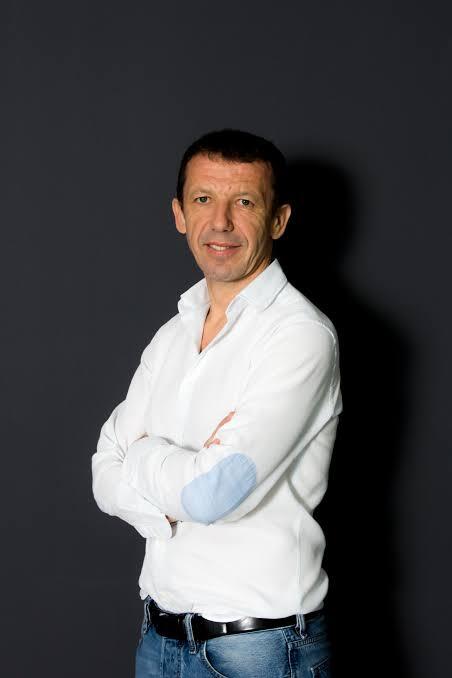
In this episode of The Quinntessential Questions Podcast, Paul Quinn sits down with Ned Phillips, Founder of The Sales Movement and former Founder & CEO of Bambu. From cold-calling door to door in a commission-only insurance job to raising $22 million for a wealthtech startup that worked with HSBC, Standard Chartered and Franklin Templeton, Ned shares his transformation journey and the moment his company liquidated after eight years.
He discusses why "talent" isn't real, why sales scripts only work until you throw them away, why content is the new cold call, and why energy and resilience matter more than raw ability. Ned also opens up about watching Bambu fail and rebuilding his career and identity from there, sharing powerful lessons on listening, personal branding, and closing without selling.
Whether you're a founder wondering if you should keep going, a salesperson who hates the word "sales," or anyone who's had to rebuild after a public failure, this conversation offers hard-won wisdom on resilience, reinvention, and what it actually takes to sell for 37 years straight. Let's explore the mind of one of Asia's most experienced B2B sales operators.
TIMESTAMPS:
(00:00) Introduction
(01:15) Catching up before the show
(01:44) Ned's 37 years in B2B sales across Asia
(03:08) How Ned and Paul actually connected
(05:03) Why "sales" is a dirty word in private banking
(05:47) The story behind Ned's move to Singapore
(08:29) Do sales scripts actually work?
(13:14) Be interested, not interesting
(15:17) Ned's sales methodology
(22:58) The 18K "stockbroker" job that was actually a boiler room
(27:42) Selling horse manure over the phone
(31:02) Building Bambu: from $400K to a $22M raise
(39:45) Meeting Jack Ma and building tech for Kevin O'Leary
(43:51) When Bambu liquidated - and why banks still run on its code
(46:33) Why talent isn't real
(57:59) Why content is the new cold call
(1:19:08) What drives Ned today
Bio
Ned Phillips is the Founder of The Sales Movement and former Founder & CEO of Bambu, bringing 37 years of B2B sales experience across Asia. His career has taken him from selling life insurance door-to-door in London on an 18K commission-only contract to building and raising $22 million for a wealthtech startup that worked with leading institutions including HSBC, Standard Chartered and Franklin Templeton.
An entrepreneur and one of the sharpest sales minds in the industry, Ned has built technology for Kevin O’Leary (Mr. Wonderful), met Jack Ma, and along the way, learnt that success is less about natural talent and more about resilience, discipline and the willingness to keep going.
Today, through The Sales Movement, Ned is focused on training the next generation of B2B sales professionals and helping sales teams build the mindset, skills and discipline needed to perform at the highest level.
Transcript
Startup of the year, raised $20 million, 100 people, [music] >> billions of dollars in revenue. I'm 59, so I have been technically working for 37 [music] years. So, yeah, look, I'm Ned. Uh, been out in Asia 37 years. Have been in sales my entire career, always in B2B, always in Asia from 10 years in Hong Kong, 20 years in Singapore, couple of years in Hong Indonesia, India. I I [music] met Jack Mah and we wow I built like we got to the final 10 of Jack Mah's search. I built Kevin Oly Mr. Wonderful's technology for him and then liquidated [music] failed. Finally the guy who's a billionaire comes in the room turns to his guy and says so how much are we investing in uh in Ned? Said uh 2 million. He turned to his guy he's like why aren't we taking all seven? He puts his hand out and says would you take seven from us? was that he wanted to invest in you. >> That's a very very very salient point. [music] Do you know what I mean? >> These guys gave him a seven. My dad is 90 and he still runs. >> Wow. >> His phrase is this. You don't stop because you get old. You get old because you stop. We sold the company nine times in liquidation. [music] Nine different people bought. >> Ned, how are you? >> Paul, I'm very good, thank you, sir. How you doing? It's wonderful to see you. Are you standing or are you sitting on a high chair? >> I am standing. So sitting is a sitting is a modernday evil I find. And of course we all do it a lot and I have had a day today. It's 5:00 pm in both our worlds and I have been sat quite a lot and as the day goes on I try to alternate. So I hope it's okay but I'm standing. >> Did you get out and do any KS today on the trails? I did. So, like tw 13. Nothing crazy for me. And tomorrow will be more like a bit further, maybe 50. So, a little further. >> You're a savage. Well, look, for for the few audience members that may not know you, can you be kind enough to give a quick intro before we unpack your amazing journey thus far in your career? >> Well, you know, the I'll try to keep the intro short. So, uh, I tell people when I meet them I have a magic superpower they generally don't have. They say, "What is that?" I said, "Like I'm I'm older. I've just done more years than you. You know, I'm I've I'm I'm 59, so I have been technically working for 37 years. So, y I'm Ned. Uh been out in Asia 37 years. Uh have been in sales my entire career, always in B2B, always in Asia from 10 years in Hong Kong, 20 years in Singapore, couple of years in Hong Kong, excuse me, Indonesia, India. Uh the most I suppose the bit that people see was like 25 years in corporate but then I spent nine years worth my own startup that was quite a forward- facing startup in Singapore called Bamboo which hit some heights did really well startup of the year raised $20 million 100 people millions of dollars in revenue and then liquidated failed and you know have talked about that not because I love to stand up and tell people how I how it didn't work but I think it's important to share those stories and now I do sales training for companies is and I have a side little gig as a as a runner. I'm uh I'm good at not stopping. I'm not fast anymore, but I I I can run quite far. >> Well, that's how I came across your post and um so I've been following you for quite some time and I I love your content, but also shout out to to Chris and Dominic Juris because they they were the ones that connected us. And how so so how are you guys connected? How do you all know each other? I know, but maybe you could just share a little bit with with the public. >> Of course. So, uh, Chris Dominic, the amazing founders of WM Cockpit is private banking technology. After Bamb So, Bamboo was a wealth tech company. We designed and built saving and investment technology that for everyday people could save and invest on, but it was B2B. So, we sold that technology to banks and asset managers, some of the world's biggest HSBC, San Chart, Franklin, Templeton. And you know we we were we were quite early in that 2016 and we were very you know telling everybody about it. So Bamboo is quite a well-known name when it failed although when it finished I must admit you know like if you you you worry that maybe nobody would ever want to speak to you again and the opposite happened. People were incredibly kind and a lot of people wanted to chat. But interestingly, a lot of wealth techs called me and was like, "A, what did you learn?" Like, tell us like, "Tell me stuff that you like. B, we know you can do sales." Like, Bamboo had a lot of customers. So, we actually were very challenged on delivery more than the sales. And Chris and Dominic just hit me up and they were like, "We know what we've built, but sales is not our strongest. Do you want to come and be an adviser to us?" And so this was a couple of years ago, but I just love the dudes, you know, they were super good dudes. They kind of very different and unique. Dominic was incredible kind of sense of humor, but great like history of Pict and incredible. And then Chris, who'd been at Meta and Facebook, I was like, these dudes are cool. They're not your average wealth tech. So yeah, they said, "Do you want to come and be an adviser?" And ever since then, we have I've been an adviser and enjoying the journey with them. >> You know what's interesting, and I we'll get back to this later, but I just want to touch upon this. So many people are involved in sales but they don't like the word sales. They run and they scurry from it and from one uh salesperson to another. I'm really looking forward to today because there are so like in the world of private banking I've met a lot of private bankers that believe they're salespeople and to an extent they are they're advisers but they haven't had to make a new sale for many years because they've been sat with the same clients for 15 or 20 years. Um and then when I ask a lot of salespeople, have you read any sales books? Have you done any training and development? and they look at me like of course not you know and and I I want to really unpack because I I think you know my favorite saying is how you do anything is how you do everything and and um you know it's there's a lot of work and I I'll tell you a funny story when I interviewed in 2001 it's actually at the end of 2000 to come to Singapore in 2001 I was on the phone to the owner of the company and he said to me um look we'd like to make you an offer and I was 22 at the time said fantastic thank you and I said um but I want to fly out to meet you guys. He and he said, "We don't fly people out." And I said, "What idiot would fly across the world to come and join a company with a bunch of people they haven't met?" >> And he said, "Well, we just don't do it." And I said, "Clearly not serious about your business?" And it was, you know, but it was tongue and cheek and it was a bit of a laugh. And I and I said, "Look, I want you to fly me out. Let's do this. If um I fly out and you find out that I've interviewed with other companies, um then then uh I'll pay for half the flight. if I if I fly out and you make me an offer and I don't accept the offer, I'll pay half the flight. But if you fly me out and I accept the offer, flight's on you. >> And then and then he said, "Cool." And he goes, "Um, can you call Katherine to book tickets?" And I said, "I've already booked tickets. I'll see you next week." >> No way. >> And then he said he said, I was quite cheeky at the time. He said, "Do you always close that hard?" And I said, "Make sure your wife's not coming out on Friday night drinks because then you'll know the answer." And it was >> there was there was a bit of banter. you were definitely definitely hard charging then. I mean, look, sales is it's that's a great story and like, you know, it shows that you you you're always going to be a sales guy. Like, there's so many versions of sales and you're right, like I think you touched the point that most people are like there's this sometimes an aversion because sales can get a bad name, but there's all there's also guys like it's like any other skill. I tell people, you want to be great at something, there's only two things you have to do. Learn the technique, repeat the technique. Just do that. whether it's football, cooking, sales, but people will will will practice a sport or a skill, but with sales, they're not getting trained and everything. So, it's yeah, it's great to hear that you were there from the beginning and have always learned it. >> But what what was so interesting about that was when I did come to Singapore, he gave me a training manual, which was great. It was very detailed and he said, "Go and learn that and come back to me in a in a few hours." And it was quite daunting because there were like close to 60 objections. And I came up and he tried me out and and I asked, "How do you feel it went?" And he said, "You you're okay." And I said, "Look, to be honest, it was elementary because in my company, we've got um 110 objections and 222 rebuttals." And he said, "Wow, really?" And I said, "No, I'm just making up, but I sold you on it." And I said, "It was great. I've never had this training development before." Um, and and uh and I think that's the other thing I wanted to touch upon is that scripts are something that people often overlook. What's your take on scripts? >> Oh, we're getting right into it. This is awesome. So, okay. >> I didn't I didn't want I was going to unpack your career, which we're going to do, but since we're on the roll, I just I'm dying to get stuck in, mate. >> 100%, dude. Let's do it. Okay. Scripts. Uh there's they absolutely have a place as long so they have a place and the great person would use a script as something that they read read read and then put to the side and then they use it as the framework to chat to the client. Right? >> But actually what I've learned is that takes a long time. So I'll never forget I started my kind of sales journey at a company that you may have heard of called Alli Dumbar. Of course. >> Of course. I like Dumbar. We were It's for people who don't know it was a you know a pretty hard charging in essence a chop shop selling insurance commissionon life insurance. I got a job. Uh and we were known as Allied Crowbar because we will get your money from you. >> I didn't know that. >> Yeah. It was called Allied Crowbar because we will get your money from you. And look a lot of stuff they did was not was not the way it should have been done, right? was very high pressure but they had scripts and uh what I learned from Alad Dumba that I think because they were in like a very high volume turn people over you know throw eggs at the wall business right a lot of sales people throw the egg of the wall it'll probably break one won't let's keep doing it with that but that sales script was very particular you had to read it and read it and read it and I would this is like back in the 90s not so many people are getting sold so they're not so used to it >> what I noticed so I would just sit and read the script you know uh our script was, you know, particularly if we're knocking on doors. Knock knock knock. Hey Paul, I'm Ned. I sell life insurance. You know the classic 30 seconds. Can I just ask you one question and and I'll be gone. And you go, yep. And the question I ask you is, do you love your family? >> Right? >> Because [clears throat] if you do, if you say, "Of course, like great. So you have life insurance, which is fantastic. Hoping they don't." Then they're like, you know, or if they say, well, I don't know what you do if they say they don't love their family, you know? like like okay I need to see somebody else right but we would talk to have the script and I remember one time I went on a meeting with a guy had been there 10 years and I could see the script in what he was saying but he had he had used it to such he was so it was so in tune it was so flexible he was doing it in different ways so scripts are essential to begin with but they're not there to be relied on >> you know you know what's interesting is I had a friend I have a friend who was insurance and we were talking and then I I said, "Well, how are you presenting it?" And I I've never sold insurance. And I just said, "Well, let's try this. I'm going to do a role play." I said to him, so I said, "So, I meet I meet with you and I say, "Look, do you like sports?" "Yeah, what do you Oh, I love horse racing." I said, "Well, okay. Let's just imagine you bought a stallion for a couple of million dollars and you were putting him out to stud and you were racing him. Would you ensure him?" Yes. You know where I'm going with this, don't you? So then he started laughing and it was just quite interesting and but the thing I always felt about scripts was it was if I say to you barb bar black sheep have you any wool so what I tried to say to people it's kind of like acting right it's I find a lot of sales people and just conversationalist when they're talking they're so busy thinking what they're going to ask next they're not listening to what the client is saying and they're trying to stick to this program but they they they're stuck on that and they don't realize the client's already answered it and they're going to somewhere else and And I I I feel that if you are rehearsed and practiced enough and you know what you're saying, you don't have to think about those points. So that therefore you're reacting to what the person is saying with this as your toolkit. That's how I felt about scripts. >> So weird. So weird. I literally just posted on LinkedIn like one hour ago, not even 45 minutes. We're so busy talking we forget to listen. >> You got two ears, one mouth. >> Yeah. And but the point is we we're not we're not listening to answer the question. We're listening for our turn to say what we've already thought, right? Absolutely. And this this is like this is getting more into the, you know, the real nuance of sales, right? Because exactly what you said, Paul, >> we listen in general to wait for our turn to say what we've already thought. So when you have a script, you're listening for the gap to inject what you've already thought. But that's not listening. We should be listening and then taking what they said and reply to that. I posted something yesterday as well which is this I've been posting a bit more like the philosophy of sales. So exactly right the script will trip you up if you are just so busy. Oh when they finished I'm going to say this irrespective. The other side of it is be interested not interesting. >> I love this framework. Right? How can you be interesting to somebody if you weren't interested in what they said? And exactly as you say, Paul, so often people rush on to the next bit of the script. It's like, wait, the dude told you something totally different. >> Yeah. >> And you didn't. So, but it just takes time. I think, you know, both of us have been in sales a long time. You you get to that place that you hear it, you see it, you feel it. You've got to make sure that you're understanding. And we started with the scripts, but yeah, if it's too rigid, >> you're not getting anywhere. Have um have you seen the movie 8 Mile with Eminem? >> You sure? Of course. >> So I I when I talk to my guys, I say, "You're kind of like Eminem." Because what he does, he he anticipates what [snorts] the possible objection is. So he knows this other rapper is going to come out and say, "Look, you're a white guy. You're living in a trailer park with your mom." So and what he does is he addresses those points before they become objections. He takes all of the objections away. And that's how I've always trained my sales guys. I I've said, well, firstly, you have to know your market, right? It's very nuance. You need to get a read of the person you're speaking to quite quickly. But there are certain objections you're going to face that you can anticipate. And if you address them first, what I call it is so, so for example, let's just say I'm calling and I'm representing an organization >> and uh I speak to the candidate and I'll say, "Look, we represent this organization. has gone through a hell of a lot of changes, some good, some bad. The reality is this role might not be the right role for you. For the right person, the opportunity would be to clean up the bank and go and really, you know, bring a quantum leap to their thinking. And what I've done by taking away their concern, they're nodding their head yes. And I call that yes platform. So now you're you're you're not going against the grain. So that's, you know, I'd love to I'm just curious what you think about all those different methodologies because I'm sure you've you've done all of them and more, but that's the way that I've always done it. >> I think I I'm a huge fan of the methodology idea, right? I'm a huge fan that there's there's thought processes and how do we do it like you know, yes platform and you've got to get to a place where it feels right for you, right? So I know me >> I know I can't be the person who was told every no you can convert to a yes. It's just not me. I can't do it. Right? Like I'm not the guy to be like, "Oh my god, I've got it." >> But what I want to be is this guy. So the methodology for me is this. >> If there's a client who's going to buy widget, uh, you know, product A and there's three salespeople with product A, a similar type product. >> You You were going to say widgets, right? Because you and I know what widgets are. Do you remember that? What was that? That beer advert, wasn't it? That bitter. >> Yeah, of course. [laughter] I was going to say widget. I'll tell you a story about widgets in a minute, but let let's use widgets for everybody listening. Widget is a thing you sell. Um, and if you're all selling widgets and you're they're all the same prior and and and all the widgets are the same, my job is to be the person that they buy from. Right now, if that person doesn't want widgets, I don't want to be the guy stuffing widgets down his throat. Oh, you have to have a widget. You must need a widget. Like, you definitely need a widget. But if that guy's buying a widget and I'm in the room and there's two other guys in the room, god damn, he's banned from me, right? And I'm going to and and the methodology I use is this the your job. You talked about acting earlier on. I love this this methodology is a sales pitch is like a play, right? >> Yeah. >> But you're the director. They're the actors, but they don't know the lines. You're giving them the lines in real time. And your job as the director is to make them say, "Can I buy from you?" >> Yeah. >> Now, this is this like almost reversed methodology. It's not for you to say buy my stuff. >> It's for you to get them to a place >> where they are saying like it happened to me today on a call. It was like oh my god like sometimes I just love sales so much. We're chatting about the person's what they wanted to achieve in sales. We went through it. I could see where his asked him where he wanted to get to. He wants to hit his target. He wants to get to a certain place. Fantastic. You want to get there? Gave him a little framework of how sales training work. And then he said the magic question. So, how do I work with you? >> And I'm like, okay, that was my job to make them feel comfortable enough >> to say that to me >> because once they say that to you, >> yeah, >> I mean, now we're there. So, that's my methodology, which is you're the director, they're the actor, they don't know the lines. Your job is to get them in a place when they feel comfortable saying a version of how do I work with you? How does it work? How does your products work? That type of thing. Now, that's not junior level sales. That's definitely next level. >> Yeah. Soph it's sophisticated. It's it's funny you know this from the UK. I was talking to one of my CEO clients and I've just said sometimes um there's a saying in England and I'm not saying that you follow this but the the ethos is the same. Treat them nice, pay the price, treat them mean, keep them keen. And I was saying sometimes you're overly keen, you know, and and you don't want to come across as desperate, right? And and um he he'd never heard that saying. [laughter] I but but but it's this idea that you know and again this is and it's >> we're not selling we're solving. I know it sounds a little cliche. If this person genuinely genuinely doesn't have a problem. >> Yeah. >> Like genuinely doesn't need anything. Genuinely like I'm not there to sell it to them. But if they have a problem 100% man they're buying from me. Like I feel you see the change of my tone. If they don't want it totally fine. But if they want it and I'm in the room and my thing fits and it works 100%. But it has to be their idea. It has to be there. And it because as you say, if you're like, "Oh my god, buy my stuff. Please buy my stuff. My stuff's amazing. Buy my stuff." People are like, "Dude, like, sit down. Calm down." Like, >> it's not going to happen. It's It's interesting because I I I think ultimately I I call it the art of selling without selling. You you become an educator because the reality it depends what you're selling, but you you might say to the client, "Actually, I don't think you need this or maybe that's a little bit too much. I think let's go back. Let's recalibrate. Let's work out what makes sense for you. >> Um and and then also what I find about one of my guys was asking me, you know, you've said no a few times to this person. I've just said, look, your career is a marathon. You know this as a long-distance runner. Your credibility, your your ability to say, look, you don't need this. Or to walk away, it's very powerful. And then it'll be it'll be endearing to people that hear it. They'll say, "Look, Ned actually advised me. I didn't need to do this. I didn't need to sell spend money." Um because I've seen some coaches that when they speak to people, they they recognize very quickly that the person that they're coaching actually needs a counselor, but they they want to bleed them dry a little bit and you know, they don't want to walk away from the money. And I always think, no, no, no, you you've got to think very long term in our business to to really have a brand name. >> 100%. Like it it is this idea that it's back to the same point. If the person doesn't need what you're selling, try to put it on them. It doesn't make sure you can get some short term out of that but it is not the way forward and and the thing I would say is people love it like the other thing you should do is if you can't do it say no and then say anyway there's a competitor of mine who's actually better at that thing >> you know they're actually better at that thing yes >> and I would recommend for that thing you go to them for this thing which I do I absolutely would love you to come to me but if it's that particular thing yeah they would definitely be a bit better that 100% man That's >> powerful >> 100%. >> So, so talk to us about like where did you grow up and then how how did you I know you know you went to university but how did this whole career path take place? Tell us your journey. >> Very ridiculous. Uh I don't sound Scottish but I'm Scottish. Uh grew up uh and you know mom was a social worker, dad who was a teacher like you know like middle class. But we lived I lived in a little town that had a very prestigious boarding school. I didn't go to boarding school. We lived in the town. That's why I sound a bit like this. I was raised near rich English kids who were shipped off to boarding school. So I got this nondescript accent even though I'm from Scotland. Even though we were like, you know, the local kids and we went for free because we were in town. Anyway, as I left school, I didn't really know what I wanted to do. Did economics at university. And I remember when I left, like I didn't have a job. I was so this is 1990 and my I went to London slept on my brother's couch he was working in photography and I was laboring at you know where Broadgate is you know the big building >> so I labored on the build when that was built in >> 88 89 I was a laborer >> you were lackey were you like digging and shoveling sand and concrete >> moving just well actually I wasn't strong enough for that people know I'm endurance run I don't have any muscles that people can see >> but but don't you have an appreciation by the way when once Once you've done hard graft, do you have an appreciation for being inside an office and picking up a phone? >> So, I would go around just moving bits of rubbish or whatever, but also they had architectural drawings back in the day. So, when there was a change, they would give me all the drawings and I would have to walk to all of the new laborers and give them a new set of drawings. I would come back, pick up another set of drawings, go to the printers. So, I was just walking anyway. I knew this wasn't my life forever. And I'll never forget this. So, I'm cruising the London Evening Standard, which for those people who are young, it's called a newspaper, which I know doesn't >> I love reading that every night. Yeah, >> 100%. And there was jobs, right? There was jobs in the newspaper. >> And I'll never forget it said I still I can still honestly, Paul, you know, people say, "I can still see it." >> Yeah. >> It said, and I can still see where I was. I was coming down to Liverpool Street Station. >> Were you on the tube? >> No. Well, I was going to the tube. >> Going to the tube. There you go. I jumped out from Broadgate to where Liverpool Street station. I got and it said broker wanted 18k sterling OT. >> Okay. But you didn't know what OT was at the time. I'm guessing >> I didn't know what any of it was. All I saw was 18K. [laughter and clears throat] >> Was it commission only? >> Okay. Okay. You see now you wait where where were you when you could have told me that before? So yeah, I'm like eight. This is remember the people. This is 1990. Like 18K. I'm like, "Sweet. Let's go." And I thought, >> "Oh, it's a broker. It must be a stock broker, right?" Because it said broker. I'm like, "Wait, this is an 18k job for a broker." And honestly, I feel I I remember I I didn't have any nice clothes. My mom sent me£150 to get a suit from Monks and Spencers. So, I went and got my best Marks and Spencers suit, right? And it was in the famous jewelry road where uh uh it's how I got to Ali Dumbar. Um anyway, I go down that road uh in London. And I go in nice offices. It's very professional. Guy meets me. I have two or three interviews. I'm there for the day. Nobody tell me what it was. It was a broker blah blah. And I sign. They give me the job. I'm like, oh my god. I come out and I'm like, I got a job for 18k. Let's [clears throat] go. Phone my parents like, oh my god, I'm I still didn't know what it was. >> Yeah. >> They come on Monday. I come on Monday. Right. Honestly, Paul, as I walk in the office, I'm like, wait, there's 50 other young >> people just like me here. Wait, like I I got the job. What's >> What's going on? >> Yeah. >> And we all walked into this room. >> Straight up, Paul. Like, this sounds so cliche. It's exactly what happened. It's slowly dawning on me that maybe this isn't the 18K stock broker drop that I thought it was. >> Yeah. >> This dude walks in the room. >> Slickst dude ever. Like slick. >> It's like that scene out of boiler room. Have you seen Boiler Room? >> Of course. Like of And seriously, he even does this trick. He did this thing from Glen Gary Glenn Ross, the famous bit when Alec Baldwin asks the guy, "How did you come here?" >> This guy, he [snorts] parked his Porsche outside and he calls somebody and says, "Guy, come come to the window. You see that car? That can be yours if you want to be like me." All right, everybody sit down. >> And he just told us straight out. All right, guys. This is, >> by the way, by the way, we've got to drop the note because we've got it. It's arguably the greatest sales movie, you know, Glen Glenn Glen Glenry, Glenn Ross with Alec Baldwin, ABC Always Be Clos, in case people don't know what it is, right? 100% 100%. And that day went through and I'm like, wait, he just laid it on. Guys, your 18K is absolutely commission only. It is on target earning. Your salary is zero, right? We will be working through the yellow pages. you will be calling people. We will be selling the here's your like literally came with scripts. And it was slowly dawning on me, Paul. I'm like, "Oh, great." I thought this was a stock broking job and I got 18K, right? I get zero and I'm cold calling. >> And that's how I got into sales cuz I was like, "Oh, man. I've got to try like >> Well, put it into context because a lot of people won't know this. So, if like I lived um South Hall and Harrow, which is zone five. So then to travel into zone one, I mean I can't remember what it would what it is. I don't know what it is now, but it would have been like it could have been 7 to14,000 a year, right? If you think about just that travel and then you're thinking and then unless I bring my my, you know, bacon snee with me, I don't want to pay London prices. So it's starting on zero working central London is is no joke. >> And look, I was sleeping on my brother lived in Hackne since 1991. My brother Hackne was certainly not gentrified back then. I slept on his couch in Hackne, got the bus up to Bethl Green, got on the thing. You're right. And >> I was like I honestly, Paul, by the end of the first week of the 50, it was like nine of us left. >> There was like nine guys left. And I always say this joke like I was given the yellow pages, Paul. >> Yeah. >> And you know, I always joke I start I was given a I don't remember what letter and you know, Mr. Mr. Arvark because you know, he he's the first. But all of the names of the people, their names had already been scored out once, right? They've already they've already >> You should have gone You should have gone to Zed and wor backwards. >> I It wasn't my choice, man. So, I was just given these numbers. And so, I spent like seven months just knocking on doors, insurance, [clears throat] cold call, doing it. And then I was like, man, this is rough. It was now February and I got a I got a oneway ticket to Australia. I was actually born in Australia. I lived there for one month and then I uh went to Australia and I needed jobs and I got a job like as I put on LinkedIn selling uh horse manure over the phone and I sold >> what was tell tell people the name of the company because I read that and it cracked me up. It's called uh the company I work was called Better Grower Fertilizer with an A. If you Google it, B TTA, better grower. And our comp, >> great name. Our competitor was called Dynamic Lifter. And you know, our pitch was your garden will grow better with us. And I learned honestly, they taught me a lot because nobody if I phoned you up and said, "Hey Paul, do you want to buy horseshit?" The answer is no. Hey Paul, you know, you got a garden. Are you a gardener? Yeah. Hey, what type of stuff are you growing? I like roses. Like how's your neighbor? And here was the trick. How's your neighbors roses? >> Because what we realized is people were proud of their gardens. >> Yeah. >> So what we sold them was this. >> Do you want the best garden in the best garden in the street? >> Yes. Okay. Did you did you notice recently in other garden? You see the nice gardens there? They're they're better grower gardens. And what we got told was this. We're not selling horseshoe because nobody wants to buy horses. I spent nine months there. Honestly, they taught me a lot. I was I tell people they so they offered me to run the sales business there and my joke is I remember thinking God do I really want my career to be talking [ __ ] >> Oh wait oh wait that's what it was anyway. [laughter] >> I love that. But you're absolutely right and then you're you're selling the the idea the passion right of keeping up with the Joneses. Actually I remember I remember um the famous John Ford movie the quiet man with John Wayne. I don't know if you've watched it. It's a classic. Um, but they were all teasing him because he had roses in the garden, which which was not a thing back then and and the women in particular loved it, right? So, and he needed horse manure. So, there you go. >> He needed [laughter] I I look, you know, the So, I just kept on in sales jobs, got to Hong Kong, got a job in publishing, got a job in finance, etc., etc. So, just always ended up in sales. >> And how did you end up coming into your own business? Because And how old were you? I want to hear about that journey. Yeah, man. So, look, I had a good career in finance, uh, equity trading, wealth management, ran a company called E Trade in Asia, worked for the Singapore stock exchange, credit, blah, blah, blah, blah, blah. Made a bit of cash. Then I'm 48, having a bit of mid-career break, crisis life, what should I do? And I'll never forget, so I had a I had a unique fork in the road. You guys probably heard of Robin Hood or you've heard the company Robin Hood. I met the young guys in 2015. They were in Asia and they asked me if I wanted to run Robin Hood International and I made the CL I turned them down because I thought a what do these kids know I'll run my own fintech and inspired by these young dudes me thinking oh how hard can it be when I found out it's really hard and me thinking what do these young kids know I found out they know a lot more than me so off honestly I was a little inspired I was like wow I could run like a wealth technology I could design and build this I've worked in tech I don't know tech but I know how to sell and there bamboo was born in February 2016 we designed and built what people know as a robo advisor or digital wealth management tool. We did it B2B. So we I had a lot of uh relationships within the biggest banks in the region. I knew Stan Chart, HSBC, Frank Templeton. So I thought I could sell and yeah we designed and built a very simplified digital wealth technology and then I went around pitching it to banks and so yeah that journey eight and a half years you know >> were you were you did you have partners and investors? Were you running solo? What was the what was the setup? >> I had a I had a co-founder uh who was a technical guy and we had investors pretty much from the beginning. Started with angels with a 400k round in 2016, then got like a million dollars in 2017, three in a bid in 2018, 10 million in 2019. So yeah, we raised about $22 million all in all, including Franklin Templeton, some other bigger private equity groups. made a mistake of growing too big. Had over a hundred people at one point. Uh so yeah, it got uh it got it got it got bigger than intended. >> It's Well, thank you for sharing because the you know, I'm so glad that you mentioned at the beginning that people reached out to you at the end of it because you know what's quite interesting when I've worked with candidates quite often I know they've been involved in deals like M&A deals for example where their organization didn't win and because of it it's not written on their resume or their LinkedIn profile. And I just said, but if you've worked on a project for six or 12 months, doesn't matter if you didn't win, you learned a hell of a lot from it. You know, you got to talk about that because, you know, I I love that interview that Fedra gave at university where he said he only scored 51 or 52% of his points. >> You know what I mean? Um, so what were your key takeaways at the end of that eight years? Well, to to your first point, look, there's so many points whether it's federal or other people, right? Like nobody gets through it unscathed, right? Nobody's just everything is amazing gets everything right. Right. You of course do I wish I'd sold it for $100 million? Of course. Did it liquidate and shut? It did. Did we get a lot of it right? Sure. But we didn't get enough of it right. So and the other thing is uh when it closed and we liquidated it because we had built it very much in public what I mean is I was on every like speaking stage fintech stage raising money in tech in Asia and all of these and tech in Asia called me and so I told our clients obviously our investors knew the market was knowing but I hadn't made a public statement and tech in Asia called and said look we're going to write an article about this and you know they weren't asking they were telling they were just telling me we're writing an article about this cuz bamboo quite well known. >> Uh, and they asked me, "Do you want to be interviewed?" >> And one of my dearest friends, like he, you know, you have these friends who tell you what you need to hear, not what you want to hear sometimes, you know, like he said, Ned, look, you built this in public, so you must die in public. >> And if you build it in your bedroom, you can die in your bedroom. Like to so your point, if you worked on a big deal and it didn't, like it's no shame. You worked super hard on that deal. So when the guy when the tech in Asia guy came back obviously we're both sales guys. I remember thinking all right this is like I'm not selling here but I want him to what the right word is just just hear my story just I'll tell and you look I have this other as people can tell I love phrases. If you're the I was the founder it's on me. If you're the captain of a ship and it comes back triumphant it was the crew. If it sinks at sea, it was you. Just how life is. Just it's just how life is. And I said straight to the tech in Asia guy we interviewed look this is on me. It's completely it's not on them. It's not on co it's not on the VCs. It's not on everybody else's 100. It's on me. And I told him you know and I'll share with you the lessons that we learned. And I talked all about it. And you know in the end he wrote an article. I remember he said I'll write it in about 10 days and I'll publish it. I remember thinking Paul because he could have written you know Phillips is an idiot loses 20 mil right that could be the he can write what he likes. Like it's his cool, >> you know? And he calls me on like Tuesday afternoon, a week later. Hey Ned, I'm probably seen the article. I didn't get to read it. Like there was no I didn't get to see it. I didn't get to read that was the deal. That was the deal. Like I speak to him, he publishes whatever he likes. >> Yeah. >> And of course, like you like to think you I I like to think I'm a good human and I tried my best. You know, we we didn't run off with the money or do anything wrong. We just the business didn't work. We ran out of capital. You we tried our best. And I remember when he published it, like it came up and I was like, "Oh, here we go. What's it?" And honestly, it was an incredibly kind article. It basically said, "These guys tried super hard. >> What did we get wrong is that we did too much customization of our software for every client." >> So each of these large enterprises, and it wasn't their fault, HSBC standoff. It wasn't their fault. It was on us that we kept trying to customize too much to fit our product in. And those customized costs were we didn't price them properly. So we ended up with a lot of custom deliveries rather than sitting on top of a product and that was eating us up right and the way that we kind of went through that in the early days was raising capital to pay for those implementations and integrations to get to the recurring rate and look you know we ended up with quarter of a million end users. We ended up with billions of dollars of assets under management like we did a lot right but when you realize that we were probably building a very secure finan business based on the recurring revenue and yeah you know that so the learning was this so here's my learnings uh in B2B either charge very little or masses >> either either sell it for $10 a subscription or charge seven figures for your implementation We were charging 100k, 200k for implementation and that middle road. >> Yeah. >> Does not work. >> Get squished. >> Yeah. >> The service the amount gets squished. You try to dance around to get it right. You put people on the project. Nothing to do. It's not the fault of the big bank, but big banks want it their way. It takes way longer. You end up negative margin. So, number one, if you're in B2B SAS, charge tiny amounts or huge amounts. The the the second part is is that here's the thing I learned when we raised 10 million. >> All the venture debt guys came to us and said, "Oh, do you want to borrow money?" [laughter] >> Like, "Wait, I just got 10. I don't need the money." >> Yeah. >> And I'll never forget this venture debt guy said, "No, Ned, this is when you borrow money." I'm like, >> "No, but I got money." >> Yeah. >> Because he would have given me 10 because I had 10. >> Yeah. >> Of course. Then when I had no money, I went to him said, "Can I borrow money?" He's like, "What did I tell you? No money for you, son." >> [laughter] >> That's that's the funny thing. It's like um I remember one of my old bosses and I asked him about what did you learn about going into business and I I'm fortunate I run a small business. I don't have to worry about it. He goes um you need a great credit line. That was his answer. And I said really Jesus, you know, and that's when you look at tycoons and you look at people that are really wealthy and I realize I'll I'll never be one of those guys. They've got massive balls and they'll double down. They'll double down big time. And um I I guess no one teaches you. That's why I mean I I'm loving hearing what your story is because people can go away and get takeaways from it. And the other challenge is who do you go to to get counsel? Because when you're a business owner, as you know, it's a lonely place. And I always tease by saying this. I said there's a direct correlation between my hairstyle and being a business owner. Do you know what I mean? I've been a business owner for two decades now. And uh it's it comes with challenges. And you know, one of my big clients back in the day on average would pay me 6 to9 months late. >> Wow. >> And you know, you can't really sue your biggest client. And it was just and then our life cycle for placements is a long time anyway. You know, the the placement could take six to 12 months depending on how senior the person is with with notice period. And then you have a 6 to 12 month guarantee. So the reality is, you know, the money is not obligation free for that period of time. But the thing is is you still got to pay all your guys in the meantime and um you know cash flow is a challenge >> you you know and this is as sales people you sell and of course that's stage one they they then will want to buy it but then you know the payment takes longer I remember as a founder I would go and I was like you know very much founder sales to begin with I built a great sales team around me you're like oh my god awesome I just sold HSBC this is amazing we're at 200k of course you're not getting that 200k for six months, right? You're just not, right? Because it takes that long to get approved and all the way through. But you've made the classic mistake of promising delivery before because you want to get that logo because you want to tell everyone else you got HSBC, so you start the work. And I get it like it's such a not easy, but it feels like oh, you have to make this decision. Particularly, you know, we took the choice to be venture back. That's the thing I would say. venturebacked is not a business model per se because it is a way to do business but of course >> when the venture when the venture stops very quickly you realize okay do I have what is repeatable so yeah like the in you know I'm purely a B2B guy I learn a lot about B2B cash flow I learn a lot about pricing of B2B I think I learn a bit about the VC model how that works the other thing I would say is that I also learn that it truly was an unbelievable unbelievable experience. Like >> what a ride. >> Oh my god. Like I I met Jack Mah and we wow I built like we got to the final 10 of Jack Mar's search. I built Kevin Olirri Mr. Wonderful's technology for him. I sating >> I sat with the owners of Franken Temple turn you know and they they flew me out or I flew out to meet them and they invested in us. I'll never forget I walked into a private equity group who had already kind of indicated they would invest in us but a couple of million flew to Chicago to meet the owner to try you know and to they'd already done their DD and they were going to invest. I went in the room hoping and I met all the other people all day long and finally the guy who's a billionaire comes in the room and obviously I'm just one of it one of the guys he's looking at. He comes in and we just had a really good, you know, you you know when you do a pitch, you know when you're in a room with the guy and you >> and you you just know. >> Yeah. >> And I just knew like I was sitting there going like this. And he turns to his guy and said, "So, how much are we investing in uh in Ned?" He said, "Uh 2 million." Actually, sorry. It was three. It was three. Said three. Okay, good. And he said, "Ned, how much are you raising?" He said, "I'm raising 10." >> He said, "How much have you already got committed?" I said, "Three." So, he said, "You've got three committed and we are going to commit another three." I was like, "Yes." And he turned to his guy, he's like, "Why aren't we taking all seven?" And I'm just sitting there like, >> "What? What did his guy say?" >> Well, his guy said, I will paraphrase, "It's it's up to you." >> Yeah. And he, seriously, man, he turns right, looks at me, and he kind of looks at me for a minute, stands up, he puts his hand out and says, "Would you take seven from us?" >> And I love the fact he asked like that. >> And so, of course, you try to you try to take a beat, right? You try to take a little uh a little beat. And of course, we took it. We stood up. And I The funny part of that is, so this is Chicago 3 p.m., right? >> Yeah. >> All of my team are in Singapore, right? I walk out of the meeting and I'm in the road in Chicago. Oh my god. Oh my god. Like bouncing on the street doing a jig. [laughter] Like but everyone I kind of know is in Asia asleep at 3 in the morning. My wife's asleep. Blah blah. And my kids were at college in America or my daughter was at college in America. >> So I call her like three times and she comes out of a lecture because she thinks like I've been run over or like I'm getting [laughter] I'm getting I'm getting taken away. I'm like, "Oh my god, these guys gave a seven. Let's go." >> Wow. But you But you know, Ed, sorry to interrupt for it. What he said was that he wanted to invest in you. >> Yeah. >> That's a very very very salient point. Do you know what I mean? >> Sure. Sure. I look I I really appreciated at the time. You know, look, it doesn't mean >> Did you go for a nice steak in Chicago? How did you celebrate that night? >> You know, look, I'm a I'm a I'm a simpler I'm a simpler guy. I actually remember I just went to like a little burger house sitting there by myself having my little burger and fries. You know, my wife woke up in Asia and I was like, "Oh my god, like this was ridiculously exciting." Uh, and you know, I suppose that's part of sales where I always, you know, I talk about sales fitness. Sales is a sport. And in any sport, you're going to have real highs where you win something. You can have stuff where I hit the ball in the net a hundred times. I make a 100 cold calls and no one picks up. And that's just going to be terrible, terrible, terrible, terrible, terrible. We've done it. you've done it enough. You know, I'm sure you and I don't care if somebody says no. Sweet, man. Let's just move on. It's all good. >> Those single moments when you like I just knew I did well and I've we've all done bad pictures and to see it like eventuate right right in front of you. So you like that was like I remember walking out going I this was not a company. I had some idea and now some dude's like standing up and saying that. So >> then the brutal lows when the company didn't work and we have and I'll tell you one thing when we liquidated it >> we sold the company nine times in liquidation nine different people brought the codebase and several of our clients still use the codebase today our product on other companies use it our product's still live and running a couple of the world's biggest banks are still running their wealth tech on bamboo code so while the shutdown was absolutely brutal like like absolutely super super hard in and you know for the staff for the team for the investors >> how old were you at the time Ned when that went >> when it shot 57. >> Yeah it's um life I always go back to that Rocky Bour quote when he says nothing will hit you as hard as life you know it's a it's it's a wakeup call and um I'm I'm just curious about about this because I want to talk a little bit about resilience. >> Sure. Because a lot of people in sales and in business, they they just they give up. And you know, it doesn't matter whether or not it's sport or it's life or it's business. If you keep working hard, I mean, you got to work hard and smart. You got to improve. You got to stay relevant. But you can outlast people. And and it's something that is massively overlooked. Like you said, day one there were 50, end of week one or week two was nine. Do you know what I mean? It's but talk about resilience because you and I know just how important that is. >> I like this idea that talent's not a real thing. You know, talent is just an output of how resilient and how disciplined and how willing you were. We can all get good at certain things. And of course, we're predisposed to have resilience to things we like, right? I'd probably be pretty bad at I don't know what it is. You know, knitting, it's not my thing. I don't know how resilient I would be if I was left to knit all day. Uh but I have found in sales that for whatever reason [clears throat and snorts] I have a resilience to the kind of I want to say the nose, the negative, the you know getting punched in the face a lot. Uh and >> in sales to me resilience is the skill set to not take it personally. >> Yeah. I got taught by uh one of the guys actually Allied Dumb. He told me a great phrase. He said, "Ned, when you knock on the door >> and somebody says you to f off >> truly, >> they're not personal." You know why it's not personal? They don't know you. They didn't even meet you. They didn't talk to you. Like there's there's no way it can be personal because they open the door. You said you were life insurance. They said to f off. So >> believe in that. And the other side of it is, so my dad is 90 and he still runs. >> Wow. >> His phrase is this. You don't stop because you get old. You get old because you stop. I was brought up in that belief. My parents were kind of self-sufficient. They were always walking everywhere. And I think resilient is a learned habit. I don't believe I have any more ingrained resilience than other people. I think I've done two things in my life. sales where you're just getting punched in the face told no all day long. And then long distance running where >> people know I love phrases. You know, we say we say in long-distance running, if you feel good, wait half an hour, you'll feel crap. And if you feel crap, wait half an hour, you'll feel good. That's life. Just tell yourself not to worry in the moment. >> It's fine. You got to keep going because if you don't, you're going to get old and die. And that would suck more. You know, I I wrote to my daughter a couple of nights ago and we were talking about sports and uh I said, "Look, talent can get you in the room, but will and discipline are going to keep you in that room." And um I love I love you. Actually, I'm analyzing what you're saying as we're speaking. I I'm curious. It could be cuz both you and I in our very earliest point in our career ended up doing hardcore sales >> and that's almost so your DNA has been formed. It's been created because I remember in 2001 just after 9/11 um the company I worked for got rid of 100 people in five locations. >> Wow. >> And uh yeah in Singapore 20 people were let go and I was the first one to be let go. And in the contract it said if you leave the country within 7 days the company would relocate you on an economy class flight home and everyone was an expat. So, we were in UB Plaza 2 and 19 people went to Penny Black. This was all before noon. It was like, I don't know, 11:30 or whatever. And I was close to tears because my flatmate was one of the guys that was let go. And the the lease was in my name. So, I knew my rent I'd lost my job. My rent had doubled >> and my mom and dad were arriving two weeks time to spend Christmas with me. And I I made 50 just over I can't remember exactly how many, but just over 50 phone calls and I got 21 first interviews. Okay. >> And this guy, um, I could see everyone down in the pub and I thought, I've got no choice. I've got to get another job. And people, this one guy in particular, he asked me, he said, "Why on earth would I hire you when you've just been fired?" And I said, "Look, I've got nothing but great things to say about the company I work for. Unfortunately, this has happened 9/11. All I can tell you is I'm the best sales guy that's not currently working for your company today. So, meet with me for a coffee. Let's [ __ ] have a chat." and um he was from the UK, so I put the f- word in because I thought it would show him the fire. Um but but I remember in that moment, you know, I'm I'm an exboxer and I'm a lifelong martial artist and there's this moment when you when you fight and when you spar and you can see someone's will disappear. You can see it you see them wilting. And the thing about deals that I I find so interesting, I've worked with so many guys over the years where the deal is dead and I I feel like I'm an ER surgeon because I come in and do some resuscitation on the deal because I just try and find out. I call it rational deductive logic. I try and find out well what what's gone wrong. >> Sure. >> Where is it at? And there are there are some things that I've learned in it's not just sales, it's just in life and in business is if you underwrite the problem, if you say lead this with me, you know, I'll take care of it. It carries a lot of weight. Of course, you have to deliver. Um, but I I believe one fisherman will always see another fisherman. So quite often when I'm speaking to CEOs and market heads, they know that I understand what a a salesperson is. And uh the other thing is is I feel to be a great salesperson you have to be able to go up and down the levels. Um you know you got to be able to deal with men and women and different ages. And I mean there are some sales people that are very aggressive and that works for them. And I don't think you know I think the best salespeople they make people feel at ease. >> Yeah. >> It's human communication. >> 100%. Well, look, I mean, it's fascinating, you know, back then when you said, you know, there's 20 sales people, 19 go to the pub. The resilience, it's a I think it's a learned skill. Like, it takes time. It's not easy, you know, like I I it's it's >> in theory, we all can do it, right? You can all do that little bit more. So, I don't know if you follow much Kobe Bryant, obviously passed away, but his member mentality, right? >> Oh, crazy. He said on one of his podcasts when he went to his first basketball summer camp, he scored, he was there for, I don't know, two weeks, however long. He scored no baskets. None. Like he didn't hit any. >> Yeah. >> Yet he, you know, the cliched classic. He stayed longer. He was there first. He went to the gym. And you ready for this? This is the one that gets me every time when I think about Kobe. So, and I actually put it into I did this little sales webinar the other day and I was talking about it. So clearly his resilience obviously he got to the top of his game and that will help you if you're resilient because he's had not backs and you get to the top you know that your resilient works right so the feedback loop is very good obviously if you're resilient and get nowhere it gets harder but you get very good but what I was so impressed with with him and sales people listening to this this is a trick you should learn from Kobe at the end of a basketball game all of the players on his team they're they're meant to gather around and watch the replay of what's called the touches so when you touch the ball. So when LeBron touched it or Shaquille touched it or Kobe touched it, you watch your little bit. So the few minutes when you touched it, every game Kobe watched the entire three-hour game. He watched everyone else play. Everyone else goes out, goes drinking. He stays back and watches the entire thing. >> I love it. >> Even to the end of his career when he didn't need to. And then of course he's famous for being in the gym at 4 am. So I tell sales people, you really want to be resilient, really good, re-watch your Zoom calls, record your Zoom calls and re How many people do that? No, >> they they they don't. And I I always find it interesting and you know if you can record yourself now talking and you can actually see your physical mannerisms. Um but there's a difference between being interested, being passionate, and being obsessed. And I think to be world class anything, you've got to be an obsessed [ __ ] you know that in every I'm fixed on that right and it's uh it's very interesting because when you talk to people you get a sense of what what is this person going through are they going to cuz this what the one thing in business is in life you'll realize there are people that if they're faced with a problem they will they will go around it they will go over it they'll go under they'll go through that problem they have to and I think >> that that's what I try to share with people but I don't know sometimes question is is it your upbringing? Um it's very difficult, you know, if if I said to you, what makes a great salesperson? What are the things for you that come to mind? >> I'm a big fan of of empathy. I'm a really big fan of empathy. I I the ability to to understand other humans because that's the game, right? That's the game. The ability to be empathetic is so like it's easy to say and we all believe we're empathetic, right? We all do, right? So, yeah, number one and the other one is like you're genuinely genuinely in like interested in the other person, like genuinely want to hear what they have to say. Like if you're an empathetic person who really wants to hear what the other person has to say, I think that makes a great great sales person. And the last point to your point about being obsessed like some people just want to do it more like people what is that DNA? But if you are empathetic, interested, and obsessed, I think you'll kill it. >> It It's so interesting you say that because curiosity, you know, I always find a great, you know, a great salesperson would make a great detective and an investigative journalist because their mind the way that they process things. I remember I remember when I was I was probably I don't know 23 and I was working on a deal. until I was very young and I was placing a senior finance manager at an organization and he just he didn't like me and I I could have been being introspective maybe I was a bit too assertive but it was because I was young and I thought about it and I knew that if I didn't close that deal I would lose my job cuz I you know I worked in a company was like a boiler room and >> um I went back to my bedroom and I had a mirror and I took out yellow sticky notes and I had so little money I would write faintly in pencil and erase them. So I would recycle my yellow sticker notes and >> that's awesome. >> Yeah. And then I I started writing down the problems and I put it around the mirror like a flowchart of the conversation and what I came up with this is quite an interesting one. I didn't run it past my boss because he wouldn't have liked it. I called the hiring manager and I said to her and she she was relatively new in Singapore. I said look I think you should present the offer to the candidate. She said you said you were going to at the beginning. I said, "I normally do, but the problem is this guy is very kiasu." And I said, "Have you heard of that?" And she said, "No, what is it?" And I shared, "I'm just learning myself." Um, so I said, "If if you offer him, for example, 185, um, he he's going to ask for more. So if you offered him 165 and he asked for more and we give him 185, I think we'll close him." Those were the numbers. I remember them. This was back in 2002. And what cracked me up was she said, "I don't know if I want a guy working for me like that." And I said, "Look, this guy, when it comes to ne negotiating your office rent, your your your stationary, he's just going to go above and beyond." And um if you do that, I think it will work. And she said she said, "Okay." So she did it and she said, "Yeah, it worked. He's, you know, he negotiated, given him what he wanted um which was the 185, which we was the price." And he got back to me. He said, he called me up. said, "I've done your job for you. I've closed the deal." I said, "Wow, thank you." And he said, "Don't worry." He said, "Um, I'll send you an invoice, you know, for the the lessons that you learn." And I remember I just smiled because I I just remember kill them with kindness. [laughter] >> Love it. Love it so much. That is the way to do it. >> It it is right. And so let let's talk about what kind of advice we can give to people that are in their journey because nowadays even if you're not financially responsible for an P&L in my mind we're all having to sell something. If you're if you're the head teacher of a school you're having to sell you know to to the board to to drive a new curriculum to attract parents with new new kids coming to the school whatever it is. What key things do you think people should be mindful of and what can they do to improve their thought process about sales and the application? >> I'm so I'm going to go with some new school stuff. So let's just take the some of the old school stuff that we just talked about. Empathy, kindness, listening, interested, obsessed like f, you know, this type of stuff. But new school, let's just break it into, you know, I'm in B2B. So let's just go there. You know, uh, content is the new cold. Think about it this way. People no longer need to be told what you do because they can go to your website and see it, right? So before you turn up, they can see what you do, right? So turning up and just telling them what you do is pretty ineffective, right? The next level is uh you know, you turn up and ask them a little bit about what they're trying to get. So you being a good salesperson, remember a good salesperson is always trying to figure make the client speak. So skill set, they speak more, you speak less. But think about this. Let's say two salespeople turn up to sell the same person and they're both selling the same widget and that wants them. One person has built a digital image of themselves in that person's brain and the other person, >> right? the person who's built a positive digital image of themselves through video content, LinkedIn, uh you know, newsletters, sharing, not selling, but sharing >> in general, everything else being equal is going to sell more. Now, here's the problem. The people with experience didn't grow up posting, right? So, the people without experience under 25, 30, grew up posting, but they don't have 15, 20 years of of sales skills like we have. point. >> Problem for me and you is we didn't grow up posting like, "Oh, it's embarrassing. I don't want to post." You know, people are going to laugh. Guys, >> no one cares. No one cares about your little video. No one cares. You post your stuff. And I love this phrase. Are you willing to let someone else's crappier product out sell you because they f posted a video and you didn't? >> If [laughter] that's on you. >> Are you embarrassed that guys this is B2B? No one cares. They're gonna go home and watch Netflix. Like truly the amount of startups I help and I tell people they're like, "Oh, you know what happens if somebody doesn't like my video?" Like guys, >> they're big boys and girls. They'll turn it off. >> Yeah. >> What are you thinking about? They're like, "Oh, I have nothing to say." And I tell when a sales person have nothing to say, I'm like, "Well, you're in the wrong world. If you got nothing to say about your industry, no one's going to buy anything from you anyway. >> Forget about it." Yeah. So that is my little rant in that you know there's so much >> but but it's so of course there's you know AI tools and whatever and of course once you get in a meeting your job is to get them to ask can they buy from you how do you do that you know this gap selling idea right present future everybody wants a different future in the future something is better to get to that future they need your product like your guy that you sold he wanted 185 in his future he wanted 185 he was currently a job he didn't like you helped to bridge the gap to the future. You filled the gap for him. Your job is to fill the gap, right? To to the future they want. And if you can make them describe the future that they want and you're somebody to that that they think they know, for example, you know, if you noticed, I always wear this shirt, right? So, I have the same shirt. I mean, every video I'm wearing the same shirt and I want people to know, oh, that's that sales guy in that shirt. The other day, I came on a branding. >> It's my branding. I came on a call with a guy who I knew. He said, "You need to meet my boss cuz we might want to hire you as a sales trainer." So, we came on the video call. The screen opened and the boss went who I've never met. I don't know him. >> He's like, >> "Oh my god, it's you. It's you're that guy, right? You're the you're the sales guy who runs." And he turns on the screen, looks to his guy, say, "Oh yeah, we can work with this guy." >> Love it. Bang. >> I didn't say another word. Like, no sales for me to do. I was like, >> that's so it's it's that's so powerful there because uh the thing that you said about age, right, and experience and posting because up until two years ago, I had only ever posted twice on LinkedIn when I needed to hire somebody. >> Awesome. >> And um the the two years later, so I I've built my podcast, right? So we're now in the top 15% of video podcasts globally on Spotify, which is kind of >> Thank you. And what's crazy is I've had clients and I I I've only just realized this now. I've got to I've got to make sure I'm presenting myself completely, but they're saying, "Are you actually in head hunting anymore? You're just coaching, right?" And and I wow, you know, it's like maybe that's why they weren't calling me. I said, "No, you know, I've got these three businesses, but the the executive search is still the engine." Um, and what I've realized is is I always say to the the candidates that I'm coaching, I'm just saying nowadays, it's not good enough just to be great at your job. you need to think about visibility and influence internally and externally. And um talking about I'll tell you a funny one. So um my ex- business partner I bought him out as one of my best friends. I had a meeting with ABN AMRO back in the day and they asked me to come to the meeting the head of HR and I'll never forget this because I actually didn't want want the meeting right I said we're too busy and I think you guys going through some challenges. So he said, "Please, Paul, you know, I'd love to work with you again." And because he asked, I said, "No problem." So I said to my business partner, Kush, turn up with me. And I said, "At some point in the meeting, I'm going to tap you on on the leg cuz he's he's gone there to help me take notes." And I said, "When I tap you on the leg, I just want you to look up." And he said, "Why?" I said, "Just do it." Anyway, so we arrive at the meeting and some unkind person left the name cards of seven other recruitment firms that had had come in before. And um and when everyone walked in, I said, "Just out of custy, who left this here?" And then and I could tell from the reaction, I just said, "Look, that's like inviting a woman around to your house and leaving, you know, the panties of all the girls you've had then, you know, probably you hadn't had many." And they were taking it was I was quite aggressive when I was younger. So anyway, um I remember this one question and they said, "Well, how do you differentiate yourself?" And I said, "We deliver." That was it. I just kept it short, sharp, and sweet. always keep them wanting more. And then I've always found that you you need real information. You need substance. Because I said to them, who is your biggest competitor? They said, "Well, you tell us. You know, you you're so good at your I said, I think I know I've actually prepared in the presentation. I just want to make sure I'm on the same page." They said, "Well, it's obviously it's ING. It's another Dutch bank." So, I said, "Have you seen the video they've curated for their clients and for future hires like relationship managers, private bankers?" and they said no. and I showed it to them and it was a 7-minute video and I knew every word and it started off by saying I'm Philip Dumas, chief executive officer of ING Private Bank and I could skip to the right part where it was in Singapore, Geneva, Dubai because it was a 7-minute video and and um and then the last thing I remember in that meeting I did a PowerPoint presentation and there were two people in New York that hadn't joined yet, hadn't been announced that were joining and um and And I thought that was it. That got that hooked him. But it was it was it was kind of cool. Um the the other thing I wanted to talk to you a little bit about was when you think about where your career is now. You've created a library of videos, right? You've created a video that you talk to me about that. I want to get that out there cuz um I'm so excited about this. >> Yeah. Look, I to follow on on the content idea, I started to put together some sales playbooks, just wrote down what I knew and then I was like, why don't I because I'm going to the studio to record podcasts, put them down as video. And you know, I they are available for people. I use them mainly as lead magnets to be honest because what I noticed is there is so much content out there, pretty hard to like monetize them, but I monetize them in other ways. So it is like there's obviously a whole ton of sales videos on my YouTube channel. I have a separate course which is like six hours of my exact playbook on how it works which is the website. But in general yeah like I've I don't I certainly haven't cracked YouTube video okay very okay on LinkedIn video. you know that one works. But yeah, created six hours specific apart from all the other stuff specifically of step one to step being great at sales all the way. >> No, I love that because in some in some ways we've had similar journeys where what we're doing now we probably wouldn't have thought about you know you know a few years ago talking about um how you deal with things. So, I've always felt that embarrassment is is, you know, the least explored human emotion. And one of my uh colleagues the other day, well, a couple of months ago, I said, um, we're in the canteen, we're in a sh service office, and I said, I'd like you to stand on the chair, that chair over there. It's very safe. I've checked it and I want you to stand on the chair and, you know, let's just talk, but I I want you to have a different perspective. And I actually got this from I I studied acting when I was in, you know, high school and And I didn't think that she wouldn't want to get up. I thought she had the courage to get up. And she said, "No, no." And I said, "Look, you don't know any of these people here, right? You could run down the street naked and they'll forget it, you know, 2 minutes from now." And she didn't want to get up. And I I said, "I'll get up first." And I got up there and, you know, and everyone looks for a few minutes and then they don't. In fact, in Asia, people are embarrassed to look after a while. They'll look and they'll look down, right? And um she got up there and my point was actually it it wasn't about standing on the chair in terms of dealing with that because if you can't stand on the chair in a canteen with a few people there, you can't be in sales. But my whole point was to change her perspective of the world and and get a different site. But talk to me about that because embarrassment is something uh a lot of sales people they they don't embrace and as a result they're afraid to pick up the phone because they're afraid to get a no. That's what I feel. I I the phrase I've heard is other people's opinions are none of our business >> as long as we're doing being good humans in general. Obviously if you're being a bad human then other people's opinions are you know will reflect on you but if you've been a good human then you don't worry about other people's opinions. So like you're standing on a chair, it's no big deal. You just you're just having a bit of fun. It's totally fine, right? And I have learned like I I would say I think it's learned still a bit like resilience, but like a lot of things in sales, you realize other people's, let's face it, other people's opinions don't even exist. I don't want to get too philosophical here, but other people's opinions, you know why they don't exist? Because the thought you just had when you spoke to me one second ago, that thought doesn't exist anymore. >> The thought you're having right now is already gone. >> So that's gone. And the thought in the future doesn't exist. your own opinions don't even exist. So why do we spend all of our time trying to figure out, oh my god, that person said this about me now I'm embarrassed because their opinions which don't exist bother me. Now it's easy for me to be like ah then don't worry I understand like but I suppose one of the things that taught me from an embarrassment point of view when my business failed sure I felt this oh that's going to I don't want to say that and what I realized is everybody's super kind everyone's super nice and the thing is everyone wants to go home and watch Netflix no one cares they'll be like on Ned I'm really sorry business fail anyway how are you anyway did you see did you see on Netflix it was a new film it was amazing it was really cool like this idea that people will be oh my god and this is I suppose or the context is stand on a chair. Oh, I can't stand on the chair because or post a video, you know, I mean, godamn crazier things have happened in the world, right? My business failing isn't even that crazy. It's a tiny little thing, right? >> And honestly, 99.99% >> reset, reset, go again. >> But 99.99% of people were super kind. >> Yeah. >> And even if there were some people who were like, "That guy sucks. He failed." I didn't hear them anyway. And but it's really helped me. like it's been a massive help in that I've realized now I'm like wait as long as I'm always trying to be a good human of course I mess up and I do stupid [ __ ] we all do but as long as I'm trying to be a good human then why would I ever worry about other people's I tell people I care about other people's opinions and the reason I care is I try to be a good human but I don't >> worry I'm not embarrassed and [clears throat] sure I'll do embarrassing things I'll dance or do stupid stuff or tell a stupid joke but it's fine but I think it's a learn trait I think it's a learn behavior >> that that that I was going to say When you said what makes a great salesperson, empathy, I was going to say, you know, kindness. It just goes a long way, right? And there's a lot of idiots out there and you'll get shafted along the way, but I think if you have your moral compass, you know, it'll come home to roost. Um, can you think of a movie or or a book that you feel outside of Glen Glenry, Glenn Ross, I always mispronounce it, that you could recommend that you think someone could start with that hasn't read or watched a movie? >> Okay. Okay. So, it's going to be left field. >> Go for it, mate. >> It's called Rounders. >> Ah, that's a great one. Yeah. >> And the reason is it's about poker, but it's not. It's about humans. >> It's about the choice of the characters in how they respond to difficult situations. How a guy whose best friend is just always going to mess up, but he sticks with it. It's about a guy who could take different paths at university or play poker. It's about a guy who sits up for his friend when he shouldn't back his friend against the wrong guy, Teddy KGB. And but it's a people film and sales. It's not a sales film, but it's about human interactions with each other and what you can learn from that. I It is my favorite film ever and a pure sales film. I think you can learn a lot about people's skills from that movie. >> I love that. Um, any books or a book? >> Yeah, of course. Of course. Of course. >> Give us one. Just give us one. >> Walk like a giant, Sell Like a Madman by Ralph Roberts, who was known as the scariest real estate salesman in America in the 1990s. The book is unbelievable. I It's on my other bookshelf. It is a classic. He sold on average two houses a day. >> Savage, prolific. I love that one. Um, go-to productivity hack. >> Oh, uh, don't eat. The number one activity is when you start work, delay eating till I get up very early, four or five. I try not to eat till lunch. I run, try not to eat because for me personally, eating makes me more sleepy and tired and energetic. So, don't eat. I know that seems crazy and I'll get people going, "Wait, don't be stupid. Eat as late as you can. Work as hard as you can if you're a morning person. That's my productivity." Yeah. You know, you you'll laugh, but um I even walk to the toilet fast. I like I I look at people and I say, "Walk with intention." If you're walking across Raffles's place and you you're got your bangs bag slumped over your shoulder and your client of candidate sees you, whatever. No, you got to be a winner. You've got to look like you're going somewhere, you know, get pull your socks up, son, and and get rocking and rolling. Um what's one habit that you've deliberately cultivated over the years? uh this this uh it's taken a while that the habit that I mentioned before that I get from running uh I want to be the type of person who figures it out. What I mean by that is if like in ultra running we say if you feel good wait half an hour you'll feel crap and if you feel crap wait half an hour feel good not let the momentary hard things derail you long term that's a habit that I think is incredibly useful and definitely the failure of my business helped in that because in the moment it was like oh my god this is the end of everything then you realize it is a moment in time so the habit you cultivate is to not let the moment in time derail everything >> do you know Natalie Dao >> I mean Yeah, of course. Of course they know. Now, >> so you [clears throat] know, she she was on my podcast and her daughter plays basketball, my my daughter. And let me tell you, mate, you know this, she's got an absolute concrete mindset, >> 100%. >> You know, and you can't People like that are unshakable, you know, they just >> I I just love people like that. It's just so strong. What's one belief that you that you had at 25 in business that now you just look back and laugh and think that was just that didn't make any sense? >> I wanted desperately to be on the cover of Bloomberg magazine. >> I wasn't going to say Playboy, but uh >> not me. Not me. I wanted to be on the cover of Bloomberg and I wanted to be CEO of the world. >> Wow. >> I I really like I really did. I really thought and I you know, hey, like I don't think I'm going to be. Who knows? Not do that now. But I don't want that now. like I would love to, you know, I'd love to, you know, after having a startup that didn't make it through, there's still another journey for me here. Whether it's in doing what I'm doing now or running a huge company for somebody, I don't know. But I don't need I thought to be successful in business, you had to be like front cover of a magazine and CEO of the world. I don't believe that's true. >> No. And um the the thing that you have in abundance that comes across big time is you've got so much energy, especially at your age. And and I I think energy sells energy. It's just like you you walk into the room, you know, yeah, that's the guy or that's the girl. And sometimes you meet people and you just think, "Flipping hell, that she's so flat. He's so flat." >> I don't know why. I don't know why. I've just got this energy for everything. I don't know where. Like it's just a DNA thing. But I get that a lot. And the few people that were have me as their sales trainer, they're like, "Need, we just want your energy in the room because our our room is we just need you to be in there to change that energy." >> Are you an introvert, extrovert, ambbervert? What are you? >> Extrovert 100%. Like like I my wife often says, "Right, no, that's enough talking about you. Let's talk about you." Like it is [laughter] >> I love I will get on a stage. I love getting on stage. >> Love it. >> So So So I'm an introvert and my definition is is if even if you love spending time with people, it naturally drains your energy. And you know because of the nature of my job and your job, you know, I'm speaking to people daily. In the evenings, I got to crash and burn. I've got to be quiet. But but why I talk about that is I feel a lot of introverts feel that they can't be great salespeople. And I just said I always say to them whatever you are you got to lean into who you are. Um but energy management is something that I feel uh a lot of introverts get wrong because if you can't manage your energy and and you know this as well as I do in order to be in business long-term like a marathon your your energy has to be sustainable throughout the day through the week the month the year. >> 100%. I completely agree. You can be introvert, extrovert, but but you've got to bring energy to sales. >> You have you have to. Right. And then if you think about leadership today, what's the one uncomfortable truth that you feel that no one likes to talk about, putting you on the spot? >> Your job as a leader is not to tell people what to do. Your job as a leader is to make people want to come to work. I learned this from a great leader I had. >> I love that. He said to me, "Ned, that I pay you to come to work because," and I was like, "Yeah." He said, "You know, when you go on holiday and you go to the movies, you pay." I'm like, "Yeah." He said, "Why?" I said, "Cuz I want to go." He said, "So the inverse is true. If I pay you to come, it means you don't want to come." Imagine I made this place such a great place that you wanted to come and I paid you. You'd do anything for me? And I remember saying, "But I do." >> Oh, wow. So, the uncomfortable truth is you're not a leader if you're telling people what to do. you're a leader. If you can get them to want to come to work and want to build whatever you're building, then you're a magical leader. If you're just telling them what to do, no good. >> That's so meaningful. I love that, mate. Um, what's the best piece of advice and feedback that you've received in your career? [gasps] >> H Yeah, it's a really really good one. This is [laughter] it's not the best. I just have to say it. >> I I worked with this amazing sales guy in the 90s called Jeremy Slade. Like he was incredible sales guy like and he wore the he wore the most amazing suits, Thomas Pink suits. And and I was there in my crumpled Marks and Spencers. I'm not fashion at all. He said to me, Ned, because we were selling to Goldman Sachs and the biggest banks, he's like, Ned, no one's buying from you in that crumpled Marks and Spencer suit. I love it and I'm not fashion anymore but and and I don't think it's like super important advice but I remember in the in that moment like he was like Ned I'm not taking you to meetings to meet Goldman Sachs in a cord monks and spences suit I think the point is >> the good advice was you've got to be relatable in your circumstance like right now in fintech I can wear whatever I like and baseball boots cares but you've got to be relatable in your in your area I'll never forget because it was the way it >> No but It's it's legit. And a lot of people won't invest in themselves. I'm not saying you have to go out and buy, you know, a pate tomorrow, but but you have to invest in you've got to dress the part for the role you want for the business that you want. >> Invest in yourselves, learn skills, read books, watch videos, do stuff. You've got to learn. >> Final question. What drives you today to be successful? Is it ambition, curiosity, discipline? I mean, what's what's driving Ned today? >> The fact that my business failed. I love that you you've taken that and you're driving and you teach the the fact that Dom and Chris saw that and you guys collaborated. That's just a really great example of the impact that you can have and are having on people. >> Thank you. I appreciate it. >> Yeah, it was great. Listen, I I think we're going to hopefully do a few more of these. I just I think we could talk all day, but I want to thank you, Ned, because um I love your energy. And it's just it's funny because when Chris said, "Oh, I want to connect you with a friend of mine. I didn't know who you were. He didn't mention it at the time. >> And then when he then afterwards and and I said, "No, I've been following this guy for quite some time." And you're so authentic and when Thank the only problem is when when I look at and you're out for a run, I thought, "Shit, I've been lazy today. I've got to Ned's Ned's cracking on. I need to do something." Do you know what I mean? >> Well, I'm glad Paul, thank you so much. I super appreciate it. It was a lot of fun. Thank you. And it's honestly, we'll do it again because I love talking sales and I have a I have a podcast about sales. So at one point we'll I will return the favor and get you on the show. >> It would be my pleasure. All right, mate. We will speak soon. Thanks, Ned. >> Take care. Thank you. >> Thanks. [music]
Behind the Scenes
No career journey is a straight line, and mine taught me
to ensure ambition strengthens lives rather than gambles with them.
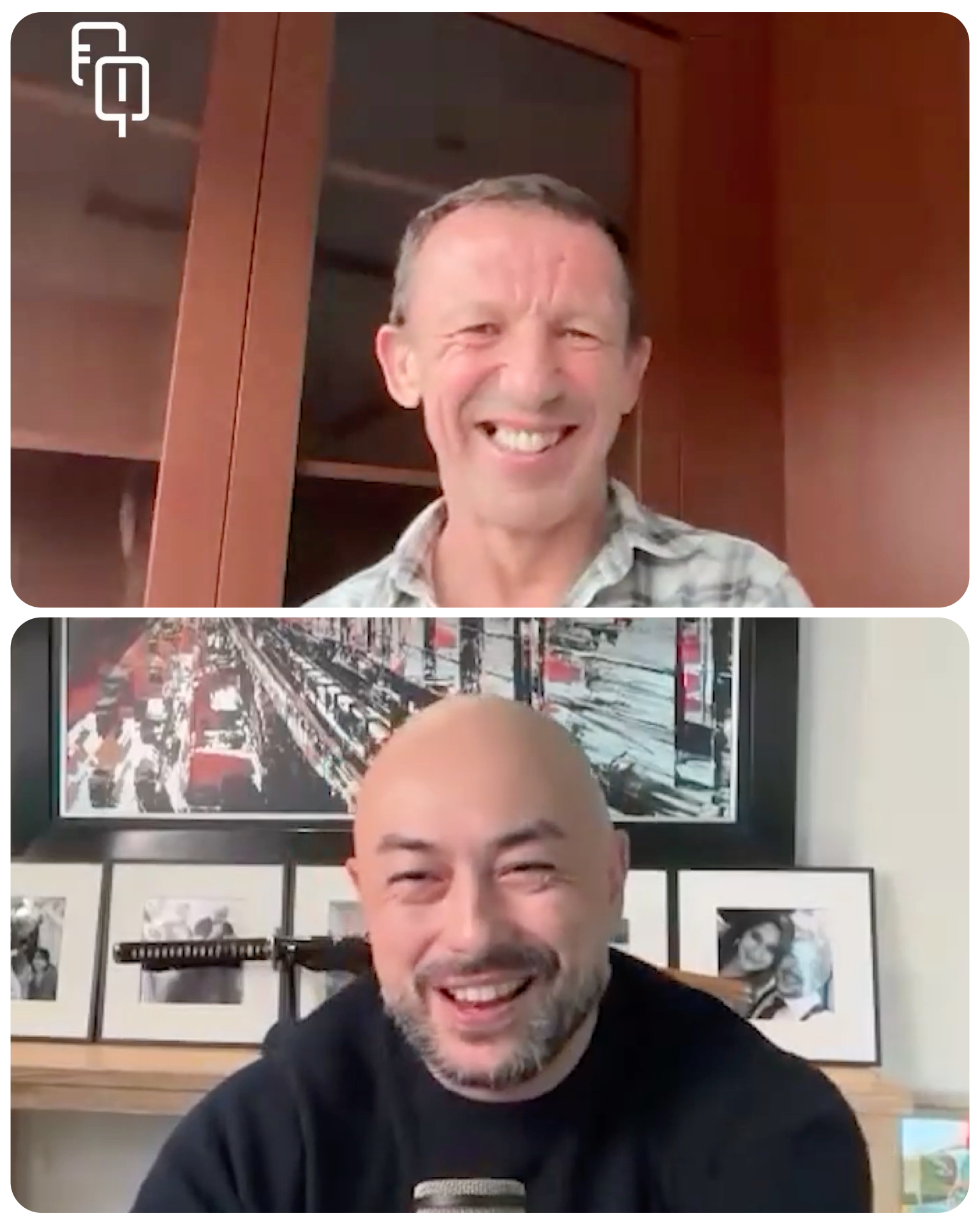
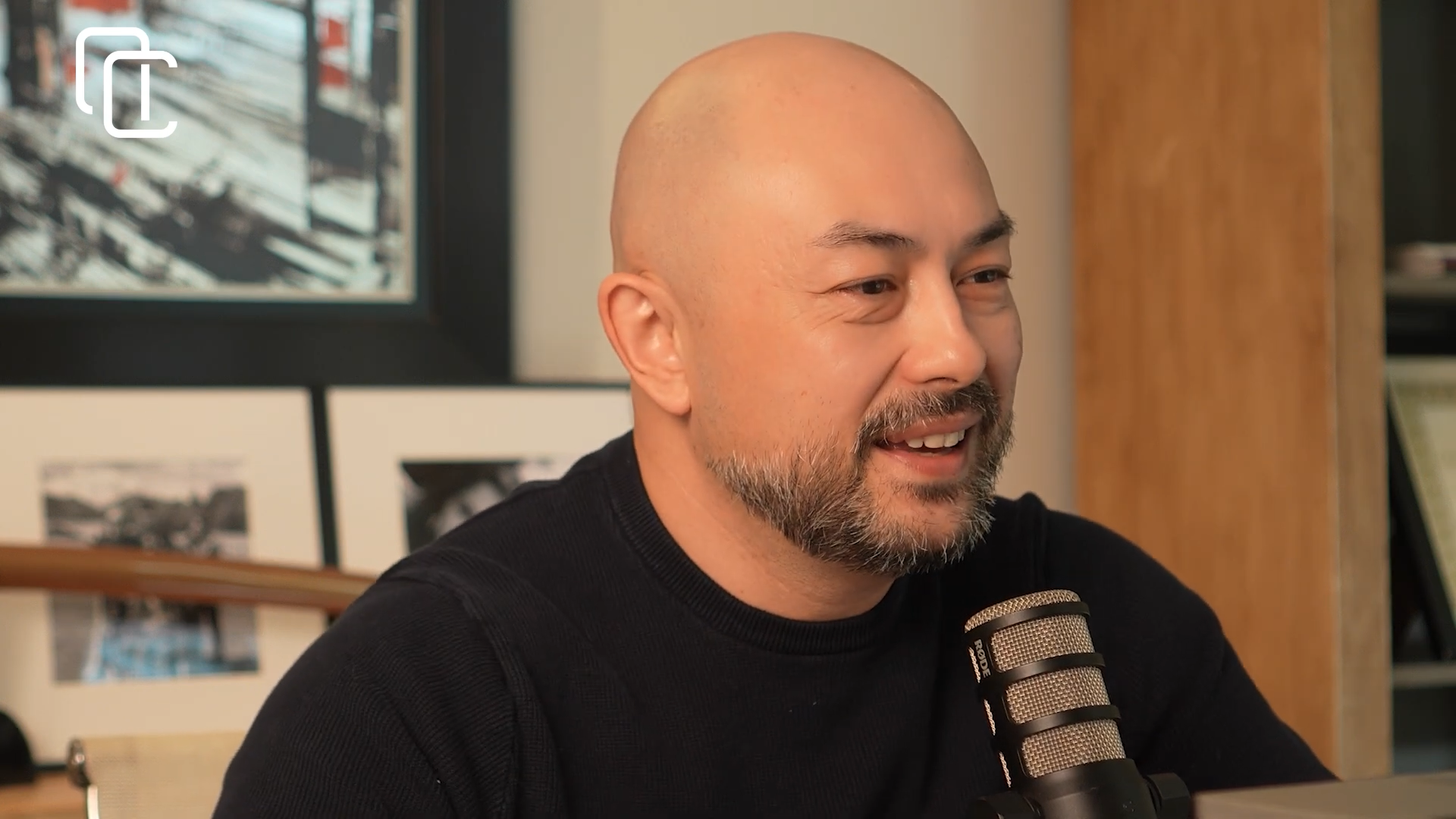
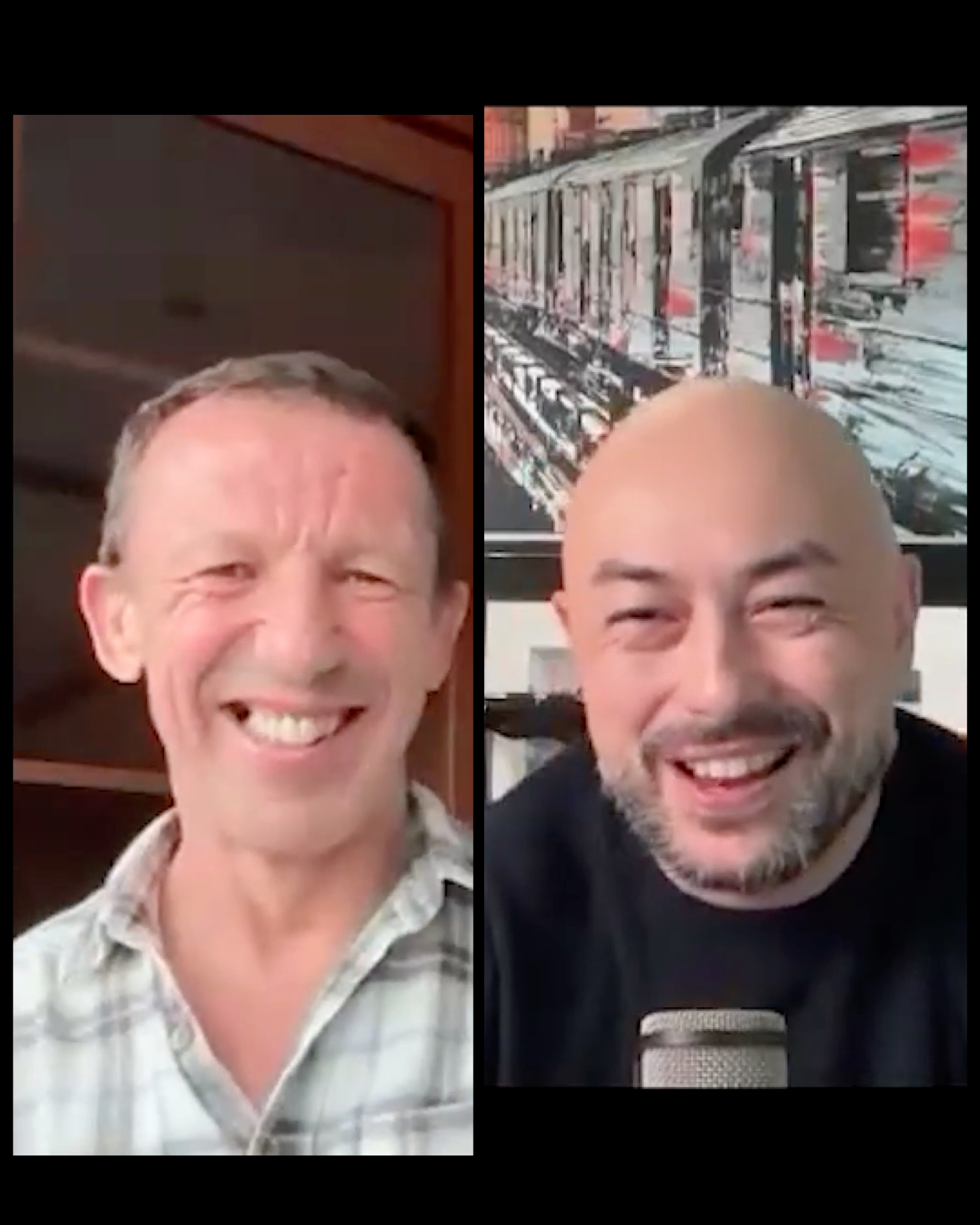
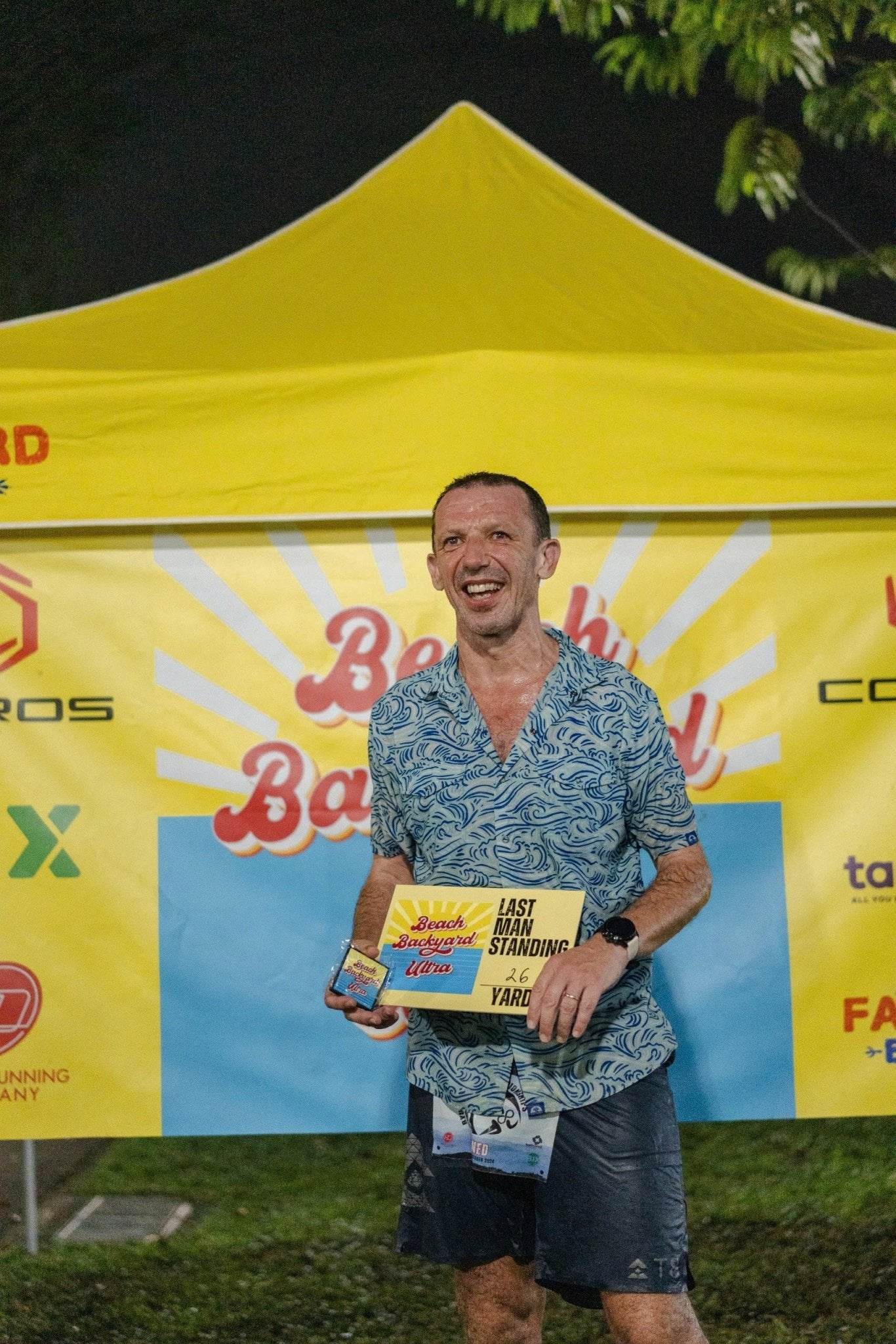
Our Other Episodes
Lorem ipsum dolor sit amet consectetur. Sed morbi adipiscing ultrices in vel placerat.
Building an AI Company Inside a Search Firm with Roger Olofsson #103
In this episode of The Quinntessential Questions Podcast, Paul Quinn sits down with Roger Olofsson, CEO and co-founder of Olofsson & Company, the executive search firm hiring for startups, AI, tech and fast-growth companies. From a childhood in Luleå, near the Arctic Circle, to landing in Singapore in 1996 as an exchange student with a backpack and a suitcase, Roger shares his transformation journey through almost three decades of recruitment in Asia, and the moment he finally backed himself to build his own firm.
One Video, 70K Followers: Jess Whitney Morris's Breakthrough | #102
In this episode of The Quinntessential Questions Podcast, Paul Quinn sits down with Jess Whitney Morris, model, social media management company founder, and media presenter. From growing up in poverty in Uganda and working-class England to working her way through Abercrombie, Hollister, and a self-funded university degree, Jess shares her transformation journey and the moment her father tore up her first modelling contract in half.
I Interviewed 100 Extraordinary People. Here’s What I Learned | Paul Quinn
In this episode of The Quinntessential Questions Podcast, the host takes the hot seat. After 100 episodes in the interviewer's chair, Paul Quinn, who runs Westport Executive Search and founded Quinntessential Coaching, answers questions sent in by guests, friends, family and listeners. From hitting a career plateau to building a podcast that now welcomes Olympians, world champions and global CEOs, Paul shares his transformation journey and the moment he decided to put a spotlight on helping people.