
Singapore's Fastest Man for 22 Years: 10.37s in the 100m | UK Shyam | #59

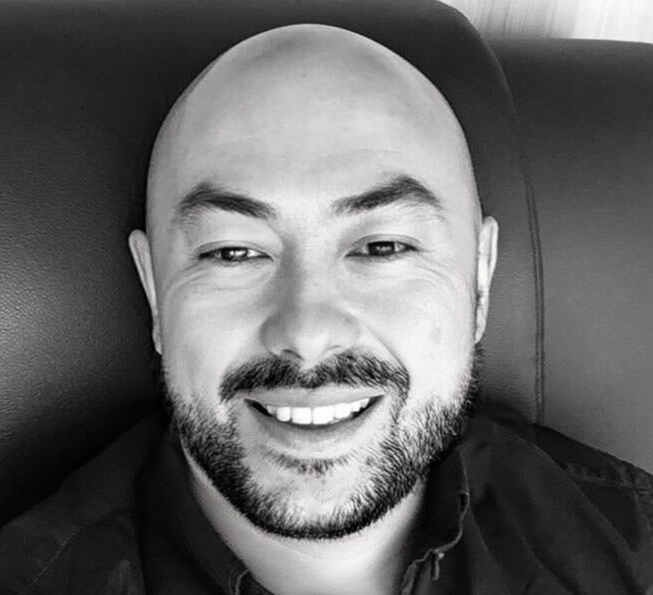
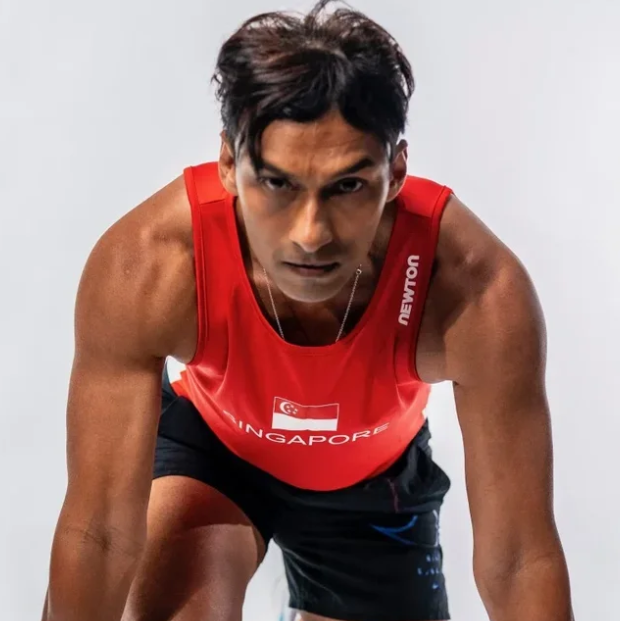
In this episode of The Quinntessential Questions Podcast, Paul Quinn sits down with UK Shyam, Singapore's National 100m Record Holder (10.37s, 2001-2023) and Teacher at Raffles Institution. From joining athletics at 16 with no competitive background to breaking C. Kunalan's record and holding it for for 22 years, Shyam shares his remarkable journey from late starter to national legend.
He discusses starting track at an age considered "ancient" in sprinting, training with makeshift equipment when resources disappeared, competing at the Asian Games alongside World Championship athletes like Nobuharu Asahara, and why becoming the first full-time athlete to study at NUS presented both opportunities and challenges.
Shyam also opens up about the difficult decision to transition from athletics to education, and shares his admiration for humble champions like Frankie Fredericks and the dominance of Michael Johnson's 19.32 world record.
Whether you're an athlete navigating career transitions, a sports enthusiast who appreciates technical excellence, or someone interested in the parallels between high performance and intellectual pursuit, this conversation offers insights on resilience, mentorship, and knowing when your next chapter begins. Let's explore what it takes to be the fastest man in Singapore.
TIME STAMPS
(01:59) Introduction
(03:10) Growing Up Singapore & Falling in Love with Sports
(04:40) Journey into Track
(05:14) Carl Lewis, Ben Johnson, Linford Christie
(08:20) Studying at Raffles Junior College
(10:38) Neurological Pathways & Getting Constant Reps In
(11:58) Shanti Pereira
(13:09) Crossing Paths with Mr. Kunalan
(13:46) Pietro Mennea
(17:39) Roger Bannister
(18:07) Training Regime
(20:52) Breakthrough
(21:20) Sebastian Keitel
(23:48) Importance of a Coach
(27:25) Weight Fluctuation
(30:36) Breaking the National Record
(31:12) Kishane Thompson
(31:33) Noah Lyles
(32:49) Darren Campbell
(34:40) Linford Christie
(36:32) Personal Bests in Training
(38:56) Trayvon Bromell, Marcell Jacobs, Asafa Powell
(40:52) Donovan Bailey
(41:30) Nobuharu Asahara
(42:52) Talent & Environment
(43:30) Justin Gatlin
(44:01) Ryan Bailey & Yohan Blake
(46:00) Mechanics of Speed
(48:01) Ground Contact & Force
(49:15) Retiring Prematurely
(50:10) Joseph Schooling
(51:15) Studying at NUS as a Full Time Athlete
(53:01) Timothy Yeo
(56:21) Media Backlash
(59:31) Becoming an Educator
(01:01:43) The Importance of Letting Go
(01:06:13) Masters in Strategic Communications
(01:07:15) Writing a Book
(01:11:00) Rapid Fire Questions
Bio
Umaglia Kancanangai Shyam Dhuleep, commonly known as U. K. Shyam, is a retired Singaporean track and field athlete and former National 100m Record Holder. He attended St. Andrew's Secondary School and Raffles Junior College, and went on to do a double degree in Philosophy and Political Science at the National University of Singapore.
He held the Singaporean national record over the 100m with a timing of 10.37s for 22 years. He broke the 33-year-old record of 10.38s (set by C. Kunalan) at the World University Games in Beijing in 2001. He equalled his own national record soon after at the 2001 Southeast Asian Games in Kuala Lumpur. He retired from athletics in 2005. After retirement from sprinting, Shyam went on to teach philosophy at a junior college. He subsequently became a teacher at Raffles Institution.
In 2018, Shyam released a book, written by former national sprinter Kenneth Khoo, Running On Empty: The Story Behind 0.01s, detailing his athletics career. Shyam and Khoo donated their royalties from the book to the Chiam See Tong Sports Fund.
Transcript
I used to hold the 100 meter national record. I had run 10.37 seconds. It was there for 22 years. My name is UK Sham. Now I'm at RARI. I I went into teaching and I was teaching like philosophy at A levels. >> Mhm. >> Uh at at Huong Junior College. My childhood was a bit strange in the sense that um my parents divorced. I I remember like moving uh to like rental rooms and staying [music] with my mom and sis in in a room. I was quite messed up emotionally. Um, I had sort of no self-confidence. I thought that I wasn't good enough. I was like a bum cuz I I was sort of aimless, right? Hanging out at malls. I was a big fan of the 100 m. The whole car Lewis, Ben Johnson, and Lantern Christie Moin. Favorite 100 meter sprint [music] of all time. >> Frankie Fredicks. I I only sort of joined the sport at 16. Really that late? >> I plucked up the courage to go for a track training. Um, we had a time trial uncoordinated. When I ran, I I tripped over myself. >> Are you ready? didn't even finish the damn race. The the coach said, "Hey, you know, I I think you have talent." I I trained because I didn't want to go back home. >> Uh it gave me some sort of like purpose. Within a year of joining track, like a yearish, just slightly more than a year, then I had dropped my times to 10.7. Angong, this worldass swimmer, took out a tire from his the back of his car. >> I love it. Old school. And so I used to pull the tire and and that's I think slowly my my career started to take off. When I went for the Asian Games, that was my first Asian Games and then I saw Asahara there and they're like, "Oh my god, this guy has been in the world champs." My career was quite a colorful one. I wish I had joined track earlier. What you wanted, right? It never came. It was like a lot of years of postponing [music] and postponing and postponing. At that time, I was like regarded as a sort of like a a rebel. Sham, how are you? >> Hey, I'm fine. Thanks for having me. Um, >> listen, I've been looking forward. I can't believe we've only just meeting, right? >> Yeah. Can't be. It's really strange. >> I know. It's crazy. We've got so many mutual friends. Um, now obviously in Singapore, you're very well known. A few of my audience members are outside of Singapore. So, for those that don't know you, can you please just give a little bit of history and an introduction? >> Okay. Uh, okay. So, hi guys. My name is Yuk Sham. I used to be a 100 meter sprinter and for this small country I used to hold the 100 meter national record and I set it in 2001 and it was there for quite a while for 22 years and then it was broken and I had run 10.37 seconds not that fast at that time 20 over years ago it was okay uh but my career was quite a colorful one that yeah that's my life >> listen it's a great time And people that don't understand running don't realize you know think about a second that's a second you break it down >> you know it's >> I mean of course uh global standards like have have really evolved over the past 20 years and I mean even if you look at the world record after both like cut the world record by like 02 plus yeah >> right so that uh that really pulled things and I mean Asian standards and all has have also evolved over the past 20. Yes. >> Well, it's it's huge. And what I want to do is I want to unpack your journey because I always feel that most people's childhood >> defines everything. It carries through to the rest of your life. >> So, you know, what was it like growing up as a young boy in Singapore and how how and when did you first fall in love with sports? >> Well, okay. Uh, I mean, Singapore was great. Uh, but I I think just u my childhood was a bit strange in the sense that um my parents divorced. Okay. Okay. So, it was a bit of a dysfunctional sort of childhood. Um, a a big part of my childhood I I remember like moving uh to like rental rooms and staying with my mom and sis in in in a room because my parents kept like uh separating >> and and that was like a a long drawn kind of thing. So, uh sadly I was quite messed up emotionally. I think I was um I had sort of no self-confidence. Um, and grappling with that, I I uh had no self-confidence to join athletics. So, I I I only sort of joined the sport at 16. >> That late? I didn't realize it was that late. >> Yeah. Before that, exactly. It's late. And before that, I was like a bum cuz I I was sort of aimless, right, hanging out at malls and >> But when did you But surely you ran earlier, like, you know, in a sports day or something. >> I mean, in primary school, I ran in in sports day. Uh and and I was quite good but I I think I was kind of lost. >> So I I didn't really do anything. I would just Yeah. So I didn't really >> So So then how did you even find out that track was your gift? >> Okay, good question. So uh I So we had like physical education class uh in school and and then uh the the coach there, Thomas Tan, I remember him. Um he was my first coach. He he he sort of like spotted me and and told me to come for track training. M >> but it took me quite a while cuz I I thought that I wasn't good enough. You know, I had this like weird inferiority complex. >> Yeah, a lot of people do, man. >> Everyone does, >> especially at that age. >> Yeah. I mean, you always have this imposter syndrome, right? That you think that you're not good enough and all that. But of course, I was a big fan of the 100 meters. >> You were. >> Yeah. And at that time, like we were talking about, it was the whole K. Lewis, Ben Johnson, and Lynon Christie era, right? >> So, >> who was at that period? What who was your favorite athlete at that time? >> Wow. Uh I I I didn't have a favorite, but I was like a fan of of of these >> these guys. >> Um and um so finally I I plucked up the courage to go for a track training. Um and this was like when I was 16 and then we had a time trial, but I was so uncoordinated when I ran the time trial. I I tripped over myself. >> Are you? >> And I didn't even finish the damn race. Really? >> Yeah. But uh but then you know my the coach said hey you know I think you have talent like based on your your build you're quite lanky. He he claimed that I would have been an even better 400 meter runner. >> Yeah. >> Um and then so I I joined track and my parents were like going through a divorce and all that but I think that it was a good escape like uh I I trained because I didn't want to go back home. M >> uh but it gave me some sort of like purpose and and then I I just I you you have this sense of community and finally you realize that you you're good at something you know I think when you're a youth like you want to be known for something right? >> Yeah of course you want to build a name and a belonging. >> Yeah definitely. Um and I I I guess it like was a bit of a form of escapism as well. >> What is what what was your progress at 16 at your what was your PB? >> Okay. No. So at 16 at 16 um I had joined I had joined track like for 3 months and then we went to the national schools but we ran the relay so I didn't really know like how fast >> yeah how fast I was. >> Um and then but our relay team team won won the national school so it was like the fastest relay team in in that. >> Okay. >> But that was like oh >> which which leg did you run? >> Uh I ran the second leg. >> Okay. That's the longest leg. Yeah. The longest leg. People People don't understand that it is a a longer leg. >> Yeah, >> it is. Yes. And usually they put the the faster ones there. Although I still couldn't understand why because I was just a newbie, right? >> And I was full of full of nerves like a a wreck. Quite wimpish actually. >> That's not that's no that's real. >> It's real, but you grow so much. Um and then um so I had been in track like 3 months and then the the season ended and then I was going on 17 and then I like ran 112. >> Okay. >> Um but what was good was I think like within a year within a year of joining track like a yearish just slightly more than a year then I had dropped my times to 10.7. >> Yeah. >> Yeah. But that was hand timed at that time. So that's like 10 9 right now. Well, it depends. Sometimes it's faster, but you're right. It's normally you can't tell. >> Yeah. You can't tell. It's >> not quite accurate. >> Yeah. So, u and so within like one and a half years of training, I had run 107 and that was like a age group record for under 18 at that time. >> Yeah. >> Uh and a lot of the people had been in the sport for very long. I was a newbie, right? Uh >> uh 107. And that's when I started to get a lot of like attention. I was in RJC at at that time. Raffles. Yeah. You've been here for a long time. >> Yeah. For those that don't know, Raffles is the top school. >> Yeah. Uh again, imposter syndrome because it's a top school. A lot of like rich kids with people that come from pedigree, but really nice. >> Yeah. >> Uh people from all walks of life with different talents and and that's I think slowly my my career started to take off in a way. >> But what's interesting is a lot of people that have imposter syndrome, it works well for them because they work a lot harder. >> Exactly. you know, >> uh, but you're always I mean on some level you're always like secondguessing yourself. >> Yeah. >> Uh, and feeling that you're not good enough, but if you that sort of that I don't know whether you can call it a chip on your shoulder, but it can be good in a way >> in the sense that you feel that you need to prove yourself. >> Well, you know, you know, like Lymph Christie was my my uh idol for the 100 meters growing up. >> Yeah. >> You know, cuz he came from northwest London where I'm from and um he he always had a chip on his shoulder. talks about it, but that was for many things. A lot of because he suffered from racism and then he was like the only European against the Americans. But I think at some point, you know, it gets to work in your favor. >> It does. >> Do you know what I mean? >> Yeah. >> So, >> everything is everything is about balance. Now, now explain to the guys uh the audience member because one thing that I think is overlooked for you back then was you have national service. Yeah. >> And you're in the peak >> of your your you know your your your manhood becoming a real athlete >> and your career is derailed for two years. >> Uh two and a half. >> Two and a half back then for for like people who did their A levels then it would be two and a half. >> Okay. Yeah. That's crazy. That's even worse. I didn't realize two and a half years. I mean this was like like 20 over years ago. So that that was uh >> that was uh something that wasn't that particularly like conducive for high performance sports because like you said it's it's a window when you're like 19 to 21 22. >> That's when like if you want to be Asian class or world class, you got to train full-time. You need that exposure to be going for like you know training trips around the world and all that. >> Yeah. Yeah. >> And I think with PE with sports people don't understand. explain the science about um the neurological pathways and how you have to get constant reps in because a lot of people don't understand that it's not like I can revisit this in two and a half years. >> You can't there there are physiological like windows during which you need to load the body with you know certain types of training right and that that stimulus and all that. So um I mean high performance sports is really it's a complex interplay of like not just talent the opportunities like the training programs like the training environment >> and are you consistent you you can't like oh I want to be a Asian uh I want to be an Asian level or world level sprinter I'm going to take a two-year break that's >> it's not >> you can't do it >> you can't do it >> well you know you know I had Roger Black on the podcast we released episode last week he said to me a big chunk of your career is luck and specifically geography. >> Where he said that where you're born, where where and when >> and you know like you know he said to me the opportunity to run with fast people is the only way that you truly find out how fast you are and that's when you're you go up. >> That's spot on. >> Like uh you're you >> he said it, not me, man. He said it. He was he was you know so uh I mean I mean on some level you know we we we shouldn't make excuses for ourselves but like after like looking back and and seeing like the uh current generations like like Shanti Pereira and all that you know like hit that world stage I mean I I realized like the the sociology of high performance sports >> that like you said it's a lot to do with the conditions and the context of of where you're born. >> Yeah. >> Right. You you need to have uh the opportunities. A lot of it is premised on opportunities, right? >> 100%. >> Yeah. You can't you can't train in in your backyard or just run on your own. You you it doesn't work >> and and and sprinting there's so much you know technicality that goes with it. Now what I'm also curious about because you know I always fell in love with 100 meters because it's it's the blue ribbon event right but did you because your coach said to you it you could have been a 400. Did you look at the one, two, and four and how did you did you feel the event chose you or you chose the event? >> I was I was in love with the 100 like you right I mean because it's it's like just the speed of it all like it's poetry in motion movements the mechanics and all that and I was fixated on Mr. Cunalan's uh record at that time. >> Yeah. So you had it in your sights. >> Yeah. But I I I I never thought that I could run that fast at one stage. uh and my paths crossed with Mr. Kunalan and and then I >> How old were you? >> I was like uh like a young boy like you like uh 19 you know and and then I heard that you know oh Mr. K has run the fastest 100 meters and he ran it at the 1968 >> Olympics in Mexico and then it's >> high altitude for people a lot of people don't know that. >> Yeah. So I mean yeah we know not not to discredit but yeah no um >> a lot of people don't know they don't understand the wind the current the current record of that replaced you I think was run at 2 meters behind >> so it was on the verge of >> it was like perfect conditions >> yeah and I I think I think Petra Meno ran 19.72 for the 200 and it was well at high altitude >> yeah a lot of people don't know that yeah so you're so spot on so he he had run at 1038 but he was there for 30 33 years over years. >> Staging. >> Yeah. Staggering. And then uh he was he's a wonderful man and I would always talk to him and ask Mr. Kim, Mr. K, how you do it? How was your training like? And then he would tell me Mr. is not very tall. >> Yeah. >> Like we were talking >> shorty like me. Yeah. >> No, but he's a chili patty like by local standards, right? I mean, so but he's if you look at his hip, it starts very high. >> Explain it because you explained to my daughter you met earlier. Yeah. So I think you don't you don't look at just the height of the person like for certain events like the 100 or or athletic events you look at the limb length. >> Yeah. >> So the person can be short absolute height but if the limb uh if the hip is high that means the the the leg is very very long. >> So Mr. K was one of those. So you say like how does a short man like that run 10.38 because you know >> but I'm listen I'm reminded though when you look at >> Mo Green, Andre Kase. My god. Yeah. >> You know, but they were cannonballs. >> They were. >> But then, but then >> did something shift because at some point you you broke through to, you know, a really a really uh solid performance time >> only. What happened? >> Yeah, that's a good question. Um, okay. So, so when I was in NS, uh it was I I couldn't really come out to train and and you know that at that time like the Malaysians and the Thai were >> training full-time and that time they had their sports school so they were full-time athletes and we didn't. Full-time athletes mean that they were training twice a day. They have a very proper program, right? Uh coaches that periodize and and all that >> and then I had no coach. So, I would be in NS and sometimes I can come out and train. I would read my own books on periodization and come up with my my own like >> you experimenting on your own. >> Yeah. I mean and and um sometimes I could couldn't come out of camp so I'd have to train in camp. >> Yeah. >> Uh but I I I kind of didn't know what I was doing. >> Of course, man. >> And uh at that time also because in NS it was difficult to come out. Sometimes I would get uh a medical uh letter to be able to go for physio. Yeah. And that would be my chance to like do a bit of training and then go back to camp. So the the 2 and a half year period was was quite uh I mean very difficult. Um >> I but you know I want to put this into context cuz a lot of people you know now you know you and I didn't grow up in the US. If you hear about the combine and how quickly the guys are running the 40 yard dash and what they're doing but but you put it into context or you hear about the world's >> best footballers and how fast they are. They're not running your time. When you look at it, you I just put it into context because you see the thing about, you know, you won't share this because you're too humble. The thing about the 100 meters, okay, for me, the most competitive sports in the world sport in the world is football because everyone loves it. >> But in terms of absolute competition where it's not subjective, it's just pure. There's nothing to it. And the track, >> that's it, right? You know, and and you know, it's the 100 meters. Why? Because anyone that is able-bodied at some point has tried to run. Yeah. And if you were fast, you got chosen to be on a school team. If you were very fast, you know, you represented the next level, up next. And then, you know, and and the thing is is it's not like so in football, how many people in the English Premier League? How many people on a team? [clears throat] So when you're talking about, you know, you're in the top, for example, 100 in the world. >> It puts it into context. And the difference between 10.37 and 11 seconds or even 10.5, it's a country mile. >> It's a huge >> It's huge. It's not. People don't understand that. And then if you think about time, you know, like Mr. Bolt changed everything. But I use the example of Roger Bannister. >> Roger Bannister broke the 4-minute mile. >> Yeah. >> And after him, I think six or nine guys broke that time, you know, within the next year and then there was a paradigm shift. But just to put in if if someone has run under 10 seconds, they are a super human athlete. >> Yeah. Absolutely. >> You know. >> Yeah. >> You know, so so I'm curious. So let's let's unpack this cuz you know me I'm going to fanboy here on in terms of track and field but what when you started getting serious about your training were you doing a lot of strength and conditioning training or is it mainly on the track? >> Good point. So I was doing I was just trying to find out and at that time some of the Australians were running fast like I think there was uh Matt Sherington who had run 10 remember and then he was like he was like a big hit. He made it into the Commonwealth and then he got like a silver. was running with Frankie Fredericks and all that and then I was like and I was thinking like whoa how how do they like how do they run you know under 103 or even 10 three you know >> that was a mark like 10 three under 104 >> uh and then I was like trying to read and and then when when people from Australia came I would ask but you know >> it was sort of like nebulous not not really easy but what I knew was that they needed to train full-time you needed to train like twice a day and all that so I was doing strength and conditioning but all on my Um I I didn't have a coach and uh Mr. K would give me a bit of advice >> but but in his time it was you know unheard of doing real strength and conditioning >> in his time. Yeah. Not as much. Yeah. >> And um so the strange thing was I wanted to go for the C games you know and and um at that time at the C games you would need to run like under 104 to to get a gold. I I mean it's it's a small region but at that time it's step by step right. Yeah of course um and I was running like 1070 1060 on my own just training on my own reading books and all that kind of thing and I couldn't hit the the qualifying mark um and they also had like a policy where they didn't allow us to run the 100. M >> uh they made us sign legal documents. So if we ran the relay, we didn't we couldn't run the 100. So that was like a big like a battle for me because I was saying hey you know this is not the norm like uh the only way that we can improve is if we actually run the indistant I mean you can see that with Noah Liles now. >> Yeah. >> He's he each each time he's running he's incrementally getting better. >> Correct. >> And look at the difference between you know maybe a month ago versus what will happen. >> Wow. You get sharper and sharper. your nervous system is primed and you so you need for 100 meter running you need to run about like 15 races in that season like well spread out so that you can peak yeah correct and I I never had that exposure so that was like one big so in in my those those crucial years uh you were just not allowed so I'd go for overseas meets and then sit down until the end of the meet and watch everyone else run the 100 >> and then I run the 4x1 at the end of the meet right so you you never sort of like in terms of maturity and growth >> you didn't have that. >> I didn't have that. And then uh >> what was the breakthrough though for you because you jumped in times. >> Good question. So uh the breakthrough was uh one fine day um I bumped into uh uh one of my mentors this this lady called Yuling and she was a she was in track u and then she introduced me to her husband Pedro Akuna who was a Chilean and then she told me oh meet Pedro. Pedro used to train uh the Chilean record holder Sebastian Ketel. >> Wow. You can Google him and he has run 10 10 >> really >> then I what 10 10 >> amazing >> yeah I said that's fast then then yeah yeah yeah and then and then I I spoke to Pedro uh just a bit I chatted with him and then he he and then the things he said about training I I felt that like this guy really knows things that a lot of Singaporeans don't know about I I he's really smart like he was asking me why I was doing heavy weights and all that then he asked me uh oh let look at your training program. So I gave him my diary, you know, where I I just scribbled down uh and then he looked at it and then he like sort of like laughed and he was shocked. >> And then uh after all those years, I found out what he told uh his wife. He said that how does this guy run 1070 with this crap >> training program? So I um so I once I heard that that he had trained Sebastian, Sebastian had run 20.16. >> Wow. >> Yeah. >> So he's all around. >> Yeah. Popper sprinter. >> Yeah. I think the record is still there. The Chilean record is still there. >> He was he was world I think he was world top 10 in the 200 at that time in 1999. >> Yeah. >> Yeah. Yeah. >> So um so I begged him. I said Pedro can you coach me? Then he said, "No, I I I don't coach athletes who I have not developed from young and and you've not had a coach most of your life and all that. I I I'm sorry." Then I I begged and then he I asked >> He lived here. >> He lived here. >> Yeah. And then and then uh I I said, "Okay, could you give me some advice?" So I showed him I showed him my weights program and then he saw that I was lifting a lot of heavy weights doing a lot of maximum strength. I was like I was like half squatting like 180 190 kg 190 and all that. Then he says okay why don't you do this since I I said I was going to race in 3 weeks time. He made a few adjustments to the the program >> lowered the weights automatically. >> He lowered the weights a lot and at that time it was counterintuitive for me because I thought that you need to be really strong. >> Yeah. >> Right. like he cut it by so much. Then he put in some drills and all this and and then he said, "Okay, follow this." And then he gave me advice. Then I did it for three weeks on my own. Of course, no coach, right? And then uh >> I I didn't know all this, by the way. I'm kind of blown away hearing this because if you listen to the best athletes in the world, from Usain to Lymphford, >> they always talk about how important their coach was. Glen >> Mills coach is so important, >> you know, Ron Roden, it was everything. And these, by the way, those two athletes were with their coaches their entire life, you know. >> Yeah. Exactly. So, this guy had said so many profound technical things and and then he uh and and you would think that, oh, to become world class, you must be immensely strong. And then I was thinking, oh, you know, I'm Asian and and and you know, that kind of thing. So, I I need to squatting like really heavy. I I was lunging like 100 over kg and all that. And then uh so after 3 weeks I had followed his program and his adjustments and then suddenly at a meet he was there he happened to be there uh I ran like 1054 suddenly from like >> so you broke through and after 3 weeks. >> Yeah. After 3 weeks. Yeah. Boom. >> When you saw the time you were thought that's worked. >> Holy >> Yeah. >> Yeah. But and and that 10 five was a local race but like I said they never let us race overseas in the 100. You can only run locally and locally you're not going to improve. What? Right. Because you I was always the fastest. >> Yeah. You had no competition. >> Yeah. So I had hit the the C games qualifying mark I think. Hey. No, I hadn't. 10 five something. >> And then I went to him and said, "Oh my god, your your training program worked like >> could you Yeah. Could you please like help me?" And then he felt he said he felt sorry for me because he remembers that during the warm-up he was observing me and I was like lost like I I don't know what to do. Right. Could he not have wanted to take you under his wing? >> If it was me, I would have said, "Let's roll, man." Cuz you wanted it. >> You were you were you were, you know, humble and you're asking for help. >> I was. But I think he had this principle of like I think there also like athlete poaching, you know, >> like a good athlete and then someone takes the athlete at at >> Yeah. But who who is he poaching you from, man? No one. Come on, bro. >> Exactly. So So he said like he said like, "Oh, okay. I think you're very lost. I I I don't mind I don't mind helping you." And then I was so like immensely grateful. And that was my first insight into high performance training >> because then he would meet me. For once I had a coach who would time me and correct all my mechanics like he adjusted like the knee was lifting too high. When you drive out of the blocks you are overstriding you know. >> You had the opposite of problems of most people. Most people the knee's not high enough. >> Yeah. I was like I told you everything was overdone. It >> was enhanced. Yeah. >> Yeah. Overdone because you're looking you're looking at Australians, you're looking at Americans and you you don't know right. >> Yeah. >> Um and then he he adjusted things like because he said that if your first step is too far then your foot strike is very far from your center of gravity and then there will be a jerking effect. >> Yeah. >> So a lot of a lot of like >> supposedly counterintuitive stuff like at to me at that point. And then he was talking to me about race plan. He said, "Don't come off the blocks too fast." I'm like, "What?" >> You know, >> where did he learn all this? Did you ever find out? >> In Chile. And because he had trained Sebastian, they had they were racing all over the world. They had traveled the world and all that kind of thing. He was a South American Games champion, Pan-American Game Champion and all that. Yeah. So the the the quality of the knowledge was on a different level from what Singaporeans knew. >> Of course. >> Right. Uh >> so then things took off. >> Then took took off when he he started to plan my weight weights programs and gave me a structured like track print training and I was like so grateful. I was like dear God like I can't believe yeah there's someone there. And >> did your I'm just curious when you were running from that point to at your peak did your your weight fluctuate or were you a similar weight? Were you less muscular? >> Ah I'm just curious. >> Uh okay good point. So to cut a long story short, so he took me for those few months and then he started to sharpen up and it was a whole new program that I was I you know something structured, right? Uh and then finally after that fighting for one year to have the right to race in an individual 100 meter event overseas, >> I went to Hong Kong Open and then uh I ran 1045. >> Wow. and I won. >> So now you know, okay, this is happening. It's real. >> Yeah, this is happening. And then I I I had such an inferiority complex that I won, but I didn't know I won [laughter] cuz uh cuz I was running with the Malaysians and all that. And the Malaysians had run 10 three, they were Asian class and then I was just in lane one and I won and then I you won and then you I hit the the C games bronze [snorts] mark and then suddenly I was going to the C game. So it didn't matter if if like the sports association was not nominating me because I hit the mark. >> Yes. >> And and things and things changed. And then uh after that I I went to the world university games. Uh and that's again Pedro said to me uh you are going to run in lane one you will lose in the first round because it's world standard. So just run all out. >> Enjoy running. >> Yeah. Just run all out. >> That's great advice by the way. That's great advice. >> Yeah. just focus on the technicalities at what you're going to do at which point of the 100 because it's very precise right at at the 30 mechanically this is how what your posture is going to be. So again I didn't know and then uh I crossed the line at the world university games and then I uh looked up at the scoreboard and it said 10.37 and my name was there >> and it meant that I had broken Mr. Kunalan's uh national record. >> Amazing. But that was amazing and silly at the same time because this was the first round and then you see this random Asian guy jumping around just because he won the heats. >> No, no, it's okay. >> No, but listen, this was your world record. Let's put it. >> It was. Yes. >> People overlooked that. >> Yes. >> You know, like you at the end of the day, you can only be the best that you can be. >> Yeah. Exactly. >> And that that was and not just that, I didn't know that part of your story that you went from there to there in a very short period of time. >> Because for many years, I was not even allowed to race. So I had run 10.37 and then I remember like the American guy who was heat wondering why is this guy was this guy jumping around just because but I never thought that I would progress to the quarterfinals and then I progressed to the semi-final of the world university games and and that's when the the the standard gets tougher and tougher because >> uh >> you run 10.52 and you cross the line but there are six people who have around 1052 also. Everyone's like dipping at the same time and then it was like headwind. So that everyone was running around 103 to move from the semi to the the the final. >> Yeah. >> Uh and that and that point my my sort of like life changed because I I had broken the national record and in this small country it was a big thing. >> Yeah. Of course. >> Uh and and it was like a a different world for me. Well, a lot of people also don't understand when you're running rounds, you know, there's there's so many different things you have to think about, you know, like if you run too fast, you you know, you blow your wad too early. >> Yes. Exactly. >> But you also don't want to, you know, you want to let everyone know that you've arrived cuz I remember watching a few athletes that have run in the past extremely fast times in the early rounds. And I was thinking >> and then after that, no way. Yeah, cuz you know when I first called you and I was talking about Kushain against Noah Li last year, I was thinking Kushain has never been put under pressure. So in that last one meter and he lost it at the >> and he's not running I don't I hope it's changed this season but I don't think it has he's not running like 101 m 102 m he's running 95 96 m >> and then the he's a bit >> at the end he he gets tight. Yeah. >> And Noah LS, you know, you I think I I think you can't underwrite that that the guy just knows how to win. >> Definitely. >> And you know, people don't like him, but you got to rate him. And >> but it's also the it's also the like the composure and the disposition of the att and and to what you said. So so uh those few months were my first like taste of like a structured program with the coach and all that, right? And then after that I I I um I won a silver in the Southeast Asian Games. But that was the first time running at the Southeast Asian Games in 100 at 24 years old, which is very >> You got the same time again, did you? >> I I ran 10 entry again and that time it was in a headwind. Um >> but then also that shows consistency. >> It was consistency. Um and um and then I was given the chance to finally train like full-time >> and then I my body was sort of like adjusting to a structured program and a proper program and like you said did your weight go up then I um so the next year in 2002 I got invited to the Australian Grand Prix. Uh and yeah my weight went up because I started to get stronger. I could lift heavier you know my PBS went up. Uh but I was starting faster but in the big races when when I was running with like Darren Campbell and all that I would get stuck at the 60 so I would lead all of them >> and then at the 70 and 80 suddenly they would like move like you know half a meter and then you can't >> Yeah. >> And this is like what you said it's that composure like is your is your pelvis like tilting? Are you like getting like tightening up? >> Yeah. >> Cuz it's counterintuitive. You need to put in a lot of force but you need to be relaxed at the same time. But that's why I think historically the Americans and now the Jamaicans are different because they grow up in that collegiate environment in the US. >> I think the collegiate environment is is like >> champs in Jamaica because they're used to running under that intense pressure with a full crowd. >> Full crowd of time. >> The collegiate environment means that you are running or swimming against people that have qualified for the Olympics. Well, the reality is apart from a few events, >> if you're running in, for example, the NCAAS or whatever, >> it's global competition. >> Definitely. >> You know, when I was talking to Amita Burch, I said NCAA's like you are amongst the creme. >> Yes. Correct. And the programs are also you need to be in in that environment. And and then I think if you've noticed like in the over the past 10 years we have one or two uh Chinese >> sprinters uh uh Chinese sprinters and Japanese sprinters that have become world class and run under 10. Yes. >> And all of them are in Florida or in the US. >> They're training. >> Yes. >> Well, you know, like I said to you off camera, I mean I know you're not one to look back and say if buts and maybe but it would have been fascinating to see what would have happened if you had trained from early and then gone through the collegiate system. Yeah. Uh because unequivocally you you would have run some even faster times. >> I I I definitely feel that like I would have run faster maybe 101 something you know but I mean it would have >> we'll never know but it is >> but as a as a person of curiosity I think these things are so I'll give an example right so Limpford Christie in 1991 my favorite race of all time for the 100 meters uh was the the Tokyo World Championships and it's timely because um you know Tokyo's happening again this weekend. Oh yes, >> right. The world champs and you know Leroy so the world record was 990. Leroy Burell sorry came second in 988 in final. Lymphood Christie came uh fourth >> Dennis Mitchell came third. They were all under 10 seconds and Carlo >> Oh that was the fastest. >> 986 >> and then Lford was at that inflection point. I've just run my personal best. >> I came fourth. I didn't even podium. >> Should I give up? And then next year he he ran 996 which is slower time but in Barcelona got the gold and then the 1993 years old right he was the oldest guy but again like he he was a little bit similar to you in that he started late >> right and then um I think he you know he was enjoying the night life and what have you and you know in the UK track and field it's it's it's obviously bigger than it is here but you know it's still not >> it's still not like football >> you know what I And then if you see the track where Lymphford, you know, would train, you would you don't want to train there during the winter. It's miserable. >> Oh, have you? Have you seen it? >> I've seen I've been to the track and everything. And cuz we're both from Northwest London. The thing for me is when when I look at >> how the 100 me is a bit different now. Back then it was like a heavyweight world championship fight. Yes. people were like, you know, looking at each other and >> and who was it was telling I was watching an interview with Justin Gatlin >> and someone said I think it was a Sappa Gatlin spat in the guy's lane >> just like >> Oh, really? Yeah. Okay. >> And it was hilarious. I was like, yeah. It was just like, you know. >> Um but let's let's talk I want to do some ask you some questions. Do you remember some of your personal bests um in training? Did you ever run faster in training? Come close. You did. >> I did. >> Okay. >> Uh but like you said, um so I ran really fast in the 200 as well, but >> you know the 200 to me there's nothing like running fast around that curve. There's a weird unique cuz you you feel a bit of breeze coming at you. >> You know what I mean? >> Yeah. >> So but so you but you never fancy the 200. >> I did but like I said like it was so difficult to even run the 100 at that point, right? Like to have the to be given the opportunity. And when I was running 103, they didn't let me run the 200. >> Yeah, I can see. >> So, so >> you impeded. But also back then, uh, you know, most most 100 guys weren't running 200. >> Yeah. Uh, but my my coach Pedro also said that, you know, uh, you know, you could definitely have run, you know, under 21, you know, 200 or something like that. >> Of course, no doubt. >> But but he also said that because you started late, you don't have the foundation. Like he said, mechanically I was really not that I mean not polished for sure because you you started late and all that and and uh you know if you want to run like 20 something you need to have those have had certain types of training at certain developmental windows. Yeah. >> Which I didn't have. >> No. And and listen that time out in national service didn't help. So what were your personal best in your lifts? Like I'm just curious. >> Oh okay. Um >> do you remember them roughly? >> Yeah I think like the half squad I Okay. So, I was like 71 kg. 70 kg. >> I'm glad you're putting that into context. >> Yeah. >> So, 70 about 70 kg. I was like half squatting like um I think uh 200 kg. >> Wow. >> Right. Half uh >> that's the bars bending at that weight, bro. >> Yeah. You But the coach would have to spot you. You would have to wear a belt and all that kind of thing. >> Doesn't matter, man. That's serious weight. >> Uh it's one rep max. And then uh I I benched I think like 100. Yeah, >> that's not I mean not that >> but you're you're not so focused on that side as well. >> Yeah, I mean we don't. >> And what about did you do many deadlifts? >> Uh I didn't really do a lot of deadlift and I did a like a split jug. I I think it was like over 100. I can't quite remember. >> It's you know like when I see some of the old videos of Yeah. You know, obviously I'm a massive name for Christy fan, but you see what he was doing. >> Oh my. He was really strong. Well, he's like 188. >> He's a big man. He's he's a big man. >> Yeah. Um, and then when you when you look at runners now, the best 100 meter runners of all time in terms of technique, >> who are the top three that spring to mind? >> Wow. I mean, mechanics. >> Yeah. Mechanics. >> I think if you look at mechanics like Trevon Bromel actually, he has really great. Yeah, actually uh the the Oh, yes. My god. >> Who you going to say? Sorry. I thought that's who you going to say. >> Marcel Jacobs, right? >> Oh, yeah. Marcel Jacobs. >> Yeah. I think if you look at his mechanics like the fluidity is is excellent but Asafa P for sure I think >> in terms Jacobs it'll be interesting to see because you know he's there now in Tokyo he's not been running um but it'll be interesting to see what he can do. >> Yeah. >> You know because when he won the Olympics it was you know that's legit. >> He came out from nowhere in a in a way >> he was training but I like that you see him running behind a truck with the the wind tunnel. >> Yes. Yes. you know to to say that I think uh if you check now there's also actually a Sri Lankan athlete >> who has run under 10 >> okay >> and then I was reading his story I mean his build like looks like mine I mean a bit lanky and all that 180ish >> how tall are you >> I'm 181 um that's not like not super tall and all that but I think it's now I think it's not really about height because you see some of the Chinese that that are like 170 something >> but they but they are like fast to about 30 40 m like very like out of the blocks >> very very crisp very refined like movements even the Japanese there there like four or five Japanese that have run uh till this day under under 10 seconds >> but a lot of them are in the training groups uh in in Europe >> um >> but it's so difficult because you saw by Travon Romel he's such a natural talent but I think under the pressure he has struggled like like Asafa Powell >> you know he really struggled I know he had injuries But that's why people like Usain Bolt or or these multiple champions be it Donovan Bailey whatever you cannot overlook >> unimaginable the disposition and the strength. Yeah. Correct. >> You know like when you see like when Donovan Bailey in 1996 when he when he won the Olympics in the world record he was behind in that race. >> He was behind up to the 60 >> and he was just a flipping beast you know. >> What's your So give me what's your favorite 100 meter race of all time? Top three to watch. Yeah, I think that that one where where was it Atlanta? >> Yeah. >> Yeah. >> Don't know if by 9.84 >> 9.84 and then so at when I had just like you know like knocking on the like the Asian at the Asian like and world stage >> and then there was a sprinter called Nouhara Asahara. >> Yes. >> Uh and he had run like he was running 10 three 10 two 100 10 >> but he was training with Donovan Bailey's >> camp with Dan Path. >> Yes. And yeah, so so, so that when I uh when I went for the Asian games, that was my first Asian games. And then I saw Asahara there and like, oh my god, this guy has been in the world champs in the semis and all that. He was the first one like close to 10, but he never broke it. And then I found out that, oh, he is not in Japan. He trains. >> Yeah, he's with Bailey and all that. >> So that >> Well, you see, that's because if you think about because in our time, the Jamaicans weren't running. No, they were not the Americans. And I think what happened was Safa Powell did not go to the US. He he could have done he chose to stay at home and then he started breaking the world record and that's what shape you saying Bolt's choice to stay there. Yeah. >> But like I said to Roger Black, you know, Usain Bolt was fated to run the 400 meters. God arguably would have been his best event because but he he didn't want the pain to go. So he made I don't know you heard this story. You probably have. He said to his bet, right? He would break the world record. Put him in 100. I don't want to run the 400. He said, "Okay, if you run well this weekend, you can do it." And then he ran phenomenally well. >> Yeah. I think he can run 979. >> But but uh it's that. >> So to me, if you talk about talent, >> Yeah. >> Uh talent is one thing, but you need to be in an environment where you can consistently train at a high level and compete at a high level, not for one or two years. >> Yeah. But for the long haul, >> 100%. >> And and and like you said, uh success in life or success in sports, >> yeah, >> is not linear. So, you have to you have to be prepared that, you know, you're going to stagnate, you're going to run badly, you know, that you're going to reassess your program and and and you know, >> you have to, you know, so that that we were talking about Justin Gatlin and I'm a big fan of his. A lot of there are a lot of naysayers, but >> no, the things he did, >> well, look at the the length, the period of time. >> Yeah. Exactly. Longevity in the at that highest level. Yeah. >> And um so he was doing a podcast with Usain Bolt which I was f it was fascinating podcast. Have you seen it? >> I think I've seen bits of it. >> What's so I watched the whole thing. What's really interesting is um you see cuz Usain comes across as such a relaxed guy which he is. >> Yeah. >> But let's make no mistake this man's a killer. >> Oh yeah. >> Right. He was saying that one of the guys went past him and like like this it was an Ryan Bailey did this. Oh yeah. >> You know, and it was like, are you serious? You just did that to me. >> I remember that really, right? >> Yeah. You've just you've just awoken the beast. Yeah. And it was like when um Johan Blake had done something and beaten him in Jamaican trials. Yeah. >> And it was like that's never going to happen again. >> And you hear him talk about it now and I love that because, >> you know, you didn't really see that because what he did so differently was he he brought a smile to the race before, you know, he was messing around, >> right? But some of the things that he was doing, I didn't understand. Like he was saying like this is your engine and I didn't understand what all of that he was just messing around. But you know I I really do think the 100 meters is the most competitive event. And I do you know unless someone's done it they don't really understand just how tough it is man. >> It it yeah defin it it definitely is. But I I I think also like a lot of these people are just immensely talented as well. >> Of course they are. Yeah. >> Of course they are. But it's like, you know, I think there are certain things that you can do. So, if you lift weights progressively over a period of 10 years without getting injured, you'll get stronger. >> Yeah. >> But the reality is about running is if you don't have that god-given talent to begin with, you forget about it and then everything else has to come on top. >> Yeah. Because because like like you said, the the strength is one thing, but then on the track, it's about speed, strength, like being able to express a lot of force in a short amount of time. And that means like being coordinated, you know, being fluid, uh, and that also sort of that that composure and all that. >> Where where would you put Carlo Lewis's technique in there? >> Wow. >> Cuz I was, even though I was a massive L Christy fan, I always love Carlos's technique. I always thought if you saw a silhouette of any athlete, Carlo Lewis, you can see >> is a very specific type of runner. >> Yeah. I I mean, yeah. Amazing mechanic. >> Beautiful. Beautiful. >> Just come at at the last like 20 m, right? But explain to the audience that don't understand that actually you don't keep getting faster. The person that decelerates the slowest. >> So, so actually so I mean it's a bit counterintuitive in the sense that like the person that's first to the 30 m doesn't always a lot of the time may not win the race because the the 100 meters is broke up into like three segments. Right. So you have the acceleration. >> Yeah. >> Right. And then uh that's the part where you're building up speed. So your mechanics have to be very different. >> The drive phase. >> Yeah. the dry phase where you're driving and staying low and then uh you know like the 30 to 60 is where you are going to hit top speed. So then you be in full flight. >> Yeah. >> Right. And then you're more upright. Um and then it's the the last 40 or the last 30 is where you start to decelerate. Everyone decelerates. So it's just the rate of >> the extent to which you slow down. So if you can delay that deceleration phase >> which is what people like Bolt can do >> then you can win the race. So Bolt would actually hit his top speed later. >> Yeah. >> And that means his deceleration phase is shorter. >> Yeah. >> Uh >> he really is a phenom. You know, >> you know cuz uh I had the privilege to go to Rio to watch him. >> Oh wow. And at the time when I arrived, my friend and I, we could only get tickets for the 200, >> but I said, "Let's go a day before 100 final and see if we can get a ticket, right?" And it wasn't even on the black market. We went up to the the gate and we asked and we got tickets. They were not expensive. And >> Oh, you got tickets? >> I got to because my Yeah, we did in the end. So, my thing is this as a sports fan, if if I'm have the privilege, I'll get to watch a handful of athletes that are once in a time lifetime. Correct. And Bol is easily one of them. There's no comparison. >> No. No. No. Right. Compar. I don't know if you saw this yesterday. He put an announcement. There was a a scientist that said if he had today's shoes, >> oh my run 9.42 instead of 9.58. >> Yeah. Possible. You know, today's shoes and today's track like >> explain that cuz we're talking about you were you were sharing with me. Explain the difference in the two technologies. >> Okay. Because like uh I mean in in sprint or jumps, right? It's a lot about ground ground contact and force. The force that you apply and the force that the track gives you back, right? Yes. So, so essentially people are not running on the same material tracks as 20 years ago. >> Unless Unless you're running at Evans Road. [laughter] >> Yes. >> Then you're running off a pot. >> Oh my god. Potholes and Yeah. Yeah. Yeah. >> What's going on with that track, man? They got to fix that. >> So dangerous. Yeah. Good point. [laughter] Um and and so what that means is that uh when you apply force you get more return energy return right so the sprint times and and the jump the the jump distances are going to be better because of technology and the materials and also I think the carbon fiber plates that are used in the the the running spikes now we didn't have that like 20 years ago so they are lighter the the recoil is more and all that not not to to downplay the achievements of current athletes but It's just there is a difference. >> It's just like Yeah. material signs and progression. >> Yeah. And you're seeing it a lot now in the marathon, right? You're seeing the difference with the cushioning. >> Now, talk about this. What I'm curious about is your whole identity at this point was you're an athlete. >> Talk about your retirement, how it came about. You know, it came about in many ways prematurely. Yeah. And then how you transition your career to what you've been doing since. >> Uh yeah. So, so uh that's a good question. And so at at at that time um a lot of a lot of uh my peers um I mean from a local sense um were going away the a lot of the swimmers were going away to the NCAA system and that also explains at that point why swimming local swimming was on another level to track right >> yeah and Jose is the best perfect example. Yes, correct. Right. Uh I think schooling I mean I would argue that people like Mark Ch and all were very talented but Mark who who is my friend he he left at after NS >> to the NCA system and of course that that benefits he was a very accomplished swimmer. >> Yeah. >> Uh Joseph left at 12 or 13 I think >> very different. that makes a big difference because I would argue that >> uh the the the local system I mean uh in terms of education and stress and all that it's not as good as uh if you were to move to the right >> nowhere nowhere is in the world like the US it's just a very it's an incubator for savages >> I think schooling went to the BS school right that's a famous I can't remember where he went yeah it's it's a famous school where >> credit to his parents >> yeah the parents who had the foresight to realize that you know if I want him to to be world class. I need to take him out of the system from very young. Of course, now like developmentally the the the the landscape is getting more conducive. We have >> SSI putting in place like support policies and all that but during my time we >> didn't happen. So what so when when did you realize listen this is this is it for me cuz this is an inflection point that most of us come to at some point in in our journey in our careers whatever they are. So, I mean like um I was doing my degree uh I was the first like full-time athlete to study and train at N US, our local university. >> Were you? Oh, congrats man. >> Because it was a big undertaking. >> It was because I I think at that time like the the very good ones like Joselyn Yo and all that they went to Berkeley. Yeah. And all that. >> What were you What were you studying? >> I was studying like philosophy and political science. Yeah. >> Yeah. uh and and uh I wanted to go actually I had this big American dream at that point >> of course uh but after I broke the national record they they they offered me the chance to to do it in Singapore and because I I came from a single parent family I also thought wow if I'm going to be the first local athlete to to do it in Singapore and I'm going to get support why don't I try it right and I I didn't want to leave leave my mom alone or so >> oh you did it for noble reasons >> yeah uh but of course now I think like what would have happened if I trained in UCLA, you know? >> But that but that's why I'm I I want to talk to you because listen, we don't have regrets. There's no point. But but but you want to teach the next gen. I've got three kids. And by the way, when I I went to UCLA, I took my kids there. Um you know, I'm from a very humble family. I was a toilet cleaner. I worked full-time throughout college and uni. >> So me being able to even take my kids on holiday to to even see a university, I don't know if they realize how blessed they are >> because I'm trying to give them an idea. But this will crack you up. I went to go and look at the Hall of Fame in terms of all the athletes I had for different events. Oh my god. And I was thinking, bro, I don't know if I would have made the girls team. [laughter] >> Don't say that. >> No, you look at you look at they were all Olympians. They were all Olympians. The pedigree because like uh Yeah. Yeah. John Smith like the famous Morris Green's coach. Caramelita Jeder is like >> he's got so much >> another level. Yeah. And all the guys that came through there and there was this whole shrine to Jackie Robinson. I I don't know whether you read one of my articles where I wrote about my friend Timothy Yo. >> Yeah. >> Yeah. And then he had gone to UCLA in in 1999 and he was training with Maurice Green. >> Yeah. It's crazy. >> And at Balden and then that was the big dream. And then I was talking to him like oh my god. And then he said yeah the training is different and and all >> you know just just to before we go I don't want to get off track but so last year Safa Pal's got his own show right. So there was him, Maurice Karine, Gatlin, I think maybe it was Gatlin show, I can't remember who show it was and Lyford Christie >> the Mount Rushmore of sprinting >> man they were all there but you know what was really interesting I tell you who who do you think so Powell Gatlin Mo Green Lynford Christie >> he got Lynford there >> yeah they're all there watching the Olympics in France and these guys are having a real good nata but who was the alpha male in the group >> have a guess so you got lymph Christy, Gatlin, Assaf Powell, Mo Green, and Lymphford. Yeah. Who do you think was the one? >> Mo Green. >> Mo Green. >> He was. >> He was. And what you see, I remember this because Ata Balden was always very articulate. He had that swagger and and Mo Green came out, he was just inching up. And then when he won the first big race, I think it was in maybe in 1997 >> or after. Yeah. 97, 98, >> everything changed. And then he bought a certain razledazzle. So do you remember when he won, he took off his spikes, they spraying >> he sprayed it with a fire hydrant, right? >> I just thought I love that stuff, man. But what was so interesting, they were just talking about what it was like in the old days and I just thought you got these legends just talking and there's so much knowledge there. >> So much knowledge. >> It was beautiful. But as you were saying, so you when you were thinking your career is nearing out, what are you thinking? Uh I I mean it was like a it was a big issue that um where I was actually because I was I was training full-time and studying I was actually sort of like postponing my university exams to uh to go for a big meet. >> Oh really? >> Yeah. Um and then but the narrative at that time to the public was that oh uh you know it's a it's about balancing sports and studies and now you know our top athletes don't need to go to the NCA because we are doing it in Singapore. >> Uh but behind the scenes I was just skipping semester after semester and then I started to feel the pinch because a lot of my peers were going to graduate uh >> Yeah. >> Uh faster. Right. >> In the US they don't allow you to do it. They keep you up. They have a program that makes you it balanced. >> Exactly. So, so I thought like I mean a bit naive of me like I thought since I was sort of like an ambassador for the sport that I should tell the press about my predicament, right? That I'm I'm going to have a C games and then my term exams are going to happen at the same time. You said that there's a program that balances it. Now's the time to like make some adjustments, right? Because I was sort of like the the face of of of that whole thing. And then it sort of uh blew up in the press because I think they had at that time launched a scheme that was not ready to to make all these accommodations. >> Yeah. >> So then it just like uh >> you you had my memory was cuz I'd moved here in 01. What year was this in? >> This was like in 203 >> and I remember there was backlash because backlash and I I remember because at the time you know the the the press everything is very different back then. There's there's no social media. There's no social media, but you were the pre-minent athlete in the whole of Singapore. >> Yeah. I mean, yeah. >> No, no, I remember I remember you were on the front news page quite often. >> Um, and I I felt for you cuz you were going through some stuff. >> I was going through and and then so suddenly they um I mean I think when they realized that the system didn't work, it was easier to say that I was a problem than Yeah. >> than you know we were not than than the fact that they were not ready to make all these adjustments. >> But that must have been very hard for you. >> I broke I broke. Did you you're going up against the establishment. >> Uh yeah. And and so a lot of like um halftruths about me being a bad boy of sports and all that kind of thing and front page I broke. And so so I I guess that's a shortcoming on on my side in the sense that >> you're a young man dealing with all this pressure, man. It's not easy. >> I was So that was like that was like two three weeks before the C games and then I I was touted to like win the C games because like that was like my second >> I couldn't take it. I was it was like sleepless nights and then I open the paper and then it's like front page and my sponsors calling me and then you know my mom crying and all that and I just went there and I just like >> I um I couldn't take the the pressure >> m >> because few people could bro that's >> yeah and and after that like after all that happened I also realized that like the system or the crowd or the herd is fickle >> like when you're doing well everyone's Oh man, they turned their back on you. >> Yeah. And when you make a mistake like you know let you know it. >> Yeah. You know it. And then I feel that I was sort of misrepresented and I felt that my dignity was more important. >> Well, think about this. This is let's let's put this into context for those that don't know. If you're an athlete growing up in America, you are taught and you are coached on how to speak to the media, what to say, what not to say, how to be perceived. >> You have a publicist. I mean people don't understand that here >> or you know most countries you're left and that's that's a hard thing to shoulder. >> Yeah. I mean like we said like things have evolved and things have gotten a lot better but at that time you know not not >> a little bit out in the wind. What is your full name? Your actual real name. [clears throat] >> Oh so UK Sham it's a it's a it's a singal like a Sri Lankan name right? So UK stands for Umagla Kanag. >> I love it. No one know where you can say UK sham is you know >> and so uh after after all that bad press and I thought that my god uh I can't believe the way I was treated right to me like dignity was more important than >> um than the support and I felt that I I had to walk away. Well, I'm what I'm hoping listen you've done a lot of interviews, but I'm hoping with this podcast and what you're doing now in your career, you're highly cerebral, intellectual individual, you know, very philosophical. Now, I know because of the background as well and studying. Um, talk us through the transition to doing what you're doing now because you're an educator. >> Yeah. I mean um so midway through university I had fallen in love with with like philosophy and then at that time because like you said like like the a bit of fame and then you realize that a lot of your identity is tied to the fact that you know you're an athlete. >> Yeah. >> Uh and but on that level it was also empty because it was dependent on whether you were running well or not. >> Yes. >> And then I realized well look I I don't have money. I don't come from a wealthy family. The only thing that cannot be taken away is like my results. >> Yeah. >> So, I left the system. I left the spot. Uh I couldn't pay my school fees. I I took loans >> and I just studied and tried to get my GPA as high as possible to graduate. >> But you know, you know, our dear friend Kamal, we have to give a shout out to Kamal connected us, man. >> He he shared with me um he said even though you guys were like the best of friends for such a long time, even he didn't know your full story until he read your book. >> Yeah. >> Right. Because you know when when you know even as an adult but when you're a young man going through trials and tribulations quite often you're kidding to yourself >> which is not it's not that's some sort of like toxic masculinity. >> No but it's but it's very real especially back then like like I can sit here and tell you I have always suffered from depression >> but if we had said that back then people will say what the hell are you talking about? Yeah. What the hell is and and then it's not it's not manly to to be vulnerable like oh is the whole even the whole idea of a leader uh not being able to show vulnerability which we now know that >> you need to show that you're vulnerable or that you helps that that you make mistakes you know >> that humility you know can be empowering. >> Yeah. Exactly. So, so for you when when you were going through this and you you got your grades now, tell me what what was next because I know that transition for my friends who were athletes, you're having to change your whole identity. >> It was scary. >> Yeah, it was super scary because I had spent like most of my life uh channeling my energy into something in which I had no assurance of success, right? >> Because that's the nature of sports in and of itself. And it's binary. >> Sorry. >> It's binary. It's like win or you lose. >> Yeah. And and and uh and um and because of all the politics at all, I had lo, you know, I had to leave and I know that it didn't really amount to anything. I mean, I I I I could have been the Asian champion, but it never happened. Olympics, I mean, all that never happened. I had to walk away. uh so that that it's a bit Buddhistic in the sense that I uh they talk about the importance of letting go or the the transiencece of everything in life. >> Yeah. >> And I think uh when you're thinking about performance whether whether it is uh in the corporate world or as an athlete or just as a as a human you are taught to fixate >> you are taught to keep pushing to be obsess obsessive. >> Yeah. But there are points where you need to learn how to let go. >> 100%. >> And that's painful. >> Yeah. >> Because it implies that you have failed. It implies that you're not as good as you think. But actually, it's a lot more complex than that, right? Like you say, it's it's fate. It's a bit of luck. It's just maybe you made mistakes in the way you interacted with people. But you know, again, I just want to put this into context because a lot of people, unless you've really competed anything at a very high level, this like if I turn around and say to a school teacher, are you the best school teacher in Singapore? >> Mhm. >> Are you one of the top three in the whole of Southeast Asia? Are you in the top 100 in the world? >> Very few people can say that about what they did. >> Mhm. >> Right. Very few. >> Yeah. Yeah. >> Right. I just want to put that into context. And people don't understand that. And it's um it's it's a big thing and it's it's beguiling when you start thinking about okay what's next because >> you know >> because suddenly you lose that sense of purpose there's a void. >> Yes. >> Right. And so much of your identity was tied to that person as a as a sportsman. Yeah. >> And because I was like very upset with the system and and the administrators at that time. Yeah. Uh and to me it was no dignity trying to go back and beg them to like oh can you you know and and I think at that time they didn't they it was also an issue of like a lack of empathy. >> Well if you know you didn't grow up in the UK but Lynford Christie went through the same thing and if you listen to a lot of his earlier interviews you always felt that the system was against him >> and then there was racism as well and what have you. So then how did you decide that you were going to take the the second leg of your journey and become an educator? >> I think I was like I I needed to I I wanted to study more but I needed to like uh support my mom and and since at that time so I I did a postgrad in education and you immediately get paid >> and and I >> Oh you do do you is it >> if you do a postgrad in education but then you are you're bonded to the the ministry of education >> which is great though. Hopefully it means you get a job. >> Yeah. It means was the bond 5 years. Uh yeah, it was. Yeah. >> Yeah. Cuz Tara when she did her PhD, she had a bond for 5 years and I said, "I hope so because the dollar value amount of doing a PhD at Yale cuz I I was sponsored it." >> Yeah. Oh my Oh, >> serious cash, bro. I know. Serious cash. I said, "Make sure you finish it." [laughter] >> It all worked out well, right? It did. So um I I had to work and I had put my life on hold for so many years and in in some way I was selfish because I I was telling my mom like ma I can do it you know I can but it it never came >> like what you wanted right it never came it was like um a lot of years of postponing and postponing and postponing. So I I went into teaching because I I loved philosophy and I was teaching like philosophy at A levels >> at atong junior college at that time >> and now full circle >> now now I'm at RAI >> right >> is that weird for you sorry >> is it weird for you going back >> to see my teachers yeah it's quite >> it's like when the first time you went to the staff room you're like this is what it looks like >> yeah and then I was quite a delinquent at that time right oh my god this guy is here >> right I Hey guys, I'm back. >> Surprise. >> I mean um but I I think this idea of transitions is is coming back again because uh like we were talking I think the whole world is going through this >> sort of like uh a new paradigm in in uh like generative AI and disruption of of of the nature of work. Right. >> Yeah. >> Uh and I also feel like u being an athlete I I think I'm a bit restless. >> Yeah. in the sense that I think that I can do more. I just want to or I want to upgrade myself. >> Yeah. >> So, yeah. So, so I'm trying to sort of like make a career shift and and move out of education. So, I've like finishing up my masters in in strategic com communications. >> You're doing this with N US? >> Yeah. So, I've done in Thanks. >> Did you do you self sponsor it? >> Yeah. >> No. No. I asked these questions. I say why is this I believe in excellence. I believe in pursuing your own >> being the best version of yourself. >> 100%. And I speak to a lot of people. So what know as a as a recruiter I always ask if you don't mind me asking you know um how did you fund this >> because if someone has paid for it you know and they had minimal means it means that they're all in. >> Yeah. >> Right. And then sometimes people get like my wife got a fullbrite scholarship. >> Oh that's great. Yeah. >> It was great. It was got nothing to do with money. It's to do with her ability and how she's being perceived. It tells you a lot about someone. So like now see I didn't know I knew some of your story. I didn't know all of your story because I was impressed with your time >> anyway. Right. And I'm a fan of the sport. But now I know the backstory. It's it's even more impressive. Right. And um tell me about this book because I haven't I haven't read it yet. >> Okay. Right. >> Uh so like after years of of walking away from the sport like uh a lot of people had asked me to to to write about my life story. Uh and I mean the whole the whole journey of of like even breaking the national record or uh was quite quite a colorful one right >> I love the name man >> thanks the story >> I think there's a there's a nice chapter where they show like I think at that time like you said >> put put the mic in front of you bro >> I think at that time so this is like a lot of the the the the coverage >> oh let's look you're picking it up on the camera is it beautiful >> like you said at That time there's no >> look at you. Look at you sexy beef. >> No, but at that time there was no social media, right? So I a lot of mainstream media you would get a lot of attention in terms of like brands and and and just the nature of sport. >> Just speak the >> Oh, this way. This way. Okay. >> Don't worry, man. We am I showing the right page? Yeah. >> Yes. >> Yeah. We'll do some zoom in. >> Good press and bad press as well. I You can see some of >> Listen, no one's got fully good press. Look at David Beckham. He was he was a pariah at one point, you know, in the UK. >> There was one stage in my career where we had to train in a toilet because we had nowhere to train. We made we, you know, we made a weight room from a makeshift toilet. >> Yeah, of course. >> And we were training out of a toilet. So that was funny. >> No, I love it. I love all this because this is what's real. There is no hiding, right, from this sport. And um and then tell me a little bit about so what do you think you're going to be doing next? >> I'm trying to I'm trying to move out of education and and move into like something learning and development related or something communications rel related because I think that I'm looking at employability right I think in Singapore >> it's huge >> we we are going to have to work and you're going to want to work until your 70s I think. Well, now we, you know, we're living longer. Yeah. >> And you know, >> Yeah. Exactly. >> I'll definitely talk to you off about it off camera because I think >> Look, I'm a recruiter. What a wonderful book, by the way. >> Thank you. Oh, so we So, so this book was written by my friend Kenneth K. I didn't want to I I write in bits of it and I reflect on certain chapters of my career, but I didn't want to write it because I wanted a degree of objectivity. >> Really? >> Yeah. So, so >> you you were prepared to give the keys to someone else to write. I was I would have I could have done that, man. So, so like you know he's the third person who reflects and it's like a social commentary of of Singapore sports in the early 2000s, right? And also an appreciation of like the the the inroads and the progressions that we have come we've come a long way, right? >> 100%. And then he also talks about my shortcomings, the mistakes that I made, you know, like like you said, I had a chip on chip on my shoulder and I think at certain points I reacted in ways that >> But who does it listen if you if someone wrote about my shortcomings? It's not a book. [laughter] It's an encyclopedia a whole volume of them. >> Well, I have a whole volume as well. So I I think at that time like 20 years ago, I was like regarded as a sort of like a a rebel, right? And and or also I think >> I think you were misunderstood though. I was I to some extent but I think also people viewed critique as something that was negative but you talking about how to improve. So I I said that people uh deserve the chance to be given the opportunities to run the 100 meters. >> Yeah. >> That's how we improve. So I mean these are things that that I asked for at that time. >> I know you know it's it's uh I'm going to now I've got a few questions for you. uh rapid fire, right? So, we we covered some of it, but I want to do a bit more granular. So, we never asked you specifically, who is your favorite 100 meter sprinter of all time. >> Frankie FedEx. >> Oh, he's a beautiful technician. By the way, I want you to put this into the universe. I want to get him on the show. >> Oh my god. >> I I wrote to him, but he didn't get back to me. Frankie, you didn't get back to me, but I'm going to I'm going to, you know, I'd go to Namibia for >> I was I was a I was a big fan. >> Yeah. But, you know, just let's put this into context. He broke broke through really in terms of his speed in 9695 when he started training with Limpford Christie. >> Yes. >> Because all of a sudden he was actually going into 1996 the Atlanta Olympics he was the fastest guy. He he held the world lead at the time >> and prolific sprinter. >> Why I love him is just he's an absolute technician. >> Yeah. And he was really humble, very mildmannered, very quiet. >> Yeah. And it's and you know you're surrounded by these huge egos. >> Yeah. Exactly. >> But he's universally loved by everyone. >> Yeah. And then he would bow and then he would shake everyone's hand and then like you said those other guys like uh >> it's just pure testosterone. Is he your favorite 200 meter runner as well? >> Uh >> mine's Michael Johnson. >> Oh, okay. Michael Johnson >> when he ran 19.32. >> Oh my god. That's the the best race. >> But that race was amazing. >> Frankie had run like 96 and he was like 3 m behind. Right. >> He ran I think he ran 968 um which was an amazing time. you know, NATO Balden at the end did this because, you know, that was I never thought that we'd see that world record being broken. >> Broken and Bolt broke it. To be honest, I don't think Bolt's records will be broken in the next hour. Yeah. >> You know, especially especially the 100 >> like you said to put things into perspective when broke uh when Bolt broke the world record the first time at at which Olympics was that? >> Uh what the world? when he broke when he won the Olympics the first time in >> that was in Beijing. >> Yeah. >> He ran 969. >> Yeah. But he started beating his chest like at the last 30 m. Right. >> I don't know. It felt like it was at 50 m. What the hell are you doing, man? >> So if you uh ignore that race, there was never an Olympic final that had been run in that manner. >> No. And we never see it again. >> You never see it again. Like because the Lynfords and the Moraurice Greens and all were running 98 and 97 like running through the line and this guy had stopped the last 20 m and started around. >> I couldn't you know I still I still remember screaming at the TV saying what the hell? >> Yeah. What the hell is that? That's like super human. I don't I don't know whether people can grasp the the magnitude of of >> it's crazy. >> No one's going to go close to it. >> No, he's he's really superb. Um, favorite 400 meter runner also Michael or >> Wow, that's tricky actually. I I can't say. Yeah, maybe Michael. Yeah, maybe Michael Johnson. >> Who's the current crop of sprinters that you admire the most? >> Oh, the current crop. >> Yeah. Who are the few that come through? Cuz like Noah Ly, it's either love him or hate him. He's considered a Marmite option. >> I'm not really a You're not a fan. I'm not a fan. >> Is it of his personality? >> Yeah. Yeah, I think >> but I think he doesn't he's learned from Floyd Mayweather. You know, people tune in to watch him lose. >> Oh, okay. >> You know, >> yeah, >> but um I respect him. >> You I think he's not given enough due because look, he's the world he's a 200 me runner clearly, but he's the current Olympic and world 100 meter champion. If he if he wins now this weekend, >> he's he's he's great. >> Well, watch Oblique Seville. >> Yeah, he's dangerous. >> Yeah, he's dangerous. >> When we said when he's running in the rain. >> Yeah, he was running in the heavy rain. I don't know whether you saw it. >> I saw of course I saw I watched that three times cuz I thought he was just so far ahead. >> Yeah. Far ahead of of >> So who you going let's let's make a Who you going top one two or three this weekend? >> Okay. I I think maybe Seville. >> You think Seville is going to pick Thompson? >> Seville. Thompson or or Seville then um >> L and then Thompson. >> You got Seville. >> Yeah. I I think I think Thompson needs that that composure, but of course >> it's weird of us to talk about composure, you know, in our Olympic final how difficult that is, right? >> I think Kushade in theory is going in as the favorite cuz he's But you know what? I'm going to go for Lyles again. >> Oh, no. Okay. >> Yeah. I just I don't know. I just think this guy knows how to win. I just think he knows how to win. But we'll see. We'll see. And I think Cushain is going to come second. I think Seville will come third. But but I'd be very happy if I'm wrong. >> I'd like to see Kashane win in a really strong time. He's just built different. >> He's a physical specimen. He's very muscular. >> I'm not sure how tall is he. 180. >> I know he's a big lad. You know, his cadence is a bit off. He rocks a little bit when he's running. >> I think after the 70 or 80 he >> Yeah, he's rocking and rolling, right? >> But I think they would have tried to I mean at that level they are very precise in the biomechanical analysis, >> but it's it's under pressure. Have you seen the sprint the the show right so you can see how they have like uh models that that will extrapolate based on the person's running form right >> what adjustments need to be made in order to run you know by point 2 >> uh that I mean these are things that we never would have >> they're amazing but doing it is not not so easy right >> not not at all yeah >> um which was your favorite training drill in sprinting >> oh I would loved I loved to do sled accelerations. >> Oh, really? You like sled pools on the grass, I presume? >> Uh on the grass. Sometimes it will be on the track. So So you you have a sled behind you, right? And then uh it could be heavy or it could be light. >> There's a picture of you doing it there, I think. >> Yeah. It's so when I was out of the system, um uh Angong who who was like this worldass swimmer at that time, he was my mentor. And then we we was out of we were out of the system. He he took out a tire from his the back of his car. >> I love it. Old school, bro. >> Yeah, old school. Because we had no we no equipment, right? No support. And then and then we we we made it from like a chain and then so I used to pull the tire. >> Uh yeah. >> Yeah. I I absolutely love >> this was before So this was before that this was the year that I was running tentry. So I was I was training with this kind of makeshift equipment. >> No, but listen, you got to do what you got to do. What what was your favorite warm up? >> What was my favorite warm up? Uh I was quite lazy, right? I had no endurance. So I favorite warm up is just like one round of jogging. [laughter] >> Just one round. >> Just one round. >> Semi-walking even. >> Yeah. Semi and then a lot of leg drills and a lot of striding. I I I like to get to the the the sprinters like things that are power based, right? >> Yeah, of course. But what do you think gave you the best speed endurance or just speed in general? If I said to you the the 60, the 150 or 300 m, which one do you feel that was if you could only choose one sprint to practice? >> Well, it's the I think for benefits, it's the 150. >> Yeah, I'd go with that. >> Yeah, because like if you work on an over distance, that's a better way to to last in the 100. >> Yeah. What what I found also worked was when I at one point I realized that just before my race if I did a very heavy squat like two hours before the race [snorts] >> to to to like uh trigger your nervous system you felt really light. It's interesting cuz actually talking about Noah LS he does that huge jump >> and people have you know but there's some science behind it in theory >> you know but I always like looking at the small things because um I remember when Tyson Gay used to to run he'd have a sip of water >> all these little rituals yeah and everything is precise like >> you know if that was me I'd kick over his bottle and I'd wink at him >> to to mess to mess with this >> I I would say to him I said make sure your girlfriend's taking notes bro I would just wind him up you know >> [laughter] >> you know, that's that's the that's the street in me. Um, if if you think about dreaming to compete a in a diamond league or one of those events and b in the Olympics like let's just pretend in the history of time which Olympic final would you like to be in and which you know city would you like to have competed in diamond league? >> Whoa. Or uh in >> you going to say London or Zurich for the Zurich for the Diamond League. >> Yeah. And then which Olympics? I think Atlanta. >> Yeah, you like that. >> Yeah. I I don't know whether it's a bit of nostalgia, but >> Well, that's our time, right? But Lymphford unfortunately he he he missed >> because of the the false start, right? >> But he knew he had to get a fly. He wasn't in, you know, had to >> best shape. Yeah. I I like to watch the semi-final of that and then you could see that he was pushing but he he was like pushing really hard like running 100 something but he got in, right? >> Yeah. >> Yeah. I mean listen getting back into a final you know at that age is not easy very difficult um >> what's the one piece of sprinting advice that you would give to a young athlete today you know maybe 16 years of age >> um okay one thing is I I don't think it's only like applicable to sprinting but like even a lot of a lot of sports like swimming and all that is >> like you need to keep at it for a long time and it's about consistency. >> Yes. >> Right. So you you can't like train once or twice a week. You need to hone your craft like big time. Yeah. Big time. So you need to plan it and uh um be able to train like at least not three or four times a week and for months at a stretch. >> Yeah. >> One one piece of advice. Two uh don't rush into like heavy weights too soon because and I think really focus on on your mechanics. >> Yeah. >> And you know do good like plyometrics. >> That's great advice. I think you know like I when I see a lot of athletes in any discipline now you know I always think look firstly it starts with your drive you have to be interested right then you got to think about everything from your sleep to your nutrition your strength and conditioning >> now you have whoop uh now you have whoop measuring everything yeah measuring everything and yes you're right like the quality of your sleep uh you know are you eating well it's a lifestyle it's 247 yeah you need to be you need to be obsessed in a way >> you have to be obsessed but what what I think is a lot of people do not watch um like like you know like I've done many different sports but like from running and boxing and and muai but I think you have to be a student on the game. >> You have to truly understand what it takes to be great >> and and like what you said like to to to young athletes right >> actually parents cannot force the kid to want to be in the sport. >> No 100% can't >> because that's that's not the point. >> Yeah. Yeah. >> They need to they need to be in love with the sport and want it for you need to have that hunger. You have to. Yeah. No, I love that. Um, >> in terms of being a student, what's the one word your students would use to describe you? >> Wow. Oh my god. Now they have lots of strange uh lingo, right? >> Get rid of the lingo. I won't understand it. But come on. I'm just curious because >> maybe maybe uh quirky. >> Really? >> I don't know. You think you're quirky? >> I don't know. I I I think I'm not like uh I'm not like very like stone cold serious during a during a lesson because I I want to make them feel like relaxed. >> I think well for me I don't know you that well but since we've interacted I think you're a very kind person. >> Oh thanks. >> Yeah and I don't say that often there you know I've got a no policy right [laughter] in in life and in general. >> Is that a sign? >> 100% man. I just bang. No it's like I've just I've I've I've always been like that you know I stay away from poisonous people. It's difficult in life. You'll come across people but I just I believe kindness is so important and it's free. >> You can extend it. >> A lot of problems in the world would have been avoided with kindness and empathy. >> Yeah. Big time. Right. So that's that's a big one. Um what's one book or movie that had the biggest impact on you, you know, growing up? >> Wow. >> Is there any >> one book or movie? Uh I mean I mean a book uh I mean I'll um I think beyond good and evil by nature >> right because because he he got me like all interested in the human condition and a bit of like uh a lot of existential thought >> right um >> and a lot of existential thought has its origins in Buddhism. So a lot of things like resonate with like the human condition and and >> things that we talk about in like leadership discussions and all this right about purpose meaning the whole idea of the Uberman. >> Yes. >> Right. The Uberman story and u >> you know there's there's one quote I forget >> who said it what we observe is not nature itself but nature exposed to our method of questioning. >> Yeah. >> And I love that one because it really you know it's true right it's how we see things through our lens. our lands and and perspective and like the nature of reality and >> cuz I speak to some people you know like you call someone and I said you know what do you want or why are you calling >> and I calling to see how you are >> and I realized that that they only call people because they need something or want something right and I've tried to come to terms with that but I you know whenever I meet people I try to understand what's their backstory >> right and you know maybe they're having a bad day or something >> oh yeah why why are they behaving the way they are >> yeah and And and to that that the whole idea of existentialism this uh that you you talk about human essence the essence of who you are at the very core right but existentialists talk about existence preceding essence that means like uh >> uh who you are is constantly in in a in a state of becoming. >> Yes. >> You're you're not static. You're your identity is not static. And it's a it's a >> it's about empowerment and how you can actually shape your life. 100% >> rather than like oh I'm stuck in this and I can't transcend my circumstances. >> You you know the the thing is I I'll refer to Roger Black again. He was telling me he said you know why and how Chris Akabusi became a 400 meter hurdler. I said no. He said because Derek and Redmond and I were running too fast times. >> You know he couldn't compete. He realized and he looked at it. He said look I I want to get on the Olympic podium. There aren't that many guys running hurdles. >> Yeah. And you know, it took him a long time to learn the discipline. And that to me is amazing. And I I personally subscribe to if if you figuratively got a black belt in one discipline. >> Yeah. >> Um and you've reached that point of excellence, you can take it, you know, so what you've accomplished in sports, especially with the limited resources you had, you can take that and apply it to what you're about to do unequivocally, right? And it may not be easy, but you know, you've already reached that level. Uh I mean I hope and and then I think as we grow older like we start to come to terms with like our our our shortcomings and course right and and then like you said like the interactions with with different people or at the work list can become political. It can be difficult. >> It's not easy. >> It's not it's not easy at all. >> You can't you can't because the thing with sports is >> I mean there is politics but in particular in track and field you know >> every two years is the world champs. >> Every four years is the Olympics. you have something to work towards and by and large there, you know, the politics is behind the scenes, but when you're on the track, >> there's no it's not subjective. >> Yeah. It's no it's just you and the track. It's not it's not like a game of of basketball where you can do strategy and your teammates. Not that it's easy, >> but this one is just you. If you run badly, it's just all on you. You run well. >> Do you do you feel the uh the one false start rule is a stupid rule? Because imagine you're there, you're in the Olympic final and you slip in the blocks or someone twitches, you're gone. >> Yeah, >> it's crazy to me. That's I know. I understand. I don't want it to. But Olympic final, bro. World championship final. >> Four years. You've been training for four years. You had a fouryear training plan and and you've I think I don't know maybe spent $500,000 for that four years. >> It's crazy. You saying Bolt >> didn't make it through that. [clears throat] >> Yeah. For one world champ. >> One world champ. Lif Christie in the final. Come on. >> How did he feel for that one? Yeah, it's ridiculous. That would be another title probably in the bag. >> Definitely. >> Um, if you weren't a sprinter, what other sport would have been your natural? >> I don't know whether natural, but I I dabbled in a a bit of rugby. >> Okay. >> So, so um I I I I think I would have been a decent sevens player, although I like size-wise I wasn't, but I think I was fast and that was I I I remember in the late ' 90s or like the early 2000s actually, uh I was approached to play like rugby sevens. Oh, really? And because they wanted someone I think remember that was the time where Jonah Lommo was coming up. >> What a beast. >> What a beast. And then >> I think he was a 104 or something. He had run a 108 >> and then they were saying like oh if you have if we have a someone that can run under 11 seconds like you would be an asset. >> So I I joined rugby for a bit but I think track was like my first love. >> Of course. >> Yeah. >> Of course. >> I think rugby is like an like a beautiful amazing game. >> But we we all you know we all fall in love with something and that that's the end of it, right? Um, which is one thing that you wish you perhaps learned a little bit earlier. >> I wish I joined track earlier. >> Yeah, >> because like I said that um >> I think this is something when you when you speak to people or you have an audience like younger children because they don't realize they're 16. No, 16 is actually ancient. >> It's Yeah, because you you see a lot of uh most of the the the athletes that become world class, they've had a long runway. >> Oh, man. this ingrained in them from you know they've been running probably from eight >> exactly on that note I think it's also important that you're doing the right type of training because the the cont the training load needs to be age appropriate you know >> what's one habit or ritual that you still keep from your athletics career >> one habit or ritual >> is it is to stretch the hamstrings before a big meeting or what I don't know I don't know like or is it >> I I think I think the ritual is that I I eat something uh good before going for exercise. Okay. >> And exercise I think that the training element >> uh has become part of my life. So I I still like half squat. >> Yeah. >> I still do power cleans. I still train like a sprinter because that's become >> that's that's who you are. I love it. I absolutely love it. Um what's one thing that instantly motivates you today at this stage in your life in your career? >> Wow. What's one thing? I know it sounds a bit I don't know. I think lately I've been watching the show Chosen. >> That's the the story of Christ. >> Yeah. >> I I think that has like given me I think I think a lot of my career has made me think about the importance of faith. >> Yeah. >> And also like coming to terms with why you need to accept that you have to fail, why you need to accept loss. >> Yeah. >> Right. So I I I think uh religion >> Do you have a favorite like like one that I'm always reminded of is Philippians 4:13 can achieve all things through Christ. >> Oh yes. >> Yeah. Do you have a favorite one? >> Yes. >> That one? >> Yes. That's lovely. >> You know you you'll laugh. Do you know why I know that one? I'm I'm I am not religious. I don't believe in God. I've read the Bible >> because quite a few of the guys that I fought when I was boxing had that on their >> on their shorts. Oh >> and I always remembered it cuz when I knocked them down and knocked them out, I saw him on the floor with it and I [laughter] thought >> the irony. I just thought, you know, but no, joking aside, you know, I think um if you're deeply spiritual, you look at some of the world's best athletes when they win something, they're deeply spiritual. They have a connection. And I've always wondered, have I missed out on that or whatever, you know? But we >> I think that the issue about spirituality is that you assume that because you're spiritual that your life needs to be good. >> Oh, that that that God, whoever he is, is going to help you win and all that, but no, it's actually to be given the strength to accept loss. >> Yes. >> Or death or failure. >> I love that. >> Yeah. That kind of thing. What's what's the best advice that you've been given in your career? >> Um I I think the best advice was what what Pedro told me that you Pedro who was my coach at that time who had like I'm immensely grateful to him because if >> I hadn't met him I I I wouldn't have run. He said >> um I mean he told me to >> leave and and focus on the next part of my life. >> Beautiful. >> Yeah. And you never think, right, that but it was so like it was so painful and in like very bitter. U but sometimes you need to know when uh you have to stop knocking on that door and move on. >> That's that's real talk. I mean I mean the this wonderful guy skipper Kelp who I interviewed on Monday night, >> I can't believe it was only a few days ago, but he stopped boxing at 27 >> because he had um some some health brain issues. >> Oh no. Okay. And you know, it's like, do I keep going? He was on the on the verge of a world championship fight. He had four children. And it was like it was a difficult thing to really consider. And then at that point, it was like, what am I going to do now? Cuz all I've ever known is this. He never had a proper job. >> Exactly. >> Right. Whatever a proper job is meant to be. But um No, it's powerful. Sham, listen, this is the beginning of a long friendship, I hope. Right. >> Definitely. >> And cigar and whiskey, >> you know. You know, we'll invite Kamala as well >> for sure. >> Centerpiece. All right. Thank you, man. I appreciate you so much. It was such a pleasure. >> Pleas All right, bro. Thank you. >> Thank you. [music]
Our Other Episodes
Lorem ipsum dolor sit amet consectetur. Sed morbi adipiscing ultrices in vel placerat.
Building an AI Company Inside a Search Firm with Roger Olofsson #103
In this episode of The Quinntessential Questions Podcast, Paul Quinn sits down with Roger Olofsson, CEO and co-founder of Olofsson & Company, the executive search firm hiring for startups, AI, tech and fast-growth companies. From a childhood in Luleå, near the Arctic Circle, to landing in Singapore in 1996 as an exchange student with a backpack and a suitcase, Roger shares his transformation journey through almost three decades of recruitment in Asia, and the moment he finally backed himself to build his own firm.
One Video, 70K Followers: Jess Whitney Morris's Breakthrough | #102
In this episode of The Quinntessential Questions Podcast, Paul Quinn sits down with Jess Whitney Morris, model, social media management company founder, and media presenter. From growing up in poverty in Uganda and working-class England to working her way through Abercrombie, Hollister, and a self-funded university degree, Jess shares her transformation journey and the moment her father tore up her first modelling contract in half.
I Interviewed 100 Extraordinary People. Here’s What I Learned | Paul Quinn
In this episode of The Quinntessential Questions Podcast, the host takes the hot seat. After 100 episodes in the interviewer's chair, Paul Quinn, who runs Westport Executive Search and founded Quinntessential Coaching, answers questions sent in by guests, friends, family and listeners. From hitting a career plateau to building a podcast that now welcomes Olympians, world champions and global CEOs, Paul shares his transformation journey and the moment he decided to put a spotlight on helping people.