
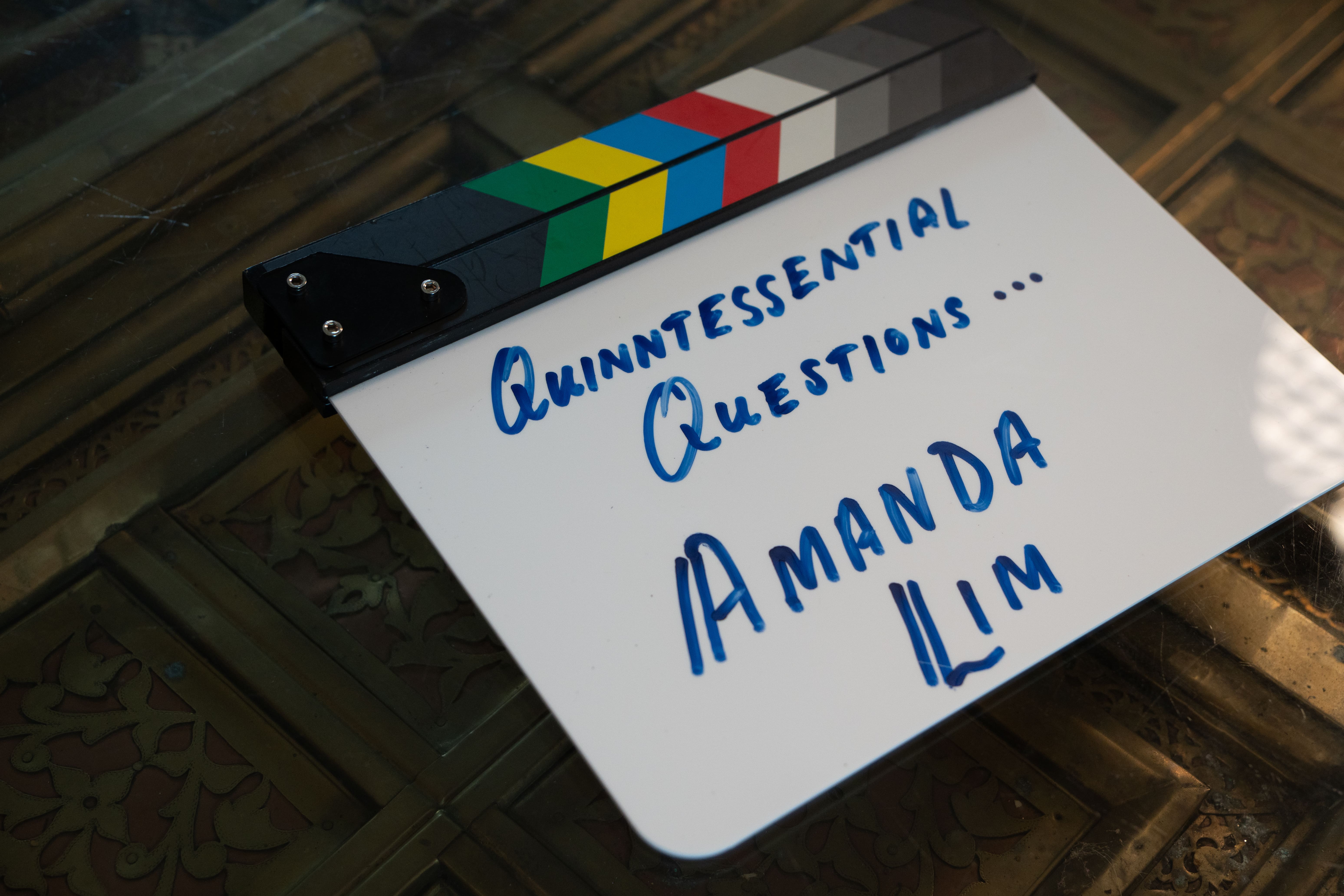
Singapore Swimming Record Holder Amanda Lim on Sustaining Elite Performance and Mindset | #85

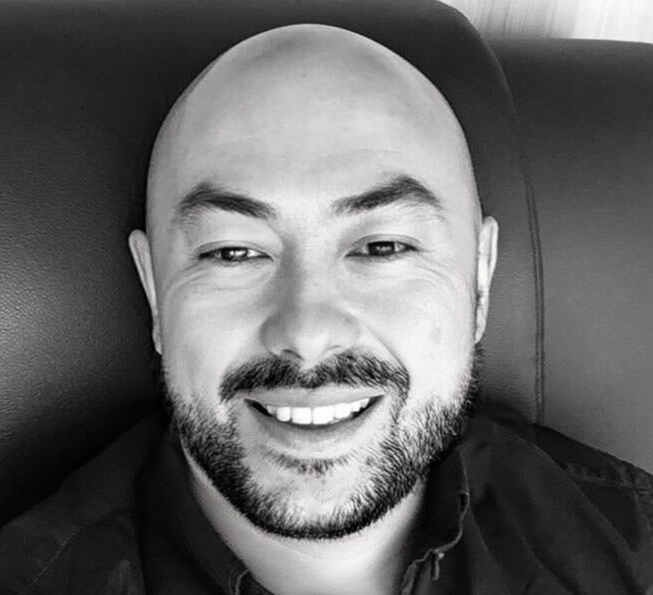
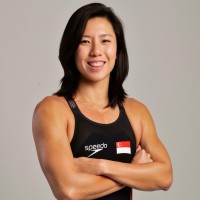
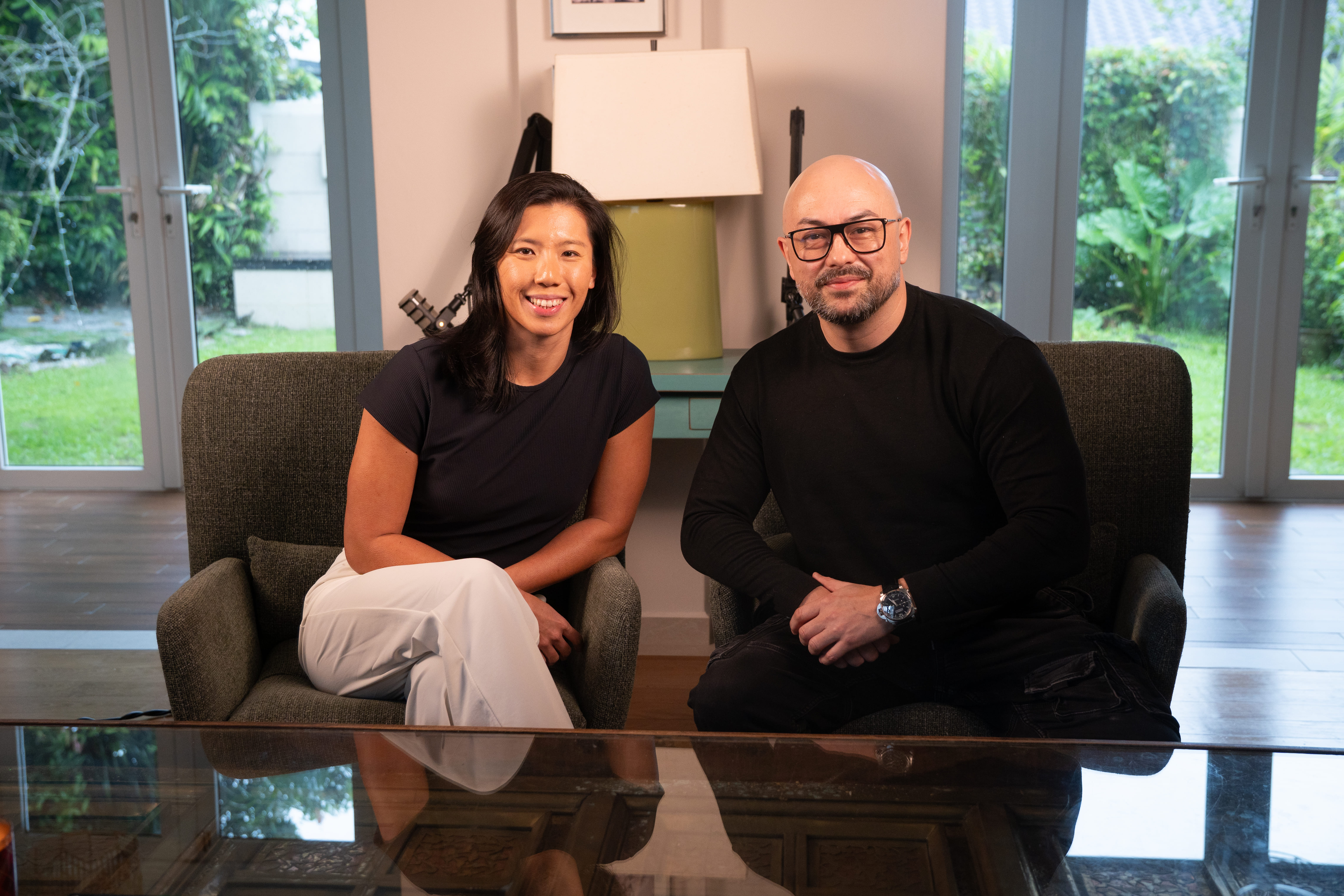
In this episode of The Quinntessential Questions Podcast, Paul Quinn sits down with Amanda Lim, a national swimmer for Singapore of 20 years who simultaneously works full-time as a Senior Consultant in EY's People Consulting practice. From pushing through 10 grueling swim sessions a week as a teenager to setting the Singapore women’s 50m free national record at the age of 33, Amanda shares the relentless dedication required to balance an elite sporting career with the intense demands of the corporate world.
She opens up about the pivotal moment her father gave her a decisive ultimatum to attend the Singapore Sports School, how she broke into Big 4 consulting with zero corporate HR experience, and the profound grief of navigating her father's stage-four cancer diagnosis just as she relocated to Australia to train for Olympic qualification. Amanda also gets candid about the realities of seeking athletic sponsorships in Singapore, managing her frustration on bad training days by literally screaming underwater, and why she feels her journey in the pool is still far from over.
Whether you're struggling to balance a demanding career with personal ambitions, looking to optimize your own high-level performance, or seeking inspiration on resilience through grief, this conversation offers an unfiltered look into the mind of one of Singapore’s most enduring athletes.
TIMESTAMPS
(00:00) Introduction
(01:07) Amanda's Dual Life: National Swimmer & EY Senior Consultant
(05:00) Breaking into Big 4 Consulting with a Sports Science Degree
(08:06) The Ultimatum: Choosing the Singapore Sports School
(11:12) The Grueling Reality of 10 Swim Sessions a Week
(17:15) Setting the National Record & Hitting a Personal Best (24.94s) at 33
(24:39) Stress, Weight Loss, and the Impact of a Major EY Project
(28:53) Training in Australia During Her Father's Cancer Diagnosis
(31:08) The Realities and Struggles of Athletic Sponsorships in Singapore
(35:12) Changing Her Training Philosophy: Finding Rhythm and Flow
(46:47) Dedicating Her SEA Games Gold to Her Late Father
(51:25) Future Ambitions: Expanding Sports Consulting at EY
(56:50) Balancing Two Demanding Lives: The "Half-Year" Priority Rule
(58:36) Dealing with Frustration and Screaming Underwater
(01:04:37) Embracing a Strong, Muscular Female Physique
(01:07:29) Role Models, Ambitions, and What's Next for Amanda
Bio
Amanda Lim is one of Singapore’s most accomplished athletes and Southeast Asia’s fastest woman in water, celebrated for a career spanning over two decades at the highest level of competitive swimming. A 21-time SEA Games gold medallist and long-time sprint freestyle champion, Amanda has represented Singapore internationally while simultaneously building a corporate career as a Senior Consultant at Ernst & Young. She is a respected voice on high performance, resilience, longevity, and sustainable success, combining elite sporting insights with real-world corporate experience.
Transcript
The moment when I did a personal best, this is when I was 31, just recently, just two years ago. >> I was just questioning myself like what have I been doing the past 20 years. I a national swimmer. I swim for Singapore and I have been swimming for the past 20 years. People naturally would choose academic over sports. Now, for sure, it's more prominent. It's the decision that I have never regretted once in my life. >> You were in the pool at half 5 most mornings, 6:00. >> Yeah. I've only switched up my training program in the past two years and that's actually when I saw my best >> of course cuz it's really it's specialized for that. It's optimized. >> Would I say I was in love in the past? I don't I really cannot remember >> and I would only have to believe that I am because if I'm not I wouldn't have continued swimming, right? Because no one's forcing me to do it. >> Having someone that believes in you and supports you and understands you is so important. It's rare as well, right? So if you find it you should grab it with both hands. what I've heard from >> everyone. >> Everyone outside, it's it's an insane job. And I was just thinking like, how am I supposed to balance consulting and swimming at the same time? >> Amanda, welcome. How are you? >> I'm good. Thank you for having me here. >> I listen, I really appreciate you coming and uh I've been a fan of yours for a long time. So, so what I want to do before we unpack your amazing journey, if I can just give you get you to do a quick introduction and then we'll turn back the pages of time. >> Okay. Sure. Uh, well, I'm Amanda. I'm a national swimmer. I swim for Singapore and I have been swimming for the past, I'd say about 20 years. Uh, started competitive swimming at the age of 10. Um, started to learn how to swim when I was six. Uh, I had childhood asthma. So naturally, you know, the doctors would be like telling my parents, uh, bring your kids to the pool, it will strengthen your lungs. And that's actually how I got into swimming and just kept swimming till 20 years later, I'm here still swimming. >> Amazing. >> Yeah. >> And um, but what a lot of people may not know about you is that apart from being competitive swimmer, you work full-time. So you balance it out, right? So what are you doing for work? >> I am trying to balance it out. Uh I have not actually found the perfect balance yet but I'm on my way there. So I am actually a senior consultant in Ernsenyang. I am in the people consulting uh service line. >> Okay. >> Where people consulting basically just means uh human resource consulting. Um so I've been on a few projects around human resource management uh restructuring. >> How long have you done that for the the people consulting side? But funnily enough, um I actually started in EY. >> Okay. >> Actually November 2024 and coming November this year, I will be with them for about four years already. Uh but I started out with them actually only as a part-time consultant. >> Okay. >> Sorry. >> No problem. >> So that opportunity came up to me just like this and then I was like, "Wow, like do I really want to do consulting?" because like stereotype um what I've heard from >> everyone >> everyone outside it's it's an insane job >> and I was just thinking like how am I supposed to balance consulting and swimming at the same time so but I really do want to try it out because at that point in time I was >> actually looking for a new job that was EY wasn't my first corporate job so my first corporate job was actually in Feritton Health >> ah I remember what did you do with these guys >> yeah so for them uh with them I was actually doing the corporate uh product development. So I was in this team where we design corporate products for corporate uh companies because we have a lot of corporate insurance like they're very good for that. >> Uh the medical benefits right like the the medical benefits that corporate companies have for their employees. So I was designing like products for these corporate companies and at a point of time it was during COVID. So then there was a lot of like online webinars like all this kind of stuff and then like um at a point of time I was thinking like do I want to do this for the rest of my life although >> I was very interested in what I was doing because I am uh I'm very interested in healthcare >> of course. >> Um I actually wanted to become a doctor when I was in secondary school. >> Oh really? >> Yeah. That's like my dream. Okay. >> U maybe partly driven by Grace Anatomy. >> Yeah. Who's your favorite character? Oh, I actually don't have a f favorite character. >> My wife is in love with Gray and Christina. That that that relationship >> that dynamics. Yeah. >> Yeah. So, um >> I think I just have a natural I'm I'm just interested in the human body. So then naturally I drifted drifted towards that and then drifted towards a healthcare company. >> Yeah. Um and then I asked myself whether that was something that I really wanted to do because it was it was fun but it wasn't that challenging in a way for me. Um and then when this consulting job dropped on my lap and then I was like wow someone's really giving me something that's very challenging now. >> Yeah. But how did it come about? Was it just you know you knew someone or >> Yeah. Yeah. I knew someone who was uh working in EY at a point in time and then he made an introduction um to >> you know but you you know what I love about that that they were open-minded because sometimes people are not right and then you were you had the courage to go through that door. >> Exactly. I think that's what uh EY is actually very uh good at. So in my team, funny how you said this because I was just in a workshop um on Thursday and there were I think about three people that is in the same team as me and then there was this other girl uh who was not in the same team but she was also a senior consultant. So it was actually just a workshop for like senior consultants. Um and then she was asking how uh she could come over to our team because that's actually what she was doing. And then she was very worried that she wasn't trained in HR. And I was like, look, I I have a sport science degree. >> Yeah, >> I have zero HR training. I have zero consulting background. And then funny funny enough, the other two um people in my team also say the same thing. They were like we we we don't have any HR background as well. >> Yeah. >> So I think that's why um >> I drifted towards uh trying that out. And you know when I had my first conversation with the partner he wow like he was I guess there was a good vibe and I felt like he was there genuinely wanting to help me progress in my career bearing in mind that I also have my swimming journey >> um that I want to achieve as well. >> So yeah so like I was like okay let's try this let's try this part time. >> Having having someone that believes in you and supports you and understands you is so important. It's rare as well right. So if you find it, you should you should grab it with both hands. >> Exactly. >> Now what what I want to do is I want to unpack the journey when you went into the Singapore sports school. How old were you and was it was it a big decision cuz at that point you're making a decision. Am I going to go the typical Singapore orient academic route or this route? Walk me through that process and and the conversation you have with mom and dad at the time. >> Yeah, I know that. Well, that is uh I guess I I guess we have to go back to maybe when I was 11. >> Okay. >> So, it's a big thing, right? In Singapore, there's the national school games and that's actually when people start to scout uh I guess athletes for like the secondary school and then you have the DSA and stuff like that. Yeah. >> So, when I was 11, Ni school started to scout uh for me because I was winning at national school games. Um, so Singapore Chinese Go School. Actually, I wanted to make a switch to go there when I was 11. But why there? Because I had my brother as well. Uh, he was swimming pretty well back then as well. Um, so he was getting scouted and he wanted to go to ACS primary and SCGS was just next to it, right? And it was just easy for my mom to uh send us to school basically >> together. Yeah. >> Yeah. But I decided not to go because I was thinking like I was 11 like why do you want me to go to a new primary school and you know start all over again. Yeah. The whole making friends and >> I only went to like a normal neighborhood school first to primary school cuz I stay in Taio. >> Okay. >> That school is basically just below my house. >> Okay. >> And when the school bell rings and that's when I leave my house. So I was like why do I want to give that up? >> Yeah. Why would you? >> You didn't want to go to CHIJ then? Obviously not. >> Yeah. I'm just like, why? Because I was 11 and I was going to change. >> I was going to go into secondary school in like the next year anyway. And I guess I enjoyed being the only swimmer in that school as well. >> Yes. Yes. >> Yeah. I know. It's pretty special. And um yeah, so >> when I was 12, obviously I had to make the decision on whether I want to go to the sports school or just a mainstream school. But the question I guess what actually made me go to the sports school was um my father he basically said well if you want to continue swimming you go to the sports school if you don't want to swim anymore you go to a mainstream school. >> Wow. So that was quite decisive. >> Yeah. So it was I guess I didn't see it. It didn't feel like an ultimatum to me. M >> uh my parents they are very they lay their hands off my swimming and my school basically my life my brother and I they let us make our own decisions whenever >> by the way >> actually 99% of the time >> you know why I want to unpack that because I you know I've got three kids myself and I think it's a real challenge like how involved do you get not get involved >> you know and I think you know I want to touch upon this because I think sometimes if you have some wins as a young child >> y >> it gives gives a lot of confidence like you said you were the only swimmer in the school and it carries through >> and I and I think it's so important that kids at a young age get some victories in whatever they're doing it could be art it could be sports music do you know what I mean >> exactly >> but so your so when your dad said that then what >> I guess I decided to go to the sports school but I guess it helped because I had friends who are already there okay >> and who are going there um but at that point of time it was still a very I wouldn't say stigma or stereotype but people naturally would choose academic over sports. >> Yes. >> Uh I would say not so much in the past but it's still a little bit in the past. We're talking about like >> 20 odd years ago. >> Yeah. >> For sure. Even now. >> Yeah. Like now even more. For sure. Now for sure it's more prominent but in the past even though it's not so significant that there's still a little bit there. Um but honestly it's the decision that I have never regretted once in my life. >> Amazing. >> Yeah. I had fun. >> And then so you were in the pool at half 5 most mornings 6:00. >> Yeah. >> Cuz what people don't understand, right? I used to swim um and I I didn't like it because you know was I swam three times before school. Yeah. Three times after school and Sunday was technique training. I was 10 and 11. >> Yeah. >> And you know I love the thing about swimming is >> you're looking at a black line most of the time. >> Blue line. Yeah. >> Blue line. Right. For mine it was black. It was really black and it was dark in there. But I remember thinking well you know like do I really want to do this? And I think you have to fall in love with it. Would I say I was in love in the past? I don't I really cannot remember. Yeah. And I would only have to believe that I am because if I'm not, I wouldn't have continued swimming, right? Because no one's forcing me to do it. That's that's for sure. My parents weren't forcing it uh forcing me to do it. Um but now looking back I kind of knew why my father gave me like told me that because the swimming training it's very demanding right that Yeah. Big time. It's just the culture around swimming all uh all over the world. >> So swimmers go through 10 10 swim sessions a week. >> Yeah. >> So that's morning and afternoons on Monday, Tuesday, Thursday, Fridays. So in the morning it'll be 5:30 a.m. to 7:30. In the afternoons it will be around 6:30 to 8:30 depending on whether you have school or not. >> But in secondary school that is I would dare say that every swimmer is going through the same routine right now. >> Yeah. >> Um they train in the afternoons from probably 6:30 to 8:30. >> Um and then on top of that you still have to go to the gym. >> On top of that you still have to go to school. You still have to do homework. And then you still have I'm pretty sure you have tuition. >> It's full on. >> Yeah. It's it's just full on. And >> I guess in the past I specialized pretty early, so I didn't have the extra piano lessons, gymnastics or whatever, which is probably, you know, I would have loved to have done gymnastics, you know, when I was young. >> Um, but >> I think I think that's the most well-rounded of all is is really they're the most amazing athletes. But that the one thing with Singapore that I don't agree with is that you have to specialize quite early. Like you're not allowed to try many many different things. And I and I think, you know, I think there is an artist, an athlete in all children at whatever level. Yeah. >> But sometimes you need to just find out and try and fail and Yeah. >> You know what I mean? But but in Singapore, what I noticed with my kids, it's like you no, you got to choose quite early. You're only allowed one or two >> disciplines, >> which I always felt was sad cuz you you should, you know, mo most people are not going to go on and make a living for this. Why not have fun and play multiple sports? >> Yeah. I think that mindset is slowly changing. >> Okay. >> Um like even with the sports school, uh they have this thing called the multisport academy now. >> Oh, really? >> Yeah. >> Which they just in introduced probably I would say one or two years ago cuz I was back at the sports school this year. >> Yeah. >> And they were, you know, announcing so many like new and exciting pathways which I wished, you know, we had this in when I was there. >> I love that. >> Yeah. like they've tied up with all the universities in Singapore. They have the multisport academy, you know, and obviously they have the specializedmies. Um, which makes me feel like the Singapore government is trying to move in the right direction that is optimal and the best for the kids these days. >> Yeah. >> But of course, you know, like with government policies, you know, it comes with red tapes and it takes time. It's just that sometimes, >> you know, we don't have the time to wait for these policies to to >> Yeah. >> to be set in stone, right? >> Yeah. >> Yeah. So, I do see the improvements that they're trying to make. Um, and >> cuz you know why I find it so interesting? It's like uh so one of my high school best buddies who's now working with me in the coaching business, he was a two-time Commonwealth gold medalist as a gymnast. >> Yeah. >> And I talked to you about him and he at at one point could have gone the route of track and field athletics. Yeah. >> Um, football, cricket or then gymnastics. >> And I said, "Well, how did you make your choice?" And he said, "Well, I I was on the national team at 11 and 12 >> and that was it, right?" And, uh, >> but I said, "Which one did you enjoy?" And he said, "I actually enjoyed athletics more because, you know, like like with swimming, it's definitive, you know, everything else it's like your your gymnastics, it's based on subjectivity. You know, the judges are scoring you, and that's difficult. Do you know what I mean? >> It's difficult. >> It's very difficult. So talk about um the the physical training and the rigor of it. When did you start doing strength and conditioning training? >> How old were you >> in the gym? >> Yeah, >> I would say definitely by 13. >> Really? >> Yeah, definitely by 13. But even when I was 10, 11, when I was like training competitively, we were doing, you know, land training, dryland exercises, like super >> super lot of core exercises. And at that point of time, I had China coaches. So, can you imagine the China style of training? >> What were they like? >> Militant. >> Honestly, like I don't remember. >> Yeah. >> I just know that I was doing so much kilometers in a pool. Yeah. I would say >> how many warm-up laps would you be doing? 30 laps or something. >> A session, a normal session would be 5 km. >> Really? >> That's 100 laps. >> And the crazy thing is you're a sprinter. >> I wasn't a sprinter then. >> Well, you weren't. Okay. What were you doing? >> Okay. Actually, now that you were talking about specializing early, I didn't really specialize early. >> Okay. >> I mean swimming. Yeah, for sure. I specialized in swimming in terms of distance. >> Yeah. I was doing the 800. >> Okay. I was doing all the events. I swam 50, 100, 200, 400, 800 freestyle. Wow. >> I did the 200, the 400 indiv uh individual medley. I even swam the breaststroke. >> Yeah. >> I think I did all of those right up to 20. >> So, when did you realize I'm a 50 girl? >> Yeah, I think I only specialized I would say 20 17. >> Okay. Yeah, there was like And >> how did you make your choice? Is it like you felt this was where you were the best in terms of competitive? >> Honestly, I felt like I was just tired and I just didn't want to do like >> I don't blame you training anymore. >> I don't blame you. >> Yeah. Um >> but it's a different type of training when you're training for the sprints, right? >> It's very different. I mean, I am only learning that it's very different now. In the past, I I've only switched up my training program in the past two years. >> Really? >> Yeah. And that's actually when I saw my best. Of course, because it's but it's it's specialized for that. It's optimized. Yeah. Because you know, like when I was a sprinter, the difference between running the 100, 200, and 400 >> actually most people only did one discipline >> and and because they're so different. That's why you have guys like Michael Johnson that run two and four. Yeah. >> You know, and what they did, but that's staggering only in the last two years. >> Yeah. It's pretty mind-blowing. >> I wonder what would you have been even better. >> Oh, that's the question I ask myself every day. >> Yeah. Especially the moment when I did a personal best. This is when I was 31. That's it was recent 24. It >> was just recently two years ago. >> I was just questioning to I was just questioning myself like what have I been doing the past 20 years? But then again, >> what's your PB? 256. What is it? >> Uh right now it's 2494. >> Wow. >> Yeah. So >> when did you do that? >> 2024. >> Oh, you did it then? Okay. >> Yeah. I was trying to qualify for the Paris Olympics. >> Yes. >> Yeah. So, I didn't qualify, but I had a personal best. And then that race, I was just like, am I feeling happy or am I feeling sad? Yes. >> It's hard, right? What was what was the qualifying time? >> 2481. >> Yeah. So tough. >> Yeah. I was just like 0.1 away. >> Yeah. >> Yeah. And I did it twice. >> I did. >> So, it was I remember it's 2024 during the Singapore Nationals. Actually, Singapore Nationals going to happen again uh in two weeks time. >> Yeah. >> Uh I did it at Singapore Nationals. uh did the 50 m freestyle, wanted to qualify for the Paris Olympics, did 2494 and I was like, "Oh my god." And then I was just like I remember I was just changing changing out of my suit and then this club coach came to me and then he he was actually funnily enough he was actually my first few China coaches in Singapore. Okay. >> It's just that he has just progressed on to coach at other swim clubs but anyway he has been around and then he came to me and then he was like Amanda >> I mean he said it in Chinese so I'm just going to translate it. >> It's like let's go another 50. And then I was like huh what do you mean? And then he just do a time trial you know they can get it sanctioned for the uh for qualification. >> Wow. >> And then he was like you have nothing to lose. >> And then I was like really I haven't warmed down. kind of suited out. I know my my mind's like all over the place. >> Um and then I was like, "Okay, sure." So I called my coach in Australia and then he was like, "Look, >> mate, why not?" >> I like, "You have nothing to lose, right? Just go and have it. Just have it on the shot." >> Yeah. >> And then an hour later, I suited up and then I went again in the same meet. >> Yeah. >> I did the exact same time. >> Wow. >> This $24.94 again, an hour apart. And I was like, "Okay, this is this is it." Like I have nothing left in my tank. >> Yeah. It's so but it's >> I want to talk about the whole psychology because >> it's so let's put this into context right >> you've won 21 Southeast Asia gold medals >> and the the sports unforgiving because >> yes >> you know if you look at a global level whatever number you've been at >> if you were to say globally in the world you were that number in any discipline as a doctor as a lawyer it would be amazing but in sport it almost feels feels like it's it's Yeah. It's nothing. Yeah. >> Do you know what I mean? >> I mean, and but when So, when you look at your career, do you look back at it with pride? I know you're still swimming, but you know, I hope you do. >> Yeah. I mean, of course, I look uh back at it with pride, but also what I see is like there's a lot of struggles. It's very tiring. And it's it's really not a journey anyone can take because you really got to know what you love and what you want out of it because there's so many times that you can just give up. >> Yeah. >> And honestly since 2015 I've been saying that I want to retire. uh at every C games you know I would see my past competitors they've moved uh moved on to become swim coaches of Thailand, Malaysia and they would still be at the meet but you know as a coach and then they'll ask me like how like when is your last one you know the last one you keep saying that it's the last one and >> but I think you you feel you've got unfinished business almost >> honestly why I continue to swim and not retire is I just feel like I'm just not there yet. And >> there's still so much improvements that I can make in my race to be better. >> Yes. >> Um, and the fact that I've only been swimming and performing my best in the last two years, >> that says a lot. >> Yeah, that says a lot to me. Like, >> when did you go to Australia? >> Two years ago. >> That's why. So, if you if you start to analyze it and you put and now you're you're swimming with with the world's best 50 meter freestyler. How can you not improve? >> Yeah. Exactly. You know, >> it's just that >> a unique opportunity. >> Yeah. It's the opportunity. The opportunity is one thing, right? And really understanding the science behind how you want to train so specifically for your race matters a lot. Of course. >> Yeah. And I think you need to be of a certain age and you need to have gone through a, you know, the experience and the journey to be able to do that. >> I agree. And even for me now, I'm still learning how to optimize the kind of training that I'm in to fit me because it's not a one-size fit all. Like I can tell you >> for sure >> this works for me. So that that's actually how I'm I am working with uh Cam Makavoy uh Cameron Makavoy, right? The the guy that you were talking about just now. He just broke the world record. We are of the same age. He's two years younger than me. He's he's an Olympic and world champion. So he won he won the world champs here right in Singapore. >> Um yes last year he did and he just he just broke the world. >> Yeah. >> Amazing. >> Yeah. He just became the fastest man in the world. >> So so let's let's break it down right because I've I've analyzed this you know myself when doing sports for example. So for example in boxing you there is a weight right? So you have to weigh in at that weight and most of us would lose weight but in in swimming and running there isn't a weight. So the goal is to find your optimum weight for power and speed and and what I realized like one of my favorite athletes growing up was a guy called >> Jonathan Edwards who's still today the triple jump world record holder. >> Okay. >> And he I think he broke the world record in 1993. >> Okay. >> And the year the next year, this is my observation, apparently he became a bit faster. >> Yeah. >> And a bit heavier >> and he never repeated that performance again. So he was faster. But I always wondered if it changed, you know, the balance and and the the dynamic of what he was doing. So, have you like have you worked out, okay, this is my optimum weight so far, >> you know? Tell me about that. I want to I want to geek out on on your thought process there. >> I think am I still finding my optimal weight? I kind of know my optimal weight now. Um I sit around 60 kilos. Um >> which is which is probably a lot heavier than you were what, like 10 years ago. Because when you get older, you put a bit more weight on, right? More muscle. >> Probably. Yeah. I mean, if you're comparing 10 years ago, probably I'm I'm heavier, but >> a lot of people would think lighter is better, >> right? Especially in swimming. >> Yeah. >> Um and it kind of proved to me that it's not. >> Yeah. Because last year in Singapore, the World Aquatics 2020 2025 uh I was on a pretty tough project at work um a few months before the race itself. >> Hey yo, >> at at EY. Okay, >> that's pretty tough. I would say it was one of the toughest projects that I've been on. I was very stressed out. Uh it's honestly my first I would say it was my first full project as a senior consultant probably. Yeah, probably why I was feeling so stressed out. Um was I I was just like venturing like a whole new um area and I lost a lot of weight from that. >> Uh >> the stress. >> Yeah, I was from the stress >> late nights the stress. I couldn't eat just no appetite to eat. Uh I just constantly have so many things running through my mind. I couldn't sleep. Um lost about I think I raced at Worlds in Singapore at 56 kilos. >> It's a big difference. >> Yeah. But I felt really good in the water. >> Wow. >> But why did I feel good? It's because I I was feeling very light. >> So that naturally felt like wow, you know, like I'm moving. >> But you got a personal best the year before. Yeah. So what was the difference then? Uh >> time wise >> uh it was a bad time. I swam very badly at worlds in Singapore. >> Um and after that I sat down with my coach in Singapore and we were like >> I just don't feel strong at all in the pool. Like every stroke feels light but um I don't feel the power and the strength uh from it. >> Yeah. >> And so >> and he agreed and I agreed as well. But most most importantly, I have to be the one that believes that that was the thing that I need to work on. >> M. >> Um, so after that, we actually went on a strength block in the gym. >> Oh, really? >> Yeah. So, my coach, my strength and mobility coach is from Portugal. >> Okay. >> Uh, I hire him on my own. He's actually Cam's coach as well. So, that's how I got to know him. By the way, let's talk just that one moment because most people don't understand like if you take most professionals >> Yeah. >> they won't necessarily engage a coach >> and and what they don't understand is is like you're doing this and you're paying out of this out of your own pocket. >> Yeah. >> Right. Yes. >> And you're trying to find the best people in the world. >> Yes. Yes. >> Okay. Amazing. Yeah. I love that. >> So that is actually I feel like that is what sent me over the edge to do my personal best. Um, so in my event, the 50 m freestyle, 25 seconds is the barrier to break. Yeah. You know, once you're under it, it's I've done so many 25s in my life. Yeah. >> Uh, in my life, especially like 25 something, >> going under. >> Yeah. Yeah. It's the magic mark. >> So, I would say the only time I did that was when I invested in myself. >> Uh, I paid my own coaches. Um, I think that gave me the accountability on my own because I'm spending my own money, right? And I'm looking for the best people in the world to make myself better. >> And there's no excuses now. Like now you're all in. You're all in. Right. >> It's I'm all in. Yeah. Exactly. So in the past, you know, it's always coaches from the club in Singapore or I know our national team coaches. Not trying to say that they're not good. They are they are good because they got me to where I am today. >> Yeah. It's just that >> I was in this spot whereby like like you said just now like I was ranked nowhere in the world. >> I was good in Singapore. I was good in Southeast Asia. Actually, I wasn't even good in Southeast Asia. Like, I lost two of my gold medals um in 2021 and 2023. So, I was just like I just kept swimming the same times over and over again. They are good, but they're not good enough to get me somewhere. >> So, then I was like, something needs to change because I'm doing the same thing all over again and again for the past 20 years. Maybe it's just some I just need to do something completely different. >> Yeah. what were the fundamental changes in terms of um the training? >> I think Australia for me was a very big uh change in terms of training program. >> Okay. >> I was in a very specialized Okay. So I was based in Australia for 6 months in 2024. Um, I basically, so one of my very good friends from Hong Kong, she was training in Australia then there for the Paris Olympics. >> So I basically told her, I was like, "Hey, do you think uh your coach would want to take me in his group?" And she asked and he was like, "Yeah, come over." And within like two weeks, I was there. And bearing in mind this was 2 weeks after I got the news from the doctor that my father got diagnosed with uh stage four liver cancer. >> Oh no. So sad. >> Yeah. So that was when I was like wow do I you know on one hand I was balancing the I'm chasing my Paris Olympic qualification and on the other hand I was like my dad's sick like how sick is he? M >> you know at a point in time it hasn't really hit me that >> like I just didn't know like what to do >> cuz go away. >> Yeah. >> So I basically asked the doctor and I was like look um you just got to let me know how serious this is like can I go to Australia and train or do I have to be in Singapore? But he actually said that well you know Australia is not that far away and you know if your father opts for treatment you know he has time but if he doesn't opt for treatment he probably has like six months. So then obviously he he opted for treatment and I went. Um I think maybe also with that over like on my shoulders that gave me more intent and purpose to be in Australia to make time >> uh to make sure that I'm spending >> really >> worthwhile time there. Um, and yeah, so I think that really changed is just the whole change of pace in my training, just new perspective, just new coaches because I've just been doing the same thing for so long. >> Yeah. >> Just something different. >> It took a lot of courage, Amanda, and and especially in the face of your father's illness, right? >> Yes. >> I I admire you so much for that. And then and you're going in, pardon the pun, but with the big sharks. You you were swimming with the big sharks, right? >> Yeah. And that's that in itself has got to be scary. But if you want to to operate at the best level, that's what you got to do. >> Yeah. Exactly. And I was spending my own money. >> Yeah. >> Cuz I had no funding. >> Um and when I go to Australia, I have is just on my own. >> Um and I honestly I was very lucky at that point of time to have a private sponsor. >> Um he is actually uh Mr. On Bunu. They own a construction company. Okay. Uh it's a on construction company and they supported me from I would say mid 2024s because I was looking for funding to go overseas to compete. Uh >> so it's so tough just to qualify. >> So tough yeah because the thing is as an athlete youough you in order to compete apart from the training you need great nutrition, you need massages, you need you know you need to travel you know accommodation when you're going to events. It's just so it's so much. It's yeah it's so much and you know just just having like this benefactor coming in to help me at that point time it was so lovely and it was no questions asked. >> Okay. Amazing. >> Bought me tickets. He bought me business class tickets. >> Wow. >> And he just gave me just transferred me cash into my bank account and he was like look this is what I have for you. Um just go go go and do what you have to. And I was like >> what an amazing person. >> Yeah. But the thing is, this is what I like about so the the the thing is getting sponsorships is super difficult in Singapore, right? Because >> we don't we don't have the culture for it. And the thing is >> the true the cold hard truth is that I cannot guarantee you a medal. I cannot guarantee you a marketing media um you know I I cannot guarantee that. >> Yeah. >> So the fact that he was so willing to help me >> Yeah. selfless. It >> it >> did he have a love for sports? He does. That's that's the thing. >> He actually built a sports school. >> Oh, really? Yes. Well, >> yes, exactly. So, I think that was when we kind of vibed a lot. >> Amazing. >> Um, he himself is he scaled like so many mountains. He is like he does the >> what do you call those that you have the wings on the the shirt and then you like fly through the >> Are you serious? >> Oh, so he's a Red Bull kind of trip, you know? >> Yeah. He's a >> Yeah, he's doing the parachuting and I know what you mean. >> I I need to know. Come back. >> So, he's actually top in Asia or something. >> Really? He's mad as well cuz that's really scary. >> Yeah, he's mad >> in the best possible way. >> Yes. Yes. He does all the crazier stuff. Jumps out of planes and stuff like that. So, I think he resonated with me. >> What an amazing guy. >> I need to meet him. I want to meet him because that sounds very powerful. Cuz you know why people like that I think they >> um Singapore needs people like that. Yeah, >> cuz we're such a small island, but I do believe that, you know, you because there's a lot there's a lot of people I had UK Sham on the show and I didn't know his story and um I realized like if he he actually entered he had a quite a notorious reputation, but when I when I spoke to him and I found out, you know, he said this thing that was really he had a difficult childhood, so he stayed on the track so he didn't have to go home >> and and um you know, people don't realize these things about you when you're young and you got a lot of pressure on you and it's it's so hard. >> Yeah. >> So let let me just go back. So the training did your strength and conditioning training change? >> Did your technique training change? >> It has changed so so much. >> Give me few few points. >> It has changed so many times over the past two years. >> Really? >> Because I was finding the right type of method for myself. >> Love it. >> Yeah. So 20. >> Okay. Let's let's start from the time when when I went to Australia. >> Yeah. Uh, I was someone that was very um, how do I say I I don't even know how to describe myself. I was very I was either 100 or zero. >> You know, you want me to go 100%. I will give you 100%. I will sprint and I'll be done. >> Okay. >> Um, but we can't really have that in swimming. >> Yeah. >> We have to operate at 98%. >> Okay. >> Because of the water. >> Yes. cuz we can't fight the water. Once you fight the water, the water fights back and that's it. You don't move. >> Yeah. >> So, in order to move with the water, you need to be in that flow state, right, that I'm still trying to find. Uh you need to basically for me to be at 97 98%. So, what changed for me in my strength program is I stopped lifting heavy. >> I stopped hitting >> uh reps to failure. I was just lifting with >> rhythm, lifting with tempo. with rhythm and tempo. Amazing. >> And how that and how I can translate that into the pool. >> Yeah. Cuz that's what it's all about. >> Yes. >> Otherwise, it's it's it's got to be functional and relevant. >> Exactly. So, that really worked for me then. Um and then I continued on that kind of training program into 2025. And then I realized that, hey, it's not really working anymore. >> Yeah. because I guess I found that sweet spot and now it's back to lifting heavy because I kind of know how that flow state should feel like and how I need to translate that into the pool. >> Yeah. >> So now I'm back on the the the heavy lifting part. >> Are they filming you underwater from different angles? Like when you're cuz you know when I when I was running I would go to Lurra University and they would measure everything and they would see your stride length and pattern and you know so break us down like are they are you looking and analyzing you know should I be breathing every three breaths two breaths. >> Yeah. So in the national team in Singapore we actually do have all the sport science support but two years ago because I left the national team I train on my own. So I actually don't have that access to that sort of um level of sport science. Although I still I mean I still do get you know video analysis. >> Yeah. >> Uh at the pool that I'm training at now. We have very good facilities. I train at the Tangling Trust School actually. Um but obviously because now I hire my own coach, you know, I train one-on-one with him. he don't have time to be vid uh doing the videoing if he's coaching me if he's uh if he's videoing he can't see what I'm doing so you know when we are together we we don't really get a lot of uh >> video feedback but we do um schedule like one day of like video analysis >> uh but when I go go down to Brisbane uh for example I just came back from Brisbane I I have the privilege of using the facilities at the Queensland Academy of Sport. Okay. >> And they have such good facilities there. They have uh I think it's a fourlane 25 m pool. >> Um and it's just used for video analysis. Yeah. >> Cameras. Yeah. Just cameras set up >> in the pool underwater. Yeah. >> And it's and it's seamless. >> Yeah. >> Uh instant feedback on the >> on the screen. >> And even their diving blocks. It's called the Kistler blocks. >> Um it measures your force. It measures your horizontal force, vertical force, grab force >> because especially especially in 50 meters, you can't, you know, split seconds left just off the board. Right. >> Exactly. So, whatever you generate off the blocks is going to be the highest force, highest uh velocity. It's just how well you hold them through the whole 50 m. >> How how long before you have to come up? There's there's a distance, isn't there? >> Yeah, the you have to come you have to come up by 50 m. That's the that's the um that's the rule of swimming, but I get up at the 9 m just because I'm not great underwater. Um like my strength is my swimming speed. >> Okay. >> So, I am still trying to find try to be better from I would say I'm pretty good off the blocks. So, what I'm really really working on now is the moment I hit the water with my hands. >> Yeah. Just that I would say from five to 10 meters just that five meters like I'm trying to make that >> perfect it >> just maybe.3 faster 2 or.3 faster >> cuz it's just you know I I'm such a big sports fan. I went to the Tokyo Athletics World Championships last year. >> Yeah. >> And I got to sit behind the start line. I only got tickets for that behind that 100 meter line for the men and women and for the men. the Jamaicans were out of the block just so much faster. is it was millimeters right in in in milliseconds sorry in terms of time but >> you know unless they fell over they were going to win that race and I was just thinking just just working on that part alone is significant >> do you know like do you know for example how many strokes to the end you know you know all that's the thing that people don't realize they probably have no idea how much you know your breathing patterns you know it's amazing >> yeah I know exactly how many kicks I have to take I know exactly how long I have to hold under water, my the number of strokes, when I have to breathe, how to breathe, how fast to breathe. >> So, I used to not take a breath in the 50. Actually, >> that's actually one of the big change I've made in my 50 m freestyle ever since I went to Australia. >> And are you what? How many um strokes are you changing breathing? Sorry. >> I take about uh you mean breath? >> Yeah. When you're out? >> Just one breath. >> Just one breath. >> Yeah, I take one breath at a 29 stroke. >> Amazing. I take about I take 44 strokes. >> And do you have to think consciously about like how your hand pattern, you know, and keeping do people because I've seen some swimmers with their fingers open, >> right? And >> that just comes naturally. Yeah. >> But you shouldn't you have your fingers closed? >> Not really. You want to have a little bit of uh space >> because then it creates a web >> and then you can grab cuz if it's too close and you just I mean it can't you can't be swimming like this. Yeah. just a little bit like a web like like you know dark web. So you need it just creates like a it's just physics. >> But you know but you're such a the thing is you you you still have a very feminine figure >> very strong athletic figure but I saw you posting two days ago you were doing pull-ups five pull-ups with 20 kg plates with 20 kg plate. And that that is pretty significant. >> Yeah it's amazing. I think for me, I have been I've always been very upper body dominant. So, pull-ups has always been one of my strongest. >> How many can you do without a plate? >> I don't know cuz we just >> You don't You don't max out anymore. >> Yeah, we I mean, we don't I don't do body weight pull-ups anymore, but I think I >> depends on how strict you want my pull-ups to be. As long as my chin's over the the >> bar. You know, you know what? Someone said to me when I was in high school, um, I was in pretty good shape and someone said, "Oh, you're in fantastic shape." And I and I my my friend Canai said, "No, he's in fantastic shape. I'm in okay shape." So like I remember in my heyday I could do 45 pull-ups. >> Mhm. >> Which is pretty impressive. He could do 85 and it's it's in one go. >> In one go. >> That's crazy. >> Yeah. He's he's a gymnast. It was just But it's it's all it's all relative. And you realize it and the great thing about sports and I find actually most sports people even though we're very competitive we always recognize other great athletes >> you know and I always think you can learn so much from them and you know like in in in business now I remember >> years ago um my then business partner I said to him I think I'm the best at what I do >> uh in Asia maybe the world and he said you don't know that. I said of course I don't know and it's it's impossible to really find out because we all serve different clients. Yeah. >> Right. So, you're not there's no real measurement like in a race. >> And then there was um there was an Asia Money uh ranking for head hunters. Okay. >> And I thought, you know, I'll throw my hat into the ring. I'd never done it before. And then I came second in my industry and then 10th overall. And it's again it's subjective because it had to be a managing director level of seniority to vote for you. >> Uhhuh. >> Right. So in some ways it was a popularity contest, right? Like how long have you been around? But any anyway, a lady that won it was based in Hong Kong and I'd heard amazing things about her and I actually wrote and then called her to congratulate her and I said, "I'd love to take you for a glass of champagne just to celebrate whenever you're in Singapore next or when I'm in Hong Kong next." And we became friends. Yeah. >> And you know, a lot of And one time one of our mutual client, we had a mutual client saw us together and they were quite shocked >> because they thought we would be Yeah. And I I said, "Not really." I mean, and you don't see it like that. Do you know what I mean? As as a sports person. Yeah. >> You just, you know, like sometimes you you share locker rooms with your competitors. >> You know what I mean? >> Yeah. I think >> I guess being athletes, you kind of need to know when to switch on like your competitive uh competitor mode. >> Yeah. >> I mean, firstly, like we don't get a lot of friends, >> right? Because we're just always spending time >> just training and honestly Yeah. and and the people that we hang out with are literally our competitors. >> Yeah. >> Yeah. And it's it's also funny how you said that because I recently chanced upon a Instagram page uh profile of this girl in Singapore. I think I don't know how old she is, but I saw a profile. She's like a part-time dentist and like she does like calisthenics and she's like 50 kilos and she's doing like 40 kilos dips. >> Really? >> Yeah. And I tried myself. I I only managed to go like >> maybe 30 kilos >> and then I just dropped her a text on >> say respect. >> Yeah. I was like amazing. >> Yeah. I was like hands down to you. Yeah. Crazy. Like >> Yeah. Serious. >> I told her that I'm a big fan of her for like lifting so heavy. And then she was and she was really honored, you know. And what she said was >> she's very honored to be uh recognized by like a real athlete. And then I was like a real athlete >> because because you're doing it at that level and >> it's but it's it's I love that you know um what I wanted to ask you was at what point did you say to yourself okay I'm going to pursue this >> and there therefore you know that making money >> is going to be difficult and that's that's the challenge I faced right um and then what at what point did you realize like I'm going to stick with this because I would imagine every year you're probably questioning how much longer I'm going to do it. But when you're younger, like when everyone else else is going off into the the corporate world, >> what were you what was the conversation you were having with yourself and your parents? >> Honestly, I've never ever have this conversation with my parents. >> Really? >> Yeah. I mean, actually, all the more they wanted they really wanted me to stop swimming, but they wouldn't but they weren't coming from the point of view whereby like I'm too old. I should just go get a job and and not think about swimming anymore. But they were coming from the point of view whereby like they are they they see that I'm so tired every day. >> Yeah. >> Yeah. Like they don't want to see that I'm so tired every day. >> Yeah. >> Um so they know that it's my decision. And I think for me I've always just found ways to work it uh work around it. Like I've I've just always somehow managed to work it out. Like if I have no funding for this this this trip that's coming up, >> you know, somehow I would still make it there. Be it like, oh, you know, my my my ex uh Australia coach has >> an empty house sitting there and he's willing to let me stay in it for free. Things like that. Like that. That was me uh last year before the C games. Actually, >> uh I didn't have any funding. Uh, and I knew that I wanted to go to Australia because I needed that four to five weeks in Australia cuz I knew that I had C games coming up in two or 3 months and my dad has just passed away from the liver cancer. >> Yeah. >> And it was a lot like leading up to >> so much. And you dedicated your last gold medal. >> Yeah. >> To your dad's. >> Yeah. Yeah. >> Amazing. >> Yeah. So, >> congratulations. >> Yeah. So, somehow or rather I've always like get there. >> Yeah. Uh and then but through this somehow you know I've really had to try to look for opportunities outside like to just to talk to people get a job. >> So let's talk about that. So you've had sponsorship in the past like NTU Milo right? >> No not really. Okay. >> I mean Milo was >> um I think it was a sports school thing. they sponsored the school and then you know they probably just >> because because to get sponsorship I would imagine and you know that that's why people have agents but you know you sport is not not like a professional football or a basketballer we can have a fancy agent so just getting sponsorships takes time. >> Yes. >> Um so people want to reach out to you to do speaking. I said this to you off camera and I meant this cuz I meet very senior people every day. You have a charisma and aura about you in person. >> I'm serious. As soon as you walked in, I thought, "Wow, very powerful." Um, so I'll put I'll put all the details so people can reach out to you. Um, but have you started doing some corporate speaking now? >> Yeah, I mean, I've done quite a few corporate speaking. Wonderful. Um, I've done I've done uh events for actually my own company of course. >> Okay. >> I've done some with uh GIC, with this company called IP Wealth Management >> at UBS. >> Amazing. >> Um, Duracell. It's just that these opportunities doesn't come often. >> Yeah. And they're one-offs normally, right? >> Yes. They're usually oneoff and um you know there's so much stories that I would love to share and I feel like they really do resonate with people especially in the corporate world and me having been in corporate world itself also. Um, I would also love to get have an Asian, >> you know, to have someone, like you say, it's a full-time job. Like I I know that I need funding and I know that I have things that I can offer, but I just don't have the bandwidth to be out there selling myself. >> Yeah, that's that's the the the most frustrating thing for you must be and for any budding athlete is you know that you have this talent. >> Yes. But with the right without so if you take away the worry about raising funds >> Yeah. >> and and even the time that you know is involved in doing that. >> Yeah. >> You know how much better can you be? >> Cuz for for me that my my challenge was so when I was 14 my dad had a stroke and at 17 my mom said uh we were a single income family. She said honey you you might have to drop out of college. And um it was a Friday night. She was she was in tears. My mom I'd never seen her in tears. She was a she was a tough woman right? and uh she said, "You need to get a job on Monday and it's got to pay you at the end of the week." And I went to in England where I grew up, there were um the equivalent of maid agencies, high street employment agencies. Okay? >> And I went to one at 6:00 in the morning and I said, "Have you got a job starting today? Pay pay me on Friday." And they said, "Well, we have a job as a toilet cleaner." So I said, "Yes, please. I'll take it." And they they started laughing. I said, "Why are you laughing?" They said, "Well, no one says yes, please." And how I fell into recruitment, I've been it for 31 years, is 3 months later, I was handing in my time sheet. >> Mhm. >> And uh the phones were ringing. And I said, "Good morning, HMA services. How can I help?" And then the uh the boss there said, "What the hell are you doing?" I said, "I'm picking up the phone, you idiot. What does it look like?" Cuz you know, where I grew up in London, you've seen this in Australia, everyone's got banter. Mhm. >> Was and and I went I wouldn't say the easy route cuz because I cried about it, but I I've decided I've I've just got to pay the bills. I've got to help mom and dad out. Do you know what I mean? So, I feel for you and that's that's really why I wanted also to have you on the show to share that. So, I I will try to connect you with people and I think that's big. Um talk to me about this next part of your journey because when you eventually finish swimming, do you know what you want to do? Do you want to stay in this consulting line long term? You think >> I actually want to expand sports consulting in Unsenyang? >> I love it. >> Yeah. >> What would that look like? Have you talked about it? >> That might be a secret. >> Yeah. Yeah. Don't go into it if you can't, but that that would be really cool. >> That that's one of my dreams actually. Um I've had that conversation with my partner and my counselor, even the MD in EY. They know that I have big dreams but obviously like getting there it's I I don't know how to get there. Yeah. >> So my my boss at EY he is actually one of my very good mentor. >> No questions asked every time when I need to go when I tell him I need to go on um soatical to train which I need to have that conversation with him again because July is when I'm going to go on soatical to train for the Asian Games. >> Okay. Um, yeah. But honestly, that's one of the goals that I have. Good. >> You know, and I love it. >> Yeah. But on top of I don't know. I feel like I'm doing a lot of things, but on top of that, um, I want to help >> just young swimmers. >> Well, you tell tell us about some of the charity work. So, you do something with Theresa Go, don't you? >> And some other Yeah. >> Yeah. >> What? Tell us about that. And you've helped over like 200 athletes now. >> Young youngsters. You mean from hard work? >> Yeah. >> Okay. So, team hardwork actually came about a few years ago. Uh it has been pretty dominant. >> Okay. >> Uh we haven't really been doing anything since then just because during that point of time we had a lot of attention on us and I feel like maybe at that point of time it was the end of the financial year. So when we when like a group of us like we're talking about five six of us all athletes right going to approach corporate companies to tell them that we want to do charity work they were actually for actually a lot of companies in Singapore love to do charity work um so for example like NTC they would give us like a budget and they would say just go to the biggest fair price that in in Singapore just go pick up whatever you want >> really >> and it's all free of charge things like that and then Milo will be sending us like bags and bags of like Milo those even rice uh can stuff. >> Yeah. >> Um so actually I think we only did one uh of those uh this charity uh initiative but we want to do we we want to you know kickstart it again but the problem is my group of friends. >> Yeah they're all busy doing things >> just all over the world like I have one in Japan there's one in Australia and then it's so hard to coordinate time right now like we would love to do it. Um, so, um, what I do for my charity now is I'm actually pretty close to the president of the cat welfare society. >> Okay. >> I have You have cats, right? >> I've got two cats, two dogs. Yeah. >> Yeah. Yeah. I have two cats. I had two cats. Now I have one. >> Okay. Oh, what happened? >> One of my cat passed away last 2024 when I was in Australia. >> Okay. >> It was so sad. >> So sad. Actually, you know what? We we we adopted these two cats. We never had cats before. And then Socks, our our boycat, he uh he died on the table when he was meant to get castrated, >> right? Or spayed, sorry. And they resuscitated him. I don't know if it was negligence or not, >> but then he was in in, you know, in hospital for 3 days in Singapore. >> In Singapore. And then we were we were told, oh, he may not got his eyesight back. And my wife and my youngest daughter, they were in bits cuz they they're in love with him, >> of course, >> you know, and he's taken over the house, right? >> It's the first cat. >> Second cat. But like he's just got this really big personality. But fortunately he's okay now. >> But for 3 days it was like it was we were all, you know, crying. It was very sad. >> It's very sad. Like I >> I can't explain the feeling, but if you're a pet owner and if you lose your first pet, that's like that first pet love is crazy. I have never cried so much alone in bed. I was just like crying on my phone cuz I was ready to buy a plane ticket home and my mom was like just don't like >> you come back. Yeah, I can't do anything. >> Yeah. So anyway, so cat welfare um you know whenever my friends uh need help to send like cat food to other uh cat uh fosterers around Singapore, I'll just do that. >> Wonderful. >> Yeah, just that's that's I feel like that's what I can give right now. So whenever she calls, I'll try my best to help out. >> Yeah, I'll help out. Can we can we just unpack your mental framework, right? Because you >> you've won 21 gold medals. You've been competing for over, you know, 20 years. >> Walk us through what you have to do in terms of mental prep, but also to stay not just motivated, but disciplined, like, you know, day in day out. Walk us through your routine. >> My routine these days, uh, I swim four times a week. >> Okay. >> Um I go to the gym three to four times a week. Uh and that's on top of my work. So it really it really depends on my work as well. So what I do is it's kind of crazy because for example, I don't know whether normal people do that. Okay, I don't know whether I should say normal people, but as athletes, but we always sit down and look at our season, right? and plan out our season like when is when what when do we want to race and then we work back from that. Yeah. >> So that's kind of how I uh plan my work and my swimming how I kind of balance them. So like this year I told myself that the first the front half of the year would be work focus. Yeah. >> I still train but work comes first. So if uh I move my swimming around for my work, >> but the second half of the year I move work around for swimming. >> I love it. >> Yeah. So I believe that no one can operate at 100% on two things at the same time. >> No. >> No. Like something has needs like something needs to give. >> Yeah. >> Yeah. >> For sure. >> Yeah. And on top of that, you need to do the rest of the recovery and stuff like that. Especially when you're older, it's that's even more important, right? >> Yeah. >> So, I'm at the phase where where I'm slowly moving into the swimming comes first before work, but I'm still at the work kind right now. Like this week, I had a mandatory workshop that I have to attend at work. I told my coach I was supposed to train that day. I was like, I I can't train today. Can we like do another day? And he's like, sure, it's your program. You tell me when you want to do it. M >> so now I am I have a lot of accountability over my training program now. I think that helps helps to give me the confidence uh to compete >> cuz I know like at every session it's >> I've achieved what I want every session and I'm moving in the right direction. But it took me a long time to get here. >> Last year it was like a show. >> Why? >> You know, every day at training I was feeling bad. I was so tired. I was angry. >> I wasn't swimming fast. you know. >> Yeah. Well, you were going through so much last year, right? >> Yeah. It's just and and also like going through a new program, but you know, I would nec I would necessarily know that when I'm in that phase because I am going through that. >> Yeah. >> You know, like even sometimes even though I know that it's a phase I have to go through, but I still get angry. I get really angry. >> Do you? >> I get really angry in the pool. >> Do you do you Well, how what do you do when you're angry? Do you shout at yourself? Do you scold yourself or other people? >> I would take it out on my teammates. Yeah. >> But >> but that's but you know as sports people you see that a lot. >> Yeah. >> Right. That's what we don't realize. >> Yeah. But the thing is I don't have any teammates now. I'm training alone. >> So what do you do? Are you shouting in the the gym in the pool on your own? >> Yeah. So I go down deep into the pool and I just shout. >> Really? I love it. >> I just I'm so frustrated. >> Yeah. Because I can't be I can't be angry at my coach cuz my coach knows that I'm angry. >> Yeah. But that's but you know what that makes you human. I love the fact you touch upon that cuz like my I haven't shown you my gym's back there and um I can't go to a commercial gym >> properly because I like to pump my music up then my music and I want to scream a little bit when I'm angry >> or frustrated or pumped up >> and it after a while the anger dis it disappears and then it changes. Talk to me about like how how do you tort yourself when you're saying listen I've got to get pumped up you know how do you do it? What do you say that you can repeat? Come on, girl. You got this. >> Honestly, when I'm in that position, >> yeah, >> my mind is pretty much blank. >> Okay. >> You know, it's just it's like full of nerves. >> Yeah. >> Uh I mean, you never not get nervous. You never not get stressed. >> Yes. >> The pressure never goes away. The pressure is there even more. is really like just believing in myself. Like what I do before I get out onto the blocks, I just blast music so loud in my earphones that I can't even hear my own thoughts. >> Wow. >> Yeah. So, >> you're a savage. >> Yeah. I love it. >> Like I just I just don't know what I'm thinking. >> Do you feel to be a winner you have to have real killer instinct? >> Yeah. >> 100% right. Yeah. >> 100%. You need to have killer instincts and you need to And I'm a real competitor as well. So you put someone that it's about the same speed as me or >> you want to you want to go you want to race. >> I just want to like win. >> Yeah. >> That's all. And that's when and that was what was going through my mind in C games. I knew that I have to win. >> Yeah. >> I knew that it was going to take a fast time for me to win. >> Yeah. >> And at that point of time I didn't know whether I could do it because I wasn't prepared for the C games actually. >> Yeah. >> Yeah. Um that I mean if we move back you know just a few more steps uh I was telling you that after the August uh I mean the world champs in Singapore. >> Yeah. >> I made basically made a decision that I need to go back on the strength phase because I was too weak. I I lost too much weight from my project. >> Yes. >> Um and my coach and I we decided to go on a six months strength block which >> six months is long time. >> Yeah. So this May, >> yeah, >> it's probably >> maybe nearing that fifth or sixth month or September, October, November, December. >> And you're feeling powerful. >> I'm feeling strong. I mean, I'm I'm feeling as strong as I've ever been. >> I love it. >> Okay. So, in a swimming phase, right, usually what people always go is strength phase, strength, power, then you introduce a speed and then you taper. I I mean I don't know whether in your sport you taper but basically you rest down. >> No, you have to. You have to. >> Yeah. But I didn't do any of that for C games. >> Oh, really? >> I was deep in my strength block. >> Wow. >> Yeah. I didn't go through any power phases. I didn't go through any swim specific phases. I was just like attacking in the gym. >> Yeah. >> And maybe a week before my race, I de lo in the gym. >> I went there and swam. Good time. >> Interesting. >> You know, so can you imagine the amount of thoughts that was going through my head? was number one. I It's a preparation I've not done before. >> Yeah. >> And yeah, so I just knew that I have to race. Ah, okay. This is what I what I want to say. I think what helped me get through every race is I always think about my strength and not my weaknesses. >> That's very important. >> Yeah. >> Cuz a lot of people I think they um they focus on sometimes too much. >> Yeah. And it's almost becomes a self-fulfilling prophecy. >> Yes. >> You know, like uh my my wife has always thought I'm overconfident, >> right? And and cuz I always I always think, "No, I can do it. I can." And she says, "Where does that come from?" And and I do think cuz you have to be a bit delusional >> in as a sports person because otherwise you're trying to accomplish something you've not accomplished before. >> Yeah. >> And um >> Yeah. I I that I really find it very interesting to hear other people's psychology cuz the the truth is you have to be a bit of a maniac. You got to be like come on you can do this and every time you're trying to set a personal best cuz cuz the reality is if you're improve so I remember when I when I went just before I set up my own company I said to my boss I have asked the CFO to print off every company record. He said what do you mean? said the smallest deal, the largest deal, the fastest placement, the most number of people placed. And I broke it down and I said to him, I'm going to laminate all of them and put them on the walls. And once I've eviscerated all of them within this year, except for the slowest deal, you have to make me a partner in the company. And he looked at me and he said, "You're mad. Well, we we don't do this." I said, "You are doing it, and I'm gonna break all the records." And and and in my mind, it what it's the same, right? It's just it's just you you've got your your your personal best in the gym. What's the difference at work? >> Mhm. >> Um but I love I love I love that. Now, let's let's let's just talk a little bit about as a woman. >> Have you gone through this period of you know body morphia and you know because my my daughter said at one point she's 17 now I don't want to work out too much dad. I don't want to put too much muscle on. She's got past that now. But have you gone through all those different you know challenges as as a young athlete and as a female athlete? >> I think I was lucky enough to not have the body image uh kind of negative thought in my mind. >> Um but obviously you know I get looks on the streets >> because yeah broad shoulders especially if I'm wearing a dress. >> Yeah. >> Uh arms are bigger. Um, but honestly, I take it all in. It's like if you want to look, look. >> Love it. >> I've trained for it. >> Good for you. Good for you. >> Cuz I was Yeah. I was just changing at home that day and I didn't close my windows. And then I mean, I wasn't totally naked, but my mom was like, "Don't you want to close the windows?" And I was like, "No, if you want to look, just look." >> Yeah. I love it. I love >> I wasn't totally naked. >> Yeah. I mean, and I'm I'm also very comfortable without my clothes because I'm always in my swimsuit, >> of course. Um, but I think >> good for you. >> Genetics plays a very big part. Not everyone gets muscular. Like for me, I can lift one rep of 40 kilos pull up, but I don't think I look like someone I can that can do that. Do I? >> Yeah. >> I don't look like massively big even though I'm pretty big compared to a normal >> You're right. you know, and that's well, a lot of a lot of kids have not taught like the difference between an etomorph and endomorph, messomorph, and and how it all changes. But no, but why I do think it's important is because, you know, actually the funny thing is if you look at bodybuilders, >> you know, they always say, "I look I look too small. I've got to put some weight on and you know, so we all go through these different things." But I think you you're doing a fantastic job. You're you know, you're one of the darlings of Singapore, right? You know, and you really should be celebrated. I know you are, but I think on an even higher level. Um, so any projects that you're working on now that just to wrap up that you can talk about apart from the So the next C games is is uh when is it? >> Next year. >> Okay. So you're you're starting to get ready. >> Uh actually I've actually told the media that last year C Games was my last one. >> Okay. >> Yeah. My last C Games Last year games was my 10th C Games. >> Yeah. Um it was actually just a feeling that I got like I didn't think about oh that's like this is going to be my last games when I was like going there or like when I was preparing for it. >> Yeah. >> But it was just like a few days before the race. I don't know why >> I just suddenly had this >> feeling that I I think this is it. >> Do you >> Yeah. >> Who are the top three athletes any sport that you truly admire? Female or male you know >> at the C games? No, no. Just in your just when you look at other athletes and you think I really admire those people. >> Um, admire meaning like a role model. >> Could be a role model or people that you look at and you doesn't even have to be in swimming. I'm just curious. >> Lindsy Vaughn. >> Okay. >> And I thought I I think she's such a beast. She is >> especially like her last skis, last few skis. >> Yeah, she is. >> I I don't know whether I would do that if I was in her position. >> Yeah, she's a nut. >> Uh, yeah, she's crazy. Uh, this is really insane. Um, and also I'm someone that's very scared of pain. That's why like, you know, like boxing, UFC, like I don't know how you guys do it. I'd be the one running away from the punches. >> Yeah. >> Um, >> don't get hit. That's the That's what they say. Don't get hit. But yeah. >> Yeah. Lindsy von for sure. >> Okay. >> Um, Tom Brady. >> Okay. Yeah. Amazing. And he's interesting cuz like he wasn't the most genetically gifted, but psych but psychologically he he kept working on himself. I've seen all these videos recently on how he used to walk and run visav how he he did later on his career. Changed his gate. He changed his >> Yeah. >> everything. >> Yeah. >> I think give me a third one. >> It's difficult. >> I don't have one, but I'll tell you when I have. >> It should be you. Should be you. >> Myself. >> Yeah. >> Yeah. >> Absolutely. >> I look up to Cameron pretty. >> How could you not? >> Yeah. I look up to him. Honestly, I was everyone always askked me whether I have a role model that I look up to in swimming. For the longest time, I won't have that answer. >> You know why? Maybe because like obviously I aspire to be like them, right? But for Cam, I feel like he has is maybe because I know him on a personal level as well. >> Proximity helps. >> Yeah. And you know, I see the way he he he he do things, how he thinks about his training should be like like all those little things are so precious to me when I go over to Brazil. >> Those nuggets of wisdom, right? >> Yeah. It's just being around them just on pool deck. Like the things they talk about um just it's just so different. Like they really want it and they really want to get there and the things they talk about they are so it's just so specific that normal people would think that we're just crazy. Yeah, but you're not you're obsessed. You're geeking out about those smaller details. >> Yeah. But I think at this at this point of my life, like I I I want to be very good at what I'm doing uh for swimming because I think there's still a long way to go in terms of improvement. Uh whether or not I will stay and you know see that through is one thing because >> you got to stay healthy as well. like just going to see like how my body feels, whether I'm tired of course >> and it's the feeling, right? But right now, I feel like I can be better. Like the moment I feel like like I I don't want to race anymore, >> you know, that that's probably when I would call it the day. >> Yeah. But I definitely would want to swim for as long as I can at my very best for Singapore. >> Yeah. >> Next year SE games, not sure if I'm going to do it. >> I I don't know. Like I I just want to see how I swim at Asian Games because if I swim a good time, it just proves to me that whatever that I'm doing is working >> 100%. >> Right. And and this period of time, like the past one year, I've placed a lot of emphasis on my life outside of my sport. >> Good. >> That's why I was more involved in work. You know, I want to make sure that >> uh my family gets my time as well. And you know, I'm no longer young. uh women, you know, like I start thinking about whether I want to have kids. >> Honestly, if I want to have kids, like technically I need to be having them soonish. >> Yeah. >> But then again, you can't really have kids if like I've not really met the right one. >> Yeah. >> So that's probably like, oh my god, this is like a >> No, no, but it's No, but it's a massive part of your consideration. Like Allison Felix is coming back trying to make another Olympics and uh she she's had, >> you know, difficult deliveries of her babies and it's it's a big thing, right? Yeah. And I'm glad you're talking about it cuz it's it's part Think about it in in even if someone has a corporate career as a professional woman, they still have to consider it, but you have to consider it in a completely different way. >> Yeah. >> Right. So, I admire you tremendously. I I think you've got an amazing career thus far. There's more to come, I reckon. >> Yeah. I mean, there's more to come, but I feel like like why, you know, people's like asking like why am I not dating and stuff like that? But I'm just I haven't met the right one. No, people like my mom like she would just I mean obviously I've dated a few guys and she'd be like you know just >> just get married trying to marry off >> you know yeah that's what she wants but I'm just like but I don't feel >> I I don't feel like the chemistry and like what you said just now like the people that you bring into your team in your world it they have to complement each other >> they have to be supporting me I have to be supporting them you know they have to like the family my brothers there's so many things to consider It's a lot. And look, if you meet someone, I think you you know, when I met my wife, within a week, I thought this could be one. Within after two weeks, I thought I want to marry her. >> Yeah. >> You know, but a little bit of luck goes a long way. >> Yeah, probably that. So maybe, you know, like things are pretty fluid now. Like for example, let's say if I meet the love of my life, maybe next week or something or like, you know, the next month >> and then for sure. Okay. And then like you want to have kids, sure. And then I obviously will not be swimming anymore, but you know, if I'm still single, like no one's coming in my life, why not? >> Good. I love it. I love the way you think. >> I don't know. >> Good for you. Well, look, Amanda, thank you for your time. It's been lovely. Thank you for sharing. >> Thank you for having me, Paul. >> Cheers. It hurts.
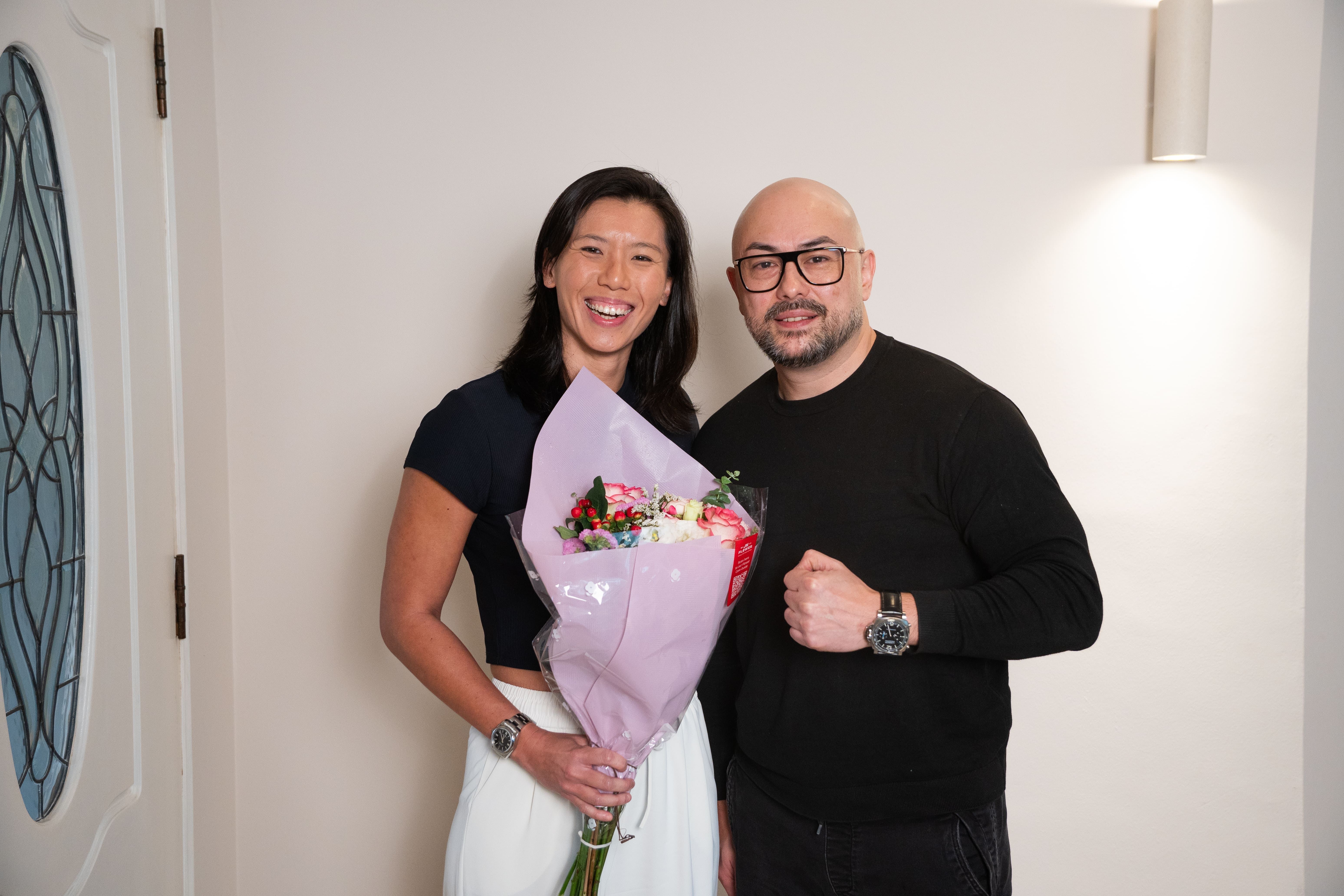
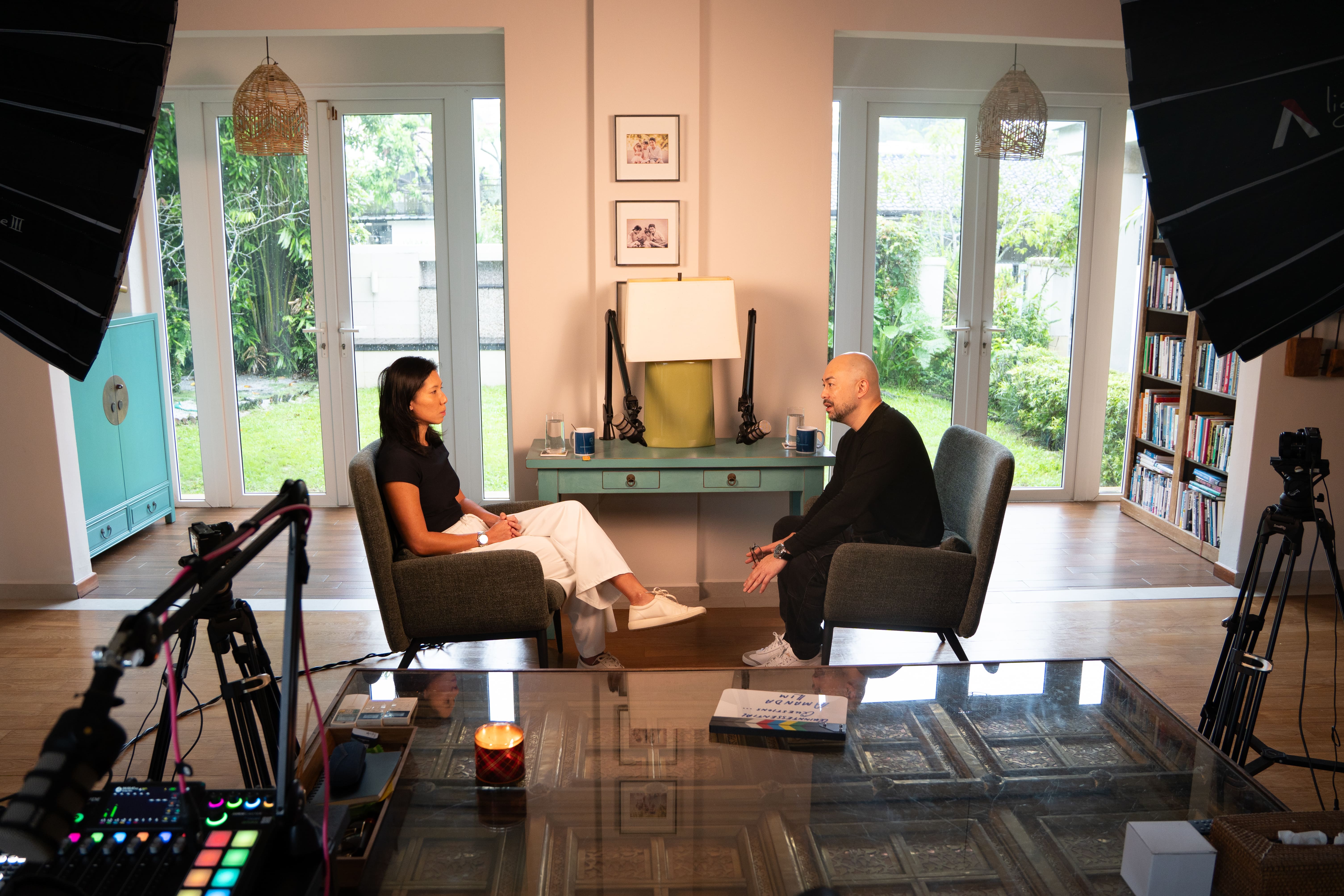
Behind the Scenes
No career journey is a straight line, and mine taught me
to ensure ambition strengthens lives rather than gambles with them.
Our Other Episodes
Lorem ipsum dolor sit amet consectetur. Sed morbi adipiscing ultrices in vel placerat.
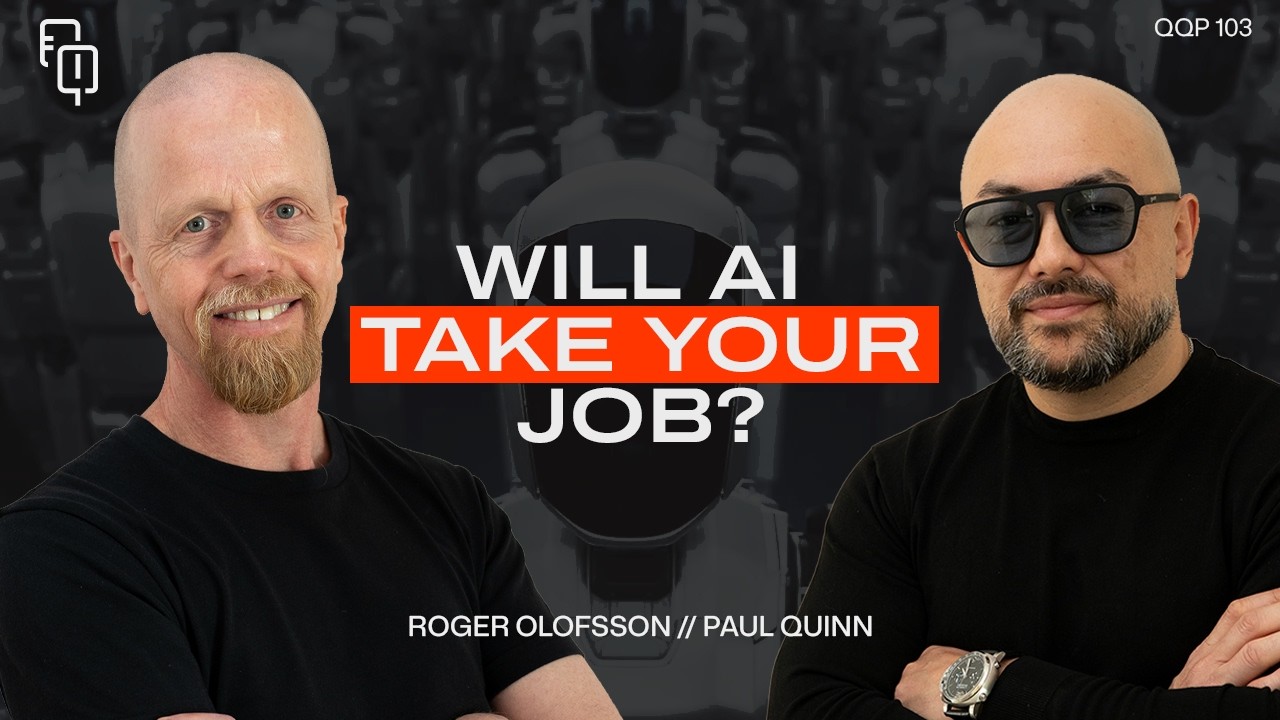
Building an AI Company Inside a Search Firm with Roger Olofsson #103
In this episode of The Quinntessential Questions Podcast, Paul Quinn sits down with Roger Olofsson, CEO and co-founder of Olofsson & Company, the executive search firm hiring for startups, AI, tech and fast-growth companies. From a childhood in Luleå, near the Arctic Circle, to landing in Singapore in 1996 as an exchange student with a backpack and a suitcase, Roger shares his transformation journey through almost three decades of recruitment in Asia, and the moment he finally backed himself to build his own firm.
One Video, 70K Followers: Jess Whitney Morris's Breakthrough | #102
In this episode of The Quinntessential Questions Podcast, Paul Quinn sits down with Jess Whitney Morris, model, social media management company founder, and media presenter. From growing up in poverty in Uganda and working-class England to working her way through Abercrombie, Hollister, and a self-funded university degree, Jess shares her transformation journey and the moment her father tore up her first modelling contract in half.
I Interviewed 100 Extraordinary People. Here’s What I Learned | Paul Quinn
In this episode of The Quinntessential Questions Podcast, the host takes the hot seat. After 100 episodes in the interviewer's chair, Paul Quinn, who runs Westport Executive Search and founded Quinntessential Coaching, answers questions sent in by guests, friends, family and listeners. From hitting a career plateau to building a podcast that now welcomes Olympians, world champions and global CEOs, Paul shares his transformation journey and the moment he decided to put a spotlight on helping people.