
Facing Death, Grief & Healing: The Breathwork Session That Changed Paul Foster | #92

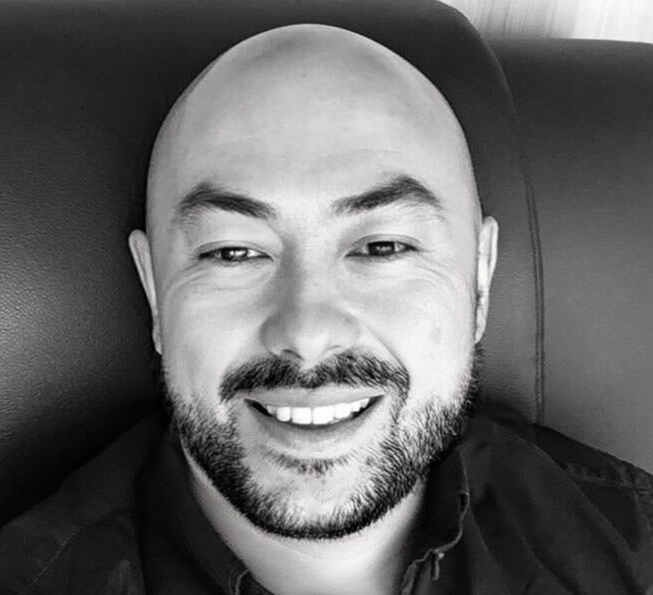
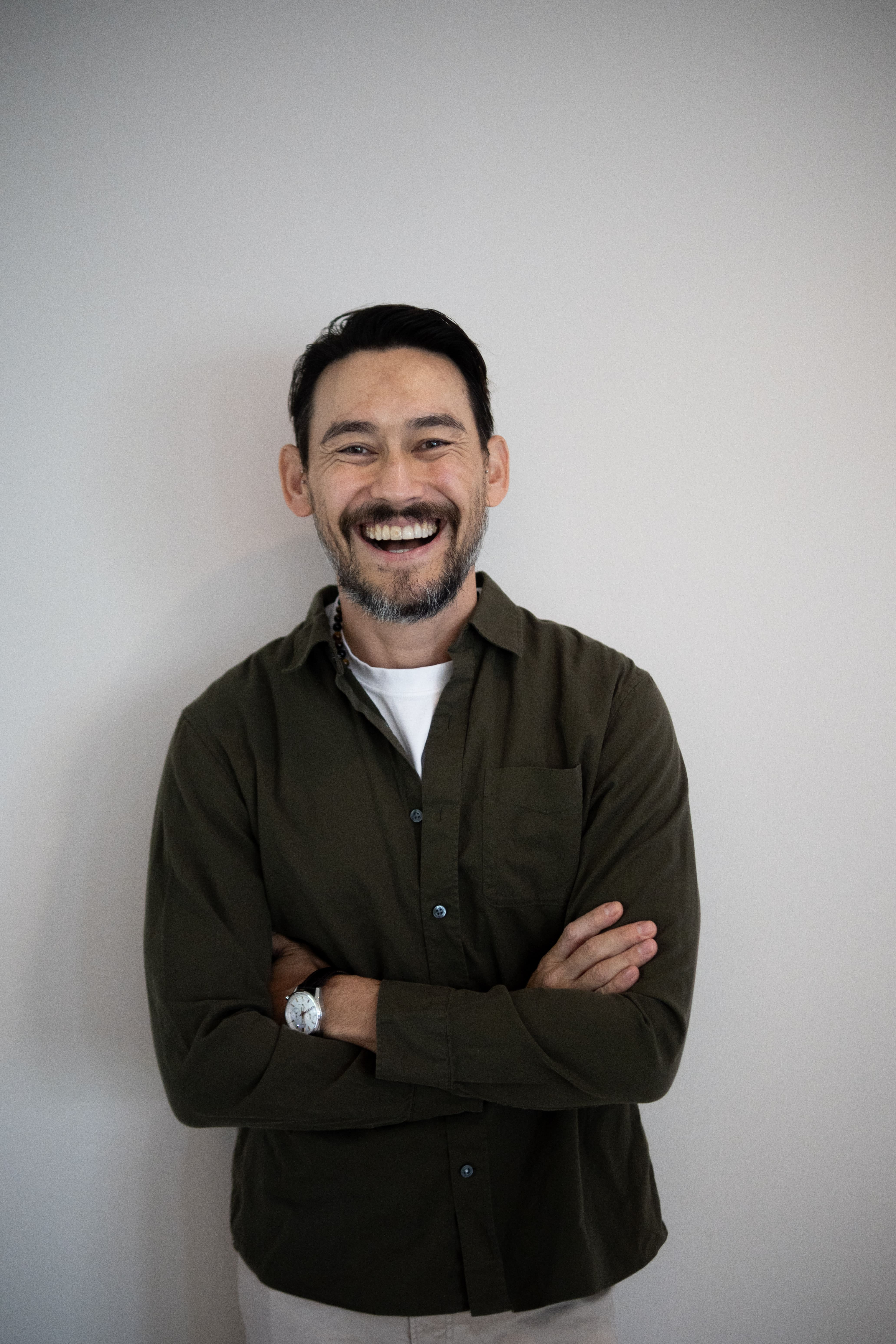
In this episode of The Quinntessential Questions Podcast, Paul Quinn sits down with Paul Foster, Singapore-based host, actor, and wellness advocate. From his early days in modeling and the 2000s reality show "The Big Unknown" to becoming one of Asia's most recognisable faces, Paul shares his transformation journey and the moment that changed everything: losing his father to cancer at just 18.
He discusses grief, breathwork, and two decades of building homes across Asia, and why true healing means going deep into shadow work. Paul also opens up about the heart scare that nearly killed him, the breathwork session where he felt his late father in the room, and shares powerful stories about purpose, service, and backing yourself when no one else does.
Whether you're navigating loss, searching for purpose beyond your career, or curious about the wellness and breathwork space, this conversation offers hard-won wisdom on grief, healing, and living with intention. Let's explore the journey of Paul Foster.
TIMESTAMPS:
TIMESTAMPS:
(0:00) Introduction
(3:33) The 100 pushup challenge
(4:46) Mum's pioneer generation story
(7:18) Eurasian heritage and mixed identity
(8:10) Dad's oil and gas career and OPEC
(14:46) National Service and University of Melbourne
(15:05) Breaking into entertainment - The Big Unknown
(30:01) Losing his father at 18
(36:45) First acting gigs - Red Thread and Polo Boys
(43:59) The hosting craft - staying authentic on stage
(1:02:37) Discovering breathwork
(1:05:11) The heart scare that nearly killed him
(1:13:35) Buried grief by helping others
(1:15:10) The session where he felt his dad
(1:22:06) Habitat for Humanity - 20 years of builds
(1:23:20) Building in Cambodia - Siem Reap
(1:24:47) Wellness summit and upcoming projects
(1:27:46) Shadow work and going deep
Bio
Paul Foster is a Singapore-based entrepreneur, media personality, and business leader whose career spans entertainment, fitness, hospitality, and social impact. A familiar face across television and live events, he has built a reputation as an actor, host, and emcee while also co-founding several businesses, including premium valet service Dre Valet and fitness platform LiveFit Asia. His ability to bridge media, entrepreneurship, and community engagement has made him one of Singapore's most versatile personalities.
Beyond business, Paul is a passionate advocate for giving back, serving as an ambassador for Habitat for Humanity Singapore and supporting numerous charitable initiatives. Whether discussing entrepreneurship, personal growth, branding, or the lessons learned from building businesses across multiple industries, Paul brings an authentic perspective shaped by resilience, adaptability, and a commitment to creating meaningful impact.
Transcript
There's not a dry eye in the entire [music] team. Paul Foster, born and bred here in Singapore, half British, half Chinese. I've managed to carve out a career in the entertainment industry. I do a lot of hosting. That's my main career. [music] A bit of acting. Started out with a modeling, you know, back in the day when I was much younger. >> There's a magnetism about you. But can you put your finger on it? >> To be perfectly honest, it'd be mom and dad, [music] especially dad. >> So, so he he passed away unfortunately when you were 18. That's [music] right. That's right. Unfortunately, I lost his his battle against cancer when I lost dad of what I did. I suppressed a lot. >> So, you know, my emotions weren't I wasn't very good at the emotional side of things. I covered up the mourning process and and that pain and that hurt by helping [music] others, help build a school, build a houseing, you know, raise money, uh, help these animals, go and do this. [music] So, I've been working with Habitat for almost almost 20 years. Seven builds, Thailand, Malaysia, Nepal, uh, Philippines. >> Lifechanging. [music] >> To build a home for someone >> is powerful. I I've completed a couple houses where we've done the ceremony to give it to the family. >> Wow. >> And my god, man. That's >> It must be breatht everyone. Recently, I've gotten more into the wellness space. The real healing from it is really powerful. If you're if you're willing to, >> you have to go. You have to go deep. >> You got to go. It's shadow work. Yeah. You got to go deep. You got you got to be ready to release. And then once that happens, I mean, you go into you just go into [music] >> Good morning, Paul. How are you? >> I'm very well, Paul. Thank you very much for having me, >> mate. I can't wait. Well, listen, we haven't known each other long, but I've got to thank EJ and give EJ a shout out for connecting us. >> Yes, 100%. said, "Look, I love EJ. Uh, I've been training with him for a long time and he he reached out back in the day and he he's not just my trainer anymore. He's he's a he's a good friend and he's a brother because I realize I spend so much time with him. If I if I'm training with him three times a week, that's three full hours a week." Yeah. >> That I'm catching up with him. Yeah. >> So, we're training and we're bouncing things off each other. He's like my friend, my bro, my trainer, my psychologist, you know, my psychiatrist. He's like super cool. So, I'm also happy that uh that you guys connected and then here here the the circle is complete. >> I'm grateful. Now, you are very well known in Singapore, but for the few people that may not know you, can you give a short summary before we unpack your incredible journey thus far? >> Absolutely. So, Paul Foster, born and bred here in Singapore, half British, half Chinese. Uh so I get a lot of stick for that because everyone's like no but you're ang you're you're caucasian you're you're not you're not Singaporean surely but I am uh international school served my national service university in Melbourne Australia and then [sighs and gasps] after that I've been back here and I've managed to carve out a career in the entertainment industry. I do a lot of hosting that's my main career bit of acting. started out with the modeling, you know, back in the day when I was much younger. And recently, I've gotten more into the wellness space. So, longevity, >> wellness, >> um just feeling good, living good, you know, being better. >> So important. >> And that that that is important. Yeah. Exactly. >> How old are you now? >> 45. >> Yeah. Essentially, I'm I turned 49 this year and it's like I'm thinking next year I turn 50. >> 50. That's it. My son will be turning 21. My daughter will be 18. The youngest will be like 11 doing a PSLA. And it's like, where the hell is [laughter] this? But my goal is this. So, check this out. I've got So, when I was younger, um I used to be able to do five sets of 100 push-ups with a minute in between each set. >> Wow. >> Right. And um so, I said to my son, cuz he's he's an exational boxer, >> and I was I was driving him to I said, "If you can't do 100 push-ups, you're not in shape, bro, in one go." And and we tweaked it. And I was trying I was trying to, you know, brainwash him, but now he's well over that and he's doing some serious stuff, but you know, he said, "I don't think you're going to do 100 again." And I just said, "Wait, just watch." But that's I just cuz that I think he did it on purpose just to get me fired up. And um you know, sometimes >> he's just motivating you. >> Just that's it. That's all it is. And I I need it. So So one of the things that I love about you is is your wonderful story and one of your heroes or your hero, which is also my heroes, my mom. And your mom is your hero. Tell me about her amazing journey because she had a difficult life growing up. >> She did. Yeah. Thank you for that. You know, a lot of people actually ask me about my dad first just because, you know, that that that story's out there too when I when I >> when I lost him at a at a younger age, but >> we'll come on to >> Exactly. But I do appreciate that you've you've you've come out and you've asked about mom and >> mom's fantastic. You know, she's she's pioneer generation. So she grew up in a time in Singapore where it was difficult. Uh they were poor uh 13 of them. >> Crazy. >> Yeah. Where when her father also passed away tragically quite quite young as well. So it was just her mom taking care of the entire family. Um >> in a kong. >> In a kong. Exactly. And you know 13 or 12 siblings. So 13 of them all together. Uh mom was the first girl. So the first girl born. So she el the eldest girl and I think she was number three if I'm not wrong. Number three or number four. >> Okay. >> So >> who's counting when it's 13? Right. >> Exactly right. you know and yeah look Kong life back in the 40s50s tough time for Singapore you know breaking out to independence in 60 five and and and everything from there and it was post Japanese occupation as well so it was dicey time yeah very difficult world >> uh so she had to do the hard yards >> and then tell me about what did she do because raising you you know your work ethic obviously came from both of your parents but tell us about your >> bum Yeah. Um I mean look, first marriage for her was arranged marriage. One of those things back then, you know, >> same for my mother-in-law. Yeah. >> You're right. Trying to give a better life um for your child as a parent. So you're like, okay, if we can do this and again, 13 kids, right? One less >> Yeah. >> person to to worry about and have to worry about the younger ones that are there. So, uh, I've got three older sisters that, uh, my my step sisters, but, you know, I always say they're my sisters because same blood, >> 100%, >> right? Same same mom. So, they took care of me when I was much younger as well. And, uh, they're still living here in Singapore. And then with my mom's second marriage to dad was myself and my younger sister. >> Okay. >> And that was our nucleus in terms of uh, that family. But overall, we have this lovely uh awesome huge family in that way. >> I want to hear about your dad because you know what's funny? I you know, so I'm half Chinese, half Irish, grew up in London and I'd never heard of the term Eurasian until I came to Singapore and I had the opposite thing because everyone thought I was just Chinese. Yes. Like they didn't know the difference. I got a lot of racism, whatnot. Um, but then when I moved here, so my wife's dad, he was president of the Eurasian Association and I think that's why perhaps you know he accepted me and that was that was a big part of that community. Do you know what I mean? >> Absolutely. >> Um, so tell us about dad. Where was where was he from? >> That's that was British uh, Middle Sex. So kind of like northwest London. >> That's where I'm from. Really? Where do you know where? >> Oh yeah. Pinner P. I'm from Harrow. Really? Okay. Harrow. There you go. So you're at the end of the line. Uh, you know that's crazy. I didn't know past Harrow on the hill. So he used to play a lot he used to play a lot of rugby at Harrow. >> And that's where your love from rugby came from. >> 100% oil. >> What did dad do for a living? >> Dad was an oil and gas. Okay. >> Uh you know he finished school and he basically bounced. He was like right I'm out of here. >> He did the whole of Europe kind of just the odd job laborer stuff and just finding his way. Then ended up in uh in Africa. >> Wow. >> And eventually doing more geology. So on the geologist side of things um and the minerals and that kind of carved his career then onto the oil rigs and then oil and gas with a with a French company where eventually he was taking care of uh all of APAC. So coming out to Singapore in the 70s a little bit more of the cowboy town. >> Yeah. >> And then yeah opening up >> Indonesia. Indonesia was the big market for oil and gas. Once he opened that up >> it that was it. Massive, massive, massive. >> It's almost like that career couldn't exist today. >> No, >> you know what I mean? >> It's >> he worked his way up and >> exactly without a without a uni degree, you know, just hustle, go work, prove, show, learn, lead, and that's it. And you're right, it's it's different now. >> It's different. We actually got so much in common. It's weird that your dad literally that's one stop way away from where I kind of grew up. Do you know what I mean? That is bananas. So then and then at school, what was your first love? Was it sports? >> Yeah, it's always been sports. I've always been the outdoor guy. Uh you know, growing up in the in the 80s, I mean, I was on my bike, riding around, riding to Kongs because Kong still existed then. Uh, a lot of construction. So, all the construction sites, playing basketball, baseball, doing my taekwondo at the CC, catching spiders, tadpoles, you know, just hide and see, cops and robbers, just running around just, >> you know, and then same thing. Okay, >> be back for dinner. >> When it starts to get dark, >> you're home. That's it. Simple. Yeah. >> You know, >> no phones, no nothing. It was just a set thing. You'd go to certain places to try to meet friends and and that was playtime. And I was always out like academically. I mean I did all right in school but >> it wasn't >> I loved Yeah. It wasn't my thing. I loved to be out. That was my thing. I was I was physical. So even in school was like being with friends and playing sports. That's what I really loved. >> Okay. Do the subjects of course you got to go with the flow. >> Yeah. >> But um no I was I was athlete. >> Did you did you struggle with your identity here a little bit? >> No. I was very lucky uh with mom and dad the east and west. So my household always had a blend of of everything like mom would cook everything. So food was huge for us and I'm very lucky that I was allowed and able to eat everything. So that I think was good. >> Have you brought that into your home now? >> Yeah, kind of. You know, I I've I've had to refine even my diet a lot more because I think I grew up like don't waste food. >> Yeah. >> Eat everything, you know. Um, and and when I mean eat everything, I mean eat everything. Doesn't matter what it is. Yeah. >> And the amount. >> Yeah. >> Eat. >> So, as I've gotten older with with the health and everything and with my lovely wife, Ila, making sure that she's like, you know, she tells me like all the time like, you're not allowed to die. >> Okay. [laughter] >> So, I need you around. Yeah. >> And I I need you around. You need to be healthy. And the diet plays a very big role in that. And I guess we'll touch upon that later on. But but you know I grew up very lucky with mom and dad with food and both the east and west culture cuz the big family here. So the local big family here we grew up in Celita and I was all local friends there but I went to international school. So I had all my international school friends >> there. So I kind of had a good mix. And then I would travel a lot because of dad and >> we would go back to the UK for the summer and I'd see my family there. And so I was very lucky that I had the best of both worlds. >> Beautiful. >> Which if you don't, I think that's where the identity crisis comes in. And and it's funny because my whole life as well, for a long time, I called myself Eurasian, >> you know, akin to you saying to me that you didn't really know that existed until you came here. >> Yeah. >> But as I got older, especially with the modeling world. Yes. >> So to be Eurasian actually is very specific. To be Eurasian, you had to have one of the, especially in Singapore, one of the the Chinese, the Indian, the Malay on the Asian side. Then you had to have more of the something of the Dutch, >> the Spanishific. Yeah. The the that spectrum to be allowed to be called Eurasian, the British. Yeah. Almost the colonizing um countries, right? Because that was the that was the mix. That was the blend. So in actual fact, if you don't really have that kind of mix, you're actually panasian. Ah, >> so I learned that >> that's the distinction. >> That's it. I learned that once we started to go into the modeling uh industry when I when I started to do that >> um kind of like after NS and in uni and I was like, "Oh no, Pan Asian." I was like, "Pan Asian?" Which also makes a lot of sense. >> Yeah. >> Yeah. >> How did you get spotted for your first modeling gig? >> Uh how did I get spotted? What did I do? I was in NS and um some some booker from an agency was just like, "Hey, you know, you you've got the height, you've got the look." >> Is it something you'd never thought about before? >> Not really. Uh at the Hong Kong 7s when I was in my dad one at one of the Hong Kong 7s. >> Hong Kong sevens is on another level, right? >> That's it. Yeah. Another level. Uh you know, I think I was >> 13 14 kind of that that age. So still actually the awkward age actually but I think I might have had my gross spurt. So I was I had the height >> I'm still waiting for mine [laughter] >> you know and um but there was a another booker at the stadium spotted me. >> Wow. >> And then even that lady was like hey listen here's my card. >> Nice. >> And she saw something in me. Then she said there's something you've got to look. >> Yeah. um and you're still growing, but there's something that you know will happen and if you're ever interested to to model, let me know. And of course, dad's just like, >> "Fuck no." >> Yeah. [laughter] >> Modeling, no way. Come on. That >> that's it. You know, and not in [clears throat] a not in a not in a bad way. That was Exactly. It's just a different different time. >> Um but then later on when I was in NS, same sort of thing, just being a little bit fitter and with with the with the Pan-Asian look. Um, someone spotted me and said, "Hey, we we we just want you to like do a fashion show. Can you come can you do a fashion show?" And I was like, "Uh." And was paying like, you know, like 400, 500 bucks or something, right? I don't know. I can't remember. Yeah. But I was like, "Oh, that for a day's work." When I was doing NS, >> my pay was like 330 a month. >> Yeah. >> Imagine that. >> Rank and vocation pay for me was was that it was miserable. >> No brainer, right? >> Yeah. Yeah. So I was like, I'm earning almost two months pay >> and I'm going to be surrounded by attractive ladies as well. >> Exactly. You know, like, oh, this this good. [laughter] Um, so that was kind of the the the the entry into it. Didn't really do much after that. But the next big step was I did a reality show called The Big Unknown. >> Yes. >> Where they followed me to university. >> But how did that even come about? had a friend who was at a casting agency uh and she was literally like, "Paulley, you need to come and do this audition. You'd be perfect." >> Were you skeptical or you like or you all >> I was like, "Wait, what do you mean? I don't I don't understand." >> And this is when reality shows weren't a thing, right? They were just just being born. >> This was 2001. >> Yeah. >> Like, you know, and I was doing my I had finished NS. I was doing my Euro trip. >> Yeah. >> I was in I was in I was in the UK meeting all my friends. um seeing the girl I was with at that time just having a holiday. I was like, "Oh, I finished I finished national service. Got dreads, got piercings. I'm like, I'm out of here. I'm going to go travel. I haven't I haven't I need to break out of this mold that they've, >> you know, put me in >> to be a soldier." And I get that. But now I need to go and find my identity. I need to go and just let loose. >> And she's like, "No, no, you you got to come back." >> But the audition like it's now cuz they wanted to start filming. And it just all worked out because it was like they needed three students who were going to overseas or not say overseas unities but universities. >> And I was about to go to uni in Feb, March the following year. So she's like, "You have to come in to audition now so if you get it, they can plan everything and come and start filming you in your first semester at uni." >> Yeah. Wow. >> I was like, "But I'm I'm on my trip." She's like, "No, please do it. I promise you." And she was she was super confident. She was like, "You're gonna you're gonna get this." Because she know she knew. >> Give her a big shout out, man. >> Yeah. Yeah. Yeah. Yeah. Artika, big shout out. Yeah. She she's like, "You you she knew me. We we grew up together in school." She's like, >> "You'll come across really well on this." And the timing was right. >> Like the timing was, "You're just about to go to uni. You've got a good backstory. You're going to have a great story at uni, so let's do it." And >> it worked. Like I smashed my audition. Of course. >> Of course. Uh, I love it. I know. And uh, >> and I I I I smashed the show. I just I was just that fun guy that went I I was I was the guy with dreads. >> You're authentic, right? >> Yeah. I knew I know how to work the camera. I'm, you know, and I was I was doing sports coaching administration. I was in Melbourne, Australia during summer. I had loads of friends there already. I made more friends. There was a lot to do. It was fun. >> Yeah. >> They followed one girl who stayed here and I think she was at SIM. >> Okay. >> Um doing economics. They followed another girl who was doing medicine. >> Okay. >> In London >> during winter. >> Yes. >> Pretty dull. >> Yeah. >> Very cold. Yeah. >> Very dark. Very gloomy. And she was doing medicine. So >> she was very studious. >> Yeah. >> Uh everyone knows Singapore. They were following the girl here going okay. But then so I think maybe maybe that's what helped me. >> Yeah. and my character and my story shine out more. >> Yeah. >> Yeah. >> And it worked. An elite that was still open back then was like >> the agency. Yeah. >> We'd like to to represent you. We think again you'd you'd be good at and that the evolution from then is now I was more commercial. >> Yeah. >> I'm not your necessarily high-end fashion catwalk guy or model. I have a commercial look. >> Yeah. >> Especially with a pan Asian. Yeah, that vibe. That's right. The energy, the smiley face, um that positive. So, I hit that that commercial u industry very well. >> Beautiful. >> And then that opened up a lot of doors. >> Where do you think your charisma came from? you know, like I'm curious because, you know, so for me there's certain you have this when I first met you, I knew who you were already, but there's a magnetism about you and and not many people have it and it's something that I don't think you can create very easily. I think it it tends to be quite authentic. It's original. >> Yeah. >> But can you put your finger on it? >> Yeah. Look, to be to be perfectly honest, it'd be mom and dad. >> Yeah. >> Yeah. Um >> especially dad. >> Dad. So he he passed away unfortunately when you were 18. >> That's right. That's right. Unfortunately uh lost his his battle against cancer and you know during that time it was tough. >> Yeah. >> Uh he got all the treatment and did everything we could but >> it was very aggressive and times have changed now. >> Yeah. with with with you know technology and and medicine. But in in the 90s, in the late 90s, it was it was tough. And um >> you know that again that that elevated me to become the man of the house overnight. And I had to really shift, forced me to grow up, >> which is a lot of things that I've actually had to deal with in my wellness journey to heal. >> Yeah. >> Because there's a lot of things I didn't know then. I thought this is the right way to do it, but in fact >> probably probably wasn't. >> Yeah. >> And interesting. It's Yeah. That's locked up a lot of things in me. But that's also been part of my journey the last few years to go, oh [ __ ] okay. >> Yeah. But >> and especially now that you're a parent, right, you start thinking differently. You you then look I don't know about you, but I looked at my parents differently after I became a parent. You almost see them now as human beings what they were going through. >> What they had to go Yeah. Yeah. And what they were doing was the best they could do with what they had >> to also >> Yeah. >> protect and serve us and to to you know to help us. >> Was your dad an old school kind of mentality? >> Yeah. But he was super cool like you know and and again he had this aura. He he had that aura where he would walk into a room. >> Yeah. >> And it'd be like ah lens here. >> Yeah. >> Like whoa. >> Love it. >> I mean he he was a big guy, you know, 6' three, you know, second row. >> Um goodlooking guy, >> super smart, super social, very successful. >> Okay. So, but also nothing to prove and and and you know, >> very natural. >> Yeah. BFG. >> Yeah. >> You know, >> very natural. He just had something about him. And I think that that's just the way he grew up and where he went to do things and he carved out >> a a very good life for himself and his family and I'll always be grateful for that because the opportunities I've had >> afforded >> from him. Exactly. Beautiful. And the life experiences I had when he was alive that he gave me >> definitely shaped a lot of my foundation. So >> now you know one of the things I wanted to ask you about because a lot of the guests I have it's it's becoming a little bit of a common theme but um you know excellence in sports. >> Yes. >> And the foundation that gives you for everything afterwards. So you've represented Singapore in rugby. Yep. >> And net and net. I know that was just to meet the girls. Let's be honest. [laughter] We'll come back to later. But tell me about rugby. What so how did that journey look like? >> Yeah that was uh that was a good one. So born into rugby because of dad and that's always been a part of my life. But when I first I think I was also a late bloomer as an athlete. I wasn't a natural athlete from young. You know when you see the prodigies you see those who are like just >> they were literally born to be the fastest human being or the strongest human being >> or the next goat. Yes. or or at least that echelon level. >> Yeah. >> Uh that wasn't me. I had to work hard. >> So, you grinded at it. >> I had to work hard to get it. And it took me some time for it to all fall into place. >> Um I remember growing up as a kid being active and being out. So, I always had that. I could run. >> I wasn't the most gifted runner. Didn't have the best technique or the gate and so on and so forth. wasn't the fittest by any stretch. Um, but I was always out and I always wanted to do stuff and that didn't necessarily transfer to the field or the court straight away. But over time again with coaching and training and you know getting smarter. >> Yeah. >> The mental game. >> Yeah. >> Ah, okay. >> That's often overlooked, man. >> Very very overlooked. And then in my early teens, I'd say even must have been like again late bloomer. I'd say like 13 or 14. >> Yeah. >> Was when it really clicked started coming together >> like for rugby especially, >> you know, just like a I remember >> a trial match to get into uh the sevens. >> Yeah. >> That cuz we used to play at the SEC sevens. The school's competition used to be with the club, the men's club competition. So, that was super fun. Yeah. Because you'd be playing your comp with with with the men's playing their comp. So, you're playing in front of a a crowd for the whole weekend. Visceral. >> Oh, yeah. Amazing. >> Um >> and it just clicked in this in this one game where I scored like four tries. >> Wow. >> In this trial match. Um I was almost untouchable. interceptions, making my own tries, setting up tries, and the coach was just like, "Holy fuck." Like, "Wait, what? I've been I know who this guy, this player is, and I've been training him, but >> was like you came out of nowhere." >> Yeah. Something just opened. >> Did you have the confidence before that game or was after the game you realized I've arrived? >> Yeah. Yeah. Exactly that. I thought, "Oh, wow. Okay. This is what this is what it feels like. This is what it must feel like to just um like how Senna said, do you remember that that >> that lap when he when he suddenly everything just slowed down? Yes. And he said he could >> he he was just doing the lap like it was nothing and he could see everything even though he's going at 300 km an hour >> in the matrix now, right? >> That's it. Um that was kind of like my moment where I was like, "Oh, okay." Like everything just opened up and and it was great. And from there then it was like >> you know >> you know you know Paul I was going to say I think because I think our childhood never leaves us >> right [clears throat] and if you have a seinal moment or moments when you're younger it just is a game changer for your confidence cuz it you you bring it into everything else. >> That's right. As long as you can remember it. >> Yeah. >> Yes. You know I don't remember a lot of my childhood weirdly [laughter] enough there snippets >> but that you remember. >> I remember I remember a lot of stuff on the rugby field. It's crazy. Or the basketball court. Like again, sports for me. >> Yeah. >> They're just >> Well, it was important to you. >> Yeah. Yeah. They were they were big moments in in in your in your life as a as a kid, right? And >> and so I have loads of those. But um that that set me up. That set me going. And it's, you know, school uh junior club, junior national, uh senior club, senior national. Um >> what position did you play? >> Uh I was always in the back line. My preferred position is always in the center. So, inside, outside, center was my preferred choice. But I started out at fullback. >> Okay. >> Um, just because I could I could cover and do that. But the thing is, I'm a [ __ ] kicker. [laughter] >> I'm I can't kick really. >> Terrible. I'm very good at my hands, >> but I just can't. >> So, like Johnny Wilkinson. >> No. No chance. Um, so eventually slowly, uh, I moved up into the into the into the centers because I was a good playmaker and I could read and I could play my D and I could do my attack, but I would I would have played every position in the back line by scrum half. Okay. >> Yeah. Yeah. Yeah. And >> the great thing about sport, it's it cuts out any noise, right? There's no BS. Yeah. It's your your talent's your talent. You own it. There's always a bit of politics, but you know, it's real. >> Yeah. Yeah. 100%. I mean, I love team sports as well. Um, I've played a lot of individual sports as well, but I'm I'm I prefer team sports because I love that dynamic. I love working with people and I love I love collaborations and that that that's still what I am now. I just I just love it. I I I believe everyone has their strengths and weaknesses and you need people to help with both. >> And that that's evident in your work. >> Yeah. >> I'm curious cuz you hit the spotlight in Singapore. Yeah. >> At a very young age. >> Yeah. >> How did what was that all about? How did that feel like? >> Yeah. I mean, young age, but >> but I was already grown up. >> Yeah. You were the man of the house. >> That's right. You know, um so I think I was totally fine with it. >> I never went out to seek fame. >> Yeah. >> That's always been my my baseline. I never got into the entertainment industry to be famous and to be well known and to be recognized and to be, you know, pat on the back and be like, "Oh, wow." >> Um, I know it comes with a territory, but it doesn't feed any ego I have for that. >> Yeah. >> Um, I did it because it was a career. It was work that I that I also enjoyed. I love it. I mean, >> I always tell people if you enjoy the work you do, that's brilliant. That is the perfect storm >> and it's sustainable that way. >> That's it. Because I have a lot of people who honestly hate their jobs, >> but they have no choice. They they have to work to earn >> pay the bills and >> Yep. earn a living and pay the bills. >> Did Did you consciously um think about that when you were going into your career? Were you thinking I'm going an unconventional route? It's not safe. I don't know other people that have done it. Was that even a consideration or you just went all in? >> Kind of a mixture. I mean, great question because >> because that's psychology why I said because I've got three kids, right? My son wants to be a filmmaker. >> Yeah. >> And you know, a lot of people will say cuz I I support private banking. And some people have said to me, why don't you put your son into this? And I said, >> no, I'm not going to tell my son what to do. He can do whatever he wants to do%. And yeah, it's uh it's not going to be easy, but I believe in him. Yeah. And >> and you're still here to support him in in whatever happens. >> All in, man. >> Life experience. Go do it. >> Yeah. >> Go do it. Try. And look, try. >> Yeah. >> Fail is okay. >> Yeah. >> We can always figure something out. >> Yeah. >> So it's it's a great question because look, my life would be >> very different. >> 100% totally different. My dad was still alive. >> Ah, that is interesting. >> 100%. >> You think he would have gone the corporate route? 100%. He was already grooming me and shaping me to help me get there. >> By the way, by the way, I think you would have been equally very successful in that avenue. It's but it's really about >> it's just one door opens another. >> That's it. Exactly. Right. You you life is life. >> Yeah. You got to go with it. Um the more you fight it, I believe the more you could lose your selfidentity, your and your happiness, your fulfillment. >> Yeah. Um, and we've all got different callings and different callings at different stages in our lives as well. And it can change, right? And it can change. So, you have to be adaptive. You have to be able to adapt. >> So, so did you like did you just roll with the momentum or did at one point you think, okay, >> I'm doing this now. It's like this has become what I do. >> Exactly. Exactly that. Right. Like, you know, dad passed away when I was 18. um he had just he had left that that the role he had for a long time with the French company for oil and gas and he started his own consultancy company and it was was going great everything was there and would have had some massive contracts um you know and life would have been different because like I said I wouldn't have had to go I wouldn't have to worry about money still >> I'm very lucky he left a legacy for me to take care of for the family so I didn't And I'll always say I'm very lucky. I don't have to worry about necessarily, but still worry. Yeah, because I'm still at uni. Yeah, >> my sister still at school. You're so young. That's right. I still >> What did you study at uni? >> Sports coaching admin. So, a double degree in Yeah. coaching and and business, right? And I mean, the two things I was good at at school. >> Yeah. >> I was good at sports, I was good at business. Everything else, uh, you know, >> that's okay. >> Yeah. And I learned as well being an NS, I saw a lot of people that were very unhappy with the degree they chose. M >> and I would see a lot of them switch degrees, switch universities, switch countries. >> Yeah, >> that's how massive the the the spectrum was. So I was like, "Oo." >> And I saw most if not all the people in Australia were very happy. >> Interesting. >> The UK touch and go. >> Very few people in the UK. >> The US, you know, very interesting. >> So I was like, okay, you know what? I was supposed to go to the UK. Um I had a few a few offers there. um for the rugby especially you know [ __ ] Nottingham Nottingham so there's a few that I could have gone over >> my results weren't great but based on my rugby >> it would have carried on >> category and national service >> yeah those two things >> would have gone over um but for for Australia for my so I got an uncon university in Melbourne I got an unconditional >> amazing >> I went to the university fair I spoke to them unconditional and I asked her I said look Why? >> Yeah. >> Why? And she said, "Yes, okay. Granted, your results aren't the best, but they're not the worst. They're they're good and we can work on that. What we see here for you is you're an international student. We need an international quarter." >> She was quite honest. I loved her. She She was great. >> But you did national service, so you're a mature student who's gone through two years of military training. >> That's that's important. M >> uh three, you're a national rugby player and that also shows a high level of maturity and experience and and caliber which would fit into the sports coaching administration uh degree perfectly applied yeah applied health sciences. >> Um and it was probably the best choice I made to go to that uni. Small uni >> but the the course was fantastic. It was it was >> you enjoyed it. Great great exposure. >> Yeah, 100% super good. And um that worked really well. Um and that was what I did. But yes, if dad was still alive, uh I think he would have he might have been happy with me choosing that degree to be fair. I think because of the double major, there was still a business element to it. Um you know, he would have known I enjoyed sports a lot, but he may have I still feel he would have said, "You still have to go back. You still have to go to the UK." >> Yeah. >> My feeling is he would have rather me go to the UK. >> It's >> and and focus on that. It's so interesting you say that because like this is upon me now because my son's in NS. >> Yeah. >> And you know, without knowing it as a parent, you really can influence your kids. >> And you know, I think I've got to think about that now. You're going to have to think about that later on. It's like, so my son, it's funny because he got on to the Singapore National Boxing Team. >> Yeah. >> And I don't know, maybe he was about 15, 16, he said to me once, he said, "I I don't know if I want to continue boxing." Yeah. And I said, "Okay, darling. Why?" And then he said, "I don't know if you chose this for me or I chose it for myself." I said, "It's a good point. >> I love that. >> At a 15-year-old, that's very mature." >> And I said, "Well, let's break it down." I said, "You love steak, right?" >> Yeah. Is it cuz I introduce you to steak? Maybe. But you choose to still eat it, right? So I said, "So, so I use that analogy." And I said, "Well, why else?" And he said, "Uh, >> I don't like to hit people." >> And I said, "You know what? That's unusual, you know, in boxing." But I said, "You know, if someone's coming after you, you might feel a bit different." >> Yes. And then what's the last reason? He said, "I don't know if I'm good enough." >> Okay. >> And I said, "Well, that I'm not gonna allow you to quit for that reason. I'm not allowed to quit anything for that reason." >> And then, you know, he said, "My coaches don't believe in me." And I said, "Fuck your coaches." All in, son. Just remember that. All in. You have to believe in yourself. And I I'm a big advocate about that because you're going to have people that are on side. You're going to have naysayers. But ultimately, you have to back yourself. >> And of course, at some point, you got to be realistic, right? And you realize, I've just lost all my teeth in a fight. maybe this isn't for me. Um, but that it's so interesting that you have that that uh recognition that it might have been a bit different. >> It would. Yeah. And I mean, you alluded to the mental state. So, your son, I love that too. That's that's perfect. That's that's the way it should be. >> Yeah. >> Funny story is I learned I'm not a fighter, too. When I did my white collar boxing, >> how was it? >> I won on split decision. Very difficult. But I realized in the fight I'm not a fighter. Yeah. >> But I'm here. [ __ ] I got to fight cuz I can't lose. >> Yeah. But I realized then and there I'm just not a fighter. I don't want to hurt someone. I don't want to hit someone. >> And you you know that I mean that's the thing when we saw EJ that night. It takes a lot of courage. >> It does. Just to get into the ring. >> It does. Right. And he went he went large. You went all in. Do you know what I mean? >> I remember I was talking like and you you really get it because you you fought at a high level, you So I I enjoy it. I think we're It's funny because I think most fighters, especially boxers, back when I was growing up, you you you have to be a bit deranged. >> Yeah. >> There has to be something. >> You got to have the the lion, the wolf in you that >> it's that's wants to hurt that >> that wants to fight. Yeah. >> Because that's it. You you have to you have to have that killer instinct, unfortunately. >> And it's it's it's an interesting one, but >> as long as you can turn it on and off. >> Yeah. Well, it's hard. I mean, a lot of guys when they they're going through training camp and they're quite vicious and you carry it around with you. >> That's right. >> And and that's the thing as you get older, you see it like in the Rocky movies, right? You get older, it kind of everything changes a little bit. But I just think it sports, especially for a young man, it gives you a sense of identity, >> right? And a physicality >> and um I I just a I'm a big believer in how the two can come together. >> Yeah. >> So then what was your first acting gig? >> Wow. My first acting gig. It's a good one. Uh, yeah. Polar Boys. >> Okay. >> I did Polar Boys. No, sorry. Let me take that back. I did Red Thread. Red Thread and Polaro were two shows I got backtoback with Channel 5. >> I saw Polo Boys. >> Yeah. Yeah. >> I I think you've got to make a comeback to acting in some capacity. >> Yeah. In some way. >> Just just just because, you know, it's natural for you. Great actor. Yeah, >> I'm sure you enjoy it as well. >> I do. But the thing is I need to find I need to find the right role. >> Yeah. >> So a lot of roles that are given to me are very similar. >> Would you would you ever consider theater or you mainly want to do >> I would I need to do the trifactor. I've done TV. I've done film. So the last one which is the real acting is stage. So theater at some point doesn't have to be a big role just something just to have that experience. >> I've always thought at some point I would like to do that >> and it's it's and it is a different experience. It is. It is. I mean, I used to I used to be >> terrified in school, you know, in school when you had to the the year end play. You had to do it. You had to just get I mean, I was just like, "Give me a background tree [laughter] >> or the soldier there." The soldier, no lines, sing a couple of songs and that's it. One costume throughout the whole thing. I'm happy. That's it. You know, cuz that wasn't my thing. So, during school and everything, I mean, I dropped drama as soon as I could. It just wasn't my thing. So, it's also quite ironic that it is ironic that it went that way eventually and I do enjoy it. You're right. It is a craft. I've gotten better over time. Um, I think I've gotten even better now in because of real life. >> Of course, you've got that exposure, >> right? Emotion, which I was very terrible at. Again, back to when I was >> um, you know, when I lost dad of what I did, I suppressed a lot. >> So, you know, my emotions weren't I wasn't very good at the emotional side of things. Yeah. >> And that's changing now over the last few years as I' as I've acknowledged that and I'm healing >> so maybe that would help me in trying to find Yeah. I'm trying to find >> As long as it doesn't eat you up because >> That's right. That's right. But but it'll be cathartic, you know, I think. And I'm just trying to find that one role with the right script and the right character working with the right director and the right cast and you know when you when that all comes together. I mean might be wishful thinking. Maybe I can't hit all. put it out there. >> Yeah. Can't not all but the minimum is script and and character that needs to be cuz I can control that. >> Yeah. >> That's >> you know you know um do you know who Camil Huck is? >> He's so Camel Camel and I are friends and I engaged him to do some sales training for my Singapore and Hong Kong team. >> Right. >> And um I told him I was a thespian at school and you know I was thinking about becoming a professional actor. >> Yeah. >> So I I hit him up um maybe about two year two and a half years ago. I said, "Mate, you free for a coffee?" Goes, "Yeah." And I said, "I want you to create a play for me." And then he goes, "Well, what do you mean?" I said, "I said, I want you to think of a play and you're going to put I'm going to be the main actor in it." >> Yeah. >> And he goes, "Well, Paul, you're not a professional actor. You don't have the time." And and and he he's looking at me like I'm crazy. He goes, "You'd have to audition." I said, "I don't audition, mate. Yeah. Just just test me now. Let's go." And it was hilarious. But the the the deal breaker was was I said, "I want my kids to see me in something." >> Yeah. >> And I want experience again. And I was joshing him a little bit, but um he said, "Look, you you would need to be here at 6:00 every day and said, "I can't do that because of my business." >> So then he said um he went back and he thought about he said, >> "I want to get you to do a solo oneperson play." Yeah. And I said, "Wow, that's full monologue." >> Full on. So he gave me two or three things to read. He said, "Don't watch it. Read it." And I said, "Mate, two of these the guys are are borderline pedophiles. They're I just said, "Is that how you see? What's going on?" And he was going, "No, but these are very visceral roles." And I said, "Mate, if I'm I'm not an actor, so if I do it once, people are going to remember me for that one role, right? So, I'm going to revisit it." And I was thinking, maybe I even write something, you know? And I was talking to my son cuz he's he wants to be a filmmaker. >> Um, but I just think the throwing yourself into doing something, it it creates a whole paradigm shift in the way that your brain thinks, you know what I mean? So, if you did that again, you you did a bit of theater, >> you just would it would unlock something. It would be fun. >> Yeah. It would mean it would. It's like doing skydiving for you might do it once and I'm not doing that again. >> Yeah. Yeah. Yeah. Yeah. Exactly. Just bucket list and like experience and great. So I might have to hit up Camille. We're also old friends cuz uh we had the SEC connection of course. He's he's an amazing guy. >> Awesome. >> Have you have you um when you think a little bit about the difference between acting and storytelling when you're on stage cuz you're a storyteller. M >> there's a difference between performance right um on screen versus hosting >> 100% >> you know tell us about that cuz hosting is a very specific skill >> so hosting is easy >> really you for you maybe >> for me because I'm just being myself >> love it >> so if you can't be yourself you have things to work on if you're not comfortable and natural being yourself >> in that way >> projecting out and just >> being in your element. >> Yeah. >> And I get it. A lot of people who are not, they haven't found themselves yet. They might never find themselves. Some people find themselves early, in the middle, at the end. You know, it's it's just it's part of the life journey. But when I'm on stage and I'm hosting, it's just me and I found that out quite early on. >> You did. >> Very lucky that I did. And that's what I cultivated. I'm like, I'm not here to I'm not here to perform. M >> I'm not here to put on an act. This is just me. So if I can't speak the way I speak and and and run the stage and connect with the audience as me, then I I shouldn't be doing this. >> I love it. >> Whereas with acting, so much harder because you have to become another person. >> Yeah. >> And I always say the best actors, they're not acting. Yeah. >> They they become >> Yes. >> Acting is so hard. It's so hard. >> It's cuz it shouldn't actually be called acting in my opinion. >> Yeah. So I said the best actors become they they they they evolve and transform that person you're seeing. >> Yeah. >> It's not them anymore. >> Yeah. >> They they've gone in. >> That's that's the thing. There was but there was one caveat to that. Um Anthony Hopkins was been interviewed and he's >> he's or was president of the Tommy Cooper Society which is an old comedian in the UK. It was bit gimmicky. So you you'd be surprised because he's such a serious actor. And in the interview they said what do you feel about Daniel D Lewis you know method method master he went into the forest he lived there for six months >> and then Anthony Hopkins said he's a bloody idiot you know he goes that's why it's called acting and then he was a I [laughter] mean he was taking a piss he goes I played Hannibal Lecter what what am I going to go and do you know what I mean and it's like you know yeah we're going to go and dissect some brains and you know but no but you're right and that you know because I studied Stannislaski and whole method acting and >> um and actually it's very interesting Interesting because when you're on stage, I would imagine you you have to get your mind into a a certain frame of mind. Yeah. I'm just curious about your process. So, so say a corporate comes to you and says, "Hey, >> or we want you to put this on. We want to do this." Where does your process and begin and end and how are you working with the production team? Yeah. Cuz I'm I'm fascinated by that. >> I love your questions, by the way. Uh >> thank you. >> Great. And it'll I think I've again been very lucky that I'm pretty much 100% comfortable hosting anything. I've also realized over time you do not need to be an expert on all the topics or the industries that you go to host. >> Yeah. >> Because you're just you're a facilitator. You're hosting. You're >> you are running the show in terms of the stage and the segments. You're you're the connector >> and you can learn a script. you have a script that you can work off. Um, it's good to prep, of course. It's good to go through everything and to to do it, but a lot of times MCing and being on stage as a host is is just managing >> in the moment, right? >> That's it. It's just managing it and going real time >> because I've never done an event where it's gone 100% smooth. >> Yeah. >> Shit's going to happen. >> Doesn't exist. >> You just need to make sure the audience doesn't know. >> There could be a fire backstage. Literally people shit's falling apart, >> but no one in front knows. I love it. You just you just have to buy time. You have to create the positive experience. You got to communicate with your your stage hands or when they brief you, do it. You just just got to work. But also just be real. Be authentic. I mean, I've done many times on stage. I was like, "Right, we've got technical difficulties. Give me a mo." You don't always have to be on stage. >> Yeah. >> Give me a moment. I need to go and check something. I I need to go. Because sometimes I also try to tell you stuff off stage and like look >> you're trying to mouth something to me that I'm not getting. So just give me a moment go off and do it because I think at the end of the day for the most part you want to have the perfect event but I think also you want to have an authentic event. The experience has to be real. >> Yeah. >> And as long as you don't make it awkward and it's fun and it's good that's the most important thing. So, >> do you have do you have someone that works for you or with you that is helping you do the coordination or you having to work with each team each time? >> It's different all the time. >> Yeah, it's really >> that's got to be tough though. >> Yeah, but that's the thing. You just with experience you figure it out and there are a lot of times I will come into events and I would look at everything and I've changed the flow. >> I'd be like this flow won't work. >> Okay, >> you need to bring this segment here. You need to put that over there. >> You know when's food service? Okay, food service is coming in here. So important the timing. >> It's all timing. And I said, "Look, you don't you don't want to make you don't want to drag things on. You don't want to do this cuz things things are always going to happen. So where can we minimize the issues and the problems?" But also, if things do go wrong, >> do we can we can we >> can we solve them quickly? Can we do it? Or what do we need to do? And like I said, if you just be like, "Look, I got I got to go off stage for a second. Need to figure this out. Give me a moment." Done. And again, being And I think the audience >> appreciates that. Of course I do. Yeah. Because they're okay. They're like, >> "Yeah, exactly." >> Makes you more human probably as well. >> That's right. And and I prepare as much as I can, but I think my preparedness has always just come because I'm I'm experienced now. I've been doing it for so long. >> You roll into it. >> And like I said, doesn't matter what the topic is, just be ready. >> Do you have a writer? >> And if not, you know, a list of all your all the things that you want like like an actor or a musician. You know, when you turn up, I want I want M&M water at, you know, at at 13°. >> You should You should do it. And you should just tease them. Just say, "I need M&M's, but I want only the red ones." That's right. Just I do it just as a wind up. >> I love it. >> Next time you do it >> stage, it's got to be purple. You know, that's just my thing, you know. Um, but I also go on stage um before your next question, but I also go on there and you know how they they say, "Oh, imagine imagine everyone's naked." >> Yeah. as your thing to just bring your nerves down and like, okay, and you're you're the guy I'm like, "Okay, that's a little bit screwy in my opinion, but I get it. I get the that mental >> uh game." But I literally go out there and I know I'm up there doing my job and at any event with any audience, there's not more than five people, not more than one hand of anyone who could come up and do my job. >> Yeah. And I'd say maybe not even more than one or two people that could come on stage and do my job better than me. >> Yeah. >> So in that respect, whatever I'm doing now, this is my domain >> and just go out there, have fun, do your job. People feel it, see it, hear it, they're like, "Okay, cool. He he did a great job." Because >> there are a lot of people that can't they can't they don't they don't know how to project even on a microphone >> and connect and and and move. I mean, public speaking, getting up in front, it's the scariest thing. >> It's scary. I get it. >> Yeah, 100%. I get it. And >> what's your process like when you you're getting ready, like, you know, back in the day for a rugby game or now, do you do you sit down? Do you take a moment, you go through your notes? Do you need some quiet time? I'm just curious what's going on. >> Yeah. Yeah. Yeah. Go uh I think always again going through the the script is important and the flow and just knowing where >> where your chunks are. >> Yeah. >> Where your where your points are >> and then and then dissect it up. You know, you don't have to know everything because you're going to get breaks. >> Yeah. >> Get this segment done >> then. >> Then get rid of it. >> Okay. >> Remove. >> Yeah. >> And and kill it. So you can really remove it. Confident going >> nice. >> I smashed that. >> Love it. >> And that leads on to the next one because then you know then you're like, "Oh, you're feeling it." >> And you just go and you just go and you just you just do it. And it would be the same thing in I guess in a game. Maybe you could go two halves, you could go four quarters. And you're like, "Okay, let's focus >> on time." So interesting. >> And then or let's focus on possession, right? We've got possession now. >> Let's build let's let's go phases. I mean, if you're going to go rudimentary, it's obviously your own skill set, but like your your role and skill set in this next play. >> Yeah. >> Which is in this phase, which sets up the overall possession for you that you either turned over the ball or you've scored a a try. Yeah. For example. So, >> I think that's how you got to do You got to you got to micromanage it in that way. And then once it's done, >> it's done. >> It's done. >> Forget about it. Because now what do you do? Oh, [ __ ] You knocked the ball on. Ah, knock on. Ah, sorry. Sorry, boys. Okay, scrum. Let's try and get this back now. Or let's play the next defense. Let's that next tackle. >> Yeah. >> Let's try and get >> That's what you're focusing on. >> That's it. Let's focus on that. >> Turn the ball over there. Maybe he knocks the ball on from my tackle or we get him down and I get on the ball and I get it back or whatever it is. Exactly. You have to reset. The moment you start going, especially if it's your mistake, >> you can dwell on it and it's going to aspire. You know what I mean? >> You go down a rabbit hole. >> Have you I'm sure you found this cuz I found this with the podcast that um and I didn't think that this would happen, but one of the side benefits my memory's gotten better. >> Yeah. >> And the diversity of your knowledge cuz the more the more gigs that you're doing, the greater the variety, the your bandwidth's just growing, right? >> That's it. Yeah. Yeah. 100%. And funnily enough, and I I I get this told quite a lot in in a good way and a bad way, but I always take it the good way to a certain degree. I'm like a I'm like a jack of all trades, master of none to a degree. Not necessarily in the role, but in terms of knowledge especially. They're like, you know, people have told me, "Oh man, you know, you know a little bit about a lot of things." Yeah. Yeah. >> So when we speak to you, it's like, you know, we can have conversation. You might have a >> you might have a tidbit of this and a tip of that. So your knowledge on one thing might not be massive. >> Yeah. >> But there's enough there that we can have a conversation or and I think that's in due part with with the hosting in particular. I I host so many different events. >> Yeah. >> And I learn so many things because not I don't just get on stage and then I host, you know, if I go off stage and then I'm watching a panel discussion. >> Yeah. or a fireside chat or the keynote speaker or just this person giving his welcoming address and they say things and you're like, "Oh, cool. >> That's nice. I have to remember that one." >> Incorporate it. >> Correct. I love that. Have you Have you looked at any particular guys or girls that are up there on stage or, you know, on TV that you I like what they do, >> you know, I'm going to incorporate that. Are there any specific ones that you look at? >> Not specific. Um, >> that's interesting. That means that you've you've been you've kept true to yourself. >> Yeah. Um, and maybe that's it. Maybe maybe it's also a safeguard. Maybe. I'm not too sure. Interesting. I need to think about it because I haven't really thought about it. I don't know whether it's because I again wanted to stay true to myself. So, I don't need to follow someone else. >> But, you know, it's like if you watch if you watch sports or like the other day I saw Oprah Winfrey do an interview and it was just off the cuff. She got out of the car and you know, we know now. So, I was just thinking to myself, if I didn't know it was Oprah Winfrey, what she'd done, would I be impressed? And I would have been and I just realized she was sharp. She was dynamic. She recognized my interview and she honed in on it. He asked a good question. She went straight to the point. >> There was no fluff. >> Yeah. Straight to it. Right. Cuz again, pro, super pro. And >> yeah, I think I think I watch I have watched people, but I won't have a specific person where I'm like cool. >> Um, but it's also just taking the best from everyone to a certain degree, >> which is which is the best way, >> which is what you want. Now talk to me a little bit about uh your journey in entrepreneurship because >> this is something as an entrepreneur myself I know and I want us other people to understand what your journey's been like cuz it's it's never a straight line. >> No, >> I have a lot of failed businesses. >> Tell us about a little bit. >> A lot. [laughter] Uh I have more obviously failed businesses than successful. Uh I've had some successful that then failed. um cuz some never even make it off the ground and and so on and so my first real business opportunity was coming back from uni um knowing that I was coming back to Singapore and I was modeling. I used to come back for all the modeling work during my holidays. That's what it was. So I used to come back and earn some good money because it used to pay very well and I'd be like oh this is holiday work. Yeah, >> I'm not just paying for my flight to come back. I'm paying for like for me to like do stuff. >> Yeah. Amazing. >> Great. >> And that was just a holiday work and I would come back three four times a year and if I booked any gigs, uh an event, a show, uh a campaign, great. So, the first opportunity coming back was actually a mobile app and it was a bar and club guide. >> Wow. um from my senior rugby captain in school, Tony Corrian, who's in uh who was in Melbourne. And um that's what he was working on. They had the they had the technology there. And mind you, this is 2005. >> Yeah. >> 2004, 2005, 2006. >> Very different. >> 2.5G had just rolled out here. [laughter] There was no smart the smartphones weren't out yet. There was no app store. Mobile apps were not even really a thing. People would have been like, "What the [ __ ] are you talking about?" And I was given the technology. The servers were all there. The tech was there. I had everything. And because I used to come back on the holidays and party a lot >> and being in the modeling and fashion industry, I knew a lot of the bar and bar and club owners and and managers and and when I came back, I was doing the PR for for um some of the clubs for the models dinners and the model parties. So I was well known in that space. So this app was like the it was it would have been the perfect >> Yeah. business for me to run. The thing is it was too early. >> No one understood what a mobile app was, right? It's not like it's not like now. >> Yeah. >> Uh Starhub at the time, which had just launched at 2.5G, uh wanted 70 75% rev share. >> Yeah. >> Okay. >> Yeah. um the bars and clubs, a lot of them said yes, they would join this guide that was on the phone because, you know, back then maybe it was more online or you get you get physical vouchers. So, I had I had mobile vouchers that people could claim. We do the alerts. We would mark it and put everything out so you get a notification be like, "Oh, this party is going on here this week. These are the events." All on your phone on your interface. Um, it got to a point where also we were able to then maybe flash up like Bluetooth zones to be like how busy are these places at the moment or are the friends that you're connected with are they where are they? >> You could see maybe where they were >> um by by connection like I guess you know Grinder style if you will. [laughter] >> I mean look there's a lot of apps now that >> I was like oh when when all these apps came out like I was thinking about doing that >> crazy. I was thinking about doing that, but all in my one bar and club guide. >> Wow. >> It just didn't quite work because it was too early. Uh >> what have you learned from your entrepreneurial journey? >> Failure. >> Yeah. >> A lot of failure. And it's very tough. >> Yeah. >> A lot of failure. You you have to go you do have to go all in. >> But you can't be sucked all in. So that when it fails, you can't >> Oh no. And you It's funny. You want to hedge and write everything on it because you're like, man, if this works, >> this could be a unicorn. If this if this can make me >> shitload of money, >> great. >> But some it's also like is it just giving you some sort of income >> and then that entrepreneurial spirit, okay, good >> that's that's giving you 20% >> of your revenue. Now go and work on something else that give you another 20%. >> Yeah. >> And then another that give you 50%. >> And whatever it was. So that's when the at least I was modeling and doing the the club scene, the PR club scene and I knew I was getting some that was that was making me giving me a a livelihood. I could stay afloat. I could pay my bills. I could feed myself. >> So what about you know cuz you're you've been a master at doing this. Um and I'm guessing I know the answer, but what is more difficult? Building a product as a brand or you yourself as a brand? >> Yeah. Uh product as a brand for sure. >> Yeah. 100%. >> Yeah. because there's so many whatifs. >> Yeah. >> Whereas you have a lot of control on your personal brand if you can get that right. Obviously I mean first of all identify what your personal brand is. Um >> and I've get I've been very lucky that I can do a few things. At first it was more like okay yeah the model guy that guy and the party guy but also wait he's an athlete. Yeah. >> So that sports and nutrition and health guy. So weird right? But I was again I was kind of doing everything. >> Yeah. >> All at the same time. >> Well you managed not to become pigeonholed. Yes. >> My observation of your career was that >> there was a moment in time where you could have been pigeonholed and and when that happened, you stepped up and now now when I think of you, I think of wellness. >> Yes. Now, yeah, but you're right. I was actually pigeonhold. >> Yeah. >> As as like the party guy, right? And >> Yeah. Or as the guy that actually is not specializing in anything. >> So, this happened when social media first kicked off, especially with Instagram. If you notice where the people got very big early on was when they were focused on one thing, >> food, fitness, travel, fashion. >> When they were an expert in that, the clients and the brands were like, "Yes, yes, this is who we need to because you became the voice >> and the person that could talk about this one thing." >> Yeah. And at the beginning for me it was a bit difficult because I just I I just did everything. I was that guy that just did everything. So some brands have picked me up here and there and I was still doing my thing. >> Um but I doubled down cuz I'm like I I can't specialize in one thing cuz it's not me. >> You doubled down. I love that. >> I I was like I am not changing who I am and I'm not changing my brand. >> And then it went full circle. Then it became to a point of like, oh, wait a minute. >> Paul's very authentic in all the things he does because that's how he lives his life. >> Yeah. >> We should use him. >> Yeah. >> And then the brands and then it flipped. >> Yeah. >> Where >> Yes. You might be an expert in one thing and you you're doing that, but then because then they started to cannibalize then all the brands started to be like, "Oh, all our competitors are booking the same person to do this." So, in actual fact, they might be representing our shampoo now. Yeah. >> And then next week they're representing another shampoo brand because they're in the cosmetics. >> Yeah. >> That was their thing. >> Yes. >> There was no exclusivity anymore. >> Ah. >> So, it changed and then for me it was like, oh, well, cuz he does everything anyways. It's okay. It was different. >> Do you do you have an agent now or a manager or do you rep yourself? >> No, I rep myself. I I do work with a few different um people that still um can push for me and and book me. Um I do have >> Can you talk on that because I think that's a big differentiator when you have the the courage to go on your own and you know obviously you're saving money but >> that's you have to get flow of work. >> That's right. So I've done it both ways. Uh I have been managed before um helped to start an agency back then. Um, and we got a few of the flagship. We were we were the panasian, the Eurasian agency. >> Okay. >> All of us were like, >> okay, the squad. >> Exactly. All mixed, right? Hosts, actors, uh, m, uh, VJs, like, you know, we had the whole shebang. All the different >> um, >> well, you guys, the Pan Asians were still probably are the most >> sought after >> to a certain degree, I think, because it's a psyche. >> Yeah. people are here and then they see a panasian and doesn't matter if you're Asian or Caucasian. You kind of connect with a person just based on >> it's a good point. >> And it's it's psychological. It's just based on that. >> Yeah. >> At first that barrier is very easy. >> But I do think mixed kids by and large are very good very good-looking, you know. >> Yes. They've got a good Yeah. And then they can and then they can float. So you can kind of >> hit between >> Yeah. >> the the psyche. >> I hadn't thought of that before. >> That's how >> talk talk about your breath work uh coaching because I want to attend your next gig, but I'm really fascinated about how this came about. >> Yeah. So that's the wellness part of me now. Right. So again, I've evolved a lot and again the the evolution of me evolving has been that and again creating my brand. So doing everything, growing up, enjoying life, and then people started to know that's what Paul does. He does everything. And it it it goes both ways. I'm not saying there's a right and a wrong. If you if you do specialize and you focus on one thing, awesome for you and great because that's what you love. I get it. >> Um but that wasn't for me. And then over time with everything I had the my wellness journey started from really started from uh my health scare for my heart. >> I didn't know about that. >> Yeah. So what happened? >> I have high cholesterol. Okay. >> Uh genetic. >> Okay. >> Managed now. >> Good man. >> I was managing. Look, I've been on statins since I was 30. I found out when I was 30. >> Really? I didn't know that, bro. >> That um >> a lot of South Asians suffer from that in particular. >> Yes. >> Yeah. >> Yes. Just it's just one of those things. It's just it's primarily diet and fatty liver, right? So, and that that was one of those things as well. I thought, [ __ ] maybe my whole life I've had that against me. Um, and my sports and and and and fitness has helped managed it. But I had to work really hard to also get fit and hit. And that's always that made me think maybe that's why I had to work harder than the naturally gifted >> Yeah. >> guys who were just fit. >> Yeah. like you know but that gave me that resilience but uh yeah I've known since I was 30 high cholesterol runs in my family uh all of us have it from mom except for one sister >> the other four have it escaped it >> that's it blood type right so um then at 40 you know I was taking the medication for a decade good part and then I stopped for a while thinking actually you know what I'm quite I'm quite healthy Yeah, >> I should be able to manage this. Bit naive because the medication was the stuff that was suppressing the LDL production and getting rid of it. >> But I stopped for a while and I got invited to go to uh to do a just some some content for an iron suits. We're doing some iron stuff and I thought, "Oh, since you're drawing my blood and got it, they said your iron's great. All good. Oh, but your vitamin B is a bit low. So, you know, let's take these amplitudes to boost it up." And I thought, "Oh, wait. Could you test my cholesterol?" Because the the I hadn't done a test in a while. And you come off the side. >> They did. Yeah. And they did a very very in-depth test. And they're like, "Yeah, absolutely. We can do it." So, they did another test and they got my results and they were like, "Bro, >> like this is astronomical." Wow. >> You're you're in you're in red danger zone. >> Jeez. like 294 or five 9.3 or four, you know, when you should be below should be hovering at three. >> Scary. >> And he was just like, "Dude, you you need to go see a cardiologist. This is out of my realm as just even a GP because this is not let's just get you back on statins. You need to go do a full checkup and check." And and I did. And >> 90% blockage >> in my arteries. flipping hell, man. >> Yeah. 90 70 to 90% multiple. Um, passed a stress test, no problem. Again, my heart was good. My fitness was good. I didn't have anything that forced me to go here. I was healthy. >> Yeah. >> But my cardiologist was like, "It's a ticking time bomb. >> 3 to 5 years, you probably would have a heart attack, especially with what you do." But because we caught it early, um, we could fix it. and didn't have anything that caused an issue, which is the worst thing because when you have a when you have a heart attack or cardiac arrest, I mean, part of your heart dies >> and that's that never really recovers. >> But, uh, I had to do I had to do my invasive angiogram. I had to put four stances and two balloons. >> I didn't know that, man. >> At 42 years old. >> Crazy, bro. >> So, even going even going in. So, at first it was supposed to be exploratory for my insurance, but they also said if you fail the pressure test, um, we'll put stances in because you're in here and you're awake the whole time. I'm awake. I'm watching him do all this stuff on the screen. >> Where did they go in from? >> Uh, they went through my wrist. >> Yeah, they can go through your groin or your wrist. So, he went through my wrist. >> So scary. And especially at 42, man. >> Yeah. But, you know, it was one of those things. >> I'm glad you're sharing the story because >> it's important. It's super important because early health screening that was it. >> Yeah. >> But um I said, "Well, this is the in the office." I said, "What? How do I fail a pressure test?" He said, "Oh, going in should be at like 80 >> 80 on the on the on the scale, >> then if it's below 70 on the way out, you've got a blockage that's severe enough that we have to put stances in." So, it's like, "Oh, okay." So, I'm hearing them in the in the operating theater. They're doing everything going in. Yeah. Sure enough, 80. Let's set the pressure at 80 d reading 67, 68, 69, something like that. And I knew, okay, >> straight away. >> I knew at least, okay, I got to get one stent. And actually, my thinking was I probably would have got one stent before I was even going in. Then he comes around, [laughter] right, Paul? So, you failed the pressure test? I'm like, yep, I heard. He's like, okay, so we're going to have to put some stances in. some um let me do it. I'll figure it out. We're seeing where the blockages are cuz they put they put the dye in >> and yeah, at the end four stances, two balloons. Um it was pretty crazy. >> Really crazy. >> But I had a really good cardio cardiologist team. Dr. McDonald and Dr. Rohead. Dr. McDonald was my cardiologist in the office making sure everything's good. Dr. Ro is one that did the procedure. >> How long will they last for? >> Quite a while, apparently. Good. >> Yeah, quite a while. Um, and yeah, they did that and then and then I had to go on injections. >> Really? >> I had to go on bi-weekly injections to get my cholesterol down. And I took the first two. We took another test in one month and it dropped down from like 290 something to like 20 something like massive, right? Like or something some something crazy. >> So, you know, okay, great. At least it's working. >> Correct. So, the medication worked, but did I want to be dependent on these $500 ejections that I have to take twice a month? >> Crazy. >> For the rest of my life. >> Yeah. >> Uh, once I got on the injections, I cut my statins down from 40 milligrams to 10. So, I was already on the max. Um, which was good. I wanted to cut that down. And then we did a few things um just to manage me and everything was down because I said we put the stance in but we don't manage the cholesterol, you know, it it just gets clogged up again. it just builds over the the scaffolding, the stances, right? All the plaque just builds up. >> Um, but it was it was a real eye opener because I'm across the table and he's like, "Listen, I'm looking at you. >> You're not the typical patient that would come in. If I'm looking at the paper and if I look up, I expect to see a 60-year-old man. >> Yeah. >> Obese, no exercise, not a great diet. >> Yeah. >> Stress, smokes. He's like, "You are none of those on paper." Just unfortunately, you have the unique >> genetic >> genetic predisposition of producing cholesterol. Yeah. >> So now with your breath work, tell us about it. >> Yeah. That opened up a lot of things for me to go, I need to really look at my health. I need to be happy, be healthy and uh over the next couple of years because that was only 203 >> 23. So coming up to three uh it was just it's just coming up to three years actually. So you know I had I had changed a lot of things about I completely changed my mindset. One of the big biggest things was what am I here to do? What's my role? I love that. >> Like I'm not fulfilled. >> Yeah. >> What am I missing? >> And >> very powerful. >> Very powerful. And that was my big shift was >> I want to be a dad. I've always wanted children. >> Yeah. >> But I wasn't ready. I I don't there's there's so many things. I wasn't >> with the right person. I wasn't ready in my life because I think, oh, maybe I I need to earn more so that I can have more to take care of a family. >> Yeah. >> Whatever. Oh, I still want to do all these things before maybe I have a kid, you know. But that woke me up and I was like, okay, I need to change a lot of things in my life and find the person that I can spend the rest of my life with that I can grow a family with. >> Amazing. >> And that was Ila. Ila, my wife. >> How did you meet her? >> Uh, we actually walked by each other at ION. >> Really? >> And just saw each other and that was it. Did you you went on the chirp straight away? >> No, just just just just clocked each other um and like acknowledged like oh hi like a real human connection without one word being said. >> Wow. >> Um >> so how do you exchange digits then? >> Uh a few months after that uh I appeared on a story on one of her friend on a mutual friend story and she's like hey I know that guy that's the guy. >> She never spoke. >> Nope. and she messaged me and she was like, "Hey, were you the guy I walked past?" What a love story. And I was like, "Yes, and I remember you." >> Wow. >> How are you? How how's life? And >> you know, at first just talking, just talking, getting to know each other, but then realized we were very in sync. And she's a very very big part of my healing journey. She bought me my first 90 breath work journey for my for for as a birthday present. And what a great birthday present. >> Yeah. Like you know uh bel you know it was it was something that was just very powerful. Um it wasn't but the the the journey itself was fantastic but it didn't completely open me up but it got me going whoa that that's different. >> Yeah >> that's something. Um and then from there it was more like okay let let's look into um the human consciousness. um you know the elevated consciousness what are we here to do how how can we help >> and to a certain degree I've been doing that a lot in my life anyways all my volunteer and charity work and everything but >> instead of and that was what I did after my dad passed away I think I gave out a lot >> yes >> and I think I covered up the mourning process and and that pain and that hurt by helping others >> help help do good do good help build a school build a houseing you know raise money help these animals, go and do this, and maybe I let I let myself go in that way. So that again, that whole experience of me figuring out I need to work on myself more and and then meeting Leila and us going on this journey, holding, you know, holding each other's hands and going and growing together and evolving was massive. >> Our my second breath work journey was the powerful one. That's the one where the [ __ ] literally hit the fan. >> Really? >> And I >> how so? Uh I have locked a lot of emotional baggage pertaining to dad in particular, >> of course. >> Um he comes up a lot in my life anyways. He's always there. He's he's a lot of he's a lot of my guiding compass. >> Yeah. >> You know, and I know he's always watching. Yeah. He's my north star and my my my moral compass, my guiding compass. >> And I always think like if he was still alive and I'm doing this, would he be proud of me? I would be happy. Or what would he say? >> Yeah. Yeah, like if we have a conversation, you know, he's he's fair like I mentioned earlier, he would have wanted me to go to UK, but I'm sure we would have had a discussion if I was like, "Hey, Dad, I really want to go to Australia." You know, I don't know, maybe it would have gone that way, but I still think my path would have been very different. Um, so he's always there. He's always a guiding force, but in that second breath work um journey, he was really there and I and I felt him. And the crazy thing is Leila, she can she can kind of kind of astral project to a certain degree and get out and do and she saw my dad. >> Jeez. >> Actually in that breath work session because it was we were doing a conscious leaders retreat which I would love at some point if we do something I would I would love to have. >> All right. Good evening guys. I think I think you'd >> you'd be great >> and I think I would benefit a lot from it. >> Yeah, it was and it was a fantastic retreat. We were all there doing the breath work and she just she was in her journey but >> she was starting to jump into other people's journeys >> mad >> and she was starting to feel what other people were feeling and >> that must be quite emotionally taxing on her though. >> Very very exhausting and then she's like screw this I can't I need to pull out from these other people's journeys. Um and then she saw that I really needed help cuz I was I was losing it. I was crying and sobbing and everything. I mean, I was that person that would watch the videos and be like, "No way." Yeah. >> No way does that happen in breath work. >> Famous last word. >> Exactly. And then that was me >> and I did I felt my dad there and I could see him and all these visions and things were coming through and she's like, >> you know, and she had to break out of her journey and she had to hold my hand while she was on hers and come on and help me a lot. And after that, I mean, after that, she was just like, "So, your dad was here, right?" I was like, "Yeah." She's like, "Yeah, he was. He was right here. He was on your top like right shoulder. >> He was here and he was he was happy and he was with you and everything. I was like, "Holy shit." And I was exhausted at the end of that journey. But that was >> I realized if I can if this is the somatic healing >> Yeah. >> that can happen >> from breathing. >> Yeah. >> I got to do more of this and I got to learn and I need to share and serve this to help others heal. I you know I'm I'm not religious but like so my my mom died just over two years ago and the night that she died so I'd gone to bed she was she was in palative care so she wasn't well >> but I obsessively was looking at my phone to see if she would message me so I actually turned my phone off >> Yeah. >> And about 3:00 a.m. I woke up had a very vivid dream that I was riding a black horse in Mongolia next to two white horses. Wow. >> And in my dream Yeah. It's crazy that in my dream, the white horses were my mom and dad. >> And I woke up immediately and I thought, I think mom's died. >> Yeah. >> And literally that happened. My wife went to the toilet cuz I'd woken her up and her phone rang and it was my cousins, can I speak to Paul? And I said, mom's gone. And um so I went to Ireland the next day for the funeral with my wife. And uh I came back and I said to her cuz how the Mongolia thing came up was I was going to ask >> Yeah. is the last I've got no connection to Mongolia. >> Although apparently although we're all connected to Genghask of us yeah you [laughter] know so maybe >> um my 23 of me says I'm not but who knows but but what it was was the last conversation I had with her she said where are you going off on your next adventure and I said Mongolia I think mom but I want you to get better you're going to come with me. >> Oh wow. And so I got back to Singapore a few days later and I just said to my wife, I think I'm going to go to Mongolia to say goodbye to mom. And then I went and I I'd ridden horses before and I'm certainly not an expert, but I it's a funny story. So there's a horse whisperer, his name's Puji, and I showed him a video and he his English is very broken and I showed him and he looked at what I could do on the horse and he said, "No, it's going to take two months." >> And I said, "What about two hours?" And then in his broken English, he would said, "I need to pair you with a horse." So he's got a bunch of horses and those horses are wild 70% of the year because the weather's so extreme. >> That's right. The nomadic. >> So exactly. So he's talking to this horse and he pairs me with this horse called Milo. And he said, "Mo's a warrior horse. He he likes to go 100% 100% of the time. If you're in trouble, just direct him towards a mountain and up a hill and he'll get tired." >> Ah. >> And you know, I'm thinking, "Shit, Christopher Reeves has fallen off a horse." And my buddy was with me and he had fallen off a horse and I thought we know we're gonna go all in. And we went all in. And afterwards I I said in my dream I was topless. >> Yes. >> And there was no saddle. >> Yes. >> And he said you can't go. You need a saddle. Yes. Right. >> So I said okay I'm going topless anyway. [laughter] >> So we do the ride. We come back and then afterwards I said we did it. And he filmed it. He was he's standing like that. I can't see him. He's holding the camera and he's an amazing horseman. And then I said, "Just out of curie, you said um my horse is similar to me in terms of personality." And he very broken English. He goes, "Yeah, he's also a quazy motherfucker." [laughter] >> Oh my god. >> And it was like, >> I love that. >> And it was hilarious. And you know, afterwards, it was just like I told you off camera, I said I didn't cry when my No, I didn't I said it to someone earlier. I didn't cry when I um had to give the eulogy for my mom's passing cuz if I started crying, I wouldn't stop. >> Yeah. And then afterwards, I was just thinking, all you really want from your parents is to be proud of you. >> Yeah. >> And I'm sure your dad's looking at you saying, "My boy did it." >> Yeah. 100%. You know what I mean? I think for I think I would like to think that of all of us to a certain degree, right? As long as as long as we stay true and good and don't hurt others and and go out and do what we do, >> then we've got the righteous path. >> That's it. And why would no one be proud of us? >> Well, well, you've been involved with I'm just making sure I get the name of it right. Habitat for Humanity. You've done a lot of fundraising for over a decade now. Yeah, >> which is stellar work. >> Yeah, >> tell us about that. >> I love Habitat for Humanity. Um, I did my first big build with them, the Jimmy Carter big build in Chiang Mai in 2008, I believe it was. And I had to leave early because I think I was going to film Red Thread if I'm not mistaken. Um, so that got me into it. They kind of had me over there. It was like a big So big build is like we were building like >> must been like 40 houses. >> Wow. >> Like they were literally creating an entire neighborhood. Yeah. >> Imagine this American neighborhood with the culdeacs with houses but in Chiang Mai. >> Amazing. >> And it was super cool. Uh they made me a house leader straight away which I thought was a bit weird because I like well I haven't done a build yet. Uh which is Yeah. Which was super cool. I had um I had what's his name? The Japanese footballer. Um the captain, not >> the good-looking guy. >> Yeah, the old school the old school guy. Not not I want to say Narita because you know but that's the airport but um >> begins with N. Nikita or something like that. >> Yeah, right. Yeah. Yeah. So [clears throat] he was on my team as I was like oh that's pretty cool. I was like okay >> but um >> I I mean look I'm a I'm like a you I'm a crazy [ __ ] I'm 100% 100% >> I love I'm going to I'm going to build I'm going to build a house. >> Let's [ __ ] do it. And I've only got I've got less time the rest cuz I have to leave early. So, I'm I'm blood, sweat, and tears. Let's go for it. And that's how I've always been with all the houses I've built. Um I've done seven builds, uh you know, Thailand, Malaysia, Nepal, uh Philippines. >> Life changing, right? >> Yeah. Yeah. So many levels. >> Yeah. And it's Yeah. To build to build a home for someone >> is powerful. And I've done a few big builds. I I've I've built I I've completed a couple houses where we've done the ceremony to give it to the family. >> Wow. >> And my god, man. That's >> it must be breatht >> that's everyone. There's not a dry eye in the entire team and everyone's just >> gez. >> Because it's powerful. Look, it's a basic need. Shelter. >> I mean, food, yes. Right. warmth, but but shelter. And to think that there are so many people in the world that just don't have four walls and a roof over their head is is it's not nice, but when we can have that impact, it's great. So, I've been working with Habitat for almost almost 20 years, right? That means the volunteer work and the and the and the fundraising and the hosting and everything in between. And uh great organization. I did I just did a build in Samreap last year. Um and and I love building in different places because all the houses are different. >> Yeah. >> Different styles according to the environment and and the and the technology and the materials they have. >> So um but the CME is fantastic. Sim is >> you know it the people are so lovely over there in Cambodia. >> Yeah. >> I think because they've gone through >> so much hardship >> [ __ ] They're probably so grateful. >> They're very nice. They're very genuine. >> Yeah. >> Still cheap over there. It's one flight, very easy. It's um quite small in a way, so you don't you're not wasting a lot of time on ground logistics, which can tend to happen in other uh builds. Um and again, the people were just so nice because they've come from a very very terrible history. >> Yeah. >> I think when your own people kill your own people. >> Yeah. Yeah. >> And and you lose your >> all your intellectuals and you've had to literally rebuild >> Yeah. >> a generation. >> It It's different. And >> very well put. I love it. >> Yeah. It's just the psyche and the the energy and everything is very different. So very very cool there. So again, I would love to invite you. I am going to organize a volunteer build in CM Re. Yeah. And I just talking to you more. >> Yeah. Now, you know, all these things I feel like you'd be amazing because because >> you'd give your heart and soul to it. >> Yeah. 100%. >> You know, you're 100% 100% >> 100%. Yeah. >> Well, listen, I appreciate all your generosity. You know, I've I've followed you for a long time, so it's weird like I feel like I know you. I thought we'd have a lot in common, but you know, we do. >> Tell us about um any [snorts] projects you're working out. I mean, I'll put all the socials so people can get in contact with you, but are there any things you're working on you want to put a spotlight on? Now, >> I would. Thank you. I mean, >> there are a lot of things in the pipeline and the wellness and longevity and to a certain degree the biohacking space is something that we're we're getting into more. Um, we're actually now helping to co-organize uh a wellness summit for in August. >> Wow. That that would be brilliant. It'll be fantastic. It's >> in Singapore. >> In Singapore. So, we want to do the regional uh in Singapore. And the goal for us is then to do such an amazing job that we can host the global >> in 2028. >> Love it. >> Yeah. I believe it's 2028. I might need to get back to you. It could actually be 2027 even, but we need to do the one now in Singapore. So, we're working on that. Uh it is a wellness summit. Um but you know we've got a lot of collaborative partnerships going on right now where um like Osler Health is my like Dr. Fong is one of my medical >> experts and we use I use her for a lot of things. I filmed a couple of episodes for a biohacking series and she was my she was my my MD to to make sure everything was done properly. Uh so we work with them and we just had a brilliant meeting with Steven the founder of the school of positive uh psychology. >> Yeah. >> Um >> great work. >> Great work. Super cool. And we want to we want to do more with them. And they've got a a summit as well like a wellness conference. Uh >> and you know you know what's central to the way that you put all of this is that ethos. A rising tide raises all ships. You know that collaboration together. Yes. I love that >> cuz we're good at what we do. >> Yeah. and we know what we do, but we don't know everything. And I think in this sphere, this wellness sphere that's starting to >> to really come up now, you know, with mental health and physical health and spiritual health and everything, >> you need to have the experts. You need to have the advocates that come on. >> Yeah. >> And really >> walk the talk and >> and data driven. >> Yeah. >> Especially, right? And things like that. and and also just to open up the network and the doors because we need to we need to meet people and this is not just people wellness, this is planetary wellness. >> Yeah. >> You know, it's it's we're all connected. >> Oh, big time. >> We need to get all that going. So, we're working on a few of these um summits uh and conferences towards the fourth quarter of the year, third fourth quarter of the year. >> Um the breath work is still something that we are really focusing on as well. So we do a lot of the the public ones which you'll come and join uh very soon but we're starting to get a lot of the corporates which is great >> brilliant >> um because it is it is powerful stuff uh you know the >> I mean the breath work that's a whole another podcast on its own but the the real healing from it is really powerful if you're if you're willing to >> you have to go you have to go deep >> you got to go it's is shadow work you got to go deep you got to you got to be ready to release and I always say in our journeys it really is the breath. The tricky part is actually the breath >> itself cuz it's diaphragmatic. >> It's so hard. >> It's belly to chest. It's not intuitive. >> I've tried it a little bit and it's it's tricky. >> It's a lot worse. It gets there. And that's why I think my second journey was very powerful for me because the first was just me >> getting into it. Yeah. >> And then the second was applying it. And then once that happens, I mean, you go into you just go into another realm. Yeah. >> I better bring my tissues. I I I'll have them for you. [laughter] Well, >> Paul, it's been a pleasure. >> Thank you. Thank you, Paul. And for any of my banking finance guys who wants to have the the main man host their events, we'll we'll >> post all breath work so we can relieve some stress or deal with some healing. >> I tell you what, people in banking need that. Thanks, Paul. I appreciate you. >> Thank you. Cheers. [music] >> [music]
Behind the Scenes
No career journey is a straight line, and mine taught me
to ensure ambition strengthens lives rather than gambles with them.
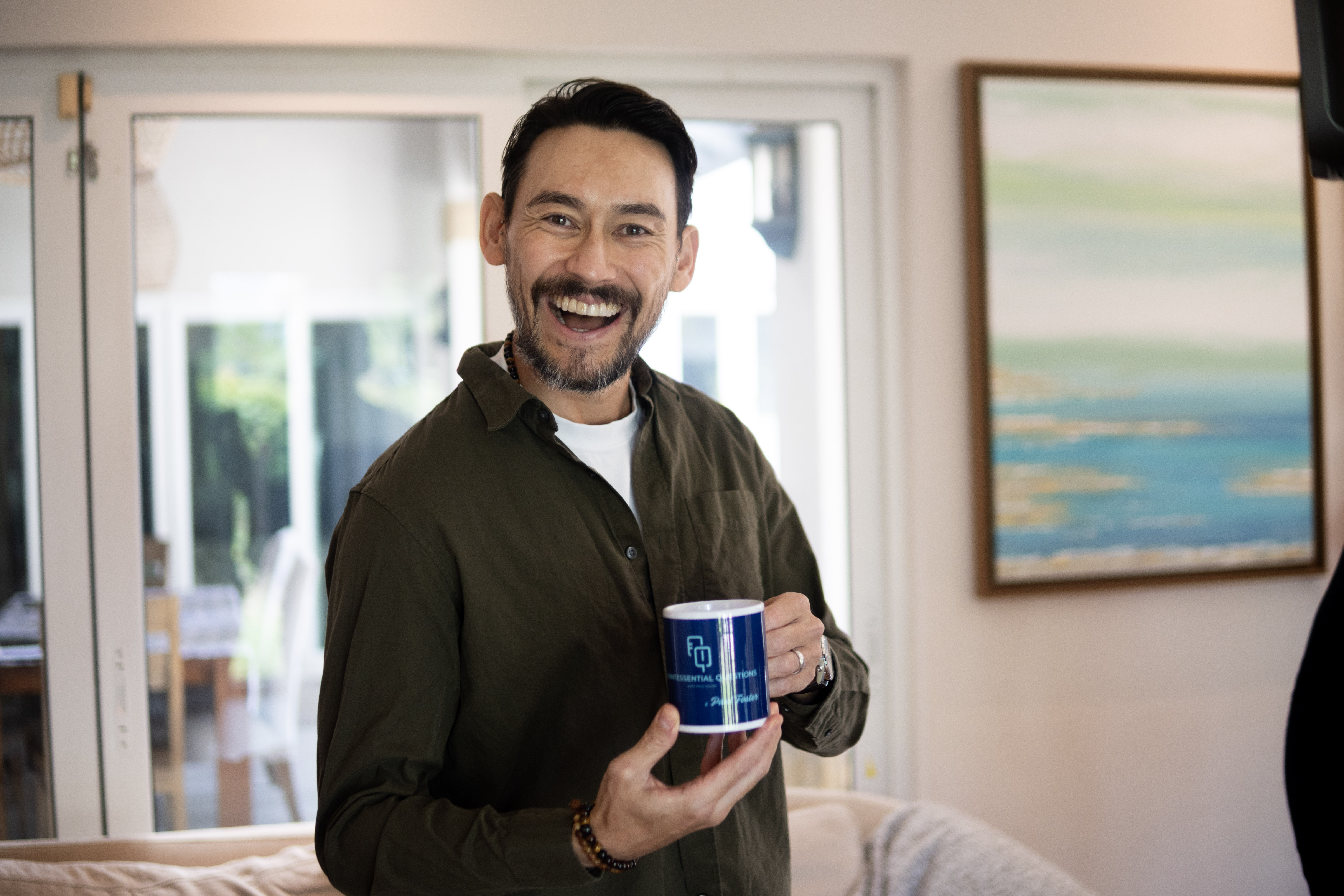
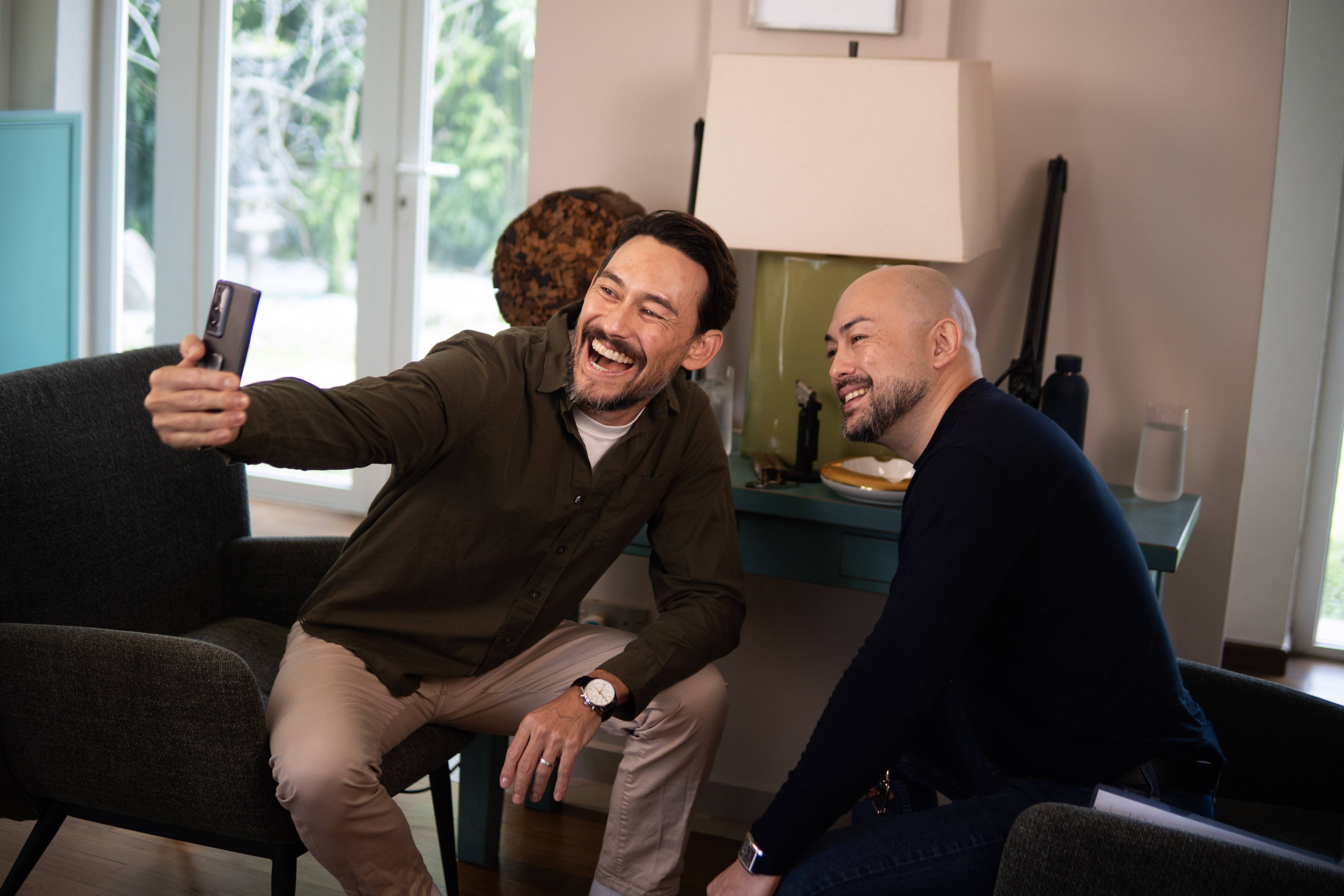
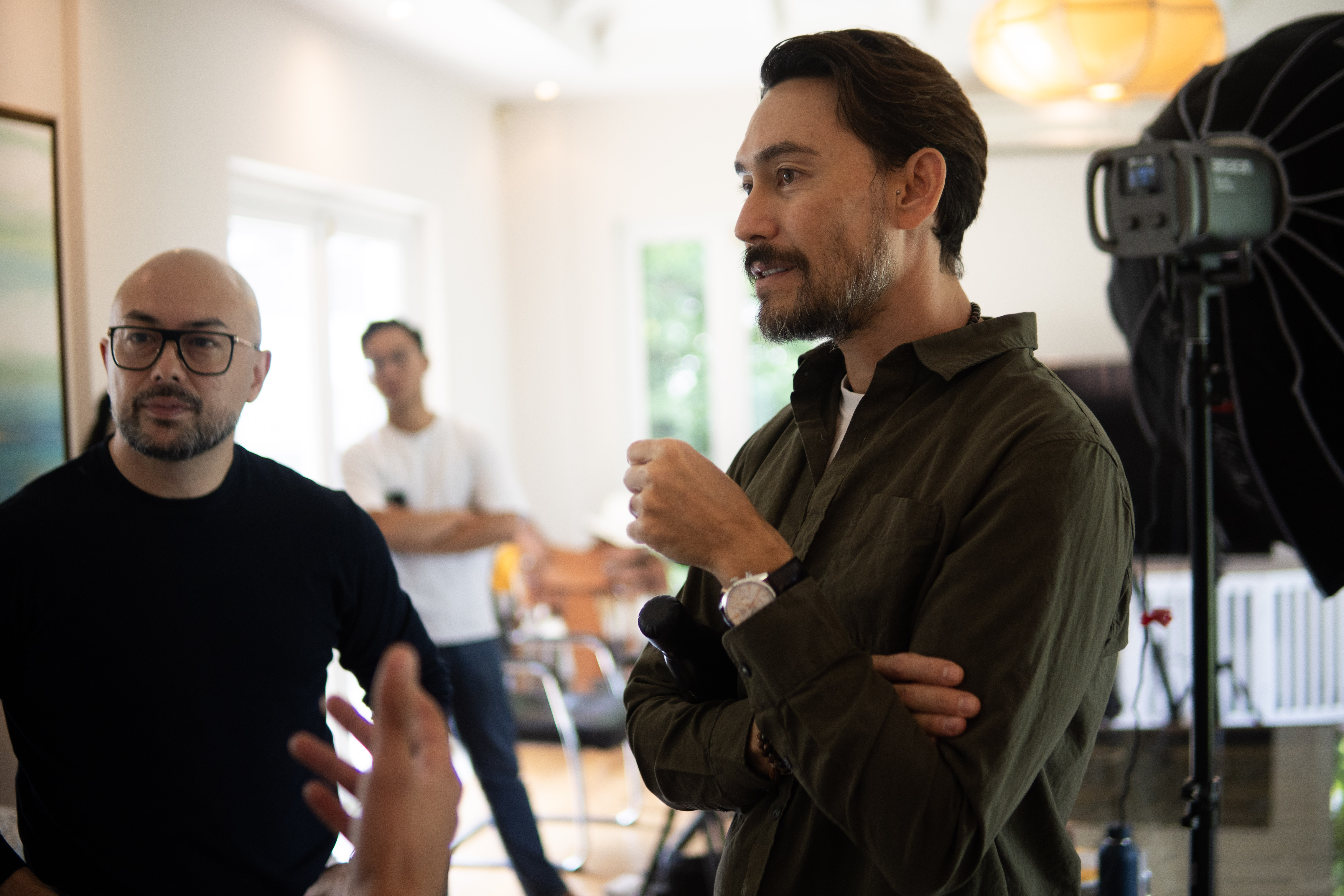
Our Other Episodes
Lorem ipsum dolor sit amet consectetur. Sed morbi adipiscing ultrices in vel placerat.
Born With Cerebral Palsy, He Defied Every Doubter | Oscar Oruche #98
In this episode, Paul Quinn interviews Oscar Oruche, an undergraduate at the University of Manchester studying East Asian Studies and a member of the Royal Historical Society. Oscar shares his inspiring journey of overcoming challenges, including living with cerebral palsy, and discusses his commitment to academia and the misconceptions about life in a wheelchair.
From Backyard Dribbles to Spain: Madelin Lock on Betting on Yourself #97
On this episode of The Quinntessential Questions Podcast, we shine a spotlight on young talent on the rise. Meet Madelin Lock: Singapore's premier young female basketball player, about to leave home for Spain to chase her dream of turning professional.
Talent Isn't Real: 37 Years of Sales Wisdom with Ned Phillips #96
In this episode of The Quinntessential Questions Podcast, Paul Quinn sits down with Ned Phillips, Founder of The Sales Movement and former Founder & CEO of Bambu. From cold-calling door to door in a commission-only insurance job to raising $22 million for a wealthtech startup that worked with HSBC, Standard Chartered and Franklin Templeton, Ned shares his transformation journey and the moment his company liquidated after eight years.