
Sameer Deshpande: Banker by Profession, Investor by Choice | #52

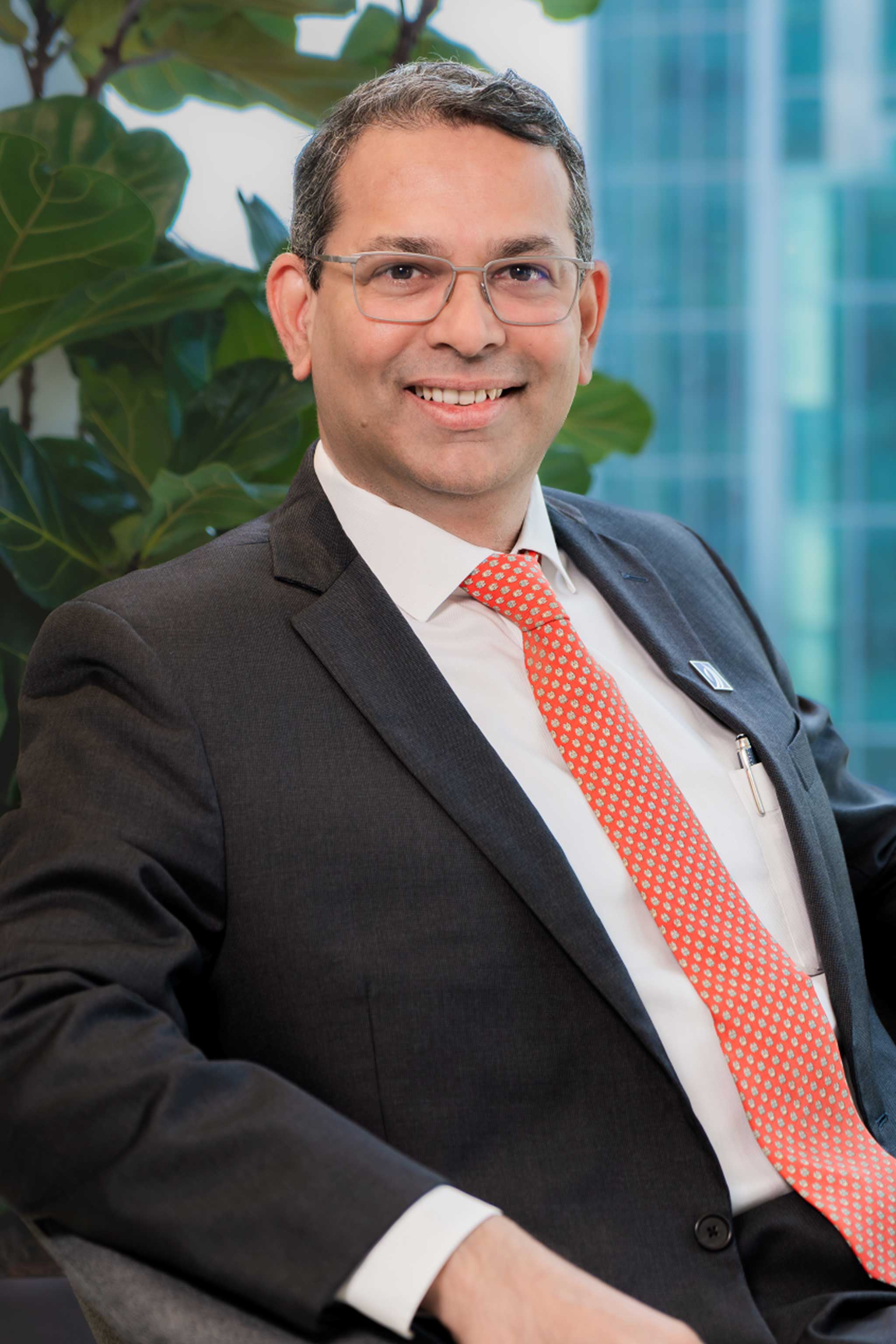
In this episode of The Quinntessential Questions Podcast, Paul Quinn sits down with Sameer Deshpande, a seasoned banker with over three decades of experience across India, Australia, and Singapore.
From his early days navigating market cycles to leading global investment teams, Sameer shares candid insights on what it really takes to build a long, fulfilling career in banking and finance. He discusses the fine balance between ambition and contentment, the importance of humility, integrity, and adaptability, and why staying curious is key to thriving in a fast-changing financial world.
Whether you’re a young professional entering the industry or a seasoned leader seeking renewed perspective, this conversation offers invaluable lessons on career development, leadership, and personal growth drawn from Sameer’s journey as a “banker by profession, investor by choice.”
TIMESTAMPS
(00:45) Banker by Profession, Investor by Choice
(03:45) Life & Work Across India, Australia & Singapore
(06:48) Growing Up in India
(10:21) Early Career Lessons in Banking
(13:30) Building Confidence Abroad
(15:35) Self-Help & Positive Mindset
(18:36) Managing Pressure in Finance
(21:50) Engagement in Private Banking
(25:17) Key Learnings & Mentors
(27:25) Transformation in Wealth Management
(32:59) Common Sense Isn’t Common
(34:20) Milestone Career Turning Points
(36:09) Leadership & People Management
(38:20) Authenticity in Leadership
(40:15) Vertical vs Horizontal Growth
(43:16) High-Performance Sales Teams
(46:23) Continuous Learning & Upskilling
(50:01) Mindset, Habits & Discipline
(51:56) Advice for Young Bankers
(54:45) The Power of People Skills
(57:46) Balancing Ambition & Contentment
(01:00:20) Loyalty & Longevity in Banking
(01:03:40) Redefining Success
(01:04:46) Rapid-Fire Q&A with Sameer Deshpande
Bio
Sameer Deshpande is a seasoned banking leader with over two decades of experience across retail and private banking, wealth management, investments, and balance sheet optimization. He is currently the Head of Wealth Management for a major bank, leading their growth strategy across Singapore and Asia.
Prior to this role, Sameer spent nearly 20 years with a major American bank in senior regional roles, including Global Head of Investments eSales and Region Head of Investments, Deposits & FX across Asia and EMEA. Known for his results-driven and people-focused leadership, Sameer has built a strong track record of driving innovation, digital transformation, and client-centric investment solutions in the wealth management space.
A ‘banker by profession and investor by choice’, Sameer blends strategic vision with execution excellence to create impactful outcomes for clients and teams alike.
Transcript
As a salesperson to engender that positivity in you every day, you must start your day very strongly saying to yourself, I like myself. I love this world. I like myself. I love this world. Hi guys. Today I had the pleasure to sit down with my dear friend Samir Desh Pande and we sit down and we unpacked his journey working in private banking and wealth management for the last three decades working in India, Australia and Singapore in regional and global roles. as a pioneer and someone that led many investment teams. [music] It was an absolute pleasure and I hope you guys enjoy the chat as much as I did. Cheers. >> Sometimes it is not always about getting deal and getting revenue. It's about an individual activity. If you feel successful about it, it just adds to your confidence, adds to your positive mindset. The significant turning point was probably my move to Australia. That was probably a milestone. I think if I had not done that, things may have, you know, gone into a very different direction. the risk that I took. It also taught me there is value in taking calculated risks and they work out. Any organization, there is only one CEO. There's only those three or four or five people who are part of the executive team. It's a pyramid. Not everyone is going to go to the top. How do you keep growing personally? How do you keep growing professionally? My life was so rich because the type of different jobs that I did never made me feel empty. Enjoying horizontal growth. It enriches you considerably and allows you that longevity in the industry when I retire from the industry. Those people whose lives I've touched either because they were clients or they were colleagues or they were people working for me if they look back on the conversations with a positive memory. We liked working with this guy and his success. >> Samir, good morning. >> A very good morning to be here. >> How are you brother? Very good. >> It's good to see you. >> Likewise. Good to see you. >> Thank you. So, for a few people that may not know you in our industry, there aren't going to be many because, you know, you've held senior ranking positions for a long time. Can you give a quick intro to who you are? >> Uh, as I say on my LinkedIn profile, I am a banker by profession, an investor by choice. Uh, I've spent the last three decades in the financial services industry across three different countries, India, Australia, and Singapore. Uh, and uh, very much embrace financial services and banking in particular as a way of my life. >> I love that. What a great intro. When do you say you're an investor by choice and a banker by trade? What for you is the difference between the two? [laughter] >> Well, actually, I could alternate it as well uh if I wanted to, but uh so as I said, I mean, you know, growing up, I was uh probably uh considered an academically above average student. never quite at the top of the class, never quite the straight A kind of a guy. But the general direction of travel always for you know that era was uh you had to go into science and you had to sort of be an engineer or you had to be a doctor. >> Yeah. >> And partly perhaps me not liking science that much, liking maths more partly it was a rebellious streak. I wanted to show them that you know you could have a different life. uh so I chose commerce accounting and you know sort of very quickly financial services was established as the dream sort of profession and industry for me >> uh and banking just happened to be a subset of that and so you know ever since I stepped into the industry I've enjoyed every moment of it uh to date I have not been sort of tired of it so that's why banker by profession and interestingly you know I find that a lot of people start out as traders >> and then suddenly one big trade goes wrong and uh they're sitting on a big loss and that trading position turns into an investment >> and that has happened to me in the past right I mean back in 2011 I remember when the US lost its AAA rating for the first time uh suddenly a few trades went wrong and a you know a pot of losses and I was forced to be an investor and I decided then that uh that was the last time I would be forced to be an investor since then I've been an investor by choice uh and I've sort of remodeled the way I think about my investments. >> Yeah, it's interesting. I think that whole perception is everything. Funny you talk about that. I was talking to someone yesterday about um he's a business owner. He's thinking about going into corporate and I said to him most people that I know that have gone into >> entrepreneurial leadership because >> it was a forced decision that it tends not to last. >> Yeah. >> Do you know and and I think you know how you go into something is everything. >> Totally. I think to me the passion that you have for a certain job or an activity is the only thing that sustains you in the long run. >> Yeah. >> You know for the short period you can still do it because you kind of force yourself to do it but over 10 20 30 years just impossible to do it unless you have passion for it. >> Yeah. And and it becomes very obvious when you meet people you know this guy's jaded he's on his way out. I'm curious you lived in those three different countries. Which one did you feel the greatest affinity with? Well, you know, Singapore's been the longest, right? So, 20 odd years here. Clearly, it has become home for me. So, I I would say top of the rank is Singapore. >> Yeah. >> Uh I would say though that I've enjoyed I mean I was I grew up I was born and I sort of spent a lot of my early childhood in India. So, the basic homeland affinity continues and I quite enjoyed my stay in Australia as well. It's a very different perspective >> to to to life that people take here. Uh generally Australians were considered laid-back at that point but uh I found that wasn't the case. There was a lot of people who were very hardworking and uh they were both hard when they worked very hard as well but they you know >> they played hard. I just got back from Sydney last week and what my observation was cuz I hadn't been back there for Sydney specifically for 18 years. It's actually just their mannerisms the way they talk. They're a little bit more relaxed but everyone's on the go. >> Absolutely. you know, and there's it it's it's one of those places. I was staying with family in Vlu's and there's so much money there. >> You realize, you know, >> it's one of the top shots there. Yeah. >> It was crazy. But they had this beautiful property next to it, another beautiful property. Some Chinese multi multi-millionaire bought it, has never lived in it for 7 years. You know, that's it's crazy. >> That is true. And then Australia of course you know the affinity to sports they all love sports and and uh for me sports has been a way of life. So I've enjoyed my stay there completely. >> What sports have you did you grow up doing? >> Well as a Indian growing up in India you know cricket was always something at the top of your uh of your list but over time uh you know football has been a passion both following uh football as well as watching. >> Who do you support? >> I am a lifetime Gunners fan Arsenal. [laughter] You know, the funny thing is I'm a Gunners fan cuz in England it's it's meant to be the team closest to where you live. >> Yeah. >> Right. And for me it would have been Watford, but they were not in the Premier League at the time. But I've I I don't watch it anymore. I've I've maybe because of the time difference. It's eroded over time. >> Who's your Who's your favorite uh Arsenal player? >> Well, all time I mean I really adored Tyrion. >> I knew you were going to say that. >> It was just, you know, he was magic and it was one of the reasons I started following Arsenal. Uh I think you know today there's a whole bunch of players but uh the latest kid on the block Max Tomman he was here uh you know when Arsenal were visiting >> he's something else you know something to sort of watch out for in the next decade or so >> for sure I had John Dykes on the show and one of the best interviews he said I he's a great guy I was a fan of his for all these years he was kind enough to come on the show and uh one of his favorite interviews was with Si Henri and the thing about him is and you you kind of remind me of Terry Henry in terms of your approach to business because there are some bulldozers there are players that are very aggressive this guy finesse touch elegance [clears throat] you know but he got the job done he was a he was a >> absolutely >> you know beautiful so tell me about growing up you know in India you know how did you go from being in school to banking was it something you discussed with your parents I'm always curious about the genesis >> so you know I have been very fortunate in that both my parents are double postgraduates So they were definitely among the more educated folks at that point. Uh we're talking the ' 60s, '7s, ' 80s, that period. So they were very clear that they wanted me to have the freedom to decide what I wanted to do. And as I said, I think uh whilst not being like a straight A student, always top of the class, I was never in that category, >> but I was always easily an above average student. M >> so the societal pressure uh to conform and to basically be in that you know science and engineering and you know medical stream was very high so much so I'll tell you an incident where I was uh returning home from uh you know junior college one day and uh one of our neighbors was uh you know happened to be sat next to me in the bus and he was like the the whole journey he was like why are you doing this to yourself and you know if you want I can retrace your steps and we will put you back into science and you know >> do engineering and >> that was how much the pressure was and people sort of you know thought I was crazy trying to take a slightly different path >> uh so and somewhere I think that rebellious streak in me to sort of show that I can do it differently >> but also the liking as I keep saying unless you have passion for something it isn't going to work out for you and very early on although you know when you're 14 15 16 you don't really know too much about different industries and what opportunities exist etc. I knew that I like maths more than science. >> Yeah. >> And I knew that I like the world of numbers more than you know I like the the world of say physics or chemistry or what have you. And so that uh basically was a heartfelt decision to you know move into commerce and accounting and I literally never had to look back. I there was not a day when I felt that I had taken a wrong decision. Uh and so just one thing led to the other. I will also tell you that growing up my although financial services was my dream industry, my dream job wasn't banking. It was probably you know being a credit analyst and and working in a credit uh >> Oh really? >> Yeah it was. >> But then you know as you uh you know grow older you get exposed to a lot of things. To me one of the defining moments was getting into one of the top business schools in India. I got suddenly exposed to people from all over the country. >> Uh and that was a massive learning experience for me. Uh and that you know kind of influenced my thought process uh quite a quite a bit and so uh you know stepped into banking right after and stayed there. >> Did you have friends at uni that wanted to go into banking? Is that how that conversation ensued or >> It wasn't that people were wanting to go into banking. It was that people wanted to be in the world of finance in the world of financial services whether it was banking it was could be traditional banking could be investment banking could be equity research >> uh when I uh started working in the industry uh uh you know it was only a very few years that India had started liberalizing and so the opportunity set was beginning to expand uh and you know financial services was exploding uh so it was a really good time to be in in in financial services. >> Well, the the first organization you work for has been, you know, reputed to be the best training ground arguably in the world, right? And I always believe if if you work for this type of company, >> you don't you don't just survive but you flourish. You you learn how to navigate, you know, politics. >> Yes. >> You know, how you do stints in different functions. What are your some of your key takeaways in your first five years? So I think I I will admit that uh uh you know looking back while it was a very good time as I said it was very exciting there was a massive amount of change going on in the country. So at a very young age you got exposed to you know I was speaking with the seniormost folks in the regulatory organizations in the stock exchanges uh we had all these investors coming in and talking to us from outside uh presenting going and presenting to clients in the US and other parts of the world. I think that uh all influenced me a little bit too much I would say and uh perhaps if I will the lesson I learned is that you know you are uh uh the the need for humility wasn't quite there >> at the point uh to me because everything was going uh well and everything was going in a very uh high momentum high performance kind of a uh area uh so that was the you know few years that I spent in India it really high octane. >> Yeah. >> Uh but when I moved to Australia, it was a like like a startup organization. I was starting up uh the business >> and suddenly without having the big brand behind you when you called somebody uh it had to be all you, right? It had to be >> you and what you are rather than what the brand uh you work for. And that is what taught me a lesson in humility. M I think that's a very important lesson because the thing is most people when you when you meet I I actually did a LinkedIn post about this the other day. Some of the best leaders that I've worked with at the sea level, they are actually very humbled because they've had they've seen peaks and troughs. They've they've been posted abroad like you were and then you re you realize okay now I'm in a real driving seat. You've got to get on you got to get on your knees, put the plug in. You know it's a bit different. >> Absolutely. Yeah, I'll tell you again one very interesting story. Early in my stint in Sydney, I probably called a couple of uh people and trying obviously to get a meeting with them selling my way, you know, pitching my story. And uh uh the lady, their gatekeeper was very uh very nice the first time, the second time, the third time, she literally said, "Don't call us, we'll call you." And [laughter] and you know to to me that was such a shock because >> coming from where I did where I used to be always you know sort of top of the range or close by you'd worked for a large well-known organization whenever you called somebody you always got you know the doors always automatically opened. >> Yeah. >> And here I was somebody telling me you know don't call me then I will call you. >> How did you deal with it? >> It was a shock I must say. >> Yeah. Uh and so that I think started making me feel like you know I have to uh I attended a few of these self-help classes and the the whole the need to step up uh my own self-confidence was very high it was a low I must admit >> how how old were you at the time roughly late 20s >> maybe yeah 26 27 that kind of stuff right so so it was tough it was a bit of pill to swallow I must admit but it was a learning uh ground right I think then how do you network behind or how do you circumvent that? Right? So, one interesting thing I picked up was I found that the if you wanted to reach somebody in the seauite, you know, as a young 27year-old sales guy, >> yeah, >> uh and you wanted to say speak to the chief information officer at one of the large banks, a lot of their assistants who were gatekeepers like this uh lady was, they used to always come normal time, 8, 8:30, 9, whatever. Right. >> I love where you're going with this. Yeah. the uh the senior CIOS were always in office 7 7 >> so I learned that you know I have to adjust my time and I used to be in office 6:30 and practicing my pitch and sometimes that worked and that got me a few meetings and and so you know sometimes it is not always about getting deal and getting revenue it's about an individual activity and if you feel successful about it >> it just adds to your confidence adds to your positive mindset and it helps cascade through the whole day >> I I love that and I You know, because a lot of people will will listen to you and not realize what you had to do. The things like this. I I'll take it this far. I will I will actually people will say to me, "Oh, it's funny. We're you know, I'm bumping into you." It's like serendipity. Well, well, you know, sometimes I'm having coffee downstairs at the bottom of the building early because my goal if sometimes or I'll find out, okay, the person's in Hong Kong, they're staying at Mandarin Oriental. I'm not going to call the hotel, but you know, you have to know where they are. And um let's let's unpack that, by the way, because a lot of senior people have done what you've done, but people unaware of it. So, some of the self-help courses, were they in Sydney or they? >> There's actually a a US-based uh uh person, I forget the name, I think Brian Rogers it is, >> okay, >> who came down and did some webinars. And uh again now it may all seem very silly but I remember there was two or three things he said to me which I used to actually follow. Right. He he those days were cassettes. >> Yeah. >> So [laughter] so you know you plug them into the car when you're driving to work. >> Yeah. And uh he said to uh all of us it was a big crowd of people and he said to all of us that uh as a salesperson you to to engender that positivity uh in you every day you must start your day you know kind of very strongly saying to yourself uh I like myself I love this world I like myself I love this world and a couple of other such things right and uh believe me all these years later when I'm under stress >> and I don't know what to do. >> I still remember that >> and I still sort of, you know, mentally, you know, uh I love my job. I love my job. I love my job. I like myself, [clears throat] you know. I I used to do that for a long long time after. >> Thanks for sharing. >> Help me help me a lot. >> A lot a lot of people don't do it, you know. So in in my company, I've created um an action planner which is you know a breakdown of your day and it's very structured but at the top of it I am I write I am dot dot and then I want every person to write down what they're thinking or what they're feeling that day. Yeah. >> And then um you see the the thing that I have learned is to become world class in anything you really have to go deep you know cuz I've I've traveled around the world. I've I've attended conferences and you know the more I know the more I know I don't know that's that's the one thing that's become a reality >> but so I say to my guys in the morning >> why we at our desk at the latest at 8:30 in the morning because they're typically when you're calling candidates there's three times you can speak to them before work lunchtime after work >> correct >> and the great thing about before work is everyone's in a rush so it's a condensed conversation so I always try and say if you if you can have three calls and ideally three plan calls, one warm, one followup, one cold. Try not to have the cold call first because if the guy blows you out and destroys you, >> yeah, >> your day is ruined. >> Correct. >> More often than not, right? But the funny thing is I always say to people about sales, you know, people ask me, "Well, how do you get through?" And you know, even on the podcast when I reach out to people I don't know, if someone doesn't reply to me, I don't think it's a no because I don't even know if they got the message. >> Yes. >> You know what I mean? and and you know and I always and one of the things that's very powerful as you know is if you invite someone for a coffee or a chat and you do it without really an a massive agenda I think it's quite powerful >> it is absolutely uh and I will tell you uh another incident recently that happened where I I did it and it just helped me but going back you know what this guy was trying to tell us this I think his name is Brian Rogers what he was trying to tell us is typically in a sales role or any frontline role with the pressure that you always have. A lot of is self-imposed because you know if you're not getting the deals or if you have if you are in industries where the gestation period is very long uh what tends to happen is that the negativity just feeds on itself. >> Yeah. >> And what he was trying to tell us is look uh the reason you got to do this very strongly is because you want to trick your mind into believing that things are going well. >> Yeah. And once you do that successfully then the mind will always look at the positive side. So so if you're faced in a tough conversation and you approach that conversation from a very negative mindset oh things are not working for me you know the reaction you have to the other person is going to be very different from if you're approaching it you know confident like I'm I can do this kind of a >> massive difference. >> Yeah. >> So I that I think really helps. >> Yeah. uh but as I was telling you exactly like you said recently I had uh a lunch with a very uh respected u prospect client wasn't for any purpose it was just you know because I loved chatting with this person >> and at the end of the conversation they asked me saying what do you need and I said no nothing I just wanted to have a chat because >> that's very powerful >> and the person proactively then did three things that are really helped me >> uh So sometimes it just ends up working in very uh you know unforeseen ways. >> I I I I I love it. I love that whole approach. You know, one of the things I wanted to share with you that I you know, you you're a sportsman, you get it. But um I'll give an example. So my son was on the Singapore National Boxing Team. >> Wow. >> And yeah, and he the the guys were running laps and you know, he's got he's inherited my lack of stamina. I was a sprinter. So he got lapped by some of the guys and he kind of gave up towards the end. This is when he first got on the team. And afterwards they were doing push-ups and he was a bit better at the push-ups and uh I was watching them and I I afterwards I went for a walk. I said, "Listen, let me share something with you. Every single day that you turn up and you do this, I want you to time it and I want you to beat your personal best. That's your personal world record." >> Yeah. >> Right. And you know, right at the end, they could be a whole lap ahead of you, but let me tell you, you're coming. you know, keep going, keep going, keep pushing. And it was funny because they were doing push-ups and um I said to him, I was quite firm. I said, "Son, you can do a lot more than that." And at the time, I think I was like 45 and I could still do more push-ups than anyone on that team. And I was 45 and I had injuries. And I said, "I am telling you, you can do more. You just got to inch your way towards it." Because what I find is is selfrespect is the most important type of respect. if you don't feel good about yourself. And I always said to my children or my colleagues, >> listen, you may not, okay, whatever the revenue is going to be is going to be. >> Your grades are going to be what they're going to be. >> Yes. >> But I need to know you put 100% in. You gave it your very best and that's all we can ask of ourselves. >> Absolutely. You know, >> totally agree with that thought process. Yeah. >> I love that. So, one of [snorts] the things, my observation of you, obviously I've not seen you on the floor, is you're so engaging. talk to me about how important it is to be engaging in in in our business in private banking to walk the floor to speak with people. >> I think there's two or three aspects that I find uh very intriguing. uh one being that you know uh uh when I first started sort of uh working even before that when I you know observed others around me there was a feeling that you know being very hard-nosed and very much uh sort of uh driven by outcomes was the way to go. Somehow I picked that up as a as a trait and then I realized that also early on in my my sort of career people tend to have likes and dislikes right there are friends and there are people you don't like and you stay away from and so on so forth and over time it's sort of very naturally uh a change occurred in me and the change was that I started to sort of balance the need for outcomes with the need for engagement and the need for what I would called people orientation and equally so I started figuring out that instead of looking at everyone as a 01 variable you know you like or you don't like good or not good I started to figure out how to look at the good in every person and avoid the bad in every person and so it sort of became the you know expanded my horizons quite a quite a lot uh and I've always been like the hands-on kind of a guy everyone's always described me like that. That's been a you know uh something I've it's come naturally to me. I didn't have to work too hard for it. And so that helps. And I will also tell you the one thing that is uh massively benefited me is from initial years in my career where most of my jobs were frontline facing like I talked about this you know cold calling and sales. >> Yeah. >> From that type of a role I was suddenly thrust into managing an operations team. M >> and it just opened my eyes to this whole world of nitty-gritty and the whole world of so many small details that are needed to sort of you know fit together. uh that was without a doubt one of the best stints I had because today any conversation anywhere in the world whether it's with clients whether it's with people uh people in my team people outside you know my colleagues my the the grounding I got from that stint >> huge >> makes me massively confident in unpeeling every problem at least in our industry >> and even within that context I would say what helped me was a lot of people in operations tend to be very hugely focused on detail >> and very hugely focused on their individual silos. That's how they're trained. So you know over time that just becomes muscle memory. Whereas because I had come into the operations setup uh you know from a more frontline perspective I used to always try to understand what the whole ecosystem is you know what the product guy is doing what the sales guy is doing what the client wants or doesn't want you know and then therefore what happens in the back office that has helped me I think quite quite a lot to you know stay and survive and and >> of course when you think about lasting impact what you know have you learned from any of your mentors or key experiences that you could take away and share with us. >> So look, I would say that there I I fortunately there is no one single uh experience of one single uh person that I would say has been you know a big influence. I've been very very lucky >> whether it was my stints in India. I had fantastic managers and fantastic bosses and really talented colleagues. So it was not always that you learned from your uh you know your bosses and your managers, you also learned from your colleagues. >> 100%. >> Uh in Australia again I was very fortunate although I was the only person from my uh company because it was a startup type of an organization. Very fortunate in having built some really good powerful relationships with clients and prospects there to date you know they're sort of uh they've lasted well. So from a learning perspective, massive doses of learning even those two uh areas and then Singapore obviously has been a it's a totally different level altogether. Uh one of the things that has happened in my case is although I've spent uh a long time working for one organization, it has not been in one job. >> Yes, >> it has basically been in six different jobs. M >> and so with each of those six jobs, some of your stakeholders are common, but quite a few of your stakeholders are different. Uh and then being able to do a regional job, you know, working with countries all the way from Australia to Russia and Poland and global jobs is when where you know, US comes in, etc. Uh it gave me the opportunity to build both a personal and professional network across the world. And one of the most gratifying things for me out of the you know time I've spent is uh I don't think there are too many people who can pick up the call speak to somebody in Russia with the same uh affinity as somebody in the US or somebody in Australia or somebody in Korea or you know any other part of the world. So that I think has been one of the biggest successes for me in my career. >> That's amazing. I mean you've you've seen a lot of huge scale up and growth. What are some of your takeaways on transformation that you've observed? Well, uh if you talk about our industry, uh you know, uh I I would say that uh there have been wealth management as a whole industry. There have been uh a few very structural trends or factors, right? I would say four or five things really stick out in my uh my head. The number one thing is that uh I remember in the early 2000s uh when we used to compare Asia with let's say the US or UK or Australia or you know the English speaking developed world the one big difference between uh say the US which is still the largest wealth management uh you know sort of hub versus Asia is in Asia everything was bankled >> whereas in the US it was definitely not the That disintermediation which we all thought will come in the form of registered investment advisors or independent financial adviserss has started happening I think in the last 5 to 7 years in a uh in a very strong way and it's taken the form of family offices, multif family offices, external or independent asset managers. So essentially they are intermediating between banks and uh investors or or clients. So that's been a very strongly observed trend. I would say regulation has been a very big factor. So after the global financial crisis, the focus was all on making sure that you're not missing the suitability, you know, risk appetite, time horizon, da da da da. Today it's talking about K KYC, AML, uh you know, how do you onboard clients, you know, how do you make sure you're not sort of facilitating any sort of uh uh illegal or wrongful activity. Uh so regulation in in a sense has been very very influential. Uh I'd also say that uh what's happening uh with us here in Asia is that technology has been a a massive force for change. So uh whereas um so whereas you know a decade ago we talked about things like data then digital now we talk about AI >> these are all different terms but in in general I would bracket them as technology is resetting expectations. it is resetting behavioral traits as well uh across the board. So alongside uh disintermediation and regulations, I think technology is one of the big driving factors. I'd also say I'll squeeze in a couple of things. one that I don't know whether it is just me feeling like this because my experiences and you know my sort of jobs have changed but when I entered the industry it almost seemed like private banking and wealth was all about providing the best investment idea the best investment product and the inaccessible investment product in front of clients >> changed right >> it's much broader now estate planning trusts legacy art collectibles you know different types of uh so looking at the uh the holistic needs of clients has probably become more important. And then I think the last point I'd say is in Asia most of the wealth has been first generation. >> Yeah. >> Uh whereas let's say in the US or Europe it's not necessarily been the case. >> Yes. >> So that transformation is about to take place in Asia. Yeah. you know, from sort of pass through of wealth. And other than just dealing with the next gen in uh you know, the shape and form that uh most private banks here do, uh we haven't really yet uh solved that problem of how do you how do you deal with the new generation which has a very different set of goals and objectives and and so on so forth. >> It's all it's all happening now. But you know, I feel like the the regulatory side of things become silly. This this happened literally yesterday in the last two days. So, I've got an account with a major bank and I got a text message saying that your accounts have been frozen because of uh lack of documentation and what is a source of wealth and uh I was asked for things. I provided them and they're saying well we don't understand how you bought and afforded a property in the US this many years ago. And anyway, it's it's a real pain in the backside because what what annoyed me is no one called me, no one spoke to me. They've done this and actually when I was flying back from Sydney, I didn't realize my credit card had been uh frozen >> as well. >> And and I didn't realize and listen, I provided them everything yesterday, but I'm I'm going to close the account now because the way that it wasn't handled well. Yeah. >> Right. And and listen, I'm not a The irony is if I was a hund00 million Chinese client bringing my money and maybe they would have they would still be doing business with me, right? But it was I I that to me is just it's ridiculous. And by the way, that particular I I said to the banker, the irony is this particular account, I've been with you guys for 30 years. You can see how much I've been putting into the bank for 30 years. So you got some myopic person in a back office. They're doing their job. They're looking at this one thing in a binary fashion. And by the way, you forgot I'm a business owner. So it's not just my notice of assessment, it's my dividends, right? But but I actually it's it's it was shocking to me that they can do that just like that. It's happening a lot though now, right? >> It is. I'll tell you uh very funny. One of my uh bosses [snorts] uh she says common sense is not very common. >> Yeah, [laughter] I love that. Totally. I love that. Spot on. Oh, I I totally so I so dig that that comment and I always laugh whenever you know that comment comes up >> because what tends to happen I think is that uh you know uh whenever you face a very big issue >> uh you know we had some in our country a little bit of uh uh you know not such nice incidences and moneyaundering and so on so yeah >> whenever you have issues like that the pendulum tends to swing the other side. >> Yes. And unfortunately that's probably why we are facing more of these types of anecdotes. >> Yeah. >> Uh somebody the other day told me that they run a family office and their bank asked them why did they pay you know X dollars to Bloomberg. So [laughter] so I think some of that it does uh >> it's it's what I couldn't get my head around was they asked for the last two years of notice of assessment. This property was bought 9 years ago. They said we don't understand how you could afford. I said, "Well, normally when people buy a property, it's not from one or two years of earning. It's from it's for it's been accumulated over many, many years." Yes. >> You know, fortunately, I have good accountants that had it on hand, but it's just what a pain. Um, I'm curious, you know, when you look back at your career, what were the milestone turning points that you feel like like moving to Sydney, for example, that shaped your career? It was actually I think the significant turning point was probably my move to Australia and my decision to sort of follow my wife there uh because she used to work in India and then she got a transfer to >> Australia and I didn't really have a a job at the uh at the start of it uh but then this startup came along and uh you know then things kind of worked up but that was probably a milestone big I think if I had not done that things may have you know gone into a very different direction [snorts] but Again, no regrets. It was a fabulous experience and you know the risk that I took. It also taught me uh because I used to be fairly conservative risk averse type of a mindset still is but it did teach me that there is value in taking uh you know calculated risks and they work out >> 100%. It's it's very interesting because more often than not, most people I know move up within their current organization or externally because they've got a phone call or a tap on the shoulder. And and I always say, look, whilst that's great, I always say you should be trying to work backwards from where you want to be 10 years from now. >> And be making moves, be it internally or externally that is going to take you in that direction. The thing that I always struggle with is, and you know this, most young and up and cominging professionals always talk to me about money and rank. And I I always say to him, you're you're asking the wrong question. You should be thinking about influence, visibility, making an impact because money and title is going to come. It's it's inevitable. >> Totally agree. >> Right. But if you're you're pushing the cart before the horse and that totally agree with >> a lot of people don't see that right in the moment. Maybe they will do later on in their career. I'm sure. >> Yes. when you when you think about what is central to the business and people and people management, what have you learned? What are some of the the takeaways you've got? >> So, as I said, you know, I started my career probably being a very hard-nosed taskmaster and uh >> I can't imagine that by the way, but in your younger years, right? >> Very brash and not very I I would say not very nice to work with. uh but uh over time you know as uh life taught me different lessons I think more humility crept in but [snorts] more importantly I think I started to see uh the difference in the different style you know the if if you sort of have two styles right a very outcome oriented style and a very people oriented style I saw both people uh and sometimes the people oriented style also didn't work because if you just you know hedged your bets always on a person or two and said this is my team that's not my I mean I I don't think that also necessarily works >> and so my effort has been to sort of be in the middle path and try and get the best of both worlds. >> Uh you can't lose outcome orientation. Outcomes are super important in in commercial organizations. >> Yeah. >> Uh but at the same time I think uh being able to work with a wide variety of people >> Yeah. is super important if you and I've seen a lot of people not being able to do that and and you know bright people uh intellectually very sound >> but just the lack of ability to work with a wide variety of people sometimes pulls them down. C >> can you speak on that because you know you you you could be referring to multicultural different parts of the business different levels of seniority you know what have you learned in your career because you've worked with everyone right globally at varying levels different pockets of the bank. Yes. Yes. Indeed. I think look what I found is that whether I was speaking to somebody senior in the US or whether I was speaking to uh you know let's say a junior analyst in in Korea being yourself is important. >> Trying to change too much and you know be a different person from who you are doesn't pay. I tried it and it didn't work for me. >> Yeah. >> What worked for me is just being myself. Right. So uh >> be authentic. What that means is that you are definitely going to have uh to also present your weaknesses as much as your strengths. >> Yeah. >> Uh and on the periphery you do refine yourself. For example, certain cultures you know face saving is very important. Initially I didn't quite pick that up and then once I picked it up I started realizing that sometimes it is not really useful to sort of name and shame people >> more publicly. But in other cases, you know, having a leaderboard and saying, look, you know, uh, out of these 10 countries, these two are going very well and the other two are not sometimes spurs competition and, you know, helps sort of, uh, everyone do that much better. So I would say that being authentic, being yourself is very important. The second thing that I would say is that in each of these conversations, I found that where I wasn't able to relay my own passion. or something I've never been successful and alternatively where I have been able to relay my passion somehow there is a little bit of a contagious sort of uh uh experience where the other person gets it >> and then they are even more committed to help you achieve what you want to achieve than not >> you know that's great advice you know I I always speak cuz when I speak to a lot of people and they're thinking about their career decision they're being led by the smell of money sometimes so I say The best way to make your decision is if money was equal, what are you going to enjoy more? Which which is the area where you're going to make most impact, >> right? And um that's easy to say, but sometimes it's, you know, difficult to make that decision. And I think if you're not being authentic, quite often you're you're trying to deliver someone else's agenda. >> Yes. >> And we've all been there, right? But that's that's not easy. It's compromising. >> It is. It it compromises also one of my mentors I have had several uh I think once we were having a conversation about uh you know vertical growth and horizontal growth. >> Yes. >> And many people don't understand that but you know uh >> can you explain the difference for those that may not really understand the nuance difference. >> Yeah sure. So I you know take any organization there is only one CEO. There are not 50 CEOs. >> Yeah. >> There's only those three or four or five people who are part of the executive team. And so it's a pyramid and uh by definition not everyone is going to go to the top. So in that context how do you keep growing personally and how do you keep growing professionally is an important question for everyone to ask. >> And like you said most people especially when they're in the early stages are looking for how do I get more money? How do I get more of a you know bonus or a salary? How do I sort of grow? How do I get the next title? How do I get the next promotion? Da da da. That's always the way we are modeled to think. And what I found was that you know it took me a long time to grow from a you know director level person to a managing director level person. But in that interim I found that my life was so rich because the type of different jobs that I did >> Yeah. never made me feel uh empty or never made me feel like I was not doing something, not doing well or not enjoying myself. They were radically different jobs. You know, understanding how the bank's balance sheet works and then you know being able to talk to a fund manager and evaluate whether they are doing the right thing, being an investment side, these are all very very different uh you know the nature of the jobs are very very different. >> Yeah. And so uh what uh in my case what happened and again I was very fortunate in having a lot of good advice as I said but enjoying horizontal growth meaning even if you've not sort of got the next promotion or the next grade doing taking the risk in doing different types of jobs >> it enriches you considerably and doesn't sort of you know it allows you that longevity in the industry. >> It really does. Last night I had a drink with a friend of mine who's a global market head and who wants to take on more responsibility which will hopefully take that person to a a senior head role and what we agreed was and I had suggested is that you know if he takes on more in terms of platform understanding things like the operational side of things that's that horizontal growth you're not really creating a threat you're demonstrating the desire to learn more and that underpins that that next step do you know what I mean? >> Absolutely. No, it's it's it's big. >> It also places you very well because your own understanding of the environment improves significantly as opposed to if you know for 20 years I was always a fixed income analyst or a fund analyst. >> Yeah. >> It just starts to kind of corral your thinking into a lane. >> Yes. >> And you find it more and more difficult to cross lanes and you know move from one to the other. >> Yeah. >> So uh >> there's there's a big learning lesson from that. >> Absolutely. when when you think about high performance sales teams you know what can you share with us that you've learned about driving those inspiring those guys managing people >> so I think the uh the two things that I will say right one is people who are focused on generating the right outcomes for their clients I've seen them to be definitely way more successful than those that are trying to generate outcomes only for themselves >> the second thing I've learned is that you know often Often times neither problems are unique nor are solutions unique. >> But how a salesperson expresses the solution often determines whether they're successful or not. >> Yeah. >> And two people can talk about the same solution in radically different ways. >> Yes. uh and you know if you if you connect with the client at a level that they are able to understand and express the solution in a way that >> that create you know steps on their hot buttons you're always going to >> that human connection is huge it's everything. >> Um when you've thought about changing from one one dimension of a job to another and you know that this is it's actually quite a significant change and if it doesn't go well you could fall on your face. >> Yes. what is the thought process, the due diligence, you know, the SWAT analysis that you're doing and how much of it is gut instinct versus rational deductive logic. I think look one of the early learnings I had uh and uh I would specifically relate what led to you know me concluding that right when I went into this uh business school uh you had the the country's best people at the business school certainly the the cream of the lot and the first term I was really scared because everyone scared me saying you know these guys are sharp geniuses and you know you're like what are you uh so I kind of worked my uh backside off uh only focused on work the whole term and I found that I was in you know the top 10% of the cohort not the top the top 10%. >> Yeah. >> Who made me realize that however hard I work I'm not likely to be >> correct >> person you know who's going to top the class >> and then suddenly I realized oh things are not so bad. So the next couple of terms I kind of took it easy, enjoyed myself a little bit more and you know bunked few classes not really paid attention. >> That's a term back in in India as well bunk. >> It is. [laughter] Yes. Uh indeed and I fell obviously the grades fell and I sort of fell down the pecking order but I went to maybe the top 25% the top 30% some something around that right and that made me realize that you know however hard I work and however well I do there's going to be 10 people in front of me. >> Yeah. and however poorly I do, there's going to be 10 people behind me. >> Yeah. >> So, I kind of got a good sense of where my sort of, you know, place, natural place would tend to be. Uh, and that I, you know, has kind of carried me through the whole, you know, journey afterwards, uh, as well. So, that's probably how I would sort of put it. >> You know, one of the things that I've observed, I want to I want to ask you about upskilling and and creating more development for you personally and for your teams >> is is this. So, I'll give you an example. Whenever I did martial arts, >> Yes. >> Um or any sport, I was the only person, in fact, I've never seen anyone else doing it real time. I had a notepad and a pen. So, I would do something and I would do it well or I did it badly. More often than not, it's the wonderful thing about martial arts that's very humbling. You get your backside kicked daily. >> Yes. >> Just it's either, you know, you're tired or they're bringing new people in or it's techniques. You're you're forever a white belt and learning. And I would sit down and I would pen things down. This is before you could record it easily. Yes. >> Right. And then analyze it. And the one thing that I always disagreed with my first coaches for about 15 years was >> when you're learning cutters, you're learn setting moves. There's a traditional way of doing things. And I always said, well, what are we doing? Is this a dance? Are we trying to take over the opponent? >> And if it's the latter, you're trying to do something that's unconventional. >> Yeah. that they can't read and in business I find with investments as well you know typically you have to do things in the opposite direction that the herd is going in >> what what have you learned about upskilling right for yourself and your teams >> so I look uh I think continuous learning is a very important part of our industry in my case uh you know after my uh you know MBA and a little bit of uh an accounting sort of a background that I have. Uh when I entered the wealth management industry in the early 2000s, very soon I realized in order for me to do well in the industry, I need to upskill. So during the time of the global financial crisis 2007, 8 etc. I sort of used that time to uh upskill myself. I I studied and and and you know did the CFA exams and yeah that degree. Then the alternative investment analyst thing came in. So CIA and in general in our industry what I don't like is the that there is a little bit of checklisting that goes on right so as a CFA every year I have to say ah I've done so much you know continual professional development >> as a licensed representative in Singapore I have to do the same >> and many people then you know just to fill that slot do something or the other uh which is a part of the industry I don't quite like or enjoy that much But uh what I do find is that thankfully I'm very passionate about investments about learning and always very curious. So over time I have uh ended up liking or you know kind of being affinated with uh a few industry experts. >> Yeah. >> And I'm always consuming the information they're sending through. Uh and it's a very mly crowd. There's a hedge fund manager sitting in uh uh Johannesburg in in South Africa. There's um you know few people who do podcasts in the US. There is a professor called you know professor Damodran who studies teaches at NYU. Uh so people like that you know there's a Italian hedge fund manager who recently started his there's a whole bunch of different people that over time I've begun to sort of like and uh appreciate the insight that they bring in. So I'm always at it. There's no there's no break for me, you know. >> Yeah. So >> that's that's we're very fortunate to live in a time where we have easy access. Correct. You know what I mean? If anything, it's too it's overwhelming because there's so much. >> Talk to me a little bit about personal mindset, you know, and habits that you've built into your your career to help the momentum because what I think differentiates people at the top is when you meet someone like yourself three decades into the business, you've still got the energy and passion, you know, that you probably had 20 years ago. in all the time that I've known you but you know what's goes behind that personal mindset >> I think the two three things that have uh you know been something that I feel uh you know my by my experience when I see successful people as well I think the uh desire to do a good job >> is absolutely not negotiable >> whatever you do whichever profession you're in whichever industry you're in the desire desire to be the best, the desire to do that much better has to be selfgenerated. >> Yes, >> people who are very happy to do things as a 9 to5 are unlikely to you know kind of over time progress beyond you know a certain level because and it could take you know the desire and the self initiation could take different forms. You could study things on your own or you could just experiment with you know slightly different profession or you could do uh a new profession on the side. I've known a lot of people who have been bankers and you know but who wanted to be restaurantters or you wanted to be chefs and they do things on the side and they know after a while they've moved on. >> Yes. So uh if life didn't always throw you know cards at you in the right way, you after a while will always get the opportunity to uh you know to sort of live your passion. >> Yeah, 100%. >> But yeah, I think to me the desire to do well has been absolutely >> it's got to be at the forefront. >> Absolutely. >> Yeah. That whole customer service and experience and delivering is is that simple. What advice would you give to young professionals? You know, we've got kids that are thinking of going into the banking industry today. what what would you share with them? I think the uh so you know whenever young people approach me I always tell them that uh particularly with investments it's applicable in every other role as well but particularly in investments I don't think you know uh many other professions can be a 9-to-f5 type of a profession uh but increasingly uh with a super hyperconnected world >> increasingly with information available able so easily to everybody. Uh the investments profession, the wealth profession is not something that you can take a break from. >> You have to learn to mentally destress. Yes. >> But it's not like okay uh the last two weeks of the year I'm on holiday. I'll forget about no >> markets are still going to be there. >> Things could change radically in the time that you're away. >> Money never sleeps. >> It doesn't sleep. Right. And so I think the passion uh to be to want to be doing that >> is important. And I think many young people sometimes you know I keep hearing of different comments from them. Uh [laughter] interestingly there was one guy many many years ago who told me that he wanted to work in a particular uh office building. >> Okay. [laughter] There was there was uh one raffles key. Okay. You know the time when one raffles was the >> newest building in town. >> Everybody wanted to work there. It was like the hotbed of private banking. >> Correct. >> So this guy said he wants to work there. >> I won't name which bank he went for but he was working in a back office structure. And I said to him, look, you know, uh, I can very easily envisage that every bank starting to move their back office team somewhere else, you know, whether it's Changi, whether it's, you know, >> Alexander Park or whatever. Yeah. [laughter] >> So, what would you do? You know, you're leaving us to go there. >> What would you do if they did the same thing? >> Yeah. >> And his answer really, you know, made me laugh. He said, then I'll look for some other bank who still is there. >> That is hilarious. >> It was hilarious. Absolutely. And you know what? 6 months later he came back. [laughter] So uh so young people sometimes tend to get swayed by I would say wrong things. >> Yeah. >> Uh but uh as long as you really like doing what you do >> Yeah. >> you are going to definitely find it successful. The [snorts] other thing that I sort of feel is that in when I entered the industry there was a premium on people who were good with numbers, good with analysis, good you know getting things done was their strength. Now I think overwhelmingly being able to work with people is the biggest strength. You have to train yourself to work with people of all sorts. >> It's paramount. >> Absolutely. And that also I think because of globalization, you know, people like if you take Singapore, >> yeah, >> it's no longer a uni-dimensional place. There's so many different cultures melting here >> into a pot. You go to Dubai, it's the same thing. You go to Hong Kong is the same thing. You go to any parts of the world, it's really the same thing. >> And so uh being able to work with that wide uh variety of people is is critical. And the third thing I would say to all young people is you have to mix technology with uh with the human interface. Both of them are complimentary. It's not one or the other. >> Yes. >> Uh and so that is going to drive the future. >> What's what's interesting is I had a conversation quite recently with someone in New York who said to me in North America this is how we do it. This is what we expect. And you know the one thing from f firstly in Singapore now >> we tend to work especially in your previous organization what we do is global. >> Yes. >> And you're dealing with all different currencies and all different cultures. And and what I've realized is excellent is excellent wherever. >> Right. And and you when when he said that at first in you know in the old days I probably would have been very offended but I realized perhaps he's got you know his experience is primarily that right? But when you work in different places, you realize, you know, we're we're all a bridge to a new destination and how you handle that. Um, but I I do I do find it interesting cuz having I'll give an example. What I love about the US is that everyone there is trying to win >> and it is accepted and it is appreciated. In the UK, when I grew up in the UK, if you're a winner, you're going to be torn down. M so I remember we had a sports day once and there was a rule that you could only participate in either two track events and one field event or two field and one track and the relay >> and because you know been the young braggadocious guy that I was been a very good athlete I participated in a couple of too many events >> I see >> and I got reprimanded and then they they so I was doing something called the Duke of Venerable Awards thing which was quite prestigious in England and they take your best times and they took away my best times because you did more events. >> Yeah. And I did I did too one too many events. >> And there's another boy who was really useless participated in all the events. All the events not just one too many came last and they gave him a special award. [laughter] And so what I found is that very different and and one one thing you'll get this I learned this in Singapore. When I first moved it's a bit different now in 2001. It took me 7 years to learn this. Yes. Yes. Yes. Is often no. >> It's like whereas in Hong Kong you know it's no. they kick you out the office kind of thing. So, so what I've learned is how do you fast forward conversations and each location is a bit different. Right. >> It is. Yes. >> Um >> very very interesting. >> How do you balance the difference between ambition and contentment? Because I find a lot of people get stuck between that. To me, I think uh uh I would say uh and some may kind of find this too uh too sort of u out of left field, but I've had to be schizophrenic. >> Explain what you mean by that. >> So, which means that you know every single day, every single week, every single month, every single year, I'm not going to be at the top of my game. >> Yeah. And so when others are doing better than me for whatever reason, you know, they inherently are doing better, the environment is working in their favor, whatever it is, right? I have to learn to be content in order for me to uh sort of, you know, live to fight the battle another day. >> Yeah. >> And if I sort of start to get in negative emotion at the time when I'm not doing well, >> Yes. >> then, uh, it's all going to go downhill. uh and I'm going to get into a a situation where uh uh you know uh the growth will start to sort of uh stop if you will. So there are times when you have to say okay let's be content. Yeah, >> it could be because of the way your life is going at that point in time and it's happened to me as several times that you know there were certain specific times when I really didn't want to be like growing too fast and you know taking on too much responsibility because of the personal circumstances I had. >> Yes. >> Uh but at the same time there are times when you need to sort of say I've got to go get it. I've got to get the next grade. I've got to get the next promotion. I've got to do better. I've got to do you know uh whether for yourself your family or you know whatever it is. >> So you have to be able to have that ambition in order to drive you for the future. >> Yeah. >> If you don't have any ambition at all then it is very difficult to sustain. >> Uh but at the same time you have to balance that like you said but you have to basically put two hats and that's why I say be a schizophrenic. >> Yeah. There are some times when you should put that contentment hat on and other times when you basically just say let's go get it. >> Yeah. Cuz I see a lot of people that are I call them itchy backside, right? They they are so busy trying to climb the totem pole and I've always said look to do really well in business in the corporate world. It tremendously helps if you have a godfather or godmother. You need multiple champions and if you keep moving you're not going to have that. And >> [snorts] >> um I think it's overlooked but loyalty and longevity it's overlooked. And the reason why I think it's overlooked is this and it's it's look you worked in your previous organization for such a long time. >> Yes. >> It's not their fault but most CEOs today they're up for reelection every year. >> Yes. >> They're being measured quarterly. >> So unfortunately most CEOs in the job today. They won't be in the job 5 years from now. >> Um but I I mean do you think loyalty is is overlooked in most large corporates? I think that uh what has tended to happen over time is that uh most large organizations especially if they are not doing too well >> there is a tendency to feel that your existing uh talent isn't good enough >> and something outside is always going to be better and so that's where the aspect of loyalty tends to get overlooked a little bit because you always want to bring in you want to bring in new blood new talent to benchmark yourself to what's happening in the market. But that's a hallmark of an organization that is inherently not doing well itself >> because and for a long time my previous organization used to be setting the benchmark. >> Yes. >> And it used to be the organization that did the first ever of this and the first ever of that and in every field within banking financial services they were sort of at the forefront. >> Yes. And when that stopped happening somewhere, I think in that journey, I think that's when the the need to bring in fresh talent starts to, you know, overpower the need to generate or nurture your own. >> Yeah. I And I cuz I think about this when you've seen senior people move, they tend to bring a lot of people with them. And you know, I think if there's too much nepotism, again, it's got to be balanced. And then you have other organizations that are so insular, they're not looking outside, you know, then how do you how do you truly improve? And I I I I find it so interesting because you see when I look at a lot of corporations, you'll have a regional CEO, you'll have a Singapore CEO and a Hong Kong CEO, and the regional CEO wants these guys to fight it out. Or a lot of a lot of banks believe in co-heads because you create competition. If one bugger leaves, you've got another person in place. >> Yes. >> And and it's it's very clever. It's very strategic, you know. But I've always believed, and I always say this, that a rising tide raises all ships. And the reality is the competition shouldn't be internal. It's against the market. It's against the other organizations. But when you speak to most companies, when I talk to senior people, [snorts] they're more often talking about the fight to stay and survive in their current organization than against the street, which I I find fascinating. It's sad. It's crazy, right? It just it just doesn't make sense, >> especially if you think about, you know, you you think about uh what's happening in the wealth industry, for example, right? >> Yeah. very big picture. Wealth is growing at the fastest clip that we've seen in years in decades. >> Yes. >> The talent to help manage that wealth is not growing at the same clip. >> So theoretically, everyone who is in the industry should be able to grow and should be able to benefit from the fact that there is a larger supply demand gap. But somehow to the point that you raised I think organizations sort of sometimes uh you know sort of find themselves in a way that that uh 2 plus 2 equal to 5 factor doesn't come in. >> Yeah. How do you define success in in our space right now? What does winning look like? I think to me somebody asked me this question at a interview in my own organization once and this person was very senior from uh our office in I think Mexico and he asked me saying you know what would be success for you and at the time it honestly stumped me because I had not thought too much about it but as I look back to me I think outside of rank title achievements on the business front all of that is actually secondary. It makes you feel good for some time. >> Yeah. >> But when I move away from the industry, when I retire from the industry, >> those people whose lives I've touched either because they were clients or they were colleagues or they were people working for me, if they look back on the conversations with a positive memory, if they looked at, you know, if they kind of say, "Ah, this was a good conversation. and we liked working with this guy and his success. >> I love that. >> Yeah. >> Beautiful. I want to do some rapid fire questions. I'm just curious on your personal side. >> What book or film that you can remember deeply impacted you? >> Always the last one. Right now I'm reading a book called Nowhere Boy. >> Okay. >> It's [snorts] about a Syrian refugee in Belgium. >> And I'm finding the story really intriguing. >> Is it Is it a novel or >> It's a novel. Yes. >> Okay. Oh, good for you. Defining moment that shaped your identity. There's no one defining moment I would say. I think over time little bits and pieces have made my identity. >> What is your identity when you when you think of yourself banker, investor? >> Yeah, as I said before, banker by profession, investor by choice. >> I love it. Um, in terms of drive, do you feel more driven by curiosity, fear, or ambition? >> For sure. Curiosity. >> Yeah. I find the best practitioners think like that, right? They want to know more. [snorts] Always learning. >> Yes. What's a value or principle you never compromise on? >> Honesty and integrity never to be compromised. Yeah. >> Completely non-negotiable for >> you know when we first met that that was very clear to me and you were very gracious with your time and uh I I always remember that what keeps you grounded. >> Uh you know as I sort of told you I have learned the hard way that uh you are never as good as your best day. >> Yeah. You're never as bad as your worst day. >> I love that. Great advice. How do you recharge after a long day knowing you've been kicked in by the markets? >> Just spending time with the family is a great recharge. The uh weekend soccer football is a must. That is a very good way for me to distress. >> Talking about football, I I when I look at, you know, I was not a Manu fan, but I was indirectly. We all were. And when I look at Sir Alex Ferguson, he can't really exist in business. in uh sports today because he really was thinking about 20 years. >> Yes. >> You know, he was building this this youth team and there's so many lessons to be learned from that. You know, I I I heard him talk and I read some articles. I've read all of his books when he was at Harvard and um you know, I just I feel that this this is missing. Do you know what I mean? >> It is. And you know, think about it because you've mentioned him. People like him or Arin Wenger >> the the years when they didn't win a title, you started thinking, "Oh, he's lost his touch." Yeah. >> And then suddenly with Manu for example, you know, 10 years later, look at how much they're struggling in today's world without him. >> That's exactly it. And there's a saying that we always say in the UK that form is temporary. Class is permanent. Absolutely. And that man was a class act, you know, as was awesome. Um productivity. What's your productivity hack at work? It's a very simple tool that whenever I'm stressed and whenever I need to get a lot of things done all at the same time, I take a piece of paper and a pen and I write down everything I have to do and suddenly things become clear to me on what I must focus on for that moment uh and what I can push out for for the future >> and you execute it. >> Absolutely. >> Do you still practice when you're pitching or going for big discussions? >> I do. Uh it's again something that one of my mentors told me and I before every important meeting before every meeting that I want to make sure goes well including this podcast I did do some some amount of prep work >> because I always say to my guys when you're going for a meeting you know what is your objective of the meeting what's your goal what's your takeaway you know you need to be planned and prep but some people I think especially as we get older become complacent and I've learned there is no place for the the one wonderful thing with this podcast journey is I've got to be on my toes, right? I mean, speaking with you is easy. We're friends. We cover private banking. But when you're meeting someone that's new, like, you better do your research, boy. Absolutely. Do you know what I mean? U What about a new skill? If you could master any new skill today, what would it be? >> I'm very much looking forward to getting into the weeds and understanding this whole new world of uh AI. >> Yeah. and going beyond the hype into what it really is, what's the technology behind it and what it could potentially impact us in in future. >> Yeah, it's huge. >> Yes. >> If you weren't in banking, what would you be doing today? >> For sure. Sports. Something to do with sports is for sure what >> what are your favorite sports now like to watch and to do? >> I am absolutely into every kind of sport. Maybe golf lower down the football, cricket, >> badminton, table tennis, you name it. I mean every sport. >> Who are your your top three favorite football players of all time? >> The is one of them for sure. Uh I used to like a guy called Robert Pere also a French guy. I I liked him a lot >> and uh Messi of course. >> Okay. I love that legacy. What kind of legacy do you want to leave outside of your career um beyond the banking? As I said, I think you know uh to me I think uh as long as people remember me fondly and with a positive memory to me that's the biggest legacy I can leave behind. >> I mean you you know if someone was to ask me to describe you one of those adjectives would be kind. You know kindness. Is that something that you you you physically mentally think about or it's just inculcated down who you are? >> It's after you take a few hard knocks. >> Yeah. that it sort of you know comes in and every time I have to give a negative message to somebody I try to think about how I used to take that negative message or how I have taken that negative message in the past. >> Yeah. >> And that suddenly sort of influences the way I would deliver. >> You know that unfortunately for some people they become poisonous after they get hard knocks. It tears them down and they can't you know one one great definition of success for me is how high you bounce once you reach rock bottom. Right. Absolutely. And I think that's important. Okay. Professional rapid fire. What's the most challenging market you've worked in and and why? >> Uh I think definitely the stint in Australia was the most challenging. >> As I said, I moved from a large organization into a startup mode. This was just after the com bust had happened and I was trying to sell technology. >> So it was a perfect storm. >> Okay. That was good. And it was good cuz it was early on in your career to shape you positively. >> Correct. >> How do you stay ahead in a constantly evolving investment landscape? I think it's just getting tougher and tougher. There is no easy answer to that. Yeah. >> What helps me is I'm fortunately passionate enough that first thing I do wake up in the morning is digest information, devour information. The whole day I'm doing that. The weekends I'm doing that when I'm on holiday I'm doing that because the innate nature of this investments landscape is curiosity and then over time learning to distill information into insight. >> Yeah, that's brilliant. in terms of how do you keep yourself mentally and physically aresh you know what is your daily routine because again stamina balance outlasting everyone is not easy three decades you know been in the business >> so to me I think sports has been a very integral part of the journey without that I I don't think I would be able to do it these days I think way life works for me is more often than not during the the week the first hour of the day is spent either exercising or sports >> okay you get it [clears throat] done early I get it done early and then that helps set me up for the day. >> Yes. >> Uh and as I said the weekend, you know, >> the days the weekends where I don't play football, I'm usually not a good person to be around. [laughter] >> Um what's one leadership that you've learned the hard way from purely a leadership perspective? I think more than leadership what I would say is that what I've learned here and I I did a stint I volunteered with the Singapore army for a few years and what I learned there has really stayed with me and what they teach you there is they say when everyone is looking at you then there's always a natural tendency for you to do the right thing. >> M >> the key thing is when nobody is looking at you to still do the right thing. >> I love that. >> Yeah. >> How was that? So you did that was it at the weekends or how how >> combination. Uh there were times when I used to just do the normal routine of the S500 and spend the whole week doing some volunteer work. Sometimes it was on the weekend. >> Did you get to blow any things up or anything like that? [laughter] >> So yes, I did train on the SAR 21. That's part of our job. So loved it. Yes, >> I loved that man. Good for you. Yeah. Um, if you were starting your career from scratch today, what are the things you would do a little bit differently and why? Not not not to look back and say, "Ah, you know, I didn't like that, but what would you change a little bit?" >> I would definitely be more uh pay more attention to how my actions are influencing the perception that people around me are building about me. >> Can you give me an example? >> Well, as I said, I used to be a very hard-nosed outcome oriented person. >> Yeah. It wasn't that I was a bad person or that I hated somebody etc. It was just the biggest thing in my head that time was the task. >> Yeah. >> I didn't realize that by being so focused on the task sometimes I'm probably creating a perception around me. >> Yes. >> That is not always the right perception. >> No. And I love that you're introspective and thanks for sharing that because not a lot of people would. Is there a habit or a belief that you've unlearned over the course of your career that you really feel has helped you? >> Procrastination. I I used to be a master at that. [laughter] Uh but over time, I've learned that, you know, you just have to have the discipline to get uh get into the weeds and and and deliver and be active. >> I love that. Get into the weeds because a lot of people put off what they can do today to tomorrow, but then at the end of the week, month, [snorts] year, quarter, whatever, you're you're stacked against it, right? Absolutely. >> It's it's hard. Um what's the best career advice that you've ever received? >> As I said, I think during one of the stints I did with a mentor, uh and this was a time when I was struggling and questioning myself as to why I was in vertically growing. And this whole concept of vertical versus lateral growth, I just totally dig that concept. And from there on, I've never really looked back. >> That's brilliant. It's beautiful. What's a professional risk that you're glad that you took? the move away from my country, the move away from a cushy job with a very well-known large organization into a startup mode, the move into a totally different industry from banking into you know financial services technology. All of that I think was a big risk and I'm glad I took the risk because I've definitely become uh richer and and I've grown personally because of that. You see when I talk to people and this is not necessarily about changing companies. It could be internally but the reality is when you look back at your career it's when you did take that jump >> when you put yourself under the most pressure cuz I always ask this question one of my favorite favorite questions and I'll ask you now what was the best quarter of your career? And I don't mean to define it by money aum revenue earnings but in terms of when you look back and think that's where I learned the most I I enjoyed it. Maybe I hated it in the moment but afterwards you know that was the best quarter. Could you could you say or best year period? >> I think several things pop up just not one uh thing but of late in the recent few years when I was the investment head at one of my uh you know sort of old the older firm that I worked with. We got all the 16 17 countries together in one place here in Singapore and it gave us gave me the opportunity to interact with people from so many different countries in in a sort of very concentrated capsuled manner. We did a lot of sessions together. I think that was uh you know hands down one of the most satisfying uh it wasn't something that was planned. It was I had a lot to do with trying to sort of orchestrate that. So uh totally enjoyed that. was one of the highlights >> and lovely last last question because I am curious about this in terms of habits. What's the one habit that you can speak to that really has helped your career? >> So when I decide something >> Yeah. >> I am super committed to making it happen. >> Love that. >> And that has really helped me. And it's not just the career also in my personal uh personal life. I think uh the discipline and making sure that I follow through with my commitments. I think that helps me a lot. >> That conviction it means everything, right? Cuz I actually I'll give an example. I was talking to someone yesterday in Hong Kong who has kind of decided he wants to come back to Singapore and um I said, "Well, have you spoken to your wife?" And he said, "Yeah, but my wife said, "I don't even have an offer." I said, "You can't think like that. You need to do a fast forward scenario. Let's pretend they make you an offer. Do you want to come? Because if you interview with a CEO and they can sense your wishy-washy, you're not going to get the job offer. Decide that first. And if and if you're not sure, then let's not move forward." And I think he was a bit surprised. I said, "No, you need you should know ahead of time, you know, if why mess around." >> Very true. >> You know, you can't waste time with hedge your bits. >> You can't, right? All in. So, it's been a pleasure. I've really enjoyed our chat, man. >> As much. Yes. Thank you very much for having me. I I enjoyed talking to you. >> Thank you. Cheers. >> Brilliant. [music]
Our Other Episodes
Lorem ipsum dolor sit amet consectetur. Sed morbi adipiscing ultrices in vel placerat.
Building an AI Company Inside a Search Firm with Roger Olofsson #103
In this episode of The Quinntessential Questions Podcast, Paul Quinn sits down with Roger Olofsson, CEO and co-founder of Olofsson & Company, the executive search firm hiring for startups, AI, tech and fast-growth companies. From a childhood in Luleå, near the Arctic Circle, to landing in Singapore in 1996 as an exchange student with a backpack and a suitcase, Roger shares his transformation journey through almost three decades of recruitment in Asia, and the moment he finally backed himself to build his own firm.
One Video, 70K Followers: Jess Whitney Morris's Breakthrough | #102
In this episode of The Quinntessential Questions Podcast, Paul Quinn sits down with Jess Whitney Morris, model, social media management company founder, and media presenter. From growing up in poverty in Uganda and working-class England to working her way through Abercrombie, Hollister, and a self-funded university degree, Jess shares her transformation journey and the moment her father tore up her first modelling contract in half.
I Interviewed 100 Extraordinary People. Here’s What I Learned | Paul Quinn
In this episode of The Quinntessential Questions Podcast, the host takes the hot seat. After 100 episodes in the interviewer's chair, Paul Quinn, who runs Westport Executive Search and founded Quinntessential Coaching, answers questions sent in by guests, friends, family and listeners. From hitting a career plateau to building a podcast that now welcomes Olympians, world champions and global CEOs, Paul shares his transformation journey and the moment he decided to put a spotlight on helping people.