
#9 with Henry Chan. Investment Gold Dust - Insights from a Senior PM

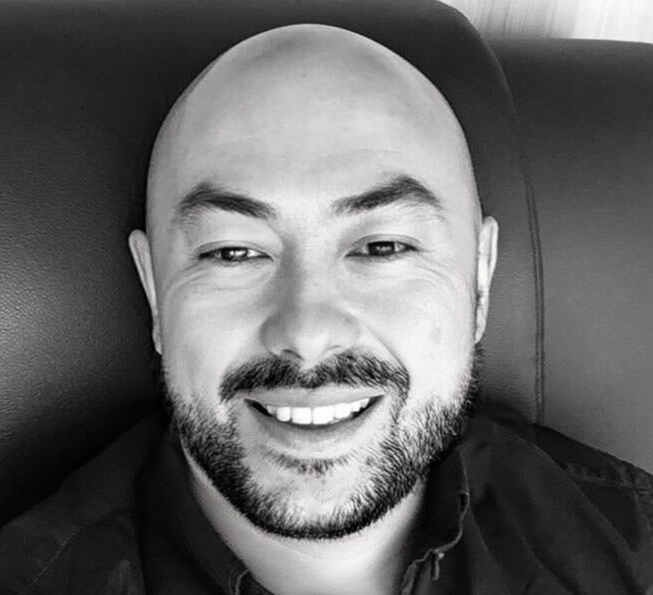

"The Quinntessential Questions Podcast": Paul Quinn, renowned Headhunter and Career Coach, and CEO of Westport Partners, talks to Henry Chan, Senior Investment Professional as he shared his balanced approach to client relationships, drawing from his days as a former sportsman.
We delved deep into team management, the importance of trust, and staying adaptable in ever-changing markets. He talked about his career shifts from equities to multi-asset management and how he's built lasting success through trust and communication. If you're keen to learn about the intersection of sports, humility, and business, this episode is a must-listen.
TIMESTAMPS
(00:00) Intro
(01:50) Scholarships
(05:45) Lessons From Table Tennis
(09:44) Studying in the U.K.
(10:50) Returning to Hong Kong
(11:54) Private Equity
(13:30) Generalist vs Specialist
(14:40) Taiwan
(15:40) Filling Gaps
(16:49) Sports and Management
(19:00) Inspirational Sports Leaders
(22:31) Managing APAC Funds
(26:17) Working with People and Trust
(28:45) Client Engagement
(31:50) Transitioning from Specialist to Multi-Asset
(34:00) Being Well-Prepared
(36:50) Best Quarter
(38:11) Three Key Lessons
(40:40) Client Biases
(42:30) Self Development
(44:00) Non-Negotiables
(45:50) Balanced Views and Communication
(47:42) Performing at Your Optimum
(48:55) Gary Lineker
(51:56) Table Tennis Memories
(54:07) Michael Johnson
(55:07) Taking Care of Yourself
(56:13) Strengths and Weaknesses
(57:00) Learning to Say No
(59:00) Setting Objectives
(1:01:00) Theatre and Business
(1:06:43) Getting in Shape
Bio
Henry Y. H. Chan is an accomplished private equity advisor with over 20 years of experience in investment banking, private markets, and strategic advisory. Based in Hong Kong, he has held senior leadership positions across global financial institutions, where he led deal sourcing, portfolio strategy, and cross-border investments.
His career spans sectors including infrastructure, consumer, and financial services, with a strong focus on Asia’s dynamic growth markets. Known for his commercial acumen and relationship-driven approach, Henry partners with institutional investors and business leaders to unlock long-term value and navigate complex transactions.
He holds a degree in Economics and Finance and is widely respected for his ability to blend global perspective with local expertise in the ever-evolving private capital landscape.
Transcript
[Applause] [Music] hi guys today I had the absolute pleasure sitting down with a dear friend of mine Mr Henry Chan who's a very senior investment practitioner in Hong Kong looking after multi-asset class and Equity strategies Henry shares his story career going from his time being on the Hong Kong National table tennis Squad which was absolutely amazing to getting a merit-based scholarship they led to his journey with London School of economics in the UK coming back to Hong Kong he explains how he built his tenure career looking after managing teams and dealing with a diverse range of clients what that Rapport building looked like and how we dealt with adversity we really had a great chat and I hope you enjoyed today's conversation as much as I did Cheers Henry welcome to the podcast it's an absolute pleasure to have you here I'm glad that you've made time for me on your trip to Singapore how's it been so far oh brilliant um catch up with a lot of friends um well I have a lot of friends here and this time round I caught up with a friend I haven't seen him for 30 years from from your school days yeah from University wonderful yeah wonderful now for my audience members um they might not know but we've been friends for many years you're based in Hong Kong can you be kind enough just to give us a short overview of what your career has been like and what you're currently doing please sure U I've been in fund management for over 20 years very much in equities but in more recent years I'm doing asset allocation and multi assets and currently I'm doing more as a consultant on private Equity beautiful well we'll come to that part of the journey early ear later on tell me about how you first move from Hong Kong to the UK because I I think that's a really interesting part of your journey how old were you well I was about uh 18 years old uh when I went to the UK and well I study in London um it was on the on the scholarship uh sponsored by the Hong Kong government beautiful how did you find I'm always curious like did you apply or your teacher told you about it how did you find out um well actually I found out from school and it was actually the second year of that scholarship so I knew someone who got in in the first year so at that time I thought um well for family they could have helped me on my study but I thought um it will be a lot of Sacrifice from the family sure so to appli to that actually I applied to the UK and the scholarship without my parents knowing anything oh really so it was a lot of nervous time so you need to get the offer from the University you went through interviews with the scholarship committee and it's not until I got both which which did you get first or they were almost parallel um almost parallel I I I guess the University offer came first so London School of Economics by the way fantastic University were you very excited was very excited well about the university but also about uh going to the UK okay so the the real excitement came the letter came through yeah and I was very nervous I remember I we have a little cat at home and I was so excited the cat disappeared for 2 days why were you were you running around yeah I was jumping up and and amazing and and funny enough I I wanted to tell the cat too but uh it took me two days to find her and and so I turn around to my parents and say look it's always been my wish to study abroad beautiful and in the UK but now I telling you I got a place I got the money too and it pay me all the tuition fees but also a living expense to to so I literally I I I don't need to pay much your your parents must have been so happy and proud of you was was there was there a bond do you have to stay on for just just return to Hong Kong for three years that's amazing yeah um doesn't have to be working with the government you just have to work somewhere and just complete the the the obligation it's interesting because each I always always find it uh Curious when someone gets a scholarship CU I always think there's a lot of meaning behind it right and if you're given one it means that you been singled out of someone that has high potential and and whoever has given you the scholarship believes in you but I remember when my wife um got I didn't even know she applied for a full bright scholarship and we were in Japan on holiday and she said I they want to do an interview and um I said you've got to go back to Singapore for the interview and she said but we'll cut our holiday short and I said baby that that's so it's so prestigious um but when she she did a PhD she had a five-year bond which she's still serving and um I wanted to see it through because it's close to half a million dollars yeah well luckily at that time the scholarship they grounded not purely on the academics my academic were not bad yeah um it's just that um they count a lot on how I talk to them during the interview the things I share it just happened that I got involved in many different things uh in school yeah so they thought um apart from my academic which probably already make the cut before they got me in to talk to me well well I know that you used to play table tennis at a a very high level in Hong Kong do you think that might help you yes uh well it's so interesting so uh one of the question that came through was that Henry you got involved in so many things from drama debating Sports and all sort things so so what is the one big thing you thought that changeed your life um and I said actually at that point I already retired from competitive table tennis I stopped training with the national squad by then and and I said it's still table tennis it gave me confidence yeah and also I said going into exams I have three hours to decide what I I need to do what I needed to write m in table tennis you had 3 seconds yeah and the ball keeps sort of a banging on and off yeah so I never felt under pressure going into an exam situation or talking to people because in table dance you are forced yeah to be under pressure all the time so yeah that helped and this is a sex story I Shar with the community maybe maybe because based on that I mean they they sort of made me through well maybe they had an a table tennis player in in in the group you know it's for people that don't play it or haven't played it much it's such a technically skillful game right where you you know the spin on the ball unless you know what you're looking for you won't even see it coming your way um it's a beautiful and the great thing about that game is you can play at home you don't need a lot of space you don't even need a fancy table you know so I I love the game I love it yeah I I think also for what I learned from the sport is that you want to be very prepared all the time you you plan your game you check out what your your opponent is going to look like how when you say plan the game just share with us well um you plan a strategy okay um sometimes you have something in mind what I'm going to do you check out I mean we know each other a lot of the the opponent and so what is he going to do what is going to be his strategy yes but very often it's a completely different story you got in and then somehow you might not in the best form on the day so you planned the game but you couldn't execute I mean the the touch never came through so you have to adjust yeah you adjust every single point and you have to say hang on a second today is not my day I have to play a different game or or this guy played differently or or it was actually a bad day on the other side yes and so I don't want to have to take that risk I mean I just let him sort of sort of a score an own goal yeah and so it reflecting on that I apply a lot on investing you have your outlook you do your homework you go in and say oh no things change so much and I found out providing the right response is sometimes is more important than making the right forecast yeah so you have a you have to be very prepared you have a lot of things in your back but it's about when you're pulling out what and that's probably more important I I tell you funny story you know I'm a massive fan of Combat Sports in the UFC in particular and Dana White who's the president one of the owners of the UFC he explained that the initial owners who are two brothers who are very competitive they're they're multi-billionaires they had in their contracts if they couldn't find a solution that they would have a J Jitsu match and whoever won the Jiu-Jitsu match got to overturn the other person in that particular debate so you could have that with a game of table tennis proba probably a little bit healthier and safer do you know what I mean sure so so London School of Economics um you what did you study um I studied accounting and finance okay but actually that extend to a broad range of subjects and I did psychology as an elective I remember when I graduated the two professors remembered me one was my tutor and the one actually was the professor in Psychology wow so so I thought yes Finance is a very broad area but that shouldn't prevent me from looking at many different other things well think about this think about how many investors would be even better investors if they study human psychology and how we we react to things right yeah exactly you know I had this conversation the other day and it's very difficult to to Really calculate it but I'm sure more people have lost more money as a result of reacting to the the idea of what's happening in the market Visa what's actually happening so I think more people lost money through that sentiment than even recessions collectively you know that it's crazy um so LSC after that did you come straight back to Hong Kong yeah um that was 1992 okay um things were quite challenging in the UK when it comes to the economy and 1997 was coming a lot of people told me that U there will be opportunities opening up in you wanted to be around around 97 rather than you spend some time abroad and decide to come back afterwards so so it's Bo both a push and pull and so I started off um with an accountancy firm as an auditor Anderson Arthur Anderson that that was that that's was you know number one consultancy to get back into was it very difficult to do so um well the good thing is that they were more open to uh candidates coming from overseas universities yeah back then a lot of the Hong Kong accounting firms they would prefer more the local graduates yes so uh and actually after a little more than a year in audit um they made a little transfer for me to do a bit more of the Consulting work the Consulting work involved more the private Equity Funds putting money in China so I've been traveling all around China to all the remote areas pretty much since day one of your career almost right yeah actually it's funny that I got back a bit into private Equity now because when I initially when I tried to find a job I was trying to find uh private Equity job which there were not a lot for Less experienced candidates so I ended up moving into fund management more in the listed space yeah um which um it work both ways uh listed space probably the company went through all the due diligence and made it to the market private Equity during my time I got to see more the dark side of things yeah and so you look at that you you have a perspective of looking from inside out uh drawing on my well I would say relatively Limited experien yeah with the time back then but it was an interesting Journey so after you there two years right I was there for 3 years three years okay and um I became a greater China analyst uh at GT management so they later they changed the name to LGT and yes and inesco took over the team a few years later so I stay on as a whole for for 9 years uh that that was my first job amazing industry amazing now I find a lot of people on the fund management side you end up maybe specializing in different things right um did you see yourself as a specialist within that space or a real generalist um I'm more a generalist now yeah but I actually started off more as a specialist and I think the interesting part when I find out throughout my life or career I believe there a lot of smart people around they when I play sports there will be a really good player who wanted to play Striker I was not so in my school days in order to get into the football team so I went in I realized there was no backup goalkeeper so I said I wanted to be the backup goalkeeper actually I was quite bad in goalkeeping and but there were only two people they who actually went for the goalkeeping role so they took both so I got into the team brilliant and two months later both Strikers were injured so I started of the first game as a striker and so I join in joining my first job in the in the industry uh at that time I think nobody wanted to do Taiwan uh it was very small Market the tax sector was not developed as yet it was 1996 a lot of people didn't realize didn't realize at that time Tech sector was not the biggest sector in Taiwan and it was not in the index it was not in the msci and so I took it on because nobody wanted to do it I learned the tax sector and two years years later there like hundreds of tech companies got listed the market opened up a bit the msci put it in 20% waiting yeah so suddenly I got FasTrack into handling one of the biggest markets and I did it well the the fund won the priz so I got fast tracked into at that time what you call the Holy Grail of being in an Asian team that I manag like Regional money and in including Japan so my I don't know I mean sometimes everybody has a different Journey but my journey is about I'm happy to fill gaps I'm happy to go into areas where people wouldn't want to do but I thought someone has to do it yeah can be me and and just wait for the opportunity to come um the I know people who like to sport what ever the bright sports are and jump to and some people are very good at that I consider myself more an average person so I tried to do it slowly safely yes and I believe if you do your job well people would appreciate I think I think it's interesting you say that because U we talk about football and I I I love football and some of the best players like not that I was a Manchester United fan but I always think of Dennis Irwin you know in the back row very quiet very unassuming but never missed the game and and was always called upon right he was always in the starting 11 and U I'm not relating you to Dennis Irwin but he was someone that you just you need to have him there and he will do the graft work that no one else wants to do you know it's actually I like to read um how Sports manager managed the team yeah when I got the chance to run team uh in my job I thought managing a group of analysts and fund managers is quite similar to managing a football team you are people playing different positions all with very big Egos and and you find out I initially I would say I want to build an allar team yeah but then I thought number one you don't have an All-Star budget all the time but seriously even if you have the budget then you need people who can do different things and play different roles and I I can see I want to hiire someone like myself who may be not very assuming but is willing to you mention about like Dennis R well he is a great player yeah he's actually more than that in my view but there are other players what you call the squad players yes I had Squad players in my team everybody when there's a gap um this person will always want to come in and this kind of person is very loyal because he knows or she knows the value comes from being within the team rather than going elsewhere so you need a mix and yeah I like sports I like following Sports and I learned a lot from how you manage sports team in terms of managing my own teams you know it's I I love the way that you put all that together cuz sometimes not not often but uh you know in the last 29 years I've been very fortunate to assemble a few teams and it's never done in one go it's progressively over a number of years but sometimes now so you know when I look at the the alumni of certain organizations now after 10 15 years maybe some people leave but these guys will often meet together and go out for dinner it does upset me by the way that they don't always invite me they forget who who helped put them all together in the first place um but when you look at it you can literally look at the formation of that Squad exactly as you said and I think that's very powerful who are some of the the the sporting leaders and Business Leaders that that uh you admire for for various reasons um I wouldn't say I totally admire them okay but there were actually things that I could copy yes um so as a entrepreneur um I look at Richard Branson yeah and yeah a lot of people like him uh what I look at it is that well I'm not as entrepreneurial but I like to start initiate things yes and from him I saw what I learned from him is that you always want to bring in someone who can actually help him execute yeah so I when I'm running the team I always say okay these are the initiations I think we can do well here I can do well here but I'm not the best person to actually put through every day I don't like routines but but I I know I need someone who who is good at routines who can actually help me and and also Sports I believe you built structures for the long term yeah um in in fact I'm glad that in some of the former teams some of the people who work with me they went on to become I mean my successors and leaders in the team even now after more than 15 years and and I thought yeah I might not stay forever in a team but I always believe that for a team to be successful you always have to think quite long term in terms of how you want to achieve you build a structure in between you have short-term hurdles to manage but um this is what I I kind of learned from a lot of the more successful managers yeah it's I remember reading all of Branson's books early on and um the way he kind of wres writes the books you kind of visualize yourself there and um one one thing that I learned in business as an entrepreneur myself is there are levels you know I will never be phenomenally wealthy because I think you have to be you have to have big balls very courageous to double down and there's a story there are two stories I remember about Richard Branson that really struck home I just thought this guy is brilliant so he was in a taxi and the taxi driver was Phil Collins and U Phil was a young recording artist and um Richard Branson told him who he was and he said look I've I've recorded a demo it's on a my cassette tape um can you can you have a listen goes sure play it in and goes I've left it at home so Phil Collins lived in a council flat brought Richard Branson back to the council flat whilst his mom made him breakfast put the demo in and then that was the start of of Phil Collins oh amazing yeah Amazing Story and the other one that really really showed you how how much fight Richard Branson had was he was trying to sign Janet Jackson Who at the Time Michael Jackson's sister was the biggest recording artist in the world and he he basically had no money so he had to go and borrow money and raise funds in a very short period like a 12 hour period to say here's the contract and you know she signed but he he actually didn't have a penny at the time so that's what you call all in do you know what I mean oh yeah um talk a little bit about uh bearings when you know as as the the head of the investment business running APAC talk to us a little bit about that part of your journey yeah um it was a big challenge in fact I joined the company more as the number two or number three yeah as a as a regional manager and actually I put through you can say I won't say a completely new process but something an enhancement to the current process and adding a bit of my own way of uh thinking and actually the products turn out to to perform quite well if you don't mind me ask you I'm very curious when you start that you know recreating the process what do you do do you literally look at what the organization already has and then have a clean sheet of Pap saying look let me enhance it in these ways or is it very organic um well um I when I was got interviewed the CIO in London asked me uh we got fantastic country funds and they're all at the top of the table and but our regional fund the Asian Regional fund when we put all the countries together yeah it didn't work so what do you think and I said well in that case do you manage all these funds based on the same process um not exactly the the country funds will be a man and a dog and they will they will s to go out and hunt for ideas and all these people will get together and provide a model and you put together and then you become Asia I said the easy solution is that you create a country called Asia of course I'm putting myself forward so so I'm the man who run a Asia country and you have proven your your process for the country funds worked so why don't you implement that in the regional fund so I went in and the team actually or the Asian team talk more I had to talk to to the different people a lot more because I'm not relying on a Model I have to pick my stocks I have to understand and then we actually work together and we talk more I think what I learned throughout those uh years I worked with the team in Hong Kong I work with the global team in London I worked with uh Emerging Market team in in London and what I found out is that you have all these structures to force you to provide input you force you to talk to people and what I realized is that um after a few years there are a few changes and the Asian team never no longer reported to these two team the global teams and as it turned out I spent a lot of time trying to engage with the my counterparts there we end up talking more and I always talk to tell my team members I I I want to push you guys to talk to each other because you want to not because you have to yeah and and and that applies to all my career when when I working in the team as an individual or I got in a position to lead a team uh people never like the idea you force them to do things agreed and but they have to see the value of talking to each other and the and even when I was managing the the the broker relationship my always say my best ssiz contact is someone that I'm willing to pick up the phone and ask him a very stupid question yeah and these are will be the my best contact because these are working Partners yeah it's so brilliant you say that because I'm I'm just curious so were you counterparts in different countries when you when you said you reached out to them um yeah I mean it's um in in quite a number of different areas because what I found obviously now with a little bit of traveling now with um you know virtual calls but back in the day you know you would have counterparts effectively many ways you're doppelganger or friend it depends what you're doing um but what I always say those guys they they live the same dream as you they're getting up they're doing the same thing um and I I always say this you know a rising tide risers All Ships so if you interact and they do well you do well you know I don't know about you but I've always maintained those friendships because you you're on that journey together you're fighting a good fight together yeah I I think the belief is that you you want to work with people you you don't want to work in a structure yeah so of course I mean we all have structures we need that but that's why I like to travel to to actually to to meet them yeah um you can never replace a good handshake and then go out for a drink yeah and and I guess it's more about understanding each other um I when I talk to my own team members when I talk to them we somehow figure out what will be your strengths and weaknesses and they will come to me and I'll be very honest I say I have no conviction on this I can give you a view yes but I don't have high conviction in the view and and so working with people in some way is like a portfolio management yes you you allocate to where that is conviction so so I know a certain contacts or team members a certain sector when it flies you know this is the guy you have to to go to and ask for ideas yeah but other times yeah they can give you an opinion on other things but uh and then we we are all on a very um a basis that we trust each other and we are honest to each other yeah and and I think that's that's what teams are all about 100% I think that transparency is just so important now as a portfolio man manager um you know what I've I've learned is that it depends on the profile of the person so if you look in for example a lot of teams in particular discretionary portfolio management teams or the CIO office that are those guys that love to be behind the desk m right managing the investments from afar and there are those guys that actually want to go out meet all the clients right I which one are you um I'm probably more a generalist um what I like investment yeah but actually I like to maybe it's my character I mentioned that uh I like to fill the gaps yes and and I don't like the idea that there's something left there and nobody sort of take care of so so I guess I'm more someone who do investment but also I engage with clients yeah I engage with team members maybe I had a bit of a beginner luck I remember it's back in two year 2000 so uh I just took over a quite a large uh size of assets on Regional assets including Japan and I was asked to actually go to pitch and mandate and in Australia uh I had about like four to five years of experience in an industry I was very nervous and it happened that we had a restructuring in the office in Australia we just fir the the managing director so we went in the first update was that sorry the guy you knew uh was not with the company anymore so we bring in Henry to talk about the Mandate and we won it so so I thought uh there were different reasons why we actually the results the performance was good and I thought oh actually I can do different things and I can engage with clients sometimes it's always very nervous when you think about I am an Institutional investors I dealt with big company big clients but but then over the last 20-some years I I realized many of the relationship become very personal oh yeah and and it's on a the same basis of a personal trust yes that you go out to talk to people so so I enjoy that I enjoy the process I W only because I feel that when I talk to clients I I can add value by getting them prepared not just to give us the money just to run it and deliver the performance they will have an input and I will be able to understand what sort of a risk profile what sort of things they are looking for I think that's so important it's it's interesting though because I think having the confidence and the courage to sit down with clients and also be able to say to a client look I think you should hold back that's maybe a little bit aggressive that that takes time it takes tenure right you have to have wisdom you have to have seen a few recessions do you what I mean but it also has to be in your willhouse um talk a little bit about VA Union what you've done there as a as a very senior investment practitioner well um I handled um a lot of the local pension assets the the mpf funds okay I also work with the the insurance arm of the bank um manage the um the equities money as well as the fixed income portfolio and also provide advice on asset allocation so in in a way those eight years was a bit of a transition from being a very specialist equities manager into a more multi-asset portfolio manager and it's interesting in the sense that you get to see award wider picture although as an Asian investor um I have I I wake up every morning first thing to check out what happened to the US market so you forced to be quite macro you're forced to because we are the you can say a bit of a derivative of some of the uh more developed markets but then you are actually sitting in a role that you get to allocate yeah to different regions and and I I actually expand my my cover I mean I I look at bonds I look at as allocation on top of equities yes so that was a and increasingly I this is always my long time belief that as your wealth starting to grow in Asia so you are starting more and more to tap into that area and try to help domestic investors to look at uh assets not just in the region but uh globally and then also across many different asset classes yeah talk to me a little bit about um we talked earlier about making sure that you're ready and prepared um when you're meeting with a client because the reality is when things change in the market we're all reacting to it yeah right but a lot of people have a view and they don't want to Veer away from that view what's your take on that yeah the uh I I put in the sports analogy again yeah is about you practice hard to get yourself prepared it's like doing research in investment a lot of investors believe in doing a lot of work and get the Outlook right and you can say you do the forecast you do the protection and and after a while so you spend so much time on on that view it somewhat becom self-fulfilling you never want to change yeah because you stick to it you believe that that's your but actually many times um in my career the value added point is about whether you do the right thing when things change um and so when I prepare myself and when I prepare my investors I always just not just to give them a view but also to say this is where I'm coming from now if these few things change uh we're going to move and here are the solutions so by not panicking or by doing well prepared by being well prepared when things change you make the decision that's um that's the ideal how structure I remember uh when I was working with uh research teams I once sit down with a a research specialist a country specialist and I said so what will be the three things to get me to to buy the stock I know it's not a buy at the moment so he said I need these three things to happen and three months later all three things taped I went back the analyst was quite reluctant to move I said look we had the plan these three things happen and we are going in and it would turn out to be one of the most successful investment in my career and and so I said sometimes if you don't prepare you are not going to react in the right way you get confused by all the noises in the market it's not until you actually do your homework to get ready and you'll get ready to change not just saying that I just stick to the same view forever yeah I think you got to stay relevant you got to adapt and and roll with the punches right yeah and I remember Mike Tyson once said that everybody got a plan until you get pun in the nose yeah and very true and so now the the question is you got punch in the nose of what you're going to do and which is actually the most important yeah uh you you can have a lot of plans but uh very often the markets are so Dynamic you learn something new every day yes you you need to adapt yeah and you you're humbled every day right in the markets for sure let me ask you when you look back at your career what's the best quarter of your career and by that I don't mean necessarily the amount money that you that you created or made for yourself um but in terms of what you enjoyed how you have been challenged you were been stretched when you look back you know when was that period and and why um hard to say um I guess I got very excited at the very early part of my career because that was the time that I managed to go out and see a lot of companies yeah and I felt we were very fortunate as for me at that time being someone who just came out of college and you have the most senior people in the different industries were willing to sit down and tell you how they actually do business and so I would say um in terms of inspiration yeah that was probably the best part and and of course I continue on to do investment but I took on more many different roles and I might not have the luxury of spending the whole day going going out to see companies yeah and so maybe in terms of intellectually to become very interesting that's probably the the research work that actually inspires me yeah so interesting um if if when you look back at your career for our younger audience members what would you say with some of the the three key messages that lessons that you can share about one's Journey because I think when when I speak to a lot of people some people have a very assured path I want to get to this position and this is how I'm going to get there but the reality is for most of us it doesn't always work out like that right certainly at the beginning and as we get older in our career I think you have to adapt because things change companies are bought and sold there's politics there's nepotism but what would be some of the key takeaways that that you could impart um I think one thing is um to be open-minded um I remember when I was uh uh in my final year in University so people so I said I ask me what I wanted to do so I said well not sure uh I study accounting so let's try to find a job in accounting to firm but I I can tell you what I don't want to do yes uh there anything to do with Securities and stocks okay so you knew so three years later I never say never so so and then I spent my entire career in security so number one be open mind in fact I remember someone told me the the best business you want to be in is a business that that doesn't exist at the moment yeah so be open mind but so that's the first point the number two point I touch on that is that you're willing to do people what people don't want to do yeah and and number three I guess is make sure do things well I know I know it's seem to be stating the office but a lot of people tends to feel I want to reach a certain level of position and they might Overlook the fact that you don't have to look that far yeah do it well the opportunity will come to you yes and opportunities you probably never thought about I never thought I would do Japan yeah in the earlier part of my career that was way beyond what I I could do but that's you you get rewarded if you actually deliver when when you're speaking with clients you know what what are the key biases that you see from them that you feel that you often have to address you know the key ones that you feel are probably too strong um to think that this time is different I'm a big believer in Cycles yes clients they probably sometime they I think nowadays people get a lot of information M uh they got a lot of news um but many of this information is not quality information it's just noises and I think the biases would be you they tend to think there's a new trend there's always a new trend but if you look at investment Cycles it come back and back again so so I think the biases sometimes it's a habit of feeling that okay I SP something really exciting and it's going to change the world but actually you don't get that very often yeah so so what I'm trying to engage with them is that look I learned my lesson I share with them how I C it wrong I think fund management I was talking to another another friend and and he said well in first they have very smart ones who can actually spot changes but there are other group of people who are just simply seeing enough cycles that the reason Reon why you got it right is that you have seen it before yeah and that's what I try to talk to clients about my experience of seeing different cycle I was actually well just just when I joined the industry I was in Asian financial crisis and that's followed by TMT bubble and many other sort of a similar crisis along the way yes so that probably is the best way to be frank yeah admit my mistakes before yes and tell them you're not going to make the same mistakes this time good I love that now talk talk a little bit about what you're doing now yeah I'm actually feeling that I I I just felt that uh I'm just like coming out from University I want to learn more love it about things so I have been doing I guess more than uh asset allocation goes beyond equities bonds and cash you have alternatives uh people talk about sustainability there new emerging asset class of um cryptocurrencies yes so I don't know I mean maybe a year later cryptocurrency disappear but I want to be prepared what if the trend comes through so I'm trying to on one hand I'm working on private Equity deals on the other hand I try to enhance my knowledge on sustainability and cryptocurrency I'm doing a master class I'm actually asked to conduct a master class on sustainability Investments drawing upon my knowledge fantastic and actually to me uh I found exciting is that uh I'm learning something new in the process as well yeah that's great you know because I think a lot of us um have always found that there's a point in our crew maybe we Plateau but the older I get the more I know the more I realize I don't know and I keep wan to I keep wanting to learn and you know it's a it's a good way to think and behave yeah um quick quick few questions about you know your thought process if I may so if I said to you what were the nonnegotiable behaviors that you know you identify with and those closest to you what what would those be um curious oh I actually I'm more a quite forgiving person frankly I know you so so interest say enough I I have friends who who are friends with no one okay interesting and but my feeling is in the work sort of environment um if anything that's nonnegotiable is that you work with people they who think that they are bigger than the team bigger than the company um it's fine for them yeah but you know that um somehow something will happen an accident is in the making yeah and you you have to be prepared for that yeah that's a really great Point I've always it's it's so funny because you and I know each other I think it's through Mark Dennis right specifically yes and Mark's worked with me for nine years now and I knew Mark through a mutual friend and I just think that if you are a great operator you've got high integrity and value that's how you work so like Mark and I we always say there's no real ego it's not who's right it's what's right and we discuss everything we'll go through things um so so I I told him last night I was catching up with you so he was excited for us um along your journey what do you think are the key things that have made you a truly successful investor and manager and you know and and client facing what are the things that have given you that success probably I always hold a very balanced view on things M and I always challenge myself so I transl that into my communication with clients and and also I I try to make very complex matters into more digestible ways to clients and not not to say that I say okay the clients don't understand and so I give you something simple but I think communicating with clients um also allow me to learn from them yeah so you have to open a conversation you have simple messages you share the view they have so they will be in a position to respond and we can go go go deeper and in the process I sort of go through my thought process again rather than you give them very complicated matters and then there's no discussion whatsoever I mean we tell them the view and and the meeting is over so my I I feel that sometimes I well well with clients is that um they will come back to me and I have clients that I handle Equity mandates for them but every time they uh got me out for a meeting or coffee they always ask me about my view of the world on as allocation yeah and so that's I think the trust that you built for sure and and that's with a bit of humility I I would say um I guess to me is that I never think I know everything I can always leverage on the knowledge of the people around me including the clients another quick fire question so I know you're you're a former Sportsman someone is still still very active um that and and professionally what is it that helps you really perform at your Optimum in what has become such a competitive world I guess you you have to understand understand yourself you as you say it's so competitive you everything you have to be very focused um and you don't waste time on fighting the wrong battle Yeah you go into a a match yes I want to win every point but there are times that um you need to make compromises that focus on the big Point whether it's on the preparation whether it's during the match yeah and I draw a lot from that um and sometimes you you planned it well you you want to be very focused on the effort and you don't look at every single detail yeah well I think putting yourself in the right place I mean off camera before I'll let you share the story but we were talking about Gary Lino who's one of my favorite players going up share with the audience what we were discussing yeah I I once was asked to uh go to a you University and talk to the students about the planning the career and everything so I showed them uh this video clips of Gary Lin tapping in it looks so easy so in the right place at the right time as people say and then I had a little clip about Gary Linder talking about that and he said I made so many different run it's probably like after the 20 runs the ball finally came to the right place and I was there and people say oh you are in the right place at the right time and he said I'm there all the time yeah and I think when you look at Sportsmen you people don't realize how much hard work behind the scenes oh yeah or how much hard work not captured by the camera yeah you look at the football match you only look at where the ball is yeah but you really see what other players actually um are doing and and I think this I learned a lot I mean the as a sportsman you know you have to work hard every day yeah you have a winning mentality and you know it it's not by luck that you you achieve something you you you really have to have that mentality you know it's interesting because um when I was younger when I when I was a sportsman in particular when I boxed uh I was ruthlessly aggressive in my mentality you know was I wanted to absolutely destroy other person um and as I as I got older now working with my son I don't directly coach him CU I think he need he has to he's his own man um but what I've seen very interesting because CU boxing for example is a lonely Sport All Sport when you lose you go back to a hotel room or whatever you're on your own um but there have been guys that he has boxed with in different weight categories as well but some of the guys have beaten him he's beaten them I've uh but they're Compadres and I will always send them a message either on WhatsApp or on Instagram if they posted if they won or if they've lost I say look congrats you know you're doing really well I'm proud of you um because not everyone has that and I I always am reminded that it takes a great deal of courage to compete takes a great deal of courage to go out there and say I'm going to I'm going to head this meeting you know I'll underwrite the problem leave it with me and and I think that's something that's always uh taken for granted because if if you win they win the the team the organization yeah more often than not but if you lose you lost you screwed up the deal and and it's it's it's like you know that's why I te my wife I you know if I do 100 things in 99 are good she might remember the one thing that wasn't good you know um if you could go back to any one period in your time in your life personally or professionally to revisit it what would it be well um maybe to my school days when I was practicing table tennis so um I played with a show a show show club one of two very good coaches there okay they put me they introduced me to train with the national squad lazy um if I look back I probably should be I was I was probably too loyal to that club I think I want to achieve something to kind of uh um to show that I achiev something they are good coaches I want to uh repay them for that but that somewhat compromised my position in the in the training Squad in the national squad somewhat they always felt that I care more about the club which is actually a show show club it's not a proper competitive Club yes and and so a lot of the Training Method it doesn't seem that I was totally in sync yeah with the so I I spent one or two sessions a week with the with the club and then the rest with the with the training Squad whereas many of the players they do every day with the training Squad yeah so they are more tune in with the with the team so had had I done differently maybe yeah I still want to repay the good coaches but uh I probably want to be more committed to that training and and probably physically um I Rely a lot on my touch on the on the ball and uh but I didn't spend enough time of training myself physically okay the physicality of this the physicality that's my weak part yeah so if I want to do it differently I probably had to work harder on doing uh physical training and and also on flexibility as well I mean that one's huge one one of my Idols uh is Michael Johnson the former gold medalist and world record holder for the two and 400 meters until Usain Bolt took his 200 title away um but early on in his career um he was doing phenomenally well be had a lot of injuries and uh his coach said to him you know what you're not doing right you've got to look what you're not doing to really understand how you can avoid these injuries and he didn't tell he let Michael go away have a think and Michael basically shared this story that he realized the one thing he wasn't doing was spending enough time in the weight room and he didn't enjoy that part of it um but it's inextricably linked and you know so when people talk to me about what's your diet it's not just what you're eating and drinking it's like what you're mentally consuming when you're going to bed as as an athlete and also as a professional you know as as you approach your 40s and 50s to I you know in many ways I still have that that energy and that but I know that physically I've had to recalibrate how I operate in order to match that right so so I've realized that how to get the best out of yourself in your performance as you get Aller changes as well yeah I would say you're taking good care of your self it's a responsibility it's a responsibility to your own life it's also a responsibility to whoever how you to work it's well well you know young Isaac's there behind the camera um a while ago last year I said look I was trying to get him to become more fit and healthy and he ran 855 was it Isaac in the 2.4k so in Singapore in the national service in Army 2.4k is the running time or the the distance and he wrote ran 855 which is a very solid time so I'd bet him $1,000 that if he could that he couldn't do that in this time frame and my goal really wasn't about the money my goal was getting back on that Fitness track because that would give him something do you know what mean so I'm always encouraging people I won't I won't tell you if he did it or not I let Isaac tell you that but um what would you say your biggest strengths are and weaknesses as a professional I think my biggest strength is that um I have a broad set of skills so I do investment I can engage with clients and if needed I can also run the team so that would be a more General set of skills that can actually allow me to always stab in whenever there is a problem need to sort of a fill the gaps or provide a solution um weakness um I'm not sure I probably had too many weaknesses but uh I I would say the I don't know I mean the the weakness is that um maybe I try to to help too much that uh sometimes I sometime I need to sit down to be realistic yeah about what I can possibly well achieve well actually this is one of the funny things when I coach people and I have to say for a lot of women in particular I a whole session is dedicated towards learning how to say no because the thing is is you know a a very dear friend of mine and a very very a client reach out to me in the last couple of days saying would I meet this gentleman who's coming to Singapore he's going to meet a number of search firms and I said look if he's already meeting a number of search firms who has already done so there's going to be candidate duplication is he realistically the type of person that will pay me to do career coaching and so in the end I'll have a half an hour call an hour meeting with him and at the end of which all he's going to want to know is can I put him in front of people my roll ofex which I will not just utilize and so I said so I'm very reluctant to meet with him however if he's a dear friend of yours then okay so that that gentleman my friend my client said okay in that case maybe it doesn't make sense and I don't want to be rude because um that person I I value so much but the problem then is that if I meet that guy he'll think Paul did F all for me and then he won't like me and the irony is I've just given him an hour and a half of my time free um so learning to say no is very very very powerful but in the right way and you know what I love about Hong Kong there's so many things I you know I'm in love with Hong Kong so in Singapore it's changing now a little bit but it it can take you you know seven conversations and finally find out it's a no because people don't want to be rude in Hong Kong people have got no problem telling you it's a enough no you can leave the office now no move on and they're not being rude and I love that because it's real it's visceral yeah you know so that's one of the cultural differences I like um now are there any big projects or exciting things that you're working on now personally professionally because I know you know you you've taken your son to Australia your daughter's about to go to university just you know in your business life what's happening well um I think I need some time to make myself physically uh in a better shape you're still in pretty good shape this this summer has been doing so many things with with the children and running around for some work related stuff and probably it's a bit of time I continue to try to learn more of the new knowledge yeah I just touch on but um probably is a time to just go back into a better routine pro project Henry project Henry yeah more in sports yeah I I love record Sports okay and I haven't been practicing much and so I think it's about time good man to to to go back and well you you live and learned and then always I feel you want always to set some objectives just to keep yourself going yeah you got to do it you know you know it's interesting because um my son is 17 now he dwarfs me he's over 6 fo tall I'm I'm 5 six and a half on a good day and um we we did a little bit of sparring the other day and he whooped me and I'm still a lot physically stronger than him um but it was like cuz I I I think I'm relatively fit but I realized there's fit and then there's fighting fit there's fit in your mind like you like you're 14 or you're 21 or you're 25 and you're actually 46 and you realize ah and um yeah it's a big contrast so I think I think as I get older like I told you my earlier my eyesight's going and I'm I don't know why but I'm shocked it's like I've had perfect vision how come this is happening so quickly it's like to me is alien it's foreign to me um now is there anything that you can share with us that will not get you into trouble that nobody knows about you any any anything that would be unusual that people in your Professional Circle may not know about Henry um yeah I so much uh different things I wanted to do and so maybe yeah I was I was in theater uh during my school days tell us what did you do in theater so I I actually produc a musical wow and it was actually held in a proper theater in Hong Kong how old were you about 18 at the time just a year before I went to University what was the what was the musical called well we we did The King and I oh did you yeah so well we are not smart enough to write our own you know I should be playing that part except for the fact I can't sing a lick you know you U Brenan was the original King and yeah yeah actually we ended up putting together someone who is completely different character really because we I said you can't replicate him look we can't replicate yeah he was he was a unicorn so of course it's a student production and it just happened a good friend of mine in school that he he was the best actor in school and then he he run the music department wow and so so he is the best uh candidate and did did you save his hair off no know you should have done you should have made him shave his hair off and then later say actually we're not going to go that [Laughter] make sure you grow it back and and so I always have an interest in uh I'm not that an artistic person but always like the stage management thing so so about 10 years ago and my well when she's listening she'll be really annoyed I mean she wanted to get me into Flamingo okay and I was running out of excuses so so I said you know what you are learning that in this Hong Kong academy for performing arts I just figur out there's a stage management course running in parallel in this in the next in the room next door amazing so I said okay I'm going for that amazing so who ran that production that course sorry uh oh that course is the this this Hong Kong um this Academy okay it's a is a kind of a like a part-time course brilliant so I went in enjoy that and I learned uh sound management as well yeah and maybe uh in 10 20 years maybe I made another career in theater so actually I don't talk too much about I mean you go into work I talk about sports yeah but uh maybe I I don't want to go in and work and then I say so every all sort of a different things apart from what what I do in at work so well but you know I tell it's funny because um years ago I I had been working as a toilet cleaner i' got a job in recruitment but I I needed actually something that would pay me more and I want I realized that the the best paying money when you're 18 dur in summer was working on a building site and my dad was in building and I didn't want to work for him because I just it wouldn't go well and there was an advert that I saw and um I met this guy at his house and my dad drove me to the house cuz he was a bit he said who puts up a job advert for a labor it's very unusual so I met this guy and he said can you send me your CV and I really didn't have a lot on my CV but on it it said theater Productions so he started laugh he goes tell me about this theater thing and this guy is a big strong guy and um I thought oh no he's going to rip into me and he goes because I love musicals and as we walked through the door he showed me like his his this is for Ken Kinghorn still one of my dearest friends um he was much older than me but he had pictures of all of the musicals that he would do on a yearly basis and let me tell you he was tough as nails but as you know in in in in the business world when people think of theater you know or even in the sporting world the two don't connect you know what I mean yeah um but so Stage production fantastic so do you remember any of the lyrics from the The King and I um well quite a few it's it's but it's it's a brilliant so Isaac by the way loves musicals and um I saw do you know the the actor Jason scotley who played Bruce Lee in in the movie he played in The King and I uh in London and I met with him and the lady acting opposite him was a lame page and I was blown away but you are you a fan of Y brener by the way oh uh because I was watching The King and I since a young age and he's amazing I really he he just captivated people and um some of the movies that he was in I was transfit because I love I'm a movie buff so okay so next time right and one of the podcasts I'm going to release soon you'll find it really interesting it's with a guy called camil h who created the first acting school in Singapore and he runs several differenty and he's actually going into kind of corporate coaching to train people this is going back to your earlier point when you're going into a meeting or going up on stage he teaches the moments before and unequivocally there are so many parallels that can be pulled from acting and the process of preparation the same with being being a sports person um and I think they're all inexplicably linked hry what questions do you have for me of any or things that you want to touch upon man well so what is your your next Target in sports I mean you want to go back into boxing oh I I would uh unrealistic man unrealistic I'm 46 and there's a lot of things I've had a lot of injuries um it was funny during covid I came across this that's a good question really good question I came across this thing that measures how much based on your age and your weight can you lift or do push-ups or press UPS or deadlifts or whatever and I looked at that and my goal I told one of my clients who was the CEO I told him about I shared it with him go what's your goal and I said oh my goal is to be in the top 1% in the world in most of those lifts and he started laughing and I said yeah yeah I I can do it there only some that I might have to avoid actually I did it in eight of the 10 lifts I was in the top 1% of the world which I was very proud of it's just for me to know um but really it's just to help my kids now so what I say to people there aren't lazy children there are lazy parents so even like when my daughter is in basketball CU I don't really play basketball I'm rubbish at it so I can't really help her other than feed her the ball and do things like that obviously with boxing with my son we've talked about you know how I Tred to guide him so I invite him to to do the pads with me um in the evening um so but my goal is when I'm 50 I'm going to get into some ridiculous shape and I will post a picture on Instagram very well it's going to be good Henry look it's been an absolute pleasure and a privilege and um we're short on time when I'm in Hong Kong n uh let's promise to have a drink together sure Henry to it thank you man thank you cheers [Applause] [Music]
Our Other Episodes
Lorem ipsum dolor sit amet consectetur. Sed morbi adipiscing ultrices in vel placerat.
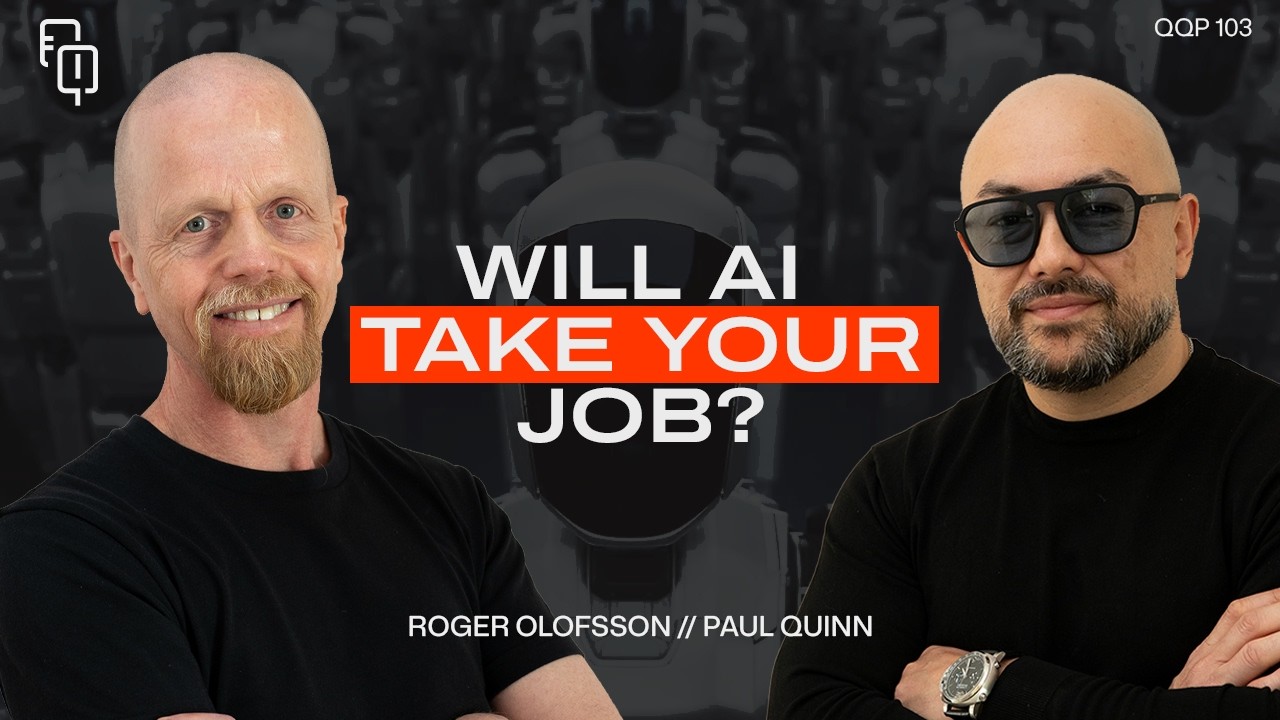
Building an AI Company Inside a Search Firm with Roger Olofsson #103
In this episode of The Quinntessential Questions Podcast, Paul Quinn sits down with Roger Olofsson, CEO and co-founder of Olofsson & Company, the executive search firm hiring for startups, AI, tech and fast-growth companies. From a childhood in Luleå, near the Arctic Circle, to landing in Singapore in 1996 as an exchange student with a backpack and a suitcase, Roger shares his transformation journey through almost three decades of recruitment in Asia, and the moment he finally backed himself to build his own firm.
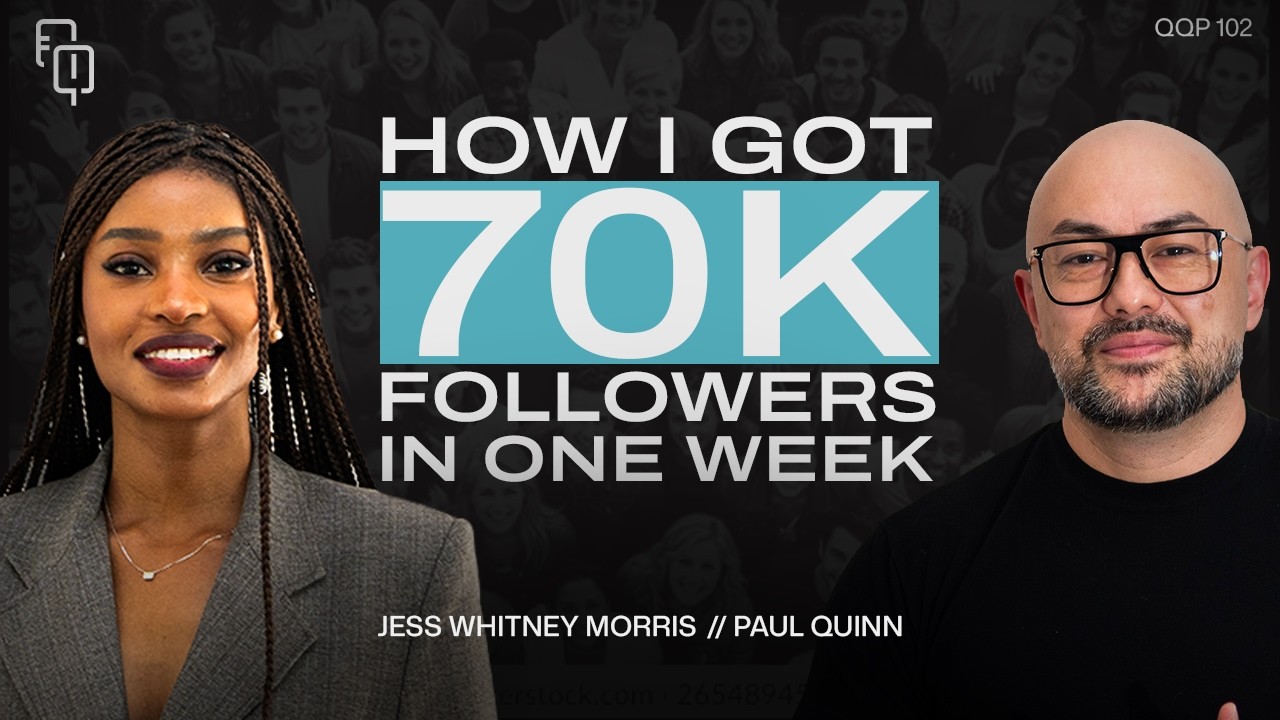
One Video, 70K Followers: Jess Whitney Morris's Breakthrough | #102
In this episode of The Quinntessential Questions Podcast, Paul Quinn sits down with Jess Whitney Morris, model, social media management company founder, and media presenter. From growing up in poverty in Uganda and working-class England to working her way through Abercrombie, Hollister, and a self-funded university degree, Jess shares her transformation journey and the moment her father tore up her first modelling contract in half.
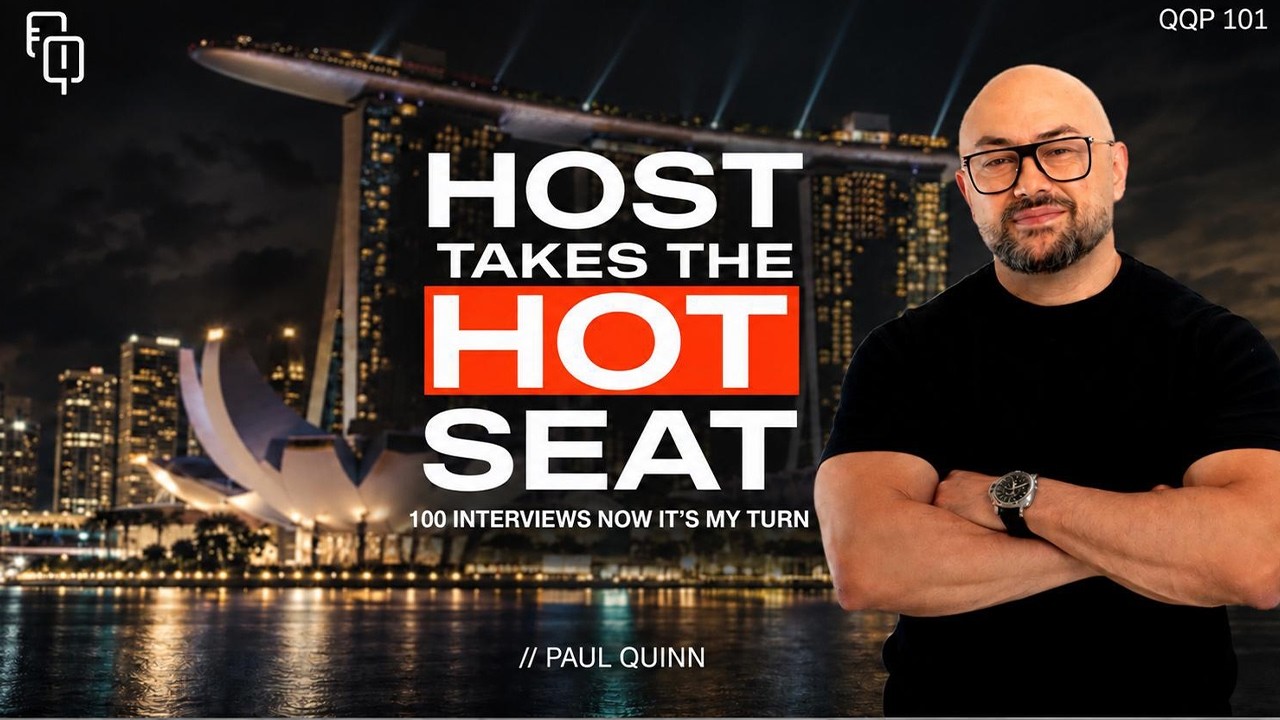
I Interviewed 100 Extraordinary People. Here’s What I Learned | Paul Quinn
In this episode of The Quinntessential Questions Podcast, the host takes the hot seat. After 100 episodes in the interviewer's chair, Paul Quinn, who runs Westport Executive Search and founded Quinntessential Coaching, answers questions sent in by guests, friends, family and listeners. From hitting a career plateau to building a podcast that now welcomes Olympians, world champions and global CEOs, Paul shares his transformation journey and the moment he decided to put a spotlight on helping people.