
#5 with Dominique Jooris, Founder & CEO, Insights into Private Banking

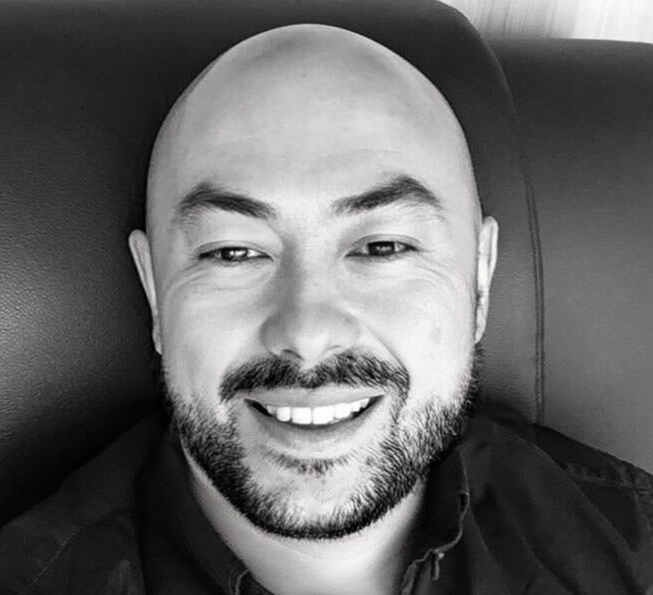
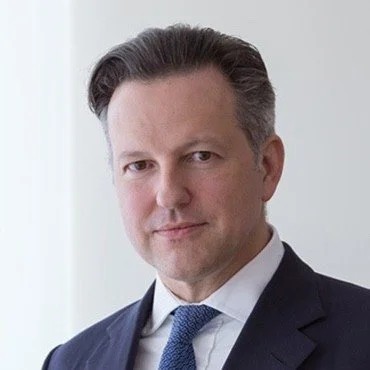
"The Quinntessential Questions Podcast": Paul Quinn, renowned Headhunter, Career Coach, and CEO of Westport Partners, discusses with Dominique Jooris as he shares his banking and finance journey.
From a Diversified Banking Training Program in London to running Debt Capital Markets in Tokyo and transitioning to Private Banking, we discuss career progression, leadership, and mentorship. Discover insights on Private vs. Investment Banking, skill maximization, partnership-led banks, and the importance of health and sport. Learn about his current venture in the Multi-Family Office Industry and tips for self-development, network management, and career mobility.
TIMESTAMPS
(00:00) Introduction
(01:57) Diversified Banking Training Program
(03:30) London
(04:30) Joining Boutique Investment Services
(08:41) Debt Capital Markets
(10:46) Moving to Tokyo
(13:07) Running the Hong Kong Debt Capital Markets
(15:30) Transitioning to Private Banking
(16:25) Accessing Internal Career Progression
(21:57) Private vs Investment Banking
(25:28) Accessing a Career Change
(28:40) Maximising Your Skill Sets
(30:18) Qualities of Leaders & Mentors
(35:46) Leadership in Private Banking
(39:33) Partnership Led Banks
(41:37) Long-Term Relationships
(43:43) Challenges & Wins
(48:37) Best Quarter
(50:54)Importance of Health & Sport
(55:52) Current Venture
(1:04:36) Technology in the Multi-Family Office Industry
(1:09:44) Managing Your Network
(1:13:56) Qualities of Private Bankers
(1:15:40) Collaboration in Private Banking
(1:17:30) Getting the Right Tools
(1:21:20) Self-Development
(1:23:46) Appraisals & Career Mobility
(1:27:40) What's Next
Bio
Entrepreneur leveraging lifelong Investment Banking and CEO experience in growing a regulated wealth management-focused financial institution to create innovative Wealthtech platform. Global work experience and cultural versatility with expansive language skills. Advocating for excellence in the Family Office space. Passionate about sharing professional perspectives on risk through publications and classroom teaching.
Transcript
[Applause] [Music] hi guys today I had the privilege of sitting down with Mr Dominic jurus who's had a fantastic career to date within the banking sector and is now embarking upon a new chapter entrepreneurialism growing up in Belgium he first moved abroad to London where he worked with JP Morgan before commencing 5-year period with lemman Brothers both in the UK and then in Tokyo laterally he spent over a decade with golden Sachs both in the UK and in Hong Kong and then most recently made a transition to private banking where he worked with pig T here in Singapore for 5 years as their CEO I'll let Dominic share a little bit more about his new entrepreneurial Journey setting up WM cockpit it was an absolute pleasure and I hope you enjoyed the discussion as much as I did thank you well DJ Dom The Godfather you know it's a pleasure thanks for being here today um I wanted to talk about your career you know you've an illustrious career and what you're doing now in business but if you can for my audience members can you be kind enough just to introduce yourself and a little bit of your background and then we'll get stuck in first of all thank you so much for hosting me in this great in this great setup and it's fantastic to be able to continue to exchange in a slightly more formal form but it it has been quite an experience to be in connected with you over the over the years and exchange views perspectives on people markets businesses it's really been you you've been a a very valuable source of of information a great sounding board so starting with thanking you for that you're very kind thank you the um I I was blessed in the sense that I've had the opportunity to start what was a very Belgian life I was born in Belgium I I studied through high school there I went to University there and then very quickly I was offered to move out of Belgium to join JP Morgan in London which back in the mid99s was a dream dream come true JP Morgan was still at triaa at triaa Bank in those days it was very uh white shoe blue blood and the experience was amazing together with an extended training program which has all but disappeared yeah you would be sent for six month in New York all expenses paid to be trained to have MBA teachers coming and try to fill the gaps in your education there was already an incredibly diverse pool of people joining those uh those programs you did not need to be a major in finance to be able to join JP Morgan you could have studied GE ology you could have studied political sciences you could have studied uh physics which a number of people uh people did it had obviously a very quantitative angle to it the pool of people that you met and that you create relationship with at the beginning of your career was an asset that kept on yielding returns over for the next 30 years it was an amazing it was an amazing experience I had the opportunity to spend five years with with JP Morgan mostly in London where where were you living in London I was at the time few different places uh living in uh just of Sloan Square beautiful a shoe box apartment but a stone throw away from the SLO Square as Tube Station yeah which was of course very convenient to go to Black fries where JP Morgan's offices were then and of course as soon as the family started to expand we had to move in the bad lands of of fulam and of course the commute was a little bit longer but at least we had a place for for a nanny and a and a room for a daughter well well fulham's become a bit more gentrified over the years right it was not rough but it was definitely a little bit of the reservation back in those days you as you're right it kept on improving well certainly compared to SL Square you were spoiled right what can I say at least we could own in for him you could never own in SL square that is very true especially in those old in those early days for sure and then tell tell us about the rest of your journey after that 5 years at JP MO after 5 years having spent some times in the m&a department in the structured credit department and then the capital markets Department the debt Capital markets I was pigeon Hall into covering Belgian institutions and that's where I had a a profound doubt moment because the reason why you want to work for those International firms is to get that broader perspective and the fact that you were pigeon hold back to a market for the simple reason that you held this passport and spoke the language was at odds with the idea of oh I'm London is just a stepping stone to go to New York to do some some fantastic things and so I took the decision to leave JP Morgan and bear in mind we were in 1999 this was the the runup of the internet internet bubble the Telco bubble and I joined a very small firm called DG which had a a structured finance department who was among others engineering special of balance sheet transactions for some pretty aggressive companies in the US andron was probably one of their clients and so it was in those days I met the CFO venon by the way it was interesting but so they were doing things that were of course legal but incredibly aggressive was on the edge in terms of providing uh leverage to Enron of balance sheet you are right it was sailing very close to the wind and of course history won't in those cases uh forget the losers and won't penalize the winners for having used that type of Technology well sorry to interrupt you just an interesting point so that gentleman ended up going to prison and um he he shared that he only realized maybe I think 6 to 12 months into prison what effectively had done wrong because earlier that year he was given an award for being the best CFO in the US and he felt for those reasons he was still put away and I think you realized that it was really a moral dilemma of of what transpired um but yeah it must have been very interesting ties for you it was it was a a remarkably buoyant environment and one where you would not have hesitated to trade a brand name like JP Morgan and in those days probably a career for life or something close to that for a much more aggressive Boutique like DJ the market was so crowded all the investment Banks when some shape or for some shape or form conflicted for the big m&a deals and there was some business to be had by the likes of uh of dlg so it was an exciting time which came crashing after nine months because credy Swiss took over DJ it was probably not even the first but it was was one of the many blunders that uh that Cy Swiss did of course the LJ was very famous for their high yield capabilities in the US it was a decent fit with Cy swis but in Europe whatever DJ was offering was redundant with the C's capabilities the writing was on the wall there would be some indiscriminate firing of the New Kids on the Block in favor of the incumbent and so there was a diaspora of the J into Leman Brothers into other into other firms but Leman was definitely a big recipient of that it brought to my attention for the first time the tribal nature of the financial services industry and when I thought that investment Bank was uh Investment Banking was tribal I was still in for a surprise when I joined a private bank but that comes in in a few minutes the um the the tribal nature of the group of people who work together in High Press situations cannot be underestimated yeah so of you go five years at Leman Brothers four in Europe where I was lucky enough to be put in charge of the uh Finance institutions debt Capital markets group and in particular the the Structured Products the hybrid tier ones my claim to fame is that our ra the first hybrid tier ones for German Landers Banks who where Capital constraints in those days could not obviously IPO themselves but they needed to find tan Capital to ex to fund their expansion and through a pretty sophisticated uh tax and accounting as well as Regulatory and legal structure I managed to create the first hybrid Capital instrument for those uh for those Landers Banks we ended up having an 80% market share because we had a technology and a track record that others couldn't simply compete with and um what what was the culture of Leman back then highly Dynamic it was swash buckling must have been the right adjective I love I love that word it was um it was incredibly Dynamic no HS barred it the the goal of lemon Brothers was to catch up with Gman Sachs and of course with a rising tide lifting old boards with the ability to put on virtually unlimited amounts of Leverage Leman Brothers was doing that was appearing on the radar screen was pushing itself into the the Bulge bracket investment Banks it was a remarkable time there was however no hiding the fact that the very Senior Management was out of its out of its depth when it came to the more strategic or technical sides of the business this is a point that I'd like to come back to but there is a there was a point where as long as it was all plain ceiling The Firm could perform quite well and had built a name for itself when the waters got choppy that's when the wheels start falling off the falling off the cart but by that time I was gone so I spent the first four years at Lan BRS developing those those very complex tax accounting driven structures for essentially German clients and later on further European clients and then I was sent to build the debt Capital markets business in Asia Asia for Leman Brothers was the result of some American guy looking at the world and saying well Asia must be Japan right it's that's where all the Asians are putting a finger on the map and say all Asian headquarter are going to be in Japan well so I moved to Japan realized very quickly that from a location perspective it was a difficult place to be the domestic Market was just that domestic and as soon as you wanted to venture outside of Japan it was an 8 hour flight it literally the the unit was the unit was was four five six hours you want to go to Hong Kong it's it's five six hours you want to go to Singapore it's seven hours you want to go to uh to Korea that's a bit more more reasonable you want to go to Beijing it's another four or five hours and so the location was not conducive to expanding a a business in a seamless way compared to compared to Hong Kong but also it was clear that the firm in those days was just focused on making proprietary trades they they derive 90% of their business from buying distressed assets on the cheap of course and and flipping them after a year or two making a 5x return on those this was miles away from the traditional Corporate Finance business build relationship engage with clients gain that trust show off your capabilities and uh be hired for specific Corporate Finance Capital raising advisory transactions we were miles away from that and it was pretty hard to see how that business could evolve into something more corporate finance minded after all if it in broken don't fix it they were making those propriety proprietary returns quite regularly over the last two or three years there was no need there was no appetite to try and look at clients for the long term you just want to talk to the guys who were ready to sell distressed assets so after after 12 months I realized that Japan may not be and and Japan at Leon browers may not be the right uh the right answer and um I was lucky enough for one of my clients to recommend me to Gman Sachs wonderful as in those days I was I genuinely being the expert on that German Capital markets scene and it it was not too easy for Goldman Sachs to do some due diligence and hire me for that uh for that purpose that was the start of a of a decade long career at Gman Sachs where I started in Europe developing those hybrid Capital products and then running the debt Capital markets financial institutions Group after after what um I was asked to move to Hong Kong to run the debt Capital markets group for Asia what what year was this when you moved to Hong Kong it was 2009 so it was in the aftermath of the financial crisis yeah and then I was very lucky to find myself at a time where Asian corporates were starting to consider those more aggressive structured Finance Perpetual instruments that would be counted as equity for rating agency purposes it was a um it was literally a watershed moment which was materialized when Hutcheson woa raised a $2 billion Perpetual Bond through Goldman Sachs alone that was a a transaction that was extremely profitable for us and that put my group there and the value of that effort on the map Goldman Sachs again it was a a house that over the years had made a lot of money and had a preminent place in the equity Capital Market scene IPO in the large Chinese Banks but while that Capital markets was the poorer cousin they realized that there was some value in doing that there was some uh Kudos value there was some leak table value but there was some hard dollar value as well so I spent uh I spent more than uh more than 10 years at um at Goldman Sachs in uh in total five in London and another five or six in um in Asia before being offered the opportunity to join uh pte Bank pte Asia in Singapore as how did that come about because I know when anyone's considering leaving IB to go to private banking there's a lot of consideration but I'm curious how did that come about I had the the feeling that after five years in Asia in the role that I was in I was I was PL goinging and uh I didn't get the message or The Vibes that I would make partner at Goldman Sachs from that seat which is if not a death Nell for your career at least is a sign that you may linger for a while in that role and be be offered to stay but you were definitely not ready or seen as being ready for to make the next step in your career you need to read the tea leaves there yeah may I ask cuz reading the tea leaves is not easy right A lot of people people come to me and they're trying to anticipate like in Goldman if uh you're being put up for promotion to MD but it's a every 2-year cycle you know do you stay and what happens if you don't get it you miss the boat or do you leave so reading the te leaves can you walk the floor can you engage some senior people to to get a sense or you're really having to feel the pulse of the situation around you and read the room so to speak it it's a it's a brilliant question because it's so difficult to answer generically let me offer you might take please I do think that banks in general like any commercial organization will try and get the most of you at the lowest possible price they will be interested in promoting you and keeping you if they think that there is a future value to that increased cost that they may need to pay you more you may need to be there for a few more years and so they will want to get some extra return if that happens but when that promotion doesn't happen there will of course be some attempts at appeasing you of course you will have a lunch with the more senior guy most senior guy in in the office in the region of course when you go to New York you will you will have your 15 minutes of fame with David Solomon or whoever but it doesn't take away the fact that that thing did not happen and you need to be brutally honest with yourself you need to be able to put aside all the OS talking that that had taken place and say what is the actual message and what do I feel I felt for one that I was not um I was not considered for say returning to London or a career in New York I was probably seen at that stage as too much of an Asian hand and it's one of those situations where I could have stayed a few a few more years and probably see my my package slowly slowly decline until there is a downturn and then the ax Falls instead of that you need to say well I've got a skill set what should I do with it and let's let's look around this is not disloyal this is not dishonest yeah this is not something that you should do with the Cloak and Dagger approach I'm not saying that you need to broadcast it but you do need to take active positive conscious steps to try and say assuming that there is something better out there what would it be the investment banking Universe at at that time I'm talking talking about 2016 was probably not in in the expansion that it had been for the previous 10 years and I had the opportunity through a head hunter to be considered for the position at at P wonderful I need to tell you how it happened please I'm having a discussion with one of your friendly competitors yes I can still see it it was at a now defunct restaurant in uh the prince's building okay and he had invited me for lunch to gently poke what were my staffing needs for the year to come and what type of candidates I would like to see I told him we are if not in hire freeze at least we're not actively hiring we have a full house at the stage but but if I may ask you what are the mandates that you're working on would there be something that could be of interest to me these were my words so he didn't approach you with the role in mind at first he approached me to try and offer me some candidates yeah I turned the tables in as blunt a fashion as I just did for you these were probably my words this was a quote and and he said well nothing that would be interesting for you but the most the the most most uh silent mandate that I have is to find a CEO for a Swiss Private Bank based in the based in Singapore and I was like oh hold on a second here I've done banking all my life I told you about these early steps in my career where developing those hybrid Capital products for banks I was pitching Banks I was looking at Banks balance sheet I've obviously been involved on on the the sell side for uh for bonds and selling products sometimes to institutional investors sometimes to to their private bank so i' had seen many facets of that of that business and I threw my hat in the ring they had a long list of 40 candidates a short list of 10 a short short list of two or three and I ended up getting the job amazing how do you know those were the numbers they shared that with you they share that they share that those are that's real by the way it sounds very real legitimate that was I was I was elated now the bad news is literally my package haved yeah but the the lifestyle was a completely different value proposition yeah we can go on to that a bit a bit later but that's what took me to uh that's what took me to to PCT the PCT experiences uh lasted five years yes these were amazing professional years I must say that there was a lot to do in private banking there was a certainly more judgment to be applied than technical skills but judgment comes from experience judgment is technical as well a short parenthesis on that investment Banks and the job of investment banking is usually incredibly technical you need to have the best Mouse STP you need to have the best Bond product to know which investor is going to buy your bond at what price in what jurisdiction and why withholding tax won't matter it's very technical on the other hand compliance is something that in theory you don't worry about I'm not saying that's not important I'm saying that it's so important that there are an army of people that have the answer to any questions there are safeguards and unless as was sadly proven in the 1mdb story they can be circumvented if you don't want to circumvent those safeguards they will be there and they will protect you you have any question on compliance you call 0800 Compliance New York and there's a guy picking up the phone 247 in New York and will give you the yes you can do it no you can't a yes is a yes A no is a no a yes you safe and no don't do it and your career will be fine bang moving to private banking was literally the the mirror image of that the the negative image yeah the technical side is not that demanding but the compliance side is immensely complicated The Regulators have put on layers of lay over layers over layers of requirements for you to comply with suitability kyc source of wealth um which is obviously the first part of the uh the first part of the of the of the story and then the The Human Side of it do you decide to onboard a client he is a uh he is a member of the uh Chinese Communist party but uh he has made his fortune in uh a manufacturing industry in Vietnam and he's based in Singapore but he's a tax resident in Taiwan how do you handle that and ultimately there is a judgment that needs to be made yes I open an account for that person no I don't want to do business with that person and the book stops with you there is no rule book it's experience it's judgment and ultimately the decision stand sits with you you sign the client acceptance form or not the two businesses could not be more different from that perspective and it was a blessing to be able to come with a strong background a strong technical background and the corporate finance approach from the IB yeah but then to have to quickly adjust to that whole very Regulatory and compliance driven environment of the private bank well fortunately you had you know a couple of Decades of experience but I I'm curious about that I call that process rational deductive logic cuz when you're facing that heat you know and you've got really knowwhere to go you've got to sit down you've got to process everything uh before you make a decision right and that that can be a little bit daunting because the challenge is if you don't open the accounts and you're not being commercial enough you're not doing good numbers so that's that's the dichotomy right absolutely that's the balance to that's the balance to strike so back to your uh back to your earlier point about about career Revolution and change there is one thing that I've noticed there and it will be relevant for the last stage of my career the one that I'm currently in um not say the last it's the current one uh you're still young you do need absolutely you do need to when considering a career change rely on two legs of the stool and just change one at the time the three legs of of the stool are the firm that you work in the second leg is which jurisdiction or which region you work in and the third one was what what expertise do you have when you want to change career my advice and my experience was that the most successful changes are the ones where you just change one of these three legs my most successful change was to go from Goldman Sachs debt Capital markets in London to Goldman Sachs debt Capital markets in Hong Kong you change one of the leg of the stool the uh the the subsequent change which doesn't look natural and doesn't happen that often is to go from Investment Bank to uh to to private bank and there I was changing one and a half leg of the stool I was doing uh debt Capital markets or financial products at Gman Sachs in Asia and I did private bank at pte in Asia I still kept the Asian component and the financial structure component yes I wasn't going out on the going out on the limb but you the the best changes that you do are those where you just change one thing you do the same thing in the same region yes with a different firm or you move within the same firm and change region or you move jobs within the same firm but you stay in the region so that you can keep your Nexus change one of these three stool legs and you'll be inedibly successful you minimize the risk and optimize the the upsite it's such a wonderful analogy and a great explanation you know I speak to so many uh guys that are up and coming that you know they're so fixated in becoming a managing director or working for a bank that pays transparently and I unpacked I said look you're you're when you get MD as a title after five minutes you'll realize it wasn't that important when you earn a million dollars for the first time you'll realize it's not that important if I think if you push too hard actually a lot of these things you won't get right it's so for for if you're a Top Flight practitioner it's not a a case of you know if it's when and sometimes I think people try and rush things a little bit too much I spoke to a couple of Bankers yesterday that you know are only interested in working for firms uh that pay on a transparent formula and I said well before you even go there let's let's just pretend money is the same right then you got to think about what are you selling right so if you're selling Ferraris versus uh Toyota or you're selling a fleet of cars you're still selling cars but you know it's a completely different product in theory and and I think some people are so eager thinking about the back end and what it means then they get lost um I'm curious because you you've always struck me as someone who's highly introspective did you always have aspirations of becoming a CEO um and and and if so or if not when did you realize was it only when you got the phone call or that you had the discussion about P the function was never an objective in its own right my the thing that keeps me awake at night when I think about my career is whether or not I'm utilizing to the maximum the skill set that I have and if you do you will gain experience you will find yourself in a position where that experience puts you Head and Shoulder above your competitors with within the firm or outside of the firm and this is what you need to strive for good things will happen from there yeah but you do need to strive for that technical excellence and if you're not good at a field find something that you are a bit better at just reorient yourself a little bit but find that place where in the market when people say I need to talk about hybrid tier one products to somebody or I need to talk about what I can do on theb we Tech front to somebody you want to be you want to be the first one to receive that uh that phone call after that managing direct call me managing director call me mik Mouse yeah a million dollars or2 million dollar it doesn't it doesn't matter anymore I'm going to add on to that the fact that when you move a step up in your career when you have a managerial responsibility you don't need to be called a managing director or CEO to have a manager responsibility but when you have that you do need to have enough of a Technical Edge so that you don't know everything it's it's impossible but you know where and who to ask the right questions to you need to be able to to feel where there is something that is that is missing find the right specialist and plug that Gap but you need to have that intuition that's what good managers do is that they bring people who have 95% of the capabilities they identify the 5% and either themselves or because of the people they can find they help to plug that Gap and make the 9500 and you get the deal done this is what your what your skill as a manager is but that skill is not there because you get a new business card and a new title you do need to have that technical knowledge and I I believe that if you had the opportunity to interview and I hope that they will come and sit in this chair but if you had the opportunity to interview Jamie Diamond you would find that this is such an individual they may be an incredibly complex fin institution under him but he's been running it for years yes and he will have a pretty good technical grasp of pretty much any issue from funding to credit card defaults to uh his own credit spreads you will find that uh a good manager is is just not somebody who has that that generic uh well-being and benevolent attitude towards its employees you do need to have that uh that technical for sure I think what's interesting and you know in the old days to get a managing director title it meant that you had to manage a group of directors so normally there was something that came with that i. the critical mass the volume of the number of people you manage but I think in private banking where the business is a little bit smaller you have a lot of people with inflated titles and I think the the the challenge is is that most great independent bankers at some point yearn to do more so they go from being an independent Banker to a team head to a market head and there's a real challenge in leaving that uh independent rain maker mentality behind and embracing that leadership mentality it's not easy and I think that's when you need you know good leaders or a good Mentor that can help guide you that Journey that had walked those steps before you did did you have such leaders and managers and and what have you learned from the people that have walked before you and and how do you inject that into your approach to managing people I've tried to be as good and active Mentor as I could be to a number of uh to a number of people I've tried to do that consciously and and selflessly I may not have over the years attracted a lot of good mentors maybe I was not mentor about material did you try though did you try I I did try and actually one of the persons that I would label regularly as a mentor for instance at at Gman Sachs recently recently retired and although we had no personal chemistry whatsoever he was one of the guys who could give it to me unvarnished beautiful and that had an immense value and we had that discussion and we agreed that we had no personal chemistry whatsoever and he knew and understood my my business no two ways not wors about it I was reporting to him a couple of of layers down and he was always giving me the the hard truth which had a value this was not a nice let's go for lunch together I'm sure you would have hated it but when I would ask him something he was appreciating me enough to just give it to me as it was and on the other hand I was confident enough that even if we had no chemistry even if we had no personal connection I could walk into his office and say hey I've got a problem and generally he would tell me that the problem is with me and that this is not something that can be picked but he would he would tell that to me porn blank that had an immense value what I'm driving to here is that mentors or managers are not these type of ethereal benevolent figures that are going to bestow their blessings upon you put some cushions under your feet and and lift you gently to places that you don't really deserve to go to that's not what a mentor does a mentor is somebody who allows you to look at yourself in the mirror and say oh I did this wrong I should improve on this and this is what I'm uh this is what I should gun for this is what I need to to strive and improve it doesn't matter whether the pill is hard to swallow just find the guy who tells you that yeah I listen I completely agree I think it's tough because to find a mentor the person has to be at the right time in their life where they can afford to give you some time they have to be confident enough to give it to you straight and um you know sometimes you have you have to care about someone enough to at least share that wisdom you know because if you tell somebody a few hard truths and they don't like it have you unknowingly created an enemy or you know what I mean um let's go back to P because I'm really interested to go I wanted to catch you on the on the in particular on the private Bankers becoming uh group heads and then and then country heads yeah I I I do sincerely believe to this date that private banking is not a very scalable business uh in terms of the efficiencies that the organization can provide I think it's a scalable business you want more business you hire more private bankers and you need to hire the right ones but contrary to uh to other to other businesses I find that the way the functions are defined and way the roles def find are not very conducive to expanding the expanding the business I do find that the uh group heads very often are forced to relinquish their books which they don't really want to yes but then have a limited added value for their individual private Bankers there is still that nagging feeling that clients could be nicked from uh one to another if I introduce you to my my group head the group head's value ad is maybe a premus in Paris some uh out of five private Bankers one emerges and becomes the group head but his skill set was not materially different from the other five what does it contribute to the other five it's not the origination because it's not very scalable it's just ours on the phone and typically the stature of uh group head is not going to be materially different from the stature of of a well-rounded managing director private Banker bringing that guy to the meeting is not going to change much they've been through the same product training they've been through the same compliance trainings uh the group head himself will not be able to onboard clients more easily you need to go through a process that's independent corre what is the what is the genuine value ad I think that the the pyramids are artificially layered in private banking and the structures could actually be run in the much more flat uh manner yeah I no but I find I find it fascinating because I always feel that the best leaders um you know I'm very old school in my mentality in some ways because I feel that serving an apprenticeship in different pockets of the bank as you alluded to with JP Morgan means that you get to see a bit of everything and you understand how all of it comes together and I think you know the future CEOs of private banks will be have to be multi-dimensional you're increasingly seeing people come from the investment product side um but I feel that you need to have done uh a stint in different parts of the bank in order to tie it all together one of the things for me the biggest dichotomy in private banking is that most CEOs that you're talking to today are not being even measured annually it feels like it's quarterly and it's monthly and the reality is when they're talking about 5 years from now the majority of CEO in the role today may not be in that role 5 years from now um and when we place people we have to be very conscious of that because if you're a private banker and you work work with if you're my client right um but realistically your father was originally my client you know you're as a family you're a lifetime you know partnership that's lifetime clientele uh but I think in private banking when I see people move all the time I it doesn't make any sense to me so I think it goes back to the fact that if the CEO knows that they're in power for long enough to get things done um and they take their time to invest in staff then you won't have that high and fire policy Bankers would which I've never subscribed to you know so I think you know as a CEO you are well p is not a hiring Fire Organization right you you will hire very selectively we we did but because of the ownership structure there was a a very healthy resistance against quarterly targets against connecting pay to finan short-term financial performance and obviously a resistance against higher and fire you can only you've got to look at at a bank like P but those those partnership Le banks with through the the lens of the tenure of their partners and you will see that whether you look at lombar rier or P the average tenure of Partners of the senior Partners there is measured in in decades Yeah the more success successful institutions have people who have been there for a for a long time and you look at at again the Jamie diamonds of this world they have led these organizations for a very long time and they know that if you look at at results on a quarterly basis it is not going to be conducive to reaching big strategic objectives on the other hand they also know how long an effort has lasted and when it's to call it a day when you regularly change those uh leaders either they feel that they need they know that they have democ sword over their throat they feel that they need to show good numbers straight away next uh next quarter next half year next year at worst they know that uh they they don't know how long particular efforts in some segments have been going on for and so you restart the clock and you may allow some lagged businesses to survive for that little bit longer those short-term tenures are actually not something that is conducive to business in particular in private banking the time Horizon that people have and the successes that I've heard were successes where you maintain relationship you nurture relationships for years for half a decade and then the client who had 2 million with you all of a sudden has a cash event and lands 20 million the banker who had that 2 million client that was basically in cash yeah had to fight every year to keep that client not to terminate that relationship and after five years the big day comes it's not an overnight success it's not a coincidence it's not a stroke of luck it's five years of work sometimes fighting against the organization to do the right thing and nurture that client that will be that was a 2 million client that becomes a 20 million client and one that will invest for the long term the uh there is some discipline that is required there but still the approach is remains too short-termist and the more you go for a numbers driven approach for quarterly profits driven approach for a cost allocation approach the more you're going to chop at the knees these efforts that need to be a long-term efforts because you're dealing with humans yeah you're not dealing with cars oh my golf doesn't sell I need to discontinue the GTI model and get a hybrid plugin okay you dial down the GTI production and you pull up the uh plug-in production that can happen when you're an engineer at Volkswagen but the Consultants that advise Banks just think one model fits all I can use levers and and cut off unprofitable clients and then um and then increase profitability you know what you cut off the unprofitable clients and it's like chopping the woods in the nurs the the the trees in the nursery yeah yeah great you don't need to maintain the nursery anymore where are the Big Trees going to come from oh sorry we chopped the trees at the Nur Nursery brilliant analogy brilliant analogy share with me some of the greatest challenges and wins that you had during your time at p and private banking growing the business in a a firm like pte which has an immense focus on investment and has very little uh patience for uh for for lend lending to clients or leveraging clients which is against the the grain here in Asia was a was a challenge but the value of the value proposition that a bank like pte offers is that this is still and I do believe that this is still a bank that offers loyalty to their clients from the partners down there is a sense that the client can't be overcharged is not a cow to be milked uh needs to be uh needs to be respected there is a sense that you are creating a long-term relationship and the Su the partner who succeeds to the previous partner will want to maintain that that relationship there is that sense that we are in it for in 25 year blocks Partners at pte typically spend 25 years as a as as partners if not if not more and they don't want to to churn clients yeah they want to create that relationship that access and that value over time where we're in this for 25 years I'm not going to overcharge you for the first five years and then you're going to leave me we're going to have a fair relationship but you can trust me and I can trust you I have never seen this type of actively promoted long-term engagement in any other any other business yeah the the approach is so unique and refreshing I do believe that uh the partnership structure is the purest form of what other banks are trying to creating to create when they give Equity incentive to uh to their Bankers yeah think about the equity incentives of those poor uh the Swiss Bankers yeah they were sitting there and somebody lends to Aros and they they lose a few billion the stock price tanks then it gets taken over by UBS Savage you had nothing to do with this being a private Banker serving your clients here in Asia yeah so that type of incentive is intentionally correct but it's practically flawed when you look at Partnerships in Swiss private Banks you've got to admire the fact that there is a a a genuine in direct long-term interest in preserving the future of the firm but preserving the relationship with with clients as well I would add one more thing and again this applies there's so many examples that would jump to your mind when I say this but when you are a partner in a firm for 25 years and it's your money on the table uh why would you try and pursue us tax evaders as a client base you just would you look at at the pck pick their Partners they return 22 23 25% on their equity on their investment The Firm every year do you really need to make it 27 and take an immense risk of doing something unethical and illegal there is no need so that partnership structure when it's well run and it's profitable is in fact the best buffer against irrational ille illicit behaviors where people think I'm going to go into this Investment Bank I'm going to do this big trade we're going to make blob I'm going to be paid 10 million and you know what it blows up in three years yeah okay I get fired but I've got 80% of that if you lucky enough to be taxed in Hong Kong I've got 80% of that sitting on my bank account I'm golden yeah you see the difference between those two approaches for sure and this is one of the uh things that I've admired in the tradition partnership Swiss private banking industry have I met the smartest people in the financial industry there yet of course not have I met the most aggressive people no have I met the most hardworking people no but I've I've met people with that very pedestrian balanced long-term sense of Ethics that I think every client should should seek yeah for sure for full disclosure I don't have any relationship with p b or some of these traditional Banks but I do stand I do stand by that by that Vision um I'm curious if I said to you what was the best quarter of your career and I don't mean in terms of Revenue or money that you made or own but in terms of enjoyment where you have been challenged where you look back and say wow that was a really unusual period I mentioned this before in our conversation but but uh closing that large transaction for Hutcheson W after 18 months in the job in in Hong Kong yeah where I was in a new seat I was trying to prove that there was some genuine very profitable business to be done and I presented this transaction to them this was my background this was my technical skill set and of course the entire Goldman Sachs organization behind me but I presented that product we had to have discussion with rating agencies with lawyers with with accountants with of course the company itself with our New York Syndicate team and when we closed that transaction it was one of these moments where you you think I want to pause here and enjoy this moment it was my best uh my best quarter it was the validation of me moving my family there it was the validation for government saxs that there was a a job opportunity that was worth shipping a managing director over there and investing into that uh that business the results came and no matter how how shallow or vein it may sound but two days after we closed that transaction I got a a personal email from Lloyd blankin who was the CEO at the time saying this was well done beautiful and I genuinely think that somewhere up my chain of command somebody somebody said hey we've just done a double digit profit in an area that we weren't even busy with uh 18 months ago yeah and uh and we we made it this is this is working I'm sure I'm sure that llo must have written one email a day to anybody who was doing something great but getting that was the was the icing on the cake and you thought okay I'm able to do these things I moved one of the three legs of the stool and it really proved successful I love it now one of the many things we have in common is is the balance between you know working hard playing hard and health and sport is Keen to to both of us in central to keeping that balance talk a little bit about how you've done that because a lot of senior people get so fixed with work and in our business you have to do a lot of client entertainment what have you and the uh the gym or going for runs Falls by the wayside how did you balance that and how do you continue to you and I are both work hard play hard people in uh you but you do need to take the the maintenance of your um of your uh your your physical Hardware you do need to take that maintenance as as full part of the job and to to give you a sense for that I I do I do have a lot of stress and the way I deal with that is by is by running it's somewhere between the physical exertion that eliminates toxins that bring brings you a better sleep and just the time with a bit of music in your in your Earp pods that does it for me when I lived in Hong Kong Gman Sax's offices were at Chun Kong Center just at the bottom of the Peak tram station and I used to live at the top of that very same uh Peak tra so it's an unusual journey to from work right it it is when you take in the morning I would take the the peak Trum down together with a bunch of bleed security guards were finishing their shift the night shift but in the evening I would have my I would come down with my with my jogging gear yeah I would put on my um my jogging gear my running shoes and run what is a 400 met stair Master up the uh up the that's no joke though that's no joke it was it was a a 25 minutes run uphill yeah from literally from Central to the uh to the peak and it was 25 minutes it was not much I would that three times a week usually at at night or late at night because you you finish relatively late and that was my um that was my week routine yeah my weekly routine you preserve the engine right you do need you can't run the marathon every day I'm not Goin but you do need you do need to have that routine where you say no matter and if it rains it was even better because it was it was a bit cooler yeah but you need to do these things and you need to maintain that you need to and I don't want to Sun to shallow but you need to look at at your weight and make sure that yeah those corporate dinners and those jet lags don't get the better of you as soon as you're on a slippery slope then you get more tired when you run up the uh when you run up the hill you get to your for your week of winter sports and you're not fit so you don't enjoy yourself for the first three or four days you do need to keep that machine running and by the way sometimes you turn down the client dinner and say I'm sorry I'm not available because you need to go for your for your run you need to prioritize that this is the the best possible advice I would give to anybody who feels close to burnout too stressed uh for at home or in the office you just do need to get the machine going you know what it's so refreshing hearing you say that because now a lot of my internal meetings um will be we go for a walk right with some of my senior guys and uh although last week I did it with with Isaac we went up the the peak Trail um but we weren't doing much talking at the beginning because it's quite arduous um the other thing I've I've started to do is is I will invite you know one or two of my clients who you know when you when you hit your mid-40s plus we're all going through that same physical journey and um we'll go for a walk instead it's a it's a little bit different right you are so right and I do think that we need to change the idea of bonding over a a lunch or a boozy dinner yeah let's bond over a uh over a 10K walk around the around the reservoir double walk whatnot it is just as healthy you create as much a a connection yeah you do you have more time to to share and it's and it's healthier yeah you're going to come up with your endorphins up so is your client this is the perfect thing where have we gone yeah to forget that this isn't this is a possibility well the other thing I like to do but you have to find the right places to have foot flexology when I'm in Hong Kong you know if it's like say 2:00 in the afternoon and the place is empty because normally if there are multiple people who can't talk because I like I love foot reflexology and it's actually part of my health routine but if you do suggest it to the wrong person they will look at you strangely I think I think this one is a bit is bit tou and go but uh but point taken so let's talk about entrepreneurialism and this current part of your journey cuz I'm fascinated about it having taken this path myself many years years ago talk to me about what you're doing now please after leaving pte I realized that the private banking industry is moving in the right direction you hear those buzzword intergenerational wealth you hear the words uh holistic approach to wealth there is a service that is offered around wealth planning which is very often a um a glorified way of talking about tax optimization yes but you do see that the trend is moving from what private banking was 30 years ago which was just offering you access to to the markets to uh that one was was that Competitive Edge was was negated by online Brokers so then the value out of of private banking had to be more um uh portfolio manager AG M but then portfolio management became a little bit more commoditized so you had to move into uh into real assets or or private equity and less less liquid assets so you can see the progression every time technology catches up with the service that private banking offers private banking finds the next slowly finds the next Avenue to explore and the next way to add value to their clients it is great what we now have in that industry is merely pointers how do you deal with intergenerational wealth uh we can advise you on philanthropy we can help you holistically and so far that good intention is there but there isn't any quantitative tool that allows you to offer what you just describe to your clients so if you've got a client with three kids and half a dozen properties around the world portfolios with three Banks some private Equity investment uh left or right all this spread between Australia and the US West Coast with a dollop of investments in in in Europe how do you make sense of all of that what I've seen is that the best private Bankers for the bigger clients would sometimes try and put together an Excel spreadsheet and make some sense out of it all but there are no tools out there that allow you to easily map a client's wealth separated in different vectors depending on which family members owns what yeah that you can stress test where you can assess some FX vulnerabilities everywh you can model some various scenarios saying oh you Mr private Banker have suggested me to buy another three million of your private Equity Fund what does that do to my entire wealth if I put three million in cash in that private Equity Fund it becomes in liquid can I survive without those 3 million of liquidity how do you handle that quantitatively and this is what we've embarked to do at WM cockpit I thought it seems that nobody is doing this why don't I give it a go uh I did a little bit of due diligence and I got convinced that the fintech or the wealthtech part of the world was not cottoning up to that as yet so uh together with uh with my co-founder Chris Morris we embarked on that on that journey to develop a platform that would do just that we did not come to what wealthtech or fintech does these days which is to try and say I'm going to agregate as many sources of feeds as possible and I'm going to rehash this into a product that then I can sell and the only thing I need to do is to press F9 and this is going to work you get results and it's a fully automated process sadly and we've touched upon that before this is not how private banking works there is no feed that is going to tell you that your client has got a house in stosa that is owned through a BVI there is no feed to tell you that your client owns 25% of a shoe manufacturer company in Vietnam you can't feed that you do need to have the discussion with the client you do need to get the manual input and then once your model is fully populated of course if there are some feeds available for portfolio values or or Bank deposits you can you can put that in but to get the holistic perspective on your client's wealth you do need to have that discussion oh you've got a house in Sentosa and there is a 20 million Jackson Pollock on the wall that doubles the value of the house there is no direct feed to say that you've got a Jackson Pollock on the wall so once you've had that discussion with the client once they've opened up used you as a trusted advisor and you can get a sense for how that wealth Stacks up from very liquid real estate art all the way of course to portfolios then you can provide a completely different type of advice you can talk about liquidity you can talk about fairness of split between the children you can talk about modeling stress testing you can talk about assessing how a new investment would complement or actually over concentrate you in a particular in a particular sector these are things that were not available this is what we are developing at WM cockpit I was I was frustrated sometimes through my private banking days because I felt that the opportunity was there to engage with clients at that level but you can't spend the right amount of time even me with my Corporate Finance background with every individual client you can't do a a specific Excel spreadsheet for them and your average private Banker is more busy with with Investments and compliance and monitoring to have the time to engage into that type of of uh that level of dialogue with their clients and of course sometimes it's not their job they don't have the the capability to do so last but not least the wealth planners who would be the right people to do that very often focus on on the tax and structure but not on the finance and Quantum so this is where WM cockpit came from is the idea that there is a big a big empty Niche yeah in this in this market and that's whole 360 view right to understand because if a client is multibank they may not share with you the inside out of how much money they have part with the other Banks and you are so right you must have been a private Banker in the previous life you actually have met quite a few of them so I've met a few so the um the answer there is that we've calibrated and designed our model so that you don't need to tell me that you have an account 1 2 3 4 7K with UBS yeah just tell me Swiss bank account or tell me European bank account give me the quantum that is on there give me the broad Geographic split of the assets and and a few more data so you don't need to tell me that it is an account with UBS I won't be pastoring you saying how is UBS doing yeah but at least we can get the numbers right with either you tell me this is my UBS account like and I'm giving you the feed or you tell me this is a a Swiss bank account or you just telling me this is a number and this is a financial asset we can go as granular as anonymized as you want but at least we need to get the quantum rights have to and once you've got the quantum rights then you realize my God I'm completely I'm a global citizen I'm completely Overexposed to Singapore dollar for whatever reason we need to hedge out of that we need to put on some uh some strategies we need maybe to borrow against that Sentosa house create a mortgage that is going to balance my asset and liabilities from a currency perspective that's when the dialogue starts and we're not talking about your 5 million port folio with bank XYZ we're talking about your 50 million estate imagine the transactions that you can do remortgage this re redeploy that cash switch uh from this investment to to that investment uh just because one investment causes too much concentration in a country or sector the the you Dem multiply the potential of what you can do with your clients within the financial sphere you talking to we still talking about making Financial transactions that will be profitable for you and that will make a lot of sense for the client we're not talking hard selling hard to understand Structured Products we're talking about genuine advice with the capital A so if I'm a client how would I engage with you how does it work typically we we are we do have at this stage a B2B model and so our clients would be family offices multif family offices who would come to us and say can we have access to that uh to that to that platform we typically offer them a demo if they like it and want to test run it with one client is the technology tailored or is it is a a house model which they can then use they we white label it for them okay beautiful so if if they have a special pone palette that they use for their presentations if they have a special font that they want to use if they want to have their logo on the front page it will look tast and smell like it's their is their product by the way I think white labeling is just so powerful with we're trying to do that with our our gin business um but where you can you know produce the the the the bottle of gin that you want with the label that you want um so well I I digress so okay so you're sitting down with a multif family office you're showing them what typically have you seen that the multif family offices have in terms of the technology platform the ones that try to address what we are what we are doing would do it on an Excel spreadsheet they do have number of of platforms anything from from Adar to uh to to canopy or Collision AI as it's now known they would use this to consolidate portfolios okay and uh these are external platforms that allow them to do some aggregated Financial assets management but what we do is one to three steps further which is that we aggregate any type of asset we do have some AI Bol on modules that actually keep giving you news feeds on the assets that you're that you hold that you're interested in if you have a house in santosa and some something sells in your street you'll have a popup saying hey there is a so interesting there is a house that sold in your street and and uh this is these are the the details it may or may not be fully tailored or targeted AI is still subject to sometimes hallucinations depending on on uh how you how you prompt it but we try to to get rid of that there is so there isn't anything that is that is done to the extent that we uh that we do it and then uh without going to too much detail but like how do you charge for this is it is it per month or you know there's so many different models of charging pricing yes typically for external asset managers we we charge has a as a function of the aums that they that they manage okay uh when we look at larger institutions we typically have a license per per Banker because the uh the servicing is the servicing cost becomes higher you see an em you train one person and they can deal with their 20 or 30 clients when you look at larger institutions every single Banker wants to use it won't have the full level of knowledge of expertise they will call on our or help desk and the the cost start increasing for that particular for that particular reason so and on the other hand it's harder to get a a a to charge those larger Banks as a function of their aums because some of those are accessible some of those are not uh for the purpose of but if you think about what you're talking about it is applicable for so many people um and if it's deployed correctly because you know like I'm on the verge of hiring a new assistant and I was trying to sit down and I wrote everything down in terms of okay this is me this I call it the Quinn group and I have this company here this company here Offices here um property in these different locations I'm a dual passport holder and uh you know I've got a account and it and it it's it's actually not glamorous at all it's a real headache you know and how do you consolidate this and understand it and break it down um and you can literally I mean if you were a phenomenally wealthy individual you could have a and should have a full-time team looking at things you know you're into property development in different countries the legislation the tax when they change it's extremely complex it it is and so one of the features that we that we have and again that is that is not seen anywhere else is the ability to to map the legal exposure that you have through your asset holding structure so if you own a a a Swiss bank account at Swiss portfolio but under a BVI that is held under your Singaporean trust you will have exposure to these three countries and we can map the chain of these exposure and if you happen to have everything through um uh through some Caribbean jurisdiction and you want to you want to know what is the risk that there is another mosac fonas if you remember that yes that that major data leak you'll be able to assess whether or not you are Overexposed to a to a jurisdiction or another now one of the things that I'm sure you you've been experiencing that I've seen is when you go into business you know I've I've I've owned multiple businesses over the years is when you start to mix your social and your business Network and um cuz I find cuz I've always authentically tried to stay in contact with people and I remember calling a guy once and I said hey how you doing I said oh can I come and see you for a coffee and he said well what do you need I said nothing I just and um he he was quite a little bit aggressive about it like he thought I needed something and I turned up and it was actually because it was his 40th birthday and had a ball of champagne and he felt like an idiot as he should have done and um but what I realized is it's because that individual only reached out to people when he needed something and he he talish me with that brush but I'm just curious how is that part of your Evolution being when you've gone from being the CEO of a bank you know to being an entrepreneur it's it's it's It's Tricky right it's it's a it's a very difficult balance that depends on what you are comfortable with as an individual it's based on your on your background on your sense of of social of social ethics and on your aggressivity SL desperation uh the uh oh he it's it's a it's a tricky one I I have a view that friends are friends and business is business U if you nurture friends they will be aware of your business my Approach is not to chase them or solicit them for business I will have a discussion about what I do if they want to reach out they can but I would rather not compromise a friendship or if I come to you and we think we're friends and if I come to you and and try and sell you my business it probably means that we are acquaintances but we're not friends I would not je jeopardize friendship for uh for that this being said the reverse is true when you do business in a proper ethical way people who you do business with are going to be are going to become friends you can create a rapport and that will then feed back into into the business in a way that is quite natural and where you can have that friends plus business relationship yeah but my starting my starting point is friends are friends business in business is business don't ask favors from friends for for your business 100% let them come to you yeah it's interesting cuz my wife or always says to me the road to hell is paid with good intentions and um you're absolutely right about business but you know both of us have been fortunate and I certainly have in my my career to have become very good friends with a lot of the people I deal with with in business and I realized look at look at us yeah exactly and I I I think what what your your name carries right and um because a lot of I'm so old school a lot of what I do is on a handshake of course at some point we have to sign terms of business I was uh working with an organization not too long ago and it was taking a while to get the term sorted and I said let's just crack on um we introduced a very senior profile and they said well what happens if if we can't agree on the terms I said we'll find a solution and then they said well what happens if it's not amicable to you or we don't pay you what you want I said well if if it's not fair then I probably won't work with you again but I'm hoping to add so much value that you want to work with me um but I do I do realize that the world of private banking is changing and we said this we probably haven't got enough time to talk talk about we could be here for a week um but in the time that I've been in private banking which is 17 and a half years now it's gone through so many different life cycles but the reality is it's still a very new business especially here in Asia um and I'm I I enjoy observing it um but I do think you know you reach a certain level and you realize there's a lot of politics at play but if if you reduce it to the core basic notion of this do right by your client um then I think people will do very well I'm curious when you've looked at the best private Bankers you've interacted with uh you kind of touched upon this earlier but what makes them stand out what is ah for you a great private Banker I need I need to go into a full Prejudice mode here and and Prejudice is not a bad word prejudice just means that you've you've prejudged the situation based on the aggregations of your previous experience let me be prejudiced for a second the in the investment banking world and remember I've spent 5 years at JP Mo and five years at Leman Brothers another decade at Goldman Sachs what I found is that people were selected because they were eight out of 10 across they were eight out of 10 in work ethics they were eight out of 10 in teamwork there were eight out of 10 in compliance there were eight out of 10 in uh technical knowledge of the of the products they were eight out of 10 in marketing and client skills they were very well-rounded individuals by and large what I found in the private banking world is that your private Bankers are very different you have people who are 11 out of 10 in EQ and client relationship the same person is three out of 10 on compliance the same person is uh one out of 10 in teamwork uh they have five out of 10 or six out of 10 in product knowledge the ratings are all over the places and what makes a good private Banker is to have that one or two skills that are off the charts the good private Bankers need to be supported by good managers who know that when that Banker brings a client and has a very profitable transaction you do need to make sure that the uh eyes are dotted and the te's are crossed on the compliance front because that's not what that Banker does well so the the the the mentoring the shepherding the managing that a private bank CEO has to do is actually the core part of the job and that's when you have fantastically well well-run and profitable and profitable private Banks so there is no answer to say what makes a good private Banker other than to say it is somebody who's going to be able to get to a client's uh a emotions to get their trust to get their Buy in into the firm that they're working for and convince them to join and after that they may be useless at Investments they may be uh pretty bad at at following up on compliance and getting updated copies a passport but if those guys can bring in the big fish and you can remedy to their deficiencies then you're on to a winning solution so there's no perfect private Banker I've seen all sorts of people with with who had different type of U of of skills and were successful for for different reasons no that's a brilliant you know look into the window through that lens and I think also it's where it's different from any any other business is the clientele can come from anything you know you you know your clientele could be an Indonesian rubber Plantation owner or highly sophisticated you know owner of a law firm and and therefore the types of profiles that will support those clients is very different the one thing that I've know noticed that I feel that the private Banks don't do enough of it's um sales training at two levels number one because by the way I don't think um the most aggressive sales guys are necessarily the best private Bankers but I feel sales training to develop client relationships to bring clients on board um I sometimes wonder if if the private Banks like the notion of having a certain amount of farmers in the business because the client becomes institutionalized and the bank probably can't leave I don't know but but I think there needs to be more training there um and the other thing is the ability for Team Heads Market head CEOs to be able to hire Bankers because what I've noticed is that that is very tricky so beyond one's immediate roller deck right which creates a certain level of nepotism which I think if it's too strong you have an unbalanced bank but that genes that ability to hire a banker is is is not easy and there are only a few people I've come across that really have that you could you could stick them in timbak to and they could hire a banker right um but what do you feel about that sales training do you feel that that is something that is required more of or do you disagree with me I do think you need to put the right Tools in front of your of your Bankers a leopard can't change its spots Bankers who are introverts but very good technically will not be responsive to a training on how to socially interact with clients yes it's just not going to uh it's just not going to work yeah the number of product trainings that I've seen where Bankers that Bankers attend and don't really benefit from you trying to upgrade that product sales skills It's A Bridge Too Far remember they are the 11 out of 10 on the EQ front they don't see that as does their job I find that it's you do need to put the training on the table and then people will pick whatever they whatever they can want and and want to use so it's it's it's not what I just described for me at uh at JP Morgan at the beginning of my career we had a six-month training program yeah and everybody was brought up whether they were theyy it's an it's literally it's an old style apprenticeship and everybody is ratcheting up they Excel skills their Corporate Finance skills their macroeconomic skills their their memo writing skills everybody goes from A to B with very with varying degrees of success but there is a hurdle level to to reach and you do need to maintain remember what I mentioned my eight across you do need to maintain that eight across yes for for private Bankers you can help them nudge their their score scale on the weaker points but I have not seen those Miracle transformation when somebody who was an 11 3572 uh all of a sudden becomes an eight across and keeps the 11 I've not seen that happening it's so interesting this is not this is not a a a judgment on on private banking versus Investment Banking is just to say a lot of investment bankers would be mediocre private Bankers they would be dry arid technician they would shut a client's relationship if they don't comply immediately with the updated uh photocopy of their passport they're not tooled to evolve into that more human oriented environment so I'm not making a a value judgment between one and the other I'm just saying that the skill sets are very different and this has some influence on how you can then try and enhance it I I I find it fascinating because I think you know we doesn't matter if you're a school teacher and you're trying to sell a curriculum or you're the principal of a school and you're trying to get you know new parents to sign up the the reality is we're all salespeople um but I call that whole notion that you mentioned a bag of books cuz if you give um people books to read and you force your stuff to read them 99% of the time they won't do it if they do it they do it reluctantly um but if you give them a bag of books and they'll choose what might might make more sense I find that interesting I I'm just curious when people at the top I'm always fascinated about what decisions they made when they realized you know like oh I'm I'm deficient here I need to learn this here because what I've always looked to do is um if if I see someone that's really strong in a particular area I'll go and saddle up next to them and try to learn from them and understand that I mean has that been your experience yes we do we do have a very important part of investment banking private banking organization that we haven't spoken about which is the the annual review process yes and good managers will be able to spot and by the way this could could be your good group Market group head or or country head but these are people who should be able to identify the one or two areas for improvement in individual bankers and offer some some remedies that works quite well and in particular when it's in writing you do have a a record of you asking for something to change you do also empower the person who is receiving that feedback to seek internal training sometimes external training I've signed checks Galore for people who said you told me last year that I was not doing this and this and that enough I've signed up for that course and by the way it gives me uh credits for for uh continuous um uh development but I I do think that is an important part of the process without trying to upgrade everybody in the same way at the same time yeah managers need to have that targeted approach on what what are the one or two skills that would be transformational for a banker to improve and then put the means at the disposal of that uh of that Banker well well you know the interesting thing is with a lot of career coaching that I do and the majority of my career coaching clients are very senior it's interesting I think they realize um where they may have plateaued they've been in the game long enough to know when they have to reject things and shift them um but the interesting thing is I feel that a lot of people wait for their bosses to conduct an appraisal and I say look if that's the case even if you've got a great boss you're behind because if there are 10 guys reporting into this this manager um and you have one person who's the outlier who sat down and constructed things and are thinking you know 12 18 24 months in advance and they're doing all of this that's the person that's most likely to get further ahead so I try to help people in that Journey um and and it's interesting because I don't know if I've ever told you this I'm really proud of it I always share it with people just over 96% of the people we've ever placed are still working where we place them that is simply amazing it's amazing right and it's the best testimony you could have to the quality of the work that you do I'm I'm very grateful it's a little bit coincidental because six of the key banks that we worked with Consolidated come three um but I I'll share with you what I think has added to that a little bit when I speak to these if I'm lucky I place a great candidate so this is origination right execution is when you've placed them and then it goes back the full life cycle origination they give me some work and I help them build their team um but a lot of the people I've placed that when they reach a certain level of seniority they feel that they've plateaued and then I talk to them and sometimes they'll engage me to understand okay how can we how can that person move within the business U maybe I'll have a line of sight or an objective Insight that they may not be aware of and going back to your point about looking at your options I always feel that in order to move up internally which a lot of people want to you need to understand what your external options are and I always joke I always say look don't go and interview nilly willly you can explore the landscape of the market but I use the analogy that you know if you're a married man or a woman and you meet a a lady in the evening in a bar um even if you don't go up to the hotel room with a lady you've crossed an invisible line and if you start interviewing elsewhere before you know your mind is wandering so I always say to people try to explore how far you can go into your in your current organization because as you know the grass isn't always greener so that if you do interview you're interviewing for a reason you're interviewing with conviction and you're more likely to do well in those meetings and I think when that happens and it's real that's when the move happens I just I find it fascinating because I think the younger generation movees jobs very often and I think it's okay to move but I think you it takes time like any private Banker that moves every 3 years I always try to understand why right and I always ask like I'm not a fan of job descriptions or CVS on their own of course they hold a lot of value but I will never really listen to my colleagues insights into any individual I will sit down and try and understand so for example if I speak to a banker that covers the Singaporean Market I won't assume that he only wants to cover the Singapore Market you might say well actually I in an ideal world what would you like to cover I'd love to cover North Asia as well I can't because of the construct of the bank okay let's talk a little bit about that and it's the same thing I feel that when you in an organization selling something the problem is nine times out of 10 you will only sell what that bank can sell but but I think there are way so for example if you don't do Aviation Finance do you then just you know pass it on to another bank that does I will try and find a solution um and let the client know that I've got his or her best interest at heart and in so doing even if I'm not going to make any money I still serice the client I look after the client and they know that I've done that for them and they'll come back to me hopefully again if I can get a third party referral make some money from it that's what I would do um but you're it's fascinating your insights so as as as your journey continues as an entrepreneur what's next and you know how are you planning to develop the business once you get into a a tech vibe there is always a way to improve your product and in particular when you you haven't developed a product because it could be developed you've developed a product because you've got a purpose an experience because you've had clients who were in specific situations and you want to address an Ever broadening spectrum of of uh issues or potential transactions so developing the product is is the first thing that is on my mind that we already have a a number of features that we are about to roll out that will make the product even more differentiated and and unique the next thing is that there must be a room for a b2c version of that product what I've described to you as what private Bankers do for their wealthy clients could be done in a smaller scale in a more foolproof Way by private individuals you don't need to have billions to use this product or some some benefits from it of course if you have uh three assets if you've got a savings portfolio your cpf and and your house here in Singapore and you live in Singapore there isn't much of a um of a benefit in getting into a more sophisticated analysis but very quickly as soon as you start owning assets abroad as soon as you start thinking about splitting these between various children you start getting to a number of issues you don't need to be a billionaire to do that so the idea of offering something to uh customers that is available by by subscription is one that we are toying with very seriously yeah from there on if you put if you upload this uh uh this software put on put in your data and then sign up for some blind marketing JP Morgan may say well there is a client X from WM cockpit who has accepted to share data with us and they've got a six million portfolio why don't we send that client a version of what we would do for that portfolio and so you have an an add Tech layer that that comes that comes on top and that of course is more for the time being we have more of a of a SAS business yeah because we're B2B but you could imagine us being a b2c business 100% and this and this becoming something that is more widely used in in wealth planning in so far every time that I have a meeting with a VC they say oh but XYZ already does this and they do wealth planning and they do the only thing that all of these platform do is to compound your financial assets is to aggregate your your portfolios and compound your financial assets and try and figure out a Monte Carlo simulation based outcome as to when you can retire this does people do have those financial assets usually it's it's a fraction of their entire State they have more Shop houses to rent they have uh properties that uh that they've put in the names of their of their children they have a couple of family businesses none of that shows up into those what I would call those those Tech fin businesses it's not fintech it's technology first let's try and see what we can connect and then figure out what there is a financial application for it the tech fin stuff is everywhere but it's useless yeah what we are doing is saying what would our clients want and then we start building the platform form to deliver it we we're going completely you're re-engineering the whole process yes and U and to be honest there are some things that I said are not and will never be scal will never be scalable or fully automatable your house in Centos are own through a BVI good luck to try and find a feed that gives you that giv you that it's just not going to work you do need to have either the private Banker is going to help you through through this reflection or you should be able to populate that yourself when we get that uh that model to be to see but these are the Avenues that we have for development well what I'll do is I'll put a link to the description for your website your LinkedIn profile into the YouTube account Dom thank you it's been an absolute pleasure thanks for taking the time is there anything else that you wanted to cover I'm um I'm you know very grateful for the opportunity to uh to discuss these issues with you today and I would just like to say that whatever we have discussed in particular around private banking industry is is something that people should should take note of there are too few Head Hunters who think in terms of the the Strategic function of the business the compatibility of people to organization and they just think bums on seats moving and literally the word I find the word abor but moving a banker from A to B this is never what your business is about and I've really appreciated over the years how you look at that at that stuff as being finding compatibilities or optimizing the match between a banker's capability and another uh and another organization Beyond this current employer that's your 95% retention rate and I just want to congratulate you for that together with thanking you for having me today Dom it's been a pleasure thank you thank you very much Cheers Cheers [Music]
Our Other Episodes
Lorem ipsum dolor sit amet consectetur. Sed morbi adipiscing ultrices in vel placerat.
Building an AI Company Inside a Search Firm with Roger Olofsson #103
In this episode of The Quinntessential Questions Podcast, Paul Quinn sits down with Roger Olofsson, CEO and co-founder of Olofsson & Company, the executive search firm hiring for startups, AI, tech and fast-growth companies. From a childhood in Luleå, near the Arctic Circle, to landing in Singapore in 1996 as an exchange student with a backpack and a suitcase, Roger shares his transformation journey through almost three decades of recruitment in Asia, and the moment he finally backed himself to build his own firm.
One Video, 70K Followers: Jess Whitney Morris's Breakthrough | #102
In this episode of The Quinntessential Questions Podcast, Paul Quinn sits down with Jess Whitney Morris, model, social media management company founder, and media presenter. From growing up in poverty in Uganda and working-class England to working her way through Abercrombie, Hollister, and a self-funded university degree, Jess shares her transformation journey and the moment her father tore up her first modelling contract in half.
I Interviewed 100 Extraordinary People. Here’s What I Learned | Paul Quinn
In this episode of The Quinntessential Questions Podcast, the host takes the hot seat. After 100 episodes in the interviewer's chair, Paul Quinn, who runs Westport Executive Search and founded Quinntessential Coaching, answers questions sent in by guests, friends, family and listeners. From hitting a career plateau to building a podcast that now welcomes Olympians, world champions and global CEOs, Paul shares his transformation journey and the moment he decided to put a spotlight on helping people.