
#46 with Rai Kannu: Finding Freedom In Reinvention

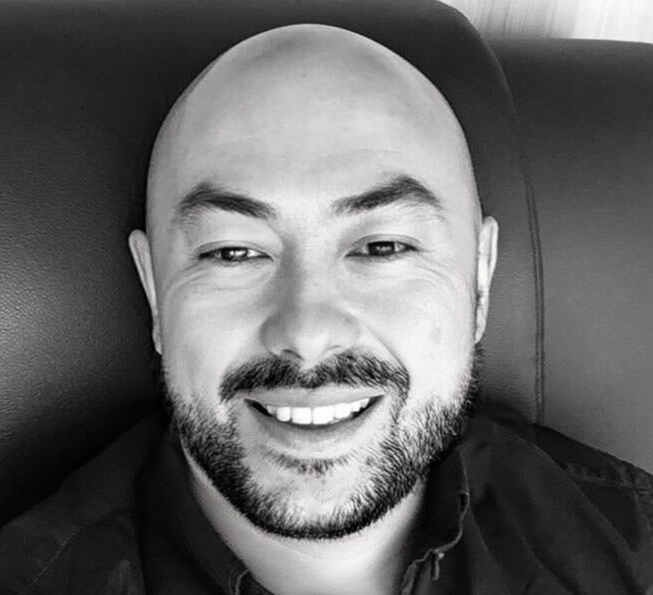
In this inspiring episode of The Quinntessential Questions Podcast, Paul Quinn speaks with Rai Kannu — PE teacher turned performing artist, Mediacorp radio DJ, entrepreneur, and restaurateur — whose journey is a masterclass in passion, resilience, and reinvention.
Rai began his career teaching and studying at Raffles Institution, before taking a leap of faith into the performing arts. That one-year sabbatical turned into a life-changing career pivot, where he transformed his love for music, storytelling, and performance into a livelihood.
Today, Rai is a familiar voice on Class 95FM, where he has worked alongside some of Singapore’s most recognised DJs, including Jean Danker and Yasminne Cheng. Beyond the mic, he has built a reputation in theatre, music, and business — opening his own restaurant, The Flying Squirrel, while balancing the demands of live radio and the creative industry.
We dive into:
🎤 His transition from teaching to the performing arts
🎤 The challenges of consistency, naysayers, and creative fatigue
🎤 The impact of Covid-19 on his career and performances
🎤 Life as a Mediacorp radio DJ & the transition to live radio
🎤 Building a personal brand, support system, and entrepreneurial journey
🎤 Memorable performances, mentorship, and the emotional power of music
If you’re curious about career reinvention, Singapore’s radio scene, or the mindset it takes to thrive in the creative industry, this episode is for you.
TIMESTAMPS
(02:05) Introduction
(05:32) Becoming a PE Teacher
(07:04) One Year Sabbatical
(08:14) Performing Arts
(10:24) Turning His Passion to a Living
(11:53) Dealing with Naysayers
(14:31) Consistency & Stability
(16:47) Challenges Faced
(21:10) Impact of Covid-19
(24:45) Most Memorable Performances
(25:45) Becoming a Radio DJ
(30:30) Support Structure
(34:05) Transition to Live Radio
(38:33) Seeking Mentorship
(39:33) Learnings from Different People
(40:57) Reading Books
(45:45) Interviews as Conversations
(47:47) The Impact of Music
(52:39) Music, Emotions & Nostalgia
(54:24) Becoming a Restaurateur
(58:05) Personal Branding
(58:45) Key Pivotal Moments
(01:01:38) Creative Fatigue
(01:03:27) Advice for Young Adults & Parents
(01:07:12) Rapid Fire Questions
Bio
Rai Kannu is a DJ at English Radio Station, Class95. With a multifaceted career in entertainment, he is known for being one half of music duo, Jack & Rai, performing for over two decades, gracing both local and international stages. The duo has also written songs for several English drama series, including the Apollo Award winning theme song for long running drama Tanglin.
Aside from that, he was also a host of Talking Point, an investigative current affairs program on Mediacorp 5 and CNA, for over 2 years, and has taken on acting roles in several commercial productions, making his musical theatre debut in Unforgotten in 2023 as well. He currently hosts Afternoons with Rai, every weekday from 2-5pm on Class95 and #throwback every Saturday night from 8pm till 12am.
Transcript
When I left teaching and I took that year sobatical, I'm just going to hop into music and see what happens. >> One year became 15 years. >> From teaching in the classroom to nearly two decades as a musician to pioneering live streaming during Singapore's lockdown to becoming one of Singapore's most familiar voices on Class 95. And now as a business owner, Ry Canu's career is a masterclass and reinvention. And today we dive into how he's navigated every transformation. I never felt that teaching was not my calling. The reason why I left teaching initially was I I I felt like I didn't have enough life experience to be able to teach. And I think the same thing as a musician, right? You got to work. You got to be interested in what you do. You got to >> but you got to put in the training, right? And >> of course, the main challenge really is keeping the interest, keeping the flame alive. >> That's something that especially as a creative person, you always stumble at some point. I'm in the top English radio station in Singapore. I had some bouts of impos imposter syndrome at the start. >> What I've learned to do is when I'm interviewing very senior people, if I ask them a very difficult question and I can tell they're processing it, I'll give an example. >> One of the lessons that I learned in life is whatever it is that I'm doing, when I enjoy it, I really give my best. >> No worry. [Music] Hey guys, today we had the absolute pleasure and privilege to sit down with a dear friend of mine, Ray Canu. Ray is a entrepreneur, owner of the Flying Squirrel, one half of the singing act and Ray and for a lot of you who might know him now as a radio DJ with 95 FM. It's a great journey. We look back at his time as a school teacher teaching PE, a former 400 meter runner and a lover of whiskey. I hope you guys enjoy the chat as much as I did. Cheers. >> Great stuff. How are you? >> I am good, man. How are you? >> Looking good, bro. >> Thanks for getting me on the show, man. >> Listen, thanks for coming. Um, now most people are going to know who you are in Singapore, but for the few that don't, can you just give us a quick intro as to who you are? >> Okay. I'm I'm Ray. I'm a musician. Well, at least I've been a musician for many years with a band called Jack and Ray. Um, and also right now I am a radio DJ with uh class 95 FM of FM. >> Brilliant. I love it. You know what a lot of people don't know about you is that you actually used to be a school teacher. >> Yes, you are absolutely right. You've done your homework. >> I've done my homework. Roll back the years. Tell us like what your journey was like. You know coming out of NS how did you go in that direction? >> That was interesting. So um actually coming out of my A level was when I decided that I would like to be a school teacher. >> That early. that early. >> What A levels did you do? >> I Oh, A levels. Um, physics, econ, and maths. >> Really? So, you knew you knew you didn't want to do that anymore? >> I don't know, man. It was just like towards the end of my A-level years especially. And I kind of realized that maybe the people actually that formed the things that I like um were the ones that kind of shaped me to becoming a teacher. So, I would say that the two things I love a lot, language. So I love like learning about the English language and using the English language in as many ways as possible. Um and the other thing I like is sports and I realized that at the end of my JC and quite a number of my values were shaped by the teachers who taught me those subjects right um whether it was PE my track and field coach Mr. Mike who is still at Raffles Institution. >> I didn't know you were a track a track and field guy. Oh yes, I was a track and field guy. >> Were you a runner or >> I was a runner. I was a 400 meter runner. >> Really? What was your personal best? >> Uh 51.69. >> Tasty. >> I still remember that. >> Listen, 400 m is unequivocally the hardest race in athletics. >> Oh yeah. >> You know, >> it is one of those races that at the end of the at the end of the last 100 >> Yeah. >> your bum feels like as though it doesn't exist anymore. >> You're gone. >> Well, I did I haven't told you this. I haven't released this episode yet. So, I interviewed Roger Black who won the silver medal behind Michael Johnson in 1996. So I had a he was one of my childhood heroes. He was gracious enough to do the podcast. We did it via Zoom. >> Wow. >> Yeah. And you know what what just shocked me was he said he never trained 400 m >> um during training. They would do like 8 times 300 m and things like that. But 400, you know, I think you have to be a massochist to do it a little bit. >> Actually, interestingly, I think that that school of thought is actually quite right. M >> I was in the 400 m, but my coach always made me train like two times 200 >> or 300 and then 100 >> and not we never really did the full distance all the time. >> Yeah, >> there was only once or twice where funny enough uh when I recall that um my training was actually spent mostly chasing girls. >> Why does that not surprise me? >> Listen, me too. That's why I'm a fast runner. No, seriously. Because there there weren't that many guys who were specialing special who were specializing in the same event as me. >> Okay. >> So, um I used to race against the 4x100 meter relay girls. >> Ah. >> So, they would do the 4x100 meter relay and I would chase them >> doing the 400 and that would be my training. Yeah. Yeah. Yeah. >> Actually, that's how I used to train. Not the girls though. There would be my my teacher would line up four guys and the thing is you I mean by the time you get to the end of the third leg you're dying as you as you well know. So right so then and then and then you decided to become a physical education teacher. >> Absolutely. Right. So uh the decision was was really mainly based on the fact that I was like you know I think this is something that I'll enjoy. I I thought I would enjoy teaching and especially physical education. So that was what I aimed for like right after my A levels. applied like well as soon as you get your results you can apply later on I think and that's the first thing I applied for. >> Wow. >> And then so what happened then? So where did you start? How long were you doing that for? >> Uh teaching? >> Yeah. >> Let's see. I was teaching for about 5 years. >> That long? I didn't realize it was that long. >> Yeah. So I graduated in ' 04 and then I taught until ' 08. >> 0405. What what cracks me up about you is how someone goes from studying like all the serious subjects you did to teaching PE to going the creative way. >> Yeah. >> So you're a Renaissance man. When were you thinking look even though you enjoyed teaching I'm sure. When did you realize listen this is not my calling? >> So really actually I never felt that teaching was not my calling. >> Okay. uh I enjoyed it thoroughly. But the reason why I left teaching initially was because you know how in Singapore guys especially we go through the education system right so you got your PSLE your O levels your A levels you go to NS you go to uni and after you leave uni you straight away get plunked in a job and that was exactly what happened to me and so when I was teaching for about 5 years I look back and I >> I realized that sometimes I couldn't buy what I was telling my students >> you tell them what you think is right but you I don't think you've had enough I I I felt like I didn't have enough life experience >> to be able to teach >> life things and these were older kids I teach I teaching at the JC level right >> okay >> so >> that's a very valid point >> so I was just like look I'm not >> equipped enough in life to be able to tell people what would be a good thing to do or to help them manage their thoughts right >> so I thought I'll take a one-year soatical just travel do my own thing you you know and maybe come back teaching after that one year became 15 years. >> So when did you realize after like into the year did you think look I'm not going back? >> Yeah it was it was um I think because I started >> being able to satisfy myself creatively in that sense and that's when I really explored the the creative side of me and I mean I've I've always been >> in music in in some way or other. >> Yeah. um in NS after I mean I had a I had a thorn ligament in my left knee two torn ligaments sorry um and that's when I decided I I tr I thought for fun I'll just audition for the music and drama company since I like music and I got in and that's where my first >> experiences with performing were >> really so you did a bit of acting as well >> yeah so that we we do everything so as as artists in the music drama company we learn acting we learn singing we learn dancing >> so I started off actually as a dancer >> okay >> we're going to do some bangra Bro, >> we so we we learned everything. We learned ballet, jazz, tap, you name it, man. >> I did all of those as well, but at a very young and I hated it. >> You're like Billy Elliot. >> Yeah. Almost. Because like my my my babysitter, her daughter did all of those things. So, I had to do them, but I was like five and six and I hated it. And then when I was 14, I hurt my knee >> and um I thought I couldn't play sports for a short time. So, I thought, you know what? I'm going to start the theater company at school and it's my way to meet girls. And I fell in love with drama as a result of it. >> Oh wow. >> Yeah. So like acting is >> I always think that it's timing man. >> Yeah. Yeah. Exactly. And um similarly I think that's how I ended up pursuing music right. Um I was actually part-time in gigs uh during NS and while I was in uni as well. Uh just you know just doing stuff for fun playing on the weekends. But >> but when did you start playing the guitar and start singing? I started playing the guitar when I was like or at least properly. I started properly learning the guitar when I was 19. Oh, >> only late. >> Yeah. Late. I did learn a little bit when I was in school. >> Yeah. >> But um so what happened was when I first started music, I know this is going all over the place, but when I first started music in 1997, I started playing gigs. I had another band. It wasn't Jack. It was another two guys, Benny and John. >> Okay. And the both of them uh about a year into uh us playing at the bars, they went overseas to study. And that's when I remember Benny was telling me like, "Hey, dude, you know, you better learn how to play guitar so that you can support yourself while singing." I was like, "That's a good idea because both of you are going to be gone, right?" >> Yeah. >> So, I spent a whole period just picking up all the songs that we we we were playing in our repertoire. >> Okay. >> And learning to play by myself. So, after he left, I was solo, man. I was playing solo for a while. >> Oh, really? >> Yeah. And when did you realize that your your hobby your your passion was going to turn into your living? >> I think it's when I left teaching and I took that year soatical and I did all that I wanted to do. I I watched like Dragon Ball for 3 months like non-stop every night. Okay. >> Uh I did part-time gigs still. I was playing with Jack then already. >> Uh so we just I just upped the number of nights that we played because uh you you need some money, right? You need to pay some bills. >> Yeah. So, I just upped the number of nights that I played and then I traveled whenever I felt like it. And it's great traveling off peak, man. When you don't have school holidays and you travel, it feels best. >> It feels different, right? >> Yeah. It's a lot cheaper for one and uh and I indulge in a lot of solo travel as well. >> Solo travel, I think not enough people do it >> because it's it's so good for the soul. Gives you time to think introspectively. >> It is. You get lots of space and the the adventures that you can end up on can be pretty crazy, too. Do you do you ever rock up into a bar and then you know end up working a couple of geeks >> impromptu? >> H I have done that before. >> I'm sure. >> For sure. I' I've walked into open mics before and >> overseas just like oh let's do this. Hey singing a song with you. >> Did you used to play Walaw Wala didn't you? >> Yeah for years man. >> Yeah cuz that's where I that's where I first saw you sing and um there was such a great vibe back then. >> Yeah. It was about 18 years that Jack and I were at uh Wala Wala. >> 18 years. 18 years. >> Wow. >> 202 till co >> really that's mad. So then how did you deal with all the naysayers? I'm sure there were some saying listen this isn't probably a career especially in Singapore. >> You know people tell me that all the way till now man >> still. >> Yeah. People are like I mean people do say that you know much respect that you managed to do this and I'm always thinking to myself like why is it so exceptional >> that I did this. I mean, if you want to be a good doctor, you got to study and you got to be good at your practice. You got to go have good bedside manners. And I think the same thing as a musician, right? You know, you got to >> you you got to work. You got to be interested in what you do. You got to >> But you got to put in the training, right? And >> Oh, yeah. Of course. I mean, it's hours of practicing, man. >> No, but talk about that because I I'll share with you why >> most people take take aside doctors. >> Yeah. I think they go to work every day and they just think by doing it they're going to get better and they don't practice >> and I think that's wrong. I think you need to learn right. So you're a musician apart from playing you're probably watching people listening trying new things you know to improve your craft. >> Mhm. Um and of course speaking to the right making the right friends. >> Yeah. >> Who are also equally as passionate and uh and you know all want to share their knowledge. And I think I've got a I've got a pretty good bunch of friends who work who I work with. Yeah. >> So when was your inflection point? Cuz this is what I'm really curious about. So was it deep into the year of the sbatical or was it after that you said okay I'm I'm now on this new path. I'm not turning it back. I think one of the things that happened during that sbatical actually when I started taking it um one of the things that was in the bucket list was to do an album with Jack and so we had written a bunch of songs over the years >> and the plan was to record them. So we we got down to recording them. We released the album and I guess unexpectedly some things took off and I was just looking at the numbers at that point in time and I thought to myself, look, you know, I mean, I think if I work hard enough in music, I could make as much as I did when I was a teacher. >> Not that I'll be very wealthy, but um but at least I could earn the same amount. And when you earn the same amount, at least you know your your feet are kind of on the ground, right? >> Yeah. And that's when I thought, okay, I'm just going to hop into music and see what happens. And my sabbatical became one more year. >> I love it. >> Or two more years. I think I planned for three years. And then I'll consider my steps after those three years. And I was lucky enough that things took off. >> Were you? Cuz one of the things I think people worry about is the consistency or the stability, right? Because you're always having to find work, >> right? So then you have to put on a little bit your business development hat to get the network to build that. Is was that weighing in at the back of your mind? >> Definitely. I mean definitely. I I would I would dare say right I'm not exactly the most outgoing person or sometimes not exactly the most outwardly friendly. >> Well, a lot of people probably think you're an extrovert, right? But but you're not. >> No way. I I I love my quiet time and I Yeah. Exactly. Exactly right. You know how that feels. Um but Jack on the other hand is a little bit more he he gets energy from people and he's always bouncy around people. So >> that I guess that kind of helped me along as well. And >> we always had this principle where we would talk to customers uh we would talk to our clients, events people, whoever it is and I think that's how we laid a network and that helped us a lot. >> I what I've learned about business partnerships is you have to respect each other. It helps if you're very similar but also different yin and yang but you have to balance each other out and um at the core hopefully have a friendship >> because because most business partnerships don't last. I'm curious actually, how long have you been working? I mean, you have >> I I was I was b I was with my business partner, my initial business partner for about 13 14 years >> and he he moved back to the UK and I was very sad about that now. I bought him out of the business, but but we're still like best friends today. And then I've got another business partner who's based in Australia and and again I've known him for over 20 years and I think um you know, you might butt heads a few times but if there's underlying respect at the end of it, right, it's it's okay. But I did find with my initial business partner, we were rowing, you know, in different directions >> and it didn't work out and it wasn't working out and that that was okay. The main thing is the friendship's still there. >> Yeah. >> But it was there were a few testing times. >> I think you're right. I think once directions start to differ or the the main vision of the goal starts to differ, sometimes it's good to reook >> where you're at in that sense. Yeah. >> You got to be honest with yourself. >> Of course, >> you know, it's like anything like marriage as well. does the same thing. Um, what are some of the other main challenges that you've faced, you know, in the music industry in Singapore because it's, you know, I had a guest on here who was a magician and um, he ended up going into banking and he he felt that it was only ever going to be two years and that satiated his appetite. Um, but I'm just curious what are the main challen he thought it was because there's not enough business here, >> right? But you know, what been main challenges for you? I think the main challenge really is keeping the interest, keeping the flame alive. >> Ah >> yeah, that's that's something that especially as a creative person, you always stumble at some point because you get to a point where you're like, okay, I've got an album, I've written enough songs, I've released a couple of singles. Is that enough? And then you're like, maybe I want to work more on my more m on my music. And you know that sometimes that doesn't pay the bills as well. But then you got to satisfy this need to want to create something new. >> Yeah. So I think when you hit that point then you're like then you feel like there's this plateau right and you're just walking the same you're walking the same level and you feel like you need to step up somewhere and then you start searching for things that would satisfy that. Uh sometimes you find the right thing sometimes you don't. >> Yeah. >> And I'm in a way in that sense also um and that's why I think Jack and I went a little bit into mentoring and teaching as well. So we still conduct workshops in schools. Uh >> Oh, you do? >> Yeah. I was we we do like songwriting workshops. >> Brilliant. >> Uh writing workshops. >> That's that's very rewarding. >> Yeah. Exactly. So that helps a little bit, right? You know, you diversify. So I always feel that you know when you come to that stumbling block, it's good to try and look for options to diversify. >> Yeah. not to completely switch out until you really feel that you've expanded your need that that that need for fulfillment. I heard this quote the other day that kind of stuck with me about going into business ventures or doing something new. And the advice was um don't do it unless it's going to kill you not to do it. And I thought about that because sometimes when you have that because you know when you're about to do something that other people don't understand a lot of people will say I don't I don't know if you should do that and after a while I just I don't ask people their opinion because you ask 10 people you're going to have 10 different opinions. So if at your core you really want to do it you just got to go for it. But do you think that's because of people's >> how would I say not wanting to change something kind of >> happy with the status quo in that way? Yeah, >> I think so. Um, and I' I've learned not to take advice from people haven't done it. You know, if if someone's done it, tried, doesn't matter if they failed, I'll have a chat. I'll listen to them. >> But if they haven't done it, why am I listening to you? >> Actually, if since you were a head hunter before, right? >> Yeah. I still am. 30 years. You are a head hunter. Sorry. Don't you get people who come up to you and tell you that like, should I be changing my line of work or should I just look for something within the same sector? >> A lot. So one of the major things I sit down is I do an analysis. So if you look at Tara, my wife, she was a corporate lawyer and she inadvertently became my first career coaching client because uh she wasn't very happy and uh she doesn't listen to a word I say which is why we're still happily married. She just ignores me. >> Okay. >> But I wrote her like a five-page love letter with five different career options. Um and they were very detailed. So it's like one was, you know, become a novelist. So I had a picture of a Harry Potter book and said, "Look, you become a writer. This is what it looks like." And what I think a lot of people get to the stage is if you're doing relatively well financially at 40, 45, you think you can take your foot off the pedal and then reflect. The reality is our parents generation, if you're if you're a brick layer >> and you've earned okay money, but you you you haven't earned enough to take take a sabatical for example, um then you don't have an option. maybe you become the owner of the company or maybe you become a contractor >> but I find a lot of people in industry now have at that inflection point should I do something different um and I think that so what I do is I help them do an analysis >> at the very core who are you so for example if you're an introvert do you really want to become a salesperson test drive that car before you buy it know what it looks like but that's a lot of people that's why your story is so interesting because you've had three or four different avenues news. >> Do you know what I mean? >> Yeah. >> So, I I want to roll back. So, when during CO, it must have been phenomenally difficult for you and Jack. >> Oh, yeah. Co was >> forget about it, right? >> I mean, I would say I was upset. Yes. Um, and I mean this is a story that I do and not a lot of people know. So, I was expecting that whole closure of bars to happen, right? closure of bars and events and that that is my main source of income, right? Um and it happened. I remember the day that they announced it, the government announced it. Um I just took a walk. I went downstairs and I I don't know why in my brain the first thing that I thought was let's see how many people are queuing up at the supermarkets >> for for toilet paper and essentials, right? I was a bit disappointed because there were no long cues for toilet paper. I think people had wisened up then. Um, but yeah, I mean, I just took a walk around my neighborhood and maybe it's just my maybe it was the reaction that came out of being either sad or just my natural reflex to something. When something pops up in my face like a wall, a brick wall, >> my first instinct is how do we get around it or how do we get through it or over it >> or if you have to through it. >> Yeah. Exactly. And then my my that's that's instinctive for me. >> I love it. And I think a lot of like especially even my my wife for example sometimes I think when we are faced with a problem she she does I mean she does tell me like you need to acknowledge the problem first and how you feel about it before you try to barge through it. And I and I I acknowledge that that she's right about that sometimes. But so I always think of okay what shall we do now? >> And so in my in my brain that's when I I I was thinking to myself okay Jack I called Jack. I was like okay we're going to start live streaming. M brilliant >> on Facebook and we started doing trials like the day after or the like within a week we were like calling each other trying to see how can we play music with each other without that internet lag if we are streaming from two different places and it doesn't exist. There's always a lag. So you can never jam together online. >> Ah >> yeah. So our challenge was how do we present something that is you know so we started doing Sunday night live streams to replicate what we had at Wala Wala. Um because Wala was like our little family gathering every Sunday. Yeah. >> Um in that sense. So um yeah, so we we we took off on live streams and and as we did that I learned how to slowly improve the live stream. I got small little pieces of equipment to try and help us interfaces, cameras. >> Wow. >> And slowly as the the rules started relaxing a little bit more, we started live streaming from our guitar shop/studio. >> Okay. Um, and I think that lasted for quite a while and uh, that became like a full-on live stream setup, man. It's we live stream on Facebook. We moved over to Twitch. >> Yeah. >> Uh, became partners on Twitch as well. >> Wow. >> Yeah. So, >> so, so you adapted. >> Yeah, we honestly we adapted and but the money was was never going to be the same. >> Of course. Of course. >> But it probably got you greater exposure hopefully. >> Definitely. I mean, I think um, having a live stream community is quite interesting actually. >> Yeah. having people come in and and chat with you and and they even say hi to us now, you know, and stuff. So, yeah. >> When you look back at so far, what have been the more memorable performances and where >> during co? >> No, just in general. >> In general, >> like is Walaw Wala been your favorite place to to >> Walla was always like home, man? >> It I mean we we started we always have sentimental value for Walaw Wala because we started as a duo on Sunday nights there. >> Yeah. And um and we were there for 18 years. >> I didn't know it was that long. It's amazing. >> And we had a little community that came down on Sunday nights. We had these Sunday night rituals, you know, go down to Vala. People buy us Jerger shots. We would like be drinking with our friends. It was like a little party that nobody knew about. Yeah. >> And and slowly everyone started knowing about it. >> Yeah. >> And then we'll finish at Walla. We'll cross over to Bon. Yeah. >> Right across the road. and we'll be having our after, you know, also called after gig drinks there and it was it was nuts and it it was it was beautiful uh until it ended. >> Yeah. >> Yeah. So, I still feel a little bit sore about that. But >> of course you do. >> Yeah. >> So, what was your pivot? How did you become a radio DJ? >> That's very interesting. So, um, this would date back to maybe late 2000s when Jack and I did a regular appearance with Gene Danker. Okay. >> On Class 95, a media called Class 95. >> I love Gene Danker. She's she's very spunky. A lot of personality. >> Oh, she's great. She's great. And and she got us on a show uh just to come on as musicians and and sing some requests and, you know, have have fun at people's expense, sometimes hers. Um, yeah. So, so that was our first like experience with radio. >> Yeah. >> And we did that for a few years with her. >> Um, >> and then we left and of course I was doing my own thing and I think maybe in the past two years or so um I entertained the thought of trying radio part-time. >> Okay. >> Uh so one of my friends was actually in media called Class 95 at that point. um she was doing the 2 to 5:00 pm belt and she dropped me a message. She's like, "Hey, you know, uh they're looking for part-time DJs to do the weekends and stuff. If you're interested, um let Maggie know." Maggie is the program director of Class 95. >> Okay. >> And uh so I said, "Okay." And at that point, actually, funny enough, I was doing a musical. >> Okay. >> Um I was involved in a musical production as one of the main cast. Uh it was called Unforgotten. Yeah. >> I didn't I didn't know you did those things. I would have loved to have come watched them, man. >> Oh, yeah. It was great. It was like my first musical theater production. >> Okay. >> And it was full on with song and dance and everything, man. It was fun. Um, yeah. So, I was doing that at that point in time. And I said, "Okay, never mind. After after I finished this production, >> Yeah. >> Um, then I will drop her a message." And that's what I did. So, that was around September 2020. >> Do you do you remember how long it was when you thought you were entertaining the idea of doing radio and then you got that call? Was it quite close? >> It was quite close. >> Let me tell you why I asked that question. I'm convinced >> that when you start thinking about things like that positively, the stars align, >> right? So, like my son, I had said to him, "Listen, you're a good-looking guy. You should do some modeling." And then like within two days, you know, the phone rang and things happened. >> It's just weird. It's just weird, right? Yeah. It's just it's that connectivity. Now, I'm curious. >> I know. So it it was a short lead time. I think I always had that idea or that thought in at the back of my head somewhere, but maybe I just never thought about it seriously. >> Yeah. >> And I think that's when I actually gave it serious thought and I thought, okay, I'm going to try to enter the radio industry. >> Yeah. >> But I'm going to start part-time. >> Yeah. >> No pressure, right? Weekend shifts, once a week, >> get to know the console and everything well. And so I went in and um and that it just so happened that my friend who told me about the who told me about the partiming, she actually had left the 2 to 5:00 p.m. slot on class 35. >> And it turned out they were looking for someone to fill it up. >> Wow. >> And so I met I met up with uh Maggie and uh Yasmin who does the lunchtime show and Jean also spoke to me prior to that. They were like, "Ray, there's this opening and if you want it, just tell Maggie that you want it and and go and apply for it and try for it." >> Okay. >> And they said, "You know, we know we know how you work and we think you'll be great on class 95." >> Wow. >> And I was like, "Okay, I'm going to I'm going to give it a shot." >> So, I spoke to Maggie and she said, "Yeah, there's this slot open, the full-time slot. Are you ready to go into full-time job again?" Right. I've been freelance for 15 years. Right. >> Yeah. And >> I bet I bet in that moment you were thinking I need to think about this. >> You're right. >> Yeah. >> I was thinking I need to think about this, but I did make the decision quite quickly and I was just like, >> well, it's a great opportunity, right? >> Oh, it was. Of course. I mean, can you imagine? It's like you're supposed to be part- timing, but someone says, you know, there's an opportunity for you to be a full-time DJ now. >> Yeah. >> And if you miss out on it, >> it's gone. >> Exactly. The radio station only has like I mean on on our radio station at least there are two in the morning four four five oh no I'm counting there's not many seven there's seven people >> well it's not just it's not just that the other thing is I think people overlook this if you're asked and you say no you may not be asked again even another slot comes up because they thought we asked that fellow once anyway >> exactly you know what I mean so there is that risk right and and this is once in life sorry >> bless you >> and this is once in a lifime time. I mean, you know, if I give that slot, it probably be at least 5 years before I can even try again before somebody else decides to resign or whatever it is or retire or whatever. >> So, I was just like, hey, let's just do it. And uh and I think that's that's where having a support structure really helps in making those decisions. >> Who's in your support structure? >> I mean, of course, at that point in time was my wife. >> Okay. >> Uh and we we've only been married >> three years at that point. At that point. Okay. >> Uh but she's always been very supportive and uh and she was just like, you know, this opportunity is here and you you want to take it up and I was actually worried about taking it up because my baby my baby was one >> plus and being freelance helped me have a lot of time with him enabled my wife to still go to work. My wife does 9 to5. >> Okay. >> Um so it enabled her to go to work. I could still take care of the baby when the grandparents couldn't. you know, at least there was a lot of flexibility in taking care of the boy. >> Yeah. >> But she was just like, you know, but it's an opportunity. Do you want it? If you want it, you go for it and we we'll make it work. >> I love it. >> Yeah. And and I was just like, "Okay, thank God you're here." >> Listen, it's huge cuz I >> Yeah. I mean, how about you, man? What's What's your support structure? >> So, my wife, Tara, you've known Tara longer than me. She she's been in my corner from day one when I had nothing. And I always think and I was telling my son this last night. I said if you meet someone uh now when you're young, right? It's it's different if you're in your 50s and you're already married and divorced, but if you meet someone where when you're young and they they end up basically believing in two versions of you, the version you are today and the version you want to become >> and if they believe in your dreams almost as much if not more than you do, then that's the person you should be with, right? Cuz I just think that goes such a long way. Um, and you know, I see a lot of couples that break up when they go through hardship or supposed hardship, but the reality is when you see like we've seen both our dads die, my mom die, our grandmother die, we've been through all that adversity, financial hardship, and I think that pulls you together, a good couple and makes you a lot stronger. So, I think that goes a long way, man. >> So, it's very important. >> No, I mean I I I mean, I really felt quite well supported there. And I think, you know, and that's the interesting part. I mean I to be honest I was quite late into getting married. Uh I got married when I was 42. >> That's all right. >> Yeah. But you know there's this whole period of time that you have this freedom right? >> Yeah. >> And I think that that kind of pushed my career on as well. I had this freedom to do whatever I want whenever I wanted to do it. Could take a break when I wanted to. I could I could just switch, do new things, do new projects without thinking. >> Yeah. >> Um but at this point in time, uh of course having somebody else in my life, having a baby, >> I felt like I needed someone else's word. >> Yeah. >> And someone else to be there. >> But the flip side is you now had some stability as well, right? >> With with the radio gig. >> Oh, yeah. Of course. I mean, >> that's the the positive. It was enticing in that sense because there there is stability. I don't have to keep thinking about what my next step is going to be, right? >> Yeah. >> Um but when I weigh it out, I feel the stability was a factor, but I think it still was my interest and my passion to want to do the job. >> Yeah. >> That got me in the first place. >> I'm curious, right? Because I've been on radio once and psychologically, you know, it's live. It makes a difference. Like we're talking now, we probably won't need to do any edits, but the psychology that we could go back and edit things if we wanted changes everything. But I'm guessing peering live all those years, you know, on stage, did that help you transition into doing live radio? >> I think definitely. I mean, must have done, right? >> Yeah. Um, let's let's just look at the lead time that I had. And this is very interesting and I I don't know if my boss is going to enjoy me saying this, but um so what happened was when I applied for the job, right? Uh literally it was I had two full training sessions with Yasmin in the afternoon. >> I love it. >> And that was to to to get to know what to press, the procedures and all that, which I think half of which I don't do now. Um but um and then after that it was a okay I'm just going to push some buttons on behalf of Yes. She's still there and she's supervising me but I'm pressing her buttons for her. >> Yeah. >> And then after that it goes to a Oh, let's take a weekend shift or two. Get some practice in. Get somebody to supervise me while I'm doing my shift. >> By the way, you need to explain that you're pressing buttons literally, not just figuratively. >> Yes. Pressing buttons like literally like >> being an octopus. But I've seen I've seen the uh the whole setup and it's it's a lot. >> Yeah, you do. You do have to know a fair bit about how this system works. >> Yeah. >> So that you can have a very smooth show and when things go wrong, at least you know what to do. If not, you just be panicking, man. >> And it's live, right? You can't panic when it's live. >> Yeah. >> Um Yeah. So, okay. And and all that happened >> in the window of about two weeks. >> Crazy. >> Yeah. So, in December, I did my first like full weekend shift. And during that time, they were like, >> "Hey, Ray, by the way, just to let you know, so uh when you when you finally start fully, your show is going to start on January 15th. >> Um, and you'll be doing the 2 to 5 p.m. slot." >> Bang. >> Yeah. And I mean, I knew I was taking that slot. I knew in advance, but I didn't know it was going to happen by January 15th when I just finished getting trained >> around end of December. >> Okay. So I was like, "Oh, wow." All right. And and and seriously, I had some bouts of impos imposter syndrome at the start. >> I'm sure >> because I am in the same I'm in the top English radio station in Singapore, man. >> Um >> there's nowhere to hide, man. >> No. And the guys who are alongside me are all experienced. Yeah. >> Like you're talking like Jean has been there for Gene has been in radio for 20 plus years. Yazzy as well. Yeah. >> The Mutton have been in radio for 20 plus years. the younger ones like K and Edward, they they've had a couple of years under their belt as well. >> Yeah. >> So, I'm the noob. >> Yeah. >> But like you mentioned earlier, performing live and having that experience of establishing a rapport with the audience >> definitely helped um me to overcome that initial fear of facing the mic. >> But the thing is with you, knowing you as I do, you're all in. So, so you know, >> it's it was just a matter of time before you probably felt like you hit your groove. >> Definitely. Because when I first went all in Yes. Just I had I didn't have much fear about facing the mic, but it was a completely different ballgame because I'm talking to myself. >> Yeah. >> Literally, there's no one else in the studio. >> Oh, there isn't? >> No, I'm there by myself. I'm solo and I'm talking to myself and I'm new and and I decided that I was going to be in Singaporean terms of course kasu um but afraid to lose out. >> Yeah. >> Or lose in any way. And I actually when I first went in my first few my first month I was fully scripted. Yeah. >> It's like I would script everything I would say. >> Yeah. >> And try to deliver it conversationally. And only when I started feeling a bit more comfortable about being on the mic, I started reducing it. Reducing it. Now I use bullet points. >> Yeah. >> Or reminders. >> But you sound very authentic. And I think that's probably the key to most of your success. >> No, but it it took me it took me at least half a year to feel comfortable in that sense. >> Yeah. >> Uh and I can't imagine the other guys who have got so much experience, right? So they are probably just like I'm here and I'm bang. And I'm still I'm still very in the preparation process. I take a long time to think about things and I make sure that I know what I'm going to say next. Uh because it's so important. It is that important >> of course. >> And and that was the ball game that I had to learn that was different from from being live >> as a live musician. Live with your audience in front of you. You know, you get immediate response. You can read what they're they're thinking. But in a radio station, you can't read what people are thinking. >> Did you um did you kind of seek mentorship from like Gene and some of the other people around you? >> Yeah. So, um, of course when I go in, the first person I see is Yasmin, uh, because she's on the shift right before me. >> Yeah. >> She does 10 to2. Yeah. Um, yeah. So, whenever I go in and I something that I need to ask or find out, I'll be like, "Yeah, you need some help, you know, uh, and then she'll just tell me or when I finish my show, Gene is Jean is right after me." >> So, if something went >> wrong or I I I feel like I need some help in something, I was like, "Hey, Gene, you know, this happened earlier. Like, how do I deal with it?" >> You're on the second leg of the relay, bro. I'm like sandwiched between two great people. Yeah. >> Right. And who doesn't want to be sandwiched between Yazi and Jean? >> You said that. You said that. >> I don't disagree, by the way. >> But they but they but they but they were great. They they're wonderful colleagues. They've been friends for many years and and I think everyone at the station has been very helpful. Even my boss as well. She's always like looking out, giving me feedback and uh that's huge. >> Yeah. And it's been great so far. Yeah. what in terms of you know the personalities around you have shaped the way that you do what you do because you know when you have the thing is I'll give an example you're talking about running right when I was a runner um and a boxer I I had favorite athletes but I realized you know I couldn't replicate >> who was a boxer >> Mike Tyson unequivocally in terms of just just favorite to watch >> right but um so if you look at like Michael Johnson and how he would run. You know, no one can replicate that. But I'm just curious like did you take different, you know, snippets from different people and kind of build that into the essence of what you were doing? >> I think if there's one thing that I learned from my colleagues is to not really take anything from them >> in terms of personality. >> Yeah. >> Because you can't fake being someone, especially on air or anywhere. You can't you can't you can't tell people that you're this person, right, that you're not. >> Yeah. >> Unless you're a really good actor. >> Yeah. >> So, the thing that I learned from them actually was to really just be yourself. Of course, not a toned down version of yourself because you're on radio. You need to have a certain energy, right? Um, but if I if I did pick up things from my colleagues is literally like strategies, things like how to manage callers or how to, you know, the little ineteens, right? I and I and and I read books as well. I've got this book at home. It's called uh Radio Secrets by David Lloyd. >> I love it. >> And and it does tell you how to engage in an audience on radio on that platform. >> Did you Did you seek that book out yourself or did someone recommend it? >> Oh, I see it out. I I looked online and I I did some research and >> I I want to talk about that because a lot of the time even to my own team >> I explain look I can give you books to read >> but >> and and you should do that right and I can I can curate what you're doing so you don't fall off the beaten path and go down the wrong path but >> if you're curious and you do your own research unequivocally that will raise your level of game because your curiosity and and the drive to be is is key to everything. >> Have Have you read any books on head hunting? >> Nearly every book has probably ever written about. So So like um >> how did it help you? >> So the thing about a lot of sales books >> Yeah. >> is they're written like a Bible and they try to get you to follow exactly. So what I've learned from reading things, if you read something that doesn't work for you, flip it. So basically, if there are 10 points and five of them don't work for you, flip it and make it work for you. M >> um but effectively the fundamentals >> right so for example if you're on radio or if I'm doing an interview or I'm speaking to someone I I call them transitions and what I've learned to do is when I'm interviewing very senior people if I ask them a very difficult question and I can tell they're processing it I'll give an example so I will ask them a question then I'll give a statement and I'll go back to the question so I'll give an example if I ask you um what would improve your viewership and people listening and how could you incre you know uh a greater audience in your current organization and you're thinking that that's a that's an interesting question but I can tell you're still processing it so perhaps not to embarrass you I might give an example so you know in in with the podcast I'm I'm still so infinite in it I'm learning how to do all the e-arketing you know the Instagram reels the search engine optimization so on and so forth and by doing that I'm also explaining to you that I don't mean that question offensively, >> right? I'm just trying to find out a little bit more and then that comes back and it kind of explains to you why I'm asking that question and then I ask it to you and then you'd give me the answer because sometimes when I'm speaking to corporate clients um they think they're testing me but it's it's it's both ways and it's a relationship. You know what I mean? So very few books that I've read have that level of detail. >> Mhm. >> So but if you read different clippets from different books, you pull together your own strategies. And then the other thing is I write it down. So I don't know if you've done this but did did you have you had scripts initially and then bullet points you know. So that's what I learned from reading all those sales books. >> Nice. And how do you think that actually >> I mean as a head hunter you have to have your own authenticity. I'm just being curious here. >> Yeah 100%. >> So what do you think is like your character as a head hunter? >> Well you know me right? I am who I say I am. There's there's no BS. It's with everyone it's the same. But I I'll I'll go back to my martial arts and boxing. So typically in martial arts and boxing there are fundamental things that you can do well. >> But what I've realized is if you're fighting someone and everyone does the same thing, you can read them. >> So it's the person that does things that are uncharacteristic that that you can't uh see if someone's telegraphing things. So for example, at the core, I care about people. So I'll talk to them and I'll ask them questions. And listen, I got fired from my first three jobs. I've redlined so many conversations. I used to be so aggressive in my mentality that I can feel that this conversation is going a little bit south and how do you pull it back? >> Um, so for me, you know, if if at the core you care about people >> and you show that you're genuine, you give a little bit of yourself back, people will share with you. So, actually, believe it or not, a lot of the career coaching clients I've had, and I'd say maybe 90%, it's crazy, have at some point cried during one of my sessions. It's it's weird. >> It's a little bit weird. It's a bit because >> is it because they unlock something that they >> I think so. It's almost I mean part of it might become life coaching a little bit because people are going down that genesis if someone's getting divorced or someone's died recently or they're under tremendous pressure. Know you know if you're under financial pressure you're the bread winner at home you know everything's on the line. How do I deal with this interview or how do I try to negotiate a pay rise? You know so that's pretty interesting. It's tough. You know what's also interesting about you is you're asking me questions and rarely people ask me questions and I love and I'm I'm guessing you've learned that also being on the radio show. >> Oh yeah, of course. Because when you >> I I feel that when you interview someone >> Yeah. >> It's not always one way. It shouldn't be one way. >> It shouldn't be. >> It it should be a conversation and and and I learned how to be >> I mean I' I think I've always just been that curious. I'm just curious about what people think. >> And >> that's the key word, right? Curious. If you're curious. Yeah, >> because if not then you're really just >> being a bit selfabsorbed, don't you think? And I think it's fascinating what people have to share. And that is that's the most amazing part about life, right? It's like >> it's the stories that people have and and we always and I remember once this is very this this is quite funny >> um is after a breakup and of course after breakup is when you're most reflective about things, right? So I was sitting at the top, you know, at one point in time at Shaw Leo, you used to be able to go upstairs to this garden. Yes, >> illegally and sit down. >> And I was sitting there and I was just looking down at the big junction that's in front of uh in front of we place and and stuff, right? And I was just looking down. I was just looking at all these people walking and just at that moment I was like, it's very interesting how we are all just walking past each other, but everyone has got something different going on. Everyone has got a different story. And I always share that during my songwriting classes as well. I'm like, why do you think your story is or what you're experiencing is not interesting or something that you don't want to share. >> Um, and it's surpris what what creative writing, what songwriting is about. It's really about sharing. >> Yeah. >> I mean, you might have had a praa for breakfast. I had a cup of Milo >> already. We had two different things for breakfast. Can you imagine our thoughts, the differences in our thoughts and our lives as we go along? And you know it's not just food, right? So yeah, I just at that moment I was just like, "Wow, you know, this is fascinating how people's paths cross." >> Yeah. Yeah. >> I mean, I didn't think 20 years ago I'll be sitting down here talking on a podcast with you, man. >> Yeah. Mad, isn't it? >> We were just having drinks. >> Yeah. Exactly. It's so funny. What what um I find interesting is in what your medium, which is music, >> it of all the mediums, I think it has the most impact, right? Because you know if if if like for example Rocky you don't it doesn't have you can't don't even have to be watching you hear the score and then you're moved you know so all the years that you were playing what are you hoping people felt when they were listening to you guys play >> it's about connection really it's really about connection the the songs that you love what's a what's what's a song that you what's your favorite song >> um sitting on the dock of the bay >> sitting on dock of the bay why >> why do you like that. >> There's a few reasons. I watched it when I was 14. It was a sorry, there was a cappuccino advert and there was an extremely beautiful woman on the advert and they had this song in the background >> and then I heard it on the radio and back then I didn't have any money so I had the way I would record music was when it was on the radio I would press record the two buttons on my stereo. So I always missed the very beginning cuz you don't know unless they announced the song was coming on. Yeah. And then I didn't realize like it was in the background scene of Top Gun. >> But it was for those reason. I just fell in love with the song >> and his voice. Otus Reading. >> The song and the voice. >> How did it make you feel? >> Makes me feel everything. Like I love that song so much that when I die, I want I want my kids to play that. >> Yeah. But very very emotional. And then I think there's a lot of meaning. And then and then it's interesting that song it's evolved cuz at the time I didn't realize that Otus Rein died when he was 26 in a plane crash. and and then I've since been to San Francisco where that song was basically written and what the inspiration was. So it's it's actually means different things now. It's interesting, right? >> Yeah. Exactly. And and and that's where, like you said, that's where the connection is, right? >> What's your favorite song of all time? >> If you had to choose one to listen to and then one to perform if they're different. >> Wow. There just so many, man. My song my my life has got all these soundtracks, right? >> Yeah. Um, so there was one song that accompanied me when on a breakup as usual, you know, when you break up, >> it's like that's when the best songs come out. Um, there was one breakup that happened and that was when The Pretender by Foo Fighters was out. >> Okay, nice. >> What if I say I'm not like the others? Yeah. Right. >> And that song accompanied me through the breakup. I just felt listening to that song made me feel liberated for some reason. Wow. >> I mean, I just I can still remember how I felt. It was sadness from the breakup and you listen to the song and you're just like, you know, Yeah. I'm not like the others. I can do this on my own. >> Yeah. >> And and and even until now, I mean, I don't perform that song regularly. >> Yeah. >> Because I believe that if I do, it'll lose its meaning to me. >> Yeah. Got to put it on the shelf and take it out. >> Oh. So the only time I ever performed that song, so there's another band called Tabula and they were playing at Walla as well. >> And I would jump on stage and I'll sing that song only with them. >> Yeah. >> And when you and when I performed that song, the same feeling came back. That feeling of liberation, that feeling of getting past an obstacle, you know, and and and I think like that for me is a memorable feeling, right? >> I I'll tell you a funny one because I'm not a singer at all. Um, but at my mom's funeral at her wake, uh, we're in Ireland and she's got a massive living room and there were, I don't know, 30 40 people there and most of them I've not met. They're in they're in rural Ireland, so they're in their 70s and it's just a little bit quiet cuz it's a somber time obviously. But I was thinking, look, I I want to celebrate my mom and I want to thank everyone. And it was just it was just quiet. It was just it wasn't working. So, I thought, you know what? I'm going to start singing and I'll get everyone together. And I'm they're all going to be tonedeaf anyway. So, I started singing one of my mom's favorite songs. And in that moment, I don't often get nervous or embarrassed, but I did cuz I thought I'm going to sing start cuz I just started singing and but you know what? It got everyone together and it changed everything. And then people were interacting now or never. Elvis Presley. >> Ah, okay. >> I'm going to sing it to you. Ready? >> Yeah. >> It's now or never. Come hold me tight. >> Kiss me my darling. Be mine tonight. Tomorrow, >> might be too late. >> It's now orever. My love won't wait. That's exactly what happened, right? And it was like and I thought, "Oh, that was really cool." And then everyone was having a cup of tea and some cakes, but music's just so important. >> No, you're right. And and going back to that again, it's connection. And why does music connect it? because of the emotions that it makes you feel, right? >> Yeah. >> Um, nostalgia is one thing. >> Yeah. >> Uh, how it made you like even now when I listen to like Don't Stop Till You Get Enough by Michael Jackson, I think of when I was >> five or 6 years old, my mom would have the radio blasting in the kitchen. >> Brings you back >> and brings you back and makes me feel happy, right? You know, makes me feel like there's a memory there. And I think that's what music does. And and I and I also try to share that on my radio show as well. Yeah. Um, I remember that you know the song Wake Me Up when September ends by Green Day. Yeah. >> You know what it's about? >> No. >> Okay. So, interestingly enough, so when Billy Joe Armstrong was young, his dad passed away. >> And I mean, long story short, after the funeral, he came back to his room and he was just, um, you know, um, being, you know, sentimental in his room or whatever he was doing, just sitting by himself. His mom came in um, and he just said he wanted to sleep. Wake me up when September ends. Ah, and that was when he was really young and he said he kept that line in his head for the longest time. >> M >> and then finally he decided to put it in a song and that was his closure in a way. That was the it gave him a a feeling about his dad. >> Yeah. >> Right. And uh when I shared that story on air, I had people, you know, coming on WhatsApp saying like, "Wow, Ray, thanks for sharing that. I didn't know about that story. Now I know the song makes me feel different." >> Yeah. >> You know, and I was like, "Oh, okay. That's that's fantastic." Right. And I think that is what people look out for. >> One of my favorite songs is Pumped Up Kicks, but then when you think about, you know, it was about a school shooting and this that and the other, it kind of changes the way you feel about it. >> You know what I mean? >> Yeah. But you can look at it two ways, right? Um I think the intention was actually to raise awareness. >> Yes. >> But some people do think that it's about glorifying shooting, but >> it's not not at all. >> Now talking about connectivity, the other way we connect is over food. And that segue brings me into your entrepreneurial journey. >> Yes. you know into restaurants or becoming a restaurant tour. Tell us about that. >> Well, that was really um I would say that was a journey of friendship. Um so after Jack got married and you know his his his wifey was um I mean she she she's from overseas. She was from Malaysia. Um but she's well traveled. She used to she used to fly um with Kata Airways I think. Okay. >> And yeah Kata Airways correct. And then she Yeah. So after they got married, she she was based here, right? And she was um I think she was trying to find herself as well at the same time. And so she tried a few jobs, she studied and stuff and then after she tried these few things, she was like, "Oh, you know," but she kind of realized a passion really in food. And you know, the three of us are very close in that sense, almost family. Um and so she she was like, you know, I'm really passionate about food. And Jack and I, I mean, we've been working in the entertainment industry, but we also know that wherever we worked in bars or restaurants, whatever it is, they're all FN venues. So, we've seen the workings of FnB, we kind of subconsciously maybe took in information from our friends who are in FNB. >> And so, when they decided, hey, you know, uh, they said, you want to come on board, we want to try having a you want to try having a restaurant. >> Yeah. Yeah. >> And I was just like, let's do it because it's you guys, you know, I don't mind going into it. So again, you know, like sort of like support structure, >> I wouldn't have done it myself, >> but because a friend wanted to do it. I mean, you know, somebody whom I consider like my sister >> um wanted to do it >> and I was just like, you know, it sounds interesting and um and I also love food and I love especially Japanese food and sake. So they were just like, "Ray, we're going to try and see if we want to do like a Japanese restaurant." I was like, "Okay." And then they they actually as far as one night we were just hanging out at Amoy Street and they said, "Ray, um, this is the the lot that we wanted to look at." >> So they brought me to the where the flying squirrel is now. >> Yeah. >> Which is actually located along a back alley, right? >> It's hidden. >> It's hidden. >> But that's that's the appeal, I think. >> Exactly. So when they brought me there, I looked outside. I was like, "Wow, this is so hidden. Just might work." >> Yeah. And I just started laughing and next thing you know, you know, they got the ball rolling and we we we we opened that restaurant, 92 Amoy Street, Flying Squirrel. >> It's an amazing restaurant. I've had many good nights there. Oh, thank you. >> In fact, well, I' I've met you through Kamal and one day uh we were WhatsAppapping each other and he'd had a lunch meeting there >> and I think it was a Friday and um it was a late lunch meeting and I said, "Do you want to meet for a drink?" I went, we were there for like three or four hours. They just they stayed open. We were just drinking. >> Oh, yay. Yeah, we were just we were just drinking. It was empty. We just kept on drinking there. But what a great restaurant. >> Brilliant. >> Um yeah, so that that would be I would say all kudos to Angelina, Jack's wife, >> for conceptualizing and and coming up with, you know, the main menus, getting the guys in. >> It was really her baby. >> Um and I was very happy to support it. >> Yeah. >> Um and I mean, I was very involved in the first couple of years. Uh I was working floor with Jack, sometimes with Angelina, we do service. Um, so that was that was a very interesting experience for me doing FnB. >> Yeah. >> It was funny also because people would be like, "Aren't you Ray from Jack?" And like, "Yeah." Oh, is it like bad times now? So you you taking that good times, that's why we're doing it. >> Yeah. Exactly. Right. So I was like, "Yeah, you know, I'm just doing it for fun." But I guess we I mean, of course, when you're serving people, you're not like, "Hey, I'm the owner of the restaurant." You know, you try and keep it under wraps a little bit. >> Of course. Um, >> how did how does your personal branding um kind of dovetailed with the restaurant? Cuz you cuz you know you guys had or have a brand, right? >> Yeah, we we do we we do pride ourselves with a very eclectic playlist. >> Yeah. >> It's it's a good playlist, I think, of good songs and and uh Jack was the one that created it. I mean, we were all creating it at first and uh and yeah, so Jack creates the playlist now and I think, you know, it's got our little character in there. You know, it's a It's a small cozy place. >> Very cozy. That's what I love about it. >> Spontaneous. >> Yeah. Great food. >> Yeah. We we try and keep it we try and keep the character of the the owners in that way in >> there. That's beautiful. Talk a little bit about when you look back at some of your more significant moments, you know, in terms of the courage that it took to take on risk, you know, from going from being a PE teacher to a musician, DJ, you know, entrepreneur. What were the key pivotal moments? >> I would say that I think money is of course the first thing that you think of. It's whether you have enough to sustain for a little while. >> And I guess I'm quite blessed in the sense that um I I always have been pretty okay with my money. I'm I don't spend a lot of things. Yeah, frugal. Yeah, that would be a good word to use. Yeah. So, um, so I mean whenever I was like COVID period, not having much work and all that, I wasn't too worried. Of course, I was worried, >> but I wasn't too worried because I okay, you know, I still still have enough to be able to last me for a little while. >> And um, yeah. So uh so I so when I make jumps into other foray I think the only thing that I'm worried about when it goes into that is branding and or or whether it affects my whatever I I mainly undertake at that point in time. >> Yeah. >> Right. >> Um which is why I guess hopping to being a radio DJ was relatively easy because I'm a musician and I'm just doing something else in the music industry. >> Yeah. But you you you batch yourself. you. But you have to believe in yourself. Even though even though you might have had imposter syndrome, it didn't hold you back from trying in that moment. >> For sure, man. And and I think it it also comes a lot from um my mentality. I think I I don't know why, but I've always just had this thing where if something's tough, >> Yeah. >> I'm just going to take it on. Maybe I'm a sucker for a punishment. I'm not sure. >> That's at the core. You're a 400 meter runner. >> Yeah. No, even as simple, right, as >> my wife telling me like, um, >> oh, you know, I'm going to be at work at this time >> and are you okay with the boy? And I'm like, yeah, yeah, I'll just bring him out to the shopping center. She's like, oh, are you sure you'll be all right bringing him out? I'm like, yeah. I didn't think like, yeah, he might run around. He might want to go and try all the escalators. He might just want to press things and push things. And just like, >> okay, I'm fine. I'm fine. You know, whatever happens, I'll work it out, you know. And I think um and that's the mentality that I've had for a long time. So which is why again like when COVID came up same thing you know it's like I know this hardship is in front of me but I'm just going to bulldoze my way through it. >> And that has helped me a lot of times it sometimes doesn't help when you don't when you don't think too much. Sometimes it doesn't help but I feel that making those transitions that mentality has always helped me a lot. What I'm curious about is do you get creative fatigue? Because in your business and line of work, you're always on. You know, a lot of us, you know, at work, me probably not so much because of the nature of my job, but it can become a little bit mundane, but you're always having to think differently. You're having to interview new people, you know, new music's coming out, you know. Do you get creative fatigue? >> You see, that's the fun part, right? Whenever you're interviewing different people, there's always something different to look out for. Yeah. >> Um, when it comes to music, music is always changing. >> Yeah. >> So, that's also, you know, it kind of manage it manages your your plateau or stagnation in that sense, right? But you're right, you do get creative fatigue. I do get uh tired sometimes trying to think of um so like every week now I've got this particular segment where I do I call it a remix and um it's where I do a parody of a song or I write a new song based on something that's happened that week. >> I saw I saw your one you just did the other day. I loved it man. >> Yeah man. So based on audience suggestions something. So it's like a parody song or is this a fun song? >> But sometimes thinking about it can be hard man. >> Are you reading off that cuz you surely can't have remembered it. >> Oh yeah. No I'm reading. I'm reading. I couldn't tell. >> I've got like a laptop in front of me. >> I mean, I presume because it's new, but I was thinking I can't tell you're reading, by the way. >> And so, the material is fresh. It's always written >> either the morning of the show or maybe the night before. >> That's that's pressure, by the way. >> Things can change, but maybe during the show something happens and I'm just like, "Okay, I'm going to rap about this." >> Yeah, I love that. >> Yeah. So, things like that. And yeah, you do get tired, man. I mean, I I I get exhausted sometimes and that's where I guess >> that's where I plan my leave. >> Yeah. Yeah. >> So like every few months or so I just take a couple of days and I just do things that are not too creative. >> You need to recharge. >> Yeah. >> Yeah. And I think having those things to look forward to. Um what advice would you give to either you know young adults that are coming up and are under a lot of pressure to follow you know the typical path or for parents like me and you in the future that are trying to help their kids you know do different things cuz I think there's so much pressure for kids to follow what is considered bog standard you know and I've got my son wants to do something completely different wants to become a movie director >> and I think that's great >> it's great yeah >> it's great that he has that that that that goal already. >> Yeah. >> And at his age, you can be quite sure he'll probably follow through as well. >> Yeah. >> So, um and that's where, you know, I mean, I think the thing that I would like to tell my son as well in 10, 20 years time is >> really do what you enjoy. >> Yeah. >> Because that's when you'll do best. >> I love that. >> Yeah. I mean, I love that. And and it's it's it's also one of the lessons that I learned in life. It's whatever it is that I'm doing when I enjoy it, I really give my best. >> Yeah. >> When it came to music, when I went full-time, I was trying to learn how to play play guitar properly and I enjoyed at that point in time. So, I would practice for hours. Uh, even though I'm still not that good, but I'll practice anyway. Um, or even now as a radio DJ, I go in early as I can. I finish my work and I'm always doing extra stuff to try to um build on whatever I know. >> Yeah. >> Because I enjoy the job, >> you know. >> I love it. >> Yeah. So, and and that's exactly what I want to tell my son and I would like to encourage him as well is that when he enjoys doing something, whether he's five or six years old, he likes to dance, let's see what we can do to fuel that. >> Yeah. >> Um and when he's 18 or 20 years old, if he wants to go into film, he wants to be an actor, let's see what we can do to fuel that. Um yeah, by by the way, what um what I also think is really important is for young kids to try music, acting, sports, these three things, you know, cuz I think there's an artist in all of us, you know, there's a sports person in all of us. Like Kaden, if if you you know, you've probably seen me post pictures of him. He's in great shape, but he was not a natural athlete. And he didn't really fall in love with sports for a long, long time. Uh probably until he was about 14. So he was he never played much sport and um but what I realized is is he just needed a little bit of encouragement and nurturing right and the funny thing is I don't know about you but when I was running um most my teachers didn't believe in me and and I and uh someone said to the teacher said to me I don't think you're any good and I said I don't care what you think mate cuz at the end of the day when I whoop you and all of your boys on the track you know there's nowhere to hide. Looking back I think he just said that to to get under my skin. I think he did believe in me. But but that's funny how some teachers operate and his name was Mr. Williams and I really didn't like him. He was the head of PE and uh years later so I had no money so I would run in my brokes in my school shoes and uh at one of the trap meets I think he was a bit embarrassed and at the next track meet he gave me a pair of spikes >> and um I didn't realize this for maybe two or three years after I left high school I went into the local sports shop and a friend of mine was working there and I said oh I need a new pair of spikes and he said oh the old ones that Williams gave you they they don't you you know you've out used them. And I said, "Yeah, how do you know about that?" He goes, "He came in to buy them." I said, "What do you mean?" He said, "He bought them with his own money." >> And I never got a chance to thank him. >> Do you know what I mean? It's crazy cuz he left the school. I I don't know where he went. And I I wish I could have I tried to find him just to write him a note to thank him, but you know, you you know how big that would have uh impacted. >> Oh, that's really nice. >> Yeah. Very unusual. >> Let's just talk a little bit um rapid fire questions. Yeah. On the personal side, what's a common misconception that people have about you? >> I think like you said earlier, um a common misconception that people have about me is that I'm extroverted and outgoing and all ready to go. Nah, I'm not like that at all. Uh I do enjoy a good party, but I enjoy a good party with my close friends. Yes. And I still keep my circle very tight. >> Um and so yeah, I feel that I'm actually more bit more of a homebody. I like to game and watch movies and and sit on the couch with my wife and watch TV. >> Yeah. Listen, I'm with you. Um, how do you spend your time outside of work specifically to relax given your job? Like you can't be socialable all the time. So like what what do you do to decompress? [Music] >> You still train? You do any physical training? >> Oh yeah. I mean I do gym. Um although you know after my son was born my training is more restricted to the house sometimes. Yeah. >> But I did I do have a gym that I regularly go to. >> Okay. >> Um aside from that I mean I do believe that doing at least some form of a workout helps mentally. >> Big time. >> Big time. Yeah. For sure. When I when I miss out on a workout I do feel a bit lethargic. >> Yeah. >> So I always try and make sure I get my workout in no matter how short. 20 minutes at home. >> Still still works. >> Still something. Um but to decompress really I just like to just sit down and absorb what is around me and I like watching anime. That's one. Uh so I try to make my So my quiet time now usually is when after my wife and my son have gone to sleep I just spend a little bit of time outside with my cat. >> Yeah. >> And uh watch a bit of anime. Uh sometimes I'll game and I just kind of like a little bit of that escapism for just a little bit. Um because I feel it just kind of settles me down a bit before I go to sleep. Um yeah, so I like doing those things. >> We all need that. We all need that. >> Yeah. My like little my little personal hobbies. >> What's next on your bucket list? >> Woohoo. >> Come on, baby. >> You know, it's interesting. I think I spent so long doing things that I liked without u without a consideration for anything else that now I think family is most important to me. >> Yeah. >> Um spending time with my boy. >> Love it. Um, so I think that's my priority at the moment. So my bucket list next is really to be as available as I can as a parent because my boy is still young. He's so young. Yeah. >> Right. So, uh, I want to be able to spend as much time as I can before I am physically not really able to. >> I love that. Yeah. I listen, all the big holidays I've done with my family at the time, my wife thought I was crazy, but now when we look back at it, you know, if you think about it, you have 18 summers >> with your kids. That's it. >> Mhm. and then they're gone. You know, you might see them again later, but you know, when I look back at it, I hadn't gone with for a family holiday with my parents from the age of 18 to probably 30 plus. Do you know what I mean? It just doesn't happen. Life gets in the way. >> Correct. And and and it's going to take time for them to for them to even understand the philosophy that, you know, I would like to teach him about life, and that is to >> enjoy what you're doing. Yeah. >> And don't be afraid to try. >> Yeah. things that you think are not conventional, but go for it. What's the best piece of advice you've ever received? >> Best piece of advice I've received. >> Wow, that's a tough one. That is a tough one. Come back to it later. No problem. Favorite spot to unwind in in Singapore. >> Spot. Yeah. At the moment, I enjoy the Blackbird at Gilman Barracks. >> Yeah, you do like that. >> Oh, yeah. I like the place. It It gives off >> Do you know the owners? >> Of course. Yeah. >> Yeah. The owners are buddies and they're also bandmates as well. >> Um, >> so I I mean I I like the place because of course it gives off a bit of the Walla vibes. It feels a bit like the walla of old. Also because a lot of the bands that perform there used to be from Walla as well. >> Yeah. >> Um and yeah, I mean it's a cool place. >> It's a cool spot. It's it's in the middle of Gilman Barracks. It's quiet. >> It's chilled. >> Yeah. And you just kind of feel like you're in your own space there. >> So, let's talk a little bit about what song gets you, you know, most relaxed and uh that lifts your mood. >> You struggle cuz you got so many, right? I was just curious. >> Okay. Well, I've got couple of songs for different moods. So like when I'm feeling a bit of love, um I will always think of the song Here There and Everywhere by the Beatles. >> Okay. >> Uh reminds me a lot of my wife. >> Okay. >> Um >> you and I are both old romantics, right? I can tell. I love it. >> Yes. And uh if I need a song to get me going, I like listening to some good old Aerosmith Man, Walk This Way, Love in an Elevator, you know. I've got a whole playlist of what I call what do they call like raise pickme ups or something like that and I listen to them on the way to work so that I kind of get a little bit in the groove of things. >> You got it, man. >> You you kind of makes you feel like you're the man. >> Yeah. >> You know that kind of mood. >> Get you set up. >> Yeah. >> What if you could perform or collaborate with any three artists, past or present, >> you know, you could do a duet with, who would they be? >> John Lennon. >> Okay. >> And Paul McCartney. >> I love it. >> Actually, no. The whole Beatles. I I I want to be the fifth beetle. >> Okay. >> Yeah. >> Done and dusted. Um, >> has any specific artist or athlete shaped your career and your life? I would say that I set the bar for myself as a singer when I saw this Aussie guy by the name of Rick Price. >> Okay. >> Sing. And that was quite a funny story as well. Um I actually met him. So what happened was at that point at a point in time I was in the music and drama company and I was a backup dancer. I hadn't started singing yet but I I like to sing and um we went backstage and it was it was Singapore Airlines 25th anniversary show at the indoor stadium. >> Okay. >> So it's a big show. It was shown on TV and everything >> and um and Rick Price and Savage Garden were there. >> Savage Garden. Yeah. So I watched both of them do their sound check, right? I was in the audience, they're doing the sound check and Rick Price came on and he sang his songs and he was just by he was no backing track, nothing. He just played guitar and he sang. That's just it. That's just him and his voice. And his sound check, he did it like three or four times. >> Oh, really? >> Yeah. He sang the song three or four times and he was perfect, man. Like impeccable. The emotion, the vocals, everything was just like I was just like, "Wo." >> Is it un Is it not normal to practice so many times? Three or four? >> Oh, no. Sound check. You You do the song three or four times is normal. >> Oh, really? Okay. >> But each time he did it, he did it slightly differently from the previous version. And you could just tell he's just like feeling the moment. >> Yeah. >> And just getting into it. >> And of course, his live performance was fantastic again. And and that was where I was I saw him and I was like, "Wow, you know, that is what I want to be. I want to be like the guy who stands alone on stage and sings a song and people are just like whoa >> bang captivated. >> Yeah. And and and interestingly enough and this I'm sorry to keep you so long >> but um many years later I was on this TV show in 2016 called My Squad is Better Than Yours. >> Okay. >> And I was supposed to sing one of his songs for the show. >> Okay. >> And just for fun I thought I'll write him an email. >> No way. I wrote Rick Price an email because his email is on his website. I just wrote him an email and said, "Hey, you know, Rick Price, Mr. Rick Price, I'm doing your song for this show and I just wanted to tell you that you came to Singapore many years ago >> and what you did on stage just blew me away and I wanted to be like that, you know. Um, so I hope I can deliver your song to the best of my ability." And I didn't hear back from him until after the performance. And one day I checked my emails and I was like, "Reply from Rick Price." And I was like, "Oh, it could be his agent or publicist." And no, he replied, he was like, >> "Hey, Ray, you know, uh, thank you so much for that. I I'm glad, you know, I could do something to help you with your career." And simple >> like, but he replied, man, you know, he replied, I found out he was based in Nashville. Oh, really? >> And uh, he's doing his own thing there now. >> Amazing. >> Yeah. So, I mean that if you if you told me something that if you told me one artist that helped me shape my career, I would say >> I love that. That's beautiful. Let's just quickly few things on entrepreneurship. Which matters more to you in business? Timing or vision? >> Vision for sure. Uh I think with a good vision, timing though doesn't really matter because you could be the first person to do something. >> Yeah. >> Yeah. Revolutionary. >> I love that. If your restaurant could tell a story in one sentence, what would it be for the Flying Squirrel? Here's a bunch of guys who want to give you what they love and we hope you love it too. >> Beautiful friendship, right? >> Yeah. >> Uh, what's more challenging, starting a restaurant or sustaining it? >> Sustaining it. For sure. >> For sure. Right. >> Yeah, for sure. Especially in the climate in present climate. >> Yeah. Yeah. Very difficult. What's an underrated skill that every entrepreneur should develop? >> People management. M >> you really have to know who's working for you, what makes them tick and how to play to their strengths. And it's something you'll constantly learn because everyone is different. >> Yeah. I' I've learned that um if you have someone who's really good working with you and it turns out they're not so good at this, you need to adapt. That's what I didn't do early on in my career, you know, and because normally like you have a role, you have a job description and if they fall outside of it, then you know it's not working out. But I realized that shouldn't be the case. No, it's very easy as a leader to say I want everyone to to adapt to my philosophy. >> Yeah. >> Um >> I understand that Ruben Amarim is doing the same thing at Manchester United now, >> but um but I I think at the same time he also thinks about it. How do I make this player tick or how do I make somebody else tick? It's the same, right? A football team and and whatever work you're in. >> Yeah. >> Yeah. >> Yeah. It's interesting when I've read Ferguson's books. I mean, that guy, I don't think he can exist today, unfortunately, but I would have loved to been inside of the dressing room when he was kicking some some of the football boots around and >> I love it. I love it. Um, what's the biggest mindset shift that you've made since becoming an entrepreneur? >> I think it's a lot of give and take. >> I think you have to understand that you can have your ideas. I think it's great to brainstorm ideas and it's great to accept I mean not accept but not to reject ideas but a brainstorm is really meant to throw in things that whether they're stupid or not. >> Yeah. >> You have to just hash them out. >> Play with them. >> Yeah. And I think what I've learned is that you know you just you just really just got to throw in things >> in a brainstorm and you can't censor yourself. You can't say oh it's stupid idea or it's not. just have to throw it in and see what everyone can make of it. And I think that's one of the things that I I figured out. Yeah, >> I'll take that away with me. >> To wrap up, >> you want to play us a little bit of a song. >> Can I request it? >> Sure. What? Any >> No, no. You You play whatever you love. >> Oh, wow. >> Mate, this is a first for the Quintessential Question podcast. Do you need to move the mic or is it Yeah. Yeah. I'm just going to adjust it here a bit. >> Okay. You got enough space, bro? >> I think so. Let me Okay. Oh, but the camera is there. Am I >> Are we good on the camera, guys? Isaac. Yeah, we're good. >> Okay, cool. >> You want sentimental or you want happening, >> mate? You choose. Hey, >> happening. Bit more happening. Go on. >> A bit more happy. >> Yeah. >> Okay. >> You're going through your whole, you know. >> Yeah, I know. My >> your score. >> Yeah, I am going through my entire score. Nice and happy to do for a podcast. I'm looking forward to this, mate. [Music] I remember when we used to sit in the government yard in Trench Town. Woo! But observing them hypocrites. Mingle with the good people we meet. Say, "Good friends we've had, good friends we've lost." Yeah. Along the way in this great future, you can't forget your past. Come on, Paul Quinn. Let's go. [Music] >> No woman cry. [Music] >> No woman cry. >> Yay. Woo. Call me little darling. Don't you shed no tears. No woring. No cry. >> Wait, mate. No wonder you had so many girlfriends. You know, you just whipped out the guitar. Ray, it's been an absolute pleasure. Thanks for taking the time today, man. I learned a lot. >> Oh, pleasure is mine, man. Paul, thanks for having this chat. I think it's very reflective chat for me as well. >> Yeah, I loved it. I loved it. Thank you. >> All right, man. [Music]
Our Other Episodes
Lorem ipsum dolor sit amet consectetur. Sed morbi adipiscing ultrices in vel placerat.
Building an AI Company Inside a Search Firm with Roger Olofsson #103
In this episode of The Quinntessential Questions Podcast, Paul Quinn sits down with Roger Olofsson, CEO and co-founder of Olofsson & Company, the executive search firm hiring for startups, AI, tech and fast-growth companies. From a childhood in Luleå, near the Arctic Circle, to landing in Singapore in 1996 as an exchange student with a backpack and a suitcase, Roger shares his transformation journey through almost three decades of recruitment in Asia, and the moment he finally backed himself to build his own firm.
One Video, 70K Followers: Jess Whitney Morris's Breakthrough | #102
In this episode of The Quinntessential Questions Podcast, Paul Quinn sits down with Jess Whitney Morris, model, social media management company founder, and media presenter. From growing up in poverty in Uganda and working-class England to working her way through Abercrombie, Hollister, and a self-funded university degree, Jess shares her transformation journey and the moment her father tore up her first modelling contract in half.
I Interviewed 100 Extraordinary People. Here’s What I Learned | Paul Quinn
In this episode of The Quinntessential Questions Podcast, the host takes the hot seat. After 100 episodes in the interviewer's chair, Paul Quinn, who runs Westport Executive Search and founded Quinntessential Coaching, answers questions sent in by guests, friends, family and listeners. From hitting a career plateau to building a podcast that now welcomes Olympians, world champions and global CEOs, Paul shares his transformation journey and the moment he decided to put a spotlight on helping people.