
#45 with John Wayne Parr: What It Takes To Be A Warrior

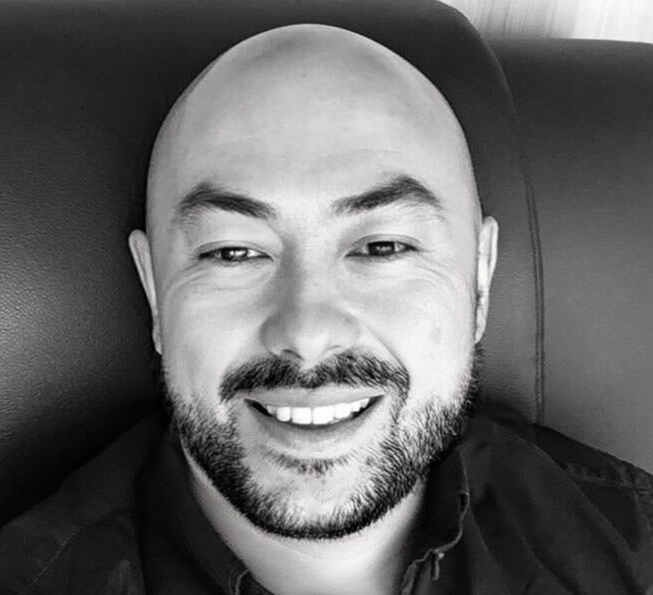
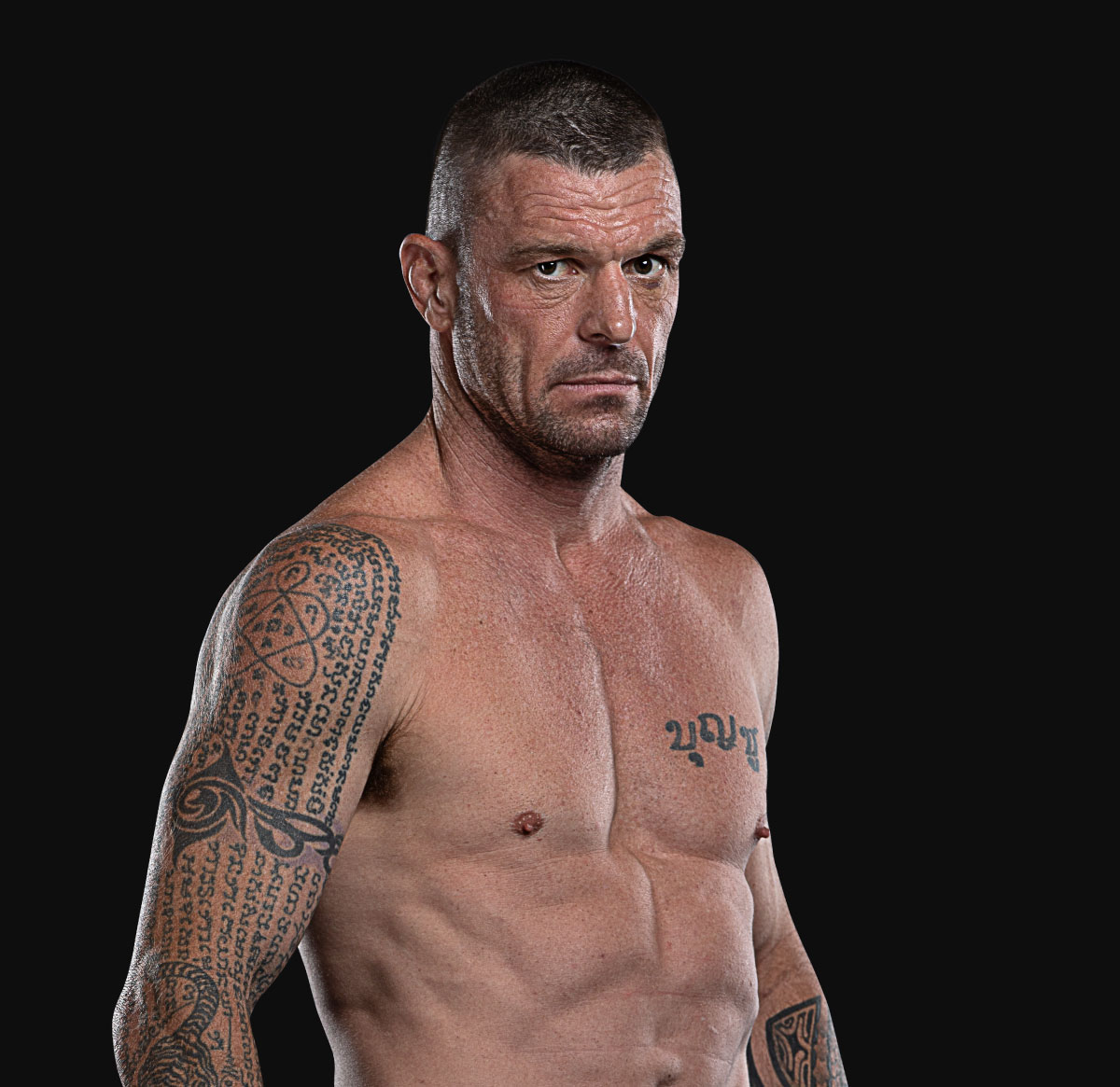
In this high-impact episode of The Quinntessential Questions Podcast, Paul Quinn speaks with John Wayne Parr — better known as “The Gunslinger” — 10-time Muay Thai & Kickboxing World Champion, Australian martial arts icon, coach, author, and founder of Boonchu Gym on the Gold Coast.
John’s journey is legendary. From growing up on a farm in Queensland to becoming one of the most respected fighters in the world, his story is about discipline, resilience, and an unshakable will to succeed. At just 19, he moved to Thailand to live and train in authentic fight camps, embracing the Thai culture, gruelling old-school training methods, and a fighter’s lifestyle that shaped him into a world-class competitor.
Across his career, John has fought nearly 150 professional bouts, trained alongside some of the best in the world, and inspired countless fighters through his unique blend of toughness, humility, and technique. He shares insights on overcoming pressure, preparing for injuries, building strength and conditioning, and the mental side of competing at the highest levels.
We also dive into his toughest opponents, the fighters he admires most, his experiences training with Georges St-Pierre, his appearance on the Joe Rogan Podcast, and how he balances life as a fighter, father, and coach. Beyond the ring, John talks about venturing into business, building his Boonchu legacy, and releasing his new book The Fighter – The Legendary Life of an Australian Champion.
If you’re passionate about Muay Thai, kickboxing, martial arts, or the mindset of champions, this episode is a must-listen.
TIMESTAMPS
(02:50) Growing up on a Farm in Australia
(03:59) Journey Into Martial Arts
(05:40) Meeting Richard Well
(09:07) Embracing the Thai Culture
(12:04) Training the Old School Way
(16:13) John’s Techniques
(19:56) Becoming a World Class Fighter
(22:55) Dealing with Pressure
(26:05) Preparing for Injuries
(30:02) Training, Strength & Conditioning
(31:43) Fighting Jay Louis
(33:50) Dovetail Into Contending
(38:44) Toughest Opponent
(42:53) Fighters John Admires
(45:15) Working with Georges St-Pierre
(47:50) Joe Rogan Podcast Experience
(52:14) Being a Father & Coach
(56:02) Venturing Into Business
(58:37) Releasing a Book
(59:24) Rapid Fire Questions
Bio
John Wayne Parr is a living legend of Muay Thai. Inspired by childhood idol Jean-Claude Van Damme, the Australian pioneer started his martial arts training during his adolescence. However, at 19 years old, he would take the path less traveled and relocate to Thailand. There, he trained extensively with Thai legend Sangtiennoi Sor Rungroj and over his 35-year career, he went on to become a 10-time Muay Thai and Kickboxing World Champion.
“The Gunslinger,” as he is called, amassed a staggering 99 professional victories, which includes wins over elite opposition such as Yodsanklai Fairtex, Cosmo Alexandre, and Dzhabar Askerov. Also, Parr saw his hand raised in victory in the boxing ring on 11 occasions during a successful foray into “the sweet science.” That run yielded an Australian Middleweight Championship.
Fittingly, Parr retired from active competition in March 2022. Following a captivating Muay Thai super-fight with former ONE Lightweight MMA World Champion Eduard Folayang, the emotional Aussie laid his gloves down in the center of the Circle.
Aside from the fight business, “The Gunslinger” has operated the popular Boonchu Gym on Australia’s Gold Coast since 1999, alongside his wife and fellow retired competitor Angie. The gym has become one of the leading Muay Thai and MMA training facilities in the country. Currently, it’s the home of former ONE World Title challenger Reece “Lightning” McLaren.
Transcript
had to sleep had to sleep on a wooden floor, no tables or chairs. Um training was um six hours a day. Sometimes it' be seven days a week. We'd go months at a time going with no break. Wow. >> Was um yeah, very hard on the body. Um physically and mentally very tough. I fought on the king's birthday which had over a 100,000 people. Um really surreal. Um we'd have to get a police escort through the crowd to get to the ring. So living in poverty really makes you strive to want to achieve greatness. The hardest part about fighting is every opponent after every win their opponents get harder. So you have to really believe in yourself. Um fitness is is such a important part. You can have all the tools in the world, but if you're not fit to execute those tools, um yeah, you you're wasting your time. I remember getting a phone call from dad saying I've just been diagnosed with terminal cancer. Um so for the next like six, seven weeks and just having dad in the back of my mind just realizing this is so important that I win this fight and all I could think was I got to get up. I got to get up. I got to finish this fight. >> And then second round I got dropped again. It's like ah get up get up. I I took the laptop to the um hospital and I got to I got dad got to watch my fight against and even though I lost he he put his arm around me and gave me a hug. He said, "Mate, that was amazing. Even though you lost, I'm so proud of you. The way that you got back up and you kept fighting." So, >> yeah, >> you made me very proud. 35 years in the sport. I didn't want to retire. >> Hey guys, we've got a real treat today. >> For Muai fight fans around the world, this man needs no introduction. And for those of you that are new to our sport, please allow me to introduce you to the 10time former Mu Thai world champion. One of the greatest fighters to ever come out of Australia and one of the first, if not the first Caucasian that moved to Thailand and truly mastered the noble art. John Wayne Parr is a living legend. He had 149 fights and throughout his career he showed absolute grit and determination and he did so with integrity real values in the fight game today. Smack talk takes you a long way but John Wayne Parr showed us that wasn't necessary and because of that he is one of the most beloved fighters on the planet. Wayne it was an absolute pleasure. I hope you guys enjoy the chat as much as I did. Thank you. John Wayne Parr, how are you, mate? >> I'm good. Very well, thank you. Um, really appreciate the opportunity to have a chat and talk about my uh story. >> I'm so excited. Well, for for those that might not know, your actual name is Wayne. You were you were became John Wayne a little bit later. We'll get into that, but I just curious growing up in a Australia, you actually grew up on a farm, right? >> Uh, yes. Uh my my parents were horse trainers. So my my whole life's been uh horse properties and dealing with waking up early, going to the track. Uh my my father was a jockey and then he retired not long after and become a horse trainer. So yeah, my my whole life has been horses and farms and and that's how the name John Wayne came along because uh every fighter in Thailand um has a fight name. And when the ties asked me for my background, I said, "Oh, I grow with horses." "Oh, so you're a cowboy. You what's John Wayne?" like, "Oh, that sort of sucks." And then um then then the name stuck. So um and then because it's such a famous name, it's really easy for people to remember as well. So So for the last uh 30 years, I've been I've been John Wayne now. So it's it's it's very cool. >> Well, listen, he's the most famous cowboy of all time. So it kind of dovetailed nicely into you becoming one of the most famous Muai fighters of all time, right? >> Uh yeah, that was the plan. That was the plan. If he if he take on a good name, hopefully good things will happen. Well, as they say, as they say in Thailand and Japan, karma is very important, right? >> Oh, very big. Yes. >> So, what happened? How did What's your story? How did martial arts find you? >> Uh, well, when I was a kid, uh, growing up on farms, my parents would start uh work early, so I' I' I'd watch the TV and then, um, there was there was shows like Monkey Magic and Karate Kid and Vanam. >> Oh, which was the biggest influence? Was it Monkey Magic back in the day? Oh, that was my first my first memories of Monkey Magic was uh Yeah, definitely. He was the one that uh instilled that the good guys can beat the bad guys with good martial arts. >> Yeah. >> So, I I always wanted to be the protector if anyone ever got in trouble. I I wanted to be the guy that come in and save the day. >> So, and then as I got older, the karate kid came along. And here was a story about a a kid being the new kid. Uh growing up, uh we moved a lot as as a kid and I went to 11 different schools. >> Wow. So, and then watching the karate kid being the new kid in school and being picked on by the bullies and how he learned martial arts to defend himself and I I want to follow in this gentleman's footsteps. And then not long after that came out, the movie Kickboxer with Vanam came. >> And then here's a gentleman that goes to Thailand and fights the ties and becomes a legend. So, oh, I got to go to Thailand. This is this is my new destiny now. I want to follow in Vanam's footsteps. >> So, yeah. So, Vanam was definitely the the hero of my childhood. >> Me, too, mate. All the way. In fact, um I I'm just curious. What are your top three Vanam movies? >> Oh, that'd have to be Kickboxer for sure, Blood Sport, and probably uh Double Impact with the the when he played the twins. >> Oh, mate, that's actually that inspired when I first went to Hong Kong, I wanted to go and check out all the different places where they filmed that and um Oh, man. He was in amazing shape for that. >> So, >> Oh, for sure. >> So, what how did you meet Richard Richard Well to >> Richard? Um yeah, so I was going to I was going to fight my very first Thai and then we we had a a Thai friend associate and then uh he said if you're going to fight a Thai um you need a Thai trainer. So he introduced me to this uh other gentleman and he and who his name was Saki and then Saki said uh I have a friend that owns a restaurant. I can get you your first sponsorship if you like. Um so we go and meet Richard and Richard said oh for a sponsorship um you're more than welcome to come to my restaurant once a week to come and eat for free. And then I only live 10-minute walk away from the restaurant. So, um, every day I go for a walk and go and speak with Richard and sit in the in the kitchen and as he's preparing the food and I'm getting ready for today's uh um craziness. Uh, yeah, we just talk about Thailand and this uh mystical place where the the national sports fighting. It's like this can't be this can't be true. This is this this is too good. This is amazing. And then they talk about living in the Thai camps and uh very they have the ties lived in poverty and uh he was trying to prepare me for it's it's going to be very hard but at the same time the rewards will be very very substantial. Um so but he said if if if you want to go over you can't just go for one week or one month because soon as you come back to Australia again you're going to fall back into the old system but if you say six months or 12 months um and then the the techniques will will be become muscle memory. M >> um so the first time I went over was six months and I had five fights for five wins and then the following year which said okay we're not going to go over six months let's go for one year this time so I went for another full year end up having nine fights that year for six wins end up winning the the strongest westerner in Thailand for 1997 getting to fight three times and fighting on the king's birthday and fighting on these massive shows outside where they had crowds up to 100,000 people um People don't people don't understand that because they're the fights are for free, right? Largely. >> Yes. >> And and because people are making money on the bets. So >> and uh the t the promoter makes money from the TV rights. So he can put a show on in the middle of the country and people will drive for hours. See um the first time I fought for Song, we had a crowd of um 40,000 people. And then the second time I fought for him, it was out outside event again and we had 60,000 and then uh six months later I fought on the king's birthday which had over a 100,000 people um to come and celebrate the king and the Thailand and um it was just a massive festival that with the they had a concert on this side of the on the park and then they had a dancing and something else over here and then they had the toy boxing in the middle. So yeah, it was just um opportunity for the for the ties to see the the greatest ties versus the greatest westerners. Um and so people come far and wide to come and be part of the festivities. It's um yeah, really surreal. Um the first time I did it, there there was no catwalk, so we'd have to get a police escort through the crowd to get to the ring. So it take like 15 minutes to try and walk through everybody. Excuse me, coming through. Excuse me. Excuse me. And then um yeah, it was so so so surreal. But uh yeah, very exciting at the same time being especially being the white guy in Bangkok. >> Of course. Well, the thing is that for those that might not know, you you first went and you were in Paya for a bit, but then if I'm correct, you you fell under Moment Bud and and and and he he became obviously Richard helped you with that journey, but how important was was moment to your journey, you know, really becoming embraced and uh within the Thai culture and ingrained in it? >> Yeah. Well, the first three months I stayed at Sigong and that's a very famous gym and one of the first gyms to allow westerners because in before I got there um the westerners were frowned upon. They didn't want to teach the the westerners tie style because they didn't want the westerners that to beat the ties in the future. >> Yeah. So, so all the ties were very like no no no westerners, no westerners and Sigong was the first to accept and then um uh Sang Tenoy who lived in Bangkok, he came and fought in Australia and he came over um had a win he meet Richard and then after corresponding with Richard for a little bit um Richard asked him I have my my fighter in Thailand right now. Is there any chance you can pick him up when you get back to Thailand? And then they first like oh I'm not sure. And uh thankfully they they accepted um they came and picked me up as soon as I arrived back home. And then uh yeah, it was a full culture shock going from Padia to to Bangkok where the the camp was very uh very very poor. >> It's very basic, right? >> Very basic. >> Had to sleep had to sleep on a wooden floor. I just put a um a blanket on top of the wooden floor for a little bit of support. Um no sit down toilet. We had a squat toilet. No toilet paper. had to use the the water, the bucket into the hand. Yeah. >> Um >> and sitting on the floor every for every meal. No tables or chairs. >> Um but the the training was um six hours a day. Uh six to seven. Um three hours in the morning, three four hours in the afternoon depending. And then sometimes it'd be seven days a week. Some some days it' be six, some days it' be seven depending on where the the uh owner of the camp was. Sometimes he'd want to push us to go seven days. And that was we'd go months at a time going with no break. Wow. >> It was um yeah, very hard on the body, especially when you train Sunday and then Monday comes and you know, you got to hold your head before there's opportunity to have another break again. So, um physically and mentally very tough. But then when we fought it, uh it all made sense because we we were winning more than we're losing. >> Yeah. >> So, it made all made all the hard work. And then um after a a year or so, you start getting a little bit homesick. And then every time I started the missing home, I just think ah uh I I just have this one more fight. Then I think I might go home. And then I train, I'd have the fight. I'd win. I'd be on the TV. I'd be in the magazines. All right. Where's my next fight? Where's my next fight? >> Yeah. >> And and then once you start training again, it's oh no, I'm now homesick again. So yeah, it was just this continuous circle where you're just stuck in this limbo where you just couldn't get out of the place. Well, I think listen, I've seen videos of of that old gym and it's tiny and and I remember you saying, correct me if I'm wrong, you said in Thailand, the ring is your classroom. >> Ah, yes. That was very good. Very good memory. >> Yeah, I remember that because I just thought that's because nowadays, you know, like people take it for granted and there's all this strength and conditioning training, but you you train old school. >> Yes. Very very. And then um before fights, we'd buy uh uh uh the the flowers to put onto the red and the blue corner to say, "Thank you for helping me prepare for this fight." Um would give flowers and to the ghost houses as all to try and um it's a good good energy. >> Explain that because a lot of people don't understand how the wood the wood in the in the gym in in Thai culture, they're meant to be ghosts in the wood. >> Yes. Yes. >> Explain that to the audience. So when people pass, apparently their souls go into to the trees. So and then when you cut down the tree to make the house, sometimes the the ghost comes with the the wood. And then uh we had a we had a a pole in our bedroom where all the boxes slept side by side. And then um yeah, the the one one of the one of the poles was was haunted. So they put ribbons around it and they put powder on it and they sprout with perfume. They make It was a female ghost, so they wanted the female ghost to feel pretty. And then um and then at night time would uh they would have sleep paralysis where the uh the you as you're sleeping you feel the pressure on your chest and you're awake but you're not awake and you want to try and wake up but you're stuck in this in this vortex where you you want to scream but um yeah you're stuck and then I remember the first time I got held down. I woke up in the morning. I told my tie trainer he said oh that's just a ghost sitting on your chest. Um, if the if the ghost doesn't like you, the ghost will put his hand or or her hand across your mouth and nose and suffocate you in your sleep. >> Wow. >> Like, oh, that's not very good. That's a little bit scary. >> So, um, yeah. So, with the sleep paralysis, I think I was getting held down about four or five times a week. >> Wow. >> Sleep was absolutely terrifying. Every time I go to bed, oh, please, please. And then to be woken up in the middle of the night and it's like in a sweat and the whole whole business is there. >> Well, well, listen. sleep sleeping, you know, next to other guys in the gym on a wooden floor. Plus that it meant you got no sleep. >> Yeah. No. And then and then the ghost would hit us um um day or night. So sometimes you'd be having a sleep in the daytime after a hard morning session. Yeah. >> And then boom, you get held down again. So the ghost didn't care what time it was that Yeah. She was she was rather rather evil. What I wanted to I wanted to draw some parallels with Mike Tyson because he was obviously adopted by Customato, but you had um adopted parents in in poor and Mar during your time there. And I'm just curious because that's where you learned to speak Thai, right? And and really >> I think what people don't realize, you're the first Caucasian to really learn the noble art as a tie fighter does. >> No, thank you. just just talk about that because I think that's what separates you from everyone else. >> Um yeah, I was very lucky to when I first got there I lived in a place called Nonte Buri and I was the only westerner in in the whole city. >> Yeah. So if I go to the shops, people would point at me. Never seen a western in real life before. Only on the TV. And then um once I arrived, no one spoke English. So uh I was using hand signals for the first few days. Okay. Hungry. I shower, sleepy. So oh no, I really have to learn the language if I want to try and survive long term. So then every day I try and learn five words. Okay, what's this? Uh what's this? What's this? And then at night time I go over those words and then next day I start again. I knew five words. All right. And I practice them all day. And then I still remember my first sentence. Um, I want one bag of ice. So, walking to the shop trying to go over my head, I want one bag of ice. I'm like, and and then to actually get the ice, it's like, I got it. My first sentence. This is amazing. And then, uh, from there progressed, progressed, progressed, and then now I can sing Tai Koke. No problems. Yeah. No problems. I love it. >> It's so much fun. and I can watch the TV, watch the the the the game shows and everything and it's um now now I feel like a white tight. >> Of course, mate. You're Well, you are right. >> Let's talk a Let's talk a little bit about some of the techniques. How did you toughen up your shins? Did you do the oldfashioned thing where you take a Coke bottle, beer bottle, you put sand in it, or is it just kicking pads? Tell us about that. >> Yeah, our our bags were like concrete, so the bags were rock hard and then the pads were always um rock hard as well. So, just that continuous uh training every day, kicking the bag as hard as you can >> for uh round after round after round, kicking the pads. >> And then the main one was um fighting. So, your shins would be completely damaged from all the trauma. And then um every time they heal, they they heal stronger. After >> Yeah. After about 100 fights or so, um I got to the stage where I could fight Tai for five rounds and have zero pain. But uh yeah, the first the first 20 30 fights you'd be hobbling around for at least seven days just oh no, what did I pick this sport for? But then once the shins are conditioned, then it's then it's fun. >> Well, look, now that you've retired, you can give away some of your little secrets, but like what were your top three favorite kicks or or elbows? What were your top three favorite techniques? >> Oh, um I'm I'm a big puncher. I like punching. Um I found what fighting the tie is if I tried to go kick for kick that they were too experienced and too strong. But but if I punch first and get them off balance and then they'd have a hard time trying to block my kicks. So I really um favored my hands to set everything up um my kicks are strong and then uh I I feel I have good defense. Um one of the main things that my tie trainer taught me was everyone knows how to attack but not not many people know how to defend. So I got my checks, I got my parries. Um that way I can I can stay in the pocket and still be in range and still land instead of trying to run away the whole time. So, um yeah, I think my my IQ for my defense is um very very strong. >> Did you Well, one of the other things that I remember about you is that you were able to to hit the the technique of the elbow going up. Most most Westerners are only hitting this type of elbow, >> you know. >> Yes. Um and then um the the with the defense, I'll go back to the defense one. Um it it makes your opponent so frustrated because they're doing everything in their power to try and land and if you are blocking it and countering and blocking and countering it every time they come in they're trying to they're getting hurt every time they came in they're trying to attack. So and then it starts playing mind games on them. By round one they come out all strong. Round two they start doubting themselves. By round three they're running backwards. And that's when you know I got you. I know I got you now. Yeah. And then um then then you're playing that physical game within psychological game as well >> where it takes over right >> mental and physical >> when you've been coaching fighters including your daughter. How important is fluidity versus just power? Because I I see a lot of fighters early on in their careers. They're trying to grimace everything and hit everything out rather than using nice clean techniques. But how important is fluidity in your coaching? >> Oh no definitely. Um you want to be able to flow. So, so from punch to kick to knee to elbow. So, everything instead of stopping, stopping, resetting, stopping. Yeah. And then you need to set traps. So, I need hard punches to set my kicks, to set my knees, to set everybody else up, to manipulate the hands, to land elbows. So, yeah, it's all trying to think two or three moves ahead to make them react in certain ways. So, you know that you can count on the opposite way. >> That's so true in life as well. Even like if you're driving the car, if you know, you got to think about what's around you. But I think in fighting what most people don't realize is the worldass fighters, they're thinking three, four, five steps ahead. >> Yes. I I know with certain moves, you're going to react a certain way and once you react that way, I know I can count on the other side. >> Yeah. >> So, yeah, it's all all about those traps. >> Talk to me a little bit, you know, knowing what you know now, if you if you look at what it is is required to become a world-class fighter from nutrition to sleep to strength and conditioning. One of the aspects I think is massively overlooked is the mentality, the the mental game going into a fight. Talk to me a little bit about that. >> Yes. I was very I wouldn't say lucky, but um living in poverty in the camp uh laying on a wooden floor every day for for four years. >> Yeah. >> Um or all you can dream of is being successful. I have to be better. I don't want to live on this floor anymore. I want to be able to purchase a house. I want to have a bed. I want to have hot water. I want to have toilet paper. >> Just living in poverty really makes you strive to want to achieve greatness. Um and then with every win that gives you more confidence and more adrenaline and more excitement for your next one to try and get even better again. Um but the hardest part about fighting is every opponent after every win their opponents get harder every time. There's no easy fights. >> Yeah. >> So and that's where the mentality comes in. So you have to really believe in yourself. Um, I can I can spend eight weeks thinking about what you're going to do to me. >> Yeah. >> And then when we fight, that doesn't happen that way anyway. Where if I just concentrate on myself, okay, make sure that I'm fit, make sure I'm doing my work, make sure I'm not missing days. Um, if I do miss a day, making sure I'm I'm making up for it in other other aspects. Uh, yeah, and fitness is is such a important part. You can have all the tools in the world, but if you're not fit to execute those tools, um, yeah, you you're wasting your time. So, and and also also when when you're fighting in in for example Lumpini Stadium for the first time, did you fight Joe Louie? Is that your first fight? >> Uh, that was my second. >> Was it your second fight? >> My second. Yeah. My my first one was a a gentleman called Dead. >> Okay. >> Pornob. He he wasn't um it wasn't on TV. So, it was a a Tuesday night fight. Uh I remember and and when Song mentioned, "All right, your next fight's going to be at Lini." Just the excitement. And I was like, "Oh my god, this is amazing." >> So then for the next like six, seven weeks laying in my laying on my floor just going, "I can't believe this is happening." >> Um or all I could think of is is my foot touching the canvas, crossing the rope and my foot touching the canvas. And in my head, I've already won. >> Yeah. >> And you're there. >> I've touched the canvas. I'm the first Australian to ever touch the canvas. >> And then thankfully u the first two rounds wasn't going my way. And I got a little bit of a grilling after the second round. And then the round three came out and I landed some shots. And then you hear the crowd start the change and they start to cheer. And once the crowd starts getting behind you, every time you land a shot, they cheer. Another shot, they cheer louder. They'll cheer louder. And all of a sudden, you had the second win where you you don't just want to win for yourself, but you want to win for everyone in the stadium as well. Yeah. Because they've all got money on you. >> And then um yeah, with the extra energy burst, I I managed to stop my opponent round four. So my my first wini by knockout. So and then I won my second fight by knockout as well. Well, you know, one of the things again talking about pressure because I' i've got three kids as have you and you know, unfortunately, I think the world that we live in is a little bit soft nowadays and you know, and I know, tell us about even when you won, if you were in the in the car ride home, I'm sure you got blasted, you got a hard time like if if if there are things you didn't do well in the fight or if you I remember you telling a story where you knocked someone out too early and you got you got, you know, blasted for that as well. All right. That was that was the second Linia fight that I won. >> Okay. >> Yeah. The because it's all about betting. >> So, a lot of the tires will ask you to lose the first and second round on purpose. >> Yeah. >> Um and then that way the odds go right up to the opposition and then round three, you turn it around and you come back and then they can make double or triple the money. >> Um so, yeah, but I didn't want to play that game. I I I wasn't confident in my my skill set to give away two rounds and try and come back the last three. >> Yeah. >> Just in case it didn't go to plan. Um, and then for the one that I got in trouble for, I just turned 21 uh three days before my my birth about three days before the fight. So, I turned 21, I had to put a sweat on, had to go for a run in the sweatuit on my birthday. Um, and then uh it the the deal was if you if you fight on Lupini on um on TV, if you win by knockout, the promoter will give you a gold chain worth approximately 10,000 buck. So, I was like, wow, 10,000. My goodness. So I all I wanted to do was give myself a 21st birthday present. So I went out there and went hard from the first round, end up getting the stoppage in the second and then like you mentioned on the way home >> um nobody would talk to me and I didn't realize what I was in trouble until halfway home and they said, "Oh, why'd you knock him out so early? Now we couldn't make any money. That probably was a waste of time because we didn't make a single butt. It's all your fault." >> Luckily they they weren't too angry at me after a couple of days. So things got back to normal again. Well, you know, you know, going back to the whole mentality, just just to explain the technical differences. So, when you were fighting, you had to weigh in the day of the fight. You didn't have the luxury of weigh in the day before the fight. Correct. >> Yeah. Correct. Yes. >> We approximately >> Yeah. Go on. Sorry. >> I weigh in approximately 8 in the morning and then usually fight at about 9 at night. So about 12 or so hours to um to rehydrate and then uh because the Bangkok traffic is so bad, we just weigh in and hire a hotel for the day, stay in the hotel, and then it was a 10-minute walk from the hotel to Lini. So, and then you have air conditioning and asleep on bed instead of sleeping on the floor for the day of the fight. Um yeah, it was a lot more a lot more pleasant. >> And and you had to did you have to weigh in naked back in the back in the day? >> Naked. Yes. Yes. the the nakedness. I forgot about the nakedness. So, the very first time I fought Lini, I had to strip down and you see all the ties trying to do the I look around the corner to see if it's true about the Westerners. And unfortunately, it wasn't true. It wasn't true. I let everybody down. I can't even say it was cold because Thailand's hot. I can't even blame the coldness. >> I love it. Well, talking about mentality, I think one of the things when you're growing up and you fought worldclass Aclass guys, you know, the m majority of your career and when you fought guys, for example, Oon, right, >> yes. >> You you knew there was a possibility that at the end of that night you'd be going to hospital. >> Uh yes. >> How how does how do you play without cuz you're because this is this is war now, right? >> Not not just every fight. every fight even so even when you win you go to hospital majority of the time um you might get cut >> um uh arms are smashed ribs are smashed uh the good thing about Muay Thai is it's more body pain than than head trauma like boxing boxing they have the one target whereas at least Muay Thai saw legs sore body sore arms but maybe stitches at least the head's not copying that pounding as as much as the boxers do especially over 12 rounds we only fight five so yeah so five rounds of punishment Um and then uh in Thailand if you get cut and can still come back and win um just the the the the feeling of being a a warrior is um I overcome um I overcome something like the blood in my eye and I I can still push through and still get the win. And that's a win within yourself too because you face adversity >> and then you can still come out on top. So, it makes you feel a lot more um more special when you have to go find that find that person deep down to try and come back and get the victory. >> But I've seen some of your fights, you've blatantly got that rocky mentality where the fight the fight hasn't started until there's blood dripping almost. >> Hey, um I really >> How many stitches have you had on your face now in total? Because it's a lot. >> Uh yeah, 347. >> That's crazy. >> Yeah. Um, uh, yeah, I usually get them in sets of five or tens. So, usually if I I like to keep it intact. So, uh, if you get 10 or five and then 130, 135, 140. And the last one I had a little nick and they only gave me two. I went from 145 to 147. And I, oh, can you give me three more? Can you kind make it nice and even? Um, but I end up getting uh three in my finger not long after my last fight, which ported a 350. So, they are crazy. Yeah. >> Well, well, I I I won't dwell on this now, but in your last fight in Singapore, one championship, >> I I took my son to watch it, and I I was literally in tears. The first time I've ever watched the fight when I was crying at the end of the fight because I knew it was I knew it was your last fight and you gave it everything. >> It was like And you were coming on at the end. If there was one more round, I think you would have won that fight. >> Yes. Um Yeah. I remember the the first round was very touching go. Yeah, with the living in Thailand for so long, you soon learn to learn manners. Um, living in a living in a foreign country and and and then seeing how the ties interact with each other. They're always respectful. They're always using their wise and always hangup, which means sir or ma'am. >> Um, and then learning that philosophy and taking that into the um, normal life. Um, and then with good karma, good karma comes back again. So if I'm nice to people, nice people are nice to me. So it's um yeah I I and then one of the things that the Tai taught me early in my career was um if you smack talk and you lose it comes back tfold. So if I say you hit like a girl and then you knock me out I got got knocked out by a guy that he's like a girl. So ah so it has repercussions. So yeah try so try not to talk too much otherwise. Yeah. So if if I'm fighting I'd rather um talk my opponent up my my opponent's a champion. He's a legend. I'm I'm safe, thankful for the opportunity. And then if he beats me, I told you he was a legend. I knew he was going to be a hard fight. I I didn't expect to win because this guy's such a champion. >> But if I if I talk him down and say all the he's nothing and and then if I get beat, it's like, ah. >> Yeah. It's it's counterproductive. Can we talk a little bit about your training and the strength and conditioning things that you did? What would you say were the the key three things that you feel were instrumental in your career and your development as a fighter? >> Yes. My my main ones was uh just running pads and sparring. Um I didn't really do much uh strengthening conditioning. Um the the hour that I doing weights, I could be doing more more boxing or more kicking. >> Yeah. >> Or more clinching. Um yeah, technique is such a big part of it. So um I'd rather rely on good technique and then and then strength. >> And then I found when I was doing strength conditioning, sometimes I'd be so sore the next day that I wouldn't be able to train. Yeah. Now, now it's like you mentioned before, um, counterproductive where I've missed a day. I could be on the road running, but now I'm stuck at home feeling sorry for myself cuz I can't walk. >> What about, you know, when you practice techniques? I'm just curious. Um, apart from what you were doing daily, did you study and watch other guys in the gym and on TV and break down what they were doing, try and emulate some of the best of what the guys out there were doing? >> Oh, definitely. Um uh always watching, always studying and then um learning from my own fights as well, seeing what works, seeing what doesn't. Uh uh I was very lucky. I I did Muay Thai for approximately 25 years. I retired from Muay Thai and then I boxed for a year and a half and then after a year and a half I I missed Muay Thai so much I came back to Muay Thai. But when I came back I now had new tools. Um I I learned my how to strike a lot better, how to use my body more to generate more power using my legs, using my footwork. And once I incorporate that with my Muay Thai skills, um, yeah, then things just started getting better and better and better. >> I remember one of your fights, I can't remember who it was. It could have actually been Oon, where you were, you were doing some devastating uppercuts, like you hit three or four uppercuts in a row. Was it against him? >> Uh, Jay Louie. That was >> J was that was it? Ah, that was the one. >> So So Jay Louie landed uppercuts. And then for Orino, um, the first time I fought him, he he cut me 21 stitches. >> Yeah. And then the second time we fought um it was on 12 hours notice I was supposed to fight an Orthodox fighter and then at the weighin the promoter said oh look uh I want you to fight Orono tomorrow instead who who was a southpaw. >> So and then I I I rang my trainer saying oh bad news they've just changed my opponent to Oro. This is twice as scary. What should we do? He goes, "Don't worry. I have a game plan. I I'll tell you tomorrow. Tomorrow? I don't want to wait till tomorrow. I need to know now." He goes, "No, no. I'll tell you tomorrow so you get a good night's sleep. So the next day when I woke up, how are we doing?" All right. So today I know you fight Orthodox, but tomorrow I want you to fight Southpaw. I want you to stand the other way. Ah, I can't. >> You never You'd never fought Southport. >> I never fought South before. >> So I practiced in the gym a few times, but I never fought Southpaw. And then to fight a Southport being Southpaw, it's like I'm going to die for sure. >> So for the next 12 hours, all I could think of was just this internal war in my head going, I can't do this. I'll do it for a round. Oh, I can't do it. Oh, maybe I I'll just do it and if I start losing, I'll change back again. And then um as I'm walking to the ring, I thought, ah, >> screw it. I I'll I'll just stay south and see what happens. And then uh thankfully it worked very well. Um ended up winning by five round decision, taking Orono's world title in front of 100,000 people live on Thai TV. So, it's definitely one of the the biggest achievements of my life and and to do it south made it even more crazy. So, >> that's amazing. Actually, I don't know if I don't know if you Reminds me of Sylvester Stallone. So like he he was always a southpaw and I don't know if you heard this story, but in training for for Rocky too, he I think he dislocated his shoulder bench pressing. >> Oh jeez. >> And he had to go and film and that's why he became an orthodox fighter in the movie. >> Oh wow. >> Yeah. Because he couldn't he couldn't throw his left. >> So talk to talk to me about nice doveetail into the contender Yoda Slinkai. And that that's where, you know, I really fell in love with you because I saw you on TV living here in Singapore because that was a unique opportunity. When did you get the phone call for that? What happened? >> Oh, so um they were they they were looking for contestants and then they made a a trailer on YouTube. So the Contender Asia and this this new commercial was coming. Oh, wow. This looks so exciting. I can't wait for this to air. And then approximately a week before the air before a week before it started shooting um somebody got sick or someone had to pull out and that's when I got the phone call >> hey John Wayne in seven days do you want to come to Singapore and be a part of this TV show? >> Yes I would love to. Yeah. And then um yeah luckily it all worked out and then um got to live in Singapore for um eight uh nine weeks at the start. So the first week we were just living together in the hotel um doing photos and shots to to prepare for the making the title of the the series and then um we spent the next uh eight weeks uh with um shooting. So so every three days was an episode. So Monday to Wednesday was one episode and then Thursday to Saturday was an episode. So So two episodes a week and then we did that for uh eight weeks and then there was a six-month break between the semi-final and the final. Oh, I didn't know it was that long. I didn't know it was that long. Wow. >> So, they edited all the film and then and then they aired the first uh 14 episodes and then by the time they aired the 14 episodes, we had a live final. So, we filled up Singapore Stadium with 12,000 people. Um, and I think it had close to nearly half a million uh no sorry uh 5 million viewers across the world >> with in with 130 countries all all tuning in and it was um yeah absolutely surreal >> but no one >> but wait no one knew at the time I didn't know that that your dad was you know you had cancer going into your last fight right >> yeah that was so bad um so I I'd won the WMC world title in December uh so so we shot the 14 episodes. I went home to Australia. Um I managed to squeeze in another fight in between that and the final where I won the WMC World title. So Dad got to see me fight for that one. And then as I started preparing for Yod um I remember getting a phone call from dad saying, "Hey, bit of bad news. Uh I've just been diagnosed with uh terminal cancer. Um unfortunately there's nothing the doctors can do. All they can do is give me a pain medication. So um I let that sink in. Um give us a call when you're ready." So we hung up and then for the next 20 minutes just going over just going, "Oh my god, >> man." And then um yeah, so for the next like six, seven weeks, just having dad in the back of my mind and going to visit him and and to see him getting skinnier and skinnier every time I seen him. And um I went to I went I went to his house to say goodbye before I went to the airport and um to see a frail little figure came out and they give me a hug and then that that was my last memory of of flying to Singapore and just having that um it was cuz I was flying to Singapore. It was my first time being away from my family and my friends and and I could just concentrate on dad for 8 hours as I was flying flying over just realizing this is so important that I win this fight. >> And then when when the fight happened >> I got dropped in the first round and all I could think of was I got to get up. I got to get up. I got to finish this fight. >> Yeah. >> And then second round I got dropped again. It's like ah get up get up. >> And then round three and four were a lot more closer. I I started to come back a little bit and then round five I think I won the first round and then the first half of the round and then you started to come back the last half but with the knockdowns um yeah he definitely outscored him um and then lost the fight uh and when I came back to Australia um coming second I made approximately $40,000 so that gave me a little bit of money to to to put in the bank and to um uh I I I didn't have to go to the gym um I could go and spend the rest of the every day with dad. So I I drive to the hospital every day for 3 weeks. >> I get there at like 11:00 in the morning and stay there till 9 at night >> and then um yeah and like I was mentioning before watching dad get more and more frail and get to the stage where he's bedridden. He couldn't walk anymore and then >> um yeah >> it's tough. It's really tough mate. It's so tough. Don't get me started. We'll be in tears. the the the the best part was uh once the final aired, I I took the laptop to the um hospital and I got to I got Dad got to watch my fight against Yod single and even though I lost, he he put his arm around me and gave me a hug. He said, "Mate, that was amazing. Even though you lost, I'm so proud of you. The way that you got back up and you kept fighting." So, >> yeah, >> you made me very proud. And to hear that from your dad while he's on his deathbed was just um >> huge. >> So special. So, I'm >> so special, mate. Well, thanks for sharing that. Yo, Yodas in Clyde. Was Was he your toughest opponent? >> Ah, yes. I got to fight him three times. So So once in Australia, once in Brisbane, once in Singapore, then once in in Melbourne in Australia. So yeah, and every time I fought, I had to go to the hospital to make sure my my my arm wasn't broken from his left kicks. Yeah, he was a powerhouse. He He >> He really was >> his left leg was ridiculous. >> Lethal. >> And he managed to find that same 50 cent piece every single time. Every time he kicked, he'd find that same spot. So every time they go to the hospital, he's not broken. It's okay. So yeah, crazy. >> What and and what was unusual is he he like his punches were unusually good for a multi boxer because in in that fight in Singapore, >> his head movement as well, the first time that I fought him, um usually my my like I mentioned before, my boxing would help set up my kicks. So I I'd unleash four punches and Yo go slip, slip, duck, move, and then come back and elbow me. Maybe that was a fluke. I'll try again. B and then he up the other side. It's like what's going on? I've never seen a tie been able to do this before. Um so end up between the three fights, I think he's given me approximately at least 50 to 60 stitches. Um and then yeah, the the forearm from his kicks was just um insane. So >> what what makes him unusual? Because when I watched those fights, I was thinking you're you're on the verge of maybe knocking him out because you had him up against the corner and and he hangs back and it's he's so brilliant. He hangs back right in that moment and in that moment it's like he could he could have got knocked out as well and then he came back with something >> which I think that's what made him so different. >> They call him the boxing computer because he downloads all your information and then he Yeah. then capitalizes on it. >> Wow. >> Yeah. He's very and then the I remember the third time um walking towards the ring um ready to fight him. all I could think of about oh man this is going to hurt so bad just knowing in my head but it was the first time making making um uh 40,000 uh for one fight I was like >> yeah at least I'm getting paid if I'm going to hospital at least I'm getting paid okay I don't mind now the pain's going to be worth the money >> you're getting $1,000 per stitch basically kind of thing >> and and then uh yeah I I managed to just beat him on points in the the third fight we had to to take the world title so That that was another one of my biggest fights ever as well to lose to lose twice a yard and I finally beat him in the third fight with >> that was amazing. >> A surreal moment for sure. >> Yeah, it was huge. Did I'm just curious, have you ever trained um with any of these guys, you know, after the fights, have you ever done a, you know, a Rocky and Apollo and and met Yoda Sincl and done some training together? >> Uh yes. There's a gentleman called Nagan from Thailand. I fought him four times. So he beat me the first three. Um I finally beat him on the fourth and then I was fighting Y single in the contender final and because my friend Nagan was uh Southpaw I thought oh you'll be perfect to help me prepare. So I bought him to Australia he slept in my house for six weeks prepared and then um yeah like you mentioned like the full Rocky where you fight each other four times and now all of a sudden you're best buddies. >> Yeah. >> So and then um as the martial artist there's no no grudges. We're all we're all here to help each other. >> So that was the best part. Well, the reality is you share so much in common with these guys because you have the same dream. You're getting up, you're running at four or 5:00 in the morning. You you live the same life basically, right? >> Yes. And then um so sometimes when you're winning a fight, you you'll see the ties in the fifth round. If they know they're winning, they'll put their hand out for the other guy to tap it. And if they tap it, that means they they're uh they'll just wait for the time to finish. It's sort of like submitting. Do you give up? You give up. All right, I can keep hurting now. Do you want to give up? >> Yeah. And then um and then the ties philosophy philosophy is um I'm a fighter, you're a fighter. If I hurt you anymore, you're not you might be able to train for a few weeks, which that's going to infect your uh income. >> So I'd rather I'd rather do enough to win instead of having to hurt you too bad so we can both make a living from what we do for our sport. >> Yeah, I love that. I love that. It's there's a lot of lessons. >> That that gentleman etiquette. >> Yeah, big time. Um, who are the top three Mu Thai fighters that you admire the most, you know, over the course of time? Who are the top three? >> Oh, so so Raymond Deckers from Holland. He was the first western to beat the ties. Um, he was my inspiration to to try and every time I got homesick or um scared. What would Raymond Deckas do? Oh, he'd stay the course. So, so he inspired me to say um my my trainer Sang Tanoi um he inspired me to just to to live the Thai style and to and to teach me all his little secrets and to to help me become who I am now. And then um there's another uh Thai gentleman who's passed whose name Kabun. Um he was like the first Saiy before Sanchai. He'd always have to give away a few kilos to make the fights even and then um they call him the the the technician because everything he threw was perfect. So he was another inspiration for me as well. So um and then there's many ties. The ties like look at Bora and your single eye and all these guys are amazing. So it's hard to choose just three. >> Yeah. It's hard. If you if you were growing up right now today, if you were a teenager today, do you think you would have gone into MMA? >> Uh yes, definitely >> you would have, right? >> Yeah. The money the money side of things. Um, in Muay Thai, as as as much as I love the sport, there's no the the the one that the prize money isn't that great. And then you're lucky to make 10,000 or 20,000. Um, and then there's when you go to the fights, there's the the beauty about UFC is that they promote the fighters backgrounds. So, you get to see where they live, what they drive, what they what they do in their pastimes. Whereas the Muay Thai fight, you see two guys in the ring, there's red, there's blue, >> you don't know their backstory, you don't know, you don't know anything. Whereas whereas I think if the the UFC machine could get behind like the Muay Thai fighters and um >> when once people heard our stories, I I think would be a lot more entertaining. And then you'd be able to support your fighters more as well because you know their backstories. All right. I know that he's got a a a daughter and a son and he's doing it hard and he really needs his win or another guy might be you know what I mean. So yeah, I think um the the back backstory is a big part of it. >> Well, when I when I look at the MMA guys, the the one person that I would draw a parallel to in terms of their approach, professionalism, integrity would be GSP, >> right? And you've you've you've met him a few times, right? I I was very fortunate to um to to work with him for two weeks. Um I I did a a a 10 uh sorry I went to Canada and did a a a 10 seminar tour around the country and then I had a couple days left and then the the gentleman that brought me to Canada he goes, "Hey, what do you want to do for these last few two days while you're here?" I said, "Oh, I have no idea." He go, "Are you a friend of do you like George? Do you want to meet George St. Pierre? He's only about an hour and a half drive away from here. I'd love to meet George. So my the gentleman, he rang FZ, the trainer, >> said, "You wouldn't believe it. Tomorrow is Muay Thai sparring day. Does John might want to jump in and do some rounds with George?" >> I'm like, "Oh my god, oh my god, this is amazing." So um yeah, went down to the went to the gym and we did some rounds. It was really surreal, very amazing. Um, I did really well and then I went back to Australia and approximately four to five months later I get a phone call from Perez, um, GSP's trainer once again saying, "Hey, George was so impressed with your spa that he'd love to bring you back to Canada so you guys can work together." >> Yeah. >> Um, so I asked my wife, "Hey, can I go to Canada?" She goes, "Of course, you do what you want to do." So, a couple days later on the plane and when I arrived in Montre uh Quebec, um uh George was in the airport waiting for me. Hey, I'm like, "Holy crap, there's George." And then, yeah, we spent the next two weeks together just side by side doing sparring and >> um as a as a martial artist, he was so appreciative everything I showed. Oh, thank you, sir. Thank you. Oh, that's amazing. He's he's so polite and so >> he's humble. He's a humble guy like he's such such a such a martial artist. Um and everything he showed him he tried and everything that there was no oh no I'm too good or I'm I'm he was just the the greatest person to work with. And then uh yeah I was very fortunate to uh to be present when he fought Jimmy Hendrick Hris and um get the win. >> Yeah. >> That's before he just retired before he fought um a few years later. >> Yeah. It's very emotional because I got the training for two weeks and then he caught his retirement like, "Oh no, I was hoping I'd be able to train you again in the future, but if you retire, there goes my job." >> Yeah. >> You know, you know, it's it's got to be surreal for you when you find out guys like GSP and Joe Rogan are big fans of yours and you you got the opportunity to be on Rogan a couple of times, right? >> Yes. Twice. >> Yeah. Jo Joe's the man. Um >> he's the man. I remember on the Twitter someone started a a a get John Wayne on Joe Rogan hashtag and then a couple days passed. Couple of days passed and then Joe replied, "I'd love to get John Wayne on the podcast. I think I'm a big fan." I'm like, "Whoa, I'm way." So I I shot Joe a DM saying, "Hey, this is John Wayne. Um I just seen your post. Um if I book a ticket to America, is it okay to come on the show?" He goes, "Yeah, for sure. Let's let's let's do this thing." So um yeah, flew to America and uh yeah, it was very surreal. And what you see with Joe on TV is what you get in real life as well. He's such such a nice guy and so humble and um so inquisitive as you on the podcast. Um I didn't realize at the time that he kept he kept dissecting me. He's I noticed you're saying this word a lot. What does this word mean to you when you say that? >> Oh, I never really thought about that before. >> And then yeah, the way Yeah, it was so cool. And then um I'm so so fortunate that Jay's the man. And then uh so yeah there the first time that we got to work together he said hey do you want to come to my house and we'll do a session and then we'll have something to talk about on the podcast. >> Wow. >> So I went to his house. I got some pads. We'll do some drills. I showed him some um some of my punches and some kicks. >> And then um we got to do a round sparring and then I said Joe is there any chance you want to do a round? He goes a my back's pretty cooked right now but um sure let's let's let's do a light round. And then he was a bit sore and uh rigid and uh couldn't really do too much. So we just had a little bit of a play and then I I I happened to share it on on YouTube and then the the man of comments of people like um disregarding Joe's skills and just talking down and it's like no you don't understand. Joe had a sore back just the opportunity to move with him was like so much fun. It wasn't it wasn't like a world title or a competition. It was just it was just the opportunity to move with someone. >> Exactly. And then and then when I went on the podcast again, I said, "Oh, Joe, you didn't happen to see the comments on our video, did you?" He goes, "Oh, I never look at the comments, otherwise I go crazy." >> So, because um >> yeah, people are people are crazy when they don't understand the the rules when it's just when it's just a light spa. It's just fun. >> Well, it's Well, it's a light spa. And also, you're a 10 time world champion, right? You know, and and uh we we've all got different skills. Talk to me about, you know, one of one of the things that I find so interesting is your journey as a dad, right? And with your three kids, you know, your your your daughter Jazzy, she's now tell us about her journey and and were were you and your wife worried about her going into Mutai? You were like, she wants this at an early age. We're were 100% behind you. >> I for sure. So So Angie and I uh we didn't want to push the kids. We we owned a gym. were in the gym every uh twice a day teaching classes and and I was preparing for my fights. Um and then being in that environment um seeing other kids train and uh jazzy interest perked up. She goes, "Oh, do you mind if I start training?" "Oh, for sure. Start training." And then when she was approximately seven and a half or so, she she finally came to us. Hey, is it is it okay if I start fighting? It's like you're only seven. Let's wait till you're eight. Let's wait till you're eight and we'll see what happens. So when she turned eight, she goes, "I'm eight now. can I can I start fighting? It's like, oh, she didn't forget. Um, sure. So, we booked her a fight on our little promotion and then uh she ended up getting a draw and then uh yeah, all the crowd was really excited and it was really great fight and both girls put on exceptional um display and then uh the next day the media in Australia they never seen two 8-year-old girls fight before. So, uh, all of a sudden, I became the worst father in Australia for approximately two weeks. >> And every single news outlet, newspaper, radio, uh, TV, they all had me at this this this brutal father that throw threw his eight-year-old daughter into a ring and made her compete. >> And it's like, no, you don't understand. There was all her own accord. She just had our support. >> Um, and then, and now Jazz has gone on to have 35 Muay Thai fights. Um, and now she's turned professional boxing where she's um, uh, seven fights now. Um, and she's been picked up by one of the biggest promoters here in Australia, No Limit, fighting on the same undercards as um, Tim Zoo and Nikita Zoo. >> Yeah, big opportunities. And then she's really enjoying um, the boxing as well. >> Um, and then Wayne, I'm curious. How do you go from wearing a hat of being a dad to being a coach and her trainer? Because you've got to put two different hats on, right? Yeah. So, you can't you got to turn off you got to turn off the um the father, otherwise you'd throw the tail after the first first kick that landed. Um and then because Jazzy trains so hard and and I can see how determined she is and how much she wants it, that that inspires me to be more um confident in her skills because I know that she's not skipping corners or she's not um going out drinking or being reckless or or just trying to use her name. she's actually doing the work and and putting in the hours. So that that made me believe as a lot as well. And then when she fights, she she fights with that pure instinct where even when she's losing, she still wants to strive to try and get the win. >> So um >> she's got an amazing pedigree from you and Angie, right? Tell us about Jesse James and his journey. >> Yes. So So my son Jesse, he's jiu-jitsu. Um we started juu in the gym in early 2020 and so he's been on the mats for five years now and just um absolutely addicted. Um he he's actually going to America on the 3rd of May for 6 weeks. Um he turned 17 on the 2nd of May. Then the very next day he's going to go to America um with one of his friends. Uh they're going to train in Texas for four weeks first to prepare for the Worlds and then they'll fly to California and my wife will meet him in California and um hopefully this will be his opportunity to become a world champion in jiu-jitsu. Very exciting. >> That's amazing. You've got to be so happy and proud of them. >> Oh, for sure. For sure. And um even though it's not Muay Thai, just the fact that he's he's chosen his own path and and he's striving his own path. So then he doesn't have to live in my shadow then. He's he he's making his his own profile. >> Yeah. I love that. I love that. And look, they're they're they're very brave. Now, when you first met your wife, how long was it before she she offered to spar with you? Um, yeah. So, so I got to the I got to the gym. I moved to Vegas early 2002. And then Angie was over overseas at the time. And then um I kept looking at all these posters on the wall and there was this beautiful girl with these gold medals and tidle belts and um she was stunning. And I was asking, who's this girl? Who's this girl? I keep seeing all the posters. Oh, that's Angie. She's going to be here in a few days. She's going to be fighting on the same show as you in three weeks. So, I went I went into the I went into the uh I think it was Sunday. So, it was our day off from training. I went into the city in Vegas to go and look around the casinos. And when I came back, Angie was at the gym. And um I introduced myself, I hit it with a good day. Good day, Angie. I'm Wayne. And then as soon as I hit it with a good day, we we were just u eye to eye for the next six, seven hours. We were inseparable. And then uh because we lived in the camp together, um we're only like a few meters apart. Our rooms were a few meters apart. So every morning we have breakfast together, being in the gym all day together, um go for dinner together, and then it didn't take long where about approximately five or six days later, we had our first date. >> And then um and then I found out six weeks after we met that she was pregnant. So um I found out she was pregnant on my birthday as well. Hey, birthday. So Angie hand me the little stick and I was I was trying to find the temperature. This temperature this this thermometer is broken. There's only little lines in it. And then that's when I found out I was having a baby. So and that's little Jazzy. So So Jazzy was u made in America but born in Australia. >> I love it mate. I love it. >> So what what happens in Vegas doesn't always stay in Vegas. >> That's it. Well for that. I love it. Talk talk talk to us a little bit about your journey like transitioning from from you know being the a world class champion to retiring going into business because leaving the sport behind had to be super hard for you. >> Uh yes I I was uh almost 46 when I retired. I didn't want to retire. >> I started I started when I was 11 uh all the way to 4 35 years in the sport and then this is my only passion. My my only dream was my next fight. My next fight, my next flight. So So retiring um three years ago. Yeah. I'm still sort of adjusting. It's it's so hard because you've had that one dream for so long. It's very hard to let go. >> Yeah. >> And then and always in the back of the mind, maybe one more. Maybe one more. >> But uh Yeah. >> But but I'm very lucky that the the gym has been successful since I retired. Yeah. >> And then with our we incorporated the jiu-jitsu and the Muay Thai and we have boxing in the gym now and MMA. So we have a large variety of different styles which which um I discovered some people don't want to do jitsu, some people don't want to kick, some people don't want this. So the more variety that we can offer people, the more clientele we have. So >> and your and your gym is open to everyone from professional fighters but all the way through to family members and kids, right? >> H yes we have we have kids classes five days a week. Uh six days a week, sorry. Um yeah, we have adults, we have yeah, everybody. So, and then we're very fortunate with my profile that a lot of people come from overseas and and come to the gym and try and squeeze in a session or a PC or >> um yeah, it's very very humbling when people come from overseas and come to the gym. It's it makes everything worthwhile then. >> No, I know. I can imagine. And then and then like you you do a lot of seminars and talking engagements. Um, are you largely talking about mentality and you know what it takes to be a fighter? >> Uh, with with my speaking I'm I mainly talk about the the living in poverty. Um, moving to Thailand. um the the hurdles we had to make to try and um yeah just just um trying to inspire people to get into the arts and and to and to show them that um you can be at the bottom but if you work your way up to the top that is it's it's very very cool. So Ben, it's a lot of hard work and a lot of pain and a lot of stitches, >> but uh if you can sacrifice and and to overcome >> uh yeah, the to be on the TV and to make the magazines and to to have people come up to you on the street and shake your hand, it it makes every piece of uh pain worth it. >> When did you release your book? >> Uh only uh started this year. So it got released uh end of November. >> Okay. >> Just before just before the Christmas. Um, and then I I've personally signed approximately uh 250 books um all all by myself uh online sending them all. Um I had to I had to go and and invest in one of the the uh address printers because I was doing so many books I had to I couldn't do them by hand anymore. I did the first 80 by the first 80 by hand. I thought there must be an easier way. This is this sucks. Yeah. Went out invested the the address labeler and then um yeah I got a little little full-time gig now. So it's it's very fun. I love that. Well, I'll put a link in how everyone can get a copy of that because it's a must buy. Um, I just want to do a few I want to do a few uh quick round rapid fire questions. >> But what's do you think not not just for you but in general? What's the most devastating strike in Muai? >> Probably the elbow. It's either going to cut or knock you out or or at least hurt. It hurts a lot. >> One of the things I've noticed, you know, if you don't mind, I love the technical side of this. I see a lot of guys throwing an elbow with, you know, a clenched fist. And I've always felt that that will tighten your your arm up, so it's not so fluid as opposed to a more relaxed technique. What's your advice? >> Yeah, so my my trainer Tangen uh he's his advice was put your thumb on your shoulder and that makes the tip of the elbow even sharper. So if I if I have my hand halfway through my my chest, um it's not quite as strong. >> Yep. >> But if I touch my touch my shoulder, if I touch my shoulder, it makes the the blade stick out of the elbow. It makes it a lot more dangerous. Lot a lot more chance of scoring the captain. >> I'll tell you a funny story. This shouldn't have happened, but I had a fight that uh was let's say it was a street fight. >> Yep. >> And I threw an elbow like that, but my thumb got stuck in my uh >> and shirting it dislocated. >> Oh, no. >> So, after that, I always thought to myself, if you're outside and you're not wearing you're not wearing gloves, tuck the thumb in a little bit. You know what I mean? >> Oh, jeez. It's rough. That's a That's a tough day. >> It was a tough day. Uh did you prefer pad work or sparring more? >> Oh yeah, pretty much my life was pads. Um we spar might be once or twice a week, but majority was uh twice a day, morning and night. Um uh and then pads could be up to to nine rounds. Uh maybe five rounds in the morning, nine rounds in the evenings. Um and then every day your goal was to hit harder and stronger than yesterday. >> Yeah. So, so yeah, pads was definitely uh the main the main mechanism to try and maintain fitness. >> If if you could sit down and have dinner with any top three fighters, MMA, boxing, muai, past or present, who would you want to have dinner with? >> Oh, definitely. Definitely Decas again. Uh oh jeez probably uh uh um Nam Kabun Nam Kabun was the man and um maybe Song the promoter just to pick his brain about how um he become so successful and and he's because he he pretty much um owned Lumpini and had fighters fighting all over the the country and massive shows and all over the world and he also had multiple um international boxers, not muay fighters, but boxers that he he also promote. So, um yeah, he was very successful and one of the one of the greats in promoting. So, he was like the Thailand Don King. >> Yeah. >> Yeah. >> But he was a gentleman. I've seen a couple of interviews with him and um I I think in in fact when he talks his commentary, it's not biased. Like if if he if you asked him, okay, John Wayne Parr versus this guy, who's better? He would give you a clinical breakdown, right? Uh yeah, and then uh he had like two or three TV stations that he had run. So he we had one night on the pin, one from another stadium, one from another stadium, and then he had two or maybe one or two radio stations that that they talk about Muay Thai all day, talk about the the betting and the pricing in their last five fights and like almost like a horse racing. It's pretty much identical to horse racing. >> Yeah. >> Um and then pretty much dominated the the Muay Thai newspaper. Um and then at one stage um the the Thai army believed Sonai was getting too powerful because he had too many champions, too many superstars. He controlled all of the pretty much TV and radio when it came to the sport. >> So they they they took away a little bit of his power. >> Um and then he he was doing okay, but yeah, it was um yeah, just jealousy, I think, because he was too successful. They that they didn't get the other ch the promoters a chance to promote at the big stadiums as well as he did. >> Yeah, it's a shame. What a great man. Well, look, Wayne, I've got to just tell you this. I've been such a fan of yours for such a long time and um it's it's a privilege for me to sit down and talk today and um hopefully I'll come see you when you're in Singapore next. You're in Singapore at the end of the month, right mate? >> Hopefully. Yes, hopefully. um being a I have a a Muay Thai seminar during the day and then a speaking arrangement tonight talking about uh my recently released book um living in Thailand, fighting all over the world uh and obtaining 10 world titles. So yeah, lots of fun. >> An absolute pleasure, Wayne. Thank you. >> Hey, thank you so much. Thank you for the chat. >> Thanks, brother.
Our Other Episodes
Lorem ipsum dolor sit amet consectetur. Sed morbi adipiscing ultrices in vel placerat.
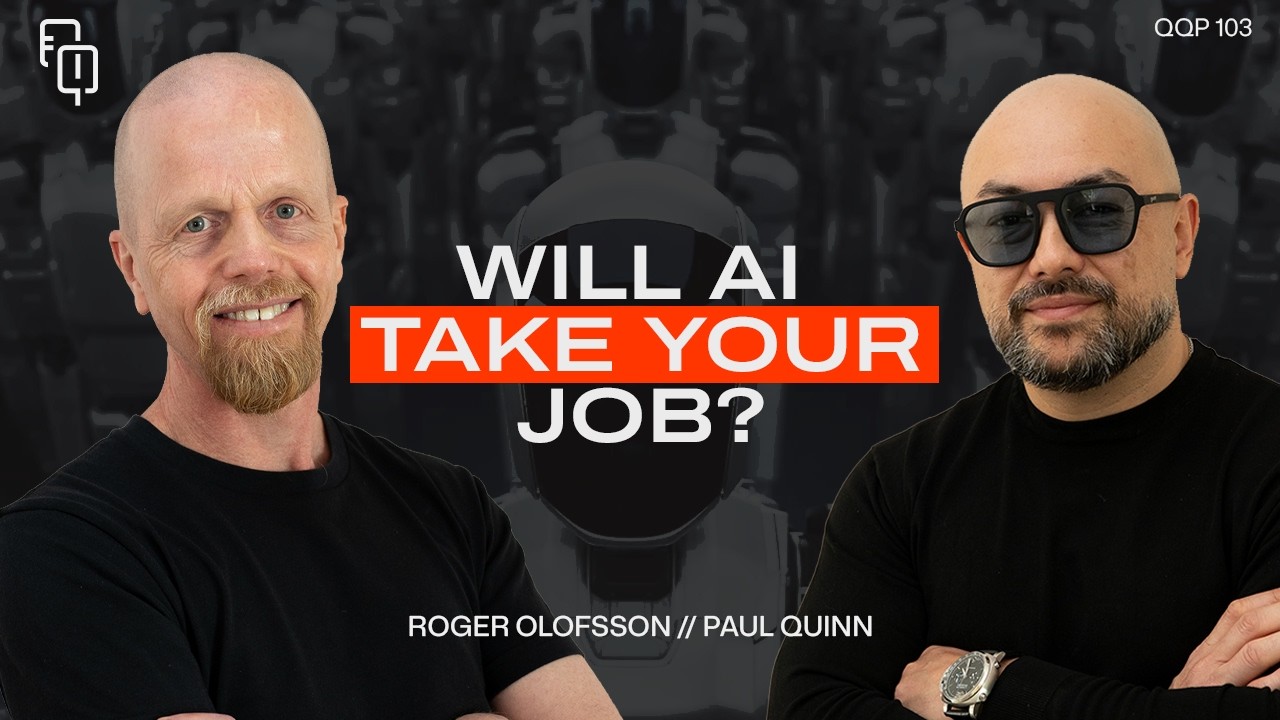
Building an AI Company Inside a Search Firm with Roger Olofsson #103
In this episode of The Quinntessential Questions Podcast, Paul Quinn sits down with Roger Olofsson, CEO and co-founder of Olofsson & Company, the executive search firm hiring for startups, AI, tech and fast-growth companies. From a childhood in Luleå, near the Arctic Circle, to landing in Singapore in 1996 as an exchange student with a backpack and a suitcase, Roger shares his transformation journey through almost three decades of recruitment in Asia, and the moment he finally backed himself to build his own firm.
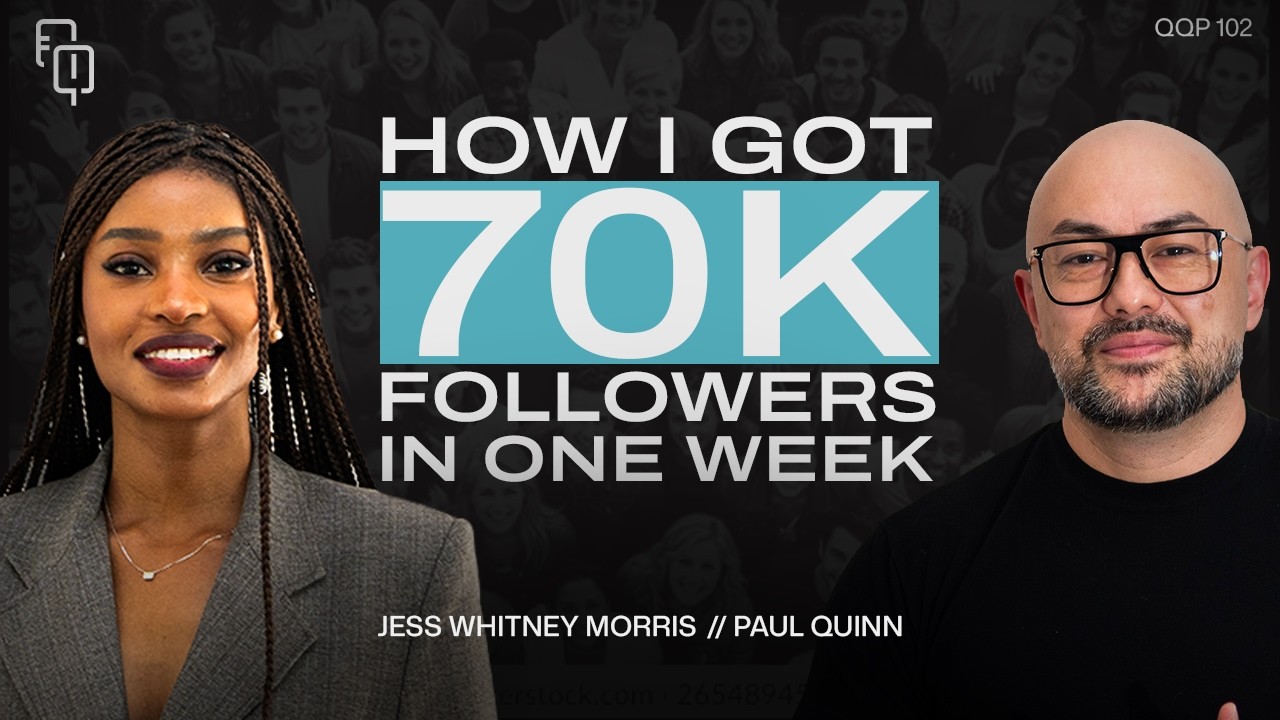
One Video, 70K Followers: Jess Whitney Morris's Breakthrough | #102
In this episode of The Quinntessential Questions Podcast, Paul Quinn sits down with Jess Whitney Morris, model, social media management company founder, and media presenter. From growing up in poverty in Uganda and working-class England to working her way through Abercrombie, Hollister, and a self-funded university degree, Jess shares her transformation journey and the moment her father tore up her first modelling contract in half.
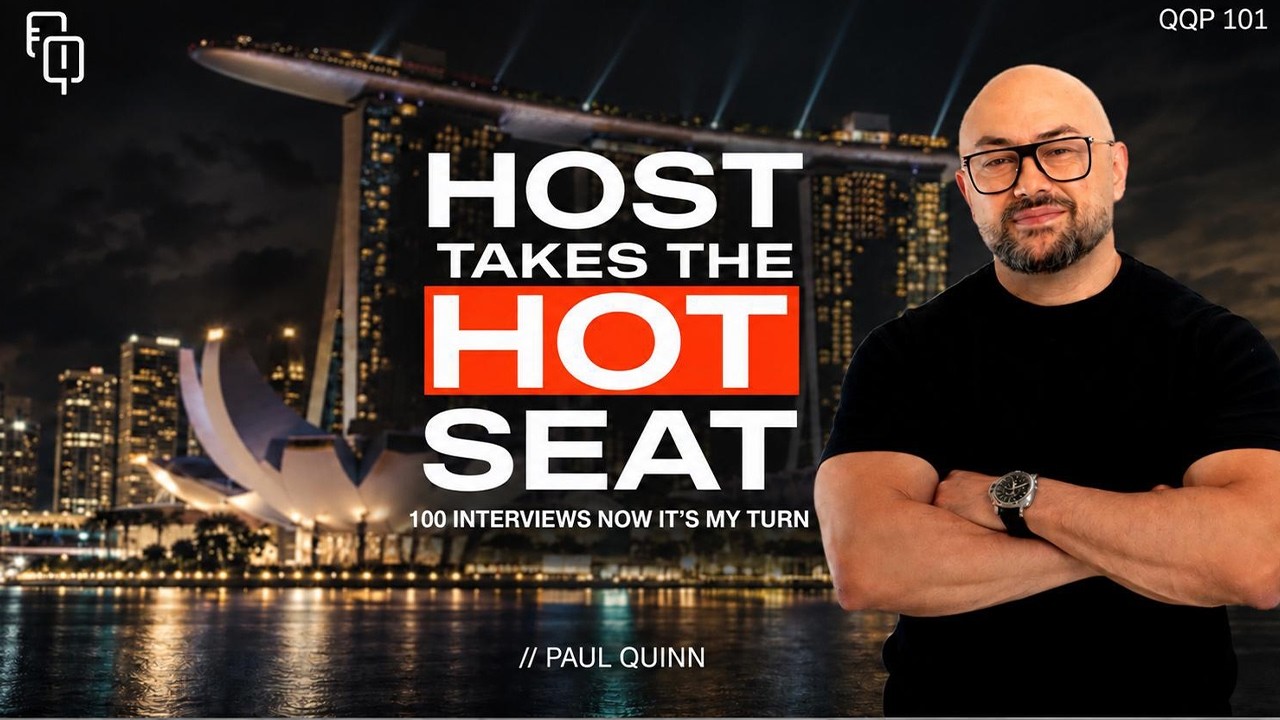
I Interviewed 100 Extraordinary People. Here’s What I Learned | Paul Quinn
In this episode of The Quinntessential Questions Podcast, the host takes the hot seat. After 100 episodes in the interviewer's chair, Paul Quinn, who runs Westport Executive Search and founded Quinntessential Coaching, answers questions sent in by guests, friends, family and listeners. From hitting a career plateau to building a podcast that now welcomes Olympians, world champions and global CEOs, Paul shares his transformation journey and the moment he decided to put a spotlight on helping people.