
#43 with Skipper Kelp: Boxing, MMA & The Fight Capital Story

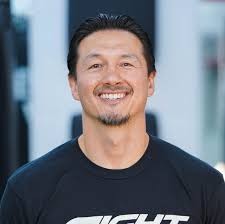
In this powerhouse episode of The Quinntessential Questions Podcast, Paul Quinn sits down with Skipper Kelp — former professional boxer, martial artist, MMA pioneer, gym founder, coach, and now fight broadcaster — whose story spans from Olympic trials to calling the action at Canelo vs. Crawford.
Skipper’s journey takes us from growing up as a military kid, discovering martial arts, and idolising Bruce Lee, to becoming a two-time National Golden Gloves champion, Olympic hopeful, and turning pro with Top Rank Boxing in Las Vegas. He opens up about sparring wars in the legendary Top Rank gym, the brutal realities of professional boxing, and the health scare that forced him into early retirement at just 27.
He then reinvented himself as the founder of Nevada’s first MMA gym, training alongside icons like BJ Penn, Tito Ortiz, Chuck Liddell, Randy Couture, and Rampage Jackson. Today, Skipper is carving out a new path in boxing commentary and fight broadcasting, breaking down corners and scoring fights for fans worldwide.
🔥 Plus: We go rapid-fire on boxing and MMA legends including Sugar Ray Leonard, Thomas Hearns, Marvin Hagler, Roberto Durán, Vinny Pazienza, Gerald McClellan, Nigel Benn, Chris Eubank, Julian Jackson, Muhammad Ali, Roy Jones Jr., and Riddick Bowe — sharing insights, stories, and what made each of them special.
📌 Notable Figures & Mentions:Alex Pereira, iShowSpeed, Lorenzo Fertitta, Frank Fertitta III, the Fertitta Brothers, John Lewis, Dana White, Peter Welch, Gary Brecka, 10X Health, Roger Mayweather, Floyd Mayweather, Manny Pacquiao, Bronco McKart, Lennox Lewis, Frank Bruno, Chris Byrd, Mike Tyson, Evander Holyfield, Gennady “GGG” Golovkin, Alan Minter, Conor McGregor, Khabib Nurmagomedov, Eddie Alvarez, Max Holloway, Jon Jones, Ad, Netflix, Re-Ad, Season, Turkey El Sheikh.
🥩 Las Vegas Favorites:Prime Steakhouse (https://primesteaklv.com), Barry’s Downtown Prime (https://barrysprime.com), Golden Steer Steakhouse (https://www.goldensteer.com)
🏟️ Organizations:UFC, Zuffa Boxing
TIMESTAMPS
(00:40) Introduction & Backstory
(03:21) Getting Into Martial Arts
(05:20) Boxing
(09:15) Canello vs Crawford
(11:20) Broadcast Details
(13:05) Dana White
(17:14) Mother’s Vietnamese Heritage
(19:42) Moving to Germany
(20:50) Favourite Martial Arts
(22:13) Alex Pareira
(25:54) What Young Fighters Really Need
(27:05) Golden Gloves
(29:50) Roy Jones Jr.
(30:54) Dehydration
(32:18) Olympic Trials & Fighting Todd Foster
(33:43) Lou Dobu, Michael Moorer, Emanuel Steward & Top Rank
(36:27) Retiring at 27
(40:35) Becoming a Business Owner
(41:28) Tony Jeffries
(42:11) Meeting John Lewis
(44:37) B.J.Penn, Randy Couture, Teeto Ortiz, Chuck Liddell, Rampage Jackson
(45:38) Meeting Dana White & The Fertitta Brother
(49:25) Trivia
(53:45) Vinny Pazienza
(55:14) Business & Reinvention
(57:14) Advice for Young Fighters
(01:01:11) Advice for Entrepreneurs
(01:04:10) Introversion & Dealing with People
(01:07:22) New Endeavours & Vitamin Business
(01:09:02) Balancing the Contrast
(01:13:08) Embracing Reality
(01:17:00) No Retreat, No Surrender
(01:18:00) Connecting with Skipper
(01:18:32) Rapid Fire Questions
Bio
Skipper Kelp, owner of Fight Capital Gym began his journey in combat sports as a child with black belts in Taekwondo and Japanese Karate. Kelp began boxing at the age of 12 and won several nation championships including the 1987 Olympic Sports Festival, 1987 and 1988 National Golden Gloves and had the privilege of representing the U.S. in several international competitions.
Kelp turned pro in 1991 and had an entertaining career with "Tuesday Night Fights" Fight of the Year honors and retired 24-4-1 with 16 Ko's. After boxing Kelp formed the UNLV boxing team and produced over 20 National Collegiate Champions. In 2006 Kelp led the UNLV boxing team to a National Collegiate Title becoming the first non military academy in over 20 years to accomplish that feat. Kelp now devotes his time and energy to the amazing members of the Fight Capital Gym and the Fight Capital Youth Foundation.
Transcript
Hey guys, for this week's episode, I'm super excited because I get the chance to sit down with someone whom I've long admired, Mr. Skipper Kelp. He'll be part of the broadcast team amazingly for Netflix's RIAD season coverage of one of the biggest fights of the last decade. You've guessed it, Mr. Canelo Alvarez versus Terrence Bud Crawford. He's going to be bringing with him his expertise, his insight, his breakdowns, and his firsthand knowledge to what will be a showdown none of us are going to want to miss. And I can't wait. Skipper is an outstanding boxing technician. He really is. That's why I love him so much. A former pro boxer known as Saigon for his lethal left hook and his relentless style. He was a former national golden gloves champion. And he grew up and boxed alongside legends like Roy Jones Jr., one of my favorite fighters of all time and Riddick Bo and he worked with some of the OGs of the UFC BJ Penn, Rampage Jackson, Chuck Liddell, Tito Ortiz, and Randy Coutour. We unpack his journey as an entrepreneur setting up Nevada's first MMA gym where he continues to influence the combat sports world through Fight Capital Gym in Vegas. It was an absolute pleasure. I hope you guys enjoy the chat as much as I did. Trust me, you're going to want to hear this one. Cheers. Skipper, how are you? >> I'm beautiful. Pause. Pleasure to be here, >> man. You know what? I feel like I've known you all my life. It's crazy. >> I just spoke to you for 10 minutes. I feel the same. >> You know, I can't wait. Listen, I'm going to smoke a cigar. It's too early in the morning. It's 9:00 a.m. there. It's It's midnight here. But, um, my promise is next time I'm I'm in Vegas, I'm going to hit you up and we'll go for a steak and we'll finish with one of these bad boys. >> Done. Now, now I'm going to pack unpack your journey, but for my audience members that may not know you, can you be kind enough just to give an introduction as to who you are and your backstory before we turn back the pages of time? >> All right, let's go. My name is Skipper Kelp. I am a a former professional boxer. I came up in the 90s. I was a 1988 um that was my Olympic year, 1988. I fought in the Olympic trials. I lost in the semifinals and ended up moving to Las Vegas, turned pro and um had a eight-year pro career, seen the world, made a mark in the game. I wasn't I never won a world title, but I got right to the right I got close to it. >> You ended up I I I Yeah. And I ended up retiring so young. That's the probably the reason why I never achieved that goal. I retired at the age of 27. So I didn't even reach my prime yet. But the foundation that boxing laid for me was the springboard for the rest of my life. I own the first mixed martial arts gym in the state of Nevada. It's called the Fight Capital Gym. And I've just been entrenched in the whole fight community. I started the UNLV boxing team in 19 se 1998. Feels like a two lifetimes ago. >> You don't remember? >> Yeah. And I I got into teaching the game. I've been involved in boxing on every aspect. I was a fighter. I was a trainer. I was a manager. I even tried promoting it, which was a nightmare, but it it I was happy to get my feet wet in all aspects of it. So, yeah, I'm I'm a I'm a boxing head. I was a martial artist when I was a kid. You know, I was an Asian kid and back in the 70s, >> I looked like Bruce Lee. I thought I was Bruce Lee, so I might as well learn martial arts. And my dad, whenever we went anywhere, cuz my father was in the military, my mother's Vietnamese, my father's was a military um army soldier. And um one thing that my father wanted to instill in me was to be tough because I was an Asian half Asian kid named Skipper. And I think he named me Skipper for a reason cuz at the time every time we went to a new school because when you're in the military I'm jumping all over the place, but I'll kind of give you a brief what it was when I grew up. So I'm a Asian mixed Asian kid. My hair had the typical bull haircut, but it was kind of cool because Bruce Lee had the typical B bowl haircut and Bruce Lee was everything, you know, everything. >> And so my dad, whenever we would go from one phase to the other, it'd always be like a two to three year run. >> I would have to switch schools mid midway through. So, I'm a young kid with a bow haircut, Asian kid, and I'm small. And I have to go from one school to another school mid year. And I don't know if you remember what it was being a kid getting into new groups. So, the teacher Yeah. So, my dad said, "I'm going to make you tough." >> So, he got me into martial arts. And whenever we relocated, the first thing we do before we even got hooked up in the school system, he'd find a martial arts studio for me. So, I did martial arts and I excelled in that. I even taught martial arts on a military base in man in Manheim, Germany. And I was 11 years old, 12 years old. And I was teaching grown men, GIS. And they always thought that I was, you know, young but around senior college year. But I >> You were 11. >> I was 11. >> Yeah, I was crazy. And then so when I moved, we were in Germany and I taught on the military base there and I was 11 and 12 years old. My father got shipped to Colorado Springs and he ended up retiring there. And um >> Oh, that's where you grew up after that. >> That's why Well, yeah. I consider that my hometown, Colorado Springs. >> Beautiful. It's a beautiful place, by the way. Right. It's stunning. >> It's beautiful. Colorado Springs is beautiful. You know, when when you talk about nature and the trees and all that and and Colorado Springs is just that's where my dad retired. And when we moved there, >> my goal or my father's goal for me at the time was to get me into full contact karate. >> Remember like PKA or whatever like that cuz that was one thing. Yeah. And so um I had to learn how to box in order to do that. And then I went into the boxing gyms, you know, I was a young black belt and I, you know, I've done martial arts for years up until this point. I went into this local boxing gym. was a Scorpion boxing gym and there's a bunch of Hispanic kids in the neighborhood in Colorado Springs. And here I am, I'm this black belt and I'm thinking I can kick, spin around, do kicks fast as you can punch. They put me in the ring >> and I got my ass beat. I was like, "What the [ __ ] is this?" >> Reality call, right? >> Reality. Reality caught me. All the the the movie stuff was out the window and uh it hooked me. I said, "Wow, I got to learn this." But my whole objective at the time was just to learn how to box so I could be a better martial artist. >> Yeah. >> Unfortunately, at 12, 13 years old, you couldn't do full contact karate. You had to be 16 years old to do that. And so, as I continued to excel in boxing, I had competition. There was goals for me to achieve. I started winning small tournaments. And then the bug hit me. I got I got hooked because at that time there wasn't the UFC, you know. That's what people I mean people you know our age our generation they can't remember what it was like you know you know barely would someone do two martial arts let alone you know really mix it up >> and when I was a kid I did judo I did taekwondo I did kung fu karate you name it I was I didn't do Brazilian jiu-jitsu yet though >> well it wasn't around right >> it wasn't around you didn't know what it was like what the hell is this when in the 90s that's what I was saying you know but um there was no outlet for me in martial arts unless I wanted to be like Billy Blanks or John Claude Vanam, you know what I mean? Um, making B-rated movies. If I was John Claude, that'd been awesome. But B-rated movies wasn't necessarily my call. >> Billy Blanks just won a point contact uh karate competition over the weekend, I think it was. He's 72 or something. >> Say what you want about Billy Blanks. That was a bad boy, man. In in his world of point karate. And he was a bad boy. >> And he was in tre he was in tremendous shape. And actually I I don't know a lot of people remember this Vanam it was a awol in the UK or Lion or Absent without leave whatever full contact >> but there's a scene Billy Blanks is in that movie >> and there's a scene where they're on the their legionnaires and Vanam does this amazing movie and he ends up stabbing someone in the hand. I don't even remember it. And I was thinking actually he you know Vanam surrounded himself with some killers because he had um uh what's his name? Alexis, what's that called? >> Yeah, Alexis. Um, god damn. Dennis Alexioick. >> Dennis Dennisio in kickboxing. >> Nasty axe kick. >> He was a great athlete, right? Superb athlete and he was legit. So, you got to hand it to I I mean I listen I grew up with Vanam. So, I fell in love with his early movies. I was very impressional. 12, 13, 14. >> There you go. >> I love I love the story. But, you know what's talking about Bruce Lee? I don't know if you know this. You probably know this, but he was a quarter German. I didn't know that for a long time. I found that out recently. A lot of people don't know that. And two years ago, I think it was the 50th anniversary of End of the Dragon. >> And I I and it came out at the cinema, one cinema for one night. And I I took my son to go and watch it because I never had the opportunity to watch it on the big screen. Have you ever watched on the big screen? >> I've never watched Enter the Dragon on the big screen. >> Let me tell you something. I was transfixed. I can't even imagine watching it. You know, obviously it came out before he died, >> right? Um, so after he died, but I was watching him on the big screen and I thought this guy is godly because he was so charismatic and you know if you if you were I mean he appealed to everyone especially of minorities. But if you were Asian and you saw Bruce Lee, you're [ __ ] walking out of there kicking the [ __ ] out of someone on the way home, right? >> Well, we were talking about it earlier like back in the 70s the depiction of Asian men was very weak and oh it it wasn't masculine. It it was it was denigrating. >> Yeah. >> Bruce Lee changed that. He turned >> the perception of Asian men into killers. >> And uh me growing up >> having to jump from school to school mid-season, >> mid year, >> that was the best thing that ever happened to me. And it didn't hurt with with with uh getting dates either. >> I perpetuated that whole Bruce Lee Bruce Lee role. Listen, if you you've got the lyrics, you've got the looks, and then you got the kicks, then it's a done deal, bro. You know what I mean? >> I love it. Now, before we get started about your life and your career, I just want to congratulate you because you've been named one of the I think it's the nine people involved in the broadcast for arguably the biggest fight of the decade, Canelo versus Crawford. Congrats, bro. That's huge. >> Yeah, I appreciate it. It is huge, and I'm I'm really looking forward to it. And I'm getting my feet wet in the whole broadcasting world. You know, I've been in boxing my whole life and combat sports my whole life. So, this just seemed like the natural progression for me. And, you know, I'm fortunate to be in this position. Um, and I I get to play the coach's role, so I'm going to be breaking down what's happening in the corner. And >> I'll be doing the unofficial scores. So, >> yeah. Half the h half the world's going to love me, half the world's going to hate me depending on who I pick for that round. So, I'm just going to try to come in with an open mind. And >> you got to be you got to be objective. You just got to be objective, right? >> Objective. I'm I'm going to watch I've been knowing that I've been scoring. I'm going to be doing the scoring. I've been watching fights now with a different eye. And it's really different when you're watching the fight to actually score it as opposed to critiquing styles, techniques, or just watching as a fan. And um it it it changes your perspective a little bit, but you really lock in. And I'm just going to block out, put my blinders on, and lock in. >> You know, now, you know, we had Compu Box and now we're having AI. And it's um what used to make me laugh in the amateurs, as you know, >> you'd have to have three judges back in the day pressing a button. >> It was disgusting. I I right I I left amateur boxing right when that transition happened. It was crazy. And then on top of that, you got 70 year olds that don't have the If you're going to score like that, you need a bunch of teenagers who play video games. the first thing ever. >> I don't know about you, but I I won knockouts where in theory I didn't score a point. >> Yeah. No, it's crazy. >> How can you have >> It's ludicrous. You have two fighters, they fight three rounds and there's no way three punches land. It's impossible. >> Yeah. But they got rid of that garbage. I hope. >> Well, so tell me what's happening. So, how are you involved in the broadcast? Like, where are you going to be physically sat? Where where does your journey begin and end with it? Cuz this is this the first time for you in this. Yeah. Well, this is I I did one other broadcast before and it was actually a Callum Walsh fight. Who's the co-main event fighting Fernando Vargas Jr. >> fight? That's a fun fight. The winner of that fight catapults and and they're the you know they'll be in a position for a world title. But um I did a fight a Callum Walsh fight in Ireland. I want to say it was a year ago. May a year ago. >> I'm half Irish, bro. Did you go Did you go to Ireland? >> I went. It was incredible. It was great. I'm sure the crowd was kicking off. >> The crowd was crazy. I've never seen anything like it before. The You guys in Ireland are different, man. After Callum Walsh won, you would think he lost. Beer started raining through the arena. I was sitting ringside. Calum Walsh won the fight. He didn't even lose. Then you just seen a beer fly in the ring and then just hundreds of beers started showering the place. It was actually pretty cool. >> Well, listen, sorry to interrupt you, but I I took my son. He was only 11. I took him to the McGregor Khabib fight and I knew I knew it was going to kick off and I listen I'm I'm I'm halfIrish and and Irish men are tough but they were all absolutely tanked and all the Russians that they they all know [ __ ] they not been drinking it's going to go bad >> Paul Khabib and 20 of his crew >> would run through >> any town and literally take over if they wanted to though that's a crew you don't want to mess with Yeah, I listen I I plan I plan >> and they don't drink. So they're not >> That's my point. They don't drink. They're sober and everyone's slipping on their own piss. >> Um but but tell me so so so yeah, where does the journey begin and end then? Because I'm so intrigued about this. >> Yeah. So I did you know I'm good friends with Dana White and you know Dana has given me this opportunity. Right. And u >> I didn't I didn't know that. That's amazing. Fantastic. Yeah. We'll we'll dial back how you know him. We'll we'll get back there later. >> We we'll get into that. So, you know, they he asked me, he said, "Hey, Skip, do you want to um broadcast do some commentary for the Callum Waff?" I was like, "What the I've never done that before, but yeah, I'll give it a shot." You know, I just said, "Yeah, you know, it sounded interesting to me." So, and and the role they put me in on that just to get my feet wet cuz there's levels to this thing, right? And you have to get the reps in. You have to understand how to do it. So, they put me in a role. It's very similar to the role that I'm going to be playing on Saturday. And it's basically like a coach's role where I break down what I see in the corner, what's happening in the corner to translate that to the common person, right? Like >> I love it. >> Uh, you know, uh, Eddie Renoso doesn't like the way Canelo is following Crawford. You know, he wants him to cut the ring off. So, I'll chime in and translate that. And um if there's something that I see during the fight that hasn't been said by Andre Ward, Max Kellerman, or John Anick, I'll chime in and give my two cents. >> And how many seconds have you is this in between the round? Have you got like five seconds? >> Yeah. So, I got to be concise, brother. I got to get my thoughts together, put it on >> put it on the mic and chime in and chime out. So, um that's what I did in Ireland and and it it went pretty well. And um that's what I'll be doing here. On top of that, I'll also be taking official scores. So, um, while I And >> as I've been studying and practicing this, that's not as easy as you think, right? >> No. Far from it. Far from it. >> Far from it. So, here I am and I've been practicing for a while now. I'm watching fights and I'm scoring the fights as I'm watching them. Now, I'm not watching as a fan. I'm not watching as a trainer. I'm watching as a judge. So, I'm seeing what's going on, critiquing. Okay, right now that this guy's up if Oh, now see, you know, I'm really chronicling this in my head as the fight's going on. And then I catch myself, okay, what the [ __ ] am I going to say to justify this? So, I got to justify my scores, right? >> Yeah. >> And then they'll be two minutes into the fight and I'm like, who's winning? You know, I forgot to I forgot to take the score because I'm critiquing what I'm going to say and how I'm going to break it down. I finally started figuring that out how to lock in and but it's challenging. It's not easy. So, um it it just takes repetitions. >> Listen, it was so interesting because I was telling you off camera that I recently did a podcast with Jim Lampley and if you remember, you grew up with HBO boxing even more than I did, but they were probably the first broadcast that didn't go to air like commercials during the the one minute in between. >> And I asked him, how did you allow allow the moment to speak for itself? was one of the most, you know, my my abiding memory was when Tyson lost against Douglas and I asked him where did you get the the wisdom and the peace to let the moment speak for itself and not be too excited and he said he got that from Jack Nicholson. So Jack Nicholson's a great friend of his >> and Jack Nicholson had struggled in his career >> and he said his breakout movie he he just learned to put a few things on it and basically don't overact you know and that's that's what he became very well known for because we all think about it when we're watching the fights if you're not you're screaming you're saying come on [ __ ] let's go right >> yeah exactly yeah >> it's different you're going to have to be and don't drink Don't drink obviously until >> Oh, brother. I'm not going to drink. I'm going to fast. I'm going to trust me. I'm coming in laser sharp. I'm not going to eat for 3 days before I step up in that arena, man. >> I love it. Well, you know what? You've got you've got the the deep resonance on the voice. You've got a great voice. >> Oh, thanks, Paul. >> Well, listen, you're the second sexiest guy on this podcast right now. So, you're locked in, bro. You're ready to rock and roll, right? >> I'll take that. I'll take that. >> So, where's mom from in Vietnam? from Saigon originally or >> because you got a name, bro. >> Yeah, >> I actually got Saigon tattooed on my arm. I get joked about that all the time. But yeah, my fight name was Saigon Skipper Kelp. There there's a lot of my friends that know me from boxing, they don't even call me Skip. They call me Saigon, you know? It's like, oh >> yeah. So when I hear when I hear Saigon, I answer to that. >> Well, you do straight away. So, have you been back? Have you spent some time in Vietnam? >> No, I haven't been back. And and that's that's what I want. Yeah, my mother my mother went back. This is a crazy story. Um my mother went back last year and um she went with my sister and she wanted to go see her sister, her younger sister. >> Yeah. >> And um she went back for two months. >> The day my mother got back from Vietnam, her sister, my auntie passed away literally. It was crazy. But I was so happy my mother got a chance to see her. But um it is amazing and and with the advent of Facebooks for the last 10 15 years or so, I've connected with my relatives from back then and I'm absolutely going to go back. Yeah. >> You know, it's crazy cuz I I was going through a period of bit of depression a couple of years ago and I >> I was meant to go to Mongolia >> and then I couldn't get a visa in time. It was just after COVID. So I ended up on a on less than maybe four hours of research going to Vietnam >> really. And I flew into Hanoi and I was meant to get rent a motorbike and do the north of Ha Gang. So like um a whole loop and then there was a typhoon so it's on the border of China. So I thought I'm screwed. So I thought I'll I'll do a motorbike trick over like 7 8 9 10 days from north to south >> and I went to So what's really weird is when you go into deep Vietnam there is a strong presence of the communist Russia. You see you see it's like Rocky 4. You see, you see the flagships that you wear. It's like, it's like, where am I, man? But the Vietnamese people are so resilient and they're so wonderful. They're so beautiful. It's very different from Thailand. I thought it'd be similar. So, that that will be a huge trip. I'm sure you'll have a few tears when you go back. Do you know what I mean? >> Oh, I I already know. So, um I'm looking forward to that. And the catch now is my whole family wants to go, you know? So, my wife, my four kids, and they're a significant other. So, it will be more than just a a hop, skip, and a jump. We'll we'll put some time out there. So, I'm looking forward. >> I love that. Now, now talk about this. So, your your dad >> moved you to Germany. How old were you? >> So, my father my father was in the military as I stated earlier. And so, um he fought in the Vietnam War. That's where he met my mother. And then after the war, he came back here. So my mother and my two sisters who none of us spoke English had to navigate from Vietnam back to the United States. And when my mom and dad tell that story, it's a miracle that we actually got here. So um then when we got here, my father was stationed in Arizona. So we lived in Arizona for that's 3 years. Then he gets stationed to Colorado for two three years in Texas. And then after that we got shipped to Germany. So that was the overseas trip. been in Germany. That's when I started teaching uh martial arts and that's when my martial arts really took off when they I started winning European championships and whatnot. And then he got shipped back to Colorado Springs and that's when I kind of put my feet in the ground and started my boxing career and kind of established my identity. >> I love that. I love that. And then in terms of when you were coming through doing martial arts, which one did you fall in love with the most? I'm curious. I I'll say taekwondo. >> You want the kick? >> That's Yeah, I was I was a kicker. The taekwondo. That's that's the uh discipline that I taught in Germany. >> And then um then I wanted to really get my hands right because you know I could throw my hands for someone who didn't know how to box. >> But as soon as I got in through my hands with some boxers, I was like, >> it's different. I got to learn that. But I will say this, the one thing I did have that martial arts gave me from the time I because I was doing martial arts as long as I can remember. There's not a memory in my mind that I wasn't doing martial arts. I can't go back far enough in my head that I wasn't doing martial arts. And one thing I will say, martial arts, my dad did the old school [ __ ] with me. Like I was, you know, doing knuckle push-ups on the cement, you know, I was standing in plank positions and and so I was small, but I was strong as [ __ ] I was always the strongest kid in school. I was always proportionally I was stronger than anyone, but I was strong for pound for pound. And so when I started boxing, one thing I had over these guys that could kill me technically, >> yeah, >> I was strong as an ox and I punched hard. And once I learned the technique, how to transfer those punches in efficient manners with clean, sharp punches, that was a game changer. I saw I saw a clip of you on the old punching bag and tell them tell them who you beat on the um the former middleweight and light heavyweight champion of the UFC. You you smacked it you smacked it harder than he did, right? And and it was uh it was uh Alex Pere and and >> to his credit, well the way that video was sliced up, Alex Perea punched and the kid I show speed, huge influencer, they punched. And to give Alex credit, >> he didn't wind up or nothing. I don't even think he he thought it was a competition, but he scored. He just Yeah. And then the kid I show speed, who's a [ __ ] incredible athlete. He's a great athlete. If that kid started boxing and committed to boxing, any sport, any sport, >> be legit. >> He'd be legit. So, >> we're at this Fanatics. It's the Fan Fanatics in New York. It's Mike Rubin's thing. And it's crazy. We went there. I went there with Dana and you know, Mike Rubin invited Dana. We had no idea what this thing was about. You go in there, you need police to surround you. Well, Dana needed police surround them because they allow the fans to be fanatics and they go at you. If you don't have the police surrounding you, you get mobbed. So, we're at this fanatics fest in New in New York. And um I show Speed and Aiden Ross are in the ring playing around and I show Speed's like, "Hey, let's let's play fight." I show Speed [ __ ] Aiden Ross up like slams him and chokes him out, you know? And I don't think expected that. I don't think he expected that. But I show Speed knows he, you know, he didn't even know his own abilities. I'm sure he does, but he just overzealous, right? He's a very energetic young man. And so he goes to this punching contest, this punching bag, and Alex had just hit it. Now I show speed hit it. And then after he does that, you know how he is. He's very flamboyant. Ah, and then all of a sudden, cuz I'm sitting in the back. I'm playing my position. I'm just happy to be there. All of a sudden, I hear, "Where's Skip? Get Skip." >> That's Dana yelling for And he he [ __ ] >> He knew what you were going to do. >> Yeah. So they called me up, they pushed me up, and then that's when that incident happened. And you know, um, >> it was pretty funny. It was pretty cool. >> Well, listen, one of the reasons why I fell in love watching you was you just had a nasty left hook and to in particular to the body, right? To the the liver shot. Was that your favorite shot? >> That was my favorite shot. The left hook anywhere. The left hook to your ankle. I don't care. The left hook was my That was my move. So when I started boxing, like I said, you know, I had the the attributes. I was fast and I hit hard and I was strong just entirely in my body. But the gym that I went to in Colorado Springs when I started boxing, the coach was named Paul, my coach Paul Salbury, he wasn't a boxing guy. He was an Olympic powerlifter. >> So that would Yeah. So from a technical standpoint, my teach my learnings in boxing was very rudimentary, very fundamental um but basic, right? I didn't. >> Yeah. >> Paul and God rest his soul, he was an incredible guy and he was able to with his limited boxing knowledge >> broom national champions out of that small gym in Colorado Springs. But we never really got the technical aspect of boxing. So my boxing I was able to get through with >> speed, power, and some tenacity. But from a technical standpoint, and I didn't really realize this until I took a step back out of my career and started teaching. And I was like, I wish someone would have taught me this early on because defense >> wasn't a thing for me. Yeah. My defense was my offense. My defense was my left hook. My offense was my left hook, you know. So, >> but I want to I want to unpack that because the the interesting thing is if you knew what >> you knew back then, what you know now, and you were coached correctly, you you could have gone all the way. There's there's no there's no >> game changer. No doubt. game changer, you know, but and you look back on that and you're like, "Oh, man." And so what that does for me now, it allows me to translate that to these young fighters. I'm like, "Hey." >> Yeah. >> Don't worry about trying to knock people out. Don't worry. Get in the gym, work on that defense. You So, I really really have this uh astute ability to convey what these young fighters really need because I missed out on it. >> And you do it. I mean, your tutorials, they're very concise. They're punchy >> because, you know, like when I did martial arts, I I realized I was probably the only kid that I ever saw taking notes. So, like in between when you were taking a rest, everyone was messing around, talking, and I was taking down notes. And the one thing I always felt, you know, in traditional martial arts, it was like you're always told, you've got to be conventional. >> And I always felt if you're conventional, someone's going to see it coming. You know, it's the guys that are unconventional that are the most dangerous. you can't you can't read them. Talk to me about um the Golden Gloves and the Silver Gloves and just explain for the audience that may not know the difference cuz because when I grew up hearing about the Golden Gloves, you know, from the UK was wow this mystical magical competition where the the baddest [ __ ] in America were going to war. But just explain to us the difference and how you came into it. So it's funny like when you talk about amateur boxing people don't don't know USA national champion golden gloves is everything and golden gloves so when I was amateur boxing has changed significantly since the 80s when I was in amateur boxing but in when I in the 80s when I was boxing amateur you had the golden gloves and silver gloves and the national uh USA championships at that time it was called the ABFs and the golden gloves was a national tournament so you win the golden gloves you're ranked number one or two in the country. So, um, the silver gloves is the same version of the Golden Gloves, but for juniors, 15 and under. >> So, back back then, once you turn when you're 15, you're a junior. Once you turn 16, you fight grown ass men. You fight everything, everyone. Now, they changed it. They put um a 161 17 category in there, something like that to get that little buffer so you don't >> That's because you're not developed yet, right? You're still Mike Tyson. You're you're not there yet. Hey bro, once we turned 16 back in the day, that's all we knew. You remember grown ass men, you're with the big boys. So that's how it was back then. So the national silver gloves was my first national tournament that I went to. And um I was 15 years old and I ended up winning I went two years. The first year I went, I was 14. And when I went 14, I I made it to the semi-finals and I fought this guy and he was a grown ass man. He was grown ass man, but he was 15. He had a beard and I was like, "What the [ __ ] am I fighting?" And so he de he de he demolished me. And so I was fueled to come back the following year. But now the following year I was 15. So I wasn't I was the big guy then. So I ended up winning the National Silver Gloves when I was 15. And then when I turned 16, I entered the ocean with the Sharks and um I won the National Golden Gloves in 1987. And then I won the National Golden Gloves in 1988. But didn't I mean that is amazing by the way but didn't you also win boxer of the tournament for one of them? >> Yeah. So in 1988 I won the outstanding boxer of the tournament national golden go and that was you know Roy Jones is in that division and to me even to this day he's the greatest of all times in his in his era. >> He's untouchable. I mean >> untouchable. >> I remember when he was in the the Matrix movie and I just thought that was so apt because in his day you could you couldn't touch him you know. Well, even even the amateurs, like for me and a lot of guys that I hung around, the amateurs, you know, we're all young up and coming fighters and we're all, you know, we're like, I'm the man. I'm the [ __ ] You know, that's that's the mentality you have to have. But you look at Roy and you're like, he's a little different. I'm the [ __ ] I'm the [ __ ] But he's just a little different. Oh, actually I wanted to ask you about this because if memory serves correctly, he lost to Gerald Mlen as an amateur who who is a bad boy too. But that's that's why I wanted to ask you because you know I'm I'm a student of the game like yourself and you know I grew up I'm a massive fan of Nigel Benny's one of my favorite fighters of all time and that fight Manuel Stewart wasn't in his corner and I saw an interview with Manuel Stewart many years later and he said if he was in his corner he wouldn't have got hurt like that and I wanted to talk a little bit about that cuz a lot of people don't understand like you know there are more serious injuries in boxing than MMA >> and I feel it's a middleweighting below because dehydration. So it it like it takes I was explaining to to my son the other day it normally takes 24 hours for the body to rehydrate but 48 hours at least for the brain to rehydrate and that's why you know like I don't know if they have they called this on the Canelo Crawford fight that the weigh-ins are there in the day before the day of do you know has it been announced yet? >> Um I'm I'm pretty sure it's the day before. That's how most weighins are now. Back in the day when I was fighting we had to wake up early. >> Yeah. Go check the scale. It's different. Now it's >> Now you can be 20 pounds heavier when you step into the ring. So all that has changed. >> Well, I mean, I saw those pictures of Crawford that he's released and he's put on a lot of muscle and he still looks in ridicul I mean the best shape I've ever seen him in. >> Ridiculous. He's done it right. you know, he's got with uh Snack SNAC and >> yeah, >> that organization knows how to take every possible nutritional advantage, every recovery advantage that's legal, right? They know how to do it and it shows, >> you know, you're you're not getting like that. You're not putting on that much weight if you don't do it scientifically properly. And um I don't know if weight's going to be that much of an issue for this fight >> as I look at Crawford. You know, >> it's it's that it's it's such a fascinating game of chess now. Talk talk to me. I'm just curious. So you get into the Olympic into the Olympic trials, >> right? >> You lose in the semis. >> Right. >> Right. >> Yep. So the national Golden Gloves in 1988 was the qualifier for the Olympic box. >> For soul. >> Yeah. For soul. So, if you win the national Golden Gloves, you're one of the eight participants. You qualify for the boxoffs. So, I win my first fight um in the Olympic box. In the second fight, I fight Todd Foster. And Todd Foster was probably the front runner, you know, the favorite of that tournament. And it was a close fight. Um I didn't leave that fight thinking I got robbed, you I was like, uh, I should have done more, you know, but I also had the thought that maybe I was going to get called as an alternate to box off with Todd. They didn't call me as the alternate. I was young. They figured I could make it in the 92 Olympics because I was only 16 years old, I think. >> Was that was that the plan, Skip? It was to go to 92 to to um >> um Yeah, I think that was. I never really thought that far down the line, but after 88s, I was so dejected, you know, after losing the 88 box off. It took me six months to just be like, "All right, what am I going to do?" And I started boxing amateur. But at that time, >> I was young. So 92 was my class, all my friends that stuck around turned uh pro after the 92 Olympics. I ended up turning pro a year after that because I went to um a top I started having boxing promoters court me and reach out to me. Lou Duva came to me, Emanuel Stewart through Michael Moore came to me and uh then Bob from Top Rank came to me. I ended up signing with Top Rank. So I bypassed the 9 and2 uh Olympic year >> and that was the genesis to you moving to Vegas. >> That was the genesis of me moving to Vegas. Yeah, Top Rank was a Vegas company and actually prior to uh me turning pro, Top Rank had this amateur program. They picked four fighters um three fighters and um they basically were going to sponsor us through the amateurs and then with the understanding that once we turned pro, we'd sign with Top Rank. And so I went out to Las Vegas as an amateur still the last few fights of my amateur career and um I ended up just turning pro because you know they they made it alluring for me and I ended up doing it and and the beauty about that top rank laid it out perfect perfectly for me you know I was the aside they grew me growing up so there was no exc I didn't win a world title but it wasn't from lack of positioning you know I had every I had every opportunity to be a world champion and it just didn't happen. >> I'm curious to ask you because I've seen so many different documentaries. I mean, so many top flight fighters came through that gym and there were there were wars. Did did you find that you had >> you had you know we we we would say beat the granny out of each other in sparring like you you probably left more in the ring in sparring than you should have done probably looking back. >> Oh, that was my style, right? I told you my trainer didn't have the boxing IQ to really teach us defense. though when we trained at the top rank gym and you talk about it was killer roll at top ranked gym every sparring session was a fight and you know my ego got the best of me because it's all I knew that's the only style I knew so whenever there was a sparring session at top ranked gym and I was in it >> the gym would the ring would just you know >> fill up and then that just even fed to my ego like I'mma [ __ ] this guy up in the spar this dumbest mentality right but you don't know what you don't know and So every sparring session I had, it was good. Put your chin strap on, we're going to war. And it was fun at the time and dang, Skipper was a killer. But it slowly breaks away at you. And not only that, you're not learning [ __ ] right? I'm in the ring, but every all you do when you go hard like that, all you do is you reaffirm what you already know. >> It's hard to try new stuff when you're fighting for your life. And so, yeah, a a lot of um a lot of life was left in the the the sparring sessions for me. >> When when you look back at your um professional career, I mean, >> yeah, >> cuz you you retired early at 27, right? >> I did. Yeah. >> Tell tell the audience. I know what happened, but tell the audience what happened because you got a health scare and not just that, I want to talk about how you'd become a you were a dad, so >> the the realities were a lot more harsh and real. Yeah, it's it's pretty crazy. When I started turning when I turned pro early, I had this mentality in me and my circle of other fighter friends, too. And I think a lot of fighters, you have to have this mentality almost to excel. But it was >> I'll die in the ring. There's nothing going to stop me from winning this fight. That was my mentality. And then I Yeah. And then I got married and had kids and they're like, "Maybe I won't die, but I'll go far, but I'm not going to die. my kids need me, you know. And so after my last fight, um I was dehydrated. They took me to the hospital and I was fine. I felt I was fine and just to check me um and then they I had a concussion basically. So after that fight, we're talking about two weeks after um I was having I was at dinner with my family. Maybe this was a little about a month after. I can't remember the exact timeline, but um I'm having dinner with my wife and my four kids. >> You had four kids at that stage? >> Yeah, four kids. >> You guys went early and hard, man. Wow. >> So, yeah. So, um well, I'm having dinner and we're at this barbecue rib place and I I'm feeling fine and but I lost my peripherals. Like, it literally just went and I saw it. This was all black right here. And I was looking, it was scary. I was looking at my cuz it's never happened to me before. You know, you spark, you get headaches and it's whatever. That's part of the game. >> And I just told my wife, I was like, "Baby, I can't see my hands." >> And it's like, and it lasted about 30 minutes. And after Yeah, it was crazy. I was like, "What the [ __ ] is going on?" >> And then, cuz I never really experienced anything like that before. You know, when you go to camp for the first time, you spar, you get a little headache, but after that, you're good. It's like your your body's conditioned after that. And then um after that for about I still trained but I went to neurologists and I got MRIs and every every time I went and got a test they would tell me yeah Skip everything is fine but that doesn't mean if you get hit one more time it won't be and I was like so I was battling that and there was some promoters coming out and say skip we got this plan you get this fight that fight this fight we'll get you a title fight and get you back in. And I was like, "Okay, you know, you you you you forget about what transpired when I lost my vision because you see that goal that you want to attain." And then I'd start training, you know, because I had these opportunities lined up for me. And um every time after I would train, I'd leave the gym and I'd say, >> "Do I have a headache?" >> Yeah. >> No, I'm good. I'm good. No. Do I have a headache? >> No. No. [ __ ] that. I'm good. And then just once that weighs on your mind, >> that that sets in, right? That's that's a wrap. That's a wrap. I knew I knew at that point I wasn't willing to die in a fight and I you know I didn't want to end up without my faculties when I'm 54 years old, you know. So, um it was a it was a tough it's a tough thing because you know you do boxing that's all you know you're watching your whole life and you know you this is what you envision for yourself moving forward and and then on top of that I didn't have a job. I never worked a day in my life. You know, everything I did was was boxing or karate, whatever. So, >> your whole identity was you laced up the gloves to make a living, right? >> Exactly. Not only my identity, my livelihood. Right. So, I got four kids and a wife and it's like, okay, now what the [ __ ] you going to do, >> you know? And that alone will entice people to stay in the fight game too long because there you don't know. You don't Yeah. And it it's it's tough to go out there and survive in the world and and and start something. So, right from the jump, I was fortunate because when I was training in Las Vegas, there was this gym in Las Vegas called the Sporting House. And the Sporting House was that's where Mike Tyson would you'd see Mike Tyson ride the the bicycle at full speed for [ __ ] an hour long. Yeah. You know, so and one thing about the sporting house, it was a hub for a lot of business people. So, like the who's who in the business world in Vegas back in the day would be at the sporting house. And so, you know, they knew I was a fighter and they networkworked with me and I would I started training people and I was training executives and, you know, that just spawned into me opening my gym, starting the UNLB boxing team and creating an identity beyond me as a fighter. It became me as the businessman, as a gym owner, as the, you know, boxing guru. No, I want I want to unlog that whole journey because my podcast is about careers, but actually I just wanted to touch upon this because a lot of young fighters, it's it's something that they have to think about obviously. And do you know who Tony Jeff is? He is a former >> Yeah, I I don't know him, but I see his he's he's big on the social media marketing. Yeah, >> he's doing an amazing job, but he's put a bit of a spotlight and I think he's, you know, gone into the hyperbaric chamber and he's trying to reverse some of these ailments because the reality is you only know what the residual damage is much later on and at that point it's too late, >> you know. So, I think I think like now, you know, that that's the thing that kind of upsets me with taking away the um the hydration by having, you know, the drip and this that and the other. You know, you want you you want to equip the fighters so that they they can go in go to battle but come out as as unscathed as possible. But let's let's dial it back. So at this point you you've stopped. Now you you met John Lewis. Is that what how it came about? >> So So John Lewis and I we met in 1995 or 96, but this was like in 93 is when Hoist Gracie shocked the world and introduced Brazilian jiu-jitsu to the mainstream. And I was fascinated, you know, because I was a martial artist. We're all hooked, right? >> We're all hooked. Like, how is this even possible? And I was just enthralled by it. And I was here in Vegas and I said, I I need to learn jiu-jitsu. There's something I need to learn. But I was still boxing at the time, you know. I didn't retire from boxing yet. So, I end up by chance. Well, met John Lewis. And at the time he was the only jiu-jitsu guy in town, you know, and and John was respected and the American black belt and through Jean Leel and and and John was incredible. >> He had a gym in town. So I went to visit his gym and as I met him, he said, "Oh, he heard about me." Because Vegas was small then, especially the fight community and boxers were very prominent because that's all they really had. So John um heard about me. So we started talking. I said, "Hey, I want to learn jiu-jitsu." and he was doing MMA, so he needed to get his hands right. So, we basically traded out. I was teaching him boxing and then he was uh teaching me jiu-jitsu. Then it got to a point where he want he was competing more. So, I trained less in jiu-jitsu and more in training him. And then we partnered up and opened a gym. Well, he already had the gym, but it was just jiu-jitsu. But as mixed martial arts started to get more prominent, we opened up the striking aspect of JC jiu-jitsu, which was uh John Lewis uh version of jiu-jitsu. And then um time went on, we had the gym. It was the first mixed martial arts gym in the state of Nevada. And then John had other opportunities cuz John was an entrepreneur, you know, he the club, nightclubs, movies, acting. So he was moved to the works. Yeah. And he's a hustler. John John's a leader in every aspect. If you throw him in the middle of the desert, he's going to lead the Lizards to something. You know what I mean? >> I love that. >> Yeah. So, he went to um >> But if you But if you think if you think about it, >> Skip, if you go back and you think now what MMA has become, >> it's it's crazy. Talk about some of the guys that came through your gym, especially in the early days, because again, those that haven't been to fight Capsule, they don't know, right? Just talk us through the the the who's who that have trained in your gym. So when I talk about Fight Capital being the first mix I JC turned into Fight Capital and when it was JC it was the first mixed martial arts gym in the state of Nevada. There was no other there wasn't extreme couture this that and the other you know there was just JC every top fighter at the time they weren't top fighters they weren't legends but there would be a session on the mats where BJ Penn Randy Couture T Ortiz Chuck Liddell Rampage Jackson M this is one session on the mat they're all training and at the end of the training session it's just like all right everyone pick up your [ __ ] have a great day you know they weren't legends then it was just it was the purest form of mixed martial arts back in the day. You got these incredible athletes all training. There's no pretention, no superstars, nothing. And then then Dana White and the Fertittas purchased the UFC and then boom, the rest is history. Yeah. >> Now, how how did you meet um Dana and the Fertittas? Was it through the jiu-jitsu or through boxing or both? >> It it was kind of both. It's funny you you you said both because Dana's a was a huge boxing guy and that's how he got his foot into the mixed martial arts world in the combat sport. >> And it's full circle. Credit to him. It's full circle for him, right? >> Full circle boxing, baby. >> Yeah. Oh, back to Exactly. Full circle. Back to boxing. So, when Dana was in Boston, he wanted to take in get into boxing. He wanted to be a boxer. So, he runs into the uh Peter Welch. Incredible individual. Look up his story one day. He's it it's worth digging into. But Peter Welch is like >> he's a he was a real legend in Boston, right? >> He is and is a legend for sure and and just as stand up individuals you'll ever meet. And you talk about a guy who lives by principle. You know to me it's Peter Welch and Khabib. They're they're the most guys that live by this principle this set of rules and they don't deviate from that and it's very admirable. But uh Dana went uh reached out to Peter Welch and Peter started teaching Dana boxing and these are Dana's own own words here. He wanted to box but he just wasn't good at it. Right. But he wanted to be involved in the fight game one way, shape or form. He comes to Vegas, you know, revisits his his town. He went to school out here, got into a clothing brand, linked up with Floyd Mayweather, started, you know, Floyd was one of the guys wearing his thing. And then Dana was a hustler, you know, started managing fighters. And then um he linked up with the fertitas. Dana opened up multiple gyms in town to do uh boxing fitness for people. And um he was always a fight fan. So I used to fight on ESPN Thursday night fights and Tuesday night fights. >> By the way, tell everyone about that because like nowadays we don't have that. And to me that was the pinnacle of boxing because you had Tuesday, Thursday, Friday night. Yeah. Right. It was like you you you you just was set. >> You were set. And you need to have that like now boxing turned into only pay-per-views or whatever whatever but you know you groom these fights up and coming fighters out of these shows and you knew Tuesday night Tuesday night fights on USA channel lock in. So whatever you do you work your plans around that and that was the uh platform for building these stars that eventually fought on HBO After Dark, HBO Prime Time, whatever. And so if you were a boxer fan, you followed those regiments and Dana did and he from that Yeah. And but listen, that's exactly what he's captured with the UFC because you've got that funnel. You've got these juniors that you're invested with and you see them and that's what needs to come back to boxing. >> That's how you have to build stars and you don't build stars for out of thin air. You got to develop them. And that's exactly what happened. So, when I say it was boxing and jiu-jitsu that brought me to Dana, um, John Lewis was actually the person that brought Dana White and the Fertitta Brothers into the jiu-jitsu world. >> They ran into each other at the Hard Rock Hotel and, you know, they wanted to learn jiu-jitsu and so John started teaching them jiu-jitsu and they became hooked. Dana, the Teter brothers became hooked, you know, then if you've ever done jiu-jitsu before for the first time, you realize, holy [ __ ] >> how can one individual dominate me like that? It's it's a scary it's scary. And and so when when you realize that, you're like, I got to learn this [ __ ] >> Yeah. >> And so they got into jiu-jitsu, got hooked on it, and then the rest is history. You know, they start Dana started managing T Ortiz, Chuck Liddell, all these fighters. And then through his managing of these fighters, he's realizing that the UFC is in trouble and they they end up buying the UFC and then boom, it it it takes over. So one day Oh, go ahead. >> No, no, go on. I was going to say if you don't mind, I was going to ask you a bit of trivia. >> Well, you you you saw Dana throw hands and you saw Tito and was that beef real? And what would have happened if it kicked off in in in a boxing ring? In in MMA, this is and both guys know this. In an MMA world, Tito would slam Dana's head on the canvas. And >> but in boxing, >> Dana would have [ __ ] Tito up in boxing. >> Really? >> Yeah. Hey, and Tito was >> That's why That's why he didn't sign the contract. >> That's why he didn't sign the contract. You It's a lose-lose. You know, you you get your ass beat by your boss, you beat up your boss. But Daniel would have put hands on him. Yeah. And people >> And was he training for it thinking it would happen? Yeah, he was training for and I knew he was training hard because I was coaching the UNLB boxing team then and my heavyweight for the UNLB boxing team who ended up winning the national title was going to spar Dana and I would talk to my guy Henry Namalu and I would say are you working with this guy but and he's like yeah I'm trying to I'm trying to get at him and I was like >> he's slinging he's slinging >> yeah he was slinging so I was like respect and that also let me know that yeah >> probably not a good idea for you to take No, sorry to there was a time delay. I was going to say the thing that is often overlooked about Dana, I've had the pleasure of meeting him twice. >> Yeah. >> Um and you know, the first time was in Abu Dhabi for that inaugural event which was outdoors >> and that guy went up I think to go to the toilet to go to the back of the truck. He he just couldn't go but he said hello to everyone. And fast forward I I'll put a picture up of this. I was um taking my family. We'd been in the Grand Canyon all day and the kids wanted some Asian food. So, we went to the Bellagio. There's a Chinese restaurant where there was with a kind of 1920s French art deco. You probably know the restaurant if it's still there. And we went in and they wouldn't let us in because I wasn't dressed appropriately. And Dana was coming in with Robbie Lawler and I think he was with his family. And I said, "Hey Dana, how you doing?" And I've come all the way from Singapore. >> These guys want to let me in. Have you got any pull? >> And he got he got us in and he he took pictures with the family and he was just so obliging with his time. He's He's a sweetheart. >> I've hung out with him for over 20 years almost every day when we're in town. I've never ever seen him turn a fan down. >> I've never done it. I've never seen it. I've I roll with him. We go to casinos. We go. He is the most generous individual >> with his time. Right. >> With his time, with his money, too. He's blessing people. When he goes out, he he doesn't he feels like he doesn't want to waste anyone's time. So if you do something for him, he's going to show his love. >> And I've I've never I've never seen him turn down a fan. He >> would have to take a piss, be late for dinner, late for his plane, and there's 20 more fans that need a picture. >> He's still going to say hello to everyone. >> He's still going to say hello to them. You know, there's this thing, and we talk about this all the time, a lot of people, it's probably not a good idea to meet your idols because you might find out they're not who you thought they were, and yeah, >> you're disappointed. He's different. >> He's the complete opposite. >> Yeah. I I think the thing that I I noticed about him, I mean, you meet people all the time and I do my job, but I've never met a man with more energy. That's just I was watching the whole not time because I was near the front of the octagon. That guy's [ __ ] on it the whole time. I don't know where he gets that energy from. Like, it amazes me. >> Yo, bro. He he he's he's gifted in that. That's that's his calling. He found his calling, you know? He grew into that role and and and you know he works out now and he got with Gary Brea and the you know uh the 10x health and that's changed his life as far as cuz he was on medications and like a lot of people are before they do this 10x health thing. >> Yeah. >> He got his life right, you know, now >> Yeah. straightened out and and so now when you know we have our moments where we fall off the rails a little bit with with with some whiskey and whatever but um for the most part it's every day we're hitting the gym, we're doing cold bluning, we're doing saunas, infrared saunas, you name it that that's because you can have all you have but at the end of the day you're going to spend it all to try to get your health back. So we have an opportunity to handle that now. He's definitely doing it and and I am as well. Well, talking talking about health, one of the fighters that I really admired, which is arguably the greatest comeback story, is Vizy Pacenza. And I know I know like if you watched him if you used to watch him back in the day. Did you get to see him fight a little bit? >> Yeah. Yeah. Well, shoot. That that was the whole Tuesday Night Fights thing. They whole thing with the broken neck and, you know, and just watching him. That was like a modern day Rocky, right? Vinnie Pazen has a broken neck and he's surviving. They had these clips on USA with his neck thing and he's getting back in shape, getting for his fight and yeah, Vinnie Pazen is like the average man's tail to success right in the fight game. >> Well, very inspirational. >> But when he's so inspirational, but when he got called up to fight Roy Jones, I thought, "Oh, man. >> No, that's just two different universes of of of skills, right?" And Roger Mayweather said it the best. Roger Mayweather spoke about Vinnie Pazanza and said he can't fight but he don't know it, you know, and and and and that took him a long way. Vinnie Pazenza had a great career. And even when he fought Roy Jones, he went even when he was getting [ __ ] up by Roy Jones, there was never a point in his mind where he was like, I'm losing this fight. You know what I mean? And that's the kind of guy Vinnie is. He just fought the greatest, you know, and it's and that was probably Royy's cleanest fight in history of life. >> That was he was on point, man. He was beautiful. Talk to me about reinvention. So, becoming a a businessman, an entrepreneur, a coach, you know, like what was that transition like? Because it was such a a a change around. But did you make the switch quite easily? >> Yeah, I think I did. You know, it's crazy because when I was a kid back in Germany, I was teaching taekwondo. So, I always had this um calling or ability to translate information from, you know, and techniques to people. >> And uh it it it was a a smooth transition for me. Um >> for a while there, and I'll say this, when I say a while, I mean until I was probably 48 >> really, >> the hunger to fight was still like in the back of my head. Like, man, >> you're you're 53 now. That's 5 years ago. >> 54. I'm 54. I'll be Yeah. So, October's I'm I'm hitting another another lap around the the earth here. >> So, you were still sniffing it. You still felt it. But the thing is, you're a fighter. It's not going to go anywhere. >> It's not going to go. But but now it's like subdued. You know, it's like >> the idea of getting punched and going through that whole thing is like crazy to me now. >> Forget about it. Right. But >> but there was even in the back of my head I was like if an opportunity came around I will lock up knowing what I know now and just commit. >> Give me give me give me some of the like three or four fundamentals that you would have brought back to your game because this is my my take. >> When I speak to a lot of young boxers I feel that >> they're focused on the wrong things. >> Yeah. >> Because to to be a fighter a lot of people don't understand it. It's it's a 247. It's a lifestyle, >> you know. You know, it starts with your psychology right through to your sleep, your nutrition. >> Yes. >> But, but I feel that a lot of guys don't watch, they don't watch other fighters, other coaches, real coaches. >> Yeah. >> And break down the techniques and p that that's my observation anyway. They're out for glory. They're trying to go headhunting. But can you just share with us your wisdom, your knowledge? >> That that was that was a nice breakdown right there. So, what I tell young fighters now, and if I were to rewind the clock, >> Yeah. >> when we trained, and when I trained, I trained hard. But once I trained, that was it. >> Now I'm looking for the nightclub. I'm hanging out. It's it's it was I wasn't going home watching film. I wasn't studying. I wasn't a student of the game. I wasn't hitting extra miles on the road, you know? And I tell a lot of young fighters here, I see them, they come to the gym, they train hard, they put in two hours, maybe two and a half hours, whatever, and then they're done until the next day. Then they run, whatever. I say, if you want to be great at this, it needs to consume most of your time. You need to eat right. Like you said, you need to sleep. You need to stay out the streets. >> Yeah. >> When you're leave, when you leave the gym, you can only put so many physical miles on your body. So, you run hard. You need to rest. You do your strength training. You need to rest. You You work hard in the gym. You can't go 100% in the gym every day. But there are so many things that you can do to fill that time educationally. You can walk through your moves slowly. Master your techniques. Master your defense. That's what I tell these young kids now. Master defense. That should be your paramount vision. Yeah. Master defense. And that takes time and repetitions. I'm talking about hours of just going through moves and just get it to where you don't even think about them more. So to come in the gym as a young fighter, put in a hard two and a half hours, then go home and you think that's good. >> That's not even a part-time job. You want to be great. >> Being great requires more than part-time job hours. It requires time. >> Yeah. You become obsessed. You know, I I small things like I watched some guys. is I was watching a guy the other day and he was getting backed up and he was going back in a straight line and and I said to him, "Listen, if you you got to practice when you're on the wrong side of things, if you walk back on a straight line against someone that's good, you're getting clipped, bro." >> Getting clipped. You got to work them angles. You got to work footwork. You got to be a master ring general, right? And all that comes because a lot of people think boxing is just, you know, I'm going to hit you and you're going to hit me or hit and not get hit. There are so many other nuances to boxing. The mind game, the faints, the shifting, the position, you know, knowing when to attack, reading a person's movements, you know, there's so many different nuances that you can't gather until you hit certain levels, right? You don't even know what you don't know. But in order to get to that level, it takes time, practice, and focus. And you should study every fight, you know, every different style because you say what you want to say when you're looking at things and you're learning. It's like going to school and reading a book. It it resonates. You get this information and you got to download as much information as possible physically and mentally. >> You know, it's interesting. Um I I often ask people like, "What are you reading? What are you watching?" And I've got like behind me I I've probably got like 10 books that I got on boxing when I was 11, 12, 13, 14. And you know, I'd read everything and I'd study different things. I remember once I cuz I didn't understand it at the time. I saw Chris Eubank on the mits and he wasn't wearing gloves. He was wearing hand wraps >> and he was delivering an uppercut like this. He was like >> And then I was I was thinking about it. I was just thinking cuz if you're you're in you're coming in, you're in the clinch, you haven't got time to turn your hand. He was he practiced [ __ ] everything. >> Yeah. >> Right. Even though that's officially illegal, it's not a real punch, but he he was practicing it because one day he might have to use it. >> Yeah. And that's the whole thing like don't leave any rock unturned. You know what I mean? >> You know it, brother. Um what what advice would you give for uh young entrepreneurs that were looking to go into a business or set up a gym today? Uh cuz you were very young actually when you did. I I was 27 when I set up my own company and you know I would I just heard a lot of naysayers and I just didn't listen to them. But you know based on your own personal experience and you've been surrounded by killers >> not just in the ring but in terms of business. What what what takeaways can you share with us? I say put your blinders on. Once you decide to do it, plan though. Don't Don't just Once you decide to do it, lay out a path. Plan. Don't just try to wing it because people think, especially my industry, the gym business, oh, I just want to open up a gym and do this as my passion. That's what I love to do. Ah, it's a little different when you got to pay them bills, you know? So, so plan it out a little bit. But once this what you decide to do, then go after it >> and gather as much information as possible. What I did in Vegas, and this was probably my saving grace and one of my better attributes, is Iworked and I built relationships. I'm a relationship guy. You know, if you're if we connect and we have the same type of we don't have to agree on everything, you know, politics, whatever, all that [ __ ] whatever. But if we have the same general principles, right, and and we connect, our relationship is probably going to last for a really long time. And I'm that type of person where if I link up with like-minded people and you know we have certain things that bring us together. I I foster relationships because they're important to me and those relationships always come full circle. I can help a person, they can help me. And that's how you grow and you build. And I think that's especially in Las Vegas. This is the kind of town that's like that. And if you can harness relationships, I think that's one of your your your greatest attributes there. Your network is your net worth, as they say. >> Your network is your net worth. That's right. No, >> it's you got you got to harness it. You can't be a piece of [ __ ] You your word has to be your bond and you have to live by what you say, too. So, there's a lot of responsibility that comes along with that, you know, and as you roll with people in time, you're going to find out who they are and what they're about because anyone can put their best face on for a couple years. >> Yeah. >> But in time, you we're talking 10 20 years span, >> you know, and that's that's right. And that's and you want to be I know me personally I want to be that guy that I present you know so if I present this to you at the end of the day when I go home and turn the lights off I want to still be that guy that I present. >> So I think that's one of the important u one of the things that I would tell any young person trying to get a foot ahead in life is be that guy. >> You know I've got I've got as I got older I mean I've always had this um but now more so than ever because as we get older you realize how precious your time is. But I've got a no no [ __ ] policy, >> you know. >> Amen to that, bro. >> You know, you you speak to someone, you know, listen, this person is poisonous. Just give him a wide birth. And um one of the things I wanted to ask you about because um I' I've studied this a lot. So, I'm naturally an introvert and and the definition I would use is even if you enjoy spending time with people, it naturally drains your resources. >> Um and other people are extroverts. So, I say even if you're an introvert, it shouldn't stop you from engaging. You've just got to manage your energy. No, no different from if you're in a boxing ring. But can you can you speak on that because people might not think in your business you're having you know you you have it's a mand pop gym. It's not just for professional fighters. So you're dealing with people full circle, right? >> Absolutely. And I'm I'm an extrovert. I I would say I'm more I lean more toward an extrovert than an introvert. But you're absolutely right. So when I started, when we had the first mixed martial arts gym in Nevada, >> we weren't broke. Well, the gym was broke, but we had other outlets of making money, but the gym was broke because it was like all these fighters and we talked about training the gym. But one thing about fighters training the gym, fighters don't pay. >> Yeah. >> You know, so for a while, yeah, my gym, yeah, it's cool. I got such and such such and so. I'll train in my gym and then when the rent comes, when the bills come, the power bill, this that and the other, it's like >> you're [ __ ] >> Yeah. You're [ __ ] >> You know, so I went from the toughest gym to your mom, dad, junior, sister, they're going to pay memberships. >> Yeah. >> Right. So, you have to now appease the common person, right? Yeah, >> you have to. It has to be cleaner. It has to be more welcoming. And then just so many, we still have fighters that train and there's block times for fighters to train because even the mom, dad, junior, they like to know that, oh, such and such trains here, this, that, and the other. >> Yeah. >> But I have to appease to the everyday person. And in order to do that, you have to change your thought process. When you come to the gym now, it's not like the old Rocky Bull when Rocky went to Philadelphia. Everyone's giving him the eye of the tiger. I don't want that. When you walk into my gym, you are getting greeted with a smile and a handshake and total respect. And I want you to feel comfortable. I want you to walk in this gym and feel like this community is a community that I want to be a part of. And if there are tough people here, I tell all my trainers, you know, engage with these person this person because when you walk into a fight gym, it's intimidating. You know, we take it for granted because that's all we've known our whole life. So we don't realize, oh man, but we're talking, you could be a grown ass man that's a, you lifts weights 220 lbs, whatever. There's still a level of intimidation when they come in those gyms. So what I like to do and all my staff, hey, you welcome them with open arms and you let them know that, hey, we're all the same. We're all achieving certain goals. And that's my philosophy here. You walk in this gym and it's like family. >> It's home. >> It's home. It's home. I want you to feel comfortable and no one's getting abused and thrown to the rules. Yeah. Yeah. >> You know what I mean? And that's how the gyms were back in the day when we were coming up, right? Like gym, you got to pay. You got to pay by put it on the line and and they're going to initiate you and and you got to fight your way through that. But that's not the business that I'm in. If you want to be a fighter, that's there. But if you come to my gym, you're welcomed with open arms and if you put in the work, you're going to love that. >> Yeah. And that's that's that's the cornerstone of your business, right? Talk talk to me about your new endeavors. So, you've you've got talk to me about the vitamin business. So, I literally just started I got two partners and we just started a vitamin company. We I just got my first uh batch of product in and it's called >> Thank you. I appreciate it. It's called Max Amino. M A XX Amino. Max Amino. And our first product is a creatin. And it's as pure. It's uh crea pure. It's the purest form of creatin you can have. And the thing that got us into creatin because we take it and we love it. But creatin is the most studied supplement there is. So they're finding out now that creatin is good for men, women, and children because it not anyone. It doesn't just make you bigger and stronger and pump more oxygen in your your veins, whatever. It's cognitive. Yeah. >> So, as as we get older, I know, you know, when you you get beyond the 50 range, you start thinking about, man, I don't want to lose my my my, you know, my my mind here. So, all these things that can enhance cognitive >> uh development, >> I'm with it. And creatin does that. So, that's exciting for me. It's exciting for me. >> Congratulations. So, when are you going to market with that? >> So, uh we're going to markets probably really close around this fight. Yeah. Per, perfect timing, brother. Perfect timing. Now, Creatin's an interesting one. One of my best friends growing up was a uh a gymnast. He was a two-time Commonwealth gold medalist and uh worked in Cirto Sole for 15 years. And you know, he he was trained by I think Russian coaches, but they you know, when he was in school, they were taking creatin and >> um you know, we I didn't know what it was, but I mean, you know, those gymnasts are ridiculous athletes, right? and um yeah >> so it it clearly worked. I'm just curious how do you balance the contrast between coach entrepreneurialism and what you're doing on the charity side because one of the things that you do that I love so much is you're you're trying to help the next generation of kids and as you know a lot of kids up and coming they don't have money. Talk to me about your programs because I think this is an amazing way that you're giving back and a lot of people can learn from it. So, I have the Fighting for the Future Foundation. And as far as balancing, it's pretty easy because everything I do kind of falls in the umbrella of sports, combat sports, right? The vitamins, the health and wellness, the gym, the boxing, mixed martial arts, and the fighting for the future foundation. So, the where my gym is located right now, they would call it, I guess you could say, distressed neighborhood. Um, a lot of kids don't have resources and ability and and there's a lot of gangs and it's easy for kids in this area to go south. >> The wrong direction >> the wrong direction. So, what we have is, you know, when I said our gym, I had to stop giving free memberships to fighters and started doing a membership based thing. That holds true. However, if there is a kid and they can't afford it, a mother brings her kids in and it's obvious that they can't afford it or they explain that they can't come because of the the price, the membership. Our motto is no kid will not be a member because of money. So, we bring the kids in and if they're if they're in that program, if they're on the scholarship program, there's one requirement for that. You have to spend two days a week with our counselor. um she's a lady, she's a psychiatrist and um health with youth development and so they have and she also tutors, right? So if they want to train for free and which we encourage, we're happy um they have to participate in this twice a week and it teaches them you know how to set goals and you know how to cope with stressors at school, at home if they have issues at home, we'll help you know try to reach out and and figure things out for them. So that is the most rewarding thing that I'm involved with right now. >> That is amazing. I mean that that to me is you're you're going to help save some lives and set people on the right path. And it'll be years from now. It'll be interesting because one of these kids is going to come up to you and say, "Skipper, look what I'm doing now. >> We've already had that. We've already had that." Yeah. It's great. It's incredible. It really is. and and just to see some of these kids and you know they've come from um rough situations and just to watch their development you know and it gets to the point where they never want to leave the gym and as this program grows and obviously I want to do so much more to reach them beyond the gym right so >> you know it's yeah it's a growing process though >> can you share with me both from a a fighting perspective and from a business perspective about mentality because I think mental fortitude grit determination But like, you know, a lot of a lot a lot of young fighters don't think it's okay to even think or say out loud that they're scared. And I I'll share with you my own journey with my son maybe a few years ago. He's 18 now. He told me he was afraid. And I realized I'd been lying to myself forever cuz I used to think I [ __ ] love confrontation. I love a scrap. And the truth is, we're all afraid, right? But but I I I really couldn't acknowledge it. And it is completely it's a paradigm shift in the way that I think and I parent and you know some of the young guys that he's fought with or other guys that I've seen win lose or draw you know a lot of them don't have dads or or role models in their life. I I'll try and drop them and I'll go and say hi to them and say look you did a great job man you you you know you just take it on the chin you move forward but talk a little bit about that please. >> No I think that's a great point. I think you have to embrace reality, right? Because one thing about the ring or the cage, it's the truth is going to be exposed, right? You can hide your fears all you want. You can hide the fact that you didn't do your road work, but you told your trainer you did. At the end of the day, when you get into the ring or the cage, all that shit's going to filter up and then the truth is is going to be known. And so, when it comes to fear, you have to embrace that fear. And you don't deny it. You channel it, right? You take that fear and you absorb it. You internalize it. And then you turn that fear into productivity, into aggression, into composure, into digging down deep. You have to do that. You have to embrace. And there's a thing that um is a dangerous thing with young fighters, right? To totally and constantly put these um high hopes on them and expectations. They have to hit some some blocks where there is failure because when you're afraid to fail, >> it holds you back from excelling. You have to give them this liberation like I can go out here, fall flat on my face, but if I get up and rebound and learn and do better from that. That's how you get these fighters because you instill this thing in fighters like, "Oh, he's so great. He did so good." Now there's this fear of disappointment where you hold back because you're afraid to fail. You can't have that. You have to be willing to go out there and try everything. Failure is only part of the process. It's not the end result. And if you can instill that into these young kids, it's liberating because fear of failure paralyzes people, you know, and if they embrace that and channel that, they can open up and be so much more. >> I love that. And um talk to me a little bit about in business cuz I faced this having been an entrepreneur myself for for 20 years. when you're about to spend a little bit more money and you're looking at your P&L at the end of the month thinking [ __ ] you know this has been a bad month a bad quarter you know how do you how do you deal with that and what's your advice for for up and cominging entrepreneurs >> you got to be willing to take it on the chin bite down and move forward and don't let nothing stop you and you just have to be resourceful you you have to find options and there's so many times where we hit the wall like dang what are we going to do >> you got to do something when when you own the business, there's no >> Yeah. >> no safety net. You You have to find a way. And And when you when you're forced against the wall like that where you have to find a way, you'll be amazed at how resilient you can be and how opportunity if you flow and think in this positive mindset, right? And I I'll real quick I'll go to I cold plunge every morning. And when you wake up and you think, damn, I got to do this, I got to do that, I need to do this. You almost get overwhelmed. After I cold plunge, I get into that cold water. And when I come out of that cold water, it's a it's a mind shift. Now I go from this problem, that problem, this problem to I'm going to do this, this solution, that solution, this game plan. So it's a complete shift of your paradigm and thought, right? And that's what you got to do. You have to put your mind in a state of problem solving, not problem recognizing. You recognize a problem once you do that or not problem recognizing, but problem dwelling. You can't dwell on the problem. You have to identify the problem, come up with a plan, and then execute that plan. And that plan doesn't work. Okay, regroup. Why didn't that plan work? What did I do? Let's do this. And keep doing that until you find something that works. Because if you stop, >> the buck ends with you. When you're an entrepreneur, there's no, you know, you know, no one to bail you out and no other people. The buck ends with you. The buck stops with you. So you have to continually think of ways to get better and problem solve. >> You know, you know what you've just said there. It sounds very simple, but clarity because as a business owner, everything becomes overwhelming. >> And you know, and especially you're you're father of four, I'm father of three. It's like it's never ending. Do you know what I mean? But one of my favorite sayings, well, there's two. One is from an old Vanam movie. It's not a saying, it was the name of the movie. No retreat, no surrender. >> No retreat, no surrender. That's right. >> You know what I mean? >> You're right. >> And and the other the other saying that, well, that's not a saying, but it's how I do anything is how I do everything. And I, you know, someone said to me, Paul, why do you still work out so hard? Work out in the morning. And I I said, you know, my mom and dad are dead now, but I I imagine they're watching me. And I I always want my son my my my sorry, my dad said, "My son, my boy is doing it." And then I also want the kids because just through >> me leading an example, they'll see me doing it. Now they won't recognize really what that means today, >> right? But um they will do, you know, and and it's it's contagious, right? And I and I just believe in energy. So if you you from the front um other pe other people will see it. Um what what I wanted to ask with you so people want to connect with you because I want to wrap it up I want to ask you some rapid fire questions but if people want to connect with you I'll put all the links in the details um but what's the best way? >> Um my Instagram skipperkl >> okay >> the fight capital fightc capital.com website. >> You got the shirt on? >> I got the shirt on. >> Yeah.com >> Skip, you got to save me one of those when I'm next in town, bro. say less. >> Um, brilliant. Now, let's do I've got some rapid fire questions. >> Okay, >> number one. What's the best steak place in Vegas? Cuz when I'm going over there, we're going for a steak. I know we need to know, bro. >> I can't I honestly I can't just say one cuz I feel like I'm >> Give me a handful. I don't care, man. >> I'll give you a handful. I'll give you a handful. Um, >> Prime Steakhouse in Bellagio. >> Yeah. Um, this is off the strip, but it's great, man. There's two off the strip. One in Durango Station is called Nikico's. One in Red Rock Station called T-Bones. >> Okay. >> And then in Circa Berry Steakhouse. >> Okay. >> And then there's a the last one. It's a hidden gem. It's in the South Point. >> And the South Point's like a locals casino, but it's probably one of the nicest ones as far as um elegant, right? And then you kind of got to dress up for it. Michael Steakhouse inside South Point. >> Oh yeah. >> Yeah. And then >> Yeah. And then SW and and The Win is pretty pretty damn good, too. But yeah, if if you can go to those and you'll never be disappointed. Any one of them. >> What about I I I tell you where I went for a bit of nostalgia. I took the family and I had a great night mainly because I was like a I'm a massive movie fan and you know, I love the old days, but Golden Steer, I had a great night there. >> You know what? I was going to throw Golden Steer in there. Golden Steer they done a re, you know, a revitalization of their energy. They started posting on Instagram saying, "This is the oldest steakhouse. >> You can't get into gold steer now. You >> try to get into gold steer." >> I put I booked out early and you know what happened was let me tell you about customer service. So my wife wasn't drinking. Obviously the kids weren't drinking and I had a bottle of wine but I was having such a [ __ ] good time. I I wanted to get another bottle and the guy could tell I wanted another bottle of wine and he said, "No, you get another bottle of wine. We'll just pack it a go so you can bring it home with you." And I thought in my entire life I've never been in a restaurant because he makes money from the tip on on top of that. >> But I just thought, you know, that was brilliant. So listen, so but you got to give me one. If I'm in town, where are we going? >> One. We we're going for a good night and we we we want to have a few good drinks. We want a nice vibe, but where are we going to go? >> I'll say, let's say Prime. >> Okay. You know, I went to Prime. I actually went to Prime and um once. The only thing that put me off, I had to wait forever. >> Right. >> Then go to Berries. >> Okay. >> Berries. >> You know what I mean? >> This circa. >> Okay. I will check that out. Okay. So, you ready? I'm going to put you on the spot. >> You know, growing up to today, who are your top five favorite boxers of all time to watch? Roy Jones, Marva Haggler. >> Yes. >> Uh, Sugar Ray Leonard, Ali, and Tyson. >> All right. Now, I'm going to [ __ ] you up with this one. >> All right. >> Of of of the um the famous four, the fabulous four, >> right? Taking Yeah. Then taking everything into consideration. Yeah. >> Who was the best one, two, three, four? I I got >> I'm a hag I'm a haggler guy. So, >> you know, so am I. Hence the the hairstyle or lack thereof. >> Yeah. >> But I but when I really think about it, I you know, like when I've read about Ray Leonard and what he was doing, he's like kind of like Jon Jones. He was a wild man. But like Haggler was just he was tough, wasn't he? >> He was tough. And it's almost unfair for Roberto Duran because Roberto Duran >> much smaller. I think it's a lightweight and and as a lightweight >> he's as good as they come. You know what I mean? And my favorite lightweights is probably him and Prenel Whitaker >> Dapper, you know. So So it's it's almost unfair. You know, Duran would be the fourth on this list, but he's he's a he's a lightweight, >> so pound. So I would go um Leonard Hearns Duran. >> Yeah. When when But those guys, you flip a coin there. No one's going to win four out of four. >> No, I've done the I've done the math. I'll have to put it up. I think between them collectively, I've got to I could be wrong. I think they fought nine times, but Leonard fought the most because he was the draw. >> He He was the big draw. Who was the toughest opponent you ever faced? >> Uh, >> amateurs or pros? the well I would say this pro the one I got beat up the worst as a pro was Bronco Mart you know he we're friends now and so I would probably have to say that one right the the one the toughest one is the one that put it on you the worst so I'd say him >> okay top five MMA guys of all time >> your favorite your your top five >> my favorite um Khabib uh you got to put Jon Jones in there. >> Yeah. >> Um, Max Hol. I'm a fan of Max Holloway. >> How could you not be? >> How could you not be? >> That that knockout of Gatei, I lost my voice for like 48 hours. I was like, >> crazy. >> Crazy. >> He's a savage. He's a savage, man. >> He He's a savage. He um um there's so many. Like I'm What's holding me back now is to say one without saying the other. But um >> give me a couple more, man. BJ Penn, brother BJ Penn was one of my guys. Um >> Um and then I'll say uh man, >> I'll go with GSP. That's kind of a generic pick, but GSP was a was a bad boy for sure. >> You got to rate the guy. >> Who do you Who do you think had the hardest punch in boxing? I mean, pound-forpound, would you you know, because you've got so many greats, but I'm just curious. Uh, I'll go with some of the guys in my era. Julian Jackson. >> Wow. >> Uh, Gerald McCullen had a >> Who do you think Who do you think? Cuz when they fought it was just a pick and fight. But I think I think Gerald had he had probably had a better chin. He was losing that fight from memory. The first he was losing it, right? >> Incredible. Yeah, he was. And then he he landed that right hand. It was It was a wrap. What what was so you put those two I I What do you think happened in the Nigel Ben fight? Do you think he you know because he stepped up in weight and you see Nigel Ben unfortunately they don't really talk about that he's not revered for that fight because of the tragedy >> right >> but I'm an Nigel Ben guy and you know I remember him saying they [ __ ] bought him over here to knock me out you know. Yeah, they did. >> And he was, you know, he's a mini Mike Tyson. And no one, no one, only one guy, um, in the British press had Nigel winning. >> But, >> well, the fact that Nigel came back after that first round, >> if that if that fight was in Detroit, it would have got stopped in the first round. It' have been over that history changed completely. Um, but it was the right call was made because Nigel came back and and won that fight. But yeah, that that was a a freaking war, man. It's so unfortunate that that fight can't be celebrated for what it was worth it because of the outcome. >> Um it's so tragic, but um yeah, that was two dogs right there because Nigel Ben was a dog. >> Yeah, I mean he's just just I mean I always loved his personality and uh it's a shame but like Chris Eubank was never loved in the same way until unfortunately lost against K Carl Thompson because you know of his style. But I'll give you a famous quote. They were asking him about a fight and they said um we heard that Prince Nazim kind of you know you copied him and he started laughing. He goes, "If you go back to this fight, I'll put a clip up of it >> is in an interview and he said, "If you go back and if you look at the beginning of the round, you'll see a very young Prince Nazine watching the fight." And he's a kid. >> So, and if you watch after I knock out knock this guy out and he goes, "Yeah, >> by the way, it lasted all of 12 seconds including the count." >> And then he says in the quote and then he including the count, he goes, "It was my pleasure. You're welcome." I just thought it was such a funny quote. Yeah, that's pretty cool. >> Um, okay. So, talk a little bit about best jab. I'm just curious who you going to go with the best jab. >> The be Larry Holmes. >> Yeah. Yeah. >> Yeah. >> Take away popularity. If if >> all the heavyweight >> Oh, I got I got a power puncher for you. Uh, I didn't mention his name. He's not a very He's not He was a world champion, but wasn't crossover uh in everyone's, but I fought him in the amateurs. This [ __ ] could crack. Term from St. Louis. I gotta give him his credit. That was a hard punch. >> Yeah. Term you woke up the next day feeling it. >> I didn't wake up, but I I got I got I woke up in the ring. I was still fighting. I made it to the final bell, but every punch he threw was like boom. God dang. >> You felt it. Every punch. I felt it. Yeah. >> Yeah. Some guys just have something in their fists. >> It was crazy. >> But you listen, you didn't exactly have a soft punch yourself, right? You know, >> right? you could crack, brother. Um, >> in terms of I'll share with you my take on the heavyweights. I think it's an unpopular opinion, but I think the best heavyweight of all time is Lennox Lewis. I think if they if all the heavyweights fought three times each, >> I think he'd come out on top. What do you reckon? >> You know what? I I'm pretty aligned with you right there. um is and it's when he was fighting, you know, I was an American guy like he's beating, you know, so I didn't get I never really gave Lennox his credit. Yeah. >> Until you look back on things and the the way you put it if they fight lined him up, he he's right up there for sure. >> Yeah. >> He's right up there for sure. He he's a very special and the the sad thing is um he was never really loved in the UK for a long time because you know he had a mixed accent >> because of the Canadian background >> and and Frank Bruno was the darling of the UK. Right. But um listen I just always admired him and I thought he was he was legit. Who who would you say was the best guy that you ever fought? >> Not the toughest, the best. Why don't I Man, that's a that's a that's a tough one. >> That's I fought Chris Bird in the Amateurs. >> Did you? >> Yeah. Yeah. We're one one. Uh he beat me in a 4-1 split decision. >> You remember that? >> Yeah. Uh, and that was the first time I really gotten to someone that had that slick [ __ ] you know what I mean? >> Yeah. Yeah. >> Um, yeah. I I'll say that was the craftiest guy I ever stepped into the ring with. >> Tough toughest guy. I I'm going to go Holyfield. when I when I look at, you know, his heart condition, >> what he went through, I you know, like let me my favorite fight maybe of all time just in terms of anticipation was Tyson Holyfield one >> and and there was a is in the fifth or the sixth round Tyson hits him a body punch and an uppercut. I'm gonna play the clip when we release this podcast and he he almost lifts Holyfield off the floor and Holyfield, you can't see Holyfield's face, but you see Tyson's and it's like, "Oh, [ __ ] I've just hit him with everything." >> Yeah. >> And there's a bit where Holyfield hits him to the gut and it lifts Tyson off his feet >> and Tyson takes it in and you real he realizes in that moment he's in trouble. I watched that fight so many times. I watch it in slow motion and I look my Tyson is is my favorite fighter of all time, bro. Yeah, to watch. >> He's right up there. It's just a pure excitement. But >> that night I think he's the toughest. Who are you going to go with? >> If you built a fighter, >> the heart goes to Holyfield. There is none like Evander Holyfield is the heart of the perfect fighter that you built. >> Yeah. >> Yeah. Determination, heart, incredible. >> Best chin. Canelo Alvarez is right up there. Triple G is right up there. >> And and the the proof of that fight is when they fought each other. Yeah. >> Because they both landed bricks >> clean to each other. And not only >> did they not go down or get dazed, their eyes never lost focus. You know what I mean? Cuz you look at someone's eye and they get it's like the eyes never lost focus. Yeah. It It's different. their resiliency, their chins are next level. >> Well, that apparently >> Agler's right up there, too. >> He's really up there. >> Yeah. >> Yeah. I remember when he when he beat Alamina in the UK. I mean, I I didn't watch it live. I was too young, but >> you know, the the crowd were throwing [ __ ] everything into the ring afterwards, which was horrific, right? Well, it was horrific. But who who would you say had the best ring IQ? >> Well, man, Floyd Mayweather is right up there with that >> for sure. you know, in and out of the ring. Do you know what I mean? >> Yeah. Yeah. No, no, he he's one of the few fighters who actually >> beat boxing, if that makes any sense. >> Yeah. Yeah, he did. You know, well, he's he's done it again. He's fighting Tyson. I mean, >> hey, he's he's beaten boxing >> again and again and again. That guy just knows how to make money. He knows how to win. Um, greatest personality other than Ali. >> Other than Ali, >> I'll say Ali. Ali. Ali. >> Yeah. Um, >> what a man. >> Yeah. [ __ ] Yo, yo, you know, it's Ali and then everyone else. Um, >> you can't really I mean, >> yeah, >> in his heyday, not that he was a boxer, but Conor McGregor and the lines that he had. >> Well, you know, Con Conor's not boxer, but yeah, the the two special personalities are Ali and and Conor. It's like it's and it's not even close. >> Yeah. >> It's those two and then everyone else. >> You know what? in his heyday. I I went for the uh the inaugural fight in New York. I flew over from Singapore where he beat Eddie Alvarez and I was just thinking outside of Mike Tyson walking into the ring, there's got to be nothing like this because he was at the top of his game. Just the last couple of to wrap up, but if you could fight a dream opponent in and around your weight category, any error for the world championship, who you fighting, bro? I knew that would make you smile. >> Yeah. Um the the just a dream of it wouldn't be fun, but you know cuz Hag was always so iconic to me. Haggler. >> Yeah. Yeah. Yeah. >> Just just to see him across the ring, right? >> Just to see him across the ring. >> Yeah. That'd be more like a nightmare, but Yeah. Haggler. >> Yeah. I just I I remember when he came out in um against Leonard's and I've rewatched this fight many times and I I don't know why he he wasn't fighting Southpaw early. Um but it was almost like the he needed to fight him inside of a phone booth. That was, you know, that was the only way. You can't you can't outbox Leonard. He's just going to after losing his first fight to Roberto Dire, he he knew how to stick a move. >> Yeah, he did. No, he just >> he needed that fight to put his ego in check. >> Yeah. Who would win? May Mayweather or Leonard in their heyday? >> Well, this is tough. You know, when I break down, I look at the fights like >> tech, >> but technically no one's cleaner than Floyd. You can go the history books as far as >> just watching his form, his position, his technique, his execution, no one is cleaner than Floyd. Period. >> Yeah. >> Um >> I'm going Leonard. I'm going Leonard. >> Leonard. Leonard was tenacious and he let it all on the line. He would put it this way. He would force Floyd to open up a little bit. >> Yeah. If it, you know, it be interesting because if it was a 15 round fight, it would be cuz the thing about Leonard is he could crack right at the end. We saw that against Tommy Hearns in the first fight. >> True. But Floyd never got tired either, though. >> Yeah, that's true. Yeah, but but you know, not everyone can steal crack 12, 13, 14, 15th round, right? >> No, you're right. You're right. Especially when you're in a dog fight like against Hearns and >> because he got battered for that whole fight, right? And and he, you know, the the second fight, you know, was a draw, but he lost it. Well, you know, he knew he lost. He lost that fight. It was [ __ ] obvious. Um, just the last few ones I'm really curious about. If you can't comment on this, tell me, no problem. In terms of what's the best boxing gloves to wear on the bag, in sparring, and in a fight, if you had your personal preference, can you say or not? >> Winning winning. >> But I would say I was I never wore they didn't have winning gloves back in the day >> back in the day fighting. So, um I like the Reyes gloves back in back in the day. But bag bag glove, sparring glove, winning. Yeah. >> Do you wear the traditional um oldfashioned mits that were very thin on the heavy bag? The traditional ones >> sometimes. Yeah, sometimes. I like to hit the bag bare knuckles even now. >> Yeah, >> bare knuckles. You know, just switch the ounces on the bags. Give me different different feel. >> What's the best heavy bag and um that you think's out there for for someone to buy to put in their home gym if they can get a professional one? >> What the hell is the name of the pro last? It's good, is it? >> Yeah, they're good. Yeah, >> it sound it sounds like some sort of Viagra. >> You hit it long enough, you do last. >> You know what I mean? And then you've you've been to a lot of fights live. Last question. A lot of fights live. Which fight had the most >> adrenaline? >> Holyfield Tyson one. >> Yeah. Oh, you were there. >> I was there. I was at number two. No, I take that back. Holyfield Tyson 2 because that was the >> cuz Holyfield Tyson one you kind of expected >> you know Holy Tyson to run through him Holyfield Tyson 2 to this day and I've been to Pacquiao Floyd I've been to the John Jones you >> Holyfield Tyson 2 >> I haven't matched that energy yet that that was and you know I remember seeing Tyson's back when he came out um he came out I think it was the second round he he was coming after and I thought, "Fuck, this is on." um but but Holyfield put it on him, man. >> Crazy. Yeah. But that moment, that night was insane. >> Did it kick off afterwards? Were there fights afterwards? Cuz the adrenaline it was like scary there. Yeah. I I remember going there and, you know, at the MGM it was like we were herds of cattle and it just slipping through and there was always something happening over there and everyone's watching. Yeah. A whole bunch of [ __ ] went off that night, >> you know. I I had dinner in Nou. I went for the uh Mayweather McGregor fight. I flew in. It was my 40th birthday and I flew in and I had dinner on my own. I didn't know anyone in Vegas. I had dinner on my own in Nou. And as I was waiting, Jim Gray was there with his wife and he was busy and he you know he he was lovely. His wife's lovely. And I asked him about first I asked him who's going to win Mayweather or McGregor and he he said that that's a stupid question. Fair enough. And then then I asked him about when he interviewed Tyson after the second fight, was it was it scary? He said, "I've known Ty, you know, Mike since he was a kid." Um, but I remember on camera watching that when he was interviewing Mike Tyson and I was scared the other, you know what I mean? >> Yeah. No, I remember that interview. There was a couple interviews that Mike had with Jim Gray that >> Yeah. It was borderline >> borderline like security, >> you know what I mean? Get me out of here. Listen, I I can't thank you enough. I've been such a long admirer of yours. >> I appreciate Paul. Thank you. >> No, man. And I'm so glad that you've got this great opportunity and it coincides with the vitamin business. It's It's going to be huge, man. >> Thank you. I appreciate you. >> What What are you wearing on fight night? Have you decided? >> Well, so today I got a meeting. Actually, I got a meeting at 11:30 with production and and I I submitted my suit. I got a black suit, but we may have to get tuxedo. So, if that's the case, then I got to run and get me a tuxedo. >> Mate, listen. You got to go like, you know, in the in the immortal image of um Jim Lampley and all those guys, you've got to you've got it's a black tie event, bro. >> Hey, then then tuxedo it is. >> Yeah, I love it, man. Well, listen, good luck. Thank you. >> Thank you, Paul. I appreciate it, brother. And we'll stay in touch and I'll talk to you soon. >> Absolutely. Thanks, Skipper. >> All right. Have a good one, Paul.
Our Other Episodes
Lorem ipsum dolor sit amet consectetur. Sed morbi adipiscing ultrices in vel placerat.
Building an AI Company Inside a Search Firm with Roger Olofsson #103
In this episode of The Quinntessential Questions Podcast, Paul Quinn sits down with Roger Olofsson, CEO and co-founder of Olofsson & Company, the executive search firm hiring for startups, AI, tech and fast-growth companies. From a childhood in Luleå, near the Arctic Circle, to landing in Singapore in 1996 as an exchange student with a backpack and a suitcase, Roger shares his transformation journey through almost three decades of recruitment in Asia, and the moment he finally backed himself to build his own firm.
One Video, 70K Followers: Jess Whitney Morris's Breakthrough | #102
In this episode of The Quinntessential Questions Podcast, Paul Quinn sits down with Jess Whitney Morris, model, social media management company founder, and media presenter. From growing up in poverty in Uganda and working-class England to working her way through Abercrombie, Hollister, and a self-funded university degree, Jess shares her transformation journey and the moment her father tore up her first modelling contract in half.
I Interviewed 100 Extraordinary People. Here’s What I Learned | Paul Quinn
In this episode of The Quinntessential Questions Podcast, the host takes the hot seat. After 100 episodes in the interviewer's chair, Paul Quinn, who runs Westport Executive Search and founded Quinntessential Coaching, answers questions sent in by guests, friends, family and listeners. From hitting a career plateau to building a podcast that now welcomes Olympians, world champions and global CEOs, Paul shares his transformation journey and the moment he decided to put a spotlight on helping people.