
#41 with Gerald Tan: Fail Forward Grow Stronger

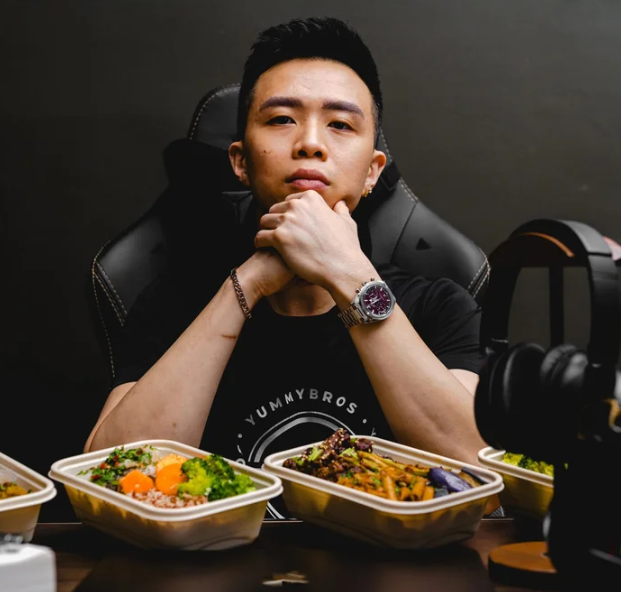
In this powerhouse episode of The Quinntessential Questions Podcast, Paul Quinn speaks with Gerald Tan — CEO & Co-founder of Yummy Bros, the healthy meal prep service reinventing Asian dishes with low-carb, keto, and high-protein options tailored to your goals and taste.
Gerald’s journey takes us from growing up in Singapore and starting out in recruitment, to mastering sales and communication, developing unshakable self-belief, and overcoming the voices of naysayers. He shares pivotal moments in his life, the inner principles that guide his decisions, and the lessons learned from failed ventures before finally launching Yummy Bros.
We explore what it takes to cross the million-dollar revenue mark, scale a business in a crowded food and beverage landscape, and build a brand that stands out while staying true to its mission. Gerald opens up about the realities of leadership, the risks of entrepreneurship, and the personal motivation that keeps him moving forward. He also talks about his vision of freedom, flexibility, and building a business that supports the life you want to live.
If you’re an aspiring entrepreneur, a leader navigating growth, or simply someone hungry for inspiration, this conversation will feed your mind and your ambition.
TIMESTAMPS
(00:55) Introduction
(04:39) Growing up in Singapore
(07:04) Working in Recruitment
(09:48) Sales & Communication
(13:15) Takeaways from Recruitment
(15:24) Sports & Health
(18:45) Self Belief & Confidence
(20:05) Naysayers
(21:40) Marriage
(26:11) Pivotal Moments
(28:11) Inner Principles & Patterns
(30:25) Starting Yummy Bros
(33:40) Learnings from Failed Businesses
(37:21) Crossing the $1 Million Mark
(40:14) Scaling the Business
(43:45) Building a Successful F&B Business
(47:29) Overcrowded Food Landscape
(49:08) Leadership
(51:58) Challenges Faced
(55:55) Business Risks
(57:28) Personal Motivation
(01:02:30) Freedom & Flexibility
(01:04:07) Working Towards Freedom
(01:08:20) Rapid Fire Questions
Bio
As the Co-Founder & CEO of Yummy Bros, Gerald is responsible for the company's growth and strategic direction, branding and marketing strategy, and developing key business partnerships.
Under his leadership, Yummy Bros exceeded the million-dollar annual revenue mark in less than 3 years. He was also conferred the Spirit of Enterprise Neo Start-up Award in 2022 for driving the nation's economic growth at a time of constant technological disruption.
YummyBros.com offers the convenience of customisable ready-to-eat meals to health and fitness enthusiasts. They help their customers achieve their dieting goals by providing clear macronutrient information, convenient delivery time slots, and a unique menu created with healthier versions of popular Asian cuisines.
Transcript
Hey guys, today I had the pleasure and the privilege to sit down with a dear friend of mine, Mr. Gerald Tan, co-founder of Yummy Bros. It was a real pleasure. We sat down and we unpacked his journey into entrepreneurialism. As a sportsman, as a lover of fast cars, we have a lot in common. Gerald, it was an absolute pleasure and I hope you guys enjoyed the chat as much as I did. Cheers, GT. Gerald, how are you? >> I'm very good. Hey, thanks for having me here, bro. >> Listen, it's been such a long time. We we'll we'll unpack our story, but the last time you were here, we were doing some sparring and going for runs and you were kicking my ass out on the Bookima Hill. >> I think your version of the story is not true. It's probably you kicking my ass, especially on the boxing side of things. Yeah, but not when it came to the run. I remember that. But look, I want you to introduce yourself and then we'll unpack our friendship and our journey over the years. But if you can give a quick intro as to who you are, please. >> Okay, sure. So, my name is Gerald. Uh, I am the CEO and co-founder of Yummy Bros. We are in the business of making the process of dieting and healthy eating an enjoyable one. Cuz it's really difficult to to diet and to eat healthy regardless of what your goals are, whether it's to improve your health or to lose weight. So, we make it enjoyable by making it super customizable. You can choose what proteins, what carbs, and what veggies you want in your bento box. You can choose the portion size as well. Uh, we make it very convenient because we deliver it straight to your doorstep. You can keep it in your refrigerator, reheat anytime you want to eat. And most importantly, we take all the stuff that people love like your chicken rice, your nasi lama, even your cheeseburger, and we make healthy versions of this. So, that's how we help people to enjoy the process of dieting. You know what's funny, mate, is um so we you just bumped into our last podcast guest and then we were talking about it and he said that he doesn't get time to cook much and I said you're coming on the show and he was familiar firstly with the the the brand, >> right? And then when you walked in the door that you'd already met him so it shows how small a world it is. >> Yes, it is. Yeah. And I think I'm I'm very lucky because I have I got to meet a lot of people and I think a lot of things that I learned from you actually helped me to maintain those relationships and friendships that I have. >> I love it. Well, look before we get started as a celebration of your journey right in business and our friendship. I've got two cigars. >> Okay. >> So, I know you don't smoke cigars. So, what I want to do >> there's there's there's a few different ways. You can either you can either punch it or clip it, but this is a larger cigar. So, I'm going to if I may do this for you. >> Okay. >> So, I'm going to clip it. So, I'll take the end of the cigar there. >> Mhm. >> And then what you can do is is when you have something like this, just give it a smell, >> right? And then you can you can suck on it just to get a little bit of the draw. >> Well, which side do you suck on? >> This one. >> This one? >> Yeah, that was cut. So, you just give it a nice smell, >> right? >> And then you just pull it through to see what the drawer is like. >> And then what I'll do is I'll light it for you. And then then you're good to go. >> Okay. >> But the one thing I was telling you off camera that I love about smoking a cigar, it's it's a what I love to call a commitment of time >> between friends or if you're doing a meeting with a client. So you sit down and if you have a cigar like this, you know, it could last 45 minutes to an hour, >> but it completely changes the body language and the way that the person feels about the conversation >> and then you enjoy it. So, I hope you enjoy this, brother. >> Yeah. I I I smelled coffee when I was sniffing it just now. >> Really? >> Yeah. >> Well, in fact, when I went to Cuba >> on that trip that I told you, I went to Miami. So, I went to go and see Patrick Bed David speak Miami and it was a brilliant conference and I went to Cuba from there and they make everything on site. It's farm to table. So, the the coffee beans, the cigars, the the fruit. It was really a great experience. >> Please. >> So, I hold it like this, right? >> Yeah. Yeah, just hold it however you feel comfortable. >> Okay. So, why don't you tell the audience in a minute, I'll let you get started on that. Yeah. And after you get to the sec second, third, fourth pull, you you'll get a >> a nice taste and a flavor of the aroma. But I' I've just got a feeling that this introduction will be something that becomes a a lifelong pleasure to you. >> Yeah, it will. you know, so why don't you tell the guys let's start off with we'll we'll get to how we met in a minute. So, growing up in Singapore, >> are you from a humble family? >> Um, I would say I was from a middleclass family. >> Okay. >> Yeah. I had strict parents uh which made me even more rebellious. >> Yeah. But but it's the typical Singapore family what I have. Yeah. My parents uh were they were doing insurance. Uh they worked in the bank for a little while. Um typical thing made me study hard in school would me if I fail. It's a it's a very normal family. >> Yeah. >> And then what did you study at school at uni? >> Uh so I I went to SIM which is just near here >> down the road. Yeah. >> Yeah. I studied economics and management. So it's like a double degree. >> Yeah. And when did you know because when I met you >> I could tell within I don't know 10 minutes this guy's a future businessman just the energy the confidence but when did you think start thinking about that as part of your journey >> in when I was a primary school kid that means uh around 9 10 years old right I really enjoy creative stuff like I like painting I like drawing um and I like getting people around. I like organizing stuff, planning stuff. So, so that gave me this idea that uh I wanted to be somewhat of like a creator. I want to create my own organization, my own group of friends, my own product and then eventually my own wealth. >> I thought it was very important that uh I was a self-creator. >> Did you talk did your parents were they involved in that journey or you didn't really talk about it? Have keep puffing on that every now and keep to keep it alive. >> Yes. uh they they were very much involved especially my mom. >> Okay. >> Uh I think the conversations that we had they were very realistic and practical. Is this going to make money or not? >> Like are you really going to have a future or not? >> I mean as with most Asian parents right they are concerned about just one thing only next time you got enough money to have a roof over your head. >> Yeah. >> But enough money to get married have kids or even retire. So so that's what my parents were were concerned with law. And and to be frank, I couldn't answer all those questions in my early stage uh of entrepreneurship. It was very difficult because nothing was going on. Yeah. I was failing. I think I was a failure for like at least uh four to five years >> academically. You mean you were struggling? >> Sorry. With entrepreneurship. >> Okay. >> Yeah. I was >> Well, let's let's go back a little bit. So, tell the guys how we met because you were an intern initially with me. >> So, in my second year of uni, I had to go and find an internship. uh it was optional for my school but I just thought that it was important for me to get some work experience before I get out there. Uh whether it's working for a corporation or doing my own business right it's important for you to have some work experience at least know how to do some basic stuff uh and and that was why I went to look for internship and my school recommended nicest to me. >> Amazing. >> Yeah. Um I wanted to do sales. I knew that sales was a thing that I could potentially be good at. >> Yeah. >> Yeah. So when I went for the interview, I still remember I had a very bad tummy ache before the interview meant. >> Really? >> Yeah. I went to take a big dumb at like reference mat before meeting you. >> Really? >> Yeah. Yeah. >> Well, I want to know what your memory was and I'll share what my memory was of our first meetings and >> Okay. So, uh I think preparation is very important. >> I can't remember who I learned this from, but before anything, right, it's very important to be prepared. So, I took a week to go and research about what NISS was doing and I was like, "Oh, damn. This is recruitment. I thought I was here for a sales job, man. Okay, but never mind. Let's do the research and uh I think it's important that I share with you what I currently know about nices and the industry that the company was in. So I went to do a presentation law >> PowerPoint deck. I think it was like four to five slides. Y >> okay. So I did that everything and I was very confident for an interview. >> Yeah. >> But one hour before that, right, I had like this damn bad stomach egg. Yeah. So that time I was just a student. So, okay. Take train to reference place. Uh, oh, I cannot. I meant to take a damn big [ __ ] at the reference place. MRT toilet. >> I didn't know that. You should have come to my office and done one there, man. >> A so embarrassing. Imagine go and see your future boss and then like, hey, sorry, I need to take a [ __ ] first before the interview. That's why I went to take a dump. >> Yeah. >> Yeah. And I think when you when you first shook my hand, I was like sweaty and all. I washed my hands. I hope so. >> I I assure you I did wash my hands. >> Yeah. Then uh the first time I met you, right, I was like, >> "Wow, this guy is so dynamic." Singaporeans say animated, but what I mean by dynamic, right, is that >> how come you're so wellversed in so many topics? Like we can talk about sports, right? And you knew more about basketball than me. >> Did I? >> You knew more about Michael Jordan than me. I think you scooped me during the interview. You asked me like, >> "So which high school was uh Michael Jordan from?" >> He went to Wilmington. Yeah. moved to Wilmington, North Carolina. >> Yes. North I only remembered North Carolina, but I I never remember his high school. >> Yeah. >> Yeah. So, you know, you you you know all these things and I was just amazed like >> this person has got so much general knowledge and >> that's Do you think that's the key also to sales and communication that's got to be one of the keys, right? That you can connect with anyone about anything. I think people buy partly because of logic but a huge part is due to the emotional reasons for you know saying yes. So yeah having good general knowledge allows you to connect with people at a much deeper level >> makes it easier to close sales. >> Yeah. >> Yeah. People buy from who they like. >> I remember when I met you it was like within 10 minutes I thought this guy's a tornado. >> Yeah. just full of energy, a lot of questions, confident. I I would say assertive, not aggressive, but you were almost aggressive, which I loved, by the way. >> Um, and I just thought I saw But the thing is is I I think one of the things I've learned over the years, I've always believed I've had, maybe because my job as a recruiter, but as a business owner, is talent, right? But there's different types of talent. There are people that are very shy, introverts. There are people that are very good technically. and I met you, I just thought, listen, I just point you in any direction and you're going to go and you're going to carry the ball and run with it. Um, but it was a great I I loved working with you, you know, and uh you always challenged me. You always had ideas. I remember I gave the goal to see if my memor is correct or the same as yours. I gave you all a goal to come up with some new rebuttals and objections and credibility statements. And this was my memory because I I I don't often remember what people tell me, but you crack me up with this one. You called a banker, a private banker from Credit Swiss, >> and you said, >> "Look, think about it. You're you're basically Brad Pitt." >> All right. >> Yeah. Is it am I right? >> Yeah. And >> you want me to tell the you tell the story? You tell the story. >> So So Mr. Private Banker, I want you to just imagine that you're Brad Pitt. >> Okay. And and you know who Brad Pitt was married to, right? She was married to uh Jennifer Aniston. Yes. Yes. I mean, would you agree that she's one of the finest women in the world? >> 100%. >> Yes. Right. So, I want you to imagine that you are Brad Pitt and Jennifer Anderson is your current bank right now. Okay. And one day Brad Pit meets Angelina Julie, right? And the rest is history. So, what I'm trying to do, right, is to help you ascertain whether my client bank can be your Angelina or not. >> I absolutely loved it when you said I was in stitches. I was absolutely in stitches. And um the other thing about you is well I don't know of uh people that don't know you intimately that just know you casually they don't know in your DNA in your heart you're a fighter >> right and I don't say that often you know we talk about your sporting career journey but what I mean by that is when you get a no you you find a way to come back. So one night you had a very rude banker. We went out for some some pints of Guinness and you said, "You know what, Paul, I'm going to call him back." And I said, "No, no, don't call him back now. It's late." And you you've had a pint and you go, "No, I'm going to call him back now." And you call him and you on the phone to the guy for an hour and you said, "I converted him. I got him in." You remember? I remember. >> And then I said, "Good man. Now let's have a few more pints and enjoy the evening." But I remember that. >> Oh, funny. I I I don't remember the the people that gave me the nose, but I did remember that the banker that got my bread pit thingy. >> I remember his name. I think for PD, PDA, >> we won't we won't mention it. >> Yeah. Yeah. Yeah. >> What were some of the your takeaways from your time with me? What are some of the things that you feel that you learned along the way? I'm curious. >> So, my experience with Nicus, uh I will credit that to my personal growth. It's more from a character development standpoint. Um, you're right that I'm a fighter, but I think some things just needs to be done intelligently. You can't use brute force all the time. >> So, what I learned from you was that I have to engineer all my outcomes. You don't just force your way through. So, you need to be very strategic in how to get to the yes. >> And it's through all the objections uh rebuttals to the objections that uh that taught me all this. >> So, so that there must be a systematic way, right, to getting to the yes. >> Yes. And I think this is a very important lesson for me. >> Yeah. >> Yeah. >> Talk a little bit about because a lot of the guys that have worked with me always say look you need to to learn the essence of a script but really once you've learned that you you have to be able to reduce it. So if I say bar black you know sheep have you any war you know it's it's an outline of a script but then what the next stage is to learn the bullet points and condense it >> right. And I think that's something you did very well and very naturally. >> Okay. So if I to turn back time and work for you again, right? I think the most important thing is to understand what is the intent of my job, >> the the intent of my job uh has to match with your company's overall goal, which is we want to get this guy to resign and join our client's company, right? >> So my intent is to get this person interested in the opportunity. That that's that's all I need to remember. Then everything should follow that intent. The bullet points, etc., etc. It should just be working towards the intent. I think that simplifies things a lot. >> Yeah. >> Uh I think that you need to be a bit of a big picture thinker. Understand what your intent company's objectives and your goals are. >> Yeah. >> And then everything will fall into place. If you're too much of a on the ground person, yeah, you know, you fast with too much of the details, you know, you wonder whether you should use a present tense or past tense for that, right? Uh then I think life is going to be very difficult for you, especially in a sales job. >> I agree. M >> now before we go into the rest of your career and when it really took flight as an entrepreneur, >> how important has sports and health been in your career? Because I think it's it's so important in so many ways, not just because of the the basis of your business, which is nutrition, but just in all areas of your life. Talk about that because this is something we have in common. >> So, you know, when you go to the gym, uh if you want to grow, you need this thing called progressive overload, right? uh you basically need to be doing either more volume or more weight every single maybe every single week you're trying to become stronger. >> Uh and you can only do that through failure which means literally you fail on a bench press, you fail on a barbell squat. So this lesson has is is something that I brought over to my career also. >> I love that. >> If you don't fail right, you're not going to grow. >> And failure involves uh pain >> both uh physically and emotionally. Uh I mean of course your ego will take a will take a hit if you fail. Yeah. But I think it's very important to look past the emotional cost of failure. Yeah. And just and just go through it all. >> Yeah. >> Yeah. So in short, I think determination is is one thing that I get from sports, fitness and health that you can bring over to your career. >> Is it the same for you? It's, you know, at the very core of who I am is because, you know, you have different types of martial artists. You have those that are athletes, >> those like if you look at Mike Tyson, I think he's a fighter, >> right? What I mean by that is he an athlete in the context of boxing. Yes. But I don't think he necessarily could have taken that his skill set and applied it to many different sports. So the core I was a I was so the way I think of it is this is I have the mindset of an entrepreneur the body of an athlete right the soul of an artist >> and and really the heart of a fighter >> do you know what I mean and uh and I think you're very similar because uh because you and I are interested in many different things so I think 100% how that guides you drives you and the other thing that I find really interesting is when you do martial arts and boxing. Firstly, you get your ass handed every day in training. >> Yes. >> It may or may not be that the guy's better than you. It could be that you're on your fifth round and they're on the first round. But the point is you lose more often than you win. >> And it's not really about you who's better. It's what's better. Is it died out? >> I think so. >> So, just what you do just just spark it. >> Okay. >> And hold it there and pull that there. I'll let you do it. >> All right. >> No problem. So, I think that that is central to progress. And I like what you explained because when you're in the gym >> and in theory you're failing every day, but I go I quote Muhammad Ali when they said they say, "How many sit-ups do you do?" >> And then he said, "Well, I don't know. Bit more. I think bit more. >> I think I need your help on this." Like, so just keep doing it. Yeah, >> I'll do it. Yeah, I'll get you started. He He says he only starts counting. He only starts counting the situps >> when he Yeah. >> Exactly. >> Exactly. And I heard David Gogggin say this the other day that he said >> he said um >> my day begins when yours ends. >> Right. And he was training with Israel and Dagna and Israel and Dagna was chucking up after a training session today together. It was quite interesting. Um what I also wanted to talk a little bit about was you know if you think a little bit about um self-belief >> and confidence when you wanted to go into entrepreneurship >> did you have a lot of naysayers a lot of people negatively that were saying >> mate I don't know if you should do this you should go the conventional route >> give that a puff otherwise it will die again yeah >> I think when it comes to this right I'm delusional I did have naysayers >> um >> it's important By the way, sometimes cuz you got that belief so much everyone, you know, is it delusional or is it confidence? >> Uh I I think it's part delusion, part confidence. >> Agreed. >> I would say that I was a bit uh delusional because back then um I was much younger. 24 25 years old. >> How old are you now? >> I'm 37 this year. >> Really? >> Actually, we don't look like we have age. >> Well, listen. I have m You still got all your hair, bro. >> No, I don't I don't think you you have aged. I mean, physically I don't see much. >> Oh, you're very kind. I'll be 50 in a couple of years, mate. >> I when I worked for you, you were 34. >> I'm 37. I'm 47 now. >> 47. >> But I I still I think I think I'm 14 most of the time. >> Same. Same. I think I'm 12 up here sometimes. >> Yeah. >> No, but I mean it's important to have fun. Sometimes you have to. Yeah. I enjoy thinking like a kid. >> So when you hear those naysayers, you just don't even listen to them, right? So, so um it was delusional because uh I was still young so I thought I had nothing to lose and confidence also because I think through things a lot and and I plan very deliberately. I think this was something that the army taught me how to plan deliberately uh down to every detail have a contingency so it was 50/50. Yeah. But when it comes to the naysayers to be frank I don't even remember who they are because I just choose to ignore them. >> Good man. They're in your rearview mirror. You don't need to think about them. >> Yeah. Yeah. I think the only time when a naysayer is is somebody I need to take seriously is like a loved one that I can trust. Like when my mom asked me the question of like, you know, can this sustain? Can this feed you in the future? >> That's that's something that you got to listen to, man. So I I think the only naysayers that I would really listen to are my parents. >> Yeah. >> Yeah. Okay. Uh but I must say that I'm also quite lucky to have a lot of friends who believe in me. >> Yes. >> So I think for every budding entrepreneur, right, there will be two groups of people. Number one, the naysayers. And number two, they'll definitely be friends. What? So why don't you go and focus your time and energy on them? Just listen to what they have to say. >> Yeah. >> Not not not the naysayers, you know. But what's interesting is I said this to my daughter the other day about friends. I said, you have many friends that are like leaves, a big gust of wind, and they're gone. >> And then you'll have other friends that are branches and they'll be around, you know, for a few seasons and they're pretty tough. >> But then you will have your roots and they'll be with you forever. But the reality is >> there are very very few roots >> and and you know like you know let's talk about like your marriage to your wife because >> from from what I've observed >> she's in your corner >> big time and you're in hers and you celebrate each other. >> Is that is that is that a correct observation? >> Correct. Correct. >> Tell me about that. >> So when I was uh I had total of three startups uh Yummy Bros is the third one the successful one. The first two were [ __ ] Um, >> third time lucky, bro. That's why, mate. >> Yeah. So, I think I was drawing only like 1,500 per month. >> If it was a good month, I'll take maybe say 2K. >> So, I I couldn't really afford rent. We were we were staying in a place in the east because uh she had to be near the airport. So, she paid for rent and when we went out for dinners, she will pay. Uh, so I'm very lucky. But I got no idea why she like had this crazy amount of confidence in me though, like like she she she knew that I would make it. And when we were discussing marriage with her mom, um she she she did tell her mom that I'm very confident this guy will turn out to be someone one day. >> You you know my take is this. Well, firstly, I think it comes from you, mate, because you're all in. >> You are all in. You double down. You don't give a [ __ ] You're all in in everything that you've done. So, I think that will come from you. But also, she has to be perceptive and she has to love you. So I I I said this to my son the other day is that there you know when you meet someone relatively young that's different if you're in your 50s but if you meet a partner fairly young >> she'll basically see see two versions of you the person you are today and the person you want to be in the future >> correct >> and she has to buy into both of them >> and she has to believe in your dream as much as you do sometimes even more like I think I believe more in my wife than she does in herself >> right there have been times when my wife and and she's always in my corner, but there'll be times where she's not sure or whatever or I ask my mom. And so my two biggest heroes are my wife number one and my mom >> and when I ask them about business, typically when they say don't do it, then I do it. And not because I'm being obtuse because they're not business people. >> They don't see it. So I'm the kind of guy if I'm driving around a bend in a car, I'll accelerate into the corners. >> See, >> right? You know what I mean? Yeah. >> So, you got to have that kind of crazy attitude and you got to you got to believe in it cuz when it when it's your money and your name's on the line, >> you have to be all in. >> Correct. Uh I think later on in life when you really make it really right, uh it's very important to remember uh what your partner has done for you in terms of support. So, it's very important to to pay back in multiple folds. Yeah. So, so you know you don't I mean I'm not asking you to be going and calculative. Oh, last time you paid for rent, last time I paid for this dinner. No, it's like you start to give this person as much as you can. >> Yeah. >> Yeah. So now I try to pay every single time we go out. Yeah. And um I also spend more time with her because you know when you're starting up a business there's a lot of sacrifice you got to make. >> Yeah. And time with her was one of them. >> Yeah. >> So so now I do what I can to spend as much time as I can with my wife. >> Yeah. It's important. The funny thing is like so my wife >> fullbrite scholar got a PhD from Yale >> and a lot a lot of the people say to me hey you know you married the smart one and and of course I did >> but people forget that um when she was doing her two masters her PhD I'm there with the kids I'm there every night >> when she's drifting off you know studying and and that's what a real relationship is >> you know so I al also say what I've learned about business iss Also within the business, if you have a running mate, >> someone that um they could be the yin to your yang, it could be someone like in my business, I've got Isaac, you know, he's he's uh he's there fighting every day with me. >> And I think one of the things in business, so one of my one of my partners, business partners and the very good friends is a guy called Neil Bulock. >> And I had this conversation with him recently. I said, "Look, I know that if I had guests arriving at the airport and I couldn't make it, that you would be there. You would be respectful. You would look after them. You would take care of them. I know that if I was not in the room and someone was saying something negative about me, >> that you would you would, you know, protect my honor and you would say, "Actually, that's not the case." And that I find is missing a lot where people don't back you up. M >> you know it's when when you're not there and what they're saying behind closed doors when you're not there that's when you know they're a really good friend. >> Yeah. >> Um I'm just curious now when you look back at your entrepreneurial journey are there any pivotal moments when you basically said to yourself no this is what I'm going to do like cuz for me I know there was a point where I said um no this is what I want and when I want it. I'm just curious was there any one moment that stands out? Um, are you asking me about uh when did I know my venture would be successful? >> No. When you when you knew that you really >> uh were not going to become a corporate guy. >> Ah, I see. >> I know you said when you were thinking about it when you were 12, you don't or when you were a youngster, but when you knew like it was was it when you're at uni, when you were working with me? Was it only after the first failed venture? >> Okay. Uh it was when I became a personal trainer. >> Yeah. So so how personal training works is okay if let's say you're with a company uh they give you a basic salary uh and then they pay you for every session that you run and there's also a sales commission for every package that you close. Uh but that actually taught me uh the concept of passive income. So if I were to continue doing this personal training thing, right, uh I know that if one day I fall sick or if I just want to go on a holiday >> or I just don't feel like working, >> uh then I I don't earn. >> Yeah. >> Maybe I get that that me bit of of of basic salary, but you know, it's it's not going to be a life that I want. >> Yeah. >> So So okay, I can be a little bit materialistic and I know that for me to get the material once, >> I need a form of passive income. So, so my journey as a personal trainer was actually one of the pivotal points that told me, you know, I got to do this entrepreneurship thing. >> Love that. >> You're right. And and it takes but it then takes a little bit of courage but having that foresight. But I think because >> you learned that very early on it shaped everything for you. >> Yeah. >> Talk a little bit about um some of the inner principles and patterns and I'll I'll explain why. So, one of my favorite u books on finance is written by a guy called Ray Dallio. >> Yes. >> Um and it's called it's called principles. Principles. Yes. >> Yeah. You you brilliant. I love that you know it. And he talks about financial patterns. But I always look back at all patterns. So for example, if you're a sports person and you you realize ah I keep getting injured. >> Why? Where? Unpack it. Not get enough sleep. Not hydrated. I'm not doing proper strength and conditioning. maybe I'm overstretching or not doing that. You know what I mean? And in business and in career, a lot of the people blame I had this bad boss. I had this bad scenario and that might partly be true but I think it's very important to identify patterns in one's career in their journey and especially what are central to you. So what are some of the patterns you've observed in yours? >> Um this reminds me of a quote. Uh you cannot change the world, you can only change yourself. So the pattern that I keep trying to fall back to right is that I am the master of my destiny. Love it. So I have to like what I learned from nicus engineer every step of the way. So at the end of the day right if this opportunity becomes a success or a failure right is my fault and nobody else. Yeah. So I take full responsibility. So to me this is I think a very important pattern. You should take full responsibility. >> Well, if you look at the word responsibility, it can be broken down into into two different words, right? It's response and ability. So, being responsible, right, is having the ability to respond, not not react, you know, that's that's different. >> Yeah. So, I think if you want to be a responsible individual, right, you got to engineer every step of the way. >> 100%. >> Nobody's fault. >> 100%. And I think it's so important, and I love what you just said, before you can master anything else, you got to be able to master yourself, your emotions, >> what you're good at, what you're not good at, how do you improve, cuz a lot of people don't. They they turn up to work and they expect different results. >> But you have to you have to apply science, logic, new training, development. >> Talk about starting Yummy Bros. What was the the spark that led to it? >> Okay. So after my two failures, um I knew that I only had one more left in the tank. Yeah. Uh it's just like a retiring athlete, right? Just one more season. >> Yeah. So for me, it was just one more try and if this fails, right? Okay, I I'll go find a job, corporate job. >> Yeah. >> Um and that was the main motivation. >> How old were you guys when you set up Yummy Bros.? >> Oh, damn. I was 30 years old already. >> So 30 years old, I was earning next to nothing. By the way, the way you said it was like you were very old. A lot of listeners will be saying you was you were still a young man, but I know what you mean because you've been slogging away for all those years. >> Correct. And also in the context of Singapore, if you are not earning uh the the mean income right at that particular age, >> you behind do you feel >> something's wrong, right? So of course society will still have pressure on you, but it's it's up to you to to separate that from yourself that that emotion. So I was 30. I have already proposed to my uh then fiance. I was like going to check that out. We'll keep going. We'll keep rolling. >> I think I should repeat what I just said, right? >> Yeah. >> Okay. So uh I was 30 and I already proposed to my then fiance. So I I really need to succeed in this. Just one last try. Um for my co-founders, for them they just didn't like what they were doing in life. >> Yeah. One of them was >> were they your friends? >> They were my gym friends. Ah okay. >> Yeah. So so we we shared a squat rack all the time. We shared benches all the time. So >> So how did you guys come together and you say hey this is an idea? >> Oh uh we went out to do victim mode one of the nights. So we basically bought beers and we were like blaming the world for everything. >> Bad habit. Uh then >> that is a bad habit that a lot of people. >> I don't know if you've noticed this. There were a couple of friends I used to have that did all the time >> and you I'd leave the evening depressed >> and I I just Yeah. I don't do that anymore. >> Yeah. Yeah. Very bad. But okay. I mean once in a while. Okay. Sure. Never mind. >> So, so, so we were out being victims one evening and we were like, you know, let's let's let's let's slap ourselves awake >> and let's figure out what we can do with our lives >> and and it was just over a one or two hour beer session, right, that we came out with the idea for meal prep. We didn't even know that it was called meal prep back then. Yeah. We just wanted to do like healthy food that we like uh that that fits our gym goals. And the word Yummy Bros. The name Yummy Bros, right, was because we were just a bunch of gym bros. Yeah. Wanting to do some yummy stuff together. So that was how Yummy Bros. came about. People thought that it was a pawn site. You know that >> why because because I know you or why? >> Uh >> yeah. So So we registered the domain straight away. >> I love it. >> Yeah. It was so cheap and like 24 bucks a year. I was like, "Bloody hell. Just just get it." But that by by the way, one of the books that I've recently read is uh Millionaire Weekend. >> And basically the whole concept is just start because as soon as you register that domain now the intent is real. You you've stepped in. >> Yeah. >> Do you know what I mean? Cuz cuz a lot of people won't do it. They'll say $24 but they but a lot of people won't do it. >> Yeah. Tomorrow. >> Yeah. And then back at your your desk job the next day. No. Okay. And then I just want to know >> just as you were starting off the venture, did you immediately think, okay, these are the things I've learned from the first two failed businesses >> and I need to make sure that we we don't make these mistakes again. >> Yes. >> Tell me a little bit about that thought process. >> I think the biggest mistake, right, was chasing the wrong things. So in my first two startups, uh I did not chase a large enough addressable problem. >> Yeah. So I basically had startups that weren't solving real problems for the market. >> And if you don't solve a real problem, you're not going to make any money. >> So this time, right, we were very focused on the customer. >> Who are our customers? What are their pain points? And how does our product solve them? >> Yeah. So so that's where all the the the customizable, the convenience, and the local flavors. This that that is the reason why we have this tree as our USPS. >> I love that. What is the demographic if like in terms of a client base? Do you have like three or four different types of core demographic? >> Have So when we started our beach head market was actually the bodybuilders because we we knew their pain very very well. Every day you got to buy chicken breast, you got to cook it, you got to wait and then you got to you got to portion >> clean day in and day out, you know, and then you just tell yourself, "Yeah, I must be disciplined. I must be disciplined." >> Yeah. But you know, you could spend more time in the gym, you know, and less time in the kitchen. So, so we serve these guys first because we knew right that the other folks which uh we call it the fitness enthusiast. So, so there's this there's this like graph we call it the diffusion of diffusion of innovation, right? So, our early adopters were the bodybuilders. Then after that it was the fitness enthusiasts and we knew because uh they want to look like the bodybuilders. So, so, so these guys acted as like the influencers right to get the fitness enthusiasts on board. Then after that, right, which is like now we are targeting the general public because the general public wants to look like the fitness enthusiasts. >> That's right. >> Yeah. So, so you know it flows, right? And that's why they call it diffusion of innovation. >> So so that's that's our customer profile. Any now anybody who wants to eat healthy, anybody who wants to lose weight or gain muscle mass, right, can be our customer. >> I love that cuz a lot of people don't know even the whole concept of measuring their macros and with with you they don't even need to think about it, >> right? Correct. >> Um talk a little bit about the unique mission that you've had with Yummy Bros and what you're trying to solve and and what you're trying to do. what's the the vision of the business? >> So, eating healthily is it's a very painful thing to do because of um the lack of knowledge. Some people just just don't know how to choose ingredients that are healthy. Some people just don't know how to cook and some people just don't even know how to to handle food, you know, like like they they go into the kitchen, the next day got food poisoning because they just don't know how, right? Yeah. >> And it takes up a lot of time, you know, and a lot of Singaporeans are busy with their careers, family building. >> Well, most I don't know what percentage, but most Singaporeans eat, you know, hawker food most nights. >> Yeah. >> Right. >> Yeah. Yeah. And uh we wanted a solution that food is just there within 3 minutes is ready. >> Yeah. >> Yeah. And and microwave food is so common nowadays. >> Yeah. >> Yeah. We just increase the quality of it. That's all. >> So, so having all this all this value, right? uh customizability uh taking away the hassle of cooking and weighing your food and also making it taste good, right? This is what it means to enjoy the process of dieting. So instead of of of thinking negatively about dieting, right? Uh with yummy bros, it becomes a positive sentiment instead. you know, um I'm curious if you've seen this, you've observed the people that you feel truly believed in you throughout the process to the point where you you guys eclipsed the million dollar mark. I think it was after 3 years was it? >> Uh within two and a half years, >> which is amazing. >> Um when that happened, obviously people may not have known that, but all of a sudden when you guys were becoming successful, >> did you think ah >> some of these guys are now saying, "Oh yeah, I thought you could do But realistically, you know, those guys didn't believe in you. >> Did you have in your own mind these are these are these are real people that have been in my corner and these are guys that just superficial? >> Uh so so so when the million dollar thing happened, uh I just focus on the the people that were in my corner. Yeah. Uh like the naysayers and people who who doubted me in the beginning. It's just >> it's just noise. It doesn't matter, right? >> Yeah. Yeah. Yeah. Delusional >> when you achieve that. >> Yeah. Um, did you feel, okay, I'm legitimately we're here? >> Um, okay, maybe I'll talk about the moment that we knew Yummy Bros would become something significant. So, we started Yummy Bros in uh my friend's HTV kitchen. >> I remember, man. I've seen the pictures. You got to send me those pictures later. I'll put them up on the podcast. >> Yeah. So, we were three half naked men inside one four room HTV flat and we were cooking meal prep. >> But that's that's why the porn name might have come to mind, right? >> Yeah. Maybe. Maybe. Yeah. Yeah. >> Three guys all in shape >> like like a gay porn website, you know. Yeah. So, so we were doing it all from his home. Uh uh Enson is the name of my co-founder. Yeah. So, so we were cooking there and um I built the website from scratch. Uh this this is the thing I'm very lucky. My first two startups, right? And also my first job taught me a lot about e-commerce, about digital marketing, how to get consumers uh online, right? So, so that taught me a lot. I managed to build the website all by myself. I was using like a WordPress and Woo Commerce kind of a combination. So we could just immediately sell online, collect money, collect all our delivery details and then okay send the meals over. >> So when we knew that it was going to work was we did not have a subscription module. >> So customers have to come back once a week >> go through the trouble of placing an order. So we knew right that if the customers were willing to do thish four weeks a month for over one year right. >> Yeah. >> We knew that we have true value. >> Yeah. >> Because you are you are you you are still uh generating customer retention even though you are intentionally not wanting retention. >> Yeah. But that's the goal is repeat repeatable business right? Reoccurring income. >> Correct. And if they had to go through the trouble to give you the repeated business right it means that you are truly generating value for them. This was something that my first two startups did not have. >> Yeah. >> Yeah. So, so that was when we knew and from there we we wanted to scale. >> What a journey. >> Yeah. >> And how did you I'm just curious when you sit down and you were doing it. >> Were you saying this how is how much food and produce we're having to buy now because you're guessing a little bit because you don't know what at the time what the amount of orders are coming in. Was that difficult to balance? >> Okay. Maybe I will talk about how we managed to achieve scale. >> Okay. So after the one year mark at Enson's home, we realized that we have hit a limit to the number of meals that we can sell uh and produce. So that will also mean that there was a limit right on how much we can earn. >> Look bro, I don't want to be working 12 hours a day, 7 days a week, 365 days a year and earning that mere, you know, how many,000? >> Yeah. I want more. So if this is going to continue, right, >> let's go to scale. I >> I just go and find a bloody job outside. >> Yeah. >> Okay. So we thought of setting up our own kitchen. We wanted to get a retail space and then we slice it into half. So one half right is for production. >> So all the foods will be cooked there will be packed for the online orders and the other half right we use as retail >> as a shop. Yeah. >> Yeah. So people can walk in and all but no matter how much we did the math >> doesn't work out. doesn't work out like I don't know one two% profit margin and that was with non-conservative numbers. So you know you throw in some scenarios whereby oh maybe this period of the year sales are down. Hey you're screwed man. >> So so we almost threw in the flag until one day a friend of mine he was actually a client from my uh previous failed startup. He runs a blog shop. I don't know whether you're familiar with this term. Okay so blog shop refers to Singapore website selling women's clothes. W tell you big industry >> really. >> Yeah. So I mean women love to shop and they love to shop online. >> Yeah. Big time. >> Yeah. So he he told me that bro this is how my business works. My wife will design the clothes and then I will go to China and I will find this manufacturer to do it really nice and whoever that can do it at the best quality and the lowest price, I will buy from them wholesale and then I mark up two to three times and then I sell it to the Singaporean women. >> Bang. Then I was like [ __ ] how can I do this with my food business? >> Yeah. >> So obviously I can't fly to China and ask a factory there to make the food for me and send it over. So we had this idea of reaching out to caterers. >> So we tell the caterers look we have this amount of orders. Okay. I can promise you that within 6 months this number of orders will grow from here to here. Okay. You will charge me by kilogram of cooked ingredients and you will charge me a service fee for meticulously packing all my meals right according to weight. >> Yeah. >> So they agreed and that's how we immediately scale because instantly right we were Singapore food agency certified we were halal certified so we could start running advertisements on Instagram or Google. Yeah. So we just whacked >> all your problems in one go. >> Correct. Did you go with one particular caterer when outsourcing or did you use a few? >> So we started off with one. >> Okay. >> And we were with them for about three years and then we slowly we branched out to another one. So we have two central kitchens that are serving Singapore. We got one in the west. So all the west side customers will get their food. >> I was going to say the logistics of it. >> Yeah. Yeah. >> And is there that's brilliant. Is there 100% of what they do is for yummy bros or they do other businesses as well? >> Other businesses also. >> Okay. >> Yeah. >> So it's good. It's good for them. is good for you. >> Correct. It's a win-win. >> Wow. >> Yeah. >> So, now how do you spend most of your time? Is it on marketing, scaling up the business? >> So, I think one of the key things about building a FnB business, right, is not to be too focused on just your food. I think a lot of FnB entrepreneurs, they fall into the trap of falling in love with their product. >> So, they are just thinking about improving their recipes day in and day out, but they don't realize that running a business is more than just your product. It's your branding. It's your customer service, it's your marketing, it's your logistics, uh, and it's also building your team. So, my job, right, is to focus on everything else except the product. >> Yeah. >> And the delivery aspect of things because I've got two co-founders to help me with that. >> Yeah. >> Yeah. >> How do you split up? What do you guys do? Is it Did it start with working out who's good at what and then you split up the the >> part partly? Yes. So, um, both of my co-founders, they knew that earlier from the start, right? Uh I was a marketing guy, I was a sales and business development guy, branding guy. So they proactively took up the the the rest of the stuff like logistics >> and it just happened. >> Yeah. What what has been the key to keeping the business successful with the three of you? Because having a partnership with two people or three people is not easy. >> A lot of lot of balance, different personalities, egos. How do you guys juggle that? >> I think the three of us are not very emotional. M >> and when I say that uh I don't mean that we are >> in a good way in a good way business-wise. >> Correct. Correct. So when we come and talk about work um we are just talking about business. >> There's no point getting your emotions involved. So we are as objective as we can be of of course we got feelings but when we talk about feelings right then we don't talk about business all all of the sudden. Yeah. So we we draw a very thick line. >> You know I don't know if you've heard this but if you haven't it's a good one. You'll find it funny. So >> Dana White and the original two owners of the UFC, they've they had built into their contract if they ever had a dispute, they'd have a jiu-jitsu >> face off. >> Oh, that's very good. >> And and basically whoever loses >> loses the argument. >> Oh, that's very good. >> But it's just a bit of fun, right? >> Yeah. But how many judicial match? >> I don't think I'm guessing they probably didn't have any. But if you had the same or or if you swung it to your way in terms of three-pointers on a basketball court or, you know, bench press or something, it'd be quite funny, right? >> Yeah. You have to do a contract. [ __ ] you. I Let's go. Let's go to the court, right? But I I like that. Um, >> what are the myths in terms of things that are misunderstood about food, >> right? And healthy food just from the general public. I think one big misconception, right, is about how trends work. >> What do you mean? >> So, a few years ago, you know, there was like the keto diet. >> Ah, the dietary trends. Yeah. >> Yeah. Dietary trends. Um, but what what we do at Yummy Bros, right, is that we we don't care whether you are on the keto diet, whether you are on the paleo diet or the uh perccastian diet, the all fish one. >> Yeah. you know or the eat air only diet or the drink water only diet I don't care what diet it is right uh the fundamentals of how your body works is still the same >> if you consume lesser calories than you use >> you will lose weight >> yeah it's that simple >> yeah and and uh conversely you will gain weight >> have you explained that anywhere to customers like how they measure their macros versus their output in terms of exercise >> yes so uh we have an automated email uh chain so when people sign up for our email newsletters. We we we give them the lowdown on actually this is how your body works. >> Yeah. >> So we don't care what diet you are on. Yeah. >> As long as it meets these core principles. >> Yeah. >> Talk about the food landscape cuz it's very overcrowded. >> Um >> landscape. >> How do you guys do that? Because you know it's so competitive. >> You know how are you guys going out and beating the competition? I think it's very important to have a bunch of USPS, not just one, but you need to have a bunch of them. >> So, customizability is one of ours. >> Okay. >> Uh short delivery time frames is one of ours. Excellent customer service is another one. >> Um you need to stack up all your USPS. Yeah. >> I think uh too many entrepreneurs, they just bank on that one USP and they think it's going to work. >> We call it a 10x rule. You have to be 10 times better than your competitor or your indirect competitor in order for them to switch to you because you need to remember there's this thing called switching cost. >> Yeah. So, so how we did it was we stack up all of our USPS affordability uh you know great taste. >> Yeah. >> You have to be you have to be obsessive on being good almost everywhere. >> Do you like how often will you put new new food on the menu? Uh every two weeks we will launch something new. >> Wow, that's amazing. >> Yeah. >> And then uh in terms of the produce like where are you getting it from? Are they wholesalers? How does that work? >> So because we outsource our food production >> they they take care of that end. >> They take care of that >> really. So yours is minimalized. It's a very efficient business. >> We just tell them we want this brand. >> Yeah. >> And this product. >> Wow. >> It must be specifically this brand because we have calculated the nutritional values all according to that particular item. Brilliant. >> Yeah. >> So, how has your view on leadership matured over the course of your journey? >> So, last time I used to be very lead by example. Uh nowadays I become more lead by learning. >> So I I I like to learn from my colleagues. >> Yes. >> Before I actually give them a direction. I want to learn how they work. I want to learn what they're good at. I want to learn what they are weak at. And then from there I can give them a better direction because the job of a leader right is to tell your guys right you are going this way. >> Yeah. >> And the reason why you pick this way right must be because of your team's capability paired with your company's vision. >> Yeah. >> Yeah. So I'm more of a learn by leadership uh uh lead by by learning now rather than lead by example. >> No that's a brilliant it's a lesson for all of us. You guys have pulled together a great team. Um, but I'd imagine as the business has grown, the the team has evolved, people might have changed. >> Um, talk a little bit about loyalty and finding the right staff cuz that's not easy. It's a big it's probably the biggest challenge in business. >> I think for me, uh, people who need to be loyal, right, are my co-founders. M >> uh besides that I think it's very important to accept that nowadays loyalty is not a very common commodity. >> So just like back to my my that quote right you cannot you cannot change the world you can only change yourself. >> Yeah. >> So how are you going to try and engineer a bit of that loyalty but at the same time right if people choose not to be loyal what are your contingency plans? So, so that's how I handle things. >> When one of the things I used to love about you, >> I mean, look, you you were so new with me in in just in your life journey and business. >> Um, you made mistakes. We all do. But the one thing about you is you you you embraced your mistakes. >> I wouldn't say you own up. You embraced them. You said, "Paul, I [ __ ] up. This is what happened." I said, "Okay, let's unpack that. Let's look at it." How do you encourage that in your team? And and how h has that whole learning process been for you? >> I mean, people make mistakes, right? And if it's the first time, I'm happy to to forgive and I'm happy to coach and try and help this person not make the same mistake again. >> Yeah. >> But if the mistake happens again, uh then it's a sign of negligence. >> Yeah. >> And I think negligence should not be tolerated so much. So that's my approach to mistakes. So like for myself, if I make a mistake multiple times and it's the same mistake, right? Yeah. I I don't give myself an easy time because it's negligence. >> Yeah. >> Yeah. So you know, get your [ __ ] together, man. >> You need to. >> Yeah. >> So what are some of the challenges that you faced in building the business, >> right? The key ones with yummy bros cuz you you've you've you dealt with co now. Was that good or bad for the business? >> Oh, good. >> I know. >> So tell us about that cuz you're one of the few industries where co actually was probably music to your ears. >> Yes. Yes. Okay. So, so, uh, when COVID happened, oh, the orders bomb, like >> went up mad, man. Like, we were doubling sales every month. >> Crazy. >> Yeah. And then, uh, so, so we had this circuit breaker thingy, right? So, I told my my my co-founders and and my employees, do not spend your money yet. >> Yeah. >> Because we have no idea what's going to happen after this whole CB thing is over. >> Yeah. >> Yeah. So, good advice. >> Yeah. Hold on to your money. don't go out there, buy a car, you know, buy a house and not just just just exercise some restraint. So once the circuit breaker was lifted, uh I was like, "Okay, I think it's time to pack it in to probably, you know, go somewhere. At least I've got some cash to to last me." But the business continued to grow. >> Amazing. >> And I think it was because of all the USPS that we stack on top of it. And also the fundamental problem that we are solving, right? It's not that people can't go out. That's not the problem that we're solving. The problem that we're solving is dieting is a [ __ ] >> Yeah. >> Yeah. So, we are solving that and people will pay for that. So, I guess the business just kept growing. >> You know, was interesting with COVID, you know, I always was saying to people, listen, you're going to come out of this either a chunk or a hunk. >> Yeah. >> You know what I mean? >> Yeah. >> And uh I don't know. I used it as an cuz the way I saw it was I mean actually when when one or two people could go back into the office, I was going back in every day cuz I was paying rent, >> right? And I wanted that that solitude, a way to to focus, but I wasn't traveling for an hour and a half anymore every day. So that meant I had an hour and a half in the gym. >> Yeah. >> Do you know what I mean? And unfortunately, I've got home help and and that helped. But I I got back to my fighting weight >> and u it was but yeah, I can see how it would have really been great for your business. >> Oh, yeah. I remember that you became very lean. >> You wrote a comment once you said you, "Wow, you become very lean." >> Yeah. >> Yeah. And and look, as you know, it was uh because I was always exercising, but it was the diet, the diet, you know, and the additional bit of exercise. So So the additional cardio on top of doing what I was doing, I was I was doing cardio twice a day. >> Wow. >> Right. Not not necessarily for that long, but every during co I was doing cardio twice a day and I was working out uh six days a week >> and um actually got a bit too much. I got a bit too lean. >> Oh, >> right. Cuz cuz what I didn't cuz what I realized is, hey, I'm in my 40s now. I was comparing myself to when I used to fight and I was comparing myself to that kind of weight, but I'm bigger. >> But when you were too lean, right, were there any um side effects that you felt? >> Yeah. Um my You're going to laugh. My libido was down. >> Oh, no. It's natural. >> But but which I hadn't experienced before. >> But uh the biggest one was it was strength. >> Yeah. >> It was strength. And uh I don't know if I told you this, but I've you know I had a major injury. I was bench pressing um and uh I I was bench pressing 140 kg and my shoulder dislocated. I tore the pec off my bone. Um and uh but after that my goal was >> I want to be in the top 1% of the world. There's a strength calculator online in nearly all the lifts or exercises be it push-ups, pull-ups. This this impacted everything. But what I found interesting was Are you okay? You sparked out. >> I suck at this. >> Yeah, >> I don't suck at this. >> No, no. Yeah, >> but but I was then looking at doing I'm glad that you said that. Uh you have to just lift this one up. >> Oh, this one. Yeah. >> Okay. >> So, I I I prided myself on doing that and now I'm I'm a lot I'm I'm the heaviest I've ever been. Oh. >> So, like doing pull-ups and stuff now takes a little bit more effort. Do you know what I mean? >> Um talk a little bit about the risks of your business, right? Because now with, you know, this is an impact on just food prices going up generally and if your prices are going up, do you have to explain to the consumer why they're going up? >> Yes. Uh, in fact, we have done >> only two price revisions over the course of the seven years. >> Wow. >> Yeah. Only two. >> That's amazing. >> Yeah. Um, okay. So actually talking about price if your cost increases right it's naturally that everybody's cost will increase as well because it's a it's an industry level thing. >> Yeah. >> But if I talk about the real risk of my business right is things like food poisoning >> you know like customer gets a bad bad meal food has gone bad >> so all these things are what's dangerous about my industry. >> So so there has to be a well thoughtout way on how to manage these kind of things. Yeah. >> Yeah. I mean for proprietary reasons I wouldn't say it here because >> some people try and take advantage of the system. >> But but there are ways that we actually deal with people who claim that they have food poisoning. But up to today we don't have one. >> But but that's that's what I mean by it's always important to have contingencies. >> Yeah. >> So it's not that you're being paranoid but you care about the company and you care about your customers, right? So you must have contingencies for every [ __ ] show that can happen. >> Yeah. >> Yeah. >> Very true. M >> I mean fortunately in Singapore we're not part of a legicious society where people sue everyone but in the US >> man it's it's crazy. >> Um let's just talk about your motivation right because >> going back to the the guy that I first met um >> it was very obvious for for me you were very motivated and what I loved about you you were up for everything. So I said listen you you want to work out together? >> Yeah absolutely. You were you were you were doing Muai at a time you were experimenting. It was one of your passions. Um, but where does that come from? What's your reason why? >> Okay. As a younger man, my motivation was learning. I just need to I was just very hungry to learn. Every single thing that has a learning opportunity, I will say yes to it. Then after that in life, the motivation was material once. Um, but of course that started from the basic things. I I just want to draw a proper salary like at age 30 I'm earning less than half of what my peers were earning. Yeah. >> So I just want a proper income god damn it. Okay. So that was that was it. Then slowly >> I want a little bit of uh luxury. >> I want to be able to walk into LV and buy anything I want. Um I always wanted to fulfill my dreams of driving a sports car. >> Yeah. >> Yeah. So I >> by the way you see one of the things I was going to say to you is that uh >> there's a lot of envy in life and you know win lose or draw with the people that I care about I'll always say look well done congrats or if you lose a fight you know don't worry about it mate dust yourself off come back but what I like to see with you is when I can see you've had some wins and you rewarded yourself you know what I mean >> yes >> that's good I mean I I I can't do it anymore after I moved to the US I just cuz I had I had a lot of sports cars So, my first one in Singapore was an Alfa Romeo GT. >> And then I think I had a >> What did I have? I think I had a Maserati Gran Turismo. >> I see. >> Then I had I >> remember that you that you put a down payment for an R8. >> I put And I And I took the I took it I didn't take collect the car. I lost $5,000 >> because I dropped it was half a million dollars. >> Yeah. >> I I dropped half and I I I went out for for lunch >> with the local hawker >> and I came back. I go, "Honey, I've just bought this beautiful car. I'm going to I'm going to name it Darth Vader." >> I remember this story. >> Yeah. And she goes, "Oh, that's nice. How much did it cost?" And I like >> um half a million dollars. She goes, "What?" And I said, "Oh." And then I thought, "Okay." And I was getting, you know, I love my cars. >> Yeah. >> But uh when was that? When were you working with me? How old would I have been? >> So that was around 13 years ago. >> Yeah. >> Yeah. I remember this story very distinctively because I like cars. >> Yeah. >> Yeah. So, I had like I had uh I had a couple of different Porsches and then I had an Aston Martin Vantage. >> But then and I always had I always had a Jeep or a 4x4. I had a Praa for a long time that I love a Jeep. >> Yeah. Okay. But when I moved to the US and then you see what is a normal price of a car, >> you can't rationalize it. >> Correct. >> You know, and it's just, you know, I guess if you live in Singapore forever and and you're doing okay, you're okay with that. But at that point now, I've got three kids and I'm thinking they're not reasonable size cars anyway. They've only got two seats or two and a half seats. Do you know what I mean? Yeah. >> But I think listen, why work hard if you can't give yourself some of these pleasures? Correct. And people actually, this is a funny story. So the other day someone said, "What car are you driving now?" I said, "What day is it?" >> He goes, "It's Thursday." I said, "Today's the S-Class." Goes, "Really? What do you drive yesterday?" >> I said, "That's the Porsche." >> "What are you going to drive over the weekend?" I said, "Well, I mix it up." He goes, "Really?" I go, "I'm bullshitting you." He goes, "Why?" I said, "I've got a VW Golf." He goes, "What are you talking about?" I said when I'm driving, I can imagine I'm driving any car >> cuz the bonnet's the bonnet and you see outside >> but but it's uh but I love driving. >> I think my memory of you is quite good. I I remember this story last time you were driving a Toyota right when I was working for you. I ever did sit in your car. >> Which one? >> 13 years ago. >> I had I had I had a a Pra a Toyota product. >> I think it was that one. And you were you were the one who told me that I can just imagine whatever car I'm in. >> Yeah. >> If I want to be in a Lambo, now this is a Lambo vroom. You know, >> Lambo was your number one car, right? >> Hey, how you know, >> I know you. I know you. >> I've always wanted a Lambo. >> Yeah. >> Yeah. I've always wanted an Aventador. Have you seen the new Roto? >> Yes. >> But those cars, those cars, the thing is you you know, you need a whole car park on your own. You you wouldn't want to park that. And you know sports cars in Singapore, you cannot go into like Great World City >> and you can't take a low sports car into that car park. >> Yeah. >> You're going to scratch it up. >> Yeah. >> You know. >> Yeah. So when I got my my Z4, uh I told myself >> it's a beautiful motor, by the way. Thank you. Well done, bro. >> I I told myself not to make the same mistake that I had with my previous one, which is to lower the suspension. >> Yeah. So I'm on stock suspensions now and uh I'm happy. You can go anywhere, >> do what you want. No stress, no drama. >> Yeah. Yeah. Sorry. So when it comes to motivation, uh so so first it was learning, then it was material once. >> Okay. And now >> freedom and flexibility. >> Good man. >> Uh because I think that a piece of wealth that money can't buy is your your time, your your mental peace. >> Yeah. >> Uh quality time with family and friends. Uh so I yearn for that. Now, >> you know, it's very I'm glad you touched upon that, buddy, because >> our relationship with money and motivation changes. >> Yeah. >> Over the years. So, for example, someone said to me not that long ago, they said, "Well, why why do you get up so early and work out?" >> And I said, "Well, you know, I normally have to drop some of the kids off at school." >> And you know me, all the years, you know me, I'm in early and I work late. I put I put the hours in and that will never change. >> But, uh, I just said, I imagine my mom and dad watch me. They're both deceased, but I imagine they're watching me. M >> I imagine my dad saying that's my boy. >> That's my boy. And then I also want my kids to see. >> It's very important that my children see me putting the graft in. >> Sometimes I'll invite them to work out with me. Sometimes I I I'll be with them. >> Um but then the other last thing is selfrespect because the most important type of respect is self-respect. So like I have rarely ever sat opposite someone in a meeting >> um that that could last like 30 seconds in the ring with me. That always makes me smile cuz guess what? I don't have very rude people. When I meet a lot of people in business, that's at the back of my mind if they're an idiot. >> But fortunately, that never really happens. But but I think in all I'm partially joking, but I think um how you do anything is how you do everything. >> So if you're a serious guy and you're serious in business and you're serious in your athletic endeavors, it's all the same. It's inextricably linked. >> Yeah. I think one of the interesting things about trying Okay. working towards uh freedom and flexibility, right? It's it doesn't mean trying to earn as much as possible. >> It's not it's >> how do you automate things and simplify things as much as possible. So going back to Ray Dalio's book, >> yeah, >> principles, right? So a business when when you're an entrepreneur, a real entrepreneur is somebody who creates an asset. >> Yeah. >> Your your venture is an asset. So the main thing is what are your processes that are delivering the value to your customers. >> You got to get the processes right. Yeah. >> It's got to be as simple and automatic as possible. >> Yes. >> Then you just fit people in. >> Yes. >> Yeah. So so I think it's not so easy to achieve freedom and flexibility as compared to achieving monetary wealth like you know true >> you just work harder law do more sales law work longer hours law okay you'll get the money. Uh if you want to continue having that wealth, right, that that monetary wealth and still have flexibility and time, you need to work very differently. >> You have to. >> Yeah. It's funny because, you know, like when I set up my business, I was younger than everyone else. >> Um and you know, I had some goals. I wanted to set up my own business before I was 30. I wanted to become a millionaire before I was 30. I wanted to have my first child before I was 30. M >> um and you know I look back now the interesting thing is I don't want to regret things but as a parent to three kids and and my two older kids are very sporty >> um I I I kind of I want to teach them what I learn >> along the way. But the problem is most kids have to learn by falling down. >> Correct. >> And they will you know like most of the boxing that my son learned was not from me. >> Oh >> right. No, we we got him a coach because kids don't listen to their parents. >> Then how does Talia learn her basketball? I mean, >> not me. I can't play form, right? >> Yeah, >> that that's a very interesting thing. That's completely her passion. So, she was a she was a a track athlete. >> She's a very good She's a very good athlete. >> I remember. Yeah. >> You know, she's uh of the three kids, she's mo the most athletically gifted. Um Kaden is not actually a natural athlete, >> you know, and that's why I admire him so much because you put so much hard work into everything. Um and then one day she just said, "I want to play basketball." >> And then mommy arranged for her to go and um you know, so that's been a great journey. >> She struggled with, you know, because the thing is you go from being the best player on the team, you know, which is typically you're the best player on the worst team and then you're the worst player on the best team. >> But I just said to her even recently, I just said, "Listen, you have to take your shots. hunker down. >> I like winning >> and if you're in a team and it's no through no fault of your own. So my average school so when I played soccer football when I was 11 and 12 >> um I could only play half matches because I had a very damaged heel for about a year. knee issues and whenever we've played the first half which I would play we would be one all or one up >> and then I would go home early because I live very far away next I go did we win there's no cell phones back there I'm 11 and 12 we lost 7-1 right and I was like what happened I'm only one player and I wasn't even the best player on the team Vicki was the best player on the team this guy was brilliant but but after that I just thought you know what um and the truth is there is no individual sport completely because when you're boxing or you're doing athletics, you still have a team that you train with. But I loved the you know like if I saw someone I just thought it's me against you >> and the thing I loved about running >> is it's very it's not subjective. >> Yes. >> Even in boxing you can have points and the judges can mess with you but if you're running it's very clear who's the best on that >> it's down to how many seconds >> that's it you know so I I love that. Um, but what I've learned in business is how you collaborate with people. So, actually, >> I learned that later on in my career. >> I didn't learn it from doing team sports. >> You know what I mean? It's so interesting. >> I want to ask you some rapid fire questions, right? >> So, if you could have dinner with any business leader, dead or alive, >> who would it be with? >> So, Steve Jobs used to have an incredibly bad temper. >> Yeah. >> And he was an [ __ ] Yeah, >> I want to have dinner with him because I want to understand from him, not from a book. All right, >> how he overcame that. Like how did he become this zen dude, >> you know, because it's a total 180 change from from who he's perceived to be by uh portrayed to be but in those movies. >> Yeah. >> Uh played by Ashton Kutcher and Michael Fes Bender. >> Yeah. So I I just want to understand how did you suddenly become this Zen guy? >> Yeah. It's interesting. There's a few tennis players, by the way, that back in the day that were very aggressive, would throw their racket. >> Borg, it was it was during my dad's time and then he completely became an iceman and took control of his temper >> cuz it was the only way you could win. You can't be emotional all the time. >> Yeah. >> You know what I mean? It just doesn't work. I love that answer. What's harder for you? Um, >> starting a company or scaling one? >> Scaling one. >> Yeah, it's it's very easy to start a company. >> Yeah. You just go online, go to Acra. Yeah. >> Pay $15 done. Yeah. Company ready. >> So if you had to start all over again with the knowledge that you have now, >> what kind of business would you build? >> I would do the same thing. >> Good. >> Yeah. Uh I I think this question has got different variations. >> Yeah. >> Uh some people ask uh would you do anything differently? Uh are there any regrets? Uh and the answer is no. I wouldn't do anything differently. I would actually want to relieve the the whole thing because the the moments that I have with my co-founders, >> Yeah. >> my colleagues and my customers, right, even though it's difficult, uh it was it's very rewarding. >> Of course, you look back and you say, "Yeah, that was seinal." >> Yeah. >> Um what has being a business owner taught you about yourself? >> I have a bad temper. >> I always knew that. Me and you both have bad tempers, right? But I just think we're very passionate. What I what I love about you and I think I'm similar is your temple will go up and then come down within 5 minutes is it's gone. Correct. You're focused on the next thing. Yeah. >> But but not everyone else can deal with that. >> Yeah. So so I think what I've learned from that is uh it's okay to have an temp to it's okay to have a temper. >> You just need to know how to handle that. So like what you just said, right? Go be angry somewhere. You know, nobody can hear you, nobody can see you. But your job, right, is to get all the emotions down to the objective level. Yeah. >> And then you come back and you deal with stuff. >> Yeah. >> So, I think I still have a bad temper, >> but I handle it much better. >> Good for you. >> Um, what's one book or podcast that has changed your mindset over the recent years? >> Can I can I say [ __ ] on this show? >> I think you already did, but go on. Oh, there go. Okay. So it's the subtle art of not giving a [ __ ] by Mark Manson. >> Yeah. >> Yeah. So so there there were there are two sections in this book that uh I I >> that really had an impact on me. The first one right is that you see people like Steve Jobs, Michael Jordan, Steph Curry. >> Yeah. >> They are less than 1% of the population. >> Yeah. >> So if you are not like them, right? >> Yeah. >> It's fine. >> Yeah. >> You know like you don't have to be the hero all the time, you know. It's it's totally fine to be normal. Yeah. >> Yeah. So so what how this has helped me is to manage my expectations on life. I think maybe I was a bit too ambitious last time. You get a lot of disappointments, have a lot of expectations. Yeah. Yeah. So so so that that chapter was very good. And the other one was about chasing suffering. So the act of avoiding suffering suffering itself right is and is actually very painful. Yeah. >> So if you avoid suffering is painful but if you chase suffering right that's when life is less painful. So so I know it's a bit contradicting but but that section talks a lot about this logic and that's that's why I I try to do things the hard way. >> I'm just curious did you seek out these books or someone's suggested that you read them? I seek out the books. And >> why I mention that is this what I tell my staff to this day and I've always told my staff very few people seek out books. That library behind me, if I said to someone, see that there's over 100 books there. If you know, if I told you, you read those 100 books in the next few years, you're going to start making a million dollars a year. How many people will raise their hand and do it? And they'll raise and everyone will say, "Yeah, yeah, of course, I'll do it." >> Bro, there was a book on recruitment or head hunting that I bought when I was interning for you. Yeah. And you saw that book and you wanted to buy it off me. >> Yeah. >> I wonder whether that book is still there or not. >> Listen, it would be because I collect books as you know. But but my point being is that >> everyone if you tell them there's this formula, read these books, you do this the next three years, you're going to start earning a million dollars plus a year. >> But but no one because there's no guaranteed formula. But the point is this. If you read all those books and you implement everything that you're learning every day gradually, >> surely you're going to get better. >> Yeah. And you know, it takes 10 years to get a black belt in business >> and in life and in karate. It doesn't happen overnight. So, in our outlier, it talks about 10,000 hours. >> That's that's something that people oversee. >> Um, what's a quote that you live by? >> Oh, I think I mentioned this earlier today. Um, you can't you can't change the world. You can only change yourself. >> That's true. Very true. >> Um, what's your go-to productivity hack? Um so I use a lot of Google calendar because uh it tells my colleagues that I'm busy today. >> It tells my colleagues what I'm what I'm prioritizing so they can all follow my lead. >> Go through that. >> Yeah. So very simple, right? If I talk about uh launching a new collaboration with a partner and I just put it on my calendar, automatically my co-founders and my my my employees, right? They will know and they will come and ask me say, "Hey boss, what do you want to do with this?" >> Yeah. Yeah. So, so in short, Google calendar is no. >> Yeah. Very simple tool, but it works best. >> Do you believe more in routine or spontaneity? >> Half half. I think both are very important. >> Good. I like that as an answer. >> Super important. >> Yeah. Cuz you know a lot of people like in sales people say are you an artist or are you a scientist? And I and I just think you know these are my core principles in teaching is rational deductive logic. You have to have a fundamental core. you have to have as the base. But really to become great at something, to become a master, you have to become an artist. >> Correct. Okay. So, I just want to talk about this thing that I find interesting. >> I think a lot of people have extremist mindset. >> Yeah. >> It's either this end of the spectrum or that end of the spectrum. >> And not everything is binary, right? >> Yeah. The government is good. The government is bad. Taxes are good. Taxes are bad. I should work hard. I should not work hard. I should go to business school. I should not go to business school. So, so people like to live at extreme ends of things. But >> the reality is that the world is not black and white. The world is 50 shades of gray. >> Yeah. >> I I don't mean that sexually, but uh >> are you sure? >> Yeah. >> Yeah. So, I think it's very important to be able to be in within the spectrum and be able to bounce >> within the the spectrum, not just left and right. Yeah. So, this helps to give you a more balanced view of life. >> Yeah. >> Yeah. >> Very true. M >> um if you could master any new skill, >> what would it be? And it doesn't have to be workrelated. It could be sports related. >> Okay. Um I would love to be able to speak Thai fluently. >> Okay. You're learning. >> I suck at languages. >> Yeah. So the reason why I want to be good at Thai. >> Should I tell you how you're going to learn? If you want to learn >> if your wife doesn't make love to you until you learn, >> mate. Trust me. One week later. >> Expert already. One week. Yeah. you know, I just want to be able to have a fruitful conversation with her mom. >> That's that is lovely. I like that. I love that. Um, what's your favorite Asian dish to eat that is healthy. >> Okay. So, I like laka, specifically the laka sauce. >> Okay. >> Yeah. So, how we do it at Yummy Bros is that we use all the trimmed coconut milk, all the low-fat stuff. You take a lot of a lot of the sodium away by using things like K salt. Okay. So they remove the sodium, they put in this thing called potassium instead. >> Yeah. So it's it's less shitty for the heart. >> Okay. >> I also like our salted egg chicken. >> Okay. >> So typically salted egg chicken is uh >> I haven't tried that. I'll have to try that one. >> You try that. >> Okay. Yeah, I'll try that one. >> So typically people deep fry salted egg chicken, right? But we we don't we bake it and then we coat it with our salted egg sauce. Okay. >> But we don't use butter. >> Okay. >> Uh we realize that cream cheese is a very good substitute for butter. It's got half the fat, which means half the calories. >> Yeah. >> Yeah. And I love our burgers. >> That's one of your your favorites. >> Burgers. >> I love it. >> Yeah. >> So, you've done a lot of um sport. What's harder? Basketball, Mutai, bodybuilding, and I'm going to throw in business. >> I think it'll be between basketball or business. >> Tell me. >> I think basketball is more challenging for me because, you know, you can get hurt and all that kind of stuff, right? And uh the the concepts are just so much different and and you got to be very fast in making a decision. Like once you're on the court, you need to read and react, right? >> Yes. >> And you need to do it within like half a second. Whereas in business, you can still think about things. That's true. >> You can discuss. >> That's the thing about sport. >> Yeah. >> That's the thing about sport. >> Timeouts are only 30 seconds in basketball. But in business, you can take like >> 30 days. >> Yeah. >> Yeah. >> Yeah. True. >> Yeah. So basketball >> uh favorite top three basketballers of all time. Oh, >> Steph in there, >> of course. I mean, it's so difficult to dislike Steph, right? And the reason why I like watching him play because it's so entertaining. >> Yeah. >> You know, shooting from anywhere on the >> He's changed the game, man. >> Yes. >> And of course, MJ. >> Yeah. >> Because greatness is just hard to ignore. >> Yeah. >> And uh, of course, the late Kobe Bryant. >> Yeah. Because he I mean, he he showed me what hustle really means. >> Yeah. >> Yeah. Mamba mentality >> all the way, mate. Um let's just talk a little bit about you >> at this point in your journey. Motivation or discipline? What is what is more important? >> So I when I feel that my day is stale or when I'm not doing anything new then I'll go to motivation to help me get started on things. Uh then after that I need to bring the discipline in so that I see things to completion. I need both. >> Good. Last couple of questions. What's the one word people would describe you at work in terms of your leadership style? >> Candid. >> Candid. >> Yeah, >> I like that. I'd agree with that. >> Um, >> and what's the one business that you admire outside of your industry when you look at it? >> Um, so it's not a food business, but it's still a fitness business. It's actually Gym Shark. >> It's an apparel brand. >> I mean, it's an amazing what they've built is just ridiculous. >> Yeah. Uh, I know you I know you're a big gym shark guy. I've seen I've seen what you wear. >> Yeah. And and I admire them because uh they also had a very ghetto uh start like us. Started in his backyard. He was doing the silk screen printing of the stringers. >> Amazing, right? >> Yeah. And he also used the outsource model. >> Yeah. >> Somebody else manufactured all the clothes for him. So, so, so it's quite similar to how Yummy Bro started. >> It's just that he can sell globally and I can't yet. >> Yeah. >> Yeah. Good. >> Gerald, you know, it's been a pleasure. I'm so glad that we're great friends after all these years and um I'm very proud of you, man. I'm happy for you. >> Thank you. >> All right, brother. Thank you so much for >> You had a part to play with it. >> I hope so. I hope so. Been part of your journey. That's all I look for. Do you know what I mean? >> All right, mate. Thank you. >> Thanks for having me. >> Cheers.
Our Other Episodes
Lorem ipsum dolor sit amet consectetur. Sed morbi adipiscing ultrices in vel placerat.
Building an AI Company Inside a Search Firm with Roger Olofsson #103
In this episode of The Quinntessential Questions Podcast, Paul Quinn sits down with Roger Olofsson, CEO and co-founder of Olofsson & Company, the executive search firm hiring for startups, AI, tech and fast-growth companies. From a childhood in Luleå, near the Arctic Circle, to landing in Singapore in 1996 as an exchange student with a backpack and a suitcase, Roger shares his transformation journey through almost three decades of recruitment in Asia, and the moment he finally backed himself to build his own firm.
One Video, 70K Followers: Jess Whitney Morris's Breakthrough | #102
In this episode of The Quinntessential Questions Podcast, Paul Quinn sits down with Jess Whitney Morris, model, social media management company founder, and media presenter. From growing up in poverty in Uganda and working-class England to working her way through Abercrombie, Hollister, and a self-funded university degree, Jess shares her transformation journey and the moment her father tore up her first modelling contract in half.
I Interviewed 100 Extraordinary People. Here’s What I Learned | Paul Quinn
In this episode of The Quinntessential Questions Podcast, the host takes the hot seat. After 100 episodes in the interviewer's chair, Paul Quinn, who runs Westport Executive Search and founded Quinntessential Coaching, answers questions sent in by guests, friends, family and listeners. From hitting a career plateau to building a podcast that now welcomes Olympians, world champions and global CEOs, Paul shares his transformation journey and the moment he decided to put a spotlight on helping people.