
#40 with Fiona O'Connor: Clarity From Slowing Down

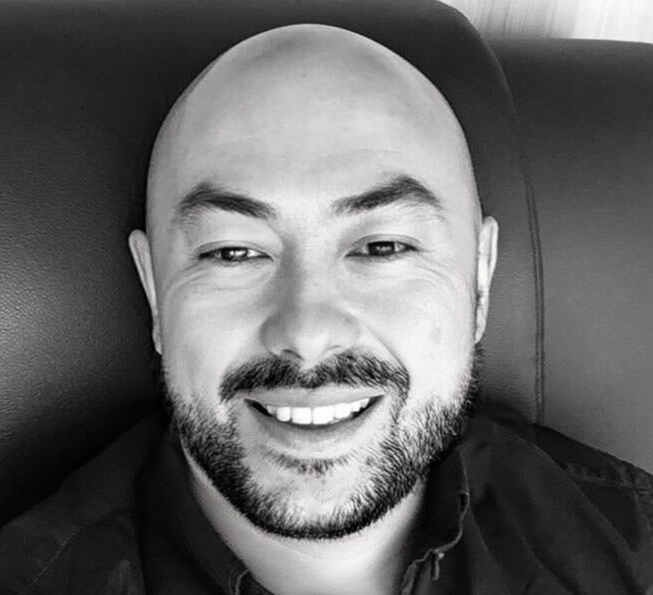

In this inspiring episode of The Quinntessential Questions Podcast, Paul Quinn sits down with Fiona O’Connor — a leader, coach, and entrepreneur whose career journey spans high-pressure recruitment, building her own agency, and helping others unlock their full potential.
Fiona shares how she found her way back to herself after career shifts, thrived in sales-driven and high-pressure environments, and earned £120,000 in recruitment before taking the leap to launch her own agency. She talks candidly about navigating the challenges of working within Big 4 firms, turning difficult feedback into fuel for growth, and her transition into coaching, where she explored a range of transformative modalities.
This conversation also uncovers her unique ability to balance freedom with structure, the unexpected ways acting has influenced her leadership style, and why taking breaks and pauses is essential for sustaining high performance. Above all, Fiona’s journey is a masterclass in resilience, adaptability, and believing in yourself.
If you’re a leader, entrepreneur, recruiter, or someone facing a pivotal career transition, this episode will give you fresh perspectives and practical lessons that can transform the way you approach your own path.
TIMESTAMPS
(00:42) Introduction
(03:55) Coming Home to Yourself
(06:04) Early Career Journey
(11:05) Being Calm Under Pressure
(13:37) Joining Recruitment
(17:27) Earning £120,000
(18:35) Sales Oriented Organisation
(20:17) Starting a Recruitment Agency
(24:47) Challenges of Working in Big 4
(27:30) Running Talent Development Centres
(29:16) Receiving Difficult Feedback
(31:54) Being Appreciative of Feedback
(34:10) Becoming a Coach
(36:25) Modalities of Coaching
(39:23) Confrontation as a Manager
(40:30) Adaptability
(43:30) Freedom within Structure
(43:44) Love for Acting
(48:52) Importance of Breaks & Pauses
(53:57) Believing in Yourself
(57:23) Career Lessons
(01:03:22) Rapid Fire Questions
Bio
With over 11 years of experience as the Founder of The Coaching Hub and nearly three years as a Faculty Member at the Global Team Coaching Institute, Fiona O’Connor specialises in systemic team coaching and leadership transformation. Her work empowers senior leaders and teams to navigate complexity, align strategically, and foster innovation. Leveraging systemic coaching principles, psychological safety, and solution-focused strategies, she helps organizations unlock clarity and drive sustainable success.
At GTCI, she delivers global online programs that emphasize heart-led leadership and strategic agility. By facilitating impactful transitions and fostering trust within teams, she support organizations in achieving their goals in today’s volatile environment. Her mission is to help leaders embrace new perspectives, tap into collective wisdom, and lead with courage, clarity, and authenticity.
Transcript
Fiona, how are you? >> I am so good and I'm so delighted to be here with you, Paul. >> It's lovely. It's been a long time since we've done a face to face, right? >> Yeah. Yeah. Too long. And it really is. And I'm delighted. I'm delighted that you're doing a podcast and I'm delighted. I'm feel honored that you've invited me on. >> What what are you even talking about? A lot of what I've learned in life as as a young recruiter is from you and we'll we'll get into that later. But for my audience members that may not know you, can you be kind enough just to give a quick intro as to who you are, please? >> Sure. I am an executive, a leadership development and a team coach. Nutshell. There you go. Learning to be concise. >> Yeah. Well, what other people may not know about you is that, you know, you grew up as the daughter of a diplomat, right? Was now was your were you born and raised in Jordan? >> Yeah, I was um I was born in Jerusalem on the West Bank when the West Bank of Jerusalem was under Jordanian rule. So, in my passport it says born in Jordan and lived there with my father worked for the United Nations. So um uh was brought up there until I then they moved to Cyprus when I was 10 and we lived in Nicicoia in Cyprus for 3 years and then my father was transferred to Syria to Damascus in Syria and at that point they decided that the education wise it would be better for me to go to boarding school and uh so many of the UN kids all went to boarding school. So, uh, I was sent to boarding school in Ireland then. >> Yeah. >> Where where in Ireland was that? >> In Dublin. >> Okay. >> Yeah. Alex Alexandra College, um, in Dublin. Um, that was boarding school was not a was not a a pleasant time, but it was formative, right? >> You mean it was it wasn't Hogwarts? No. >> No. Far from it. Right. Um, but you know, like everything in life, Paul, uh, I can see how being in boarding school helped to to make me who I who I kind of became and who I'm still becoming. >> I love that. Yeah, we're we're all evolving. One one of the things that I my my cousins, in particular, my cousin Jane, who works for Accenture, her um her husband and another one of my cousins husbands, they always say this to me. His name's Neil. He always says, "Welcome home." And even though I grew up in London, 100% my heart and my soul will always be in Ireland. You know, it was it's it's just a very special place like no other. Right. >> Yeah. Absolutely. And I only went back to Ireland um I came back to Ireland, let me see, 20 years ago. Now that seems like a long time ago. Um, but I was out of Ireland for about 20 years. Um, and >> uh, and when I was out of Ireland, >> I I tell you something which I I did a little count of a period of 25 years um, back you know before over those 25 years I had moved house 26 times. >> No way. and country five times. >> You know what? You never you you didn't find home until you got home. That's what it was. >> Yeah. Yeah. And you know, I love that you're talking about home because actually this concept of coming home, it's one of the things that I talk about. I I refer to coming home as really the the coming home to yourself. and that idea and for you, you know, you've made a life for yourself in Singapore. Um, and that's home for you now as well. And that's a home, a physical home outside. >> But, >> but home home is here. Home is uh Yeah. >> Well, there's a Paul Young song that says, "Wherever you lay your hat, it's where you call home." Um, and aart, listen, I came back from my mom's funeral. I've not been back to Ireland since. And I think with both mom and dad gone, it will be different. It will definitely be different. Um, but I'm very proud of my Irish passport. And um, I don't know. And it's funny cuz the kids have an affiliation with it cuz they never saw the house that I grew up in. So they only know the house that we have in Ireland. And um, it's I and listen, I've got I've got a lot of family in Ireland. And when I go there, you know, the wonderful thing is no one really talks about work or what you all do, but you know, they all hand it out to you. And I'm from this amazing clan of women. Nothing but women in my family. And they have all married amazing men. >> And it is beautiful like that. These guys would drive. So my cousin's husbands would take turns driving my mom and up and down from the hospital and they were with her when she died because I' I'd been back and forth as you know a few times and unfortunately I wasn't there when it happened. Um but I'm just I'm just eternally grateful and the the family was has always been run by a couple of matriarchs and now Auntie Brid is the last person standing and I can tell you all my cousins husbands are petrified of her but in the best possible way. She's like I always tease her like she's the godfather. But I'm I'm her favorite by the way. She always makes me cupcakes. She she makes me cupcakes these day to this day. I think I remind her of my dad. You see that's what it is. >> That's what it is. Now now talk to talk us through your journey like um after school. What happened? How did you start your entire career? >> Um okay. I took the scenic route through university. I uh I was one of these people who I I loved I I loved being in the quad, being at in the canteen and talking to people. And I was always talking to different groups of people and then I ended up like there would be groups of people that would go out on a Monday night and there'd be others that would go out on a Thursday night and some would go out on a Sunday night and basically I went out every night because I had all these different groups of friends. Um, so yeah, it was it seemed the route through through college and I ended up uh getting taking the first job offer that I got because it was like, okay, I've got to get a job and um it was with a shipping company and I my salary my annual salary Paul get this was 7,000 punt >> a year. >> You're giving your age away now fee. I think my hair gives my age away. So um yeah, so that was my first job and uh it was in a shipping company and I was uh like agent like as some you know shipping agent or something and it it got off to a good start and then it kind of went wrong and I think I was in the job about six months ago when the director called me into her office and she said uh she said, "Okay, Fion, it's really not working out here. You know, initially you showed up with vigor and energy and you were great and now you're just like, what's going on? So, I think you know it's better if you you was basically trying to fire me, right? And I came out of that meeting, Paul, with a promotion. >> Why does that not surprise me? >> So, it was this kind of like, oh, you know, suddenly there was a there was like, oh, right. Oh, I've got to I've got to kind of get in here now and perform. and I became a sales coordinator. But then I became a sales manager and then um as a sales manager they were looking to get this uh ISO 90002 service quality um mark which no shipping company had and I took on a project of being the quality uh auditor to implement a whole quality system and we got um we got the ISO 90002 certification within 6 months on the first audit. Wow, >> that's unheard of. >> Yeah. And um and me knowing nothing about quality or processes or anything at the time, but uh so we all went out to celebrate that night and I had worked crazy hours getting this thing over the line. Crazy hours and weekends and months and and so the following day I slept in. >> Okay. >> The phone rings. No mobile phones. The landline is ringing. I wake up. I run down the stairs. I pick up the phone and it's one of my colleagues going, "Where are you? The management meeting is about to start." And she's furious because you're not here. I was like, "What?" I said, "Oh, I was initially I was like, oh my god, I got to get in." Right. This is three years. I'm three years in the company now. And uh and uh I was I was trying to race and then I said, "Hold on a second. You know what? Tell her I'll be in at 12:00. Boom. Went back to bed. Got up later, had a shower, walked into the office and she's sitting at her desk and uh she's like, "Oh, Fiona." And I said, "Yeah, hi uh Trees. I'll be right with you. I'm just going to make myself a coffee. Shall I make one for you, too?" And I was so calm and she was really taken aback. Um and she was like, "What's going on?" She said, "Meeting room. Okay, meeting room." and she starts going on and me not being there and me and I didn't even bother, you know, I didn't bother with all the work that I had put in the getting the quality audit, any of that. I just said, "Yeah, that's okay. I resign." >> Good for you. >> And uh and she just she was so horrified. And anytime anyone had ever resigned before that, they would be, you know, immediately walked out the door. Yeah. Um I was on a one month uh notice period and she the the CEO came in. She was the director. The CEO came in and asked me um would I give them three months so that they could find uh have time to have a handover, find a replacement for both my jobs in sales and in quality. So I stayed three months and um yeah that was that was the end of that glorious uh >> were you were have you always been calm under pressure? >> That's an interesting question >> because you've never been impetuous or react. >> My husband would tell you that I'm not. Um >> it's really interesting. You you you're immediately reminding me of uh I I had a 360deree um psychometric assessment done when I was working um in uh leading consultancy in Dublin and uh in the 360 the um there was this you have to give your reflection of what you think, how you perform under pressure or how much you show up. And so I I rated myself quite low and I was rated quite high by others for, you know, being calm, being resilient. And this um the person who was giving me the feedback said, "This is very interesting feedback, Fiona. Do you go home and kick the cat?" Boom. Boom. I honestly, Paul, it was such an awakening for me that I was really good at holding it together in my professional uh circumstances when I was with others. But definitely, you know, I was street angel house devil. I would go home and not kick the cat, but like I would be short-tempered maybe with my kids. Um I would be >> Well, that happens. That's very normal, isn't it? >> But it's this understanding. So starting to really recognize and this happens a lot for people right starting to recognize that you know if you're holding if you hold on to things or you're not authentic in a particular meeting that you might take that residual anger or bitterness into the next meeting. Yes. >> And then you're showing up with this residual anger and it's got nothing to do with this person. It's to do with this person. Right. So starting to make people aware of that. This was that was one of my starting points towards my my coaching career later on. So that >> well we we'll come back to that. But I do agree with you. Sometimes you need a rest bite in between. But there there's something that I always say to people. It takes one fisherman to see another fisherman or woman. And when you identify that you can see that. So if you see someone that gets riled up and you relate to that, you can you can kind of pacify it. Now how did you fall into recruitment? Did you fall into recruitment like 99.9% of us? >> Yes. Yes, I fell into it. You know, after I after I left um uh the shipping company, I I headed off to Greece, much to my father's dismay and distress. Um and I I worked in a bar in one of the Greek islands for a summer season. And uh while I was there, I met an English guy and uh we ended up going back to the UK and uh you know, we were working in a bar. Um and then I was applying for jobs and there was a job uh there was a job where you could apply by phoning instead of having to send a CV. >> Okay. Wow. >> That so that was what I was like, "Oh, thank God." because this like doing a CV thing was just like h so labor >> and great I can just phone someone. So I phoned up and I said, "Oh, you know, is it job the and it was um they were doing a recruitment drive and they had a whole day assessment center where they were bringing a bunch of people um in for assessment and I was there with Neil Humphrey who was the regional director, Lawrence Hopkins who was the whole director of like the whole of the north and um I was assessed amongst all of these other people and I was offered the job and I was attemp I became a tempt controller in the bath office of uh Hayes accountancy personnel and uh there was two other people in the office and I was I was coming in to take over from the then temps controller and he had 10 temps out working >> and uh he was very protective of them. So he was training me. I remember on the first day, right? So he's there and he's he's he's telling me all the stuff and he's handwriting. Here's the temp. Here's the hourly rate. This is where they're working. Here's the and I'm looking at the book because, you know, it wasn't even computerized then. It was all done by paper. >> That's right. >> And he's going, Fiona, are you a bit slow because I'm not entirely sure that you're listening to me. Are you taking this in? I mean, you know, I don't even know why you were hired. I mean, you know, I think you'd probably be fired for talking to someone like that nowadays, right? But I was like, "No, I'm fine. I'm just like taking it all in." He goes, "I'm really not convinced about you and your ability." >> So, fast forward a year and a half later and I had the biggest book of temps. I had 150 temps out working. Wow. I was like, "Yeah, >> 15x of of what he was doing." >> Yeah. >> Uh, crazy. And um, uh, then I went from I then I was promoted to be the manager of of Bath and then I was promoted to be the manager of Bristol and Bath and I was recruiting teams and recruiting um, managing, you know, managing people that were older than me as well. Uh so the structure was that you had business specialists who were directors and then you had office managers who were kind of managing both the business directors and the team. So uh I think I was managing I don't know was it 15 or 20 people. >> How old would would you have been at the time? Late 20s. >> Yeah. Yeah. Because I bought my house my first house then. So I was I remember I was 27 28 something like that. Yeah. >> 27. And I remember because later on, years later, >> I was like being offered a salary and I was like, "What are you talking about? I was earning that when I was 27." >> Yeah. >> I pratted. So I was on 120,000 sterling. >> Wow. >> Like I was on 120,000 sterling, but that was with my commissions, right? because I'd gone through all of the crazy um >> targets. Uh so, you know, I was that was very good money for for that. >> It's amazing. It's amazing. Listen, it doesn't surprise me about you. By the way, it's not something I thought about, but I think if a recruiter comes up through the temp desk, they bring with them a certain level of momentum and velocity that is often lost on the permanent desk because, you know, if you're only making 12 placements a year versus you have a 150 temp guys out, everything changes, >> you know. Um, it's it's been a long time since I've thought about that period. Um and it you know my success because it was a very sales targeted organization right it was all about your figures hit your figures and I was never very um focused on figures or targets. I was very very focused on I managed to find inside me the thing that I was interested in and I had such a huge desire. I had this idea that I was helping people and I was also helping organizations and that you know by marrying the two together to get someone to find the perfect job if they're unhappy or you know to help them to find a better job to help an organization to find you know the perfect candidate and I loved that and I really felt kind of deep pride in doing that and and because of that um I think I showed up with with that in me every time I was talking to a candidate and every time I was talking to a client. Um, and that was what drove me. I really wasn't interested in I really wasn't interested in numbers and I I really just wanted to do a good job. I think um you know as a coach now I I I see my life as being in service of and I can see I can see that way back then how I was working was I was being in service of >> you know you know I think that speaks a lot to you and probably the success you had because people know it's not a transaction they know it's real it's heartfelt and that goes a long way big time right >> yeah I always felt that about you and then and then what led you to becoming an entrepreneur and having your own recruitment agency in Asia? >> Yeah, you know, there was a series of events that happened which uh took me and um my uh my new husband, my my first husband I'm hoping to stop at two. I >> It's still early yet, Fe. You never know. But my my wife's meant to be married three times, so she's got two more to go. >> My you know, we're doing well with the second one. He's doing okay. >> Good for you. >> So, first up, we ended up he got an opportunity in Singapore and I went to Singapore with him because that was, you know, what you did. And whilst there, he was working really, really hard. And uh I was in the background. I had had our first child and um I I said to him, you know, this is kind of crazy for the work that you're doing. We could, you know, we we could kind of create something for ourselves. Um >> yeah, >> and and uh so we did uh we we co-founded McKenna James and he was the if you like the kind of the business, the numbers, that kind of thing around it. and I was more of the people and the training and the um getting things going. And um we ended up uh with an office in Singapore, an office in London and then a third office in Hong Kong. And I think at our height we had um 50 employees all you know very high level professional um uh you know really driven people doing either the the face-toface uh recruiting or uh then also doing research. I mean, my my take is I've had the privilege of working with a lot of different people over the years, but what always made you stand out was it was as simple as this. You cared, you listened, you asked questions, and um it was over 20 years ago, but I remember I would when you'd moved to Ireland, I would call you many, many evenings. It would probably be morning your time. And I I thank you for your wonderful counsel because it meant a lot to me. Which brings me to the next part of your chapter, which was coaching. Right. Well, there's some bits in between, but when did you realize that coaching was really perhaps the chosen path for you is what you were made for? >> Yeah. Um, you know, uh, I I talk about the whispers of the universe, right? And I looking back was able to see that that coaching was whispered to me a couple of times. one of my clients in um in Singapore and when you know when uh when we hired you and then I was I was uh introducing you to my banking clients um and really feeling that they were in very good hands and I'm so delighted with the career that you've that you've had. I just think it's wonderful what what you've done and what you've achieved and thank you huge respect that that you have garnered across the private banking and banking sector um across Asia. Really I I really admire you Paul for that. That is no mean. >> Well you well listen you had a big part in my journey. So thank you. >> Oh god honestly such a pleasure. Um, so you know, the CEO of one of the banks, he had said to me that he was having a coach because he was going back to Europe >> and I said, "Wow, what's a coach?" >> I didn't realize that was the Genesis fee. I didn't know that. >> Yeah. So, he was a wonderful client and a wonderful man and he kind of said, "Oh, you know, I think that you'd be a wonderful coach, Fiona." And I was like, "Oh, you know, yeah, great." Anyway, so fast forward um I I split up uh with my husband and you know I will say that the hardest thing about that split up was actually leaving the business because I loved that business so much. But I went back to Ireland uh with the two kids um and had to kind of reset myself up. So, I did a bit of um I did a bit of kind of contracting and working and kind of trying to figure out how to manage being a single mom and working at the same time and had a series of jobs which ended up you know bringing me to Deote where I spent three years. I would say working in Deote was probably the hardest three years of my career. >> Really? Why? >> Yeah. Yeah. Like I would say working in Singapore was the happiest in my career in terms of building professional relationships, working with CEOs of banks. I mean I loved my work. I loved the relationships. I loved >> and then uh the hardest was Deote and um I learned a lot from both of those experiences. Uh and Deote was hard because it was um I had grown up in small businesses in small you know well no Hayes was big but wasn't the same as as Deoid right um and the trajectory for career paths the structure of career paths for people coming in the expectations the professionalism the polish the um the review performance review processes, uh the the tools and models that were available to you. Um even just the systems that were available, there was learning curves technology-wise, learning curves with uh you know competencies, frameworks, models with just the language right of consulting. >> Yeah. >> Um and it was so formative. Uh I am so grateful for those three years because when I was in Deote, I started getting involved in delivering um uh talent development programs for clients and we would go in and we would run assessment centers and we would uh help to identify talent and create succession plans. >> Yeah. And what we discovered was that um the more oneto-one time that an individual had with me, the kind of the faster they seemed to pick up, the the better the change, the better the transformation. And uh you know I left Deote then um and uh cuz my mom was sick and my daughter was sick and I went out on my own and I was really blessed that a number of client companies that I had worked with in Deote contacted me and Deote were fine. They said look you know these are clients if they want to work with you on this piece of work that's that's grand. >> Yeah. came to me and they wanted to work with me, continue to work with me. And those the projects that I was doing, I was running these talent development centers and bringing in other assessors, quite complicated, a lot of logistics, big report writing, uh, and I was, you know, writing very detailed reports which would basically be enough feedback and input for someone to create a development plan for them for the rest of their lives. >> Wow. Um, and over time, you know, I I changed how we ran the centers and I changed how we approached it and I implemented more of a a drip drip drip effect rather than this big long um process which ended up with someone being hit with a report at the end where suddenly it by the way this is who you are, right? this is how you're performing and um because there was a lot of defensiveness that came up from that, right? So, you'd spend your whole time with them then, you know, having to having to explain where the findings had come from. So I I changed our approach and I started to have more sessions where we're I was kind of sharing with them as we were going along things that I was noticing and things that I was seeing and um this was kind of transformational in terms of how people uh opened up and accepted you know feedback right >> and I had received some feedback in Deote >> which I had found extremely difficult And uh there was one particular piece of feedback that I was given which let me tell you Paul I choked on it for about a year. >> Jeez. >> No, I was like >> what was it? Can you share with us what it was? >> Okay. All right. I'm going to share it. I was I was Oh god. I got sharing this story. Okay. So I'm at the photocopy machine and I'm like not really that interested in tech stuff. Okay. So I bit lazy kind of say it like couldn't be asked to figure out how to work the this I mean when I say photocopier this thing you know looked like it was about to launch into space right it's this size it's huge and it can do everything except maybe launch into space so I'm like you know scanning my card and trying to push a button and going oh for god's sake how does this thing work it never works for me you know and um there's a couple of junior people all sitting around me all you fiddling around with slide decks and I said, "Look, could you just come and, you know, I just want to Photoshop. Could you just come and do this for me because I'm, you know, not I'm a tech dinosaur, right?" So, that's grand. The guy, you know, comes and does it and I'm like, "Great, thanks a million." And I'm delighted because I haven't had to figure out waste time figuring out a machine I've no interest in in using too often. Right. >> Yeah. I'm walking past my manager's office, which is a glass with the door open, and he's heard this whole interaction, and he calls me in and gives me instant feedback. You know, you made yourself look like an idiot there. You look like the old person who doesn't know what they're doing. And um you know, you're really doing yourself a disservice and you're making yourself look stupid and you're not stupid. And you know, he was trying to do me a favor, right? He really was. He was. And I was furious. I was I was like, "How dare he kind of say that I'm looking like a fool and I'm look those people don't give a They're just like I'm just like photocopying. Who cares, right?" I can't remember the exact thing that happened but it was all so for a year I would go can you believe that this guy said this to me to anyone who was willing to listen right I can't remember what it was that that I suddenly went boom and I saw it and I went oh how other people see you >> how other people see you don't know how other people see you because they see you through their eyes. Yes. >> And I suddenly had this understanding of of um this whole new perspective and I was so appreciative of the feedback in that moment and I I had this love of feedback and I I really believe that feedback is the gift that keeps on giving. >> Yeah. Um and because of that that was why then with the talent centers I I I was um courageous and diligent and persistent in terms in in being determined to help people to put the mirror up to their face and to show them look just see this you know because maybe this will help you right and with love and with tenderness and with care And uh I just found that it it landed and it was really interesting because I with one of the companies I was working with um uh one of the women came in uh she came in and uh she said I've I've been told and this was the first this is like the pre getting ready for the assessment center and said I've been told that you make people cry and you know it was kind of true. But it wasn't that I made people cry. It was that when I was having that first meeting with them, I would sit and I would listen to them >> and I would see them. >> Yeah. >> And they would share and when they shared, >> I would like go, "Wow, you know, what was that like?" >> And in the being seen and being heard, this emotion would come up. >> Yeah. >> Right. And um I always I always say tears are the golden thread to the soul. >> I love it. >> And uh so it was it was a kind of like an opening a thematic opening and in that space there would be this kind of trust built and a care and there's a vulnerability when people open up like that and um and then you go on a journey with them after that. So that would be the first meeting and then there so a lot of trust. So that was the starting that was the starting point of getting into coaching and that was when that was so you know I think it was maybe 10 12 years ago I actually did my first coaching qualification >> after doing all of that work >> and and realizing oh I'm doing this work maybe I should get a qualification >> well you you you you've been a you were a coach years before that just just you hadn't qualified you were my coach you know the one thing you know I don't have regrets but Can you imagine if you and I worked together for a decade what we would have accomplished and how much fun we would have had. >> It would have been crazy, right? >> Yeah. >> It would have been crazy. >> Well, I mean, you know, I really do think that, Paul, because when I when I look at what you've achieved, uh I I really admire you for it. And >> I like Well, I like having a crack as well. I I do enjoy it. >> Well, it's really important, isn't it? Yes. And having a laugh is so important. And not taking yourself too seriously, right? Oh my god. I still I'm 47 and I do I still have Friday windups where we do gags and we take the mick out of people sometimes you're on the wrong end of it. I've never been caught yet, but I actually called one of my bosses um who worked on a building site and I called up and I said this years ago, but um I called up and I said um yeah, can I speak to Mr. Kinghorn, please? I'm calling from the Inland Revenue. And he said, I'm in hospital. I said, that's just as well. He said, "What do you mean?" I said, "Well, you're going to have a heart attack when I tell you how much you owe us in back taxes." And he said, "That's not funny." And I'm dragging this out and he's he's he's sweating it. And um turns out he really was in hospital. And then at the end of it, I just said, "By the way, um if you want to speak to my supervisor, his name is Paul Quinn." And and he goes, "You" and he hung up. And he said, "You got me." But listen, he he deserved it. He used to pull pranks on me. Um, let me ask you in terms of modalities, you've blended neuroscience, sematic work, systemic coaching. How do you know what or which modality to lead with a session? Because that that's a skill, that's experience, that's exposure. um you know when when when you're with a a client and whether that's uh in one-to-one coaching or a team uh I have learned to trust my wisdom. So uh let me explain that I I see coaching as um as a creating a space and a pause a still point >> in someone's day in someone's life in someone's work in someone's career where we just slow things down enough so that they can breathe. Breathe, relax. And in that ease and in that pause there's a light that comes in and their own wisdom comes to them >> and um and their wisdom comes to them and it is my 100% belief in in the person's wisdom in the wisdom of the team that if you can slow everything down enough and create the face that it does arise and um and I'm through the work that I've done over the and all the choruses and all the stuff um I am very in tune with my own wisdom. So, how do I know uh what I'm sometimes, you know, something comes to me and it's a mad thing like this crazy idea and you have this too, right? Yeah. Because, you know, stuff occurs to you and you're kind telling a story and and um and it's like and I'll say, "Oh, can I share a story with you?" And >> they'll they'll they'll go, "Yeah, yeah, sure." And I'll tell them a story and they'll go, "Oh, wow." Wow. And it'll mean something for them, right? It'll make something land. It'll help. >> And so I have gotten better at practicing and learning. So, uh, I I trust what's, you know, I I I've done um I do all sorts of different ways of coaching. I do walk and talks where we're both on the phone walking or >> I love that. I've not I've not I'm gonna write that down because I think that's because we often get a lot of ideas when we're walking. >> Absolutely. And you know there's so you know if you think about it one of the things that I was teaching people years ago to do was as a manager if you're in a stressful situation with some kind of a confronting difficult what you want to do is you want to get you want to get away from the defensiveness. A desk is a terrible thing because it's creating a barrier. You want to go always around to the other side. That's your first thing. But even then, what you want to do is leave the room, go out, go and grab a coffee because the two of you are walking in the same direction. You're both facing the same way. I love it. >> It's kind of bringing alignment. So that's the the the the root of that is this idea of walking together in alignment towards a place. And so so I sometimes walk in person with clients. We go for a walk. We might go to the beach, the hill, we climb a mountain or sometimes like if we're in different locations, they'll walk, I'll walk and you know, we'll share kind of where we are and then I'll sometimes I'll hear the breathing or I'll say pause or I'll say can you find a seat to sit on. >> Yeah. >> Um I do sessions whereas I want you to plug in your earphones and I want you to lie on the ground. Uh, and you know, I I I have learned um to to to not um to not just do what the books have taught me and trust. >> You've you've adapt you've adapted. I think one of the things is, you know, when you're outside, I don't I'm sure this has happened to you when you have very seminal moments, but it I can remember the ones where I'm in a unusual place cuz I'm at my desk most of the day. So I have many conversations there but like if if if I'm in a specific hotel or in a different country or and I tend to remember those conversations because it's in a different place. Um but something that I created with you in mind is a concept called I call it the art of selling without selling because I always thought and I still think this to this day you you are one of the best sales people I've ever met but the thing is you're not selling. It's it's you're you're guiding, you're opening doors, you're asking questions. And then I I created that concept coupled with Bruce Lee. There was a someone asked him, "What's your style?" And he said in Enter the Dragon, he said, "I call it the art of fighting without fighting." And I loved it. I thought it's it's it's so brilliant. Right. And um it's because the the thing is it's interesting. I pride myself on being a world-class salesperson and um you know I guess the word sales has a negative connotation and some people think well it's transactional but whether or not you change that with business development or what not what I find is most people don't study >> you know like if I don't know if you've read outliers Malcolm Gladwell 10,000 hours to become an expert it's a great book right >> what an amazing book >> absolutely >> and you know it takes 10 years to get a black belt in a martial are. Well, it's it takes you 10 years to become really great at what you do. And by the way, you could spend 10 years and still be at your job, right? But but I know plenty of people like that. But if you if you think about it, you know, like literally this month alone, uh I bought three books cuz I realized I don't know how to market the podcast. You've got this great product. You you numpy, you don't know how to market it. Cuz I thought we get it out there, we'll just build momentum. >> Build it and they will come. Right. >> Yeah. Yeah. I was wrong. So, I'm learning and I I'm I I I want So, I did that and then last month I think I bought two or three books and I'm I'm a very slow reader. I'm dyslexic and it takes time, but I really my goal is to get through those and learn from them. So, I think you have to you have to study it. And I always think that you know one of these books there's a chapter on recruitment. It says, "Are you a scientific or an artistic recruiter?" And what I find is most most people that are bad with admin immediately say I'm an artistic recruiter. But I I think the best of anything there's a fundamental of science. There's a foundation for everything. >> And then you work on it and and you work on your craft and it becomes an art and it's it's kind of like acting and Stanislasi, right? >> Yes. Within structure there is freedom. >> Yes. 100%. And I always say, by the way, I always say discipline gives you freedom. >> Yes. >> You know, >> absolutely. >> By the by by the way, when did you fall in love with acting? I never knew that you loved acting until, you know, a few years back. >> Oh. Um Oh my goodness. Um, you know, I, uh, when I was in school, I was given the part of the Mad Hatter in a modern kind of version of Alice in Wonderland. >> By the way, I'm not I'm not surprised. >> Yeah, obviously I wanted to be Alice. Um but I was given the version of the Mad Hatter and I played full out and I remember um uh someone coming to me at the end of the play, one of the parents and saying, "You were amazing. You made the play. Uh I look forward to seeing you on stage in years to come." >> Wow. >> And uh >> how old were you at the time? >> I was uh probably about 17. >> But that that led left an impression on you, right? Those small few kind words. >> Yeah. No, absolutely. those I mean wow don't our teachers like make everything that happens to us leaves a mark you know and I if we think about that for ourselves I say that we leave our fingerprint >> everywhere we go >> 100% every situation and and what's the fingerprint we want to leave right >> and all of those fingerprints at the end of our life make up the culmination of our life so what is that story about us And um so you know, yes, it made an impression. Interestingly, I kind of I had this um it didn't it didn't make me go out and make it happen. It made me sit and wait for it to happen. >> Oh, really? >> Like I was kind of waiting to be spotted. >> That's not the business. Yeah. >> Yeah. you know, I applied for a a a drama degree in Trinity and I didn't get in and had zero resilience and immediately said, "Oh, I'm not good enough. I won't do it." >> And that coupled with my parents telling me, "Who did I think I was?" You know, it's interesting, right? All of these things we are shaped and formed by so much and and a lot of that starts with our parents. Um, so, uh, when when I came back to Ireland, having left Singapore, one of the things that I did was I got back into acting. I kind of I needed I needed to feed my soul when I came back. I >> I was going to say, >> yeah, I needed >> a present to yourself, right? >> Yeah. Do things that were kind of filling filling my cup. And um so I spent a lot of time in galleries in museums and I actually took some acting classes. I did a whole year uh while I was working part-time and then I got involved. I did some short films. I was part of >> Oh wow. >> Yeah. Yeah. I did um profit share. Uh we did profit share. There was a drama group. We were profit share and we did theater stuff. Um and and I loved it. Like I loved it. And then I had to get serious. The kids like needed a parent that was earning money. So um yeah, that was when I joined uh Deote. And um uh then I just joined. >> But talking but talking sorry to interrupt but talking about that I do think as a parent um and and you know as a coach and everything you have to be kind to yourself. You've got to, you know, there's a great quote from I used to love Twin Peaks, the original show. I fell in love with that show. And um one of the characters said he gave Dale Cooper this bit of advice. He said, or Dale Cooper gave this advice, sorry. He said once a day, every day, give yourself a present. So it could be a cheeky cup of coffee, a Mars bar. I mean, my problem is I give myself too many little presents. That's that's the problem. But I took it to heart. But I think if you don't if you don't do that, you kind of lose your way. And I I have got a client of mine who's a CEO and he said, "I want I want your lifestyle." You know, you're flying into Vegas or New York for the weekend to watch a watch a play. I'm planning to go to New York just to watch Or by the way, because Denzel Washington and Jay Gyllenhaal are in it, right? And um it's not cheap. But when do you get to watch, you know, a lot of people don't know this about Denzel, but he's a theater actor first? >> Yeah. >> Right. And so, so, and I said to him, and he was kind of joking. He said, "Look, you know, are we paying you too much? Do you, you know, you only get time to do what?" And I said, "Mate, if I if I don't do those things, then I'm not being me." >> If you know, and like holidays, I always feel that holidays um you know, they're an entitlement. They're a privilege in the way that you view it. But if you have a holiday, you know, once during summer, if you're fortunate enough just to take a break, go somewhere one at the end of the year, however it works, you have something to look forward to and you have that rest bite. And if you if you're not kind to yourself, you're you're going to burn out, you know. >> Yeah. And you know, I I see it so often where I think one of one of the ways that I say it is that music is is made with the space between the notes because otherwise it's just noise. >> I love that. >> And um you know we come back fresh, revived with energy. So those breaks, those pauses are so important for >> I I thought you were going to quote um Duke Corsina on 12th Night. If music be the food of love, play on. That's what I thought you were going to say. Talking about I've never really had great teachers, unfortunately. And um I did have a marvelous theater studies teacher called Renata Nash. He's passed away sadly. And I wanted to go to Rada. And I said, "Look, I'm I'm going to get in. I'm I'm all in. I can do this." And um >> I didn't know that. Wow. >> I studied theater studies A level and I was Yeah, I was very good. I thought I was very good. I had the chops. But she said to me, she said because she knew I worked full-time throughout college at the time. And she said, "Look, Paul, you're short. You're okay looking. You you can't sing for and you can you're an okay dancer, but you're short by the way, Paul. You're short. So, you know, I don't know how much weight you're going to and she was just being blunt with me and but it did I did listen to it because she introduced me to quite a few actors at the National Theater and I met quite a few people and what I realized is even if you get regular work cuz I asked them if you don't mind me asking how much money do you make and they were making about £8,000 a year and that's that's if they were working you know and then you were you were 100% applying to being you know you need to know multiple dual logs monologues And I I just thought, you know what? Even as much as I love this, I've got to pay the bills. >> And and that that was that was the decision. But um I'll tell you a quick funny story. So one of my guests that had on years ago, I thought I would love to get some training for my sales guys. So I I flew the team down from Hong Kong, all the sales guys, and I engaged an acting coach to do role plays and teach them. And he now does a big chunk of his he set up the first Singapore acting school. He studied in LA. and we kind of curated what it would be and I I just rolled it with it with him. And then about a year ago, I said, "Hey, mate. Um, fancy a coffee?" Goes, "Yeah." And he goes, "What's it about?" And I said, "Well, you're going to put me in a play. We just need to choose which one. I'll see you tomorrow at 4:00." So, I turn up and he said, "What what hairbrain scheme have you got?" I said, "I've got no hair. Let's talk about it." So, as a shout out to Camel Huck and he said to me, "Look, Paul, you want me to put you in a play with professional actors that are going to take this seriously?" I said, "Mate, how I do anything is how I do everything. I'm all in. That's all you need to know." >> Amen. >> So then, so then he said to me, "Yeah, but you haven't got time unless you can leave work early." Now, to be fair to him, I couldn't do that cuz, you know, it's all in, right? >> And then I said to him, "Well, let's come up with this solution." So he said, "Um, well, I, you know, I put on a thing twice a year where I get the best guys in in the in the group to get up and talk for a few minutes. It's not a monologue, but they tell stories, and you could audition to do that." And I said, "When?" He goes, "Well, when everyone auditions." I said, "Fuck that. Let's do it now. I'll tell you two stories. Your ears will be bleeding. You have you'll have to, you know, you'll have to edit this. We can't use those." And we're in a coffee shop and he was having mint chocolate chip ice cream. And um ba basically he was just you know me he was in stitches and he said you're in anyway he I then said to him what about putting me in a solo play because do do you know a Bronx Tale the movie? >> No. >> It's an an amazing movie. So, I went to a Patrick Bet David conference in Miami about 2 years ago and it was for entrepreneurs and they had a closed arena where the writer of that uh did a oneman play and it it was I think it's an hour and a half long and this guy Chaz I can't I'll butcher his surname he's an Italian mafiosa kind of guy and he couldn't get any acting parts cuz he was always typ cast so he wrote this play and it was about his childhood growing up in the Bronx and lo and behold Robert Dairo read it and He bought the rights to it, made the movie, so he stars in the movie >> and and and it's Yeah. I'll send you the link and it's a great one-man show. Now, what I realized is >> that guy was so amazing to have the energy cuz he's basically it's all through his eyes, but he puts on accents of different characters, but he lived that journey. And then Camil sent me three plays to read, and he said, "Do not watch them. Read them first." Which is difficult, right? >> But I digested them. And I said, "No, I can't play these roles." Like, one of they they they all had a nasty side. Like there was an intimation that this guy was molesting his child and stuff like that. And I said, "If I'm I'm going to do one show, people are going to remember me for this. I'm not a full-time actor." >> Um so but but that that I want to do I want to do a show and I want I want to show the kids. Um because you know some one one of the things talking about the kids I've realized is you know like doing the podcast I think one of the reasons why I wanted to do it is also show them if you want to try something do it don't worry about failing no one's really watching >> you know go go just go in there believe in yourself yeah no one's watching and look someone could run down the street behind me and we'd have a giggle we'd forget about it 5 seconds later >> right um but it's so interesting okay I've got some questions >> tell me now I have to ask you did you do the play have you done done the play yet? No, he's he's pitched me a few. But but I said to him, >> you know me, I'm an extremist. I said, why don't I write a play? >> Why don't I write a play? Which is >> why you should do that. You should write yourself a monologue. >> Well, a oneman play. Well, the uh the the play that I I'll probably edit this later because I don't like talking about it that much, but when I did my A levels, I did a Spanish play written by a guy called Calderon that was translated into English and effectively my character was was born in a prison and he's he's I chose this part because I knew it would be very moving. So you had the three examiners, you had all your classmates, some parents would turn up and I invited some of my male friends, but I didn't tell anyone apart from my classmates what it was about. And my scene, I was getting raped and I had a spotlight on me and all you could see was the top half of me. And let me tell you something, it captivated everyone. My mates, they they were meant to go for a pint with me afterwards. They couldn't even look at me for about a month. And it was so it was so moving. But I knew I had the examiners cuz I could see the tears in their eyes and it was it was very very powerful. And um I I just think acting is just such a gift. And I just uh like my son wants to be a movie maker and um you know he's acted in quite a few things. I actually think he should be in front of the camera you know with those with those looks you know why not be in front of the camera. It's interesting, you know, um, but you do see that a lot of actors move from being uh, from acting into directing into producing. It's kind of a natural and they they they have the whole sense of of film and you know there is there is so much learning that comes from acting from taking on another persona, right? You have to kind of take off >> the your own kind of skin. you have to take off your own beliefs, your own values, and you know, and put on someone else's. Yeah. >> And I think that's really good for expanding the mind and and learning how to see other perspectives. And it's, >> you know, you saying that you didn't want to do that, you know, rape scene, which I completely get. I think I would have some hard lines around what I would do. Um, there's there's a judgment. we have a judgment there and we're like so it's really you know it's the judgment that's stopping us and the thing is that that you know everyone is always doing what seems right to them >> in that moment believe it or not everyone >> yes >> uh regardless bas you know with their current level of understanding and and skill and ability in the universe and Yeah, you you know, you know, you could play that part if if you were feeling judgment because >> Stannislaski played a big part like so in Stannislaskki talks about the magic circle where you're there on stage and you look and I remember, you know, acting in the seagull, the cherry orchard. I remember utilizing this whole methodology where I could almost smell the sakura the the cherry blossom >> and in when I when I talk about deal negotiation um I always cuz for me it's like you have to it's a win-win for the clients win-win for the candidate. It should be transparent and and we don't mess around. So I don't I don't go in and negotiate. We we make it work. And I I say look, if you ask any corporation what they want to make an offer, typically the offer is here. What the candidate wants is here. And I call the gap in between the two the magic circle. And I I took it I took it from Stanislasi and I just changed the the nuance of it. >> Brilliant. >> Yeah, I love it. So just just talk to me a little bit about um transformational lessons. So when you look back at the last, you know, however many years you've been working, without mentioning it, what do you feel that you've learned in terms of the hard way, right, to really become the coach that you've become? Is it been through falling down and picking yourself back up? >> Yeah. >> Yeah. Um, so many lessons along the way. Um, I mean, you could do a whole podcast just on all the lessons, right? Uh um and what when I say when I say the words what doesn't kill you makes you stronger. >> Yeah. >> I mean that from a place of felt knowing like it's a knowetic experience, right? Um I remember when 9/11 happened. Uh the the our business was struggling a little um in uh we had some problems in Singapore, some problems in Hong Kong and the London office was was bleeding money. But we were at this point where we had done a pivot and we were literally sitting on oh we were sitting on probably about 500 700,000 worth of deals which were literally just about to drop waiting for the offers all from American firms >> oh no >> to UK um candidates and it was this beautiful we'd found this sweet spot it was just building momentum and I you know I'm embarrassed to say it, but 911 when I I was at my daughter's school dropping her in. My son was 6 months old and I went back home after some women had said it at the schoolyard and I watched the news. I turned on the television and I put my hands in my head and I went, "We're fucked." >> Yeah. >> Because I knew that all those deals would be dead. I knew that there was no way the Americans like I I knew what was going to happen. And um uh it didn't happen as quickly as I thought it would. It was a bit more of a slow death. Um I ended up having to let go of uh 12 people in the London office and shut it down. >> Um and uh we were having problems in Singapore at the time, problems in and we had no money and I literally had to I was selling the kids um toys. I was selling furniture. I had to shut down the house. Um, and I literally packed what I could into a car. I bought a one of those roof rack things and I packed everything into the car with my two kids and I got the boat over to Ireland and I moved in with my parents. >> Wow. Um and uh when we were going through that kind of period of difficulty um you know I remember that just a couple of months before that my cousin had died of cancer same age as me >> leaving two young kids behind same age as my kids and I remember I just kept thinking to myself you know wouldn't my cousin wouldn't she love to have these problems wouldn't she love to have these problems wouldn't she wouldn't just love to be alive and to have these problems >> and um um and um >> that kind of that was that's probably you know one of the big big moments and then you know there was things in Singapore there's all sorts of personal ones like business ones learnings so many learnings along the way but I we grow through the things that we go through not the things that we skip around. >> Yeah. >> And we become, you know, bigger. We become more able. We see that we can cope. We see and we learn from our mistakes. And um and we we can show up as our biggest, best, most elegant selves. Then later on in >> you know, you're talking on that. I had a client um he was the CEO of HSBC Prime Bank at the time and he said, "You're very young." I said, "Thank you." He said, "It wasn't a compliment." I said, "Of course it's a compliment. I'm in the room with you, you know, at this age." Of course, it was a compliment. And uh he said to me, "I'm going to ask you a question, and if you don't answer it well, I'm going to kick you out of the office." I said, "Shoot." And um the head of HR, bless her, she was very embarrassed. You know, she felt like, "Oh, poor Paul, I put you in this situation." and the HR director and they were looking at me for a reaction. It was it was quite hilarious and you know me I don't give a And I said yeah shoot what's the question? He said um what's your definition of success? And I said it's high how sorry how high you bounce once you reach rock bottom and with that fella running Southeast Asia you're there. And he said I've got another he started laughing. He goes I got another question for you. And I said well that's a $50,000 retainer for the second question. He goes, he goes, "You've got it." And then he said, "How do you," and I did my research. He was an ex- risk manager that became the CEO. He said, "How do you deal with mistakes?" And I said, "That's easy. Zero tolerance, baby." And I was 27 and he loved it. And then I never forget it. I placed the the head in Singapore. Um, all these years later, he and I are very close friends. I've had him on the podcast and >> just one candidate, I just introduced one candidate and it was done. and we've been yeah great friends ever since. And uh it was a big it was it was a big fee. I remember $286,250. >> I remember. Um but you remember those things. Okay, I've got some questions for you. Um rapid fire. So what's the one book that's greatly influenced your mindset? >> Oh my god. I that's such a hard question because like I'm just a crazy reader. I always have about five books on the go. >> Give me a few. Give me a few. What are you going to go with? >> I love um the uh the art of possibility by Benjamin Xander and Rosman Xander. That is such a beautiful book for um I think for seeing into culture and creating possibility. Benjamin Xander, he's a beautiful TED talk. I really highly recommend it. Um he's a he's a conductor. >> Okay. Wow. and and he also uh you know he's done this beautiful work um for me uh the little book of clarity by Jamie Smart Jamie Smart is one of my coaches and gurus I have learned so much from him and I love him um and the little book of clarity more so than the book of clarity which is a bit big but the little book of clarity is just it's digestible um >> the book that helped me to come into just being myself and I'm just saying look it the ultimate coach by Amy Hardison. >> Okay, >> Amy Hardison wrote that book about her husband Steve Hardison. And Steve Hardison has been so amazing to me. He's a wonderful mentor and a wonderful uh coach and he's based over in um um Utah in America. Uh an amazing amazing man. And it's a it's a it's a monster of a book, right? And when I was reading it, I was going, "Oh my god, this guy loves himself. What the this guy loves himself." I mean, what the what the what? And then Paul, I realized, >> oh, he loves himself. >> Yeah. >> You know what? And when you love yourself, >> Yeah. then your your well is full and you can give >> you're just bursting out to give love to everyone else. And that was just, >> you know, huge. That was a huge part of my own personal development. >> Well, I've got three books there that I haven't read. So, thank you. And actually talking about that, I have to say, believe it or not, 90% of my career coaching clients have a little cry with me. And and I I end up leaving flipping and I said, "We can't do this in public. They're going to think we're having a lover's quarrel." And you know, it's bad enough if it's a woman, but if it's a bloke, it's even worse. But all joking aside, I feel very privileged and blessed that people share with me. Um, you you and I both love a good quote. What's a quote that's always stayed with you? >> Oh, God. Um, you know, I I absolutely adore um I I think I think Oh, there's so many. Uh, let me think. What about uh let me there's Oh, I'm going to look for it now. >> Go ahead. >> Okay. Um [Music] by the way, um Muhammad Ali was asked this. I think it was in a Harford conference um when he was on a hiatus because he didn't want to serve in Vietnam. And they said the the crowd kept saying, "Champ, give us a give us a poem. Give us a poem." And he said in the moment, he probably had thought of it obviously beforehand, but he said, >> "Me, >> we." >> Oh, wow. >> And it was like it was so powerful. I remember watching that and he was on stage and you're you're surrounded by the best of the best that are challenging you and he was on another level. >> Okay. Well, let me let me read this poem to you. Um uh do you know Marianne Williamson? >> Yes. our greatest fear. >> No, I don't know that. But go for it. >> Okay. Okay. It is our light, not our darkness, that most frightens us. Our deepest fear is not that we are inadequate. Our deepest fear is that we are powerful beyond measure. It is our light, not our darkness, that most frightens us. >> It's beautiful. ask ourselves, who am I to be brilliant, gorgeous, talented, and fabulous? Actually, who are you not to be? You're a child of God. You're playing small does not serve the world. There's nothing enlightened about shrinking so that other people won't feel insecure about you. We were born to make manifest the glory of God that is within us. It's not just in some of us, it's in everyone. And as we let our own light shine, we unconsciously give other people permission to do the same. And as we are liberated from our own fear, our presence automatically liberates others. >> Wow, that's so powerful. My wife will love that. And you read it extremely well. That's very powerful. >> That's, you know, it's the fear, right? I I see it. so often with people that fear just just holds us back from from being who we're supposed to be and um yeah living into living beyond going through that's that feels like >> I don't know if you've noticed >> to end no it's well it's so powerful I don't know if you've noticed this a lot of my observations um with a lot of the ladies I'm privileged to work with if you you know so you you have this exclusive group of ladies that are world beaters and they make the hardest of men look like and there are those women's those women but they're very few and and they are tough they've got a concrete mindset but there are a group of other women and a lot of women I know that if they're faced with a challenge there's this uh you know imposter syndrome is a little bit of inertia and they they will go into themselves but if you take your average man and and say look this is this is the challenge most men will do this they'll buff their chest up and and and it, they'll brag it. And I hate to say, I've seen more often than not when you do that and there's a short list of two candidates, it's the blogger that will walk into the job. >> Sure. Yeah. Absolutely. No, absolutely. And, you know, there's been all sorts of research on um how, you know, the percentage of women and the certainty and how they show up at interviews and how certain a woman has to be about her skills and ability in order to be able to to kind of show up at an interview fully kind of prepared. Um, and it does tend to be kind of gender specific, but um, yeah, I wholeheartedly agree with you that I that I personally think that that women are the creators of life in more ways than one. um >> have all of the the strength and beauty uh beyond what they know of and um yeah, it's just about remembering who they really are. >> Well, well, my my biggest heroes are in order my my wife number one and my mom number two, you know, just just I've been surrounded by amazing women and I've got like I told you offline, my 10-year-old's my boss. She's the CEO of this household. She knows it and I know it. And my 16-year-old is fierce, you know. She's no nonsense. I love it. Um, what's the best piece of advice you've ever received professionally? >> Best piece of advice I've ever received professionally? Huh? I think, you know, I'm gonna I'm going to give that to um one of my supervisors, my supervising coach, um Dr. Hillary Lions, and uh she she kind of said, "So what?" [Laughter] and invited me to bring a little bit more of so what >> yes >> you know this kind of holding it more lightly this let is another way of maybe letting go of fear not overthinking you know so what >> so what you want to watch a little bit of reality TV yeah so what >> right you know so what you can do doesn't have to be either or I find there's a lot of polarities in life where people get caught up with either or uh understanding that you can yes and things is is a big plus. So yeah. So what >> yeah and >> I can't believe that came to me. >> No but I I love that and I wait and I think the older I get if not now but when right you know allin baby allin um I love that >> if if you could give a TED talk on any topic what would you choose? I think it would it would be around what we've discussed today around um finding your way through fear. Uh finding finding a way to come back to the truth and beauty of who you really are. >> I I think it's interesting the thing that I'm most passionate about is is uh being a dad. It's the hardest job. It's the most rewarding job and it it challenges me every day. It makes me a better person. So when I wake up early, someone said, "Why do you wake up that early?" I said, "Well, I've got I've got to take my kids to school and school in Singapore starts very early." But I said, I always imagine my mom and dad are watching me. I always imagine my kids cuz I know there will be times when they wake up and they'll realize that I'd worked out and you know, at the moment they don't really think about it, but it will be through deep osmosis. And I always think I always think, you know, I told you off my my dad wasn't very expressive, but I always think he's thinking that's my boy. He did it. That's my boy. You know, you know, but it's Yeah. Do you know what I mean? So, um I'm I'm curious about that. Um >> let's just a few things I wanted just to wrap up on because we could talk all day. Um >> Yes. And you know, I have a I have a train that I have to catch. I didn't realize we were going to be talking for so long. >> We could listen, we could we could do this forever. I just I wanted to ask you this in terms of presence, courage or authenticity. Which one do you think leaders struggle with the most? M um I think uh presence because um and my definition of presence is um this coming home to to the truth of yourself to the pause to allowing wisdom to come. Because if if you have that presence, if you have that centered beingness, then authenticity comes, courage comes. >> Yeah. >> Um, so yeah, for me it's presence. >> That's powerful. I've just I've just was looking at your LinkedIn before. Do you know Do you know Dearree Martin? >> Yes. Dear Martin. Yeah. >> Do you know her? She's That's my cousin. That's my first cousin. >> Oh my goodness. Really? Yeah, she's she's my on my dad's side and um you know that's why she's one of the amazing women in my family. >> Wow. >> Yeah. >> She is an amazing woman who's a >> there's a lot of there are a lot of charismatic people in in the Quinn family. She's she's >> you're one of them. Paul, >> I can tell you the that we talk around the dinner table. You can imagine after a couple of bottles of wine. But look, it's been a pleasure. I I think we we've got to do this again. You know, >> listen, I would just I could just talk to you till the cows come home. Uh uh such a pleasure and I let's not leave it so long next time, right? And you're doing great. This is fabulous. Thank you. >> Thanks, Fee.
Our Other Episodes
Lorem ipsum dolor sit amet consectetur. Sed morbi adipiscing ultrices in vel placerat.
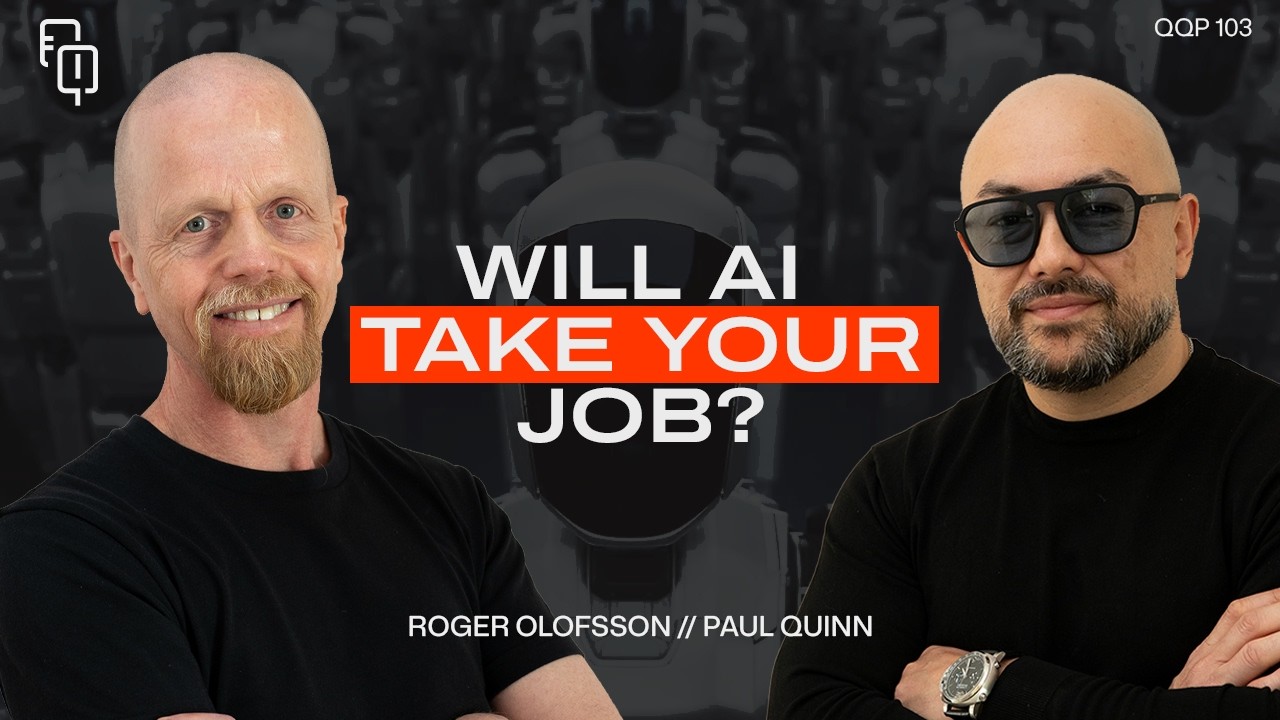
Building an AI Company Inside a Search Firm with Roger Olofsson #103
In this episode of The Quinntessential Questions Podcast, Paul Quinn sits down with Roger Olofsson, CEO and co-founder of Olofsson & Company, the executive search firm hiring for startups, AI, tech and fast-growth companies. From a childhood in Luleå, near the Arctic Circle, to landing in Singapore in 1996 as an exchange student with a backpack and a suitcase, Roger shares his transformation journey through almost three decades of recruitment in Asia, and the moment he finally backed himself to build his own firm.
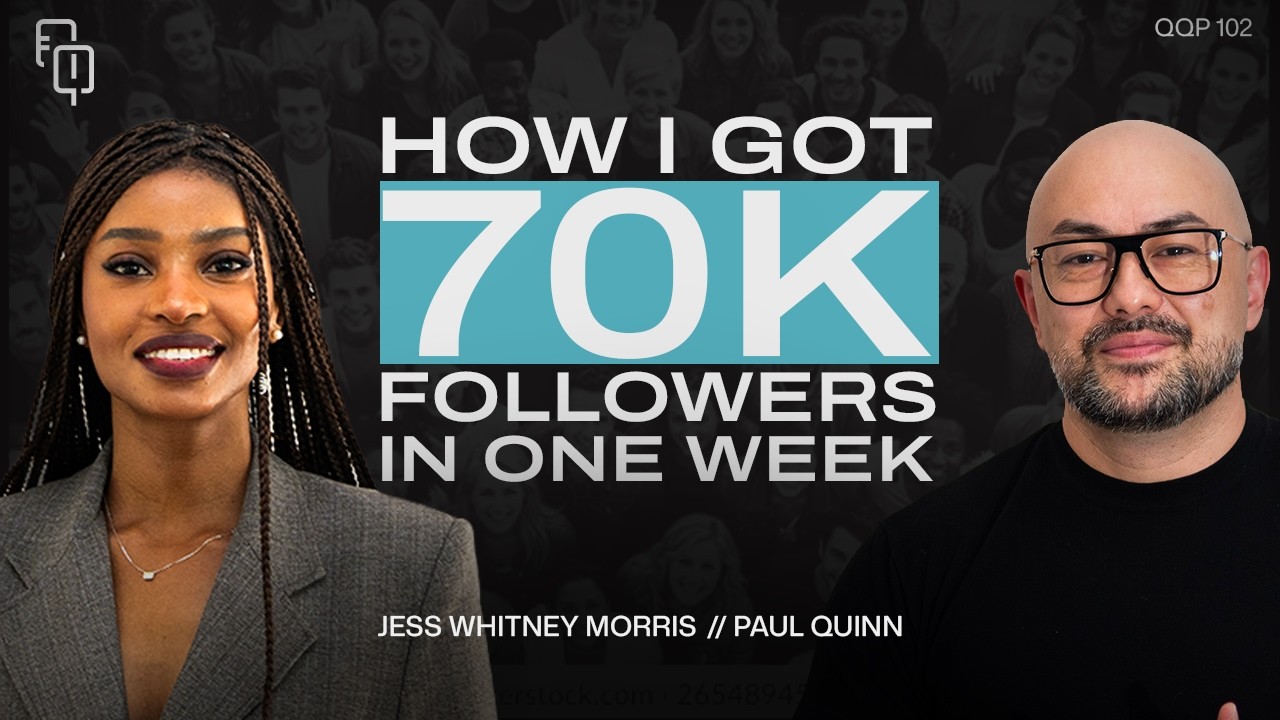
One Video, 70K Followers: Jess Whitney Morris's Breakthrough | #102
In this episode of The Quinntessential Questions Podcast, Paul Quinn sits down with Jess Whitney Morris, model, social media management company founder, and media presenter. From growing up in poverty in Uganda and working-class England to working her way through Abercrombie, Hollister, and a self-funded university degree, Jess shares her transformation journey and the moment her father tore up her first modelling contract in half.
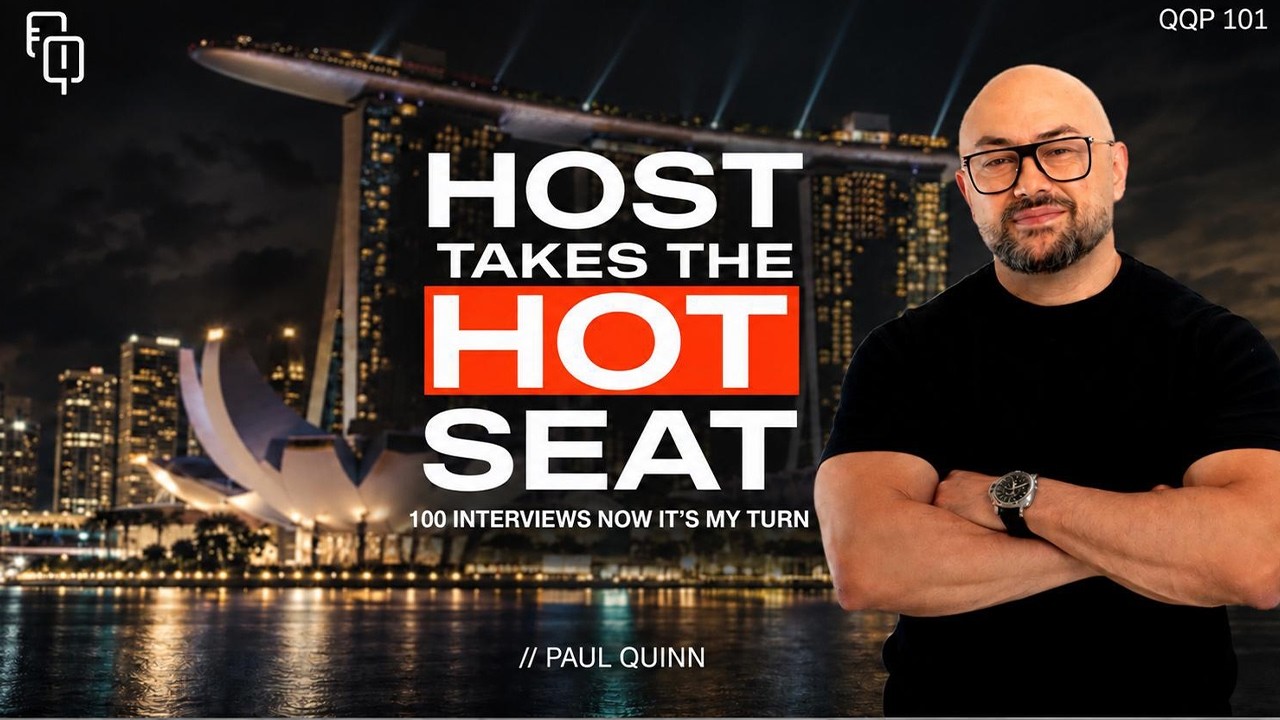
I Interviewed 100 Extraordinary People. Here’s What I Learned | Paul Quinn
In this episode of The Quinntessential Questions Podcast, the host takes the hot seat. After 100 episodes in the interviewer's chair, Paul Quinn, who runs Westport Executive Search and founded Quinntessential Coaching, answers questions sent in by guests, friends, family and listeners. From hitting a career plateau to building a podcast that now welcomes Olympians, world champions and global CEOs, Paul shares his transformation journey and the moment he decided to put a spotlight on helping people.