
#4 with Chiara Bartoletti, COO: Building a Multi-Family Office in Singapore

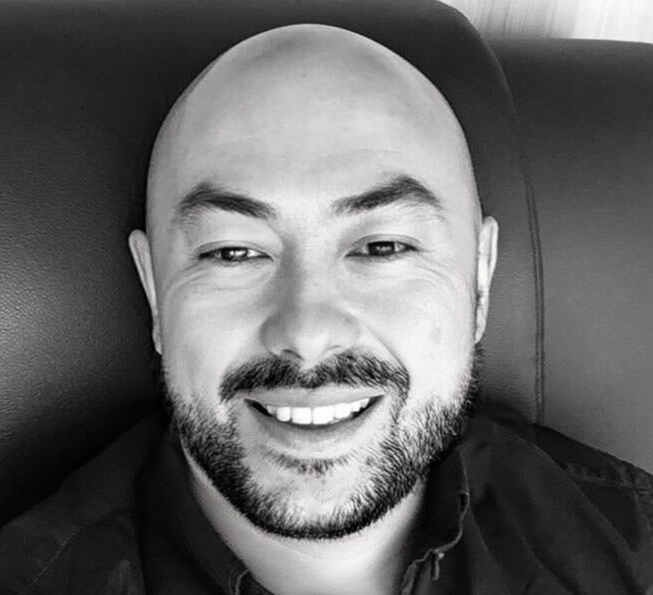
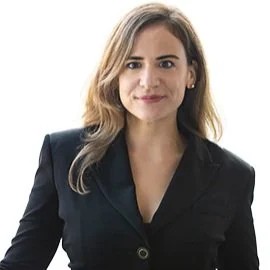
In this episode, Chiara Bartoletti shares her career journey, how the business was formed and the approach to the regulatory framework that is required to run an established MFO in Singapore. We learn what sets them apart as a Wealth Manager as they look to grow their presence in Asia.
TIMESTAMPS
(00:00) Intro
(03:30) Chief Operating Officer (COO)
(04:25) Forming of the Partnership
(06:38) COVID
(10:03) Journey to Singapore
(17:00) Working with Family
(20:16) Family Office Regulations
(25:31) Infrastructure
(28:31) Growth Plans
(35:23) Client Onboarding
(36:43) Development of Family Offices
(39:41) Discretionary Portfolio Management
(42:50) The Business Model
(44:26) Future of the Business
(46:08) Compensation
(51:36) Skin in the Game
(54:53) Becoming the COO
(58:08) Transformation & Artificial Intelligence
(1:07:03) Association of Independent Wealth Managers
Bio
As Chief Operating Officer of Eightstone Oclaner, Chiara is responsible for the day-to-day operating activities of the company. Eightstone Oclaner is the result of a merger of equals between Eightstone Pte Ltd and Oclaner Asset Management Pte Ltd which took place in October 2019.
Prior to joining Oclaner in 2013, Chiara was a public affairs consultant at Burson-Marsteller EMEA headquarters in Brussels and London. During her time at Burson-Marsteller, she gained valuable insights into the art of developing public advocacy programmes.
Chiara holds a MSc in Politics and Government from the London School of Economics and the Graduate Institute for International Studies, Geneva (BA/MSc International relations).
She is an elected Committee member of the Association Independent Asset Managers of Singapore (AIAM) in charge of the Regulatory and Outreach portfolio.
Chiara speaks French, Italian, English and German. In her free time she enjoys spending time with her three children, practicing yoga, music and good food.
Transcript
[Applause] [Music] hi guys today I had the pleasure of sitting down with Kara boletti the Chief Operating Officer for agone multif family office here in Singapore it was a real pleasure sitting down with Kiara to learn her journey growing up largely in Geneva as a trilingual speaker her time in London doing a masters at the London School of economics and working before moving out here to Asia as a chief operating officer of a multif family office with a real Cornerstone presence she shares their Journey how the partnership was formed and what the roadhead looks like there an absolute pleasure and I hope you enjoyed this conversation and discussion as much as I did Cheers good morning hello how are you I'm good yourself you look fantastic thank you so when's this H Rock event um it's on Saturday oh really before you fly off uh yeah before I fly off are you're not worried that you're like cramming everything in and no that's uh it's just life yeah have you have you done one before no it's my first time really with a group of friends or so I'm doing it with a colleague um with our CFO did you have to writee that person in uh she's she's always up for anything so it was very easy to I just bought the tickets and I I told her that's yeah so how does it work you buy you have to buy tickets to compete yeah you have to buy tickets to compete compete but last year another colleague did it and and um he sort of like inspired us to uh to try as well okay yeah and then tell us a little bit about like your training what have you been doing so you have been training right I have been training for the past few months okay wow okay yeah uh so I'm not a runner um and I had to like start running which which is awful I hate it yeah it's hard it is hard um it's boring and um and are you running like outside on the track or in you know yeah outside on the TRU on the treadmill like I just treadmill is terrible I I find that more tedious it's more to um build up the lungs you know like the the stamina and go into like higher zones yeah um very professional sounding uh but High rocks the thing is I've I've done an analysis of that uh against CrossFit yeah and and I think it's probably you know less abusive to your body oh it's very anyone can do it they can right yeah so which which are the events that you struggle with what events do I which stations yeah like when you're pulling the sandbags up or no it's the um it's called wall balls so you're squatting and you're throwing a a a ball that's what I told you when I watched the World Championships there was an English guy that was winning and he was like 26 seconds ahead which doesn't sound like a lot but it was on that right at the end that he he lost yeah right and it's funny cuz I think it's so it's purely about stamina it it is and it's just the it's the most horrible station is at the very end so so yeah yeah but I've done a few years ago I've done Spartan okay and and I also trained a lot for that and I just couldn't climb him on the on the road I just I just missed that obstacle what about your husband he doesn't do it or he did Spartan with me but he's not doing High rocks but you know the great thing is it's also good for the kids to see when they see Mommy doing it right it will inspire and it's fun yeah good for you now look tell us a little bit about your current role what you're doing with eight stone y so um I'm the COO at adstone uh and I'm uh basically doing everything uh except like investment and and client relationships yes uh but I'm also you know I'm a bit like your your GP yeah so I'm supposed to know I I I know about everything but I'm not a specialist on anything yeah so um yeah because you need to have like a a general overview of um of how the companies you know of all the different Departments of the regulations of the risk of I don't know marketing HR so it's it's very well I think the COO role really took a new paradigm shift during covid where everything changed and you had to start working from home viu the technology right so that's like a new chapter in in everyone's life at that point yeah and for us it was quite um so perhaps we can talk about um H how we came into existence please yeah so um and then I come back to why it was Co was like a big thing yeah so uh initially so we're called H Stone now but initially there were two companies one was called oaner and one was called AG Stone and um oaner was founded in 2009 and AG Stone in 2014 and then we met and we fell in love how did you guys meet uh H it's funny we met at I don't really I'm not too sure because we we met many times so I think we met at the uh at some events of the Association of Independent wealth managers okay uh but we were also using the same custodian bank so perhaps we also met through an event with them so it's and also just like personal relationship so there were different you know different instances where we kept meeting yeah and um well the partnership between Evo and Cal is phenomenal cuz when I know I sat down with them a few times but when we had dinner we're having a few drinks and um they're almost finishing each other sentences at times right great chemistry which is which is really important but they're both very different with a lot of similarities which which is a great partnership so how long before when that happened before you guys formed together um I would say maybe we were we were in talks for like a year or so okay uh you know like because because to do something like that to uh to merge you have you have to um you have to have cultural fits you have to have the same philosophy the same sense of direction of where you want to go and it's not you're not compatible with with anyone right and it's already super hard to uh to integrate teams but if from the start you can feel that uh the vibe is not there it's not going to work yeah so yeah we were in talks for a long time we did a lot of due diligence on each other getting to know each other and then we merged in um in October 2019 and we were we got the Mas approval we were all happy uh we decide to move together it does sound like a like a couple story it's a marriage that's what exactly what a partnership is and then Co hit and that was in March and mad it was mad because we didn't really know each other we didn't really um we didn't go through all the integration of like systems and people and who does what and obviously you have doubles when when you merge like some some roles are the same essentially and you have to redesign every according to everyone's strength right yeah um and we were we were still like also technology wise a bit of dinosaurs in the sense that it was still like did you have different platforms as well we had different platforms but the way we were connecting it was not like you know we we weren't ready for something like that yeah and and just and when you know when Co hit it was just um it was bigger in Europe at the very beginning and Singapore was a bit slower to react they weren't many cases and I'm I'm originally from Italy okay and in Italy it was a disaster I don't know if you remember about yeah I do so really bad yeah and so I had this like anxiety knowing like oh my God like if it happens if we have to work from home and things like that if there is a lockdown uh you know we don't have enough laptops we don't have enough this and that so we rushed and we I went to Harvey Norman and I think I bought like 15 laptops in one go so instead of toilet paper was laptops yeah yeah yeah yeah yeah yeah and um and then we started you know using Zoom uh docu sign yeah you know all these tools that before would have been like oh but why do we need it like what's the point blah blah blah blah blah so it sort of propulsed us into um the reality we are but I guess it's the same for everyone yeah uh but for us it was super easy because um because we're like we don't have like yeah mobile right mobile we're not part of a big group or anything like that so we can take quick decisions so yeah so Co was an accelerator for the integration so is this your current office your current physical office no it's not it wasn't cuz I love your current office it's beautiful really stunning no that we moved into two years ago okay um and did you did you help design everything yes it's got a woman's touch it's got that finesse actually uh C's wife so our CEO Cil okay um his wife who's from South Africa okay uh is a interior designer okay um she gets a lot of credit for it yeah she did everything okay okay with with I worked with her but it was her but the the the concept of you know what we wanted was to have something very open very flowy no no boundaries between where people when people get in and where people sit and it's got nice clean lines very light you know it feels like you're at home that's the feeling and yeah clean and a bit of um Asian touch as well yeah for sure yeah and I think the environment is very important I remember when I first set up my business we we didn't have a window for about 3 years oh that's horrible yeah and it was like you know do we really want to spend money to have an office with a window yeah and um once you've got that you can't really look back right it's one of those things and actually I think it's important for the morale of the staff and what have you as well that's why I think working from home I don't know how people do it um and I I think the rate of divorce has gone up because of that during Co do you know what I mean it's true it's crazy so unpacking tell us about so you you were born in Italy raised no I never lived in Italy I was born in Luxembourg okay I'll tell us your journey because I know it's a very interesting one no so my I'm third generation of Italian outside of Italy okay so my parents were born in Luxembourg already and um and back then I mean still there there are a lot of Italians in Luxembourg but there was a huge Italian Community um so my parents went to the same school and they met when they were like eight or something no way yeah yeah what A Love Affair what a story no they weren't together but they they've known each other but that's how that unusual is that yeah when did they first date though in high school uh no they were I think they were 19 they were working both or something okay yeah and um yeah why am I why am I talking about this uh yeah they were born there and but and they met there but they are from like 10 kilometers apart in Italy from the same like region same like sort of uh like almost same Village not the same Village but not not far away okay so we always spoke Italian at home and I have like this strong sense of being Italian even though I've never lived there okay it's in well it's in your DNA it's in in your blood yeah as a matter of fact it is cuz I did a DNA test and I'm 94% Italian really those tests are fascinating aren't they they really are yeah so to this day I still I still speak Italian to my to my kids and and um I try to cultivate this but I have a French accent as you can hear yes cuz I um I grew up in Geneva in Switzerland so I'm also Swiss okay I became Swiss when I was 16 okay yeah and then I um moved to London to study and uh I lived in Brussels for three years and then I moved back to London and then I came here to do your Masters right yeah I 's a great that's where my wife did her first degree she loved it there I didn't meet her there though so you did politics yes I did I in I first started international relations uh in Geneva and and then I did politics with what did you think you were going to do did you think you going to go into that line yeah I I thought I was going to do something very exciting like being a war reporter or an ambassador or like a writer or something like super cool yeah but it turns out that it's hard to do super exciting things CU you end up um bringing anxiety to the people who love you most yeah so they so that changed the course is it yeah yeah it changed the course I I thought initially so I I I studied European politics okay at LC where were you living on campus or no I was uh I was in South Kensington okay and um did you enjoy your time there yeah yeah it was fun it was fun fun time you see all the people I know like my wife and you they had a great time in London cuz they lived in the best parts of London I lived in a crappy part so like and it took an hour to commute in kind of but okay and then um after that you got a job with a bon Marell yeah in in Brussels okay uh cuz how did that but how did that come about because I studied European politics and I wanted to um to like work in within like the European um community so I tried to you know I wanted to work for the European commission or or like or like for a government or for an NGO or something like that yeah so so naturally I went to Brussels because that's where the whole like the lobbying community of of the EU is right okay and half of my my class also went there so it was really a fun time really yeah wow okay and it's it's quite when you when you when you work in EU institutions or around them in their ecosystem let's say you you have a totally completely different life than if you're uh a normal like um if you work for a normal Belgian company it's like a completely different it's like an International Community yes that doesn't really mix with with with the locals cuz it's it's it's very like oh like Washington wannab be yeah okay yeah yeah yeah it's interesting wanting to do that so then what did you do for for Marell um so I was working for the EMA headquarters okay and so they had like offices in all over the place all the countries you can imagine yeah and I was coordinating the markets and I was directly working for the co and the CEO of the of the region and then so a a lot of things were Business Development coordination internal coms things like that and then we also had like when there were like cool projects like big big clients that were with a political angle um so more on the public affairs side I was also involved in that so I so it was a mix of I would say business management and lobbying um yeah it was really interesting okay uh very long hours and very bad pay I've heard I've heard so and then so you did that for 3 years yes and then I moved to and then I moved to London um and I worked for them again in London for like a year or so then I got married and then I got pregnant okay and my parents were living in Singapore back then so I I'm the eldest of four children and and what's the age gap between the four of you ooh uh I have 16 years of difference with my sister wow uh but I have are you best are you best friends I'm like a friend mother okay so I I know things but I don't know everything you know what I mean yeah well it's a big age Gap right it's a huge age Gap but with my other siblings I have four year three years with one and eight with the other so what they mom and dad said look why don't you come to Singapore they yeah they were sort of like had you spent any time here no I only came once uh to visit for like a week no I I didn't know anything yeah and I thought you know like I think as the as the eldest and as a as a woman you always want to please and be a good daughter and like be close to I don't know you have this like syndrome of um of being responsible and like wanting to be close to your family and things like that right so I just thought oh you know I'm pregnant now if I should resign and move to Singapore and because if I don't do it now I'm not going to do it I'm going to stay in London and have a baby and just and what was your husband doing he had just so he resigned as well okay and came to Singapore looking for a job while I was pregnant and still working scary scary and it was 2012 2013 okay um just after elections yeah and we were quite young too we were 27 um so it was really hard to find a job and my almost my entire pregnancy he was like struggling couldn't find anything oh no yeah so I came pregnant six months pregnant and obviously no one would hire me in that in that state so my father was like you know what you should you should not stay home and do nothing you should work for me but then you actually have to work it's not like a yeah it's not playtime no it's not playtime so that's that's how I started and that's how I changed industry now can you be honest were you worried about working with Dad not really at the beginning but I realized very quickly that I should have been I can't imagine bring actually I don't know I've got a 15-year-old daughter and I I we've been taught she wants to go into business and I've got no doubt like she wrote um about a year ago all her goals and she wants to become a millionaire by the time she's 32 and I said sweet I think you're going to do that a lot earlier so yesterday we were talking about her setting up a custom t-shirt business oh and and I said I'll be your first client you know let's do this so like fast forward so then why should you have been worried because it puts a lot of straining on the relationship right uh yes and no I mean you see aspects that you didn't see before yeah um and also you you can be mightly annoyed by like oh like the like the I don't know like oh make me a coffee in front of everyone you know like things like that where like I'm not your secretary you know like yeah or oh I can't do my shoelaces cuz my back hurts can you please help me yeah yeah all those things all those things but but the good thing is when you work with your your family or your partner um is that you can be super honest and and you can say things the way they are instead of like trying to be diplomatic not you know like there are no filters and also you know that the person is loyal yes um 100% yeah so yeah it's it's an interesting one cuz when my wife's my wife's Dad ran a shipping company and um he passed away suddenly yeah and my wife decided you know to take over the business for 2 and a half years and we worked together for that 2 and a half years and it was uh we weren't even married yet and it was an interesting time um but I do I think but so you really do run a true family office yes yes now with the so we so I was on oklan side when we merged okay so it was very much F family in the sense of yes I was working with my father I was also working with my husband yes who joined us much later uh but yeah there were all these personal relationships and and when we merge with a stone then obviously it changed because because we we have other partners other you know Dynamics we have to put more governance into place into the thing the things we do how we do them so I think it was really good it was really good as well to um to um to do that transition yeah and to have it so done so smoothly as well and again I think covid was an accelerator because when when you're not face to face uh somehow you can say things I don't know why but I guess it's human nature it's easier it's easier to say what what doesn't work and to see what doesn't work rather than if you go to the office every day and you see the persons then you maybe maybe you know it would take longer time to expose like um potential problems and tensions so it really ironed out everything so interesting yeah yeah you guys really made it work now tell us a little bit about the business cuz you know i' I've specialized in private banking for the last 17 and a half years and obviously um I'd say in The Last 5 Years in particular Singapore clearly has made a statement by saying look we want to set up uh an infrastructure for family offices and actually just to share with you how I decided to go into private banking as a practice area um I I needed a private Banker uh A and B um when I met about five of them I realized there aren't many good private Bankers so I started doing a bit of research then I realized um Singapore and Mas were really throwing their hat into the ring wanting to make Singapore a Cornerstone you know another Switzerland if if you like um but I think in the last few years it's been groundbreaking but you guys have been in the business actually much longer than 5 years yeah so talk to us about like how you feel it is being in in Singapore as a multif family office so there are a lot of confusions about what what it what it means and there are a lot of confusions about uh and I think it's a term that is being a bit abused um that's a French way of saying things it doesn't work in English right uh overused yeah yeah yeah yeah no no but both fi yeah okay okay you're trilingual right a bit a bit a bit more but not not the same level okay yes okay um yeah so so the the the multif family office or external asset managers basically the way they work is that the way we work is that first of all you have to be licensed so you have to have um uh a license for fund management and it's the same license that you would have if you were uh fund manager just a pure simple fund or a hedge fund or whatever you would have everyone has the same license so it's it's quite um there are a lot of constraints and and there's a lot of um things that you have to do and have in place so you know when I hear oh um EMS or mfos are not regulated it's like it's it's not true we have the the same constraints that as a bank would have almost the same or as a as I don't know uh abine would have you know yes um so so the so first of all you have to be regulated then you the you're not a custodian which means that the assets are with um a bank yes right so what you are essentially is that you're an asset allocator and you're um you know you you're the trusted person that that uh helps the client to uh it's really a three 360 degree thing so because you're not tied to a bank or you're not tied to um I don't know an adviser or anything like that so you can choose what what's the best setup for your clients what's the best bank for your client uh how to multi Banks perhaps how to structure themselves Etc and um yeah so the way it works sorry I'm a bit confusing no the way it works is that so you sign it's a uh three-party relationships yes so the client opens an account with the bank and and there is an agreement between the client and the bank for the the custody of the assets and then he gives or her or she or they uh gives the power of attorney to the the mfo yeah to manage their assets and then in turn the mfo has an agreement with the bank uh like a working relationship agreement with the bank to be able to to do all these transactions do you sorry tin do you feel because I know one of the major considerations that Bankers have is getting that power of attorney to be signed off they're very worried that that's going to be difficult no it's it's not difficult because the power of attorney is not a power of attorney where you can transfer assets to buy things it's it's very it's it's limited to Investments to the investments in the funds right and then between the client and the mfo there is a relationship a mandate that dictates the terms of how the assets are going to be managed yes and you can and you can breach them if you breach them you uh you're in breach you you can be sued and you can go to you know like you can have big problems so it's not it's very very regulated so there isn't and I don't think there is any difference between um having a LP a power of attorney with an mfo or having a discretionary account with the with the bank at the end of the day is the same thing you know you know what I find interesting is because um now in private banking The Regulators are uh very comprehensive and it's the private bank is consumed I I would say at least 50% of the time with documentation would it be if was B with in terms of that hopefully it's a little bit L it's less because we have people who help but also because a lot of documentation are internal policies of the bank which are not necessarily necessary I get you um and also there's a lot of inflexibility so I would say in Banks and for some aspects you know like well well you guys the the one thing that struck me was that you're an absolute professional outfit you know you you're a very International brand and presence um but your presence here in Singapore is legitimate right so you've got how many staff do you have now 21 in Singapore okay and you've got $2.5 billion under management uh yeah slightly more okay fantastic and we have people from very diverse background actually sh share with us the infrastructure cuz this to me is what differentiates you from so many others so I think the difference between our um our structure and and others is that we we are very structured indeed uh so we have an investment team that is that is doing Investments and then um the most of most of our investments are in discretionary I would say 99% of our investments are in managed in a disc discretionary manner so it means that they are um you know that the investment team is tasked with uh following the mandates and having strategies following the markets uh placing the orders Etc yes and then we have and in in that team we have people with uh Specialties uh we we are quite strong on the credit fixed income side okay uh we also run our own funds um in that space um so there is a lot of knowhow and knowledge and it has been it's actually is we have funds that have been uh going on for like 10 years and then for the rest of the infrastructure do you have a like a you've got a legal practitioner so we have yeah then we have so the investment team does Investments then we have the middle office which does all the reconciliation and you you wouldn't believe how uh complex it is um because because we have multiple custodians so multiple Banks to reconcile every day that send files in different formats and different things so it's it's a nightmare uh yeah and we and we also have funds so we have private mandates and we have funds so the whole thing makes it very very complex so that's why we also have a middle office Department that that works super hard yeah um we have a legal and compliance department and then we have um well all the front front office Personnel so um Family officers which are essentially assistant relationship managers okay and we have front office people and operations wow so yeah that's quite a lot of people and how does it work because I know you know so for example Evo and serial would spend a lot of time in Europe yes how does that work cuz do you have a an office in Geneva we have an office in Geneva but it's not um a repes office it's a rep office and it's actually it's our sister company okay it's not within it's not a licensed office it's just that we yeah because we have uh quite a number of clients who are in Europe yes so we needed to have like a space where we could like uh sit and work from there if we want to um yes so let's talk a little bit about the growth plan of the business like what are you guys hoping to do in the next few years here in Singapore well it's a very ambitious one yeah I like the sound of that uh so yeah we we've been we've been around for if we count the whole history collectively collectively we've been around since 2009 so that's that's quite a number of years right yes so in a way we are very established but at the same time we have this like uh Adventure spirit and we want to grow we have this like startup energy even though we're obviously not a startup you definitely have the that startup en for sure even in you know as you were mentioning before even our office how it looks like it's not like stuck up it's not super corporate it's not lots of things that are very common in this in this environment in this business yeah so um what we want to achieve is to double our assets within the three three next years okay but obviously it's very ambitious but you have to be very ambitious to to succeed so in order to do that um there's several you can grow organically but growing organically is uh is great it's difficult it's difficult you're not selling bicycles you're not selling uh I don't know t-shirts yeah you don't have like you can like scale it it's not a scalable model you know it's a question of trust and personal relationships so your network can grow but how big can it grow like if if you don't invest in it right yeah so in the past two years years we've been investing quite a lot in um technology automating um to be able to to welcome more assets and more RMS uh We've also been investing a lot in in our brand understanding who we are because we had two different brands so two different Spirits yes and we don't want to be tied to a person or an individual we don't want to say oh this is Evo's company or this is cil's company or this is you know it's not that's not what we want to do we want to build a real brand that is there to last yeah so it's bigger than a personality which in this particular space is um quite rare because I I find personally that most uh mfos are linked to a person yes and and it's there is no brand concept yeah um and I don't think you can attract Talent based on that because what happens if the person retires or uh you know anything happens to the person it's not it's not sustainable what we want to do is build a scalable model so we have doing a lot of introspective work on who we are and how and how and where we want to go right do you lead a lot of those conversations were you're asking those tough questions yeah yeah yeah yeah yeah and we also hired like an external agency a branding agency that that did a study on um so they it was quite interesting because they did interviews of us what every every member of Staff or no not every but they took from different department different levels newcom fers people who were there for like we have staff that was with us for like 10 years or more and then they also spoke to clients uh and they also spoke to um A banks we work with to understand how they perceived us so interesting yeah so they came up with like this this like findings of who we are and we're like yeah doesn't surprise us this is who we are so you spent all that money and it wasn't a revelation no it was not that's called marketing yeah it is it is no but it it was it's good to but you know like how cuz I met even though so I've known serial for many many many years but we had lost contact so when I met uh Evo and serial it was hstone yeah right so I think as someone coming new to meet with you yeah I didn't see anything different right but what I found very interesting because when I met with the CIO Olivia as well all three of us you know everyone had a voice everyone has different ideas but there clearly is a a strategy yeah you know there's a uniformed approach so I I that's exciting and it's and and the thing is we're all very very different yeah but we all Place Family a uh like on top of everything we're very we have this like uh human connection yeah on values uh that I think are also it doesn't depend it doesn't mean um that that you don't have it if you're from another like it's a common denominator for for everyone and it's it's what makes this business so interesting well well I think what I've what I've learned about this business your your brand your reputation is really cemented uh over over many many years so I was introduced to your dad by a dear mutual friend of ours who's the CEO of of a bank yeah and um I literally within 5 minutes of talking to Dad we we were actually when I Met Your Dad we shook hands when we said goodbye we gave each other a hug do you know what I mean that's the way he is he's a very warm person he is fantastic so and so is C is also very War they're very different but they're both very um uh they're very people's pleaser and people's persons yeah I guess if you are well with serial so when so when I left that meeting cuz serial joined maybe halfway through yeah um but he he I told him about my son you know my son's a boxer an amateur boxer so he gave you know one of your t-shirts and I said oh fantastic and my son wore it fit him was brilliant so what's that next three to five years look like in terms of how your plan make that lost into yeah um so yes organically it's going to be tough uh which is why how do you how do you grow right so you can grow by uh acquiring Talent teams uh or doing other Acquisitions of other companies or like working with fantastic introducers so these are all very hard to find and require like OT a lot of work but we've decided to because we've built the foundations um obviously there's always like things that need to be relooked at all the time it's not like oh it's done we're never going to look at technology again no it's not it's always moving right work progress working progress but the the house is solid um not not not just in terms of the setup but also like our strategies like how our our approach to Investments our approach our offering all of this is very very clear yeah very clear um and now we're ready to integrate people may I ask sorry to interrupt you so with with introducers do you have formal agreements can you pay them referral fees or or is it just Pur partnership basis it it could be it's very open it really depends on the introducer their story why they want to work with us yes it's uh it's very very open okay but we have formal agreements obviously otherwise you you wouldn't be able to um to work with someone well a lot of a lot of banks don't do it right or they claim to and then it it but I think that's a great way for any Banker right to to build their Network for sure it makes a lot of sense so now so for example what's the onboarding process like so say for clients or a client so a banker joins right and they they start opening accounts CU this is um the arduous part in private banking you know how how lengthy is that process okay re one thing is our process and the other thing is the bank's process yes so assuming that and and the thing is banks are our partners they're not um it's not because you're outside the bank that the bank is your enemy you know it's it's a completely different job um and and and you're not taking away business from them I mean it could be perceived as such but it's not it's not the case right so uh one thing is the bank's due diligence blah blah on boarding part which if the client is already banked with the bank could be very very fast especially if we have already a relationship with that particular Bank um let's assume we do then on our end um the process is is fairly fast because we don't have like 150 layers of committees and and we don't type with one finger our eyes closed you know we get things done quite quickly yeah um so I would say like it's a question of I don't know like once we have the whole set that is completed and our compliance officer reviews the file uh it's it's very very fast like it's a question of days you know it's interesting because when I met um sir and Evo I was trying to give them an a map of the market and I said look the reality is that less than 10% of the bankers in uh uh in Asia specifically in Singapore may be relevant and maybe only 5% because I think it takes a certain type of uh profile you know character personality and also where the the banker is in the life cycle of their Journey because I think um if I was a banker today in my mind I would either set up on my own if I was big enough strong enough and had that Network or unequivocally I'd come and work with an outfit like yours because um you you can be entrepreneurial robust dynamic um and and I think that's a very very attractive package to look at um but then I think the banker has to have genuine confidence in the relationship that they have with their clients yes um but I think 10 years from now if we were having the same conversation it would be different it would probably be 25% of the market because I think I think think the landscape is changing that dramatically is it is I I don't know if you've seen um I think it was last year there was a whole like series on The Economist on how um wealth management is where the luxury industry was like 20 years ago no I didn't see it but makes perfect sense yeah it makes sense cuz like there they're more and more millionaires right and it's not and it has become it has become a service that is um very every everyone does the everyone can do it and but but like what but it's not but it's not done properly yes right so it's still like it's a market that is underserved and I'm not talking about billionaires because they they would they would do their own yeah thing right but like the the and I'm not talking about affluence which is another category but like people who who who are entrepreneurs and suddenly have like I don't know five 10 Millions they're really being underserved in um in a lot of setups yeah and that's that's your niche market and um and I think there is a lot of is that is that do you have an ideal client profile yeah have you have you got a rough idea of what that is and you defined it yeah yeah I think and anyone who has like a a client that has less than five Millions is a bit hard to uh to manage just because you know you have to have like a little bit of a sweet spot so I think our ideal client would have between 10 and 20 and probably 10 invested with us yes and he would probably be in his late 40s yeah uh so he would have to like start thinking about are you pitching me for for typ in an account okay no but uh he would have to like start thinking about like diversification and Legacy and things like that yeah uh so and that's the ideal profile well the interesting thing is again what differentiates you guys is that your business is largely DPM focused yes and I think for the big Banks not the boutique Banks uh I would say maybe 8 to 14% of their total AUM is housed in DPM and when I've analyzed that it's an interesting one because I think the banks definitely would like it to be more um but then the CEO has to really challenge the the thought process of the bankers and they've got to in financially incentivize them to put the money into that because I'm always cognizant that some bankers are always thinking what's best for the client what's best for the bank but also what's best for them because if the money is tied into DPM and it's institutionalized yeah and you know if they want to move later on is it very difficult to move that those funds um whereas in the boutique Banks especially the Swiss ones DPMS a very heavy Focus so I think that's one of the interesting parts of your business yeah um but you but you see like um I I think the it's it's a niche business and it's underserved but also uh be why you have to look at why as well it's because the way you produce Revenue in a bank is not through DPM no right it's through loans it's through corporate deals is through other things so obviously there is more money to be made but I think the balance is slowly shifting yes um so and and this and this is why this is why this business model is particularly interesting because it's it's still like at early infancy especially especially in Singapore I would say yeah and and the the whole concept of why you should have such a service hasn't reached everyone's brain yet yeah uh even though it makes sense right but I think if you're a banker and you're trying to you want to make the move first of all you have to you have to know yourself do you are are your clients your clients are they with you or are they that's that's a great point and by the way that's something that I think it's very difficult for Bankers to truly admit to themselves because for sure because it's a ego thing right yeah and and if you're a good Banker it means you're a good Hunter if you're a good Hunter you would have like an individual type of personality and you would need wins and you would so you would obviously well we we're touching upon that you know I've met a lot of bankers and it's not their fault it depends on the environment or the organization that they they're in um but I always said if you inherit a client it's really a double-edged sword and actually if I was a banker nine times out of 10 I wouldn't want to take it because if you inherit a client who's a small ticket client and you help build that profile will will you get credited with that relationship or will they turn around and say well look you inherited that account um and if you take over a very big book of business of inherited business you'll never be paid the same it's not measured so I I actually think think um growing your own developing your own relationships is really key um so but it's not really the case in our company like if if you are cultivating a relationship and making it grow then we recognize that it's not I I think the thing is with your organization what's different is I mean just to share with you something I'm really proud of um in the last 17 and a half years just over 96% of the people we've ever placed are still working in the companies we place them in um it's a little bit some of the banks have Consolidated yeah I think if someone joins you today let's just say the bankers in their their mid-40s or mid-50s the reality is they're going to retire with you guys so I think so I think that the dynamic is very different CU if you're on a private bank if you join a new private bank today that the likelihood is that the CEO that is in that role today may not be in that role 5 years from now and then the that everything changes um are you guys looking to hire independent Bankers or would you look to potentially hire like a small team or are you open to ideas we're very open to ideas it just has to make sense on all parties so you have to have a fit with the team because you don't want to create a bad atmosphere obviously uh but uh and and you would have to um I think leave a bit your ego at the door sometimes there doesn't seem to be any egos really in the office where everyone gets WR really well no no there's none yeah yeah which is which is great yeah and um and we really want to preserve that that balance um no yeah we were we are open to any to any form of growth as long as we don't lose who we are yeah we don't want to become a platform uh it's not the business model I mean it is a business model that is successful but it's not the one that we want to go into and we don't want to lose what we've built so our identity we don't want to lose that will you look to potentially acquire another business if the opportunity comes up yes definitely that that would be exciting yeah um talk to me a little bit about um your brand now as as you're looking to grow yeah what are the key things you're looking to do so for example apart from today's podcast and what have you you know what are the key things you're looking to do to get the name of hstone you know further into the market even though you're very established already um to get the name out yeah uh would be great to have more LinkedIn followers which is not the case takes time right it does take time no but also like I I it takes uh yeah it takes time and also like be it you have to have interesting content yeah and for that you need to um you need to get people involved in creating the content you well well I'll give an example I've um my team and I have largely been ninjas on LinkedIn yeah so we you use it to identify people and attract people yeah and um my head of research did an analysis roughly based on my personal database my network I'm only connected to about a third of them and Linkedin and and he asked me why and I said well some times I'm very cognizant that um some candidates won't want to publicly acknowledge that they know me yeah you know been being a prolific Head Hunter within the marketplace so you know for example if I'm walking down Raffles place and I see a banker they're with their boss they will pretend that they don't know me and that has actually funny enough back in the day cuz there a lot of attractive female private Bankers I've been you know walking through W road with my wife and there'll be a lady who's a private banker and she'll look down and and my wife you know who's who's that I said oh that's just a candidate you know good excuse yeah it was a good excuse um I hopefully she's not listening to this but but okay so I I feel look um one of the main reasons why I wanted to partner with you guys is I really believe in the story and I think will be a very interesting next three years ahead yeah and the way I see it is anyone that joins the business today when they look in the rearview mirror three years from now 5 years from now they can really say they've been part of something yes right yeah yeah that you're part of an adventure that's for sure um but also you know we did a lot of analysis like oh how like how do we compare to like if I'm a banker yeah why would I go somewhere where I where when I could set up my own shop right and and I I did the numbers I did the projections and actually it doesn't really make sense to you end up having the same compensation yeah or maybe less and that's assuming you're the only shareholder and but at the same time you're responsible for everything like because it's your business you you have so many headaches you it's it's a you and it's not the same job you know and and the thing is in um I think in the in in the world in general um people get to management positions by promotions but management is uh a real job yeah so you don't understand when when you set up your own shop that you might actually end up doing things that you hate yeah and that um don't allow you to be with your clients and do the things that you're good at so that's one consideration um that's and listen I I learned that you know when I became an entrepreneur you know everything changes and are you always use this analogy because you you know as a private Banker you're effectively being paid yeah to manage that client's money and and protect them and what have you um but you know the reality is you have to go and sell to to build a client base yes but if you set up your own business there's so much more yeah right so the the actual part of the job that you're getting paid for which is to manage the money now comes all the way down here in terms of what you're trying to accomplish yeah um but I've I've done the numbers as well I crunch the numbers and I think it's actually potentially extremely lucrative U and I believe you know because when I spoke to serial an EVO it's clear you have lifetime clients yes and uh beyond the Next Generation uh so I think that that that's key and the other thing is when I look at uh where where Bankers are in their their life cycle so for example in a lot of banks now if you I'll give you a quick overview if you have a billion dollars under management typically you'll have five to 7 a half million dollar in Revenue you won't be running at 100 basis points why few reasons number one um you know if you have a $100 million ticket client they're going to push pricing right down you know some of that money will be in custodian assets and what have you so in the mid to Big banks that person's typically earning 7 to 10% against Revenue M right um Bas in bonus if you've got a bank with 500 mil that person's probably got three and a half to $5 million in revenue and they may be earning 12 a half% and and and and so on and so forth so when I've done the numbers I realize actually there's a Tipping Point in the bank where you realize I can't earn much more no yeah and the other thing that I completely disagree with where there's a conflict of interest in quite a few Banks they're paid on Delta yeah so I'll give you an example i' I've moved some very senior Bankers uh in some great organizations uh because I'll give an example I moved a lady who was in the mid-50s she had a a $750 million book Running routinely at $7.5 million 100 basis points so worldclass banker and the next year she was asked to bring an extra $150 million in net new assets and if she didn't do that it would massively impact her bonus but I think there's a point of diing return because potentially she could do that how could she do that either squeeze her current clients or go and spend more time to generate new business with new clients which will impact her her current Rel yeah and and as a result I just said it doesn't make sense right and and actually you do that you're not going to get paid anymore so they're trying to squeeze so much juice out of the lemon and and and uh so I I so that's why I feel here it's almost um the other way around right and and you you're almost running your own business under the umbrella of a business um with the infrastructure because it's entrepreneurial it is what about Market geographies because in theory again so in a large organization I always feel there are too many restrictions right um where so for example if you cover Singapore you may not be allowed to cover Singapore Indonesia Thailand no we have no restrictions yeah uh so you can cover any anything perhaps you can cover uh North Korea and Iran but other than that Russia uh but no we have no restrictions whatsoever and yeah there there are crossborder rules that apply to any financial institution but but they're not you know like like reverse solicitation or things like that it's not like oh you can like go to a country and um actively Market something yeah if you're not registered but that's that's different than covering clients which are in different spaces well I think the other thing is is if a if a banker was to join you um you know they can bring seral they can bring Evo Olivia to those meetings and you know in very large Banks it's very difficult to get you know the top people to come across right yeah and another thing that is very um special about us is that um one of our our chairman is also one of our biggest clients so we we we are invested in into the client experience just because you have to be right we have to be because we're clients ourself you see so the you have the this this notion of conflict of interest I think it's it's super super interesting alignment of Interest well that means you really got skin in the game we do yeah yeah definitely yeah yeah and that that changes everything it does it's it's quite it's funny because um I was thinking about um how you know like um there's this this notion of um it's called enlightened self-interest okay I've not heard of it go on enlighten me no um do you remember um from your University days you remember Adam Smith yes yes so he came up with that notion which is sort of the basis of capitalism in a way okay um that says that you do like the baker does the best bread he can possibly make not because he's like kindhearted but because he wants to have returning customers right so he provides he provides the best service possible to to have recurring business and that's the basis of why the market should work because you're supposed to do good for yourself for your self-interest But ultimately it benefits everyone right and I think this is businesses that are um either familyowned or privately owned or smaller they have this interest of self- survival uh because because if they don't do well then they close shop right yeah whereas big groups big Banks they they sort of lost this like uh responsibility and ownership and like trying to do the best because there's something else because there are there are other interests which don't make you make the best bread POS that you possibly can right yeah so I think that's like a fundamental difference and why why it's so interesting to work for um an entrepreneurial setup well the other thing is um when I when I sat down with the three gentlemen um we spent a lot of time going back and forth refining what the Compensation Plan and the model will be because I do feel that some organizations you know it's like they'll sit in a room for 10 minutes and say this is what we're going to do and I think that's very dangerous cuz when you really analyze how you're going to pay people you got to at what point you're going to break even even at what point is it profitable is it sustainable what happens if you hire more people CU a lot of organizations will have five people and five different plans yes they all go for a beer at the end of the the week and it's like how much are you getting paid and and there disharmony in the business and but also it's not just how much you're getting paid it's for every account that you bring every new relationship every new person that you bring you actually creating work as well yes so you you you you're creating work for everyone um so you're creating more cost so you can just you can just like assume or uh I'll have like 80% of the revenue because it's my Revenue right no it's not because your revenue is enabled by the fact that you have all the support people around you it's a very sent Point yeah yeah so that's that's where all the calculations and and the and the projections that we did came came from as well yeah you you need to know um what it cost you to generate something right yeah yeah well the other the other thing is I mean you're you're completely used to this cuz you work in but the turnaround time of speaking with you guys is instant right in a lot of organizations no yeah yeah because our politics involved and ychy and we're quite flat in that sense yeah it's brilliant now talk to me about like I'm very interested in your career Journey because um I'll tell you why I I've placed you know I've had the privilege of placing quite a few Coos I'd say half of them were already Coos but because I've worked with a lot of organizations that were rolling out um the other half I help transition I to become Coos but what's really interesting is when I initially spoke to those candidates they didn't necessarily see it and the clients didn't necessarily see it and I always think again depends on the life cycle of the organization and the individual but quite often if you take someone who's stepping up into a role right will take on new responsibilities and is eager and hungry to learn yeah I I would I would take that any day over someone that's already doing it and then it's just moving for a little bit more money right cuz it's FL but well you know how was the Genesis for you to you know become the COO you know and how did you learn to take on those things and what are you doing as you progress and and help build the business um so even though I went to work for my father nothing was given to me yeah um there there's no way there's yeah there's no way and at the beginning so I had more of a public affairs and internal coms external coms sort of background right and I did do a lot of coordination and I think I'm an analytical person I see I like I like to solve things and I like to see the big picture yeah um and I hate to do the same thing every day I hate hate hate routine and I hate like uh how does that work with high rocks though isn't it the same thing that's different because it's a new challenge okay true you'll drop it after and move on to the next thing most probably yeah I get you um so I had to learn everything and no one was like there to like tell me oh it should be done I didn't really have a manager I I did but no one was because we were small no one was handholding me right so I had to like you're thrown into the deep end yeah and and and I had to fight for everything yeah and it took a while and no one because people always assume that um you know people assume that if you're good and you do well your job um things are good things are going to come to you but the reality is if you if you don't voice things and if you don't show that or just take um um initiatives and do extra things that no one is asking you to do no one is going to see that side of you and you're never going to progress so I I I I think I build my own nest well well I I've seen firsthand with my wife right with her dad cuz he was a very he was a business owner entrepreneur big bigger than this room his personality and um it's difficult how do you go from being perceived as daddy's little girl yeah to a business professional but having you know met you and knowing you and knowing Evo I I can see that probably happen quite easily because you're you're you're a tough cook I think you need to be right what about what about though I'm very soft cookie really yes okay I'll ask your husband um when when when I look at the different types of Coos I feel there's a big difference in most in that there are some that are very operational yes may maybe because that's what the CEO requires or that organization but the Coos that I'm most inspired by are very commercial they're out there growing driving the business they support the business um that's you you know what do you sit down what do you sit down you look at the business today you say right guys this is how I'm going to help growing the business technology transformation tell me about that well there are a lot of inefficiencies in um especially in I think private banking wealth management space um because because it's a very people industry still uh so Tech like uh like the example I was giving you before about um the fact that we have I don't know we have eight or 10 custodian bags we work with right now and they all send their um files in different formats and there is no common denominator so it takes a lot of time to like manually input or change things right so so one of the thing is that you need to automate all of this and with and up until like two years ago this old automation required some uh time Talent uh which is not my talent at all like you know working with macros and like that's not I'm not good at that at all Nei catastrophic indeed um but uh with AI anyone can code and we've started like coding things that just just for stupid things you know like just like I don't know like you need to you have an Excel and you were perhaps before like like you had to open it uh you know equals some yeah and now you can just like program run the program and just open the file and everything is in there so all these things like little inefficiencies they add up you know and then also sometimes and and then it takes resources and time and it just makes the whole thing very heavy right and also sometimes people are doing things because someone told them to do it but then no one relook at the process and actually these things have become useless yeah and no one bothers to to do an internal audit to relook at why you're doing the things you're doing so we are constantly like honestly every six months I have to relook at why are we doing the things we're doing the way we're doing them because perhaps they make no long they used to make sense but they don't make any more sense so that's one big aspect of my my my job is to relook at things yeah and to to look at how we are positioning ourselves and what's out there and like you know what's the because because we have funds we have structures in Luxembourg we have structures in the Cayman we have VCC structures we have lots of different type of legal structures that require you to be on top of that as well and know what's the latest outcome of on this or that yeah um but it's so interesting though right it's the thing about AI that I find it's it's scary for most of us right because it's it's not you know well for me it is I look at I think because you always worry are we going to become redundant at what point um but the one thing that I still feel I feel AI is high on IQ but low on EQ when I'll give an example so I asked a few clients to write some testimonials recently and they they don't know each other and they said I've written this one and then I don't know why they all sent me one back oh I've put this through uh chat gbt and this is what they wrote which one do you prefer and and uh I you know I got my wife to read both versions and she knew well she didn't well she said this one and it was always the authentic one well I I disagree with that though why because it means you you don't know how to prompt ah could be yeah but it's not me not you I mean you in the generic term not you but really so tell me how would you do it then so you would you would have to let's say uh you want to write um you just have to you have to say okay let's say you want to write a market commentary okay okay you should say things like oh I'm the I'm a top CIO of a very big organization I am a warm person yet I'm professional I'm this I'm that you have to give a description of who you are wow and and you can say like oh speak in the voice of um gilan T you know like the Ft journalist let's say and then the thing would sound like a real human actually so so hold on so next time I screw up with my wife which is probably tomorrow or something I need to go to AI yes and I say look I'm a very loving adoring husband I've screwed up please write me a love letter you have to give more details oh really tell me I I I need to know this I don't know like I'm taking notes I I I want her to know that I I want her to think that I deeply regret I'm like a I have a scar on my face so you you know you know like little details that will give like details that will make it sound like you really yes I use AI like to write things every day and I don't write anymore I I talk to it yeah yeah it's it's it's very interesting so my wife at the moment unfortunately so she's a she's a full bright scholar right so she's uh she's bright she's bright well I don't know she married me so maybe that's questionable but she's got a PhD from Yale and so she has to type a lot right she's a professor and unfortunately she's got a spinal condition she has to go for an operation soon it's a bit scary we we've just found out and um but she does dictate but she's so used to typing yes and you have to I guess it's like going from Microsoft to Mac you've got to reprogram your mind you have to reprogram your mind but um what I do is that I speak to it but I'm also scared that it goes to Bel Russia or like somewhere weird and they would have all my thoughts so I just I I don't say everything everything or I make it I I change DET but what what she shared with me was the process of you know cuz sometimes people um will type as they're thinking no I'm like that too I'm I'm I also type as I'm thinking but what I do is that I talk to it first then I copy copy the Basse okay and then I type wow but I also use it to um to question myself like oh uh what should I like this is what I wrote or this is this is the issue how would you go about it like uh fascinating yeah so I use it for brainstorming like as if I was talking to you you know like uh like bouncing ideas back and forth so interesting you're the first person I met that that I know uses it that robustly we did a big AI training this last year really in the company so we we what about your dad does he do it I can't imagine he's doing it he says he's doing it um I can't see that no I think he he started yeah yeah cuz we we had this lady was fantastic to come for a training in the company yeah and she's really really great and uh and then lots of people started like using it like daily and we wanted to have like this is one objective I have for this year which I haven't realized yet but we wanted to do like a quarterly AI learning day yeah where like people have learned something in their daily use for work would like share with the rest of the office like doing like workshops like focus groups basically you know the interesting thing is with your dad um he it's almost impossible not to smile 90% of the time when we had dinner I was Hamming a cigar and a couple glasses of wine and at the end of it we were just talking we were laughing it was fantastic now the other thing is we've both got three kids and I know a lot of ladies that I work with struggle with that balance there's a real challenge how do you do it cuz your your kids are still relatively young right yeah I just don't don't take care of them that's that's that's the only way sure but how does it all work no it works it works um well it works because we live in Singapore otherwise it wouldn't work yeah that's very true yes we can't take that for granted right no and you have to recognize the the the Fantastic work that the helpers do in Singapore in reality they're part of the family and without them you wouldn't be able to do anything um and you also have to recognize the fact that there are school buses yes and uh yeah you you know you know the the crazy thing is like where I grew up in the UK If you have or this is when I was there when if you have a dishwasher yeah you're doing phenomenally well as a family you know what I mean it's a luxury so like it's even in Singapore though you know lots of people don't have dishwashers they don't but the the thing is I remember going back to the UK for the first time without our Helper and everyone presumed she was my auntie or something right and it was almost like how do you tell no she's she's our helper she lives with us and you know cuz it's it's not common it's not common no and it can be perceived as modern slavery as well it could I mean the ladies they have such a tough life it's really you know and I really admire these ladies um now let's talk a little bit about the thing that interests me now is when you look at mfo multif Family office within Singapore within the regulatory framework yes how do you see things changing and evolving is it is it very rapid you know how are you informed about these changes or how do you stay breast of them so I'm um actually I'm um part of the commit of The Association of Independent War managers and I've been for a while right uh yeah six years yeah how how do you even get involved in that how do you get um because I think it's my uh it's my loving uh background yeah CU I I noticed that so this Association was formed in 2011 um and at the beginning they weren't a lot of members but they but they've been so good in first of all Gathering everyone and making making this uh a real project right and they've been so good so good so that they have um they managed to be recognized by Mas and and we now have uh regular interactions with Mas so when I saw that this existed and that actually they were talking for the entire industry I was like uh I don't want anyone to speak without me having a something to say because maybe the direction it goes is not the direction I wanted to go you know not me like but you know what I mean like you have to have uh you have to be in it to to Define where you put your hand up and yeah wow good for you so it does take time um but it's also interesting because then I get to know like the the landscape who's who um yes what are the trends how are people like who gets fined who doesn't get fined yeah um uh and and we have closed door meetings with Mas as well where they tell us like what they really think that they can't write yeah uh like oh you should be careful ful you're highrisk industry blah blah blah blah blah yeah uh but but and they and they're super supportive um every time we have like a there is a new uh regulation they would issue consultation papers and they would always like ask the uh awm uh what do what do you you know we're we're recognized party in the consultation process what's interesting is living in sing I've lived here on and off since 2001 and it's easy to take it for granted but then when you travel yeah and you have to do any paperwork abroad you realize you know Singapore's super efficient it is very very efficient it's on a different level yes um and then what about so for example if a banker joins you getting licensed so in a lot of banks this takes quite a lot of time but it's very efficient with you to become a register rep yeah it's very so yes it's it's very fast because they actually always are your your um repap number you never lose it yeah unless you've done something illegal yeah but you never even if you leave Singapore and you come back it's your identity number yeah exactly it stays there forever right so it's just a notification process so what mes wants is that you you do the due diligence checks to make sure that the person is fit and proper which you would do at the point of hiring anyways right yeah and then the notification just takes a couple of days you know what this is so important because years ago this is going back to 2006 2007 um there was a banker that I came into contact with had done some nauy things went into trouble and I bumped into him about a year later and he looked completely I didn't even recognize him different name everything um and he was trying to you know pretend it was another person yeah so now seriously yeah that's quite illegal so what yeah so what happened was he was getting interviewed by a bank and um and I happened to know the head of HR very very well and I F I said look you're you're on the verge of making this person an offer yeah he goes how do you know he said doesn't matter I just know um but do you recall going back two years it was this guy and he was shocked because he'd actually met the guy before didn't recognize him so these things are important okay good look it's been a pleasure speaking with you is there anything else you want to cover or share um no not really you know yeah the thing in meeting with you and and the team is it's just such a great setup very professional very family oriented and I'm looking forward to the next few years ahead working with you so do I so do we yeah thank you thank you pleasure cheers [Applause] [Music]
Our Other Episodes
Lorem ipsum dolor sit amet consectetur. Sed morbi adipiscing ultrices in vel placerat.
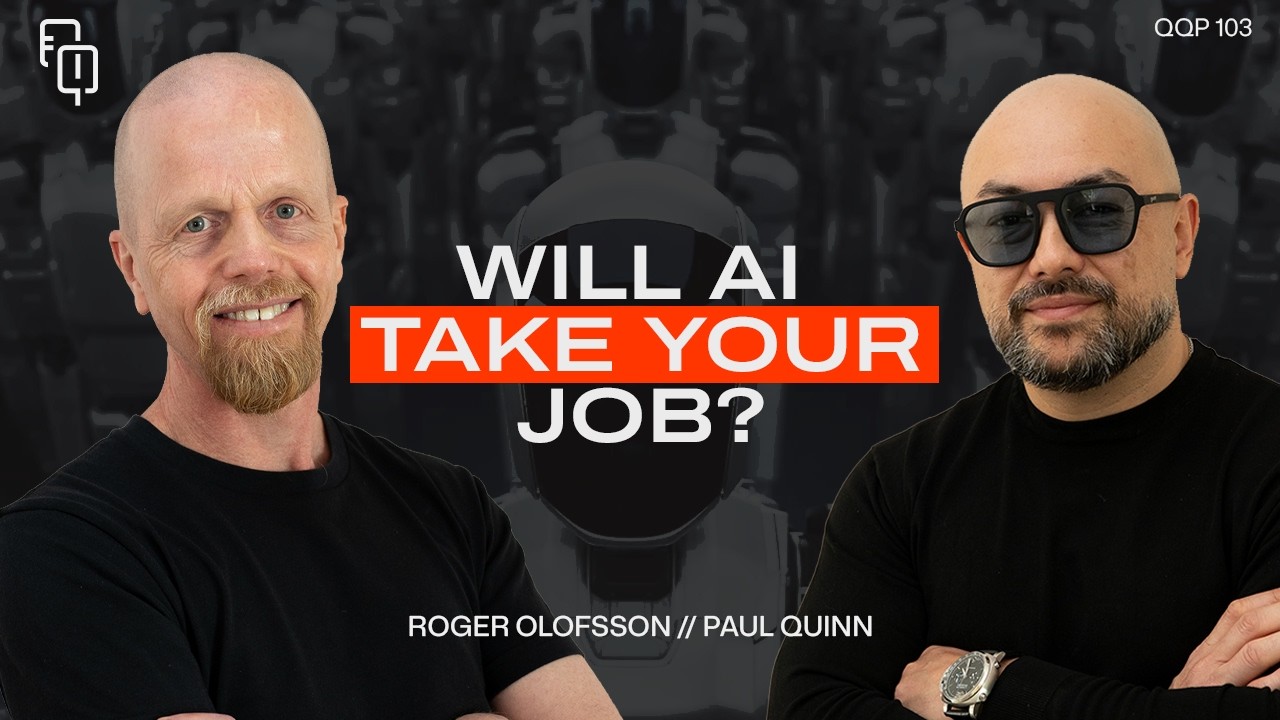
Building an AI Company Inside a Search Firm with Roger Olofsson #103
In this episode of The Quinntessential Questions Podcast, Paul Quinn sits down with Roger Olofsson, CEO and co-founder of Olofsson & Company, the executive search firm hiring for startups, AI, tech and fast-growth companies. From a childhood in Luleå, near the Arctic Circle, to landing in Singapore in 1996 as an exchange student with a backpack and a suitcase, Roger shares his transformation journey through almost three decades of recruitment in Asia, and the moment he finally backed himself to build his own firm.
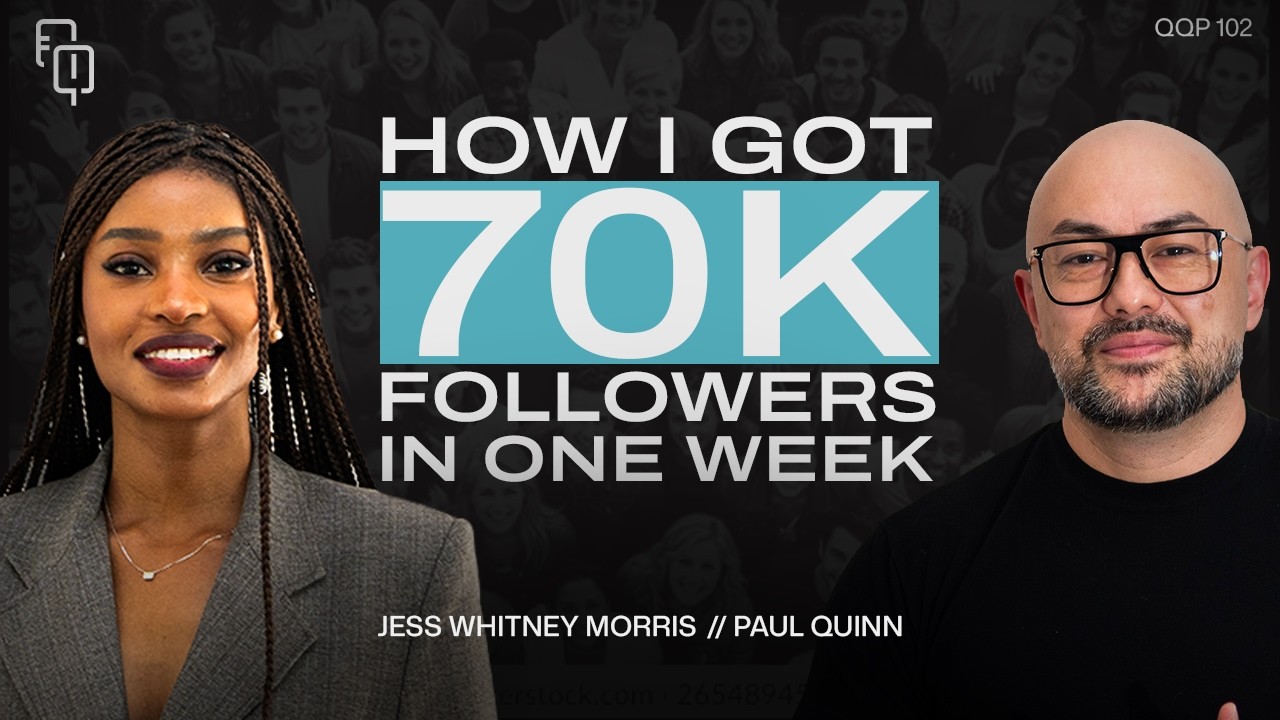
One Video, 70K Followers: Jess Whitney Morris's Breakthrough | #102
In this episode of The Quinntessential Questions Podcast, Paul Quinn sits down with Jess Whitney Morris, model, social media management company founder, and media presenter. From growing up in poverty in Uganda and working-class England to working her way through Abercrombie, Hollister, and a self-funded university degree, Jess shares her transformation journey and the moment her father tore up her first modelling contract in half.
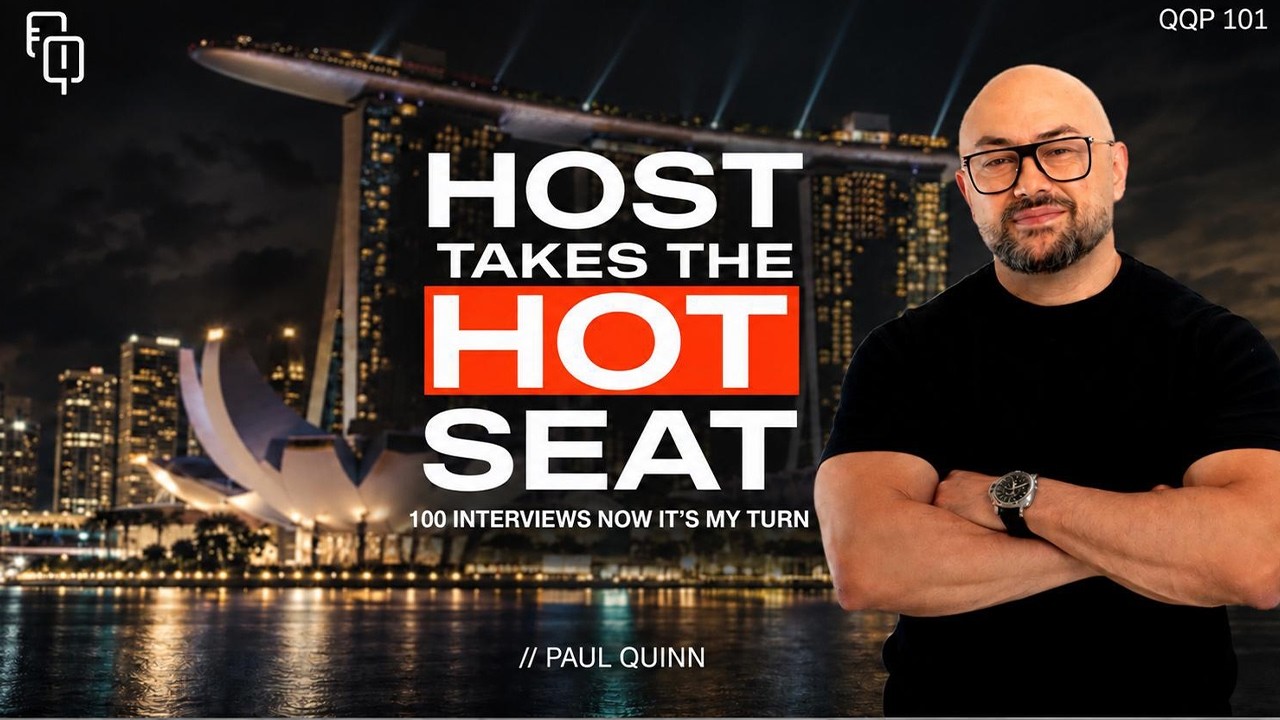
I Interviewed 100 Extraordinary People. Here’s What I Learned | Paul Quinn
In this episode of The Quinntessential Questions Podcast, the host takes the hot seat. After 100 episodes in the interviewer's chair, Paul Quinn, who runs Westport Executive Search and founded Quinntessential Coaching, answers questions sent in by guests, friends, family and listeners. From hitting a career plateau to building a podcast that now welcomes Olympians, world champions and global CEOs, Paul shares his transformation journey and the moment he decided to put a spotlight on helping people.