
#39 with Amita Berthier:2X Olympic Fencer On Pressure, Purpose & Precision

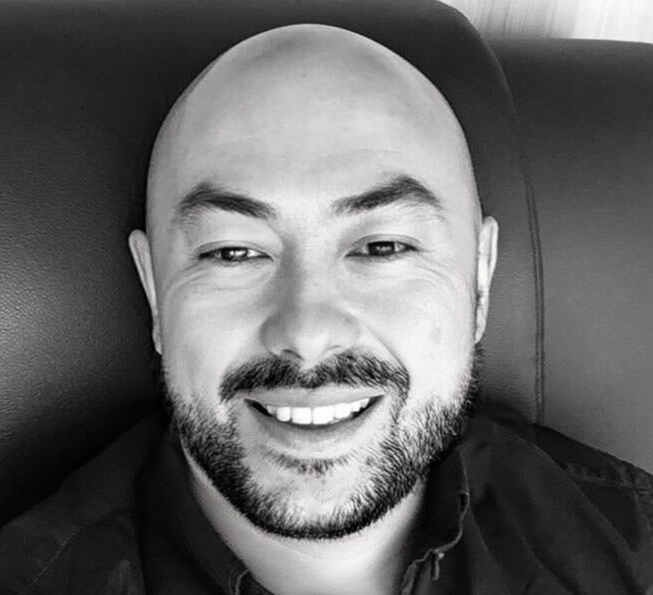
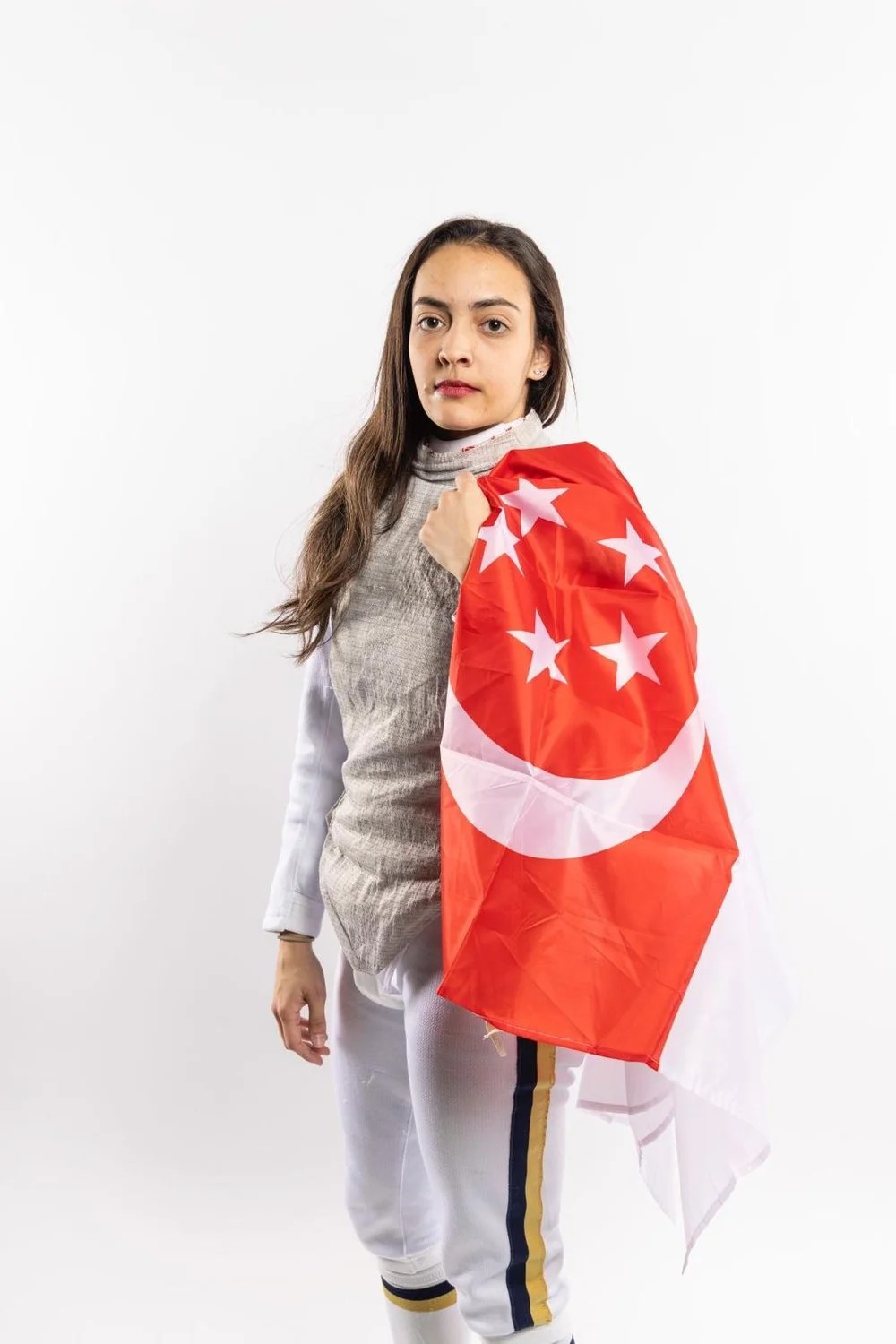
In this inspiring episode of The Quinntessential Questions Podcast, Paul Quinn interviews Amita Berthier, Olympic fencer and Singapore’s national flagbearer. Amita shares her fencing journey — from her early days competing internationally, moving to the USA to train, and overcoming the challenges of living and studying abroad. She reflects on winning her first gold medal, competing against her role model, and the intense preparation leading up to the Tokyo 2020 Olympics.
Amita opens up about balancing elite fencing with university life, dealing with injuries, developing strong mental strategies, and competing as a left-handed fencer. She also talks about her proud moment carrying Singapore’s flag, securing sponsorships, and her goals for future competitions.
If you're passionate about Olympic sports, athlete mental health, fencing techniques, or inspiring stories of perseverance, this episode is a must-watch.
TIMESTAMPS
(01:20) Amita’s Journey Into Fencing
(02:59) First International Competition
(03:55) Moving to the USA
(06:50) Challenges of Living Overseas
(08:30) Competing Against her Role Model
(09:39) First Gold Medal
(10:45) Olympic Journey
(15:15) Balancing Fencing & University
(18:10) 2020 Tokyo Olympics
(20:35) Thinking About the Next Steps
(23:05) Internal Dialogues & Self-Talk
(24:35) Family Support
(25:25) Technique, Studying & Mental Warfare
(30:45) Injuries & Being Left Handed
(34:45) A Full Circle Moment Competing in France
(38:40) Upcoming Competitions
(40:35) Being a Flagbearer for Singapore
(41:03) Seeking Advice from Other Sportspersons
(43:25) Securing Sponsorships
(45:08) Rapid Fire Questions
Bio
Amita Berthier is a Singaporean Olympic fencer and national flagbearer who has made her mark on the international stage with her skill, resilience, and passion for the sport. Beginning her fencing journey at a young age, Amita quickly rose through the ranks, competing in her first international tournament as a teenager. Her pursuit of excellence led her to move to the United States, where she trained and studied while navigating the challenges of life overseas.
A left-handed fencer known for her sharp technique and mental toughness, Amita represented Singapore at the Tokyo 2020 Olympics, a career milestone that showcased her commitment to both sport and country. Alongside her athletic career, she has successfully balanced her university education, earning respect not just for her achievements on the piste but also for her academic discipline and leadership. As a role model for young athletes, Amita continues to compete at the highest levels while inspiring the next generation with her story of perseverance, adaptability, and national pride.
Transcript
Hey guys, today I had the absolute pleasure and privilege to sit down with Amita Bertier. She is a two-time Singapore Olympic competitor in fencing. Amazingly, she went to both Tokyo and Paris in the Olympics and she is a three times Southeast Asian gold medalist. We unpack her journey growing up in Singapore to moving to the US where she studied at Notradam and we talk about her journey towards the Olympics in LA. We hope she makes it. I hope you guys enjoyed the chat as much as I did. It was a real pleasure. I watched her in Paris amazed at what she was doing and I think you will find her journey inspiring. Cheers. >> Amita, how are you? >> I'm very good. Thank you for having me. >> Thank you for joining us this morning. Now, for the few people that don't know you, and there aren't going to be many, but just in case there are, can you just introduce yourself and give a quick overview of your your backstory? >> Sure, no problem. Uh, my name is Amitita Betier. I'm 24 years old. I'm a Singaporean national fencer. I've been to the Olympics twice and yeah, that's much about me. >> What What a story. So, when when did fencing find you? How old were you? I was 7 years old. Um I found it by chance. So I actually was playing football for GSSL Arsenal when I was I starting I started when I was five with my sister and then we were in um United Square um going to tan called the learning lab. It just happened that the floor below was this club called C Fencing. >> I remember I remember where that is actually. >> You do? >> Yeah, I do. >> Um the club was made of glass fully glass so we could see what was happening from the outside and my sister and I was like this is so cool. you know, people hitting each other with swats. We want to do this. Uh, and my parents signed my sister and I up for class during school holidays and ever since then, we never stopped. >> That was it. Is she still fencing? >> No, she stopped uh a couple years ago. Yeah. Just to pursue her career in law. >> How old were you when you knew you were better than her >> since the beginning? No. Um, honestly it was really tricky cuz I think my sister was my biggest competitor in in Singapore and you know fencing a or competing against a sibling is never easy. There's obviously rivalry there but also love at the same time. So when one wins the other, we're never like you know elated. But >> um I think when I was about 17 I realized that you know I was pretty good at this and she was really good too. I just had maybe more of like um passion for the sport than she did. >> But so you only thought it at 17 which is quite late really. >> Yeah. Well, I knew that I was I had some kind of potential when I went for my first international competition in Scotland and I won it in my category. My sister won in her category. Wow. >> And that was our first ever time like traveling internationally for competition. >> How old were you at the time? >> I was 10. >> Yeah. >> Oh wow. So that's >> that's when we were like okay we're kind of like decent at this. Let's try to see if we you know it was just like a one time fluke or like well okay and then yeah >> yeah that's that's amazing. I don't know if you know this Bruce Lee created his own martial art you can do and a foundation of it was fencing. >> Oh I did not know that. >> Yeah. So he would go so like in in karate there's something called point karate where you get in and you get out >> right because in theory fencing if it's a real sword it's you got to get out there you know what I mean? It's it's it's over. Um so when when you went through when you started at school you're 17 when did you realize look this is going to potentially take me abroad? >> Yeah. Um so I moved to the US when I was 16. Um because you know US is obviously really really strong in sports in general but in fencing they are one of the strongest competitors on the world stage. And then I was like if I want to really get to that next level I have to move abroad. And so I did. >> Let's unpack that. I'm just really curious. So, when did you first have that conversation with with mom and dad and your coaches? >> Uh, so I I had that conversation with my mom and dad probably in 2016. >> January. I was 15. >> Okay. >> Um, and then a couple months later, my dad passed. So, I think that was also a motivation for me cuz it was one of his dreams for me to study abroad and also just um broaden, you know, and my kind of like expertise and get to a different level in fencing. >> Yeah. So that really pushed me to wanting to go overseas. Um >> at 16 though it's not university, right? >> No. So I did my last year of secondary school kind of online. Okay. >> I found this online uh school course um in the US that was recommended to me by another friend of mine who was American. Okay. >> Um she was on the national team. So she was homeschooled her whole life. So she recommended that to me. >> What's that called? >> Uh I think I have to get back to you on the name but I'm not so sure. It was many years ago. >> That that's just a change you know like it's >> Yeah, it was a change. I was in Singapore Sports School in like Okay. So, >> were you were you boarding with them? >> Yes, I was boarding with them. >> I've heard it's but it's actually meant to be quite fun, right? >> Yeah. Yeah. I mean, it was fun. You know, you're surrounded by people that also have same drive as you. All of them are athletes. So, it's very important. >> One of one of my son's friends from um I think it's from primary school, middle school, he's there now doing fencing. >> Oh, really? What's What's his name? >> I think it's I think if I get this wrong, I apologize. I think it's a AF Aar. I know as for >> lovely young man, right? >> Yeah. Yeah. Very hard worker. Good. Very uh good potential. >> Yeah. >> So that I found that fascinating. So So then, so you're looking at it. So when you moved to the US, was it high school? >> Yeah. Yeah. So it was like technically like last year in high school. >> Uh and it was for me to be able to focus 100% on sport also at the same time. >> So how do you choose where to go? >> Uh so my coach that was had been coaching me since I was about eight. His name is Ralph Bistoff. his uh Olympic silver medalist, several time world champion. He had moved, he had married a Singaporean and then had got a job opportunity in Boston. And when he learned that my dad had passed, he invited me to like go over um to train with him there. >> It's really good environment, nice people, good club. So he suggested, hey, why don't you come over here, you know, you compete in the US tournaments, kind of get um you know, the coach's eyes of the, you know, the university coaches because they do a lot of scouting there. Yeah. >> And so that's exactly what I did. I listened to his advice and I also really wanted to go to the US anyway. So it was nice being with that, you know, comfort cuz I've known him for a long time. >> And yeah, it just, you know, carried on from there. >> But that it was scary, right, at that age going away. Your dad's just died. It must have been but exciting. >> Yeah, I it was definitely nerve-wracking. Um, culturally also Singaporean culture and American culture is very different. Um, I was very insecure about my accent. you know, a lot of different things. Yeah. Cuz they a lot of them had never met a Singaporean in their life. They they thought I was like from China. Like they had where in China Singapore. >> Exactly. They have gotten that question several times. But um I think I would call myself like a pretty like daring person. And without going to the US, I don't think I would have grown up as quickly as I did. So I was kind of forced to like grow up faster than most people my age. um was thrown into like you know totally new environment and my idea of what America was was solely through like what watching TV >> of course >> so it was it was challenging it was scary but I'm grateful for that >> and which universities were initially on your radar a few good ones >> the University of Notre Dame and I had Colombia and Harvard on my mind too um but I only visited one campus and it was University of Notre Dame and I fell in love with it there immediately Why? Why? I'm just curious. >> I think first of all cuz it's just a university in that area. So there weren't any distractions around and also secondly like the head coach there Gia the first time I met him I really felt a connection with him and he emphasized the idea of family uh as a team. So our team was huge. We had 65 people on the team. >> That's difficult for people to comprehend >> for sure. But I also like didn't have that team like spirit environment growing up. So for me it was like wow this is really nice cuz fencing is mainly an individual sport. It's also team event but like most people consider it as individual sport. So for me it was like being in that team environment where there was so many good people and my role model went to that university. So it >> was your role model? >> Leifer. >> Okay. >> Yeah. She's Olympic two time Olympic gold medalist. Well now three. >> And you competed against >> I competed against her in Tokyo. >> Was that weird? It was weird cuz she was also my teammate like for my my club in the US >> and we trained the entire summer before the Olympics together and then >> two weeks before we find out we are fencing each other so we were like made the best man win and she won cuz she kicked my butt so you know kudos to her. >> What did what did you study at uni? >> Sociology. >> Okay. >> Yeah. >> Yeah. I think one of the things that people don't realize, I think when you study abroad, especially in the US, everything changes because the people there are so much more engaging. Everyone talks at 120 dibels, you know, it's very different. >> Um, when did your Olympic journey begin? >> So, my Olympic journey began in 2021. So it was kind of during co well my Olympic journey has been my dream since I was young but it really really began when I qualified for the Olympics for the first time and that was in 2021 during co um >> you were already a gold medalist in the Southeast Asian Games then right? >> Yeah I won my first gold medal in 2017. >> Talk about that cuz that that's huge. You can't be that can't be overlooked. >> No no definitely not. Um so it's actually interesting cuz there was a C games in 2015 in Singapore >> and I was a volunteer like rolling out the bags really yeah in C games here. I was like looking at all these, you know, my teammates at that time, well, my seniors and I was like, "Wow, this is so cool." Like, I really want to compete for C games and then I qualified for the the one in 2017 if in Malaysia if I'm not wrong and I won the gold medal there and I was like, "Wo, that's kind of cool." You know, like my first games, winning a gold medal. >> Did you were you favored to win or were you an underdog? >> I think I was one of the favorites for sure. >> Did you think you were like what was your mentality going in? Do you think look this is mine to lose or? >> No, this is mine to win. >> Yeah, >> for sure. I didn't I never go in with the mindset that I'm going to lose. So for me I was like it's my first time but I you know I have nothing to lose and I want I want to come back with a gold medal and I did. It was it was >> I love it. I love it. Was it quite must have been surreal though >> first looking at that medal? >> It was it was nice cuz my sister, my mom and my really good close family friend flew down. Okay. >> So it was nice um to share that victory with them >> for sure. So after that, so then talk to talk to us about Tokyo. >> Yeah. So then, well after that was the 2019 C games and then leading up to that it was uh qualifying for Tokyo. So there are various ways of qualifying for Olympics. I won't go too deep into that, but basically long story short is that you can qualify directly by world ranking or like there's this thing called like the continental um qualification. So, Asia, Europe, Africa and you know the other uh continents and only the person that wins that competition can qualify for Olympics. >> Wow. >> So, even if you come in second, which is still really good, doesn't matter. You won't qualify. So, it's really the last chance to qualify for the Olympic Games. And >> each country from that continent will send one representative uh to represent the country. So for Singapore it was me and I was competing against like Usbakistan, Malaysia, Philippines, all these other countries. >> A murderous row of fences basically. >> Yeah, for sure. And I only bought one by one touch to qualify for Olympics. >> Wow. >> So for me that was extremely nerve-wracking. Um but >> I'm I'm just curious cuz you know most people won't be able to relate to this. So I'll use an analogy. So say you're playing table tennis. Everyone's probably played table tennis. You know, there's you either sometimes people play not to lose, very tentative, or play to win. When you've got that one point on the line, >> is is your mentality, >> I'm all in. I'm just I'm going straight after this, or what are you thinking? >> I mean, to be very honest, I think I kind of blacked out. >> It happened so quickly, right? >> It happened so quickly. I It was funny cuz I turned to my coach. It was 144 and I said, "Coach, what do I do?" And all he did was That's exactly what he did. It was like, you know, he didn't tell me advice from the moment I was like, are you serious? Cuz if I lost, I would have wanted to put the blame on him. Like, you know, me being like a 20-year-old, but um I really just trusted myself and I went with my gut. And >> even though in the moment I kind of wasn't sure what I wanted to do, I just trusted my instinct and it worked. And >> you must mean just elated, right? >> It was. I was elated like I fell to the floor. I couldn't control my emotions anymore. Yeah. >> I mean, usually I'm pretty expressive when I fence, but I rarely like fall to my knees. So, when I did, I knew that I just like it was just such a relief. Yeah. >> My my favorite picture of you is you like doing this. >> Yeah. >> After after winning. >> I I tried to keep my mask on so you can't see my face. But yeah. Yeah. >> So then So then unpack because Tokyo has got to be the most unusual Olympics ever. >> Yeah. Uh so it's like qualifying for the Olympics for the first time but also doing it during co that was definitely interesting cuz like even sitting in front of my teammate like to have a meal we had like a kind of like a partition in front of us. So it was a bit weird, but honestly like I must say that Japan did a great job at hosting the Olympics during co as much as it felt like it was we didn't really feel like it was like not an Olympics you know with the the chemistry was still there like the atmosphere was still them like you know making sure that we were part of Olympic games for example if we were in the bus on the way to venue you know there'll be like passerby just like standing there with flags so it was nice like the environment was still really really nice the food was great so >> what did that You know, because I've I've uh heard Usain Bolt say that he always eats chicken McNuggets when he's at the Olympics cuz he knows that he won't get any stomach bugs from it or whatever. What What were they serving in Tokyo? >> They served a lot of sushi actually. >> Yeah. And the sushi was probably one of the best foods that they had there. But honestly, I have no um >> No problem. >> No problems with the food there. >> No problems. What about So when when you're there, is it a time war? because the branding was actually for the original year the Olympics was meant to be. So it's like it's time war everything is a bit unusual. >> So it was interesting cuz I took the year off to qualify for Olympics from school the year that it was supposed to happen. Okay. >> And then COVID came about and then they postponed the Olympics. So for me it was like I actually qualified while I was in school again cuz I wasn't going to take two years off. Um it definitely kind of um had a little it kind of hit my progress a little bit. I mean, not progress, but like cuz I was, you know, you plan for how the Olympic Games is going to happen. You plan on how your qualification is going to work and then something comes about and it's not just like, oh, it's postponed by one month. It's postponed by a whole year. >> So, I had to kind of sit down with my coaches and be like, okay, let's see how I'm going to plan this properly while trying to maintain like my, you know, university education. So, it was a little bit challenging, but we made it work. And >> well that but the other thing I really want to just congratulate you on it's you're not you're not just navigating you know your your profession of becoming you know an Olympian you're navigating university. So if you don't mind just some questions. Did you have to the family have to fund your trip to your time in the US? >> Um or did you have some sponsorship? >> I was fortunate to get a scholarship in my university but it wasn't a full scholarship. So yeah my family had to fund quite a hefty amount. And then and then what's that process like? Did you did you did you apply? Did you know that there was a possibility or they came to you? >> Yeah. So I got scouted by the the head coach of University Notre Dame. We actually were in contact since I was like 15. >> Okay. >> Um but then he followed my progress and then he reached I reached out to him obviously and then he reciprocated and and then after that we just kept in touch and when it was time for me to apply for university he immediately accepted my offer. The reason why I ask is because a lot of a lot of parents and young athletes, they won't know about this side of things. So like my wife, she she got a fullbr scholarship and I think they pay for about 30%. >> Right? And then through her her PhD was fully sponsored by N US, but she's bonded for 5 years. Yes. And I think a lot of people, you know, they always think of >> sponsorship um maybe as a financial hardship. It might not be. It is often based on merit. >> All right? And I and I think if you get that it says a lot about what you are able to do. >> Yeah. I mean I was very fortunate because the like I mentioned there was like 65 people on our team and only less than 10 receive scholarships every year. >> Tell us about the NCAA's and how competitive cuz that in itself is like a mini Olympics right? >> Yes. NCAA's is it's fierce. It's a very fierce competition. So there are about um 21 22 people in each category each gender and you have to fence all of them. five points and only the final four qualify for the >> only five points. >> Yeah. So for the so for the first 21 bouts or so it's only five points and then the next for the last four that qualify you fence each other's 15 to decide who the national champion is. >> So so the margin of error in those those five points >> is is very limited but also at the same time like you could be losing 4-1 come back 4-4 and then win 5-4. But don't you find typically though in a match it's there are es and flows in in a 15point game but you know but in a fivepoint match >> it could be over quite quickly if you're not on the right trajectory. >> Yeah. So you have to master the art of you know really being precise in that fivepoint bout because anybody can beat anybody. Yeah. There's no room for error like you said. >> So going back to Tokyo, walk us through what that experience was like when you were walking out for the first time to compete. >> Yeah. Honestly it was surreal. even though um spectators were not allowed, you know, it was still the Olympics, I knew that people were watching me. Uh I really wanted to do my country proud and you know, no better person to kind of like do my first Tokyo experience other than Lee. Uh she was my teammate. >> Um and even though I didn't win, I still was really proud of myself for how hard I fought, how hard I trained prior to the Olympics. I think people need to remember it's not just that, you know, one moment. Uh in fencing in the Olympics, we don't get second chances. Lucia first met you out. So there's no group stage is very cutthroat. Um but I knew that that was what I was getting into and you know I was just proud of myself for the work that I put in. The effort that you know I put in every day. >> It's huge. >> It's huge. And I think people tend to forget that sometimes but I reminded myself of that my family my support system was really strong. So yeah >> I do find that the general public you know they they overlook how what a challenge. Think about this. If you if you take yourself back to sports day, right, and and there's a sprint. Yeah. Okay. So, everyone that can that can walk can run. >> Okay. So, how many people won that? One person. Now, now you get to the next level, the next level, the next level. And to become an Olympian, you're you're amongst the best of the best. >> Yeah. >> So, that's so tough. >> It is tough. It's not it's not easy. And I think people need to give more credit to those that qualify. Um >> 100%. >> It's a it's a long journey. It's a lot of years of sacrifice. And I mean for the most part I feel like a huge support from you know Singaporeans uh in general. So truly grateful for that. >> So so after Tokyo did you then think okay I need to sit back recalibrate or did you know okay now the next four years or 3 years begins? >> No I definitely needed to calibrate. So uh it was during co again post Olympics I came back home. So I was confined to a hotel room for 2 weeks alone. It was really difficult on me me me me me me me me me me me me me me me me me me me me me me me me me me me me me me me me me me me me me me me me mentally cuz when you hit an all-time high after that it just kind of like hit rock bottom. >> So for me being locked in a room, not being able to go out, get fresh air was was was tricky. It was another test of my mental strength to say the least. But um I think it also gave me time to sit down and think if I really wanted to continue and shoot for another four years. >> Um >> actually it was three years. It wasn't four years because it was 2021, you know. >> Correct. Um but yeah, it was it was not easy at all, but I managed to get myself together. Um you know, be vulnerable with my support system, my family, and see if I wanted to do this. And I knew that I had their support regardless if I was going to continue or not. So that helped. >> What is that introspective thought process look like? Like for example, do you sit down and say, "Okay, if I do this, this is what it looks like." You know, do do you write the pros and cons down or you just, you know, you sleep on it? And >> no, writing things down definitely helped. So like you know creating kind of like a mind map of like okay if I continue what do I have to do if I don't continue what am I going to pursue? Um having the guidance of like mentors and coaches are very crucial and I've been blessed to have like several mentors in my life or people that have been on similar journey that can advise me what to do. So that helped me in making my decision. I'm curious uh you know because you know I've got three kids and what I find is that um one's confidence when when competing in sport goes up and down and up and down and I think that the role of coaches is so important but I I've got to be candid. I find that there are very few people that care >> because this is my take. So say there are there are 20 young athletes >> one or two might get to that next level. >> Yes. But I think coaches have a responsibility for all of those students to help them win, lose a draw, to encourage because you're trying to develop young human beings. Yeah. You know what I mean? And I find that, you know, sport is brutal. >> So for example, when my son was boxing, >> whether his friends would win, lose, or draw the same with him, I would always say, "Congratulations." Yeah. You know, keep your chin up and send them a note. And I feel that that's often missing. >> Yes, I agree. I think it can be really cutthroat sometimes. I think well I I know this for myself. I mean fortunately I've had coaches that aren't like that. >> Yeah. >> Um but you know there's a there's a certain line. I think being tough on your student it is important sometimes because they need somebody to push them but also understanding that they are human beings like you mentioned and that's they have life outside of sport. Yeah. >> So you want to instill um good characteristics and traits in them >> so that when they pass on and when they become a coach themselves, you know, they're teaching their students the right things, >> the right way. >> Um so being a good influence in your in your students life is it's never it's never an easy task because you know coaches want to win as much as you do. But also understanding like hey you know life is not just about sport life beyond sport and you're human first. So what values you hold as a person are actually more important than being like an Olympic gold medalist with the worst character out there. >> I love that. So well said. Talk about that that whole internal dialect you're having with yourself like are you saying to yourself come on you can do it or you know are you rallying yourself you know what what's your approach to everything? >> I like to like hype myself up. So like more like positive words of affirmation. Um, sometimes I'm also pretty hard on myself, but I think it's for just a like you some momentary like >> heart um thing. Some my coach, he's Ukrainian and singing English is not like the best. So sometimes he like you are a messist and I'm like coach um he's like you know like stop like killing yourself on the strip like stop being so harsh on yourself you know like >> if you score a touch and you don't really like how that touch looks it's okay you still got the point you know try to work from it from there. So >> I think being help being nice to myself has helped me quite a fair bit and also understanding that it's just a journey and this is not my whole life and my results don't define me is what you know helped me a lot. >> Yeah because that pressure you know >> I can't imagine it's just it's such a fine line right? >> Yeah. Um, one of the other things is like my my my 16-year-old daughter, she's a great athlete and in many ways she's a hero of mine because I I see what she's battling and I've said to her, look, sometimes there's a lot to learn from being, you know, the best player on the worst team or the worst player on the best team, right? Um, >> when you're going through when you were going through this journey, >> did you like did your mom and your dad did they believe more in you than you did in yourself or or were you always leading the charge? I uh definitely my mom and dad for sure. I think without their guidance and also them pushing me and being kind of a little bit like Tiger parents when I was younger helped me get >> Tell me about that cuz I'm cur I'm really curious like how did they drive this? >> Uh so I would have to like journal like after every competition or sit down and discuss with them sometimes you know me being like a little 10 11 year old did not want to talk about how the competition went if I lost. Yeah. >> But in the card they like >> what do you think went wrong? you know, um, having those conversations with my parents helped me grow up as an athlete quick, really quick, because it helps you reflect. You know, reflecting on your competition is super important. >> And honestly, like losing was what helped me grow way more than winning. Cuz when you win, everybody's happy, you know, like let's go get McDonald's like after competition, what not. Not that I didn't after I lost, but it's more of like, okay, well, now I have to sit and talk to my parents about what, you know, went wrong. Um, and yeah, without that and without having these like important conversations, I don't think like I would have grown mentally as an athlete either. So that's what they they would do when I was younger. Yeah. >> Do you do you um cuz one of the things again I talk to my kids about know what I now know um which I didn't at their age is it's an entire process. There's a whole ecosystem goes with from your sleep to your nutrition, you know, your strength and conditioning. But the thing that's often overlooked is I think two things. I think studying what it is that you are doing, watching the best people, maybe filming yourself. So, I want to ask you all these questions. And then the mental warfare that goes with it. >> Yes. >> Talk to me about those two things, the technique and the studying of it and the the mental game. >> Yeah. I think now that I'm also older and I've been in the spot for a long time. Um, we focus a lot on like the little fine-tuning the mistakes that we can, you know, fine-tune. So basically videotaping myself in competitions, seeing if like I'm pulling my arm back too much or like the little tech technical aspects of it because right now at this stage of my career, yes, it's about technique, but it's also about like mental a lot of mental tenacity and strength and >> yeah, >> when you go to the Olympics, everybody is essentially, you know, of a certain caliber. So what removes somebody from the other person is how you cope under pressure, how you deal with certain situations. And that's why I'm working closely with like psychologists now and you know strength and conditioning. It's like okay these little things can come a long way and really help you get that edge over your open burden. >> When did you start working with a psychologist? >> I've been working with psychologist from a long time since I was 15. Uh really young. And >> that's so important for people cuz people don't they overlook this part. that but it's actually really huge and fencing for me I like to tell people it's like physical chess it's very physical sport for sure you have to have a lot of stamina but also at the same time you it's like boxing >> you can train as much as you want you can be the fastest strongest fence out there that doesn't guarantee a win because you can't control how the opponent's going to do I could kick you right now and you're not going to expect that right but like so it's like learning how to adapt in very >> um tight uncomfortable situations is what you know defines like the number one from the number 16. Yeah. And that's what that's what I'm working on right now. Really learning how to fine-tune these things. And it's kind of like a sport where the older you are, the more experienced you get and the better you you get really. There are people that really pick very young, but for the most part, the older you are, the more experience you have and you know how to deal with these situations because you've done it for several years. So, yeah. What you know um for strength and conditioning what I was thinking about in the leadup to today was there's probably a finite balance because if you do too much strength work you probably get too muscular too heavy right if you don't do enough you're not going to be dynamic you might have injuries how do you fine tune that balance >> so it's it's finding that balance like you said um I work closely with my strength coach uh he I just recently changed coach to uh his name is Farzad came from the US works with several NHL teams fencing was the first uh time he's ever I mean fencing is like the new sport for him. >> Okay. >> So what helped him was he actually traveled with us internationally saw how like my competitors you know they were moving how they were warming up and incorporated that into our like warm-up and training in Singapore. M >> so he had a plan for us like prior to seeing all these competitions and then when he went to these competitions came back he fine tuned our program and that's what you know I really like about him because that's how you know that a trainer is good because they know how to adapt. It's not just a strict like >> bench deadlift like all the generic things. So it's like okay let's incorporate like fencing footwork into our warm up today or let's do some like balance let's work on your core. Uh I think that's really important because having a team >> that supports you as much as you support yourself is very crucial. >> Yeah. >> And him having the experience that he has like in the US um was comfortable for me because I worked with a strength and conditioning coach in the US for all my university years. So it was >> you know he he had a plan for me but he was also open to hearing like what I need and what I felt that I needed to be stronger in. >> So important. >> Yeah. It's very important that communication and that teamwork >> because what I find is like if you go to um a regular gym, most of the personal trainers are like ex bodybuilders. Yes. >> But they're not necessarily sports people. So they won't understand cuz you No, you've got you've got to have that dynamic, you know, movement, stamina, and flexibility. So it's different. So what are some of your favorite strength and conditioning drills? >> I love a good bench press. >> Really? On a on a flat bench? >> Yeah. On a flat bench. Really? Yeah. It's very generic, but I like it. you know, when you like can add that additional, even if it's like 0.5 kg on there, you feel like you'll make a difference. But I'm a huge like agility person, so I like doing like agility drills, um, power, speed, explosive um, movements. So like, you know, deadlift, but with like resistant bands, so make it more challenging, you know, stuff like that. >> And you think bands are so underrated? They're becoming more rated now, but in terms of stretching, warming up. >> Yeah, very important. Even like warm-up games, standing in front of a a teammate, you know, trying to maintain balance while trying to push your your teammate, making her off balance, little things like that is what uh yeah, I like. >> Have you had any major injuries over the years? >> I wouldn't call it major. I've sprained a couple ankles. Right now, I'm dealing with a little bit of a wrist injury. It's a little irritating cuz, you know, we have to hold our weapon. >> You're left-handed? >> I'm left-handed. Yeah. And prior to Olympics, I was dealing with a knee injury. So, that was interesting. Have you have you analyzed how being left-handed helps you? >> Um, not not really. People do say that being left-handed has an advantage. I try not to that, but I mean I do agree because we they're very it's very rare to find left-handed fences. So finding one in training like to train with in general is not very common. But um >> you know as much as a disadvantage for right-handers is a disadvantage for left-handers left-hander. Yeah. >> So >> just got to to learn and adapt. Yeah. with it. >> What's interesting, my daughter's left-handed. And and I could try and analyze it cuz I think my dad probably was left-handed, but back in the day, you're forced to be right-handed. >> Yes. Yes. >> But what I found is some of the very best sports people are left-handed. And I'm not I'm not saying just because it's different, but I think the the the way the brain works is different. >> I agree. Totally. >> You know, and and they're almost, you know, cuz you're using one hand, but in a lot of sports, >> you know, ambidextrous. So, do you find like you might be stronger with your right hand or able to kick? My right hand is completely useless. >> Really? >> Yeah. >> I strictly do everything with my left. It's It's actually really bad. I can catch a ball with my right, but that's about it. >> I've got to tell you this one thing and and and uh so the one thing I learned was flat bench press. It's brilliant, but it comes with problems cuz I I was lifting years ago with with my own ego >> in the gym and I was I was bench pressing 140 kg including the in the bar. >> Yeah. And I'd done it before and then my shoulder dislocated. I tore the the pec off my bone >> and all these injuries. And the other thing is in Singapore because it happened here um none of the doctors were familiar with that type of problem. They kept saying it was my shoulder >> and I actually had it operated on about a year and a half, two years ago, >> but 10 years after the incident and it was a real So I had to get the pec reattached, had to have a tendon put in. So the other thing I was going to ask you is because Singapore is still a new country and sports is not in the fabric of society, how difficult was that? Cuz if you if you grow up in the US, >> yeah, >> you know, sport is accepted, it's embraced, it's pushed >> here, not so. >> Yeah, there definitely were my struggles. Um, but like I said, I think I was uh very lucky to have that um aspect of my parents pushing me when I was young. My dad's French. So having a different kind of like mindset like from the European side of things. He himself was like a judo athlete. So was he? Yeah, he was. So he he did all these he did sports himself and so did my mom. My mom ran track in Singapore. >> So they they were aware. You know, when I was a kid, you don't think of these things. You don't think of like the long run. You just think of the moment. Okay, I'm going to training today. I want to have fun. You know, hitting people's swords. >> But they knew that my sister and I had something special. So they didn't want to like kind of put that talent to waste. So they did their own research. They talked to um my coach who like I mentioned was the Olympic silver medalist at that time. >> Yeah. >> Um and having the experience and expertise of people from other countries was what really helped me realize that I need to get out of this environment in order to really get better. Uh at least when I was younger. Right now sports is growing you know really rapidly in Singapore. The environment that we have is almost becoming one where most people are at high level are coming to train here. >> Our resources and facilities are amazing. For fencing, at least for me, I can only speak for myself. It's more of the sparring. So, I need constant sparring with people that are like way better than I am because I can only learn and grow when I'm losing, you know? >> That's going to be hard for you to find that, right? >> Yeah. I mean, in Singapore, it's definitely a bit challenging. Um, but like I said, it's improving. you know, people are getting stronger day by day, but also it's because we've been going outside to to fence more. So, that's helped us. >> Talk about your dad, Eric. >> Yeah. >> Eric's my middle name. That's why I remember his name so well. >> Yeah. >> It must have been a full circle moment where you went to compete in France where he was born. Your grand your grandparents still live there. >> Yeah. Yeah. My grandparents live in Leo. Okay. Uh so, the competition was in Paris, but it definitely was a full circle moment. Um, my aunt who's my dad's only sibling, you know, she had an emotional moment as did all of us. Um, my my mom, my sister, my siblings. Um, I think for me it hit me after the competition rather than before, during focus. >> I was so focused >> and I I was just thinking, okay, how would he have felt if he was in the venue right now? And all I could think about was just him being so proud of me. So, >> he he would have been made me start crying, you know. you know, um, when I watched you, I was I was just in awe of what you were doing and the event. We talked about it off camera. Talk to me a little bit about Paris because it looked amazing. >> Yeah, it was so surreal. Um, our competition venue was in the Grand P, so one of the most beautiful venues in the Paris Olympics and in general. >> Yeah. >> Um, it was surreal because we also could have spectators there. So comparing my experience from Tokyo to Paris was a huge jump. You know, seeing my my family in the stands, I actually looked up at them right before, you know, I started competing and that was really awesome. Uh I don't know, it was just a an a feeling that you can't really explain unless you were there on the fencing piss in the venue yourself. >> I can't even imagine. >> And I'll never forget that feeling, you know, hearing people cheer for me, you know, not even Singaporeans just seeing me. >> It was it was nice. And that's what, you know, I love about sports is that it brings everybody together regardless of which where you come from. >> Yeah. It's amazing. So, were your mom and brother and sister there? >> Yeah. Yeah. My entire family was there. Um, yeah. Even my dad's really close family friend came down from London and just to support me. So, it's nice. >> Now, now in your your match, it was very competitive. Tell me a little bit about that. >> Yeah. So, it was it was really close match for the most part and then I was leading 129. >> Yeah. >> And then I lost 15. So I discussed with my coach like right after you know the first thing he was like why did you release her and obviously it wasn't my intention to release my opponent. Um I think that's really what you know when I mentioned before the edge of like really in tricky situations and uncomfortable situation who gets the upper hand and I have to give it to my opponent. She really caught me in the last couple of points. I didn't change in like fast enough. Um, and yeah, I still have a little bit of regret on what I could have done, but >> you know, you you can only go back on how you fence in the moment, and I'm proud of myself for giving it my best. >> Uh, >> and and look, let's be real, she's a very dynamic athlete. >> Oh, yeah, she is. She is for sure. She physically she definitely was more explosive. I think strategically maybe I had the upper hand for most of the goal going in because she's one of the fittest on the circuit. Yeah, >> she went on and won the silver medal that day. So, it's not too shabby for my second, you know, Olympic experience. >> That's got to be at the back of your mind. You can't think about it too much, but you know, because I remember watching her and I thought, "Wow, you you're about and she was heavily favored, you know, to to do really well." >> For sure. Yeah. Yeah. Her ranking was higher than me going in, but like I said, like that didn't matter to me >> cuz on that day, I really wanted to perform my best and show like this is what I've got. This is all I've got. Going to give 100%. Yeah. >> And even though I was disappointed in like not being able to win, I fenced beautifully in my opinion. And >> yes, >> and it was and the interesting thing about that was you got to see what two dynamic women are like in terms of aggressive competitive. >> I mean it was it was I could feel the tension more than that. >> It was fierce, right? >> It was fierce for sure. Yeah. But we we are friends off of off the piss. Um >> but yeah, we did not hold back in that moment. Yeah. >> So So talk to me about you know what's what's next now? What are you going to be doing now? >> Yeah, so shortterm I'm flying to Vancouver this Saturday for a competition. I'm kind of mid-season right now. My season ends in July after the World Championships. Um, yeah, I'm planning, you know, to train for Asian championships, World Championships, and then we have C games at the end of the year this year. >> It's a big year. >> Big year. And next year it will be Asian Games. So, it's kind of backto-back competitions. So, I'm I'm looking forward to that. Yeah. Seeing how things go. >> As you've mapped this out, like what what do you think? How long are you going to continue to to compete? I'm so my my goal is to compete and qualify in the LA 2028 games. I love it. Yeah. So I have decided to continue um pursue one more Olympic cycle. Hopefully that'll be my third and hopefully you know I can get on the podium. That's that's the goal. >> Amazing. >> So yeah. >> When when you are considering this because obviously you are giving up the prime years of your life, right? And you you know you you you're from a a very studious family, right? You could go on to do many different things. iblings are doing really well. Is that a consideration or you just you in your mind? No. I'm I'm so focused on this. I haven't even thought about those options. >> I've definitely considered what I want to do post, you know, retirement. Uh but it's also always going to be in the sport scene. >> I love it. You know, >> it's in your blood, right? >> Yeah, it's in my blood and I feel responsible, you know, kind of responsibility to give back to the sporting community in Singapore. it being so small and me also having the experience that I have. Um it would almost feel like an injustice if I didn't give back. Um but right now I'm not thinking about that. Um >> you've got to stay focused. >> Got to stay focused. Um I'm I'm trying to give back here and there when I can give advice, a little mentoring. Uh that's you know that's simple. That's easy. Um but yeah, working corporately right now is not on my mind. >> Good for you. >> When when you were asked to be a flag bearer for Singapore, how did that feel? It was surreal, you know. It kind of just felt like all my years of hard work finally came to fruition. Yeah. >> Um it was nice that they chose me. I mean took the offer and being there seeing myself on the screen obviously my family recording. >> Is it is it heavy to flag? Do you have to kind of balance it out? >> Thankfully I was with a a guy that was rather strong so I just kind of really didn't hold much of it but yeah it was yeah nice. when you uh trying to get advice now, do you speak to people that are not from your sport like Joseph schooling? You know, I know you're friends with him. Do do you how do you seek counsel from other people that have been there, done that? >> Yeah. Um that's a that's a really good question cuz I have like I mentioned, you know, Lee is a huge role model of my in my sport, but I do chat with, for example, Joseph or this MMA fighter. I don't know if you know him, Superborn. Yeah. >> He's really >> How do you know him? Uh we just kind of met through a friend on Instagram really and then I met up with him in person in New York because he was there for a camp. >> He's he's an amazing fighter. >> He's an amazing fighter. I met him actually when I was in New York right after he got a black eye and he's not one that loses very much. So meeting him right after a loss and learning my first question to him was like how do you cope you know with a loss and knowing that you know so many people are criticizing you right now and his mentality is just amazing and being able to have that one-on-one conversation with people like him Joseph or other others out there um really pushes me to become a better athlete and human in general cuz you see these people as like amazing you know athletes with such huge accomplishments but then you realize that they're also just humans. That's that's the thing. >> It's a good reality check cuz I'm like I put so much pressure on myself. Sometimes I feel pressure from others. Um and you just realize that you know life like I mentioned is there's so much more life beyond sport. And chatting with >> athletes that go through the same things as you or you know even higher level athletes is helps me bring myself back to like hey okay you know I'm stressing about things I shouldn't stress about and how do I move on from this? You know, it's interesting because I just did a uh podcast, I haven't released it, with John Wayne Parr, who's 10 time multi-world champion, and you know, boxing nowadays, you know, like Floyd Mayweather, he's never lost a fight, but he's handpicked a lot of fights and he's been very selective. >> But in certain sports, losing is just like if you played football, you know, you lose games, >> you know. I think like Roger Fedra, I think he only won like 52% of the points that he ever played. Yeah. >> Um, you know, and he he's one of the alltime tennis greats. And what I think is overlooked is is um it's almost inevitable in sport. And the truth is if you're winning all the time, you're probably competing against the wrong people. And but in your your level of competition, there's nowhere to hide. >> Yeah. >> What about um I'm curious about you financially getting through all of this? You know, you have sponsorships, but how do Cuz that's not easy to navigate, right? >> Definitely not. I mean, so I'm fortunately um sponsored by the Singapore Sports Institute. Well, not like I'm on a scholarship basis with them. Um, without their support, it'll be really challenging cuz fencing is also a very expensive sport. Like one blade cost about $200. >> Really? >> Yeah. So, >> really? And how many blades will you go through >> a year? Like maybe 20 over 20. >> Wow. >> Yeah. So, it is quite And it's not just the blades. We have, you know, the whole suit and everything. Yeah. >> So, having their support like has helped me tremendously. >> How much does the suit cost? >> Uh, like one jacket could cost about like 200. Just the top and then the bottom are around like 150 same price. >> Are you for for the Olympics for example, are you given a standard one or or the Olympic committee says okay each country has their own but >> they'll vet it. >> Um well it depends on the brand that you choose. So within the fencing community itself they have different bands. So Allst Starman I'm sponsored by Allstar. >> Okay. >> Um but actually because when you compete on the Olympic stage you're not supposed to show sponsors. Yeah. So they just kind of tape it up when they do like when they check our equipment, but they don't we're not given like equipment by them. >> You you're probably too young to remember this, but when I was growing up, what my favorite cartoon was Dog Tannon and the Three Musketeers, which is all in based in France and you know it's Have you ever seen it? >> No, I've seen The Three Musketeers, but not >> that that's classic. So okay, let's fast forward. When you get past and you get on the podium, do you think you'll end up in coaching or >> for sure 100%. uh coaching, mentoring, giving back to the community, youth de development in sports in general is what I the direction that I'm leading into. >> I love that. I love that. I've got some rapid fire questions for you. Are you ready to rock and roll? >> Yes. >> So, >> what are the three words that best describe you as a competitor? >> Resilience, um compassion, and um drive. >> Drive. >> That's got to be there, right? >> Yeah. Do you on that note, do you think discipline or drive is more important? >> Oh, that's a good question. Discipline. >> Yeah. >> People People overlook that. I I always say discipline equals freedom. >> Yeah. >> Because to be to be disciplined means you do things when you don't want to do it. >> Yeah. >> Right. >> Yeah. >> Who's the hardest opponent you've ever faced? >> Leifa. >> I knew you could say that. >> Hands down. Hands down. Not just cuz she's my role model. She's really difficult to fence, but Yeah. I was going to ask you, so like in boxing they always say styles make fights. >> So in in fencing, let's just say you can beat me, but I can beat Lee. Lee can beat Does that happen? >> Very often. Very often. Yeah. >> So it's it's like you said like it it's a sport where you know anybody can beat anybody. And that's just because somebody beats Lee doesn't mean that I can beat her. If I beat Lee, somebody else can't beat her. This not how it works. >> Do you have any smat talk away from you know like secretly? Do you like say I'm I'm going to whoop you or there's none of that? >> Well, not to Lee cuz I have a huge respect for her. But yeah, to my friends I definitely do. >> Do you? >> Lee's my friend too, but you know that's respect and she's older than me. You know, Asian culture, you know, kind of >> Absolutely. I love it. Favorite fencing competition city? >> Paris. >> Yeah. Yeah. >> I think after the Grand Pic you you'd have to be, you know, up in space on a platform or something. >> Um, >> go to pre-match rituals. Do you have any? >> Yeah. Visualization, uh, meditation, listening to my music, you know, getting myself to finding that balance between being hyped and also staying calm. >> Do you have like a a workout song in your mind that you're going out to playing in there? >> Yeah, I listen to this song called Money Longer by a little Uzi bird. So, it's kind of Gen Z song. >> Okay. So, that's what that's what floats your boat, right? >> Um, favorite fencing move or technique if you're called six flick. or like my opponent lunch at me and I'll take the blade and kind of like whack her on the shoulder right here. It's my favorite. Yeah. >> Yeah. >> So, you're not just a massochist, you're a sadist. >> I am a sadist. >> I love it. Most unforgettable match >> qualifying for the Tokyo Olympics. >> Yeah. Yeah. >> The all the pressure was on. >> All the pressure was on. >> I can't even imagine. Um what's one fencing habit that you can't break? So I always like kind of fix my glove in between the bouts um in between each point just kind of to like recalibrate and be like okay what am I going to do next? Kind of just take a little seconds to myself. >> Yeah. >> Yeah. Yeah. Getting that little moment that time. >> Yeah. For sure. And it's not like, you know, it's just like a quick fix and readjusting my >> in between points of do you got a second countdown or you can do you sometimes like take a few extra moments just to >> um there isn't typically a specific uh second countdown but usually you walk back to the line and then the ref is like okay reset. >> Yeah. >> Amazing. Um one inspiring coach moment that you've had. >> Uh it was in the 2017 junior world champ uh cadet world championships where I had won my bronze medal. my coach uh he told me actually before I won the bronze medal like you've won it you just have to stay cool calm collected and believe in yourself. >> Yeah. And then I went on to win bronze that day and >> beautiful. >> Recently he actually told me that and I didn't know this that when he saw how I f my first bout he went out the venue and started crying because he knew I was going to be on the podium. He didn't he didn't tell me that until like a couple months ago. So that was and that was 2017. So it was it was nice to hear that. It's very it's it's very difficult by the way because like when I in particular with my son with boxing because there are you know repercussions I I go from wearing my dad hat to boxing coach hat and it's it's it's not easy. >> Yeah. >> Um what's the one medal that means the most to you? >> You've won a few. >> This is Yeah, this is tricky question because there's a couple. I would say my top two would be qualifying for the the one that I won to qualify for Tokyo for sure and my first ever world championship medal when I was 16. >> Yeah. >> Yeah. Those are two huge >> Was that the world? That was world championships. Championship. Yeah. World championships. >> Okay. If you could relive any one day of your career, what would it be and why? >> You're going to be very tired of hearing this answer, but it was definitely qualifying for Tokyo. >> No, but it's seminal moment. It was just a moment that I can't really explain. It was just like a huge sense of relief and also because it was my first time ever qualifying and also first time for Singapore fencing in general and the first thought that went to my head was I wish my dad could have seen this moment and I think that's why it's you know my favorite competition ever. Do you think a lot of people don't understand the difference between um winning versus being relieved? Because because they're both linked, but it's funny. A lot of a lot of athletes I know talk about the relief cuz there's so much pressure. >> Yes. Yes. I think that's a very good point. I think that's a huge difference there. I've won many matches in my life, but the sense of relief that I got when I qualified for the first time and fell to my knees, it's really an uh experience that I can't explain. And >> that's just when you just like feel like everything was released from your body and all stress is gone because you're like I did it. You know, >> talking of that, do you do regular physio? >> Yeah, almost like every other day. >> Yeah. >> Yeah. I'm a bit older now. So I have to >> more more tweaks. But that's where a big chunk of money goes. >> Yeah, for sure. For sure. >> Do you have a regular therapist? >> Yeah. Yeah. In sport Singapore, so it's all covered thankfully. >> Yeah, that's the thing. If I was a professional athlete now, I would have wherever I go, I would have my therapist with me. >> Yeah, it's very important for them travel with us. >> Okay. So, in terms of best lifts and exercising in the gym, like weights, I'm just curious like when you're bench pressing, you're probably not doing one rep maxes, right? >> No. >> So, you doing like sets of 10? >> Uh, no. We do like sets of six. >> Okay. So, what what's your best for six on on each of the main compound movements? Oh, >> I have to do the math right now. Let me give me a second to think about this. Go >> and calibrate it. You should know this. I think my PB it's really like compared to you, but it's close to 15. >> Okay. Really bad for you. >> No, no, no. But that's >> But it's like con consecutive uh reps. So like three max three sets. >> And then squat deadlifts, >> I I don't keep track of that. But deadlift the other day with resistant band, I did like 86 >> really >> with the resistance. So >> that makes a lot more explosive. >> Way more explosive and difficult. Yeah. >> Go to cheap meal spicy. >> Mix spicy. make Singaporean, make spicy >> all day long. >> Not all day long, but yeah, once in a while when I'm gone for months. Yeah. >> Favorite hobby outside uh of fencing that you like to do? >> Um so I like to play football occasionally with my friends. Tennis and then also chess because Yeah, I'm really bad at it, but like I like it a lot. >> Do you do you have to be cautious because you don't want to damage that sacred hand and wrist? So you're probably thinking I can't like playing tennis for example, you could injure yourself. >> Yeah. So I I'm careful. I don't go like super competitive when I do it. It's more of just like >> getting, you know, into it. I've been following tennis quite a lot recently. Really like love like Carlos Alcarez and all people. Yeah. I love the way that they play. So >> I'm not trying to like imitate them. I definitely couldn't. >> But just like as a hobby. Yeah. Yeah. >> Outside of this this is uh just just left field, but outside of fencing, who are your top three favorite athletes of all time? >> Muhammad Ali, Serena Williams, and Sha Richardson. >> Okay. Yeah. >> What's interesting? Why she Yeah. How come a lot of people don't even know who she is, right? Unless you're Unless you're on track and field. >> Yeah. No, I I've been following her for the longest time. >> She's a beast. >> She's a beast. And her mindset is is tremendous. Yeah. The things that she had to go through and how she came broke through in the adversity and stuff and yeah, just amazing. >> Have you met any of these guys? >> No. I was really hoping I would have met Shakari in the Olympics. I met Tara Davis who's um long jumper. She's married to a hunter. >> Uh >> you follow their channel. >> I follow the channel and she's a a lovely person. >> Listen, when she's wearing her Texas cowboy boots and hat, I I'm all about that. But what really impresses me about her, if you look at her pound-forpound dynamism cuz she's short >> and you know >> Yeah, she's she's shorter than me. When I took a photo with her, I was like, "Oh, and I met Tom Daily, too. Tom Dy's up there." Yeah. >> Oh, really? Yeah. >> Yeah. It was uh but the other thing is like Serena Williams, you know that when when she had some of her outcries and she can be, you know, quite temperamental, >> and I just don't think people understand to be the best of the best. >> You you got you're an outlier. You think differently. You want to you want to kill your, you know, your competitors in that moment, >> right? >> Um she's just built differently. I I I just think she's in just as you said, all time great. um book, movie, podcast that that you go to like to inspire yourself. >> Yeah. So, I've recently been reading this book called Mastery by Robert Green. >> Okay. Talk to me about that. >> My mentor gave it to me. He's the club owner of my club in Singapore. >> Okay. >> And we had a little he invited me for a workshop and a fireside chat and had gifted me bouquet of flowers along with the book. And I really like the book a lot because it's, you know, basically you're the master of your craft and you're in control of your life in the direction that you want to go. >> And it was really nice and it was a good time that he gave me that book because again it was, you know, post Olympic, you know, you go alltime high and you hit a low having that book like has helped me kind of get my myself together and the direction that I want to go in and also post Olympic seeing how I want to give back. And >> I think that's so important when I coach people. I always say to him the first thing you have to do is master yourself. If you can't master yourself and what your dreams and ambitions and you know how you deal with problems, you you can't do anything. You have to work on yourself first, right? >> Um in in outside of sport, who is your biggest inspiration? >> Um I would have to go with Serena still. >> Really? >> Yeah. >> Well, after my mom. >> I was going to say >> after I was born. Yeah. Sorry. After my my mother. Yeah. My mother. So tell me about your mom and like so and and some of her what she's doing now but what she used to do. >> Yeah. So she used to work for the National Art Gallery in Singapore. Uh you know she was a historian herself. Um >> is she born and raised in Singapore or >> uh she was born in Ma but she moved when she was like maybe like 2 or 3 years old. >> Okay. >> So she basically lived her whole life in Singapore. >> Uh my mom she's a really strong woman. Many people know that know her know that will be like the first word that they would say about her. Losing you know your husband at such a >> and raising three kids. >> Yeah. Yeah. Raising four kids. >> Four kids. >> Yeah. Four kids. Four. I don't realize. Sorry. Okay. >> It's not an easy feat. And she kind of had to pick up. She didn't really have time to grieve cuz she had to be there for us as a kids, you know, young kids. >> Yeah. So watching her grow as a mom, dealing with her grief, being there for us, supporting us while taking care of herself, I don't know if I could could have handled myself the way that she did. So not just because of my dad, but in every aspect in her life that she carries herself. Like she's truly strong, independent woman. So >> I love that. Beautiful. That's so beautiful. Um, what are the three things that >> most people in the general public may not know about you that you'd like them to know? Uh, so I love to cook even though I'm terrible at it >> really. >> But I have a huge passion for it. Recently I've been watching Hell's Kitchen. Love Gordon Ramsay. >> Wish I could be as talented as these chefs. But um, yeah. So I like to cook. >> What's your favorite few dishes at the moment that you're you enjoy? >> Uh, like watch I love scallops, lobster, seafood. >> Oh, really? Oh, you're going That's why it's not easy. You can mess those dishes up. >> It's so difficult. It's very easy to, you know, make it like raw, undercooked. Um, I am a aid fan of crime documentaries. >> Really? Me too. >> Right. >> Yeah. What are you watching at the moment? >> At the moment, right now, nothing. >> There there's a there's a thing is there's a documentary, but there's also a TV show with a with a lady that plays Meredith Gray about this this young girl that had dwarfism >> and was supposedly >> Yes, I know what you're talking about. What's What's the name of it? >> I can't remember, but I'm watching. And >> she like faked her age. >> Yeah. We don't know what's real or what's not real, right? And so, >> um, I often watch those with my my two daughters and it always freaks them out and then they'll cuddle me, which I love, right? So, like I play a bit too much. >> Yeah. Yeah, that's nice. Yeah. The third thing would be um playing chess. >> So, I'm also not good at that either, but I don't know like I I told you fencing is like physical chess 100%. >> And even though I'm not great at at it, like when I play with my friend, you know, now you can do everything through a device. So, you don't have to be in front of that person. I like to go back old school and I my dad actually got me a Napoleon chessboard. So, the French versus the British and I I pulled it out the other day and I played it with my friends and it's it's really cool. Yeah. >> What a lovely what a lovely idea. Yeah, it's I think that's >> Now, when you look back at your your career thus far, tell me about two or three things cuz I want to learn this as a parent where your mom and your dad and your siblings have been very supportive cuz without them in your corner >> Yeah. >> everything would be very different, right? family and having a support system is very important especially in any any level in sports but especially for me like speaking from my experience at high level. So I was away for a long time and during co it was really difficult cuz I couldn't come back to Singapore. They would send me care packages you know they would you know what's like just nice text here and there like hey just checking in how are you >> was was a packet of Maggie me noodles in the care package. Uh there was a couple of snacks in there kind of my nutritionist would not agree but um yeah you know like little care packages to show that hey you're not alone on this journey even though I might feel lonely. Uh yeah family support means everything to me. >> I love it. I love it. um in terms of you know right now when you're looking at the next four years do you sit down and you break it down right I've got these three competitions cuz cuz if you've got so many competitions in one year isn't it difficult to be at your peak the whole time >> yeah it definitely is so >> must take its toll on your body >> it it definitely does and my mind but um you know it's important to plan with your coaches to see hey okay I'm going for this tournament and be realistic stick with what you're expecting yourself to do and how you're going to perform. Like you said, we have several competitions a year. So in any sport, it's really difficult to just perform at, you know, be number one in everything. So knowing when to pick. So for example, for us, like this year, the two most important competitions in the fencing season, excluding C games, will be Asian championships and world championships. And those are the last two competitions of the season. And that's like after competing like, you know, for so many competitions in a row. So, it's like learning how to peak at the right time, pace yourself, take care of your injuries, you know, take care of your mental well-being and all that. >> It's um I'm still learning how to to master that, but it's important. That's why I'm saying like having your your support system and your team right there with you to discuss like so I had to miss like three competitions this season due to injury. Obviously that took a toll on me mentally cuz I'm like I want to keep my world ranking up. But it's like knowing when to prioritize and knowing when to okay I'm going to give up this competition so I can come back you know two times stronger in the next one. >> Well at least you you've got the wisdom right that the age gives you. Now just to wrap up tell us about your shirt. >> Oh my shirt. Yeah. So this is um the shirt for the Paris Olympics Singaporean shirt. >> Yeah. I decided to come in it today. >> Thank you for wearing it. >> I'm surprised I can fit into it >> but Yeah. Yeah. It's a pleasure. No, it would have probably shrunk in the wash. That's why I always say, you know what I mean? >> I just got a bit, you know, jacked. >> That's it. Listen, I mean, it's been an absolute pleasure. >> Thank you so much. >> I've really enjoyed today's chat. >> Thank you. Me, too. Thanks for having me. Thank you.
Our Other Episodes
Lorem ipsum dolor sit amet consectetur. Sed morbi adipiscing ultrices in vel placerat.
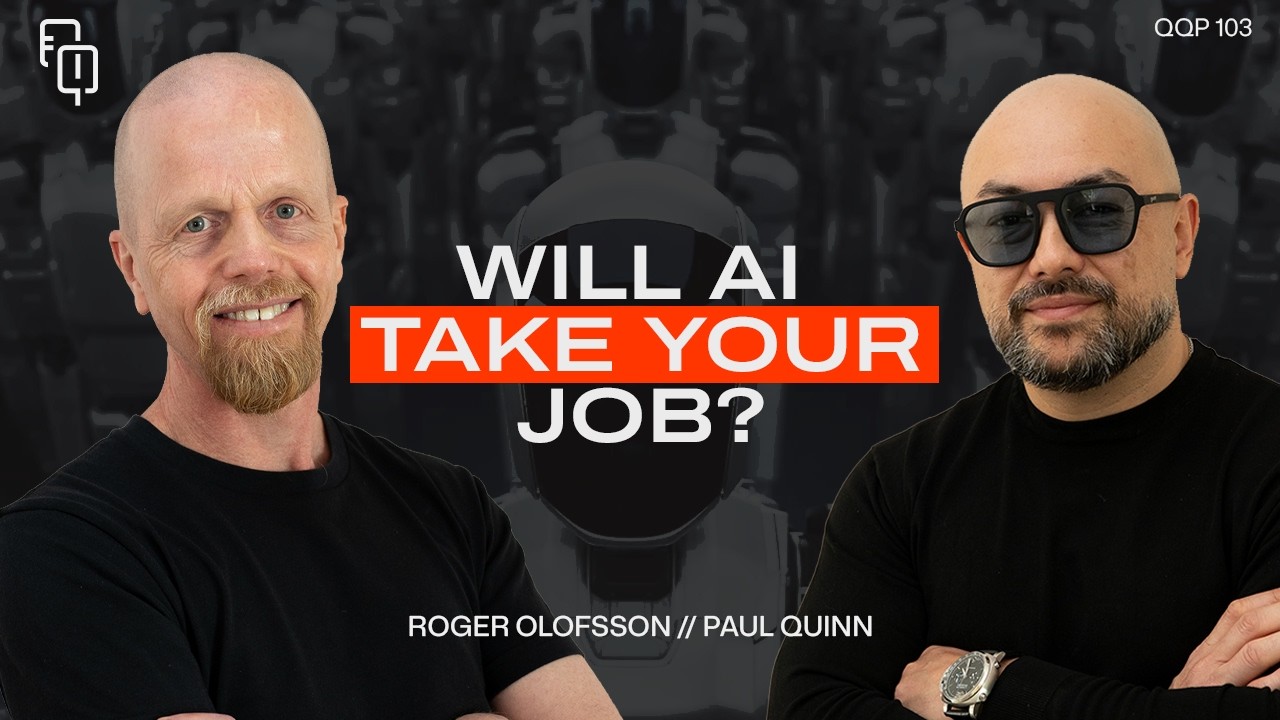
Building an AI Company Inside a Search Firm with Roger Olofsson #103
In this episode of The Quinntessential Questions Podcast, Paul Quinn sits down with Roger Olofsson, CEO and co-founder of Olofsson & Company, the executive search firm hiring for startups, AI, tech and fast-growth companies. From a childhood in Luleå, near the Arctic Circle, to landing in Singapore in 1996 as an exchange student with a backpack and a suitcase, Roger shares his transformation journey through almost three decades of recruitment in Asia, and the moment he finally backed himself to build his own firm.
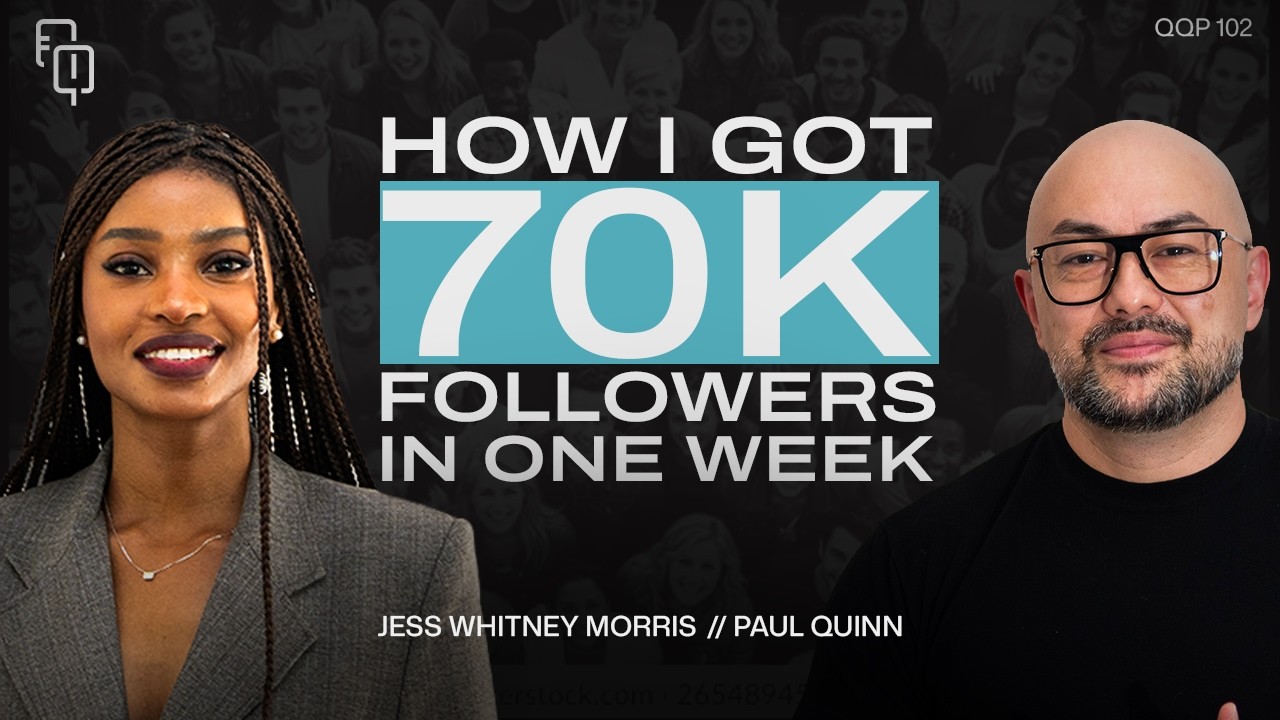
One Video, 70K Followers: Jess Whitney Morris's Breakthrough | #102
In this episode of The Quinntessential Questions Podcast, Paul Quinn sits down with Jess Whitney Morris, model, social media management company founder, and media presenter. From growing up in poverty in Uganda and working-class England to working her way through Abercrombie, Hollister, and a self-funded university degree, Jess shares her transformation journey and the moment her father tore up her first modelling contract in half.
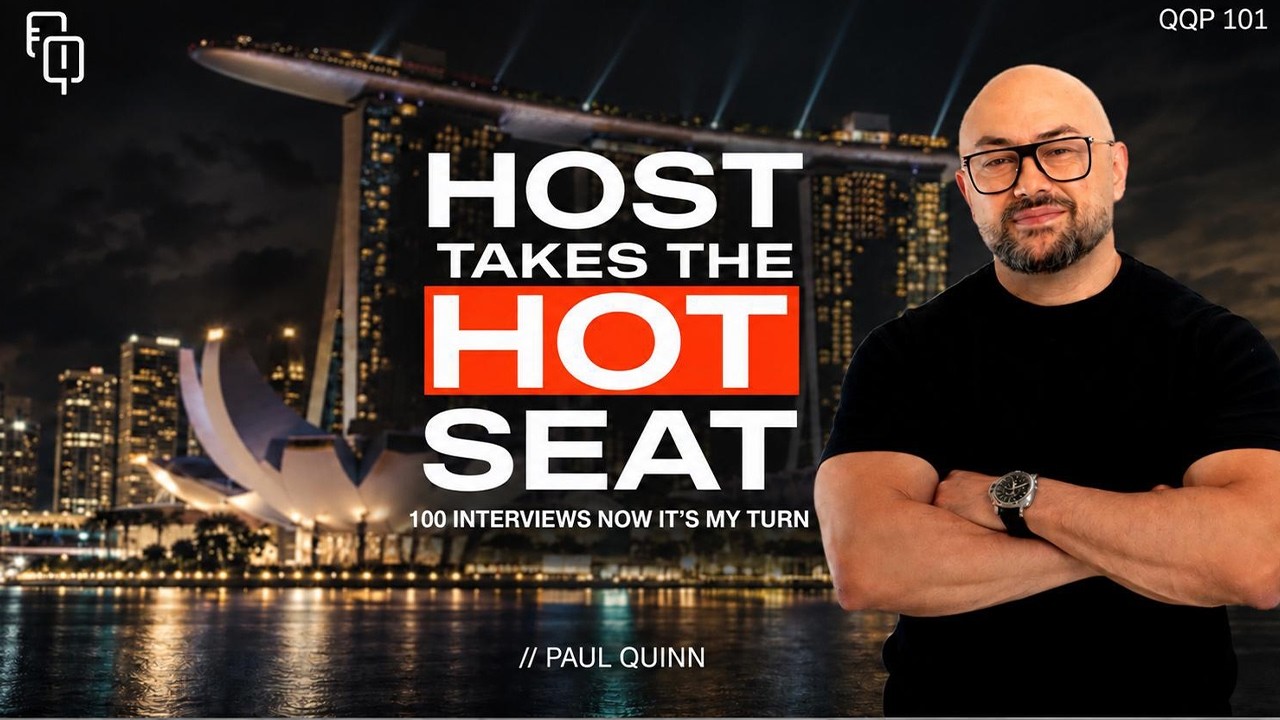
I Interviewed 100 Extraordinary People. Here’s What I Learned | Paul Quinn
In this episode of The Quinntessential Questions Podcast, the host takes the hot seat. After 100 episodes in the interviewer's chair, Paul Quinn, who runs Westport Executive Search and founded Quinntessential Coaching, answers questions sent in by guests, friends, family and listeners. From hitting a career plateau to building a podcast that now welcomes Olympians, world champions and global CEOs, Paul shares his transformation journey and the moment he decided to put a spotlight on helping people.