
#38 with Fash Kamarudin: Fighter, Coach & Mother in the Ring of Life

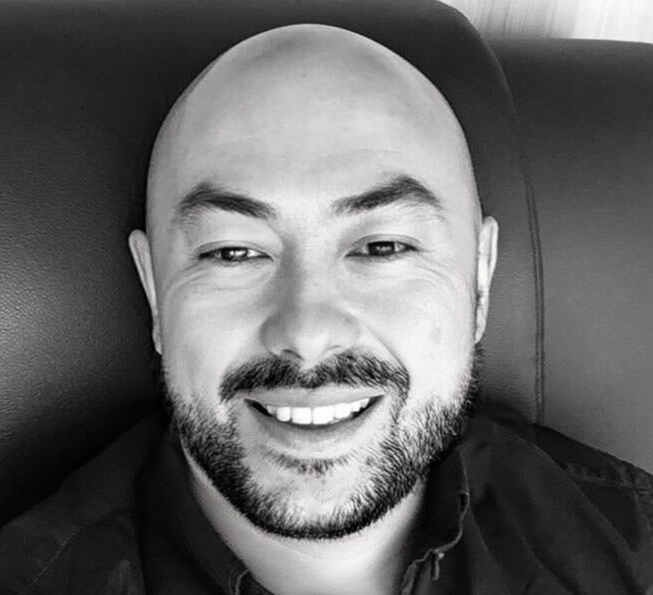
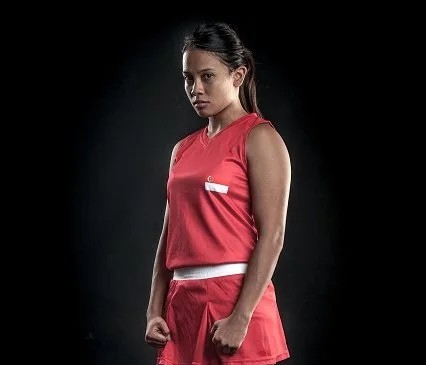
In this powerful episode, Paul Quinn sits down with Efasha "Fash" Kamarudin Harrison — a Singaporean female boxer, coach, and mother — to explore her inspiring journey through sport, education, and motherhood.
Commencing her career as a Kindergarten Teacher to falling in love with boxing and becoming a Coach and embracing it as a lifestyle, Fash shares candid insights into training post-pregnancy, staying disciplined, and balancing her multiple roles in and out of the ring. As she prepares for her upcoming bout against Jazzy Parr on 20 August 2025, Fash opens up about what fuels her quest to become a world boxing champion.
We also dive into her coaching philosophy, strength and conditioning routine, favourite fighters, and her mindset around discipline vs motivation. Whether you're a coach, athlete, parent, or simply seeking motivation, this episode is packed with grit, wisdom, and heart.
TIMSTAMPS
(00:43) Introduction
(01:30) Journey into Sports
(02:22) Becoming a School Teacher
(05:11) Getting into Boxing
(05:55) Boxing as a Lifestyle
(06:48) Coaching Journey
(08:24) Favourite Muay Thai Fighters
(09:07) Juggling Fighting & Motherhood
(12:47) Training After Having a Baby
(15:05) Boxing Weight
(16:15) Training Routine
(17:44) Strength & Conditioning
(19:02) Favourite Fighter to Watch
(19:45) Daily Habits
(24:30) Smart Training
(27:15) Technical & Natural Strengths
(31:36) Most Significant Matches to Watch
(34:39) Watching Fight Tapes
(36:19) Rapid Fire Questions
(38:49) Discipline vs Motivation
Bio
Efasha Kamarudin Harrison is a trailblazer in Singapore’s boxing scene — a professional boxer, coach, entrepreneur, and the first Singaporean female boxer to win a gold medal at an international tournament. With an undefeated professional record of 4 wins (3 by knockout) and 1 draw, she has proudly represented Singapore at the Southeast Asian Games, the prestigious Stranja Cup in Bulgaria, and the Hong Kong City Cup, where she made history.
Beyond the ring, Efasha is the driving force behind BXHRLIFE and serves as General Manager and Head Coach at Spartans Boxing Club Balestier. Over more than a decade with Spartans, she has shaped fighters, led teams, and grown the club into a thriving community hub for boxing enthusiasts of all ages. Her leadership blends business acumen, coaching expertise, and an unwavering commitment to empowering others through sport.
A former early childhood educator with a Diploma in Early Childhood Education from Temasek Polytechnic, Efasha brings patience, discipline, and passion into every aspect of her work. Whether she’s preparing athletes for competition, guiding clients on their fitness journey, or inspiring the next generation, Efasha embodies resilience, determination, and the belief that champions are built both inside and outside the ring.
Image credit: https://www.flashpixs.com/studio-photography-portraits-with-singapore-professional-boxers/
Transcript
[music] [music] Hey guys, today I had the pleasure to sit down with E Fasia Cameroin Harrison. She's a professional boxer and will soon hopefully be fighting for a world championship which is amazing. We unpack her journey as she goes from being a school teacher through to being a Singapore boxing coach. That's where I first met her, where she helped coach the national youth boxing team to becoming an entrepreneur and now professional boxer. It was an absolute pleasure and I hope you enjoyed the chat as much as I did. Thanks, F. Fash, how are you? >> I'm good, thank you. >> I'm not seeing you used to seeing you like this dressed up. You look lovely. I >> I like it because I get to get all the gym clothes. Well, I first met you when you were the coach for the Singapore national team when my son was on it. Yeah. And um and then subsequently I became friends thanks to you with your husband and I had him on the show. But for those that don't know you, can you just give a quick intro as to who you are, your background, what you're currently doing, please? >> Okay. So, I'm Ifa Kamaruin. I'm a boxer. I was a teacher for seven years. Um then I turned to I became a boxing coach right after. I'm a mother, entrepreneur, every so many so many things. So many things, so many things. Wife, all of the above. Yes. >> Well, just let's unpack your story. So, growing up in Singapore, >> did you like sports? Did you do sports? Because boxing probably wasn't on the first of your parents' list, right? >> My Well, my parents have always put me into sports. >> Okay. >> Uh and I think a lot of people ask me, how do I get into boxing? And I say it's my parents. >> Oh, really? >> Yeah. I grew up as just like a a kid who does lots of sports and um but if you ask me in personally I think I've always been an artsy fatsy kind of person. So if >> how so >> I don't know I just like arts. I I took arts in school. I like dance. Uh if you ask me what would I be if I'm not a boxer? I'd be in theater maybe or no? I don't know something in the creative side. So I've always been in sports anyway. >> Okay. And then so let's about So firstly, how did you become a school teacher? Cuz you had to study before you became one, right? >> Funny because I did not intend to be a school teacher. >> Okay. >> It's just at that point of time because um after school I didn't know what to do. >> How old are you talking about? 16 18. >> Talking about 18 years old. >> Okay. >> Uh I didn't know what to do. I was a bit lost. And then a friend say, "Hey, um, we're hiring back where I'm where she worked at, >> and are you interested to be a school teacher?" I'm like, "Not sure, but I need money right now. So, why not?" So, when they they hired me, they said, "Do you do you want to, you know, take this seriously?" And I'm like, "How serious? How serious is it?" And then they said, "Okay, we can send you to school." >> Oh, really? >> Uh, teach her to be a preschool teacher. Uh, and then >> so they sponsored all that. >> Yeah, they sponsored me to go to school. >> That's amazing. >> Yeah. And I'm like, why not? Because at that point of time, I didn't really do well in school. >> I didn't like I grew up not liking school anyway. >> Yeah. >> And then my parents were the kind where if you don't do well in school, that's your choice. We're not going to help you. >> Okay. >> I wanted to go to art school and at that point of time, right 10 15 years back, there were you don't get subsidi subsidies. >> Yeah. And so they say okay if you don't do well in school you go and learn how to survive yourself. So I got this opportunity. So I took it they sent me to school and then that's how I became a teacher. Really? >> What a story. And then what what age group were you teaching? >> So I taught from 3 to 5 years old. >> That's the best age cuz I think you're making an impact and they're they're adorable. >> Yes. They're adorable. Well depending three they're not that independent but 5 years old they it's fun to teach. >> Yeah. And then leaves a big impact on the kids, right? Cuz that is always talking about their teachers. >> Correct. The the first kids, the first few kids that I taught, >> yeah, >> they're now maybe 19 years old. It is so weird that >> because I thought at 19 years old. >> Yeah. >> Actually, something that most people don't know about me, if I if I could do a job that and it wasn't about money or this that, and the other, and it wasn't about fame and popularity, I'd want to be a school teacher at that age because it because it's it's so meaningful. Yes, it's meaningful, but it's tough at the same time. >> Of course, it is. >> Yeah, it's really tough. >> Uh, >> but dealing with teenagers, forget that cuz they're, you know, I wouldn't, [laughter] you know, I wouldn't want to go near them. >> Yeah. No, because like, you know, I was a preschool teacher and then I taught the youth team. Okay. >> Uh, the national youth team. >> Yes. >> It's too different. >> Very different. Well, not not just that, you're teaching people. The problem is I think with with any national team. Yeah. >> You don't get to see the people regularly. >> No. >> So, you don't have that uniformity. don't have that team environment properly. We'll come back to that for sure. So, you did that for seven years. >> How did boxing and coaching come onto your radar? >> Um, >> I think it was boxing and teaching at the same time. >> Okay. >> I was juggling between school, work, and training. And >> it's a lot. I've done it. It's a lot. It's a lot. >> That's That's pretty much my life. I don't really go out and socialize. So yeah, I was just doing everything at the same time. >> Yeah. >> And when I felt like I wanted to take boxing seriously, that's when I left. >> Really? >> Yeah. That was it. But what just to educate a lot of people that may not know this, it's not like any other sport. There's very few sports where when you're boxing, you're having to watch your weight. >> Yeah. >> So it's not it's a lifestyle because you're constantly have to manage your weight. You have to think about hydration and then you know it there's no end to it. Yeah. >> So, how did you become a coach? Like, who who put that into your mind? >> No one. No one. So, I was planning my >> I was trying to plan out. Okay. I was teaching, I was training twice a day. >> Yeah. >> Uh and school at the same time. So, how can I make my lifestyle easier, more convenient? >> Yeah. And I felt like at that point of time working and training at the same place would save time and money. >> Yeah. >> And that's when I just went onto Job Street for fun and I saw Spartans Boxing Club. >> Really? So you This is how you met Russell? >> That's how I >> Yes. That's how I met Russ and that's how I first started my coaching journey. >> Okay. Yeah. >> And then when you became a coach, like what was that journey like? Cuz it's a it's a big transition. Like did you go from I would imagine you're thinking listen I'm giving up seven years to go something new. >> Yeah. >> Were there was there a lot of hesitation? >> Um not really because the the foundation is still you're teaching. >> Yeah. >> Except that you're you're teaching a bunch of men at a point of time. 9 years ago there wasn't a lot of uh female boxing. >> I thought that would have been the appeal telling men what to do. >> Not really. And that's also one of the um challenge actually if you're coaching like a a room filled with men you have uh that's pretty much a challenge. >> Yeah. >> On its own. >> And at that point of time as well there's not a lot of uh female coaches. >> Yes. >> So I was >> you know just trying my luck. I'm not sure whether SP is going to hire me because there's not a lot of female coaches anyway. But they did >> and they trained me. me. They gave me this lots of opportunities to be a not just coach. I did a lot of I I did the accredititation costs. I run events for Spartans just out of love. Um I run the youth program. So yeah, that's >> it was deep. It was real. >> Yeah. Yeah. >> And then at this point, had you had any fights? >> Yeah. I I've >> How old were you when you had your first fight? First boxing fight. I think I was about 20 years old. First boxing. I did Muay Thai before I did uh boxing. >> Ah, okay. You came that route? >> Yes, I did. I was a Muay Thai uh fighter at 80 years old. >> Did you have any favorite multi fighters that you that you liked, male or female? >> I like Bua. >> Okay. Who doesn't, right? Yeah. >> Yeah. I like Bakao and female. I think at that point of time, Gina Karano was like a big thing. Then >> also I helped that she was she was very beautiful as well, right? She's a complete package. >> Yes. And she's beautiful. She can fight. So I look up to like women like her as well. >> Yeah. >> I remember when she had a fight with Cyborg. That was >> Yes. That was the end of her career. That was sad. But >> yeah, but it opened the the door to movies. >> Yeah. >> Do you know what I mean? >> Yeah. >> So credit open up a new opportunity. >> Yeah. Before Ronda Rousey, then people sleep on her. They forget about her. >> Yes. Yes. >> And then and then tell us about your now cuz the thing that I love about your journey and which I want to talk about today, >> you've decided that you want to pursue your professional career all the way. You want to become a world champion. >> But not just that, you're doing it having just had a baby. >> Yes. >> Which is huge. >> Yes. >> So how does that conversation start with your husband and yourself? >> I think both of us knew we wanted to achieve this goal. Both of us had the same we were aligned in this area. >> Yeah. And we know that oh this is the end goal is for me to be world champion and because time isn't on our side. Russ is 45 years old. >> Russ you see >> Russ is 45 years old and then >> how old are you now? >> I'm 34. >> Okay. >> I've got lots of time. Yeah. >> But as an athlete I'm like do I want to box first then have a baby or have a baby? >> That's the thing is that balancing out. >> Correct. And then with Russ's age, I'm like, "Oh, I think this is the time. This is the right time to have a baby." >> Yeah. >> Whether I'm ready, >> Yeah. >> to be a mother or not, >> that's that's another >> But most people, if if they're not ready when they get pregnant, they're they're ready. >> Yeah. You have no choice. You have to be ready, right? >> It's the same when I when I was single and I was going to get married, everyone was like, "No one's going to be ready until you have to go through it." >> Yeah. >> So, I'll tell you a funny though. Sorry to interrupt you because >> my so my dad he was he was a builder. He was an Irishman and um I had told him that Tar was pregnant. >> Mhm. >> And he called me one day said, "Hey dad, how you doing? Where's mom?" "She's not here." >> Mhm. >> I said, "What do you mean? Is she everything right?" Goes, "Yeah." And I said, "You've never called me like." And and I said, "How did you work out to call Singapore from Ireland?" you know, cuz he he mom would do all the phone calls. So, he was saying, you know, what's happening with you entire? Are you going to have the baby? This is Kaden. >> Mhm. >> And I said, "Yeah, you know." And then he said, "Um, do you love her?" >> And I said, "The sun sets and rises with her." Referring to Tara. And then he said, "Does she love you?" I said, "I hope so." He goes, "You better bloody know, so." But he said, "I'm just calling you to tell you I think you should have the baby cuz if you don't, >> um, you don't realize it now, but one of you might resent each other. It might lead to you're breaking up. You just don't know. >> And you're a man. You're ready to have a baby now. You've been ready for a while, and I'm just calling to tell you that." And it left such a big impression on me. >> You know what I mean? So, that's to your point about being ready or not ready. >> Yeah. I guess you need someone to push you as well >> to help. Yeah. You know, help. >> And I think Russ was also saying to me like, "We need to have a baby together. Can you imagine? >> Yeah. >> You and I have a baby. She's going to be she or he is going to be amazing. >> Well, and and your baby is beautiful. >> Thank you. >> Right. You know, >> can't you see that she looks just like me? >> Yes. Yes. >> Everyone's like, "Oh, fash. I'm sorry to disappoint you. She looks nothing like you." >> No, I you know, the thing is being cuz I'm I'm half Chinese, half Irish. So, being a product of Mink's parentage, I can tell you that kids change, they evolve, >> right? And apparently when most when most first children are born, they're meant to look like their dad. So the dad knows it's their child, so they don't kill them. >> That's what I heard. That's what I heard. >> You know, in the animal world. >> Yeah. >> Right. So listen, Russ, the thing is Russ isn't actually he's a good-looking guy. >> That's why it's okay. >> I I'm I'm okay. Russ is good-looking. No problem. >> But whenever I call Russ, I always tell him I said, "Listen, Russ, to be fair, you are the second sexiest guy on this phone call, but we're good to go. But we're always taking a mick out of each other." Um, so so okay. So you said right so after baby. Yes. When when did you decide right cuz >> I knew right away I was going to start right away. >> So you started training? >> Yeah I started training the moment I passed the 6 weeks mark. >> Yeah. >> But anyways like you know when you give birth I went through postpartum blues. >> Yeah. I'm sure >> it was the most horrible horrible feeling ever in the world. And I >> can can you describe it to us because a lot of women don't want to talk about it. It feels like you vol well it depends because different people will get will have different journey. Yeah. >> But when you do go through postpartum blues it feels like >> the whole world is crashing down but you don't know what you don't know why. >> Yeah. >> And um I told Russ I think Russ knows knew this that I don't use the word depression loosely. I don't use the word anxiety, depressed, >> anything of those sort >> loosely because I believe that when you keep using it, you will be. >> Yeah. >> So then >> so interesting. >> Yeah. And and when I told Russ, I said, I I feel like this is how feeling depressed feels like. >> Yeah. >> It's Yeah. It's just horrible. And And you get scared for no good reason. When the night falls, you feel scared. You're alone. But you're not alone really. >> Yeah. So then I said to myself, um, >> I cannot stay in the house. I went out for a walk. It was hungry ghost and all the aunties and uncles saw me like, what are you doing? This baby is just 3 days old and you bring her out. And I'm like, I'm sorry, I have to get out. >> Yeah. >> Um, I did my walks every day because >> that's that's the core >> foundation that I know. >> Yeah. >> For you to feel >> Yeah. >> Uh, right or good. >> Movement. >> Movement. Fresh air, sunlight. >> Yeah. >> So I I didn't even do postpartum. What do you call it? The confinement. >> Yeah. >> Yeah. I did not do confinement. But if anyone see the way I do my confinement, >> it's like nahhuh. >> Well, confinement, you know, it's it's really only a thing in Asia. You know, in most other countries, it's not a thing. >> Yeah. No. So, one of the things I wanted to say to you that is very unusual and different about you is as a lady as a as a female boxer, your weight, what makes you different is you knock people out. You render people unconscious because not many people, you know, unless you're a boxing official won't know that. So, what what weight are you fighting at? >> Very. So, I fought at superfly fly. I feel like I can I can even go light fly. >> Now, what is it for those that don't know? What is that in kilograms? >> So that would be 48 kg. Between 48 to 52 kg. >> Yeah. >> Okay. And where do you what's your sweet spot ideally where you're healthy but very competitive? >> Right now 52. >> Yeah. Like >> your face looks lean though. It looks lean but strong. >> Yeah. I'm not I'm not like starving. >> Yeah. >> I think back in the day when I was a new athlete, I don't know how to weight cut. So you just deprive yourself and everyone in boxing just feel like the way you should >> uh weight cut is to deprive yourself of food >> but really you need food to fuel your training. So you need to like change that perspective. >> Can we go through that because I I want to go into some of the technicals. So >> I always say to people to be an athlete or be anything in business as well. It starts with your psychology, your ability to sleep well at night. Yeah. Right through to your nutrition, your strength and conditioning, the technique training, watching things, the psychology. So for you, >> where where does the journey begin? What do you start on? And then how do you unpack it? >> I think the most important thing is to have the right people in your circle. If you have one person that's not agreeing with what you want to do, then you feel like, oh, you know, I don't want to do this. >> Yeah. or if your coach don't believe in you uh like it's really tough. So having the right people in your circle is really important. Like for me my parents have been that since day one >> and they knew they I I always feel like Russ would say he live vicariously through me. My my parents do they live vicariously through me. So they knew right from the start this is >> something they want me to do and I want to do as well. >> So the base is there. It's strong. And then next is to have the right coaches, the right place to train, right support system. I I feel like it's just all about who you hang around with. >> Yeah. >> Yeah. And it's the same if you have um team players that are very negative, then you become like that. So you got to >> surround yourself with the right people. Really? >> That's so big. I ju I just interviewed I haven't released a podcast yet, so I won't mention his name, but he's an Olympic silver medalist. He's a runner, sprinter, and he said, "If you want to run, you have to run with fast people." >> Correct. Correct. And if you want to be a good boxer, you have to be around good boxers and you have to see what they do, how they behave, how they move. >> I wanted to ask you this. Nowadays, when you see a lot of boxers training, >> they spend they seem to spend more time on strength and conditioning >> than than the actual boxing. That's my feel versus in the old days it was a lot more boxing. What's your take on that? And what's the happy balance? I think uh the most important is to always refine your boxing skills. That should be top priority. >> Yeah. >> And alongside with it, strength and conditioning and running should uh it's like an accessory work. So it helps your boxing. But if you want to be a good boxer, you got to practice your skill first, craft. >> Yeah. >> And then everything else will come. Do you have you looked at um boxers, female or male, that you've looked up to and thought, I'm going to take a little bit of from this person, a little bit from this person? >> Yeah. Yeah, I do. I watch like a lot of boxers. And then >> who who are the people that you look at and think, you know, I like what they've done and I've tried to bring that into my game. >> Yeah. I Well, I can name top five. I like I like Canelo. >> Okay. >> I like Manny Pacquiao. I like uh Eric Morales, Barrera, and um what's his name? He fought He fought uh Manny Pacquiao. He knocked him out. >> Marquez. >> Marquez. >> Yeah. >> Top five easily. >> Yeah. Three Mexicans right there. >> Yeah. [laughter] >> No, but it's interesting cuz Well, that tells you a lot about your style, by the way. Made you come forward. >> Yes. >> But if So, what who would you say is your favorite fighter to have watched? >> Uh, >> of all time. >> I watch um I watch Canelo a lot. >> Yeah. >> Yeah. I think >> Who do you think is going to win? Him or Crawford? >> So tough. >> It's tough, right? >> It's so tough. But like I'm team Canelo. >> Well, he's the bigger man. Yeah. >> Right. It is interesting. Although when I saw them standing next to each other like Crawford looked pretty big. >> Yeah. I mean the smaller person for the past few fights. Yeah. >> So if >> he's strong though he has like really strong so powerful. >> He moved really well as well. So >> he's so powerful. Yeah. He's he's a killer. That'll be a great fight. He's on Netflix as well. So if you if you I'm just curious. So when when you do things like are you very habitual? You say right I need to go to bed at this time. I'm waking up and going for runs at this time. Walk me through an average day for you. >> Um, so I know what I want to do throughout the week. When I do it differs because of the baby. Uh, my life revolve a little bit around the baby uh these days >> of course. >> But for example, if today I say to myself I need to go for a run and I need to do a boxing training. It can be any day during the day. So I can be running in the morning but boxing at night. It can be just anytime as long as I do it. >> Okay. >> Yeah. As long as I show up for training. >> Yeah. >> That's the most important thing. I've got to check it. But if I don't do it then I'm not sticking to the schedule. >> Yeah. >> And do you like are you eating five six me small meals a day or three big meals? >> M I have about five meals. So breakfast, snack, lunch, snack, you know, five. >> I was trying to explain to people about metabolism. So I'll explain this through an analogy which you'll already know. But if you imagine your metabolism is is like a fire >> and you put, you know, a big log on it three times a day. >> Quite often the fire doesn't even burn. >> Mhm. >> Versus, so that's your meal. So you'll put on weight, but if you have five or six small meals, they're like tweaks and your metabolism will keep burning through them. >> For me, it's like >> because I'm not a nutritionist, I'm not very educated, but for me, it's if I eat small meals, I will feel like I'm not depriving myself of food. >> Yes. >> But what you what you eat is also important. You can't be eating like KFC in small meals. >> Yeah. >> So interesting thing is before I do I don't know how to wake cut. I just like eat whatever. Yeah. >> And I was young, so I was I I I cook I cook for myself every day, but it's the same food. I don't care what I eat. So, I bought I just buy like a whole packet of pasta, chicken breast, tomato sauce, >> boom, >> vegetable, very cheap, under $10. But that's pretty pretty much it. And then uh a lady um sponsored me uh uh her meal prep like uh >> meals and then that's how I learned >> Yeah. >> how to fuel. Sometimes like I said earlier on like we think boxing weight cut is just depriving yourself of food. >> No. >> And then through her meals I'm like oh there's rice almost every meal. Uh she give me three meals a day. So I look and I'm like, "Oh my god, there's there's rice and carbs in every of my meal." It's not just a little bit. Yeah. It's like quite a big amount. And I'm like, "Okay, I've got to trust her." >> Yeah. >> Let's try. And then my weight just go down and I'm feel right as well. >> So yeah, I learned. >> Was she was she measuring your weight >> at doing it scientifically that way? >> She knows my weight and how many times I train. >> Okay. So she knows the output pretty much. She did like I I don't ask her uh the protocol she do but she just do it and I just trust what she gave me. >> Yeah. >> And just to keep by JG is a company. >> Okay. Good shout out. Yeah. Cuz one one of the things um that I was trying to explain to people is cuz you know when you put your kids into boxing >> Yeah. I got a lot of naysayers saying, "Oh, you put Kane into boxing." And there's very subtle aggression towards that, you know, like you're going to he's going to get hurt. There's this, that, and the other. And and look, when I put him into boxing was to learn self-defense, which I think is important for everyone. >> Yes. >> Um his physicality, discipline, and it's it was up to him if he fought. >> Yeah. >> Right. But then I I explained to people that most of the deaths or serious injuries in boxing are probably like 80 kg and below >> because what happens is when when the boxers have to dehydrate themselves to make weight >> obviously like it used to be that you could weigh in on you know if it's the same day or the day before it makes a difference. So you're weighing in on the same day >> typically a night >> a night before. So that gives you a bit of time to rehydrate and stuff. So, so then the thing is it takes 24 hours for the body to rehydrate but 48 hours for the brain to rehydrate. So what was happening a lot of boxers and still to this day they're not hydrated when they're fighting and then their brain is basically dehydrated and that leads to a lot of problems >> and now they've changed all these rules with the rehydration clauses and drips. It's become really very technical >> and it's you know that's that because if you think about it in most heavyweight competitions >> there haven't been any deaths. Yeah. There's been no injuries. >> Yeah. Because I think the key to that is how you train. Yeah. >> Now, if you're I know because I take the youth team a lot um back in the day >> is that because especially boys, they love to get hit. They just want to punch on. So, it's it comes down to how you train. You got to train smart. You can't you can't spar >> Yeah. >> every day. Get hit every day. Although we boxing is physical, but you got to train >> smart. brainstorm >> can be technical learning how to, you know, control your punches, your emotion, your aggression. So, it I I really feel like it's it comes down to how you train. >> Well, I listen, you know, cuz I came for all those all those years of training with Kaden and I was probably the only dad that would turn up or parent would turn up regularly >> and um this is my observation. I think that most young men and women >> Yeah. >> that enter any sport >> Yeah. a tiny tiny tiny percentage will go on to do it professionally. Yeah. >> So I think that the role of a coach which I think you did very well of any of any children of any youth team is to help build young adults >> to give them confidence and and I think that's something cuz what would happen with any of the boys in that team win lose or draw. Yeah. I would always go and say hello, drop them a private note saying that you did phenomenally well. And my sense is that that is missing cuz most of these guys if they lose, >> no one really cares. >> Yeah. >> Right. And that's where I think there's, you know, >> that's great because when I see you at train at the training ground, it reminds me of my father because my father used to take me everywhere to training. >> Yeah. >> Pick me up from work. Even as a 23 years old adult, he pick me from work, send me to work, uh, send me to training, watch me train. I I even if he's I'm not sure whether he's watching but he always look like he's watching and he's interested. >> Yes. >> So like right from the corner of my eye I can see like oh my dad's watching. Oh okay I want to impress him. Yes. >> So it's really nice. So it reminds me a lot of my father. >> Oh that's sweet. Yeah. It's cuz it was a it's a it was a delicate balancing act because I didn't want to be too much into Kaden's life. I wanted him to be his own manner and learn. >> Um and he's he's quiet you know. Like if I was on the team I'd be shouting at everyone. Yeah, >> I would be telling everyone the best, you know, that's [laughter] like he's very different. But what I said to him is, >> you don't realize it, son. But some of these guys that are next to you that are your competitors in theory, they could be your best mates because cuz at the time, you don't think of them that way. They share the same dream as you. They're getting up in the morning, they're training, and let me tell you, if you were going to war tomorrow, >> you'd want those guys next to you. Yeah. >> You know, cuz they're real. Do you know what I mean? >> Correct. Um, now what's in terms of like I don't want to get too technical. We don't want to give the opponents too much information, but what would you say your natural strengths are and technical strengths are as a boxer. >> Is is it is it stamina? Is it engine? Is it power? Technique, fortitude, these kind of things. >> I won't get really too technical. >> Not too technical. We don't want to give it all away. But >> my my strength, I won't say my strength. Oh, [snorts] it's more of like because I come from Singapore. >> Yeah. >> And boxing in Singapore is not huge. >> Yeah. >> So, I like the the thought and the feel of being an underdog. >> Yeah. >> So, my strength is >> I love that. >> You know, great answer. >> Yeah. My strength is just like being >> that person that nobody knows. >> Yeah. >> If it makes sense. >> Of course it does. >> Of course it does. And and I like that it it's it's it's >> it's like for me I'm a bit mysterious. You you don't know me. >> Yeah. >> But like because of that I've got a lot of power in that and you don't know my and and the fact that they don't know how strong my team is. >> Yeah. >> And the people behind me are makes it very powerful. >> I like that. >> Yeah. >> I do like that. >> Yeah. [laughter] Um, no, because see the thing is what I love about, you know, cuz I I'm a lifelong martial artist, but the one thing I love about martial arts is respect. And one thing that I've seen on the amateur circuit here is that all the boys by and large are very respectful. >> Yeah. >> You know, and I and I that's grounding and and listen, I've got to thank you because you had a large influence on Kaden and Thank you. >> And my admiration for you was you're the only woman there. Yeah. And to to take a bunch of rowdy Yeah. >> aggressive young men. >> Yeah. >> Right. Is not easy. >> I don't know how I did it. >> Yeah. You did it you but you did it with ease. >> Yes. >> You know, and and listen, to be fair, all those boys wanted to learn and they were all good boys and they they were >> putting their best effort in. Um but it was difficult because it was it was only typically the weekend. Yeah. >> Right. So you're not seeing these guys on a regular basis like in your in your regular club, you would see your coaches every day. Yeah. >> So, it is a bit different. >> Yeah. It's funny because I was as I was driving here, I'm like, "Wow, is this how far you live?" Because >> I live very close to the door. >> Yeah. It would take us 45 minutes to an hour. >> Yeah. Correct. >> You know, so to the only challenge I had was I've got as a business owner, you know, doing all the things I do in three kids. >> Yeah. >> That hour and a half or two hours, I would ideally go and do cardio, >> but I didn't want to miss some of the things. >> Look, that's investment. >> It is >> investment in your kids. >> It is. But I also at the same time I realized if I don't do my cardio now, do you know what I mean? Yeah. So because the thing is actually if if I look back at it that on average those sessions were like two and a half hours long >> plus so it's 4 and a half hours I'm gone. Then I go straight back and then I've got ballet and basketball from my girls. >> Is gone. >> Do you know what I mean? >> Yeah. That's why I said earlier when I change my career traveling takes a lot of time which equals to money. >> Yes. >> So convenience is pretty much everything. Yeah. It is everything. Yeah. But why why um I personally think that boxing unlike nearly any other sport other than MMA and wrestling um multi- any combat sport it shows you who you are >> and who the other person is >> because when you when someone gets cracked quite often than not you can see them disappear. >> Yeah. >> You know it's like they're going it's like there's a scene from Jaws in the in the beginning where the a shark goes and you see the guy's eyes going back like that you know. So the few times when I've crapped people Yeah. And I haven't knocked him out. This is what I've seen. Their eyes go back. It's like I'm I'm going. You know what I mean? But the other thing is there's not a lot of smack talk because I was saying to Ken, there's not a lot of smack talk. I remember when I was his age and someone was chanting to me and I just said, >> "Listen, I'm going to knock you so hard. I'm going to knock the color off you. I'm going to see you for the yellow bastard. It's different." >> Yeah. >> But and then I and I said to him, I actually said to the guy the next time I saw him, I gave him a notepad and pen. I said, "You can take notes." >> Yeah. >> Right. And um but then but in some ways it's good. There's not that banter. >> Yeah. >> You know, but in some ways I think it's missing a little bit. I don't know. >> A bit here and there. Uh within the boys you'll see uh you'll see it, >> but it's not a culture like in America that's like pretty much smashed. >> Yeah. All the time. >> All the time. Yeah. >> Talk to me about some of the more significant fights that you've watched that you've gone back and watched many times over and you know they really were meaningful to you. Um, oh, I watch I find myself watching Manny Pacquiao versus Eric Morales a lot. >> Okay. >> Plus, uh, Canelo Gigi. Those with trilogies. >> Yeah. Trilogies. >> Trilogies. Yeah. >> Yeah. >> Yeah. >> Triple G was I think he was robbed a little bit in one of the fights, but what was so great is these guys are at their peak and they were so, >> you know, >> Yeah. It's so difficult to score. >> Yeah. And and I try to because I like Canelo. So if we focus on Canelo GG. >> Yeah. >> I'm such a Canelo Canelo fan. >> Yeah. >> That when I try and watch it, >> you can't. You're just watching him. >> I try to like Okay, let's not be biased. >> Yeah. >> Okay. I g is good. Oh, Canelo is also good. >> It's hard. >> It's hard. >> You hard cuz like my favorite boxer of all time to watch, I'm not saying he's the best, but my favorite because when I grew up was Mike Tyson >> and he's strong and good. >> He's amazing. Amazing. But I, you know, there are, but it's just and and Nigel Ben's another one. But when I'm watching, I can't take my eyes off them. Yeah. I'm just only looking at them. Yeah. >> You know, it's just uh But it is interesting. But I uh >> I, you know, cuz I'm such a boxing historian. I I can go back to certain rounds. I know what happened. You know, it's like when when Tyson fought fought Holyfield, there's this moment where Tyson >> hits him in the ribs and then an uppercut >> and Holyfield just walks forward and Mike Tyson does this >> like like he knows I'm in trouble. I've just I've just given you my best and you've just walked forward and then there's this one bit I've never heard any other commentator. I'll put it in this clip afterwards. >> No one I've ever heard talk about it. I think it was in the sixth or fifth round. Oolfield hit him to the stomach >> and Tyson he took Tyson off his feet literally off his feet like that >> and you could see in his eyes right there and then that he was in trouble. >> Yeah. You know you were you know and it was just it was just I was cuz I I watched it rewind try again and I this will make you laugh. So I didn't grow up being able to watch cable TV cuz we didn't have any money. So all the big fights were on cable TV. Mh. >> So most of what I learned was when there was an advert on TV >> and I would record the advert and an advert's like 30 45 seconds long. I would rewatch those parts and if you were lucky there'd be a documentary on or an old fight on and then I would record them. So like now the the kids don't realize like my daughter was saying to me, "So what did you do back in the day if you wanted to, you know, watch a movie? What was the platform?" Yeah. >> And I said, "What do you mean?" She goes, "Well, there was Netflix. What was it?" And I said, "Well, darling, there was no internet." And she goes, "What?" This is my 10-year-old. What? And like, "How did you watch DVDs?" I said, "Well, there were no DVDs. There were VHS tapes." And then she's and she goes, "Daddy, how old are you? [laughter] >> Dinosaur." >> You know what I mean? It's like, um, now do you as you become more prominent, you will know the opponents better so you can watch tape? >> Yeah. >> You know, is that now something that you do? Cuz when cuz when you're younger and the opponents are less prominent or amateur boxing, you can't do that. Has that changed your whole approach to to the fight game? >> Yeah. I always watch I I do my homework and if we cannot find anything, then we just we just work on the basics really. >> Yeah. >> Yeah. Because there's not much in boxing that you can learn but just solidify your your basics >> always. But if they're on YouTube or I know I know on the internet, I would my homework because the thing about so maturing as an athlete, this is when I know I mature as an athlete is that I come into a fight with a strategy. >> Back then I just come in and just like based off my aggression and stamina or who's the st who's the who's the toughest, who can last longer, who can hit harder and faster. >> Yeah. >> But now it's like more on it's like chess. I got to strategize round one, round two, round three. What What are we supposed to do? And if things don't go well, what's plan B? >> Yeah. >> So, I I I found a new found love for boxing because of this. >> Yeah. It's a whole new approach, right? >> Yeah. It's a whole new approach. It's fresh and it's um it's just interesting. It's fun. It's like a game, >> you know. You know, the thing is that's why this fight with Manny Pacquiao coming up. Yeah. >> I think this is his third decade of fighting. >> Yeah. >> Let's put that into context. And by the way, he's not just fighting bums. >> He's fighting the best of the best. >> And what I love about him, he's not doing because he needs the money. >> Yeah. >> He just wants to challenge himself. And he's such a nice guy. >> He's a sweetheart, right? Until you get him in the ring. >> All right. I've got some rapid fire questions for you if you don't mind. >> Um, what's your most memorable moment >> as a boxer and as a mother so far? >> Two different things. >> Yeah. I think as a mother significant. Yeah. Yeah, >> that could be a small little thing that's uh >> you look back on smile upon >> for box for boxing >> I cannot think you got >> it's not when you become world champion then >> there you go that would be pretty significant >> yes when I become a world champion you'll be this significant no well in boxing when I when I made it to the team and did C games that was big for me >> yes what year was that in >> 2015 and it was Wow. 10 years. 10 years ago. >> Yeah. Home ground. >> Okay. >> So that for me is significant. It's a >> amazing. >> Yeah. >> Must had a lot of pride. >> Yeah. Yeah. Of course. You wear the blazer with the national flag on. >> Do you still have the blazer today? >> Yes, I do keep it. I don't keep a lot of stuff. >> You got to keep that though. >> I kept that one. >> I thought you going to wear it today. >> No. And as a mom, I guess when Well, recently my my daughter is starting to speak. Yeah. >> And she's you don't know whether the whether I don't know how much she knows. >> Yeah. >> So I'm like singing to her every day teaching her stuff. >> Yeah. >> And it's when she's she answers. It's like when I'm singing and she say the next word and I'm like >> she got it. >> She know. Oh my god. It's just like right now it's like very fast. She's like a She's like a sponge and she >> It's amazing. >> Every day she shocks me. >> Yeah. >> Yeah. She recently just called for my helper out. >> That's two syllables. >> Yeah. >> Mela and she's 11 years. She's 11 months. And I thought >> that's that's amazing. >> What >> you know was crazy? Someone asked me yesterday, he was a a CEO and he said, "Who's the quickest witted person that you've spoken to this week?" >> And I said, "For the last year, it's been my 10-year-old daughter." Yeah. >> She's like full on. She's like, I'm looking at her thinking she's I don't even know if she knows how funny she's been. I mean, to be honest, most of the time it's at my expense. Yeah. >> She's taking the mick out of me, right? She's like like I always She's the first and only boss I've ever had. She's she's my CEO, but kids pick up things fast. >> Really fast. >> Really fast. Um, how do you mo motivate yourself on a tough day? >> Interesting. Because I used to rely on motivation, but I don't do that anymore. >> Discipline. >> Yes. Uh, it's very important. It's more about showing up for training. >> Yeah. >> And that's how I feel less scared because combat sport I I can't lie. I feel scared. >> Of course. Well, thanks for sharing that, by the way. >> Yeah, I feel scared. Like you you're going to get punched in the face. Putting your life in the ring. Yeah. >> And um I do get scared when I spar, when I fight, but what gives me the confidence is when I know I put in the time to training and I'm not cheating. honest work. Always show up for training. That's >> not cutting any corners. >> Not cutting. Yes, I know. I know. If I'm cheating, if I'm cheating myself. >> Yeah. I mean, listen, it's it's interesting because, >> you know, use my Tyson as an example. He used to cry before fights and he would be, you know, very nervous. >> It is a a big overwhelming feeling emotion. It's like a wave of emotion that you don't know how to control. Listen, anyone, you know, we heard the saying, anyone that steps through the ropes, right, and puts the gloves on, >> it it takes so much courage. >> Yes. >> You know, because it's not like losing a tennis match, you lose. You're you're looking spark up. You might be going to hospital. >> Yes. >> You know, it's very very scary. Well, look, I've I've learned this through Kaden's journey. He told me years ago that he was scared and um you know, I had to process that. >> Yeah. >> Cuz I said, "That's okay, Don." But I process and I realize I was 44 at the time. I'm 47 now. I realized I've always been scared my whole life. Yeah. >> But I had lied to myself. >> Yeah. >> Forever. >> Because I used to think I love confrontation. I love this. I'm not afraid. >> But the truth is I was But it's funny that I put up only I only saw it through his eyes. >> Yeah. I have a funny story as well. When I first did my first Muay Thai fight, he was 18 years old. >> Okay. >> Uh and my dad was there for my first fight. And just to give you a background about my father, he's a he's an extremely hard person. Really really hard. Old school tough. >> Fierce. Really tough. >> Yeah. >> And um I said this to him and I regretted saying that at a point of time. I said I feel something. I don't know what I'm feeling nervous or scared but I'm feeling something that it's like he his face just changed. He's like you're scared? Are you really scared? Let's pack and go home right now. And I'm like, "No, no, no, no. I don't feel scared. I don't feel scared." So like now every time I feel scared, I I think of that >> here. And Yeah. >> I'm like, "You're scared? Go home. Don't waste your time." >> So interesting. >> Yes. >> I'm trying to think how I would do it. I don't know. My my three kids are very very different. >> Yeah. >> Right. If I think of how I would have received that information. Yeah. >> So if I had received that, it would probably But I think with some kids, you've also got to nurture them. >> Yeah. It's very very very different, right? >> Yeah. So now like I have my mental uh excellence coach. >> Yeah. >> Uh you probably know her. She's a rower. Our first uh olymp Olympic rower, Aisha. >> And you've got her as a mentalist coach. >> Yes. >> Wonderful. Good for you. Not a lot of people. That's a part of the game that most people overlook. >> Yes. Yes. And um >> how did you get to know her? >> Uh I I just know her through like social media. I see her as an athlete. I love I love to watch women in sports. >> Yeah. >> And I saw her. I'm like, "Wow, this lady, a Malay Muslim woman representing Singapore." >> You could relate to her. >> I could relate to her. And she's um the first uh Olympic rower. So, I look up to her. >> Yeah. >> And then we sort of like got connected and then she's like, I've got this uh uh business and I help athletes to, you know, like mentally. would you be keen? And I'm like, yeah, >> wonderful. >> This is something I want to work on. And uh she always give me this safe space. I always watch her on Instagram. So some sometimes she cries on Instagram like, "Oh, it's like a normal feeling." So what I did was when I got to know I've got offered a a fight to me, which is big. I called her because I had this overwhelming feeling >> and I said, "I need to cry." And I and I cried and I I said I said to her I I am feeling scared. >> Yeah. >> And if she know like my dad's stuff and I said to her like if my dad say he's going to be so disappointed because he'll say go home. >> Yeah. >> And I cried and after that I I didn't I don't feel scared anymore. It's almost like I don't feel >> Yeah. >> anxious, nervous. I just needed that out of my system. >> You got it out of your system. >> Yeah. Yeah. So I felt like there was such a nice healthy way to let go of feeling anxious. You you know it's interesting cuz uh I've been with my wife for 22 years >> and uh I still haven't won an argument by the way. [laughter] Maybe maybe one day. Right. >> My sister when I got married she said Russ remember these three words. You are right. [laughter] >> Yes. I've learned that I've learned that lesson. But um she like I always say to her the difference between us and often with men and women is when women are emotional and and upset in particular or angry they can cry but for me as a man I shout >> and unfortunately it's like you know it's it's almost not allowed to shout right so like for me I say I need to get out of my system for five minutes and I'm back I'm good right I think with women it might be a bit different some of us are both >> do you know what I mean >> funny because I just can't cry in front of us I feel But I guess it's because of my heart upbringing as well. So it's very difficult for me to cry in front of people. >> Yeah. >> But now I'm like learning to let that go because I've learned that you know crying is fine. >> You're just having to get rid of feeling embarrassed of crying in front of >> because when you cry you're almost like you know you're showing someone your weakness. >> Well [laughter] well check this out. So I I on Christmas day last last year um in the evening I went to go and see one of my best friends in Singapore. Shout out to Fidelis. And um he was there with his dad I think. Well his the whole family was there. My family was there but it was him his dad who's deeply religious and uh one of his sons. And then I started talking about my mom. >> Mhm. >> And I started crying cuz she just died. >> And I I was crying for 5 minutes >> and I was so embarrassed. We were all holding hands. >> Yeah. >> And I was like, and but I couldn't stop >> and I I'd been drinking and I couldn't stop. And it was afterwards I just >> just take me out of it. Do you know what I mean? But he said, "Listen, it's okay. It's fine." But it was at the time it was like this is horrible. Do you [laughter] know you know? >> Um, no. No. One one of the things I was going to say to you is quite often people will say to me, "Why do you still why do I still physically train so hard?" Um, and I said, you know, I always imagine my mom and dad are watching me. Mhm. >> And I want my, you know, I want my parents to think that's my boy. He's doing it. And then I want my kids, I always imagine if they're watching me. So I always say how I do anything is how I do everything. >> And then I think like with the kids, even like as I get older, I think through osmosis, they'll see me trying things like setting up the podcast, doing different things. And the one thing I think a lot of parents overlook is that through osmosis, what a parent does, the child's going to pick up on. Yeah. >> So, so like your daughter when when you know she'll see you >> doing exercise and Russ doing exercise, it will have such a big impact. >> Yeah. Is that what you grow up with like your parents making you do >> Yeah. >> things and stuff? >> Yeah. Well, see the funny thing is I didn't have any of that. Um so I don't know. I always think like people say is it nature is in nurture? But I do know that I want to encourage the kids. It's both right. But so so I said to my kids I'll ask them do you want to go for a run or you want to go for a walk? M >> and they'll say, "No, Dad." You know, and I said, "You know, when I my when I was 14, my dad had a stroke. >> I had to help him walk. He couldn't walk." >> Right? Your mom's dad was obese. He died in part cuz he was overweight, you know? So, you you've got to reverse engineer this and understand that sometimes I need a bit of help to go for a walk or do something. And it's me. I want to spend time with you. It's not just the walk. >> It's time. >> Yeah. >> But they they're young. They're still learning now. >> Funny because I grew up. So, I grew up, we've got five siblings, >> including me, and every Sunday is workout day. So, every >> Oh, I love it. >> Every Sunday, whether you want it or not, >> Yeah. >> uh Asian upbringing. No, you get out of your bed and we're going to the park. >> I love it. >> So, every Sunday, whether you like it or not, you're going to >> in whatever manner you can move. >> Yeah. >> Play the Bmington, jog, whatever. My parents will take out us out of bed. >> I love it. forcefully. But you know what? It helps. >> Of course it does. You need that. Um, how do you recharge mentally? >> Before baby, I play PlayStation. >> Okay. >> And I really love playing PlayStation. >> That's okay. >> Uh, to a point where Russ had to stop me >> and uh he's like fure grown up, grow up, do something. But I'm like, I love playing. So I used to bring my PlayStation when we do overseas competition. >> Okay. >> Uh now I have found a new found because I don't want to always watch boxing. >> Yeah. >> I found a new found sport just by watching not playing. Uh I just bought WNBA account. >> Okay. So you're loving it. >> I I'm loving it. So I'm obsessed with women's basketball. >> Do you have a favorite player? Caitlyn is it or >> Yes. Everyone's uh so I like the Tres Leche, the Caitlyn Clark, >> Lexi Hall and Sophie Cunningham. >> Yeah, >> the three of them fever. >> It's uh I mean every weekend I watch my daughter playing it's just it's amazing. It's a great game by the way as you know. >> I look I've never watched basketball and these girls got me hooked. So >> yeah. >> Who's your biggest inspiration outside of the sporting world? I think it would be my family really. >> I love that. >> I I do everything for my family. Uh I'm I still box and I keep healthy. I mean it's the same way for us. Keep himself healthy. Go for his exercise, work, um movements, eating right. >> Yeah. >> All for the family. So I think like family is our biggest inspiration. What's the biggest uh or most impactful book or movie in your life? >> Or name a few if there's more than one. >> Funny because I don't grow up watching a lot of movies, but I do like it's weird, but I do like Picky Blinders. >> Do you >> because you just can't get rid of the main character. He just keep coming back. >> Yeah. >> Yeah. He is. You just >> Isaac's laughing. He obviously enjoys it as well. >> Yeah. You just keep keep giving him stuff. He just keep coming back. >> Who's that? Played by Silly Murphy. Is it the Irish guy? >> Yeah. >> Yeah. >> Yeah. >> He's a he's a very good actor to say. >> When we watched it, I was telling Russ, don't get wet. He's he's a fictional character. He's not real. [laughter] >> He's he's a very good actor, isn't he? Yeah. Um what's one quote that you live by? [laughter] >> If you're scared, go home. >> My father. >> I like that. That's powerful. Right. Yeah. >> Um what's a moment that made you feel unstoppable? >> It's when um we I say we because a lot of times you because I'm married and a lot of times we go through hardships together. >> Yeah. >> And it's I think we feel unstoppable when we keep coming back after getting knocked down. >> Yeah. >> Uh he's a I mean obviously he's a CEO and I'm an elite athlete and being the wife of a CEO is not easy as well. So yeah, >> we go through lots of tribulation and coming back stronger always make us feel unstoppable. >> I love that. >> Yeah. And you know what? We're we're like you can't you can't bring us down. >> Yeah. >> We we will keep coming back like picky blinders. >> Yeah. Well, that's one of the things I think you know when I look at unfortunately a lot of my friends have recently gotten divorced or going through divorce. >> And I've analyzed it. There's a few things I think. Number one, when the kids grow up and leave the nest Yeah. >> the dynamic changes. >> Yeah. I I think also as women get older, they go through menopause. Yeah. >> And uh I always love my wife and I, we fight preciously for our time together. Yeah. >> And for each other. >> I'm very blessed to have met her, but yeah. You ask her what it's like being married to me. It's no no easy task, right? >> No. No. Uh we knew right from the start that um going to therapy is always um an option. >> Yeah. and that we have told ourel that if we go through a dark >> time you look at that >> we will go to therapy. >> Yeah. We we we go to therapy quite often as well and it helps >> it helps you. >> Good for you guys. Yeah. >> Um what's the best piece of advice that you've ever received other than your dad's? >> I think it would be from Russ. >> It would be you should stay in the game. So, if you want to get good at something, no matter how hard it is, you got to stay in the game. >> I like that. I like that. If you could have dinner with three boxers, past or present, >> sit down, four of you together, who would those three boxers be? >> Muhammad Ali, >> of course. >> Canelo. >> One more. Just one more. >> Big. You know what? Because of how he is right now, he's helping. I I'll say Jake Paul [laughter] like >> Hi. >> Well, the thing about Jake Paul is Yeah. Jake Paul is, you know, people hate on him, but let me tell you that guy is doing it. He's as soon as that fight that we had last weekend. Yeah. >> You know, um >> and I find him interesting the way he market himself. It's very unorthodox. >> Yeah. Oh, completely. >> Takes a lot of eyes on him, but like it's not like for people it's not proper way, but still you get eyes on him. I I think if you get past all the the the marketing Yeah. >> and you listen to him and you see he's got when I I've watched him I've observed him very closely. He's got very bright eyes. >> Yeah. >> You talk to him and then recently there was this guy called Ben Ascin who he fought. >> Yeah. >> Who who Yeah. He had a he had to have a lung transplant and he was saying that he'd put up some money which I have no doubt that he would. I actually think he's far more genuine. I just think he knows how to market things. He knows if people hate you they're going to buy tickets. And he's only had what, eight, nine, 10 fights. >> Yeah. >> You know, >> you know, okay, maybe the last one with Tyson wasn't real, but if if who would give a if you're getting paid some of that >> all day long, baby. Do you know what I mean? >> Um, >> who's a boxer you'd love to spar with? >> Uh, >> technical sparring, whatever. Just just to enjoy sharing the ring with him. M I think I would like to go with he's retired but I would like to learn some movement from Lomachenko. >> I think his footwork is >> it's crazy. >> But listen, that's talking about it like his dad put him into dancing and >> you know >> I'll go through all of that. I love dancing. So >> yeah, what a story. >> Yeah. >> Yeah. He really is something special. Um in terms of staying focused, >> how do you stay focused before you step into the ring? Because what people don't realize if you're if you're fighting however many rounds, 8 n 10 12 rounds, you've got to be locked in. >> Yeah. >> 3 minutes of every round is it's very tiring mentally. >> Yeah. >> How do you stay focused? >> I think it's I think a lot of things would play into this. One is to know one is to be tunnel vision. >> Yeah, I like that. >> Yeah. You need to know what you're why you're here for. Especially when I get to the big fights for me, I come from nowhere. >> Yeah. >> And to have tunnel vision is really important. I've worked 14 years to be where I am. >> Yeah. >> So to have tunnel vision is very important, I think. Well, I'm going to have Russ right beside me. He knows how to pump me up and and the fact that he's my husband feels like, you know, it's a special bond. Yeah. >> So like >> very special. >> Yeah. So it's important to have him around. I feel different when he's not around as well when I compete. >> So >> I think knowing our end goal, >> you know, one of my favorite athletes growing up, one of my idols is a guy called Lynford Christie. He was the 1992 Olympic 100 meter champion. >> And um he always used to talk about tunnel vision. Yeah. And um that's I haven't heard that for a long time. It's it's very big. >> What's harder, physical or mental training? Mental. >> Yeah. All day long, right? >> Mental. Yeah. >> Yeah. It all starts with that. >> If there's one thing I would train my kids for first, it would be like mental training in terms of like, you know, how to be confident, how to have good self-esteem, how to not be shy or scared or you know this kind of stuff. I think because it's and how to regulate your emotion. >> Yeah. >> How to feel that emotion. >> I'm still learning that last one. ask my wife but >> yeah how yeah and like how to feel negative feelings how to handle them is I I feel like it's very important to instill in children >> I do think I you know I did this post the other day saying look when you ask you know who who should be proud of you it should be your 8-year-old self and your 80-year-old self when you look back at your journey >> but I realize now that >> if children have some wins early on >> it carries through >> and I think that's something but it's difficult because you can't you can't create those. They have to create them for themselves, >> right? Um it's a big one. >> It's a very big one. >> What's the the most important skill a fighter needs to have? >> Um I was thinking of that question just now and the answer. Uh a skill is what I mentioned just now. how to regulate your feelings and emotion because >> in in the moment under the the spotlight >> a lot of no not not even under the spotlight like your day-to-day bit in your everyday dayto-day um routine >> you face a lot of stuff sometimes good sometimes bad how do you put them into training >> like for example Russ and I we're husband and wife yeah sometimes we we quarrel but he's also my coach now if we quarrel before our training How do we regulate this emotion? >> Yeah. >> How do we communicate? Because if you fight, you can't your your brain shuts down. >> Yeah. >> Uh I can't take information from him. I don't want to be told. So, how do I regulate this feeling? >> Yes. >> How do I step up, you know, >> and not not easy? >> So, yeah, I think like knowing how to be mentally strong is very important. What's now? I wanted to talk to you a little bit about some of the misconceptions about women in sport. We were talking to my six-year-old earlier. Yeah. And one of her concerns is that she'll become too muscular and this, that, and the other. But what are some of the misconceptions you can touch upon? >> That women in combat sports are aggressive. >> Yeah. >> I'm I'm not sure where this come from because like even now like my sister said, "Oh, my my friend wants to talk to you, but she's scared." I'm like scared of what? >> What is it? >> Uh and then growing up when I was a single person, yeah, >> finding a partner was difficult as well because then men think I'm aggressive. >> Yeah. >> And >> boisterous and loud and >> you know that kind of stuff. >> Well, look those those were the wrong men obviously. >> Yeah. Yeah. No, no, but it's but you know they are scared. Um, in terms of business lessons as an entrepreneur, what's the the one that really stands out, the biggest lesson for you? >> Uh, as an entre I mean, I'm still at an infancy stage with my business, but um, >> you have seen some things already, though. >> Yes. Uh, not much really, but I think because I'm around a lot of business people, I know what's going to come. I uh it's how I learn from these people, how I shadow these people. Like for example, Russ, there are things where I would have to ask him and how I put his uh experience into my business is >> what matters, I think. >> Yeah, it's key, right? >> It's key. Yeah. Everything you do, you have to learn from another person. Is there a skill or what are the skills that you've learned from martial arts and boxing that you're hoping to transport into a business? >> Uh staying in the game. >> Yeah. I mean, you can't just start a business and then one year later you don't want to do it anymore and you just leave. >> Yeah. >> Or like, oh, there's not enough money or oh, it's not working. For me, it's like I mean, my business have gone through a space where it's not doing anything for me. Yeah, >> but you know, you've got to keep going. Keep going. Find new >> 100%. >> 1 million and one ways to do things. And I'm sure I've only done a fraction of it. >> Yeah. You got, you know, I think in life and in business and in sports, even I was telling Kaden this, I said, if you think about all the people that started boxing, >> Yeah. >> you just stay at it, you'll realize that 90% of those people will disappear. Yeah. >> So, like for me, outlasting, you know, out hustling, out working. >> Yeah. That's pretty much me because I started at 80 years old. A lot of the people that were training in the gym, they they don't train anymore. >> Yeah. >> And yeah, staying in the game is really important. >> Well, well, I think one of the misconceptions about um people in sports in general, not just women, but it it's like you're not articulate, you're not well educated, you know, you're onedimensional, and today we've seen >> uh a lot more than that. >> It's a different era. >> Well, it is different and you're all clearly multi-dimensional. Now, what one of the things I want to let my um audience know and yours is that they have an opportunity, a golden opportunity >> to potentially sponsor you. >> Yes. >> Before you become world champion. >> Yes. >> Tell us a little bit about that opportunity. >> So, um I had a few fights after I got pregnant and then I told myself, okay, we're going to get myself checked because like I I have sorry, I have injuries >> of course >> uh and and never got them checked. So then I went to the hospital. Okay, I told Russ, I'm going to just lay low for a bit, get myself ready for when the big opportunity come. Knocking onto the door and then someone dropped me a message saying that, "Hey, we've got an offer for you to fight in California with the number one ranked Superfly boxer. Are you up for it?" And I'm like, "Oh my god." Like, uh, this came out of nowhere. >> Yeah. And I told Russ and then told my manager Avin, they're like, "Yeah, >> 100%." >> When when I got this message, I told my Aisha, my mental excellence coach, she said, and I was crying and she said, "Cry not just because you're scared, but cry feeling gracious because this moment only land onto someone's lap." Uh, and they are usually the special one. Not everyone gets to feel this. Yes. >> So, I've got to embrace this feeling and grab this opportunity and do not let it slide >> 100%. >> This we we we're taking on this opportunity. We I can't say >> too much >> too much because I'm not signed the contract. But yeah, if you're a business that believe in um women empowerment, women in sports and look um now the way for women's sport is booming. >> Yeah, 100%. in terms not just boxing like basketball, uh, baseball, tennis is booming. So, pretty much now is the right time to get on board. >> 100%. I love that. Well, look, you're an inspiration to many, especially women, especially to young ladies in Singapore, my daughters >> and mothers who want to, you know, pursue their dreams that and they have not, >> you know, you can. >> I love it. Well, F, thank you for taking the time today. It's been a pleasure. >> Thank you. Thank you for having me. Cheers.
Our Other Episodes
Lorem ipsum dolor sit amet consectetur. Sed morbi adipiscing ultrices in vel placerat.
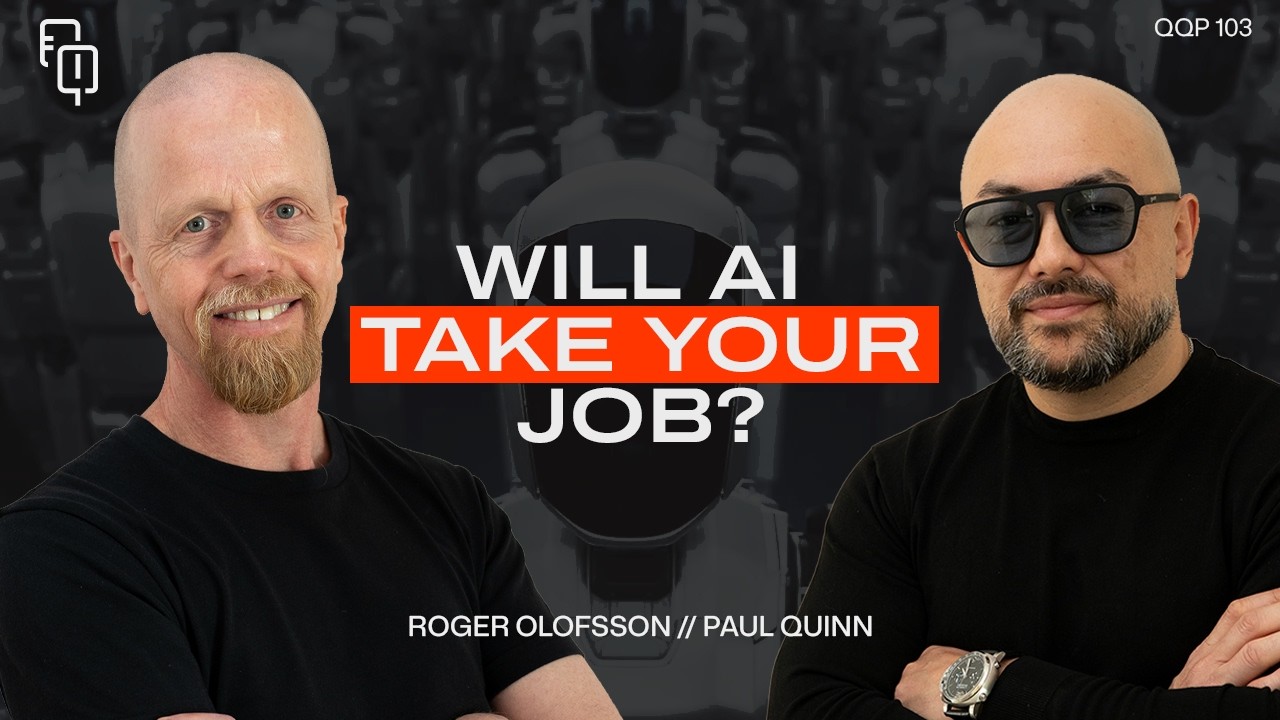
Building an AI Company Inside a Search Firm with Roger Olofsson #103
In this episode of The Quinntessential Questions Podcast, Paul Quinn sits down with Roger Olofsson, CEO and co-founder of Olofsson & Company, the executive search firm hiring for startups, AI, tech and fast-growth companies. From a childhood in Luleå, near the Arctic Circle, to landing in Singapore in 1996 as an exchange student with a backpack and a suitcase, Roger shares his transformation journey through almost three decades of recruitment in Asia, and the moment he finally backed himself to build his own firm.
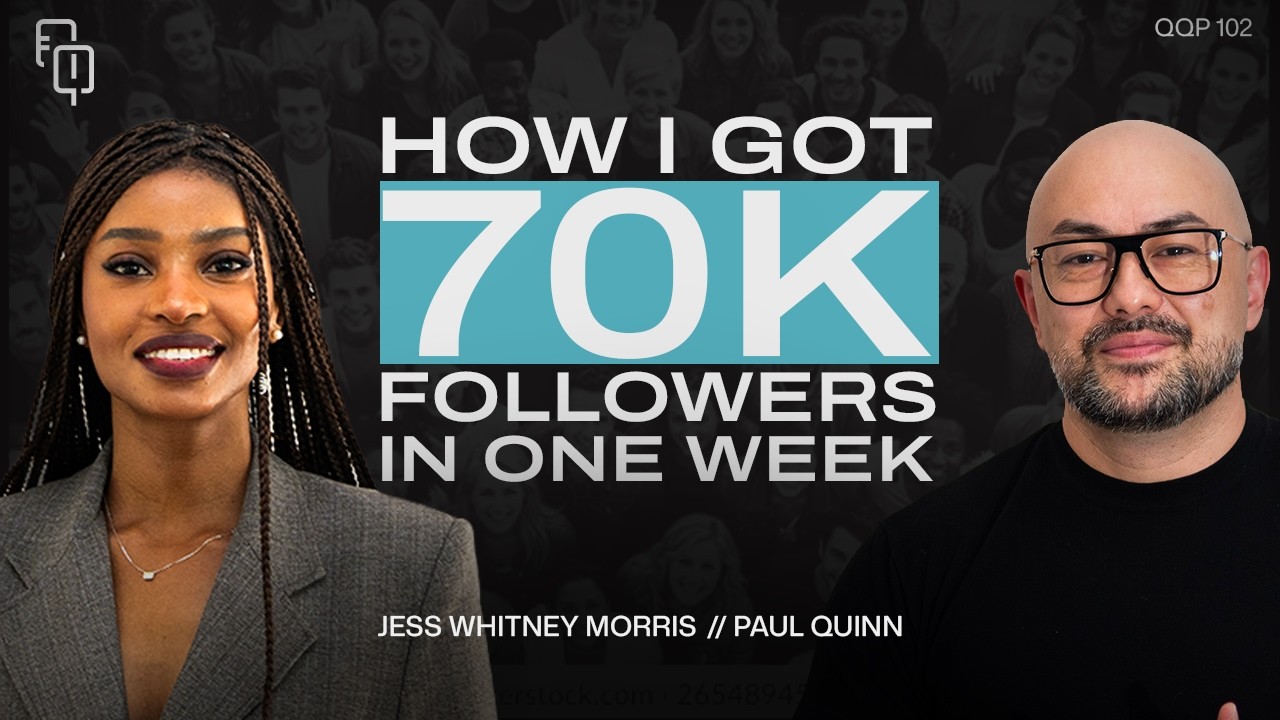
One Video, 70K Followers: Jess Whitney Morris's Breakthrough | #102
In this episode of The Quinntessential Questions Podcast, Paul Quinn sits down with Jess Whitney Morris, model, social media management company founder, and media presenter. From growing up in poverty in Uganda and working-class England to working her way through Abercrombie, Hollister, and a self-funded university degree, Jess shares her transformation journey and the moment her father tore up her first modelling contract in half.
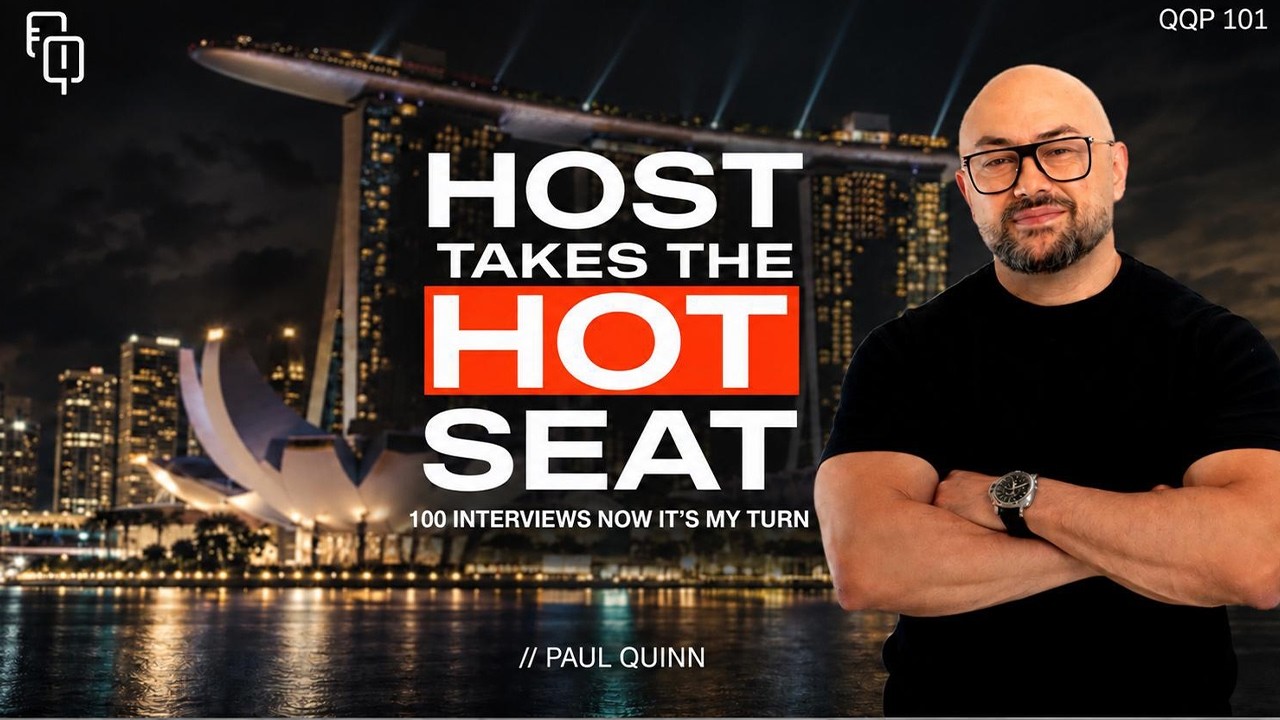
I Interviewed 100 Extraordinary People. Here’s What I Learned | Paul Quinn
In this episode of The Quinntessential Questions Podcast, the host takes the hot seat. After 100 episodes in the interviewer's chair, Paul Quinn, who runs Westport Executive Search and founded Quinntessential Coaching, answers questions sent in by guests, friends, family and listeners. From hitting a career plateau to building a podcast that now welcomes Olympians, world champions and global CEOs, Paul shares his transformation journey and the moment he decided to put a spotlight on helping people.