
#35 with Paul Stefansson : From Actuarial Science to Private Banking


In this episode of The Quinntessential Questions Podcast, we sit down with Paul Stefansson, a seasoned finance leader who has navigated career transitions, led at the highest levels, and mastered the art of storytelling and communication. We talk about everything from leadership lessons to experiences like interviewing Frank Abagnale.
This episode is packed with insights for finance professionals, aspiring leaders, and anyone looking to elevate their career. Don't miss out!
TIMESTAMPS
(03:03) Paul’s background living in Canada and Singapore
(05:52) Moving to the Finance Industry
(10:18) Reading Books on Sales & Communication
(14:10) Pivotal Career Moments
(17:00) Advice for the Younger Generation
(20:35) The Power of Good Storytelling
(22:25) Juggling Multiple Leadership Roles at a Large Bank
(25:01) Key Leadership Lessons
(26:55) Embracing Different Career Transitions
(28:35) Working with UHNW vs Institutional Clients
(31:12) Thoughts on Crypto & AI
(34:00) Importance of Motivation
(37:40) Common Sales Mistakes & How to Fix Them
(41:50) Coaching High Ranking Individuals
(44:25) Interviewing Frank Abagnale
(47:45) What Young Professionals Should Do
(50:10) Book Recommendations for Aspiring Investors
(53:08) Alternate Career Paths
(56:54) Biggest Career Influences
(57:07) Skills that Every Leader Should Master
Bio
Paul Stefansson is a dynamic leadership coach, investor, and seasoned sales and storytelling trainer, currently serving as CEO of Viking to Centurion PL. Based in Singapore and Vancouver, Paul combines decades of global finance experience with a passion for personal development, innovation, and impactful communication.
With over 18 years at UBS, Paul held multiple leadership roles including Global Head of Investment Funds for Sustainable Investing and ESG, and Managing Director for Hedge Funds and Private Equity in APAC. He also gained recognition as a charismatic host of The Next Opportunity Show, where he interviewed high-profile guests such as Frank Abagnale.
His career spans investment banking, equity analysis, and wealth management, with prior leadership roles at ipac, AXA, and Assante Wealth Management. As a Chartered Financial Analyst (CFA) and Chartered Alternative Investment Analyst, Paul brings deep financial expertise to his coaching and business ventures.
Driven by a Viking spirit of exploration and resilience, Paul now channels his experience into mentoring leaders, training professionals in persuasive storytelling, and advising on blockchain and crypto angel investments. Fluent in English and globally minded, he continues to shape conversations on innovation, investing, and leadership in the digital era.
Transcript
hey guys today I had the pleasure to sit down virtually with Paul Stephenson Paul's based in Vancouver I'm in Singapore um we sit back and we look at his tremendous career he spent the last 18 years with UBS in a variety of capacities largely on the investment side we talk about his journey growing up in Canada to moving to Asia right through to having interviews with people such as Frank abil who later on was written about and made a movie by Leonardo DiCaprio great discussion great Insight I hope you enjoyed the chat as much as I did thanks Paul cheers Paul how are you great how are you I'm very good you know what I I would actually like to swap places and be in Vancouver right now well there's a lot of good reasons to be in Vancouver we're two hours from Whistler um we can go sailing and and skiing the same day so from a lifestyle perspective it's amazing he can go hiking in the mountains yeah so there's lots of great outdoor stuff here to do but you know the dark side of it is is it's not Singapore it's not Toronto it's not New York so there's not that much business here and that's a bit of the challenge and it's been a bit of a challenge coming back to Canada because I grew up in Winnipeg and I had 3 years there I had 23 years in Singapore I've you know networks in both place but I don't know anyone in in Vancouver and so it's kind of like uh starting from scratch you know at age 61 so that's tough 61 you you look fantastic well you're you're you're you're a very GLI man and I'll take it on face value but I have hair but the reality is a lot of people are 61 their energy dies I'm not even talking about the you know what I mean and and I'm 4 seven and I realized if you start thinking old that's the end yeah you've got to you've got to be spritely but look you've got the best of both worlds cuz you can come back to Singapore every now and again so I guess you just got to make it work yeah so look I I think it's um you know our kids are here so that's a big draw here and and I think we also you know one of the reasons we really came back was my wife didn't want to die in Singapore and and being expat um you know is tough because everybody leaves and so you don't have you know very many of those 20 30y year friends yeah and and and it lets you get immersed in the local community we made a mistake we put our kids in the American school is very tough and so you know we kind of lost a lot of our community in Singapore we don't have a community in Vancouver I still have business network but not as many close friends anymore they've gone back to London or New York or wherever so one thing that I've learned in this journey is the importance of community massively well that funny you say that cuz my wife has always referred to me as Billy no mates jokingly because you know I I don't have a lot of close friends in Singapore and the reality is especially after Co but it's very transient um and after a while you become a little bit gunshy31 experiences and its purpose and one thing that you know work does for you well work has got a lot of problems it gives you those relationships and it gives you a purpose so when you do make a career transition and you know I'm sort of semi-retired now you really have to find a purpose you have to find a reason for getting up every morning right so that becomes really important now for the few people that may not know you can you just be kind enough to introduce yourself and your background sure I'm Paul stepen um I always like to say I was born in Canada but I chose Singapore so I love rojack I love uh um what's that thing Loi at Chinese New Year so I I really do love Singapore uh I'm genetically 100% Icelandic so that kind of makes me a Singaporean Viking Singapore and did viking side which one did you do was it 23 and me or what heritage test did you do well J I know that all my parents came all my grandparents came from Iceland and all their kids were Icelandic so I know that genetically I'm 100% Icelandic when I did the test I think it was Heritage something or other I think I was about 80% Icelandic or Norwegian and a little bit of uh scotch and Irish and English in there 20% or something I love it so I'm 20 I'm 25% Scandinavian apparently I thought I was 50% Irish so I think either the Irish you know went to Scandinavia or more than likely the Vikings you know traveled overseas well the Vikings had one big Advantage which was they had KS which allowed them to to sail much better and faster than almost everybody else but yeah that means I I've gota I've got to ask you the important question because we'll make you an honorary Viking tell me um what's the greatest insult you can give to a viking I don't I don't know that of course it is you're gonna die of old age ah because we all should die in battle so that we can go to Valhalla 100% well well funny enough I I was reading this the other day there's uh obviously many dating apps but in Iceland the population is so small that the dating app is to double check that you're not sleeping with your first second or third cousin but apparently there's a button on it that you can switch off if you don't want to consider that as important piece of information I don't I don't know if you heard of that no I can't say I have it's been probably 40 years since I've I've I've been there I went there two or three times as a kid and I worked there one summer and one of the odd things that happened was I was driving home from a party one night I hadn't had anything to drink but um they pulled me over because it was 12 midnight and the sun was still out so I didn't have my lights on but you're supposed to turn your lights on after 800 PM yeah and so the police actually pulled me over even though it was broad daylight right so crazy it's h it's a funny place it's but in this in the winter you only get three hours of sunlight which is a little hard on you yeah I've never been there in the winter but the summer is amazing so I'd encourage everyone to go for a holiday it's a great trip yeah beautiful I I found the same the last time I was in Vancouver is when I was going up to Alaska and it was very strange you know during the summer only having maybe an hour of Darkness at night but that that's an amazing place too to tell us your journey how how did you come through and decide that you were going to go into Finance um when he finished uni so I I in in University I studied actual Royal math so I've always had a very strong math background so I I graduated with this H Commerce degree in act roal math and then I went on to write my 10 professional exams to become a fellow of the Society of actuaries and I worked at a place called Great West Life on life insurance and Investments and then I went to work in the pension side at North American life and from there a friend of mine started a an asset management company and I was a 35th employee there and managed to buy some equity in that so I'd encourage anyone on their on their careers if they can get into a company and they get the opportunity to get some Equity I'd really encourage them to do that amazing we took the company about 3500 people we eventually took it public I was an equity analyst there to start with using some of my quantitative skills which I still love but uh let's say there were some disagreements and and challenges in the in the in in in in the dealing in the investment room and so I decided to go into business development which was a big change for me wow so an actuary to an investment guy yeah and to a sales guy in business development and so I had to learn a whole you know range of skills but you know both the founders Marty and Jim you know Marty really was great on the investment side and Jim on the on the sales and you know personal the EQ side I really learned a tremendous amount there and we grew like crazy but we had a value shop and then we hit the uh Doom bubble and value didn't go anywhere and growth was going crazy so it was very tough times and at that time you know uh my wife and I love traveling and we just had a one-year-old kid and it was about minus 400 Celsius in whipe I don't know if you've experienced minus 40 crazy very cold and sometimes with wind chill we get minus 80 anyway so we decided that we wanted to go to Asia so I sent out you know probably 500 emails I probably had 60 interviews we eventually flew out there on our own nickel and and I eventually got three job offers um but we chose Singapore because you know being dummies we heard that Singapore was Asia for dummies it's English it's safe everything works and uh so we've really come to love Singapore I got initially got a job with AXA as a vice president um on Financial Planning and there was another career change so I I moved now from investment in sales more to financial planning um and I eventually was a CEO of ipac financial planning in Singapore so I got the license for that built that up but um I guess they thought I wasn't growing fast enough and I thought I was going to get fired they flew me out to Hong Kong and I got moved side ways into being U the head of corporate business development for financial planning and back then we were trying to sell financial planning to companies like Exxon um you know all the big companies all the big companies in Singapore Exxon keple many of the oil and gas companies and so I did that for a while and then I uh UBS called me and wanted me to work in their core affluent business so then I moved over to the core affluent business and I did a tremendous amount of of uh events with people like the doctor's Association dentist Association a um with uh you know accountants lawyers tons of different people and so to try to build that that business UBS eventually decided to get out of the core affluent business and so I moved more on the product side so in product uh product development and sales and eventually and I won't bore you with all the details I moved from you know being part of the the sales team to eventually Global head of investment funds uh you know had various roles across the years whether it was in investment funds or private Equity or hedge funds but always in those areas sometimes mandates as well so really what I had was sort of a a team of uh technical sales support people that would work with the client advisers go into client meetings um and you know sort of help them get the right products and obviously also Drive sales as well and in those different products when they're appropriate I'm so I'm so fascinated because you know you are an average reader and I remember last time I saw you in Singapore you were kind enough to send me a couple of books which I'm so grateful for and that those kind of gifts you remember them you know it's not like giving someone a bottle of wine which is great by the way but um when you went into sales did you read any book on sales because I find a lot of people in our business even though we're all in different guises of sales very few people actually study sales and the Art of negotiation the art of human communication did you read much on that I read probably about 10 different books on that and one that really stuck with me was there's a a book called uh you can't teach a kid to ride a bicycle in a seminar and it it was by the S the Sandler founder of Sandlers and I eventually hired Raymond who became a friend of mine he still runs the Sandler franchise I think in Singapore and Hong Kong oh wow and so um I took a course and I got UBS to take the course because inial Services is very funny is that there are large Sales and Service elements in the business but very few people have ever taking a sales course or a communication course or presentation skills course um you know and that's kind of you know since I my last couple years in UBS I was doing a bit of sales training and and sales coaching and I I took the ICF coaching certificate as well how did you find that and uh pardon me how did you find that did you enjoy the experience yeah so the big part of it is you have to do 120 hours of coaching before you can be certified and so the hardest part for me was mve away from sales where you're asking very focused questions that are trying to lead people into a funnel right yeah and to try to much more open-ended and also to give people time to think I think think and talk very fast people move at different speeds but my experience both as a manager because a friend of mine was a coach before me and sort of helped me use coaching as part of a management tool it's much better because when someone out when someone comes up with the idea themselves the mentation is much better yeah and so very important tool I think I would encourage anyone that's a manager to take some basic courses even maybe even the ICF program because it really helps you um you know manage people because essentially all you're really doing is getting people asking people questions to help them clarify their thinking giving them some summaries maybe occasionally asking them a question and you know giving them a little bit of a perhaps an insight and the the most exciting part of it is when I can find someone else's blind spots I I can see your blind spots you can see my blind spots but I can't see my blind spots yeah and so it's very powerful when you when you get someone to have that aha moment right I love that I think I think what I found in coaching people is I try to teach people rational deductive logic to take a backward step uh because the answers are in front of them um but with my actual Sal team one of the things that I struggle with is most guys that have worked for me you know in the past will read something because I asked them to which is fine that's great but I said where the real Journey Begins is when you decide to activate that thought process when you go online or go to the book shop and you start doing your research to find out what book works for you so I don't if you know this I used to do a lot of martial arts and boxing and someone asked me the other day they said well when does the fight begin you know is it is it in the changing room and I said no as soon as you get the phone call to say that the fight's on at that moment you're getting ready and and and as an athlete you know as a business professional as well your sleep your nutrition the technicalities um the mindset the psychology it's all inextricably linked and I and I and I quite frankly I see work sometimes as War as you know in private banking you got to war every day um but with a smile on your face so it is interesting um I'm I'm just curious when you look at pivotal moments in your career having such a different his stored career what are those few pivotal moments that stand out to you I think the first one was when I made the decision to move from being aary to an investment uh or an equity analyst that was a big change changing Industries you know the the growth opportunities in in uh investing are just much bigger at that time than they were in um Insurance the other thing is I I think it's hard to be an entrepreneur like you and start something yourself that's very tough yeah but being the number two guy being the 10th guy being the 20th guy in a growing business can be very powerful so i' really encourage people not just to look at big companies but also look at smaller or mediumsized companies because if you can get that Equity stake you're really really going to do very well obviously the next big turning point for us was coming to Asia and the opportunity set you know in Singapore 20 years ago was just incredible and when you layer on that you know the advantageous tax system in Singapore you know it's just night and day and it wasn't just uh you know we weren't looking just for for the financial aspect but the adventure you know to be able to travel to myar to get to Big N to you know go to the Taj Mahal all these different things you know are just incredible the so the life experience uh but those would be the bigger turning points I think you know getting to be an equity analyst and getting equity in a company coming to Singapore and then really try to make sure you understand all the different cultures and just so much opportunity to learn you know that when I look back at you in terms of uh when I first got to know you as I I thought of you as a product specialist you were highly cerebral and very passionate about the areas that you specialized in which of the asset classes did you fall in love with the most well it's probably equities you know equities public equities private equities I like things that have the ability to five 10x right so you know bonds can be you know alth they keep you safe they're a little bit boring you're not going to get 10x on a bond you're kind of you're capped on your upside right yeah um you know some of the better hedge funds are interesting I I sometimes wonder how the heck they manage to get some of the returns they do um obviously you know some of the private you know Equity managers are just amazing as well yeah um but it's more the the higher octane Equity stuff that got me excited I'm a big uh you know I bought my first share hathway in in 1999 and I actually went down to H Al how to see him and so I've been a Warren Buffett fan for probably what Now 26 years so you know and that stock has gone up uh last time I looked at my portfolio I only bought one share but it went up 85% so wow that's crazy yeah yeah so you know it's it's important to to you know and that's another thing I would pass along to this generation is I think you know because of the way unfortunately this generation was raised where you had a lot of helicopter parents and a lot of participation Awards I think they they tend to be a little bit risk averse yeah and so I I really encourage them to you know take career risk you know go to that smaller company where you might have a bigger job there's an old in in in sports there's the old thing you can either be you know uh the worst player on the best team or the best player on the worst team sometimes you know you're going to learn a lot more um you know being that worst player or the best player on the worst team and so I'd really encourage people to take career risk I think also you know taking some risk in terms of uh of investing as well making sure that you know they've got a lot of equities and property in their in their portfolios and two other things I think is taking risks on their Network I'm not sure a lot of people in big companies have much of a network outside of their company you know a lot of people I used to know at UBS they had a huge Network in UBS but not so big outside they're very inward looking important that uh they're very inward looking and insula people from large organizations quite typically yeah so just in case something goes wrong with that large organization I saw that with great miss life which stumbled for a while here in Winnipeg and you there were a lot of 50-year-old managers and stuff that were laid off and they didn't have a network outside great w life so was really hard for them to find that next job right and the last piece I think that young people need to do is build new skills and and building skills particularly in age of AI becomes very important not only knowing how you know chaty PT Works but also building some of the softer skills as you were mentioning before whether it's sales presentation skills I'm building and have been teaching a course on storytelling and storytelling is is almost the only way that you can get people's attention and get them to care about something because you're activating two uh two chemicals dopamine and oxytocin and I can show you that with one very quick Story please so this is a story about uh the CEO of Home Depot and he was a little upset I don't know if you know what Home Depot is but it's basically a DIY store where you buy lumber and nails and all that kind of stuff right and so he was a little upset about the service at Home Depot and so what he wanted to do was ask a bunch of uh of his employees stories about the great service they Del and he looked around and he didn't find many and then he hit upon this cashier and the cashier told him the story of of uh an older gentleman probably not dissimilar for me who was you know going and buying some Lumber some Nails some a nice little plate to put on on the what he was building and he came up to the cash register to check out and and she said sir did you get everything you need she said he said Y no problem uh how is the service and she he said great service was excellent then she thought for a minute and said uh um sir if you don't mind me asking what are you building and he kind of looked down and said uh my grandson passed away and I'm building a coffin for and so she said sir don't worry don't you don't have to pay for this this one's on us wow and so storytelling allows you to communicate messages that are important and what this led to was the CE of Home Depot empowered all his staff to be able to make these kind of decisions right there within a $500 limit so very important that you try to deliver your messages and if you think about it we live in a Sea of Stories you know when you when you wake up in the morning what were you doing you were dreaming that's a story you get in your car you turn on music that's a story you get to the office the water cooler people are gossiping that's a story right you get home you turn on Netflix you've got a story stories are everywhere except for one place Paul can you guess the one place that stories aren't ourselves no we tell ourselves story corporate presentations ah okay so that's the one area where people really freeze up and they don't really tell stories so I think it's important you know and i' be laboring the point around stories and very important that you build a skill every year whether it's storytelling whether it's sales whether it's it whether it's learning AI every year you need to add your stories so take risk build that Network and take stories you would understand the value of networks better than anyone else I think I mean I love that story by the way and I I I firmly believe I think the best salese I call it the art of selling without selling because you can talk about other stories why I mentioned ourselves is because a lot of people don't know how to master how to tell their own story first and if you are not confident and uh you don't love yourself and you can't talk a little bit about yourself and inject yourself in the conversation no one's going to share with you no one's going to come along for the ride because ultimately people only want to work with you if a you can deliver and be if they enjoy working with you do you know what I mean yes um I'm most people are looking go ahead sorry no s I'm curious because you know in in the 18 years that you were with UBS you saw that company just grow and just you know there were many different iterations of it but what were some of the challenges that you had wearing multiple leadership rols get been in a company for almost two decades so I guess initially when I first joined we were hiring like 50 people a month so just bringing the people on and and you know and getting the culture and that that was very challenging in the beginning was just bringing hiring so many people and over the years I've hired you know a tremendous number of people as well right and so you know Finding good people keeping good people very challenging right and it's it's not just about money it's also about you know teaching them and I really tried to focus on on building their sales skills their presentation skills um you know coaching skills so I really tried to impart the skills that I had to my staff tried to encourage them you know to improve their business Mandarin trying to get them to take the CFA as well yeah so you know I think certainly hiring or finding good people and to me the most important way to do that was is again a network the best people always come from your network I would let my network know that I was looking for somebody yeah and that's where you get the highest quality people it also takes a lot of the risk out of it right yep because if if you told me that somebody's good well I'm G to trust Paul's opinion yes the only danger to it is it's a it can have a little bit of implicit bias if your network isn't broad yes right yeah um so you know and that's where obviously people like yourself can help tremendously because you have that broad Network and make sure that you know we're really seeing all the different candidates no matter their you know racial ethnic origin or whatever yeah um to make sure you're getting the best person for the job but that would be one of the biggest challenges I think is is the people because private banking at this core really is a people business right 100% I do think there's a lot of nepotism and I've I've over the years my opinion on this has changed I think you know when I place very senior people and they take over an existing business it's very important that they um Embrace those people um but when you're hiring new people it shouldn't just be from your ex your old team because that nepotism will leave um probably lead to an exodus and then you have an unbalanced business so I find if you if you hire based on meritocracy based on culture and you're able to fit that all together you you create close to a Dream Team um I'm curious in terms of leaders that you've had and Leadership qualities that you tried to impart when you guided the guys that work for you what were some of the key Leadership Lessons you learned along the way well this is an easy one I never got the chance to work for him but I met several people that did and of course uh my greatest hero and I think one of the greatest leaders in the world is Le oneu and uh my friend kishar maani uh maani he used to be the uh I think the Singapore's representative of the UN and uh he he broke leadership his leadership down into mph but it doesn't stand for miles per hour it stands for meritocracy so make sure you surround yourself with the best people right and I think that's an important thing in personal life too you know you're kind of the average of your five best friends and if if your five best friends are like me a little overweight well guess what's what's going to happen to you whereas if they're all running marathons you know something else is going to happen right and you know I think so so surrounding yourself with really good people is really important the next thing is be practical when I first came to Singapore I was very confused because it it seemed like this weird mix of left and right-wing policies and leave kuu much like Duna ping you know didn't care if it was a black cat or a white cat as long as it caught mice and so being practical is important and the last one is being honest you know which I think you know a lot of us have to be honest and the most dangerous position to be in in your career is when you're getting paid a lot but you're not learning anything it's okay to be learning a lot but not getting paid as much but it's very dangerous to get in that comfort zone you know and I think people have to always be you know on the lookout to see where they can add more value whether they can change within the organization or wherever but make sure they keep growing and trying to add value right well the that as such Sage advice I'm curious because yor had many different iterations right from being a portfolio specialist senior advisor to a show host every time that you stepped up to do something else how did you Embrace that transition because a lot of people I think shy away from it uh but I'm a firm believer that if you've accomplished a black belt in one area you can transition a lot more quickly to another area because you have transferable skills I think my wife has diagnosed me as ADHD so I I I I enjoy learning I uh I like new things so I I don't think it's been really a hard thing for me to you know jump from different things I kind of enjoy it I get bored very easily so I do need to have you know different things going on so I like the challenge and you know I'm willing to take the risk and you know so I never found it really as a big challenge it's probably harder to stay in that job that you know I've done for 100 years I just put a shout out to one of my other bosses Rene Bulman who uh he was a great soccer player and one of the things he did was he was always great at building teams he really could create that team spirit you know and so I I think that's quite powerful as well is bringing some of the those sporting things in where you're really trying to build a strong team right yeah so he was one of them Scott Keller another manager I had you know great manager as well really understood people so I've had I've been lucky to have you know a few good managers along the way um that you know have really helped me learn and grow as a person that's wonderful and I'm glad that you've acknowledge that I appreciate that thank you um I'm just curious in terms of the difference between clients what for you do you feel are the key differences between working with the ultra high net worth clients and institutional clients well there's a huge difference there and the analogy I would give you is is the difference let's imagine that uh two uh car mechanics for BMW are talking about the car engine they're going to talk about carburetors they're going to talk about all the electronics in there they're going to talk about all of the detail right it's too it's a professional talking to a professional now when I take my car in to get fixed I really don't care if it's the carburetor or a flat tire or a chip or semiconductor that's broken I just want my car to be fixed and I think that is the big difference is when you're dealing with institutional clients it's it's professional to professional right so you really want to get into the details the technical details whereas I think with ultra high net worth clients particularly people that have really focused their lives on one business just because you focus on one business just because you know everything about the cable industry in China doesn't necessarily make you a great investor and maybe you're not even interested in it so then you have to talk a little bit more big picture you know on big picture to get them understand how important asset allocation is to controlling you know the investment returns and the risk they're going to take you know getting them to you know also understand the importance of fees you know that they that they're paying a fair fee for what they're getting so it's more of a big picture discussion whereas with a institutional climent it's much more detailed and much more technical um you know you can have similar the the one thing that does cut across it is people's personality really you know impacts their risk profile and so that that that is something that does cut across both that that I find interesting amount of risk someone's going to take is is very much related to the way they look at the world and their personality and and and I think the same can be said about one's career right you're your deep down your personality will really take you along that career Journey but sometimes people don't think of it like that because you know the first thing you do if you sit down with a private Banker they'll try to assess your risk profile and your acceptance for tolerance but what I've realized over a period of time one's relationship with money can change because when you're younger you're fighting for it because you don't have anything or you know if you look at the the second generation they're probably trying to preserve wealth you know so that that's interesting when we look to the Future because you've always shown a key interest in um crypto and and blockchain what are the areas that excite you most about this new business that we're in so look I I think crypto you know I I've made some investments in there some of them successful some not so successful um you know I I I think crypto you know has got a lot of potential and certainly Bitcoin I think is is close to proving itself as digital gold where I'm much more interested now is AI and AI I think is going to change wealth management so dramatically and and basically all of the knowledge businesses right and one area where I think it's it's really going to make the lives of private bankers and and everyone much better is I do think it's going to you know reduce the amount of administration and compliance that uh a private Banker has to do you know and half the time probably is spent on Administration and compliance yeah so I'm very hopeful that AI when it's finally fully implemented is going to reduce that tremendously and what that means it's going to be more time for you know the client adviser to work with the clients on their investment strategy to get to know them deeper to get to know their family you know and that's really the power of private banking you know and particularly at UBS you know I worked with some clients for 15 15 plus years amazing you know they've worked with UBS for 20 30 years and so it it takes a business in moves it from a transactional business to much more of a relationship business you know where we really are trying to make sure that the family and the wealth last multiple Generations because it's not guaranteed right in Canada we have an old expression it's you know shirt sleeves to shirt sleeves in three generations I think the Chinese have an expression for that as well something wealth doesn't last three generations yeah and there's lots of research on that right yeah because and I see it with my kids is you know I never went an airplane you know my kids want fly business class well that's a very different way of looking at the world yeah and I'm you know I'm not poor but I'm certainly not rich either yeah and so I really think that you know that that becomes important and that's where I think UBS and and many of the private banks are quite smart to invest in educating the Next Generation Um and I think again that's where AI is going to help I think you know in the future we'll all have probably AIS that will help with with our investments with all sorts of things and so I'm very hopeful that we're going to get quite a bit of productivity out of that um what it does mean is that our jobs are going to change tremendously oh big time what's what's interesting you just touched upon is um the one great equalizer in everything is ambition and hunger because you know like so for example in the old days they would say sports is a great equalizer but I've always felt well if you've come from a wealthy family you can afford the best food nutrition equipment um but if you come from you know very very humble background you that hunger to be successful and the reason why IE to put food on the table for your family that changes and I think that's the one thing that that the second or third generation of these families may not have and that's one thing AI can't fix anytime soon maybe in the future you never know oh certainly I see that in the people I've hired I've always said I I could teach you everything except the will to win yeah you know in in Canada we call it the kill instinct like if I can't I can't teach you to want to win yeah and so that that becomes very important and I used to take five to 10 interns every year and it was just amazing the difference in motivation I had one intern that was doing head Bobs I took them to a client meeting and he was almost falling asleep and so you know the the motivations and some people that you know came from very successful families they worked harder than I did yeah and you know really motivated so you know I think with with all things Charlie munder always used to say and I think the research backs this up is you want to try to change the peers for your kids right if your kids have motivated peers I think they'll do it and it comes back to what we talked about in Le oneu and meritocracy yeah you want to surround yourself with people that are motivated and it's going to make you motivated right and so that peer group becomes very important for us and for our kids for our employees you know and uh Iron Shop one the books Iron shopin zon yes well there's a book about Netflix and I don't know if you read the book on Netflix I think it's like something no rules rules or something like that yeah anyway but one of the things that happened to them they had to fire half the staff at one point because the the business went really down and they thought it was going to be a disaster for morale so what do you think happened morale actually shot up yeah because they got rid of a lot of the people that were complaining and were players negativity and and so you know Netflix came up with this model which is every year you take all the people you know that uh are your you absolutely have to keep and you would fight you know tooth and nail to keep and you keep those guys and you retrench everybody else yeah and so sometimes you know it's it's really really important to keep you know the quality of your peers up I think I think Netflix have so many different interesting business models you know so my head of Hong Kong Mark I told him a few years ago I said look um I'm I'm taking you off leave I'm putting you on to the Netflix model and he goes what do you mean I said well you won't officially have any leave and he said I need to have holidays I said no no you're missing the point you can take as much leave as you want I'm not going to monitor I'm not going to measure it just give me a heads up so if you need a little bit of coverage and um basically you're running your own time and and the reality is measured it for the next three years he ended up taking less time off funny enough um because PE you know I always think what I tell my staff is at the beginning of the year you should be looking forward to two holidays whether or not they're ideally going abroad um but if you have something to look forward to like in the summer holiday and the winter holiday the excitement and knowing that you're working towards that that that that changes the whole dynamic of the year do you know what I mean look forward to above and beyond work um I'm curious because talking about sales what are some of the most common mistakes that you've seen individuals make at work and and how do you think they could fix those mistakes so I think probably the one that I'm probably the most guilty of and my wife would would uh say this is I think that and it's you know one of the basic things in Sandler they call it the dummy rule which is often when people start in sales they do well then they learn a bunch of stuff and their sales fall off I think because investment people and you know client advisers tend to know a lot about their products um they tend to talk too much and don't listen enough and don't ask enough questions yeah and so that's where I think they make people make you know the one of the first mistakes is really uh um you know not not listening not asking the right question questions um and thinking that you know sales is about talking about my products so that would be the first mistake probably the the second one is is not being proactive enough often because a lot of certainly my sales teams were technical sales support so they came from more technical backgrounds and sales backgrounds so they were great if a client adviser came to them and said I got this client but they were very bad at being outbound to talk to client advisers and walking around and trying to get to know them and so on right and so you know that's where the Sam or the desk meeting becomes powerful where you're trying to present to the team and build some credibility that that's to me by the way I I think what I tell investment advisers um specifically is engagement walking the floor because if you've written the world's greatest love song and it's not played on the radio or on iTunes no one's going to even know it exists and you can't understand the pain points unless you go out and speak to people and find out what it is so I think that engagement that you said and the reality is you're not even really just selling you you just have increased your visibility yeah so that becomes important too and you know also having some passionate about a product and say look you know Paul I really like this uh you know this fund you know it's got great performance it's a really smart manager you know and uh you know it's got low correlation so you know really you know can we talk to your client about this so you know you also have to believe that you know you've you've got something worth talking about so I think that passion becomes important yeah um I also think that that you know helping clients uh and then this this can be a bit dangerous but you know using things like negative reverses where you're trying to get people to really think right and so you know so what you're saying is even if this you know fund could offer you a 20% return you wouldn't even put 2% into your portfolio is that what I'm hearing so trying to push people away from you yeah is really important now the the disadvantage of that is is that you you know sometimes people are going to say yes and it's over yeah but to me sales is really about getting yes or no yes and what kills you is a maybe and so things like an upfront contract and these all come from Sandler you know is very important you know today we're going to talk about uh you know these Investments happy for you to say yes but I really like to give you permission to say no um and just so that we make a decision I'd rather you said no than maybe is that okay yeah you know so I think those are some of the basics I think most people uh need to work on especially Paul in in um Singapore I always joke about this but um I think it took me a seven or eight years to learn that yes yes yes was actually no but culturally people in Singapore in particular almost afraid to offend you so I've spent the rest of my career in Singapore bringing the nose forward and and as you said rolling things in Rolling them out quite quickly and what you said about the negative I I called that the art of the pull away but you know there is an art there is a skill but the at the fundamental route what you've just said is brilliant and it's something that I think it doesn't even come into most people's Consciousness as as a as a technique brilliant I love that um if you are sitting down with a high performing individual you know at work or now in your current role and you're coaching them um and these guys are already at their top of their game how do you approach those meetings well generally speaking I I haven't got many coaching engagements with people that are the talk for their games usually I'm brought in when there's a problem so um usually I was brought into to you know work with clients that were quite challenging and and uh and you know client advisors or you know people that that had challenges hitting their numbers so you know um I think in in Sales Management you want to try to reinforce your strong performers so the only thing I would say that about the strong performers is if you can take some work off their desk so they can do more of the sales more of the hunting yeah I think you're going to do better but I think a lot of these people really know what they're doing and I don't really think they need that much you know in the way of coaching where where I've had people that you know perhaps have the relationships but don't really know how to close or don't know how to run a pipeline you know so there's a variety of things but you know just taking them through the basics of sales is you know pretty you know it's really a numbers game where where you're numbers where's your pipeline you know so you can predict what's going to happen and your boss is going to feel a lot better and you know your wife's going to or spouse is going to feel a lot better yeah and then it gets into more of the how right do you know how to do sales do you know how to position the product you know how to close so it's really breaking it down into pieces and just sort of seeing where it falls apart but uh surprisingly enough a lot of people don't even really have a process right it's it's crazy when I um one of the books that I read uh I've read a couple of times is Ray Delio's principles and he talks about identifying patterns and I think in everything that you do if you look back and you identify patterns and you break it down you realize ah this is where in the process something went wrong but most people as you said they don't have a process they don't have a beginning middle and end and the other thing on that note I find very interesting when people have wins um they often don't analyze how they won you know so to ensure that it's not a flute you should analyze can I do this again can I replicate it can I do it two other ways so I've got three different Avenues to accomplish this success uh because most people only look at things when they go wrong right so I think you got to turn that upside down sometimes as well now one of the things I wanted to ask you about which is really interesting so when you were at UBS you um had a themed investment uh show and then you you interviewed various people the one guy that I really wanted to ask you about was Frank abigil and and how that came about and you know most of us have seen the movie with Leo but tell me a little bit about that cuz I'm curious so um one of the guys uh that worked with me um he just cold emailed him and so he said hey would you come on to our UBS podcast I guess he had worked for UBS before in the US and so he was great so I interviewed him twice and um but he really has really worked at it and he's got sound bite messages you know to everything yeah like we talked about uh identity theft and he said look all I need to do is get your name your exact name your exact date of birth and your social insurance number and I can hack your identity I can open up bank accounts I can and so he he really spoke in sound bites and when you actually go look at his YouTube but what it shows you is having very well rehearsed messages and stories is a very powerful way of communicating right you know he did have a very sad story that you know he his dad and his mom I think had some trouble and he ended up running away when he was 15 and I think he was on the road or in jail for like 10 or 15 years and he his dad died before he came back and they had quite a troubled relationship and he was quite upset about the fact he never really got to talk to his dad again yeah so he really tried to make sure that you know he looked after his kids and there was a strong relationship there and uh but no the the way he communicates was just so crystal clear right very he knew that's probably what led to all of his criminal success because he probably spoke with such conviction and he and he probably refined it as he went further on in his career yeah scary thing that he said though is that the crime is much easier now than it was in the past well I would imagine online riding yes yeah much easier so yeah so I think we all have to be really careful there but uh and I remember things about him and so he told stories he's very clear you know and so I remember a lot of the stuff he said and I think we can all learn from that really fine-tuning our communication skills very important yes it's it's so interesting because I think when you talk to people have had a very storied past um I I remember listening to the CFO of Enron and and um who went to prison and you know one of the questions that was asked of him this evening it was a round table event was you know when did you realize that what you had done was wrong and it was only maybe like after a year of being in prison because the year that he was sentenced he had been nominated as one of the best CFOs in the country for effectively doing the same thing but I think the reality is the the morality of what he was doing was wrong um but I think when you look back at someone's career and what they've been through and they they're introspective there there's so many lessons to be learned um one one of the other things I really wanted to ask you about is you know for people that listen to my podcast that are upand coming in their careers as you what advice would you give them beyond what you've already shared about maybe working for smaller firms well I think it's the three points that I've been hammering all day is number one take some career career risk go for that smaller firm where you can be the the best player on a bad team or you know maybe the best player on a smaller team number two you know build a new skill every year so make sure you learn presentation skill sales it maybe it's Mandarin whatever you know you want to learn but make sure you're learning Ai and then building your network I don't think most people understand and you would understand this but I'm not sure everyone does is because networks are based on meta's law are you familiar with meta's law no they sh so it's a it's a computer science term and basically it says the value of the network is the square of the number of nodes so if there's two people in a network it's worth four if there's a 100 it's worth 10,000 so adding to your network is really important and I don't think people understand how to add to their Network and and I think it's it's really important to understand the concept of reciprocity right yeah and the way this was explained to me by in a great book called influence um by Robert calani and basically there was a group called The Harry krishnas which were kind of Indian looking religious people and that were in the 60s and 70s 80s in Canada us and they would ask for donations all the time and they get nothing they changed one thing in their program they put a flower in people's hands donations just went crazy so when you're networking you always want to try to think about how you can help the other person right you know in in maybe maybe I can't give you business which would be the best way to help you but maybe I can help you plan a trip to Vancouver yeah maybe I can introduce you to someone that you might want to hire to run your Vancouver office but always thinking about how you're going to help the other person is how you build strong networks right and I don't think people understand that it's not about handing out a bunch of cards it that's not what it's about it's helping people I love that I always say your net worth equals your network right because if you lose everything and you need to start again tomorrow you can only do it by picking up up the phone I love that yes um as an Avid Reader what would you say one or two books that you would recommend to aspiring investors well of course you're going to have to get uh intelligent investor by Benjamin Graham um I would read you know all of Warren Buffett's letters which you can get in a book or you can get them online as well right yeah um you know Howard marks you know always is he's great as well George SOS you know I probably have got too many in there but one of the insights I had is I probably I'm setting my library up right now and it's a bit of a mess right now I probably have 600 books on investing and what it occurred to me was that when you're reading a non-fiction book yeah if you don't take the time to build a model from it you might as well read fiction yeah because I don't remember half of those books I love that and so very important that when you you know and I did one recently just an example uh there's a book called Super communicators and so I broke that down into a very simple thing well what do super communicators do well they're very strong on questions but they not only ask 10 times as many questions but they ask deep questions not what job do you have but what do you like about your job right and the final thing is they do the only proof that they're listening which the only way to prove that you're listening is to paraphrase what the other person said yes the next thing they do do is they match if you're talking about logic something logical I match logic if you're all of a sudden got emotional I go emotional the most interesting piece was if you get into an identity issue then I try to find a common identity with you that's a very powerful one doctors use that with antivaxers and they would go well you're you know I believe in vaccines you you don't but we're both parents we both coach baseball and so by building those common identities they build a bridge the last piece that was very powerful is if you have to have conflict you want to limit the scope you want to think about the time and you want to control yourself but if you don't build a model from the books you read you've just wasted your time well that's that's so that model building amazing advice amazing advice because a lot of people you know so for example I'm I'm very happy with people reading ebooks but if you're reading something that you're studying typically what I will do so firstly I've got an Excel spreadsheet with the books that I'm planning to read and something left field will come up and I'll add it to it but otherwise it's too easy to forget right and I I have a goal I want to accomplish certain things and I always do things that I say what's closest to the money what is going to make an impact on my business today um and then literally at the end of every book I I create a PowerPoint presentation is a short one um sometimes for me so I can go back and refer to those notes but I love that I absolutely love that it's a great uh note for all of us listening um if you weren't in finance what other career you I told you you you could be a villain in James Bond or James Bond or Steve Jobs but what what career would you have had well my my favorite podcast is how to take over the world so I've I've always fashion myself as a bit of a global dictator but uh but uh I think the spot's been taken by a few other people already so I'm not sure the opening is there no I I love I love history and so I love ancient Rome I love history like World War II so I probably you know could have been a historian yeah the only problem with that is you get a very very narrow field right I'm I'm a kind of a big picture guy but uh you know for sure it would would have been something in Academia maybe history um you know maybe business school I don't I don't know but probably if I hadn't gone into Finance I think I probably would have gone into something in and you know got a PhD and did something and did some research and um you know in that area I love it now I'm not talking about regrets but I you know as parents I always think a little bit about my children what their future looks like so if you were to go back into Finance today as a 25 or a 30y old what would you do differently would you go in and and work your way up in a different trajectory well I think I think that uh certainly today I think you know certainly the traditional thing has always been Investment Banking probably now it's private Equity because that's where the you know the the big money is right the douas again I think and if you look at that book you probably read it before what color is your parachute yeah you know most jobs don't aren't in big companies and it's very tough to get in there yeah but you know I still think if you get the opportunity I think you'll learn a lot in private Equity right you'll learn how businesses run you know you'll learn how to finance them you know all those kind of things are quite important so if you get that opportunity I think that's still a great place to be um and I think going into a big company for someone whether it's Asset Management wealth management um you know Insurance any of these things for a little while is good but I do think after 5 10 years you want to start looking for some of the smaller companies where there are more opportunities I also think you know fintech I think there's there's probably going to be some interesting opportunities there I think much when when you take if you think about uh you know the newspaper business Google and Facebook wiped them out yeah right they took the whole advertising business when you combine AI if you think about what the internet did the internet reduced the cost of getting information to zero AI has the potential to reduce the cost of intelligence to zero and if you think about that there's going to be some unique businesses like ubber that took a GPS and and put it together with a map and you know some taxis there's going to be some very interesting changes all of those businesses so I think there's going to be a lot of opportunities in fintech when you combine the internet with AI and this intermediation now it'll be slower in finance because we have so many regulations but going to be tremendous opportunities taking Ai and applying it to finance so that's where I think the home runs are going to be and of course if you can get an equity position in something like that because the other thing that's going to happen is my son's a computer programmer okay and he's estimated that AI allows him to program 50% more efficiently they're now talking about people that going to be one person billion dollar companies yeah so AG GRE I think the opportunity for all of us to become computer programmers is around the corner so combining Finance with computers I think could be very powerful I love that great Insight looking back um who would you say has been the biggest influence on your career garle muner probably brilliant brilant um what's the one skill that every Le leader you feel should Master the one skill I'll give you too listening in the Golden Rule good I love it I love all your answers man um tell me something about you that very few people may not know that you that that you can publicly tell [Laughter] us well even though many people think I'm a pretty tough guy um if I I cry a lot so every time I watch It's a Wonderful Life at Christmas I cry so I cry at movies I I read The Kite Runner the book about Afghanistan airport that's three hours and I started crying after that one yeah so the one thing they don't know about me is even even though my staff used to call me Stalin and I I actually a story can really move me and and uh I do think I try to be very helpful to people particularly people in need yeah so you know we built a school in Nepal for for people which was quite an amazing experience and so beautiful I think you know that that ability to help I think is very important it is I I find you know it's interesting I've learned my my son is 18 now goes into National service in a couple of weeks and he was not very athletic and he went on to become a Singapore amateur boxer and you know really changed his physique but what I realized in his journey CU he told me a few years ago he was afraid and um I had to really wrestle with how to coach him through that and it's it's strange I learned at the age of 44 that I've actually been afraid my entire life and my career and how I you know I'm an introvert by Nature most people wouldn't guess that and I've learned how to become extroverted during those moments that we need to at work but that was uh a very cathar exercise and uh so yesterday I dropped one of my best friends off at the airport and I messaged him and I said thanks for making the trip I I was a bit teror eyed when I left and he wrote back to me he said you're such a soft lad but as I get older I'm I'm very happy to embrace that side of things cuz that's real that's human right now when you are disconnecting from everything especially now that you're semi-retired in your free time what do you get up to what do you enjoy well you're probably can guess this one I love reading so you know I read probably one or two books a week wow now I have a bit more time to build models and I'm trying to write some book reviews um so I do that my wife likes hiking so she's been to ever base camp twice so we do a fair bit of hiking amazing do do a little bit of skiing um we have you know a bit of a social life we're building up slowly here my son and I uh you know often get out and and and do some stuff together he likes walking so we'll often go for a walk together how how old's he now he's 25 okay he lives with his girlfriend in bernabe so and and her daughter's here so try to work with her on math she's not as good at math as the rest of us so I've been working with her a little bit on her math and how old's she oh um she's 19 okay yeah yeah it's it's funny how each each child is very different um I'm just curious you know if you could sit down and interview any three people from history past or present in different different areas you know they come from a different background which three people would you like to have a conversation with so from the investment World from the investment world as a start as a starting point and then as a historical figure just to give you some ideas I'm just curious um there was a guy called now I can't remember his name right now he's a Jewish financier Bernard Baro okay so he he he made and lost several fortunes and and in the US and he was adviser to many US presidents and Incredibly successful guy so he would be an interesting guy from an investment perspective from a historical perspective of course Julius Caesar um maybe skipio africanis another Roman that beat the carthaginians so um what about a no what about what about a writer someone that you could you know maybe sit down and unpack how they wrote that book that one's easy Mark Twain okay oh I love it great answers Paul tell us a little bit about what you're doing now and I'll put a link so people can at you but can you just share a little bit about what you're doing now and how people can reach out to you so uh I guess I I do a little bit of investing Angel Investing and and run my own personal portfolio so in investing and I guess I've got about four or five different Angel Investments and I try to look at that I look at whether I can um whether I'm interested in what they're doing whether I can personally add some value and whether it scales so that's kind of my criteria to look at there um also I do a bit of uh business coaching so I work with startup entrepreneurs and I always say uh for friends family and fools it's free uh for startups it's free too unless it gets to be a lot in which case it's equity and then for corporates they have to pay I love it um and then I do a little bit of uh training for uh corporations so I just did a in Singapore I did a for an insurance broker I did a course on storytelling um you know I've I've done a variety of training and working on a training program and financial history and how AI is going to affect Bank banking um and I work with my friend Keith Carter who does a lot of stuff on AI uh so yeah so a variety of things but primarily investing coaching and training you know you you've always been so giving with your time you're No Nonsense no kind of guy but I've always found you very kind very generous and uh I'm very grateful that you did today's podcast Paul thanks so much I really really appreciate it thank you it's been fun it's the first time I've uh I've been interviewed I've always interviewed before so it's a bit of a turnaround for me did you how do you find it was how do you find talking about yourself a lot easier than making up the question well it's been a pleasure and uh thank you so much thank you take care
Our Other Episodes
Lorem ipsum dolor sit amet consectetur. Sed morbi adipiscing ultrices in vel placerat.
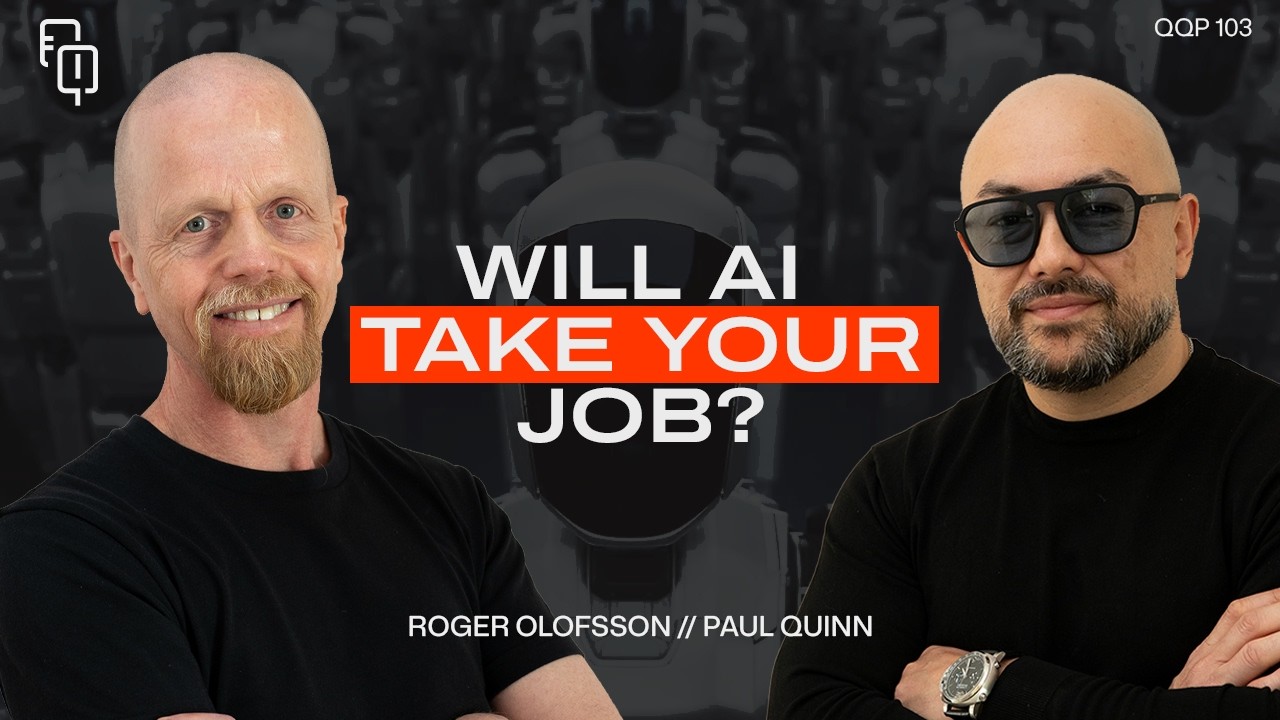
Building an AI Company Inside a Search Firm with Roger Olofsson #103
In this episode of The Quinntessential Questions Podcast, Paul Quinn sits down with Roger Olofsson, CEO and co-founder of Olofsson & Company, the executive search firm hiring for startups, AI, tech and fast-growth companies. From a childhood in Luleå, near the Arctic Circle, to landing in Singapore in 1996 as an exchange student with a backpack and a suitcase, Roger shares his transformation journey through almost three decades of recruitment in Asia, and the moment he finally backed himself to build his own firm.
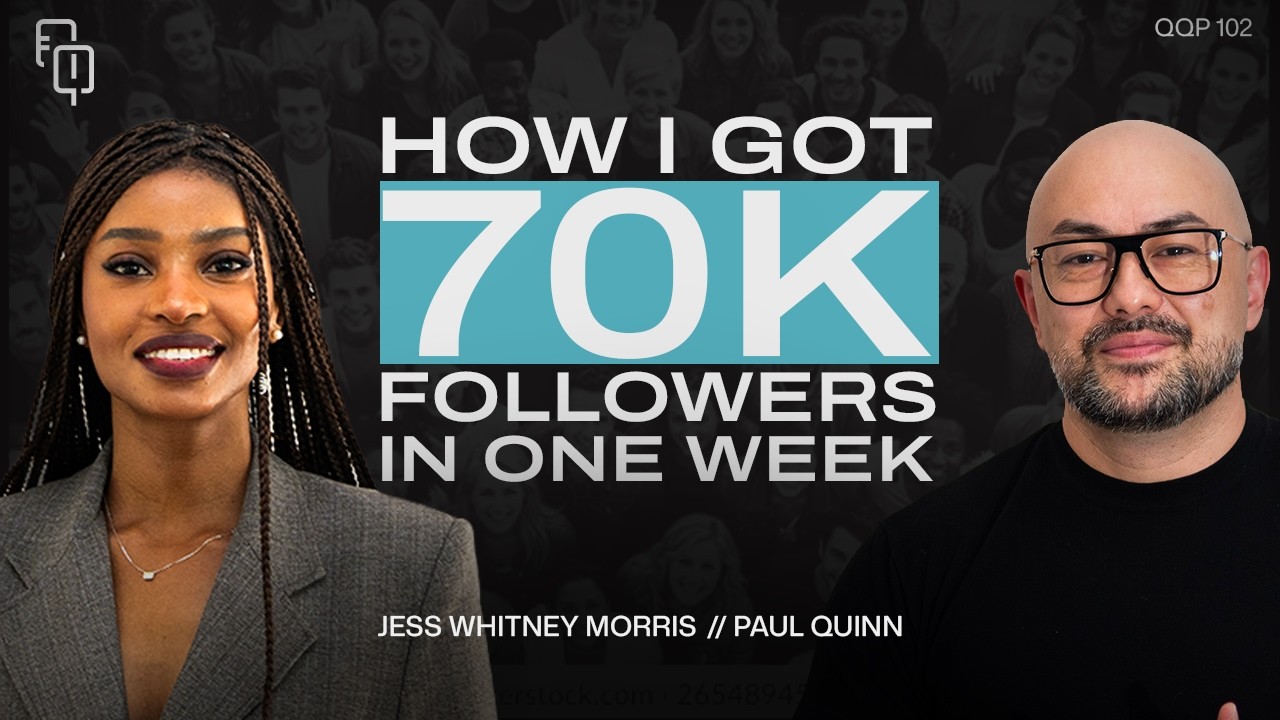
One Video, 70K Followers: Jess Whitney Morris's Breakthrough | #102
In this episode of The Quinntessential Questions Podcast, Paul Quinn sits down with Jess Whitney Morris, model, social media management company founder, and media presenter. From growing up in poverty in Uganda and working-class England to working her way through Abercrombie, Hollister, and a self-funded university degree, Jess shares her transformation journey and the moment her father tore up her first modelling contract in half.
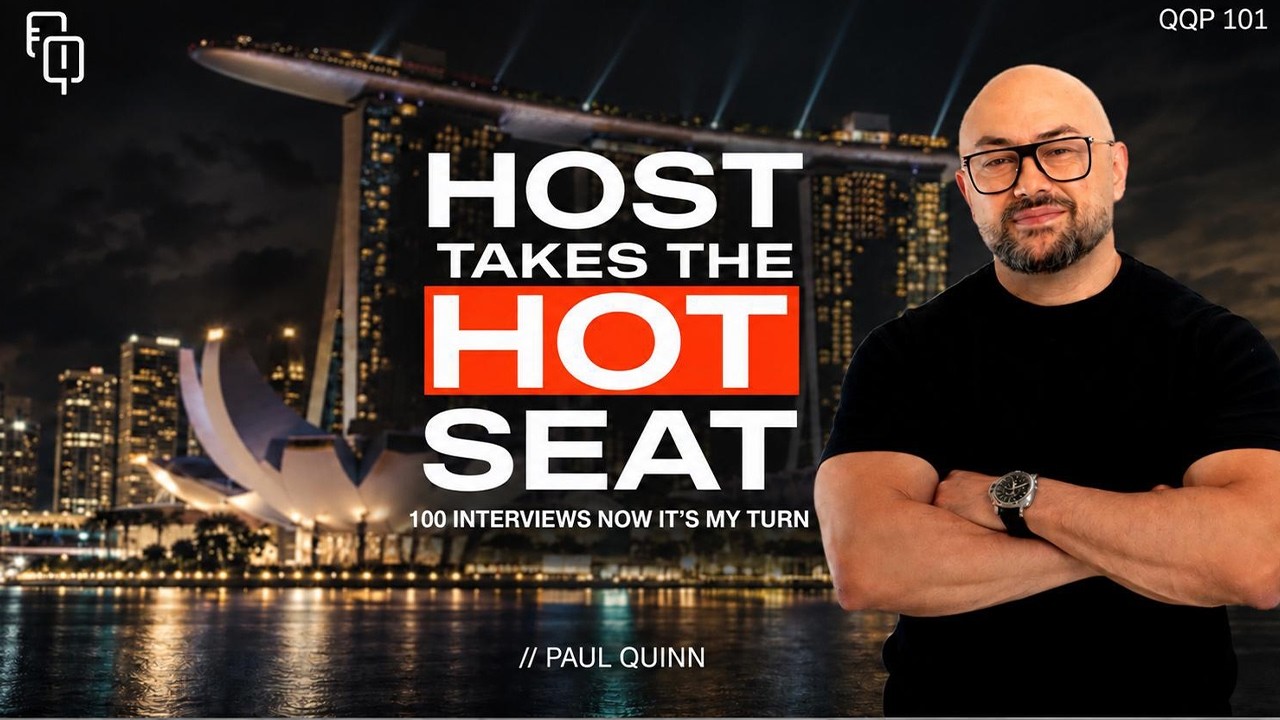
I Interviewed 100 Extraordinary People. Here’s What I Learned | Paul Quinn
In this episode of The Quinntessential Questions Podcast, the host takes the hot seat. After 100 episodes in the interviewer's chair, Paul Quinn, who runs Westport Executive Search and founded Quinntessential Coaching, answers questions sent in by guests, friends, family and listeners. From hitting a career plateau to building a podcast that now welcomes Olympians, world champions and global CEOs, Paul shares his transformation journey and the moment he decided to put a spotlight on helping people.