
#33 with Adrian Chui: From Investment Banking to Real Estate

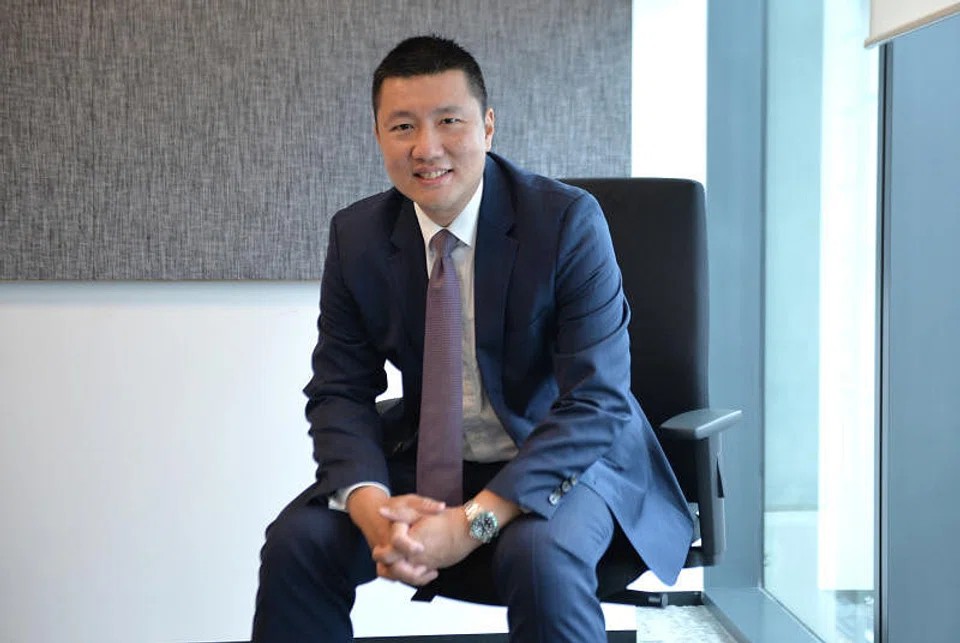
In this episode of The Quinntessential Questions Podcast, we sit down with Adrian Chui, a top leader in real estate and finance to discuss his journey from analyst to CEO—and the key lessons learned along the way. We discuss his transition from investment Banking to leadership, key trends in the real estate industry, and his career advice for young professionals.
Whether you're in finance, real estate, or leadership, this episode is packed with valuable takeaways. Don't miss it!
TIMESTAMPS
(01:54) Adrian’s Background
(05:20) Entering Real Estate & Finance
(09:27) Becoming a Sell Side Analyst
(13:27) Transitioning to Investment Banking
(16:30) Moving to Leadership Roles
(17:36) Managing Corporate Stakeholders
(21:50) Being Selfless with Time
(25:18) Creating a Positive Work Culture
(28:30) Dealing with Mistakes
(30:05) Vision as a CEO
(34:32) Decision-Making Process
(38:40) Having Conviction in Plans Made
(40:39) Real Estate Industry Trends
(43:26) Balancing Risk and Opportunity
(47:20) Impact of E-Commerce on Real Estate
(50:52) Investing Strategies across Institutions
(56:32) Advice for Young Professionals
(01:01:00) Best Advice Received
(01:02:28) Interests Outside Work
Bio
Mr. Adrian Chui joined the ESR Funds Management in March 2017 as CEO and Executive Director. He reports to the Board and is responsible for achieving ESR-REIT’s fiduciary duties to Unitholders as well as managing major stakeholder relationships. His key responsibilities include setting the strategic objectives and directions for ESR-REIT alongside the Board as well as driving the overall business plan execution with the support of the management team.
Mr. Chui has more than 20 years of extensive real estate experience, across property investments, divestments and operations, real estate funds management and structuring, capital markets, acquisitions financing, mergers and acquisitions, and fund raising. He was the pioneer in leading and structuring of Singapore’s first ever REIT merger in 2018. He is also an Exco member of the Real Estate Investment Trust Association of Singapore (REITAS).
Prior to joining the manager, Mr. Chui was responsible for the Southeast Asia real estate business at Standard Chartered Bank. His deal experiences span across private funds, REITs and Business Trusts market includes structuring cross border property investments and fund raising in industrial, logistics, hospitality, office, retail and healthcare. His previous roles include being a sell-side property research analyst responsible for Singapore listed REITs and property companies and had held management roles in other REIT Management companies.
Mr. Chui holds a Bachelor of Business from Nanyang Technological University, Singapore.
Transcript
hey guys today I had the pleasure and privilege of sitting down with Adrien chwe the Chief Executive Officer of ESR funds management it was a great chat we talk about his experience in Investment Banking corporate Banking and into commercial real estate we talk about the portfolio that he's grown from 1.5 $5 billion to over $5 billion here in Singapore we also talk about our shared love for cigars I hope you enjoy the conversation as much as I did Cheers Adrian it's good to see you man hey good to see you Paul how are you I'm very well you yeah good good good I mean things are doing well had a Fab bit of travel around the last few weeks but yeah back in Singapore where where were you on this trip uh I was at a city Global property conference in Miami okay it was a one of the highlights key highlights of the years I was Miami long flight over there how do you fly did you go to LA or San Francisco and then I fly to London and from London we fly down to to Miami oh you do it that way yeah so it was a fullon conference it was great we see our investors in US European investors at fullon for two days and two and a half days of meetings was tired back to back but yeah glad you do do it because you know and in a world where there very uncertain with all the Trump Administration and all it's always good to maintain communication with your invest your stakeholders so yeah it was good meeting but it was tired it was like an 18 hour flight two ways um still recovering a little bit but yeah I mean each that's katchup right it is as we get old actually when I do those trips now I'll I'll arrive one or two days early like it helps you have a day day and a half just to recalibrate because otherwise you're not going to be you are spot on Paul so my conference is on a Monday and a Tuesday I flew from Singapore on a Friday yeah I landed in uh Miami on a Saturday yeah so I took about a day just to adjust you take a Sunday just to adjust you would thought that oh Sunday Miami you can go go and pain the town rate no I you just rest get your chill get your body know tuned so that Monday your full on and then when you're back in Singapore you think they have the weekend to really tune your body I feel coming back is worse CU cuz you're also tired from the trip yes exactly you know but uh yeah it does catch up with you you take some time to adjust but yeah things are okay still you Knowle well look for the few that may not know you can you be kind enough just to introduce yourself give a quick overview before we get stuck into your history yeah yeah thanks for yeah I should have done that earlier I know I'm Adrian chewy here I'm actually the CEO of ESR with the uh industrial that is uh the son of stock exchange of Singapore we focus on Logistics as well as industrial assets um the assets are primarily in Singapore Australia as well as uh Japan um I have been in the real estate sector for very long in the in particular from uh the re sector as well as the private funds sector primary real estate um more than 25 years doing this uh I probably uh one of the Pioneers uh uh guys who were involved in starting reads back in 2002 in in in Singapore so um throughout my career I have uh done various roles in primarily in real estate at various roles I've been a corporate guy at the start learning the fundamentals of what is corporate real estate um and then I became uh I I worked in uh uh companies in the Rose where I to do private funds setting up private funds the early mid 2000s in China um I also became a banker um I became a salite research analyst as well yeah um I guess and I came back to corporate again to take on the leadership role as a CEO um grew the company from 1.5 billion AUM to today's 5.5 billion AUM fantastic um I used to manage bigger teams you know from a small team of three to four guys from department head became in a bank managing um probably 20 people looking after southeast Asia real estate banking from lending and Investment Banking to today managing 70 or over people uh doing operations funds management so yeah it been quite a big Journey so someone commented to me that you know in terms of the roles and and scope of work in real estate I probably have done everything except being a Bight fund manager very what you've done yeah very a banker A lender Investment Banking in real estate um saleside analyst research to write reports to recommend stocks well that helps in your role CEO because you understand it from middle and back oh yeah yeah definitely it this this this this scope really really helps because you get to see um um the um the key objectives as well as the ideas of the counterparty so if you talk to research analyst you know what are the angles they come from what are the key areas this guy likes to focus on and then you can sort of customize and talk um very relevant stuff to them um when you talk to the banker who wants to lend you money or who wants to raise bonds for us we know what are the key aspects that they're always looking for we make sure that the credit Matrix is right uh when we sell and we talk to equ investors um what kind of uh angle these guys are looking at um um you can make sure that when you do a presentation you know you don't just give generic presentations you know Paul today nobody wants to just open the newspaper and see the ads and and and buy something they want customized they want the feel special and if you do not understand what these guys are aiming for the angle that they come from um it's very difficult to try to answer the question and after a while you lose the audience yeah I would imagine that's going to be at the Forefront of your thinking whole time exactly I'm just curious how did you initially get into real estate and finance that was funny I was uh local grad here Singapore uh National technological n Technological University um I was my my degree was in uh banking uh in banking so um I started uh it was supposed to be my degree was actually had me to be in the banking me join a bank but I didn't really thought of uh joining a bank at the start straightforward so I I applied and uh it happens to be during a period of time I graduated in 2000 actually that was the time where you know the dotom the Doom bubble started to sort of burst um economy wasn't doing that well and I found a job in this company called JTC International uh it was industrial real estate first job someone give it out of school after two months you got you got a job you just take it yeah and inevitably it led it led to myself in real estate um and the company that I work for started to go for uh it was a uh part of a JTC which is a government entity but they were they were the so-called the commercial arm of it uh it went through some mergers with another company and slowly it evolved into looking at REITs and during the early 2000s there wasn't reach in Singapore the company the the uh sector real estate sector was kind the push reach as a as a area for um for growth in real estate within real estate and that's got myself involved and well as history has it I started to get myself in the re sector I was the first mo one of the first early Pioneers first move advantage and yeah that's how off but what's funny is what you started off doing it even though you had different roles within it you're still in that space yes because I think the the funny thing is people tend to think oh when you start off your career it may change shape but the reality is you're still in the same game right yeah I I I think sometimes My Philosophy would be that you you don't want to be too specialized yes because it restricts your um your thinking or let people like to say pigeon hole you don't want to be too pigeon hole into that um but I think sometimes within a broad sector like real estate you know you could actually learn different roles and that was where I thought that uh in real estate Wherever You Go real estate is is is Big you know um people still breaks and Motas but it has evolved over the years that real estate is not just breaks and Motas you have building Technologies how how you customize to your customers and ATT tenant business needs because they do change but you like it or not we all need the roof over ahead whether from your own residential uh that your own home to stay or for business you still need the physical bricks and motar so my view is that um from a career perspective you don't need to Pon hold s but if you choose a sector that is has relevance um um in today's world or generally it has to be uh um for for what commoners needs are um you can you can play yourself different roles in that I think I think that gives you the flexibility to do that and I think that the last 10 years in the leadership roles even though it's a real estate it opens my mind into really leadership not just ponal real and as you get higher as you know Paul your thinking and the way you become more flexible you're more open to to to accepting things um and that probably is it's a good thing for for for myself and I start to be thinking more on strategy leadership roles sometimes when you talk about peers fellow seets uh um we are even though we're in different sector but you tend to be able to appreciate each other because even though we're in the different sector it can be in Tech can be in Commodities it can be real estate but we all As Leaders face similar issues for sure that and that is what I think as a leadership position it was useful for me when you so when did so after that was your next move to a bank yes yes so from a corporate I spent some time to be a salite analyst okay writing research reports but I thought that was not something that was interesting it was useful to learn how the cite Works how how the the the research analyst and the Traders recommend stocks of fund managers how different fund managers thinks and looks at a certain company um uh uh different everybody have different views different ideas of of what makes money um so that was great you know I spent about one close about two years there at uh was a sales analyst with Morgan Stanley Singapore covering uh reads as well property companies how was that going from you know a Singapore and government business to a very Dynamic US Bank yeah that was a big jump trust me I mean Paul this is a very big J because um in a Quai government link uh Auto toas Link company um you tend to things are more structured you know um I would say things are more structured you have your OB markers there about um yeah I I would still say the word I wouldn't use the word protected but you tend to have more structured uh uh that such that you can follow the rules that's guide sorry that's guide the word is guide right so you don't get yourself into too risky situations that when you fall you can't get up but when a big us investment Banks wow this is like think about ideas come on ideas a ideas let's go let's go everyone is very motivated everyone I wouldn't say it's an alha Mill but B you don't need to you don't need to motivation is never an issue yeah in a big however risk-taking culture is also the bit different um um and during the mid 2000s you know when um when Asia was coming out from um from the Doom bubble the world is coming out from the Doom bubble everyone was like guys you know let's have the risk culture was very different so it was a transition that that I would say was in my career was the biggest jump yeah yeah because just because of the mentality the people that you work with yeah well I think in those organizations there's nowhere to hide and at a young age it doesn't matter you got to deliver like let's go yes go however the good part about working in this in in in the US big us bank is they're very smart people that you work with um so you are never going to not get help yeah right you never not get help because there are smart people around thinking difference and and I like the culture of sharing in the UB best investment no nobody is going to hold back information from you you know um and there's a kind of mutual respect that hey if you can make it into this this this bank this financial institution you must be somewhere up there so people respect you for your ideas your intellectual rights and and and the the risk culture there it's it's they're more risk taking so you can to get try new things uh and so that was a good learning curve from me coming from government link or tamas link company culture setting into a US Investment Bank but I thought that because I was just covering research after about two years I got a little bit bored yeah because your personality is too big for that yeah because you know um we has 24/7 yeah right and you if you want to cover a company well you you need to spend time on it that limits the coverage of the companies you can do yes yes and and that and I asked myself do I want to Pigeon hold myself to be covering 10 or 15 stocks for the rest of my life you know so and it was getting a little bit um um not doing my skill sets and and so so that was go where I I started say hey maybe I should maybe explore other parts of of the banking sector and that was where it led to me uh doing Investment Banking okay yeah and then tell us a little bit about that Journey oh Investment Banking is even um I would say cut trro maybe the maybe the word um things move very fast um there are even more motivated people inside um but what I find interesting is you're always on your toes thinking about ideas think about how then getting ahead of your competition because it's it's there are so many banks everyone wants to be in front of the client wants to be the favorite client wants to be on the on the speed downal of the client so you got to differentiate yourself so I start to to to um understand the real meaning of differentiation and and at the same time it taught me about efficiency because when you see a SE Su a a SE su he only has 20 minutes or a tycoon a business tycoon a a a sponsor or or the Tycoon you know he only has 20 minutes and if you can't catch his attention in the first 10 minutes yeah forget about it the meeting is wasted and it can take months to set up just to have an audience with him so it taught me about guys straight to the point efficiency short sharp concise sweet no I love that yeah so so I'll add one more thing so I always teach my guys keep it short sharp and sweet and always keep them wanting more yes exactly um uh and so that exactly is what I thought in Investment Banking World it it it it uh it sort of taught me over there um there are people all of them that I work with the the TW I covered and was in Investment Banking business and I also evolved from Investment Banking into corporate banking as well I used to just do m&as IPOs dead Capital markets in in in my Investment Banking days in UBS as well as stanchart but towards the later part of in stanchart I started to do lending as well and and when you do look at lending that means you take the bank's balance sheet to lend to corporates loans you you start to see it a different perspective as well you know lending is not about about how much interest cost you can get it's about whether you can get back the principal you know so I tend to appreciate credit Matrix a little bit more yeah um and that again diversify my my my skill sets into hey you know I apart from doing fundraising um issuing new shares issuing new bonds uh and buying companies you also need to learn about the lending part of the business well that that will come to this later but that's all dovetail to like what you've been doing for the last few years but there there's a Donald Trump saying I remember him saying years ago which is if you owe the bank a million dollars you're in trouble but if you owe them a 100 million they're in trouble yes exactly exactly so so that was where I think in the I spent probably in the banking sector probably closer about 10 years 10 to 12 years yeah before I move on to my this current role uh how how was that transition like moving from you know Investment Banking to your new role um I think it's a different challenge you know one one major difference that you see in Investment Banking and in the corporate I would say I just us use banking Inc corporate as a as a mo is actually is the culture as well as the people that you work with um I realize that whether you're in banking or you're in corporate world it's all about people's business yes I think in in banking the good part is uh they teach you to be concise straight because you only can grab the attention of your clients you only have 20 15 20 minutes of your clients's attention you need to deliver that message that that trains you to think that business aspect yes short sharp sweet and and now today I learn from you so that you want more always more yeah um that was a good aspect um the aspect of the people that you work with is they alpha males they self motivated they always want more yeah um how do you how do you manage that by the way because um I remember reading Alex Ferguson's book where he was saying he's managing bunch of these alpha males you know young multi-millionaires and how you manage them is is different from managing other people yes I think the key is that you need to know at what stage these young Bankers are at yeah right when they are an analyst associate all the energy is there whatever you throw the thing to them they will do it but when you start to become a senior associate or a VP they want to have a little bit more the ability to lead a team yeah so they don't want you to be telling them step one to step 10 because they have gone through step one and step 10 yeah so you got to leave them the to tell them hey you're now a VP you need to lead the teams I need to give you space to lead the team to to to train your own team and have them and then when and then when the guys are on the verge of being an MD um that's where say hey dude now you got to be aware of p&l all right because you want to be an MD from a director to a to be an MD you need to have be responsible pnl you need to cultivate your own relationship ship so what we would what I do is those relationships with clients that I have I start to pass it to him and by passing it to him I do have to spend with to then look for more new clients yeah so trying to circle of life right so you need to let the people see that the pie can get bigger because in a Investment Banking world you don't have a cost of a thousands I mean h counts is precious yeah you probably have if you have able to have five to 10 member team I think you're very lucky but you need to have that pie to to grow um but that the constant challenge is always keeping these people motivated and then there's a down cycle that's where that's where I think people they keeping their motivated in a corporate world it's different in a corporate world um you manage everything human resource it the business part um and you work with people from all works of life you know I'm not saying that um the people who in the corporate world are less smart than the people in the banking world no but I think in the corporate world you tend to see people with different objectives motivational level and it links a lot to the stage of the life that they are in very very interesting point yes and that is why as a leader in uh uh a corporate world where we have 70 80 or people who have have people from Young who are who are not married to the people who have young family to different stages of life when they the kidss are in teenagers but their parents are getting old to those who whose kids like guys I'm done my kids are grown up you know so you need to to to to find the kind of job and assign the people the kind of jobs so I would say in human management um in a corporate is probably more I want to say harder but it's it takes a bit more effort yeah it's very broad you look because it's very broad yeah yeah uh but at the same time um you learn the different skill sets you know T generally in the Investment Bank um I would say 90% of the time if you give a bigger bonus um you can keep the guys happy but uh in the corporate world not really no there's a lot of softer points right yes in in the in the corporate world sometimes um um they want to see themselves doing uh um things that they want to do yeah okay and the Cor World um um they they want to see themselves being able to do bigger role yeah not necessar um money yeah but willing to work with you um willing to to follow you as leader and a certain purpose you know well you know if I may just we know each other through a very dear mutual friend and that person said to me that that you were the best boss they've ever had but also said but that it went beyond work because that person doesn't work for you anymore yes and that you still check in on that correct and that you're very selfless with your time and that that's huge that that speaks a lot about who you are as an individual yeah I I I think I I tend to say look I'm on a relationship purpose person relationship person um um you know I am you are I you are front and center right yes yes um just because someone who is younger than you you don't assume that you know all um these people everybody have their skill sets everybody has can put something on I think that's the first thing I always try to recognize it's like um I'm not a I'm I'm I recognize that I'm I can be a jack of all traits yeah but and trying to be a master of a few but there are always people who are better than the Masters for sure so I think that is where my philosophy has always been and that's why I continue to have the relationship with our common friend um um um checking out with her and and she's doing well and sometimes in and whatever life stage that she has gone true I may have also have gone through so you just give a bit of advice but you don't tell them what to do you sort of point out these are the possibilities but they have to make the decisions yeah so I guess that is what that's a great leadership style um cuz you're sharing you're sharing knowledge and wisdom you're not yes telling someone do and I think one of the important I I get good uh satisfaction is when I see a staff whom I've worked with they may be late 20s early 30s um uh good St staff um or sometimes you have a staff whom you you take in I used in this company that I have when we first when I first joined them uh eight years ago um the HR and the and the most of the senior people tells us that um you know the people that we hire that's if you want to hire the the the better ones you got to pay more than the market and generally it's not the top guys of the Branded your peers or your branded competitors who will join you is probably the you know the the the second or third year but they want because they had the brand name they want to have so you have to pay more for those people that you want and then for staff who wants to join the So-Cal brand name they could some of them going to take a pay cut but I I think over the years I have I have um found that a lot of our staff uh they were after certain period of time um we found that our staff were being poached and then you have started have uh eight Hunters uh calling us say oh we have this if you guys maybe want to look at this this this candidate potential candidate you know you may not have a you may not have opening but look at that um because they and we found out that they were the ones who asked them to send are you serious so you start to so we start to talk to Hy I I think we are going somewhere you know and and then you have um and I'm I'm I always tell my staff I'm not a I'm selfish leader if you come to me and say hey boss I have an offer my first question to you are you living for the money or you're living for a bigger role and if I can't offer that Ro Ro for you yeah um I actually will gladly facilitate you so that we all leave on a good note I always think that whether stuff comes or goes you need to have that um that connection and I try to make a a a point that from time to time check in with them and it gives satisfaction when when you meet them at conferences or you meet them at uh uh industry event they still come to you and call you boss yeah so I I think very meaningful right and and you uh because a lot of people AR giving right I mean I understand businesses War for a lot of us but at the end of the day we all have our families to go back to yes we're just we you know most of us we've we've had different jobs we've moved up the ranks yes I love that and I think the culture and I I tried to create a culture and and I I've seen the extreme side of investment banking where it's all about about dollars and cents yeah dog eat dog world yes a dog eat dog world exactly like what you say I've also seen um companies and certain uh government link companies whereby they were structured and they they look after uh the staff pretty well so I when I joined this company I Tred to create a culture whereby guys let's be open about it and I maybe because I've also in my career as a banker seen a lot of sea suits um the style some some the them styles are like um I like to call control freak right down to the dots and the te's they want to know whether which is a do aw the te um to some who actually um let the staff delate delegate to the staff trust them and and over time I try to create a culture whereby hey you know um I I will depending on how senior you are I will give you your OB markers and within that OB markers you can make the decisions because I always believe that a person who wants to move up they must number one make decisions number to lead a team yeah if you have not leted a 10 member team or a 20 member team don't don't try to K yourself that you can lead a 100 team member yeah so I I I always have that and I always St that if you decide to give the person a promotion to be a manager or a senior manager and this person has 10 years of experience you got to trust that there is you got to trust the guy yeah and and that is where I try to create that culture that you know you need to make this and if you make the wrong decision or things goes per shape in a way yeah um My Philosophy in in my company is guys don't go which hunting yeah solve the problem first you solve the problem and then after that you come back and say actually so what happened now and and if the guy guys sorry I press the wrong button I I it was genu you tell the guy all right fine I think you have seen how how detrimental or how much resources we could to do to recover yeah and just not just you but a a lot of other departments so let's be let's be conscious that we don't do this anymore I'm not saying a forgiving culture but it's more don't don't don't step on a guy yeah all right don't go wish hunting yeah um but if this guy repeats number of times then then the problem is with this person that's not with the the process and the system for sure so so I think that culture has served us pretty well but there's there's an interesting management philosophy whereby you know if someone makes a mistake of course it depends how big it is but let's just say it's a fair mistaken let's just pretend it's a $50,000 problem do you fire that person well the point is if you fire that person you have lost that $50,000 but if you you said well that's a $50,000 lesson we want to we don't want someone else to benefit from that yes you know what I mean um and I also think it lets your people know whether or not you support them the rest should be you're absolutely right right if you hang the guy the last thing you want to do always is two things either you hang the guy out to dry or you throw him under the bus yeah once you have that and uh it does spread the and then it becomes uh plague and it then start to to to spread around the company and once it does that then the staff will not be open with you yeah right I mean as a leader I tend to try to think that you don't you need to First understand that you don't know everything there'll be someone who is better than the HR guy will be better at you in in managing uh difficult I situations um um a rock staff or or someone who and if company doesn't do well you need to do uh uh downsizing exercise this HR guys know what to do how to manage the sentiments well yeah um and you got to lean into their expertise right correct the investment guys has their Network to check around to see whether your counterparty is real or not um you have clients who comes to you to say oh I want to um I want to buy your Properties or potential buyers come buy your properties and then your my Capital markets guys will tell will have their have their networks in the bankers and I say hey I think this guy is those really well funded when he's just trying to you know he's trying his luck you and all so so I mean you need to have that yeah you know um I'm I'm very curious when you first set up in this business as the CEO and you were looking to grow the business what was your vision and and in the last few years have you has that Vision evolved and changed as the business has yes I I think when I first took over this this vehicle that time it was a vehicle that's over 1.5 billion it was um I would say that the assets that were in the in the business um were old dated okay um and the big serious problem was that um we had very short land leases some assets industrial assets that we have here are very short land leases okay so you know that as the land Le get shorter and shorter the value of the asset is getting lower and lower yeah until one day becomes zero you got to give it back to the government yeah that was the biggest challenge have you seen that happen a lot now like um not yet but not yet but it's just starting right you knew the storm was coming yeah um so that was the biggest challenge is dated assets shortland leases and then third one we are small our peers our competitors that in the same sector that us they were like six seven times bigger than us they were they had they inherit in them Sovereign rating because they are the maret link companies so it's like you know somebody is telling me that you are like not just running on a treadmill you are your treadmill is inclined 2.0% already on the slope you know you have dated asset dated assets shortland leases as well as you are small you know um so that was the challenge that we had but we told ourselves okay we need to put a few plans right first thing um you need to bul up I mean if you're uh it's just like um you try to go for a competition right uh competition or what you if you don't bu up size matters if you don't bu up you always lose to the guy who is like two hits taller than you yeah so the first thing we need to do is okay we B so we did a serious m&as um there is the jury is out whether uh uh the m&a works or not I mean some people say it works some people say it don't and we have mixed results don't get me wrong I'm not saying that but there will be some kind of suffering because the objective is very simple if you don't do anything yes you're going to lose all the values and you be consolate you be obsolete anyway if you try to do something there is a chance that you could um you give yourself a chance you give yourself hope you need some critical M correct um we've done that few years of series of m&a mix results um um and then we start to realize okay now the second part is so you get yourself in bigger size really and then the second the second one then will be okay now how do you change the dated assets and a short land list we start to reate our portfolio but in between we were all hit by covid yeah it set us back by about one and a half years yeah where nobody's going to buy anything nobody's going to sell anything so that that that set us back about one and a half years to two years whereby you can't really reate it's only back in 2023 2022 that we started back okay guys this is the second part of the strategy you need to reate you need to um sell off the shorter landle assets use the money and reinvest in free whole overseas assets M yeah so or else so the portfolio initially was domestic was all domestic okay and then over the years it was it industrial industrial Logistics Assets in Singapore okay um dated and and Industrial land Lees in Singapore are very short actually 30 years only was it 30 I thought it was 50 no it used to be 60 to 20 years ago and now all last 10 years is all about 10 15 years about 30 years so that is the problem you see Paul yeah so it's very difficult to predict beyond that so short exactly right so and and value starts coming down yeah so the the the key them to the board and ask strategy was hey you know these are the three problems dated assets shortland leases you know um um um yeah these are the two key key key key problem so you need to make sure that first thing get yourself be a bigger boy from a small boy become a teenager yeah so we probably have have have gect um and now you need to rejuvenate so all the data assets that you cannot redevelop that you can not uh uh do asset enhancement sell them the short L asset that's left 20 years 15 years just sell them because you know that you keep there your money is going to your your value is going to come down because the lens get shorter and shorter what what's your I'm just curious in so what's your process like do you like like take out a big piece of paper and say right these are all the properties and I'm doing you do that data analysis exactly and you've got to put uh it's not an emotional decision you're going to say look this is times out we got to get rid of this exactly so you're going to sit down with the team and put down and say okay let's ask ourselves right this is this is what the 30 assets or 40 assets we have what do we think do you think that there's ability to do asset enhancements are there any way that you can build one more floor uh can you change can you do a major asset enhancements whereby the the space become relevant now having a space an industrial space and office space can be different an industrial space is used by people who runs a business technology changes manufacturing technology changes so what you think was is um uh uh the State ofth art industrial building today 20 years now it may be obsolete yeah so the would like to say the life cycle of a industrial property is much shorter than an office yeah all right and the way and te of an industrial manufacturing is much phenomenal it's much higher than a than a office we sit down with the team we look at a PR and say okay let's not too emotional about that I know this asset was bought by you this asset manager look after it for the last 10 years it'll be you know real estate is emotional yes some it's like ourselves you want to sell a house that is have been a matrimonial home yeah you stay before the kids all the memories inside you you you find that so let's cut the emotional out of it yeah and then we tell ourselves okay this we we put them in different buckets which are the one that what we like to call Crown Jewels which are the ones we can have a chance to do asset en and value add those in a bunch whereby look no matter what you do you you just can't add value to it so we package them we sell we do as enhancements um so the second stage of it was that's what we did in 2023 20 started um we were held back a little bit by Rising interest environment but it was okay you know um and sometimes the question is then we said ask ourselves do you want to do if you have to you have to sell 20 build 10 buildings and you have to um do um uh renovate uh or or R develop uh five buildings do you do it over 5 years or S years or you say guys why don't just that Bang Do It B do it one time maybe it's a big pain for everyone but guys just let's do it put the resources into that Focus to that yeah so we decided to do the this way you're going to do it anyway try not to drag the pain for too long and and when we try to time out a certain series series just like what we did in the first part um that we thought that we could do our Rejuvenation as well as being a teenager growing buing up we thought we could do it in 3 years but covid hit us yeah so sometimes life is like that right you think life never goes according to your timetable never what you think is 5 years 3 years could become five so we thought okay since we have the plan to do it already yeah we have to we've identified why don't you just do both the selling as well as the Regeneration at the same time wow but the the negative consequences then was that um yeah when you sell assets um when you close down bill buildings um your Revenue that's comes down yeah so it inevitably resulted in less Revenue less profit uh in impacted on a share price but we need to stick to it and some investors agrees with us some investors don't agree with us and we just but we just be open we tell the investors this what we are going to do yeah because this is what the issue you don't do anything you were going to lose the value every year anyway yeah now what they're going to do is going to do this by doing this you give yourself a hope you then redeploy the money into better quality assets newer longer leas asset so the chances of your your your valuation going back better but in the next 2 years as we execute it yeah it will be some pain and it we'll be open to them if some of them thinks that hey I can't wait for two years and I would sell your stock out go ahead yeah so so I think you you had to have a lot of um conviction in that that plan right yeah you have to have that right because um um we know it because I'm part of a group whereby we have been in the logistic sector for so long we know the trends we know where at the people that shifting and and um and then as you execute the two years your how no one knows that Trump will come back you know uh but yeah but we still we still execute our plans uh sometimes you adjust a little bit here and there but you don't totally abandon the whole whole strategy which which countries were you looking at to to start buying in yeah so we were very focused we are a re so we were very focused on making sure that um re what's first of re is about stable income um not tooo much risk core assets which means that you need to focus on developed countries so our F we will started off with Singapore M um so the developed countries in Asia and in Asia we have two philosophy first thing you be in developed countries so that you can you can still provide stable and and stable stable is stable uh returns um and all second one is we want to be in countries footprint countries where our sponsor the ESR group actually already has operations you don't want to go into a country whereby you got to set operations from stretch that that would mean timing know you want to leverage on your sponsors Network that's that the people that's already on the ground to start the work so that is why naturally um to F fulfill this two criteria Australia and Japan are the two uh uh natural countries that you do that so that is why we expanded in Australia and in Japan all our assets in Australia and Japan are looked after by our colleagues you know real estate is like that if you don't have your own people to look after yeah um you're not going to get the best forget about it yeah you're going to get not going to bet I don't think it's forget about you don't you don't get the best value out of out of that so um that's why our philosophy today has served us um um we is our feel is that um and it's still Industrial and Commercial that's the DNA of the business right that's DNA yeah what are the industry trends that that you're seeing the biggest trends that are shaping real estate um and the investment landscape now here in Southeast Asia well I I I can share about where my where my knowledge is expertise which is more Logistics um I feel that with um Trump's policies what this terrorist that's going on um people uh business people especially manufacturers are reinking the supply chain yeah um you asked my Frank Opinion Trump 1.0 was the first time there was a big disruption of of New World Order you know um he he basically threw the traditional playbook out of the window um and and you have the China us trade tensions uh we thought that when Trump 1.0 was gone it should go back to the you know old tradition no it didn't Biden it actually became uh even more intense um now Trump 2.0 is back I think it it now affected more other countries I mean his traditional trading partners like Mexico and Canada you know the story from from what you see in CNN and and all this uh uh blooms um I think people are starting to think about supply chain and we are of the view that um southeast Asia will benefit um we still think there is but you still need to see ultimately how does will he then impose other tffs and sth Asian countries because it can be a zero sum game um and if it's if the benefits of Manufacturers change of supply chain comes to Southeast Asia then Singapore will always benefit because of rule of law of where we are yeah uh and that's where we are quite excited in fact in the business I can share that the last six I would say last three months or so since Trump has won the elections in November uh we are starting to see queries actually queries from manufacturers um about space needs now it doesn't mean that he has converted to more space to be leased by us but you know that they are asking for a reason right they getting ready just in case and we think that yes it's just in case we think that ultimately it depends right if you have a tariff on Country X that that Trump trump blurs out in his uh in his true social that you'll be 40% you TR to see where it lands if it is going to be 40% these guys will shift in because you know use Singapore as a proxy you know shifting to that you can I avoid the terrorist but but you know at a lower tax regime but if is from 40% ultimately 10% yeah these guys will stay there because 10% is just a business cost increase so I think but there are people who are who are looking and we are seeing that as well yeah how do you balance risk and opportunity okay as an investor I've always thinks that how I run a business is always calculated risk all right I think we need to First understand both on the board as well as from ourselves as business people that we are in the business of managing risk yes you we go back to our professors in University will tell you risk returns if you want zero if you want zero risk just be really to accept zero returns and vice versa so I think it comes back to what is first your business model if your business model is core assets cor business returns of 6 to 8% um uh 6 to 10% with with cash Ying giving you um um accounting for half to to 60% of your of your of your total returns yeah then then you need to then say whatever business investment decision you make does that risk commensurate the kind of returns you're looking at your answer is yes then you try to identify what can go wrong we always have this philosophy is that if you can cover 80% of your risk um I think the upside will come now now what another question is what about that 20% because that 20% can bankrupt you as a company it's true then the question is asking yourself if this thing happens what should I do do I have advisers who can go to do I have people who who knows this I mean what we like to call scenario planning but mean I mean you write the board paper the investment paper you cannot write there are 100 scenarios yeah right I mean if you look at if you I always tell my my guys right when they write the bo board papers or investment paper to miss I mean you can put a few scenarios that that you believe are possibly happen I want to see what is your reaction but it doesn't mean that these scenarios will will always happen but that going through that exercise tells us that guys we we w't be stuck when basically we won't be a white idea when the flashlights start to shine in your your interesting so so that's how we look at risk um um you can do your scenario planning the key always is and I believe that um um uh senior board of directors or people who are in the business for long enough always look at what management how management react to a situation will they throw the keys to you and ask the board can you solve it for me or they will tell you this is what we went through this is what we think yeah the decision ultimately that you do it might not be correct we have over the years I we in real estate you know in real estate the biggest problem will always be either Tenon goes B up bankrupts so you can pay your rentals and and then all and second one is fire yeah what happens you know if there's a fire in your in your factory it's just not just your unit all the other people around the tenant cannot cannot do their operations how are you going to react to that how fast you recover it's a risk and it depends on how the fire is being uh is being uh and and and even coverage of insurance coverage is problem it's a risk because how do you know how much to cover yeah yeah so so a lot of things is based on experience and all and and I think um this is how I see risk don't avoid risk just make sure that you all the known risk that you know whether you learn from your peers or from your colleagues are covered run the number of scenarios that is totally way out the box and test yourself how are you going to react yeah test yourself I love that I think that's the key to to managing risk and if you think that you can uh manage that yeah I I think the upsite will come when when you think about e-commerce and Logistics and how the world is just changing yes how is that going to impact you know uh real estate for you because that that everything's changing so quickly right so you're having to anticipate things yeah in very short distances correct I I am of the view that since Co the way we produce Goods the way we deliver goods and the way we consume Goods have changed e-commerce has e-commerce as well as in my view Logistics has become the backbone of the whole economy yes because of the way you produce the way you deliver and the way you consume goods and this is where I think we as a company uh will stand to gain in what we call that change in circular Trends you know I'm sure you have you have you have experienced it at home for us our parent generation or our generation is when you want you are hungry just walk across the road or go down you know drive it out or walk 50 m out you know to the coffee shop have a meal and we're back today my kids are say Hey Dad okay I got some food from grab or Uber Eats yeah it's totally different totally different so um you go go to I always tell people you go to mall today if you want to go and buy um a gym Shir from Lululemon they don't have a lot of stock yeah they have the shop is there but in the end the final product if there's a size there that's good luck to you you're lucky right yes but if you don't have it they deliver to your house and you look at the delivery it can be from the Hong Kong Warehouse yeah so I think this is where logist STI say us and then you and also tell then it comes this is consumption they come to production because of covid people start to see that hey ports can close yes so the thinking behind manufacturers today and then now you after covid the thinking behind manufacturers was used to be jit Just in Time Manufacturing has become jic just in case manufacturing so you need to have some warehouses to to produce especially in countries like sing you don't you don't produce everything from start to finish produ you know they have spare parts coming in and do the value and you're out which means that you need Logistics to be ports to be open Logistics to be well so and because of Co and things can get can ports can closed uh you need warehouses to store the the raw materials and the finished product as well so and now just just in case manufacturing has become even more meaningful because you have the Trump's policies of terrorist trade Wars so there may be a period of time whereby before you change your supply chain to relocate from one country to another you need the in interval period to to have to keep a production going because you don't just set up a factory from country a to Country B in in in two to three months there a lot of implications on that so um that's why I think Logistics my view is logistics is has become the backbone of the whole uh economy is with my view you've you've really thought about it and you have to I guess end to end You' got to think about every different avenue yes um when you look at different financial institutions um how do you think because you've worked for a few how do you think the investment strategies vary across those institutions I I think there are difference you have the global Banks like the US and European Banks you know like your Morgan Stanley the Goldman Sachs the JP Morgans um in this part of the world they are more into fee based income yeah so they tend to be a bit more uh risk higher risk taking and not willing to put there their balance sheet yes um and but what you get from these people is small um a lot of good ideas a lot of uh uh experience that they can get from their Global Network basically if you run into some issues or want to do something within that us financial institution or european global bank somewhere around the world some of their colleagues in Europe or in us would have come across so you're not left alone so they give you good Solutions and these Solutions are generally TR and tested or somebody test precedences if talk about Asian Banks they are more they also come with lending yes so they tend to match the high fee based margin business which is like your m&as advisories um under writing together with their lending yeah now that depends as that's what I tend to see um over the last having work a financial institution and also not on the client side yeah um and then it all then depends on you as a client side every deal has a different objectives right if you have time on your side um um you tend to use the the the the the so-called Global Banks because you want to learn a bit which is the best structure the best risk that can be managed but if you don't really have the time and and and you think that you it's a straightforward simple deal yeah right um what we call baau business as usual time of deal you tend to favor more with the the the so-called Regional Banks who has Landing capacity now my thinking is also is that um there's two parts to it um there ups and up there's good parts and bad parts pros and cons of global Banks and Regional Banks uh Regional Banks my view is tend to have look at a longer term basis yeah um relationship be a lot to them and you need to spend more time because of credit because they're lending you money yeah right they're lending you money so so you need to always spend bit more time conversation with them so that makes you understand you you talk to the credit guys for for for what credit guys in all banks always are very afraid that what happens if you know the hits the fence yeah will they just give you back the key or they'll sit down together with you and solve the problem so you always need to have this sort of conversation keep them posted what you're doing is your risk profile going to go up or go down uh that's with the regional banks with have lending relationship and I tend to be more taking of the longer term um the global banks are more deal deal okay yeah you have deals they they if you you are not seen in the market to be not doing deals you generally don't hear from them ah yeah um rightly and wrongly yeah you know just different DNA just different DNA a um so as as a client you want to make sure that you try to balance both you're always in the market trying to do something whether to issue bonds or or to to to refinance and what but at the same time you want to have that lending Banks who are closer with you because these are the guys that can be faster yeah yeah because when you want to issue a bond I mean you have $100 million to refinance you can either issue a bond to refinance or you can ask a bank to lend you 100 Mil and and the risk is always that the bond market is not always open all the the time yeah but sometimes when it's you get the right timing you can get better terms than you are from the from the landing Banks so I think it's really at the end of the day I would like to say as as a CEO whether from a business from Human Resource from everything you're just juggling the balls yeah it's like five to six balls up in the air all the time and you just have to keep your your Lookout it and the only way that you could do is that uh when you juggle the balls some of the balls if you can have someone who is a right-and person or or few guys who are your senior manager who can take basically my point is you know that as a leader you got to juggle six balls yeah right um the question is what kind of balls a spiky ball soft nice ball good analogy yeah if you if you try to be if you don't have a good people who helps you then one of the ball can be very spiky then every time you comes to you it be painful but if have good people who supports you that six balls could be very cushy yeah and easy to juggle great analogy yeah and to give to make sure that to to to make sure that that ball that you think is not spiky ball and it's cushy and know then you got to give those guys the ability to make calls yeah they need to own it yeah that ownership is really important yes then they have the passion for it and then they'll make sure that hey make sure that when I pass the ball to the boss it is not a spiky ball yeah so I and constantly and then one day and you must also realize that one day this guy who is your rightand person Will May able to move to another one yeah and but it's okay with that yeah um then that's where you going to start to say hey what about the people that's next to him you know they going to come up that's how you help people up what when if if you were to give young people young professionals going into real estate some advice what what would you share with them um if a fresh out of school right yeah just do everything yeah go your seves up get stuck in yeah I have philosophy when I started my first five years I have two philosophy the first philosophy is I don't go home before my boss and if I have to go home first before my boss I ask my boss anything that you have for me yeah because that tells you that it tells people that you're motivated yeah and anything that the boss ask you to do you don't know you just tell it I'll do it first yeah but I'll go and find out yeah I love thatu yeah um people who are in the meid after five six years of or six five to 10 years experience I think you got to start to think that all right and am I doing am I learning more in this company or should I be going out um and it is fair for people to think of that and I think sometimes bosses and leaders need to understand that we will Once In Their Shoes yeah all right if they want to learn more and it's not a bad thing for people to to to to to to sometimes go out and they learn more and then they come back I have worked with people who left me yeah when two three years came back and join me and they became better person now some people say oh the two three years because you can't survive I say I can tell you seriously those people who can't survive I and come back to you these two three years they learn more because they failed yeah I always believe that uh um it's true failure that you learn resilience and then you come out with uh the thinking of trying to think of the Alternatives if it's all smooth sailing for you the problem is you don't know what is that big bomb that is there yeah that can explode yeah I love that yeah so one of the thing that I I don't read a lot of books but there is one book that I particularly liked it because I don't have I don't have patience to read those big big books but there was a book that uh that was uh called make your bit by the MH this uh General mcraven yeah it started off from his commencement speech I remember I saw that video that he had in University of Texas yeah he he gave the 10 philosophy of resilience determination and in a way disciplined and it's from his um experience as a Navy SE yeah it was a com it was a great video I saw that this was a 20 minute video and everything that he says was actually the 10 things that he sort of sit at his commencement speech that's the life lessons that's clear and I think that's probably one of the book that it's a short book uh that is came out from that was expanded from his speech at the commencement speech for University of Texas um you can you can see it I think well his starting point is get up in the morning make your beds take yourself seriously yeah yeah I mean making a bit somebody was saying that simple right but what I think you make out of that point is if you can if you can do the small little things right which is making bed yeah you never get the big things right yeah yeah I think that is the key point in in in just a simple lessons like making your bed it's the most mundane simplest task yeah and let's not kid ourselves right if you can do the smallest things right you never do the big things correct as well very true very interesting so I I think that is why I I think the philosophy of myself um as a leader as a business person is relationships sometimes I have done deals I have encountered deals whereby it is fantastic deal from returns perspective risk are quite managed um and then you check around with your peers um they will tell you that hey you better be careful of your counterparty yeah and I have um I have pulled away from news because I wasn't comfortable with the counterparty yeah yeah I think I think that's where networks listening to people and then ultimately making a judgment call I think I think as a leader that's the hardest two things the hardest making the Judgment call and and and managing people I think that's the to managing people's a lot harder than people think what's the best advice that you've received growing up in our business um yeah from my uh previous uh uh Pho director um uh two three years ago um his advice to me is uh I think the important part is people in this business if you can get the right people who follows you who sees um um sees your point and and you can you can make them see that they are valuable to you uh yeah you will take a lot of things off your your as I said that that Jugger B example that was what his his his advice to me and I've also seen him um as a board of director showing me the lcks about not stopping deals that management but but um asking them facilitating and asking the questions to help them to see the so-called blind spots yeah because they are experience yeah so that has taught me that I love that that because I'm also a board member on my board helps it helps to to see that in a different perspective I think I think enabling to to help other people see their blind spots to see yours and facilitating all that it's very interesting well look it's been it's a great pleasure thank you very um before we go cuz we both love a cigar tell me about your cigar how did you get into cigars and and um what's your favorite few sticks yeah I mean look I I I always think that uh a cigar and whiskey just is is just great you know um um I think cigars was just out of um uh uh passion that I have and I I every day I will take uh probably at least one one or two weekends I'll take more um I friends over did your wife get on at you oh yeah yeah of course she always thinks that I have uh too many too many cigars and I always think that have not enough cigar so that's the one that we always Clash about um and I always find that having uh cigar at the end of the day put my after my kids asleep um 10 plus I'll will come out T take a cigar can be good for 1 hour or so it it s calms you down a little bit yeah um um sometimes it's like you know having a good cigar um tasting it is good and and I don't I I mean in the earlier days when I first started it tend to be a sing stop anything is just Cuban no Cuban nothing but then I started to experiment the last four to 5 years I started to experiment I've been smoking cigars probably close about 20 years or so yeah um the first 5 10 10 to 15 years it was like no Cuban only Cubans are seigar what you call cigar you know but uh stop on that but after the last four to five years when my first trip to Miami that that changed it for me as well that changed me I thought hey actually cigars that are also can try has have to be open to saving cigars from nagan the Dominican Republic and I think these some that just as good yeah and also list you know what changed my mind is also the price point because the the cigars now but Cuban cigars yes right right and then obviously over the years I've been recommended I've been introduced to to to to to good rollers um context who have access to good rollers in in in Cuba and Dominican Republic andan so now I'm a little bit more going towards the taste and looking for Value money but I always enjoy a cigar with with with with whiskey and sometimes it's it's good to do pairing even yeah you know um full bed cigar going with uh maybe a more sweeter and lighter kind of whiskey advice versa so yeah so I I do think that um in a way that is only the the if if you to call cigar a sin that's the only sin that I have yeah you see when do you see you'll do your um inaugural trip to Cuba I actually tried but always is always a bad timing you know I always um always sometimes Miami the last three years you can't go yeah because I mean it's it's always the wrong timing but well I guess it's a bucket list that I need to take off yeah and uh yeah somehow right I hope to be able to lose actually I had that problem so I went to Cuba via Miami and it was low at the time okay and it's very unusual because you get your visa when you're getting your ticket yes the air counter and that was all fine got in there and they were very particular I had a drone with me okay and they wouldn't let me through for 2 and a half hours it was a little bit scary um because I didn't know what and and Mike Tyson saved because I had a a magazine with Mike Tyson on it and the GU saw it and we were talking a little bit I said I was a big boxing fan and um but it was an real Adventure CU was amazing but then the funny thing is so last year I wanted to go to America for a trip and my Visa was rejected and I think it because I flew to Cuba V in Miami and they changed the rules and I had to go and submit everything then I ended up getting a 10-year Visa so these things you need to be careful about because yes you know so so what I've learned about having a cigar and I don't do it for this reason but let's just say I'm taking you out and you're a new client or I'm trying to work with you for the first time by having a cigar it's a commitment of time as you said 45 minutes to an hour correct it changes the whole body language you know and just you know just relax and then enjoy um so if you could have a cigar with anyone past and present who who would it be well I I would think that uh Ean you okay I like it right I think I always um maybe people of my Generations I always say that um I had an interesting um um conversation with someone when I was in New Zealand two years ago having a holiday my family so um we had a driver where are you South isand yes South iseland so um you was oh Singapore that's good they say say you know your your your famous person s on you so I say wow okay so had a conversation and they say you guys you know we hope in New Zealand we always have a good good good good government official like him prime minister like him he I mean New Zealand will do well I don't quite I don't disagree with him but I I told him that that um I am the generation and Singapore that benefited the most from his policies yeah um my grandfather's generation what we call the Pioneers they told they went with him they didn't have the luxury mud flats swamps uh my father generation are those that came out with this the start of the industrialization yeah um I think my generation is the one that benefited the best of his policies when it became became an economic Powerhouse yes in the '90s and the 2000s yeah but I also shared with him now I'm a little bit worried about you know my son's generation me too because the generation before my son um they probably um take things for granted but my son's generation is Tak as an entitlement yeah that is where I think and he he he and the guy told me that you know yeah it is interesting conversation so if I could have Cigar someone was in the past he's one person that you know why I would like to know why people speaks who speaks with him are fear yeah you didn't read a lot about things is this guys everybody will tell you and this tell you that he you this guys when you speak with him you better know what you're talking about yeah not nonsense yeah and the people who says this are actually very respected people very senior respect yeah it would be interesting to be sitting down with him having a conversation whether life from business of philosophy of thinking yeah and and how he as a dictator yeah I would call dictator actually still have people respecting him yeah so yeah so I like that and then just to wrap up which are your top three favorite cigars my favorite is I mean a brand I think TR dad is my favorite it is is it yes I love the Trinidad okay and I like the Romeo and julietas okay okay and then the Monte Christos as well okay these are the tree um and then and that but as you say price points of Cuban cigars has just has just gone off the roof and I find the non-cubans are getting better in terms of quality the way that they do the blendings as well you you know what I would love to have I'm sure you could do it here but the problem is is the leaves I'd love to have like I got married in Marley yes and I in an Ideal World I would have had a Cuban roller oh yes well like we know we've been to them in in Miami and stuff you can't do it here in the same way but that how great would that be that would be great you know hopefully one day when my well I'm married now too late so when my kids are married and if it goes to Bali or somewhere I can I can get a roller get it in and I'll invite you I'll be there brother Adrian it's been a real pleasure thank you so much for taking time thank you very much appreciate thanks
Our Other Episodes
Lorem ipsum dolor sit amet consectetur. Sed morbi adipiscing ultrices in vel placerat.
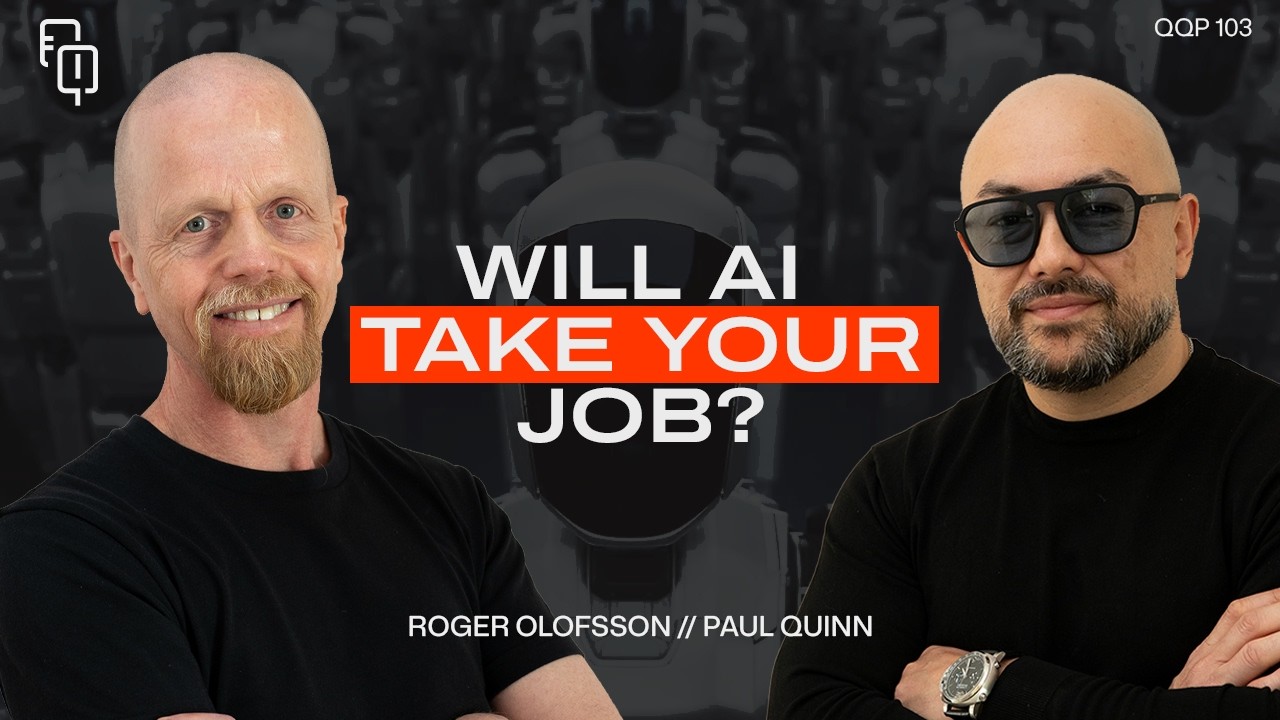
Building an AI Company Inside a Search Firm with Roger Olofsson #103
In this episode of The Quinntessential Questions Podcast, Paul Quinn sits down with Roger Olofsson, CEO and co-founder of Olofsson & Company, the executive search firm hiring for startups, AI, tech and fast-growth companies. From a childhood in Luleå, near the Arctic Circle, to landing in Singapore in 1996 as an exchange student with a backpack and a suitcase, Roger shares his transformation journey through almost three decades of recruitment in Asia, and the moment he finally backed himself to build his own firm.
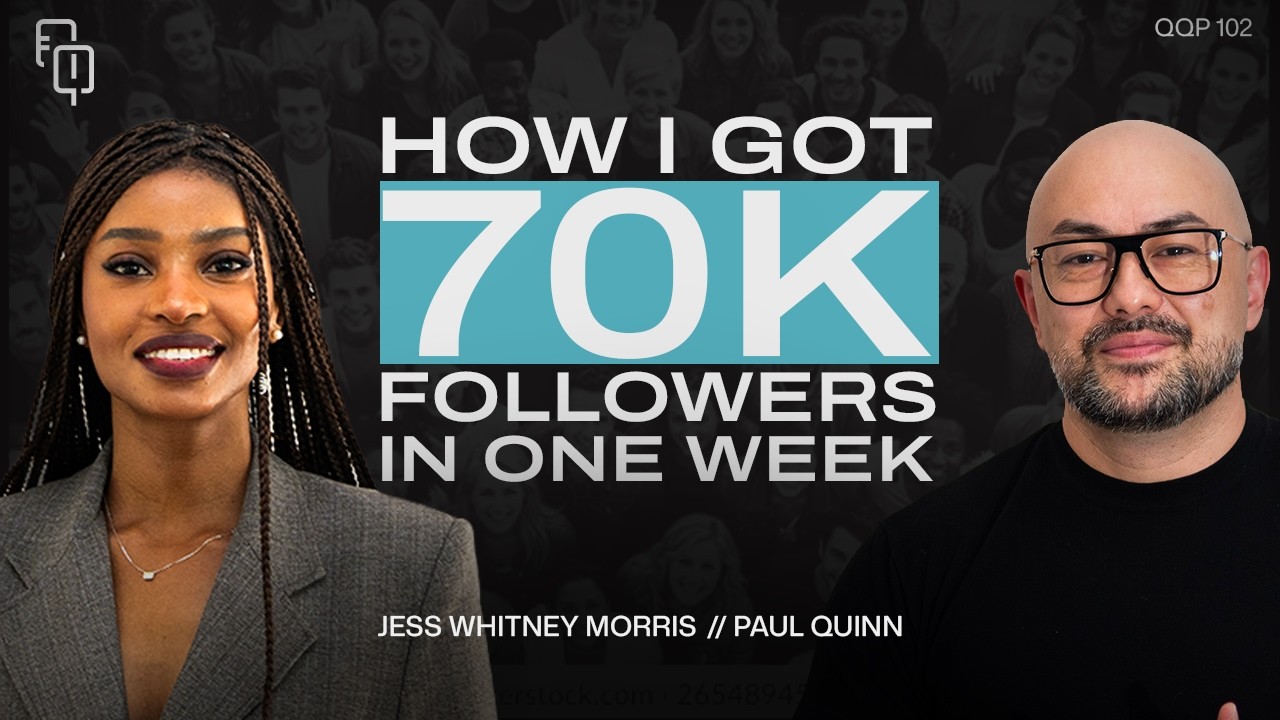
One Video, 70K Followers: Jess Whitney Morris's Breakthrough | #102
In this episode of The Quinntessential Questions Podcast, Paul Quinn sits down with Jess Whitney Morris, model, social media management company founder, and media presenter. From growing up in poverty in Uganda and working-class England to working her way through Abercrombie, Hollister, and a self-funded university degree, Jess shares her transformation journey and the moment her father tore up her first modelling contract in half.
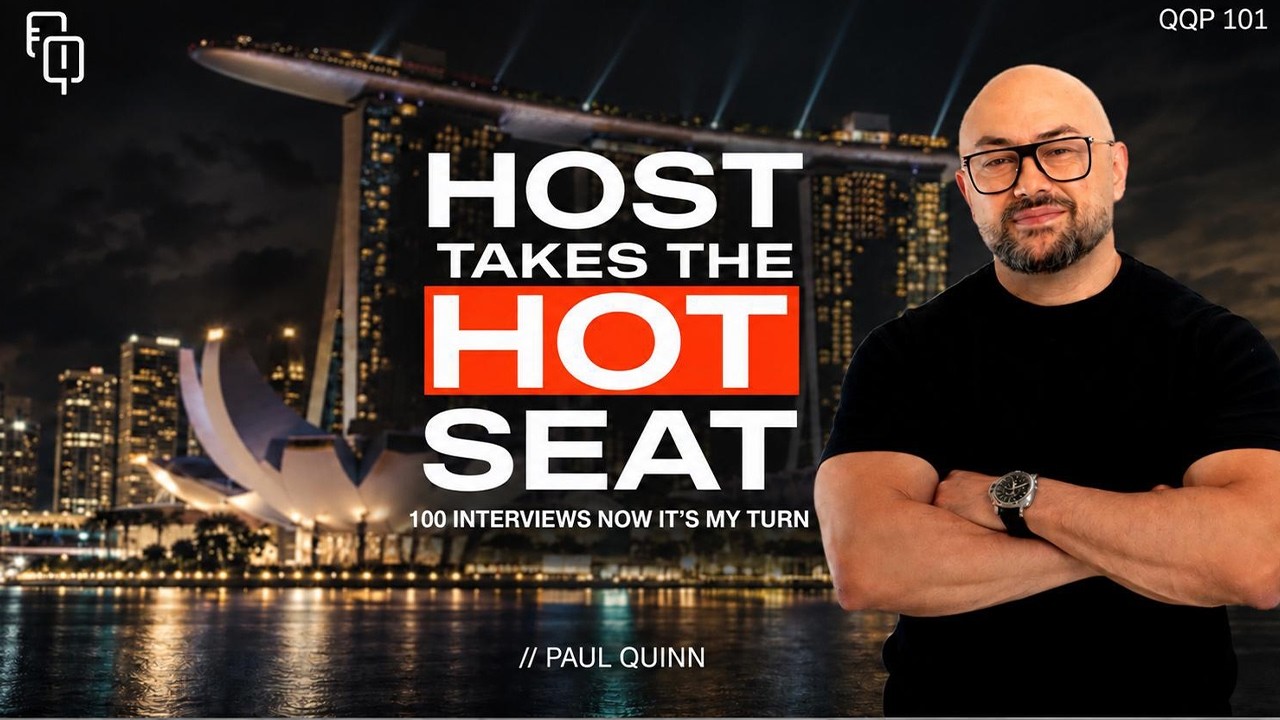
I Interviewed 100 Extraordinary People. Here’s What I Learned | Paul Quinn
In this episode of The Quinntessential Questions Podcast, the host takes the hot seat. After 100 episodes in the interviewer's chair, Paul Quinn, who runs Westport Executive Search and founded Quinntessential Coaching, answers questions sent in by guests, friends, family and listeners. From hitting a career plateau to building a podcast that now welcomes Olympians, world champions and global CEOs, Paul shares his transformation journey and the moment he decided to put a spotlight on helping people.