
#31 with Sean Quek: From Equity Research to Portfolio Management

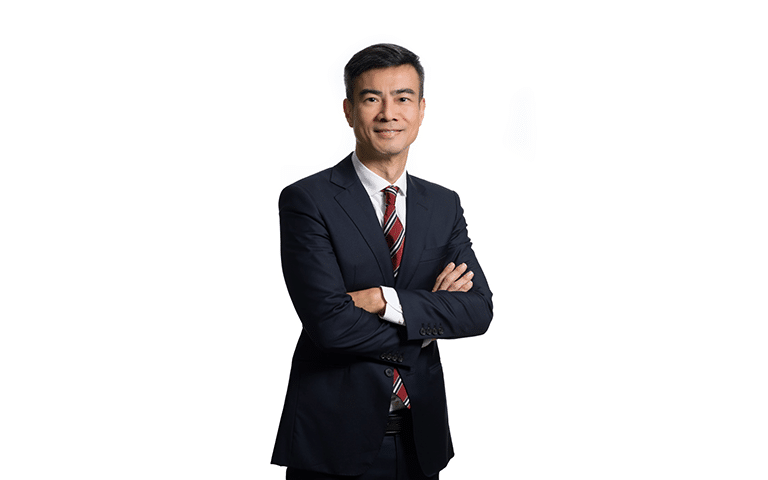
In this episode of The Quinntessential Questions Podcast, we dive into the dynamic world of finance with a seasoned professional whose career spans auditing, equity research, private banking, and leading high-performing teams. Sean Quek shares valuable insights from working in Hong Kong, transitioning between investment and private banking, and building conviction in investment strategies.
We also discuss the balance between technical expertise and stakeholder management, staying ahead of financial trends, and the impact of AI on the industry’s future. Beyond finance, the conversation touches on personal motivations, influential books and personalities, successful habits, and even fitness routines and goals for 2025.
Whether you're a young professional looking for career advice or a finance enthusiast eager to learn about the evolving investment landscape, this episode offers something for everyone.
TIMESTAMPS
(0:55) Intro
(02:59) Audit Experience
(06:56) Career Post Auditing
(07:48) Equity Research Process
(09:37) Becoming the Head of Research
(12:36) Working in Hong Kong
(16:54) Transition to Private Banking
(18:54) Investment Banking vs Private Banking
(21:49) Leading the Alpha Team
(25:49) Investment Conviction
(27:06) Building High Performing Teams
(31:36) Balancing Technical Skills and Stakeholder Management
(32:55) Working with University Students
(35:02) Advice for Young Professionals
(41:04) Staying Abreast of Trends
(42:13) AI and the Future
(45:30) Personal Motivations
(47:29) Public vs Private Sector
(51:11) Most Impactful Books
(53:39) Influential Personalities
(57:56) Successful Habits
(1:01:19) Fitness Routine
(1:08:08) Favourite Athletes
(1:11:23) Goals for 2025
(1:14:17) Being a Co-Investor
Bio
Sean Quek is a Managing Director and Senior Portfolio Manager at Paragon Capital Management Singapore, where he leads the Paragon SAGE Fund. With over 20 years of experience in investment management, equity research, and private banking, Sean brings deep market insight and a strong track record of performance to his role. He is known for his high-conviction, fundamentals-driven investment style and his ability to navigate global markets with discipline and clarity.
Prior to joining Paragon, Sean held leadership positions at top-tier financial institutions. At Bank of Singapore, he headed the Alpha Team, where he was responsible for generating global multi-asset investment ideas and contributing to the firm’s overall portfolio strategy. Before that, he spent over a decade at Credit Suisse, where he served as the Singapore Head of Research, leading a team of analysts and driving equity research across Asia.
Sean is passionate about mentoring and has guided young professionals entering the finance industry. Outside of work, he enjoys exploring entrepreneurial ventures and is a dedicated endurance sports enthusiast. His approach to investing combines analytical depth with a forward-looking mindset, always grounded in strong fundamentals and long-term value creation.
Transcript
hi guys today I had the pleasure of sitting down with sha qu portfolio manager at Paragon Capital Management I've known sha for many years he started his career as an auditor before joining credit squis on the investment banking side where he was the head of research before we moved him to Bank of Singapore in the head of research and the head of alpha he's had a tremendous career and he shares his journey to the entrepreneural side of the business it's a real pleasure and I hope you enjoy the chat as much as we did Cheers Sean how are you very good thank you Paul thanks for having me here today well listen we've known each other for a long time I'm grateful and glad that you're here um for those that don't know you can you be kind enough just to introduce yourself and give a a quick overview before we take a look back in time sure sure I'm Sean qu I'm a portfolio manager now at Baran Capital Management Singapore so I run a global Equity Fund uh I've been doing this for about 3 years now I joined a company about three years three and a half years ago uh launched the fund after 6 months and I've been running the fund for 3 years now brilliant congratulations it's not I I want to talk about your journey because it's been an interesting one so part of the podcast is really to look at people's career right from the very beginning so if you don't mind walking us through it so initially you studied that n right and and I want to come back to that later because you ended up teaching there right and helping but talk us through what you decided to study at school and how did you get into Investment Banking to begin with sure sure so yeah I went to uh Nang I did accountancy um during those days uh n uh was the only uh University that actually offered accountancy oh really yes I think realize that and and I mean in my earlier years in school I always felt that you know I'm I'm a numbers person so you know when I was trying to look for a course to study um I felt like okay accountancy is something that you know I should be able to do well uh so I did that for three years um and after graduation or during you know the time where you you you're preparing to graduate and uh decide what to do I actually didn't know what really I I wanted to do so I did uh what most of my peers I would say you know two3 of my peers half to two3 of my peers end up doing uh after graduation which is audit so I went to auditing I was in KPMG uh but it was interesting because at KPMG what I did was actually went to obviously visit companies as part of the audit process and interestingly from that process I understand that understand myself better that actually I enjoy looking at businesses appreciating how they make business uh how they do well did you specialize in a particular sector well that's the other thing as well actually I didn't which is to me is is is is great because then I get exposed to different sectors yes and from there I realized that it's not because of a certain sector that I'm interested in but rather I'm just interested in businesses right so I I you know I went to see advertising companies manufacturing companies trading companies and even oil and gas companies so so it was a sort of a big eye opener for me um and like I said you know really exciting each time I go into new company and trying to figure out you know what exactly do they do and and how do they make money um and different processes and you know so on and so forth did you have to travel uh yes uh so as part of the audit process um we actually go to indon we went to Indonesia uh so because you know like oil and gas so there was a company there um we actually stayed in the uh the facility as well okay so it was it was it was interesting um but from there after actually after my first year uh for the second year you know for audit you go back to the same companies that you you you're you're doing the auditing obviously different level of work but pretty much the same companies then I realized that okay you know the learning curve is not so interesting anymore slow down a bit yes because you go into the same company the second time is not you're not learning as much right because you you have seen a lot of things the first time around so that was actually when I realized that okay um I'm not into auditing or accounting um but I want I want to be exposed to businesses um so at that time I actually decided that the two areas uh that I want to go into one is uh business consulting which obviously will allow me to see many many companies um the other one is equity research okay uh which is where I ended up where you ended up but of course after many tries and you know uh it it wasn't solof like a you know walk in a part right in terms of getting a role but uh but it worked out yeah you know what I find Curious is is guys like that are our age and older probably had you know less influence from our parents than this generation you know cuz cuz we were perhaps less well informed but who did you seek guidance from like when you were about to enter banking did you speak to because obviously you had friends that were going off to do different things but I'm just curious yes yes interesting that you you mentioned that actually um actually part of the reason why I chose accounting was uh it was in in discussion with my mother my mom that uh she always felt that it was a interesting role uh that I can eventually become a so proprietor right I can set up my own business ah so she actually encouraged me as well uh when I decided to do currency really yes so actually she was a little bit just on that part she was a little bit disappointed that when I decided to leave KPMG M to Joy to do to Joy to do equity research yeah um but on your on your question in terms of how I yes definitely um the the exposure I think during those days even in school uh we we don't have so much exposure to Wall Street yeah um and so yeah it's really through through schoolmates uh that I start to appreciate uh the role that uh that ended up doing because the reason why cuz you know I've got three kids now and they like my son's just turned 18 so he does national service this year but I realized and I look at my own Journey you know there was no council and you know like I remember filling in a form in terms of the supposed career counselor and her suggestion was I'm not I'm not going to lie was that I either become a landscape Gardener or work on Dust bins because I said I one of the questions was do you like being outdoors and I said yes okay you know and it was like there was no guidance whatsoever yeah so you left KPMG what was next yeah so I Joy a uh uh stock broker um I was there for about a year to two years um and then the uh the the the Investment Bank equity research role came up about came out so I I applied for it and uh got into uh um tredit swis basically and then you will stay there for many many years right yes yes yes so I started off as a as as a research assistant okay um spent 11 years there uh by the time I left I was head of research in Singapore that's a full journey I mean and all on the IB side right yes all on the IB side uh at the same time actually I uh was given the opportunity to work in Hong Kong as well okay with the same company with the same pretty much the same colleagues uh just you know regionally did you do that yes okay I can remember that ah walk us through what does a research assistant do yeah well those days things are very different uh we first thing in the morning you come in you pick up the newspapers yeah and then you start going through through the news articles yeah uh and then you use a Cesar literally cut and paste onto a A4 sheet of paper and then you start photo setting photocopying the uh the the the news and then prepare them for the team's uh morning meeting so that you know they can review what's going on overnight yeah um so that's yeah literally cutting and pasting was it was it always in the same credit Swiss office um actually we move yeah we moved quite a few times s actually uh when when I first started we were in UOB Plaza Plaza one that's where I started my career back in 01 realiz okay I mean that that was a that was a premier it was office building right um so so credit s was there um then when credit swi bought bzw a name that I think not many people not familiar with it yeah will know today uh because of the broken business this was actually during the the Asian financial crisis we moved to singland Tower just across the road yes uh because they have an office there uh then subsequently when CS Consolidated all the office space uh at one Raffles link I think that was 2002 if I remember correctly we all moved over to uh one Raffles link stay there I've got I came to Singapore for the first time when I was 11 uh my mom was born here but she moved to the UK when she was a teenager and I've got pictures from the marina Mandarin where we were privileged enough to stay overlooking that entire area and then you forget how much is reclaimed land and if you go back then there was nothing there right when you looked out bananas okay so then fast forward then just unfold how do you go from being the research assistant to the head of research because that that's a real journey yes wow that's that's a lot to cover um yeah so so I think the good thing is that um through being a a research assistant you get exposed to different analysts and their style uh so you get to learn you know different analyst they like to do things differently and over time I was able to to adapt and mold myself uh to a certain style that you know I become eventually right uh so so so yeah it was a long journey uh those days um a lot was happening in in in uh in in Asia uh those were the days where China wasn't you know really the the most important market for the region uh so asan there was a lot of focus on asan Singapore was a big Market yeah yeah so we did a lot of work I learned a lot covering stops in asan uh and and and Singapore then uh of course until uh SAS hit s was devastating yes so so it s of hollow out the the the the the affected uh markets somewhat um that was when I put up my hand uh to my boss then uh he actually moved from being the Singapore head of research to become the regional head of research and I I asked him to to to uh consider me for opportunities in overseas markets uh particularly covering China or or you know the north Asian markets so so I went to uh I went to Hong Kong I move uh mov my whole family to Hong Kong uh how how old were you at the time um roughly I was uh that was in 2005 so I was about 35 years old I want to if you don't mind me I want to unpack that a little bit because a lot of people ask me how to handle their appraisals how do they get promotions and I I think obviously you need to know your boss you need to know the management structure um but I think sometimes there's a fine balance in being you know assertive and wanting to do more in your career or being too aggressive y um but I find a lot of people overlook this one simple thing put putting your hand up yes but tell us what that looked like when you did it so before you did it did you speak to the misses say look this is what I'm thinking yeah yes yes so is a combination I think is sort of developed along the way uh so first is because you start to see colleagues doing it so they are presidents so you realize that oh okay that's interesting right then you start thinking how that can be relevant to yourself uh then of course on the family side yeah you look at the situation uh speak speak to the wife and you know and but it's ongoing discussion right it's not like tomorrow we're going you know what do you think right but um so it's all built over time time and how long were you in Hong Kong for I was there for 2 years for did you love it yeah I mean from from uh in terms of work experience I mean it's just tremendous right because what I did was I was based in Hong Kong but actually I was covering a lot of Chinese companies this was a time where the Chinese IPO Market was booming so I was actually doing Chinese IPOs uh um in companies listing in New York uh nting on NASDAQ so it was you exciting stuff and you you you travel to cities that you've never been before and you that's where you start doing the due diligence and all that so was a lot of learning um one of the biggest challenge at that time was you know you when you go to China they only for meetings they only speak in mandrin right so you you know so that was a learning curve which of course uh I mean that was that was yes that was good as well um so yeah was it was a good two years uh but what happened subsequent to that was uh CS they have an opening for going back to your your point about openings uh opening for a head of research role um so I I was asked if I'm I'm interested then and to me I thought okay um you know perhaps time to to come back yeah uh while in working in Hong Kong is is great for career uh workwise um but in terms of the family I felt that you know it's better the kids are getting a bit older now so I thought okay it's time to uh to to come back uh so that they can they can settle back into the how how old are your kids now what are they doing now my my K uh my my my eldest is 28 now so really yeah so she's working for a few years now um so uh in fact um yeah even my number two has started working so they're no longer you know the ATM is not dead anymore right yeah yeah pretty much yes yes yes I think to a large extent I mean they're sensible so are they still in Singapore yes they're here they're here but you know that's the the other thing I was going to say about moving abroad it's something that a lot of people um may be reluctant to do especially when married and you have kids and they're young but I I just think you you know rarely will you ever regret it yeah you know what I mean yes yes so you so you got the nod and then you came back as the head of research yes so these two these were two turning points in your career really yeah yeah yeah are pretty much um I think in especially in terms of the the the equity research sales site IB role uh that was the the sort of you know the highlight of my my career uh those were highlights going to Hong Kong spending two years there um being exposed to China CH because before that it was all you know southest Asia yeah uh the second part obviously is uh is starting to run a team which it gives me a totally different skill set yeah um you know once you move out of the team and become one level up right a lot of things change right uh so so you learn that um and and learn to manage it uh and of course most importantly learning to build a team right so and and you as you know there always changes people leave and then you know you do need to hire as well so that that's also an important skill set that I managed to uh to pick up well they say hiring is tiring it's not easy right and so how did you break it down was it by asset class you had a an equity research team a fixed income research team yeah so for for IBS typically we're siloed by asset class uh so usually the equity research will run uh regionally and Reporting uh typically to to New York uh in our case locally report to uh Hong Kong um so it's it's a it's a functional kind of a reporting line uh so we actually don't know our fixed income colleagues very well really yes like a Chinese war between you it pretty much yes I didn't realize because the the thing is that when we talk to our clients our clients are Sil as well right so um the equity guys speak to the equity portfolio managers or Equity analyst on the buy side for example and the fixed income uh analysts on the sales site they speak to the fixed income PMs and analyst on the buy side so so there's on the day to-day basis there's really not much interaction um so yeah so so for for in terms of the the team we we typically break down by sectors so the analyst you know we have analyst that are either banking analysts they cover the banks or industrial analysts they cover the industrial companies and and and so on and so forth so I met you and then started talking to you about the possibility of moving to private banking yes obviously you knew about private banking because of credit Swiss is you know strong affiliation with it yes but I'm just curious was it something that you had seriously thought about or contemplated at that stage or not at all actually not at all uh those days the typical career move is to go to the buy side right either be an analyst or be a PM uh typically you start as a buy side analyst you work your way up and you know they they you prove yourself and you know you become a PM so in my case uh it was a bit of a um uh I mean I would say you know sort blindsided uh when when you came along but for me I think it was interesting because uh to me after being head of research for four years in Singapore uh I see myself at the sort of the ceiling of my role uh in terms of where I can advance to uh the other option obviously is to again take a more Regional role but I've done that you know I've I've been to Hong Kong uh you know I've sort of get get my EXP exposure that I felt I I wanted and needed yeah uh so that was s of done and so to really uh for me was really to to move out to uh to something different uh and and clearly wealth management is is an interesting option the the thing is that at those actually during those days um it's not common thing for for it was very unusual yes insty so-called insty guys to do to move to to wealth management uh which is seem to be a bit more sort of a uh um uh retail kind of a setup right yes and also what I realized is most of the private Banks back then didn't want to consider it because they felt IB guys were completely different Kettle fish which you were um and it may not work out I always felt there was a level of sophistication on the IB side that was pretty significant yeah um and I think there were a few Pioneer guys like you that made the switch yes what was that transition like though because I I are liken it the difference between rugby and football it's a it's a it's you know completely different game yeah yeah yeah it looks the same but it's different yeah when you go into the details so yeah it's interesting for me because um I think the during that time uh because you know when when when my my peers hear about that they're like oh they surprised that you know I'm making the move yeah um but but uh like you said I think for for the the more sort institutional guys going into wealth management I think what we bring is a you know a different level of uh focus in terms of what we look at the kind of work that we do um but on the other hand I mean what I felt that was that yes I can bring something to the table but more importantly I felt that for me I have a lot to learn um and and and and proven uh correctly hindsight is that you know I felt that I could learn other about other asset classes when when you're like I said when you're in the IB meeting you only talk about stocks right uh you in fact you don't even focus a lot on the macro um because you know the the the clients are are very much focused on the company level the sector level stuff that they look at so that's is where we focus on but in in wealth management the key difference is that when you go into a meeting with a client a client can be talking about um a magnificent seven stock yes um a Russian Bond during those days or let's say a Chinese Bond uh or the uh gold right so from in one meeting you can actually talk M yes multi asset right so the good thing for me was I was there with my colleagues I do my Equity uh um uh discussion and they would come in with their views on Bonds on Commodities on FX this is where I I start to get good exposure very quickly yes yes and the other thing about even within the equity asset class is that when when you're in Asia you do only Asia stocks right whereas in wealth management you're exposed to Global equities same thing a client will be investing in uh tsmc and we'll be investing in Nvidia so you need to be exposed to everything um so so again with the good thing is that with the with the right skill set from my IB days I was able to expand that uh and pick up on on on global equities uh and you know my memory of that search was they they were the bank was looking for a highly cerebral individual and what my take was always if you have accomplished a high degree black belt in one particular area or asset class and especially equities in particular because it's very complex and sophisticated that you can transition that to the other area is no problem y you know what I mean so and then in terms of your journey at at BOS you also ended up heading the Alpha Team yes what what just explained to the uninitiated what is that yes yes so um basically Alpha team is is almost like having a a hch fund within uh the setup uh so the the idea is for us to go around multi-asset uh look looking for multi asset opportunities across asset class across region uh to look for Alpha opportunities uh this was this was actually to me a very insightful idea that my then uh uh manager came up with um so he after in fact he he came from the the the buy side it was was a PM for a long time uh came over and become our CIO I was reporting to him after a short while you know after a few months of looking at the business he felt that a lot of the focus for wealth management was more about not getting things looking out for things that will go wrong rather than you know looking for the big gainers right interesting yeah so um so because the the the way that our products are structured uh you know if you if you buy stocks that don't go wrong don't explode right then you're fine I mean and even more so for bonds right it's about collecting your coupons and and making sure that you know the the company doesn't go into trouble right yeah uh whereas uh if you are in a hedge fund or in in a buy site is a lot more about finding the the the idea that can give you a lot of returns so the team was set up that way um so the idea was that we separate ourselves from the the rest of the the the team doing research uh and the Alpha Team basically is out there uh looking around for ideas that will be uh beneficial for not just uh the the the the PMS uh so we we we work with the the PMS internally but also for the clients uh as well as the rest of the bank you know one of the things I was curious about when I speak to a lot of people that reach a senior level which you as a head of research it's almost like there's a limit in how far your career can go it's like if I go in this direction where do I hit a cisac or in this direction um when that opportunity you know arrived did you think okay this at least this has giving me some different exposure yes yes I I think very much so um because for me the the uh I think for for research after a while you realize that some of the work that you do is pretty repetitive yeah so it gets a bit boring yeah um whereas when you when you when you are actively just looking at ideas with no constraint right then it becomes a lot more exciting yeah so really um that that period it was relatively short period of my career was actually very exciting because you wake up every day and you try and see where can I make money it's as you know the the objective is as simple as that right is your challenge therefore now becoming uh focused and not you know looking everywhere yes well you are in a way you're looking everywhere but you focused on ideas that you think can make money yes right rather than focusing on oh I have this 50 stocks that I need to make sure things are going okay right so you drop you drop the baggage so to speak and then you s you have a free run you're running around looking for ideas yeah uh which which I mean is actually actually quite liberating yes and like I said it's it was exciting so that was actually I would say looking back the the most uh the the the the most fun part of my my my time at really at B so shout out to your old boss that created that yes yeah well his background was fixed income yes right so it kind of complemented yours on the equity side yes yes talk about investment conviction you know when you're going into anything with high conviction you feel that a lot of people in in your function before have struggled with that yeah yeah I think um again going back to managing uh people um what I actually learned a lot about investing when I was managing analysts because you got to see how different because when we in when we come up with when we do our work we come up with our own analysis you you're just looking at yourself right uh So you you're not sure what what exactly is your strength or your weaknesses but when you start to see other people's work you know when they submit their reports to me for vetting or they come to me and bounce ideas then you start to understand that oh you know people do look at it differently right and you the more people you're exposed to the more your the different styles or or different behavior that you actually start to be expose to to learn about which frankly as an investor it is amazing so being a manager actually help the investing itself right yeah of course being a manager you learn the the ropes of being a manager I mean that again that's a totally different skill set and area to exp we'll talk about what were the key qualities of the team when you pulled together High performing team that you were looking for and how did you make sure the team was complimentary y so I think from in my case uh I was lucky to get uh teams which tend to be a bit more mixed in terms of the The Experience uh so especially towards the end of my career uh I realized that okay you you need to um manage differently so for example if it's a relatively Junior analyst you tend to spend a lot more time handholding um you know challenging them uh but when it comes to more senior analyst you appreciate you know what they are bringing to the table so you sort of take a step back and let them run a bit more freely yeah and they tend to enjoy that so so it's not about you know applying you know being um uh having the same style across the team really you need to tailor it to different I agre individuals uh and see where again where they strengths and where their weaknesses um and of course you know there are certain sort of uh uh categories that you you you sort try to to to place them into and then you you apply uh differently in terms of your management style how did just reverse engineer it because one of the things I always say to people I don't know if I told you this but like you were at bank single for almost a decade most of the people we place stay in their their company for many many years and I always think look it helps tremendously you if you have a goather or godmother um which is not always possible and multiple Champions how did you deal with stakeholder management because I think that's something that is often overlooked when someone is rising the career ranks y y i I think that part um a lot A lot has to do with communication um so that they understand where you're coming from I mean we all I think especially when you serve different functions right we have our own kpis we have our own objective uh from a business perspective so I think it's important to to let them understand you know where where is your focus uh and of course more equally important is to understand where they're coming from yeah yeah then once you you appreciate uh the motivation behind certain actions or certain Behavior I think it's easier easier to appreciate the person um and what the person is trying to do um then and of course you know again we serve different functions right so for research end of the day we're doing due diligence yes we're really checking to see you know which idea will work which idea we think won't work right so that's the focus but again allowing the other party to appreciate that you know this is what we're we're doing and will help yeah you know you know the other interesting thing is you probably won't remember this but I moved to the US for a few years where I was doing a lot of hedge fund work and my my wife was doing a PhD at Yale and um I came back and one of my guys who I'd assigned to help manage the bank of Singapore account and and work with you for example he'd been in discussions with you and I said oh you know did you catch up with Sean for a coffee and he said no no I spoke to him on the phone I said why why don't you meet for a coffee because I always think when you get the time it's also people choose to work with you not just because you deliver but your friendships evolve and you sit down and I actually think inviting someone for a cup of coffee or a lunch again it's overlooked yes don't you find yes yes so for me uh in fact now given you know my role so what I do actually I I I catch up with you know a lot of the the people that work with uh whether they're my colleagues or they're my clients um I mean those those relationship is invaluable to start with uh and at the same time from a investing perspective from a business perspective um they they give me an idea of what's going on you know uh in the marketplace bus Trends uh so yeah I mean it's always nice to sit down with someone have a coffee and I mean without agenda that's that that's the thing that's the key right yeah yeah because if someone's always thinking you're needing something or want something it's doesn't work yeah I mean sometimes it happens I think I do have a I I I've um uh cases I've experienced where you know I uh call someone up and then we sit down and then you could feel that that person is like waiting to to see what's the you know what what I'm going to ask for or you know um but but uh but yeah yeah you do feel it it does happen yeah it does happen when when you think about um The Balancing aspect of someone in a senior leadership role from a technical perspective and a leadership perspective I I find between the two that the management side the leadership side the stakeholder management side is more important typically than the technical because you can cuz a lot of people that are great technically can't necessarily convey that message get it to the market manage people but if you if you're a great manager you can always appoint the technical skills yes do do you agree yes um yes but at the same time my personal experience is that I've seen guys that are very good with their technicals after they rise up they they are able to switch over yes into a very leadership yes you think that that fundamental that Foundation is imperative um well I wouldn't say that the guy is able or or you know a person is able to become a leader because he's technically sound uh it's not the one for one um but I guess what I'm saying is that a guy who is technically strong but sometimes they're also able to switch on and and become a leader as well uh so it's it's not prerequisite but on the other hand it's not a handicap as well true yeah talk a little bit about how nanyang and you guys started to decide to collaborate how did that Journey come about sure sure um it was actually very interesting because I I actually went back to to to the university because my daughter was uh attending the open house oh yes then I went back and I I realized that um what they do have a lot of you know the the the the presenters uh a lot of them have been there for a long time the academics um so I realized that okay you know maybe having uh practical uh example you know people sharing you know what's going on out there uh in the marketplace would be helpful to the students yeah um frankly you know how I felt um in my Learning Journey is that you know when I when I was in school a lot of the concept that I read from books you know they were just Concepts right um I really learned you know for example in when I do audit I started is you know I have so many of those aha moment where oh you know this was what the book was talking about you know so so because you never actually do it it was just an idea um but you don't fully appreciate why you're doing it it's not tangible right yes yes so maybe is the way I learned right um so so I felt that having someone to share uh is important and during my uni days again uh I enjoy the uh ajun professors uh classes the most because they have real life examples to share um so I I felt that you know that would help so uh what I did was I spoke to a schoolmate uh who was actually on the board of N and suggested to him to uh that you know this this could be something that um I would like to do yeah uh then they he connected me with the professor and then I I started doing um this sharing s did you find it rewarding yes uh I I think when you start to see how the students fully start to better maybe not fully but better appreciate you know what they studying yeah um then or or how they can use what they are studying I think you know you you you get the sense of satisfaction yeah for sure what what do you think is the most um important type of advice you can give to Young aspiring investors yeah I think I think this is it I think being exposed to the real world yeah um rather than just you know being looking at the theories uh because I I mean for example a lot of the students I interact with they they will bring the DCF model uh and like this is like the uh the the holy grill right they have they think that they will find it the absolute answer to a stock yes uh by using a DCF example um but then then they realize that in real life it's just it's just much so much more than that um so I think the yeah so my suggestion would be be exposed to to to different things um internship is one but not the only thing uh so these days there I mean again through my uh exposure with the with the with the schools I'm I'm I I I noticed that there a lot of investment clubs as well so these are you know uh clubs where they bring some people with the same mindset some guys might be interested in stock research some guy might be interested in um asset allocation portfolio management they come together yeah uh and then they they they learn together they share ideas those clubs I think they're they're overlooked because you know let's let's say you're interest in learning how to build a a kit airplane y you know you can read about it but until you start to pull it together and try and get it into the the clouds yes you know yes talk about the some of the critical skills that you think Young investors really should think about technically to to help them yep so I think the key I mean like for myself I feel that the key is about understanding the business right so when you look at the stock uh you need to understand the business whereas a lot of I mean of course it's always about St stories and all that at at the first level when you first getting exposed to you know a certain stock idea uh either through social media these days or you know during our time doing you read a newspaper article and they talk they highlight to you a stock um so so a lot of it is about the story but I think it's important for um uh people to realize that you know it is the St business that you need to appreciate um and it's important to then understand which are the two or three key drivers for the business yeah right and then from there you can start to have a better appreciation of what can drive the share price so the valuation um rather than you know being very price driven uh where you you know stocks get move stock price move because of momentum and people get sucked into that that kind of a driver for the share price yeah rather than the fundamental the business of the the stock do you think for students that uh you know trying to go into investment um that one of the key challenges is like what you start with a small pot of gold you know one two $3,000 and then because that's their entire net worth yes what do you suggest you say well look take take a plunge put a little bit of money in yes I I I think I think that makes a difference um for two reasons one like I said you know you're actually doing it you're not just reading about it or you're just building paper models but you actually never um do the actual trading buying a stock deciding what level to buy and then subsequently if you make money deciding what level to sell so on and so forth so that's one part of it the other part of it is about the skin in the game um that makes a difference big time yes and when actually to me because a lot of uh in a lot of a big part of investing is really about the emotions yes so then you start to appreciate your own emotions right how you react yes so we again through through my dealing with whether clients uh colleagues and so on and so forth you you you appreciate that people react differently yeah and so so then you start to also learn how you react right uh of course you know for a person who has just started out you you just learn more about yourself right but but then as you again going to working with others through let's say investment clubs yes you start to understand you know this guy is different from me yeah right he looks at this but I don't like to look at that you know yeah so so then you you start to realize and you start to understand yourself a lot more you know cuz I I liken um pressure be it sales pressure Revenue pressure or investment pressure and you put money on the table to like a scaffold board so if it's on the floor you could walk up and down it blindfold no problem but if you put it 1,000 ft in the air that the value proposition becomes very different and it's the same when you when you've got money on the table and as you know as an entrepreneur when you know some say say when you work in in a big corporate world and you said that there are five guys in this room and if you added up how much everyone earned per hour y this this meting just cost us 20 grand Y and then you you know you if if you own the business you'd make sure that you're a lot more efficient in that yes no I mean I mean uh just to give you an example right currently in my firm what we believe in is that for the fund managers you have to have your own investment in your own fund yeah so we are all uh required to have meaningful investment in our own funds um in the pudding then right as you said skin in the game you investing yes and and I think I think it works in two ways right one is yes you have skin in the game then obviously you're not going to make silly decisions uh I mean obviously you you're going to have good calls bad calls but you don't you don't you don't do silly things um the second the second uh uh Advantage is that you're actually managing your own money as well at the same time right so it makes perfect sense easier right you will not be distracted to do something else um so yeah makes perfect sense how do you personally keep a breast of all the trends and what's happening in the market how do you manage your day to keep up to date with everything yeah so for me right now I I like I said earlier uh I spent a lot of my time actually meeting people uh so you know after 30 years you know you you know people from different uh doing different things um so the advantage of that is that you know sitting having coffee asking them about you know what's going on what what they up to uh actually give you some perspective of what for example what the private banks are doing uh you know what the fund houses are going through what the stock Brokers are thinking about you know so when you start to piece all those uh small stories together it gives you a better idea of what's going on um so so so that's that's how I I I get the breast of I mean of course other than you know reading Bloomberg and and and uh the the typical news wires um so for me it's uh really meeting real people doing real work um and hear what I have to say yes and you know are they going through difficult times are they going through good times I mean those those those insights are invaluable they are yeah what about you know technology a Ai and how everything is completely been radically changed what do you think the future holds for people in your position Visa what AI is going to do to transform it yep I I think to me AI is another level of innovation I mean again we we you know I started uh my career with the newspaper clipping with the newspaper clippings right so getting our our hands you know dirty every morning uh literally so I think it is you know the way I see it is innovation is here to you know you'll keep it will keep uh being here uh and keep improving things uh so it's really about how we use these tools to invest uh to improve our investment uh process right yeah so so I I wouldn't be I mean on one hand I'm not too worried about it uh and on the other hand you know I'm I'm of course embracing certain things that I feel you know that can help us in in our role so for example I mean now with the processing power right that you have it's a lot easier to to to to process a lot of uh data um than than before yeah um and you know in the past one example is that in the past when I when I start doing research on a sector I will go to the library yes uh my favorite my my my my favorite tool is the library printing card yes right I'll look I'll go through books um and I'll look for charts information I will photocopy them and bring back to help me in my research yeah I mean this days is all on the web yeah right so you can just you know plow through the web so the process has improved a lot make our life easier I don't have to spend so much time in the library anymore yeah um but at the same time uh the investment philosophy to me is pretty much still the same yeah what what I realized now is I was I was telling my kids this so say you buy a property and over 10 years it appreciates a great deal and wow you're going to make a lot of profit Vis when you bought it for yeah but if you want to go back into the market unless you're going to downgrade on the size of the property yes you're not going to see that upside and I kind of feel that way about AI because everyone's using it right so so does it really make you better at your job Vis your competitors I'm so sure you still have to be ahead of the game right yeah yeah so so yeah is about I guess looking for tools that allow you to be ahead of the game right so going back to your property example perhaps location is important right you find a property that can appreciate 10% when the average is 5% something like that so that you can be a head of the game so when it's time to switch from one property to the other you're in a Rel L better position so that's I mean that's I guess one way when we invest that's how we think as well um and the other thing that you know through investing uh you you learn about such things in daily life is what's neutral and what's overweight yeah having one property is neutral yes because you need a shelter right um but having two properties then you're overweight should you be overweight or should be you be neutral you know those are decisions that you actually start to to make clearer yes when you appreciate you know the concepts like this yeah what what do you personally do to stay motivated you know as a leader as an investor because you know I I I think motivation and discipline are key yes you know but I'm just curious about yourself yes so for me I think I'm lucky for this role or I mean this is this role is suitable for me as a as a investor as a asset allocator or as a fund manager I mean they are pretty much the same thing is that I'm always curious about businesses I mean that's how I sort of started um and after 30 years I still feel that uh when I hear about dip sick during Chinese New Year yes I actually for better of for worse I actually spend a big part of my Chinese New Year period reading about dips because I just I'm just wondering you know what is this all about right yeah uh and how is it going to change the uh the AI story so so so to me I think having that helped a lot uh but the the the motivation uh for me is really about the the the investing to ensure that I generate the adequate returns for my Fund in turn for my clients right so so that to me is the the priority uh and I'm I'm I'm glad that I've my career has come to a point where you know my my incentives are very much align with my clients's interest yeah uh so so so when I think about what I need to do uh there's only one set of Interest yes which is my client's interest which again is consistent with my interest so it makes life a lot easier when when I've spoken to a lot of people that have moved to your side or to the multif family office side they they kind of talk a little bit about the conflict of interest and I think being aligned with the client directly yes you know having skin in the game co-investing I I I think that's really you know the the the Salient difference yeah when you look at the you know investing in the public and private sector you know how do you view the two differently the I mean for for me I'm I'm pretty much more in the the public space uh in in terms of uh public equities so so so that's still my focus end of the day to me is about the business right whether is it comes in this form or another form right it it it matters less not that it doesn't matter it matters less the more important Focus really should be the business itself right if I'm buying a VC company or buying buying a privately owned company meaning you take a 100% stake or if I'm buying one 1,000 shares of a you know big company yeah the business aspect is the same right I'm buying a share into the business yes uh of course again the technical aspect is different you know when you're buying 100% versus when you're buying 0.1% is very but again the starting point needs to be the business so to me I I'm I'm I'm yeah so uh but like I said because my experience is in a public public Equity space So within so so once I understand the business uh I Al my experience also give me that edge in terms of the the technical aspect in terms of how do I get that exposure and then how do I make sure that my portfolio uh is right size for that particular exposure for example um so so so that's where the the the uh public Equity experience come in yeah but uh if I'm I mean because for me day today I don't look at you know VC startups I don't look at um uh so much private companies yes but to me IDE the foundation is the same yes the concept is you know you by and large you've always had non-consensus viewpoints right do you feel that you really need to have done your research and therefore be very confident to have those because most people will follow the Norms the trends yes you know yes I I think there are two parts of it one is the the research work itself uh you you need to be you need to pick up things that people don't see okay that's the part that you know because if you you see what everybody else is seeing you have the same conclusion cor right so you need to if you're seeing something different in terms of the conclusion your process must allow you to pick up something that's different that's one uh that frankly sometimes is the easier part the difficult part is the emotional part where you need to walk against you know the example I like to do give is that you know you're walking into the MRT station at 8:45 p.m. at rles place right like it's like you're going you know you you ask you ask yourself am I going the right place because everybody else is going the other way right so you need to be able to to manage that um which I think is the most difficult uh versus the technical part yeah yeah I think I think that that really requires a lot of confidence and courage and not not a lot of people have it that's why it's f you know like two of My Heroes Have Always Been my mom who's passed on now but and my wife and I listen to them but when it comes to business when I ask their advice and they tell me something and invariably I'll always do the opposite just because they're they're not business people you know what I mean is different yeah and and I always think a little bit about that um I I'm I don't know if you know this I'm very dyslexic so I really only started to properly read um for my career my profession probably when I was in my mid-20s oh okay you know that yeah and I and I I did it cuz my my wife was doing a masters and I just thought if she's studying then I I'm going to study I'm going to try and improve myself but I'm just curious what books of any have really stood out to you uh in the course of your career that you can look back on and say look that that was a really good book that helped me y um I wouldn't I I I I guess there's no one specific book okay um so for me the earlier days when I was doing company research a lot of the concept I learned from you know your your your security analysis kind of book right Benjamin Graham then subsequently Warren buffer and Charlie manga you know so those kind of ideas about you know focusing on the business right I mean sometimes the way that they presented it is very simple but it makes a lot of sense right which more importantly you you overlook right because of all the noise people start focusing focusing on the stories the share price yeah um but it's really about the business so that is the aspect that I I've sort of learned at the early stage of my career which I felt is very important yeah the but more recently um The One book which I felt was quite interesting is the psychology of money by uh Morgan Hower okay I haven't read that Che so I thought it was very interesting uh again I mean I like books they're simple is it is it talking about you as an investor or just generally one's relationship with money the the letter um so generally how you see money yeah uh rather than and about purely about investing of course there are some areas about investing yeah um it it covers you know areas about how you you see money how you see spending money um how you see saving money so it's it's actually a book that these days uh when I meet a youngster uh is a book that I recommend to them you know you know it's so interesting say because I you can speak to different people on this so some people of the mindset if you come from nothing and you get you build it something that person always has the confidence that you know you I came from nothing I could go again yes I'm Different I came from nothing I built a little something and I'm probably a lot more cautious now and what I realize is is like if if I look at sports you know in order to become a champion I think a lot of sports people are quite daring they do different things they Dynamic but when you get to the top it's a little bit different you you start playing the game a little bit differently so I think on there's a Donald Trump saying that I heard years ago that made me laugh um I'm not saying I'm a fan of his but it's very true he said if you owe the bank a million dollar you're in trouble but if you owe them $100 million they're in trouble yes yes that's a good one that's a good one too big to fail that's interesting um what sort of people or who do you admire most in the financial World um again I would say I mean you know some of this sort of typical figures that that that we some of the Titans you mentioned mentioned yeah but for me actually interestingly uh because you you did mention about you know for example talking to your to your your late mom about business yeah for me actually my I feel that a lot of my uh influence at a very early age was my mom she used to run a a small business okay uh with my dad um but she will actually tell me a little bit about you know why she do certain things um and it allows me to give a little bit of insights from a sort of a business mind yeah uh for example um she will tell me that they stocking up before the budget because they expect the budget to have an impact on the prices yeah things like that yeah which but economic is 101 but if you granular it exactly yeah but the principle holds true whatever business yes so if you learn two things you learn it at that small level which you know is related to you in a very practical way yeah because she's actually ordering you know sitting there and then she's like ordering I'm ordering more because you know two weeks time or next week is the budget right yeah that's that's very real uh and number two at that age so you start to get exposed to it yeah yeah so another example which you know until today I remember you know walking along with her uh uh you know from our house right then uh she will say oh you know this this businessman has this new big ass Mercedes right it's like oh for business people they need this it's like a marketing yeah so w okay you know so you you you learn a little bit little bit uh day by day um every time you know saw There's an opportunity she will just drop a pointer like that um so it's funny what pick kids pick up on right in their developmental years yes and and and I mean this this must be like wow easily 40 years ago right and it it's embedded yeah it is it is interesting cuz cuz um I think now with my my kids you know my wife and I only ever really disagree or argue about the kids right and she's an amazing mom she's a better mom than I'm a dad and I think I'm a good dad um cuz I'm of the mindset look sometimes she's too soft on them right cuz it I I believe in encouragement and nurturing but I think at some point the kids have to they got to learn to drive you know on their own which my wife agrees with Y um but what I learned growing up was CU my mom and dad were so busy working my mother taught us how to do everything so I was washing and cooking from the age of 11 onwards and if you got it wrong if you cook that meal and it didn't taste good it was coming out of your pocket money you had to go and buy it and cook it again and then I would I would basically cuz she would say you didn't cook that with love y and I said well I I don't love cooking she I can taste it right and then I'd have to go to the shop by again and then I was cooking smiling but I was secretly thinking yeah I'm not enjoying this either but you know but there were a lot of lessons learned there right yeah I if if that that was me I would have lost all my pocket money because I I I I really cannot cook yeah really still to this day no no no I I learned actually it was funny because um my mom used to teach us so many different now that I I'm looking back at it but the one thing I learned from my mom is also um so she said Paul don't lend any one money family or friends if you're going to help them out give them the money M right because the Realties all Chang the nature of the friendship you know so like for example if she stayed with my aunt her sister in London um she would always give her money or if or one time she took a loan from her other sister she paid it back with interest and she said make it very very clear and um then then she told me that you know friendship and business is oil and water right it just doesn't go um so actually looking back there were a lot I should write those lessons down actually um what's one habit that you've adopted most that's helped you succeed professionally I think um not so much in terms of the uh sort of a practical habit but more thinking habit okay um is to always think back and see if are am I already consensus or am I ah still contrarian okay right so because we we tend to over time become complacent yeah um so it is important to keep reminding yourself right yes uh I mean really getting uh above average return is not on a consistent basis it's not an easy job right so and you really need to be doing something different yeah in order to have an alpha right so uh so that is something that you know I constantly remind myself yeah um which of course means that you you're constantly worrying right because you know is this is this it is this it right um but but I think it's it's a it's good habit to to have uh thinking wise thinking process wise so that you don't you don't become complacent you know one of the things you know just to point this out I don't know if you've been told this I'm sure you have but I think one of your skills is is if there's a problem you will bring it up and you're very transparent and and direct not in not in a rude way but Frank and cuz what I've learned in business is a lot of people spend so much time bidding around the bush and then and actually in the end it leads to two people drifting yes right but one of the things I've always in mind about you is you you'll call someone up on something have you been told that before is that something you've observed um I I I I I feel that way um because I I feel that actually I mean on on that point right I feel that the the periods in my career that enjoy the most is where the decisions are made based on business decisions right and then everybody speak their mind and then we move ahead with the so it's not who's right it's what's right yes and that's the most important and you know during the the parts of my career where it's about you know what the boss wants uh that tends to be less enjoyable and more importantly less productive yeah yeah so so no I think um I don't think anyone has really sort of said that to me but I mean it's something that I'm not working with you cuz it's it's is I you know coming from from the UK and and actually just my background it's people are either very direct or not at all and I always say this anecdotally but I feel it's true it took me seven years of living in Singapore when I learned yes yes is actually no yeah and things have changed now yes right and but but you know like in Hong Kong you know it's no they will you know Cut You Down chop you out and kick you out you know so I I find it quite liberating and I say to my guys when they they're making sales calls and if you know someone pick up and they even if they're rude to them I said yeah but that's actually a golden opportunity yes um because at least they picked up otherwise you don't know there an empty telephone yes and how you react to that negativity you know you could do a bit of iido on it and and bring it around agree agree you know yeah definitely bring it up onto the surface right makes it a lot easier a lot easier yeah talk to me about because one thing I i' I've always remir about you you've always stayed very slim fit and healthy now I don't know about you have you balanced with with with that and struggled with that balance sorry or you know what do you do in terms of your health routine okay so yeah so I I tried to I mean I I used to run a lot more you did I used to do yeah I used to do marathon I try to do one Marathon a year yeah uh then after covid um or actually during one of those training uh season uh my knees started to protest so I adjusted that a little bit but um yeah I I always feel that uh doing having you know active lifestyle where I I try to exercise um either running or or or or swimming or going to the gym uh actually makes me more alert yeah um it does right yeah you you feel more energized so if you if you going back to your earlier question about having a habit if it's a physical habit I think uh I I I try to make sure that I make time for exercise yeah um sometimes uh I I for example I have this uh simple bike that I stationary bike that I bought during Co okay um if I finish my day at 10: p.m. I will go home I will make sure I hop on it do 30 minutes on the bike just to bring my heart rate out sweat uh myself a bit yeah uh then you know then I'm done for the day so I I try to to be consistent yeah um and I I think that's the that's the key thing as well it doesn't mean that you know I have to hit the gym and have a two hour session it's really about doing a little bit every day yeah um so not I guess not too different from uh investing right just need to make sure that you know you do the right thing bit by bit very true all time how else do you unwine because um one of the things that I've realized as I've gten older is stamina yes and energy management which is massively overlooked because I've see a lot of people crashing their careers so like how have you personally dealt with that so actually is really a for me really a balance of exercising and also I make sure that I get my sleep as well yeah yeah so so there will be there'll be days I'll try to especially the weekends I'll try not to have an alarm right and then you just just see what your body needs yeah that's a good point by the way really good point it's a it's a luxury yes right but if you can do it a Saturday Sunday yes yes and then I I Feel That Again the combination of you know uh punishing your body a little bit and then letting it rest recover I think that is important again I mean I that's really something that I learned during my my marathon training yeah uh because obviously you put your body through a lot where did you do some of the marathons did you do them out of country uh I actually went to Osaka twice nice which time of year is that they they had it in uh in December early December oh it's cool cool yeah so the I mean My Body Works a lot better in cold weather so isn't that too cold though uh 10 to 15 it's not too bad so because as you run after two three hours your body really hit up right and that's where you start to feel tired what about what about when I the thing I didn't like about running in the cold was the cold air coming in it was something I used to I personally struggled with it and I actually I actually ended up wearing like a uh scarf a little bit just in front of my cover yeah yeah but everyone's different yeah for me I didn't I didn't have that problem uh of course when you start your body is cold right that is very cold uh so you need an extra layer then as you run along you know you get rid of the extra layer uh so that makes a difference but for me as my body warm up uh having that cold weather really help so when I do the St chart Marathon here yeah it's a struger yeah struger you know you know what's interesting is though when when cuz that is so much about mental fortitude and discipline apart from the the physical is one thing the amount of time that goes into things but I think if you meet any other fellow Runner you know they they having an appreciation for what just happened I just saw the indoor world record for the mile was just set and I don't know if you've ever run on an indoor track so typically they're only 200 M laps yes and then you're actually going up and down it's it's not that easy yes um and where I grew up so my local track was the Roger Bannister Track Club it was named after him and he broke the 4minute mile and I I've run a sub 4minute mile W and um but the funny thing is like at that time that was the barrier right and after that loads of people you know broke broke the record but what I realized is we're all built for different things so for me I'm an ex Sprinter so when you talk about a marathon I'm thinking yeah he's in the car drive it I don't want to run one well I mean I yeah I totally agree I mean we are we we're all different uh interestingly when I was young I hated running really yeah I didn't have the patience I mean whatever running I did in in in school was up to 400 m okay it's the same thing right Sprint and get it over with right um I I'm I'm more into sports uh I play basketball for example okay uh but As I Grew Older I realized that you know it is I have more patience for it perhaps but more importantly is is is become my me time as well yeah yeah so it's it's time that you actually have your your do you listen to anything I when I first started running I I did that yeah this and stopped yes by the way this is Tire discipline I was telling my wife about because okay if I'm going for maybe a walk and I need to listen to something it's work I'll listen to it but actually I think leaving everything off that is really a gift cuz then you allows you some time to think think yes yes right it's like a meditation yes yes to me it's like a meditation but of course you you need to be of a certain level where the physical aspect is not hindrance right not hindrance not not affecting you yes then your legs can can just keep going I mean of course I'm talking about running at a more leisurely Pace right uh then your brain can start to De you know s develop and and and and and wander around right but you know but you see I think it's it's a crutch because so for example we've all been there working out and you have your favorite music on but if you take that away right Everything Changes like if you're doing push-ups on a slightly cushioned mat versus on hard floor so what I realized is is you know we as we get older we try and make things a little bit more comfortable but I I would suggest anyone that uses music try and do it without yes and it takes your head to a new new heads space all together yeah I totally agree who is some of your favorite athletes then just just the Curious growing up in whatever Sports um whatever okay I I I used to play basketball okay so I I followed the the Lakers okay who were your favorite players and growing up Magic Johnson you know uh kareim Abdul Jabba um of course Michael event I mean subsequently he came he he was a bit younger you know kareim Abdul jabal was looking at some of his supposed stats I don't know I mean never saw them never saw him doing them but what he was able to lift and jump and run was pretty phenomenal when you consider how big he was and then you look at that Bruce Lee movie you know which is pretty again and he was in Conan and yes in fact it was an Arnold Schwarzenegger book that I read where he was talking about just how strong that fell was yes which is cuz he doesn't look it cuzz he's so tall and slim but wiy yeah but uh yeah it's a job I mean yeah for for big guy right T guy um yeah interesting and and and that actually during that period it was also uh where I start to appreciate about teamwork right because you you see how they play uh it's not about you know having a scoring machine yeah but you know having players to complement each other yeah so so so yeah I mean that that was really uh interesting that was big well one of the things I always say to the the guys that work with me is you know like who are some of the people you WID lies or it can be in sports or in business because you can take so much from them you know they've already been there and done it and then you stand on the shoulders of great people y right and I think there but it's something that you know as a as a former athlete and and in business what I've realized is if you diagnose and you dissect what it is that people do and do well yes and try to build it into your game without in the essence of you it just it's a top up yes do you know what I mean yeah yeah yeah no and and also being even just being an athlete or being in in sports right uh goes back to my earlier point about you know when you're in school you you you a lot of things are actually Concepts yes but when you're in sports it's about doing it yes right so then you appreciate whether be it teamwork yeah consistency I mean some of these Concepts yeah you could listen and oh yeah it makes sense but you know you forget about it the moment you walk away right but if you are doing it and then you see the difference between you know when I put it in the effort yeah this happens otherwise that happens you learn right and then it's it sticks with you as well my my daughter's just turned 16 and she loves basketball and we've got an agreement when she's playing and there's like say 30 seconds on the shot clock um CU she runs point that that I'll let I'll shout and let her know just in case she's not aware of it or if someone's behind her Y and um you know it takes a lot of Courage when the clock's running down and everyone's watching holding the ball yeah but I'm always reminded by you know was the same with federa and you know like he said I think he only won 52% of his points yes and then you know with uh Michael Jordan he took the most shots he scored the most but he also missed the most because he took the most and again that's that's that there's something about that um what's one of the things that you you trying to do this year you know like you know as you continue on your investor role yeah so um the the fund has been three years now since Inception so for me uh I will continue to on in terms of a long-term basis I'll continue to build the track record so that's the the sort of the the marathon part of it um so but this year in terms of what I'm trying to do a little bit different is to raise the profile uh because you know going up to meet more people talk more to more people about the fund yeah uh because we do have a I mean it's still a short track record but at least there's a track record yeah um then yeah so that's that's the focus this year do you think cuz I always use this analogy it's like if you've written and recorded the world's greatest love song it's great but unless it's played on the radio or on iTunes no one's going to hear you're not going to make any money yeah so at that point you have to put your sales hat on right in terms of getting the message out there how do you have to do it so yeah me I mean um what I enjoy doing is obviously I I I I like to when I meet people I like to share what I do professionally because I mean obviously it's something that interest me a lot uh and I believe in my strategy a lot as well my investment strategy for my fund so I like to share it uh but the good thing for me is that I I again I don't go into meeting with an an agenda right to get AUM because I don't in a short term I don't really have a particular a Target right uh and really that's that's the difference uh where I am uh compared to in the past so it it it really come vo down to me happily sharing my my story uh but for the for the listener if they are not interested it's perfectly okay right so there no there's no issue at all uh so that that those are the kind of uh work so to speak that they enjoy doing yeah um but of course course you know there are cases where you know people become interested they want to find out more I mean that's great um but if not then we'll just continue with the with conversation so the this this way of sort approaching my marketing is the way that I enjoy because to me the actually the most important thing for my Prospect or my clients is that they must find the strategy uh and the investment objective consistent with what they want to do right it's not about me trying to sell something but is about them finding out for themselves that this is what they want then we work together because is is important because uh this way uh they they will meet their objectives and more importantly for me I will have to so right type of clients that investing in my in in the strategy the style that I'm I'm investing do you think because you co invest that is that's a major sales point right cuz you're you're all in yes yes I think yeah that that's of course a a a a a very strong point um because you know then my investors know that you know I'm a co-investor as well we on I'm on the same boat right I might be the captain but I'm on the same boat yeah rather yeah and rather then I'm I'm controlling remotely right so and then just to wrap up Sean and thank you so much for sharing you know like as you continue this entrepreneurial Journey right and and running your own fun I mean that in itself is it something that you thought you would be doing like 10 15 years ago when we first met yes I think as uh as I alluded to as a a sell side person you know going to the buy side because you have spent so much time looking at on you know from the other side of the the pond right yeah so it it's always something that you you you wish you could do um so really uh perhaps after a long journey uh I'm doing that now um and I feel that my journey actually equipped me much much better because I've been to the IB world I see how IB investors invest their emotions the technicals how why they need to do certain things I appreciate that a lot better then I move over to wealth management I can appreciate why um outra High netw worth High netw worth investors invest certain way uh how private Banks um invest certain way market at their ideas much better understanding now so I feel that through that long journey I'm a much better investor because end of the day is really the thing that doesn't change is the emotions yes right whether you're talking about investing in do investing in financial sector uh during the uh the the the the the the GFC or AI today is all about ultimately the businesses on one hand yeah and on the other hand the emotions well if you look at your career you you know how long were you a CS was it 13 or 15 years uh I was there for uh 11 uh 11 years was it 11 years my memory sorry it was not what it was and then you're almost a decade there so like you know your longevity in that in the roles that you've been in is big and I think also you know your value system your integrity so I think these are key Shan has been an absolute pleasure thank you thank you for taking the time thank you for having me no it was our pleasure cheers
Our Other Episodes
Lorem ipsum dolor sit amet consectetur. Sed morbi adipiscing ultrices in vel placerat.
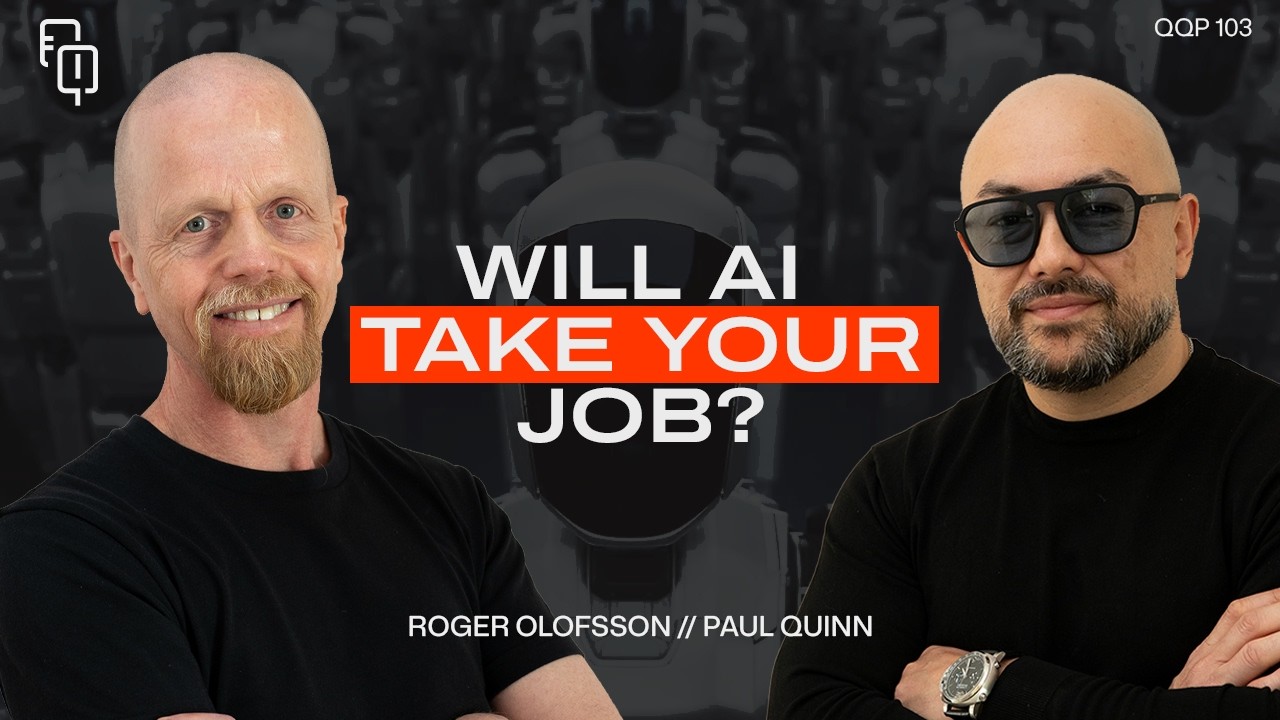
Building an AI Company Inside a Search Firm with Roger Olofsson #103
In this episode of The Quinntessential Questions Podcast, Paul Quinn sits down with Roger Olofsson, CEO and co-founder of Olofsson & Company, the executive search firm hiring for startups, AI, tech and fast-growth companies. From a childhood in Luleå, near the Arctic Circle, to landing in Singapore in 1996 as an exchange student with a backpack and a suitcase, Roger shares his transformation journey through almost three decades of recruitment in Asia, and the moment he finally backed himself to build his own firm.
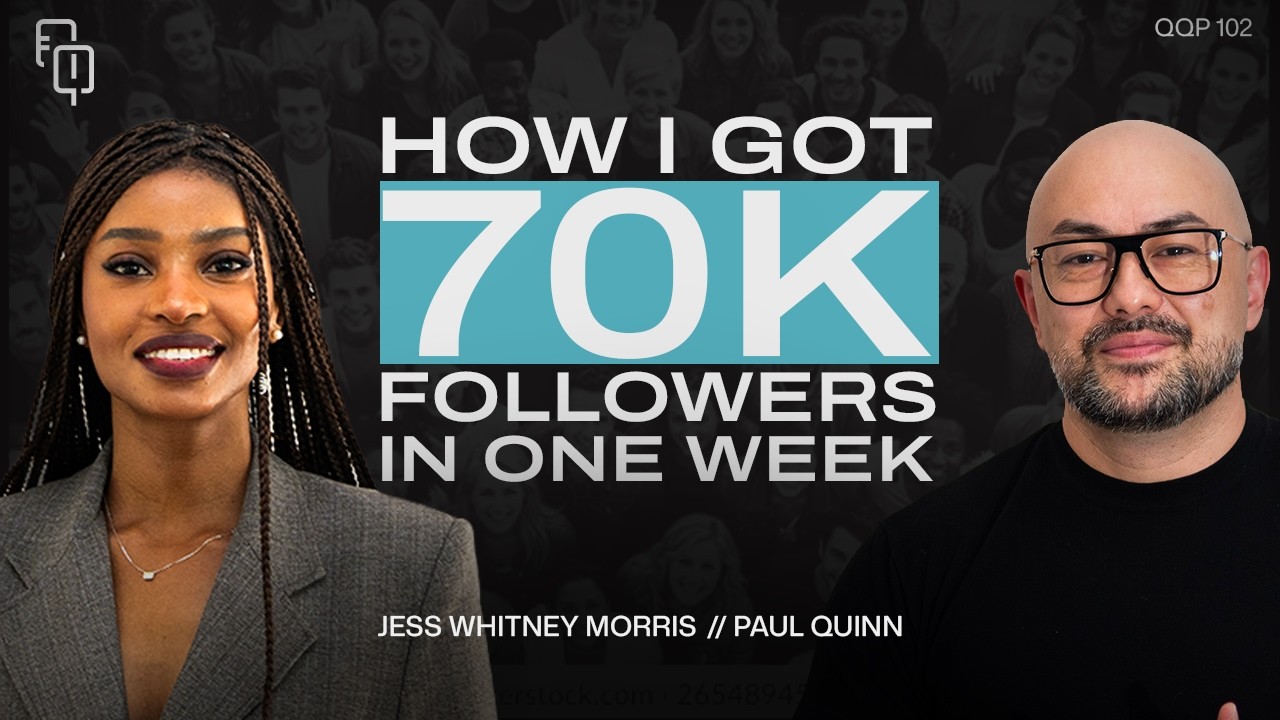
One Video, 70K Followers: Jess Whitney Morris's Breakthrough | #102
In this episode of The Quinntessential Questions Podcast, Paul Quinn sits down with Jess Whitney Morris, model, social media management company founder, and media presenter. From growing up in poverty in Uganda and working-class England to working her way through Abercrombie, Hollister, and a self-funded university degree, Jess shares her transformation journey and the moment her father tore up her first modelling contract in half.
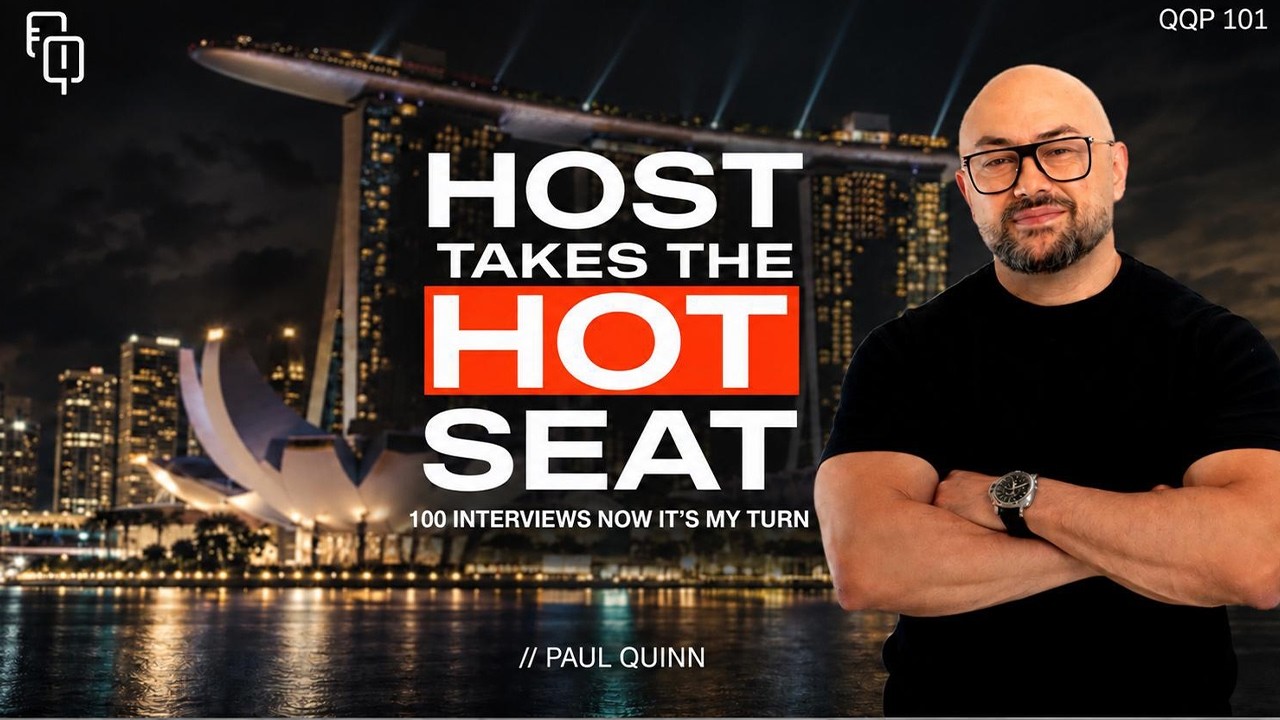
I Interviewed 100 Extraordinary People. Here’s What I Learned | Paul Quinn
In this episode of The Quinntessential Questions Podcast, the host takes the hot seat. After 100 episodes in the interviewer's chair, Paul Quinn, who runs Westport Executive Search and founded Quinntessential Coaching, answers questions sent in by guests, friends, family and listeners. From hitting a career plateau to building a podcast that now welcomes Olympians, world champions and global CEOs, Paul shares his transformation journey and the moment he decided to put a spotlight on helping people.