
#30 with Glenn van Zutphen: Mastering Communication in the 21st Century

In this episode of The Quinntessential Questions Podcast, we sit down with a multi-talented guest, Glenn van Zutphen, CEO of Vanmedia Grou p& Money FM 89.3 Host, whose career spans acting in LA, journalism, public speaking, and entrepreneurship. From living in Japan, Switzerland, and Hong Kong to covering major news stories and becoming a radio anchor, their journey is filled with incredible experiences and insights.
We discuss key takeaways from being a news anchor, the transition to coaching and entrepreneurship, and expert tips on public speaking and interviews—covering everything from avoiding common mistakes to mastering communication in a rapidly evolving world.
If you're interested in media, personal branding, or honing your communication skills, this episode is packed with valuable lessons.
TIMESTAMPS
(00:00) Introduction
(03:23) Moving to Japan
(06:01) Acting in LA
(10:30) 6 Years in Japan
(12:14) University Experience
(13:28) Interviewing People
(15:27) Role Models
(17:29) Living in Switzerland and Hong Kong
(19:10) Covering Major News Stories
(22:17) Moving to Singapore
(26:58) Takeaways from Being an Anchor
(30:05) Becoming a Coach
(30:55) Transition to Entrepreneurship
(31:57) Public Speaking Tips
(35:32) Interview Tips
(42:01) Common Interview Mistakes
(49:26) Evolution of Communication
(50:46) Joining a Major Radio Station
(56:05) Radio Show Guests
(59:55) Rapid Fire Questions
Bio
Glenn van Zutphen is a career international journalist and the Founder & CEO of VanMedia Group Pte Ltd, a worldwide media consultancy. Over 18 years, he has coached some 3000 high-performing business leaders, journalists, government officials across ASEAN, AMEA, North America, Europe - to deliver confident, credible, and clear spoken & written communication across digital & news media platforms, TV, podcasts, conferences, and business meetings. He also hosts the “The Saturday Mornings Show" national radio show every weekend on MoneyFM 89.3, Singapore’s only business-news radio station. The program is streamed internationally and podcasted as well. Glenn is a recognized communications expert, keynote speaker, and meeting facilitator.
As a professional journalist for more than 30 years, Glenn has worked in print, radio, television, and online news based in the US, Japan, Switzerland, Hong Kong, and Singapore. His work over the decades has appeared in scores of digital online, print, and broadcast media outlets.
As both the Regional News Editor for CNBC Asia/Pacific and Anchor and Producer at CNN International, he covered stories ranging from the Balkan War and Millennium celebrations to the War Against Terror, the 2004 Asian Tsunami, Hong Kong's 1997 Handover, and various global financial meltdowns. While based In Tokyo, he was a television and radio broadcaster for public station NHK (Japan Broadcasting Corp.) including producing and hosting the first, regular English-language TV broadcasts of Japan’s National Sport, Sumo wrestling in the early 1990s.
An active writer, Glenn co-authored the business marketing book "Happy Customers Everywhere" (2016), contributed to "The American Journey in Singapore" (2017), and wrote the introductory chapter in eight editions of the "Living in Singapore Reference Guide" (2008-2025). He also was the inaugural recipient of the East-West Center's "21st Century Outstanding Service Award" (2016) for his volunteer work across the Asia-Pacific region.
Glenn currently sits on the East-West Center Alumni Board (Honolulu, HI). He previously served on the boards of: AmCham Singapore, the Asian American Journalist Association (Asia), The Foreign Correspondents Association Singapore (President), The American Association of Singapore (President), and the Atlanta Press Club (President).
Glenn holds a Master’s Degree in Digital Media Management from Teesside University (UK)/Hyper Island Singapore and Bachelor of Arts in Journalism from the University of Southern California. He and his family have been Singapore Permanent Residents since 2005.
Credit: https://www.vanmediagroup.com/meet-the-team-of-journalists
Transcript
[Applause] [Music] hi guys today I had the pleasure of sitting down with Glenn van zuin the CEO of Van Media Group and the host of money FM was an absolute privilege we sat down we talked about his life in generalism living and working across Asia in the US and uh it was a real interesting in chat I hope you enjoyed the conversation as much as I did Cheers Glenn good afternoon Paul great to be with you thanks for making the effort man oh thanks for having me appreciate it you've had a busy weekend right it has been a crazy weekend tell us well tell us about your activities on a Saturday and Sunday morning to begin with well here here we sit at the end of a very long week and weekend for myself but I'm Saturday every Saturday I have my radio show on money FM so typically up at around 6:00 or 7:00 a.m. in the studio by 8: and then live from 9: to 12 so three solid hours of interviews and talking and banter and all that kind of stuff and then in the afternoon I typically have to um start working on posting the podcasts for each of the interviews we do so that's five or six interviews a Saturday that's full um and that's full on but yesterday was a special day because in the evening I was asked to MC the 89th annual George Washington ball that's hosted by the American Association of Singapore wow so it's almost 400 people at the Ritz last night including heads of you know ambassadors and things like that so that that's always a duty that I enjoy I've done it many times in past years but it takes a lot out of me you got to be on point right and then and then if you start it early you know you know the funny thing is is anyone that goes into the restaurant business they forget because they romanticize it but like with you your Friday nights are kind of gone because you know you got to be up at the Cracker Dawn on Saturday absolutely well look just for those that may not know you can you be kind enough just to introduce yourself a little bit of a backstory before we roll back the clock sure sure uh I've been a career journalist for 25 almost 30 years now and um I started in the US I'm I'm from Chicago went to school in Los Angeles graduated from uh University of Southern California journalism school and um were you were you a Chicago Bulls fan or an LA Lakers fan oh definitely Bulls good man yeah especially that was the 80s that was the mid late 80s when I was living there so had to be a bulls man um but um came to Asia first about 35 years ago so I I first went to after working in journalism in the US for a few years after University I umum I got the Japan bug and in those days in the late 80s the talk your viewers may or may not um remember was about the Pacific Rim Japan was buying America Japan was really on top economically uh and in terms of producing cars and and and electronics of course the Walkman and all the different things you know from days gone by and so living in La I I I had had some experience with a a Japanese advertising agency as an intern during my University days and I thought now you know what I'm out of school I want to go to Japan so packed everything up went to Tokyo no money no job no place to stay just how old were you uh I was about 22 I think at that point isn't it great yeah and then tell us what happened well uh first of all I got very hungry very fast did you end up loving new D cuz you had to I guess well back at that time there was no internet so I I had the Lonely Planet guide I had the Japan Lonely Planet guide which had the name of a couple of Youth hosts in it so I landed and just went and showed up at this youth hostel way outside of town and uh anyway long story short I ended up living in Tokyo and working for six years loved it had a great experience uh worked as a journalist there uh and got connected with different folks and so that was kind of the beginning of my International experience uh kind of long ago far away at this point you know I fell in love with Japan because I read James clell Shogun right years ago and then I read all of his series and then I don't even remember he made a miniseries years ago well not him but the uh and with um what's the name of that actor Richard chamber oh yeah goodlooking guy you know um and I I actually prefer that a lot more than the more recent one that came out the new one that came out Netflix yeah I just I just it was so authentic and I don't know if you've read the backstory but they uh cre those sets and they really struggled because most of the casts didn't speak Japanese in English sorry and then a lot of it is actually in Japanese and there's no subtitles but somehow you get it yeah and then I remember watching um one of my favorite movies Black Rain with Michael Douglas and I thought I can't wait to go to Japan this was when I was younger classic late 80s movie you know like what's going on in Japan what's going on with Japan so yeah one of the interesting things I when I was working there um I got a job first working with NHK the public broadcaster there and they needed um you know American voices to to write and read the news both on radio and they had a TV service that was an English language service so I spent a lot of time what they call the NHK broadcasting center right in the middle of Tokyo in shabuya and one of the coolest things about that well a couple cool things first of all they have capsule hotel inside NHK cuz so many people do such long hours and I I had to stay there a few times when I was working late and starting early the next day but the other thing is when you go to the cafeteria and it was like you see in some maybe some of these Hollywood movies when they go to the the cafeteria in a in on a on a set and people from all different types of Productions are in there so you had people in there in Shogun costumes you had people in there with you know teeny bber costumes and so just to walk in and have have lunch in the NHK uh you know lunchroom was just amazing right it was like watching history hundreds of years years of History just based on the costumes that people were wearing well tell me cuz you were saying off camera you had a bit of acting experience or back in your La days so the when I was in LA I uh when I was in school in La I needed to make some money so I did several things for part-time work one was I became an extra so I I am a card carrying member of the screen extras Guild not the Screen Actors Guild all right which was okay because screen extras still made at that time quite a good thing was about $300 $400 a day right then for an extra wow that's good money now it was not bad yeah I was in Pizza Hut commercials and all kinds of different things and then U I had an agent who was uh um a bit of a slippery guy but he said hey um would you like to go to an open casting call for a new movie that's coming out so I said you know sure right so it was Halloween I'll never forget this Halloween 1984 October 31st and I went with several of my friends from school and went down to the Paramount uh Studio Lot and there were like 3,000 young guys that looked exactly like us in the queue right and we we went in they took a picture of us we had to make a funny face or something and then U and they asked us two or three questions and we just it was like a conveyor belt you know turns out um that was for back in the F Back to the Future right so the the part that Michael J fox eventually got yeah they they had already started shooting and they had to replace the actor uh that was that was in Marty McFly's um role you mean he wasn't the origin he was not no and it just wasn't it just wasn't the original actor just wasn't working out for them and um Michael J fox was doing a very popular TV show called Family Ties at the time so he was really hot he was a hot actor but he was busy so you see a lot of the scenes in Back to the Future are filmed at night it's because he was working during the day on Family Ties and he would shoot Back to the Future at night really yeah many of the scenes are that's crazy but that was my that was my one lost opportunity uh having having seen Michael J fox over the decades I'm glad he got the role he was he was that he was Marty mcfl man he he was I remember teen wol Secret of My Success he was fantastic all those actually it's was funny when you look back cuz I I told you off screen I love movies um Top Gun with uh Tom Cruz originally he wasn't meant to have that whole um relationship with Kelly McGillis right they they added it afterwards because they felt that that the movie needed something so that whole love scene he was already working on something else and he he came in the magic of Hollywood yeah so like they they went to a hotel filmed this scene overnight dim dimmed it out black and white kind of like you you said earlier it brilliant so then how so then in Japan what what unfolded after that yeah Japan was so let me give you a broad statement which is the more you say yes in life the better your life is going to be assuming you don't make really bad yes choices right which we certainly have friends and maybe we've made a few bad ones ourselves but you know saying yes was I think really key in my life to doing what I consider to be interesting things so Not only was I working for NHK but then NHK had a relationship with ABC News American ABC News um not the Aussie one and they needed a radio correspondent in Japan so they they saw I was doing work and I had a journalism degree and I was a warm body in Tokyo and they said will you do this I said sure So I I started doing that for them and then but you're too you should have said I'm too Hansen to do radio right yeah voice for face for radio right um and uh and then you know another a woman came through town at a conference and she was the the international editor for USA Today newspaper she's like hey we need a Far East correspondent would you do that I'm like sure why not wow and so I just kept expanding and and kept doing a lot of things and and it really it burned me out quite honestly after six years there five and a half years I was I was burnt but I had some amazing experiences traveled traveled the country yeah um and U really got to know I I I studied learn Japanese uh to be fluent in Japanese and do you still use it um so much not so much conversational but I mean it's been 30 years I've lost a lot of it but uh but I really really enjoyed my time there and never met so many kind people um Japanese people who were kind to me showed me kindness amazing uh uh over the years that I was there that are still friends today beautiful you know um actually I was just thinking about this when unless you've lived in Asia major cities like Tokyo Singapore Hong Kong you won't realize like you and I let's just say you and I went out for a couple of nights in Hong Kong together right we would invariably between us meet a bunch of people that are connected and if you didn't you could become connected and build out a network just within a couple of nights right if if that's your mindset and and I think that's that's what you probably meant you were probably out and about and enjoying yourselves networking yeah yeah and the the in terms of a career progression so many of the people that I met in Japan that were working at NHK they had a lot of Divisions doing um you know all kinds of different news and English and things and the other journalists I meant there uh have became friends of mine for decades and including uh one dear dear friend M Lee who is now back in Los Angeles but she and I eventually worked at CNN International together then we work worked at CNBC Asia here in Singapore she actually helped to get me my job here uh when I was leaving CNN and coming coming to Singapore 20 years ago so you just never know where these connections are going to lead you and again there's probably 10 or 15 friends that I had from the late 80s early 90s that are still my friends very cir circling around the region yeah doing really interesting things and of course now they're at the top of their game well well when you meet people on on your way up you know no one you don't need anything from each other you know you're in the boat together so to speak actually another movie that I've just remembered Robert Mitchum with Sydney pup which is directing was called the yakudza I don't even remember that one is remember it's it's not a particularly wellknown one but I love that movie yeah so so then um you you've worked with all the C's so it was ABC CNBC yep CNN International okay um yeah well I mean I I've I've I've written in contributed to a whole slew of different uh Publications but did but did if you go back to your University days what were you studying did you know you wanted to go into journalism so when I first started in in college I started at a small liberal art school just outside of Chicago I was there for two years and it just was not my vibe was too small so I I I left uh and went to USC but I had always thought in my first two years I was going to be a lawyer I was I wanted to be pre-law okay and I famously tell the story to my kids I don't know some kind of an object lesson that my freshman year I failed Latin which is not a good start if you're going to be a lawyer you know you kind of have to get through Latin at some point and so and then when I realized it wasn't all just like the TV shows um and the way that you know lawyers are perceived on TV shows you actually have to kind of do some work yeah uh that um I decided you know what maybe I better look at something else and I got involved in in in journalism and I had always done kind communication type stuff and had jobs in radio stations and things when I was in school so I knew that that was something that was probably a good fit for me I mean you You' interviewed you know close to 3,000 people maybe even more yeah we're over 3,000 now that's that's amazing it really truly is what are some of the more memorable people that you remember interviewing I'll tell you the probably I think the most interesting for me most consequential happened in December I'll never forget December 13th 2001 and that was during the war on terror yeah uh of course September 11th 2000 was the big you know terror attack in the US um but December uh 2001 was when the Coalition forces liberated Kabul and kicked the Taliban out of Kabul Afghanistan and harmed carai who eventually became the president of of uh of of um Afghanistan rode in kind of triumphantly to reclaim the city uh of Kabul and I was the the first one to interview him I was actually at CNN Center in Atlanta but we got him on on the phone and he had literally just rolled in on us Jeeps or something like that that were coming in with the troops um as the Taliban fled and we we did the first interview with him and the reason it was so interesting to me was just because there was so much hope for what the future of Afghanistan would look like without the Taliban yeah because you know prior to the Taliban Afghanistan was an amazing country it was very forward very Progressive much like Iran people forget that when you look at old pictures yeah it was and how the ladies were dressed very glamorous quite westernized in some ways westernized educated you know you know a lot of great things were happening and you know the Taliban obviously changed all that so there was a great deal of of of Hope For What Afghanistan would look like which of course you know 20 plus years later it just it didn't work out the US pulled out as they would have had to eventually but the the local um forces weren't strong enough to keep the Taliban back so now basically kind of gone back to you know reverted to where they were before the you know they were kicked out so it's just sad did you did you look up to journalists or broadcasters growing up that you decided to shape your own career on or or interview style I'm just curious none I I respected a lot of uh of of journalists you know Walter kronite and some of the classics um of of American journalism there were never any that I said I need to be like him or I I want to affect that style of conversation or or questioning it was just more what I always was interested in was how were they presenting this information in a way that was going to be interesting and relevant to me and this will be a theme that you and I will talk a lot about today in this podcast yeah um because that is something that's that's super important so I can't say that there was one specific person that I thought was great I I've seen and worked with um a lot of people that their public Persona is these amazing journalists and wouldn't you like to be like them and having worked with them behind the scenes I know what incredibly miserable people they are miserable humans they are and you know they might be good at their job but once you get on the other side of the microphone or the camera like you don't want to have anything to do with these guys which is a bit kind of sad very sad yeah um you know what I realized because I thought about this cuz most of us end up in jobs that we didn't necessarily dream about when we were younger right so for example if you grew up playing sports you'd you'd have favorite sports players and then like if you were playing you know basketball if I was playing football right you know you you'd pretend you were those players but you know you probably because you wer think it been a journalist so by the time you reached that age you're already fully grown man right so it's a little bit different um so then you moved to Hong Kong right after Atlanta uh the after sorry after Tokyo okay I went to Switzerland for a year oh I didn't realize that worked in Switzerland for a year you were in Geneva uh it was just outside it was in just outside of burn freeboard and that was more of a GL you've had a hell of a life man that was kind of a year off uh after being kind of burned out working in Japan and then after that I went to Hong Kong which was right before the Handover yeah so I was there from '94 to '98 so you saw the Handover wow oh yeah cover yeah covered it which was it was an amazing story as well obviously huge and and living there in the runup to the Handover was quite did you ever meet Chris patteron or yeah yeah you did yeah yeah um I like the way you say yeah yeah like know for the rest of us I shouldn't be so about it no no yes it was really interesting to meet him uh he was he was really trying to he was really trying to do the right thing yeah with the he he seemed so genuine in all the interviews I saw him in and and Bing just was not having it I mean the things they called him you know a son of 10,000 you know what's and like they they they were not kind to him at all yeah and I I think his I remember his daughter was getting a bit of a a hard time in the Press which was really unfortunate they were young at the time it was it wasn't pleasant but I I think you know having having been there from you know 4 and seeing the way the British actually adjudicated you know Justice and and everything within Hong Kong yeah um they had an independent commission against corruption the the police force was one of the world's best police force mostly uh you know staffed with Hong Kong uh Chinese folks and you know so they had the institutions that were just really really rock solid and a lot of that has sort of been altered in ways that I think are not necessarily positive since then yeah yeah but you know it's it's Chinese territory now so they can do what they want with it that that must have been some of the most memorable news that you've covered right I mean what what would the top few be in the course of your career yeah those that was a good one that was I mean that was a really good one um because that that was Global that was absolutely Global the war on terror obviously September 11th and all that was just were you where and um I was in Atlanta you were on September 11th oh you were yeah cuz we all remember where we were when we heard the news right right yeah it's and you know when you watch movies now you go back and you see the twin towers and it was like crazy you know when it was before yeah yeah you know it's just so iconic I was watching Harry Met Sally yeah the other day last week two weeks ago and they said but they have a shot of that I watched that is it less than a week ago right yeah might watch it at the same time yeah but you know whenever you see those shots it it does kind of like it does a little bit of a a heart a heart twister for you but uh but yeah those those were really really good stories you know across across the the years though the decades it's there have been so many like you know the different Financial crises that have come along covered those in in Japan any number of earthquakes yeah um the one of the uh you know most shockingly memorable sadly memorable was the 2004 tsunami so I had just arrived in in Singapore in November um to start my job at CNBC this was the first time you moved here yeah when I first moved here and you know a month later was the tsunami so we sent teams all all over obviously to a and and different places and I went um my team went to Southern Sri Lanka and so we covered it from there which was it was the most surreal thing because you know right on the coast it was absolute devastation yeah you know you had these massive ships that were picked up and lifted and put onto the shore and um in the case of uh Sri Lanka there was a train line that was running along the coast right at the time of the tsunami like 1500 people were killed and it's just like M but but then you got like two or 300 meters in yeah and there was nothing Welly of uh Sri Lanka you could go from the coastline of hiku then up in candy you know they they probably if if there was no TV they wouldn't even be aware of it it it was yeah and and you know the the waves only went so far everywhere like you know and so you would have utter Devastation right on the coast and then just you know less than a kilometer in it was fine like absolutely fine yeah so was it was really crazy well no knowing Sri Lanka I mean I haven't been back for a long time I I've been there a couple of times but I spent 10 days on my own doing a solo trip yeah and um I had a I had a chauffeur driver for part of the journey we didn't speak any English and I we were behind a bus that had maybe 3040 people hanging out on the side of the bus on the top of the bus and unfortunately the the bus collapsed went over oh and he said oh so I was thinking oh he does speak English and he just drove on and I said should we go back and help and he just kept driving and a few people must have died I remember thinking wow the infrastructure is not here and it was when when you see that um but what a beautiful country amazing country so what brought you to Singapore like the job but did had you been physically to check it out or you literally moved here when you got the phone call yeah I I had been coming to Singapore since the early 90s okay because we seen all the iterations exactly right when we were you know being based in Japan at that time you had to do Visa runs you know every three months you had to get out and and you know go someplace so I had you know been here i' been in those days went to kosamu uh you know in the early 90s when the roads were literally still sand uh and and same with borai and places like that right in the early uh you know early 90s so so Singapore was one of the places I came and in fact I stayed at the Pan Pacific Hotel you know it's in suntech and we were when you first came here you first game yeah and we were on one side we were on the north side of of the the building the hotel room and it was so noisy because they were building suntech City yeah I remember it was just a big pit yeah right and cuz all that reclaimed land hadn't hadn't been developed yet correct cuz I stayed in Marina Mandarin you know when I was 11 and we've got pictures and it's just breathtaking when you see what wasn't there V now it's amazing and then if you explain to people in countries like in Africa or in the US what recla the concept of reclaim land they look at you like what that's bunkers doesn't make any sense yeah it's mad isn't it it it really is quite amazing so the the um yeah being coming here so to answer your question I've been here many times over the years but uh 2004 was the first time I came here to live and what's kept you here for so long yeah 20 years later let me tell you my wife and I we we originally didn't know how long we were going to be here and then this you know you're here you're working you start having kids you realize this is a darn good place to have kids grow up it's safe it's safe it's it's manageable you can you know you can have help which I could never afford if I was living in the US to be honest with you well it's a foreign concept by and large like where I grew up you know if I told my friends back home I've got a living helper it's it would be foreign to them because where I grew up if you've got a dishwasher mate you've done well you you've hit the jackpot good on you yeah none of us grew up with we didn't grew up with help you know we learned how to wash the dishes and and vacuum the living room and yeah all that stuff right so uh so we just decided you know over the years it was a good place to be um you know it was always fascinating to see so as you can tell you know my time in in in Tokyo and Hong Kong and and Singapore I love I love Asia I think Asia has been and will continue to be the story uh it has certainly been for the last 30 40 years and will continue to be going forward um just based on on the economic factors and the growth and and the population shifts and things so I I think it was just an awesome place to be and for that stage in our life with kids and and you know then getting mared we got married here as well that it was some where did you get married in Singapore we did was it the RO you had the RO here and the ceremony or yeah yeah so we did the ROM our solemnization um at the top of fa you know where the goes up so right up there was the solmization and then we did a month later uh we did our family kind of family wedding at the uh shangra La in santosa oh lovely yeah the r yeah so we we had our Ro in our house not this house we owned a lovely little house down the road and the thing is it was just meant to be my wife and I her grandmother her mom cuz her dad had passed away and then I turned up downstairs and there were like 40 chairs being laid out wow and I was actually really upset cuz I thought I had no one to invite and you know but I couldn't begrudged Tara having all of because we were having the ceremony a few weeks later in barley oh but it was a weird feeling because I was I was getting married and when I when we had done done everything ass signed everything because of the time difference I couldn't even call my mom and dad so actually the day itself was quite lonely right it was a weird feeling you know but but when you're away from home everything is different yeah you know well we decided we we would get married do the family service in Singapore realizing that it might be the only time our family would come and visit us right and as a destination wedding so we planned it that way we planned it around a Us holiday so that people had extra time during that week and and you know just did some things like that well well when people make that effort they really want to be there yeah exactly you know what I mean it's meaningful to that yeah we had less we had about 60 people I think show up which was great you know so what was some of the key takeaways from being an anchor cuz I'm I'm just so curious about what you've learned and how that's um segmented and you know duvail into your your career for the last 20 years doing the work always pays dividends so when I was an anchor and a producer and and and writing and Reporting and doing that all through my career it was a constant constant grind of doing that work yeah right and like any job that anybody has that's listening or watching this podcast if you do something enough for enough years you should be getting pretty good at it yeah right and so the the experience that I had especially CNN which was 247 weekends nights days whenever um you know to go in and be on air for six to eight hours straight and it could you know breaking news and this and that and there's a there's a fire here and there's a hijacking there and there's a this and that and you're constantly having to really really think about the stories do be a quick study on getting on the computer and seeing what's going on and then being able to ask questions quickly and and most importantly probably listen to the people that you're actually talking to and then because you you pick up a lot from what they're saying and all of a sudden list of questions becomes meaningless when they say one small thing it takes you down a different rabbit hole right which is the right which was the right rabbit hole in the first place yeah right that you didn't even know existed but haven't you noticed a lot of people when they're doing interviews in any in in any capacity they're so busy thinking what they're going to say next they're not listening to the person they're talking with right and then you know the conversation is not fluid yeah yeah it's it's a challenge and anytime you know as the interviewer I'm against uh I'm against sending out lists of questions to my interviewees I give them topics okay so hey we're going to talk about your your company we're going to talk about your results we're going to talk about your new product whatever and I I put it on them to be able to know and enough about their product their industry whatever it is to be able to answer any question I can I can ask ask them well you can ask them open-ended questions and let them run with it right yeah we ask them I mean it could be they could be a I mean I like to ask open-ended questions it's a little more interesting every now and then there's a closed end one in there but you know that that's okay too um but as the as the so that's as the interviewer as the interviewee uh you know I need to be ready to understand what the interview is about you and I discussed you know over what Whata what this interview would be about so I could kind of get my head in the right place for it now you kindly gave me some questions which we've broadly but not specifically been sticking to yeah they're loose right they're they're very loose more topics right which is fine because it just gets my head in the right place so I you know in thinking about doing this interview there's certain things that I want to recall you know my La stories or my what I may not have thought about them for a long time right but it's okay to remember remember those and then use them in the in the course of the interview so that's that's on me as the interviewee yeah and this is what we find in my coaching business that a lot of you know about your coaching business to give a quick intro to what you cover the van Media Group is my is my company uh we started 18 years ago only doing media training for folks that was right after I left uh cnvc they they laid off 14 of us sent our jobs back to the US and so my wife and I had just been here a couple years and we decided we wanted to stay so I started doing media training but then that over the last 15 years or so has has broadened out much more to communication skills training public speaking podcasts TED Talks conference uh you know keynote speeches Etc and depending on what a client needs we kind of help them through that whole whatever that looks like you know whatever their need is but but I want to touch on this because the way that you glossed over it for a lot of people that are thinking about the entrepreneurial route is quite dating was your transition quite easy cuz cuz all of a sudden you go from doing the job to having to sell the job to bring the business in yeah and that's that's a different challenge right yeah oh I knew what I knew and and this a lot of journalists become media trainers like this is a this is one of the common steps they go into PR or they become media trainers or you know they do different things and what I found over 18 years was as I think back to that first year first couple years um I hope none of my former clients are listening but I didn't know what the heck I was doing as a as a coach a and a trainer now I knew how the media worked so I could do that Stu that no problem with that but but I feel like the value ad for my clients now is the experience I've had of doing this for 18 years and thousands of you know thousands of of of coaches and because everybody is is very different in the way they need to be approached sure it's not a one- siiz fitall and every communication opportunity is not a one- siiz fitall do you what I find fascinating is cuz when you're working with um clients how do you work with those that are very shy and nervous about public speaking right the most important I lesson that I any coach I think can can to give to a coachi especially in the communication space is I am not trying to make somebody into a communicator like me yeah I have no interest no ability no desire uh and I think it's a bad idea to say hey after our sessions together you're going to be just like me and and never it never works it's done so what we do instead is we we take them through what the best practice is for being impactful in their communication what does that look like what do telling your story look like what is what do key messages look like what does you know repetition the the physical the the eye eye contact or body movement or whatever what does that stuff all look like yeah and then let's take who that person is quiet shy and retiring or loud and boisterous or anything in between and let's help them be the best most impactful Communicator they can be I don't know if you saw um when Donald Trump was inaugurated he went and he did this church service at the Episcopalian Church in Washington DC and the the the minister the Reverend she gave a very very calm quiet uh homy sermon to him and and then at the end implored him to be merciful and just and and it was the most quiet calm moment of delivery of information and it set Trump and the administration and the media on fire yeah because here she was she wasn't shouting she wasn't doing anything that we are used to in our political landscape these days very calmly very quietly but just nailed the words nailed the concepts in way fantastic that was wow I mean it was shockingly powerful yeah so that's one example but but I find if you do meet people like that that are very peaceful it it could be a minister it could be a massage therapist there are certain people that lower your blood pressure and you you know those people are rare and special one of the challenges I'm sure you have I have this because I'm naturally an introvert although no one would believe that is you know so for example I've got a dinner tomorrow night and it's a surprise birthday party and the lady organizing said listen and don't be afraid to go out there and make sure that the part is rocking you know and I don't know anyone that's going to be there apart from the birthday boy and um you know it's like sometimes that to me is overwhelming because they expect you to be on all the time do you find that you get that because you must have CU you're you're the you're the host you're the keynote speaker how do you how do you reason with that I I like to think that my public Persona is not all that different than who I am in person I don't we see this a lot actually in Singapore radio which which bothers me a great deal which is apparently the whatever the broadcasting school is that everybody goes to here says you have got to be hey I'm hey great time let's go to Singapore Saturday morning let's do the show you know this kind of 1980s yeah you know parody of an American DJ right and and and everybody seems to feel like they've got to have that and that's why personally for me when I listen to radio in Singapore I get a headache more often than not and a lot of people exactly what you just said I can't listen to radio here because it all sounds the same yeah and and it's it's something about the training process and I don't I haven't been involved in that training process so I don't know exactly what it is so to your to your point you know when people see me I I hope that I'm the same now when I'm on I'm on stage last night you know in front of 400 people I'm seeing a thing I have to speak up a little bit more forcefully yeah I have to be thinking more obviously about my audience but pausing a little bit more maybe slowing the pace of my speech down because I'm in a room with 400 people there's there's Echo there's bounce there's people don't hear and understand you yeah if you don't slow your pace down in things like in situations like so I do some of those things but basically I'm not I don't I don't have the Glenn MC Persona yeah you're not tremendously different I I think people can spot fake they can spot fake very quickly talk to me a little bit about best interview tips yeah uh from the interviewer or interviewee both see he notice how I ask a question to make sure no I would say I would say it's a great question I would say firstly as an interviewer because that's what you do and I'm I'm trying to do it so I'm learning from you yeah uh obvious there's the obvious ones right know who the subject is know basically something about them and why are you interviewing them in the first place when we interview people on the Saturday morning radio show on money FM we and by we I mean myself and Neil humph my my co-host we look for people that are interesting to us yeah that's the first thing the second thing is we everybody that comes on the show we we give them one mandate and that is you need to be able to say something interesting or useful to our audience something they're going to care about not just what the interview e cares about right pushing a new product a new service a new whatever and and so when you get to that as the interviewer I look for people that can give something interesting uh I also really really spend a lot of time listening during our interviews and that's why I I scrap I scrap lists of questions I mean sometimes we get some talking points or like I said we give topics or whatever but I have done this enough that when I start when I ask somebody I can automatically see the flow of the conversation yeah you know if you and are talking about um executive Search I can see very easily how the flow of that conversation goes from you know what are your basic offerings all the way to what are you finding is most useful for people looking for new jobs or or organizations looking for new employees you know there there's different branches that you can take that yes but I you know like you been around long enough that I I can understand a little bit how that work World works and then dig in on you to get you to tell me more about it but I think I think the analy a great skill you know like being an investigative journalist you are predetermining which way as you said the branches go but I think a lot of people get stuck yeah you know um what about if if someone has been interviewed yeah being interviewed uh expect the unexpected yeah be ready to rock and roll right you have to be at all times yeah you know I'm coming to I'm coming to to talk with you today you know we've we we've discussed some some areas that we'll discuss today and that's great but you could literally ask me anything and I would have to think of something to say yeah now now to be truthful it's not really that hard for me to do that anymore cuz I've done it a lot but for most people they're not ready for that so you know where where are the things that are maybe un that you didn't really think about or if you're an executive are there skeletons in your corporate closet yeah are there things that if your private secretary yeah had a had a a partner who is a journalist and told that person those Secrets what would those Secrets be and then you as the interview how would you answer them yeah and be ready to answer them yeah right cuz you just never know in this world how information gets out uh and and so that you know be ready especially nowadays I I one of the things I always tell people is let's say for example when we're interviewing candidates or we're helping candidates when they're going for job interviews the reality is is typically you'll have a lot of people that have a very similar skill set so what makes the difference is one's personality your engagement you know the client's got to want to work with you and obviously you have to have the ability to deliver so I always say that that's something that is always missing that ability to engage on a a personal social level inviting somebody for a coffee you know these things uh go a Miss big time I I was I was uh coaching a friend's son two weeks ago and he how old was he uh he's he's 24 24 he's going for his second I think his second job in the US right and he it's a he's going for a job at a Communications firm uh in in this in Texas and so we we're chatting about it and he's super smart and he know he knew the company he'd done his research and I said have you have you connected with all of them on LinkedIn have you looked at all of their LinkedIn profiles the four people that are going to be interviewing you basically the top four people in the company yeah um you know have you really dug in on that love it have you Googled them have you seen you know do they have any have they done any public speaking that you can look at their YouTube video or um you know or posted anything you know you dig out nuggets like that as an interviewee if you're being interviewed for a job for example yeah that's the kind of stuff that sets you apart it's that one reference hey I saw you did that conference you know in New York City and you mentioned this about your company I was was quite intrigued you know automatically yeah the person that's the interviewer is like wow this person took some time yeah a little bit of research I'll tell you a funny story I placed a global CFO and he had a series of interviews and he had a final round of interview and I asked him have you printed off and read the last two year annual reports like I asked you to he said no I said what are you doing your interviews at 1:00 and I said look I was I was pretty pissed off with him I said youve got to take the morning off come to my office I'll print them off let in my briefcase and I said highlight some points and whatever happens during the course of that interview open the briefcase take it out and let them know come back with two or three selling last year you did yeah you know just just just that engagement and and it was surprised me was he hadn't done it he's still in the job today today by the way if you're listening oh good for him talk about talk about common interview mistakes though things that people T typically will go wrong where they'll go wrong first and foremost from the interviewee yeah they are thinking about pushing information we have a lot of folks on the radio show every week that are that have some sort of new thing that they're doing whether it's an event or like I say a product a service something like that and the interviews that are the least interesting are the ones where they literally come in and sound like a press release yeah like our company's doing this we're pushing this this is what we're doing the best interviews are saying are the ones where they come in and say hey our clients are expecting this from us and this is what we've developed to give them X Y or or Zed right yeah and so be as an interviewee not pushing information but giving an audience and and letting the audience draw information from that person that they think will be useful yeah that's a mind shift for a lot of people a lot of uh public speakers Executives they don't quite understand that at first but spending a little time working with them they finally get it and and it changes the complexion of interviews press conferences whatever i' you know the um even though I've been interviewing people for 30 years when we started doing the podcast one of my best friends Neil Bullock and he was the first one that we released afterwards he he said you interrupted me me too often because we're we're best buddies so it's like we were having a beer and it's banter and he and he he showed me or we listen to a few clips of another podcast that he listens to and after that I've said to a lot of the people look when I ask your question don't be put off but I probably would just let you talk you because sometimes if someone's not used to it you obviously you know black belt second down in in doing this but people get nervous when you are you going to ask me something else you know what I mean so there's the flow so it depends on the medium anyway so that that one of the biggest challenges I've always found is how do you apply your science in a different way and reinvent yourself which is not easy so if you've got a very seasoned CEO and they're used to talking but now they're public speaking they're presenting in a different way how do you unpack that because I'm sure a lot of them are stuck in the mud like they're so used to operating in their uh mannerisms yeah two things I start usually start a coaching session with early in the session one I asked the what their biggest communication challenge is right and they'll say oh I'm not comfortable oh I don't know where to look oh you know they'll give you any number of reasons and I'll say okay that's good I I appreciate those things I think what your biggest challenge is going to be is you know too much every executive everywhere that is in a a sea Suite or a high level managerial position they have to know everything about their company and what happens when people know a lot they say a lot they speak a lot they overp they tell too much to a given audience what happens when we talk too much and Ramble On from the audien's perspective people get bored they get lost they get tired of listening they get confused everything's bad about it what what can happen right yeah so this is the first thing how we can help them to understand how they need to edit that 100% of information that they have about their company down to 10 or 15% that's necessary for a given audience yeah now occasionally you know you're doing an m&a or something you're going to need a lot more you're going to need a deeper dive on everything the company does I'm not talking about those circumstances I'm talking about the average you know engagement at a conference for example or being on a podcast or talking to the media you only need 10 or 15% of the knowledge that you own about your world yeah to to be interesting that's a very good point the the second thing I say to them is everybody I work with is a is a pretty good talker they they've reached a level in their career where they' they've done presentations for many years they've probably done Keynotes and and any number of town hall meetings Etc but this day and age it's not good enough just to be a good talker you have to be a strategic Communicator why do I say that and I'll say that again you can't just be a good talker you have to be a strategic Communicator I use the analogy of shabuya Crossing in Tokyo those of you that you know you yourself I'm sure you've been there it's where five big major streets come together right right outside of shabuya station the hotko dog statue is there everybody knows it and it's this crazy you know 3,000 people can cross the intersection when when it's time for people to walk it it is the most amazing spot when you go at ground level and I show a picture of this during my my coaching sessions and you see all the neon signs that are around especially at night it's just it's unreal right everybody takes that picture when you go down to shabuya but within that picture whenever you take it whatever point in history or time you take it there are going to be certain things certain signs that stand out to you maybe it's a Monster logo you know for for a monster drink maybe it's a shabuya 101 the the department store there maybe it's who knows what it is right Tokyo hands or something or it there could be a whole bunch of other um well there would be a whole bunch of other neon signs that just don't really resonate they don't stand out they have a company's name but you don't recognize it those sorts of things this is like the analogy is this is the media landscape this is the communication landscape that we are all in right now and have been for quite some time when you think about your social feeds not only what you're consuming every day but what you're also pushing out and most of us are pushing out posts on whatever we're receiving posts on whatever we've got multiple platforms that were on social media not to mention the internal company you know you're on your company slack or your company WhatsApp the the group or whatever so there's all that coming in and emails and like it's just it's mindboggling how much stuff comes in all right why do I why do I bring this up because this is the environment that Executives or comms people or marketing people are communicating in so how do they stand out how do they become an impactful Communicator how do they become the Monster logo that that green and black m yeah that you are going to recognize you know it's it's like a kind of a pretty typical marketing and branding thing you see a cocaa sign you see this you see whatever is that that resonates with you this is what we need to get communicators thinking about how do you do that in a verbal way when you are presenting information once they crack that interesting things happen first of all they become a really great communicator secondly a lot of their nervousness goes away because they know how to communicate and they know what to communicate yeah that's a very selling point yeah and most importantly they know when to stop communicating right you know go this far and then stop don't go this far kind of a thing but it it's an amazing process you know it's a beautiful process to see happen do you find though the evolution of communication has changed so much because everything's become short format yeah like any time in history you've got to be ready to evolve with communication I mean you know you see you see the value of of Tik Tok for example short form videos or you see the value of a good um a good LinkedIn post or something like this and this is where I'm getting a little bit I'm getting a little bit annoyed with LinkedIn um because it's it's looking more like Facebook yeah to me over the past two years people posting their stuff about their kids and their birthdays and like I'm happy that people have good family lives and have birthdays and all that but I don't care yeah excuse me yeah something's flying around me on LinkedIn I don't want to see that yeah this business I want to see business stuff yeah right and and and even the business posts I don't know if it's people are using chat GPT to to generate them but they're getting so long yeah you know four five 600 words long I'm like what yeah give me 200 words give me concise and Punchy yeah you know give me what I need to know and then let's move on because I don't have a day to read your post your individual post so it's all about you know understanding the times that we're in what are the vehicles that you need for the audiences you want to reach yeah uh and and then you know being able to adapt to it so talking about Evolution how did money FM come about and tell me more about it because when we first started talking I didn't know you were involved and uh I find that fascinating I fired my marketing person and that was that simple very good friend uh for 25 years now more than 25 years Jason Daisy was a sports broadcaster here in Singapore he and I first met each other at CNN International we've started literally the same week in uh 1998 or so and when we were working at CNN um and and he was here in Singapore for nearly 20 years he had the show on money FM it was at a Saturday and Sunday Morning Show he would have me on occasionally he had a segment which we still have today called the international news review and we talk about geopolitics and so he would have me on occasionally to be a a you know a commentator on that and then he would occasionally take time off for one holiday or whatever and he needed somebody to sub for him and this is going back like I say about seven years and so he would have me fill in for him because I had done radio throughout my career knew how to do it basically uh it was an it was an easy substitution so then four four or five years ago he decided to move back to um to Australia with his family after decades overseas and he asked me if I wanted to take over the show and I said yeah why is it on Saturday and Sunday so it's not on Sunday anymore it was it was on Saturday and Sunday 9: to 12 and then I just got to the point where without a producer I was having to produce the show myself what does that mean for people that don't know that means finding guests that means wrangling guests that means everything even on the one morning running the board you know all the levels and everything yeah you know we do it all um then you can't get a budget to do that politely no I couldn't yeah yeah there was no money for it yeah so that's what but I do love that about you as you roll your sleeves up you got to get stuck in right yeah the thing is I I love doing it I love doing the show and and my co-host Neil and I have a great time together together uh he's he's a he's an amazing Storyteller I've I've read before I even knew I didn't even know he was your co-host until you mentioned it today but I've read some of his stuff yeah he's and he's he's a comedian right he's a sports journalist originally a sports journalist I know that for decades okay oh yeah yeah yeah yeah I mean football and and and many pretty much any other sport um but he's written 35 books yeah most of them on Singapore yeah um and so he's been here 25 years so he he knows what's what's going on so we have a great time but you know we had to figure out the guests and um you every Saturday and and or Sunday we were doing at least five guests that's full each day so that's 10 guests a weekend yeah without a producer to help do that now those of your your listeners viewers on this podcast who've never had to get guests for anything wouldn't know this but it's not just a matter of one email or one phone call and everything's settled yeah enlighten the Enlighten the audience what's involved cuz it's a pain it's a pain yeah it's it's 10 it's 10 20 emails and then you got to if they have a if they have a corporate minder a gatekeeper you got to go through them and it's all this back and forth even us you know we tried to do this a couple weeks ago and we had to cancel it so even we had to reschedule it you know through no fault of our own but just circumstances and and that's what happens right so if you have to do all of that production pre-production work and then you're actually doing the work itself it was a lot it's timeconsuming it was a lot so I um a couple years ago I said to to my boss I said look and I'm happy to go back doing both days only if I have a producer um if I don't have a producer and if I'm doing it uh and Neil's helping me then we're just going to do one day and it's live it is live yeah yeah could you could you um record and send it out postproduction or doesn't have the same meaning um I'm just curious I guess I guess it would be possible so cuz then I'm I'm just so I think on Saturday morning people want to hear live radio yeah they want to hear the bter in the ch cuz I I grew up with uh I don't even remember Rocky one he's in the he's in the morning he's cracking the eggs but if you actually go back to that scene he's listening to the radio and some Fell's doing a prank call he's calling up a woman yeah and she's like why you call me a 5:00 in the morning um and I I grew up in London so you know depends on who you know if you were driving to school with your parents you'd listen to Classic FM or whatever um you know I'm into rap and you know dance music so it' be a little bit different um but then if you wanted to listen to the news you'd listen to BBC so you you have your tunes you know your radio programmed um but then the other thing is must be challenging because you're bringing the audience members in you know they arriving late and early and you're circling them in and out that can't be easy either yeah it's you know I it's the nature of radio and one thing we have found is because we're streamed across several different platforms we have quite a healthy following in Australia we have a healthy following throughout Southeast Asia even into North America West Coast and East Coast we have a lot of like I have a lot of friends in government and and you know that that world so we and and friends and listeners in the UK although it's a little more challenging for them because of the time the time difference but we do have some that stay up late what are the sort Su guests that you have on the show we we oh my gosh and it varies right but we very we had we had the head of uh hepatology snakes the head snake guy for Mandi really reserve on last week talking about the year of the snake and telling us more about snakes right wow I've got a lion doctor coming on to the show V okay so yeah because after I went to Kenya I was you know very excited about it okay there you go so we might talk about that um we've often had Ben Horton on who's the the head of um the the climate at NTU um they have the the uh there's a there's a climate group here that's studying climate change and stuff so we have him on talking about climate change Steve Oaken comes on every week uh for our international news review talk about geopolitics things that are happening that impact this region very he's very broad yeah we had the guy last weekend he's the president angu he's the president of the association of small medium Enterprises in Singapore oh wow asme it's called and that's a huge Organization for uh for businesses yeah um next week we're having um a young actress on she's doing a oneperson show having her on um Singapore y g we do a lot with the Arts do a lot with culture a lot with the has she already done her show it's next week okay this coming no no has she acted in the one perform no it's coming Ah that's cuz I I um do you remember A Bronx Tale yeah so I saw CH do an in-house live version of that and it blew me away because he transported you there he was playing all the different roles and I don't even know the story he wrote that because he couldn't get cast in anything yeah and then dairo bought the rights and agreed to doing it and um actually I wanted to try my hand in acting and uh one of my guests on the show he said look I'll give you a couple of scripts and I read them but the thing is I said look I'm only going to do it once and I I don't want to be typ cast and and they were dodgy characters and I said people are going to remember me for all the wrong reasons but that would be a real challenge to get up if she's doing like an hour hour and a half on stage on her own by herself yeah that's that's mindboggling and all through you know over the years we' we've had a quite a wide variety of of people not only from the Arts and entertainment but from Sports you know one of one of I think the most interesting interviews we've had over the years was a young lady called denell tan and she's a footballer professional footballer she's 18 years old she she was playing um as a 17 18 year- old for Dortmund okay for their for their ladies team wow and she just got she just got a contract in Australia and so now she's playing professional football in Australia as well but this young lady Singaporean gal so sharp so aidite so such a great communicator her folks have always supported her choices to live overseas and to and to you know practice football and become a professional player yeah which is quite unusual in Singapore right so unusual very unusual well and also if you think about the student athletes in the US they are media trained from day one yeah right and you know that that is probably obviously missing here exactly because there aren't many professional athletes yeah you look at Joe Joseph schooling I mean his parents literally sold their house I know so that he could go you know million plus dollars and education and fees for him so he could go to Texas and and swim in Texas and learn I I really think that Joseph is not dawned enough he's not revered enough in Singapore I I you know I totally agree with you you know I just think what he accomplished cuz he didn't just win he won in an olympic record he beat he beat everyone was there it's not like you know there were some there some races where not everyone's there the big boys he beat the big boys really is amazing um quick rapid few fire questions so if you could only communicate through one medium for the rest of your life what would it be I you gave me you you had mentioned can I say social media yeah okay I'll I'll say social media just because it's so broad yeah U I love you know obviously radio TV but I think social media is going to be the future it is right yeah it's just Everything's changed now the game has changed um when you sit down with people if they said to you Glenn I've got 24 hours before I've got to get on stage and then I've got to go straight you know on a Ted toour and I've got to get go and present to a small board what would you teach them and that's 24 hours if you if you literally had one day yeah I had this happen actually with a guy just this past week he just bought a football team in Poland really and he was and he was going on uh wonderful guy and he was doing this press conference okay he was literally bought it on you know like Wednesday and Friday was the press conference in the town uh in Crazy sorry that's crazy yeah crazy so we we literally went through this whole thing and we did it virtually because he was overseas he was in Europe at the time first things first right what do you think you need to say yeah to this audience right what are the what are the expectations second thing is who is in the audience third thing what does the audience need to know or want to know do you think how much do they already know about you yeah and third point on that what are their pain points or their sensitivities yeah right could be cultural could be economic could be a lot of different things but as a speaker if we can get those things in our mind first as we're thinking about our presentation I think that's the way you start I love it what would you say was the most valuable lesson that you've learned in your career uh as a budding journalist coming up through the ranks multitasking for sure but you still doing it today with production which yeah which I still do today but I will be honest with you I'm leaning now toward leaning away from multi a multitasking lifestyle I'm finding it's not sustainable and if like I grew up being a general news journalist I I love doing every every kind of story you know from from Sports to politics to business to whatever but my advice to a young journalist now would be focus on one thing be amazing at one give a specific example yeah be you know be a business journalist okay and really dig in and know everything about business and business is a pretty broad topic obviously it is well even even if I mean look like Jim Gray right I met Jim Gray once and he was so interesting but if you look at the body of his work it's very diverse and if you're passionate about that subject it's great but the reality is like business it is so diverse it really truly is so that so go deep I think so yeah um you know assuming you've got good mentors in that in that particular uh field that you're studying because that's important right to have people you can look up to and ask questions to but go deep if you could sit down and interview any three people past or present right famous people I'm just curious all right um one would certainly be Abraham Lincoln okay so us politics I got to I got to go there um you know who I find is super interesting but highly underrated in modern culture is a singer a guitar player Bonnie rate I know she is amazing she is just an amazing person um American uh and third oh yeah my third I I think it would have to be well i' I've actually I've actually given him questions before leanu but I would like to really sit down and talk with him yeah more in depth um he he's one of the hardest it has shown over over time he's one of the hardest people to interview I've seen some interviews with him and he's um really on a different level he really well Tara's sister's coming for dinner after this a half sister and her grandfather was Eddie Barker and he was the minister of law for Singapore so he was Leon's right-hand man and his wife's still alive today and some really interesting stories back then yeah and talking about the Japanese and she grew up in a time during the second world war where you know the impression of Japanese was very different very scary of course right and and the crazy thing is it's not that long ago when you really truly think about it um it's so interesting you know we we've both got kids I'm just curious because one thing I've learned about kids is they don't listen to their parents not Direct Le maybe a little bit through osmosis but if you were to sit down and talk to your kids that 18 or 15 now there what advice are you giving them on their Journey you know through to College University work you know I'm just curious yeah it's so funny my mom we just um marked the uh the seventh anniversary of my Dad's passing okay and the third anniversary of my mom's passing okay so I thought you know this this idea of generational memories has been makes you think right has made me think a lot in in recent in recent uh months and and I I find myself sounding like my dad more and more I think as parents get older they sound like their parents yeah more and and I hope that the things that that I'm saying to our kids Kate and Max are the good things that they're going to remember and typically we we tell them things like you know we we talked about this a little bit earlier say yes say yes to everything say yes to experiences that AR that aren't dangerous um but say yes to things get to know people your friends today in their in their school today will be at least a few of them will be friends for life hopefully yeah and they will be doing really interesting things because as third culture kids growing up in an environment like Singapore they're meeting other third culture kids and singaporeans as well and the these kids are going to be really interesting someday they're going to be leaders and even if they're not leaders they're going to be doing interesting things for sure well Singapore's been kind to both of us right we've been here indeed I moved moved here in01 um the one thing I loved we moved to the US because my wife she's a full bright scholar she got into y to do a PhD brins of the outfit yeah 100% she married me right Mar up buddy up but the F funny thing is when we met we really it what I love about great marriages or any friendships or Partnerships were we we hadn't accomplished anything when we first met you know had no money she was still studying um but when I look back at my time in the US une ially it was my favorite time partially because of the children's ages and I was able to drive them to school collect them from school I was working Asian hours nice but the thing that I learned about the US and maybe you can speak on this was growing up in the UK If you were for example very good at sports which I was if if you were a little bit audacious and let's say confident you know like to celebrate and what people would tear you down so if you look at David beckon when he was at his height you know the media brought him down and and wanted to keep him down and what I loved about the US largely was if you saw someone that was successful people would look at that person and say wow that person's doing really well I can do it this is how I'm going to do it and and that that I mean maybe it was where we but I've traveled and lived in different parts of the US but that just is so refreshing it's that mentality about winning and trying your best um and not being afraid to do so but you know you've lived and worked around the world even more than I have isn't it so interesting how different cultures um how you do business for example you know the culture I find the most dynamic in Asia is Vietnam Vietnamese well look look at their history and how they bounce back from everything unbelievable yeah and the first time I went to Vietnam was 1997 so that wasn't very long after the US had normalized relationship relations with and I was I was quite I was nervous I was living in Hong Kong at the time I went with two of my Canadian friends and we did Planes Trains and Automobiles from Saigon all the way up to Hanoi right love it over two weeks and uh I was really nervous as to how I would be viewed American and received yeah they couldn't have cared less yeah all they cared about was working hard and they were working you know 12 15 hours they hustling making a better life for their family their kids getting a better place to live getting a motor scooter getting a TV whatever it was that they you know obviously getting the kids educated yeah and and I still see that hustle today and no Society is perfect but I I really really it's refreshing on to the Vietnamese work ethic and what I've seen over the years I did maybe two years ago did a 10 day bik trick and I don't have a motorbike license I was a bit scar when you I I did the reverse I started off in Hanoi and you see the the the number of vehicles on the road it's like am I really going to do this um but there were a couple of times where I had trouble with a bike and it it broke down and people just would help you yeah right and they weren't asking for anything of course you would give them something um but then when I went to some of the old Army Camps where you saw how they hunkered down and built those you know underground fortresses it really it's mindblowing it's mind-blowing really yeah you know so I I really yeah I I like that different Asian cultures offer different things yeah uh and and there's no one that's I think the best but the Vietnamese to me are just really are are very are special yeah and they they faced you know the we call the Vietnam War it's the American war right versus the French War versus the Chinese War versus the you know go back however far you want how many times they've gone to war horrific really is really crazy right um and you know the Americans just happen to be kind of the most recent ones well Glenn it's been an absolute pleasure I I I will leave a link if anyone wants to reach out and contact you great and I'm looking forward to sharing a meal with you now Paul it's been a pleasure thanks to you and thanks to all your listeners and viewers yeah good man thank thank you cheers y [Music] oh
Our Other Episodes
Lorem ipsum dolor sit amet consectetur. Sed morbi adipiscing ultrices in vel placerat.
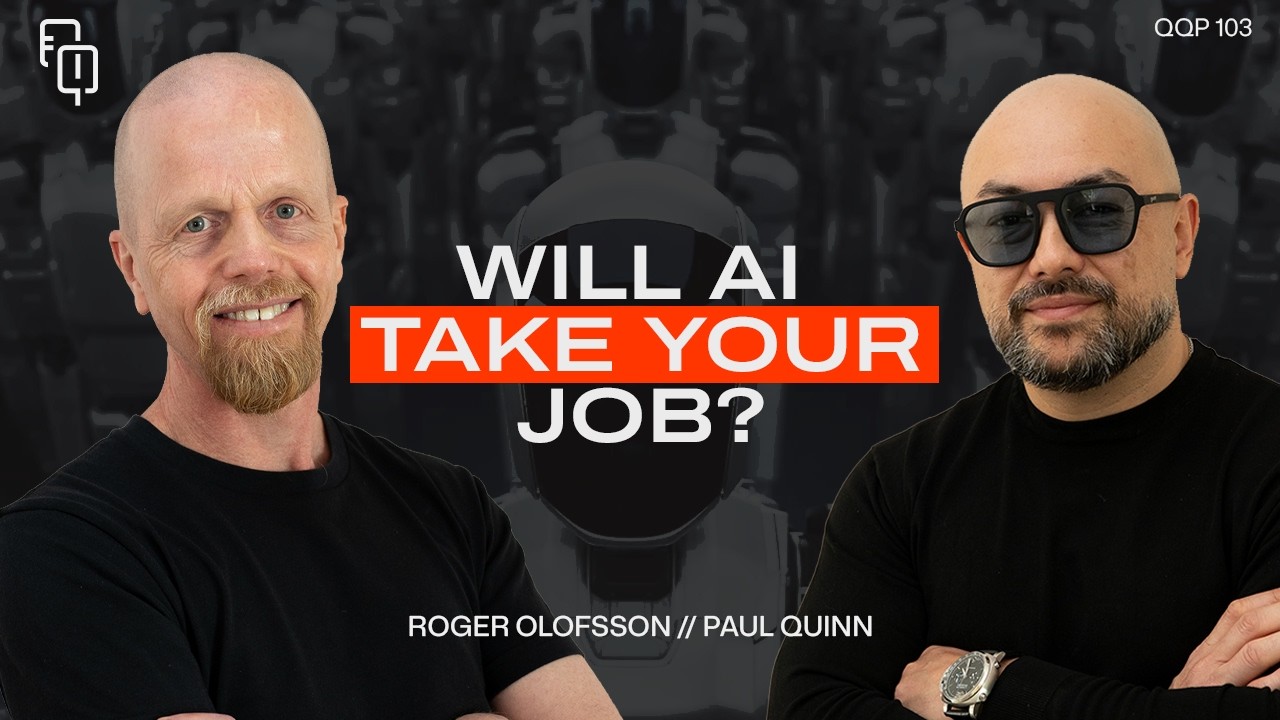
Building an AI Company Inside a Search Firm with Roger Olofsson #103
In this episode of The Quinntessential Questions Podcast, Paul Quinn sits down with Roger Olofsson, CEO and co-founder of Olofsson & Company, the executive search firm hiring for startups, AI, tech and fast-growth companies. From a childhood in Luleå, near the Arctic Circle, to landing in Singapore in 1996 as an exchange student with a backpack and a suitcase, Roger shares his transformation journey through almost three decades of recruitment in Asia, and the moment he finally backed himself to build his own firm.
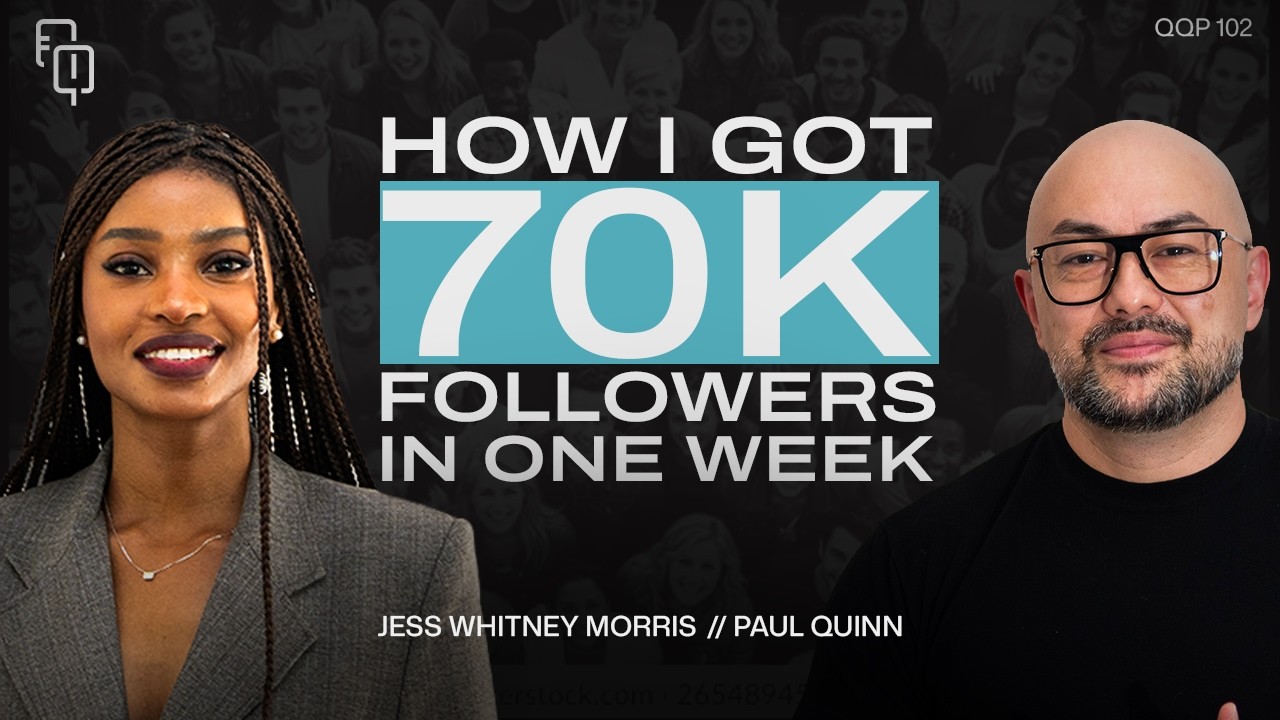
One Video, 70K Followers: Jess Whitney Morris's Breakthrough | #102
In this episode of The Quinntessential Questions Podcast, Paul Quinn sits down with Jess Whitney Morris, model, social media management company founder, and media presenter. From growing up in poverty in Uganda and working-class England to working her way through Abercrombie, Hollister, and a self-funded university degree, Jess shares her transformation journey and the moment her father tore up her first modelling contract in half.
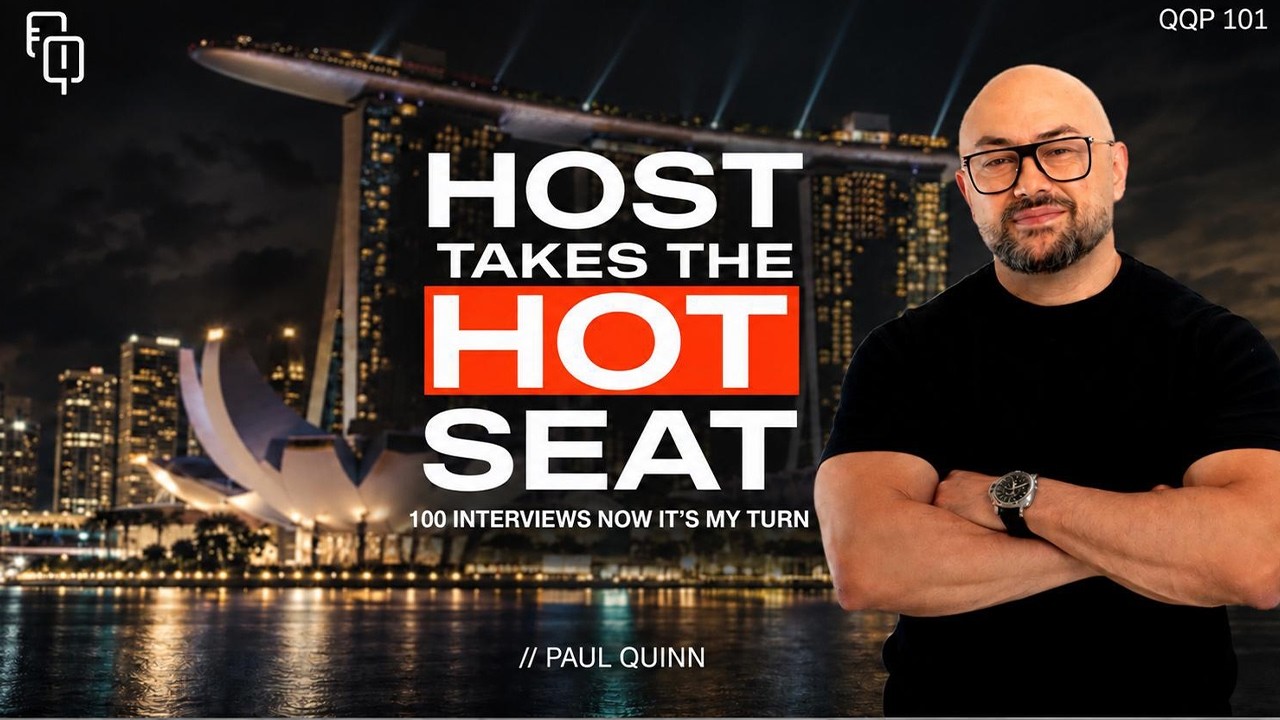
I Interviewed 100 Extraordinary People. Here’s What I Learned | Paul Quinn
In this episode of The Quinntessential Questions Podcast, the host takes the hot seat. After 100 episodes in the interviewer's chair, Paul Quinn, who runs Westport Executive Search and founded Quinntessential Coaching, answers questions sent in by guests, friends, family and listeners. From hitting a career plateau to building a podcast that now welcomes Olympians, world champions and global CEOs, Paul shares his transformation journey and the moment he decided to put a spotlight on helping people.