
#28 with John Ng: The Future Of Private Investments

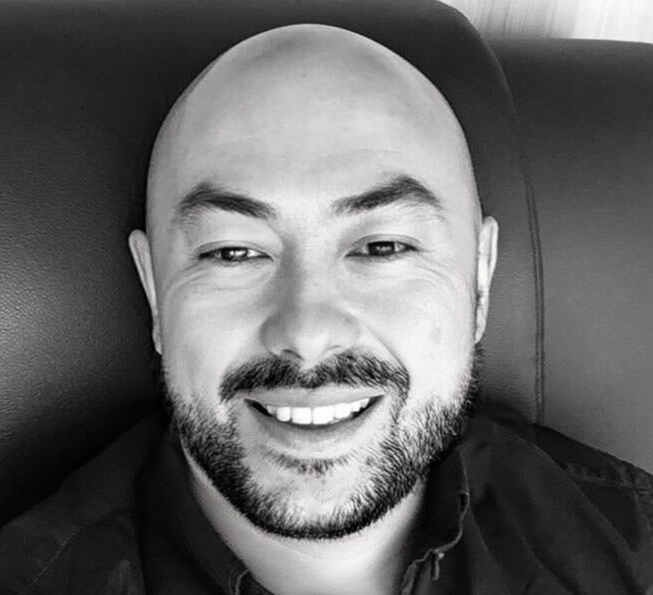
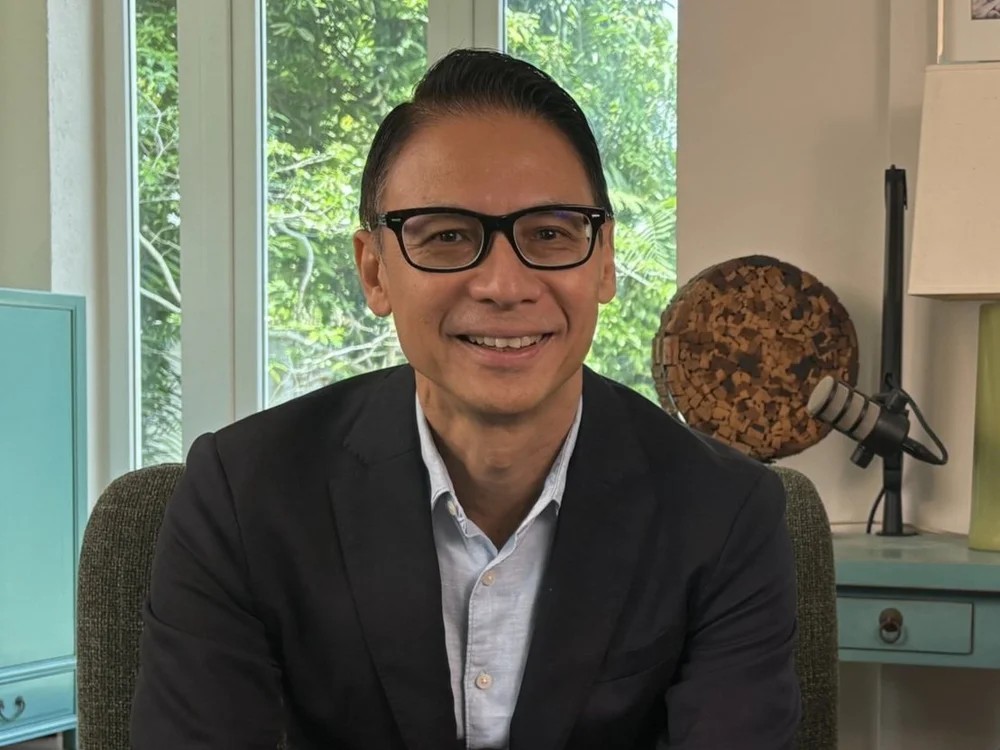
In this episode of The Quinntessential Questions Podcast, we sit down with a John Ng, Head of Fund Sales to explore the evolving landscape of the industry. From earning an MBA at Chicago Booth to navigating key growth opportunities and challenges in private investments, this conversation is packed with insights for professionals and investors alike.
We discuss the future of private investments, the impact of ESG and sustainability, and the motivations that drive success in this space. Plus, he shares pivotal career moments, the most memorable advice he received, and key lessons learned along the way.
Whether you're starting a career in finance or looking for fresh perspectives on investments, this episode is a must-listen.
TIMESTAMPS
(00:00) Intro
(04:06) MBA from Chicago Booth
(09:32) Starting in Private Banking
(12:43) Trends in Private Investments
(18:37) The Daily Grind
(21:13) Starting a Career in Private Investments Today
(24:59) Key Challenges Developing Platforms
(27:18) Key Growth Opportunities
(35:01) Future of Private Investments
(40:37) Approaching Appraisals
(45:37) ESG & Sustainability
(47:33) Pivotal Moments
(51:88) Motivations
(56:30) Social Banking
(01:01:03) Most Memorable Advice
(01:03:00) Biggest Lessons Learnt
(01:06:00) Outside of Work
Bio
John Ng is the Executive Director and Head of Funds Specialist & Fund Selection Team at DBS Private Bank. With over 30 years in banking and finance, he began in corporate banking and project finance across Singapore and Hong Kong. He later transitioned to asset management with Fortis Investments in Amsterdam.
In 2007, he joined ING Private Bank (now Bank of Singapore) as Head of Research, overseeing securities research and product marketing. Ng joined DBS in 2017 to establish the Portfolio Counseling Team and managed advisory services. Since 2020, he has led the mutual funds and alternatives business.
He holds an MBA from the University of Chicago Booth School of Business and a bachelor's degree from Curtin University, Australia.
Transcript
hi guys today I had the pleasure of sitting down with John the head of fund sales at a major private bank here in Asia it was a great chat I've known John for many many years we talk about his journey um from the corporate finance side right through to private banking heading up research private equity and the funds business I hope you enjoy the chat as much as I did Cheers good morning John good morning Paul how are you I'm excellent thank you man every time I look at you I just think you're getting younger and younger and younger hey not at all not at all you look you look fantastic not at all you've got to be the coolest dude you pulled up on your veser how long have you been that's the only way to get around Singapore I feel anyway well it's so expensive to have a car now right right but how long have you been riding for uh 15 plus well I got my license a long time ago as a student uh and then as a young you know as a young executive or a young professional you got to have a car right and then after a while I just spent too much time in in traffic yeah uh and I said forget it I I'll go for the uh easier option and get a get a little vaser and zip around it cuts Cuts Cuts traveling time by more than half I would imagine but and it's fun looks like fun it's it's uh it's fun I feel very free you got to be a little bit careful because you know there are cars everywhere and and you got to really uh keep a lookout for for people who are usually on their phones in the cars that's scary yeah yeah so so you go to you got to pay attention there touchwood no no accidents yet no accidents yet touchwood yes good yeah so look for the few people that may not know you can you be kind enough just to give a quick intro and then we'll go back into your journey sure so uh John um I'm Singaporean born and raised here um I am almost as old as Singapore's uh Independence uh 50 Singapore is about 560 this year probably I'm 58 so so you're looking good on it by the way oh thank you thank you I keep jok here I was telling you earlier the only thing that's moving up not the bank account number but the hairline so uh B raised here went to school here um uh and then uh went to University abroad but but but worked here where did you go uh I I did my University undergrad in in Australia and then worked overseas uh uh quite a few different places and then back here uh family still here Brothers away uh in London but uh Singapore is home although I'm very restless I always have to get out do you where do you go do you go anywhere exotic or the usual places uh uh been to quite a few number of countries uh furthest was well F was Brazil took a long time getting there um where did you go Rio well we were in in Rio and then is is one of a small town friend got married there so so a couple of us flew down there beautiful yeah yeah and then and then places strange places in Europe strange to most people like uh Kiev and uh in Ukraine been there twice Minsk andus and then Baltic states and wow places so where's on your where's on your list to go to this year anywhere different this year well I just came back from wara okay wow but I'd like to go to Montenegro okay so you've got you've got this is your your preferred area the map yeah yeah yeah nice scenery now uh we've known each other for many years let's go back a bit so you did your NBA Chicago Booth yeah this is when they were physically based here right just near Plaza Singapore that's right that's right yeah how was that house uh it was very intense uh was it two two years almost two years was 18 19 months so very intense um uh I had the privilege of the bank being very supportive uh I was working for a Dutch uh Bank uh very supportive and uh allowed me to do that while I was still working did they finance it or you you spons yes they did they did were very kind to do that so were you bonded yes I was bonded it's a great it's a great concept right great concept I think they they felt they got something out of it as well uh I got something out of it as well I like to think I got more more out of it than they did but they they sent me overseas sent me sent me to uh to Amsterdam to work for three years three plus years oh uh which I took us a uh a nice change in environment although my daughter was very young and fell down the stairs and broke her arm when she was there but oh no a little bit of drama but it was fun it was enjoyable yeah and then and so what were you doing there workwise well I was working for the investment management business um and uh so I was I was primarily focusing on on on multi-manager uh investment manager fun of funds business was managing some portfolios uh and doing analysis on manager fund managers uh but the Chicago Booth uh NBA was tough uh you know there were exams all the time every five weeks we your full day full day full week of of school yeah um and pretty intense uh and we my class had couple of notable um alumni really yes I wouldn't mention who they are but uh but they were certainly now they were suddenly somebody in in in in some in Singapore so it was a it was a good way to meet people and really you know a lot of a lot of uh art worth how old were you when you did it I'm just curious because the average age varies you know but were you like late 20s early 30s no I was 40 oh were you yes I was um yeah yeah 39 38 40 okay or maybe a little bit earlier a little bit a little bit late 30 I think your age will will kind of change what you take out of it depends where you are in your career your journey right right and uh you you probably feel like okay you've earned this but you got to make the most of it yeah they they typically only take people who have work experience anyway 10 15 years yeah 10 8 10 years experience uh they want you to bring something to the table as well the work experience helps uh and then juggling work and a uh almost full-time NBA was uh was was was something that the needed to juggle uh and then your career experience would help you know deepen the discussions in class and when you were in um Holland were you covering just the European markets or well I was the only uh Asian in the team uh so I was covering um Asia Asia managers uh so I I I I started to uh to uh you know review and analyze a lot of the Asian manag a lot of them uh were the doans of of investment management back in the '90s yes that's when he started uh Investment Management in Singapore a lot of them have R retired but it was it was you know very very interesting I mean these these were the pioneers of investment management in Asia did you fall in love with tulips when you were there tul lips yeah twoips the flowers oh tulips tulips oh yeah yeah yeah tulips I always love tulips beautiful but they they used to be a commodity back in the day that's right and would crazy money right right really crazy money that's right you could buy a canal house for a couple of tulips really bananas and I remember when I grew up an Frank was one of the books we read was it the same in Singapore y we didn't read an Frank but I mean if you study history you would you would know and Frank in the second world war and then how she hid in the hid in the little uh uh uh roof in in one of these houses I'm getting my nine-year-old to read it now and I I only I've only been to ham once but the queue was too big and I was I was there actually funny enough I was coming back from Rio from the Olympics and had a 12-hour layover and I wanted to go the queue was way too big yeah very popular place so you finished up in Amsterdam what's next in your journey so after Amsterdam I I was um I was asked to come back to to uh head up the funds business at uh at the old ing Private Bank yes um you in Republic Plaza back in the day that's right that's right that's right uh and uh and uh that's where you know I I started moving into wealth management uh when I when I started working with uh IG Private Bank what year was that that was 2007 that's when it was really taking off right that was taking off just before the yeah uh Global financial crisis yeah and then bank I remember cuz I started private banking specializing in 2005 right you know and but those early days were interesting yes yes and then what was the journey like there before the the acquisition from ocbc um well I my my my early part of my career was Mo mostly in in corporate bank and project Finance most uh about 10 12 years of that and then I moved to Asset Management before I joined ing uh so my my um journey into wealth management and private banking only started around there yeah uh but I remember when I started my career as a corporate uh and project Finance Banker um private banking in in many banks at least in local banks was was very was a very um uh was a totally different activity back then it was very much um uh bringing in wealthy clients which was still it's still the case today but how you engage those wealthy clients with with investment ideas and products was totally different we didn't there wasn't a lot of investment products uh back then except for you know FX and and and and and and and and uh and maybe a little bit of uh uh trading products uh that took off in the mid90s when the consolidation of banking with City group and Sandy will uh accelerated the the um the use of investment products right selling investment products to to to clients to generate more fees the fee income business started to grow at that time but before that I think the the idea of fee generation in wealth management was wasn't as prominent especially in Singapore and private banking in the '90s was very nent right because Singapore's development really Singapore is a young country Asia is a young region and individual wealth uh was not as prevailing was not as widespread so so so you could you know get a couple of wealthy individuals and uh they could be professional people um and back in those days there weren't that many professional people in in in Asia yes uh so the wealth really grew only in you know later on in 2000 and and and later on so in the in the '90s wealth management was pretty much a deposit taking uh client relationship management a little bit of uh investment and and and and some sort of trading activities not a lot of aggressive um uh portfolio investment Investment Management ideas what I liked about in cuz uh in was a client of mine back then yeah and um I I remember uniquely they had a DVD yeah um with Philip deas as the CEO and it showed all the five key hubs I think it was and what I loved it was it showed the office in Republic Plaza my memory is that they then showed like a shipping type kepal Shipyard but it kind of gave you a walk through what the life of private banking could be and it it felt very James Bond I don't know you remember that I don't remember yeah it was a really good promotional video um now your career has spanned multi-asset classes um what have been some of the key trends that you've seen on the investment side know in the in the last you know Dozen Years yeah it's actually quite interesting uh you know you leave it to the the banker to come up with innovative ideas right uh Financial engineering right that's how it got us into trouble in the first place in in GFC but but the idea that they always evolve and always develop um is quite interesting right and what's being offered to investors is is is quite is quite uh is is quite revolutionary some in in some in some cases so um when I started banking I always was corporate bank and and I always you know recalled we're lending money to large corporates uh and the banks making a spread all right lending money you take uh uh you give a loan and then you you get repaid and you get your interest and I always wondered what it what it would be like if you were a bank if you were an individual money lender it's pretty much the same right a money lender is like a Bank Of Money lender bank is an organization it takes money from depositors and you lend out to corporates uh what would would it feel like and you always ask how why does the bank make so much money how is the bank able to make so much money you you realize it's because of the spread differential and how you increase leverage by taking a dollar and lending out five times or four times so I always wondered why could an individual do that and you couldn't because you can't lend out more than what you have yes right so the the this actually has brought us where we are in in in the era of private credit and everyone's talking about private credit it's pretty much that if you are a private credit lender which a lot of these firms are now able to do uh you are actually replacing a lot of the activities of what the banks used to do right um uh so the development of private credit products for individuals has given them an exess a way to a way to to provide a kind of lending uh uh uh uh capability to to borrow us which which in the past you couldn't M so that's a that's a nice development uh and of course you would also have heard of the development of what they call Evergreen semi liquid private assets when in the past it was only institutions who could access now you have clients individual wealthy clients who can access these uh uh uh investment Solutions as well so it's a it's a nice development gives gives a wealthy uh Private Client more uh investment options broadens their access uh can you just give a quick explanation to to semi liquid Evergreen for those people that are not familiar with it yeah so everybody's heard of private Equity um which is taking equity in private companies uh private credit is basically lending money out to private companies uh loan is a loan is a loan you can you know I can lend you 50 bucks and you pay me back back uh that's a loan it's an IOU you can do it as a as form of a fixed income bond right it's a public issue uh that's a also loan or it can be a private loan that's in the bank lending out money to a company a and and and and receiving principal and interest back so that's private credit private Equity is is lending uh taking a stick in a company and hoping you can improve the company and sell it sell the company out for in later years for for a higher higher valuation so in the past uh private credit and private Equity were the domain of very large institutions right uh uh your Pension funds Sovereign wealth funds uh large institution family offices would write a check to Blackstone KKR carile uh and the private wealth client would never have the ability to access this yeah uh firstly it's small and and secondly there was just the GP which is you know Blackstone K KKR they would not want to go and talk to 50 individual clients yeah so in the last uh you know couple of years in last decade or so or maybe slightly less uh they have realized that wealthy individuals do have a lot of excess cash that they could tap as well not just the institutions so they've created a a a vehicle where the underlying Investments continue to be the same private Equity Investments or private credit loans continue to be the same but instead of having all of it uh into these sort of Investments they would keep some of that money that they've raised in liquid uh uh uh Investments could be cash could be treasuries something that could they they could sell out very quickly if an individual wanted to sell out and redeem right so in the past private PR credit you get in and it's locked in for 10 years you can't get out you have to wait for 10 years uh before you get your money back the semi liquid development or what they call Evergreen fund development uh now allows the investor some window opportunity to get out uh you know within a what they call a hurdle right if everyone to get out everyone wanted to get out that would be difficult so they have a little bit of a hurdle a gate that they that they will allow those who subscribe to to to to at least redeem so that helps give optionality to an investor not have to sit through the entire 10 years yeah yeah that's what a great description now in your current organization you head up F fund selection private Equity just just talk us through what is your Daily Grind what does it look like for you on the job um so I used to do all of it uh now I'm just focusing on on the fund sales uh uh so The Daily Grind is pretty much you know looking for new investment ideas gaps that we have on the Shelf which which we think investors could be interested in um most of the most of the investment uh Solutions are already there the bread and butter long only solutions are pretty much covered right the standard stuff on the Shelf bread milk cheese all sort of stuff's there uh stuff like um uh cavar uh truffle the more esoteric things these need a little bit more time to find you need to go to specialist to to bring on board and that's when we are looking with hedge funds uh a lot more of the hedge funds that we want to put on the Shelf uh private assets that we want to put on the Shelf so a lot of the time we spend on now is sourcing looking for for people like that who would want to work with us and allow us to distribute some of these products so we spend time uh talking to managers fund managers we spend time educating the the relationship managers how do you do that do do you like once a week or once a month sit down have like a presentation or walk the floor yes so so the team spends a lot of time engaging the front office yeah right uh and you know every bank will have two 300 relationship managers depending on the size of the bank and each relationship managers manager will again have like 10 20 30 clients so so the specialist would have to educate the bankers right do trainings um explain to them what these products are provide um material right uh fact sheets sheet sheets explanatory uh uh documents create these documents educate their their relationship managers so that they in turn could then bring these materials arm and armed with enough knowledge to explain to the clients clients are interested they might say look you know can we get a specialist to explain it a little bit deeper than that's when we go in and help the relationship manager uh at least uh uh provide a more substantial explanation of these products great explanation if someone was coming up through University now wanted to end up within this area of the bank yeah what would be the route today because it's a little bit different from when you started out right well again I I started out in corporate bank and project Finance before I moved to asset management and and and wealth management now but now that private banking's like very establish you can in Theory come straight into a private bank that's right and work your way out right you could uh but you know maybe being if you said older in in the in the first couple of minutes uh I I I I think is foundation is important agreed right uh at the end of the day when you are explaining a financial instrument or a financial product to a wealthy individual he could have won the lottery he could be a businessman he could be Professor or art surgeon they would come back to basic questions of what am I putting where is my money going yeah and if you keep peeling the lay layers of the onion you need to go back to foundational questions right and the basis of all investment is what does it do is the money go into a company what does a company do uh if it's going into uh uh an asset what does the asset do so foundations of understanding how things work it is important if you just jump in straight and start to sell things without having a foundational knowledge I think you you you get stuck after a while yeah right depending on the client the client sophisticated you and we have more and more sophisticated clients these days uh uh and they peel the union they want to know a lot more so technical knowledge uh is key you should at least understand the basics of Investments and accounting basic understanding of a balance sheet that's important balance sheet and P is important um what about a background in research because you've run research for many years but I always think that's a great place to start right what do you think um well research is one area of of investment or banking right uh again it's foundational because you are forced to understand the basics of how a company operates yeah and how you how how does it translate into an accounting statement right with that knowledge everything falls in place because then you're able to explain things um so that helps if you don't go into research you know you study a CFA or an MBA or or or did accounting it helps in the understanding of how companies work how companies make money how companies lose money how companies overextend themselves by borrowing too much or not enough such as the balance sheet as and and the return on investments is not strong and and and your share price don't move so these fundamental basics of investments will help you uh uh very much so if your question is where do you go to to start yeah if the question is where do you go to to start um maybe I'm biased but you know I always said that if you start in the in in the area of corporate bank or Finance or research for a couple of years at least in the initial stage it helps you set the foundation by which you can build a lot of things on yeah I think that's very important right without the basic understanding of accounting and and and and and and and understanding of balance sheets once you understand that every other com every company has the same sort of framework yeah and it helps you to explain a lot more things well at Bank of Singapore you built the in-house research team right and that's when we started working together right uh what were some of the key challenges during that time and you know developing the processes um so we had a little bit of you know research already uh but we needed to complete the the full Suite right so we had equity research fixed income research uh funds uh uh private Equity uh uh manager selection um so to build all those things out was somewhat Green Field it was quite of things that we didn't have some things we had and to hire the right people uh the right caliber we had to bring in senior people did you help us bring in couple of senior people had to bring in junior people and then help them to understand where we want to move towards right because wealth management and private banking not the front line but the investment side I see it a lot very similar to Asset Management right is is asset Gathering is gathering funds from clients and then you have to be able to manage those funds either through advising them or through discretionary management and if you don't have a good uh Team who have the capability to do research Securities research or or manager research it's very difficult to convince a client that that you should leave the money with you right he will just leave the money with you and then say It's a sleep in deposit thank thank you very much don't buy anything for me I don't trust you any of your your your recommendations so to build a credible team you need to get senior people you need get Junior people and help them understand that what they're doing helps to strengthen the credibility of the bank when the relationship goes relationship manager goes out there to uh provide advice well all all the people that we were privileged to place with you the the one thing that I felt they all had in common is they were highly cerebral yeah right they they were deep thinkers introspective that's right you know analysts yeah analysts but but poised because I find you know this this is a broad generalization but if you look at an equities person versus an fx versus a fixed income person they tend to have different personalities that's right that's you know so in your in your current organization um significant strides have been made in Asia what do you feel moving forward are some of the key growth opportunities in your space now in in the next few years to come okay so um having worked in in in Europe I me I mentioned I I I was working in Amsterdam in asset management and we managed a lot of the private wealth um money so we got we got exposed to a lot of what the clients want to do what the clients wanted didn't want uh and in Europe uh being a more established or or or or having a much longer history in wealth management um the needs are different right and Asia being a younger region obviously is just catching up so uh when I first started wealth management um the the the what they wanted was very different than what they want now 20 years ago um people were happy to speculate on stocks right uh the dot era uh buying Yahoo and flipping you know pet.com and things like that uh it's very different today because today the second generation of wealthy uh businessmen are taking over yeah right the second generation uh of of of of the children of wealthy uh business owners are now taking over they are more educated a lot of them have have better degrees than I do yeah right uh and they understand the the cical learnings of of of what investments are but do you feel I find with a lot of the second generation my observation is some of them uh it's all about making sure the family keeps the money yeah they may not be in the same growth mode or mentality that's right and it's almost like the the first gener yes that's the thing right and the first generation they they were the pioneers and growing that business yeah but it's evolving so quickly now with technology yes it is it is um kind of crazy yes talking of that Innovation te how are you seeing that impacting what you guys doing your decision making on fund selection um Tech fund selection um manager selection is always going to be a a uh a research driven personal personality uh Discovery process talk us to that like how do you evaluate funds that's what I was always been curious about yeah so so there are thousands of managers out there thousands of funds out there it's not possible to to go and see everybody yeah right so when where did you start so so there are always databases that we start with right Morning Star fsci uh uh different merer organizations that have a lot of database on many of these managers and and at the end of the day is performance uh we do screening so data dumping data analysis data screening is the first step to see who's consistently up there right if the guy's consistently up there all the time every year that's a that's a worry right and you end up like a mad off uh but you shouldn't have someone who's you know top quar one top dile one one year bottom dile next year yeah middle down so the variation of where the where the position is uh uh it's not something we like something somebody who's consistently in the top quartile okay right is some is is is what we would tend to try to uncover and will you look at specific sectors that you guys are interested in or regions that's right so so in terms of the the the the areas of selection we first need to again I say where's the Gap let's say we didn't have a technology manager yeah right and we wanted to get a technology fund there are a lot of Technology funds outside out there so we do a screening all right we do a screening and finds who's consistently in the top quartile and then there could be three or four consistently up there and then that's when we start to do the the the the interviews right talking to the managers trying to understand how they did it what they do what's the process what's the thinking behind how they do things and and once we are comfortable with that sometimes we even go down to the managers to see them kick the ties and make sure they have Warm Bodies in the office um we we' then onboard these These funds onto the platform and then and then and then offer them to clients and say these are the ones that we've done some checks right they are okay they're pretty good in this area where if you want to get into this area this is where this is the person or this is the fund that you would that you would select um and then more importantly after that is to follow up okay what's happened in the past and all these analysis backward looking were they able to consistently continue their what they've been doing in the past right so the follow-up reviews yearly reviews annual checks um sales support uh information uh uh disclosures all those things are very important for us to to ensure that these managers stay on the shelf what about the backend the digital tools that you're using now is it different like when you're consolidating this data and you're looking at it how does that work so so as I mentioned we we we we used data cening data in the first part to screen them but is on an Excel spreadsheet I mean where how you well we we uh everybody uses Excel we have to use Excel as well but the the the database is not Excel the database is from the provider of the data so from there we will do multiple screenings yeah and and we will slice and dice uh I've always been curious what it looks like behind the scenes because I've never seen sure so so we we could go to uh data provider and say okay give us the data of all the tech funds that you have on your database for the last seven eight years okay on an annual basis right annual 2015 16 17 all the way to the DAT right just just rank them yes give me the dump and then we'll screen them year by year by year and then we'll see who is consistently up there because first of all we we we we tend not to We tend not to use any manager that doesn't have a track record any fund that is you know at least minimally three four years yeah uh minimum size of the fund where they're registered because in in Asia because there are collective investment schemes they are regulated instruments right so there are regulations that require them to be registered in in countries so we we we need to have these basic criteria once this basic criteria is cleared then we screen them and rank them and as I said the ones that continue to filter up to the top will flag will be flagged out and we will then make calls to them and say look you know we're interested to find out a little bit more can we have a call so the data analysis is done at the beginning um you could do it manually we we we the manual part is really slicing IND diing what criteria you want to put there yeah but the data is static okay right on a on a as I say the calendar year performance is static that's a backward looking data screening exercise and then post that yeah we do the interview and then the followup so let let's talk a little bit about private Equity yeah um what's your vision for the future of private equity in particular with in your organization yeah and and how do you capture those opportunities so private equity and private debt we group them as private assets okay all right that's equity and debt so it's a definitely a growing area um you know 10 years ago everyone's heard of Black Stone KKR uh but they were not very accessible to to the wealthy clients yeah um some banks already had it some banks didn't have it but 10 15 years ago most wealthy individuals would not have access um fast forward 10 years to today they as I mentioned earlier a lot of these so-called GPS they're called General Partners have have created vehicles that allows a lot more wealthy individuals to be able to access these private Equity private credit Investments so it's a it's a good development it provides more options is there a minimum amount the minimum amounts are usually set by the Banks okay um some banks set higher some banks set lower depending on the kind of clientele they want to attract so so it's democratizing the access uh uh uh a lot more than so that that development is interesting and because the penetration of private Equity hedge even hedge funds hedge funds have been around for much longer time the penetration of these alternative investments in most clients portfolios is still very very small people are still trading Nvidia trying to get in and out of Nvidia you know uh trading fs and options and FX these are historically have been much more veent yeah right in the last 15 20 years Structured Products fcn Knockin Knockouts a lot of wealthy individuals have have been doing this great for them uh because they get some investment uh uh uh uh uh uh Solutions great for the bank because they've got something to sell uh but the Alternatives in private credit private equity and even some hedge funds have been a lot less so the so the exposure for a lot of these investors it's much smaller we like to see this grow and I think this is where uh the growth is taking place I think over the next um 5 10 years the exposure for most clients should increase because now it's it's a lot more accessible yeah and I think it's a good thing of course it's a great thing um you've been in leadership roles for a long time now looking at your own career Journey some of the leaders that you've reported into what are the some of the key traits that you tried to you know utilize and encourage you know in your management style and what do you what do you really uh you know regard highly as leadership traits um yeah that's uh that's something I hold dear to my heart uh and this is I'm not being factious uh I actually do mean it uh s leader is is is an important trait okay right uh I used to be you know all all males in sing go to the Army yeah right we all have to go to the armi and and and and you see leaders and you see people who follow and you see people who abuse their leadership power right and it is a human trait to to uh to uh overplay your power I suppose yeah like better word um so I try to be conscious of that uh being a servant leader is important having Integrity is important being transparent and and and and and honest I I think is is is crucial because at the end of the day you want people a great leader is one who can convince people to do the things that they otherwise feel reluctant to do or don't want to do a leader is is one who can tell can convince them I'm not doing it because of my own Glory I'm doing it because it's the right thing to organization I want you to come along with me and I got to explain it to you right and and and to be able to bring him along or her along to do the things that is right for everyone right I think that's a challenge yeah if you only give the impression that you want the staff to do something because at the end of the day he was nobody's dumb right nobody's that dumb to not be able to see through things sure so if he gets the impression that you're only doing it because it's for your benefit and he gets nothing out of it it's going to be a tough call it's going be a tough sell so I think leadership is is about being transparent having the integ at least giving the making sure that they understand that you have the Integrity that you're doing it not just for yourself but key Ben this person the staff benefits as well you bring everybody up yeah if you're not able to do that people won't follow you they'll do it because you're the boss and you have no choice and you're forced to do it it he will leave yeah it's not it's not a collaboration right right correct and I'm I'm curious cuz this is one question I love to ask people so you know you've you've obviously had your own appraisals but you've conducted a lot yes what do you think is the best way to approach an appraisal as an employee um if if you're looking to further your career um sorry how I said employee yeah if you're an employee so say say you're thinking about I want a promotion I want to take that next step why asked why not asked why be aggressive or not or cuz I find most people when they come to me on the career coaching side get a little bit stuck here and they they leave it to last minute and then they complain when they were not they were overlooked for something I don't know yeah so I think it's it's good to have these conversations and and that's why I said transparency at the beginning right if you're a staff and you're talking to your boss and you have certain aspirations the good ones actually the ones I experienced the good ones say you tell me boss yeah what do I need to do to get here yeah what do I need to do the boss will have some ideas if he doesn't have idea he will think about it yeah right at least it forces him to think about it and and if you say look I want to move up to my next stage what does it take is it too early am I moving too fast am I moving too slow do you have an opinion Mr Boss and your boss will be able to tell you yeah you know you need to work on a b and c all right and I've done a I promoted People based on the fact that you are here today right I know you want to get promoted but I want to I want you to move here yeah and and and I will help you get there but you have to show that you are able to get there some people just do it and you have to be transparent to get to the next level you required to have ABC right you're great at C you're great at a you haven't got B yeah and if you can't tell him that he's going to keep trying and trying and trying and he's great at a and he's great at C and he's keep doing that but he doesn't have to be yeah and if you can't tell him you create a and C but you just don't have the B and B is a requisite to be able to move here if you can't tell him that he's going to be frustrated if you tell him that you know you're great at A and C you can't you just don't have B yeah I can help you but I don't think you're going to get there it's that's being transparent and he it's very difficult for him to say you know he hasn't been told yes if he works on the skill set to improve B then you can see the results yeah so it's a it's it's it's really a two-way conversation you really need to have a con and you need to trust your boss yeah that he's not uh uh uh playing you yeah if you feel your boss is playing you then then you got a different consideration you got to think something else right you know what I find interesting is what I advise a lot of people is there is Beauty in the preparation and power of asking because if if you ask your boss or the senior management team to take on more responsibility Let's Pretend okay they give it to as easy but if they don't give it to you you you will recognize one of a few things number one they just don't think you can do it or they don't believe in you or they don't like you so you get you get that no but also I think what happens is let's just say you're my boss you say look Paul not right now this is what we're doing but you're now Vigilant that I'm ambitious in the right way because I haven't been overly aggressive um I've shown some support and the way that I receive the no is is actually very important cuz if I throw my rattle out the pram not so good you know so I think there is power in that absolutely you have to make it known yeah you have to trust that the organization uh is impartial yes right you that's got to be some Lial trust if you don't trust your boss you shouldn't be working for him that's my first rule very good point right you don't trust your boss don't work for him because he you're going to be frustrated and he's going to Chances Are you might be right yeah right that you shouldn't trust him um but if you have a conversation then it's clear you told me six months ago I needed to work on this and last three four months you've given me feedback that I've been moving in the right direction so what happened yeah right yes it's transparent you can't go back oh I didn't say that or I didn't say this or you didn't do that it it it it's it's transparent and that's the only way and if I don't have a problem telling somebody this is what I need you to do I need you to be a b and c you're great at A and C and you don't have B you're working on it I know but you it's not just not you yeah right so work on andc this is role there I think this is great for you you'll be much happier because if I give you this role you're going to fail what I found working with you when you know as my client was if we didn't find the best most relevant or blueprint candidate you would always go back and say well look let's analyze this from different angles um and I always found that um if you have people that are reasonable around you makes the conversation a lot more you know a lot easier and you always the goal is to find the right outcome or the best outcome yeah um talk a little bit about ESG and sustainability does that impact what you guys do on a daily basis your team yeah so so uh where I'm at uh um you know ESG is a big part of the organization's uh ethos yeah uh organiz ially we put a lot of effort in in in trying to be sustainable and and having the right social uh Norms uh things have changed right in the last couple of months with with with with new uh uh US Presidential Direction I wouldn't say leadership Direction uh but I think personally I think I still think it's important uh uh I'm not I can't say I'm a tree hugger I love trees I love love plants I do gardening um but I do sense there is an impact right and and if climate science is real I tend to believe in science you would want to do something about it uh so organizationally we do pay attention to that we do look for for ESG products uh I can't say a lot of investors are enam by it they were maybe two three years ago when it was on the front page of everything yeah now it's not even on the back page it's funny that right because it was so trendy and now that's changed it's a cyc right yeah so do they do they work it will work if you have patience if a company is polluting the waters but still providing huge earning growth all the time it will be great in the short term yeah in the much longer term naturally it would not do well right because somebody will come in and say look I can do the same thing thing and not pollute the waters or not use child labor so so it depends on your time Horizon uh you kind of take a short-term view on this I want to I want to look back at you know your career and some of the most pivotal moments so when you look back at your career what would you say was the one pivotal moment that shaped where you are today um okay so I mentioned I started in corporate bank and project Finance which was very much a credit work a credit a a credit activity right the bank providing financing to companies uh credit foundations of banking um after about 10 12 years I wanted to move to the public market side right the capital public Capital Market side and that's where I moved from uh project Finance to Asset Management which is public markets like stocks bonds uh listed securities um that switch gave me a a good rounding of what investments and and and and finance uh was about and how the world works and how things work um if you're just on the credit side you you understand the credit markets you understand you know debt uh public markets very different public markets is full of people speculating then prices go up and down not because the valuation says it's X dollars it's because it's a greater F Theory right yeah people will chase Nvidia all the way up to the top never mind what the earnings are people will chase Tesla or or or certain stocks even with no earnings because there is a belief that there is there's a lot more human psychology in public markets than there are in private yes markets yes it's it's actually a very interesting thing because philosophically and psychologically they are like you said when we were doing research and you're looking for research roles the credit guy is very very very very very very very different from the public market guy yeah the public market guy will pay a lot of attention to p&l yes growth the credit guy will just pay attention to the balance sheet right so you have very different kind of personality the credit guy is always risk averse you know he's always afraid of failure and de defaults and stuff public guy would say hey look earnings grow but no but no no earnings but never mind sales is high sales is growth stock is going to be worth X very optimistic a lot more NE pessimistic you know I'm curious um have you ever thought about you know beyond work maybe lecturing or teaching because uh the reason why I say this I remember when I first started working with you and we had quite intricate searches and uh what you were looking for was very specific but you were kind enough to granularly explain to me Paul this is what it is and like you've demonstrated today but have you thought about that no definitely it's a in my you know uh later years now uh actually I am doing well you're doing on the job anyway I I I'm I'm working full-time but uh I I do do uh teaching at um uh one of the universities know that I'm already doing it yes oh there you go so I was going to say it was a natural calling you're already doing it yeah I'm doing it yes oh great how long have you been done up for uh I've done a couple of sessions uh I'll have another one in the coming months um do you enjoy it I do enjoy it uh I try to give a spin a very practical spin to things I think that's why they they well it's more tangible then right yeah it's not just theor theoretical yeah we all went through school yeah and we all know that what they teach you in school is theoretical when you're on the job it's very very different yeah you need to be able to apply it yeah I think is is this in person the lectures yeah yes it is it is because you know my my wife is uh an assistant professor n us oh okay and during covid I I saw her when she was teaching online and what I thought was ridiculous was maybe two-thirds of the student didn't even turn the camera on then you know what are you talking to you need you need some engagement that's right at the very least that's right you know have that cuz I think that so I I say to my kids when you can try and sit at the front of the class if you can't just engage with the teacher because otherwise they don't know if you're interested and that way when you ask questions you know you're going to learn a lot more yeah you learn a lot more that's right a lot more yeah I'm curious what motivates you to get to work today cuz you know different parts of our journey whether or not you know your kids are young you're you're being assertive in your career but today what gets you up in the morning actually uh throughout my career uh I've always I've always gotten excited um to get up and go to work well actually no let me let me let me rephrase that nobody looks forward to getting up in the morning to go to work uh some people do some people do some people I I I I can't say I'm hopping up and I'm so eager what actually gets me thinking about hey today these things I need to do it's almost like checking a box and having to do them yeah um and if you're doing it in an environment where you have good colleagues right people you enjoy working with that that's that's the game changer right that smoothens the process yeah right it doesn't matter what it is it smooth because for me uh there's always something to do every day yeah right and it's not a choice so if it's not a choice you you just don't have to think about whether you're happy or sad you just got to do it you got to do it you got to do it you're got to take the garbage J you got to take doesn't matter how you feel yeah so so so so for me it's the same um but it lubricates the process when you think that ah you know I got I work at Le and on people nice people I enjoy working I'm quite social so I'm quite personable so I enjoy you've always walked the floor right I always walked yeah cuz I think that's that's by the way I say to people that is something that is massively overlooked oh you got to you have to right and if you stay in your cubby hole is no good people don't know you they can't engage you when you try to engage them you know they're going to be a bit because they don't know you so it's it you human beings we interact need interaction that's right what favorite financial model or strategy do you implement you know on on a regular basis at work well uh because I run the sales yeah uh I I would not a so much a financial model but systems where I can track how we're doing right um how the business is moving are there are there things that you've coined like like phrases or terminal like in my company I've got things like RDL stands for rational deductive logic every time you got a problem don't come to me with a problem come to me with a solution and you break it down but I'm just curious like you know have you created that kind of I haven't but no I haven't been so intellectual as to create these these nice I've to I'm sure you do Paul just for fun right that's right you're a coach uh no but but the the idea is the same right um you're going to face challenges you're going to face hurdles you're going to face things that you need to you need to resolve uh there's always something to resolve yeah front end in manager selection at the back end in operations there always something to resolve the our relationship manager is not happy about something it's got to be resolved client's not happy about something it's got to be resolved so it's always a a problem solving exercise yeah so that's something like I I mentioned ear something I need to check off the Box you got to do it you got to do you got you can't run away from it right so if you come to terms with that this is just a work you got to solve problems and you're solving it with with clever people people who are there to work with you a lot of times a lot of these guys are smarter than me so I rely on them to Sal these problems yeah so but you lean into that because some bosses quite frankly they they don't but do you hire really smart people well I'm lucky I'm lucky at where I am that's truly I mean whoever's watching this and you know where we are I truly say it that I've been very very fortunate to always have had people I enjoy working with and and uh because one of the things I say to people when when I work with them is when you're moving on in your journey could be upward in the organization internally somewhere else or to another organization other than your family and friends who do you want next to you yeah people sometimes think it's a weird question I said no think about it we spend more time with our colleagues right at work than we do with our loved ones that's right so even if it's not the exact individuals you want to make sure always say you know as a leader we all need um great running mates y stable mates and most of us we need multiple Champions and a Godfather or godmother in the business and and if you're isolated and you have none of those forget about it yeah um if there's one thing that you could change about the finance industry yeah what would it be in in a utopian World impossible they won't call Finance industry anymore but but but you asking about ESG yes um so so I I look back in my career right and I and I mentioned before the beginning of the career was was corporate Banking and financing and and credit which was the backbone of basic banking right lending money to companies for them to grow and develop and build new things and expand and then move to the public market side whereas the Capital Market side where it's about financialization of banking products the first is a lot more social there is something that the society needs and I can say this I I'm not afraid to say this because I know all Bankers traditional Bankers Bankers who really think about what they've been doing how they've evolved how the industry is evolved the public market unfortunately is about [Music] Everest traditional corporate banking is about social growth and Social Development if it's all about making money without any regard to what this Society how the society benefits and Society needs then I I I have a conflict in fact after having worked 30 33 years in banking Finance I'm beginning to to be a bit a lot more philosophical about about this and I say this in this podcast and I'm I'm truly truly uh uh uh uh feel very uh uh strongly about this if we're not if we only care about the next dollar and how it enriches me we're going to end up with another Revolution it is no secret that you know the things that been happening over the last 10 years brexit uh Trump uh the the 0.1% owning 50% of everything else it capitalism has gone ay it is not good for society it is not going to end well I I'm not the first to say it I know there have been philosophers Michael sandel for anyone who is interested to read he's a philosopher he's a political philosopher from Harvard he explains it very clearly if we the evolution the development of of capitalism and and and and and free markets and unconstrained growth at all costs has led to a lot of problems and if we're not careful we will end up with revolutions I mean from the time of the Romans all the way up to you know more recent times revolutions have always come about because of inequalities and in the last 20 30 40 years the inequal quality has gotten worse and worse and worse worse so this is I I I'm very very I get very emotional about this because I've been in this whole journey of course and the last 30 years has nothing been nothing and you feel the writing is on the wall right the writing is on the wall and very very clear to me if you ask back to the same question what I can I can't change it but I can amplify it and I can I can talk about it uh and you asking me if I'm teaching I do teach I will teach the theoretical foundations of of of of finance and and and and economics and how is it applied in the real setting yeah but but I would also add in the implications of of of it getting too far yeah because we have been exactly right in the period where this unabated growth greed and me myself and I I you know it's led to where we are today I think a lot of problems listen I appreciate you sharing yeah I really love that um what would you say is the most memorable piece of advice you've ever received professionally in your career and in your personal life um two different things yeah I I I was thinking about that question um and I can only remember what one one experience I and I'll tell you because is stuck with me right it was in my earlier in my career and you usually remember these earlier in your career because when you're young you're impressionable you a you have a boss who is like 20 over years older than you and he sits and it came it came about because I was in his room and he was correcting all my stupid mistakes in my in my like credit paper and his wife calls okay go on I'm I'm looking forward to this story already so so so you know it was a serious he was Bing me how can you write this B your analysis you're not thinking what the hell is this and he was like tearing my my my my analysis apart and then his wife calls up and then his of course his tone changes and he goes yes dear Yes dear yes uh and you can see his face moving from a you know Dragon to a mouse and after a couple of minutes he puts it down and he looks at the paper again he looks to me you know life is not perfect nothing is perfect you know we just have to you know and he completely diverted from financial analysis to you know life is not perfect then he got back to it so so it it does tell you a lot of things right he was a guy I looked up to very you know season season Banker uh but still Humane and humble and and and and I love that you yeah I love that so that that carries through everything right in the office nothing's perfect products nothing's perfect you know you make money you lose money you just need to understand that you life has cycles and you you just have to try to work through things you got to roll with the punches man yeah um what was one of the biggest lessons you learned during your time at Bank of Singapore because from ING to B West the the curve the growth was enormous yes I'm just curious looking back at that period of your career yeah so having come from uh Europe I mentioned right uh uh in Europe a large part of the wealth um AUM were invested in what we call recurring business yeah right discretionary portfolio management investment funds portfolio construction um um asset allocation uh at Bank of singap uh Bank of Singapore when we were there myself CIO product head we wanted to it have follow a similar model right as I mentioned uh uh in the early days of of wealth management mid 2000 early 2000 mid 2000 it was very much a transactional model right very commission based business right we sell this we sell that we sell this we sell that make a lot of money from the commissions brokerage kind of business so I I think which is great right makes money but we also realize that in the time of uh of a financial crisis is nobody wants to trade everyone sits on their hands no commission so where do you have a recurring stream of income where people don't pull money out and sit on cash that's when we wanted to develop a larger part of the business to more bbased uh funds discretionary business and that's when you know CIO myself and the product product product hits start to drive harder this idea of recurring business and we managed to do that so the penetration of recurring business at when we started in in in mid 2000s uh was about 2 3% of total AUM right in then next following 10 years it had grown to more than 20 amazing so that significant and by the way that's 20% of what the Au had grown to become yes yes there was a significant growth correct growth so so I think it would it helped because in a times of stress and Market volatility in my experience right the guy who's got a short-term security that pull it and and and and send in cash the guy who's got put money in a discretionary portfolio or has a has a has a systematic portfolio of Investments yeah tend to keep it there that's right right and that keeps it keep everything nice there ticking that's right um in terms of I just want to know I know about this but for you like how do you keep the work life balance what do you do to de-stress outside of the office cuz I know you don't smoke or drink so tell me about you John what do you do how do you stay balanced um I like music I play the piano I took I took up piano during Co just like a lot of people took up a lot of new things during yeah I've always liked music I've always uh enjoyed the sound of the piano I never had lessons when I was young I actually took it up in the in the last two plus years have you formally yeah formal lessons teacher would come and and and and and so you got a piano in the house I have a piano in the house lovely a cheap piano I bought SEC secondhand is a 20 years old but still works uh I got a teacher coming in to to teach me every week I got to learn the scales I got to learn the site reading ANM but I spend most of my time playing my own garbage right for those of you who don't know YouTube YouTube solves all problems you learn anything on YouTube so it's amazing playing Rock I'm playing jazz I'm playing all kinds of stuff from YouTube and then I have to spend 20% of my time doing the formal stuff in the piano that's amazing and I I do gardening I enjoy gardening and then just to wrap up if you could have dinner with any three h you know yeah well-known famous people right Dead or Alive who would they be with uh Mother Teresa okay Donald Trump Albert Einstein they can't be different far far different from each other as possible so so this I like to I really like to understand one you know spiritual standpoint one from a current market standpoint and one who says a cerebral beautiful John it's been an absolute pleasure thank you so good to see you again thanks for taking the time not at all not at all been a pleasure good mad thanks John thanks cheers
Our Other Episodes
Lorem ipsum dolor sit amet consectetur. Sed morbi adipiscing ultrices in vel placerat.
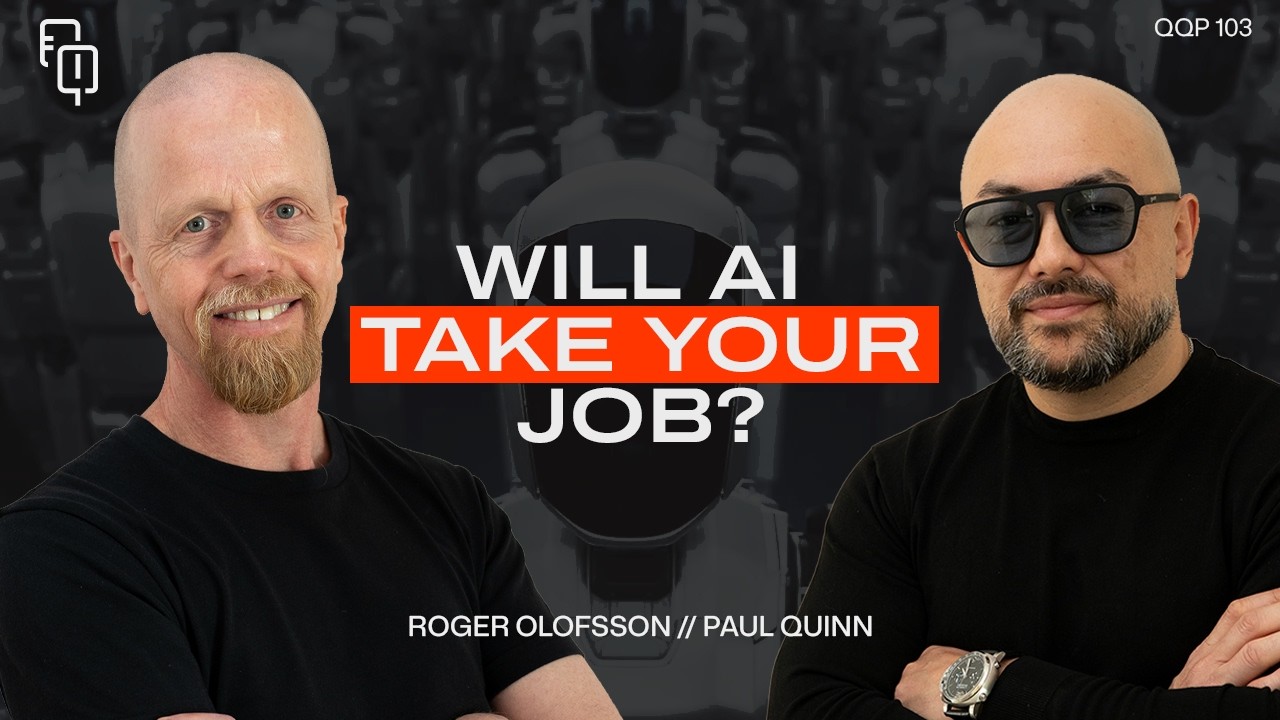
Building an AI Company Inside a Search Firm with Roger Olofsson #103
In this episode of The Quinntessential Questions Podcast, Paul Quinn sits down with Roger Olofsson, CEO and co-founder of Olofsson & Company, the executive search firm hiring for startups, AI, tech and fast-growth companies. From a childhood in Luleå, near the Arctic Circle, to landing in Singapore in 1996 as an exchange student with a backpack and a suitcase, Roger shares his transformation journey through almost three decades of recruitment in Asia, and the moment he finally backed himself to build his own firm.
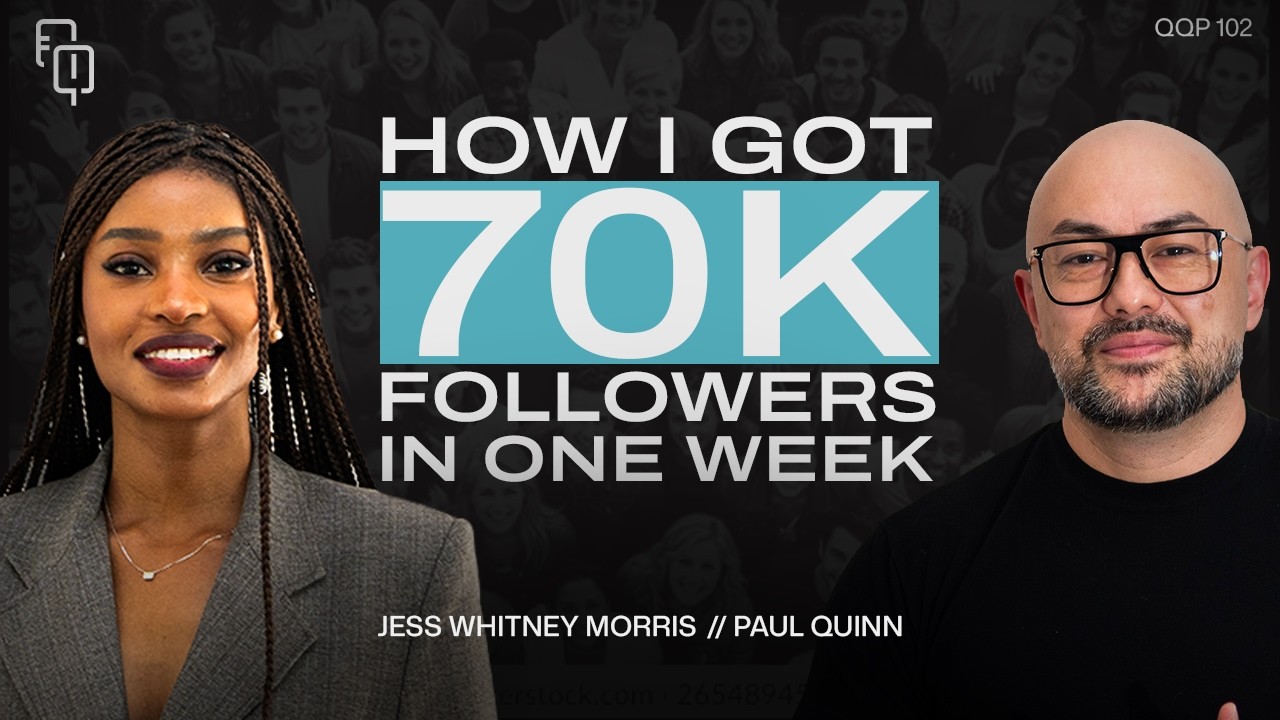
One Video, 70K Followers: Jess Whitney Morris's Breakthrough | #102
In this episode of The Quinntessential Questions Podcast, Paul Quinn sits down with Jess Whitney Morris, model, social media management company founder, and media presenter. From growing up in poverty in Uganda and working-class England to working her way through Abercrombie, Hollister, and a self-funded university degree, Jess shares her transformation journey and the moment her father tore up her first modelling contract in half.
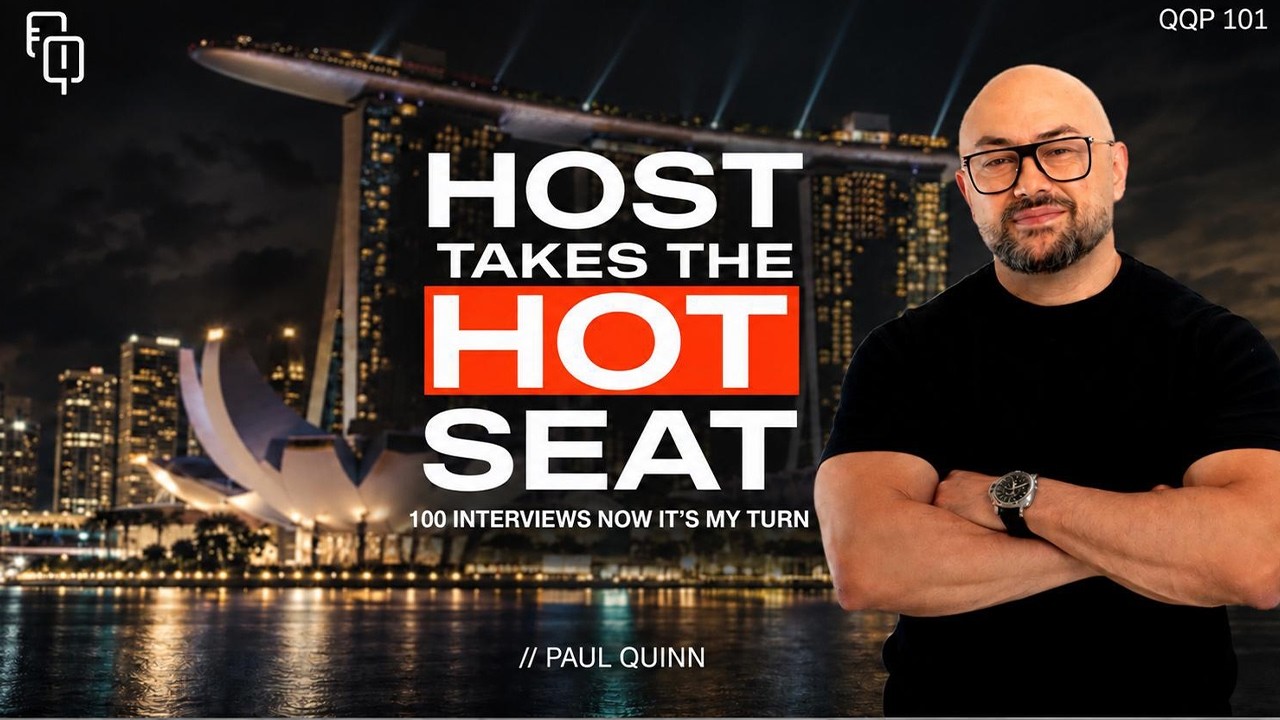
I Interviewed 100 Extraordinary People. Here’s What I Learned | Paul Quinn
In this episode of The Quinntessential Questions Podcast, the host takes the hot seat. After 100 episodes in the interviewer's chair, Paul Quinn, who runs Westport Executive Search and founded Quinntessential Coaching, answers questions sent in by guests, friends, family and listeners. From hitting a career plateau to building a podcast that now welcomes Olympians, world champions and global CEOs, Paul shares his transformation journey and the moment he decided to put a spotlight on helping people.