
#25 with Royston Low: From the Science Lab to Private Investments

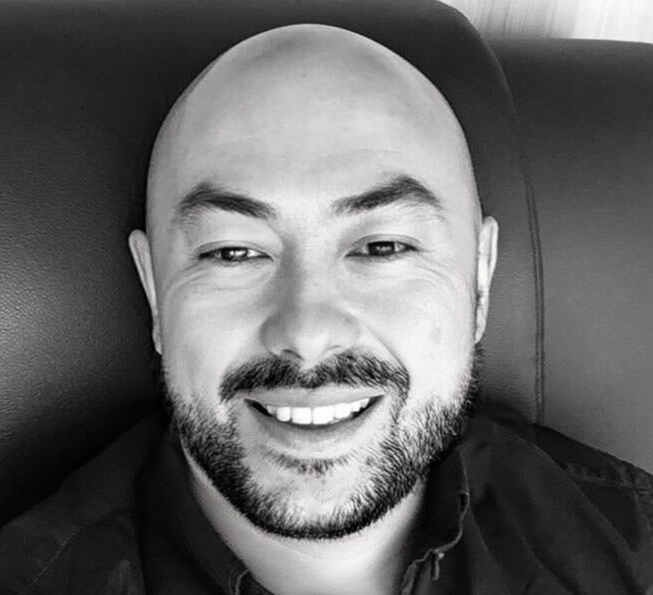

In the this episode of the Quinntessential Questions Podcast, Paul sits down with Royston Low, Head of Private Investments for Asia as they explore a fascinating career journey from studying Celluar & Molecular Biology to Private Banking and Private Markets. Royston shares insights on transitioning between industries, managing risk, and navigating the complexities of private investments. He discusses key challenges and changes in the finance world, offer advice from his diverse career, and reflect on how personality traits like introversion have shaped his decisions.
Whether you're into finance or career transitions, this episode provides valuable lessons and perspectives on success. Tune in for a blend of career wisdom and personal insights.
TIMESTAMPS
(00:00) Intro
(02:07) University Education
(09:21) Joining the Public Sector
(17:00) Transiting to Private Banking
(22:00) Private Investments in Private Banking
(25:50) Nuances of Private Investments
(33:12) Changes & Challenges in Private Investments
(38:17) Managing Risk & Fund Manager Selection
(49:11) Evolution of Private Investments
(50:40) Insights from the Career Journey
(1:00:22) Rapid Fire Questions
(1:07:03) Introversion
Bio
Royston Low is a veteran in private markets and investment advisory with over two decades of experience spanning private equity, real estate, and alternative investments. Currently Managing Director of Private Assets Solutions at Lombard Odier, he leads the development and delivery of tailored private investment strategies for high-net-worth clients in Asia.
Prior to Lombard Odier, Royston spent 14 years at BNP Paribas Wealth Management, where he served as Regional Head of Private Investments, overseeing key client solutions and spearheading access to private market opportunities across the region. His earlier roles include investment leadership positions at Bank of Singapore, ING Asia Private Bank, and TIF Ventures, a government-linked private equity fund of funds under the Singapore EDB.
Royston holds a Master’s degree in Cell & Molecular Biology from the National University of Singapore and brings a unique blend of scientific training and financial acumen to his investment approach.
Transcript
hi guys today I had the pleasure of sitting down with Mr Royston low who up until recently was the regional head of private Investments at B&P paraba private wealth management had the privilege of knowing Royston for just over 15 years and we called him at this very Salient moment where he's about to Embark upon the next chapter in his career and his journey we talk about how he did a masters in cell and molecular biology through to working in the government with AAR to having a really flourishing career in the private equity and private banking space it was a great chat and I hope you enjoyed the discussion as much as I did Cheers good morning Royston how are you very well and how are you I'm brilliant I've just recently renovated my house so this is the first podcast since we've done it so welcome thank you very much thanks for having me yeah well we've known each other for a long time now 15 years but for those that may not know you can you be kind enough just to introduce yourself and and what your career history is in a in a couple of paragraphs oh sure pleas well uh let's put it this way uh I just I'm unemployed in between jobs right now so I was and it's hard to say this because I was the head of private Investments for Asia at BMP parba until recently um but uh and been doing that for a very long time so private Investments have been my focus for the last 18 20 years or so but uh I started out mostly as a researcher H and and it's going to be a very strange jump and you'll see that going forward but it's it's been a evolution in terms of how uh my career has progressed so I guess we'll talk about that a little bit as well well one of the things that I find Most Fascinating about you they're not everyone night might know is that you've got a masters in cell and molecular biology yeah how how on Earth did that we'll talk about your transition later to to private Equity but what were your your interest back at the day in school well it's strange in the sense that I was never the the mats wiiz so biology was something I was pretty good at a lot of it was kind of memory work Road learning yeah um you GRE you grew up where Inay I was born in Mala but I grew up mostly in jeor so just across from Singapore and that's kind of the reason why uh N US made a lot of sense right it was closer to home yeah it's huge so you were good then and you thought okay first degree this is what I want to do or did you fall into it well I had options in a sense that uh I was I had places in Malaysian universities but they didn't give me what I wanted which was related to biology and and and uh N US did so it kind of made the choice a little bit easier for me okay so and then when it came to actually deciding what my major was uh cell and molecular biology was new I think I was the second batch that the university offered it wow so it kind of felt a little bit unique and kind of falls into my strengths I would say but did you know then did you think okay this is what I'm going to do beyond my degree or my masters like what was your job going to be or or you weren't sure at the time I always thought I was going to be a researcher okay but kind of things didn't really pan out that way well well so so firstly what is cell and molecular biology for those that don't know so cell and molecular biology is essentially the study of what happens in your cells right so how genetics um how proteins are made basically the inner work ings of the smallest Parts the cell in your bodies okay and then you went on to NS as a research assistant straight through were you bonded yes I was so again I was rather fortunate because being Malaysian yeah uh I had a three-year bond that I needed to serve uh in Singapore but they're brilliant though right because hopefully means you get a job right and you got that for don't promise that to you you have to go and look for it right so it's not a given okay but uh like I said I was a little bit fortunate and I did my uh Bachelor I did my honors and then uh my supervisor who was uh looking after me for my honors degree said you know would I be interested in doing a PhD with him uh so at that point in time you know I said look I have a three-year born I wanted to get this out of the way as soon as I could and and uh you know he he tried to do something for me and suddenly it worked out out so he kind of employed me as his research assistant uh but at the same time uh I was enrolled in a PhD program so that that suited me quite well okay because I had kind of like The Best of Both Worlds right when it suited me yeah I could be a staff yes and when it suited me more I can also be a student so it worked well so why didn't you continue and decide to finish the PHD thinking back I think that was I don't know whether it was a good or bad decision yeah but uh you know I I started that program it was supposed to be a five-year program and after three years it kind of got a little bit monotonous you know yeah repeating experiments over and over again uh washing test tubes every day yeah uh and I think again I appreciate at that time my supervisor I said I went to him I say look I'm I I I think it's time for me to do something different can we change kind of the the the terms that we set out and and he kind of agreed and that's kind of how I walked away with a Masters in cell molecular biology wow I know I mean listen we've both got kids and one of the key things I always think about is at what point do you find out and discover what you want for a lot of us it's much later on you you were saying your kids seem to have known from an early from an early age but I think the point is is things do change and that's going to be The Narrative of our conversation how we evolve and you've had you know a major changes in your career um my wife when when she involed upon doing her PhD the the Bond was for 5 years and and I think it was like this $456,000 cuz I was the the sponsor for it and I said you better finish the bond you know what I mean so it was full on that's what I'm telling my son I says look you know he wants to do medicine right so it's it's not an easy course it's also a fiveyear course and I basically told him look you know I don't want you to comeing to me in year three and says that I want toep I want to do something different I think it's a waste of your time it's a waste of your resources you need to be all in for the Long Haul absolutely yeah and the sad thing is I was reading an article yesterday funny enough about doctors in London and how much they earn or how much how little they lot I mean you could you could earn more money if you work 60 hours a week in McDonald's which is is that's literally they did the analysis and I thought that's ridiculous right so sad they should be rewarded especially after they put so much hard work in right so okay so research assistant and what were you doing during that time were you doing other work other than then acting as a researcher were you were you doing Project work well again I was very fortunate so my PhD research project and what I was doing as a research assistant kind of merged quite well together okay so I wasn't doing twice the amount of work maybe it was one and a half times okay so that really helped and and it kind of allowed me to figure out what I really wanted to do at that time I think it's very different today right I think kids today when they decide what they wanted to be they they knew very early and they kind of work towards that yeah I think in our generation it was a little bit more flexible we really didn't know what we wanted to do we didn't have access to all the information they have when you when you really look back at it like you could go online now and you could find out within 5 minutes what does that look like whereas you know who would we reach out to right you absolutely that's fascinating and then so I'm curious when you then were thinking okay I'm going to leave this industry and go on to do something new how did that come about well as I left or I was thinking of leaving I needed to find a job so the easiest one that came to mind was you know as a research assistant basically what you're doing was that you were doing research but you were also managing the lab and therefore you were applying for Grants to get funded that was the Genesis kind of so so you know one of the things that I was looking for was the flip side of that meaning to say that you know given what I know and what I've learned applying for Grants I could very well be well equipped to evaluate Grant proposals coming from the University so that is when uh I decided or rather I found a job at at that time was called the National Science and Technology board that became a star right that became a star yeah so hold on I'm really curious so you did you speak to anyone about you know this idea that you had or you pretty much decided look this makes absolute sense I could transition to this I I think I could transition to it but then the question was whether I could get a job there right so so again I was pretty fortunate that things kind of fell in place how did you get the job did you did you know somebody or you just applied or just applied W these things if you think about it if that hadn't happened you know and you got turned down a few times you your career could have been completely different absolutely uh like I said I think my involvement in private Investments private Equity all started out because I was uh at nstb yeah at the right time when the government wanted to do something a little bit different yeah so interesting and what do you think I we'll come on to this a little bit later but what are the skills in uh particular that you picked up during your time at n us that could be plucked and used transferably I I think attention to detail I think I think like I said when you when you look at what you're trying to do in terms of molecular biology you're looking like I said at the smallest elements that's happening in the cell level right uh I I used to joke that it's also what you do uh with your fund managers when you're evaluating them for due diligence right you put them under the microscope you dig as deep as you can and you try to figure out what drives these people and what makes them successful yeah I'm bet if you told the fun managers your background and you told them that they would probably get a bit nervous right thinking I'm got I've going to go through the ringer but you're absolutely right it makes perfect sense so in terms of your first job with with what is now AAR what were you doing were you specializing in any particular area so given my background uh I was tasked with basically approving grants for so AAR had two divisions one was for the public sector and one was for the private sector so I was part of the public sector group that was looking at giving out Grant mostly to research institutes within n us uh and and like I said given my background of how I had to apply for some of these grants I was well placed to kind of evaluate you know are the costings right are they kind of exaggerating the costs when they put in the grant proposals and things like that so I was responsible for basically funding some of the research that was happening mostly in the life science institutes okay like The Institute of cell and molecular biology for example okay and it it's fascinating cuz i' I've done it myself but when you go from one side of the table to the other side I think it it it's interesting but there's there's a natural you know transition and an appreciation right absolutely some people forget though where they come from and I always don't understand that it's like no you know you should it should work hand in hand um and then tell us about your journey beyond that so what happened after that because you were with those guys for a couple of years so I was there since 98 and I think somewhere in 2000 there was kind of a shift I don't know whether you remember but uh there was a big shift towards what they call technology entrepreneurship and that's when the government decided that they wanted to create more I don't know whether you remember this there used to be a very well-known company called Creative Technologies of course right they used to make best sound cards but it was a Singaporean company yeah and the government wanted to replicate that so one of the ways that the government thought was needed in order to replicate that or to have more technology company starting out was the ability to uh get funding so Venture Capital became very important and at that time there wasn't a lot of venture capital or private Equity available here in Singapore so that is when the government decided that they had to play a kind of a catalytic role to develop that industry and they created what was then known as the technopreneurship investment fund that was initially a one 1 billion US fund uh and then subsequently increased to uh 1.3 billion and the goal was basically to catalyze the formation of a venture capital industry in Singapore wow I didn't know that I didn't know that that was a the history behind it and who were the guys that were running that that were they all from the public sector they were from the government it you know initially it was mostly coming from two parts uh both from the government obviously one was nstb uhhuh because they were kind of like the stewards for technology so they were given the role of kind of evaluating what was coming in to the pipeline right and then because nstv was not a money manager they also brought in GIC to help oversee uh so that there was a rigorous process when we were looking at uh fund managers so interesting and then I guess with your background learning about how these organizations worked in terms of its R&D and Technology that must have been fascinating for you because you're you're getting to look underneath the hood right precisely so I think it's it's interesting as we evaluate some of these managers we get to look at what their prior Investments or the current Investments are and it kind of helped because uh I was focused mostly on the life science or biotech type of uh funds therefore we could look and and and where the terminology and the lingo kind of helped as well so it allowed me to better understand what these fund managers were investing in and the directions that they were headed to so it was really useful so TMF how long were you there for Tif you mean Tif sorry yeah so the unit within nstb eventually evolved into uh a subsidiary of the economic development board yeah called Ti Adventures yes so I was there for probably about eight years or so wow and that was eventually The Firm that managed the entire uh Tif fs and then and then what was your journey to moving into banking oh well again it's it's purely by accident so if you look at it I I mentioned that that fund was meant to play a catalytic role yes right so over the next eight years since 2000 to about 2008 or so we managed to invest I think my memory fails me but I think we did about 12 art funds 80 art managers and we managed to deploy the full $1.3 billion wow and and and then we went back to the government and says look we needed more money how was that received oh well it was then that the government decided no they they thought that the catalytic role was successful uh because during that time uh more players came to support the industry so the endowment started to invest in private Equity uh the insurance companies started to do that so so again they felt that that catalytic role was no longer necessary so kind of resulting in the disbanding of TI Avengers so we we we were kind of like one of the first few funer funds uh definitely in Singapore maybe even in Asia yeah uh and then uh kind of the the group kind of broke up so I had an opportunity to move at that time was uh to ing Private Bank yeah because so ronal was running he was the CEO absolutely yeah so again he was probably one of the first few banks that kind of offered private Equity to their High netw worth clients it's definitely I I think he was the first from memory no it was definitely up there right very early on very early on and you were based I remember in Republic Plaza absolutely yeah so so you joined them and what was the setup was it were you a one-man bound at the time no we were part of the funds team okay uh basically offering uh besides mutual funds we also had uh private Equity offerings and and I kind of helped uh run that setup together with my boss us at that point and then and then uh ocbc acquired ing yes and then they renamed at Bank of Singapore Bank of Singapore yeah and uh and then how did your role change and evolve during that time no I think it didn't it it stayed mostly the same I I I I don't think it evolved much at all because my memory was when I first met you and um we were engaged to to help hire you so I placed Agnus was there there really weren't many players out there and you ticked all the boxes and then ironically uh some time after I'd place to you um the head of HR globally for Bank of Singapore was an old client of mine introduced me to Mar vanderwal and I thought you know I better disclose that I moved because if he found out later he'd be upset right and and actually he said look that was that was a great appointment you know it it was sad to see you go but uh 15 years later almost right so tell us about so your your journey with BMP paraba you know you've you've gone through many iterations that the Your Role really evolved and you you grammed that business and you transformed it but tell us a little bit about that Journey well I think when I first started out at BMP and again thanks to you I managed to move there uh the the role was actually a much simpler one we were doing Maybe be one fund a year M uh it was really Niche uh but what happened over the next 15 years was it kind of grew uh so we were doing initially one then it became two and I think now we're talking maybe five to six funds a year so it became a a fairly substantial business yeah within the bank uh and it became also more important to kind of offer more than just private Equity so we transitioned to private real estate we transition into private infrastructure we offered private credit and even more recently impact funds we thought was more interesting so basically we transitioned to offer more and more of what institutional investors were already investing in but targeting again High netw worth clients that had the appetite that had the knowledge that wanted to have a higher return than what public markets could offer just just digressing a little bit I'm curious why do you think all private banks are structured a little bit differently so for example in a lot of private Banks the alternative space was always fragmented so you might have real estate parked under somebody else you know private Equity under somebody else and and they've Consolidated in some banks I find that uh Alternatives report into manage Investments and in other Banks it's the other way around why so for BMP your functional after everything except for I believe hedge funds that's correct so why why do you think it's always different uh I can't speak for other Banks but I think for BMP it it kind of evolved quite naturally so when you placed me there I was part of the funds team yes right so it was the mutual funds plus Alternatives as uh like I said it was Niche and therefore it was parked under that and then as as it kind of grew I I think it made more sense to have a stand alone and then slowly build out a team from there what I like what I liked about um helping build the platform with BMP back in the day was there was no nepotism and it was really about assembling a team hiring the best in class from different organizations and they brought with them all The Good the Bad and the Ugly that they'd learned from their previous experience do you know what I mean absolutely um and then talk about the transition because I've moved people from for example Investment Banking into private banking and I always say look guys you got to understand there's a very big difference when you're dealing with people's personal money you have to have a white glove service you know but how was the transition for you when you first moved to private banking with ing I think it was a learning curve I think dealing with high netw worth individuals is obviously very different than dealing with institutions yeah right but I think I enjoyed the role because it kind of again gave me the best of both worlds right on one hand I was still dealing with fund managers which was what I was familiar with yeah but it also on the other hand gave me a way to kind of interact with high n of individuals and that varied considerably right uh in terms of their knowledge in terms of their sophistication so it kind of allowed me to grow a little bit as well in that sense because it allowed me to talk about uh different things at different levels depending on the sophistication of the client so in in the last few years just give us an overview of your role at how much of your time would be you know actually doing the research looking into you know raising funds speaking to clients Bankers I just want I'm curious how how your role evolved I never really thought about it in terms of quantifying it I think BMP had a very good platform where there's a central team that was sourcing most of the time uh and also gave me some flexibility uh to select some of these funds that are a little bit more suited to the Asian clientele yeah so that that was great because because I like dealing with fund managers I think there is value knowing what funds are out there what their strengths are what are they focusing on and at the same time you know private Equity is a long game right when you sell a fund well it used to be kind of a 10year close-ended vehicle what is it now then well with the Advent of uh Evergreens or semi liquids right so they're trying to replicate that uh in a vehicle that provided either monthly or quarterly liquidity M so it's it's a GameChanger uh in my view because it makes access to such instruments more accessible to a wider audience just just on that I'm just curious did you know because when you were got involved in this it was so new the reception from the private Bankers must have been a little bit different to what it is today right because now they're probably very excited because it's for me it's the sexiest asset class out there but I remember back in the day that wasn't the case right and you were probably having to really educate them and sell it to them and what what the benefits were absolutely I think I think it's still difficult today right like I said generally I think uh for for close-ended vehicles the 10year structures it's still a challenge to get relationship managers to get clients to buy in to such a long-term investment yeah uh but as you said I think you know when you open up the newspaper today a lot of it is a lot of uh Acquisitions a lot of transactions happening mostly in the private space right so it kind of helps that that awareness is more available today than it did let's say 15 years ago do you think it's important that top down from the CEO down that they share a narrative internally that they incentivize the bankers to to consider this as a as an asset class it obviously helps yeah U I think if if you include that as a kpi for a relationship manager yeah then there is more reasons to do it but I think I've been fortunate enough that enough relationship managers buy into the premise that this private assets or private investments will generate a superior return yeah uh given the characteristics and I'm sure the client the end clients they're highly sophisticated right so you know this will Peak their interest anyway a lot of these clients remember entrepreneurs themselves right that's how they made their money right so they understand what private Equity can bring have you guys ever analyzed that like what percentage of the client-based are entrepreneurs it's a chunk it's a big chunk more anecdotally than than real live data I I would say maybe 50 60% would entrepreneurs I mean this part of the world yeah for sure so you know you've you've um had exposure to private Equity all over the world us Asia Europe how does your approach on investments and dealing with the fund managers vary according to the region I think the the regions are different in terms of its characteristics in terms of where they are in the cycle right I think the US is clearly the leader and Europe is probably not far behind and then Asia kind of follows that but then if you look at each region on its own it's again very different the US is kind of a homologous market right yeah and then in Europe you have even though with the EU and everything else it's still rather a fragmented market and Asia is completely fragmented right different geographies different population different languages different cultures so I think when you talk about private Equity we need to be conscious of how we look at the manager investment Focus right are they more export oriented or are they catered towards the domestic markets I think that's a very important distinction were you allowed to Ram freely or did did you have a pension for the Asian market specifically well again given my background I I I tend to focus uh when when I was with Tif right we we focus across all three continents basically but I think in in at BMP by the way I don't know if the background drums will be picked up but we're still we're still keep talking right yeah it would be okay cuz these these mics are pretty good but for those that can hear that that's the China New Year drums it's not for my household those on the street but as you were saying sorry yeah so I think it's it's it's a little bit more um interesting when we look at managers looking at Asia because there's always a home bias so clients in Asia tend to focus or they want to invest in things that they are more familiar with yeah for so therefore there's a home bias and like I said I I I was fortunate enough to say that you know I could not say dictate but I could offer certain things in Asia to our clientele yeah it's your home court right so what what are some of the emerging trends that you've seen here in the last couple of years I think generally the couple of things that I I favor more of today than I did probably a long time ago was uh infrastructure I I think infrastructure there is a clear need for infrastructure both in the developed markets as well as in the Emerging Markets what do you mean by infrastructure well again that's kind of evolved over time right infrastructure in the old days is a power plant uh an airport or a toll road right yeah I think these days when you talk about infrastructure it can be very diverse it can be about telecommunication uh Towers it can be fiber optic networks yeah uh but more importantly it can be data centers I think that's probably one of the most lucrative sectors in infrastructure that we are it's so interesting when you because that's why when you said infrastructure I mean I remember when I went to watch the Olympics in Brazil in Rio they were literally laying down the road they didn't have any infrastructure and uh I saw some pictures of it recently and it was like all that's just gone to waste whereas when we saw the Paris Olympics you know they had all that there and my my wife deals with cables beneath the seabed right which is you know Facebook Google you know the these things are so interesting um when you think about things like co-investment right I I think it's a very powerful tool if you're going to a a private banking client and saying look we're co-investing in this deal we've got money on the table as well what's your take on co-investment I think co-investment I I think a lot of our clients want or Express that they want co-investments I think in reality it's w't difficult to execute why just just so we understand yeah so when you talk about co-investments you're investing alongside a fund manager right if you're going to offer it as a co-investments the ultimate investor that you're offering it to needs to be able to react pretty quickly M right there is a timeline in terms of how the deal closes and you don't have months to do that so in terms of reaction time I think a lot of uh High Network clients are not able to to react quickly enough when offered a co-investment and on the other end at the banking side on the bank side right you you you have to screen them you have to do a little bit of due diligence on them as well and that also kind of shortens the time frame uh for when the deal can be closed with the clients so so in your role like Loosely what were your kpis like how are you measured in your role is it is it like how much money you're raising the fund what is it I think it's a little bit qualitative and quantitative I think from the qualitative side it's a little bit more about yeah how much do we raise on a yearly basis yeah uh how much revenue are we generating from those yeah uh but from a qualitative standpoint it's more about performance it's more about how our clients are happy with the service that we are providing in terms of after sales yeah I think that's pretty important because course you know you you you sell someone a 10-year life fund you need to be able to provide the after sales after you have the client has already signed on yeah I think having a client for Lifetime is everything right to really look after them and you're a long-term person so am I I I used to think of it this way right so imagine if you were a private bank client right yeah you had what 70 80% of your business in the public markets right the fixed income the equities and you had maybe a small allocation yeah to Alternatives or private assets right from a banking perspective you know do I want to jeopardize that relationship with you by offering you something a little bit more nishish but potentially could turn sour yeah and risk that 90% of the business the bank was already having of course not so obviously there's going to be some um more conservative I would say selections when it comes to fund managers and is is temp % on average the the normal percentage I think that's it's quite a wide range I I would say there are still people that have zero yeah I I would M say probably a majority would be somewhere between 10 5 to 10% yeah same for DPM probably as well right absolutely and then and then what is interesting is that uh the Advent of family offices y uh where they do have kind of a long-term Outlook there I think the allocations tend to be a little bit more aggressive you know 20% 20 25% so you saw the rise of single family offices changing your your portfolio of business I'd imagine quite a lot a little bit I think I think we're still at the cups of that inflection point right Singapore is now attracting quite a fair bit of family offices um a lot of them are still I would consider still family run yes very much so but uh more and more I think we're seeing the beginnings of professionally run family offices I think that's an important development what would you say have been some of the major challenges for you to manage um a portfolio private equity and real estate funds when you look back at things I think the biggest challenge I think is cash flows right it's it's very difficult to predict when a fund manager is going to call for Capital it's also very difficult to predict when they're going to make distributions back to you if you were an institution I think it's very easy to manage the cash flows because you would have you know pots of money lying around but if you were an individual investor uh I think it's very unlikely that you're going to set aside money to to cater for Capital calls and therefore you want most of it deployed right so having access to cash flows I think is a little bit more difficult at the individual level did you have to to meet the the bank's top uh private banking clients and sit down and talk about private equity yeah of course but when you speak to them and what I mean by that is I know you speak to them but when you speak to the top ones the top clients that part money with you um do you try to rationalize things or is that what the banker does no I think again it's it's a bit of a simplification it's a balancing act I think it depends on the level of sophistication of the relationship manager yeah in most times I think they kind of wet the appetite of the client and then that's when I come in okay uh but it it vares from RM to RM I would yeah for sure um when you're approaching you know looking at tech companies for for Investments right and you're looking at the tech sector in particular because it's changing so so quickly what are the key things you're looking out for I have to say I I think there are limits to someone who's kind of sitting two two steps away right we will never know what technologies are at the Forefront and which are the ones are going to succeed yeah so our approach is a little bit more um well I would say it's a little bit more like if everybody's rushing to find gold let's be the ones that provides the picks and the shovels I think that's a safer way to kind of uh play the the that kind of investment themes yeah because you know talk about AI right you don't know who's going to be the market leader at the end of the day what happen this this week it's been crazy absolutely right you know you have so many competitors that are buying to be number one open AI anthropic you name them right so rather than play or try and pick a winner there I rather pick the people that are supplying for instance the chips to these people yeah it's a little bit easier to make sure that whoever becomes the winner they're still going to need all those the chip game changed this week big time right it's but it's well again Innovation yeah always changes the the things right it's it's Madness well if you go back to your time with Creative Technologies and you look at how things have evolved it's it's like can you imagine what it's going to be like 20 years from now it scares me I just think like I I rewatched Terminator thinking this is not too far-fetched right who knows where where this is going to go my Star Trek Star Wars yeah it's mad right um so it's it's it boils down again back to infrastructure right so if you look at the AI game for example what are the picks and shovels yeah right pick and shovel is basically data centers yes and energy you know it's interesting that uh if you talk about energy generation electricity generation I think over the last 20 years we had an annual growth of maybe 2 to 3% so it's been very stable in terms of new energy generation but with the Advent of AI you're going to need a Quantum jump in terms of new electricity yeah right I don't know whether you know this but for example when you do a search on Google and you do a search on say chat GPT the amount of power that is utilized is very different how how what x is it for AI a lot more 10x 10x wow so if everybody is moving towards asking things on chat why why is it so much more just the amount of computing power that's needed yeah to process these large language models right wow that's fascinating so that's that's uh that's kind of the reasons why I think you know uh Power Generation which is infrastructure data centers which is infrastructure I think that's going to be a very exciting and and it's not something that that is a lot of right so again demand is outstripping Supply it's interesting what one of the things that is uh Central to your job is risk and managing risk how did your time at Tif um and with the national science technology board really shape that well because it must have given you a grounding and Foundation right of course of course I I think it's it's been the same throughout that time right essentially we were investing or recommending other people uh with other people's money right so that that is a Judiciary Duty that comes with that and that's also uh you know personally it fits my um profile as well I'm I'm generally risk adverse m i rather look at downside protection rather than miss a little bit on the upside I I'm prepared for that tradeoff yeah so I think uh being conservative and and BMP as a bank is generally very conservative it is so it kind of Suits uh what we were trying to achieve for sure I think well look there's there's a lot to be said about being conservative and safe because you know when there's another financial crisis BMP no doubt will will stand strong and um you can see that in the longevity that you've had in in the organization right actually when I when I was reading some of the comments you're you're clearly going to be missed you know when you did your LinkedIn post were there any tears did they have a farewell party for you yes they did it was interesting again I I contemplated doing something of having chat GPT write my farewell oh really I did did you put it in though and see no I did I think at the end of it I thought that I think that's something that St even today chat GPT cannot replicate I think that that emotional aspect the connections even when you're writing something down cannot be replicated by AI what's interesting I just did this for the for the malar of it I wrote into chat gbt which is my favorite child and it kind of told me off like saying look a better way to look at it is what what each child brings to you and but what scary is it had a profile on my kids based on whatever information is in my phone that's scary yeah so it's and it was spot on and and and I can see how AI is going to become a friend to people if it hasn't already you know if you sat there and you want some amusement and you type some things in the the reaction that you're garnering from it is really immense it's it's amazing I think like I said from from our generation to our kids Generations I think my daughter does a lot of things yeah from chat gbt yeah and think about this from from an educational perspective how do you manage that right cuz kids are jumping on it all the time so it's bananas so you had a farewell do what did you guys do did you have a a drinks or a dinner we had we had a drink session after work good good man as it should be um so let's talk a little bit about the qualities given your extensive experience with institutional fund managers what qualities do you look for in them I I I would say it's kind of boring it'll always be the same I think uh the first thing you look at is the track record the second is probably the alignment of interests yeah you want to know that when something goes wrong your managers are going to get hurt as well right and then three I think it's it's um like I said it's always boils down to a people business right we need to know what their motivations are we need to know what their strengths are we need to know what they're trying to achieve what are their goals so those are probably some of the more important important features I would look out for when I'm looking at at at managers what what do you think are some of the common pitfalls that people should avoid you know when dealing with private Equity there's a lot of misconceptions out there about the asset class where to start just a few points a few insights no I think I think private Equity or private Investments like I said I think people need to understand it's a long game yeah right you don't create value overnight and you don't see value erode overnight either so I I think people need to understand that you need to give the managers time to create value right two I think uh it it involves around volatility right this is where the asset class kind of helps with someone who has a very um good portfolio alloc or balance portfolio allocation it basically reduces the volatility of the overall portfolio and at the same time it increases the performance of the portfolio I I I'm very very uh clear that if we look back at all the clients that do have private investments in their portfolio versus they don't you will see those performance and uh volatility how do you balance the the governance you know risk versus generating a yield a return for for the clients cuz that's that's got to be a main challenge for you right at the end of the day like I said we we we would have to rely on the managers that we picked yeah right because we're not managing it ourselves yes so a lot of it is part of the due diligence right you know how good is the manager how repeatable has the manager delivered over time yeah right I think in in in private equity for example you know what is interesting is that if you were a top quartile manager before the odds are that you will be either first quartile or second quartile manager in your next successor fund really interesting the reverse is true if you were a fourth quarle manager you are not going to jump and become a first quartal manager overnight so I think a lot of it is the skill sets that tends to be repeatable from One Fund to the other right so that's kind of the reasons why track record really matters it does for sure and then who delivered that track record so I think today particularly in Asia you see a lot of uh professionals or fund managers they move they spin out they create their own funds yeah so a lot of times that track record if you look at that institution the people who generated that track record is no longer there anymore yeah I think that's something that you need to be very conscious of yeah I it's it's interesting because when I look at when we play senior people always look at their tenure and you know there are people that maybe start a race but don't finish it and if you look at what in our business um let's say a banker you know if they move every 3 years there's a problem right you know there might be one or two times where there was a buyout change in management um so when you're making decisions and you're processing how to to to do that what are some of the critical factors that you're looking at that are not so obvious like you you mentioned things that to me clearly obvious that Mak sense but there are other little factors that you're looking at like do you say Okay um I think we should be looking at this particular industry sector I think that's kind of the difference that the bank brings right uh in the sense that what we do is both a top down screen as well as a bottom up screen so we by by I think that thousands of funds they are trying to raise funds every year right so what the value add of a bank that brings is that it looks at you know in this particular environment what are our top themes that we believe will make money right and then at the from the bottoms up is finding the best managers that play into those teams those sectors those geographies that we have identified have you have you seen The Regulators um influence over governance change everything in your world in the last few years and if so how I think private Equity industry has been extremely stable over the last 20 30 years yeah give you an example I think management fees hasn't changed a lot over the last 30 years uh carried interest has not changed over the last 30 years you remember if you know Carro interest right it's the performance fee over a hurdle rate then typically the hurdle rate is 8% yeah right that was a term that was started in the late 70s early 80s and you know reason why it was 8% why because 8% during that time was considered the risk-free rate it means if you did nothing at all together and just parked it in a treasury bond you would make 8% right so if you as a manager cannot deliver something above 8% that means you're adding zero value value and therefore you should not be remunerated for it right I love that I love the fact you know the history behind it because it's it is interesting but but if you look and fast forward it today over the last five years interest rates was effectively zero yeah but the hurdle rate has always remained 8% so what I've learned about fees is very rarely can they go up they can go down I don't know if youve experienced the same well I think as the industry evolves you know it's very different you know if you are a manager managing 500 million and you were charging 1 and a half% and today you're a manager managing 20 billion and you're still charging one and a half% I think the economics has changed I I think there needs to be some sort of a fee reduction to reflect that when you look at the um Outlook you've seen a rise in the secondary private Market space you know what what do you think's been the key behind that well again it boils down to what I mentioned earlier right Capital calls and distributions so for a lot of institutions what they commit to happens to be what distributions are coming back to them over the last two to three years I think there's been kind of a Slowdown in terms of distributions and as institutional investors they need to continuously commit into new vintages and if they can't do that with money coming back or if there's no money coming back then they need to create some sort of a liquidity event so that's kind of the reasons why secondary is kind of evolved and has grown over time it just gives you a way out of something that generally locked in for 10 years do you do you think um that private banking will spend more time and money in developing the private Equity space because like I said to you off camera and you laughed I said you're one of the ogs of of the space because there were hardly anyone there was hardly anyone back in the day when I first met you and it's it's progressively evolving but do you think it will evolve a lot more in the next 5 to 10 years I I think so I I think that allocation to private Investments if nothing else is only going to go up yeah right think of it this way uh if you look at the public space if you look at S&P 500 for example right in the early 2000 there were about over 8,000 plus public companies that you could invest in fast forward to today there's less maybe just under 4,000 companies so basically what it means is that your choice has kind of dwindle over time as companies stay private longer as private Equity actually take private some of these large public companies I think that's that means that again a little snippet that a lot of people don't know is that uh you know over 85% of companies that make 200 million in Revenue yeah are private so didn't know that so if you were if you were you know playing in the public space you are missing out a lot for sure that's such an interesting statistic I didn't know that wow when you when I'm just curious right so when you look back at your career um because I'm speaking to practitioners that are either trying to enter private Equity private banking transitioning to do different things what would you say is important when doing that due diligence because you've made very timely decisions you know you may have not you know wasn't always by Design right as you said to me but what do you think is key when making those decisions cuz I feel a lot of people get boxed in right so like you know you've been in this very comfortable position for close to 15 years now right and you decided to move on but what do you think's key when making those decisions I think you need to be happy in what you're doing right I think for the longest time I was comfortable doing what I do MH uh the opport the opportunity to continue to keep learning what's also important like I said you know moving from private Equity private real estate to infrastructure that kind of helped with grow the skill sets as well and not be stagnant right so I think opportunities to grow and learn new skill sets I think it's important I think not many Industries allow you to do that yeah uh and the other one I think is that like private Investments I think this is the time for it to to shine I think there's a lot of demand for these type of expertise yeah but again there's not a lot of Supply so it's it's it's a great way you know I love to be in this kind of Dynamics it's what I look for in businesses Investments as well when there is demand and less Supply it just means that that's more interesting space to be in place to be in you know CU I think it takes a lot of courage to to cuz I speak to a lot of senior people and what's surprising is is they say that they're too comfortable right and I always one of the questions I always say you should ask yourself is in 10 15 20 years time if you were to look back what will you regret not doing or what will you regret doing right and then sometimes you got to shake things up a little bit right and I find that this is the key so I don't know if I told you this and you're you're a testament to this just over 90 90% of the people we've ever placed I've placed in the last 18 years are still working right placed them right so like Agnes was with bank for 15 years you're almost 15 years but I think the key is is when when someone takes on a new role the element is new there should be something new there should be an upward trajectory or a greater bandwidth because that that will preserve the person in that role and they won't become you know a little bit jaded or bored I think that's the key behind it absolutely um now let's talk a little bit about you've had some great bosses and mentors what are the qualities that you've learned from them that you can pass on and share with us no I I like I said I I I I always come back to this people think I think as uh my bosses actually many of my bosses throughout the years has helped me is that you know they basically teach taught me how to basically do you know fight the matters that really matter right don't sweat the small stuff I think working in a large Bank you have many many different stakeholders right you can't please them all but at the same time time you need to have a very good working relationship with all these people otherwise it kind of jeopardizes what you want to do going forward so I think people skills are very very important and I'm glad that my bosses past and present have been very very uh appreciative of letting me kind of run things the way I want to yeah and only step in as in when is really really needed yeah I think there's a lot of trust there which I really value well I think the other thing is though one has to be confident enough to take on a problem and own it right and run with the project cuz because a lot of people don't and I think as a leader that's that's key um I'm also I'm just curious right so when you've sat down with key stakeholders in the business how do you do it do you walk the floor I know that you have to make regular presentations but like how do you do you go and reach out cuz a lot of people that come to me and say well look I'm not getting enough FaceTime so I always say well want to pick up the phone invite somebody for a coffee or a drink or and a lot of people say to me it's not that easy to do and may maybe because I've just learned in my job don't be afraid just do it and you'll be surprised that if you invite somebody like you're here today you've been kind enough to do this and it's not something you probably would have been up for necessarily um but how do you how do you deal with that stakeholder management it it takes a lot to get me up on a Sunday morning to come and do this thank you I appreciate it no I I I think uh it's kind of a motto uh of mine is like if you never ask you'll never get yeah right so what's the worst that you can get if you ask for something answer is no yeah right if you never ask you're never going to get it anyway so I I see no downside in asking yes and I really appreciate again uh my bosses that I had is that they have been very supportive they've always made time even if it's a few minutes just knocking on a door and I have this problem can you help me with this or what do you think I should do I think they've always made that time talk talking about asking you know I always say this and it's it's cuz I remember the day that I realized this that the you know I moved to Singapore in 2001 and it took me seven years to learn that yes yes yes was often no because growing up in London no was a resounding no with a kick in your backside right it was a very obvious it's a cultural thing it a cultural thing and I didn't know so I I had have learned since then how to bring those forward it's okay that it's a no but the other thing I've also learned in business is never to accept a no from someone who can't truly say yes who can't say you know this is right and we'll sign off on it and that that's that takes a little bit of time and um the other thing I think that you've done really well is is building champions in different pockets of the business because you know it it always helps if you have a Godfather or a godmother in the business but if that person leaves you unequivocally need to have multiple Champions and and and you know key stakeholders in the business um talk a little bit about how do you balance your working life being a dad you know to to to now two adults um running successful business it's not easy what's been the key for you I think it's for me it's been establishing boundaries between my work and life how do you do it I'm curious well it helps that I'm in an industry that is not so one transactional and doesn't change you know does it matter if I answer an email an hour from now or a day from now versus some of the other asset classes where you know timing really really matters right yeah so it it helps uh that I'm in such an industry uh it just means that when I leave the office I can afford to kind of switch off yeah uh I I will occasionally check look at the emails and see which ones are really critical otherwise it's something for tomorrow yeah so I think that really helps being able to kind of create boundaries between work and life uh and being in Industry where it's not life and death if I don't answer an email within the next few minutes yeah well that's that's interesting and the the I think the other thing is for what advice and insight would you give to Young professionals that are embarking upon either career in private Equity or in private banking or both I think you should you should start small I think I think get your foot through the door don't get discouraged if you're doing kind of menial tasks you know when I was an MD uh at BMP I was photocopying stuff I was scanning stuff myself I was binding books on my own yeah even at that level right so I think it's it's it's a way of basically getting your foot through the door it's a way for you to learn the business firsthand and I had the the the beauty of having to work with some of my juniors who worked into my team some of them interns I think uh they have learned quite a fair bit I always tell the my people that basically look stick around one two three years and after that someone is going to value your um relationship your expertise yes because it's a small industry and it's growing very very quickly so there's always going to be a shortage of people yeah so all you need for the first two to three years is the experience don't you think that a lot of people are in a rush cuz I speak to people that always talk about money and obviously money is important but I said if you're if you're chasing money it's a race that you probably won't win right and and in in particular um in our profession I think longevity consistency it's key because think think about this so firstly if you're a client if your Banker investment adviser private head of markets hasn't been through two or three recessions what what do they really know right that that's my humble opinion right um and and the other thing that I've I've realized is is when you look at that person you got to think if I'm going to pass them the bat on I'm going to give them my money I need to know that this guy's sound or this girl's solid you know what I mean so longevity I think something you and I truly believe in um I just wanted do a few rapid fire questions that I pull together sure right so skills what are the most important SK skills for a private Equity manager people skills interesting that's the number one you'd say I I value it the most yes number two number three beyond that I'm just curious like I said track record yeah you know what have you done historically cuz I I I was given a search the other day and it's it's a senior role and I said well the the the hiring manager said we're either going to find someone with great people management stakeholder skilled or someone who's technically brilliant I said well which is more important and he said this because you could be the best practitioner in the world but if you can't finesse the conversation get it signed off it's not going anywhere and you'll probably be out of the job within six months you know no I think that's one of the most important considerations and that's kind of the reasons why when I evaluate a diligence a manager right I would like to talk as many people as possible yeah in order to learn like I said what their motivations are how the firm as a the firm's culture is how they remunerate people and generally get a sense of how they do things that's so interesting so you you take a look behind the scenes No I think you can't just look at it from the number standpoint like I said it can be very deceiving and when you say people's skills give me a little bit more insight what do you mean by that give me some examples the way they think the way they interact with their Juniors the way they interact with their management teams the way they interact with investors I I think it makes a lot of difference yeah I kind of value uh earnesty yeah rather than kind of someone coming out and say oh I'm promising you two and a half XS yeah and it's nonsense yeah when when you know it's going to be hard to deliver it could probably be done but you need a lot of things to go your way in order to get done so I rather you be a little bit more uh realistic and I'm a big firm believer of uh under promise and overd deliver yeah you can't go wrong that way well how do you help someone who's up and coming in the public sector today transition to the private sector because one of the it's interesting so the public sector in my mind in Singapore is is actually very different from other countries because typically Singapore attracts some of the best in class from industry and sometimes private Equity into sorry private uh sector into a public sector but for those that are up and coming you know in their mid 20s you know to to early 30s What would would you say is the key to moving to the private sector I think follow your dreams yeah don't be afraid right to to try to try something new yeah right um they are trade-offs obviously right I think that that the public sector obviously is more secure it's more predictable yeah uh but I think the opportunity to learn and grow is more on the private side than the public side yeah good um h books what have you read recently or listened to other than the quintessential questions podcast that that uh that you've learned from do you have like regular go-to not really I I I'm not uh I see a lot of books there uh unfortunately I'm not a books fan uh how do you so how do you Pro do are you an auditory person what how do you take on your reading and learning well I read enough in the office in terms of pitch books in terms of information memorandum and I don't want to go home and read more books yeah right but but um I I recently got a a new book at the event it's quite interesting uh it's called conflict the evolution of warfare from 1945 to Ukraine wow it was written by um David Petraeus or General David Petrus I don't know whether you're familiar no he used to be the director of the CIA okay he also let the US forces in Afghanistan and Iraq so he's quite qualified to talk about it yeah and it's interesting basically he just analyzes what mistakes were made you know historically and what mistakes are being made now for example uh in Ukraine for example so it was was an interesting a well dispute resolution and how do you negotiate and deal with difficult people it's it's at the Forefront of our job right you know I've been in meetings I'm sure you have and there's raised voices and it's it's like watching it 10 coures for that yeah and it's it's important um no I'm I'm highly dyslexic and I struggled academically and when I first met my wife she was doing her conversion cuz she did her first degree at LS in law when she came back she had to do a conversion into Singaporean law and I thought you know rather than waste that year why don't I so I did two diplomas at the time one in compensation and one in benefits and then I realized that um I wasn't doing enough to become a worldclass practitioner in what I did and I started asking people in my industry at the time I was an HR consultant um what books have you read on sales negotiation and and the funny thing is no one gave me a list and then I went back to my sporting background and career and I realized well actually to become really good at what you have to do you've got to put in the work so I just started gradually building at it and I'm I'm a prolifically slow reader and it's and it's it's hard work for me it's a SLO but what I find is if you read about someone that you're interested in or an area that you're interested in it's actually pretty fun you know so I I personally have enjoyed it and I'll I'll check that book out I got a signed copy if you want to borrow it oh really you trust me with it how did you get a signed copy oh he was a a speaker at one of the events really please I would love that I be a bit nervous that I might ruin it but let's do it um advice what's one piece of advice that you had wished that you had received earlier in your career I'm going back to one of the answers I gave earlier to always ask to always be inquisitive yeah it's funny that you talk about that because my my son's got ADHD and a few years ago he was struggling at school and I said look I want you to engage with the teacher because if you don't ask questions they think that you're not interested and you know I think that's that's the key right always asking or although I've been told I ask things too often so there is a flip side well well like I said the worst you get is a no right so that's fine well we're talking on that point um you're an introvert and when I told you I was one you looked at me like no you're not no I don't think you're introvert I don't think at least face value that you're dyslexic it doesn't come across yeah I'm very very very dle like really badly dyslexic so I when I was um well back in the day really wasn't a thing and my mom uh spent some money to send me on uh a few quizzes back in the day and I was getting C's and D's at school and I really worked very hard and um had to learn to reread and there was a special learning Development Center in my school which was really quite Progressive and I was highly embarrassed going into that because it was right next to the main Corridor and I thought oh flipping everyone's going to see me but when I went in there there all the boys that were bullies and thugs were in there which was was quite interesting and I unfortunately that most of them came from you know uh single families maybe their dad was in prison and that was interesting but they instead of um in encourage been encouraged to really encouraging each other to go down that path they just did it to mess around and goof off and I really I had to learn to reread so I struggled so badly that I've got I've built in all these tools but being an introvert this is what I've learned so being an introvert um it doesn't mean that you don't enjoy spending time with people it just means that naturally it it you know depletes your energy and and you know in our job what I've learned is cuz let's say on average I have five to six meetings a day minimum uh external meetings so it depletes my energy so I've I've learned how to be extroverted in that moment but then I need so this morning before you came I just walked around the park that helps me just to to process things but thank you because that's a compliment right but the other thing I think about introverts most introverts always think oh if I'm an introvert then I'm going to struggle to sell or communicate with people and and I think to the contrary because other introverts will you know it's you know one fisherman sees another fisherman so they'll be more comfortable with you um and extroverts are actually quite easy to sell to and that you just let them talk let them run with it you know but as an introvert how do you how have you managed your career because it's not easy CU you're in a very public position right absolutely I I I think I had to learn to adapt in a sense so so me at work is very different from me at home how so it's like when I'm at home it's it's more quiet time you know I don't interact as much I don't go out socializing as much yeah uh when I'm at work obviously I have to do all those things right so again not many people if you ask my colleagues I think not many people would would think that would think that I'm an introvert yeah just because I was in that environment most of the time and they see me in that environment yeah it's I find it fascinating and I just but I I've I've I think one one of the things I would share uh like my son who's who's also an introvert is how stamina and energy in our business in any industry is something that's massively overlooked because you see a lot of people burn out um they're in a crash collision course in their career cuz cuz they don't know how to remedy that and you know like me I I very rarely go out socially and have a drink and if I do it would have to be with someone I've known for a long time cuz then we can talk about whatever there's no agenda do you know what I mean yes absolutely so if you see me at an event right you'll probably be at a corner someone with talking to someone I already know yeah rather than trying to introduce myself to new people yeah well the other thing is is self-discovery so I'm 47 now and I learned three years ago probably that I've actually always been afraid of Confrontation of of difficult situations but when I was younger as a you know former athlete boxer I used to I I think I lied to myself because I you know like how do you get in the room like when I when I first met you I was so young um and before that I was always dealing with CEOs and you you have to almost lie to yourself to get in the room right and when you're younger the reality is you can't be confident about things you've not yet accomplished you can be confident in your abilities um but with my son's Journey through he he he was a Singapore amateur boxer and one day he said Dad I'm afraid you know it's I'm I'm scared of sparring and and I was able to then recognize that in myself and it it's very mentally draining and that's the other thing about work is when you're going into these battles on a daily basis uh and you know you're presenting you know there's money on the on the line it can take its toll you know what I mean so I think I think as I've got older I've been I've learned to be kinder to myself and I'm okay admitting those things but that probably surprises you as well about me you need to probably balance a little bit of both yeah 100% And I think if you're lucky and you're genuine you're Earnest um you make good friends along the way and people will genuinely be kind you know and if they're not you just you know walk on leave them behind that that's that's my take um how do you manage your own Investments are you allowed to what's the policy at BMP um I think you talk about public I think we have to declare yeah seek approval before we trade so I generally don't do that um so my investments are mostly in things that I understand so private assets especially now like I said with this Advent of semi liquids it becoming more and more easier to access even for retail clients not just High net worth clients and now you know cuz CU one thing I've learned is that kids don't listen to their parents but have you sat down with your kids and and gone through no I I don't think they're there yet yeah I think my daughter is starting to get there because as part of her journey trying to get internships and all that there's this thing called commercial awareness so she's starting to learn all about the asset classes about bonds about equities so she's asking some of the right questions so I think I think that's a good start in terms of how we we and you can't force it upon them because they won't listen so they they they have to be ready right they have to ask the the right questions are yeah yeah cuz I think you know you could share that advice with them um but they won't hear you but if if someone else does they will you know well they also they also say that you know what money I don't have any money for Investments right at this point in time yeah that's that's where people get stuck right that's where they you know that's myself it's like why are you reading about books about money when you don't have any money back in the day you know what I mean but but uh that's an interesting point no even for myself I think I I started making Investments fairly late all right that's always something more important to do with your money yeah yeah for sure yeah it's it's a really interesting one I think I think that's that's the thing that I I I really struggle with because I try and share with the kids you know I try not to have any regrets in my personal life but I said look looking back this is what I've learned can you try and take some of this knowledge and run with it and they just look at me like what are you talking about dad you know you've been sometimes they have to make their own mistakes they have to what investment has been the most exciting opportunity that you've seen in Rec years I'm I'm going to come back to what I mentioned earlier I think infrastructure that's the one okay that's the data centers I don't know whether you know but data centers is a little bit like real estate once it's up and running it's just a constant flow of recurring revenue and it's a long-term contractual obligation so so the downside risk actually quite minimal okay right because you once you have it up you have a leas in place it's a 15 to 20 year lease it's amazing yeah right and and and the Tenant is involved or he's expected to maintain his bring his own equipment maintain his own equipment so a lot of things are not as a landlord you're not involved in a lot of it once it's up and running which which of the main countries you're seeing this in I think it's everywhere really yeah I think like I said data centers are shortage of data centers worldwide yeah and it takes a while to get up and running and one of the reasons why there is a a lack of Supply is that un need data centers needs a constant power source and that's kind of the reasons why if you look at data centers they are measured in gigawatts okay they're not measured in terabytes petabytes right yeah so it's just the amount of energy available so imagine if you locate a data center close to an urban city yes and is drawing so much power that you're going to have blackouts in the city yeah not good right so because data centers needs to be up and running 24/7 M so they need a constant stream of energy have you have you ever gone to the the companies that you've been investing in to their offices or their plants to see them physically occasionally yes that's interesting isn't it when you get to see I find that fascinating yeah CU then you see what your your what's really going on behind the scenes No as part of our DU due diligence we tend to do that but uh again it it depends on where they are so a lot of our funds that we offered at BMP were either us or european Centric so I don't get to see a lot of that so when you get home Roy in the evening what do you do to relax other than getting up early on a Sunday morning to see me what do you what what do you do to unwind uh I consume a lot of streaming services okay what are you watching at the moment I do voice okay so just chill I'm I I I I like to watch things that just I switch off on and I I don't know about you but my wife she's her brain starts working at 11:00 at night she's a night out which is don't talk to me I I need to go to bed and not be thinking about work the next day otherwise I'll be up at 4:00 in the morning do you know what I mean it doesn't work um when you look at your you know you're you're very humble um but you've achieved some great things in your career what has been the key to that success habitually what what are you doing you know daily in your routine to stay on top of things and ahead of the Curve a good cup of coffee in the morning okay no I I I like I said I think I'm in an industry like I said which is a little bit more longer um where it doesn't need to move as fast so I I like to break things Downs into small little Hills that you can achieve climb quickly instead of seeing everything all at once and you see a mountain in front of you right so I think I think that's where you break it down into more achievable bits yeah and then you can have small accomplishments over the time I'm just curious when when you've sat down with your bosses and had an appraisal conducted or you've sat down with your staff and conducted people's appraisals what's been the the best approach that you've you've witnessed that you lean into I think going into appraisal is to be prepared right I I I generally think that if you want to come out of an appraisal in the good books then you need need to kind of showcase what you have done in during that year do you do you do you suggest pulling together a presentation it depends who your bosses I guess right it depends on their style but I generally do it through bullet points okay I I think he just kind of refreshes your appraisers mind of what you have accomplished right he probably knows them but you know you kind of forgotten them over the course of the year so this is kind of kind of refreshing them a little bit of course you have achieved I want your take on this cuz I think going back to your point about asking for things so let's just say you're asking for a promotion I don't necessarily mean a rank but you want to take on more responsibility um like you took on real real estate for example I think there's Beauty in asking and if you don't get the way you receive that no let's say it is a no is fundamentally very important because if you kick up a fuss and you know throw your rattle out of the pram it doesn't work but if if you've asked in the right way you've shown healthy ambition you've shown vision can you speak about that like asking things and and when you don't get it necessarily how you can benefit from that I think for me it's actually the reverse it's like I've been given stuff that I don't want to have really no sometimes uh but yeah I think you're right I think the way that you take that no is very important and also depends on the reasons why that person said no to you right and then if you can if you know the reasons and you can work around them then the next time you ask there the higher the probability of a yes coming to you yeah do you think so many people in our industry they so they focus so much on for example getting the MD title and I always say to to people look you know where you're at if let's just say you're BMP it's direct to MD but you know you're on the cusp of it it's not a matter of if it's just when right but but the reality is once you get it it it it it I'm not saying it's meaningless you get it and it's but I think people chase those things a little bit too much what what do you think no I agree with you you know just pay me call me a janitor if you like that's I'd prefer the money because I always be I always feel a good friend of mine said this to me as a CEO he said titles are free the reality is titles are free um but in Asia I always feel that um perception right yeah is more important they would rather you know get paid a little bit less and have that you know and I i' I'd rather the money in my pocket you know but that's just me and you um inspiration which figures have inspired you over the course of your career in terms of investment management I had to think very hard for this um I think I'm more in line with Warren Buffett you know thinking longterm thinking businesses that will last the course right you know keeping investments in things like Coca-Cola for example it's never going to go bad yeah amazing so longer term rather than you know if if you look at Nvidia it's gone up like that and then 600 billion off in one day just because someone else has a better model it's crazy really incredible it really is incredible I mean I I find um the co of Nvidia just to be very inspirational though you know how he set up the business from Denny and when he was uh you know talks about being a cleaner I was a toilet cleaner back in the day um I don't if you know that I was I came from a very humble family and my I had to maybe almost drop out of college at the time CU I needed a job paying me regularly in order to help Mom and Dad with the mortgage and the only job I could get was as a toilet cleaner in a hospital and um I think when you've come up you know from from a humble background it's important to remember that and then that keeps you that keeps you real yeah grounded 100% And I'm always you know I'm not religious but when I whenever I see the foreign workers in the back of the trucks here I always you know send them a bit of love and positive energy in my mind because I'm grateful that I'm not on a building site you know my dad was a builder and um you know so so I think being grounded is really key uh in terms of decision making when you're faced with a really diff difficult decision making uh situation what do you do do you speak to someone at your level somebody you know the level above uh do you sit down on a piece of paper and do what I do like a Benjamin Franklin Model where you talk about the pros and cons I'm just curious how you go into that process I think it's a little bit of everything um I I would take into consideration what my peers or my superiors will think yeah but ultimately I think it's down to probabilities right you you you want to take the course of action where the probability is in your favor I tell this to my kids I iess said you know I wouldn't bet with you unless I think the probability is in my favor yeah for sure that's what I was telling Isaac I said if I make a bet with you you probably shouldn't take it cuz cuz cuz I don't want to lose any money so I've thought about this so my kids are very very scared when I want to bring a bet with them yeah have you ever lost a bet to them I did did you I did but you know if I don't know um if you've read Ray Delio's principles but he breaks down his thought process behind everything and decision- making it's it's it's really interesting and I think at the highest level how you process any information uh is really important and I think in our business you know even in a onetoone conversation if you are impetuous and you say the wrong thing it can backfire so you have to go through I call it rational deductive logic to find those answers you know I find that interesting no sometimes decisions are out of your hands right yeah so uh when you can make decisions I think you you need to do it rationally always if you were not in your current line of work and going back to what you know earlier when you were finishing up your Masters you were to do something else what do you think you would have done differently or could be doing differently well it's it's one of the reasons I left BMP uh to be fair I think I I've always thought that as a second career I could go into teaching you know kind of imparting what I've learned over my expertise over the last 20 years or so given the fact like I said is that there's not a lot of information out there yeah in the private asset space right so it's still evolving yeah uh so yeah I think teaching would probably be it's it's meaningful as well right absolutely yeah so interesting um talk about future goals I mean without going into too much you're starting a new role but you know life career what are your future goals going into this next chapter of royston's life so this new role like I said uh is also a good way of transitioning to that goal of going into teaching so it's it's a little bit more training oriented I believe it's kind of passing on some skill sets rather than doing it myself uh is basically passing on that knowledge to someone else so that they can do it so that's kind of the reason why I kind of left a BMP otherwise I would have retired there for sure for sure well royon listen it's been an absolute pleasure is there anything you want to ask me or any final things you wanted to share no I I think it's been pretty comprehensive list of questions yeah we've gone through a few good ones um but looking back I mean it's it's been a privilege to to to work with you and I'm looking forward to this next chapter because big things lie ahead no doubt it's been a journey I I think there still some way to go yeah so let's see how it ends for sure royon it's been a pleasure thank you thank you Paul cheers thank you for having me thank you
Our Other Episodes
Lorem ipsum dolor sit amet consectetur. Sed morbi adipiscing ultrices in vel placerat.
Building an AI Company Inside a Search Firm with Roger Olofsson #103
In this episode of The Quinntessential Questions Podcast, Paul Quinn sits down with Roger Olofsson, CEO and co-founder of Olofsson & Company, the executive search firm hiring for startups, AI, tech and fast-growth companies. From a childhood in Luleå, near the Arctic Circle, to landing in Singapore in 1996 as an exchange student with a backpack and a suitcase, Roger shares his transformation journey through almost three decades of recruitment in Asia, and the moment he finally backed himself to build his own firm.
One Video, 70K Followers: Jess Whitney Morris's Breakthrough | #102
In this episode of The Quinntessential Questions Podcast, Paul Quinn sits down with Jess Whitney Morris, model, social media management company founder, and media presenter. From growing up in poverty in Uganda and working-class England to working her way through Abercrombie, Hollister, and a self-funded university degree, Jess shares her transformation journey and the moment her father tore up her first modelling contract in half.
I Interviewed 100 Extraordinary People. Here’s What I Learned | Paul Quinn
In this episode of The Quinntessential Questions Podcast, the host takes the hot seat. After 100 episodes in the interviewer's chair, Paul Quinn, who runs Westport Executive Search and founded Quinntessential Coaching, answers questions sent in by guests, friends, family and listeners. From hitting a career plateau to building a podcast that now welcomes Olympians, world champions and global CEOs, Paul shares his transformation journey and the moment he decided to put a spotlight on helping people.