
#19 with Gary Leung. Beyond the Numbers: Alternative Investing in Asia

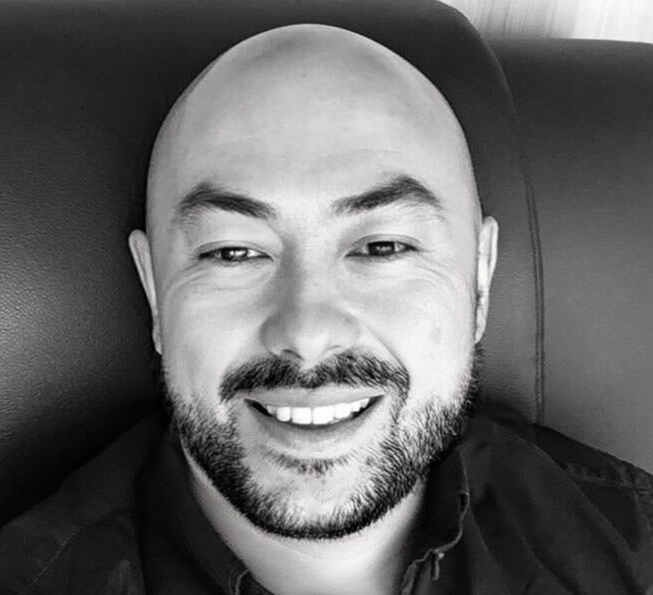

Welcome to the Quinntessential Questions Podcast. In this episode, we delve into the ever-evolving world of finance, covering the journey from banking to asset management and the growing significance of alternative investments. Gary Leung, Head of Alternatives, offers valuable insights into emerging trends, the role of technology, and the importance of collaboration.
We also discuss starting a career in alternatives, achieving work-life balance, fostering financial literacy, and preparing for the future of finance. Whether you’re a novice investor or an experienced professional, this episode provides practical advice and fresh perspectives to help you thrive in today’s financial landscape. Don’t miss it!
TIMESTAMPS
(00:00) Intro
(04:20) Starting Banking
(06:58) Moving to Asset Management
(08:00) What is Alternatives
(10:40) Difference between Asset Management & Private Banking
(13:16) Trends in Alternatives
(15:25) Challenges in Alternatives
(16:52) Misconception about Alternatives
(19:08) Impact of Technology
(21:10) Importance of Engagement
(23:00) Working Cross-Sector
(24:12) Starting in Alternatives
(25:38) Managing Work-Life Balance
(28:20) We are Not Alone
(30:00) Well-Balanced in All Aspect of Life
(34:08) Managing Diet
(35:22) Advice for New Investors
(36:45) Starting Investing Early & Financial Literacy
(38:15) Key Drivers
(39:33) Future Trends in Finance
(42:07) Rapid Fire Questions
Bio
Gary Leung is a seasoned professional with over 15 years of experience in alternative investments. Currently, he leads the retail alternatives business across Asia Pacific, focusing on developing and distributing alternative investment solutions for high-net-worth individuals. His expertise spans a wide range of asset classes, including hedge funds, private equity, private credit, and real assets, helping clients build diversified portfolios that meet their financial goals.
Before taking on his current role, Gary held senior positions at leading asset and wealth management firms, where he was responsible for alternative investments across Greater China and North Asia. He has extensive experience in portfolio management, managing relationships with clients, and designing investment strategies tailored to the unique needs of high-net-worth clients.
With a deep understanding of the Asia-Pacific market and the growing demand for alternative investment solutions, Gary is committed to helping clients navigate complex markets and build long-term, sustainable investment portfolios.
Transcript
[Applause] [Music] hi guys today I had the pleasure of sitting down with Gary Leon the head of Alternatives frasia Pacific it's an absolute pleasure we've got to learn about his journey from Investment Banking to private Equity private banking and our asset management we talk about Alternatives which happens to be one of the asset classes that I'm most interested in I hope you enjoy the chat as much as I did Cheers Gary it's so good to see you man likewise very good to see you Paul thanks for making the effort I really appreciate it before we get started you look fantastic right I want to come back to this I want to talk about your health Journey which I know we've both been on um but for my audience members and the few that don't know you perhaps you can give a quick introduction as to who you are absolutely so for me born in Hong um I've thought of quite a few things in life so I was an avid swimmer um swim quite you know Club level um almost International after that went to University in the UK spent about 11 years there engineer by training electronic engineering and then went to finance amazing what an amazing journey just out of curiosity were you a member of The Institute of electrical engineers yes you were did you go there uh few times not many times anymore so it's been a while I know where it is it's right next to the SEO Hotel yeah great place okay so I just wanted today as you know what we want to do is we want to talk beyond the numbers so if if I can I just want to go back a little bit growing up in Hong Kong how on Earth did you decide to move to the UK to study engineering and then what was your path into Finance so for me you know pretty average boy grew up in Hong Kong parents would like to send the kids you know in high school normally so I went there when I was 14 15 in the first year or so I didn't really quite know what I was doing M but after that really started to found my feet and thought okay you know life is short I'm going to have to achieve something so you know of course engineering is only part of that but for me you know that's when I want really you know started find my interest love Etc in a very different place making new friends and all that it's been fun you know and the other part is really growing out of the comfort zone because you know stay in one place I can very easy get by however in a new place it's a new language going saying Jan to good morning yes and then you know having a completely different lifestyle and then after that you know so how how old were you when you moved to the UK I I moved to the UK about 14 years old wow that's young right it must have been a bit scary it was a bit scary then but I know that when I was in the airport there were kids off like 10 years old or younger being accompanied so for me and knew that hey I'm not the El I'm not the youngest but but I'm not the eldest but it's considered a privilege right is is a privilege for sure and when did you start swimming cuz I used to swim and anyone that does I mean I didn't swim at your level but like I was swimming U three times before school three times after school a week and once at the weekend and it's it's full on it's not easy right where did you start not easy uh I started from about 6 years old that's one my parents like hey know just you know let get try out and CB likes it yeah turns out I'm okay so I started training about four to five times a week okay uh you know bit of you know kind of uh physical um my parents used to give me a lot so I do know a bit of everything so everything from swimming tennis golf and even you know to the most obscure ones actually you know that I know to yeah so and then so when you got there uh a levels did you know that engineering was the path you wanted to take yeah because for me right I mean this is uh definitely a fascinating bit um I always like Gadget when I was young so obviously you know that's electronic SP yeah so and the other part is I think for electronics um that's where we see right where technology has the highest potential at the time obviously still is hopefully um but um if you think about you know all of that you know I didn't regret you know taking a a a engineering course and actually want to find it yeah and tell us a little bit about that so you did your Masters you came out your first geig was in private Equity was it actually it wasn't it was in Investment Banking oh really yes okay I didn't realize that I should know that right but go on tell us about it it's all good um so for me my first role investment banking so doing m&as IPOs it was an interesting choice seconding in the UK a lot of my friends decided to stay in the UK for their first job because it's larger and it's you know more training Etc but what I did was I decided to go to Hong Kong to start my first gig so again you know it's about that you know growth that we are seeing because if you think about an apack still a bit of wild west at the time yeah although it's East but uh what we're seeing is that um there's more potential in terms of you know IPO opportunities m&as and in fact you know it's been it's been very interesting uh four or five years that I had there after that um similar skill set actually you know for me you know um private Equity actually really helps me to build my investment acument because it's very different from assembling a deal IPO m&a to being an actual investor you have to put up your dollar you know or at least invest this dollar into into a deal how you think about it how you think about risk management investing is easy but actually how do you manage it and how do you manage to exit and make money and the timing of that is very important so interesting and did you then fall in love with SS that was your the big Genesis to your journey with Alternatives yeah I think so um my next jop actually at that time it was more a private uh uh private banking firm um so you know they gave me a shot because for me I was pretty much just private Equity so um this particular shop they do everything from private Equity hun real estate and latest stage private uh uh private private credit and also some infrastructure as well but a lot of people if you cost your memory back back then very few private Banks had private Equity teams it was actually quite new it was quite a a new development right it was quite a new development yeah again is about you know trying and exploring yeah so when there um look no one had the perfect recipe we got in and uh it was a pretty new team or rebuilt so um it's got some history good history as well so we went there really just tried it for like you know the three to four years um really worked out so I think that we really build a strong business there um and right the investment Universe you know and also the feedback actually um from the clients been very good and then as your journey evolved right from private B what was after that after that I actually went to Asset Management and remember yeah I went to one of the largest one globally so in fact what's happening is that in the old school so we think about industry today uh while you know one side right you've got this proliferation of ETFs and it's getting larger and larger and on the other side in fact you're seeing SS is growing very strongly as well because what it really does give you is that while ETF right mostly will give you Alpha it is passively managed Alternatives really give you this I'll say a a non traditional Market Alpha uh that you're going to get and in fact through some of the Investments like you know real assets real estates private credit what you don't get from stock and bonds investing so for them right it makes sense to really grow this group so it's been fun for alts you know when you define what alternatives are for for those of us that are not experts even though I'm in love with Al as well just can you define a little bit what is Alternatives and what is it the beginning middle and end of it absolutely so Alternatives as the name is done right it is not traditional so by traditional we Define it as you know your equities bonds cash Structured Products right um but what you're seeing is in fact I think a lot of us you know including audiences right would actually be investing into Alternatives already because real estate is part of Alternatives yeah so what it really does give you is you know I'll say that um it gives you this real really you know Market uncorrelated Alpha so IE if you invest into real estate your rent I think has a very little to do with you know how the stock market move every day it's you know due to the contract that you sign with your clients right or with your your your tenants on the other hand if you're in private Equity private credit Etc they have some but very little correlation and then if you look into infrastructure investing which is part of Alternatives private infrastructures then it's about you know power of take right that that you sign with the grid that you know how much power they going to take from you guess what with all this you know the microphones cameras electricity and everything that we're using right now yeah we're still using electricity and it doesn't matter how the market moves today yeah so so all of these right it does really give you this really I'll say literally alternative returns what's interesting is I think what makes you very unique is you have this cross sector knowledge right from Investment Banking private equity priv banking Asset Management when you pull it all together you know do you feel that helps you become a better advisor better you know to understand the markets absolutely if you think about all of these right you know these three particular Industries they are all intercol inter interl so how's Interlink so if you think about you know back when I was a private Equity investor we did actually work with a lot of investment Banks as well yeah so in fact when I was an investment Bank we did work with a lot of private Equity Firm at the same time on you know deal advisory um buy side or sell side and then when we move to private banking and ASM management these two are also very much inter Interlink so when you're in private banking then you know how do you serve the high nworth individuals or family offices or multif family offices to achieve the most right and also achieve their investment goals really so in fact there are different tools to do this and that's what has a management comes in to provide with all the tools that is needed and sometimes you can go Innovative as well and some sometimes time you know simple as best as well so in fact a lot of these you know Industries right they work very closely together yeah as the head of alts in Asset Management Visa V Private Bank what is the difference between the two I'm curious so I think that the um well in some of the investment banking terms right you say you know you're a buy that buy side or sell side so if you're in private banking in somewhat you know um they would be curating the best Suite of products for their highet work of clients so let's say in my role my role in Alternatives or previous roles so what we did was we really need to look into the coins objectives what are look what are they trying to achieve you know are they trying to achieve a um you know a very steady income diversifier of returns or maybe just simply right you know just look at you know fulfilling a a broader more Diversified portfolio and then um they will go to the market go to different ass managers and maybe sometimes right the firm itself can create some programs and actually help them to achieve that on the other hand if you're an asset manager obviously right it's a broader client set because we also work with some of the you know the largest you know Sovereign endowments pension Etc but what we do is that we create those tools and uh using a market knowledge using our investment capabilities and all that and private world is part of the clientele that we s why why do you think altz and I've been big on alts for quite a few years as you know why do you think altz is probably the hottest asset class I would say that two things I think that number one is ready to be under allocated in the region today so you think about the us we're looking at you know endowment will be about 35% invested into Alternatives yeah and some of the pensions and all that could be you know many way up to you know 35 to 50 so Sovereign even more so but then if you think about in Asia uh or in APAC in general that percentage is much lower it's probably closer to maybe kind of the single double digit single being the pivate wealth space in aggregate so what we really seeing now is that there's this realization especially during covid years where Market was extremely volatile and rates I'll say right because in Asia I mean we've seen a lot of fixed income investments in general yeah you've seen what happens in certain markets in certain sectors and then you've also seen you know uh the stock market right being as Vol out as it is so investors in APAC now realizing hey we do need some sort of diversification in our portfolio now and where do you look at you obviously active management but the other part is actually alternative investment yeah interesting what are some of the the trends that you foresee in alternative Investments so I think one part I mentioned briefly it's the low allocation in the high worth individual space so today that number number is probably the mid single digit today really is that low is it it's that low so obviously right subject to all the regulation today it is really the reserve of the high worths so you know normally on average right just R from maybe about1 million us a un plus um so with that you know that is a very fertile ground today because they've been investing into traditional assets mostly and they accumulate you know if you think about APAC right it's about they have about 25 trillion of uh Assets in in aggregate for hanworth um clients in general so in fact you know if you just take that you know let's say mid single digit penetration to a just merely D that yeah it's it's a large number SP scalable yeah when you look ahead what do you think some of the biggest opportunities are in Alternatives I say that Alternatives there are a few things right I mean obviously it's a very diverse uh sets or an classes so I think that actually changes from time to time too so I wouldn't say let say you know there's a particular asset class that is particularly fertile but what's more important is is actually to be able to dynamically and also strategically allocate because look just like equities and bonds right there's no single stock that will provide you return day and day out and all the time so I think that this active management of Alternatives is something that I think the market will eventually move on because today it's still very much single product investing so hey come and buy make my real estate fund coming by my private Equity Fund coming by my real you know like or infrastructure fund or whatnot right but have anyone actually thought about that allocation in the handworth space do so what do you foresee is the how are the challenges for Alternatives different from other traditional asset classes that's right so if you think about it right you've got multi-asset K but it's in a lot of spaces today in traditional assets equities bonds how do you allocate your 60/40 Alternatives you know how do you allocate across private Equity private credit infrastructure uh Etc so that right I think is where we are really training towards and that's what institutional institutions are doing today so if you're an investor today right if you can just think about this because maybe they're less familiar with Alternatives how do you measure and put into place a risk profile for Alternatives so I think that you know I think that in terms of risk profile um look there are different you know we you need to look at correlation obviously uh with the traditional markets and then the other layer of right you need to look at a cross different set of Alternatives and then you'll decide okay what's my mix but then I think most importantly you need to look at your investment goals what are you trying to achieve are you looking at to achieve a you know with less liquidity a longer term growth or let's say hey I want income on a consistent basis then your mix will be different because if you think about private Equity it's non-d Distributing uh in ter of asset class yeah but if you look at private credit if you look at real estate infrastructure Etc all of these right they will have some you know kind of distribution uh characteristics yeah so how you mix and how you match them is is is uh you know it's down to that balance right it's down to that balance what what misconceptions about Alternatives can you debunk alternatives people think that is risky I think that it's risky in a way that because they don't understand at the end of the day it's actually not that hard if you think about private Equity today if I'm going out and invest in my friend's restaurant yeah it's private Equity yeah 100% 100% right yeah and we invest into real estate most of us too you know maybe we all wanted to get our first house right and here and you know further on you know let's say private credit it's actually you know if let's say if I borrow money from you if I lend money to you somewhat is private credit of course what they do right is more is a more institutional way yeah so you think about it you know how they do that is is adding that layer of institutional capability so I obviously they do in larger scale but the other part is how do they structure it right what's the Covenant and are there any other conditions you know uh that that that that we would we would impose on so all of these right are what professional asset management and Alternatives will provide so therefore I would say one hurdle I think that you know going for it right it's something that you know I think as industry who will slowly get around and also work with the regulators and hopefully we will get there do you think that the the the one of the preconceived ideas is that Alternatives is very much a long-term investment I would say that it's longer term than General it's not for the average day trader yeah for for sure what's the time frame though time frame if you think about it right generally we look at you know at least 5 years plus okay yeah because what it is right if you think about a shorter time frame what it is is think about trading Equity trading fixed income all of that you know we mentioned trading but you think about Alternatives in particular in the fund format the fund manager actually looks after that timing for you yeah so in fact as an investor we need to take a longer term and actually also evaluate the manager and trust that manager to deploy and take money out of the market for you interesting in terms of tech like how are you seeing technology disrupting your space right now definitely yes I mean there's a lot of the right AI obviously it's been talked about every day so think about um and the amount of information that's available today has just exploded so what we seeing is that it's a combination of these right when you're making an investment call especially in a very opaque market today and Alternatives this actually helps us to find you know hopefully right you know not perfect but you know more perfect information to work with when making a judgment call and that's why right when you see a lot of the you know recent acquisitions in the market that we have seen um so it's you know data driven technology driven and the other part I will say that is uh probably the distributed uh Ledger technology um so you know blockchain in general so what we're seeing is that today we're seeing a lot of um you know fun formats right you know it's actually not just alternative you're talking about mutual funds or whatnot it's unitized but what a blockchain does for you it does the same thing it helps you to break down and investment into smaller blocks but in fact what they do have is a lot of automation smart contracts Etc to really help you deal with deal with the operation of things as well are you finding that AI is literally now a daily part of your teams and your personal you know construct of how you're doing things yeah CU cuz it's just happened so seamlessly people are using it without even thinking you know but you you rolled back a year ago it was you know unheard of yes so the thing about AI right it's going to be integrating to to the part of our lives and um at the end of the day right it's uh it's our system so sometimes you know would go and Shout across the room and say Hey you know like do you know this do you know that but now we just you know speak to our Ai and what it is is that it also makes our life a lot easier uh because a lot of the more mundane work it can be processed Yeah by AI as well so it actually makes our life more efficient and do high Val work well talking about Shadow across the room one of the things that I think makes you so successful is your engagement with people walking the floor speaking with everyone um you know if you were to talk to to Young bankers that are looking to pursue a career similar to yours can you just speak to how important it is to have that engagement to walk the floor the engagement is absolutely critical you think about it right what we do no matter what industry that you are is a relationship business yeah so you know how much you know how well you know people and of course right there will be information and also knowledge Exchange in the meantime as well and in fact you know at the end of the day you know whether we close a deal we we don't close a deal and we need to reflect all of that right you know we do it as a team it's SM at work yeah because like we're on the same boat I find what's interesting you know when I made a lot of investment practitioners who love the markets they're hesitant to go and speak to people but I always explain to them that look you know it's like this if you've recorded the world's greatest love song If it's not played on the radio it's not played on you know iTunes you're not going to make any money cuz no one's going to hear it so you've got to be able to communicate with your guys right be it the the bankers the advisors the clients you got to get out out there um talk about formulating a winning strategy for the Alternatives desk I'll would say that um being flexible and also being dynamic in allocation because at the end of the day look we're looking at 3 to 5 years of return right um so the key is really to devise in the next 3 to five years where do you want to be what what goal are you trying to achieve and how does from that he work back was with that you know when you guys cuz you can in theory cover anything and everything do you do it my sector you know how where do you start on the page so for me I mean at least my my experience has been quite mixed so been in all the sectors obviously so have fortunately some some some great views on that but obviously you know there are Specialists as well which really just let's say for example just focusing the infrastructure so you know for us right we work very closely with them and we also work very closely with our investors as well and try to you know make sure that the two are align but of course for us in allocation that broad over allocation space um that's what we work a lot with the with the with the clients you know what they're trying to achieve there you know the thing is when you look at most people in private bank for example in Alternatives or manage Investments um they came from the fund side right you're someone that's been in alternatives for a long time and it's like the equivalent of an investment Council or investment advisor in the old days that concept was didn't exist so what happens when the investment advisory team was set up typically it was was you know someone who was a specialist in fixed income or equities and then they moved into a multi-asset class role um but for guys that are coming through college now University and they're thinking what is the best way to get to alts do you think they should go straight into Alternatives and specialize or do a stint in different Pockets at the bank first I would I just suggest to take a broader view first because what did they right you know I mean maybe just take a page for myself I've been Alternatives broadly for about 15 years now uh from in Investments to selection and all the way to Asset Management creating those tools yeah so what I really see is um I think you need to have a a more you know broader view almost a macro view of what the industry is like and how are they Interlink and how do they work with each other and with those knowledge actually that's where you can bring additional value to the table when you're in Alternatives yeah because at the end of the day you know when we see Alternatives everyone thinks that it's the newest shiniest toy in fact it's here for a longest time yes in fact there are also bits that haven't changed for longest years yeah and for example only very recently right in the last five to eight years we really start to see innovation in product structures and you know otherwise right there will be a 10year fund with five years Capital draw you know like draw Capital code draw down and all that as well so but if you think about this right the the the the the um structure side and also the technology side they contribute a lot more um in this space going forward so we do need these fresh uh ideas and all that from different Industries brilliant now one of the things I wanted to talk to you about is world life balance right we've got a lot in common one of the things we have in common is that we both have three kids and you know it's very difficult you know to be a high level professional very involved dad husband and then you know trying to work out tell me a little bit about your journey so for me um obviously in a high stress work environment I've got three kids myself myself um and uh how how old are they now for the audience 13 uh seven and one and a half yeah so well spr out very well spread out I was like doing it all over again have you closed shot though I think I think you think you think or you know you got to I don't know I have to consult my wife but what it is that look big kudos to her it's definitely not easy so will we do that together we're a same team and we work very well together so what this is right you know being being three fathers having having good family and also supportive family is very important so I'm I'm very fortunate to have a great wife and three really amazing kids so we have fun together of course time right I think this is one key part that I find is a limiting factor but it's also something that is fair for everybody yeah look whether you are one of the richest guy in the world or you are just any an average person just like myself you know um we all have 24 hours yeah then how do you maximize that 24 hours and the time that you have in this world it's about how you wisely spend them and Achieve them yeah it's so interesting you say that on the play no I was I was uh reading two different books I often read two different books um that are very different you know so if I've got a like 4 Hour 5 Hour plane ride I'll read one book for a couple of hours the other book for a couple of hours and one of the exercises was how long do you think you'll live for and then right down that year that you would die if you UND it if you 80 or 70 and then how many years have you got left and then I took the exercise a step further and I I wrote down how old I will be when each of my kids turned 18 and 21 and when I look at my own parents right they died by the time they were 70 right so obviously I'm hoping that I can live longer than that but the scary thing for me that's only 23 years away when I actually wrote it down I don't I know it's very obvious exercise but I've done it before when I wrote it down it scared me do you know what I mean when you if you got home we actually do it it's like wow what are we going to do next um one of the things that we were talking about off camera if you don't mind touching about we all know people that have struggled I myself have always struggled with depression and I feel that you know there's a certain amount of pressure that comes from work where if you don't know how to relieve that attension you can implode right talk a little bit about that absolutely look we're not alone and um there are many of us out there you know that are in high stress jobs and we to think about not just the numbers right but it's is about you know things that happening at work interpersonal home as well um so a lot of these and even financials right literally personal finance so all of these right you know I think that we need to um be not ashamed to go out for help because at the end of the day there are a lot of us having the same issues or suffering the same we talk about it but obviously some of them have actually gone through these faces as well and we know for us right we're got to help each other out and the other part is I think that try to also take a balanced approach to life life is not all about work yeah life is not you know about just one thing it's not you know onedimensional you know uh if you think about health right obviously that's something that we also talk about off camera yeah you know that's one part right that really can help us because at the end of the day what's happening in our brain chemicals physical and all that you know that also help with how we feel about things too so talk about that cuz you and I both did the same thing as you know as I approach 40 and as you approach 40 uh we did some tests and when I did those tests it was quite scary you know one of two things were Rock including my cholesterol slight high blood pressure and then I realized you know cuz what happens is you get too busy entertaining clients taking your team out and then before you know you realize oh man I didn't work out and in a certain amount of time goes by now you've compl you've always been in great shape the first thing when I saw you today I said wow what's been happening tell us about this Odyssey share with us your journey because I think it's great for lot of people to really take stock and learn from you thank you so yes exactly what you mentioned so we're not alone so when I was about 40 which I just turned um yes started to something started to go wrong with my body so think about cholesterol think about blood sugar Etc right so I was thinking about having that same thought right how long am I going to live I've got three kids the youngest at the time was about one year old yeah I want to be around for them yeah and that's my end game right I want to be there that's a core I'm trying to Che I don't want to be assisted when I'm 70 80 years old yeah by the way you know I've seen a 7-year-old doing a in the Island right amazing maybe that's where I want to be yes so if you think about that then I'll need to start really get my health in shape so obviously you know um body shap is one byproduct but I think more importantly it's about you know the well-being life that we're living in yeah it's not just about how we eat how many times you exercise or what menu right that you're having but it's about having that discipline right of okay just making sure that yourself is in check everything in moderation and in right well balanced in all aspects of life look you're going to give it work hard you can play hard too yeah you know you can also work out hard and also have time with families and friends yes you know you we can have all of these and um but you know obviously right um time again is a limiting factor then we're going to be disciplined about what we choose at what time and and what to do at what time see your time management is brilliant the only challenge that you and I both face I think is we don't get enough sleep so you so go through your routine so most mornings during the week because this is something that a lot of people will will not understand how on Earth do you do with three kids in particular right so you get up you run most mornings I run most mornings uh I do uh do resistant training as well I wake up very early in the morning to when you wake up 5 so um I try to get ahead of my kids and have bit of myself time to work out and then um after that you obviously the whole you know Spiel of getting kids to school and everything getting them ready and then afterward afterwards right you know I I've got to work but of course right in the meantime during the day and throughout the day I try to fit in some resistant training as well because what happened is at the end of the day what we realize is that as we get older we lose muscle yeah so I'm very going to be very technical here no no go go technical cuz people people will appreciate it but if we if we St to lose muscle right you know that's when when the you know the 70-year-old Assisted Living starts to kick in yeah so while we here now we've got about you know let's say roughly for us about 30 years to get there you know we can actually start building or in fact start from a higher base yeah then we'll be able to hopefully right by that time you know live a you know having a better quality of life we see the other the other thing I found is is you know so my wife never used to exercise and now she exercises all the time I didn't tell you she had two major operations recently um and you know I found that she slipped into she's getting a little bit sad because she couldn't exercise right and now that she's just about mobile again it was like six or seven weeks since the last operation she can get up and start walking gradually again right and um the other thing that I always say to people is your children will see you right so if I look up my son now he's 17 right and what makes me so happy is like he'll he'll WhatsApp me said dad I'm going for a run right and I'll be back later the thing is whenever I ask him to go for a run he never wants to go with me but I think I think I realized why because I slow him down right so so but then it's then it's their their Journey right and then you get them because I don't know about you but I lost about 10 years of my life um not exercising when I was first at a my own company I was building my career you know for me that wasn't important I just want to build the business get it up and running and I look back and I realized I got it wrong because exercising gives you more energy right it keeps your mind in check and it keeps you balanced in all areas right talk about your diet because this is something that I struggle with so I um typically will bring lunch to work right but you know what do you do well I do that too but um but I think the key is you know I think just making sure that you keep your you know track your Macros um I think sometimes right calorie counting is also stress uh on his own but um if we make sure that we eat everything in moderation yeah uh you know look go and enjoy the alcohol right go and enjoy the beer go enjoy the wine is fine but you know like you don't you don't go you know all night about it right so so I think that is fine um and the other part is you know I think what you mentioned about the inspiration yes you know that's you know exactly what I want to do because how you inspirate you know Inspire your kids Inspire your family and even right broader than that and that's what we you know what we trying to achieve here as well yeah there's there's a saying that I love that I often use is how I do anything is how I do everything right and U it's it's a big thing I'm telling you with the exercise with the kids because like sometimes I'll say to my daughter do you want to do some exercise she goes I already did it Daddy right I already did it and I I set up little um workouts I'm making a little bit fun she's nine right so is a bit different okay um talk about advice for new investors right so you know you've always talk to me about your love for the markets but let's just say someone's coming in want to invest where do they begin how do they take stock of what their goals are I think I'll take a core and satellite approach so think about core right that's where you can um invest and stti with for a long time so it can be public it can be private whichever take your pick but um a balanced approach is what we will um um think about but then when you look into the satellite right that's when you start to look at a more exotic area or maybe areas that you put want to put more chips in so um that's how we would approach it in a framework but obviously I can't comment specifically what that's at classes because everyone's objective is different it is very different um what percentage of your personal book is is in Alternatives I'm just curious look I'm saving up for my kids education but but uh all of that right for me you know I think i' I've put in a fair part as well um just want to make sure that you know at the end of the day right you know just to grow yeah comp the effect of compounding start early I would say but of course I mean don't don't put everything all like in one basket yeah but make sure they start early have a balanced approach um and you know the longterm time will take care of that for you when did you but when did you first start getting like you know when did you open your first account and when did you start investing I'm just curious that's one thing I regret started too late I started same for me same for me I started in my early 20s maybe I miss at least a couple of years about that or maybe longer actually yeah um but if you think about if you think about the investment side right you know for me um that's where I you know I think my what I've learned um and also actively um learned uh and try to make for that last years what will you do with the kids will you you know when they're reaching adulthood when would you sit down and say look guys this is what you need to be thinking that's uh that's the conversation I'm having with my elders right now really she's into cheerleading right I no that's a second one yeah how old is the oldest one now uh eldest is 13 really yeah but do you think about this if Financial lit literacy is not taught in schools where they sit down and it's it's czy so think about this right no one is teaching children at the school anything about investing what it takes to be successful outside of life like insurance is nothing not is right not at all I mean this is something that I think you know an education system right just personal opinion but um you know generally money is not really talked about yeah it's the effect of life don't get me wrong you know some people may put it in in a wrong frame right but I think they you know how you manage money how you invest your money all of that is actually an essential skill that is needed so as you mentioned financial literacy I think it's a big topic that is missing it is so let's talk a little bit about your career what drives you personally you know like in terms of your motivation CU one of the things you that I find as a career coach I speak to a lot of guys and women in their 40s and ask them you know what have you been INR for what's next and often the answer is I don't know right but I know you you've always been very focused so what drives you what drives me curiosity I love it so I I like to break through my comfort zones so as you can see right I've done many things try different things and any day is part of that that's driving driving me the Curiosity but also right to come with that and also to successful in that is about you know being able to adapt and having that open mind at the end of the day when you're in a new place doing new things it's going to be very different and you know you're going to have to you know be comfortable with the uncertainty uncomfortable with the uncom yeah it's it's interesting you want to and I know you well enough to know that you like to test your boundaries and you know see how far you can take things still L today it is Gary let's play a quick game right Bo more in terms of you know the future in our business what's your thoughts on cryptocurrency crypto is great but then I think the technology even greater so if you think about distribution uh distributed Ledger technology DLT that's probably going to revolutionalize the industry of asset management think about the the the they'll say that the automation of you know U unitization right A lot of these is um you know I think you know the foundations of the cryptocurrencies um that's where we're going to revolutionize the traditional Finance interesting sustainable investment yes resounding yes because uh you know we've got three kids as well uh so what we really seeing is that you know we want to leave the world a better place yeah um so environment is a big part so but what I'm thinking is that is the private side private side is going to drive sustainability or impact investing right yeah General uh a lot more directly because it's not a screen reading process but in fact it's really you know you sitting on a board you own these companies outright and you're really driving changes interesting we talked about it before but ai ai for sure yes you think about today right AI it's a fantastic tool I mean it's not perfect today right because we think about the amount of information available uh that is training this AI but of course you think about the long term if you got the right data input what you're really seeing is that it's going to be a great tool to assist Our Lives think about from today summation drafting documents Etc it's going to help us to automate a lot of things then we can move to doing things that we enjoy you know doing higher value stuff building relationship like we are I love it I love it it's interesting cuz when I think a little bit about if you're the CEO of an organization you've got to be thinking ahead of the curve thinking how can we Embrace this technology and and put it into our business right I think the the biggest challenge in technology is what's new today is old tomorrow it moves that quickly right EX crazy um passive versus uh active investing I think both who have um I would think both actually so if we think about passive right obviously you know this is you know very big right now and really make sure that you know as a market uh you know moves I mean you'll be able to capture these beta but actually what active you know as where your potentially right your satellite that we just discussed uh will come in because uh you know where you have high conviction where you can generate additional Alpha that's going to come from active public oriv I think I think both of them I mean more active more more the alternative side Gary I've got some quick rapid fire questions that I want to ask you right I know you will but I want to get your take on this if you could recommend to people in our business uh to help them on their investment Journey a book or a podcast what would you recommend the intelligent investor by be and graah okay that's probably that book that's a good one there a good one it's a bit old but uh you know you can apply to listen gold is old and old is gold um what would you say to your younger self to to give them better advice invest early go go would you say straight away out the blocks I was a little bit of money and yeah I mean start small at least you know I think I think you take time to learn at the end of the day right if you start early you get good early where's your dream vacation spot dream vacation spot wherever I'm going to take my family okay I like the answer okay you got to choose a place I'm curious like for for me my wife mald straight away she wouldn't I wouldn't even get to think about it but for us it's going to be similar like where there's got Sun beaches that we can just be you know in the water all day now cuz you are a healthy guy you know what's your go-to stack my go-to stack it's going to be boring it's chicken breast today yeah with broccoli and R oh my God that's my dinner there sometimes this be honest don't you just want to go for Mackie D yes yes yes after this project and you know I will when does this project finish this project hopefully in a couple of weeks oh really so but you got to what's your goal what's your end goal my goal certain physique certain quality of life and of course you know hopefully look good yeah listen you showed me a couple of pictures earlier that you're in fantastic shape um morning routine in one word start early start being active sorry I was being greedy that's okay that's it start early start early yeah be active yeah it's not easy but I think once you see once you got a workout in early you you never regret it and it sets your day out right and when you're done you feel guilty you're thinking about for the rest of the day do you have any hidden tal that we don't know about wow so this one many years back I actually used to model really commercials uh photo shoots I even did some voiceovers before really so I could have gone to entertainment wow how was the modeling it was good enjoy it until I started to to to get old but listen there there there's a place very well nowadays right some people are starting I was saying to my kids you know I still want to become an act when I'm older and they they said don't leave it too long I said I saw a guy in a TV show he made his debut in his 70s my goodness so it's never too late you inspir me what's your favorite family actor what is we'll recut this what is your favorite I think bre take a breath yeah what is your favorite family activity to do together we like to go on vacation together that's what we look forward to every year yeah do you book it like six months in advance and some the year yeah and you look forward to it ahead of time yes what do you got up and coming up and coming going to pouquet nice this year and it's good value it's got a bit more expensive we did Christmas there last year back in the Christmas beautiful um what's the last movie that you watched last movie well inside out too it is is disguise really watch with the kids so really enjoyed it so as a sportsman what would you say was your best sport versus your favorite sport maybe they're different or the same yeah I mean my best is definitely swimming I've been doing that since a long time and uh what is my favorite sports now for me um a bit of everything you know I think uh I do that also for functionality as well you know like I go to weight training um go to cardio but of course with the cardio right I try to make a bit of football basketball some tennis and just general run do do you have a personal trainer or you do on your own I do yeah you have a trainer I do because uh you know it helps I need I need to get help and uh for me how to get started and actually I have a lot of knowledge that I didn't have about 10 months ago yeah so so that that's you know where I've learned and where I've grown if listen some of the guys I follow that are world champions for example in powerlifting they have coaches that would assist them you know with their routines their training technique because it's very difficult to to be objective about yourself indeed do you know what I mean so it helps right um now we can't talk about anything too sensitive but are there any future projects that you're working on that you can call to tell us a little bit about so that project hopefully is going to finish in two weeks okay but uh that I've been working on you know really just my health uh personal health and y you know just set my course straight uh for the next hopefully 30 plus years so that um that is the next project but um I think on the work side on the work side look I think lot of things happening um it can be maybe iide a podcast like you but uh but at the end of the day I think it's something that you know I think it's about the keyw is give back yeah so you know how as you mentioned right you know I mean having me in the industry for for for a while now so how help the young and inspiring um you know investors or Finance uh professionals right and in fact you know it's not just one dimensional it's not about getting into work but it's about you know while you're in it how do you overcome a lot of these obstacles challenges because we all have it right you know be it at work or derived you know into family or maybe to health as well you know how do we help each other I think that's the key you know you know Gary one of the things I've always admired about you you've always understand the human connection you know whenever you come to Singapore or I come here we'll make TI for each other we'll meet for a coffee maybe a whiskey and we'll sit down we'll have a chitchat um I find that that is something that is missing these days I think sometimes people are very transactional um and and I think that you know friendships they take time you know they take they take a bit of commitment so I really you know commend you for that any any final words to wrap up for for our listeners I'll say you know thank you uh for inv me it's been a great pleasure but um and also you know the other part is right I think you know I think I RR a few times but it's about you know don't be afraid you know like like to ask for help you know for us in the finance community and even right for a father Community here right say right you know we we all we all uh you know are going through things that are fair similar you know be it in family work Health Etc you know I mean as you mentioned you know build a human connection you know help each other out and um sure that you know great things will come out of it there it's been a pleasure thank you so much for taking the time thank you cheers okay [Music]
Our Other Episodes
Lorem ipsum dolor sit amet consectetur. Sed morbi adipiscing ultrices in vel placerat.
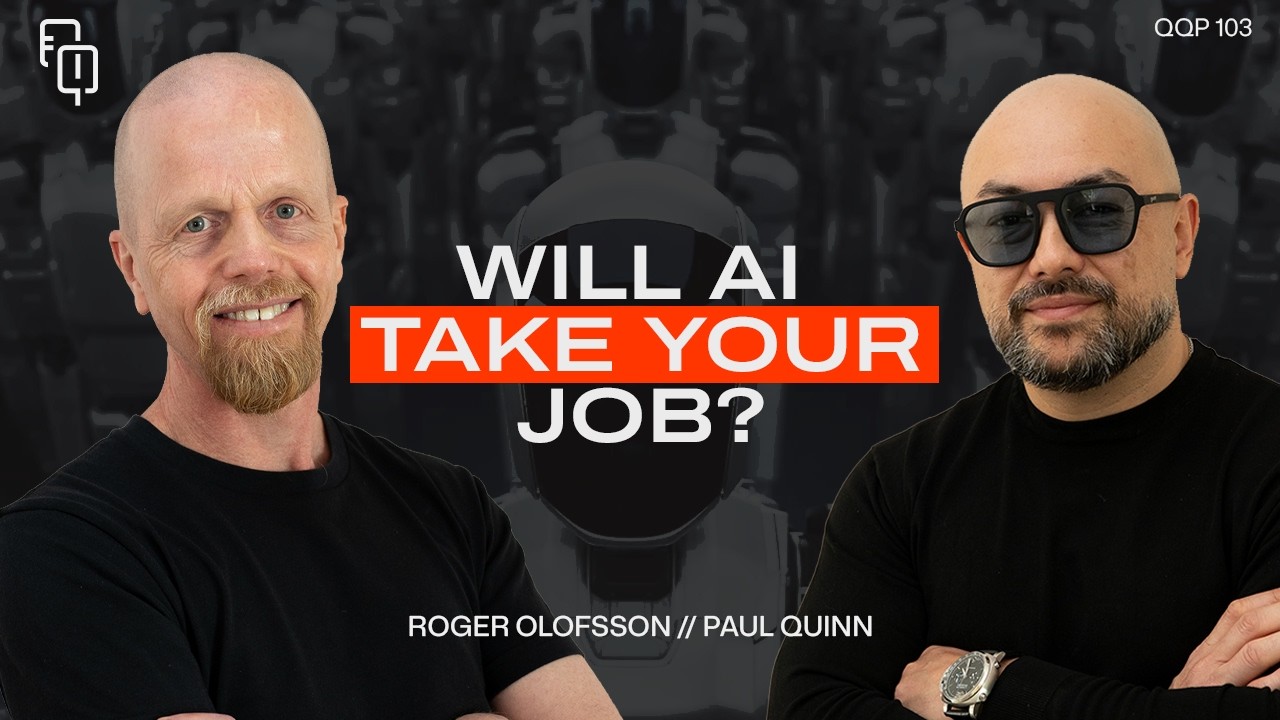
Building an AI Company Inside a Search Firm with Roger Olofsson #103
In this episode of The Quinntessential Questions Podcast, Paul Quinn sits down with Roger Olofsson, CEO and co-founder of Olofsson & Company, the executive search firm hiring for startups, AI, tech and fast-growth companies. From a childhood in Luleå, near the Arctic Circle, to landing in Singapore in 1996 as an exchange student with a backpack and a suitcase, Roger shares his transformation journey through almost three decades of recruitment in Asia, and the moment he finally backed himself to build his own firm.
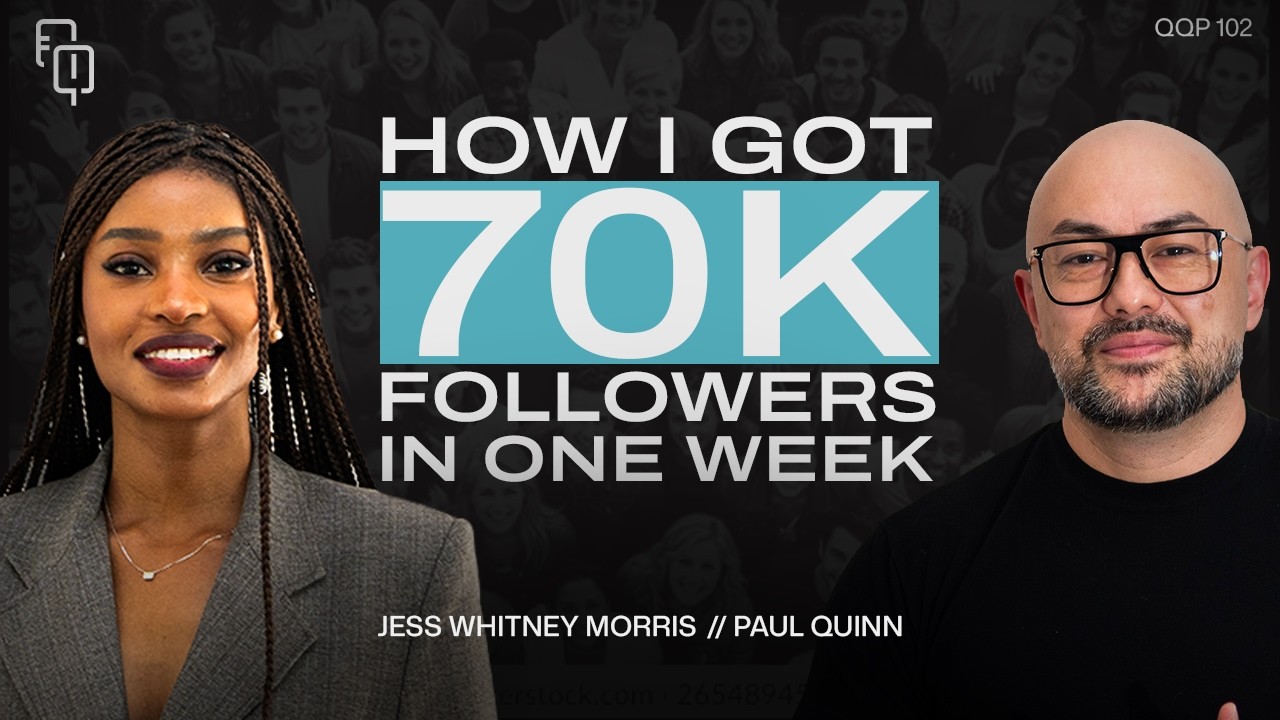
One Video, 70K Followers: Jess Whitney Morris's Breakthrough | #102
In this episode of The Quinntessential Questions Podcast, Paul Quinn sits down with Jess Whitney Morris, model, social media management company founder, and media presenter. From growing up in poverty in Uganda and working-class England to working her way through Abercrombie, Hollister, and a self-funded university degree, Jess shares her transformation journey and the moment her father tore up her first modelling contract in half.
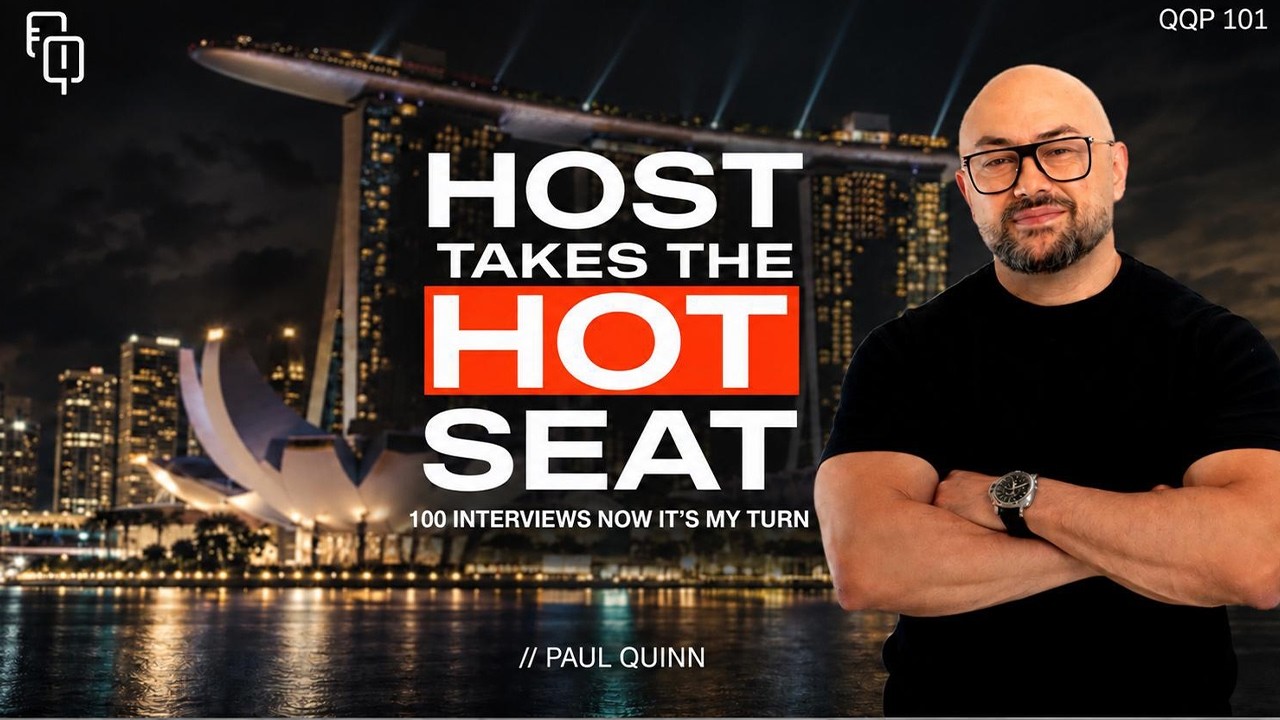
I Interviewed 100 Extraordinary People. Here’s What I Learned | Paul Quinn
In this episode of The Quinntessential Questions Podcast, the host takes the hot seat. After 100 episodes in the interviewer's chair, Paul Quinn, who runs Westport Executive Search and founded Quinntessential Coaching, answers questions sent in by guests, friends, family and listeners. From hitting a career plateau to building a podcast that now welcomes Olympians, world champions and global CEOs, Paul shares his transformation journey and the moment he decided to put a spotlight on helping people.