
#18 with Eric Morin. Private Banking Power Plays Decoding Winning Formulas

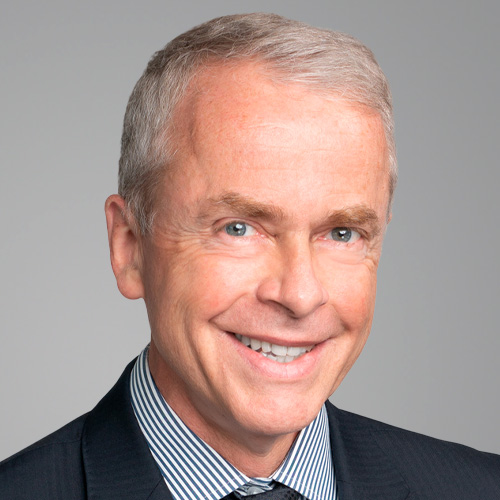
This episode, we sit down with Eric Morin, the Regional Head South-East Asia & Chief Executive Singapore at Union Bancaire Privée (UBP) South East Asia, to explore the world of private banking and wealth management. Eric shares his deep insights into what it takes to thrive in this high-stakes industry, discussing the strategic power plays, emerging trends, and winning formulas that guide successful private banking operations in the region.
From navigating complex global markets to delivering personalised wealth solutions for ultra-high-net-worth clients, Eric pulls back the curtain on the strategies that distinguish UBP as a leader in the space. Whether you’re an aspiring wealth manager, a seasoned investor, or just curious about the inner workings of private banking, this episode offers valuable perspectives from one of the industry's top minds.
Tune in to Quinntessential Questions #18 for an engaging discussion on private banking's evolving landscape, the critical decisions that shape financial success, and the vision behind UBP's approach to wealth management in South East Asia.
Don't miss out – this is your front-row seat to understanding the winning formulas of private banking at the highest level!
TIMESTAMPS
(00:00) Intro
(03:10) Transiting to Banking
(04:35) Insights from a CEO
(07:40) Challenges & Achievements
(09:32) Banker's Bank
(13:40) Servant Leadership
(17:40) Culture of the Business
(20:59) Walking the Floor
(22:41) Trends in Private Banking
(25:05) Early Days in Banking
(29:03) Importance of Business Development
(30:50) Sales Techniques in Private Banking
(32:34) Building Long-Term Relationships
(33:40) Qualities of Top Bankers
(36:06) Taking Responsibility
(37:20) Managing Cultural Nuances
(39:00) Differentiation between Boutique and Big Banks
(41:12) Quantum Leap in Sales Force
(43:40) Work-Life Balance
(45:14) Sports, Tennis & Business
(54:02) Dinner with Business and Tennis
(55:40) How to Start in Private Banking & Career Planning
(59:45) Cars
Bio
Eric joined UBP in 2015 and today is Region Head South-East Asia and Chief Executive of the Bank’s Singapore branch. Based in Singapore, Eric is responsible for driving the strategic growth agenda for UBP’s South-East Asian business covering Singapore, Indonesia, Malaysia and Thailand. Previously, he was responsible for growing the Bank’s North Asia business sales force, covering Hong Kong, Taiwan, Mainland China, and the Philippines.
His over 30 years of banking experience spans retail banking, corporate investment banking, and since 2000, wealth management, across different locations including France, the Middle East and Asia. Before joining UBP, he was CEO of the Singapore branch of Bank J. Safra Sarasin, in charge of the bank’s South-East Asia business. He has also held senior management positions with BNP Paribas in the Middle East, Switzerland and Asia, with a focus on wealth management.
Eric holds a master’s degree in Management from the Toulouse Business School.
Transcript
hi guys today I had the pleasure of sitting down with Eric Marin who is the head of Southeast Asia for ubp Union Bank priv it's a real pleasure I've known Eric for close to 20 years we work very closely together he shares his journey growing up in France working in India Hong Kong and Singapore I hope you enjoy the conversation as much as I did Cheers good morning Eric morning Paul how are you I'm fine thank you it's good to see you brother pleasure to be here Paul nice to see you back at home this beautiful beautiful room well you've been here many times haven't you now what what is interesting is we were just saying how long we've known each other is it's scary but it's coming after two decades yes I think we know each other we've been knowing each other for now almost 20 years when back to my first days in Singapore yeah I remember very well it's gone by very quickly indeed yes so so for our audience members in the few that don't know you can you please just introduce yourself yes I I would say I'm uh I would Define myself as an international french guy because uh I spent most of my life in different countries all around the world although I was brought up in France I studied in France and I started to work in France and my my French accent cannot cannot be these guys so I think people can know where I come from uh I've been working throughout my carer in various countries everywhere so I'm very International I think that's probably the word which defines me the the best I would say agreed agreed now a lot of people don't know I think what is key to some of your history is a couple of things you did a masters and then your first job was in it sales yes what was your journey like how did you go from that and into what you're doing now well you know I graduated from the business school I was very young I was 21 years old and I didn't know really what to do so uh I definitely wanted to go to sales because my parents thought it was maybe the best way to uh to start a career you know and I had some years to to spend I had to choose very challenging jobs because uh I was employed as a Salesman on a commission basis only commission only commission only so um I was selling computers uh unfortunately not maybe the right computers because it was not the big systems but more the small midsize it was in the 80s uh so I had my car I was in the countryside in France with my catalog of products and prospecting people to sell my computers uh five days a week so that has been a very good school to learn you know how to convince a client and in terms of sales it was a very good school so I did did that for three years yeah after which I I was pushed a little bit to take a more serious job so I went and joined the bank uh in a long time ago and I started a banker Banker's career at that time but this first experience was very very good very good for me and very uh very fruitful yeah you know when uh I think you know I've talked about this but most Bankers today if you said to them we'll pay you you know double the percentage that you're earning but you're on commission only yeah they would run but but I think the the true measure of someone's confidence would be this exactly and I also make a parallel between prospecting uh in private banking particularly in wealth management which is the business I'm in today prospecting is like a is like a rude world world you know in our business but it's very important and um to have experience prospecting uh in my early career makes me uh you know maybe more able to explain how important it is to to do that for developing the business in wealth management so 100% so this has been a hard hard time for for me at that time but you know today I try to pass this message to my team that prospecting is also important for private banking selective Pro prospecting of course for sure I think there there's a saying that I think you and I understand when talking to other salese is it one fisherman sees another fisherman and you see quite quickly who are the real ones right yes um so it's interesting now one of the times that you've been very successful in your careers when you were the CEO in Hong Kong what were some of the lessons that you learned during your your tenure there oh first of all thank you for the comment I don't know if I was successful but my my team has been uh very successful in a very um challenging environment because I joined in Hong Kong ubp Hong Kong in 2016 and after three years of relatively normal time we had the protest in 2019 followed by two years of covid in 21 2020 2021 yeah so it was definitely a hard time so I think the key the key thing in this context has been to to stay together to stay in proximity to the team and I I I must say I was quite stunned by the resilience and the the strength of the Hong Kong people the Hong Kong colleagues to face the the difficulties and to be able to continue working and running the bank during that time now what we have been trying to do is very simple we uh we try to develop the business uh we try to hire teams the right teams for the bank and the the right fit with the ubp DNA uh and those teams have been supported as much as possible to deliver the business and we've been probably a bit lucky because they delivered the business most of them and um we were able to increase significantly both AUM and and revenues in seven years uh but again you know I prefer to remember the the collective success of course it's not my my My Success all it's of course well you've always subscribed to you know uh a successful team a winning mentality I know abolutely 100% right because a rising Tide Rises all chips exactly I'm I'm a big believer in that you know if you look at Singapore and Southeast Asia there have been a lot of changes and a lot of challenges you know the tax amnesty in Indonesia 1 yes you know how have you navigated that changing landscape first I mean it's a comeback to Singapore for me as you know because I was there in 2006 left in 2016 and come back in 2023 so I'm I'm familiar with the markets in Southeast Asia as well um I think it's um I found a Singapore which gained a lot in attractivity and which is now more a very preminent Business Center and booking Center in wealth management so there is a natural attraction of business to Singapore particularly for greater China clients but also of course for for the proximity markets so we have this business coming naturally to Singapore but it remains extremely competitive and for that of course we have to fight with a lot of banks and a lot of competitors uh and we play our our game at ubp which is a different value proposition because it's all about differentiation in wealth management we have to be different and better than competitors every day yeah which is not easy it's not easy right it's a constant battle in in terms of the achievements that you're most proud of during your time at ubp what are the ones that stand out well again looking back I think um there has been um couple of challenges we had to face without going into too much boring technical topics but uh when I came to Hong Kong in 2016 and if some of my colleagues watch this they will remember um we had um we had some adjustment to make on some suitability uh you know requirements which we had to do at the very beginning uh in terms of the platform and the the way we were selling the products to clients at the very beginning and uh in a short period of time thanks to a very strong Collective effort we have been able to adjust the platform to the right level and to be absolutely okay I mean in terms of what needed to be done so that was a very strong uh for taking seven days a week for few months flat out towards the Target and towards an objective and the team delivered and we uh we can I think be very proud of that because it ensured the continuity of the business and otherwise I wouldn't also maybe um want to mention some successful teams Integrations that we had um both in Singapore and Hong Kong uh to beef up the business and it's always satisfactory to to see new people and new blood coming to the organization Al that's what I would uh what I would say but yeah well you know you've been part of and seen different Journeys I.E Bank Acquisitions yeah um but I feel what ubp is it's a banker Bank yes right can you speak to that because some people may not know what that means well it's simple I mean but what we try to do I mean very humbly again that's in the DNA of the bank what we want to do and try to do is to provide all the bankers with with we we work with with a very business-minded and very efficient ecosystem so um when a banker comes to ubp uh we we put the bank at the disposal of the banker to make him successful so what matters is to really make the banker Successful by all means that's number one number two we ensure as well that um uh you know the support functions and all the the the the functions around the the business are client driven and are really having a positive mind towards the client I think the the main value and what I learned actually personally and now that's a more personal comment is throughout my career and with my first banking experience in uh in selling computers is to respect the client it's extremely important client is not a number it's a human being with needs with a particular project uh particular objectives individual objectives and we have to respect each and every client and when a client wants something we have to deliver and deliver immediately so this is extremely important and the ecosystem at ubp is mapped and is made to meet this objective of satisfying the client again this is what we try to do yeah now if you ask our clients maybe they will I hope I hope confirm what I just said I think one of the interesting thing is when I've spoken to Bankers that come from large organizations there's a lot of myths about you know Boutique Banks Pure Play Banks what they can and can't do so for example lending right for ubp you know and and co-investment and private Equity can you talk a little bit about that yes but we we we do have a balance sheet we land money to to clients we have several types of lending in the bank but of course lending at ubp I would say is not a key key service it's an to a compan the the the investment relationship that we have with our clients we provide credit facilities of course on portfolios on on properties or insurance premium field as well so we have a very comprehensive lending policy which is which accompanies the investment activities of of the clients and of the bankers so again we adjust to every client uh in that in that side but um we can do it and that's a plus so in that sense that's a very good question question Paul because in that sense that makes ubp in Asia an Asian bank and not only a Swiss bank in Asia yes so that's a very subtile difference maybe between the two but we have all the attributes of an Asian bank and this is very important because we are servicing uh more and more Asian clients and that we have to be fit for that I think that's a big difference so lending is part of that without lending in in Asia for Wealth Management uh it's becoming complicated to succeed and you guys do co-invest on some deals as well right yes we have on on on a different Party part of the product range we have private Market uh group uh we have developed a private Market Group which is composed of 50 people globally globally big team mostly based in Switzerland but with a couple of people in Asia offering direct investment opportunities in private markets it's a very important because we we we we have the capacity to originate the transactions but also to make a due diligence on the transactions before presenting them to clients so that offers clients the security of the ubp um due diligence and also the exclusivity of the deals which are proprietary of of the bank yeah so and sometimes co-investments can happen but not always yeah of course they have to be selective I always find it interesting because when that happens when you know that you've got skin in the game it makes it a lot more real and tangible I want to talk about leadership because I've always admired the way that you've LED I've always felt this is my observation because you're my client um you have got a balance of leading from the front and from behind and what I mean by that is when you need to lead from the front go out there develop the business meet clients go with Bankers you're happy to do so but many time you lead from behind and you get behind your guys and you support them and you push them up what have been your key Inspirations to become that leader well uh I would say uh my my management style in wealth management became clearer along the way it was not obvious at the beginning but I quickly learned that and realized that in private banking uh you have to be um more a servant leader I would say and my style of Personality maybe we go more into details later about that but but um the the the you know I'm I'm someone who who believes that um we collectivity is successful if each individual is successful so my job as a CEO is to make everyone successful so that we are with the bank the firm is successful and I am also successful at the end of the day but I am here to support the others and help them to make success to make them successful so I would qualify myself as a if I have to define a word as a servant leader maybe yes that would be my management style contrary to dictator leader or some some other more you know pushy top down kind of style um and I would take just an illustration maybe also um um of that it's the way we interview people in wealth management I don't know Paul you I'm sure you you know that better than me yes uh when we interview a banker we have to pitch the banker it's not the banker pitching the bank yes pitching to the bank it's the the bank pitching to the banker how beautiful we are how good we are to seduce the banker and convince him to join the firm so to be able to do that you have to have some empathy and some um uh I would say ability to to to first of all to adjust to your interlocutor but also to um to be um to be a bit humble you know and I think that's always important to keep that in mind I think it's very important but I think you've been you're so involved and I don't want to spill all your Secrets but you're very very involved to bring the banker to the table I mean we we've done many deals where we've come to my house and we've sat down over dinner and we've broken bread um but I think that human connection that with relationships is key I think it's key in wealth management it's a people's business you have to be uh you have to love people uh you have to like people to be good in wealth management I'm convinced of that um and I mean that's my belief and that's what I'm trying to experiment uh on a regular on daily basis well well the other thing that I've observed with you and some other great leaders is when you work with with good guys all all ladies obviously you Empower them so when we've worked together you've basically said this is what I need and then you just left me to it and then you you expect me to deliver right but it's it's the right kind of Engagement that's part also of the responsibilization of the people uh no I don't believe in micromanagement in private banking uh so you have to give some leeway to people but of course delegation implies controls and you can withdraw your delegation if it has been wrongly invested in somebody yeah and uh so that's not a free delegation but you have to give some oxygen to Bankers in particular so that they can work and uh you can of course give them support whenever required it's extremely important answering their their needs uh to service the clients is extremely important Management in my mind management is not here for bureaucracy it's here for um supporting the the the business I'm talking about the business development yeah is to develop the business and to um and to make uh the bankers again performers and successful performers you you were one of the few CEOs that um when I've worked with at the very beginning of your thought process was to evaluate the culture of the business and where you want to rebalance it and create a very buoyant positive culture yes um cuz sometimes I think people get in our business the challenge is it's it's become a little bit transactional where CEOs aren't being measured even annually it feels like it's quarterly or monthly yeah but changing the culture of the bank is a long-term you know uh aspiration when did you realize that that was so important to the business I know it's obvious but a lot of I feel a lot of CEOs don't necessarily address that early I think the the pattern of the business at at qbp which is a family-owned Private Bank uh is maybe different than other Banks you know and this is where we are we are different and I was talking about differentiation before so one differentiating factor of ubp uh being familyowned uh not listed uh we are long-term driven long-term driven means uh you cannot only rely on short-term uh brokerage activities to uh to run the business you know because it's too short shortsighted so uh you have to include in your strategy um an increase of the recurring uh revenues and those recurring revenues come from discretionary portfolio uh or fund fund sales and more recurring style of Reven lending being one of them as well in fact so that comes from that and then it forces us to to to drive the business towards more um St stability in our Revenue mix yeah so we've been trying to do that even in Asia which is not maybe a natural uh region for for those type of products but uh we have tried and successfully so far to increase the portion of recuring Revenue in our business you know we're both very competitive individuals right in business in sport um but I'm not as competitive as you in boxing I Contin well M but I've heard differently on the on the tennis court we'll come back to that later um I'm just curious you know how do you stay relevant in terms of your ideas your knowledge you know what are you doing on a daily basis to stay ahead of the cve well I mean first of all I know I never take things for granted I'm not complacent uh I try my best to stay a tune of the of the of the trends of the I'm not there is something which I'm not good at it's all the social media and the the the I mean everything related to technology I have to learn a lot on that but otherwise you know I'm working with so many good experts in the bank on a regular basis you know every day so I learn from them and you know I I I try to exchange and communicate with the maximum number of people yeah and also which is very important in my social activities to uh meet younger people it's also very important to uh to stay also in tune with what uh what how the world is uh Israel you stay fresh right that way exactly I try I try well the the other thing is I try to stay fresh well you I can tell you you achieve it no problem um well the other interesting thing is there are some leaders that work behind their desk um but you're someone that definitely walks the floor engagement how important do you think that is cuz I think that's key in in in our business well we we we first we are not a huge organization we have 200 people in uh in Singapore we are 200 people in Hong Kong as well so there are size of teams which which are manageable in terms of proximity management yes so when you need something you go to the office of the person and you you you you ask or you discuss it's very easy so thanks to the relatively um small small size of our setup in Singapore it's more it's easier to do that but I strongly believe that even in bigger organization this is also key to be in proximity to people and communication is is key to to to drive really and to motivate people you cannot during covid it was more complicated for sure because those those VCS were extremely for me I must confess not easy to to keep all the people um um in the in the in the in the tempo you know of a meeting it was because of the distance yeah and some people didn't put the camera or Etc so so that that was more complicated when you are in a meeting or when you are on on a physical office yeah you can just walk and and meet the people it's much easier it's much easier when as you you and I have always you know we used to meet for a cigarette when I smoke back in the day and you had a cigarette or would have a coffee right is very very important um when you look at Trends in private banking and how things are emerging what are the key trends that you're seeing right now you know is it like is AI becoming you know a part of the business I think first of all what I saw over the last few years is a much uh much bigger sophistication of the clients so they that's required to adjust the the the level of sophistication of the people and the in the bank and the bankers and all the advisers in particular so the this sophistication has been has been trend for sure um now the the regul the regulatory Trend also has been very important because more and more regulations means more and more um you know constraints but also sometimes opportunities so we have to take regulatory developments as opportunities to maybe open some new businesses or adjust our businesses or rationalize the business so compliance is absolutely necessary and is very important and is key in private banking and actually my job as you know Paul has two hats I have we have been talking about the business development but I have also the regulatory hat uh VAV Mas in Singapore as a CEO of the branch yes so um so those two hats um have to be managed parall how do you because that is a real dichotomy how do you manage the risk of the bank while trying to grow the bank because it's a very difficult Balancing Act my experience helps me uh and my my strong belief that the key objective uh for me as a CEO of a private bank like qbp is to keep the reputation of the bank intact yes and impeccable so uh I have arbitrages to make on an extreme regular basis almost every day you know between business and risk management but what I'm I am trying to do with my team because again you know decisions are generally taken collectively uh we all try to manage the risk in the sense that how can we Preserve serve and maintain the excellent reputation of ubp and at the same time develop the business so this is a thin line but uh if we have a doubt we take the most conservative uh approach yeah I think the engagement with The Regulators is very important we've talked about before when when there have been inspections you you're very involved in all of that right yes I am uh with my team uh I mean it's a necessary process you know and we we are it's good to be inspected it keeps you alive alive and aware I was an inspector myself a long time ago at BNP as you probably know so I I know it can be a pain I didn't remember that part okay I was uh three years in my early days at BNP an inspector so I was moving around the world to u to tell people how to work which was probably very arrogant because I was too young to say that at that time but that was my job so I tried my best and um it's difficult to be audited it's I know but it's a necessary process and we we we are fully on boarded on that I mean and well talking about your International career you did three years stin in India right oh yes how was that um tiring that was tiring I was young I was full of energy um more more energy than even today even more even more even more even more I had to because it was it was a tough time I moved just to give you an example I moved from Versa where I was living in France which is a very conservative City in uh why were you living there did you because I was working in Paris at okay and you live beautiful beautiful part of the world beautiful part but from Versa I was moved to New Delhi without any preparation which created a lot of of course difficulties and challenges when we landed with my family to uh into new dehi in 1995 but you know again I had to adjust I had to find a way to um to be okay on the professional side but also on the personal side which was also very challenging at that time in India well I well I remember you saying to me if I recall correctly there were only two xats in the office which when you had to fully integrate yeah it was a it was a relatively small office it was an office of 45 people okay it was a branch and I was the branch manager for the for the for the for the bank at that time in Delhi but also you know how important it is to work as a team because my team helped me a lot and that was almost the reverse at the time because I came as a fresh um inspector to a branch in Delhi yes I didn't know the country I didn't know the people the culture anything and India is a shock you know when you come to live in India yeah uh but my team was very very supportive to me uh towards me and help me to be successful so that was a very interesting uh phen phenomenon which which now I realized you know they could have make me um miserable at the time because I had to learn a lot that was the boss so that was not easy but thanks to the support collectively we have we have been successful you you know the one observation I have with you um is when you meet new people you you think the best of them and you work with them I find with with some very senior people that's that's not the case they expect you to to you know prove yourself first and I've always wondered why because that I think that's the beginning of a bad relationship if you start off on a positive note if the person doesn't deliver or isn't any good that's different fine you can move on there is probably an element of personality and education into that yeah uh there is also um an awareness what I said before about wealth management which is a different business it's a business where you have to be U you have to have an EQ which is strongly developed in my view to be able to interact with people in the proper way um maybe if you work in the factory or you are the the industry you know different type of activities where you have a different style of management okay it's fine I mean but in the business we are in which is private wealth management that requires I think a human touch uh and uh that's what I'm trying to bring in my um in my in my style we touched upon sales before and and it's it's a it's a dirty word for a lot of people and I think it shouldn't be because in in all areas of our life we have to sell at some point yes um one thing that I've noticed is whenever you've moved into a new market like for example when you came back to Singapore you really seize the opportunity in terms of Business Development pitching to clients uh pitching to new Bankers um I think this is often overlooked for for people in your role talk a little bit about that you know because you you clearly understand that that is key to driving the business so you know what I'm what I'm doing in my in my business development with clients and bankers is to U first of all um I'm very clear with the team that I don't want to uh impose myself to meetings you know to to of course be there every time you know to show the to show the boss or something like that it's not the purpose however I'm telling my team I'm always available to help closing a deal uh that's a positive aspect you know when a client needs to be convinced to come over to ubp uh or conversely when there is a difficulty and um I would maybe surprise you and you will find me a bit masochistic but I like when there are problems to manage with clients because for me it's a challenge to convert this problem into a more positive situation with the client so yeah I am absolutely available in these type of situations and I'm helping the bankers on that side every time well one or the more mid-level Bankers I've placed into you uh because there's a couple of layers in between but I've said look if you need Eric to get on a plane he'll do so and you have done so I know which is very very powerful um what would you talk a little bit about sales techniques if you talking to Bankers you know what do you think of the key techniques that you can share with us well hell yes it's it's true that sing in private banking can be sometimes considered as a as a dirty World which I tend to dis agree because uh we are an advise without a sell is uh is somehow useless so we have to advise but it's with the purpose to at the end do some business with the client so in our business I think first thing is to listen listen to clients yes and then to uh think about the best proposition the best solution for the client and implement it quickly with a permanent communication ongoing with the client and I'm talking uh I'm describing this process with clients who are more the target clients of ubp the more ultra high Networth yes with a higher level of AUM you cannot maybe have such a structured process for retail clients but we are not in retail banking we are in wealth management so listening to the client is key integrating the needs of the client and coming back coming coming up to with the right solution if possible ta tailor made solution customize solution for the client using all the resources of the bank so we that's exactly what we try to implement in in ubp but the listening capability is extremely important yeah that always comes first from from that I think well if you listen to your clients ultimately they will tell you what they want and in part give you the answers right it goes a long way one one of the things that um I feel you and I we have many things in common but we value long-term relationships is that something that you've always believed in because you and I have always been kind of handshake people right and and 20 years later we're still talking regularly yeah um tell me about that loyalty and where it comes from long-term relationship is uh is key in our business without continuity without this you know long-term thread between particularly between the clients and the and the bankers and the bank yeah nothing can happen you know we we need to the first challenge we have today is for instance to ensure that the transition from a generation to another generation will be successful because uh there is a high risk that the second generation is moving the bank moving the banker to another another bank you know and is changing the relationship so the stickiness of the relationships are key yes and for that we need to educate our Bankers we need to have sometimes younger Bankers to deal with younger clients and we have to ensure that when the banker reti we have a proper plan to to transfer the the the book and to pass the the business to ensure continuity for the bank this is something I'm really interested in um when you look at the very best Bankers that you've worked with what would you say are the qualities that make these guys Stand Out wow that's a very difficult question um okay I would say um first of all all all all the the St the Stars I would say or the the superstars we all come come come across some people who are particularly outstanding in performance yes they had a very strong personality number one they do right yeah the rain makers always do very strong personality so it means also that managers have to adapt and have to take care of that because if you take people heads on you just lose them so you have to have this soft approach I believe that's my my my my view so that's number one strong personality second of course very very strong relationship with uh with their clients very tight relationship with their clients and three a very strong technical knowledge because you cannot be only wine and dine you have to have this you know good knowledge of the markets the products Etc yeah and the last point is uh attention to servicing the client in the most in the perfect way so which means exe fast execution reliable execution uh good reporting constant communication and the capacity to um uh to face the music of the markets where markets are not good which is also very important everyone can shine when markets are going up yeah markets are positive or whatever but when the ship tanks yes this is where you recognize people who are who have the capacity to explain the situation to clients and to to make clients secure because our clients expect from us that we make their life easier you know yeah we generate performance of course but first they don't want to have a problem so this is basically B the attributes of a perfect private Banker which u i described this profile but I never found someone who has all these attributes all together but I would say that that's some of them have maybe 90% of that yeah one of one of the things that I think um I want to get your take on this is what a lot of people that aspire to get further on in their career they're afraid to have high conviction and take on responsibility so I I always feel when I'm doing career coaching I have to say to people you know so for example if I'm working with you I say leave it with me I will take care of it and in your mind I'm hoping that you'll think okay that's it I don't even have to think about this anymore um do you feel that too many people you know walk away from responsibility they don't take it on fully and underwrite it um I think um you know to to the fact to to leave to to do things U I wouldn't do things um substituting myself to my to my team you know so I try to make them responsible so they will try to achieve to a certain extent and whenever they need my uh support as the as the CEO as the the market head then I can chip in and I can help but um the the the strategy which is uh no no don't worry I will do it for you is something which is which tends to um to reduce the the the the accountability yes of people and uh I don't think it's good to do that too often um we are here to play our roles you know and our role is at the management level is to solve other people's problem after a process and at the end of the process you know having worked around the world and you support so many different markets southeast Asia North Asia NRI how do you deal with the cultural nuances cuz cuz it's not easy when you're dealing with so many different people from different jurisdiction well first of all I I I bring people to the meetings who speak the language of the clients yes because I don't speak Chinese for instance so it's it's a bit a joke joke answer but um it's It's always important to have someone who really can translate and otherwise it's just a you know face facade meeting no otherwise um it's again listening U first of all listening observing you know the the the pattern the behavior of the clients and and then implementing the right the right approach adapting the the strategy adapting the communication to those markets and those clients actually you know you don't entertain a German client uh as as an NRI client you know entertain means from an investment point of view and a relationship point of view so this you learn because you have the capacity to um if you have the capacity to to be a kind of chameleon yes interlocutor to your clients you can adapt adjust the wavelengths and the and how to communicate with people and that's something which which probably you can learn but which is also partly something you have or you don't have and some people don't have it so of course they will have maybe more challenge to uh to work in a multicultural and environment when we talk about differentiation between you know a boutique bank and a large corporate you know you spent 25 years with being P parba yes what do you feel are the key differences and how do you approach your business model and how how does it change a little bit Yes actually I wanted to work for a boutique Bank okay so U for me it was a positive move after so many years spent in a fantastic global bank which is BNP pariba and I respect a lot BNP pariba for all those years I spend there you know in various countries various jobs my my purpose my personal objective was to focus on wealth management and for me the best option to focus on wealth management was to join a boutique bank and uh I think that's why particularly happy to work at ubp because this is exactly the firm I wanted to work for and and that's that's that was my my objective to specialize myself into into this wealth management but the difference are are very clear on one hand we have big corpor corporations listed multi- business where wealth management is a small part of the activity and on the other hand we have not privately owned um Banks which are specifically and only working in wealth management and which have a long-term View and have time to develop uh the the business and time to be uh to be successful so so we know so the the two the two are not exactly on the same on the same territories and if I look at it from the client perspective I would say I probably need a bit of both because there is not bad or good uh there is a different value proposition um and different platforms different service different approach of the business but maybe both are necessary to cover the the the the needs of private banking clients all our clients po as you know are multi banker rized and have lots of five to six banks in their portfolio yeah so that means they need to access to experties in various uh institutions at the end of the day we need everybody to uh to uh to Ser to serve the clients yeah now whenever you have taken on a new challenge and moved to a new office for example there's always been a Quantum Leap in sales and the Salesforce how have you done that in two aspects a with the existing team because I know you've always respect Ed the people that you've taken over which I think is often overlooked um and B how have you been able to acquire new teams in the way you have done my my my personal view is that when you join a a business with the objective to develop and to grow and to achieve really a Quantum Leap when like when I came to Singapore in 2023 when we hired a very significant number of Bankers uh I mean you have as a as a leader to to respect a couple of things well first of all uh you know it's like it's in like like in a family when the new baby comes the the newborn comes it tends to be he or she tends to be more pampered than the previous children okay yes so you have to be you have to know that in the company is the same so um I try to preempt that by U spending a lot of time with the existing bankers and not only spending time with the new Bankers we have been hiring so that I think that that equality of time spent with the two groups is very important the second is also to explain to the existing Bankers why we are doing it and how good it is to do it that's the second point and the third point is also in some cases of course limited cases if you have selected the right people is also to to let go some of the new newly recruited people if the business is not there and if the results are below expectation in order to to show to everyone that it's actively managed and that we are not complacent with anyone yeah so these are the three basic principles we we can which probably worked a bit I mean at ubp you can for sure no no I think I think the thing is when you look at um a bank like ubp there's no way to hide you have to drive the business right you have to be entrepreneurial entrepreneurial um one of the things is you i' we talked about your energy level before I can't you must have been bouncing off the walls when you're younger because you have a ridiculous amount of energy when you're walking talking you had three expressos before yes that's probably why but how do you like have that work life balance you know how do you cuz I know you live a very social life as well you're you're a keen tennis player but it's awareness I think the answer is probably I'm aware I try to be aware that you need to be um you need to have this balance because if you are not you don't have the balance between your work and your life then I I don't think you can be good in either of both you know so um so I try not to bring my personal problems to the bank and I don't bring my uh my uh my professional problems to to my wife yeah okay so that that b that's basically the secret so so that's that's that's the challenge but it's a Comm it's a with experience you you manage you manage that I think more easily when I was younger of course like you or like many people you know you invest 150% in your career yes and you tend to neglect completely your personal life I feel I have been a bit absent for instance when I was uh at at Inspection Department you know in the old days Etc and but you know that was the way also to to build this career and progressively sacrificing a little bit to realize my my objective my my dream or my objective I'm the same I I think I probably I I I didn't exercise actually uh for about 10 years you know and then cuz I was so committed to the business and uh but as we get older I think that preserving that stamina right so let's talk a little bit about one of your pastimes tennis okay so growing up was this was this one of many sports or was it always the sport for you no not at all in fact I I started with uh soccer okay uh I was uh number n number nine on the field so I was on the FR for front uh trying to score goals you know already that that was a get goals that that that rings the bell yes uh and yes and and quickly my father brought me to to to a tennis court around six years old seven years old I started sport extremely young I was always doing Sport and uh he convinced me that you know it was my um my Sport and I played with it and I I enjoyed it so much that I continued all over the since then you know I never stopped playing tennis touchwood I hope I can continue to play but it's funny because when um you asked me this question I I remember the when I was young the the smell of the of you know at the time when we were playing tennis that gives you an idea of my age also we had white tennis balls yes white and they were in in kind of cardboard box you know and the smell of the those balls when you opening the box I still have it today 50 years later so um it's visceral it's a visceral it's something you never forget it's beautiful and um that I played hours against the wall and then I I played with people and uh I almost became Pro a pro in junior but um and then fortunately I did not so uh but no do when you look back though I think it's it's I don't know about you but who were your like favorite players I'm just curious of the past okay right that you grew up watching okay and then who are your favorite players of of modern times okay well that's a that's that's the easiest question you have asked me so far go um okay so um no the the one I really enjoy I would surprise you maybe but um it's a guy called vas gutis oh yes of course yeah uh I like this guy so much my Dad loved him as well by the way yeah oh okay so good your dad has good taste yeah uh because of his style yes number one second is flamboyant look yes because he was having this long hair he was driving a white rollsroyce so what a change with the present players he was coming to the to the court wi Rolls-Royce with uh you know beautiful people around and he was a kind of Playboy extremely good in tennis and he was inspiring me because he was successful and extremely talented at the same time so this was my inspiration uh when I was young from the past but people forget that ultimately it's sports but it's Sports entertainment because if tennis is BR no one's going to watch it exactly and he was an Entertainer he was a big Entertainer yeah was uh actually now the the obviously I'm I'm a big fan of Carlos alaras okay for me the most talented player in the world today uh competing with Yanik sner but alcaras has this magic twist and this magic hand which makes him absolutely um exceptional in my view in terms of the tennis history you know you know like um after for a short short time what I find is when I taught my children about sports is if you are really you want to become a Savon and what you do you need to study the Gres yes and so I can I can you know I'm not a tennis fan at the level that you are but if you showed me a silhouette of you know Boris Becker serving sure right you can you just the silhouette you can tell and I we talked about this off camera I knew you before you even told me how involved you were in tennis I would guess that you were a single you know backhand player because of that the elegance and finesse I used to love watching agasse and CER with a double backand because it was like watching a Mike Tyson punch sure but my when I grew up my favorite player was SAS yes you know and and then fedra kind of took over the mantle that style of playing I I love it but now the tennis is becoming more mechanical u i mean I'm talking about the sport um I mean it's two the the people playing singlehanded backand are are less than five I think in the in the top 100 so um the style is two two-ended backand it's bit mechanical every player plays a bit the same what I like with alcaras is the fact that he's an artist of tennis you know that's the thing he's like a Mac Andro but you know with from Spain you know with a and it's a right-handed but what I like the most in tennis you know is um it's it's like life tennis is like life it's never over until it's over and this is a beautiful lesson because you can lead a game by six love five love 40 love yeah and you can still lose yeah if you are not focused 100% on your on your game and uh you there is always a chance for people to come back or there is always a chance for you to win so I think that's to me a very good uh a very good lesson for life as well if you could watch one grand slam final take away the fact that you're French what would it be would it Ste still be rolling garos or would you if I want to see a new one you mean coming yeah next year no I I would I would choose Wimbledon probably because I've never been to Wimbledon that's to invite me that's why you asked me the question we can go together for sure I've never I've never actually been to wimbl no no I I would love because I I've been to Australia I've been to us and to um and to Australia as well so France and when you get to when you get to follow it right but for me growing up in England you know it's summer when when the tennis is on on Wimbledon right is the Temple of tennis it's the most prestigious gun slam it's beautiful that's a beautiful place and uh there is but but you see I kind of a liken private banking to tennis in that you know it's the same game but it depends on the court that you're playing because if you're playing on grass it's it's a different approach Al exactly that's a good parallel it's a good good illustration as well because you have to adapt to um you know in tennis you have to adapt to your to your opponent uh and you also have to fight with yourself which is you fight with two people when you play tennis yeah people who play tennis will understand when they listen to maybe to this podcast but they will understand what I'm talking about and you competing with you is as important as competing with your opponent yes so that makes the the game very complicated but also you have to adjust to the game of your opponent so um it's exactly like when we compete with bank a bank B but we will have different approach or different we have to adapt our answer you know what what I found is because there's so many parallels between sport um but so for example if if uh you're playing tennis and you're playing conservatively I.E not to lose points it's very different Vis playing to win yes and and I I think in in life and in business there are times you can be conservative But ultimately to win you've got to be a intive you got to be dynamic you got to but sometimes being conservative is also a way to win yes if you play with someone who is extremely aggressive and will make the mistake the first so there is no there is no real uh unique successful strategy in anything you know you always have to adapt yeah to the situation to the context you face uh and that's a constant adaptation of your game yes professional game or sport game which makes you successful or unsuccessful and you make the call you decide you know and then you have to do that uh we we we do that we are human beings we do that every day I don't know if you saw just to wrap up on tennis I saw an interview with uh fedra and he said that I think the percentage was he only won 56% of his points which is quite staggering given the career that he had so it shows you the margin between winning and losing y right and it's just that consistency and plain long term Federer was um was given initially a skill um you know he was he was always told but you make don't make effort to win you know for you it's so easy and when you tell him that he says not at all I mean it's not easy you cannot imagine the amount of work I have put to be at this level but it's just that when when he played it looked easy yeah but because he had a gift this special gift but he had to work a lot as well for sure to play you know you hard working is key if you don't work you don't succeed if you could have dinner with any entrepreneur businessman and any tennis player MH you know past or present who were those two people be okay um Al for the tennis player that's a good question would personality we could it all about enjoying the dinner okay so the for the person I would probably I would probably choose this crazy guy from Australia Nick Kos because I'm curious to know what is in his mind actually and why he's behaving like that on the court because it's a it's a very it's a very weird uh thing yeah um and um if I uh if I have to choose a difficult it's a difficult question for the personality the corporate personality um I'd choose for example Like Richard Branson cuz cuz I think he's lived such a rich different kind of life okay no I think I'm going to choose ber Arno probably because for me is a today you know the emblematic uh uh promoter of French uh culture in the world and French you know characteristic the positive aspects of France are really really communicated through his Brands and his uh and his activities even in terms of Charity or in terms of sponsoring yes yes um and I think this is someone who is not easily reachable so if you can give me his phone number I will uh I will give him a call and organize something okay I have no doubt you would I would be happy um when you think a little bit about how you would help younger people coming out of University into their career sure what's your advice if they want to get into private banking like where where do you start well I think um first of all private banking uh we always talk about front office you know and the bankers but you I don't think you anybody can become a banker just like that overnight you don't so you have to start from the from the base from the base so learn for instance Investments um markets you know investment products asset classes so I acquire some technical knowledge first and then uh decide where you want to go in the in the bank because there are multiple activities in Wealth Management but um our business and you were talking about Trends before um in my view the main the main Trend that new generation will have to integrate in wealth management is AI um AI is a tsunami who is going to be um you know going to the to the business and to the to the banking as a whole so we can imagine maybe that in certain number of years all banks will have the same AI platform and we have the same capacity to to serve clients through artificial intelligence to a certain level and then um the game will be uh between the banks who have the differentiation through people on top of the artificial intelligence so um so the the so basically knowing technology if I'm being conversent in technology having maybe created a startup or having you know worked in technology company before or joining a wealth management firm could be interesting and could be maybe a plus because this AI component will be absolutely key and will make uh all the banks at the same level because once you have the technology you can use it you know and you the clients will benefit from the same expertise however there are still human beings fortunately working in private Banks and those human beings will be the cherry on the cake I would say to make a bank better than another one yes that's my view on maybe not tomorrow of course but in s years you know what's going to happen in the industry and so the game is changing is changing very fast already today we we see it very very quickly it's very quickly changing that's great Insight brilliant Insight um what about people that are aspiring to get to the Sea Suite because I've I've got uh a mixed take on this if if you're not ambitious enough you may be overlooked you know but if you're too aggressive it's probably not going to happen but you know for those that are aspiring to get to that sea Suite what advice and insight can you share No a career in my view after so many years in various companies and activities a career is a succession of opportunities um that's why I don't believe in career planning you know career planning U when I was young I wanted to be a chef or I wanted to be a guitar rock star do do you still cook yes well have me over for dinner man I'm happy to come and Sample forgot to bring you something this morning too early for that but I'll cook for you what do you cook is it like I cook I cook for my friends uh Mediterranean European or French mostly but very basic stuff you know I'm not I'm not a chef but I like to cook simple stuff myself to please people so that's all my so that's but so so basically you know um uh yes so that that's what what I want what I wanted to say so career see the the funny thing is I I feel um nowadays with with you know my children it's the game has changed you know like University in the future may not be so relevant right but uh what I've learned is I always try to work backwards from some of what my end goals are sure um but okay now one of the last things I wanted to ask you on a personal level we both love beautiful cars what is the the best car you've ever driven that you you've owned and if you could have any car parked in the driveway today take away money because cars in Singapore are ridiculous what would you have I mean I have to do I have to give you a politically correct answer e my favorite brand of electrical vehicle or should I should I go for I want a real answer for the real answer which is uncon unconventional and uh okay uh well I mean the best car I ever drove um I would say probably my first car because my first car was a was a small was a very small car which brand which does not exist anymore which was Oto ban which was an Italian car okay it was like a cube uh and it was like a Fiat 500 small fat and it was navy blue and I loved it so much it was beautiful so that's my um that was my my my my love car me because that was my first that's what I would answer and the second um which one I would like to own now okay um maybe a GT3 Porsche 992 touring I say touring because this is the most discrete version of the GT3 so you have the the bestiality of the Angel mixed with the discuss of the outside yeah that's a that's that's a definition which I I I find it quite quite nice it's so be you know like if you're a petrol head my my first car was an alfha Romeo uh GT and it had a it had a few electrical problems but you know if you but you always love your first car right you always love your first car of course Al is a great brand yeah it was I remember one time actually it's funny because one of the things I love about you is uh you're always happy for your friend's success yes of course but not everyone is like that right um and I remember one day I was driving past you you were downstairs uh around the Hitachi tower building and I I think I was in my Maserati Gran Turismo and I put the window down and I wave and um you said congratulations right as new car because you have to you celebrate your your friends wins of course it's beautiful and um you know I think um we we are we are on earth basically to to live together and to uh to help each other that's my uh that's my that's my belief and uh I mean uh people can find it old fashion or maybe uh bit you know maybe ridiculous or but I I strongly believe in the fact that um you know making the other people's life difficult or too difficult is not is not maybe the C counterintuitive uh just to wrap up now are there any projects that you're working on professionally or personally that you can share about that's nonsensitive no I think I just want to continue um doing what I want as as as the as as well as I can uh with my team the mission is not over the Ambitions of the bank to grow in this region are still there and are more and more you know important and we have Ambitions to continue growing and taking uh taking market shares in Asia um both in actually in asset management and private banking so we we are we have a continuous process and you know we are in a business which is um which is a process which is a something on the long-term basis where uh at the scale of the the human you know it's a short term but for us we are looking at many years to come the 20 30 40 50 years ahead so what we are build I'm just trying to build to bring my my stone uh into the into the The House of the bank in Asia you know and I'm I will bring my contribution which is I hope as good as possible and and then someone else will come and bring his his or her contribution and and like that the the the house will will be will be elevated and uh I hope we'll be as high as possible beautiful so mission is not accomplished and we continue to push and to to fight game on game is on game is on Eric's been a pleasure is there anything else you want to cover well I mean you thank you so much for the for the for the exercise it's um good exercise to um to go a bit deeper inside you know the the uh what what we had to exchange but uh no no I'm I'm very happy to for and very satisfied with your questions and beautiful I hope it was useful to to you and to maybe the few people who will listen to it I appreciate it Eric thank you so much been a pleasure thank you Paul cheers Mercy
Our Other Episodes
Lorem ipsum dolor sit amet consectetur. Sed morbi adipiscing ultrices in vel placerat.
Building an AI Company Inside a Search Firm with Roger Olofsson #103
In this episode of The Quinntessential Questions Podcast, Paul Quinn sits down with Roger Olofsson, CEO and co-founder of Olofsson & Company, the executive search firm hiring for startups, AI, tech and fast-growth companies. From a childhood in Luleå, near the Arctic Circle, to landing in Singapore in 1996 as an exchange student with a backpack and a suitcase, Roger shares his transformation journey through almost three decades of recruitment in Asia, and the moment he finally backed himself to build his own firm.
One Video, 70K Followers: Jess Whitney Morris's Breakthrough | #102
In this episode of The Quinntessential Questions Podcast, Paul Quinn sits down with Jess Whitney Morris, model, social media management company founder, and media presenter. From growing up in poverty in Uganda and working-class England to working her way through Abercrombie, Hollister, and a self-funded university degree, Jess shares her transformation journey and the moment her father tore up her first modelling contract in half.
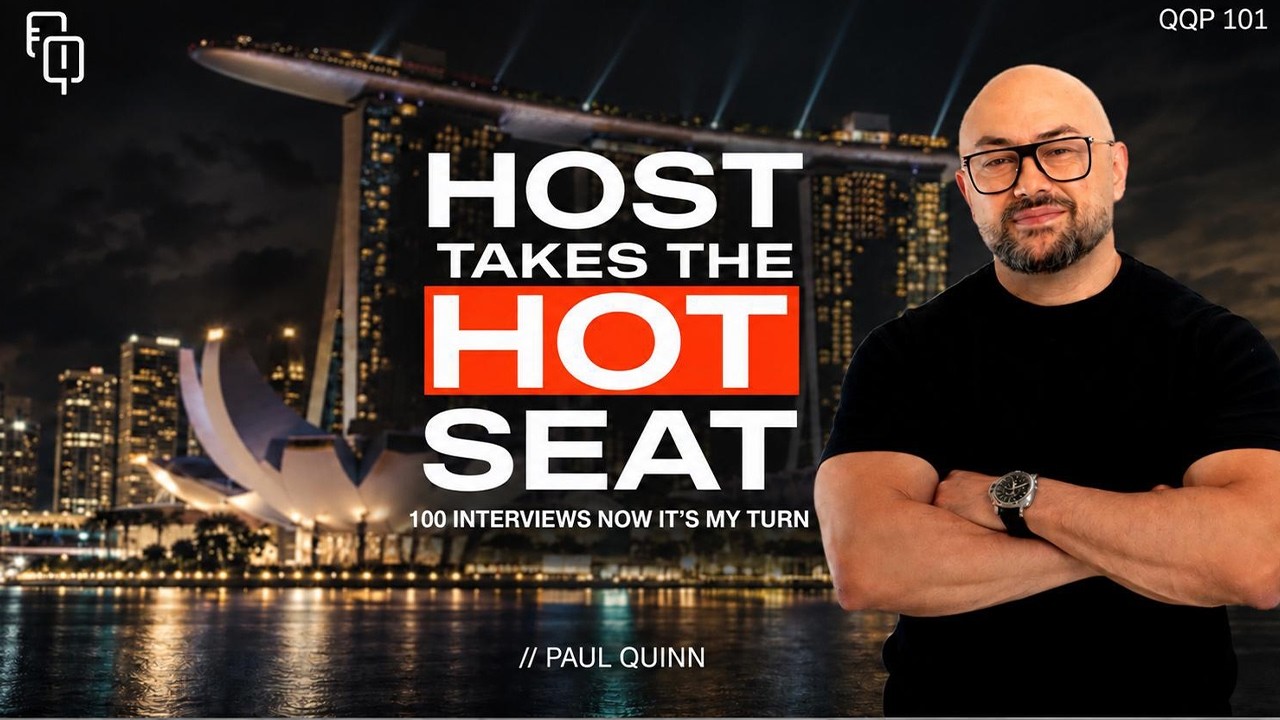
I Interviewed 100 Extraordinary People. Here’s What I Learned | Paul Quinn
In this episode of The Quinntessential Questions Podcast, the host takes the hot seat. After 100 episodes in the interviewer's chair, Paul Quinn, who runs Westport Executive Search and founded Quinntessential Coaching, answers questions sent in by guests, friends, family and listeners. From hitting a career plateau to building a podcast that now welcomes Olympians, world champions and global CEOs, Paul shares his transformation journey and the moment he decided to put a spotlight on helping people.