
#16 with Fabiana Fedeli. Learning From An Elite CIO Voice in Finance

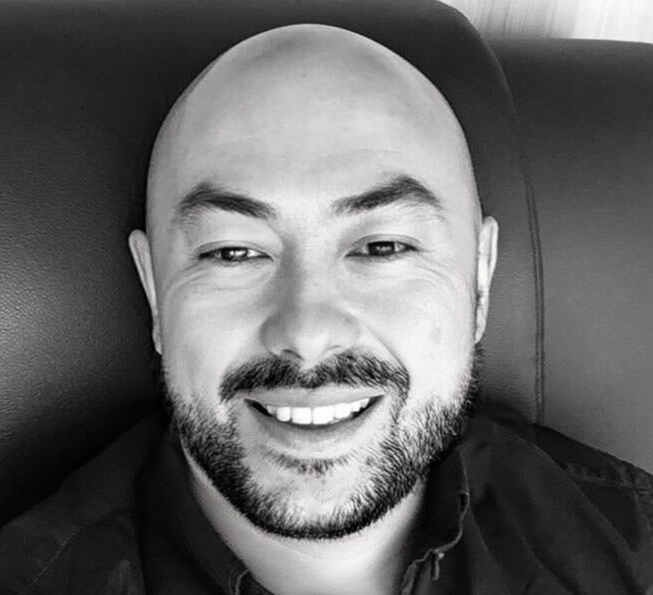
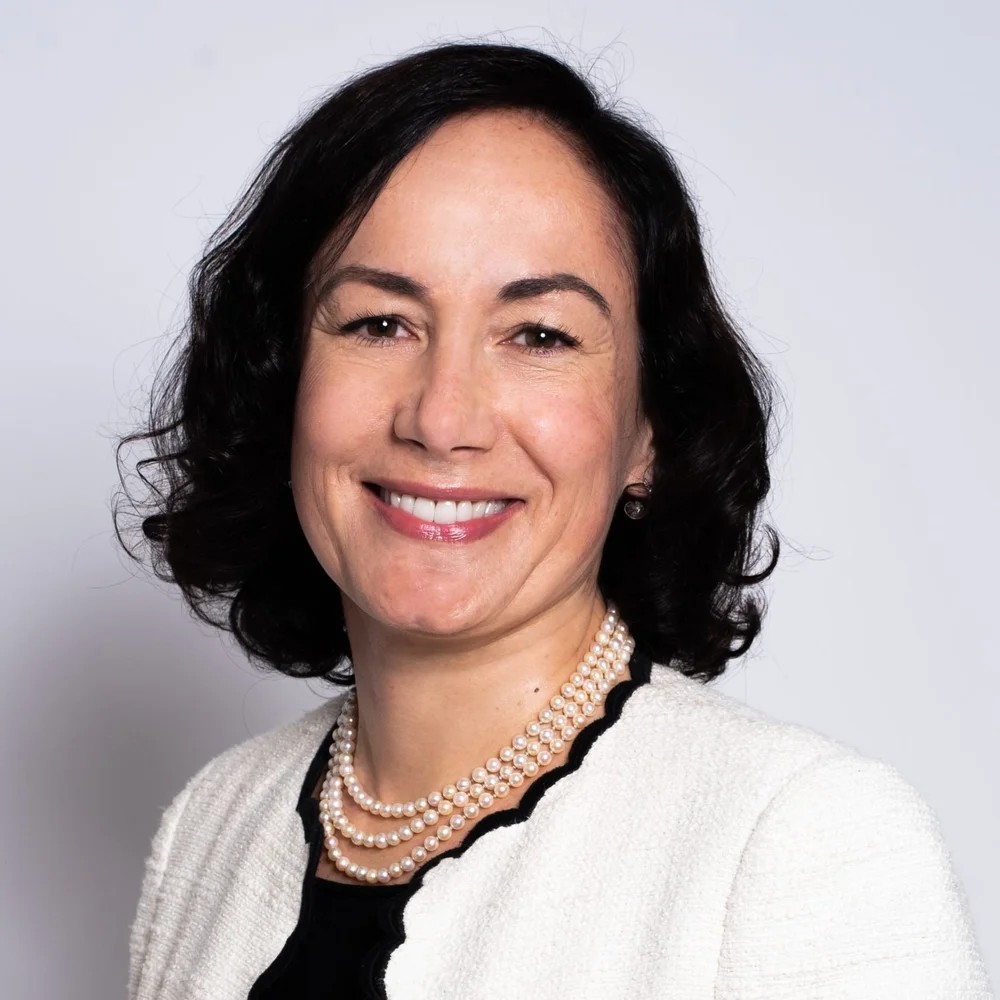
Welcome to The Quinntessential Questions Podcast! Join Paul Quinn, renowned headhunter and career coach, as he sits down with Fabiana Fedeli, Chief Investment Officer for Equities, Multi Asset, and Sustainability, and board member at M&G Investments.
In this episode, Fabiana shares her incredible journey through the financial landscapes of Italy, Japan, New York, and London. Discover how she navigated her way to becoming one of the top 100 most influential women in finance in Europe today!
Tune in as they discuss:
- The challenges and triumphs of a global career in finance
- Insights into sustainable investment strategies
- The importance of mentorship and leadership in the industry
- Fabiana's personal reflections on success and influence
Don’t miss this inspiring conversation filled with valuable insights for anyone looking to advance their career in finance or any professional field!
TIMESTAMPS
(00:00) Introduction
(01:41) From Italy to Japan to Global Leadership
(03:44) Shaped Determination
(08:20) Voicing Your Opinions
(11:47) Top 100 Most Influential Chief Investment Officers
(14:00) Planning for the Worst
(19:37) Data & Markets
(21:25) Love for Market
(26:16) Diversity
(27:22) Career & Leadership
(29:33) Sustainability & Returns
(31:35) Market Prediction Game
(34:40) Thinking Fast & Slow
(36:00) Staying ahead of the Curve
(37:00) Work-Life Balance
(40:30) Family Home
(45:20) Future Trends
(47:10) Advice for Aspiring Leaders
Bio
Fabiana Fedeli is the Chief Investment Officer for Equities, Multi-Asset, and Sustainability at M&G Investments, where she oversees a £57 billion portfolio. She joined M&G in 2021, bringing more than 20 years of experience in investment management. Prior to M&G, Fabiana served as the Global Head of Fundamental Equities at Robeco Asset Management, where she led international teams and integrated sustainability into investment processes.
Fabiana's career began in investment banking in Japan, and she has held senior roles in hedge funds and asset management across major financial hubs including London, New York, and Tokyo. She has worked at prestigious firms such as Pioneer Investments, Occam Asset Management, Indus Capital, Lehman Brothers, and ING Barings.
Recognized for her leadership, Fabiana was named one of the 100 Most Influential Women in Finance in 2022. She is also an active member of the Investment Association's Investment Committee and continues to have a significant impact on the investment management industry.
Transcript
[Applause] [Music] hi guys today I had the absolute privilege and pleasure of sitting down with Fabiana fideli the chief investment officer of equities multi-asset and sustainability at MG Investments we sat down we talked about her life her career Journey growing up in Italy to studying in Japan living and working New York the UK and across Asia it was an absolute pleasure and I hope you enjoy the conversation as much as I did Cheers Fabiana thank you for coming to my home today how are you thank you Paul it's a pleasure I'm very well so happy to be here it's fantastic to see you so when did you arrive in Singapore I arrived last night okay you're doing well and then you've off the jet lag and you've got a full full schedule for the rest of the week I'm definitely keeping busy and out of trouble okay good that's not easy um now for for my audience members and the few that don't know you can you be kind enough just to give a little bit of an introduction to who you are and what you're doing at the moment with m&g sure so um I work at MG which is a company that is listed on the stock exchange in the United Kingdom I am the cioo the chief investment officer for equities multi-asset and sustainability ability I have a team of around 150 colleagues uh my team manages about $75 billion and we manage it across all asset classes uh multi-asset equities and across the globe wow so I asked you this on the phone but you know everyone's name was that is that easy or do you have to sit down and find a way to memorize everyone's name it's actually easy but because I make a point of talking to everyone so anyone who joins the team no matter how senior how Junior they are I try to meet with them even maybe have just a short conversation if you know at one point I don't have time but really try to establish a report um I'm really curious how did you end up going to Japan well uh being a poor student helped uh at one point I wanted to um be an academic and in order to progress uh the one way uh at an Italian University was to get your degrees outside of Italy and I had the equivalent to a master's degree from my University uh but I had to take a PhD somewhere else and uh the only place that would give me not only tuition um coverage but also pocket money was Japan amazing I didn't really speak the language I could only do the numbers um but um I met this amazing Professor from a Japanese University he actually uh helped me during my time there I won a scholarship from the Ministry of Education and I have to say I had to repeat my masters that was the rule I had to learn Japanese but eventually when I finished my masters I felt H maybe I don't want to go for academic career maybe I want to do something different yeah and that's how I joined the industry and I started in Japan you know it's so interesting cuz my wife had to redo her Masters uh when we moved to the US she she went to Yale and then she pursued her PhD and it's like you know when you have to reset a whole year it's it's cumbersome right but what she shared with me it took more time to do the application for a PhD than to actually sit the Masters in some ways which is crazy now one of the things that we both have in common we we are from Humble backgrounds um and I'm just Cur curious how that really shaped your destiny and and your view on things cuz I think if you come from a humble background um it gives it gives us an edge and a different worldly view on things my goodness I feel blessed I feel blessed for everything I experience everything I have everything I'm able to do because I've seen what it means not to be able to do certain things not to be able to afford them yeah um so you know working hard for me is just it's fine it's what you need to do to make sure that you can have a nice life and you can afford a nice life to those you love um yeah I just feel blessed every day tell me the story about ice cream you remember that do so um in Italy when you start a what they call it profession which is General a some kind of manual work you have to have what they call a work booklet I don't know if you still have to have left Italy many years ago but at the time was the case and I had mine and mine to this state says that my profession is to be an ice cream maker and that's because as we didn't have much money when I was growing up I started working when I was 15 I worked at an ice cream store and I learned how to make ice creams and obviously that was my profession and I'm very proud of it and you still like a nice gelato you must I still like a nice gelato I am extremely extremely picky because I know exactly how that is made exact but I wouldn't be able to make one right now anymore okay it probably better for your waist line right possibly so share with us our journey so after that after you finish in Japan what was next how did your career begin so something that has always driv me has been a great degree of curiosity and a little bit also naivity just you know the classic well what can go wrong let's just try it out yeah and so um I was in Japan and I have to admit I was working at a great company it was a foreign company and actually was progressing well in my career as a stock market analyst uh but Japan wasn't the easiest place for a woman um and you know I had three things that made my life more difficult in Japan I was a woman I was a foreigner and I was young and so sometimes you know having to sit down with company management you really almost felt that they were questioning you first to see if you were good at what you were doing before they would trust you and the truth is in the end they would trust me and I have some amazing relationships that I still keep to this day but you know I wanted to try something that was a little bit easier and my company uh offered me a position in New York wow so tell us about that I mean that was had you ever been to New York at that stage I had been only once um when I was actually just starting University a friend of mine had one a prize and that was a trip to New York and so I bought his ticket for a nominal amount and I managed to go to New York and and I found that actually it wasn't too you know enamored with it because you know it's like big buildings but working in New York that was absolutely fantastic just yes and you know you and I talked about this earlier it is a very meritocratic Society um you know possibly if you have a very privileged background a lot of doors will open for you but if you don't have the privilege background but you really sure that you're good at what you do then other doors will open and I always like that of the states yeah I find it interesting because having you know like you have in different parts of the world so I've always found in Asia it's possible to get through to a CEO for example maybe within three calls and in the US it was seven calls um but when you get in the room if you can prove that you can deliver you get to stay in the room you you get a seat at the table um but the but I also it's interesting because a lot of the young people I speak to today maybe you can speak to this always feel that if you're young you don't have a voice and and I think it shouldn't deter people from trying do you know what I mean and if you're lucky you'll come across people along the way that seees some potential and talent and will nurture that um but it shouldn't let people you know it hold them back absolutely always voice your opinions do it in a respectful way yeah um but someone will listen and if as long as you have a good argument and as long as you're thought is well you know well wellb built you do have a chance you know but the thing is I'm married to a lawyer and an academic we've been together 21 years like I was telling you I haven't won any arguments yet even if they're well constructed um so so how long were you in the US then well the US is still my home um so I've spent a lot of my time there um worked uh started working there in New York since 200 2000 okay so you saw all the changes wow I saw all the changes some for the best some for the worst but it's still one of those places that yeah it's absolutely thriving and thring I'm like you when I first went I wasn't enamored with it and then progressively over time and then like for example you know if you're like I I love theater so so if you're there you'll get to see many different things if you like museums and you can always have a good night out in New York good food you know um in terms of what shaped your determination growing up was it you know how you saw your mom you know having to struggle so then when you got why I'm curious is you know when you start working in a place like New York they always say you need sharp elbows right you've got to be tough to survive but you know how did your determination get shaped at an early age well definitely seeing my mom having so many difficulties that that shape my determination I just didn't want to have the same type of Life yeah I wanted to make sure that I could afford certain things I didn't want richness but I just wanted comfort so that I could do the things that I was interested in yes one good thing that my mother she did many good things but one that was particularly if you want critical in in shape in my life afterwards was to have me travel from a very young age we hardly had any money she was terrible at financial decisions uh we would probably finish the money for food like 3/4s of the month in so it it was and that's why I started working when I was quite young but if she had a little bit of savings she would take me travel and so from a very early age I went to I still remember I was 8 years old when I went to Egypt 10 when I went to Turkey 12 when I went to Russia um and so on and and I think that really helped over time first and foremost because I've seen a lot of poverty while I was traveling and that for me was also you know was was the understanding that there's always someone by the way who needs more than you do yeah no it's it's a big thing now you know congratulations because back in 2022 you were named one of the top 100 most influential women in in finance and also yesterday and yesterday tell us what happen congrats I didn't read that no that that's okay it's just it's a list of the top 100 women in finance uh from a European publication and amazing so how does that make you feel you know in terms of being a global leader and as a lady you know at the Forefront of things does it make you think okay I need to be presenting this kind of format and Paving the way it does make you feel a great degree of responsibility um you know when we talk about diversity I don't only think about gender I think about so many different types of diversity I also think about social background as diversity I think about different cultural backgrounds as diversity um and every kind of diversity out there it is so important to give a voice to everyone and let everyone know what you were saying earli about young people let everyone know that they do have a voice yeah so yes I feel I feel responsible I feel like I'm out there and I have a personal duty to help young diverse professionals to make their Mark you know what what I find very interesting I had a conversation this morning this young fellow who's just moved to the US he's working in the Hamptons on as a real estate Guy and um what was interesting is he was recommended to me as an intern mhm and this chat that recommended him I said well do you voucher him do you know him he said yeah I said well I don't need to interview him just tell him to turn up tomorrow and um we've stayed in close contact he's 27 now so he's just moved there and I saw it on LinkedIn and I said congratulations and he gave me a call to say thanks and um it was very touching CU he said look those few words of encouragement how I helped him out and I stayed in contact with him and he he was kind of asking well why why did you do that and I just said look I I wasn't given any opportunities right until I was a bit older and I I think if you have someone who's in your corner who believes in you um it can go a long way yeah you know and um I'm so and I I always subscribe to Rising TI risers old ships so you're going to come across some negative people along the way but I I'm an optimist and and I know you are and you've T you've talked about um being an optimist who plans for the worst speak speak to me about that in your profession how does that work well you know I was an analyst first and then a portfolio manager for many years I used to manage emerging market equities and before that asan equities and um you know as a portfolio manager you obviously make your calls you buy stocks but you have to always think about what could go wrong so you know this company I like it it's fantastic but what could derail the investment case and that's something that is really important for you to do and that will determine then how you shape your portfolio how you risk adjust it how you balance your positions versus others so that I've really learned throughout my portfolio management career and then more recently as I moved from managing portfolios to managing large team of colleagues large teams of colleagues then you realize that you know one of the biggest risks for example is what happen happens if you you lose a key person a key man or woman well you know what you have to build a team so that you can minimize that risk you always have some fantastic Achievers but the whole team has to literally create and Surround that product so that if one of those colleagues leaves um then you still have a strong team around that and that's a bit of that you're always optimistic you know you will do very well you really believe in it you believe in the team but just in case make sure you prepare everything you need that foresight I I think the the biggest thing in our space that I've realized and it's through no fault of their own but most CEOs I get the feeling that they're not being measured annually anymore it feels like it's quarterly even monthly and I feel for them because you know if you look at which role is is the greatest revolving door arguably it's that one and it's very difficult to balance you know the immediate AUM and revenue that the business is managing and growing a business that's sustainable 5 years from now it's like running a marathon and a Sprint at the same time it's not easy it's not easy but you also understand where that comes from it comes from our clients so when I talk to many of my clients you know years ago they had the luxury to say it's okay if you perform over three years and maybe not over one but now they are actually talking to their own investment committees they are under much larger bigger scrutiny than the used to and so they will then revert that scrutiny towards us and understand why so I can't guarantee to my clients and I'm very transparent my teams are very transparent can guarantee that I will outperform every quarter because actually that doesn't necessarily put you in the best position to outperforming for the longer term but that we're going to outperform for three years and it's fine just ignore the bad year that's not acceptable anymore you have to make an effort on an annual basis to outperform and also you had to make a bigger effort than you ever did in minimizing the drw Downs because there is not the same willingness to accept a minus 20% if you're going to do done plus 100 as they used to be in the past they would rather do a minus two and maybe a plus 20 but feel that they can sleep better at night at least most of clients are like that how do you how do you manage you know so many people in different locations in terms of the cultural differences you know I think it's probably easier now because we live in a largely Global you know environment but how do you balance the nuances well I do think that having traveled so much from a younger age really helps you learn that we actually all have very similar values if not the same values but we interpret them in different ways and you have to be respectful of that you have to understand where everyone comes from and and you actually can help them to integrate better globally across the world with all your other teams and I'm particularly proud of my team now because it has really become a very integrated team we have these chat rooms um you know by expertise and you'll see colleagues from all over the world like asking each other questions can you speak to this company to check on this or have you already looked at this particular technology uh before have you done and it's it's just fantastic and everybody kind of like come together you know comes together but everybody also respects each other's differences right you have different holidays you have different way of thinking about different ways of thinking about family um and it's okay actually makes your world and your work a more interesting place I think when you've lived and traveled around the world world like you have you become a global citizen you end up you know you adapt you enjoy and um it's Universal now you're you're a self-confessed data junkie I am what so how how does how do you operate at work when you're looking at data and your team so I never only listen I want to see so I want to see numbers I want to understand what is happening behind the number um just talk for me is not enough I really have to grasp the you know what is behind it and so for example um I'm in pretty much all the risk meetings of my uh strategies and I will sit there and I just love looking at all the numbers of the risk profiles and just kind of asking questions and uh and I think that makes you a better portfolio manager for the investment teams and it gives me just a better understanding and uh and also longer term memory because I find that when I see the numbers I remember things so much better it's funny that isn't it sometimes I wonder because I'm a big sports fan and it's funny like some numbers are arbitr and you think how do you remember them and I was teaching my kids look there are many different ways and when you learn a cell phone number you break it up into four digits four digits um but it's it's uh I think we're all shaped by what we do what I've learned is that you I can tag numbers to people to faces to companies you know so you you must be doing that on a massive level you know with your love for the markets how do you remain fresh having been in the business for over two decades how do you remain passionate about the markets markets are my hobby I mean I I literally I'm going to sound so cheesy now I really love what I like you know um yeah I mean one some of my best Sundays will be sitting on the couch reading on my laptop and my husband will come and look at me and go like oh come on again seriously get a life and and you know I just love it um that and sports um and uh yeah just you know the the one thing that I like about markets is that they always surprise you I mean think about you know the FED has just recently cut by 50 basis points but literally treasuries didn't move the short end didn't move the long end sold off you wouldn't have thought that but if you thought about it in the context of what was happening that expectations were already pretty much baked into what had happened with fixed income markets and you know the fact that markets were concerned about potentially a slow down of the economy then you could understand why the market had behaved in a different way from how possibly you would have thought it would react and I like that markets always keep you on your toes they do do you feel do you feel pressure being the CIO that you've got to have this Crystal Ball which doesn't really exist you I'm sure you must feel some pressure well um the good thing is that I can make a disclaimer and I can always start with I don't have a crystal ball but but that's the other thing you know um we need to be humble and we need to make sure that we prepare our portfolios for different types of outcomes you still might have your conviction that one outcome is more likely than the other but you can't put all your eggs in one basket because at least for me I've been you know I've been uh in markets for 25 years now you know things can change and rapidly and they can completely change the outcome of you were so convinced about do you feel cuz one of the things that um I find a little bit annoying in my job on the recruitment side is I feel that there's an element of agism now and I've always felt look in the markets if someone's been through a two two or three recessions they are War proven they understand how things are and they're less reactive and I think that goes a long way so conversely talking about people that are younger I just think in business in an industry if you you've seen many different things um you won't react in the same way you will not be so impetuous do you feel now when when there are Global changes and shifts that you take a step back take a deep breath and analyze things a little bit more patiently definitely I I do believe that having been through a few crisis yes uh does help actually I have a an anecdote on this um when 2008 came um or you know the end of 2007 and it looked like you know things were not quite going to way we thought they were they should have gone I still remember I was drawing on my past experience so I was an internet analyst in 2000 first in Japan and then in the US and I saw many of my stocks come down by 50% yeah 60% some of them after a few months didn't even exist anymore so when 2008 came I remember speaking to my colleague and you know there was a first bout of decline in the market and he said Well it can't get worse I was like no no no I've seen this before it can get worse and in fact it did and by the way markets have a way of recuperating and you know in the end we know where we are now but I do think that being through a a few crisis just makes you more aware of that yeah of what the downside the potential downside can be but it also makes you more aware not to react too quickly and without really being thoughtful because think 2021 the market can totally turn around right and then where you going to find yourself if you're out of the market I'm really curious given how broad your remit is C CIO multi-asset sustainability how do you balance wear wearing so many different hats I actually enjoy it I enjoy the diversity of it and I also think that each of these hats makes me better at the others so you know having a sustainability research team under my remit makes me understand so many things that I think ultimately make me a better investor and hopefully I can pass that on to my teams being in also the year multi-asset makes me look at a broader cohort of markets both on the fixed income side on the equity side and I can then discuss that with my equities teams which are more if you want to focus on their respective investment universes so um yeah I think it helps and it's fun you know what I find interesting is when I speak to a lot of people that let's just say 35 40 45 even um what are your career aspiration ations I ask people and quite often people don't know or they're afraid to say so I'll ask do you want to become the CEO do you want to become the CIO um becoming the CIO is something that very few people I think will put their hand up and say they want to become when did you think it was a possibility and when were you eyeing that as as a as a potential move for you I don't think I ever really thought about becoming a cioo it just happened um you know I first first became at my previous company head of a team and then there were some other teams around us and um you know I I just kind of felt that we could create but we were all working in silus and I felt we could create a more consistent way of investing sharing a lot more ideas um and so I went to my CIO at the time and and I asked well you know would you mind if I start working on this and he said no and then as this progressed and we actually became really a one team with all our different specializations where we were making each other stronger then he may he gave me the reporting lines of those teams and yeah and then you know fast forward to now um I'm still doing the same thing uh at a different company but uh that's still the principle right you're creating you're creating a franchise you're a allowing your people to work and an invest and invest in a stronger environment an environment can really support them and ultimately their clients yeah now when you're looking at growing a business and balancing out with risk and I know your husband's from the risk side how do you do that because you know pushing forward but playing safe is not easy you know it is not it's all about managing your risks right it's never about not taking risks because in our job that's what clients are asking us to do is to take risks but they have to be considered they have to be calculated and you have to be able to manage them so you know we were talking early about the fact that I'm in uh the vast majority of the risk meetings of my teams um that for me is important um I think there is the understanding that you know you can mitigate certain risks and you should mitigate other risks and you have to build your investment roster in a way that those risks are balanced but you still have to take those risks because that's what generates the alpha is you know when you look at your responsibility in terms of sustainability in ESG do you feel that most organizations are doing it because they feel they have to be doing it as opposed to genuinely it's heartfelt and they believe this is the future that's such an important topic do do you remember the Gartner hype cycle about technology new technological innovation when there is the peak of inflated expectations then you have this basically dis disillusionment and then eventually you have the slope of Enlightenment I think the same has happened also to ESG and to expectations um for the industry and from clients on ESG you know there was a bit of a hype U there was a lot of marketing around it and we have had that trough of disillusionment coming in because frankly a lot of the strategies that were built on sustainability did not perform as they should have performed but that doesn't mean that sustainability is not important that doesn't mean that you shouldn't embed it in your investment process for sure it's just that sustainability doesn't only mean investing in one type of company is literally being able to weave it into every investment idea you have yeah when when you look at the future in terms of financial Trends I want to get your sense of these things will go boom or bust in the next 5 years I'm going to put you on the spot a little bit if you don't mind um sustainable investing a boom but we will not call it sustainable investing anymore it will simply become investing because it will become so embedded in what we do and how we invest yeah that everything will be sustainable very interesting what about AI driven investment decisions boom but we will almost forget about it because it will be so pervasive in everything we do yeah it will be in healthcare Innovation it will be in how we manufacture products it will be in our daily lives um I'm a big believer in artificial intelligence it is so interesting to see how in the short time it's been around it's a game changer right on a different level it's a bit scary it's exciting um passive versus active investing I believe active ETFs will take a big chunk of Market away from passive investing because I think we have the issue the wrong way around it's not a passive investing became popular because it's passive it became popular because they were very easy to access products ETFs yeah that were based on these passive strategies and that has democratized the world of investing which is great so many people could in invest yeah but if we start seeing real active ETFs I'm not talking about semi active or semi passive strategies because those are already available and they're fine by the way they're totally fine but actual active strategies being packaged into ETFs and so being more accessible to the market I think that line between passive and active will become ever so blurred so interesting do you you know if you were talking to young professionals who were coming up and you know in the future wanted to really pursue um a career in investment Financial Services what books or podcasts would you suggest that they watch or or listen to there is one book that I believe told me a lot and that is thinking fast and slow by canaman and it's the two ways of reacting to the same issue to the same input um I think that is very important I love that's very powerful Thinking Fast and Slow I'll have to check that I haven't I haven't come across it you know you can react to something in a very impulsive way yeah and that's your system one but then your a system two which is the more rational the more let me think about it which by the way also by the I'm I'm really like making this just simplifying the message kiman would probably kill me uh but um it also speaks to when you hear something wait 10 seconds before reacting yeah it might make you get to a different reaction that that's a big one cuz I always say to my guys uh or or even my children I said when there's a problem you know physically figuratively take a step back yeah look at it um if it's a really big decision you know sleep on it right you know they say in in Asia always make a decision on a full stomach not on an empty stomach um but with intermitting faster I think that's Pro probably changed a little bit now um what about cuz the the thing I feel that is a little bit of a shame is that I feel not everyone puts the work in and I think it doesn't matter if you're a sports person an investor you've got to put the work in talking of which you know you're in such a high-profile role um how do you keep that balance in terms of you know being physically fit and capable cuz on the plane the whole time um you know performing an Optimum how do you go about keeping that balance in check um you know actually this is a conversation I often have with many of my younger team members who start traveling you know whether to meet with companies or to meet with clients and I tell them to think about themselves as if they were athletes you know food good food regular food don't just grab a sandwich running around make a point that you have that half an hour for lunch even Al just to think and to kind of reconnect with yourself sleep well make sure you sleep well you sleep you know sufficient hours even when you're on the road and then make sure you have those little routines you know you wake up and you have your cup of coffee you go to sleep and you know I have my tea before I go to sleep and then last but not least sport um make sure you exercise um whatever you like doing even if it's just a quick walk before you go to your meetings in the morning even if that means you know you might get out there it's still dark just just just do some form of exercise it really keeps your mind I think I think walking so underrated I think it's brilliant because you don't need that much recovery and if you're lucky and it's a nice day you know you get get some time outside what do you do cuz I know you told me that you you enjoy doing things like skiing but you know prob can't do that every day especially in London but what do you do on a daily basis I I try to be outdoors as much as I can and I I'm not able to do it on a daily basis but if I'm traveling for example at least go for a run and if the weather doesn't permit of the location doesn't permit I'll be on a treadmill if there is anywhere that I can find a swimming pool I'll go for a swim fantastic um or if anything else I'll just go for a walk and you know I'll listen to my news so I'm still wor working I'm still listening or I'll be on meetings um but but it still keeps my body moving I think I think we're lucky now because people are more health conscious because in the old days and I'm only talking about a few years ago if you went out for a client dinner or what have you the assumption would be you're going to drink alcohol you're going to have a big dessert and it just takes its toll right it takes a while to recalibrate so that that's good that that's over um in terms of when you're unwinding cuz I get this sense you're so passionate about what you do you know like my wife my wife's a workaholic you know there's me her and her laptop in the relationship I'm guessing you're a little bit similar to that but what do you do to actually switch off um Sports okay Sports is the way I will do and there is actually one sport that really makes me switch off and that's skiing okay and that's because you've got to think where you're going otherwise you can get hurt and and that keeps me on my toes and I think of nothing else but you know making sure that I do what I'm doing well well I'm curious cuz when we spoke I was so surprised about when you told me where your your family home is your residence how how did you fall in love with it that area so uh actually my home is in Wyoming in Jackson Hall and I gradually moved away from the east coast and moved to um to the Rockies and that's because I this was years ago right this was years ago I mean I started going there 25 years ago and um you know when I started working I started making some money I wanted to do the things that i' never done and never had a chance to do was like scuba diving and um tennis but I'm really bad at tennis so let's forget that um skiing and I just grew this passion for skiing and one of the first places I went to to learn was Jackson Hall and for any of the listeners who um have skied there that is not a beginner's Mountain yeah uh but yeah it just fell in love with it and so progressively as work from home and you know just remote working would would be possible I thought okay I'm moving progressively more there obviously you know having teams around the world having the headquarters of m&g in in London that means that I spent a lot of time not at home yeah um but you know the grand plan is to retire there so when you fly in will you fly via New York and then you know where do you fly into Salt Lake and then drive or into into actually Jackson Hole itself well that's the beauty of it that now there's so many hubs where you can take a flight that then will take you into Jackson Hall airport yeah um and it's just stunning like most people listen to this might not been but it's a standing airport it's yeah it's beautiful is next to Yellowstone Park the you know the Grand Teton National Park so it's an amazing area you do not want to drive from Soul Lake City there in Winter because one of the reasons why the place is so well known for skiing is there is very deep powder snow yes and you're really the one to get caught into that you know I I told you when we first spoke was um I took my two daughters to Wyoming this summer and we had the privilege to stay in a ranch and I I just couldn't stop looking you know every every time I was driving I couldn't stop looking at the Grand Tetons cuz they're stunning and and we saw it's it's rare where you see full rainbows and we saw a few and um you know I did so many different things with my girls but staying on a ranch in Wyoming was special it's Priceless and by the way if my neighbors ever view this podcast they would hate me because they want all of that to be a secret well Hey listen you know the the thing is um again for those that don't know from the little research I did when I was there where you live in pockets of it it's where they say billionaires buy out millionaires I mean it's it's you can't just go and set up there but I tell you what though the the interesting thing that I found um in Jackson Hall I know that there are quite a few tourists that go there but everyone was very friendly oh yeah really really friendly and um it's just it was stunning it was really people people attitudes friendliness really make that place so much greater have you I'm I'm hoping you're going to say yes but have you been to the rodeo there no I have not oh no you got to give it a go it was different I I bought the cowboy hat I went my my kids said dad you're the only I mean I'm half Chinese but you're the only Chinese cowboy and I said I'm sure I'm sure there were a couple of others um were there no it was just me it was just me and um what's what's what I find interesting is I didn't grow up with horses and like just I was smiling and nodding when you said that because um I always wanted to try things right you know scuba diving getting my my nautical license so on and so forth and when you don't have any money you know you're not even thinking about it and then as you get a little bit older you start thinking let me try this let me do that but will you go back for for Christmas I'm just curious oh yes every Christmas and New Year that's the place I go to beautiful I'll take some friends with um me and my husband and um yeah it's do you do you have a favorite restaurant in town a couple I do but I'm not going to I'm not going to say but there's so many of them and that's the other thing um we have friends who have uh places in France and in the past they always said you have the snow we have the food but the food has improved so much that we now send pictures to them and say so how about this yeah and nice nice nice little eies that I I found cuz we went to some of the more small quaint Gourmet places as well we went to um a couple of the big steakhouses which which I enjoyed but I I like the smaller ones more Boutique feeling um when you look at you know future Trends what are the biggest challenges you see on the horizon 4 asset management and how do you think that the industry will have to adapt to those markets are getting more OS syncratic if you even just look at you know the earnings of companies over the last few quarters you had companies that were in the same sector even with similar client exposure that actually performed very differently so the ability of management to actually you know perform to lead a company um the structure of a company they become so much bigger and differentiating factors so for investors for asset managers to serve their clients properly they really have to have a very deep knowledge of what they invest in and you know in the past you had firms that would probably just rely on third party research um possibly smaller firms and I'm sure there's still room for all of them but the hurdle has become just so much higher to make sure that you really know what you invest in that you keep on meeting your managements that you are looking at you know not only at the company that you invest in but at whole the competition around them it is just becoming a bigger job than in the past it is the Landscapes changed um I'm curious for people looking to follow in your Footsteps in particular aspiring women what what can you share with us PS of wisdom that will help them along their Journey so oh I feel now I have a big responsibility to share some words of wisdom don't give up you know sometimes things get difficult and you know just just hang in there yeah because in the end everything will be fine yeah and then just understand that being different in our industry and that's true for women is true for many others who are not a you know white big chest beating alpha male yeah um with all due respect for chest beating alale um just just know that diversity is is a gift but it's also a responsibility yeah you need to let your voice be heard because actually your workplace is going to become a better workplace because of that and sometimes it's not comfortable able sometimes you're wondering oh why am I going through this but you know what make that effort and it will open it will open doors to others after you and it will just make that workplace so much better but always be respectful whenever you voice your opinion voice it but be respectful that's great advice yeah it's interesting cuz uh the two heroes in my life have always been my mom and my wife and my mom grew up during a Time she was the bread winner for some time cuz my dad felt sick when I was a teenager and she got a promotion one day and her boss said you're only getting this promotion because you're a woman and you're from a minority and my mom said thanks it's only taken me 30 years of my career for that to work in my favor and um and I I'm you know with two young daughters now I look at how things are changing and you know Progressive but I I just find it even even when like when I came to Singapore what I loved about Singapore was kind of like the US you one's ability to deliver right and if you've got a voice and and you put your hand up and and you ask to be heard as long as you can deliver and you can get in the room I think in the UK I found it a little bit more difficult with the establishment I think things have changed you know remarkably so um but what I love about the US is that winners are celebrated right and it's okay to say that you want to win you know you can be confident yet humble and again I think that's changing now one of the things I learn in Singapore it took me probably seven or eight years to learn in Singapore that yes yes was actually no and and and I I've tried to work it out and it's it's almost like people don't want to be offensive and say no whereas in Hong Kong I always say they they'll kick you out the room the no is a strong no and um so that that's so what I've learned in time is to bring NOS forward um I'm just curious as a leader um and and as someone has grown up and work with so many different people in many different countries what leadership qualities do you speak to that think you think are are really powerful for for those aspiring managers you have to make sure that you have your teams back yes that is so that resonates that is so important and you need to be respectful as asset managers actually the most important asset we manage besides obviously our clients money is our people M and you have to respect them there is no excuse for not being respectful and it doesn't matter if someone is senior is Junior um that becomes key because by the way the example you set is also how the team is going to run yeah and you want them to run in that way I think I mean your your reputation is that you know you are a leader that people want to follow right internally and externally and um what what I've learned about great leaders great friends great people is they will defend you when you're not in the room that takes a lot of courage and um you know it's interesting we were we talking about a mutual friend earlier and that that person was telling me that nowadays with a 360 feedback um you know sometimes if you get negative feedback how does that work and it's sad but I think more people are willing to say negative things than positive things and you can do things 9 to n times right and you mess mess up once and it's not it's not easy being a leader right it's not easy to go out there charge the way you know so for example I know a lot of people that feel they don't get a promotion and they presume their boss is not looking out for them but they don't necessarily know what's happening behind closed doors so it's it's not easy right it is not easy and I always tell my team um you know if they're dealing with someone else or maybe another senior manager I always tell them don't you worry just put the blame on me cuz I'm okay I'm here I'll take the blame for whatever and your life can be easier it's part of my job well it's been an absolute pleasure is there anything else that you wanted to cover or touch upon um nothing else besides the fact it has been an incredible pleasure poll um and an incredible initiative to have these podcasts um yeah hopefully you know um they will be enjoyed by many well you're so gracious you know we spoke for the first time on Friday and but I feel like I've known you for many years so thank you I appreciate it thank you thank you [Applause] [Music]
Our Other Episodes
Lorem ipsum dolor sit amet consectetur. Sed morbi adipiscing ultrices in vel placerat.
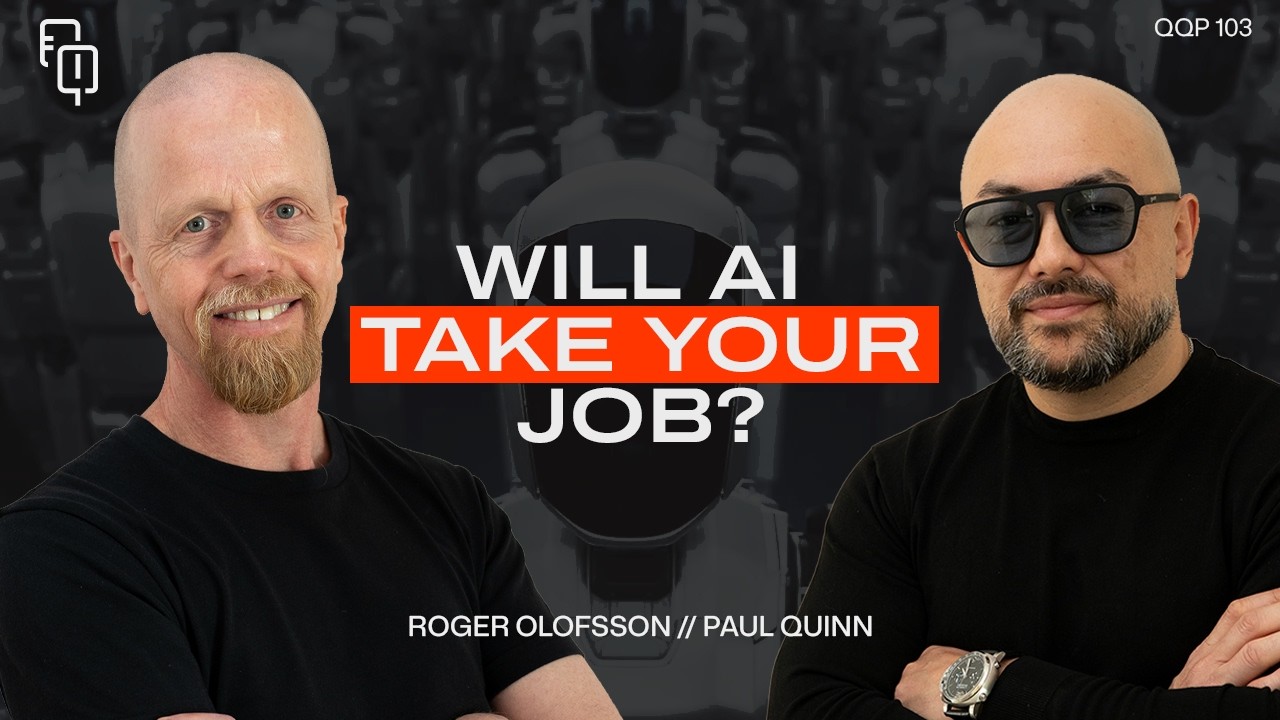
Building an AI Company Inside a Search Firm with Roger Olofsson #103
In this episode of The Quinntessential Questions Podcast, Paul Quinn sits down with Roger Olofsson, CEO and co-founder of Olofsson & Company, the executive search firm hiring for startups, AI, tech and fast-growth companies. From a childhood in Luleå, near the Arctic Circle, to landing in Singapore in 1996 as an exchange student with a backpack and a suitcase, Roger shares his transformation journey through almost three decades of recruitment in Asia, and the moment he finally backed himself to build his own firm.
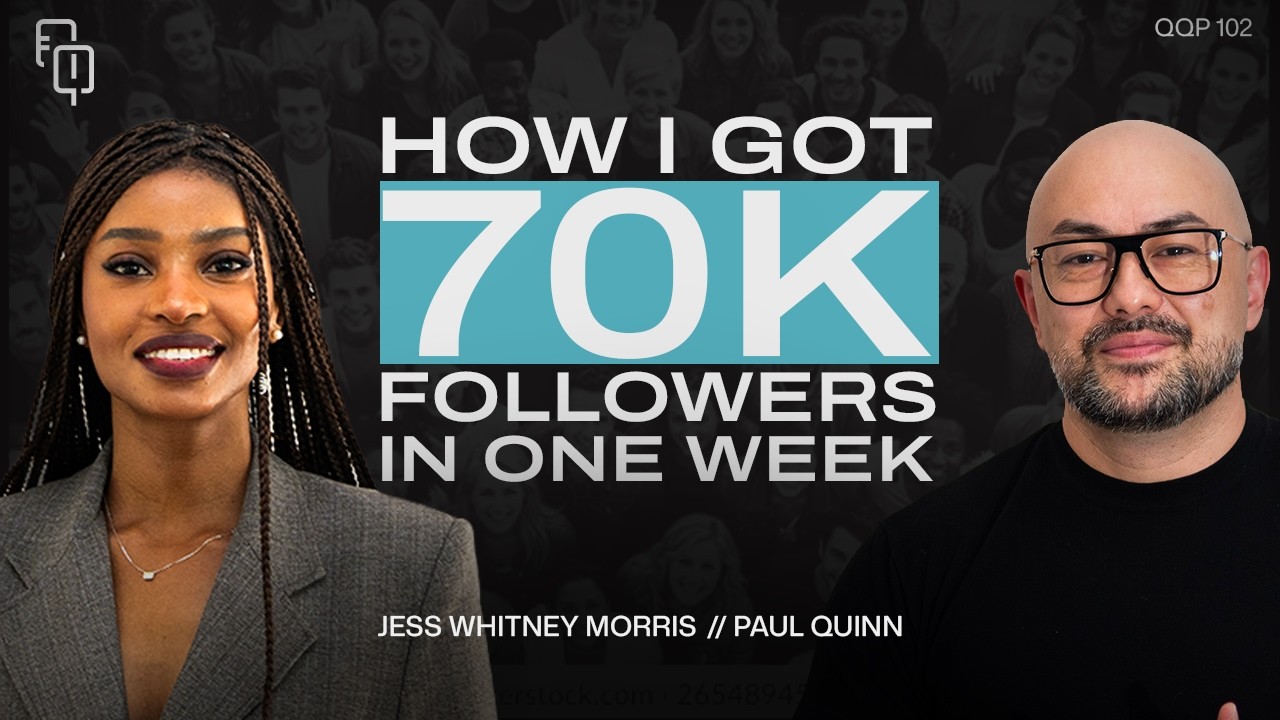
One Video, 70K Followers: Jess Whitney Morris's Breakthrough | #102
In this episode of The Quinntessential Questions Podcast, Paul Quinn sits down with Jess Whitney Morris, model, social media management company founder, and media presenter. From growing up in poverty in Uganda and working-class England to working her way through Abercrombie, Hollister, and a self-funded university degree, Jess shares her transformation journey and the moment her father tore up her first modelling contract in half.
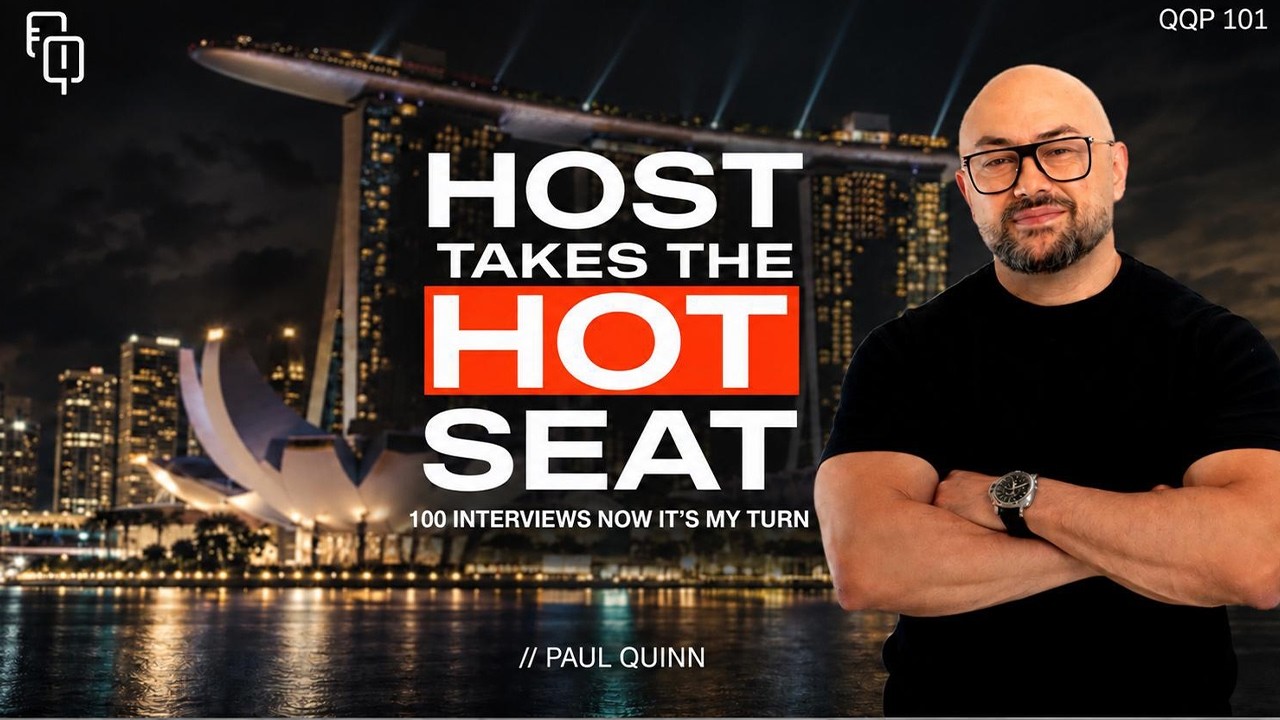
I Interviewed 100 Extraordinary People. Here’s What I Learned | Paul Quinn
In this episode of The Quinntessential Questions Podcast, the host takes the hot seat. After 100 episodes in the interviewer's chair, Paul Quinn, who runs Westport Executive Search and founded Quinntessential Coaching, answers questions sent in by guests, friends, family and listeners. From hitting a career plateau to building a podcast that now welcomes Olympians, world champions and global CEOs, Paul shares his transformation journey and the moment he decided to put a spotlight on helping people.