
#13 with Nicolas Rigois - Global Markets Mastery

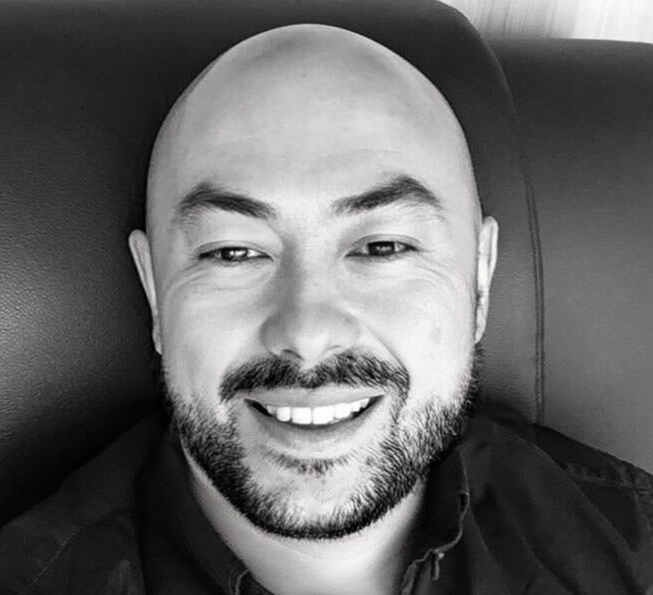

"The Quinntessential Questions Podcast": Paul Quinn, renowned Headhunter, Career Coach, and CEO of Westport Partners speaks with Nicolas Rigois as we dived deep into his journey from interest rate derivatives to equity derivatives and his impactful move to Singapore with Standard Chartered.
He shares fascinating insights on community, the importance of continuous learning, and the value of going beyond job boundaries. Nicolas emphasised transparency, respect, and open-mindedness as keys to success. Plus, he’s a windsurfing and wing-foiling enthusiast! Catch the full episode for some profound career and leadership advice. You won't want to miss it.
TIMESTAMPS
(00:00) Intro
(03:38) French Education System
(06:28) Starting in Tokyo and Trading
(10:35) Moving to United Kingdom and Sales
(14:28) Learning on the Job
(15:38) Joining Private Banking
(18:30) Coming to Singapore
(20:25) Returning to Tokyo
(22:00) Key Leadership Qualities
(24:00) How to Walk the Floor
(27:10) Seeking Counsel
(28:30) Intercrossing Wealth and Private Banking
(31:40) Planning and Execution
(34:39) In-House Training and Engagement
(36:58) Challenges
(40:04) Key Messages for Individual Investors
(42:30) Asset Allocation
(43:30) 3 Key Message for Career Journeys
(46:46) Client Biases
(50:20) Milestones and Projects
(52:25) Non-Negotiable Behaviours
(54:40) Performing at Optimal Level
(58:11) Best Quarter
(1:00:08) Key Strengths and Weaknesses
(1:01:32) Taking Your Career to the Next Level
(1:04:18) New Projects
(1:05:20) Wave Foiling
Bio
Nicolas Rigois is a seasoned financial markets professional with over 15 years of experience in derivatives trading, sales, and product management. He currently serves as the Managing Director and Global Head of Capital Market Products & Solutions (CMPS) at Standard Chartered Bank in Singapore.
In his role, Nicolas leads a team overseeing the development and delivery of market products and platforms, playing a pivotal role in expanding the bank's structured products and derivatives offerings across Asia. His leadership has been key to delivering innovative market solutions to private banking and retail investors.
Before joining Standard Chartered, Nicolas held various positions in solutions sales and interest rate derivative trading in Tokyo, London, and Singapore. His experience spans across roles at major financial institutions, where he gained expertise in equity and interest rate derivatives.
Nicolas holds an engineering degree from École des Mines de Paris and has been recognized for his significant impact on the structured products industry. Known for his strategic vision and leadership, Nicolas continues to drive innovation and excellence in wealth management solutions at Standard Chartered.
Transcript
[Applause] [Music] hi guys today I had the privilege of sitting down with Nicholas Rigo the global head of capital markets products and solutions a standard charted Bank he has oversight of the private banking retail andme business I've known Nick for many years now wonderful human being I really enjoy today's conversation as I hope you do cheers Nick it's great to see you morning Paul thank you so much for coming to my house thank you thanks for having me it's wonderful to see you man same so tell me so you you've just got back from this amazing trip tell me what you were doing oh yes I so yeah ju just got back from summer holidays spent a bit of time in France visited my my relatives uh and then with the family who went uh volunteering in Morocco at the at a kindergart wow um which reminded me that I'm lucky to do what I do yeah on a daily basis tell us tell us a little bit about that how it came about I'm just so curious uh my wife arranged it all okay um I think she wanted that type of opportunity for for our kids um yes so that was great we got to stay with a local family excellent food uh you know great experience challenged the some of the you know the the precon reception on on MAR beautiful uh nice weather what was your favorite couple of dishes cuz I love Moroccan food I'm Blown Away by it the Friday couscous is that was that was your favorite has to be Tajin is beautiful Tajin is beautiful I've I um maybe one Sunday a month I'll attempt to do a Moroccan lamb oh wow but I'm not very good at it cuz it's never consistent you know it changes each time so look just for the audience members can you be kind enough just to introduce who you are and what you're doing and then after that if it's okay I want to go through your brilliant career Journey today so I'm I'm Nick I work for Standard Chartered I look after a department called uh cmps which stands for Capital Market product and solutions uh which really does everything Market related for wealth uh wealth is Standard Chartered is a is a product right so we service three segments uh the private bank the retail bank and smmes okay what percentage of your time I'm just curious is dedicated to each of those three segments because I'm sure it's not evenly spread right I would say it evens out okay different market conditions require different uh different uh Focus uh but I would say maybe 80% of my time is spent on retail and private bank um and and 20 maybe on onme and just just how many people do you have oversight for now because I know it's quite a big team ah so I look after the the the group side of things and I look after the Singapore team uh the Singapore team is a team of maybe 60 people well uh the group's a much smaller team um around around 20 people uh within the group you've got people look after product governance what we call franchise building helping the the countries um the some of the countries I would say have less less of their own resources and so they count on on on the group colleagues to uh to come and help on certain topics uh and the other side of that is what we call product ownership so has to do with platform design and roll out um and and of course all of that needs to work well together beautiful well thanks so much what I want to do I want to talk about your career Journey because the interesting thing is having been in Asia for such a long time I know that you know you for example you just touched on and covered Structured Products right I have now what I found is maybe 80% of the best people in Asia that cover Structured Products are from France why is that uh I think there's a bit of an educational bias yeah I think maybe a bit of a general generational thing as well yes uh the way the the the French system works um is that uh it's quite quantitatively based in terms of admission to the to to the best schools and and universities so a lot of math and physics okay uh and I would say that in the early 2000s uh there was a lot of focus on these kind of things uh so a lot of the French guys that you see today in products would have started in in some form of of quantitative work in my case he was he was trading okay but could have been quants Etc uh and typically we I mean I didn't study it at school but what I studied at some I would say points of connection in terms of models yeah um and so I think that's generally the story it's interesting it's a funny Trend that I have noticed so so unpack it for us so you grew up where in France and what what was like like growing up uh so I grew up uh locally near uh near Paris okay uh beautiful town but nothing nothing remarkable very uh normal childh childhood yeah beautiful what's what w did you do growing up because I know I know you do wind surfing but yeah but you didn't do wind surfing as a as a child right uh I over the summer but uh yes I grew up in surfing but that's a summer thing otherwise no I I played a bit of football bit of tennis okay I can imagine you're a good footballer um and then no really no are you right-handed or left-handed right hand you're right-handed so after that I know you did a masters you did mechanical engineering right so yes so I I'm uh I'm I'm an engineer uh again the French system is a bit weird so spare you but uh I measured in geostatistics okay uh which is quite I mean it's kind of where uh geology meets statistics uh which happens to happens to resemble some of the black ch's ronian equation okay uh so at that time actually all the colleagues that that that studied with me all ended up in finance all of them wow are you are you in contact with a lot of your friends from the old days yeah some some okay and where did you study where did you go to university uh I went to University in Paris um a school called e dein mining school okay oh wow and then how did London come knocking on the door cuz that was that your first gig working no I started um I started in Tokyo okay oh that was your very first ro real yeah I was I was very lucky I how did that come about we there was there used to be that scheme where you either had to do national service or you could work for a French firm from for slightly longer okay and you would still be in the care of the state I guess yeah um and so there was a a choice that was possible I think it still exists actually okay and uh so that's how I ended up but did they did they offer you that position in in Japan or is it something that you wanted to do so I had I had done an internship in Japan okay which was a completely random thing really so it's not like you always wanted to go there that's what I'm curious about no I actually ended up being in Japan because a friend of mine got an internship in Japan where he actually wanted to go the day before I interviewed wow and so I randomly made the comment in the internship interview that oh actually I'd love to go to an exotic location but isn't the reason reason why I want to touch upon it is is for for the younger audience members that are listening we're both dads I keep saying to my kids look what you do coming out of University whether or not you stay here study abroad it quite often will Define the rest of your life unknowingly now you're married to a Japanese lady yes right and and you know so all these things kind of come about together that's true uh but you didn't meet her then when you w't there met her later right I no I I met her there oh really oh you've been together since day one pretty much yes exactly yeah wow amazing so yeah I think it's true right I mean on the one end uh I guess you can be defined by coincidences yes uh I would say at the run you also make your way yeah I love I've always what is it like living in Japan because that's if I could live anywhere for a year that's the place because it's just you know yin and yang it's just new and old it's it's amazing I I I love Tokyo I love Kyoto uh it's I mean life in Japan's very varied there's lots to do yeah a lot uh the scene summer uh the mountain everything's accessible culture cultural offerings beautiful I I I keep saying to my wife the only thing with Japan is I don't want that magic to shine off so we go there too often like last year we went twice it's like I want it to be magical every time I go back which it which it always is so so you're in Japan for for what how long for for one two years couple years okay as a Trader as a Trader okay yeah uh um jgb listed options and also a little bit of the SW the swaption book okay as a junior Treader under someone's care did how did you find that then because it's it's new job new career new location all at once uh yeah so I think I mean yeah was Fring at the deepend right I mean Far Far From Home yeah uh so it was not always easy but there was I'm a great team great support ecosystem uh professionally I think what that taught me is that uh trading was interesting and there was an introduction to financial markets for me but as a role it wasn't for me okay why just out of curiosity I think well maybe I wasn't the best rer MH uh but also I think and more fundamentally for me the the um it lacked the human interaction MH um uh so it felt and also the the trading I mean back then we called the Arbitrage desk so we were not counting on on client flows okay uh so it was a very inner or inward looking kind of job right yeah um and I couldn't see I couldn't see that job I couldn't project myself long term in that in in that well it actually makes sense now you said cuz then you probably that's why in the end you gravitated towards private banking right cuz that's you know very much has a human connection so how so what I always tell people is at the beginning it's the same you know when you're single and you start dating you of you don't know what what you want but after a while you find out what you don't want you know what I mean it's a process of elimination so after that how did you decide you came back to Europe so that that's an interesting uh image uh no so yes so after that uh and I think that's actually looking back I think that was a good thing I did and quite a radical move right so uh having concluded for myself that this wasn't what I was going to do I approached my boss and and I said actually i' like to move to sales okay uh and had you had exposure to the sales team did you see get an inside to what they were doing or we sat in the same room okay uh so yes I knew people in in that line of work okay uh but obviously that couldn't happen for me in Japan M uh cuz long wage then becomes a must yeah uh and someone in the UK team was kind enough to take interest and and and and take me in brilliant I guess interested by the fact that maybe a more technical background and um and that that that that lady British lady she saw the uh she saw the opportunity in that in engaging the clients maybe a bit differently love love it now did you move with your your then girlfriend back then did she come with you or not yet uh not yet no uh so I moved on my own um we uh we carried on a guest dating remotely wonderful good now I always love cuz I'm you know I'm half Chinese half Irish my kids are very mixed and I'm always curious as to one's Journey because I feel that if you are lucky enough to find the right partner you know you you can build a life together right and unfortunately cuz I see maybe half of my friends now have recently gotten divorced and it's uh you know it's quite a heavy statistic and um anyway okay so you're in the UK tell us about the sales job what what were you doing so I was selling uh so I was covering the UK Market okay uh where where did you live in London uh in t Hill okay did you enjoy it it was great okay I love London yeah yeah what a great City yeah so I was yeah covering I would say uh interest rate derivatives uh and a little bit of structural credit okay wasn't as prevalent as it is now um so it was yeah it was a learning curve for me you see things from a different angle when when you're in sales yeah so for me I I I I'd like to I'd like to think that it's the client who T who taught me right what derivatives were really used for really right beyond beyond understanding the definition and price movements and yeah and hedging right yeah the real use case of why people do what they do I think that that was Tau to me by the group of PL I was covering the back then the the interest rate swap market and and and um I could say likly structured interest rate derivative uh Community was a was very nice very very uh inclusive people were yeah well I'm sure knowing you you you know because you're such a lovely guy you probably would have ask questions and they were kind enough to share as well right yeah but I would say you know competitor client there was a sense of community people would meet each other at you know there were some a number of annual kind of opportunities to meet like the swap ball things like that and people would know each other they would compete yeah right uh but they would look after each other as well so that was well that's the thing we we all spill blood in the same Arena right so you should have respect for your competitors and you know we've all got our War Stories which are always interesting to hear exactly I'm curious when cuz you know I I've been in sales for 29 years now when I look at people on their sales Journey um and there's many different types of sales I find that there's a a lack of training um and I'm always curious you know like did you learn primarily on the job or did you seek further education or read books what was your journey like my journey was primarily learning on the job okay uh and I was in a team of people experienced and uh uh they didn't hesitate to share their input and so it was tough but actually I'm very grateful for it I think it it taught me some good basic hygiene things that I can still use today good uh but I was back then I was working for so genen and they also had programs that put maybe a little bit more um Theory right around around the way things were done so I was lucky I think I was well well supported in my well so learning sockin always been considered especially back then you know I remember it being a very Dynamic organization um with some really interesting players um but so for you when when you were you know ascending on this journey at what point did you realize okay potentially I want to come back to Asia um or or move into private banking because at this point you you were not in private banking right I I wasn't uh so I didn't exactly have that thought but uh what happened back then is that I would say private banks in in the market I was covering uh started using some interest rate derivative products uh to invest yes things like back then interest rate daily range CW du CW Etc uh and so people like me started interacting with uh with people on the buy side that were working for private Banks uh and it's also at around that time that investment Banks started to car out teams to specifically service um uh private bank as a segment okay uh so that's how I ended up focusing more on these type of products okay um and what also became clear to me at that point in time was that I had grown up in interest rate um and and and and fixed income but for me mostly interest derivatives but actually I could I I I longed for Equity derivatives really uh so I realized that that's that that was my my real calling yeah right how old were you when you knew that how I I would say after a couple years in sales okay okay cuz it's funny how things find us right no of course yeah so in that case I knew and I took the steps okay uh so I moved to jobs that opened to a more cross asset coverage okay and ended up gravitating more towards Equity derivatives okay over time and then how did you end up at Barkley's Investment Bank uh I think through for a normal interview process okay met someone at the client event okay ended up being hired tell us a little bit about that role uh so that was a cross asset private banking dedicated kind of coverage I looked after the UK and uh some parts of French speaking Europe places like Monaco Geneva all right I looked after the internal private bank as part of my mandate yeah um that was interesting because you can't handle that particular client the same where you endle every client um was a great platform why why is it different just to explain I think I understand why but uh well because I I think uh you've got consideration like percentage of internalization yeah you know which your client may or may not like doing yeah so you have to handle it a little bit more carefully you have to make sure that you still treat an internal client like your client um so that was for me that was a great experience and gave me a sense of a closer sense of what being on the buy side was like and then when did you come to Singapore and how did that come about I came in 2006 okay U because my boss got promoted um became the head of sales for Asia um and then we had the ambition to replicate some of the success we we' had in terms of Private Bank coverage in Asia um so I was brought along so it's so it's so interesting and then did you fall in love with Singapore you thought this is this is the place for you yes so I I I mean I was I was relocated here and uh yeah things are very easy here things work well so yeah youve been here almost ever since yeah brilliant so then and now you've been with Standard Chartered for over 14 years is it I joined in 2009 okay so stand chart when you joining because I know they've changed they've evolved since then what division did you join so I joined the same division it was called something else okay was also four letters I think we might have been called there was an acronyms back then or uh and I was uh I joined uh on the structure product desk uh uh and back then I think initially I looked after the flow Equity derivatives okay uh which was a great job so just after after the financial crisis very high volatilities a recovering Market yeah um and I think it became clear that there was a big opportunity in that space yeah were you based in six battery road I was based in six battery Road that's that's where our office is now and um I love I love I still love raffle's place I like been close to the action I was recruited by someone Eugene who is still in the bank today and okay we still interact with on almost daily basis it's brilliant I love that so and then I know you went to Tokyo again after that right so after that my my wife was working okay uh um and uh the organization she she works for she has she always been in HR by the way yeah okay from they lost their Japan head of HR okay and they needed someone urgently so she was asked to cover for a few month okay so she went to Tokyo and then it turn into a more permanent assignment okay and because I guess it's a bit of a dream of ours to to to to live in Tokyo yeah did you have kids at the time we had the Young kids okay uh it's great then so well also wanted them to experience that that culture yeah of course uh so but then stard was kind enough to uh send me to to Tokyo there was a job job opening as head of we management for back then our Japan Weare of business so the Stars aligned and you both brilliant it did uh uh small setup um very I would say local setup not everyone spoke English for example okay uh but that quickly turned into something else because the bank decided to exit Japan yeah as a retail bank um and so that's why I ended up doing for about a year okay uh you know planning towards the closure and then I would say executing the executing the plan that's NE that's not uh never a nice part of anyone's job right when you're closing a function down or no so you your kpis are are changing right so you know how how much did we Ram down the AUM today yeah it's crazy so I'm curious you know having having at this point lived and worked in several countries in in different types of Institutions what are the key leadership qualities um that you've always admired with with some of the more Dynamic leaders that you've worked with I I I think so for me the the the best leaders I've worked for right are people uh you know are have energy obviously yeah uh but also are able to look at things disp passionately uh you know and take rational decisions yeah but without compromising on empathy right because ultimately we're in the people's business you're going to laugh I i' I haven't posted this yet today so I've just read a book about um because when I went on holiday this summer I took my two daughters to a ranch in Wyoming we got to ride horses and uh the owner of the ranch trains horses obviously he's a horse whisperer um and then part part of what he also does is he trains very senior Executives so I read his book and it's all about effectively leadership and what you can you know translate from learning how to train and work with horses and you've just encapsulated everything that he says in the book because because the the one thing that I've realized is I I call it rational deductive logic you know you have to have that we talked about it off camera before um whether it's managing people or when it comes to you know dipping the markets if if you're too reactive it's never going to work well um but the other thing I find that you said that was really interesting that most people don't think about is that the I think one of the key things any manager brings is energy to the job you know how do you build the morale of the team when the team's down how do you lift them up you know so that's interesting have to be a a cheerleader you have to be right you have to be um without going into anything too sensitive but having worked with an organization like stanart which is you know in country group coverage is is a complex business how do you navigate those Journeys because a lot of people ask me well hey Paul how can I I I always say walk the floor engage people to become seen become visible become light um build a network beyond your existing team and a lot of people say to me well how can I speak like how do I speak to Nick he's two levels above me or he's in a different department how do you advise people go about doing that with without breaking Rank and file and and you know upsetting their bosses how would you navigate that I would say so I mean stanchart is a matrix organization but I think every bank is complicated uh for me I was the department I worked for didn't have too much of that distinction okay so it took me a while to understand this distinction maybe I wasn't paying enough tension but uh you know I did my job but if I had a good idea I would not keep it to myself right I would hope that the old franchise can can use it yeah um uh so I would say actually if we're simply Guided by what's good for the bank yeah policy shouldn't be too far from the truth yeah I think well the other thing I've learned is when when you know trying to do more in your job I've always felt that a rising Tide rais Is All Ships so if you have a team and and you Empower them and and you know you put them forward and to do things first it helps everyone right and I remember when we first we spoke on a VC and um immediately there were there were a few of us on the call if you remember and then I said look you want to meet for a coffee so we can get to know each other and I think that onetoone interaction is so important I agree you know I agree I think I think connecting with people uh but also you know ultimately everyone defines the boundary of their own job right I mean no one stops us from having ideas no one stops us from doing a little bit more uh so so for me that's that's the the thing I tried to convey to the team that your job's not from here to here right if you want to do a little bit more if you have an idea that can help the guy that's sitting behind you it's up to you to so let's let's use without mentioning names a real life example so recently you last year you relocated a colleague someone who works for you to Dubai yeah is is that something that he brought to you or you brought to him or HR how does that even begin that process well I think I think I guess first and foremost there was to we identified maybe the need to have a presence there okay uh to help the country grow because we wanted to do new things and obviously those things were things we were doing in Hong Kong and Singapore but the skill set didn't necessarily exist which is normal right yeah uh because that business didn't exist so okay can you carry on doing your job from Dubai um and help locally right yeah um uh and so presented that idea to to to management uh they saw it the the way that I did and then from there we just just make it happen now I'm I'm get I'm going to ask you a different question and you probably laugh when I ask you this but and I'm guessing the answer is no because most husbands and wives don't listen to each other fully that's what in my marriage that's why our marriage works my wife doesn't listen to anything I say but I'm curious because if if if you're going for a big appraisal or you're up potentially for a promotion will you ever seek your wife's counsel will you speak to her about about it or that's the last thing that you would do I would say on the rare occasions yes so I I normally don't bring work back on a daily basis yeah me too I'm quite compartmentalized good that way uh but if there's a defining moment I guess you don't necessarily know front whether it's defending or not but if there's something big on the horizon yes I you you'll walk through it but that's a good person to have in your corner right yeah exactly right and and I think generally she she's got interesting insights well you know the the other funny thing is is like I I always tease my wife I've just because we've been together for should know this Nick I should know this 21 years um and I I haven't won an argument yet partially because she's a lawyer by training she's a professor but I tell her one day I'm going to win an argument you know so I'm persistent um all right so then so you're back in Singapore you're doing this and then you're all evolves and then you become head of wealth market products right how much of that is private banking at the time or was it fully private banking no so we've always been set up that way oh you have one team covers um both all three segments okay so smes priv bank and then the retail store yes so I think originally when the department was set up even before my time that was the thinking process yeah right that and and I think the bank was ahead of time CU I see other Banks now taking this kind of steps right Universal Banks of let's build a team at scale with the skill set and let every segment benefit from that skill set yeah uh it's a great way and I think I think it works quite well I mean at times people want more dedicated attention Etc but I would say generally we make it work and I think the the value of the of the approach I think he's very good well interestingly a lot of banks historically that that haven't hadn't gone that way at that point like the private bank will say well we're not going to do that we're segmented we're a private bank um but with economies of scale and once you've reached that critical mass it makes absolute sense right um I think so I think you I think overtime retail Banks and private Banks I don't know if it's universally true right but I've cultivated slightly different um uh qualities or or Specialties right so Private Bank obviously you got a high level of advisory Innovation yeah tailoring of products Etc um but I would say on at the other end the retail Banks were faster to the game of digitalization platforms Etc yeah so if you could bring the best of both words together right then you would win in both segments yeah powerful very powerful I think so I don't know if this is a a correct analogy that you would use but I always liken it to Toyota and Lexus because effectively it's it's the same engines it's the same parts right yeah that's I think that's an interesting analogy yeah and and every car Brand's going that way right yeah uh for sure trying to trying to be cost efficient and whilst differentiating the offering so as a market as a banker um what are the rules and regulations on you investing your own money because a lot of people might not know that there are rules on what you can do and what you can't do yes indeed so there are rules uh I would say so in my position I can do most things but I just need pre- clearance and does it have to be longterm Investments only or there are some minimum time Horizons okay uh so so yes so so to this day fast for all these years later is equity still got a a sweet spot in your heart for me Equity der still has a sweet spot that's your that's your baby right yeah I I do like it look I like interest rate derivatives it's made a comeback in the past few years uh cuz when rates were at zero uh there was less Focus yeah in the past two three years it's it's been back in the at the center of the game U I've enjoyed it too yeah but if I had to choose yes i' I'd focus on Equity derivatives I'm curious because look as as a global head you have so many different responsibilities and as part of the management team obviously you you've got your kpis but when you sit down at the beginning of each year or maybe the end of each year planning what you're about to do what's that process look like do you like take out figuratively speaking a blank canvas a piece of paper and say right these are the key projects because you've got so many I know you've overseen digitalization the technology you've had so many different moving components and there are so many different countries under your remit so what does that look like uh so I would say Obviously the the the thinking around everything digital is important yeah it's not something that I mean I don't have the full skill obviously right uh so we work with uh work with technology to uh to deliver those those actual platforms right and to do the uh but I would say to do the real it implementation so I would say the the cmps and I were more involved in terms of uh defining what we want and what we think we need and and trying to put together a journey that that makes sense right um so those are typically long-term product objects so they get planned in advance I would say in the market we're having to be a bit more reactive yeah so whilst obviously like everyone else in the industry you start the year with you know detailed plans of what you think you're going to do generally on the second of January those plans are already challenged because that's the nature of you know an evolving landscape do you do you find it a difficult balance because you know in business we're all talking about 3 four five years down the line but we all know we've got to push needle you know this month this quarter how do you how do you balance the two because if you're too focused on shortterm then the longterm never really works out the way you want it to but if you're too focused on the long term you don't get the immediate results yeah I think it's kanes who said that in the long term we all that yeah so I think we do need to look after the short term first yes I I would say in our jobs those two things they are not necessarily mutually exclusive right I think the the short term it's about harnessing Market opportunities it's about risk management as well right and it's it's about marrying both right yeah for sure you can't be too conservative but you need to be risk aware yeah right uh the longer term it's more around you know how you build up the team platform plays where you think the the industry is ultimately going uh and that's informed by by the shift that you see short term right but of course you also need to have your um uh your core convictions right of where you think we're going towards yeah and I would say that ultimately in that we invest now when you're sitting down with the the teams for example the bankers even on on the private banking side or on the retail side do you have to sit down you know once a month once a week to present ideas to them is it your team how how does that whole process look like so my team tends to do it on a uh on a ba basis okay uh and they do it well right and it and it's important that everyone gets a chance to speak to speak to to practice to build confidence Etc are these like an in-house like physical sit sitting down what's the what's the medium of it yes so we we we do it multiple times a week so they come in different format because we try to touch as many people as we can yeah uh actually personally quite enjoy pitching okay so um I would say maybe at the start of of the semester yeah um I I might be the one doing it okay when you're saying for those that don't know what you you P into the bankers and the clients uh so generally the bankers sometime we've got CL seminar I'm occasionally a speaker as well I'm I'm curious because you know like um we we've placed many senior Bankers over time and I'm all I always ask them well who are your key guys that you currently work very closely with survival was a rain maker in Standard Charter today I would be regularly I I would ask you to maybe have coffee or a lunch with me once a quarter I'm just curious do people ask you to have these conversations yeah yeah of course yeah of course a lot of Engagement a lot of uh catching up yeah uh feedback is important right I would say there's the feedback from the market from how the clients are feeling generally yeah uh the penp points in CL portolos Etc so it's important that we know uh there's also the pen points that the users are facing right we we want to know uh what our focus should be right I mean is there a process that's parly painful that we should be focusing on uh are there elements of the way we interact with platforms that don't work yeah how do we need to evolve those platforms so all of that cannot be done in in a vacuum right it needs to be informed by both client feedback yeah and relationship manager feedback um because those tools are used by both within your world of capital markets what are the key two or three challenges that you're seeing today um in terms of how you develop the business because you know so for example um onboarding clients for the RMS is a real challenge you know the regulatory side of things but from your uh part of the business what are the key things that you're looking at now so I I I wouldn't have one answer for this because we again we touch clients in different ways there are elements of what we do where client are full DIY they self serve for example online Equity platforms yeah right and so there isn't a relationship manager in that equation and they are two ease of on boarding that's that's how the games change now right yeah of course the the digital Journey the integration with the bank ecosystem all of that is key right yeah and I would say we there there's many items where we I mean you can always do better in in in those topics right yeah I would say also from a price standpoint right uh how can we dis how can we be disruptive how can we touch different types of clients yeah so there's that angle of direct to clown business that the bank is doing yes and then there's the touching clown through RM kind of discussion um and there it's about the platform being seamless for RMS right uh well integrated sometime those two Journeys DIY and and hybrid need to also speak to each other because uh yeah if you think about the private bank client may go and buy an equity on their own but the next moment they may also call their RM right so I think those are the complexities that that we're facing today yeah across asset classes right uh it's kind of like when you when you go to the supermarket and you have to do that self checkout I always I'll be honest with you because I'm old school it's like if if I'm going to do this at least give me a discount on on what I you know I don't want to be doing all this and nine times out of 10 when you're there you've got to ask someone to come and help you because there's a problem right and I I think that that's going to be the case for for our business for a while to come but at the but it's getting better all the time it is it is uh so I think having that thinking process around where do client want to be served Yeah by someone where does advisory really count versus what are clients willing to do on their own yeah that's important and that's also not static in I think we know it in our real life right I mean we remember a time where punching in your credit card online was yeah you know taking a leap of faith yes uh but today we've all rooll using Apple pay uh so I think the the the truth of today is not necessarily the truth of tomorrow and we need we need to have that thinking process we need we need to build for the future yeah and there are bets to be made right because do not know how those abits yeah are going to change I like that I like that analogy I've got a few questions if I may um what three key messages do you have for individual investors that are really looking to manage their portfolio well freaky messages yeah uh okay so some simple things uh uh I would say first and foremost uh I think it's important not to confuse investing and trading those are not the same thing can can you delineate the difference between that for us so so I would say maybe that's my second point that being clear on your time Horizons and being clear on your objectives right I mean if you're investing for retirement uh there's limited meaning to being in and out of a stock five times a day yeah right but of course there's nothing wrong with trading but I think we should all be clear in our mind as to what we're trying to achieve and how we TR or are we investing right think if you're investing for example if you're a fixed income investor right and you've got you you're confident in your ability to do create analysis right if you're buy an old then the discipline might be to ignore your mark to Market to an extent right it becomes an acral accounting kind of mindset so I think you need to align up what you want to do the decisions that you make and how you react to what you see because I mean overall investment cycle they are going to be times of um times of pressure yeah right and and in a way you need to remind yourself why you did what you did to potentially stay in a position yeah so uh so those are two points I think the third point which is common sense but I see it all the time is I and I reminded myself when I invest as well we all have an investment feces is right the way we see the word and and that shapes you know are we bearish are we bullish what do we think what do we think on gold for example yeah and and I would say we should not tactically go against those long-term Visions right because I see it many times people who are structurally bullish gold they end up being caught short because they were trading short term so you know I would say true to your I'm actually talking about gold it's funny when I when I speak to people that have invested in gold and I ask them what percent the number always comes back 3 to 5% of you know it's I don't know why that's a funny one and when I've dealt with I've only really dealt with uh five single family offices where we've helped them build their businesses um but maybe 70% of their Holdings are in fixed income does that sound about right I would say so I would say this I'm I'm I'm not a I'm not the authority right investment advisory or portfolio construction but I would say probably depends on your age yeah depends on your wealth yeah right so if you're in a wealth conservation you've made your money yes right it's not about growing it's about protecting then fixed income would be your de facto yes and within fixed income you would Al also make specific uh choices yeah if for you're young professional and you're looking to build your your wealth yeah uh you you'd think that you'd be a little bit more tilted towards double equities yeah more Progressive more Progressive so talk about um three key messages you have for people in their career Journeys because one of the things I'm always asked well we always speak to candidates and Senior professionals and say well what have you been IM up for what's next and quite often the answer is I don't know so what what three key messages would you have for people you know continuing their career Journey uh so I would say the first thing obvious play your strength right I I see people sometime insisting on doing something that's not obviously their strength I would say yeah PL your strength yeah I would say the second thing especially for people or young people who are starting in their career is I find that they're often from my standpoint too worried about their first deployment so I think until you've started experiencing a job it it's hard to know whether you're going to like it or not yeah but what matters is to put your food through the door and then to be open-minded enough to change direction and in my experience people are very open to to those discussions yeah um so and I would say the the the the third point if there has to be a third point is to keep the eyes on the horizon right the industry is transforming there are some big trends like digitalization Etc I think when you make carrier choices you you need to have a view on on what those developments are going to be now no one knows for sure right but I think you have to be informed you have to have a view that that's beyond the next two years in terms of what direction you you want to take that's informed by those big trends that's brilliant Insight brilliant Insight because I think so people are so busy focused on what's directly in front of them they're not conscious that they need to be relevant as you said two years down the line with the horizon um I I do find it fascinating when when I look at people you've probably seen this so I've always felt in Asia sometimes title and rank is more important than money for a lot of people and I I often say to people look if you so many executive directors for example are focused on getting an MD title um and rushing it and I always say well look it's almost it's not if if it's when because you know you're doing fantastically well but I always say to them sometimes if you're too aggressive or too Ambi I you won't get it when you want it because everyone will will see that you're doing it for the wrong reasons um you know it's like the first time you you get to that MD title you realize well okay it didn't mean as much as I thought it would right so I don't know if you you've had those observations as well I think I think that's true now I I don't blame the colleagues for wanting to progress it's normal we've all been there I've generally agree with your with your observation yeah um uh I I would say I would say even Beyond money and Beyond title right I think for me I would put more emphasis on long-term trajectory yeah because if the long-term trajectory is correct then the money and the title they will both come yeah for sure um what what are the key biases that you see clients having when it comes to their Investments so I've I've got one thing and I so have the privilege of teaching at our weal Academy okay what what is what is the Academy for those that don't know the wealth Academy is a is is an initiative where we take a lot of a lot of Bankers for a series of of classes right to um things things like portfolio constructions things like investment advisory oh brilliant uh structure product Etc to make sure that they've got the I would say the fundamental theoretical base to go inel sorry to is it for all Bankers or how I'm just curious how it unfolds I think over time the ambition is to touch many many bankers and is it online or you doing in person or both we do it in person we can't always travel to every location so uh but as much as possible at least for me I I like to do it in in the same room yeah um and uh it's very it's done very professionally by the bank for me my interventions maybe an hour hour and a half long talking about structure product uh some of my teammates do it as well um uh but whenever I've got the opportunity to to give that session the there's one point I always touch on and that that points the following right it's in terms of client preference I think there's an element of preference that um is obvious it exists but it's not discussed as such and I I call it preference for um uh probability of default versus L given default right and I guess what I'm trying to say is if you want to make an 8% per Anum return there's a 100 different ways of doing that at one end of the spectrum right if you think fixed income for example you can buy a high yield Bond they will yield you 8% it is obvious that there's a certain percentage risk of defaults right but if the bond defaults you lose your money there might be a recovery rate but essentially you lose your money so probability of default relatively High because it's high yield loss even default known and I would say relatively well controlled low at the other end of the spectrum you can buy a very safe corporate bond and leverage it five times also make 8% right I pardon my math if they they don't stack up yeah right probability of default very low because you would have chosen a higher quality asset yes but it's never zero right I mean there's always the possibility of fraud there's the possibility of the the business being impacted I mean with we've all been reminded that extraordinary things can happen like covid right so yeah there is still a probability of default then the loss if something goes wrong is not one time the notional it's five time the noal right and so those are two extreme preferences and I think that doesn't get discussed enough yeah for sure for sure and so for me that's yeah that that's that's the one point that I would like better defining early client conversation right do you do you want to take the risk outright or do you want to leverage on something less risky I mean ultimately if you believe that the Market's perfect the the expected the average expected return should be the same yeah just very very different distributions of return yeah uh so so interesting so running you know Capital markets and solutions how have you developed and enhance the platform because I know this has been some that's been ongoing for you but maybe you could give a few milestones and some of the major projects you overlooked yes so so for me I've always had a a certain taste for for it uh used to do a bit of coding as well so it's it's it's a part of my job that I have enjoyed yeah um how have we developed the platform so uh we've done a lot of work we've brought online FX to six or seven countries we've brought online Equity to six or seven countries as well uh we've built the journeys we've built the uiux um quite proud of what what the team has achieved yeah uh we've built some RM Tools around structur products around fixed income uh and also there's a fundamental work around integrating all those capabilities with each other right I mean I'll give you an example but if you want to buy an equity and you don't have want to buy Apple you don't have US dollar in your account yeah right ideally you want to take 10 steps to go and convert somewhere else right it should be there similarly maybe you want to leverage your purchase on Apple yeah if you have you know a collateralized lending engine that can help you with that decision instantly yeah um and is integrated to the equity ecosystem then that's the next level client experience so those are the kind of things that we've tried to build we've tried to build it logically in a way that certain Services microservices can be reused across uh and we we're now at at the stage where I feel we've done a lot of what I would call our signature deliveries yes uh We've rolled them out in at least one place okay and now it's about connecting them propagating them and making them better right being informed by the actual behavior of for actual clients what are the three non-negotiable behaviors that you and your team kind of live by and abide by free non-negotiable Behavior Uh for me one transparency love it both ways uh two I would say maybe old style but politeness or respect yeah right I think even when we go for difficult times there's no reason for the workplace to be unpleasant right that's for me that's very very important right yeah and I would say the third one is I like people to not self censor or not censor their Juniors right everyone can have a good idea yes we need to make sure those surface so I think it's very very very important to be open-minded and to consider some very left field ideas and not shut them down immediately so would say yeah transparency openness pleasantness if that's a word yeah well you know when when I've helped you higher in the past one of the things I loved about working with you is your inclusivity of your team members and and you know some of the team heads that report into you when they've hire they've made sure that the peers of that potential new hire were involved in the process and that's not that's quite uncommon um because they want to make sure that that team's together for many many years to come so there's a lot of inclusivity so I've seen that firsthand um what do you think makes you successful I know you're humbled but what makes you successful in your current role well I think it's those three things okay I I look I I try to manage in a transparent way I try to interact with people in my team uh as an I would say adult to adult yeah you know so I'm I'm generally would say maybe even brutally transparent with people uh uh but I would I try to do it in a way that that's respectful and with a level of empathy uh and I would say I look I'm I'm I'm very uh I'm very privileged to have a great team great people yeah and I think they share the the same view yeah that sentiment is very clear um in terms of how do you get the best from yourself in terms of performance and what's a very competitive environment um you know not just at work but outside of work Health yeah you know physicality mental health what what are the key things that help you perform at your Optimum and that's I think that's an in interesting question so I mean you're you're professional Sportsman Paul no anymore I'm I'm not but uh Sports important for me yeah uh I've always practiced some some sport uh I like to try new things uh but I would always have something so for me on weekends it's very important I would I would either hit the gym or preferably actually get engaged in in in an actual sport activity Yeah couple times in the weekend love to do it with my daughters when when possible as well uh and for me I would say the the other aspect of it is and I would say that that's a discipline you you you learn in market right I mean I like to start my day consistently at around not at dawn right but at the office at maybe 8:15 right start the day get a chance to inform myself you know deal with a number of things early on yeah and then go on with my day right so that a certain level of habits yeah I would say to me help helps with yeah you have a you have that routine and yes I do yeah and um when you're when you're helping you know work with your team what do you encourage them to do so I'll give an example um in in certain companies holiday is not considered an entitlement it's almost a privilege and I always say to my guys look um you know you you should take try and take holidays maybe two times a year you know summer towards the end of the year you have something to look forward to um and also gives you times to recharge but what's your approach when managing your team on these kind of things and other other matters for me I think flexibility is very important okay uh I see it in myself I'm generally at my best when I've just come back from holidays yeah you know better mood more creative more openminded 100% that's when good ideas come yeah in in my experience right and and but what I see with my team as well you're more likely to have a good idea whilst you're doing your morning jog yeah than sitting behind your desk yeah uh so yeah for me I I I mean as much as it's possible and I mean in the market environment you Bly have constraints Etc but I try to I trust people in my team to not abuse the system and therefore I'm very happy to give them the flexibility beautiful I love it um if you could go back to One Moment In in time in your life be personal professional what would it be when would it be I don't believe in time travel uh we make we make decisions every day right and then it's right or left sometime we think that right is good left is bad but actually we don't know yeah right so whil we can think back that oh I I wish had taken a left when I took a right maybe right was still the best decision yeah it's t so so I I look I've there's plenty of things I could have done differently but at the same time don't have major regrets well that's the best way to live um one one great question I always love to ask people is what was the best quarter of your career and I don't necessarily mean in terms of money generated for the bank or money that you w't but it could be challenges it could be things where you were being stretched personally professionally when was it for you that's an interesting question I would say in terms of personal growth yeah that's probably the first three month I spent in the UK CU I I discovered a completely different word yeah I was Tau a lot when you went to sales when I went to sales was Tau a lot in a hard way but with people who did it for my for my benefit so I think that was quite a defining moment for me yeah uh I would also say that maybe when I started in this job and and the bank was at the time going for a transformation and uh we had to define a lot of things working obviously never alone right but working with a team that was newly assembled you know new stakeholders on the technology side Etc yeah and but we went we we we went through it together and emerged you know on on on the other side as you know a very cohesive unit and and and with some friendship that that will hopefully last and Outlast the professional areer you know what's interesting because your takeaway is is something that is quite common it's it's normally um in either in the infancy of your career when you are transitioning to a new role but what I say to a lot of people when they're under pressure and they're saying oh I'm struggling but you know there's light at the end of the tunnel and when you've come through this you'll realize actually this was brilliant but most people in that moment so what I've tried to say to people going back to that point you know if you could relive a moment where you realize actually it wasn't that bad I came through it you you would enjoy it a little bit more you know cuz dealing with stress is not not an easy one we were talking about playing to your strengths what are your key strengths and and weaknesses what are my key strength and weaknesses uh I would say on the on the key strength I think I'm I'm calm for sure right so I think I I do man to take a level of distance when I I see that in myself when when the Market's Hot For example yeah that I I I do stay relatively calm I think that's thanks to maybe having started in trading yeah when early on you you know when you're in trading you make your first big loss yeah you learn something you're you're icean from Top Gun do you remember that character it's not it's not a very likable character no but in the end he is in the end he is I don't know if you saw the second movie but he but but in terms of how he reacted Under Pressure you know he was calm calm Under Pressure okay uh I think I connect with people well yeah actually generally I care for my people Y and I think they know it yeah for sure um so yeah I would say those are my my key attributes and any any weaknesses that you want to work on any weaknesses I I think I think you know I I one can always be more systematic uh that applies to me I mean I think sometime when I'm I'm less interested in the topic I pay less attention as well yeah but I'm working on it not not uncommon when when you're you know you're doing so well in your career you're at the height of your gang I find that a lot of people can slip and take it for granted how do you continue to optimize your career what do you do to evolve um because because that's something that I think I'm cognizant that um if you don't evolve you plateau and and that's not good so I I don't neily have a super proactive thinking process in in in that sense so for me the the way I see it is uh I if I see an opportunity for the bank I I I will work on it m uh and I will trust they will be recognized uh and even if it's slightly outside of my remit I mean if it's obviously someone else's remit I won't go there right but if it's something that's undefined right then I I even if it's slightly outside I would not hesitate to get involved I would not hesitate to bring an an idea to to my boss now maybe 9 10 out of 10 be be shut down right which is normal yeah um uh and so that's how I try to add value and I trust that it will be recognized yes uh and I have to say that my experience so far is that it is now it may not there may not be a instant feedback loop yeah right but if you trust that there's a longer term feedback loop then you know you know what I find interesting because in all the years that I've been interviewing people I find by and large when most people have been are interviewing they ask about what's the person doing and I always ask well you know have there been projects that you've worked on um let's just pretend you were part of a project to acquire another organization and after a year you guys lost the bid typically that you won't put that on the resume but what you were involved with for that whole year was hugely important you know in terms of the due diligence the whole m&a process and and and for example like bringing ideas so you know you'll be measured on that one thing but what are the other things that you look to do oh I designed an app I brought it to proof of concept and at the end it didn't happen um how long did you spend a year well that's a big part of you know who you are do you know what I mean and I think that's something that a lot of people don't talk about they only talk about the their victories which is the top of the iceberg but you know what's underneath the iceberg is equally important that's true you know to paraphrase a famous quote right ask not what the firm can do for you yeah ask what you can do for the firm right that's right for sure um any big projects that you're working on now professionally personally uh yes I mean professionally we I mean the team and I we've got quite quite a lot of big things we're doing uh anything that you can share that's nonsensitive so I would say one of them is that we're about to launch two big things one is online equity for the private bankful the second one is a online structor product platform I want to say maybe a little bit beyond just structure product platform in our Hong Kong retail nice I think those are quite defining I mean they it's the start of a long journey uh but I think it'll be very satisfying for me me and for the guys when when we rote it out beautiful well I you know I love Hong Kong I see the businesses coming back a little bit there and and along long with that continue um just to wrap up is there anything about Nick Nick Rigo that no one knows or most people don't know I'm just curious I I don't really think so um well you know I was surprised when you told me you you know you're into wind surfing because it's in you know in Singapore it's quite unusual and you actually find that there are places that you can win surf here right oh they are they are where where' you go so like everyone else depending on the season you either go to East Coast Park or you go to Changi Beach okay um I've recently uh sell a little bit out of love with wind surfing and have transitioned to Wing foiling what's that which is a it's a younger cousin okay uh where the equipment is just a little bit more compact um so the the spot is Evol evolving and it's been evolving a lot in but how is it it's not that's not what the one with the motorized engine is it no no it's the one on on the foil but with a cell wow um so that's what I've been doing for the past three four years I would say more more actively than wind surfing yeah it's I mean for me it's the same it's the same family I I think it's so important because it's funny my wife she should be upset I shared this but she said to me what happens when the kids leave the nest she doesn't have many passions and then I looked at her like what you know what are you talking about cuzz for me I want to do everything I want to try everything but during Co what I found we all went down different rabbit holds but whether or not it was cooking or you did a bit more exercise and I love that about you that you you mix it up a bit CU cuz I think exercise at its best is outside oh I agree you know I agree though my my daughter is a king climber and i' I've taken up bouldering with her no way she's an indoor sport that's a great sport but are you afraid of heights I'm terrified of heights I'm not afraid of height neither am I a very good climber but it's I think it's the process of progressing yeah right it's the fact that I mean you can't be defined by who you see at the gym because the are people are incredibly good right but it's being that 10% better every time you go that I find very satisfying yeah 10% I'm lucky if I'm half a perc better when I do most things but that's because you're already at that level not not anymore I could barely touch my toes well Nick it's been an absolute pleasure is there anything else that you wanted to cover have a chat about no I think I think the the no I'm very grateful to have to have had the opportunity to have the conversation with you Paul I appreciate you you sharing your journey I think it helps bring you know method to the madness yeah so I think I reflect on the back of the conversation and and yeah thank you for the I learn a lot thanks Nick I appreciate it thank you very much [Applause] [Music]
Our Other Episodes
Lorem ipsum dolor sit amet consectetur. Sed morbi adipiscing ultrices in vel placerat.
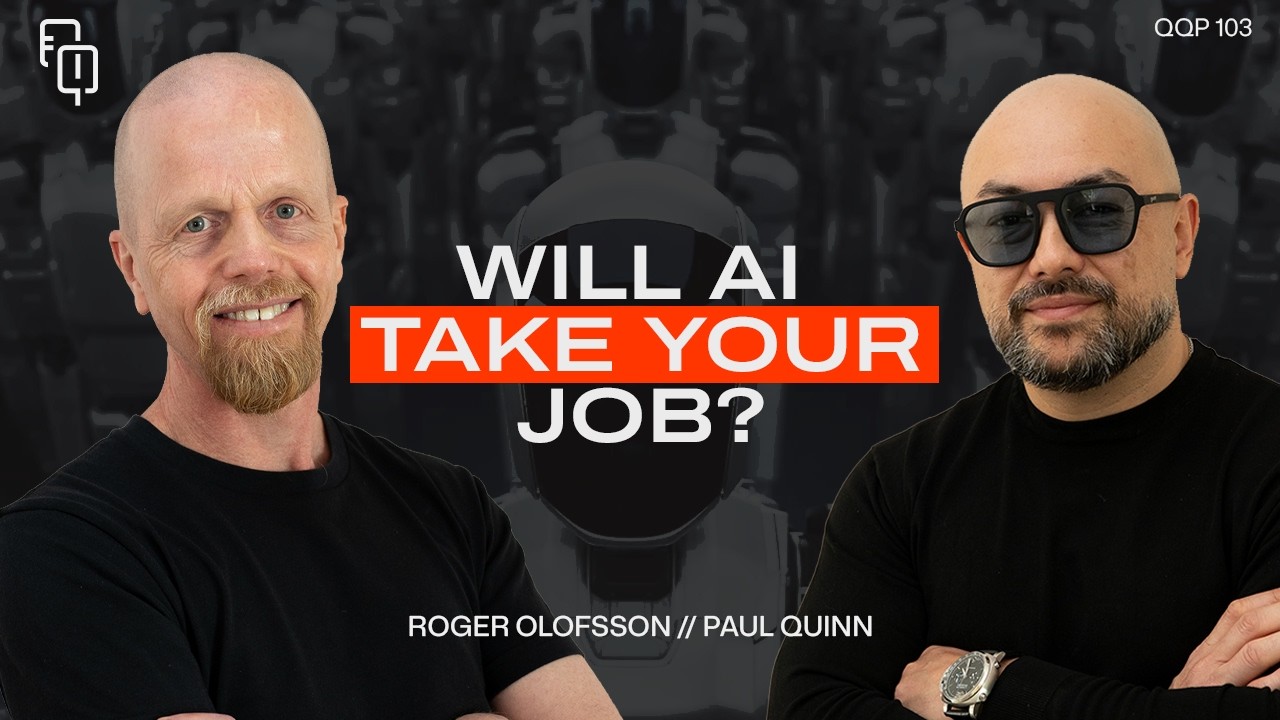
Building an AI Company Inside a Search Firm with Roger Olofsson #103
In this episode of The Quinntessential Questions Podcast, Paul Quinn sits down with Roger Olofsson, CEO and co-founder of Olofsson & Company, the executive search firm hiring for startups, AI, tech and fast-growth companies. From a childhood in Luleå, near the Arctic Circle, to landing in Singapore in 1996 as an exchange student with a backpack and a suitcase, Roger shares his transformation journey through almost three decades of recruitment in Asia, and the moment he finally backed himself to build his own firm.
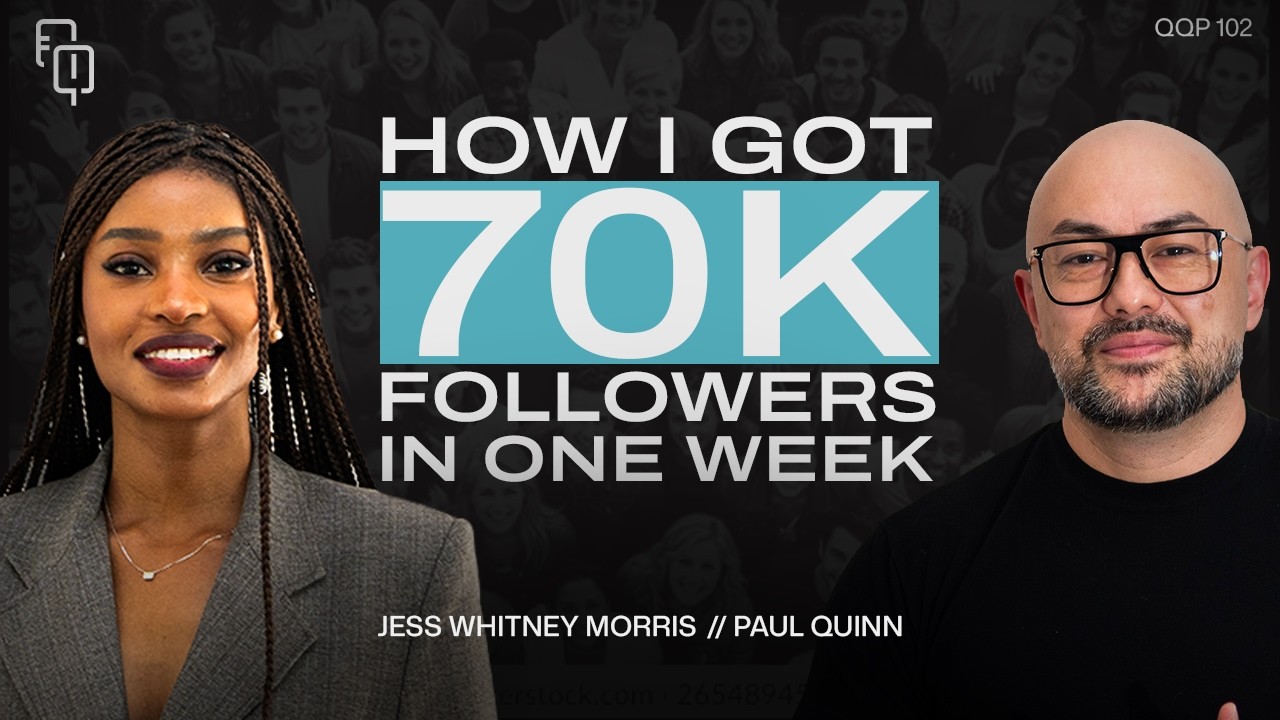
One Video, 70K Followers: Jess Whitney Morris's Breakthrough | #102
In this episode of The Quinntessential Questions Podcast, Paul Quinn sits down with Jess Whitney Morris, model, social media management company founder, and media presenter. From growing up in poverty in Uganda and working-class England to working her way through Abercrombie, Hollister, and a self-funded university degree, Jess shares her transformation journey and the moment her father tore up her first modelling contract in half.
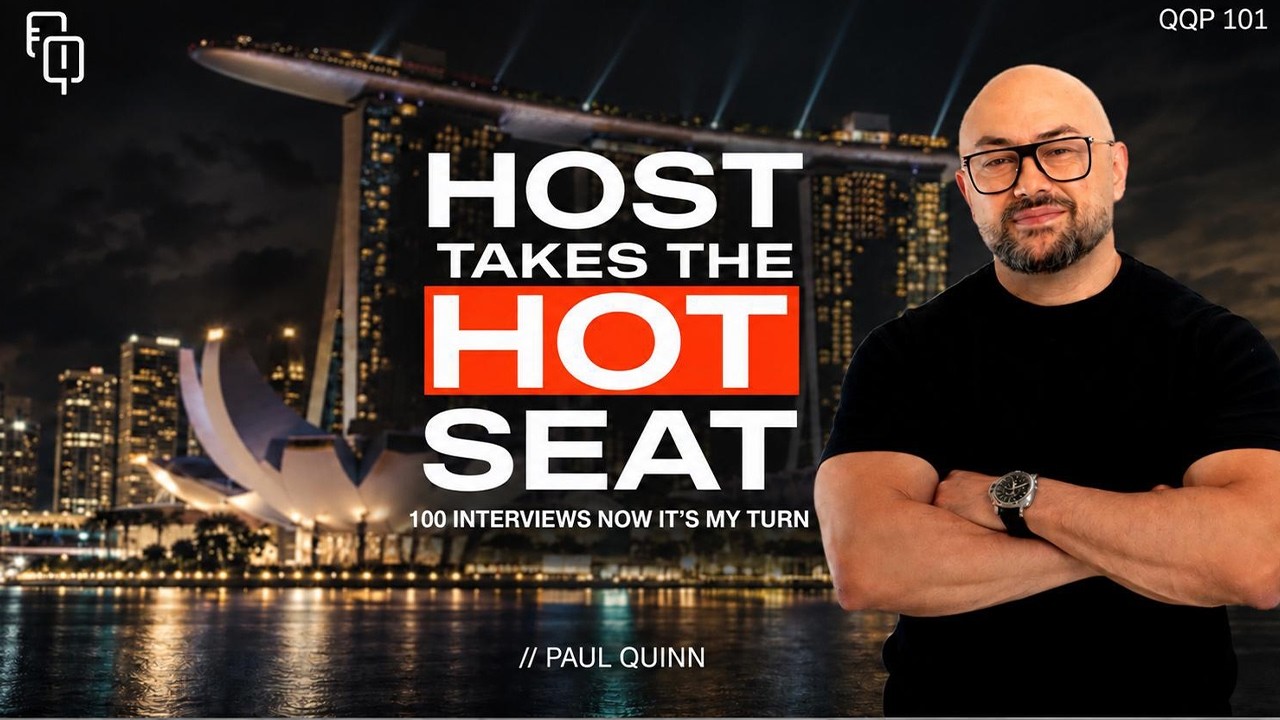
I Interviewed 100 Extraordinary People. Here’s What I Learned | Paul Quinn
In this episode of The Quinntessential Questions Podcast, the host takes the hot seat. After 100 episodes in the interviewer's chair, Paul Quinn, who runs Westport Executive Search and founded Quinntessential Coaching, answers questions sent in by guests, friends, family and listeners. From hitting a career plateau to building a podcast that now welcomes Olympians, world champions and global CEOs, Paul shares his transformation journey and the moment he decided to put a spotlight on helping people.