
#10 with Steve Brice Global CIO, Financial Wisdom and Career Milestones


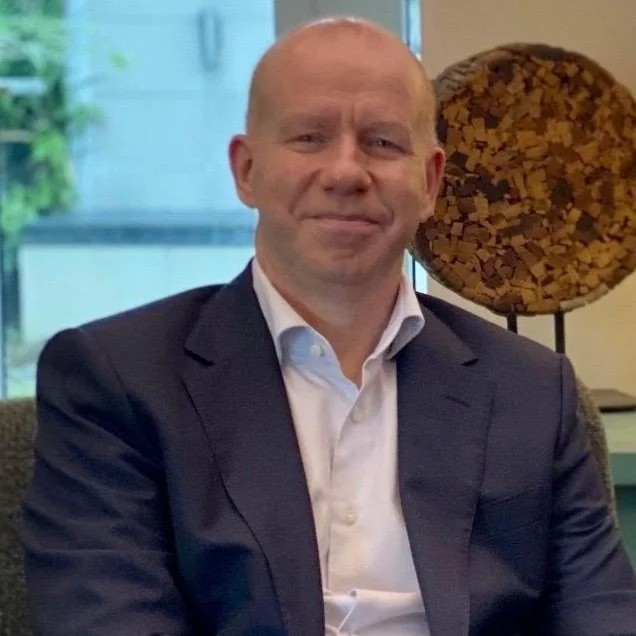
"The Quinntessential Questions Podcast": Paul Quinn, renowned Headhunter, Career Coach, and CEO of Westport Partners speaks with Steve Brice, Global Chief Investment Officer (CIO) about his UK upbringing and beekeeping to a career in consulting and banking across Singapore, Dubai, and South Africa, Steve shares his journey.
Discover his insights on career choices, hiring talent, investing fundamentals, and building a portfolio. Steve discusses the importance of saying "no," blunt feedback, addressing biases, and maintaining mental health. Learn key strategies for career growth, networking, and personal development, with reflections on his favourite sportsmen and pivotal career moments. Perfect for anyone seeking career and life inspiration.
TIMESTAMPS
(00:00) Intro
(04:40) Growing up in the United Kingdom
(10:00) Beekeeping
(12:39) Working in Hotel
(14:10) University & Education
(19:31) Liverpool
(24:57) Getting into Consulting
(29:22) Joining Standard Chartered
(34:42) Moving to Singapore
(38:31) Choosing a Career Path
(39:46) Hiring Someone Better Than You
(41:35) Sliding Door Moments
(45:26) Moving to Dubai
(47:44) Importance of a Running Mate
(52:00) Taking a Step Back
(53:40) Moving to South Africa
(57:23) Returning to Singapore
(1:00:56) Education on Investments
(1:05:01) Foundation of Investing
(1:08:40) Income Investing vs Investing for Growth
(1:11:47) Negativity in Markets
(1:13:14) Building a Forever Portfolio
(1:15:11) How to Start Investing
(1:19:11) 3 Key Messages for Investors
(1:21:30) Discretionary Portfolio Management
(1:22:53) 3 Key Messages for Career
(1:26:14) Importance of Saying "No" & Blunt Feedback
(1:31:10) Addressing Biases
(1:34:18) Understanding Where You Are At
(1:39:10) Put in Your Best Effort
(1:41:54) 3 Non-Negotiables to Live By
(1:43:20) Key Themes from a Chief Investment Officer
(1:46:20) Getting the Best Out of Yourself
(1:48:10) Importance of Speaking to People
(1:50:55) Best Period of Time & Quarter
(1:55:30) Pivotal Things for Your Career
(1:57:52) Different Styles of Networking
(1:59:50) Favourite Sportsmen
(2:01:10) Importance of Mental Health in Sports
Bio
Steve Brice is the Chief Investment Officer at Standard Chartered Private Bank, with over 25 years of experience in financial markets and global investment strategy. He leads a team of investment professionals and chairs the Global Investment Committee, shaping the bank’s cross-asset investment views for private and retail banking clients.
Over his career, Steve has held a number of senior roles across multiple regions, including Chief Economist for Southeast Asia, Head of Research for the Middle East and South Asia, and Head of Global Markets for Southern Africa. He began his professional journey in London and has since worked extensively across Asia, Africa, and the Middle East.
Steve holds a Master's degree in Economics and is recognised for his practical insights into global macro trends, portfolio strategy, and investor behaviour. He is currently based in Singapore.
Transcript
[Applause] [Music] hi guys hope you're well today I had the pleasure of sitting down with Steve Bryce the global CIO at standard charted Bank been with the business for over 25 years originally from the UK he's lived and worked across the world from his time in Dubai to Johannesburg and of course Singapore for it was an absolute pleasure I'll let Steve introduce himself properly but uh hope you enjoy the chat as much as I did Cheers Steve it's lovely to see you it's a real pleasure to be here thank you so much for taking time what have you been up to man how's how things um it's been a bit chalous I suppose the last six weeks though I had uh some emergency surgery that was uh yeah within 24 hours of First sympton going in being on the operating table was uh yeah that was a bit testing um but the recovery is going well so and I'm back into work now so all back to normal very scary it is what what I mean without going to too much detail what was the first sympton like how did you know so extreme stomach pain okay right so I had a a massive infection um that uh yeah as I say it was it was pretty I think when when you're in that situation for for for you as a person obviously it's extremely painful but it's very difficult for the family looking on and seeing some L one in so much pain and the uncertainty that s surgery brings so um yeah so it was yeah it was not not not ideal but uh but as I say everything seems to be a lot better today you know what it just completely recalibrates the way you think like you know my wife's just got out on a serious spinal operation and um she looks great by thanks yeah she's recovering really well but so when she was uh in the theater and I was waiting I had a bit of a cry because I was thinking what happens if what's the worst come worst case and you you try to get past that and um actually in prep preparation for today I watched a podcast with my Johnson the former 2 400 met run is one of my Idols yeah and he amazing running style right very distinct yeah very upright yeah it's so interesting because he he the guy asks him you know who would have won you against you bolt back in the day and he said yeah of course I would have won and I think beg to differ okay we all do but then he broke it down and it was just you know and he said but of course any any top athlete is going to think that yeah um but he had a stroke and he he was very very healthy and he puts it down to probably thinking he's Superman and taking on too much stress cuz he's an entrepreneur now and he said the symptoms were so mild but he knew his body very well and within maybe two hours of getting to the hospital everything was shutting down and it was it was touch and go um and he you know you could die medium case scenario you lose a lot of the the use of your limbs and what have you your ability to speak um unfortunately for him he came through it but because he he he was only 5050 yeah right and and he's super super fit right and he doesn't drink or smoke or you know so it's just so you just have to watch your health as you get a bit older yeah I guess I mean stress is obviously always a thing I think for me possibly dehydration okay because I do decent amount of exercise so I'm just making sure I'm hydrated is is really important so me our Focus it's a tough one right yeah so please for the audience introduce yourself because you've you've got such a wonderful career history which I want to go into today but if you can give an overview please yes so um so I'm Steve Bryce I run the CIO office for Standard childood Bank based in Singapore um so we have a team of around 40 people um both on the advisory side so the investment strategy coming up with the views on different asset classes individual Securities so whether it's stocks and bonds uh and then a separate team um I have actually manages money on behalf of clients um so we're seeing very good growth actually in that area which we may touch on later but um that's a growing piece and and very important to us as an organization um I've been with stanchart for 26 years wow so it's an Innings right so which is more than half my life so you can now calculate roughly how old I am amazing um so I started in Singapore as uh on a G7 Economist then Chief Economist for Southeast Asia then went to Dubai to do head of research for the middle east and south Asia then I ran a business for three years in Johannesburg which was fantastic time from a personal perspective um so we yeah and from business perspective as well but we were there for three years so I ran Global markets for southern Africa amazing um and then came to the CIO office initially as Chief investment strategist and then became CIO three years ago amazing now what a lot of people might not know about you you didn't have a very typical you know entrance into the financial world and just share with us where you grew up in the UK how how you how you got to where you are oh gosh that's uh through a lot of accidents positive accidents maybe right well one of the things I definitely wanted to touch upon because you and I have this in common we both worked in hotels when we were younger and we also both wanted to be Hotel managers yeah I think working in a hotel beats that out of you pretty quickly I think within within two nights I was like done but where where were you working what were you doing okay so so uh I grew up in a lovely part of England so uh near strapford upon aen a little village that nobody's ever heard of straford people have heard of because of Shakespeare um so yeah I took a year out um but as part of from ag16 that we had this work experience thing that we had to do so I said I want to be a hotel manager so I go and work in a hotel so I actually worked there in the end for over 2 years on Saturday and Sunday mornings um very very uh gorgeous job cleaning toilets from a pub on a Saturday and a Sunday morning after a Friday and Saturday night so you can you can imagine what that um you know dreading opening the doors um bottling up making fires cleaning the brass all the all the really sexy stuff so it was a traditional old school Hotel it's a Shakespeare Hotel so what it's called so it's a Tuda house so it's really creaky floorboards roaring fires the whole world really lovely actually got even more cuz I I worked at the grimsdyke hotel okay and and it very similar right so had nice beautiful grounds yeah okay well this didn't have beautiful grounds because it's in the center of of Stratford but but yeah really it was really actually one of the things that was really interesting was and I have I have a huge respect so the boys will tell I'll tell you the boys saying who's the most important person in this building they'll go the people who clean the toilets cuz if the toilets aren't nice then people won't go right because it's it's it's an indicative of of the quality of the building that you're in um the other thing was that I I did some service work as well so butlering or uh serving afternoon tees God that's that was I mean okay as a 17y old that was tough yeah so I have a huge amount of respect to make for people who make that look easy yeah well being I'm I was a qualified so we' got so much in common cuz my first proper job beyond the hotel was working full-time as a toilet cleaner cuz they didn't have any other job starting like immediately and paying me weekly in the hospitals and um and then in the evenings I was a wine waiter but I found out you could earn more money um because I provided all St being a silver service waiter but then you had to become qualified you know so you're absolutely right it's not easy and and the guests aren't always the most polite people well when you to be honest when you mess up somebody's order I don't expect them sometimes sometimes they're a little bit Rudder than they needed to be but yes uh it was a Ruder waiting but touching upon that because our kids haven't had to do work experience I think it's in Singapore anyway it's gone and it's lost and like I think it's a real shame cuz you you know you may not know what you want to do but you very quickly learn what you don't want to do yeah and and look so absolutely um I think you know what's interesting is now our youngest has finished high school um and he's going to go to Australia so now he's got six months uh to do something so there's been a huge amount of pressure from our side okay what is that something that something is not waking up at 1:00 in the afternoon and then going out for your mates uh on repeat in the evening right so you something meaningful and and and it looks like it's going to be volunteering in Singapore right because we're on a we're not on a um we're not PRS okay um so you can't do paid work so it's probably going to be something on the volunteering side wonderful good stuff so then what happened after that so you had that year out yeah so in that year out I I did three things um so I started in the car and industry um so I was on the quality control side as a 18yearold uh on a on a power on a line it's a basically a powder painting and Electro painting company for sunroof that's what it did um so I did that for about eight months did you have a car at the time so it's actually quite interesting yes yes I did my father was the MD so it's bit of nepotism coming through right um um so I used to drive in with him which used to me basically meant the company had a great deal because they paid me for 8 hours and I was basically working 10 11 12 hours right that's the reality of it so yeah which which was fine for me I mean it didn't yeah know I was young I didn't matter right um so yeah that was that was really interesting you know we we were getting stuff to Long Bridge so if stuff didn't um get off the line quickly enough or in a controlled way enough um then that was yes it was a costly and stressful environment um then my father was made redundant um so I I decided I wasn't going to traff 40 miles to to work every day so I I resigned as well and then I did five weeks in a supermarket stacking shells a that was I mean not the best paid job ever but it was it was so therapeutic really just right no stress I mean if you you sometimes you like go what would you go back to and I think you know nobody wants to go back to the pay they had when theya but the lower level of responsibility can sometimes be quite uh you know especially at your age that age you're thinking about what's next yeah yeah and and then I worked for the government so um now this is the funny one so I was I worked at What's called the national B unit okay um so and and that was basically B disease diagnosis largely um so they had different vers so it's basically crushing bees and then looking at them in a microscope to see well we now know how important bees are to the ecosystem right absolutely but did they know then or that's part of what that whole yeah I mean everybody knew how important it was and and and you know beekeeping was in the decline even at that stage when are we talking so this would be uh 94 95 95 I guess um uh and yeah that would have been uh it was a it's a big it's a big deal what are you doing for them sorry what was I doing for the beat oh so so so then then we would basically so if you found a a disease then basically that Hive would have to be destroyed right so you'd identify where it came from and then we we also kept our own bees which was uh which was interesting uh I'd never been stung by a bee U before I started working there I got uh I picked up quite a few while I was there um but it's pretty nasty right you can have a really I've I've been I've had a really bad allergic reaction so what was interesting was that they don't have they're not allowed to have the medicine or the antidote on on site really yeah so you'd think that that's something that would be allowed but you're not allowed so everybody was waiting for the first time your I got stung and then we're like just literally every sat down and watched me for like next half an hour no he's all right cuz obviously the hospital wasn't far weight so could get there in time but goodness um so yeah so that was it was that was out of those three jobs the best paid job which which was interesting it was not that stressful as had a bit of danger money right surely well yeah I think uh possibly possibly not but but it was it was fun really nice people how much are we getting paid an hour do you remember test your memory gosh it it really does so I I would think I was was getting about £455 an hour something like that cuz when I was a toilet cleaner it was £280 an hour I remember and as a wine waight I was £450 Silver Service was 680 I remember nothing so I remember getting my first pay rise when I was working at the hotel I went from 150 an hour to 167 and I was over yeah there's nothing really like and and this is what I tell the kids is there's nothing like getting your first paycheck yeah right it's just oh i' I'm wor maybe it's almost like I'm worth something to somebody right it's a validation even if it's like 150 an hour it's just saying yeah okay I'm doing something of value I tell you a funny story so um I worked out very quickly during the summer holidays when I I was 16 if I work the morning St afternoon shift slept there I could do the next shift starting at 4:00 and I got to sleep in the hotel which I thought was brilliant right and um they would they would give you two or three mixers my favorite drink was bitter lemon and you know it was great and had nice ground so I'd go for a run and stuff in the evening um one morning uh I had checked this Indian guest in this gentleman and he had a lovely Mercedes I remember so in the main Hotel there were a few rooms but the rest of the hotel was probably an 800 meter walk away and um a lady comes in who turns out to be his wife maybe several you know several hours later cuz he arrived very late at night looking for a husband and I said well I haven't seen him and uh I wasn't here to check him in well it's car's outside I said well I don't know and uh she was swearing and cursing going off and um so very quickly I went and I knocked and I said excuse me sir that lady's here that's your wife be and he went into panic mode he said what have you told her he said okay okay and he was there and the other lady was in the hotel room and I stood there and then he gave me about10 in coins which which I was over the moon I just thought I'd have to work like four hours and um so then obviously she couldn't find him I was just remember that that was my first experience of diplomacy and how to deal with things diplomacy and it's extreme just so after that then you finished that and you went to UNI yes so I went to uni uni went to University of North umbrea in Newcastle which was Newcastle poly I think when I applied yeah um and and did um so I did economics with Finance undergrad did you know that's what you wanted to do were you not all yeah so um so a levels for me were maths uh economics and German okay so um very clearly Matts was not a non-starter I was not smart enough I didn't really enjoy it either that that level right so that was a non-starter getting fed up with German I'm actually relearning German now right U and so um it's it's it's I like the language actually but I think I just had um you teacher I wasn't that appreciative of when I was doing my a level so I fell out of love with it um maybe thankfully now um uh given hindsight and so really left economics I didn't do the the good thing which I look as a pivotal thing I was despite my father and my both my Elder Brothers I'm the youngest of three doing math physics chemistry at a level oh really I dropped physics at gcsc so I didn't even do physics at gcsc we were the first gcsec year and that meant I couldn't if I'd done physics at GCC I could have done engineering and I might well have done you know so that one that one decision yeah when you're 14 right making that decision and and hug disapproval from my father he was very upset I don't know how actually I got away with it really uh and he was quite an easygoing guy but but yeah that about yeah I think he and I think for right reasons it closes off a lot of doors and it did but then you know I took economics like a bit you know in the first year I did okay you know I was just going through the work and I came third in the year and I was like oh I'm good at this well I mean it's not wasn't the top-notch university right but but still and I think there's benefits of going to a university that you're in the top 20% rather than you know striving to get to Oxford or Cambridge or whatever and being in the bottom 20% I think there's a there's a benefit of being in the top of you and by the way I have no doubt that you had a lot more fun at that University than most did because of the drinking culture uh newcastle's a lovely lovely city I so my my son is now selling in Durham so just a Stones throws further south right and he goes up there occasionally and and enjoys the night life so um so then yeah then I said okay I'm hey this is interesting right you know I it wasn't that I wasn't working but I wasn't I was basically turning in assignments when I was meant to I studied for the exams reasonably I played Cricket right as well that was that my downfall I think throughout my life is I played Cricket which is always around the summer season so you know study study leave was uh often Cricket leave for me um but then I took started taking economics seriously from the second and third year um so did you learn how to put runs on the board because in business you still got to put runs on the board just a different timee yeah no it's so I I I guess um you know I'm more of a bowler than a cricket than a batsman but uh yeah no I think it was it was still still a fun environment we still we worked I worked hard a lot of my uh uh friends and colleagues didn't work as hard but uh I surrounded myself with some people that did so that was that was actually really important it is I I I I didn't think about it then yeah um but obviously I read a lot of things now and listen to podcasts Etc and people say you are who you surround yourself with I think there's a lot of lot of Truth in that yeah um actually unknowingly I was just very fortunate U I fell into the top math class in high school but I was the worst at math and don't ask me how the top three mathematicians in the entire year would sat on the same desk as me and routinely 5 minutes into math class I would be sweating profusely rolling my sleeve up undoing my tie and um two of my best friends Richard and Ian I would get them to teach me and the funny thing is they didn't study they were just naturally brilliant but by teaching me I think they got better at what they did and then after a while they they thought okay it's working for them as well but you're absolutely right you know and a rising tide I think often raises most ships really it really does yeah so deons then what happened um I think you're looking at the market for for a job obviously and it became pretty clear that getting a masters um was would get your CV higher up on the pile of CV he told you that because the thing is I remember not many people will necessarily give you that advice and I think that's great advice I I don't remember where I learned that from right um but I think there was some and when you're looking around there's some jobs that say you need a masters yeah to apply right I was also aware that you know and I had a great time at University of North AR so I'm not dissing it right I was really I mean I'd recommend it to anybody it was a really great place but on a CV it wasn't like top of mind yeah right um so I had the benefit of both my brothers failed a year at University so they'd done four years so I had it in my mind that I had a a right to a fourth year um and so yeah I I I applied to going to Liverpool to do a masters um were you already a Liverpool fan yes I was so since well certainly from 5 years old I was right so 1977 top three Liverpool players of all time oh probably the ones in particular that you grew up with okay so I mean Johnny Barnes was was super super special yeah right I just the thing you still remember his song Can you rap it oh gosh did that was a great song yeah okay the I remember the was brilliant he was yeah so so no he I mean just the amount of stuff he could do with the ball and I remember actually so when I was in working in London later we I actually went to the Dell yeah right which is now now it's they play at St marus but southampton's ground and I remember the Liverpool fans booing Johnny Barnes because he'd done his I forget what it was his hamstring or his really had a bad injury and and basically you know his muscle was like three in shorter than it used to be so he couldn't move move us effectively and I was so disappointed because he was such a great and yeah he would be to me the crowd's so fickle right you know yeah and and Liverpool fans fans Pride themsel on not being yeah but they can be I mean I saw I think sometimes you can see time yeah he I'm pretty sure he scored the winner I think David bessent passed the ball to him that day accidentally obviously and I'm pretty sure Barnes scored the W one in a one nil so one two and three so there's some of the obvious ones right but I'm going to be different right go for it John aldrid okay right everybody goes for Ian Rush yeah I I was it was a sad day for me when Rush came back yeah and almost Aldridge was kicked to the sidelines because I thought you know to come in to take over from Rush and do what he did yeah maybe it's more the mental side of it as well was hard was was and he was he was great for the Republic of yeah you know cuz cuz my dad was Irish and he was like couldn't support England when he was around I supported England and Ireland if they played together was going to be Ireland um but yeah he was a great player okay then 72 uh I would there's a good conversation between Virgil Van dijk and Alan Hansen I think it's really difficult they're very different players but I guess if Alan Hansen had van dijk Pace yeah then Hansen would probably beat Van Dyke but I think because van because Hansen's positional awareness was just immense yeah um I think but I think Proby van djk T I've seen many alen Hansen in the boardroom have you yeah a few guys like that do you know what I mean he's got that that visceral kind of aggressive approach I like that oh good man good man yeah I think growing up when we did football was such a big thing I don't I know you probably still watch it a lot right because be you know sponsor as Liverpool but I don't I don't watch football half as much as I used to so I mean so it's funny right with the boys so um the boys were obviously very when they were born the first thing I bought them was a Liverpool shirt right so babies in Liverpool shirts right so and and they were like I should be able to Sho pick my own football club no no uh I pick your football club you can pick your wife and then my wife jimes in and says no I've got that you can pick what you what do at University right so they're both obviously got girlfriends now but um so so I I think yeah we we tried to watch as much as we can obviously the time zone is is most trying so I you can tell how well Liverpool are doing by how how awake I look during the day yes so if I'm looking really sleepy we're doing well because I've been getting up at like 3:00 in the morning or whatever to watch yeah I need to see the result just look good do you do you remember Rees Maly well yes yes of course so the first time he was he was he and Michelle longini were my first clients at BMP and when he moved to Stan CH and you guys had Acquired aex and temporarily uh he was in the aex office in Hitachi Tower so I had a meet I had a meeting with him and um they said oh just wait there and I said no I can see rees's desk over there because he had a big Liverpool shirt spread over the front of his desk I knew it was his desk just just from that which I thought was pretty cool because most people wouldn't do that right yeah so I mean I think you know for me I always say when people say what what what do you like let's say uh so it's Cricket first rugby second okay and then Liverpool okay so uh and that's the way it is but with with the boys when they were growing up obviously they went through a lot hard hard time right I because we were didn't stink the place out but it was more lows than highs than maybe Liverpool shouldn't shouldn't expect anything right but what we felt they should expect um so remember um the Champions League final when we we won something for the first time right I just Ori scored the the second goal because obviously we're one n from the penalty early on and I still remember Orie hitting that ball and it hitting the net and I just started crying because the boys had actually seen Liverpool wins something obviously we went on to win a few more things on the journey amazing yeah it is a journey so when you first started with the you so you finished at University of Liverpool your master how did you then you got into Consulting right so yeah so um so I was obviously at a a Crossroads so there are two options right I I enjoyed the academic side quite a lot so I applied for phds um both in Liverpool and actually one of the um it wasn't a professor but one of the lecturers senior lecturers at Liverpool um was moving to Durham so I also applied to do a uh a PhD in Durham were you applying during your Masters or at the end of it would have been towards the tail end but yeah but it would wouldn't have been right at the end cuz my wife when she applied she told me in many ways the application for uh she did her PhD at Yale it was even more timec consuming than doing a masters at Yale it was it was full yeah I mean I'm trying to remember whether I actually got to applying but I was going through the process okay right um and then the so the professor there was a guy called Patrick mford actually one of the reasons I went to Liverpool because of Patrick mford because he had one of the best economic models for the UK economy which I got disenfranchised about because I found out basically he got the models outputs and then tweaked it okay so so there was a bit of a qualitative overlay as we like to say right um so so um but but um but anyway so he approached me and said look there's this financial consultancy called idea um Chang to idea global at one point obviously you can probably guess roughly when that might have occurred um they were looking for you know um graduates to go and they only took from M to Masters um the um the guy who headed it from a research side was a Liverpool University of alumni so we're still in touch actually we're not don't talk much but we I met with him a few years ago uh in Singapore um and so okay fine I'll go down to London have the interview see what happened I applied also for working for the UK government which is extremely competitive it was really interesting right as an I right the amount of tests they make you do and stuff like this I think it was pretty clear to me that wasn't going to be my path um and so the obviously the interview went well I I don't really remember much about the interview process um to be honest I think it you know probably two or three hours um got an offer and I was I mean it literally this shows how um these things can change you you like go okay so I think it's about 3,000 a year to do a PhD or 15,000 going to work in the financial sector and I I didn't understand the upside of that number as well over time did they give you any London waiting for traveling in cuz 15 grand without any travel is really a struggle it was just I mean at that time yeah it was actually to be fair I mean the place I lived in my first year in in London where was it which so it was in um oh it was up north New South Gate okay um cuz then you cuz you I don't know how much it was back then but I remember doing the maths and it's like if it cost you £7,000 to get from zone five to Zone one you got to you got to take that into consideration right yeah so I think it was in zone four if I'm not mistaken okay and um and it was a just uh I mean you no matter how much I cleaned it it never feel clean there like a bedsit on top in in somebody's house the top floor so sharing bathroom with the family that lived there well my mother and and Son um I think it was about 300 a month or something like that you know so decent amount of my yeah salary going on something that was not really great these things shape you right and you'll always remember them I mean it makes you have I mean yes I guess you know so we always think about okay so what if something was to happen with the job and and stuff like thisly you know let's say that happened 10 15 years ago you're like go I can still live pretty cheaply I wouldn't have to go back to that yeah right so you you can you can uh cut your cloth I suppose yes um uh but yeah it does does show what how little you can get by on I guess yeah so two years there right so just over two years yeah before before you started this quarter of a century plus yeah how did SCB come about it was really fascinating so so and one of the things I always talk about patience but I was probably not patient here right maybe I was younger that's why I think the so two things happened right there from a push factor perspective right so firstly um I had a very minor operation it was prescheduled right I needed to be out of the office we thought thought for two days it ended up being out 4 days okay um they told me that I'd have to take the two days from annual leave not from s Le which I thought was just wrong right personally right and they didn't they weren't generous with leave anyway but it just to me that happen you the wrong way it did 100% And then um we got pay increments right so after the first year and I F found out that one of my peers had pushed back right and said no I'm worth more than this and stuff and they actually had given him which I guess today would be well more for you st for not doing the same not having the confidence to do the same as well but I I also felt that you know we were operating at the same level there's nothing you know so if if he was worth that much then I was worth that much well you guys feel like you shouldn't have to ask right which is uh but as we get onize yeah and look it's you you I I I guess one of the things I'd say is I I've pride prided myself on being easy to manage right I think there's a huge value to that um it also means when you're not people listen y right so there's two or three times in my career I said look this is getting old yeah right you know so I think there's one stage I hadn't had a pay increment for 3 four years or something like that and you just like go yeah I but it was just a word with my manager right and then yeah something came through I I I I don't want to be overdemanding but sometimes you're like go look you has been 15% inflation or 10% inflation in that period you know I I know you can't make it all up but it' be nice to get something so um so yeah so that was sort of a then I just sort of made it through a few contacts um I had in the market because I was used to talk to Market participants all the time even at that junior age right it was like two years of work experience but I had a good name in the FX market right so people valued our input I used to work with this guy I think it's Martin Smith a technical analyst and we work really well together it's and I never caught up with him I'd love to catch up with him because he's he was a really good guy and um so yeah so so just put a word out within a week I had three people knocking on my door amazing so two of them were St up interestingly so one is in London and and and one was in South African guide actually and did did they know was it dual reach out or they were no they were independent so I let the South African guy now I'm still very close to him guy called Johannes yobas Yan bath or kobus try saying that after a few be yeah so so um so look we and and he he he became my boss right but the the the idea was the Head Hunter came to me and said look this guy wants to speak about moving to Singapore I was like going fine you can talk to me but I'm not moving to Singapore of course 68 months later I was sitting in Singapore in the Singapore dealing room at a battery Road play to the Head Hunter so um yeah that's where my office now is funny enough it was really bizarre because I I I you always tell yourself narratives or you misremember stuff but I'm sure he only asked me he talked about the bank and he talked about what he was trying to do and stuff like this he didn't tell me his plans for me in that role if I was to take it which it would have scared the liming Daylights out of me if he had um um but he he only asked me one question which was Will Italy be part of the uh Euro right and I think it came from the London team was telling him no no they won't because they miss the they'll miss the convergence criteria and I said this is a political project Italy will be in Germany will miss the convergence criteria by the way they'll be in as well this is a this is political project and apparently that was the right answer and he he offered me a job brilliant and see those things it was the right answer as well of course right so it wasn't but but it was for him it was the right answer but that's the thing in the Heat of the Moment under pressure and let's just say because he wouldn't know if it turned out to be right or wrong he would have to take a call on your conviction your thought process and obviously you went against the grain that everyone else so he probably like that right yeah yeah look and it was to me it was very obvious I mean it what you know maybe today I would be less assured right know you know a lot more which means you know you know a lot less as well right so um but yeah so that was so great so you literally started with stany in Singapore yes I moved continents and companies same time at the age of 25 love it man where did you when you so because I'm based in six baty road now okay and it was it's a great building I love the location so where were you living when you first moved to Singapore oh um so living so the first month was in the carton hotel right while I found a place and then we got a place just off near bound moral okay um just on very Central yeah um well listen it's chalk and cheese from the UK right when you get to Singapore it's like wow yes yeah and and and I was very lucky to then I did have housing assistance from the bank because obviously then otherwise the numbers wouldn't work up and work out what was interesting was obviously this this was as the Asian financial crisis was so I I think I started talking to them probably in about August of 97 so like a month earlier and this was not something that was Central to my world right Thailand did the value on the 2nd of July and sort of yeah I knew it had happened but it was not um not not something I was you know thinking through the connotations of or anything like that um so between signing and joining I think my salary went down by2 % in in Sterling terms because of currency devaluations across the region but it was but it was it was was right do you remember what the exchange rate was at the time it was 2.4 when I moved here 2.4 sing to the pound I I think it was probably about then about there I I I for I forget the exact level but yeah but like because you're an XFX man you do look at these things and think oh my goodness so yeah look and we I mean the I'm a big believer in the Sing dollar just appreciating over time so when we moved around the world we always left the money here yeah um and that's you know from a from a cash return perspective that's been a decent same decision agreed agreed so in stancy what's your first job then what are you doing so yeah quite quite a strange one really so I was G7 Economist okay and my job was to produce a more accurate view of the outlook for G7 Economist that was coming out of London so I was actually competing with another team in London which I didn't know when I joined right um and uh I was very lucky that so there's one guy uh again still in touch with and and I take career counseling from him when I need it right so he's retired now um a guy called fredley fredley um so I did a trip to London uh and and I I we we got on well right so uh our careers sort of went like this uh until he left the bank about five six years ago I guess now yeah um and um yeah he had a very different view to the research team on Shore and and he introduced me to some research contacts or research output and uh gave me fresh perspective on how to think about he he was head of Alm so he was managing the bank's balance sheet in London at the time okay um so he had to take basically interest rate calls all the time right and he gave me a great grounding and how to think about fed decision- making and stuff like that so we um yeah so I think at that time the London team was talking about interest rates going up and I was arguing they're going to be cut uh and they were cut I think I I would say I was right but for the wrong reasons right in in hindsight but um um because we had the ltcm crisis right um so that's that's why they cut three times pretty quickly I think if if memory serves and um but yeah it was that that was where I started now when you see when I've always thought of you as a CIO but you know no one ever just falls into the CIO role what was your journey what what were the next two or three moves so Economist yeah so so first of all I think I should start that this was not the destination for me right it was not saying oh I want to be a CIO that's what a lot of people don't know you it wasn't plan for you no I mean I I did maybe we'll talk about it later but um you know it did Peak my interest at an earlier stage in my career and I moved away from it and then came back so but at that stage yeah to be honest I was just looking to do a good job yeah you know you're still so young right and and and you get you want to get paid more of course because you know you you're paid well but you're not you know so so you want you want to but I think it was really just a a drive to you know do more learn more help more people um so uh so so yeah so as G said an economist then it became clear fairly shortly afterwards that my boss was actually looking to go move and do an NBA and actually he was cultivating me to take over him which remember I'm 25 26 this was so that's great Progressive thinking from from their perspective and your development as well and and and one of the things he look I'm I'm always modest but yeah I don't necessarily agree this is true right but one of the things he said I always try and hire PE people that's smarter than me because they make me look and that's something that's stuck with me I have no quals about hiring somebody actually that could go above me yeah right that's that's I don't see that as actually as a risk I I like but you and I know that's so rare um but I think it's it's very very very powerful yeah right it Tak a lot of courage and and um you can learn from so many different Wars of life but that that's a big one so I mean to be honest when I hire a direct report now it's always could he do my job yeah and in a positive way not not in a keep them down it's say look you know if that's the either I move on to bigger and better things or you know I do something different I'm not I'm not afraid of that you know you know when I look at some of the very best leaders and managers that I've worked with Mark vanderwell you know who who you and I know very very well um I look at these guys and you can tell their track record because the majority of people that have worked for them have evolved multiple times during that time and uh yeah I think that's unusual yeah and and and it's yeah I think it really is and I I haven't run into it that often outside of my career but in my career I've been very very fortunate right so um when I moved to the Middle East actually um so maybe I finish the Singapore and we got like so I became ultimately I became Chief Economist for Southeast Asia um what year was that roughly yeah that would be early 2000s I think so basically and and this you know if you look at sliding doors moments yeah right so remember that was what was 28 is yeah late 20s let's say um basically they had two roles in Hong Kong and two roles in Singapore that need to be collapsed into one right and the CEO in Singapore was pit definitely wanted the other person not me um but my I I think because the the choice in Hong Kong was that it was going to be be the other side to me yes and my boss didn't want to be you choose the same side in both those equations so we had what we call a group economists and then treasury economists so they picked the group Economist in Hong Kong and I think I don't know whether it's true I've never answered the question actually but I think only reason I got it was because they didn't want both treasury economists to be let go right so I think that and so who knows where I'd be now maybe i' be CEO of of HSBC or something I don't know who knows but but but yeah that is a definite sliding do that I didn't have any control of in history you really so Dubai came knocking so yeah so so that that was this interesting piece where I was talking about CIO so I actually had a so I did southeast Asia Economist and then guy I don't know whether you know Brian Henning yeah we I don't know but he and I have so many he's he's very very uh well regarded so so he was looking he was in what we call consumer back then so he was looking at setting up a sort of research function um to help advise clients on investments yeah right so that was interesting right I was you know but it was a one man band right and U so I said okay I I'll give it a go right I'll learn stuff so I did it was really interesting so I I helped formulate the private bank strategy which would never implemented by the way so that was going to be a CO a joint venture with somebody rather than what we actually did in the end a lot later um I worked on the credit side to help them build models to try and you know predict credit uh delinquencies and stuff like that uh and then obviously I worked on the investment side as well but to me it became pretty clear that we weren't at the stage where we could invest in that I was not a cheap resource so I felt I was looking at the how much benefit am I creating versus how much they're paying me and I just it felt uncomfortable by the way that is usual in itself the way the fact you have that introspective thinking way you stand yeah I mean I one of the things that said somebody says to me I'm really busy I said that's good especially in this en right right you need to be productive busy as well you can't just be you know shuffling paper around you got to stay relevant yeah um so I'm always very keen to make sure that that's the case um and so basically I I I went to my boss which is not Brian Henning it's Gerald lions and said I think given where we're at at the moment I think we should put somebody more Junior in this role and I'll move on so I got the phone call from fredle right and saying look we've got this role and I resisted for a while um because I I didn't want to give up on the on on what I was doing so basically their Economist at that time was moving on um and so I said no no no no no and then I think two or three months later Gerard mentioned on a call oh oh this role is still available piece so then I was like yeah I could miss this opportunity and and and then th this one becomes a problem and then what do I do right yeah so I remember going to my my wife and saying I'm thinking about calling Fred I said okay I said you know what that means right yeah we're moving to Dubai and I said yeah are you okay with that and we moved to Dubai right so I knew Fred would compelling right you see that that part of the process I always think it's massively overlooked like you know being in the recruitment for over 29 years um I will often ask someone have you spoken to your partner yet and quite often if they haven't I know it's not real um and there have been times I've actually invited the couple to my house um to sit down and have a talk about it because it's it's a it's a really big move it is and and I I promise you if you in most countries in the world if you type in what's it like to live in a country we know NE negative news floats to the top yeah right and we haven't even got to Johannesburg yet right so you can see that that was that was yeah it was worrying and and one of the things that we've always said is we'll we'll never not move together so I won't live in one country and you live in another yeah never want to do this that's just look some people do it and some people do it very successfully right it's not for us yeah yeah I yeah so Dubai yep so so we delayed the move to Dubai because Patrick was born in Singapore okay right so he was two and a half months old when we move I should be able to calculate yeah I think about two two and a half months old um and uh yeah so we land uh the first conf conversation well this is my recollection right I'm maybe different but my first conversation with Fred was okay Steve well now we just need to get you into the business I like hold because he wanted he wanted ultimately moved me into run a run a dealing room and and things like this and I was intrigued with that it wasn't in hands that maybe it wasn't the true passion but it was like an interesting thing to do but uh I just said look let's be successful at this and and and it was really um it was quite an open market there weren't that many at that stage at least credible voices on the Middle East so um it was really it was there for the taking and and we took it um and that was really that was a it's a very strange time of my life because I I I so successful at work struggled a little bit with um some wasn't really on the personal side some of the some of the aspects of the work I guess I I I got into negative psyche sometimes and that that was quite challenging but yeah um just how how did you handle that like when you unpack it I I I'm so lucky um we talked about having friends around that was my wife yeah so she said she she she she now knows the signs but that was the first time it really happened where it's just like going what is wrong with you yeah right you you everything's going super well family's great work's going great why what's happening and it's just I guess it's some demons I have right um that I have to F yeah yeah we and we do and and that's yeah you look at at anybody from the outside and their lives look perfect yeah the best example I always use is is is new mothers yeah right new mothers go through huge challenges but they see another new mother and they're like oh she's always in control everything's easy it I promise you it isn't so I think postpartum is a very real thing right so yeah correct so yeah it's so so so I think you know for for it's my wife being able to talk to me um and talk me through it and yeah yank me out and wake me up sometimes that happens the interesting thing is because I often feel when I speak to people I just say do you have a running mate at work um that you can speak to and the truth is it's very difficult because probably can't do it with your boss if you're really struggling um and and I think finding that kind of person so if you have it in your spouse it's great but then sometimes they may not understand the full pressure you have in the context of work so so it always helps to have two or three people well so I met my wife at work okay right so uh so in in an interview right oh my who was interviewing who who was chatting up so basically and actually it was not and I know people won't necessarily believe me but it was really from her it was dislike hate at First Sight and and so uh but so a guy was hiring um in in so he was a peer of mine and he dragged me into the interviews I was very upset with him um and uh so yeah and was she was the only candidate out of the three that basically could do the job okay right so that's that sorry I'm building her up here hugely but after that interview how long before you asked right on a date two hours later the photocopy machine no I guess it's probably about 18 months really see I can't do that like when I met my wife with within within an hour I told her you're the one but it yeah but it it wasn't like that it's not I don't believe in love at first s side I I believe that happens right I believe that's the thing it wasn't wasn't for us at all right funny when you look back at it so we had our first uh for people in Singapore we had our first lunch at La pasat when I had forgotten that I had to take her to lunch I had already eaten so I basically watched H you see real romantic right what I mean uh so so yeah so um so she was a great sounding board okay yeah I mean look and and I think that becomes increasingly important as you rise through an organization so when you're junior you got lots of people you can talk right more senior people who are but once you get more and more senior that that rock becomes far more important so so she she understands vaguely the stresses on right we only work together for a short period of time um but yeah so she get she gets it yeah it's not easy I mean in fact interestingly enough in the last few years I find most of my career coaching clients it's not that they want to leave their organization they want to know how to survive they want know how to have internal Mobility you know deal with the nuances the politics um to brainstorm right and that's it's difficult to speak to someone who might be very honest with you and give you that Clarity um I've actually had some people get up and start walking around rolling up there Steves really like is this are you telling me this is real and sometimes for example when people have to leave I say look the writing is already on the wall and it's a very simple profound thing once you've decided that that is the case you know that you have to leave then things will happen you know yeah so um yeah that's wonderful so did you run the dealing room there then in Dubai no so there I was I was head of research for the middle east and south Asia so how was but I see but I stepped back ini itally so head of research actually was based in London okay idea I felt at that stage and this is going to sound strange I think to a lot of people but I felt that I've been i' gone up through the ranks too quickly so I felt sometimes my Foundation weren't as strong as they could be that's a very sing point right so so I I I took a step back and and and and saying so I was actually I think I started as senior Economist or something I forget the title and I was really cool with that right I just said look this can go on for one two years no problem she obviously wanted to move on then she got promoted like I my time frame might be wrong but it felt like 36 months afterwards so then I went back to being Chief Economist so I didn't build those foundations for as long as I was expecting to but I think I still think it was a worthwhile thing to do for sure and then what happened um so then um so then basically so I was there for two years so we built up uh the uh research product very strongly we had a very good relationship with hedge funds so I worked very closely with the trading desks and to get ideas of flows and stuff like this is going on so we built a pretty good symbiotic relationship to to help clients um you know trade uh Middle East rates which was very hot at that time um despite the pegs or maybe because of the pegs to some degree currency pegs um and then uh the guy Julian Robertson resigned in South Africa as the head of GM know a global markets and um maybe um and then yeah so then I got a phone call from Fred who had just moved to be Africa head of global markets and said I've got this vacancy in jbg yeah and uh and then yeah my wife does Google living in South Africa particularly Johannesburg yeah and yeah that's that's it's a tough sell is yeah especially for females yeah right um we had the time of our Liv personally right so we still we went back last year so my uh we've been back twice since we've left and and it was our eldest graduation gift and so he chose to go back to South Africa and we went southern Africa so we we we caught up with friends both in Cape Town and in Johannesburg um can you do a South African accent after a few beers um I think most people can I used to get into trouble for doing a Newcastle South Africa accent when I was in Newcastle I remember being threatened by one of my close friends for uh I won't say are you taking the yeah uh so um yeah so um but yeah so it's uh it was really really good lovely it's it's such a shame what's happened to that country lovely lovely place people I I I know everybody sees the headlines right and there that is a very very serious risk generally the people you meet in the street in the supermarket such a gentle um gentle people yeah um so yeah we had a we had a really great time so running dealing rooms across southern Africa so four countries so South Africa Botswana Zimbabwe and uh and Zambia and obviously you did a bit of traveling when you were there actually I did but only on business so the sad thing the sad thing so most embarrassing thing really was when we went to Botswana last year went Bango Delta right did did The Safaris I had I had no idea how big Botswana it because I basically literally I could you could I never did I flew there but you could drive across it's like 20 minutes the other side of the Border is the is is habon right and so you yeah so but it's it's like so it's bigger than South Africa with a population of like half of Singapore yeah so it's just it's immense bar right yeah I've I've been doing a lot of research because I wanted to do a horse riding Safari oh wow and the one that's really interesting is is in Botswana you can do others in Kenya um and then you can do a self- drive in certain parts which sounds exhilarating but it's a little bit scary as well yes but it's it's always what they say when it's on your doorsteps so ironically you're back here now traveling over there yeah you know so we we we did a lot within South Africa so I mean I I feel like I'm an American now so why why do I need to leave it's so great here but it really was right there so much you could do yeah so I mean we we we never actually went to Durban we went with a when a so I remember seeing the stadium of a uh what do they call hurry Cup Final okay so we could see the stadium lights from where we staying that was it um so when the Sharks W and um uh so yeah we went all around the you know Country Cape Town Stell and Bosch um down to the South Coast as well um so really I mean yeah so so beautiful then we could drive we drove everywhere right I mean no not you go to Cape Town you you you fly there so how long were you in South Africa for so just over 3 years okay so yeah so yeah and after that where did you come you go back to Singapore or to London yeah so so just in terms of timeline so went in 2007 went to South Africa okay January 2011 okay um we came here actually and and that Handover was very Swift because I um basically I had to tell people because in South Africa I don't know whether you're aware but basically people go on holiday for a month yeah over the end of the year right so second half of December to second half to to the end of the first half of January yeah it's just it's just it just empties out actually Joe Berg at that time of the year is lovely right because it's just so empty um but the um yeah so basically I was in discussions with coming back to the the the it's actually part of the research team at that point within the CI office how was research split like fixed income and equities they together so I it morphed at different times so when I started basically we had economists we didn't have oh really we didn't have strategist so so the economists and this was great for me because it meant I could do anything yeah so because I could talk about bonds I could talk about um FX Commodities and stuff like that and basically we were forming the view for everything I think it's so it's so wonderful if if a bank has its own research theme right because it's it's it's real it's multi-layered yeah so so then obviously as you get expanded hugely so you think about it we were when I joined the research team we were probably about eight people globally okay right so so and then obviously it grew massively especially when we had the Asian Equity brokerage yeah business and obviously it shrunk back since we since we decided to exit that business um so now it's pretty it's a pretty specialized function um within the CI office um you know that has it has its sleeves but when we so we you know when you're when you're picking individual stocks on individual bonds obviously the fixed income guys pick the bonds and the equity guys pick the equities makes sense right yeah but actually when we do the top asset allocation everybody has a same okay right so we um we we feel that the actually having the different perspective from different so we believe in a collective um diverse set of uh experts rather than the equity guy thinks that we should be overweight the US versus Asia Japan it's much more Collective process so when you move back what was the journey then because you you what did you do before you became the CIO so I was Chief investment strategist okay um so basically um reporting into the CIO a guy called Alexi Calla um who's now in Abu Dhabi um and um yeah so I did that I mean it was 10 years basically uh did that role with him um and that was just yeah it was basically running the investment process uh under his leadership of course uh and making sure that we churned out the the products that we need to do the Publications the presentations and we had the right governance around it Etc um we track the performance of everything we do so just working through that so we're going through a process now of of trying to accelerate the the pace that we get content on to our internal not internal but client SE mobile that right yeah so today I was on a call this morning saying okay we need to manage translation in the same timeline how do we do that so some of that's just literally functional so interesting I just want to talk a little bit about um some of the things that you've learned as a CIO um I would imagine it's difficult to get people to really have an investment plan and then to stick to it and not not you know change course you know as the wind blows tell me about that yeah so look it it is it is really challenging right because we're bombarded I did Bloomberg TV this morning we're bombarded with news like that all the time right views volatility so obviously as we speaking markets have sold off aggressively in the past week or so uh and and people get scared by that and get knocked off track so people I think the mistake that most people make is that they either think they know what's going to happen and therefore they take very narrow exposures and that's easy to get knocked off track because if those go against you then you think it's too difficult or you yeah say 20% down what do you do yeah right um the alternative thing is it's just too complex right so we're trying to build um sort of our financial education platform to try and guide through the people through this process both the people who think they know what they're doing right and leverage bonds 90% or 80% um to to get higher yields and then get burnt saying look this we we do this we repeat this cycle why do we do this right so not Leverage is wrong yeah but you know you just need to manage that right uh or saying taking somebody who to be honest has no interest in markets they know they want they know they should save they know they should invest yeah but it's just too difficult yeah right so they never start or they start much later than they should and we know one of the most undervalued um traits of financial markets is compounding right and and people don't see it in 10 even 20 years people don't when you get to 50 60 years yeah that's Stu massive really I mean it and then have 50 60 years yeah well if you're 30 your expected life is another 50 well that's and you need to plan for 70 probably in case you get to 100 yeah when you hear like Warren Buffett talking and he talks about time Horizons everyone underestimates just how long you need to be thinking about in terms of investment yeah there I forget the exact number but something like in the last five years he's made 99% of his wealth something like that right and that's just compound yeah growth that's what it is and he started I mean obviously he started when he 13 14 or of course right do you you know part of your education do you are you able to communicate with your clients like how not necessarily to to buy after a sharp rally right and then sell after a sharp fall because it's that's that's I I would imagine is what a lot of investors do they're emotional about it yeah so and and and what you should do depends on what you own right so and so if let's say Nvidia is the the the talk of the day right so if that goes down 20% should you buy or should you not to be honest I'm not personally I have a team that's interested in answering that question but personally that doesn't excite me yeah right because I believe in the AI story absolutely do I think Nvidia is a a major contribute to Future growth absolutely so was Cisco in 2000 right right so so so the internet boom right so yeah so look you I don't you know I don't know how to help you with that too much right right but what we we're trying to say is look if you can buy a invest in a diversified what we call a foundation portfolio right drilling this into the kids and I think the older one gets it the other one's still struggling a bit with it saying if it goes down 10% you buy you invest more if it goes down 20% you invest more like going but there must be I think this is almost like a they don't they don't know this terminology but a stop- loss mentality when do you give up in a diversified portfolio if it's truly Diversified you don't because it will come good right right touching upon that I mean we can talk about this later but I I just think that um it would be so powerful in schools to actually have this as part of the curriculum amongst other things so for I always think um it's crazy that people are not talk okay you know when you start driving you need to have insurance um if you're investing this is how you open a bank account this is what you need to do this it's almost like you're not being prepared for the real world yeah so um it's really interesting so I I think so we are doing a lot of stuff in this space right um so it's a actually it's a pretty crowded space but I'm not sure how much traction it's it's getting right to the schools and yeah well think about it think about your average teacher and what do they do with their money and and can they communicate and I'm not expecting that they should um one thing I am very interested in in private banking I feel that there is massive use s of excessive leverage um I mean have have you observed that so yeah obviously I mean yeah we see it I mean the when when markets are caling so it's like a the Minsky hypothesis right so you get to you get to a point until it's too stable and then becomes inst unstable because you get people with excessive leverage in the system right and um I think there's a lot of people saying that the private credit space might be something that we need to be worried about but certainly you go through waves yeah so every so often you get a deleveraging cycle um and it's it it's such a shame it's it's always when people are saying okay well credit spreads are narrow yields are low so I need to juice them up to get a decent return and and and and yeah you're exposing yourself to significant risk now as I said before some leverage in a portfolio is nothing yeah the point is two things you should never be a force seller right that's the first thing and and and that can be either Financial I.E you've got a margin call right you should you never want to be in that situation Margin Call you can't make or don't want to make and secondly you should never be you should never have losses in your portfolio that force you to sell emotionally yeah right and I think when times are good people say like let's say our growth fund right every looks wow look at that performance yeah but wait till things you know they don't go up in a straight line it looks like it has done for for a reasonable length of time right but that won't have right you will it we we will have pullbacks of significant magnitude and you need to mentally be prepared for that and it's to be honest it's very difficult if you're a new investor and you say your portfolio could could be down 50% next next year yeah right you're totally equities they don't know what that means emotionally yeah right they can't yeah cuz you can't you can't do that apart from in the real world yeah which is another reason to start early because you learn your emotion so uh our eldest has you know a couple of ETFs in his portfolio just stopped and he's like I still remember the the first day he's like I Mark 50 cents yeah and you're like go okay dude R what are you gonna do spend it but but but you know then he's like going no you know I'm I'm up 15 20% I said okay good let's see what happens when you're down or do you want to take some risk off the table right so you just talk him through that try to manage manage his emotions that's the key challenge for every can can you as as a bank from a very macro perspective when you're looking at clients um and how the bankers and investment advisers are coaching the clients is there uh a very significant difference in the way they're doing income investing versus investing for growth yeah so um I guess it is in this part of the world in particular it is much easier to sell a high yielding investment than otherwise that's why people leverage bonds right because they say okay the yield is 6% but if I leverage it I get to 10% you know those sort of conversations right yeah um so you know we obviously we we launched a range of products um and so we have um different ones that are risk-based um longer term growth so growth or balance um Investments which personally I think is where the majority of money should go into because they're they're built to deliver long-term capital appreciation uh and then we have those that focus on delivering income right and and for sure people gravitate towards the income generating ones and I guess that's you know we it's it's an easier sell yeah because it's cash in hand yeah I mean it's not quite but you know like you hold this for a year you're going to get 7% yeah plus or mons yeah right it's difficult for other people to get their head around the whereas the other one you like go well it could be up or down this much the other by the way the income portfolio could still be capital appreciation can be positive or negative right so so it's that still there but oh but i' I've put 7% in my account there's two problems with that is one that is probably that's not set up for growth yeah as much right so there are we the way we manage it there are elements for growth in there but it is much more tilted towards bonds yes right so non-real assets so in an inflationary environment the can you keep up with inflation over the long term probably even worse than that actually is people don't reinvest that income that's the thing right so they you you we get a lot of clients saying how come the value of my portfolio has gone down well because there's been Capital depreciation for instance like bond yields have gone up and you took out that income so your your returns are positive but if you look at the value of your Holdings it's gone down well I know you've said to me in the past you know Alpha is the icing beter is the cake yeah you know that's that's something that not everyone necessarily understands no and I think we yeah I mean our profession right is partially responsible for this right right because when you hear us go on TV sometimes we'll talk about oh we expect this to outperform this yeah right so we ex today we expect the UK to underperform the US in equity market right that's our positioning what's more important what's going to happen to equities yeah right um you know so so that's more important um and it's not a question that's easy to answer but over the long term they equities Equity markets generally go up and and that's what you should be planning for well the thing is mainstream media you know they make their money from Hysteria and negative news and I think that I mean I haven't read any studies on this maybe you have but I I would absolutely believe that negativity in the markets has lost more money than any recession yeah so look there's there's different ways of of study studying this right so so there is the negativity bias right so one of the things I I hate is when my YouTube feed or my Instagram feed comes up with that the stock market is about to collapse 30% right you're like going how many millions of people are not going to invest today because of that and one day you will be right yeah good on you one day but equities go up 2/3 of the time yeah right so 2/3 of the years right so from that perspective you're betting against that and that's really difficult to do professional investors struggle to get that right why should anybody else be able to get it right um so the other way to look at it is if you look at the I think um Morning Star does this annual surve Al uh fund returns versus investor returns in the same fund and typically they say there's a 2 3 4% drag in performance than a Buy and Hold strategy and that's because people chase the rally yeah and then they sell after the after the decline so they they don't have a plan and they or they have a plan and they don't stick to it which means the plan is needs tweaking in some way but what what have you guys at SCB done about this because you've launched an advisory framework right yes so so we have the um SE well select framework um so which talks about the purpose uh the principles and the process of of of of managing your wealth um so the the process is around um sorry the the purpose is um today tomorrow forever so just basically saying look let's put it into different buckets yes right let's have a portfolio for managing today's Cash FL now if you're working and your expenses are lower than your income that's taken care of right you still want some savings on the sidelines but but but you know from an income perspective you don't need that tomorrow is you know for you know it could be kids education it could be retirement Etc and then forever is for what do I want to leave on this planet after I pass right multigenerational multigeneration charitable contributions you know foundations whatever it means to you and obviously when you're 18 your Forever portfolio probably is a is a severe afterthought if a thought at all but as you get to our stage of life then you've got kids you know grown up kids you starting thinking about grandkids you're starting to think about okay what am I going to leave behind hopefully we've still got you know 30 to 50 years left on on on on this planet but you yeah you start planning for uh planning for that um so and your oversight is sorry to interrupt you no please it's private banking and wealth management so it's it's the full gamut yeah so so so it's retail banking as well as as private banking I think that's what differentiates us a bit more for sure from but why I mention that is because obviously ly you know the the ultra high net worths or the high net worths typically will have some sound understanding but I think those that just open in accounts with quarter of a million dollars or whatever it is their knowledge of you know having a sound Foundation portfolio probably isn't quite there how are you educating yeah so I think if we so if we're talking about investment principles right so so we've got five but I think the key ones are you know discipline diversification and and time in the market right so just trying to get people to say look yeah maybe maybe I'll step back one of the ways I think about this is let's say you're a biology graduate right you're just starting work you really don't have an interest in financial markets yeah what should I invest my time in should I invest my time in uh in my career or should I invest it in learning how to invest well you have very little money to invest right so clearly your investment of choice should be your because that's where your salary and compensation and knowledge growth Etc can really make a big difference to how much you can earn in the future and therefore save and invest in the future so what we've done is to say okay fine given that let's try and build a set of products that help people invest without having to think about it yeah right so you can do that obviously on a regular savings plan or or however you want to to think about it but it's just it's Diversified for you and you just keep adding just keep investing and you don't I mean if you want to look at the valuation you can yeah but we you really shouldn't lose any sleep over it rather than saying should I buy Nvidia yeah right that's much more exciting and and I do a lot of stuff uh presenting to University students and they all want to talk about AI Bitcoin that space right because it's exciting sure um and and I get that but I think it's really important to educate people saying look boring I I I I heard recently somebody say if you're oh it's actually yeah it's in response to a guy like James Shack his name's actually James shackle is a YouTube um somebody somebody wrote in the comments yesterday saying if you bought if your portfolio is too boring to talk about parties you've probably got it about right yeah right and I know people want to talk about Investments they want to sound smart um but actually this stuff should be boring at least for 70% of your portfolio if you want to play around with other spaces afterwards that's fine but when you're starting out just get just start getting compound so we talked about earlier off camera about you guys have your own podcast yeah um are you doing something like CIO tips what what are you guys doing in that space yeah so we have um so we have an invest tips um uh series on there so we have basically we have three podcasts um so we have uh cut to the chase which is a daily update which is about 3 four minutes just Snippets really uh some what's topical at the time um then we have the what the through the noise which is more stepping back a little bit at least from the noise and just trying to um sort of say what what what what do we think is going to do well right um and then we have our invest tip series and we're going to launch a new version of that as well and this is really just trying to get real in terms of financial advice that's applicable to everybody so whe whether you're uh you know a private Bank customer actually I think it's as it's as valid 100% um as whether you're a retail uh investor and just sort of saying okay how do I do this right how do I and one of the things we we've started with historically is we start with how do you invest yeah we're starting to go back a little bit and say okay you're struggling to make ends meet yeah right how do you start saving that's that's the step because I because that's what you were talking about earlier schools and stuff like this right you like go how many people lend live hand to mouth right well i' I've just found I've SW to enough bankers and Insurance Advisors over the years and I don't know if they do it on purpose with the concept of baffles brains but they they start talking you know in depth versus you know this person's young they're learning or they're not experienced start at the beginning so what three key messages would you have for independent uh investors so I guess it depends if they're already investors okay so so so if we if we start there is you firstly have a plan right and and a plan is not oh should I invest in today yeah right a plan is going okay this is what I'm trying to achieve this is how much I can save this is how much volatility and and and you're talking about not talking people's language right volatility is one of the hardest I always think maxw down so what is a peak to trough draw down at any given time that I'm willing to to bear so for me that's pretty right because I'm Diversified right so if they go down 30% you know I know I've got cash on the sidelines that I can I'm almost I'm almost happy I'm almost happier when markets go down from a personal it makes my job a lot harder but from a personal perspective yeah I'm almost happy because it's I'm buying things on sale yeah right but so firstly you know have a pan secondly St start that's the key right right because you learn yeah I mean and and if you learn when the stakes are small yeah that's much better than starting let's say you saved up let's say you're really lucky and you've saved up 300,000 yeah and you lose 90% because you made a mistake yeah that's a chunk of money Bang Yeah right and you're starting back whereas You' got $10,000 yeah you make a big mistake and you lose 90% yeah okay you can come back you you okay you've learned something right and then and then obviously the one would be Diversified just because yeah it's boring at least at least the vast majority should just be in a diverse now for me we always talk about what that percentage should be right so my my view is it should be 90% plus we sort of settle at 70% saying look at least 70% um should be in a in a diversified portfolio um and and yeah Diversified as much as you're you're you can or allowed to I don't want to put you on the spot if you can answer no problem but do you know what percentage of your business is held in DPM the a at the moment um for a lot of large scale Banks like Universal Banks it's probably anything from 8 to 14 years we're we're significantly short of that right um so I always analyze these things because when I when I break it down I always try to and why is it because um the guys running the bank haven't incentivized the bankers to to sell DPM one I also think it's interesting if you are a very Savvy banker and you're thinking about moving if a big chunk of your aums in DPM it become institutionalized therefore you can't move it therefore you don't want that to be um but it's interesting because I've placed quite a few heads of DPM I like DPM right I think I think I'm too busy do takes the stress off you yeah for that's it that's I I fully believe in that and as you know in Europe that's tried and tested um so one of the things I've said to the heads of DPM that I've placed is look why don't you speak to your top Bankers Market heads and find out who are the key clients that already have DPM accounts with major Banks like UBS or with some of the boutiques that are well known for DPM reach out to those clients because you're not having to re-educate them and that could be low hanging fruit which I know is an SCB term um but it's it's an interesting one on that on that theme what three key messages would you have for people um in their career Journey where cuz you know as a career coach one of the things that I find so interesting about your career is that it wasn't necessarily by Design you know you you connected a dots you had those sliding sliding th moments um but you weren't afraid to take risks you weren't afraid to say well actually you probably need some more Junior in that role and you were very refreshingly honest so what three key messages would you have for people in their careers up and coming so I think we need to be careful because we we we give ourselves narratives MH right so maybe I'd step back before I I'll tell you what I think has worked for me okay but it may not work for everybody right so the first thing is to say what is my competitive Advantage as an individual brilliant right so am I super super smart yeah right am I great networker am I um just a common hard worker or whatever or am I willing to get up at 6:00 or be in the office at 6:00 in the in the morning or am I not right for me I was and be brutally honest with yourself yeah and and and just and it's and and and ask people's opinion when you verbalize it with some key confidence and say this is what I think my competitive Advantage is and say they're like do they do they laugh or do they say yeah I think that is so so for me um I think the number one was I'm you know we talk about I think strengths and weaknesses are always an interesting conversation right I believe I'm a nice person maybe everybody thinks they're a nice person I believe I'm a nice person but I can be too nice but I I leverage that particularly early on in my career just not to annoy people right to try and find gaps y so the first thing I did when I walked into the dealing room in Singapore a 25 year old was I started a daily email brilliant right there was no daily content going out to this is just internal not not to clients love it to the to the dealers to sales people right and I would get in at 6:00 in the morning so that was out before the morning meeting at 7:30 amazing right just and it was an it was a view what what had happened and what our views were are across G7 and Asia that's basically how it started then it expanded to Brazil and stuff like this right do you know how many people that went to on the first time I sent it three BL bad right all senior managers but they but saw it strayed away they said please add please add and that distribut right and I just so and it's just such so obvious and you don't know why nobody did it before right yeah people in London wanted to be on the distribution list which was crazy right because that they're seven eight hours behind us well you know that that I mean maybe you were young so we're all naive when we're young but a lot of people don't have the confidence they might have the foresight but to actually go out and do it you know that require some courage I I I think maybe naivity more than courage I don't think I was hugely courageous with that I just thought I think this would be useful yeah right and just just try it and I it wasn't like I was going this is going to go well so so you so I I think you're right I think one of your key strengths is always you know lovely guy complimentary you know and by virtue of the fact you've worked with the bank for such a long time that has to be the case right would you say that was your greatest strength um yeah it's Al it's also a weak right it because it goes into extreme so one of the things I've learned through my career is I can be too nice and not give the blunt feedback yeah that actually would so I've got a lot better than that even in the last five years at saying sorry this is not good enough this is why and trying to do that real quick saying no is very important you're you're going to crack up I asked my top guys and ask my son to to learn to say no and actually ask him to pretend you're shouting at someone so you don't have to when it happens tell him to F off no and I did it in the car with my son yesterday and he said well you want me to swear I said I know you swear when I'm not around just do it and it goes for real and I said I'm telling you learning to say no so what I learned in Singapore it took me seven years to to learn this that yes yes yes is often no because singaporeans in particular they don't almost want to be rude whereas in Hong Kong it's they'll kick you out the room so I almost invite the no because it's okay if it's a no right no problem then let's address it let's discuss it um so I wouldn't say so what would you say your greatest weakness is though so I I would say it was that I was too nice so I was always saying yes and I see I see it in my so it's funny I have one of my direct reports is exactly he's almost like I mean with different backgrounds different races and Etc but he's he's almost exactly like me in so many ways I say hey mate you got sort you got to say no or you and I I'm putting pressure on him to give live feedback on his thing I say look you've got to sort this and and the guy will thank you yeah cuz he'll come back a better person and it took me way too long to learn that to be honest right and so and now I see the steps people are making just by going and I do it I used to wait until I solicited from people outside my team I don't know I see somebody go so somebody I gave feedback from somebody on a Monday morning meeting yeah presentation recently right and I said that really wasn't your best right you're looking at your you're looking at your notes and she came back had a migraine right and that's I guess that's another thing that I think is a really it's a skill everybody is bad at yeah and if you can just get a little bit better is understanding that what you see and what you hear is not is what's not what not what's happening and and I did a course in in inad inad Oxford I can't remember now I've done both but one of those I think it's Oxford and we I remember somebody saying look we judge ourselves Yeah by what our intent is yes we judge others by what they say or actually and I would extend that to what we heard yeah which isn't always what they said yes because we have our bias on that person and we're go oh God he's off on one of those again and he wasn't no without uh you right so the the true if you can get better yeah trying to judge people's intent that's that's so important then that is that's gold yeah I call it they're super objective because I remember um my wife's dad unfortunately died before we got married and he was a wonderful wonderful man um but I he had a family dinner with a group of his friends and I just just moved into an apartment on my own and I've been sharing an apartment with a liver puddling fun enough Ian right if you're listening did you understand him um well actually only when he was drunk but he was drunk most of the time so it was it was okay um he was a lawyer by training boy did he enjoy a drink but um so I said to oh he said oh Paul you finally got your own flat I said yeah it's uh I was a bit embarrassed in front of everyone he goes well how come now why you you moving into your own place and I said well I can finally afford to be closer to Tara and he said that's not the real reason I said what do you mean you go tell everyone what's the real reason I said I don't he said you want to bring other girls home don't you and I said don't tarnish me with your own brush and the room went silent right CU he was a womanizer and I had to you know I couldn't tolerate any he I loved him but you know that wasn't me that was him and uh projecton they call it and but I know he secretly respected it he he you know but uh so sometimes I think how The Comebacks are important yeah it's it's something I'm very very rarely uh good at well listen when you grow up on the Streets of London work on at the building site like I did with my dad you definitely get a hard time um one of the the curious things I I because when I speak to Fantastic practitioners like you I'm always intrigued to find out do you see very clear Trends in terms of client biases you know that what are they looking at and and how how do you address those biases I I guess the the main one is that yield it just never goes away it's just I mean I've been in the CI office for over 13 years yeah um so that is the one thing that that really um really really hits um yeah I mean you've got all the all the things you got hindsight bias right so people I mean and I'm sure I've done a lot of this today right so I'm trying to describe what happened in my life sometimes going back 30 40 years ago yeah and I've told myself a narrative that's easy for me to to to understand and and convey right and things are a lot different so you have the same in financial markets right he's saying oh I knew this was going to happen right I mean I I'll say I knew Biden was going to pull out no I didn't I I a week before he did I did go you know say I think it's a high probability but you don't know because he didn't know yeah right to be honest right so um so and and that can make people make false connections yeah right so they say well one of the great ones is the oh well of course if the FED cuts the Dollar's going to go down well yeah it's between 50 and 60% probability if the the FED starts cutting race the dollar goes down it's not a done deal and people will make that well obviously we all do it we all do it from time it's it's interesting I I I spent summer part of Summer on a ranch with my two daughters in uh Wyoming and it was beautiful and the gentleman there wrote a book how to think like a horse and he teaches uh Executives and coaches and like it's a fantastic read and he he was basically saying when you first meet a horse what he does cuz he trains them he's a horse whisperer um you don't know what their story is like if you adopt a dog you know like my dog was he's he's still very shy and and he's seemingly aggressive we feel he was probably beaten when he was younger um and and so when I meet with people I always try to understand where did they come from what happened on that you know so I always say to my guys look if if someone was rude to them look maybe they just broke up with their partner on the maybe someone's Ill give them the benefit of the doubt um I mean we react to different stimulus different people react to different stimulus so my my my my wife sees a dog yeah and it barks at her she'll IM immediately withdraw because she'll go back to her childhood where her I think it was her grandmother had two very big scary dogs and basically if they came in you had to stand still that sort of thing so she's wired that way now so so it's very difficult for her whereas I'm like going oh but why why are you so nervous right and that's just my experience right well that's the thing so for me the the the similarities between my job and your job it's when I'm talking to someone about moving depends on where where they are in their life cycle so I say look you really need to analyze what's your relationship with money uh because times people are obsessed with money I said well look okay you you're waiting for that MD title but if you're doing the right things it's not if it's when right you want to earn a million dollars once you've earn a million dollars you'll realize that's no longer what's important um so I try to understand where people are in their life cycle what's their relationship with money so is the same as an investor right because when you're single and you're you're 25 versus when you're 35 with two kids Everything Changes yeah I I I guess you being open to people that are trying to help you right is it it makes the process a lot quicker yes right um so I think from that perspective I think what I would if if I look back I've generally been patient okay right and that's not for everybody right I have people in my team that are less than patient right so so but but it worked for me because I don't for me I'm not comfortable being high maintenance yeah right and just high maintenance is a lot of people will say well I'm that good I'm worth that title or that money and they may be right y right it's not necessary that they're wrong but for me it's always been prove it maybe earn that more rather than you know pay pay me for the potential I have right so and I just always ER on the side of so as I say there have been times in my career where I've gone so when I came into the CIO it's right I wasn't an MD I've been doing an MD role for four or five years yeah in the bank and I remember I said I know you can't guarantee this because there's a process in the back it's not one person's decision but I said you know in a year time I'd either like to be an MD or looking for another job yeah right you had that that sort of conversation how did that person react no I mean I I think he totally understood I said look I'm not you weren't being difficult no I and it's fine right I'm I'm okay with either outcome yeah right but just I I feel I'm get I'm getting to the point now where it's getting old and you know the thing is if you didn't say you could be overlooked and and you have to sometimes put your hand up yeah but then you know but I think there's been um I think there's only once in my life at stanchart where I've been really upset with a performance review and that wasn't money it was on the outcomes it was it was on the it was on the ratings we have we don't have ratings anymore did you bring it up Absolut so so I remember getting a call when I was on holiday right in the evening it's like the last night is the night of the the discussions take place usually on one day right yeah I remember getting a a a call at like 10:00 at night and I was on holiday wasn't best pleased to be getting the call at that time but anyway so I took it and he you know he told me the numbers and Etc and I said okay I don't want to discuss this now I said I'm fine with the the financials but I'm very very upset with the rating yeah but I don't want to discuss it now we we'll arrange a time to have a conversation and to be fair to him it was in my calendar the next morning not not not to talk next morning but he put it he said up that meeting straight away and and and realized because we'd had a relationship at this stage been working for him on and off for go over 10 years right so never heard that from me that's why I think sometimes he like going oh yeah I've done so I think almost oh I've I've misjudged this yeah big time and it does happen yeah and and hey I'm sure I've done it and and yeah I've had those conversations sometimes I had this conversation when I think I really pushed the boat out for you I really don't think I earn this conversation but okay and then sometimes like go and did so when when you spoke to him did did he um you know agreed maybe I was a bit too harsh here and so basically the I had a a reporting line which was him yeah and I had a what I deemed to be a true reporting line right I.E who I was working for I basically had one stakeholder okay and I know the feedback that my the my one stakeholder had given okay and it was not reflected uh and so he okay I mean because I don't if I argued every single year yeah then Steve again yeah right I think because it's like going this is the first time I've ever seen Steve like f more po yeah it makes it makes a bigger imp you know this is so weird so yesterday um so my mom passed away late last year and I started to bring some of the stuff back from Ireland and I found my school reports in uh primary Middle School which I've I I can't remember ever seeing and and then I found because in the same folder my last annual report when I was an employee and what is scary is 90% of it was the same it was it's like wow you know that at eight or nine I was the same as I was you know 25 and um isn't that interesting yeah I I I think what my parents the best gift they gave me right as a as a as a as a kid and as then a parent um was it's not the Millennium was it I don't care about the grades okay but I so we primary school we used to have one to five yeah attainment yes Alpha Beta gamma yes right and the and that was effort right and that's a that's a very important one that's over yeah so they didn't care about the one to five yeah but my goodness if I got a beta minor or a gamma they're all over me like a rat you didn't put the work in right and and and you it did happen sometimes I just like go look it's art yeah I'm rubbish yeah I try but I'm yeah the guys who like it do they try harder yeah I'm sure because they enjoy it right um so it did happen and it's like go okay but you really need to push that up right and I I we did it with our kids and and they are academically they're much more advanced than I was at their age right um but it's always been please just you you put the effort put in the graft and and the your aspiration needs to be matched by your effort 100% right so if you want to be a brain surgeon yeah you you got to put the Graft in you you you you need the grades right so you must put the effort in and if your grades aren't there you need to either do something to change that yeah or change your aspiration they're not our aspirations right they really are now this is going to sound Rich because once one wants to be one's doing law the one wants to do medicine right so uh sound like a tiger dad but it's it's it's their aspiration I'm I just want them to be sustainably happy whatever that is that well that that's a big one I'm going to do a quick fire round a few questions um scary so well yeah I feel I haven't prepared you for it cool so what would you say other free non-negotiables that you live by and that the people around you you hope live by so I think we covered a bit of it so one being open so I really struggle with somebody who um you know I've had situations in my career where I thought somebody was really happy at work and then they quit and I find that really difficult yeah so PR they you earlier so so uh look and then if I don't do anything about their concerns and they quit it's on me it's fine right but that that's the first thing the second thing is just try to be a bit considerate of other people's circumstances that what's going on beneath so just try to um do that that one um and then yeah just try to be a better version of yourself every day we fail every day yeah right we we just do with I mean we think I I could look at yesterday and say oh I wish I hadn't done that I wish I had but if you keep as long as you think like that then you just try and be a better person well they I don't know you saw Roger fedra was uh doing a speech when he won some of your degree and he said he only won like 54 points 54% Point yeah which is crazy he sucks right yeah you know like investing you should have tried another that's that's the reality yeah right um I know you're modest but what would you say were the key themes that have helped you become such a successful CIO on a global platform um putting you on it put you I I I think I think you need a split personality to some degree which so s not there not there answer your how many just one or two two two I think is sufficient because you look we are trying to figure out what's going on in the in the world and what's going to happen right that's our part of our job part of our job is educating people that that this is actually not that important in some ways right um but so need to do that um and that means you need to understand that you don't know right that's the first thing right so nobody knows whether the stock market tomorrow is going to be higher or lower 100% right nobody knows you'll have a lot of people trying to convince you that they know but they don't y right and so therefore you need to be open to different perspectives right and we use quantitative and qualitative assessment right so you need to you need to understand that this is a probabilistic world at best yeah right then you need to get up in in front of clients on TV or I mean in podcasts or on the stage and try to convince people that this is the likely outlook for markets right so you almost need to sort of from my presentation style is to always acknowledge that we don't know right so it's not to go up there and say I know I don't know but I'm going to tell you I do right that's not what we do you've been real but yeah we have we have views we have ways of expressing that we have performance that backs up over the longterm our ability to to add that Alpha which is much less important than beta but but we you know so so we're not rubbish at this but you know this specific view do I know it's right no I don't and that's what that's important you you need s you need to measure get the balance between sounding like you know what you're talking about yeah but also preparing people that you know if if you say like okay there's a conversation we have with clients always right this is this is the the right so okay Steve which asset class do you prefer oh we like equities over over bonds okay fine within equities which region do you like okay we like the us over um over Asia or Europe or UK or whatever okay within the US which sector do you prefer oh we like technology you know it's doing really well gen all this stuff okay Steve which stock do you like and we make a stock right and then the client goes that is that one stock is Steve's whole investment thought process right and it I think mentally although they don't think of it in this way they think the probabilistic probabilities of being right are additive yeah right whereas they're more likely multiplicative yeah right yeah so and then they put a lot of money in that one stock or even in the sector if we don't get to the stock yeah right you're like going crazy I don't know you know so if you go up on stage I said this is our view but please make sure you're Diversified because you need to be prepared for different scenarios as an individual how do you get the best out of yourself you know um performing such a high capacity in such a highly competitive environment I start early what time are you at your desk depends what you mean by my desk right so so so um you open thead in the office desk probably 730 okay right so if I'm working from home it will be 7 if I'm working from the office office right and and then nbfc then that would be 7:30 um this morning it was 5:30 but that's a different point um so um but yeah I read the news I um I know I get on my Bloomberg earlier than that right so I'm catching up with what's going on while I'm cooking breakfast and having breakfast and having my coffee so you know that that that I get up at 6 but if you're doing that that means you've got to tuck in and go to bed at a reasonable hour right yeah and it's tough it's it's it's I'm getting a lot better to be honest I'm getting a lot stricter about that so I'm almost always asleep by 11: at night okay and I try to be I'm I always aim for 10 and it slips yeah yeah um so I'm typically around the seven hours sleep that's really important right what about I'm just curious in terms of Walking the Floor speaking to Kei stakeholders staying relevant because the the one thing I'm very cognizant is doing your job well is is only part of the game because in order to to stay buoyant in a very competitive organization you know people people have to like you they have to you know you're very visible in your job anyway but you got to stay relevant I'm just curious you know how do you go about doing that so I think Co was a real big lesson for me yeah right how so so obviously communication suddenly became harder right the technology was there yeah right um and I remember for the first 12 18 months really working very hard to speak to people but it's tiring so if you bump into somebody while you're making a cup of tea in the office that's relaxing yeah it's chilled right but if you have to do the same virtually it's like at least for me yeah right I mean I'm for the majority of people I I'm I'm I'm high on relator yeah right I'm I'm um low on um what the other one you know going out to people and just talking to somebody you don't know right so if I know somebody I'm fine um but I'm I struggle in a room of people I don't know right so that was draining I kept it up for a long time then when we came back to the office yeah not everybody did yeah right and still and and you know know partially now that's reduced space is becoming an issue because companies including our bank went look at all these empty chairs yeah we don't need as much space yeah I think maybe we overdid that a little bit yeah right and now at least with my team we we're fighting for space right yeah so but but I think coming back to your question what's interesting is how much do you rely on your boss to communicate on what's going on in the organization m M right and I think people became too reliant in Co y on that and I think a lot of managers Step St stepped up to the plate to do that um I think now that you can get back into the office you should spend at least some time in the office just talking to people because you find out a heck a lot of stuff that if you're just sitting at home yeah you're much more efficient in a straight line at home yeah right you are for sure because you know no transition time home to office but there's a downside right as you said you're not having that social engagement you're learning so I always say look if you know you're going to 12 True North yes right you can do that from home what happens if it's 1201 or 1205 and you're still heading to 12 it's way too late by the time you get there yeah to to to deviate and you're much more likely to pick up those nuances if you come into the office a decent demand so I come in I I go into the office four days a week okay Friday is my day that I I generally work from home um that's the way I that's the way I operate so personal business if you could go back to any period in time when would it be and why oh you always you reminisce about the early days yeah so despite what I said about my first organization in this industry in London that was heck of a time you loved it yeah I mean I was so I would I mean I was shattered yeah right but you've been challenged but I was learning every day and importantly two things zero people management responsibilities right so I mean I love my people I want to see them grow out invest but but it's a lot of effort right and and it's not easy right um and when I left the offense for the only time if you think about it from the only time for me from age 11 yeah to now yeah the only time I didn't have anything to do in the evening was when I was working in London mad so my my sons will say uh when when do when do you know that you finished work I said I've never finished work yeah you just have to decide I'm not going to work anymore yeah right today right because yeah it's it's a game changer yeah actually on that note if I said to you what was the best quarter of your career and I don't mean to Define it by money or earnings but in terms of what you enjoyed when you have been challenged and stretched would it be that period or I I I don't know I think there's there's two times in my life where I think really we did something or doing something actually once live it's quite special okay so one was when we're in South Africa so we took a business and we grew at Eightfold in two years okay right um from a revenue perspective we built a model that was you know we basically changed the model on ahe when we arrived we're competing with the local banks when I'd left we redesigned it to say no we're going to take South Africa to our franchise and vice versa and it was just opportune don't get me wrong this is not saying I personally did a fantastic job a lot of things in the organization had to be put in place for that to happen so there there was a big focus on what we call Network revenue and that just changed the way we actually we're doing the same on the uh on the wealth management investment um uh retail side now as well it's really EXC well that brings me to my next question is like what is the biggest project that you can share with us that you're currently working on that's exciting yeah so I I guess and that was yeah so I guess that would be the the the money that we're managing as as a as a CIO office right so we are you know when I when I took over this business just over two years ago it was um you know a very small Niche business hadn't really grown grown 30% in in 12 11 years was it was was it all historically thematic only no this no this was uh this was uh totally U allocate you know so balance allocations it's solely Private Bank a bit of Jersey as well okay um so so it was it's pretty focused so we rolled that close Jersey down right no no no you haven't okay oh that was on the Trust Company side in KY or something was it yeah so so we've um so we've now obviously launch some funds with with a Mundy basically do the same that's seen phenomenal growth um um and um yeah and we're now getting much more coming through on the customized mandates so we we sort of for for the CI office we talk about 5x impact for for for the advisory side we're trying to grow the DPM from the end of last year about eight eight to tenfold in the next five years we're well on track to do that it's really quite exciting are you calling that managed Investments so call it so discretionary portfolio management and some of it not strictly still managed by the C office not strict so the funds so it's a different department from manag Investments right where an Alternatives is separate okay correct um so we can obviously cross fertilize so a lot of what we do today is funder fund fund of BTF so obviously we rely on the fund selection choices uh from from our colleagues yeah um so so so that's good um it's so it is a collaboration um but that that growth has been so we we should by the end of this year unless we see a very sharp sell off in markets be 5x what we were at the end of 2022 and 2x what we were the end of last year so um right that's that's really exciting for me what would you say if I said look the top three things that have been pivotal to you in optimizing your career you could look back and say look these three things really help catapult me um yeah I I guess I come back to I always think maybe maybe I maybe I'm sort of think about downside risk management to start with right so CU if you if you're let go yeah you forget the upside right so I I think my starting point has always been when the cost cutting conversation happens B because it always will yep right you you need people in that room and you don't know who's going to be in that room by the way right to not be silent so some people think you just need people to be be silent and so your gets passed over somebody as soon as somebody says what about Steve yeah you need somebody in that room say no Steve we really need Steve yeah right and so that means and it's usually the first voice that matters right remember we're all biased as soon as one person one person says yeah I'm not so sure about Steve then it's very difficult for somebody to counter that yeah right you know you know on that note I find it very interesting because we've all been in a room where someone was being spoken of negatively and it's easy to go along with that or be silent and I think in moments like that when you speak up and you defend somebody if if you believe that that person is done right by you and if you've worked with them I think that's very important to defend someone and and when they're not there and that's what true friend is and I always say to people in our business I hate to say it but if you don't have a Godfather or godmother in the business it's going to be very difficult for you to move up and it's so important to have multiple Champions when you can yeah I I guess on that I've been pretty lucky that I I I generally had a good relationship with Senior Management throughout my career yeah right and so but you made you made the effort I mean knowing you you made the effort I'm not a networker so yes I probably did but it's it doesn't come naturally to me but but when you say that you know most people probably think that means going to conferences events but I think you are a networking that you're a onetoone person yes so so I'm a relator not a woo is the word I was looking for I'm not I'm not I'm not strong in woo so you put me in a room of people I don't know yeah but now now I've been in the CI office for 13 years I know a lot of the clients so I go to Hong Kong they'll sit me on the table I'd be oh it's great to see you again how stuff like that that's fine but you you throw me into a market that I don't know people in a in a group setting yeah it's still it doesn't come naturally takes time and you're about to go on stage as well so you're about to perform or act yeah right you know Mark vanal used to say that um you know when you're on stage you should be you know some people need to act yeah right because it's it's different your natural state is not what you need to be on stage so you need to treat it as as AC I think that's an interesting it's very one one of the podcast guests that I had uh I've just filmed it but haven't released it yet he uh owns an acting school and I engaged him to train my Salesforce and he Specializes in the moment before and I think this is something that is often overlooked because you know been a former Sportsman getting up on stage saying your vows it's that moment before where even if you know what to say if you don't manage that stress level then you really can get into trouble do you know what I mean um tell us one thing about you that no one else knows you got to think carefully here by the way yeah I think the challenge with me is I've I'm quite open okay right so I probably share more than I I should maybe I've done that today as well right so um yeah I I I I don't know what that would be I think the the the funkiest thing that people would like go oh that wakes me up is the beekeeping thing right like go see this guy who's on stage or on TV all the time and just see him getting attacked by thousands of bees because they forgot the smoker um that that probably is one of the the strangest things David Beckham has made it a bit trendy cuz he he has a beehive now and he he does that um it's true being being being a a sportsman and an aid lover of sports who is your favorite sports person of all time who do you admire the most I'm curious um that is that is really tough I would probably say Gary liner he's become a lot more controversial of course recently yeah um you're talking about him as a player or entire you know his care beyond football actually more Beyond because he wasn't a red right so I can't really talk about he was an England player so that was good but um but I think no I think he's he's statesmanlike yeah right he as I say he's not and he's stepping into controversial errors I think he's I'm not saying I agree or disagree with them yeah but he's not afraid to do that and I think that's well he was always the most he was always you know the most articulate of all the players and um he he led the team I remember during the World Cup when Gaza was about to start crying and he was like you know telling the rest of the guys like you got to watch him um but that's that's very interesting I think another one which and it mainly comes from a podcast right so we all I mean I went to the 2003 World Cup finals so Johnny Wilkinson has a a very dear place in my heart what a man but I I I actually watched I usually listen to these I actually watch this one um a Diary of a CEO podcast on YouTube as well with with Johnny Wilkinson talking about his mental challenges he faces faced and you'd think okay yeah he faced it in the 10 years after that no on the morning after the World Cup victory really and you like go listen to this this guy what did he say no he was just saying that was his the one of the lowest points in his life and it was just all come down to anticlimactic I think it was the the the Perfection and drill just how much yeah he had to what he had to become yeah as a person to become as a player yeah I I think yeah I think he struggled with that it's really but it's you know that mental health is a big thing that you hear a lot more about how well well tys Fury said the same thing after he beat Klitschko and and um the thing that annoys me a lot is um how fickle audience members are so like I remember seeing Joseph schooling after he won the Olympics I think it was a year or two afterwards and he he'd put a little bit away and no one everyone was cussing you no one really understood well you know his dad hadn't been well he was going through challenges um and you know Simone biles right and listen I can't do a backflip I certainly can't do three or four back flips and the amount of mental pressure anguish and and you're doing on a big stage and people saying oh she was a choker how can you say that she's such an outlier um and and I think it's something that is easy to to slate but no um again we don't know what's going on behind the scenes right and and yeah we're in a world that's media hungry yeah right and you we have the presidential election going on in in the states at the moment which goes on for far too long but it does yeah and and yeah you're you're going to see a lot of stuff being thrown around Mal Harris Has Come Out Swinging man I was watching that with great interest decent momentum but yeah the hard work starts now right but but but but promising start for her I guess Steve it's been an absolute pleasure is there anything else that you want to cover no I think you look uh uh it's been real real fun um and so thank you so much for your time I mean it's lovely to be here and um yeah now I think just in terms of people you know on their financial Journey as I say start early keep investing be Diversified if uh if you if you do that you won't go far wrong good man thanks Steve I really appreciate it cheers cheers [Applause] [Music]
Our Other Episodes
Lorem ipsum dolor sit amet consectetur. Sed morbi adipiscing ultrices in vel placerat.
Building an AI Company Inside a Search Firm with Roger Olofsson #103
In this episode of The Quinntessential Questions Podcast, Paul Quinn sits down with Roger Olofsson, CEO and co-founder of Olofsson & Company, the executive search firm hiring for startups, AI, tech and fast-growth companies. From a childhood in Luleå, near the Arctic Circle, to landing in Singapore in 1996 as an exchange student with a backpack and a suitcase, Roger shares his transformation journey through almost three decades of recruitment in Asia, and the moment he finally backed himself to build his own firm.
One Video, 70K Followers: Jess Whitney Morris's Breakthrough | #102
In this episode of The Quinntessential Questions Podcast, Paul Quinn sits down with Jess Whitney Morris, model, social media management company founder, and media presenter. From growing up in poverty in Uganda and working-class England to working her way through Abercrombie, Hollister, and a self-funded university degree, Jess shares her transformation journey and the moment her father tore up her first modelling contract in half.
I Interviewed 100 Extraordinary People. Here’s What I Learned | Paul Quinn
In this episode of The Quinntessential Questions Podcast, the host takes the hot seat. After 100 episodes in the interviewer's chair, Paul Quinn, who runs Westport Executive Search and founded Quinntessential Coaching, answers questions sent in by guests, friends, family and listeners. From hitting a career plateau to building a podcast that now welcomes Olympians, world champions and global CEOs, Paul shares his transformation journey and the moment he decided to put a spotlight on helping people.