
Private Banking x Longevity x Sustainable Living: Eleonore Dachicourt | Quinntessential Questions #76

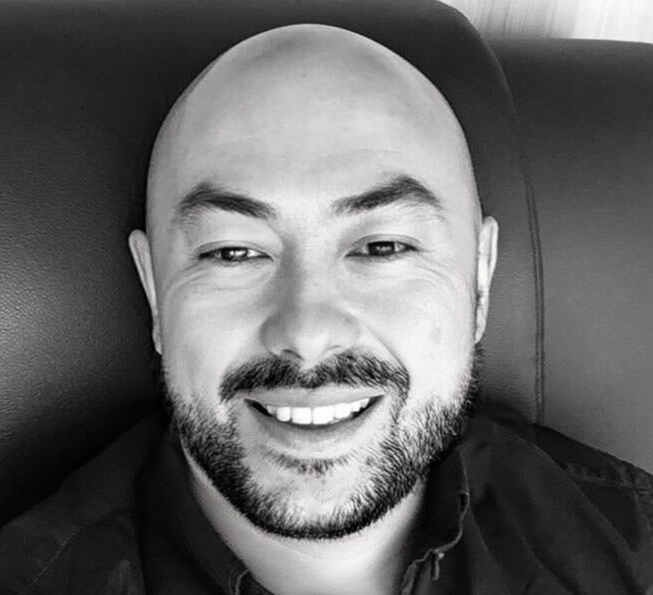
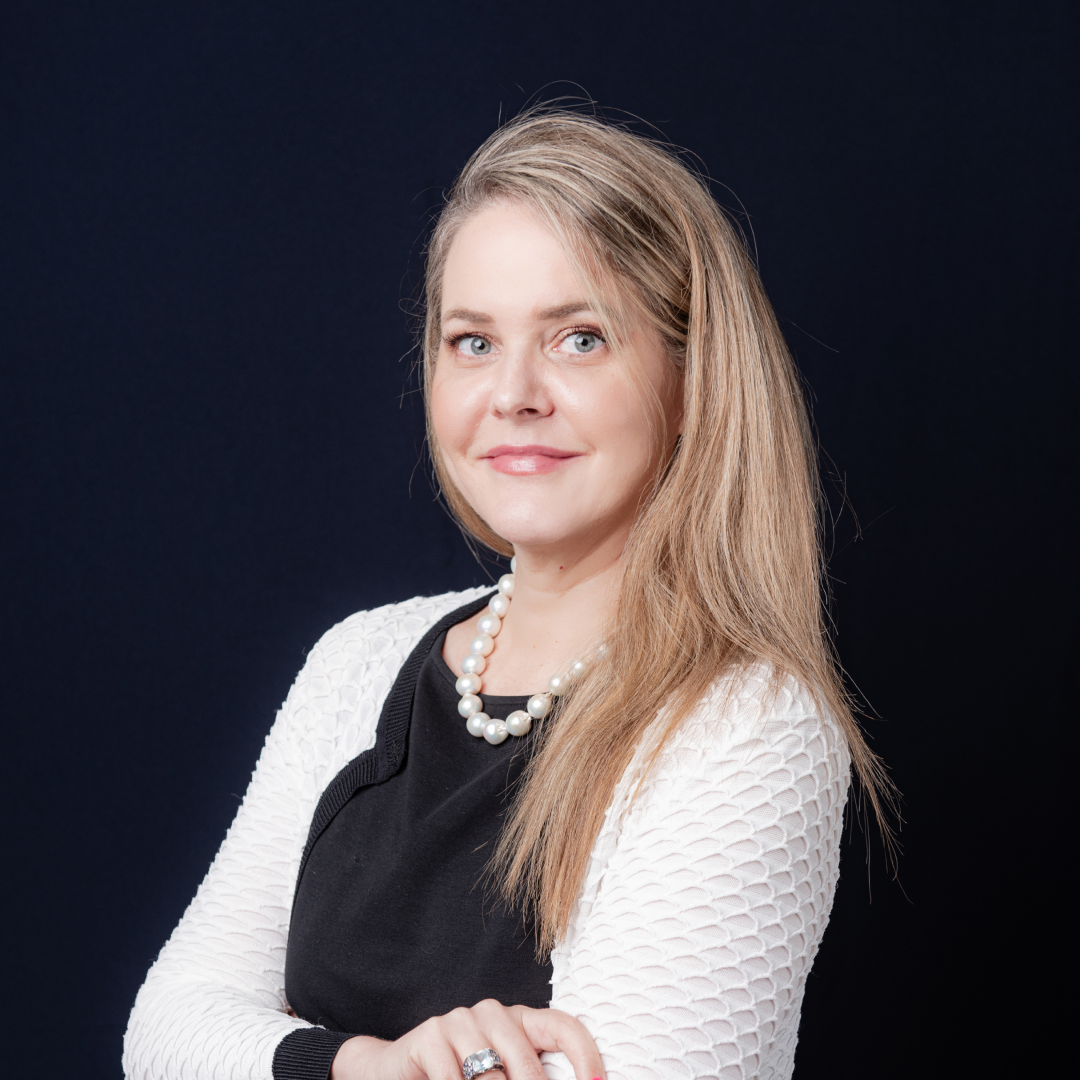
In this episode of The Quinntessential Questions Podcast, Paul Quinn sits down with Eleonore Dachicourt, CFA, Head of Sustainable Investments, Asia at a major private bank. From not knowing what a hedge fund was to raising Billions across asset classes and building sustainable investment platforms that grew 800%+, Eleonore's journey spans elite finance, alternative investments, and the evolution of ESG.
But this conversation goes beyond portfolio construction. Eleonore reveals how she protected client capital during the Global Financial Crisis, built a hedge fund platform from zero to $2.5 billion, and why she's now applying the same optimization principles to human performance, through longevity science, biohacking, Muay Thai, and precision nutrition.
From Paris to Detroit to London to Singapore, she discusses why banks took shortcuts on greenwashing, what three longevity experts agreed is non-negotiable, and how food choices impact investment decisions. She also opens up about why you can't build a sustainable world if you're not sustaining yourself.
Whether you're building wealth, health, or legacy, this episode offers hard-won wisdom on elite finance, sustainable investing, and holistic performance from someone who's proven you don't have to choose.
TIMESTAMPS:
(00:00) Introduction
(00:01:46) Good morning - Interview begins
(00:02:09) Who are you - Quick intro
(00:02:20) Born in Paris - Early life and American accent
(00:02:46) Moving to London - Breaking into finance
(00:03:47) Where did you live in London - Camden, Hampstead
(00:04:41) First role in London - UBS private bank
(00:05:08) Not knowing what hedge funds were
(00:05:34) Meeting Citadel and Millennium investors
(00:06:24) Moving to research - Deep dive into hedge funds
(00:07:11) Getting the CFA - "It's not easy"
(00:08:27) INSEAD MBA - Sustainability evolution
(00:11:39) Biohacking and foundations - Sleep, diet, training
(00:13:11) Precision nutrition - How food impacts decisions
(00:14:47) Sustaining yourself to sustain the world
(00:15:14) Joo Chiat, Singapore - Amazing studios and lifestyle
(00:16:23) Starting Muay Thai - "It's tough but energy is so high"
(00:19:25) Pilates instructor - Reformer at home
(00:21:50) Being a woman in finance - Maximizing competence
(00:39:17) Catherine Deneuve comparison - Elegance in finance
(00:56:15) Wellness routine - Muay Thai, Pilates, resistance training
(00:56:34) Oura ring and sleep optimization
(01:00:24) Diet and supplements - Omega-3, creatine, red light therapy
(01:06:32) Longevity panel - Sleep is non-negotiable
(01:15:16) Wellness coach and longevity passion
(01:16:26) BBC documentary - Nutrition's impact on stress
(01:18:28) Energy is the number one thing
(01:14:53) Best advice - "If you don't ask for it, you won't get it"
Bio
Eleonore Dachicourt, CFA, is a global investment leader and Head of Sustainable Investments, Asia, with over 20 years of experience in alternative investments, asset management, and wealth management. She has extensive operational experience managing multi-billion-dollar portfolios, building sustainable investment platforms, and advising high-net-worth clients across hedge funds, private equity, private credit, and ESG-integrated strategies at leading financial institutions across Europe and Asia.
Based in Singapore, Eleonore works with high-net-worth clients and next-generation families across Asia and internationally, combining her deep understanding of elite finance with wellness practices including Muay Thai training, longevity science study, and wellness coaching for leaders who refuse to choose between professional excellence and holistic well-being.
Transcript
I I didn't really know what wealth management was or what a hedge fund was. I head up the sustainable investment team, one of the largest uh European banks here on the focusing on the wealth management side. But it was the opportunity for me to meet with, you know, the citadels, the the millenniums, they were already there, right? You know, the the all those different kind of super high caliber, high pedigree uh investors. A little bit intimidating, but so much for me to learn. I spent the whole weekend studying that pitch book >> and I'm like, "Wow, this is so cool." I moved to another private bank to do more research on hedge funds meeting all these hedge fund managers in the US in Asia. I did my safe phase on at the same time. >> How tough was that? I've heard it's not easy. >> Uh it's not easy but it's a great it's a great experience that I would recommend. I was born in Paris. Um I had the opportunity from a very young age to live in the US which explains this. Yeah. >> Although I've spent you know almost 10 years in the UK because at the time the hedge funment industry was still a cottage you know industry. So it wasn't as big as it is now. Clients were starting to get interested. It was mainly institutional uh clients and then more and more wealth management clients. >> If you don't ask for it, you won't get it. >> I love it. >> I love it. >> I started in Muay Thai a few years ago. >> When you've done it, it's like you have totally your energy is so high. And I'm also interested in like longevity and and and there's um biohacking group longevity nutrition. So I am studying a bit more in that space as a hobby. >> Eleanor, good morning. >> Good morning. Thanks so much for having me. >> I've been wanting to have you on the show for a long time as part of our sustainability series, but just because you're such an inspirational person. Um, >> thank you. >> No, my pleasure. Can you do me a favor? Can you give a quick intro as to who you are before we turn back the pages of time and get to know you a little bit better? >> Sure. So I'm Elanor. I'm based in Singapore. I've been here for almost 15 years and I'm currently working in sustainability. I head up the sustainable investment team for one of the largest uh European banks here on the focusing on the wealth management side. >> Okay. >> So essentially I have clients, family offices, ultra higher with individuals transition to lowcarbon uh investments. >> Amazing. Now where did you grow up? Where were you born? >> I was born in Paris. Um, I had the opportunity from a very young age to live in the US, which explains this. Yeah. >> Although I've spent almost 10 years in the UK and a number of years, you know, abroad. Can't get rid of this American accent. >> I love it. But it's but it's a mixed accent, right? >> It's people call it mid-Atlantic. Um, >> where in the US did you live? >> In Michigan. >> Oh, wow. >> So, my father was transferred. He used to work for the uh car industry. >> Okay. >> So, we lived in Detroit or in the suburbs for a few years >> and I picked up this accent. Um, >> isn't it crazy how one industry can change and then Detroit now is off the map in terms of what it was known for, which is >> You know what? So, the World Economic Forum are thinking of moving it or moving it to Detroit. So, it's Yeah. >> Really? That's amazing. You probably don't know this, but a lot of amazing boxers came out of Detroit. >> Oh, I didn't know that. >> Yeah. It was like a hotbed back in the day for amazing boxers. And then, so then and then what? After 10 years, when did you >> So, I spent a So, just a couple years in the US, then moved back to Paris. I was educated in France, went to the whole kind of education system in France. Uh went to university outside of Paris, okay, in the Champagne region, which is lovely. Uh studied finance and then um worked for one year in Paris. And then just like a lot of other French people at the time, that was pre-rexit. >> Yeah. >> So whoever worked in finance was French, you know, it was a great opportunity to to jump on the Euro Star and move to London. So I moved to London quite early on in my career. Where where did you live initially? I'm sure you lived in a few places. >> I lived in Camden Town. >> Okay. Very hip, very trendy. >> Yes, I loved it. >> Um then in Hamstead. >> Okay. >> And then uh South K like a lot of other Europeans and and French people. >> So different parts of London. >> You know, the thing is even though I'm from London, what you're describing is completely different from where I grew. I grew up in South Hall and Harrow. South is a migrant area. So in my street there were mainly South Asians. There was 110 families. There were two non brown families, a Jamaican family and my family. And I'm half Chinese, half Irish, but it was very different. And then like traveling to central London for me, it was a big thing. It was like, "Wow, we're going on holiday kind of thing." Um, but it >> But wherever you live in London, the commute is just so long. So it feels like you're on an expedition. >> It it does. It really does. You're absolutely right. And then tell us about your journey in London. Like what was your first role? >> So when I moved to London, I was looking for a job. Um, and then I interviewed with a Swiss private bank, so UBS, >> and uh, this person who was interviewing me gave me like this pitchbook uh, saying all over there's no free lunch uh, hedge fund strategies and then he gave me this pitchbook for me to study and he's like, if you're interested in this, uh, I'll hire you and you can, you know, focus focus on building the hedge fun advisory business for. >> Now, you did you even know what private banking was at that time? >> No. I mean I think it was such a different world. Uh we didn't really I mean of course we had the internet we had emails but it was the access to information like it is now was you know so limited. Yeah. >> So when I went to you know studied finance at university you know you study financial financial accounting and stuff like that but you don't really study the different businesses you know asset management, wealth management and you know corporate and institutional banking. So it, you know, so I I didn't really know what wealth management was or what a hedge fund was. So I spent the whole weekend studying that pitch book and I'm like, "Wow, this is so cool." >> Yeah. >> Um it was after LTCM. So there was a business case, you know, case study on on LTCM, >> uh Heiden Bust. Um so I thought, you know, this is so interesting. I think I'm going to learn a lot in this uh in this space. >> Did you have anyone to speak to about whether or not this was a good career move or was just a decision you made on your own? I think I was just so intrigued. Yeah. Um by this whole space and all the different strategies, you know, from long, short, macro, CTA, relative value. I mean, it was just so new to me that I thought, you know, let's just try it out. And UBS was, you know, well, a big name already then, right? In private banking. >> Yeah. It was at the forefront, right? So, and then unpack that. So, then what happened? So, you started the job. Was it what you thought it would be? So it was uh a little bit intimidating because at the time the hedge fun industry was still a cottage you know industry. So it wasn't as big as it is now. Um and it was starting to develop in the UK. I don't think there were many in Asia it was you know people were not allocating it but in the UK clients were starting to get interested. It was mainly institutional uh clients and then more and more wealth management clients and uh but it was the opportunity for me to meet with you know the citadels the the millenniums they were already there right you know the the all those different kind of super high caliber high pedigree uh investors. >> Yeah. >> So a little bit intimidating but so much for me to learn. >> Well think about it. It was it was not just a new job was a new city a new lifestyle right all at once. >> Yes. Yeah. >> Amazing. And then how long were you there for? >> So I was there for a couple of years and then I realized that uh I was speaking to many clients but I didn't have the depth >> you know to uh really you know articulate those different hedge fund strategies uh as a way and in a way that I was comfortable and I felt credible in front of clients. >> Yeah. >> So I moved to another private bank to do more research on hedge fund. not just you know as a product specialist but really doing all the due diligence you know meeting all these hedge fund managers in the US in Asia all over the world and doing in-depth uh investment analysis or due diligence on these hedge fund strategies. >> Yeah. >> So I did that for a number of years I did my safe phase uh at the same time. >> How tough was that? I've heard it's not easy. >> Uh it's not easy but it's a great it's a great experience that I would recommend you know to to anyone who wants to work in finance. I think it's it's a kind of great foundation >> and you've done you've done various things because I know you've done your MBA at INSEAD. Tell us about some of your >> I'm a bit of a degree junkie. >> Yeah, you big time. Walk us through it because you know Harvard inad talk us through it. >> Yeah, I think I believe in lifelong learning. I think >> me too. >> Um really what keeps you on your toes and now the world is so I mean it's so fast evolving that you need to keep up to speed with what's happening and now it's all about AI, right? So >> but you know financial markets are evolving. Sustainable finance when I went to INSEAD 10 years ago >> I think we only had one elective >> yeah of impact >> barely existed >> and now I was there I think it was last year or two years ago and the dean was telling me that 40% of the um modules or electives are around sustainability. So sustainable finance, energy transition, impact investing, sustainable investment. So all that has been integrated into >> a paradigm shift in the way. >> Do you do you feel a lot of banks greenwashed the whole concept of sustainability? >> I think some banks took shortcuts. >> Yeah. >> Um and so of course you know we all remember the the the news a few years ago and some asset managers that were you know caught in you know into this. But I think since um regulations have become tougher certainly you know in in in uh in Asia uh it's not as regulated as it is you know in in Europe for instance but there's a framework and uh you know the ADB uh I think it was in 2022 came up with guidelines for for wealth managers to have a framework in place. >> Yeah. be able to to classify all the different investment strategies um and be able to articulate you know the the strategies to client and so they there's also these compulsory modules that RM or client advisors have to take you know on carbon markets really I didn't know that okay >> yeah carbon markets um sustainable investment management and a couple others >> and yeah and so I'll be lecturing on that at the wealth management institute actually >> well let's let's go back to your some of your education choices like when you sitting down were were all of these self-funded you know did where did you decide to or why did you decide to go where you went and study what you wanted cuz I find it interesting because a lot of people stop self-learning >> yes >> as they get older and I just think why why would you it's a lifelong endeavor >> oh absolutely so some were funded I know my safe was compulsory in in the job I had at the time right which is great >> um but others were also self-funded and um and actually now I mean if if if you're a PR if you're a Singaporean here a lot of these courses >> will be uh if you pass >> subsidized right >> which is great >> that's a great opportunity yeah >> yeah it's it's funny I remember years ago before I said I'm my own company I wanted to do a diploma and uh compensation and then I thought you know what I might double it up and do one in benefits cuz I was learning about HR and my boss said you're being a bit greedy you know you're you're looking to do two and I said I've called everyone in the business development scene globally and I'm the only person that's asked to do training development and I said I'm these are after hours and he goes what happens if I say no I said well I'm still going to do it right and um he said okay I I like the conviction but I'm always amazed because you know what you learn is just going to empower you tomorrow >> totally >> you know >> and it changes your perspective and also it's also the opportunity to meet with other people when I went to to INSAD >> there's consultants there's uh lawyers there's doctors surgeons it's like the alumni is crazy, right? >> Yeah. And exactly. And then if I I I realize that if you just, you know, hang out with bankers, you know, your your >> your mindset is going to be limited. >> Yeah. It's it's just >> Have you have you um this is an idea that I I had yesterday that I'm thinking of doing? But >> do you do anything with the alumni? You meet up for a lunch like once a quarter or anything? Has that happened yet? >> Yeah, we do. Uh we have a very uh tight-knit group here in Singapore. So we catch up at least once a month. >> Really? Yeah. That often? Yeah. Yeah. Yeah. Yeah. >> Wow. >> And we also and the beauty of Insight is that they also have what we call leadership development groups. >> Yeah. >> So you're in small groups of four and five. >> Uh and uh we get a coach when we're going through the program. Amazing. >> And then we stay very close, you know, with that. Um >> have any have any business dealings or interactions come from a result of the alumni? Yeah. Because because they're so diversified the group. >> Well, we try. I mean, not yet. I mean nothing has materialized yet but the the the beauty is that when if I want to speak to anyone in the network on anything. >> Yeah. I know I'll have the opportunity and and I know that that person will uh just spend time and you know we'll have a coffee and and >> super powerful. >> Yeah. So I'm also interested in like longevity and and and there's um biohacking group is there. >> So yeah so we we we caught up and then we exchange you know ideas on you know and and >> talk a little bit about that. What are your thoughts? Because like now people are saying they want to live to 150 and it is interesting. So you do any biohacking? I mean you look amazing but what are you doing or what are you researching? >> So I it's an interesting question and so I think there's there's different views on this. I think um it's great to do bio hacking but you need the foundation first. Yeah. And just to give you an example, I know there I have a lot of colleagues who take NMN, which is, you know, fine, right? But really in Asia or >> Yeah. Yeah. Yeah. Yeah. >> Can you get it over the counter? Would you have to get prescribed? >> I think you have to. I mean, you can buy it online. I mean, it's it's >> uh but if you don't have the if you don't have your number of hours of sleep, you know, that that you need. I mean, and you would know it's, you know, everyone's different. If you're not working out on a regular basis, you're not looking after your diet. >> Yeah. Yeah, >> you can't kind of enmen your way out of a healthy lifestyle, diet, you know, sleep. >> So, um, >> but think about this, right? Because I don't think I there's no bank that has this, but if a bank had performance coach and then I had a biohacking coach and basically you've got an elite group of killers really optimized fully, wouldn't it increase performance? >> Totally. Totally. So, that's all that's why I I got started, you know, and and into this space. >> Yeah. Um, so I first of all I mean in in my my family we were never you know my my mother like you know if I was hungry she's like oh have a have a cookie which is you know not the way to go about nutrition right I mean >> I still love cookies though. >> Yeah but not like at 4 4 p.m. when you're it kind of spikes your blood sugar levels and then you have high energy for 30 minutes and then you know >> you go crashing for the you know the next two. So, so we didn't have, you know, my parents didn't really know what macros, micros were. And >> again, it was a different time, right? I mean, we didn't have access to all the information that we have then, right? >> Um, so I wasn't really brought into into into nutrition. So when when did that journey and that love affair >> but I remember um uh in Singapore having brunch one day with a you know group of friends and there was this athlete who was uh running marathons and doing ironmen and he was like okay today I'm going to have cherries and they're going to have that at this time I'm going to have so you know precision you know eating yeah >> diet and I'm like wow he knows exactly what he needs to eat in order to be at his you know >> and when exactly Yeah. >> Why are we not also wired like that? Like >> if I'm going to have carbs for lunch, how is that going to impact? >> Yeah. >> The way I make some decisions in the afternoon or should I have protein for for lunch and fiber and is that going to influence, you know, the way I lead and make, you know, investment decisions or decisions more more generally. Yeah. >> So that got me, you know, thinking. Um and then um there's life events, right? You know, things happen and and then you're like, "Oh, wow. Maybe if this if I had adjusted my lifestyle, prioritized my sleep, adjusted my, you know, my stress." >> How you handle problems and >> Yeah. >> See, I didn't know we were going to go in this direction, but you're doing and taking sustainability in a whole different dimension. Think about it. Yeah. You know what I mean? So if if you want to build a more sustainable world, you also have to sustain yourself, right? You also have to, you know, look after yourself and it there's that's where the convergence is really. >> So then after that, when did you start because a lot of people may not know, but tell tell the audience members what you like to do in JAT sometimes at the weekends. >> So okay, so Jad is amazing. I moved there two years ago. >> It's a hub, right? It's for for so many things. >> Yeah. Yeah, it's amazing. uh you know there's amazing coffee shops and and and and um restaurants and uh but there's also a lot of amazing um studios. So you have your yoga pilates studios and Muay Thai. So I started in Muay Thai a few years ago uh in addition to other you know um sports that I do. >> Yeah. >> And um it's been a journey. I mean it's it's tough. >> It's really tough. It's really tough. >> But do you feel empowered physically? Do you feel different? Oh, I feel amazing after. I do it every Sunday morning. >> Yeah. >> Uh at 8:00 a.m. And it's tough to get out of bed so early on a Sunday and and >> Well, when you've done it, it's like, >> oh my god, you have totally your energy is so high and you're able to, you know, to plan your day and be so productive even on a Sunday. >> Um >> so I love it. >> My mother threw me into Muai. So what was my dad was a builder and he helped build uh the Thai temple in Wimbledon in London and I I started studying Mutai unknowingly with the monks. I was very young and then when I was 14 I got into a little bit of trouble in school. I had a big mouth. I'd always have had a big mouth and my mom said right we're going to we're going to find the meanest toughest martial art because I'd done all other martial arts and I was enjoy I was doing very well at them. So I went into a Muai and she said, "You can do anything you want to beat him up, but just don't hit his face cuz he's wearing braces." And I I remember this like it was yesterday. So it was an old nightclub and it smelt of cigarettes and stenched beer on the carpet, but there was a a wooden platform that was the dance platform. And uh the instructor said, "Right, all of you do push-ups on your knuckles." and based on how many push-ups you could do, he would determine which class you would go to. And I was 14. And I remember I I did 125 in a row. And he was kind of blown away. And he said, "Right, you're in the advanced class." And I was really cocky. And I said, "Okay, let's do a bit of sparring." And I was sparring two brothers. They were 18. They were twins. And the guy kicked me in the leg in the calf. And I went down and I stayed down for about 10 minutes. And it was I I was close to crying. If I didn't have a big ego, I would have I would have been crying. And I just thought, I love this. I've got to learn this. Cuz in in in all the other martial arts I've done, it was not that physical. The multi, there's nowhere to hide, right? >> No, you have to be you have to be fit and there's all that conditioning and >> Yeah. >> It was brilliant. And what other things do you do then? >> So, I do Pilates as well. Uh I also train as a as an instructor. So, I I have my my little reformer at home, which is like my little luxury item. Um >> Wow. And not enough men do pilateses. I do pilatees and I think it's men overlook it. I don't know why. And you know what it looks >> a lot of athletes like I apparently de David David Beckham does Pilates and it's a great compliment to other um sports. >> It's brilliant. It's really brilliant. The first time I did it I took took my wife on my birthday to a class was a private class just the two of us and you know it looks easy and you start doing you realize and especially if you're I'm very stiff. I'm not very flexible. Um but I think it's it's wonderful. Um and then tell me now so what so your other coaching what do you because you're doing coaching with the wealth management institute. So I'm about to lecture with a wealth management institute on different sustainable you know finance uh topics. >> Okay. >> Uh I do a lot of I also train as an executive coach. >> Okay. Tell us about that. >> Yeah. So I got into it because a very good friend of mine from MNAD after INSEAD uh did this coaching program uh on it was also a lot about personal development >> and I was so fascinated and intrigued by what she was sharing like oh my god I I need to try it for myself. So, it was a great um learning journey uh because it gave me the opportunity that was before co just to kind of pause and self-reflect and um better, you know, define my values. Um, so I think we all need a bit of that, you know, because sometimes we're just, you know, caught in in in in our careers and our journey and we're not really taking enough time to pause and and have that perspective to, you know, then further our career. So then, yeah, I started coaching. Um, >> which which coaching program did you >> I did the New Ventures West coaching program. >> How did you choose that? Cuz there are so many different ones. It's like how do you narrow it down? So and inside also have apparently you know a very good coaching um you know uh masters >> uh I did because there um my my my you know great friend had I did that I had done that one and and >> and I went for one of the open day um I was I think it was on a Saturday morning and I was I was coached uh and so I could see you know their their method and it's integral coaching so they don't want to coach a problem they want to coach the whole I love that. >> So, it really goes deep into who you are as a person, you know, your background. >> Um, >> and and by the way, that's often overlooked because a lot of the time when companies come to me to do coaching >> and let's say we're trying to help an executive, they think a couple of hours will solve it. And I said, "No, you know, your childhood, your whole life, it carries through and um yeah, >> your blind spots, their patterns, they're you're probably not even aware of that, right?" So, >> so interesting. And then um has that I would imagine that's been very rewarding for you. >> It's been super rewarding. Um and it also gave me the opportunity to broaden my network. So of you know from the finance network to the inside network and you know different kind of um uh worlds. I went into the coaching world which sometimes can be a little bit you know wo woo and so different from what you're used to in finance. >> Yeah. Uh but it's it's it's really nice to have, you know, those different um networks. >> Have you been able to apply it in a work context with your colleagues or >> because you're using it every day? But I'm just >> I think managing a team um you know being a leader, you need those coaching skills, right? And sometimes you're not, >> you know, you're not trained for that. And and usually the way it works in in corporate is that is that if you're doing very well, you're being promoted. oftentimes you're being promoted to a manager, but you may not have the management skills >> and there's no management skills and there's no training for it. >> Isn't that that isn't that bizarre? Yeah, >> it's crazy. I wanted to share something because you asked me off camera. So uh 90% of my my company's revenue is still on the search side, 10%'s on the coaching side and um and then the the podcast is separate. But uh what what I find interesting is so just over 96% of the people we've ever placed excepted retirees over the last 20 years are still working where we placed them. And I always say the ROI is pretty outstanding, right? Um, so some of the the the colleagues that we've placed in your organization, they've been there 15, 17 years, but what a lot of the CEOs or heads of HR may not know that those individuals come to me for coaching later in terms of how do they further their career in their current organization? And as you said, you you're an independent contributor and now you're a manager. How do you, you know, leave that independent contributor thought process behind and embrace that leadership quality? And that that's a whole new journey. >> Yeah. Exactly. >> You know, >> so from what to to how and who. I mean, that's kind of the the the transition, right? >> What what I find fascinating about you, you're a renaissance woman. You've tried so many different things and keep trying new things. Where do you get the courage to do that and the and the drive and the ambition? I think I'm super curious and um >> and I think and actually when I went to INSEAD I remember taking this this uh entrepreneurship course and >> um you know you know the the the the top uh course at Harvard is on happiness right >> I didn't know that. >> Yeah. Yeah. So it's number one you know >> really >> the the science of happiness and and so in that course at inside we also you know uh studied happiness and there was this amazing study by these um I think it was some nuns or not nuns or nurses I can't remember I mean um in Australia and so they were recorded to share what you know the patients on their deathbed were were sharing with them. >> Yeah. And you know their their biggest regrets and a lot of them you know is is uh working too hard, not spending enough time with you know with with um family uh friends uh and also not taking enough risk. Um >> that's that's >> not being bold enough. Right. >> That's that comes through. >> Yeah. And so for me, you know, the ideal life would be having the opportunity to try many different things and having the experience of all those different possibilities, right? >> Yeah. >> Um, >> you know, the challenge is is the dichotomy is when we're in our like, let's say, 30s, 40s, and if if we're blessed to have children, that's the time that you need to be present, but that's the time where you're really building your career, you know, and life's kind of upside down. In theory, you know, when you're older, hopefully you have some money, but you're probably too old to enjoy a sports car because you can't get in and out of it, right? And you've got all this time and money, but but you don't have the health. And I I just think life's completely upside down. And when I do career coaching, one of the questions is the two questions that I really find interesting, the answers to. It's like, what was the best quarter of your career thus far? Don't define it by aumumumumumumumumumumumumumumumumumumumum or revenue if you're a banker or by earnings but in terms of >> you know how were you been challenged driven and and quite often the answer is years ago >> and I find that's because when you're younger you've been stretched. Yes. >> You know when you get into your late 40s or mid-40s at that point it's like everything's status quo you know for some and that doesn't make sense. You should be stretching yourself all the time. Um, and then and why I say that's a really important question to ask yourself is if you're going to stay in your current organization or make a move, you want to find a way to inject those experiences into your role. >> You need to recapture that. And then the other question is what might you regret 20 years from now if you don't do this or if you do do something. Yeah. >> Um, and quite often the irony is >> a lot of the people that end up moving >> that are my career coaching clients, I might not move, they might get a job on their own. say, "Go and have a chat with your bosses now. >> Now that you've got the confidence, even before you resign, and nine times out of 10, they got what they couldn't get before because they don't care. They didn't ask for it. They didn't want to ask for it." Yeah. >> So fear just gets in the way. And I and I I just find that so interesting. >> Yes. >> Um >> so so just to that so I I I mentor a lot of students um from inside or but also a lot of u students from from N US SMU. I also lecture on sustainability with some of these universities. >> Okay. >> And um that's these students ask me you know questions on you know what's what's what guidance can you give me you know any advice and and and that's what I tell them like you know you have to be intentional in in your choices and in order to be intentional you know you have to know what you want. >> So so and and taking those risks to to achieve what you want. Um, so to to your point, um, >> well, talk talk about that because you've had the the privilege and you took the risk. You've worked in the UK, Switzerland, now Singapore. Talk to me about that because I find a lot of people when they get the opportunity to move abroad when they're younger, if they don't take it, it never materializes later on because what happens is you get married, you have get have kids, and quite often you get stuck, right? Um, talk about the courage and and the thought process behind that. >> Sure. So, so yes, so to what we were saying earlier, I so I spent a few years in the UK uh after that role, um I moved to Credit Swiss was where I set up the Hatchen advisory business. So that was before the financial crisis >> and that was a very dynamic organization for those that don't know. >> It was super I mean rightly or wrongly um but it was super entrepreneurial and um they wanted to build a business to compete with you know to to be on the hedge fund side. >> Yeah. So it was such a great experience because I I got to to build something from scratch, hire people, build, you know, build a team, build a business. Um, and we did very well. You know, I started focusing on the UK and then it expanded to Europe, uh, to Asia, setting up the hedge advisory business. Then the financial crisis hit, uh, game changer. >> Yeah. So CS did pretty well during the financial crisis and even on the hedge fund side of course it was a very difficult time. Um but we were very um rigorous on how we allocated and and there was no asset liability mismatch. >> Okay. >> So like a lot of our competitors at the time we didn't really have to s to to gate or side pocket. We were very conscious of liquidity and and raise a lot of cash. I piled into CTAs and macro strategies you know end of 20 2007 early 2008 so so I was you know quite happy with I mean my markets were down like 50 60% my portfolios were down between 9 and you know 14 15%. Okay. >> So pretty pretty remarkable >> you know in the context >> for sure >> but unfortunately because a lot of our clients wealth management clients were gated and side pocketed you know elsewhere they needed the liquidity so we were treated as an ATM you know because that's where >> you know they could get you know the the cash back. >> Yeah that must have been tough >> it was tough but it was such a great learning experience you know how to you know you know this book you know how to handle difficult conversations. No, I haven't heard of it. It's a good one. >> Yes, it's it's good. It's um >> you become a master in that. >> Yeah. So, you have to, you know, it's like how to deliver, you know, bad me, you know, messages, uh negative news, um how to be transparent. I'll check that book out. Okay. >> Um >> how do you how do you because what I'm really curious about and you've run basically what is a relatively small upcoming asset class and department, right? Visav the other asset classes. How do you lead the charge on that? How do you have the courage to put a spotlight on what is a growing and booming area like sustainability cuz that can't be easy. >> No, but I mean sustainability so it's became popular um in Asia or popular probably not the right word but you know it started to to gain in in prominence in in in Asia. >> Yeah. >> Uh after Europe. >> Yes. So we had the um experience of what had been done you know in Europe uh and then to to bring it to to Asia but you know regulations were changing um I think clients and especially the next generation >> were much more self-aware than previous generations they were also willing or they all are also willing to align you know their investments with their own values because they're able to define that >> more than you know our parents, you know, um were. >> Yeah. >> So, we could see that transition, you know, in in in, you know, trends. >> And what what are some of the biggest misconceptions about sustainability, especially in the banking world? >> Yes. There's a few um >> a lot, I would imagine. >> So, the first one is that sustainability equals philanthropy, >> which it doesn't. >> Yeah. And so that's what when I when I lecture on sustainable investments that the first thing I tell you know um students is that sustainable investments require performance. Yeah. You know it's not it's not charity right. So there's different types of sustainable investments. >> Yeah. Do you liken it to making money right? >> Yeah. So >> that's what people don't recognize. >> It's it's traditional investment with a sustainable lens. So you will >> for ESG integration strategy. So you will you know do your you know invest have your process investment process portfolio construction process as you would but you also have that sustainable ESG lens in addition >> uh to the more traditional way of of valuing assets or investments uh thematic investments will be aligned to the different SGS and then impact you all want to be more additional you know intentional be also be able to measure that impact >> what I'm also curious about is because most of the senior management that are above you may be less familiar with sustainability, especially when you started in that area. So, in other words, globally or regionally, you're leading the charge in that area. You're having to educate everyone, including your bosses. That that can't be easy either. >> No, it's not it's not easy >> because I would imagine, you know, you you might, you know, get some negative kickback at times. I don't know. >> Yeah, absolutely. And that's why I mean, I think Singapore has been super forward-looking. >> Yeah. uh because they for for those you know in Singapore whether you're the CEO of of of a wealth management uh you know a private bank here or if you're um you know a a um uh private banking assistant as long as you're client facing you have to go through those sustainability training so there's that foundation already >> uh which I think you know has opened the eyes of a lot of you know client-f facing people relationship managers investment advisers on on this >> and I think in your current organization it helps that the CEO has an investment product background. Yes. So he'll have an appreciation perhaps for or as an asset class in a very you know unique way. >> Yeah. And I'm fortunate so I I work for for a French bank and in France um you know people put a lot of emphasis on science right on math on physics >> um on science in general. So a lot of the senior managers uh in in French banks will have a lot of them will have an engineering background. Yeah. >> So they also understand the science you know of of climate change right you know climate science right >> um and so >> the impact that this could have on their operations on their business huge if they don't you know change their the the way they lend the way they um uh recommend their clients to invest. Right. by the way I've analyzed that because when you look at the majority of the best structural products people in private banking >> you know a large percentage they're French or they're Indian that's that's it these guys guys rule the world um and what what other myths can you tell us about you know sustainability >> that sustainability equals CSR >> okay >> uh so there's outward and uh inward sustainability right so so a lot of people still in this part of world think that um by doing a beach cleanup on a weekend, you know, you're you're >> contribut I mean, of course, it's great to do that, but it's it's >> so they only see that um and I think a lot of people miss the huge commercial opportunity around sustainability. >> Yeah. >> So, as you we were saying earlier, I went to to business school. I went to INSEAD. I went um I spent some time in the Silicon Valley thinking how entrepreneurs, you know, build businesses. Um and there usually it's around pain points. >> Yeah. >> And there's a lot of pain points today, you know, that that are bringing up a lot of uh investment opportunities, new innovations to make the world more sustainable. And so I think bridging all the different or or connecting all the different dots between the science of you know climate u change with different you know the pain points that that will bring and then on in addition on on top of that you know all the investment opportunities that come along right and so you're seeing a lot of private equity firms >> uh invest into >> you know these different types of of uh sustainable opportunities >> which is very exciting yeah I I find because you know when I look at the alter alternatives in private equity space. It it's been redefined, you know, in the last 10-15 years. 15 years ago, it didn't exist in most private banks. It was not an asset class and now it's it's a prominent part of of the genetic DNA of what, you know, a private bank is selling. How do you align your personal beliefs um and balance those with the corporate beliefs? Because because the two might, you know, they're inextricably linked, but you may have to differentiate your thoughts at some point, right? >> Yes. But also that's one one of the reasons why I I transitioned into into sustainability. So it happened during co you know co was a great kind of stress test for for all of us. It gave us the opportunity to to pause self-reflect uh redefine you know the path forward. >> Yeah. And so at the time um I was running um the product and you know distribution team for for uh credit on the asset management side here in Asia. So working with a lot of private banks third party private banks institutional clients and more and more of the funds that we were launching and distributing were aligned to super trends. So we had a education fund we had a um a health tech fund. So >> Mhm. >> and I didn't at the time I mean pretty it was pretty sad but I didn't know what an SDG was. I just knew about all these super trends you know mega trends >> and thematic investments. >> So during co it was a great opportunity for me to >> to pause and do a bit of studying. I understand you know the opportunities that those kind of the SCGs could bring as well from an investment uh point of view. >> A lot of people by the way a lot of people um didn't maximize the opportunity that co presented. It was difficult cuz we didn't know where it was going. But I always say like in terms of fitness, you ended up, you know, a chunk or a hunk. You had a choice. You had a choice, you know, are you going to do something? But I felt like I got at least two hours of my life back cuz normally I'll be driving the kids to school and whatnot. And uh, you know, use it to better yourself, further education. And I find a lot a lot of women I work with on the career coaching side, they struggle with that balance and they kind of mute themselves at times. And I said, why? Why not lean into being a dynamic, strong, professional woman woman leading the charge in your business area? >> So, I don't really think about that. I mean, I've I'm maybe I'm I'm too oblivious, but for me, it's more about maximizing my competence. >> Okay. And that's why I think I do a lot of the you know the the side training and and the on you know the lifelong learning and um you know whatever opportunity comes up I will assess it and and and you know um jump at it um or not depending on on the assessment. So, I don't really um >> How do you how do you how do you balance, you know, like cuz I always feel that, you know, it's changing now, but if you're a a CEO, you're a a male leader, you can be a ball buster, and it's okay. But for a woman, it's very difficult. You you're operating between two lines with, you know, if you're too aggressive, it's it's negative. If you're too soft, people will take advantage of you. And I find that that's a very difficult line and to walk. >> That's true. I think that and it was probably even more true you know that the >> few years ago um maybe 20 years ago but I think there's been >> different movements right and um it's changing >> it's changing and I think especially in Asia >> I don't feel the same pressure perhaps in in in as in Europe or other >> it's the world because you know my wife's an academic and and you always say why don't you dress like you you do when we go out for work. She said, "No, that's not how academics do." And I said, "I think that's your superpower. You know, it's you you're you're a beautiful woman. You know, you're great at speaking." And she said, "No, it's different." I said, "If I was you, I would go all in. I would cash in on it." And um no, cuz I I think, you know, you work for a French bank and having that Jennice Qua and that that style, it goes hand in hand, right? It's it's very interesting. Um Katherine Denuv is one of my favorite Oh, >> she actors. Okay. You remind me of Katherine. >> Oh, thank you. >> Yeah, she was she was a very elegant lady. Let's let's do some rapid fire questions if you don't mind. I want to ask you a few things. So, in terms of executive and team coaching, >> what can you share with the audience members that will really help them in their careers if if they're plateauing or they're going through a hard time and they're trying to, you know, take stock of what to do next? >> Yes. Uh and I learned that from a coach actually which I think is is um share >> amazing is you have to be intentional. So you have to know what you want. I mean if you don't know what you want it's really difficult to get it by definition. Right. >> How do they people that's so a lot of people don't know how do how do you nail it down? >> So you have to define your values. What are what are your values? What what you know what makes you tick like what gives you energy and drive and passion. M >> uh and so do a bit of you know that type of work um and try and see where you would want to be in the next 5 to 10 years not necessarily in a role in a job but what life would you want to um to lead >> and then if you're able to reverse engineer so if I need to be there in five years time what do I need to do you know in four years to be you know like achieve what I want in five years and then in three years in two years in one year in six months in one week today and then what do I need today to to to go where I want to be in five years? >> Yeah. >> And of course, you know, things change, you know, life happens, things you can't control, but as long as you have that kind of path and you're able to adjust um and kind of know what you want, I think it's it's, you know, >> it's very powerful. >> Yeah. Yeah. And and my my boss in London um um used to tell me, you know, Elanor, be be careful what you wish for because you just you just might get it. So >> yeah. No, but it's interesting because I think we're so busy on that conveyor belt in life and in work that it's difficult to take stock, right? And um the the interesting thing is I mean of course my business we make our livelihood on headhunting people but I always say to people you know it's that's fine but should you really make a move because you get a phone call internally or externally I think you should map out where you want to go >> and plan it you know so it's like it's no different if you're a business developer and if you want to work with these three organizations target the people you want to work with within the organizations go and meet with them. Yes, absolutely. >> But but people don't do that. >> Be bold. You have to be bold and audacious and sometimes people don't don't allow themselves to be to be bold, >> especially in Asia. When I first moved to Singapore in 2001, it took me seven years to learn that yes, yes, yes was actually no. You know, in Hong Kong, it was different. I always say they'll kick you out of an office, but Singapore just no one would say no. So, I always teach my sales guys now, learn to bring the no forward. Let people know it's okay. If you're not interested, it's okay. Um, and then I I work with three private banks at the moment, teaching their most senior private bankers how to sell. And there are a few things that I I find really interesting in the way that the private bankers do not think about selling because I personally don't think most private bankers have ever studied selling. I think they were hunters maybe initially early on in their career, but they've been working with the same clients for 10, 20 years. So I talk about you how do you systematically get referrals >> when how to ask who to ask timing is really important and of course that that's built on trust and foundation. Um but then the other concept I always teach people is the art of selling without selling. >> Oh yeah. uh because the reality is as an advisor beyond the initial hi how you doing and making that pitch and then closing actually everything is born in terms of trust >> right and you're sharing with people you know what not to do sometimes maybe that's too aggressive and I feel that most uh private bankers actually a little bit they're afraid they're afraid I would have no problem saying to my client I want to be your number one private banker >> who else are you banking with I want to run the majority of your book, right? Um, and and I feel that most people are afraid to do that and I don't understand why because nine times out of 10 their clients are going to be entrepreneurs and they're all about winning. Yeah. >> You know what I mean? So I think that goes hand in hand but it's it's an interesting balance. Um, when mentoring younger professionals, what qualities do you encourage them to develop beyond the technical skills? >> Taking risk. >> Yeah. Give us a few examples. uh not being afraid um to reach out to people um when actually one of the the the person that that one of the people I hired in my team in Hong Kong uh was through LinkedIn he was you know in in a different firm before was which was going through some restructuring and he reached out we had the conversation but you know he he you know it's it's you have to take that risk send that message uh go for that coffee >> isn't that so powerful just inviting someone for a conversation and a coffee and kudos to that individual for doing it. >> Yeah, >> that's brilliant. I love that. And you know what? Now, maybe now, you know, we're too old for this, but like uh >> you know, kids now growing up with dating apps. >> Yes. >> Right. There was no such thing as an app back then, but but you know, just reaching out the oldfashioned way is pretty powerful. >> Yeah. Yeah. >> No, I like that. Um >> let's talk about understanding quality. What's the most underestimated quality for you in great leaders? I'd say empathy. >> Yeah. I was going to say kindness. Exactly. Yes. >> Yeah. Yeah. And also listening skills. >> Yeah. What is it? You know, I've I've observed this and apart from a handful of very very senior leaders, I think when most people get very senior, they almost stop listening. >> Yes. >> Why is that? I I I always find that peculiar. >> I'm not sure. I think um not everyone, right? But but I think >> maybe when you've reached that level of of seniority and and leadership, you're >> you know, you're in your comfort zone and maybe and and and you might think that, you know, that's, >> you know, you're >> you don't need to to to get the feedback or you don't need to to hear it from other people. >> You know, it's so I was telling my team just before you started today, um you know, why is this camera set up this way? And Gautam is our new media producer said, well, we've always had it that way. That's that's what I was taught. And I said, "Yeah, but I've hired you cuz you're technically superior to what we were doing before. Is I didn't know we were learning." And I said, "I want to hear your ideas." And the thing about ideas is even if you present them 10 times and and your boss has only taken one of them, that one might make a difference. Don't don't be afraid to keep doing that. Yeah, >> I love that. Um, what's harder? Building something new or sustaining something that's established. >> I think both are equally tough. >> Yeah. Uh, and you have to know when you want to build and when you want to sustain or when stop building, sustaining, you know, maintaining, preserving. >> Yeah. >> Um, so it's it's yeah, it's >> building is more fun. >> Um, but it's Yeah. Keeping it going. It's not easy. >> No, on building. I mean, I I'll give you an example. So, since we talked about hedge funds earlier, >> yeah, >> you know, it's it's great to build and and you know, a new hedge fund and um raise assets, but you'll have you have to know when to stop taking in, you know, um more money in because yeah, >> you will you know, you'll have performance attrition. I mean, you'll you'll might have style drift and so you want to know when is a good you know size. Same for any business. >> Yeah, it's very powerful. >> Yeah. >> Which global trends excite you most in finance today? Oo well I I work in sustainability so I have to say you know there's a lot of things happening in sustainability carbon markets >> okay >> a lot you know happening in the space and Singapore want to be you know the hub for for carbon markets >> um so that's that's super interesting >> do you deal with mas a lot in these discussions >> yeah so so um there's the um Singapore Sustainable Finance Association and they have different streams including one on on carbon markets but also one on um blended finance Yeah. >> In fact, yeah. Which is developing. Uh probably not fast enough, but um >> but when you look at the landscape of what you do in private banking, in my mind, you really stand out. Most private banks do not have someone of your level of seniority leading the charge. Does it does it not surprise you? >> Yes and no. Well, it's I I think it's also because there's a lot of geopolitical tension, right? And there's a lot of, >> you know, things happening and other countries and the other side of, you know, of the world. And so there's been a bit of an ESG, you know, backlash. It's been these conversations have been more, you know, trickier with clients because what's going to happen with tariffs, you know, what's what's um what's going to happen with the the the Fed chair, you know, there's all these uncertainty. There's so much volatility right now in markets. >> Yeah. >> That we we're seeing a little bit of cautious around around sustainability. >> You can you can definitely see that. Yeah. >> What's a piece of advice that you'd give to young women in finance coming up through business? >> I would say find your sponsor or your mentor. >> Yeah. It's you know >> and the organization or outside the organization >> you know. Yeah. Both is so important and people forget that by the way. I feel that most people in their careers uh so focused within their organization that you know and and the reason why you should look outside is number one you get some objectivity but also because other people in other organizations do things differently. Yes. >> And that could be beautiful to learn from. >> Exactly. Uh I placed in a bank a head a CIO, a head of DPM, a head of uh managed investments and a market head. And I invited all these ladies around to dinner. And as soon as I did, I thought, "Are you drunk? These are seriously powerful women, and they might beat me up." And my wife was there as well. But what what I was trying to say to them was, um, all the guys are playing golf every other weekend. they're going on holidays and all of these ladies are going home and they've been great moms and they're Asian wives. Um, but it it was almost I feel in some organizations there's an element of competition created and it's not real. And I always say I subscribe to this a rising tide raises all ships. And the one thing in banks I feel is just I just think it's too messy. All banks create so much internal competition. It could be the CEO of Hong Kong versus the CEO of Singapore. And I I kind of get that a bit of internal rivalry, but the reality is the fight, the competition is with the other banks on the street. Um, and and with a lot of women in particular, I feel that their voice is a little bit muted. So, I'm very big on trying to empower the senior. Some of the best people I've ever worked with are women. They're just leading the charge. So, I I I appreciate you you sharing that. What's your north star when you're making really tough decisions? My north star would be um would you be comfortable uh having whatever project whatever you're working on uh make the headlines you know today in the FT right so lead by example have moral compass integrity in whatever you know decision um or initiatives that you work on >> that's that's a great way to think about it because I always say to to my team that before you press send on that email remember it might go around the world in 10 We know I mean with all that's happening in the you know in the last whatever days >> crazy right abs bananas. >> Um what's the hardest pivot that you've made in your career because you have pivoted a few times but what's the most challenging one been? I think the hardest one was moving from an allocator investor, so having my own P&L, being able to track, you know, my own performance. >> Yeah. >> Uh on a, you know, regular basis to that of >> no longer running, um portfolios and managing, you know, uh money. Yeah. Into advising and recommending. So being a little bit still, you know, of course in the investment world, but no longer kind of directly in charge of generating performance, just recommending. >> Did you do you miss it? >> I do a little bit. I I really did miss it. I mean, when I when I kind of transitioned. >> Yeah, it was a lot of pressure. >> Yeah, it's a lot of pressure, but it's also, >> you know, there's a lot of dopam dopamine, right? Because it's it's you get immediate feedback on on your on your investment in whatever decision. >> You you keep your finger on the pulse. I've placed a lot of heads of DPM. >> Yeah. >> And what I found is that those that are COOs, um, and listen, there's nothing wrong. It depends on the ecosystem of that bank and how big they are, but if they're not managing money, you know, is their finger on the pulse in the same way. Yeah. >> You know, will will the clients and bankers truly appreciate who you are? And I'm not so sure. I think I think you need to be close to the money. >> Um, what's the biggest blind spot that you've seen in corporate sustainability strategies? Uh the biggest would be not appreciating that sustainability is is serving your business in the long term. >> And sometimes banks, corporates, uh have too much of a short-term focus >> and not reconciling short-term with long-term. So having that vision of something that will better serve their business, serve their clients, performance, risk. >> Yeah. >> In the longer term. So now, you know, kind of bringing that back to that to >> I always find I always say that's the biggest dichotomy in our business because the CEO and it's not their fault. They probably won't be in the job 5 years from now most companies and they're being measured not even annually, it's quarterly. Yes. >> And so how do you balance that? And I I know some great guys that are very principled and they're talking about look in five years in five years. Yeah. But mate, you need to remember the CEO is just thinking they've got to get us through this year. They might not have a job next year if they don't deliver. And you've got to balance the two. So you've got to be commercial at all times and got to stay relevant. >> Um, which sustainability initiative that you've worked on thus far are you most proud of? >> Oo. Um, so we worked on uh an outcome bond when I was in with my previous employer. Okay. >> Called the Rhino bond. >> Rhino. Well, I'll I'll share the the the concept um you know, quickly. So, it's a five-year um zero coupon bond. >> Okay. >> Uh and it's a bond that is uh issued by the World Bank. So, typically you'll have your your principle, you know, back within five years and you'll get some payment back if you've been able to replenish the population of rhinos in South Africa. >> Wow. >> So, that was really cool. I mean, it's it's not something you work on every day, uh but it's, you know, it's it's, you know, quite innovative. And so we're working on something like that with the same concept but for coral reefs in Indonesia. >> Wow. >> So that's one. And then we also >> Yeah. And we also did something with um >> this uh female investor when I was in Switzerland. She was based in Brazil >> and she wanted to do more uh with women um in Brazil. And so we put together an impact uh private equity portfolio focusing on impact funds that were that were helping um those those um girls in in uh um >> you see these those three projects are so meaningful. >> Yeah. >> You know and you can really look back and say wow you know you've moved the needle there. Actually I was in Kenya just over a year ago and it was the wrong season but we didn't see a rhino. We saw everything else and I was gutted. I really wanted to see a rhino in the wild. Yeah. >> Um, that's beautiful. >> What's a question you wish more CEOs would ask themselves today in the industry? >> Um, when's the right time for me to leave or for Yeah. >> Interesting. Yeah. Powerful. What's the proudest career milestone thus far for Elena? >> Uh, I think it would be during the financial crisis. Um it was tough and not you know being able to preserve I mean of course we lost money but not as much as uh our competitors or as the market. So that was you know that was great you know piling into macro strategies and raising cash going into trend followers you know CTA managed futures. Yeah. >> Uh which were doing very well you know relative value as well to some extent. Um so there's that and then there's a few other I mean we when I was at credit Swiss we about 10 years ago we raised a lot of assets for a fixed maturity bond fund >> uh more than three billion which was you know pretty remarkable >> fantastic >> um and then you know the whole kind of industry piled piled into more fixed maturity bond funds but >> it was quite quite innovative at the time. >> It was brilliant. Let's talk about you personally. What what's your wellness routine look like today? >> Oh my wellness routine. Okay. >> I'm curious. >> Uh so I exercise. I try to at least three to four times a week. So, we talked about, you know, Muay Thai, Pilates, I try to do more and more resistance, um, you know, weight training. >> It's important. >> Yeah. For bone density, uh, especially for women, you know, and in in their 40s, right? It's it's super important. So, I do that. >> Yeah. >> I maximize I try to optimize my sleep. I have an Aura ring. >> Does it work? >> Yeah. It's it's I think >> Do you take it off when you're exercising doing weights? >> No, I keep it on. I keep it on. Yeah. >> Yeah. Uh but it's it's gives you more awareness around so now I know exactly what will impact my sleep my you know deep sleep. So >> if I have just one single glass of red wine >> yeah it's going to mess you up. >> Yeah my deep sleep is gone. >> So you know what my policy is don't have one glass have one bottle and just just if I'm going to do I'm going to do you know if you ask my wife what would help her sleep it would be not sleeping next to me. You know, we know so many couples that are our parents' generation where the husband and wife sleep separately and I say, "Oh, is it because the husband snores?" And they both snore. It happens, right? >> It it does happen. And um in terms of I'm just curious in terms of the resistance training cuz I find this is my I find a lot of people do resistance training, but they haven't really learned the mechanics >> and why they're doing that particular exercise. doing it because they've seen it online or their trainers told them, but they haven't really looked into the biomechanics and the science. Yeah. >> You know, do you find that that's that's the case? >> That's uh could be the case, but I I also I had um a trainer. I have a trainer. Um so that helps a lot, right? You know, >> how old is your trainer if you don't mind me asking? >> How old? >> Yeah, trainer. >> She's in her late 30s. >> Yeah. The reason why I asked that is I always, no disrespect to young people, >> but they're not familiar with injuries. they don't understand like if a woman's given birth and had a C-section or whatnot. And the other thing that people don't talk about a lot is >> menopause. So my wife last year, she had two really big operations. She had a had to have a very serious spinal operation which was really scary and she needed a fairly urgent um hyerectomy like 6 weeks later. So she's going through early menopause now. And I I realized no one's no one really talks about it. A lot of men were oblivious, you know, and and then I'm seeing a lot of marriages come apart. Yeah. >> And I'm I'm curious like is it linked to that and and and what? >> Oh, yeah. I mean, there's I think there's more and more um >> Yeah. Yeah. Yeah. And so I think there's a greater movement now around uh per menopause, premenopause, menopause, >> you know, there's a lot more research. I mean I mean you know you know the percentage of of research uh around uh around women. I mean it's it's ludicrous. So that's changing slowly, but it's it's still changing. >> Yeah. And it's like things like creatin now, you know, it's the most researched, but it's interesting what you were saying about biohacking. Most people won't even know Yeah. what we're talking about. >> So I take Yeah. So I to your earlier question. So and I take a lot of I I look after my my diet as well. I try to eat protein at every uh every meal. Do >> you how do you bring your lunch to work or how do you do lunch at work? >> I bring my I bring typically bring my lunch. >> But you see you and I do that, but most people don't. But what percentage of people bring lunch? Very very rarely, right? >> Yeah. Because I want to know, you know, my my percentage of protein, fiber, you know, vegetable. Are >> you measuring it? >> Uh, kind of rough. I mean, roughly. Yeah. I knew like what three eggs will be in terms of, you know, grams of protein and and chicken and fish and and whatnot. >> I I do mess up though because I love eating and drinking all the bad things. But I I find like, you know, my mom always used to say things in moderation. You have to you have to enjoy your life. And then I take, you know, of like the the usual supplements, right? From omega-3. Yeah. >> Which is good for, you know, immune system, brain health. >> Yeah. >> Uh vitamin C, B complex, vitamin D, which a lot of people are deficient. >> You know what I haven't started doing enough of is red light therapy? Cuz I've been reading about that. It says it even improves your eyesight apparently. >> Yeah. So, I do that as well. >> Okay. So, you're all in. >> Well, I mean, >> do you do cold baths? >> I I tried. >> I think so. For a women, it's slightly different because it it spikes your cortisol level. >> Yeah. So, it's not from an kind of um inflammation point of view, it's not ideal, but I tried cryo. >> Okay. >> Which I much prefer. >> Well, it's it's in and out three minutes, right? >> Yeah. Yeah. Yeah. >> But it's I feel it's easier and and oh my god, you're so you have so much energy after. It's just amazing. >> What what I'm excited to see and it's it's not a long round the corner where, you know, for example, banks have these things on site. you know, think about, you know, people are working crazy hours, you know, sometimes seriously long hours and you have facilities on site, you know. >> So, I think some tech tech companies, right, have I think they had like a napping room. >> They don't want you to leave. I mean, that's another extreme. It's like you're going to eat here, sleep here, you know, you don't even need to rent an apartment. You we're going to make you productive 20 hours of the day. Um, if you could master any one new skill tomorrow because you've already got so many, but what would it be? >> I think it would be in the um in arts. It would be >> okay. >> I would have loved to learn how to play the piano. Um I I still I mean of course I I I can take it up but just >> being um a skill, you know. >> Are you musically challenged? Cuz I know I am but uh >> I don't know. I've I was never uh my parents I mean they really emphasize you know languages and you know which is great but not so much you know uh music or or um sports but so um >> so listen you can still do it. >> Yeah. Yeah. and still do it. My daughter's doing it, so I'm I project it on her. >> Go with her. Go do a bit with her. That's beautiful. Um, who has been the most unexpected mentor in your life thus far? >> I don't I never really I had amazing bosses, but I never had like a mentor, you know, per se. I had great g um great network of um women in my in my life older uh 20 30 years uh older but also much younger. >> Yeah. >> So being surrounded by these women has really helped me a lot. >> You know you know what's interesting I love the fact you said you have some great bosses because I think most bosses are given a a bad time. They're overlooked and the reality is like school teachers. You know, you might have a lot of bad ones, but if you have a great one, they transform everything. They give you wonderful opportunities >> and they they will allow you to grow with them, which is what you want in a boss, right? >> This this fellow I spoke to yesterday, he's he's just completing his EMBA. And his boss said to him, "So, what do you what are you going to do next?" Cuz what do you mean? You know, you should get another job now cuz if not, why have you wasted that and still being here? You've been here for 10 years. You know, I don't want to see you leave, but I want to see you leave. And I thought, what a great boss. That's so rare. >> That's what you want from a boss. >> That's what you want, right? And um I remember my first uh colleague that that I hired in my business 20 years ago. His name's Elton Apps and he was with me for nine years. And he said, "I think it's time for me to move on." And and I said, "Yeah, listen. I'm I'm gutted you're leaving. You don't need to leave. You'll always have a desk, but I'm happy for you. I'm excited for you at the same time." And I said, "You'll know we've re we're really friends cuz we'll be friends 10 years from now." And we still are. You know what I mean? at the time you just don't know if that's just lip service. Um what's a book that's had a massive impact on on you or that you've gone back and reread a couple of times? >> Oh well probably um a few years ago. So when I stepped into the world of hedge funds I was reading all books you know whatever books there was on on on hedge funds and there was one called when genius failed. I don't know if you've read that one. >> No >> the rise and fall of LTCM. >> Okay. >> Okay. That was like >> okay >> what not to do. Um, >> and that's important to learn what not to do. >> Yeah, exactly. You know, hubris, uh, model risk, being overleveraged. Uh, I mean, we've seen it over and over, right? But, um, >> so that one and then, um, more recently, I'd say, um, Eurle, the, uh, a new Earth, you've come out with three books I've not read. That's great. >> Oh, yeah. Yeah. So that one's really good on um so self being building self-awareness, managing knowing your ego, managing your ego. It also talks about your pain bodies. >> You know why you're you might be stuck in the same pattern because oh you have all that suffering and pain from the past in your pain body which might kind of blind you in your decisions. >> I mean 100% it impacts all of us. >> Yeah. You know, one of one of the books that I read was uh that I really enjoyed, but most people that I've spoken to, started reading it and never finished it was Ray Dio's Principles. >> Oh, yeah. Yeah. >> And and I like that one because you he starts talking about processes, but he talks about patterns. And the thing I think if if you read a really good book, you can then take different parts of it and apply it to different parts of your business. And you know, that's always made me think about, you know, in sports, I'd always look at patterns. Like when I was boxing, it was like, well, how is that person moving? How do I cut the ring off from them? Um, how do I set traps? And most people, they analyze what went wrong at best. Um, and most people don't even analyze that, but they rarely analyze what went right. So, if this went right, well, no, was it was it luck? >> Can you replicate it? Can you do it two or three other ways? And I think when you look at it, and I always say to this one person came up to me recently said, "Can you coach me?" >> I said, "Well, let's have a coffee. Let's have a chat." And at the end of it, I kind of got out of coaching her because she slammed three of her bosses like really negatively and two of them I I know them and they're great guys. And I and I just said, "Have you ever thought when you look at the patterns about what went right and wrong in your career, you are the one common denominator, you know, and I just thought she she was a walking nutcase, you know, like she she was so negative. >> No self-awareness." >> No self-awareness. And you have to be >> highly introspective. Um, what's a productivity hack or ritual that you can share with us that you apply? Yeah. >> Sleep. >> How do you deal with >> you know I we had this nextgen event a few months ago uh in Hong Kong >> and I was we had I put together this longevity panel >> because that's also a topic that you know is of of interest to to to the next gen. Right. >> Yeah. And so I had um this personal trainer um brilliant super high in you know um uh from from uh Hong Kong. I had this longevity doctor >> and I had this you know entrepreneur who was doing something in who's kind of re um energizing the TCM world and making a a lot more modern. Um and anyway, so different kind of backgrounds, perspectives, and I asked them at the end like what is the one thing that you would want to share with the audience that you can't compromise on? And they all said sleep. >> Yeah. So powerful and women need more sleep than men. >> Yeah. >> You know, and that's, you know, I always laugh cuz my my son's 186 cm tall. I'm 168. And again, co, you know, we we and now with the knowledge that we have, we fed him well. He ate a lot of protein and he had a lot more sleep, you know. Yeah. >> And it's made a big difference. >> Um, what's one value that you refuse to compromise on? Because I can tell in talking to you and you alluded to this earlier, your values are so intrinsic to who you are. So, what's one value? >> Uh, freedom. >> Love that. Explain that in many different ways. It means many different things. It means yeah it means um being in charge of your own life being uh independent uh autonomous um and uh having agency you know at the end of the day. >> I love that. Super powerful. That's what I was talking to my colleague the other day and he's not remotely interested in money which is great given what he's a creator and I was saying to him well he's behind the camera now. I was saying to him, money is, you know, your your value of money changes as you get older. If you're blessed and you get married and have kids, you'll feel differently about money, but money gives you a certain level of protection, assurance, and freedom. >> Yes. >> You know, cuz a lot of people are stuck at work >> uh because they feel they need to get paid and they're imprisoned unknowingly. And I always say to try and think differently, yeah, change things. And then to what we were saying earlier, they might, you know, end up on their deathbed and and regretting not having taken whatever risk and not having the life that they really would have liked to have, right? >> It's it's, you know, so this year, so I turn 50 next September and um a lot of my friends that have turned 50, >> which which day in September? >> 18th. >> Okay. >> Why? >> I'm a Virgo as well. So >> Oh, are you? When's yours? >> 5th. >> Okay. My brother's the third, right? So we're we're a bit crazy. He's a Virgo. >> Yeah. So, but what what's really interesting is um most people they they see for me it's an important milestone. So, I'm planning now. So, the first trip that I've got planned in January next year is I'm going to do a pack rafting trip in New Zealand of my own. It's a 7-day trip and after I'm just working out where exactly I've just seen this beautiful globe trottting horse riding um in Argentina. >> Oh, cool. and it looks so I'm not a proficient horse rider and I and I think I hopefully I'll catch up with some of these guys but I looked I just thought it's so breathtaking but I don't want to let it slip because if you don't do if if not if if not now then when >> do you know what I mean? So Oh, I love that. Um what's one thing that you wish that you'd learned earlier in your life that we haven't covered? >> Um I think being more intentional. Are you wearing a Casio? >> Yes. >> I love Casio. Old school Casios. I love them. You know what? When I grew up, so I just saw that I've got that watch in silver. Okay. Because um you know, like actually I couldn't I couldn't even afford a Casio back and we had in England. I don't even remember the Argos catalog. Do you remember it? >> Oh, yeah. Yeah. Yeah. >> And I would I would look at I would look at I would look and I did have a I had the cheapest Casio and I've still got that version now. It was like $8 and I never had to change the battery on it for like a decade. But Casio is my favorite brand. >> I Yeah, it's a bit retro, which >> I love it. Um, >> yeah. So, one thing that you preferred that you wished you learned earlier. >> Yeah. So, uh, being more intentional. So, >> I think I I I was until a certain point. So, >> in your career and life? >> Um, yeah, I think so. Uh, it's never too late, right? But it's just never too late. >> Yeah. >> Yeah. That's big. Um what constantly motivates you today because you're >> learning >> learning >> and meeting new people um staying curious still developing developing that beginner's kind of mind um >> what about you know staying on top because one of the key things a lot of people say to me I'm not I'm not as motivated as I think I should be and and I always feel that our competition is with ourselves but I think if if you are a competitive person you know where you you um v other people, but you should always be challenging yourself. >> Yes. >> Do you do you think of it like that? >> I do. I mean, even when you go for a workout, right? You want to challenge yourself. >> Yeah. You have to be >> learning something new, you challenge yourself. >> Yeah. >> Taking on a new project, new initiative, you know, you know, challenging yourself. >> Yeah. >> Um Yeah. That's it's also what makes, you know, the the life fun, right? Is is having these different challenges and learning from the challenges. >> Absolutely. So, yeah. Because quite often people say to me, you've done so many different things. And I just said, you know, like because you you I'm very dyslexic, so I struggle with reading. I'm slow at reading, but on average, I'll read two or three books at the same time. And people think that's strange. >> Oh, no. >> And I said, but why? If you read the Sunday newspaper, you read the lifestyle. >> Yeah. >> The business section. >> And I find it's a little bit more fun. And because sometimes I'll read something that's heavy, you know, I can only read a couple of chapters and I'll mix it up. And and the other thing I find about knowledge is if you learn something today, you apply it tomorrow. If it's not too complicated, you can teach it the next day, you know. And and that's the beautiful thing about learn the podcast has to give it's just been such a great gift to me because I've met so many amazing people like yourself and you you tend to I read and do a lot of research on what the person's done or if they've read a book >> and my my knowledge and my memory just gone through the roof >> and you wouldn't think it but you know you know I'll be turning 50 next year my memor is better than it was before >> which is unusual. It's normally the other way around, right? >> You have to feed your mind, right? You have to >> You have to You have to uh How do you recharge after a long day at work now that you're trying to drink less wine? >> How do I recharge? Um just quiet. I I was going to say sleep again. You'll think that I spend my time sleeping, but >> how many hours of sleep? What time you going to bed at? >> Uh just seven hours. But knowing when is a good time for you. >> You got to program it. You got to go to bed at the same time. Oh, I mean more or less like between whatever, you know, and and then I love to wake up early and and having that quiet time in the morning >> where you can plan your day and just enjoy, you know, a a morning coffee uninterrupted. You know, no one's going to ask you for anything. No emails, no nothing. >> Yeah. >> So, that moment cuz the thing is if you're in the office after 6:00, there will be a lot of people there. But if you're if you have that quiet time at home or in the office, really powerful. Um, and what's the best advice that you've ever received? >> Um, the best advice would be, um, if you don't ask for it, you won't get it. >> I love it. >> Yeah, >> I love it. Can you tell us about any projects that are nonsensitive that you're working on inside or outside of work? >> So, yes, I'm trying to do more um on the outcomer bond side. So, that's within within um within work. So to develop that space, you know, kind of between blend in finance and impact because I think we need more of that in uh in Asia and Southeast Asia. Uh so that's some of the projects I'm working on uh right now. And then personal projects. So I'm super interested in in you know longevity, nutrition. So I am studying a bit more in that space as a hobby >> um just to be more effective you know with my you know with myself but also with with other people. >> I have a lot of you know friends and and uh family members that come to me for for guidance in uh in that I train as well as um a wellness coach but I want to I want to tap more into the science of it. >> Yeah. >> So I'm I'm super interested in in that space as well. >> Yeah. I think a lot of people just in general even in training or whatn not they always think about the art of it which it sounds great but everything is based on science first. >> Yeah. >> You know what I mean? Well >> so I want to know why if I'm taking omega3 why I'm taking you know vitamin D C what not you know why am I I'm doing it creatine you talked about it you know >> uh brain health >> you know you know I saw this uh BBC documentary it was probably 15 years ago and it was so interesting it was um there were two parts of it. So the first part was they took 10 twins and they separated them and they put them into the forest and one set of twins was uh given three square big meals like in England like you'd have big heavy meals and the others were given six meals but small >> okay >> and to see how far they would walk and the difference was something like 10 kilometers >> if they had the smaller meals >> and you know I always say to people in terms of diet I mean knowing it is different from applying it but if you have a big meal It's like throwing big log on top of a fire and it will burn very slowly. We have, you know, a small meals like small twigs and that's your metabolism and it will burn through it. So that was interesting. But the other part I found really interesting, they had black cab drivers >> and they changed their diet >> and they introduced omegas and fish oils and um the difference in the cortisone level and the stress level, you know. So all of a sudden they they were screaming at people and they want a fish diet. It came down Yeah, of course. Yeah. Yeah, >> it's big, right? It's huge. Uh, so like I'm I try to bring fish to the office 3 days a week now. >> And it does help. But the other thing is it's also not to always look at the scale because muscle weighs more than fat. Yeah. >> And and actually, you know, it's how you're feeling. It's not just how you're looking, you know, like you see some people that have got I remember during COVID, I got very lean. I I got a six-pack. I I was down to 69 70 kg. Was really life. I'm 80 now, but I actually wasn't as strong. I didn't feel that healthy. I didn't have the same energy level. >> So, I think that's >> You were doing more cardio now. Or >> I I was just doing a bit too much of everything. I was dieting down a little bit too much. And and going back to this whole concept we've been talking about, it wasn't sustainable. I couldn't live like that, you know, and I enjoy too many things. I'm I'm overweight now. I'm a little bit too heavy cuz I've had an injury and I've not been able to do everything. Um, but you know, talking about energy, for me as a business owner doing what I do, energy is the number one thing. I think energy sells, you know, and and you become magnetic if you have energy. We've all met people that they're so flat, you got to kick them, to see if they're they're awake. And and and it it it starts with your psychology, your sleep, your diet. >> Totally. You know, and who you spend your time with. >> That's a big one that's often overlooked, right? >> Yeah. avoiding toxic people, relationships, and knowing who you're, you know, >> that's not easy in the corporate world because sometimes you have to come into contact with people. But >> so, but setting boundaries, right? That's super important. >> Setting boundaries very powerful. Well, in thank you for sharing your story. I've loved learning all about you. What a wonderful story. >> Thanks so much for the opportunity. I really enjoyed it. >> It's been a pleasure. Thank you.
Behind the Scenes
No career journey is a straight line, and mine taught me
to ensure ambition strengthens lives rather than gambles with them.


Our Other Episodes
Lorem ipsum dolor sit amet consectetur. Sed morbi adipiscing ultrices in vel placerat.
Building an AI Company Inside a Search Firm with Roger Olofsson #103
In this episode of The Quinntessential Questions Podcast, Paul Quinn sits down with Roger Olofsson, CEO and co-founder of Olofsson & Company, the executive search firm hiring for startups, AI, tech and fast-growth companies. From a childhood in Luleå, near the Arctic Circle, to landing in Singapore in 1996 as an exchange student with a backpack and a suitcase, Roger shares his transformation journey through almost three decades of recruitment in Asia, and the moment he finally backed himself to build his own firm.
One Video, 70K Followers: Jess Whitney Morris's Breakthrough | #102
In this episode of The Quinntessential Questions Podcast, Paul Quinn sits down with Jess Whitney Morris, model, social media management company founder, and media presenter. From growing up in poverty in Uganda and working-class England to working her way through Abercrombie, Hollister, and a self-funded university degree, Jess shares her transformation journey and the moment her father tore up her first modelling contract in half.
I Interviewed 100 Extraordinary People. Here’s What I Learned | Paul Quinn
In this episode of The Quinntessential Questions Podcast, the host takes the hot seat. After 100 episodes in the interviewer's chair, Paul Quinn, who runs Westport Executive Search and founded Quinntessential Coaching, answers questions sent in by guests, friends, family and listeners. From hitting a career plateau to building a podcast that now welcomes Olympians, world champions and global CEOs, Paul shares his transformation journey and the moment he decided to put a spotlight on helping people.