
Olympic High Jumper Rises Again: The Jamie Nieto Story | #51

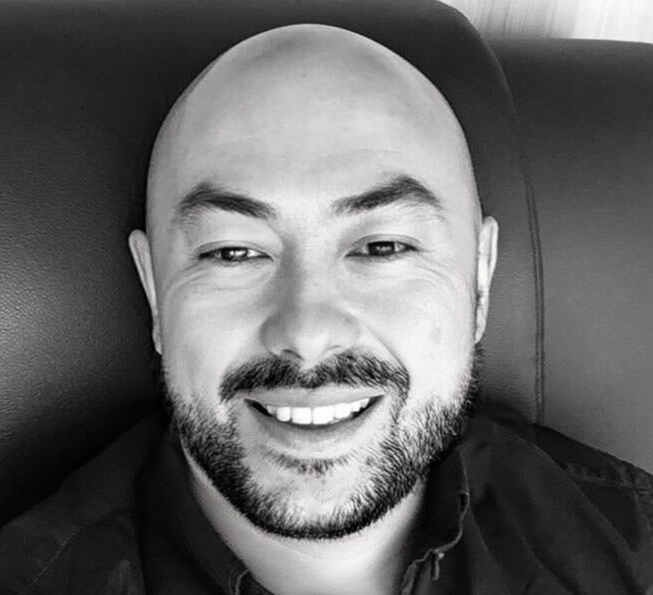
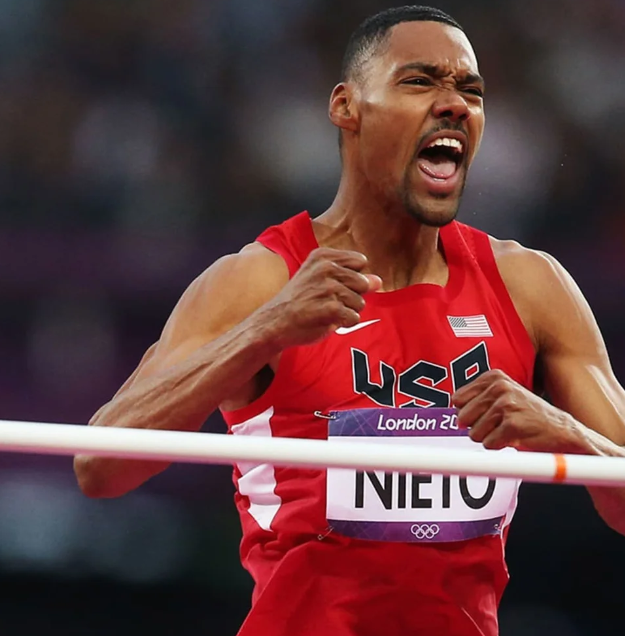
Two-time Olympian and four-time U.S. Champion Jamie Nieto reveals his powerful journey from Olympic high-jump hero to surviving a life-changing spinal-cord injury that left him paralysed and the extraordinary comeback that defied every odd.
In this deeply personal episode, hosted by Paul Quinn on The Quinntessential Questions Podcast, Jamie opens up about learning to walk again and marrying his wife Shevon Stoddart, a two-time Olympian in the 400-metre hurdles whose America’s Got Talent performance inspired millions.
Beyond the track, Jamie shares his creative rebirth as an actor, writer, and producer, appearing in Power: Raising Kanan and Netflix’s Away, and creating the acclaimed talk show Cut To It. This is a story of faith, discipline, and transformation that will resonate with sports fans, athletes, film lovers, and anyone seeking true inspiration.
TIMESTAMPS
(00:00) Intro — Paul Quinn x Jamie Nieto
(02:32) Growing Up in a Single-Parent Household
(04:24) Trying Other Sports Before High Jump
(07:58) Earning a Scholarship at Eastern Michigan
(11:47) Mindset, Training & Early Discipline
(16:10) Mondo Duplantis and the Evolution of Pole Vault
(17:35) Inspiration from Carl Lewis
(18:12) Life as a Student-Athlete
(20:22) Financial Choices & Sacrifice in College
(25:03) Lessons Track & Field Taught About Life
(29:36) Friendship & Rivalry with Félix Sánchez
(34:15) Meeting His Wife, Shevon Stoddart
(38:37) Mental & Physical Preparation for Competition
(41:22) Advice from Olympic Gold Medalist Charles Austin
(43:49) The Power of Visualization
(49:02) Mutual Respect with Mutaz Barshim
(50:48) The 2016 Accident That Changed Everything
(54:58) Writing, Acting & Producing After Athletics
(59:03) Lessons from Donald Thomas & Global Competitors
(01:06:35) Working with Hilary Swank on Away
(01:08:41) Upcoming Projects & Creative Goals
(01:11:26) Collaboration with Larry Wade
(01:16:11) Starring in Criminal Minds Season 19
(01:17:55) Favourite Actors & Athletes
(01:23:02) Creating His Short Film & New Storytelling Path
(01:25:42) Final Advice for the Next Generation
Bio
Jamie Nieto was born in Seattle, Washington and was raised as an only child in a single parent home in Sacramento, California. He is a 2 x Olympian, actor, writer and producer. After high school, Nieto attended Sacramento City College, and Eastern Michigan University where he earned a full scholarship in athletics.
As a High Jumper, Nieto’s career has taken him to over 40 different countries around the world. He has participated in 3 World Championships, 3 Pan American Games and won 4 National Championships. Jamie is known as one the worlds best High Jumpers and ranked top 10 in the world numerous times throughout his career.
In 2007, while Jamie was competing, he decided to pursue his childhood love for movies, acting, producing, and writing. 2009 marked the year of Nieto’s first feature film “The Encounter” which has been ranked top ten faith base film of all time.
In April of 2016, Jamie suffered a serious injury resulting in paralysis while doing a back flip. He was told that he would never walk again, but he defied his doctor’s predictions, to walk his wife-to-be, 150 steps down the aisle at their emotional wedding ceremony that was shared with the world through various outlets and an ESPN special feature.
Nieto’s passion and drive for success is uncanny. He has developed several original pilots, which includes a gritty crime drama, he wrote and starred in called, “Blood Brothers” and currently writes for one of the number one rated shows on Bounce TV called “Family Time” and another show called “In The Cut.” Jamie Nieto is continuing his road to recovery and is living his dreams of acting, writing, producing and NOT letting anything get in his way.
Transcript
Less than 1% of Americans become Olympians. Less than 1% of Olympians do their personal best at the Olympic Games. >> That's I've done both. >> Jamie Nato is a two-time Olympian, four-time US champion, and one of America's most accomplished high jumpers. Over a career spanning two decades, he represented the United States at the highest level, achieving his personal best on the Olympic stage. In 2016, a horrific training accident left him paralyzed from the chest down. Doctors predicted limited recovery, but through extraordinary perseverance, Jaime is learning to walk once again. A truly inspirational comeback. That same year, he married fellow Olympian and 400 meter hurdler Siobhan Stoddard. Her performance on America's Got Talent became [music] a worldwide symbol of strength and hope and their true love for one another. You got married. >> You walk down the aisle. >> You've got two beautiful kids now. >> And it bring it brings us to the the next chapter that you're living which Jamie is a true Renaissance man and has now pivoted his career transitioning into the film and television business as a writer, actor, and producer. His credits include Power, Raising Kanan, Away, and has produced the talk show Cut to It featuring authentic conversations with athletes and creatives. The Jamie Neato story is one of transformation from high jump champion to storyteller, from chasing height [music] to redefining hope and never giving up. >> Jamie, how are you, brother? >> Doing great. Thank you, Paul, for having me. >> I am so pleased to speak with you. You know, I've been a fan of yours. You're you're going to laugh cuz I'm 168 cm short, and don't ask me why. I think my teacher didn't like me. He put me into high jump when I was 13 and 14. And um that's when I fell in love with it. But if we can just for the few audience members that don't know you, can you just give a short intro and then I'll unpack your amazing journey? >> Yeah. Hey everybody, my name is Jamie Needto. I'm a two-time Olympic high jumper. Also, I'm an actor, writer, and producer. And, uh, yeah, I've competed for 20 years in track and field. I'm a high jumper. Uh, and what else? Um, I'm also a survivor of a spinal cord injury. And, uh, there's just a lot, you know. I don't know where all you want to go, but I guess we can say that for the interview, but that's just a quick breakdown of who I am. >> No, I love it. And we're going to unpack your amazing journey. So, one of the things I want to I love doing is going back to talk about our our childhood because I always feel that our childhood never really leaves us. Um, you grew up in a single parent household as an only child. What what was that like? Did that shape a lot of your determination? >> Yeah. Yeah. You know, it's it's funny uh that you asked that is because that that not knowingly or unknowingly um really kind of was my motivation for, you know, for wanting to be successful in high jumping, you know. Um, I I in college I was uh just starting to get some really good jumps under my belt and I think I just jumped like 75 and a quarter, 227 and um broke the school record and I did an interview with the school newspaper and um I'm on cloud nine because I've just PR and you know having a great time and uh as we're doing this interview the the the guy asked me said you know uh why do you hire And I was like, hm, let me think about that for a second. And so I thought about it. I was like, I kind of want to give him more of a answer other than I just don't like to lose or I'm super competitive or, you know, something like that. I I it just really at that moment it just all just became clear and it was like so me and my mother can have a better life, you know. And then I just started balling and I was like, "Oh man, I'm sorry, man. I didn't know I was going to be crying today." So [laughter] uh so yeah that was that was my like motivation to help me and my mother have a better life at the end of the day and um you know I fought long time uh you know attract to do that. So that >> well it's so meaningful because I always think someone's reason why is so profoundly important. Do you know what I mean? It it it drives you in a very different visceral way. And the thing about track and field, unlike, you know, team sports, there's nowhere to hide, >> right? So, it's it's 100% on you. Now, I'm curious, when you fell in love with sports, you know, you probably tried a diff a lot of different sports. How did, you know, high jump find you? Because I'm sure you tried other things first, right? >> Yeah. You know, I was actually a late bloomer. I um I knew I wanted to play sports coming into high school and I think my freshman year I I wanted to play football, but um I didn't realize that the football team practiced over the summer. So when I got there the first day, they had their football pads on and they were doing it was like, "Hey, what like I want to try out the football team like you have to wait till next year." And I was like, "Oh, okay, great." So, I didn't I didn't do anything my freshman year. And then my sophomore year, I played football and was very athletic. I I played basketball. I had a lot of fun with that. And then I was going to play baseball, but I felt a little tired and decided not to pursue baseball. But definitely knew I wanted to pursue basketball again the next year. I had so much fun with and decided I didn't want to pursue football anymore because football was, you know, really rigorous. It in Sacramento where I grew up, it was super hot. It was like I didn't want to be spending my summers, you know, begging for water and having the coach yell at me, you know, >> so I decided not to uh do football anymore. Uh but definitely want to do basketball. So my junior year uh I went out for the basketball team again and they had this rule, if you have a bad grade as a junior, they're not going to allow you to be on the team, but if you have a bad grade as a senior, they give you time to make it out. Well, I had a a D in geometry, so I missed out. Yeah, I missed out on playing basketball. And I was >> super upset about it. And a friend of mine, his name is uh Calvin Bates, I kind of grew up with him. He uh he said, "Hey, Jamie, won't you uh why don't you come out for track and field?" And I was like, "Nah, I don't like running." [laughter] And he was like, he was like, "No, no, no. You know, there's other events you can uh you do the high jump and and work on your jumping ability and next year for basketball. will come back and you'll be dunking on everybody. I was like, >> that was the genesis. >> That was the genesis. I was like, okay, I'll try that. And and when I went out there and did it, um had a lot of fun with it. It was like very challenging to me to like, you know, raise the bar and see kind of how high I could actually jump. Um and then also it was a co-ed sport, so I like that as well. [laughter] >> And we traveled a lot, you know, so I thought that was fun, too. So, um, it really gave me a sense of family hanging out with those guys and and and I just had a lot of fun. So, uh, I think that was the key, you know, is just really have fun and developing that passion for it. So, yeah, that first year I jumped I just want to jump over my head and I was, uh, I was 193, so I was 6'4. >> That's how how old were you? Because because I'm not from the US, I always when people say freshman year, I always get confused what that means. Yeah. So, I was 16. Um, okay. Usually you start, I think freshman year is like 13, 14 years old. >> Sophomore is usually 15, 16. Uh, I turned 16 actually my junior year. I was a little bit younger. >> So, yeah. >> You know, you know, it's it's I always say to people, you know, like be in lifting or jumping, you know, if someone's a good athlete pound-forpound, like if you can jump your own height in high jump, you're a good athlete. You know what I mean? If you can deadlift three times your body weight, you're a great athlete. Things like that, >> you know. So, I I love measuring things like that. What what I find interesting is that you've gone to, you know, you were at East Michigan and you got a full scholarship, right? >> Yeah. >> Was that was that life-changing for you? Because for me, getting a full ride, it says so much about your potential. >> Yeah. Uh actually, you know, I felt like, you know, when I was in high school and I was jumping, I wasn't the best guy, you know, I I wasn't the best. I was just some guy in the midst of a lot of people, you know, and I was somewhere kind of in the middle when I graduated. I end up jumping uh maybe 206 when I graduated, 205, 206 or something like that. and uh made it to the state meet and I was getting some letters from some colleges, some like D2 colleges and stuff like that, but I knew that I want to be one of the best and I knew if I want to be one of the best, I would have to compete against the best and all the best were at D1 colleges. So, my sites now were like, I need to go D1, you know, and and I wasn't really getting a lot of D1 offers. I was getting D2 scholarship offers and uh partials here and there, whatever for basketball and track. Um, so I decided to go to junior college, went to junior college for two years. I figured if I jump a little higher in junior college, then I could get a scholarship to to a D1. And so that's what I did. I went to junior college. I end up jumping uh I think it was 214, you know, and so that that gave me a little bit more notoriety, a little bit um uh you know, some of the colleges want were a little more interested in me. And for me, it kind of came down to Berkeley and Eastern Michigan. And so I I living in Sacramento, Berkeley was only about an hour and a half drive away from where I live and Eastern Michigan was clear on the other side of the country. But I kind of wanted an away college experience. A lot of friends that were kind of >> getting into some, you know, wrong paths in life and I didn't want to be home every weekend hanging out with them. And >> that was wise because that takes a lot of courage and foresight because I I had the same thing. Not everyone has that courage and and knowledge at that age, right? Yeah. Yeah. And I mean it was fortunate like my best friend literally went to prison for 10 years. Yeah. You know what I mean? So it's like you know our paths went like that around that time you know from junior college. And so um so I went to Eastern Michigan on a partial scholarship >> and uh >> Okay. I didn't realize. Okay. >> Yeah. And so um I found out they had a good business college and stuff like that and I was like well I want to major in business so that sounds good to me. Um, so I went to Eastern Michigan, needless to say. And first year I didn't do as well as I I think I just thought that I was just going to take off because now I was in this college, you know, like, oh, now I'm in this environment now. Everything's going to just I'm just going to hit the next level. And it didn't happen like that that first year. I was still kind of jumping around the I think I jumped 215 that next year. So I went from like 214 to 215. That's like nothing. You know what I mean? Yeah. >> Uh, and I was really upset about it because I was like, man, >> I'm supposed to be one of the best now. I'm here at D1 not and this opportunity is probably going to leave now if I don't do something about this. And so I went to this last chance meet. I was in Tennessee somewhere and I didn't I didn't qualify for the NCAA's and I told my coach I said um next year be an all-American. I'mma break the school record and I'm gonna make it to the nationals. He was like yeah okay. >> He didn't believe you. He didn't believe you. That's that when I So when I went back and talked to him about it, he was like, "No, I thought you were being serious." But at the time, I was like you. I was like, "Oh, he thinks I'm playing around. He thinks I'm not serious about this, but I'm so sincere right now." You know? Yeah. And so [laughter] uh >> and so I remember we we drove back from Tennessee all the way back to Michigan and uh you know, next year comes around and I remember I was a little late for practice because I didn't know they were at the park instead of the track. I'm running to the track and I just got into it and it was just like from that moment on I just went as hard as I could, you know. And >> what changed was it was it because obviously your your body is still growing. You're still getting getting physically taller and stronger, but did something change other than your mindset? Did the training change? >> Yeah. Well, my mindset was the thing that changed the the training, you know, so because I decided I'm going to dedicate like I never really lifted weights before. I mean, like I kind of messed around in the weight room, but I had never been on a weight program. I never really went to practice thinking like I'm gonna give it my all every day, you know? I never I never did that. I just went and was like practice was like, you know, I just got to get through this kind of a thing, you know what I mean? And the fun part is going to the track. Well, this time my whole mind frame changed. It's like, I'm gonna put in much work as I can in practice and lifting weights and try to get as strong as fast I can and then see what happens. At least I know I gave it my all in practice in the fall season. At least I know I did everything I could do to be the best athlete I could be. Well, that that first meet I think I jumped like 216 and then the next meet I jumped like 221. >> Yeah. Then I was like, "Oh yes, this is where I was supposed to be." And so >> Were you hitting Were you hitting like 2 220 221 in training or did it kind of jumped up in the event? Wow. In competition? >> Yeah. No, I I wasn't jumping that high. I I never really was a really high high jumper uh in practice. I think the highest I jumped >> might have been 26 27 22 26 27. >> But that's one of the things I admire so much about you because you know your your personal best was set in the Olympics. >> Right. Right. >> And and being you know under the spotlight everything changes as you know. Um so what I want I'm just if you don't mind because I'm going to geek out on this. So, in terms of doing weight training, you probably were thinking like one of my favorite athletes growing up in the UK was Jonathan Edwards, who's still the triple world triple jump world record holder. And my observation of him was when he broke the world record the next year, apparently he became a little bit faster, maybe put on a li little bit more muscle and it changed, this is my observation anyway, the balance. He he never recaptured that brilliant, you know, uh, season again. How are you balancing that by doing weights by not becoming too muscular, still being agile? >> Um, you know, I graduated high school at 175 pounds. I'm not sure what that is in kilos. >> It's not It's not a lot. It's not a lot. Yeah. >> Yeah. And I was 6'4 or 193. So then >> at this point in time when I decided to start lifting weights and getting you know really into my training I was weighing 10 pounds heavier off 185. So I put on probably about 10 pounds of muscle. >> Yeah. >> You know uh >> but it wasn't at that point in time I wasn't thinking my strength toe ratio needs to be a certain level. I thought that later in my career and even when I jumped 227 I jumped that later in my career. Like I was already 30 something years old when I jumped 227. Like I had never really jumped that high in practice. I just started thinking, hey, maybe I should try to jump high and practice. What? >> Yeah. >> But anyways, but but yeah, so so that kind of is what happened. I put on about 10 pounds of muscle. So now now I'm in college and I I I don't feel heavy. I didn't feel heavy. I felt strong. >> Strong. That's the difference. When you're doing your your tutorials, are you guiding the athletes through training programs like that? Yeah, 100%. Yeah, that was the other thing I was gonna tell you I would like to talk about too. I have the my my virtual high jump clinic and you know that's something that we talk about and I started from like because I believe if you want to be a great high jumper like you got to learn how to run and I think that's the problem with a lot of high jumpers is they don't really know proper running mechanics. It's like a lot of them skip a lot of them you know do the shuffle kind of run and it's like >> it's not very efficient you know. So that's the first thing I tell people in my clinic is like, you know, if you think about it, how much of high jumping is running? >> Yeah. >> Like percentage wise, what's I'm asking you, Paul, what what do you think? >> 95%. >> 95%. So if you're telling me 95% of what you're doing on a high jump apron is running, why wouldn't you want to have proper running mechanics? >> Yeah. And >> doesn't that make sense? Right. >> Makes perfect sense. So, so that's the first thing I always try to impute on my athletes and coaches who take the seminar. And then we get into approaches and then we get into um uh you know phases and breaking all that stuff down. And by the end I do go over like um training segments, you know, how you should train in a week, how you should train in a month, how you should train in a year and a quadranium. These are things that you can focus on, you know. So I do break it all the way down for people who are really interested in learning more about the high jump. >> It's so important. I mean if you look at like Mondo now with the PVO, I was so privileged to I got tickets very near to where he was jumping and the the core fundamental difference between he's a runner, right? He's a runner. >> There you go. >> And this is and this is what I said about him all along is that guy knows how to run and he's fast. as I I trained at the Olympic training center. This is not any knock on any pole vulture that was there because we had some great pole bolters that were training at the Olympic training center when I was there, you know. Uh I never seen those guys do sprint workouts. >> Yeah. >> Never. Like I seen them run with the pole. >> Yeah. >> But I've never seen them like, "Oh yeah, I got hundreds today or I got to run 200s today or 150s." Never. Never. >> Not to say they didn't. Yeah. Like and I've never really seen them work on their sprint mechanics. So to me, I was always thinking like, well, again, 95% of what you're doing on a POV runway is run mechanics, running mechanics. Why wouldn't you want to be the best runner and as fast as you could be on that on that runway? You know, >> that that's the thing. I mean, people that are probably not avid fans, but if you look at Carl Lewis, he was a he was a long jumper first, but obviously he was a beautiful runner. You know, you know, he's one of those rare athletes. If you just saw a silhouette of Carl Lewis, you know it's Carl Lewis. >> Yeah. you know what I mean? You know, I really fell in love with his running. Um, what was it like being a student athlete? Cuz one of the things I wanted to speak to people that are coming through the college, being a student athlete is not easy because you're juggling a hell of a lot of things. There's a lot of pressure. Can you speak on that? >> Yeah. Yeah. Being a student athlete can be tough. It just depends. Um, as I was coming up, you know, junior college and stuff like that, I actually had a job and stuff like that as well. I was going to practice and going to school and all that stuff. So, it was it was a lot. You know, uh I think athletes have it a little easier nowadays because, >> you know, if you're going to a college and you have a scholarship, they really kind of hold your hand a lot more than they did when I was in college. So, I think it's a little easier, but um you know, maybe the stress is a lot higher now, too, that you got to try to keep your scholarship. I don't know. Uh but but uh so it can be difficult, but it it can be done. We we've been doing it, you know. Um, I think the biggest thing for me, and I learned this in in my junior college years, was time management. It was like, okay, >> it was like, okay, I'm going to go to school from 8:00 a.m. to 12, and then I'm going to dedicate from 1 to two uh, study time. I'm going to go to the study hall. I'm going to get a tutor, whatever I got to do for those hour or two hours right there. And then I'm going to go to practice. And then I'll practice from 3:00 to 5 or 3 to 6 or whatever. and then after that then I'll go to work if I got to work you know. Yeah. >> So it was like learning that time management and then once I had those fundamentals and those basics in my repertoire now when I'm at Eastern Michigan it was the same thing. Okay. I'm just I'm going to school to this time. I'm going to the you know the tutor lab at this time and then I'm going to practice. you know, >> yeah, that would be my biggest um my biggest advice to student athletes is just really be diligent with your time management and everything will be a lot easier. >> You know, it's so interesting because when you look at a lot of sports and Noah Li talked about this about really what being a world champion is, you know, famously when he was talking about in the NBA, if you win the NBA championship, you're not world champions. And that was that was quite controversial, right? But but the the thing about track and field and I I I did the research on this >> in Tokyo this year. The gold medalist only got $70,000. >> And when you think about you're the very best person on planet Earth in that event, in that discipline, it's it's it's a it's a hard it's a bit of pill to swallow, right? Uh were you thinking about that when you were competing or you just fell in love with it and you just thought I'm going to do this for as long as I can? Cuz it's a financial decision, right? at when you're at college, you're thinking, I'm pursuing something, but what's the reward? You have to especially if you're from a humble family like we are. >> Yeah. No, I was I was ignorant to what what it was. I thought I could once I graduated and if I made Olympic team, I was going to be good and I was going to have a lot of money to be able to have a house and buy my mom house and do all those kind of things. And that's not the case. It's not the case at all. And like you said, you know, the world champion only made $70,000. It's it's it's really a travesty. I think you know that I don't I don't think that the athletes get paid really what they're worth, you know, and and if you think about it, if if let's just take the Olympics for example, if I compete, let's just say I trained for four years. So from 2000 to 2004, let's say I trained those four years and and then let's say I get the Olympic gold, right? Whatever that's worth. You know, the US I think pays 25,000 for first. Don't quote me on that, but yeah, it's no more than 50,000, you know, at the most. Let's just say. So, you're telling me or let's just let's just say it's 50,000. I don't think it's that high, but let's just say it's 50,000. You're telling me over four years, break $50,000 up over four years. How much money is that? >> Yeah. >> You know what I mean? Like, that's not a lot of money. You know what I mean? That we're talking poverty level. The average American makes. I mean nowadays they make 46 to $50,000 40 $50,000 a year. >> Yeah. >> That's not even that we're talking about one year you might. It's a travesty. And so um I think there's you know uh there's some people out there >> that are running the competitions that really should step up and you know pay the athletes with their work. >> Yeah. We without talking about it too much there's a lot of stuff going on now with the Grand Slam and it's it's it's it's crazy. It's difficult. It's difficult to build a business, but it's it's a real shame. Well, now I want to talk about how you go from, you know, college. >> Hold on, Paul. But let me let me say this though is like, like I said, I didn't know coming in and then it wasn't until later on that I started figuring out that it's like, yo, I'm still working hard to try to pay my bills and I'm one of the top athletes in the nation. Like even those those years that I was doing really well, like you know, the other years I didn't do well every year. I I had a 20 year career. I competed from two from 16 years old to 36 years old. And you know then I I became professional at 22 years old. So from 22 to 36 like maybe I had five good years in there. >> Yeah. >> You know what I mean? Let's just say I had five good years from let me see that that's about 15 years. >> You know what I mean? let's just say and and so so that's not enough to be able to com you know to to compete that long you know what I mean um so but I didn't realize that until like later in as I started finding out like wait a minute how much money am I getting you know we start that's all and I'm working this hard to try to win this this dino link meet and that's all that oh man this is but I had love for I was I was already in it at that point in time you know it's like >> what I'm Well, I you know, I talk about it being a labor of love. I had Roger Black on the on the show and he said it he really wasn't a labor of love. He was very good at it. But why I say that is this is because you you fall in love with it and the the pay unless you're Usain Bolt, the payout isn't going to be great. So to my in my mind, >> it is a labor of love in that sense because you're doing this because you love it. You're great at it. You're you're pursuing glory. Um but it's hard especially being an athlete because you know there's a finite window of time >> and yes when you when you were doing it there wasn't social media so you didn't have the outreach that athletes have now >> right >> now for me it was also thinking about okay if I have that Olympian on my name if I go to work corporate because I wasn't sure about acting at that point in time but if I want to go work corporate at least they might say okay >> might open up a door for me this guy's Olympian we're going to start him probably a little bit higher than maybe at the very bottom, but you know, maybe he gets his foot in the door kind of a thing. So, I was thinking about those kind of things that >> people can look at my track record and career and say, "Oh, this guy knows hard work. This guy knows dedication. He's one of the best in the world. Let's get him into his company and see what he can do, you And I do take those saying that I do take what I've learned from track and field into my life. Now you know whe whether it becomes hard work, dedication, knowing it's going to take 5, 10, 15 years to really be successful at something. I know that because I've done that. That's that's the formula for success. You want to be successful, you want to be great at something, work hard at it. Put the time in it. Never give up. Keep learning as much as you can. And you have an opportunity to be successful at it. You just got to keep going after it. You can never quit because once you quit, then you lose the game. >> No, no. I I I find it fascinating. And look, the the fact that you said track record, you know, people don't think about where the saying comes from. It comes from track. And the the other thing is, you know, when I speak to athletes, people overlook this is you've got global international experience because you've competed around the world. It's completely different. >> Let's let's let's fast forward to becoming the American champion, not once, but four times. So, how how was that jump in, you know, level for you? >> Yeah. Um, so it's funny. I just told this story not too long ago. Um, so my first national championship was was was interesting. And the second one was the Olympic trials in 2004. So, I won my first national championships in 2003. I was like starting to kind of build and get back to where I was at when I left college. And maybe uh two months before the national championship that year, my girlfriend who I had been dating at the time had cheated on me. >> And so I was like I was devastated. I was devastated. And so from like May till the end of June, I was like just wallowing. But I put everything that I had into track. Like it was no longer about the relationship anymore. I was losing weight. I was depressed. I was losing sleep and stuff, but I was like, just going to work hard in track and just stay focused on track. And so when I went into the nationals that year, I was like, uh, my goal is to jump 230 on my first attempt to see where I'm at. See see where whether I win, lose, draw. If I jump 230 on my first attempt, I'll be happy that happened to win the competition, you know. Uh, crazy. Yeah. And it was it was interesting. I'll tell you a funny story there. So, as I'm competing, uh, I'm really quiet and I'm really focused and I'm clearing bars on my first attempt, like, >> you know, 215, 220, and then I think we go to like, I don't know, 24, something like that. And, um, one of the other jumpers, I guess he's watching. I'm not really focused on anybody else. He jumps 224, but like a mile and then he's like, "Yeah, you know, he's excited." And he comes up to me and he's like, "Told you I'm getting your ass today, Jamie. Forgive me guys for cussing. >> No. And he's like bumping into me. I was like, >> "Oh, you got bit of smack talk." Yeah. >> Yeah. Yeah. And I was like, "Not ready for what I got today." >> That's all I said. Just really calm, you know. Yeah. And then I went and I cleared the 226 or seven or whatever it was. And then we go to 230. >> Those guys miss. First attempt. Banged it. >> Bang. >> Yep. And it was like the whole field shut down. Everybody was like, "All right, I guess uh this is a done day." You know, my first Yeah, it was a fun first national championship. It was a little bittersweet because I had the the the fallout of my ex-girlfriend, but then I won my first national championship. And then the next year, which was 2004, I made my first Olympic team, which was in Sacramento. So, I went out for the Olympic trials in 2000, which was in Sacramento, and then they came back again in 2004. So, I thought if I had any chance to make an Olympic team, it's going to be in 2004, you know, uh because I knew I was ready. Um and >> I have never there's only I was telling my wife this the other day, there's only three times in my career where I saw a person have crowd control that was unmasked and unparalleled. Right. >> Really? >> Yes. There was only three times. One time uh was when I was at the 2004 Olympic Games, the the Greek girl when she was running the 400 hurdles. >> Yeah. >> The crowd was deafening. It was it was so loud in the stadium. I couldn't I couldn't hear myself think. I was like, "This is crazy." >> Amazing. Yeah. >> And then the other time was uh Felix Sanchez. I was in the Dominican for um for the uh Panama Games. >> Yeah. And when he walked out onto the track, >> it was like Lex, Vex. I was like, "Wow, [laughter] >> wow. This is cra like he just had and and he was walking across the track and I was getting ready to jump." So, he's about to cross right in front of me and I told him to hold on for a second and then he put his hand up and everybody got quiet. >> I was like, "Wow, >> wow." >> It was amazing. Yeah. And then the other time was myself when I was in Sacramento. I saw a high jumper. You know, we get the crowd clapping a little bit as we get to jump and he got the the the crowd clapping a little bit and uh and then when I got up and I started to get the crowd to clap, it was like and they were like, "This is Jamie Needto, your hometown favorite." And I was like, "Oh." And it was a lot of energy and it was very exciting. And so that to this day was probably the highlight to my career. um really competitions that I went to I mean a lot there's other meets that I went to that have like special moments and stuff but >> you know making your first Olympic team in front of your home crowd from your friends and family and then to jump a personal best I jumped 233 that day uh I couldn't ask for anything more and then obviously as we spoke about come back to the Olympics you know a month later in Athens and then jump 234 another personal best Crazy. What an what an amazing year. >> Yeah, it was. You know, I tell people, you know, less than 1% of Americans become Olympians. Less than 1% of Olympians do their personal best at the Olympic Games. >> That's I've done both. >> That's what we were talking about earlier. It's It's funny. Do you do you think that literally boils down to the pressure, the travel, the rounds? There's so many complexities to it, but you know, is it ultimately the pressure? Um, you know, I don't I don't know. I I always felt like I was a big beat jumper. I I just always felt like that. Like when it came to the championships, that's where it's like, "All right, let's go. Let's have some fun. I'm about to, you know, come out here and destroy, you know, like that. That was my mentality." And if you don't have that mentality, you know? >> Yeah. >> You know, I mean, if you look at the average, most people will jump their average of the season at the Olympic Games. So if I was averaging, you know, say 228 the whole year, more than likely when I come to Olympic games, I'm going to jump 228. If I have a good day, I probably jump 230. >> Yeah. >> You know, if I have a great day, maybe I jump 32. >> But to jump a personal best is like >> it's amazing. >> It's amazing day. Yeah. Yeah. So, and that's how most athletes are. You know, there if you know, uh, Ry Benjamin runs 46 in his opening meet and then he comes back at the Olympic Games and runs 46. He was running 46 all year anyways. Yeah, >> it's not very surprising that he's gonna at least run 46, you know. Exactly. And if he has a great day, he might run 45, you know. >> But I think I think for you, you fed off the crowd as well because why I fell in love with watching you was you're a showman, >> right? So you you get the crowd going like no one else. >> Yeah. I always had a lot of fun and I and I and I really looked at it like this is entertainment. This is I'm out here to have fun. I'm out here to put on a show. So give the people what they want. Like, you know, I I looked at some athletes that didn't do that and they were just very much into themselves, very much internal. I was like, why not just have fun, at least slap some hands, sign some autographs, kiss some babies, you know, like just >> Yeah. >> So, it was fun for me. Yeah, I enjoyed it. But then that now translates to me maybe I just always was a showman because now, you know, I'm doing more acting and writing and producing. So, that that was always probably always in my blood. >> Well, you're you're a renaissance man. And uh I I want to come back to the Olympics, but I do want to talk about how important Sacramento is because when I when I was doing research for the show, I didn't know this that your beautiful wife Siobhan, she I think did a personal best in Sacramento. >> Oh. Uh >> you should know that, Jamie. You should know that. I should know. >> I I wrote down I wrote this down. We can verify later that she ran 5447 in Sacramento. And I just thought if that's real, that just holds a lot of meaning to how special that place is for both of you, right? >> Yeah. Yeah, she did it at the NCAA, right? That was Yeah. Yeah. Yeah. Yeah. No, it's it was a great track. It was a great track. Great place, you know. >> Well, talking about this, so, you know, I told you off camera, I was a fan of yours and after you retired, you know, I kind of lost contact with what you were doing and I was watching America's Got Talent recently and there was a retake of uh her episode where she sang and it it brought me to tears and what an amazing woman she is and what an amazing couple you are. Um, how did how did you guys initially meet? >> Okay. Um, so, um, in 2010 I was auditioning for a commercial and I remember as I was leaving I saw her like stretching and I was thinking I think she runs track. I feel like I've seen her before but I didn't know who she was. So I said hi and you know was trying to be friendly and she didn't kind of seem to kind of give me the cold shoulder kind of a thing. I was like, [laughter] "All right, well, hey, well, good luck." You know, and so later now when we talk about, she's like, "I was just focused on getting the commercial." I was like, "Well, you got the commercial, so I [laughter] guess I should have been more focused, too." But uh so so that was when we first met. And then um two years later in 2012, I was uh I was doing a a web series and I was raising fund. I was doing crowdfunding. I was raising money for the for the crowdfunding to to shoot this thing and um so I was sending out messages to all my friends on Facebook and she happened to be one of my friends and she wanted to donate. She saw uh maybe a little clip of something that I did some kind of promo thing. She was like, "Oh, this is really good. That piqued her interest. She had seen me before. She had actually seen me in 2004 at the Olympic trials when I won." And she said she never she never had paid attention to the infield. It was always about, you know, racing and, you know, the track sprints. Yeah. >> But she said she seen this guy, you know, running through the field, ripping off his shirt, doing back flips, and she was like, "Who's this guy?" You know, [laughter] so so she seen me and clocked who I was before I kind of seen her. And so anyways, fast forward to 2012. um you know she she donated some money and then later that year I had like a new trailer for the the the um show that I was uh creating and I saw her in Martineique and I was like oh let me go talk to her and show her like you know like I didn't just take your money I actually did something with it so I showed her the trailer and she was like yo this is amazing have you showed everybody and I was like well no I just kind of want to show and then she like ran off with my phone and showed started showing everybody like hey have you seen this have you seen this is so cool Yeah. So I was like, "Oh, okay. Thanks." And then um the next meet we went to was in Jamaica and so I had seen her at um lunch or whatever, talked for a little bit and then at the track after the competition uh we were sitting down talking. Um I was waiting for my award or whatever and I said, "Hey, what meet are you going to next?" And she said, "I'm going to a meeting in UCLA." I said, "Me, too." I said, "You know, maybe afterwards we can go get lunch." And she said, "Yes." and we've been together ever since. >> Beautiful. What a story. And I showed my wife and my my daughter's um her her audition with America's Got Talent and let me tell you, they were all in bits. They were all in bits. They were all in tears. Yeah. I won't get you started. >> Good luck. We're rooting for you. >> Thank you. Through the good and the bad, [music] through the good and the bad. All I [music] ever needed was you. I hold your hand. And do anything [music] I can do to give you all of me. Through the good [music] and the bad. Now we stand here [music] together cuz we made it. Build a love that will last. Yeah. [music] And if the times get too tough, you know we'll make it through the good and the bad. [music] The good and the bad. Through [music] the years that we've had together, built a [music] love that will last forever. [singing] >> Very good. >> Very good. >> Thank you. >> Now, I want to go back to mentality. like how did you prepare yourself physically and mentally and how did those two come together performing at the highest stage you know at the Olympics because you know that that's what we all dream of doing but you've done it. >> Yeah. It just depends on the time you're talking about. You know at the Olympics in 2004 uh after I had made the Olympic team for me it was like I'm here like I I'm my whole goal was just to make the Olympic team. Yeah. Uh I knew I still want to go there and then obviously try to get a medal. Uh but it was like it's time to have fun now. I mean like I did everything I needed to do. I'm at the final meet like what nowhere else to go after this. So I was like all right let's have fun here. So I felt like there was no weight on my shoulders when I went to the Olympics in 04 at all. So mentally I was I was excited to be there and I want to go there and have fun and try to get a medal, you know, which uh >> which you know like I was competed at the best I could I could and it was it was very bittersweet for me you know to like just missed the medal you know um yeah >> jumping 234 second third and fourth place all jumped the same height those guys did it on their first attempt I did on my second attempt and then Stephon Holm comes back around for 236 and because he did it on his third attempt and clears 236 on first attempt. Oh my gosh. Like, >> so um so like I was I was really kind of hurt after the Olympic Games because >> I felt like I should have got a medal >> and >> so close. >> I was really close, right? So, uh it took me some years to like really bounce back from that. I kind of fell in a little bit of a post Olympic depression. And so I I saw some sports psychologists and they helped me to realize that day that I didn't lose. You went there and you did the best you could do. >> Absolutely. >> You know, there was nothing else more that you could have done. And in my mind, I'm like, I was so close to 236. I just barely brushed 236. I should have made it, you know, and and that would have gotten me a marrow. But, you know, at the end of the day, like I did everything I could do, you know, and and I remember when I walked off the track, I was like, I have nothing left. I was like physically, mentally, spiritually drained. I had given everything I got. >> 100%. Yeah. So, so after those couple years, uh, you know, of of 04 and I started seeing the sports side causes and he helped me to realize that, then things started to get better. I could kind of like get past it and let that weight off my shoulders. And then 2008, I missed out on Olympic team, which is a whole another story. But since you specifically asked about the Olympics, I'll stay on this topic. And then 2012 I come back now I'm 35 years old and it's like do I really believe that I can make another Olympic team. No American ever made an Olympic team at 35 years old. Uh yeah male high jumper females have but no male high jumpers done it. The closest person I seen to do it was Charles Austin and that was in 2004. He stood 35 years old. He just barely missed 230 that day. Uh which would have put him on the team. So I was like, you know, and I hadn't jumped the that year. The new A standard was 231, which was the highest it had ever been at that point in time. So I'm like, >> yeah. So just to and I had missed out the Olympic team in 2008 because I didn't get the Olympic A standard in time. So in 2008, they came up this rule. If you don't have the A standard by the Olympic trials, you you're not going to make the team. By the way, I want to speak on that because you know what I've always felt terrible about American athletes is you have to peak twice in a very short period of time because arguably the the uh US trials are more competitive than the the Olympics in many ways, right? >> Yeah. Yeah. Yeah. >> Yeah. Yeah. And so in 2008 the the standard was 230 and maybe at the beginning of June they sent out an email saying, "Hey, you don't have the standard then you can't make the team." So I'm like great, what is it? One, maybe two meets I can go to to really try to get the standard. If not, then I have to do it at the Olympic trials. So I go to Olympic trials, I get second. So you know, there's two criteria. Get the A standard and then place in the top three. Well, that's part of the hardest part is getting in the top three at the Olympic trials. Yeah, I get second and I jump 227. Just missed 230. >> I think six days later, I go to a meet in Ireland and I jump 230. >> So then I I go into arbitration, right? because I'm like, "Yo, I should be on the team." The rest of the world has till July 25th or 26th or something like why why can't we still have that time? We've been having that time. Yeah. Like you guys just And they couldn't come up with any viable excuse. But needless to say, I end up losing my arbitration. Um and that year I was dating a girl from England and she had made Olympic team. So I stayed in London and I was like, what am I going to do for these couple weeks? So I decided to take an acting class and that's kind of when I that start. All right, we'll come we'll come back to that. I I just >> let me go back to the 2012 and I'll tell you my mind for that. So 2012 London comes around thinking like am I going to be able to make this team? I don't know. I didn't halfway believe I could or you know so I started doing a lot of visualization which I had been doing in the past but started really early. >> Was the psychologist helping you with that? >> Yes. And so every time I was doing my visualization, I would see myself on the podium. And for the first month, I would see myself on the second or third place podium. And I was like, man, uh after that first month, I was like, why do I keep seeing myself in the second and third? What is it going to hurt me to see myself on the first place podium? >> I like nothing. Nothing. So why not see yourself on the first place podium? Okay, cool. So then I started seeing myself on the first place podium every night for like 15 minutes of running through the whole competition in my mind. rain, wind, sun, everything I can think of. Misses, makes, like everything I can think of. I'm just running the competition. I know what Eugene looks like. I know what the competition >> just just kept running, running, running. And every time I won the competition in my mind. So, >> we, you know, again, I'm still trying to get this A standard. So, I go to all these meets and then I have this epiphany like, >> why what's stopping you from jumping 231 your first meet? what's stopping me from jumping 231 any? >> Yeah. >> And I was like, because I always felt like for me to jump 231 or higher or something like that, it had to be a great competition. It had to be sunny outside. It had to be all these factors, you know. And I was like, that doesn't really matter. If you're in good shape and you're ready to jump 231, you're ready to jump 231 no matter what. >> Yeah. >> Okay. So, every meet I decided I'm going to start jumping at 231. So, I would jump like 224 and then skip and go straight to 231. >> [laughter] >> So, every meet all the way till June, we get to 13 meets later, I get to this meet in New York and uh you know, some meets I'm close to 231. Some meets I don't have a chance in heck to to clear 231. Well, I get to this meet in New York two weeks before Olympic trials and jump 231 on my first attempt. And I was like, and I and I and I knew if I cleared that a standard, my chances of making Olympic teams was going to go from 5050 to probably about 9010. Like I >> You put the pressure, you've put the pressure on everyone. It's like you put an ace down straight away. >> Yep. Yep. So, so even though it was right before the Olympic trials, I'm letting you know I'm ready. I'm coming in here ready. So, uh, but still I'm still competing against guys that are 10 12 years younger than me at that point in time. It's 35. This guy's 22 that I'm competing against, you know. So uh so so that was my mind frame that year and and I told myself every day I'm gonna jump and clear 231 this year. I'm gonna jump and clear 231 this year. That's my mantra. I just kept saying it over and over again. So this is what I tell people whenever I do public speaking is like you might not believe what it is that you want to achieve at first. But it's just like a little kid. If a little kid is growing up and you tell him his whole life you're not smart. He's gonna believe when he gets older he's not smart. If I tell him every day of his whole life he's smart, it's more than likely gonna believe he's smart. So, what if you tell yourself I'm a certain way? What if you tell yourself and you are and you're working towards getting to those goals? Even though you might not 100% believe it, eventually you will. >> Yeah. >> And eventually I did. And I got to Olympic trials that year and I end up winning the Olympic trials and being on the first place podium >> being these other young guys, you know. So, >> so powerful. And then and then I made it to the Olympic Games and I get fifth at the Olympic Games and I remember I go to the to the mix zone and the BBC reporter stops me and she says, "Jamie, like uh you're like the happiest guy to not get a medal. Like why is that?" And I had jumped 229. Well, I had jumped 231 that year. So I'm like I jumped almost as high as I've jumped this whole season. Like I came out here and I won. I I did the best I can do. You know, I didn't jump 35, but I jumped the best I can do at this point in time. My season's best was 231. I jump 229. As close as I can get to it, >> that's not too bad, you know. So, I was really happy. So, my whole mind frame was different in 2012. I was a lot happier and and and when I left the Olympic Games at that point in time, I had no post Olympic depression at that point in time. I was ready to go the next year. I just happened to have an injury that I dealt with. >> Yeah. you know, you know, as an athlete, you're you're you're so hard on yourself because you're trying to get onto the podium, >> but the let's put this into context. You came fifth in the world, >> right? >> It's it's and and you know, it's that changes everything, right? If you're if you're a teacher, you're or you're a banker or a lawyer, if you it's difficult to say you're the best in the company. To say you're the fifth best, the fourth best in the world is amazing. >> Well, well, I like to say I'm an unofficial bronze medalist because in 2012, first place was Eric Canard. He jumped 233. Second place, it was a three-way tie. It was Muas, uh, the guy from Canada, and Robbie Garz, right? And then I was the next person down. >> Yeah, >> that's third place. That's not fifth place. It's third place. Like, >> no reason why there should, you know what I mean? Like there's no reason there should be a fourth and fifth with nobody nothing or third fourth and fifth for nothing. So I I feel like I'm an unofficial bronze medalist. >> I love it. >> You know, I wanted to ask you, you know, when Bashim and the Italian high jumper >> Yeah. >> shared the gold medal. >> Yeah. >> How did you feel about that? Because it was such a, you know, what would you have done if you were in that position? I'm curious. >> I would have did the same thing. >> Yeah. It was it was a beautiful moment. It was a beautiful moment in Olympics. And anybody who thinks that, >> you know, it wasn't, I I'm sorry. They're not I don't know. I I understand that certain people are like, I never did that. I'm going to fight to the end. And it's like, so you would have rather risk being a silver medalist than a for sure gold medalist. >> Yeah. >> Like just because you tie with somebody, you're still going to get gold medalist perks. At the end of the day, you're always going to be a gold medalist. Now, you're risking >> to be a silver medalist. Now, it could be a pessimistic way to think about it, but I would rather go with the what is it? A bird in the hand and one in the bush. Two in the bush. >> Yeah. >> You know what I mean? So, I I would have did it. And so, even the next year when I saw um Shelby and um >> and the other guy uh from New Zealand um >> come back. >> Yeah. >> Yeah. When those guys did Hamish, when those guys did it, I was like, "Yo, what are you doing?" Like, "No, don't keep jumping." like so but but if if one athlete says they want to keep jump then you have to keep jumping. So, I don't know who decided to make that decision. If they both did, I don't know. But I I felt like they should have just went with the tie themselves. Would have been on the big gold medalist. You know, >> it's it is interesting cuz then also what I loved about that, there was not a long discussion. Wasn't a boardroom discussion. Whatever they said, they were so happy. It was one of those most beautiful moments in in in history. Beautiful. You know what I mean? >> I thought so, too. Talk to me. Talk to me about what happened in 2006 and your horrific accident because that changed everything for you. 2016, sorry. >> 16. Yeah. Uh, yeah. So, um, as I kind of mentioned before, you know, I I was a showman after a competition. I do a backflip and bow and those kind of things, you know. Uh, and so, uh, in 2016, 2013, I retired. I was coaching doing some post collegiate uh coaching as well as some collegiate coaching. Didn't realize I didn't want to do collegiate coaching. Just wanted to stick with post collegiate coaching. And so this day in April, we're we're working out and I was still working out, keeping in shape. I wasn't competing anymore, but I still like to stay fit. Um and we were doing some um drills and then we pulled off to the side and we were doing somersaults on the side and I did one and I recorded and I was like, "Yeah, that was great." you know, and then uh and then I decided I was like, "Let me try one more." And, you know, uh because I think I could do it a little bit cleaner or whatever. And so I remember I was on an astroturf and I was just kind of bouncing there and then I pushed up and something happened. Something like not right and and my foot kind of slipped and so my feet kind of like spled in the air and I was like, "Oh shoot, what happened?" And as I went from my feet, I end up going to my head and then my body just toppled over my the rest of myself. And I was like like laying there and my life kind of like passed before my eyes in a sense. But the first thing I heard was, "Don't worry. Uh you just got to go through this. You're going to be all right." And I was like, "What?" And then the the the the thoughts and the images started just like flash in my head. people who were in wheelchairs, people who would broke their neck and came back. My life just just so many things and it was happening so fast. And then one of the athletes came into view and I told them, I said, "Call 911. I've been hurt really bad." >> And and they did. And uh I end up getting airlifted out of there to the hospital. Uh got the X-rays. come to find out that the disc between C3 and C4 slipped and bruised the spinal cord and I was paralyzed from the chest down. I had no movement. So, um you know that that was tough to to to hear. That was a life-changing experience and um you know it it's one of those things where it's like what what is your life going to be like now? And uh luckily I had a great support system. First and foremost, God, you know, like I God told me I was going to I felt like that was God telling me don't worry, you just got to go through this. You're going to be all right. I feel like that was God telling me that. So when I was in the hospital, the doctor was like, you know, he might have he might regain 30% functionality back. No, God said I'm gonna get 100% functionality back. and and so she was like, "Oh, you know, that's that's good to be optimistic kind of thing." So, you know, like I go back to thinking in my mind like the things that it took for me to be a great athlete. And like I told you before, it's 1% of Americans become Olympians, less than 1% of Olympians do their personal best at the Olympic Games. I've done I've done both. You know, what makes me think I can't do this? What makes me think I can't walk again? What makes me think So, >> 100%. >> You know, that that was my goal uh after kind of finding that out. And I'm still on that journey. And you know, knowing like how long it took me to be great at track and field, it might take me that long to be great walking and running again, but I'm going to get there and I'm not going to give up. >> So they they said, did they say that you you were never going to walk again and you couldn't have children? >> What was notice? >> They said that I probably would get about 30% functionality back. They didn't really say anything about children. Well, you know, you got married, >> you walked down the aisle, >> you've got two beautiful kids now, and it bring it brings us to the the next chapter that you're living, which this this is what makes you a true Renaissance man, and I'm so that's why I'm so happy we're talking. >> When did you fall in love with um writing, acting, producing? When did this journey begin for you? >> Yeah. Yeah. So, so I kind of briefly talked about it in 2008. had to make the Olympic team and uh I took an acting class in London and just fell in love with it. And so when I came back home to San Diego where I was living at the time, um I found an acting class and I found one that I really like. The acting teacher, he was a working actor and he always said, "Hey, if if you want to be, you know, you know, you really want to have a career in in this business, learn to write." And I had actually already written uh a screenplay that year just because I was in Kansas for a little while training with my coach and I was just >> Oh, before he said that, you'd already written something. >> Yeah. Yeah, I did. I did. It was horrible, but >> doesn't matter. You got to start somewhere. >> Yeah. So, I I had already written a screenplay. Uh and then, you know, and then so at that point in time because he was always like, you know, Hollywood might not always see the things that you're actually talented at. So if you're able to write, you can write yourself in the roles that you know you can do. So I was like that sounds like a good idea and I've already kind of started doing anyways. I like telling stories. So So it kind of all started around that that time, you know, 2007208 um or 2008. So uh and then I just stayed in the acting class all the way up until I retired from track and field because I wanted to be able to have something to like smoothly transition out of, you know. Yeah. So So at least I have a little Were you doing um sorry to interrupt there was a time delay. Were you doing like traditional method acting Stannislaski? Was it was it the full works? >> Yeah. Yeah. Yeah. No. Um so my teacher learned from Stella Adler. >> Okay. >> Like his his actual teaching was Stella Adler. Wow. So I learned about Stannisloski and me method acting and how the actors studio broke up and all that. Like I learned all that. We did Shakespeare in his class. We did cold reads. We did plays. We did like I I literally was in his class for six years or something like that. >> Wow. I didn't know that. So you really you've worked at your craft. >> Yeah. Yeah. Well, wouldn't you you mean like that's that's my training like you know I I you know I had this conversation one time with this lady. Uh it was when I was competing and I she was a uh I think she was a manager for some actors or whatever and I said, "Yeah, I think I think one day I can be as great as Denzel." And she was like, "Why would you say that?" She's like, "Have you ever trained? Have you ever be have you ever like taken a class?" I was like, "No." She was like, "Imagine if a if a guy came out here and said, >> hey, I'm going to beat you in high jumping today." >> Yeah. and he's never tr never never trained, never even been on the hides of paper, but thinks that he can come out here and beat you on >> and so that like opened my mind to it. So I was like, "Oh, okay. If I want to be that great one day, I probably need to train." >> Yes. >> Yeah. So that that's why, >> but you know, to to just to to add to that, it was quite funny. I was watching a bit of Jeremy Pivven who played Ari Gold in there's an excerpt from his standup comedy show. And in in the comedy show, he goes, "Who is the highest paid actor in the world today?" and someone said the Rock and he goes, "Yeah, >> guess what? The Rock hasn't taken any bloody acting lessons and here's me. I've taken all these acting lessons. I've been in 80 movies, you know, and I'm having ends meet kind of thing." But no, to your point, you have to work at your craft. And >> I love that book by Malcolm Gladwell, Outliers where he talks about 10,000 hours to become great thing. And I I think that's 100% real >> of the TV shows that you've appeared on and there's quite been quite a few now, right? Um, I I loved Raising Kanan. I mean, I wa I watched Power. How much fun was that to get that role? >> Yeah, >> it was great. Let me take a step back because you mentioned something. You're 100% right. You know, like being an actor and working in the entertainment field is a judge sport. Track and field, you work hard, you get the rewards, but not in this industry. But I always felt like if you're prepared, >> you know, and that opportunity comes, you have more of more of a chance to succeed at it. You know, of course, there's people out there who, >> you know, I mean, look at Donald Thomas. There's no knock on Donald Thomas. Donald Thomas is like, I'm a basketball player, comes out, tries to do the high jump, and actually is great at it and comes and wins a world championship like maybe two years later or something like that, right? >> That can happen. That can happen in this industry. You can do one movie and now you're getting an Oscar and you can be, you know, big and you've never trained in your life. I get it. That happens. But a lot of times I don't think those people really last that long, >> you know. Um, now not to say nothing against the Rock. The Rock has been in it, but I think he has been training. I don't think I don't think maybe just because he hasn't taken acting classes, but when he was wrestling, >> you got >> there's a lot of acting. There's there's a lot of training ground there, you know. So I I think you know The Rock is a is a great actor. I I love Jeremy Pippen as well and I I understand his point. But yeah, um >> but back to your question um with with Raisen Kane [laughter] >> that was so so fun. I had such a good time and it was great to to work with those actors as well. Um uh when I got out there I felt like one of the first scenes I did well I did this scene with the main star uh Mai uh he's the guy who plays Kanan and he was just kind of running by me and hopping on this elevator right and I just had like a couple words like hey man hold the elevator for me right as I'm kind of rolling by in my wheelchair and he he ends up missing it and I end up missing the elevator I'm like great right so then the next scene which was the more meteor scene was with London who plays Uncle Marvin, right? >> Yeah. >> And so I had already been kind of like working at this uh production company called Harvest Studios and he does a lot in and out of Harvest Studios. They do a lot of um sitcoms and stuff like that. So I'm I've been working there for a few years now at this point in time. So I've seen actors come in. I see what they do. I've seen like why some are really good, why some are not as good, some do great, some don't. So, I'm like I'm watching and and he the guy who owns the studios, he directed as well. And he would always say, "All right, uh, do the first two takes as scripted as on the books, right?" Okay. And then after that, >> have fun. Do whatever you want to do. You know, I still need the words, but if you want to add and improv and do whatever else, >> run with it. >> Go for it. Yeah. Love it. >> And and even even he doesn't even need the words 100%. like if you switch a joke or something like that, go for it, you know? So, okay. >> So, that's always been in my mind. So, as I now I'm in this scene with with London, >> that's in my mind. I'm like, okay, do these first two takes scripted and then give him something different. >> Is this the scene in in the hallway where you're confronting him? >> Yo, your customers are pissing in the stairwell and smoking up in the elevator. Not that there's never any room for me in that anyway with all you people going in and out. >> I'll look into it. You don't need to look into it. I just told you what the it is. >> Yo, step off or roll off or whatever the it is you do, cuz you mad close on me right now. you. >> Look, everybody getting a little something something for the patients and accommodations. You took our money, you know. I deal. >> And money ain't nearly enough to cover me waiting on the elevator for 45 minutes every day, cuz that always too crowded. All right. >> Yo, want to say it again. You need to back the up. You serious? You think I'm scared of you, I got shot seven times and I'm still putting fools on their back. >> Be the next >> Yeah. Yeah. >> I love that. >> Yeah. I had some really good improvs in there, you know, and it was the stuff that I had kind of came up with that I was coming in with. So, I did the first two scenes scripted or first two takes scripted and then uh and then they were like, "All right, cool. We got those. Let's just have some fun with it." And so, when they said that, I was like, "All right, cool." And I had like I had all these different like uh you know like uh jokes that I was going to say to him because I think I and one of the jokes they didn't make the cut but it was like one of them I was like I called him like um what was the thing I called him? Uh uh Nino Brown lookalike or something like that like [laughter] you know like I like I was like and it was like everyone and then and then so after that take the director comes out she was like oh my god that was great I love it do that again. I was like, "All right, great." So, I think when I went in there, they were thinking like, "Okay, he can do the lines and he can >> but he's in a wheelchair. He's probably not that great." That's that's kind of how I felt like they probably he's all he'll probably be all right. But then when I started giving him stuff and I started playing with London and I was like, "Yo, man, you want to get knocked out next?" You know, like that was like improv stuff, you know? It was nothing. >> And he was like, >> and then he started improving with me. So we were having fun with it, you know, when we when we got to the door to get on the elevator and I was like, >> "Well, I never said my name in the in the dialogue, so I'm going to say my name here." So that was like, "Demo, fool. You better recognize, you know, I got on the elevator, right?" And so they loved it. That stuck. So So a lot of those improv uh moments stay >> Well, the thing is cuz you're you're such a nice guy, but in that scene, are you talking about the scene where you say, "I've been shot seven times." >> Yeah. You know, and and I put I'm still put mofos on the floor. You know, you and the bit that I loved about that was I think you said, "You want to be the next man?" >> Yeah. Be the next >> be the next man. That was it. Be the next man. >> That was the improv. That was one of the improv lines that I just added. Yeah. >> Because because in that moment, you could like in like in real life if he's faced with that, he's if he's in a lose-lose situation. >> Yeah, for sure. He I knew that going in. I knew that. And and that's the same thing I thought because if he beats me up or he kills me, it's like, well, you killed the guy in the wheelchair. Like, >> exactly. >> Who cares? And then if I beat him up, >> he got beat up by the guy in the wheelchair. So, it's a lose-lose situation, you know? So, I was like I was just having fun with it, you know, and and and and London was gracious. He was he was, you know, he was fun to work with. And then, you know, it was great that the director loved what I was doing and allowed me to go out there and have fun. And yeah, I end up doing like, you know, two episodes that season and then another three the next season. So it it was it was a blast, >> you know, when when uh when Power first came on because I live in Singapore, I had to had to download it on an Apple and I I just thought Amari Hardwick in those first couple of seasons, this guy is everything. He's in great shape. He's good-looking. He's got the suits. And I just I I hadn't seen him in anything before, and he blew me away. I just thought he was outstanding. And those first couple of seasons, they were just perfectly scripted for him. Do you know what I mean? >> Oh, yeah. He was amazing. He was amazing. >> Yeah, he was great. The other thing is, um, you've you've worked with Hillary Swank, right? Who's >> who is an amazing actress? Really? [laughter] How was that experience? Cuz you also, was it Josh Charles who's one of my wife's favorite actors >> from The Good Wife. He's a great actor too, right? >> Yeah. Yeah. Josh was super cool. He was super cool. Uh, so the majority of my I met Hillary uh just being able to go on set and watch some of the other takes and stuff. I didn't I didn't actually have any scenes with Hillary, but she was really nice as well. Um, but me and Josh really got a chance to play and that was really one of my first major roles. I was like I was nervous like I was like we try nervous going to the set. I was like >> I bet >> like uh I'm about to do this thing with Josh Charles like >> but you nailed it. You nailed it. >> Yeah. Thank you, man. Thank you. Uh, but you know, preparation. I knew my lines. I knew my lines 100% backwards and forwards. And I was ready to go. And I was not going to let this opportunity pass me by. And I I didn't want to get out there >> because it's it's bigger than me. You know what I mean? It's bigger than a guy in a wheelchair because if this guy in the wheelchair does bad, can we really hire another guy in a wheelchair? >> Yeah. >> You know what I mean? So, it's bigger than me. So, I I gotta go out there and almost do, you know, twice as good. You know what I mean? like I it's got to be it's got to be great as is I can make it you know that's how I think about it you know so so you know when I was in the in the scene with Josh Charles I'm not afraid I'm like I'm nerv I was nervous coming to the set but once I started acting it's like I was running on the runway getting ready to jump you know >> guys like that because he's been in so many different things and you know what I find is it's funny because you're such a nice guy but you you you couldn't play menace and and he's that that's probably more fun, right? He's he's one of those guys that's played both as well. Um, but so I I I thought that scene was very powerful. Now, talk to me about some of the projects that you're working on because um talk about you're going into the second season of Barber to >> Oh, yeah. Yeah. Uh, cut to it. So, I'm I'm also I'm also a producer and so I I um created this show me and a partner, a friend of mine, his name is Jeff Pearson. uh he came up with this idea like, "Hey, it would be great to just, you know, have this barberh shop talk show where guys just kind of sitting around talking." I was like, "Okay, well, at the time, LeBron had a show like that." So, I was like, "Let me see what I can do to make this a little different and make it a little more fun and joial." And so, uh, one of the barbers at the shop that I was going to, I knew he was an actor, but he was also a barber for 30 years. And so, his name is Garrett Dixon. And so I was like, "Hey Garrett, let's talk about this idea that I got, you know, and then uh I developed it and then we like like put some other um I keep want to say athletes, but put some other people around him that would help to compliment him as a barber. So uh he didn't really have to do anything that he doesn't normally do. You know, he's cutting hair and asking people questions all day. So yeah, I thought what better people to be the interviewers than the barbers. So yeah, I got I got Garrett who is a you know great jovial personality. We had another guy who's a little bit more calm and subdue but you know like >> plays the yin and yang off of Garrett. And then uh his name is Will. And then uh we wanted to have a younger perspective. So we had some guy in the you know cleaning up and he's the barber apprentice. His name's David. Love it. >> And then we wanted to have two females in the barber shop so we can have a female perspective as well. So, we have the receptionist and one of the other barbers. And our other barber uh is her name is Karina and the reception the receptionist's name is Pierry. But Karina um she does these amazing designs, you know, like she'll put like uh the Eastern Michigan Eagle in your hair, you know, like she can cut it all out, it'll look amazing, right? So, uh so we put this thing together. Uh I I was able to sell it to a TV network called Aspire TV. that first season we had people like Michael Jai White on there. We had >> Willie G. We had uh who else? We had uh Bentley Kyle Evans. He's the guy who I worked with at Harvey Studio. He was a showrunner for Jamie Fox in the Martin show. We had uh who else was that uh first season? Sean Porter boxer. >> Yeah, that's that's the first one that I saw and I really enjoyed it. He he let his hair down figuratively. He enjoyed himself on that. >> Yeah. Yeah. Oh, so you've seen him. I seen it. Yeah, I seen it. That's the first one that I saw. I watch I watched the others after cuz I'm a I'm a boxing fan big time. So, I had seen that and I didn't know you were behind it. >> Yeah. Yeah. So, so it's funny. Uh my relationship with another track athlete is was his um was his coach, Larry Wade. So, I've known Larry Wade. You know Larry is from her. Well, he coaches he actually works with um >> uh what's the guy's name? Um he he just fought Tyson. Who's the guy who just fought? >> Jake Paul. Is it >> Jake Paul? Yeah. So >> you know what? It's it's such a small community because I just did I haven't released it yet. The podcast with a guy called Stitch who's a corner man, Cutman, and he was in Tyson's corner for that fight. >> Okay. >> Larry Wade was he he was a great hurdler. >> Yeah. Yeah. So yeah, Larry Larry's their their coach and stuff. So he hooked me up with Shawn and we got Shawn in for the show. You know why that that show puts a smile on my face? So I grew up in London and there was a West Indies show in the 80s called Desmond's and it's all around a barber shop. I I'll send you the link later, but it's it's it's West Indians in in the heart of London. There's a lot of smack talk. It's about a family that run it and it's, you know, now there's been kind of different variations of it, but it kind of brings it home to that. And it's also like Eddie Murphy, I forget which movie it was where he's playing all the different barber >> coming to America. >> Yeah, there you go. It was that you know what I mean, which I absolutely loved. >> Well, the difference between probably Desmond's and Coming to America, that's scripted. This is all unscripted. They're just off the cuff. >> It's real. >> It's off the cuff. >> It's real. >> Yeah. So, so and then we just um filmed the second season this year which we had some more great amazing guests. Uh we had um let's say Sean Ford again Chris Paul NBA star. We had Okay. We had um Rampage Jackson. >> Oh, I love Rampage. >> Yeah, Rampage. Great. They gave great interviews. Everybody gave great interview. Uh Russell Peters, the comedian. >> Brilliant. >> Um uh who else did we have? We had another comedian. know um uh uh Ron G uh he's a comedian works a lot um >> how do you reach out to these guys how do you get the connect >> I know a lot of them >> wow >> so working working at um remember I said I worked at Harvard Studios yeah so a lot a lot of actors and writers and people come through the studios and I I I'm a punchup writer there too so I've written scripts but I also punch up so a lot of times what a punch-up writer does is I'll watch a scene and you Uh, case in point. So, uh, uh, Omar Gooding, you know, he's Cuba Gooding's brother. >> He was the star of one of the shows that I was doing and, uh, as the punchup writer, he came up to me, he was like, >> there was this scene about like his whole family kept getting sick and they went to his daughter's room and she's like, "I need a new TV while I'm sick." Right? And he's like, "I need a joke right here." You know, like right after this. And there was nothing there for him to say. I think I think the thing he said was like, "Well, why don't you know, why do I always got to, you know, keep forking out money every time somebody gets sick or something like that?" >> That kind of was my joke. I don't know if it was exactly that. So, he came to me, asked me, and I was like, "Uh, well, what if you said something like, um, how come every time somebody gets sick in in this house, my pocket start throwing up, right?" [laughter] And so, that's what a punchup writer does. And so, after that, that joke kind of goes a couple times, maybe I put in a different joke, you know, right there. So, I'll watch the scene in ad. So, I end up kind of creating a bond and a relationship with some of these actors and and uh that come through there and I just kind of kept in contact with them. I was just been I've worked with them the whole season, you know, so 10 10 episodes or whatever. And so, >> that's there's a lot there's a lot of skill in that, a lot of pressure because writing something that's funny on the spot, that's not easy, man. >> It's not it's not and it but it's it's instantly gratifying and there is it took some time. I you know I would say probably by my third year I I was good at it you know like it's still you know like comedy is so subjective and then you know you work with different actors and stuff like that and some can deliver some can't some deliver a certain way some don't you know so you gota you got to really know okay can this actor handle this type of joke or can they not handle this type of joke does it need to be more basic you know like uh uh you know like hey he looks like Shawn Porter you you know, and maybe that's the funny joke, but that would be something basic that I give to somebody who can't really handle >> a more complex joke. Whereas >> with Omar, I could say something like, "Hey, how come every time somebody gets sick in this house, my pockets start throwing up?" He can say that. Like, >> run with it. Yeah, >> he can run with it. He's he's really great at that. And there's other actors that are good at that as well that I know when I when I give them a joke, oh, they're going to take it. And some of them will take it and add to it, which is great, too, you know. And it makes me shine even more, too, you know. So, uh, it it is it could be very tough, but it's fun. It's it's a challenge, you know. It's like coming up. It makes you really think and be creative, you know. So, I like that. >> Can you talk about you're you're going to be starring on a show season 19. Can you talk a little bit about that because I'm excited. Can you Are you allowed to announce it? >> Yeah. I don't I don't think I don't think that there was no problem with me announcing it, but uh I'll say it. Uh I guess they'll tell me if it's not an issue. >> We can always edit it post-production. If if you find out you can't, we can edit it out. >> Well, you know, it's I'm not saying anything about the story, but I booked the role on Criminal Minds. So, uh and I'll be in uh season 19, episode two. So, uh that that was an awesome experience to be able to work with those guys such as seasoned professionals and actors. And then I was able to even, you know, like I my my acting teacher always said there are no small roles, only small actors. Right. I love that. >> So I try to take that into consideration because I didn't have a lot of dialogue in the scene and and I tried to make that scene >> the best I can make it with what I had and and they really appreciated that and they really enjoyed what I did. So, I was really happy about that because uh you know, again, it's if there's not a lot of dialogue, you can just say, you know, have a nice day and it's and it's over. And and in the audience mind, they're not going to remember that one guy that said, "Have a nice day." >> You know, >> but but if it's a guy that says, "Have a nice day and I'll see you later. I'll see you, girl." All right. You working it. You working it. You might go into something like that then, oh yeah, I remember that guy. He was funny. You know what I mean? So, um so, uh you know, you want to make the best. >> I'm just curious in terms of, you know, growing up, who were the actors and who were the athletes, maybe the the top three of each that you really looked at and thought, I really admire those guys. >> Yeah. Um, athletes first. So, Charles Austin and uh maybe Shelberg, maybe Hollis, probably Hollis. Um >> those guys I looked at a lot of those guys from that era and I was like yo they're killing it. That's where I want to be. >> When you look back at Somaya now it's you have to really look back and realize he was once in a generational athlete right. >> Yeah. Yeah. Yeah. I I I felt like Mutas could have could have been there. >> Yeah. He was right there. >> But there Yeah. Yeah. I mean, I think I think I think uh could have been even better. >> Yeah. >> I just I don't I don't think that his technique was the most efficient. >> Yeah. >> And he's somebody who I I use as an example because everybody thinks you have to be this certain way to jump so high. And I'm like, no, you don't even really have to have great technique. But if you're confident, you're strong, and you're fast, >> jump high. But it's like, you know, that's like oblique Seville, you know, because he defies the odds. I think he's 5'7. He's his running technique's not that clean, you know, but he's he's a special athlete. What about the on the acting side and the directing side? Who who are the people that you admire? >> I haven't really stepped into the directing realm yet, but uh >> it's on the cards. It's gonna happen, I reckon. He probably uh I studied Denzel studied her like studied studied Denel. >> Yeah. I mean like through those those years that I was really in acting class I I mean like >> in the movies you know certain things that you don't realize that he does like he would have a leading gesture in his movies and not all of them but a lot of them you know like >> you know with sorry Denzel the thing that's often overlooked for for those that don't really you know watch these things or know about them but he's a stage actor first and foremost. >> Yeah. Yeah. >> And and that that's never left him. And and you know, I think that's where his art comes from. >> Yeah. I think a lot of the greats were stage actors, you know. Uh I I did some theater uh not as much as I would have would like to, but you know, stage acting is tough as they don't play a lot of money. It's a lot of hours, a lot of work, you know. Um >> but unless you're like on Broadway, but you know, other than that, >> I wanted to watch him in Orthaella. I was thinking of flying over to New York, but then firstly the tickets were all sold out and they were phenomenally expensive. But I just thought, you know, to see him up live just once, you know, it's like it's like getting to to see Usain Bolt in the Olympics, you know, it's something very very special. And who else who else is on the radar for you? Who else do you admire? >> Uh, let me see. I I like I like uh Tom Hardy. I think Tom Hardy is amazing, man. seeing him >> seeing him in uh Star Trek and then, you know, years later as Mad Max, I'm like, >> "This guy is a character actor, you know, he's he's amazing." Um, >> who else? Uh, you know, Don Cheeto's amazing. Uh, I love, um, uh, who else? You know, Aluccino, Robert Dairo, those guys. Love those guys. Um, >> you know, you know, um, one of my favorite lyrics from Dairo's in Heat where he's on the telephone and, um, he's speaking to a guy, he's in a kitchen and he goes, "Forget the money." And he goes, "What do you mean you forget the money? It's a lot of money." He goes, "I'm speaking to an empty telephone." He goes, "What do you mean?" Cuz there's a dead man on the other end of this line. I'm just stone cold, right? I absolutely love that. I can see you making Spike Lee type of movies. >> Yeah, I I like Spike as a director for sure. I I love his double dolly shot. Um, you know, so I love M9 Shyamalan. I love that uh that that like uh I'm I'm a big like sci-fi kind of guy. Uh I love Twilight Zone, Black Mirror, those type of >> Black Black Mirror is freaky, isn't it? It puts you at unease, you know? You can't I won't watch that late at night because if you if you watch the wrong one, it's going to trip you out, right? >> Yeah. Yeah. Philip K. Dick is a great author. You know, he wrote um Total Recall and uh what else did he I think it was not Bladeunner. Uh Running Men, I think >> he wrote some some some some it might have been Blade Runner. I'm not sure. But he wrote some great uh sci-fi. So, I'm I'm a big fan of that. Um but yeah. Yeah. I think, you know, I I love Quint Tarantino, too. He's great, too, you know. So, uh >> how could you not? How could you not know him? Well, Jamie, I've got to say, you're you're an inspiration to me and many other people. You know, what you've what you've come through, what you've done, what you're doing. It's amazing, and I'm I'm just I'm looking forward to seeing more of your your work. >> Yeah. Thank you. Thank you. I appreciate it. Yeah. I'm I'm you know, like I told you before, I have a short film that I just produced and started and uh it's about >> When's that coming out? Is it out? >> No, it's not out yet. We're in We're in post-production right now. It'll probably be about 10 minutes long and I'm going to try to hit the film festival circuit in 2026. Okay. >> Um but it's about a a veteran who a disabled veteran who um you know sends a signal to the stars to try to get help and when he gets back to something more than he would have ever imagined, you know. So, so it's a it's a fun story, something that should inspire and touch you, you know. Um, and I just was actually watching the rough cut today. So, uh, I was really happy about it. So, right now we're in a point where, uh, we're going to put it to the visual effects people and then the audio people. So, uh, you know, people don't really realize there's so many stages to making a movie. You know, there's I'm now putting my producer hat on. You know, it's like there's levels to it. You know, it's like >> you start off with the pre-production, your plan. Well, let's start off with the script first, right? And then we start off with pre-production planning and everything. You want to get all your locations, your actors, and putting everybody together on a certain day. Then you have the production day, right? Which >> anything can go wrong that day, you know? >> Yeah. >> And then after the production day, now you have postp production day, right? So now you're editing and you're doing all that stuff, adding all that. And then you have the marketing of the film, which is like you got to be really able to do all these things because it's a lot, >> you know, it's a lot of stuff, you know, because now I got to try to market the film and who am I going to sell this to? who's a distributor and let me know about contracts and who's a lawyer and who's my entertainment lawyer and who you know it's it's it's a it's >> crazy. >> Yeah. So my my my acting teacher always said this. His name is Carrie Scott. He's out of San Diego. But he always said there's two parts to this thing. It's called show business. >> Yeah. >> You got to know the show and you got to know the business. >> Know the business. I love that. You know, one one of the ideas I've got, we should talk about it offline, is is how you can take what you've done on the high jump tutorials and bring it across to what you're do now doing because I'll give an example. My son who's 18, he's in national service. He has to do two years of conscripted army and uh he's a former Singapore national boxer. He wants to become a film director. So, he went to an art school here in Singapore and I've, you know, he got in based on his script writing interestingly. And yes, so like so in theory you come out if you're fortunate you'll get into a university that has a program and but now with technology being what it is you know you pick up your phone and you can start recording things you can start the journey a lot earlier with a lot less. So but you know what advice have you got for people are coming up that that want to throw their hat into the ring and do you think start writing is a great way to start? Yeah, I think writing is definitely it just depends on, you know, what what area you're talking about. If you're talking about acting, take some acting classes. That that that's not gonna hurt you. You know, I think that's going to benefit you in the long run because the last thing you want to do is be on set and get booked for something and and get your hat handed to you. You know, you're like, "What happened?" Like, I said the lines, but >> did it did it come out? And the director keeps coming up to you like, "I need you to say it this way. I need you to give me more." and you're like, I don't even know what more is. Uh like, yeah. So, like knowing the business is is a big part of it. Even if you are an actor, like knowing all facets of the business is going to make you a better actor. Knowing what camera is being, you know, used. Knowing knowing when the camera is on you, what shot they're doing. If they're doing a overshoulder shot and I'm in a crying scene, not really a big reason for me to cry because it's it's the camera's pointed on this person. Yes. Yes. But now when they turn around and they're in my face now, now let's let the world. >> Yeah. Now it's game time. So knowing stuff like that because I could waste three takes with the camera on my back and I'm crying. Now I can't cry when the camera's in front of you. >> You can't reproduce it. >> Right. Right. So it's like, you know, know how to work that work the camera, stuff like that. Like that's going to make you a better actor and and even as a writer, >> take some acting classes, learning learn production, learn cameras. Like it's going to make you a better writer >> and live life, right? to to be a great writer, you've got to live life. >> Exactly. And and actors, just all facets of that because there's things I bring into my acting from my life that helps me be a better actor and even in my writing. Even in my writing. Yeah, for sure. >> Of of course, Jamie, it's been an absolute pleasure. Thank you for taking time. I'm I'm I'm I'm really pleased that we got this to do this today. Thank you. >> Yes. Yes. No problem. I appreciate it. It was fun. I had a good time. We talked about a lot of interesting and fun stuff. So, uh, you know, good luck to you and, you know, hopefully we can work together some more in the future. >> 100%, brother. Thank you. >> No problem. Hey, make sure you guys check me out at jamto.com. If you're aspiring high jumper or uh, coach, please take my my my high jump clinic. I normally do it twice a year, once in March, once in September. You know, watch out for me on the on the silver screen. Uh, and just keep up with me. I'm on Instagram, Jamie Needro, so please follow me. Thank you so much. >> Beautiful. So, I'll I'll post all the the links in the details. [music] >> [music]
Our Other Episodes
Lorem ipsum dolor sit amet consectetur. Sed morbi adipiscing ultrices in vel placerat.
Building an AI Company Inside a Search Firm with Roger Olofsson #103
In this episode of The Quinntessential Questions Podcast, Paul Quinn sits down with Roger Olofsson, CEO and co-founder of Olofsson & Company, the executive search firm hiring for startups, AI, tech and fast-growth companies. From a childhood in Luleå, near the Arctic Circle, to landing in Singapore in 1996 as an exchange student with a backpack and a suitcase, Roger shares his transformation journey through almost three decades of recruitment in Asia, and the moment he finally backed himself to build his own firm.
One Video, 70K Followers: Jess Whitney Morris's Breakthrough | #102
In this episode of The Quinntessential Questions Podcast, Paul Quinn sits down with Jess Whitney Morris, model, social media management company founder, and media presenter. From growing up in poverty in Uganda and working-class England to working her way through Abercrombie, Hollister, and a self-funded university degree, Jess shares her transformation journey and the moment her father tore up her first modelling contract in half.
I Interviewed 100 Extraordinary People. Here’s What I Learned | Paul Quinn
In this episode of The Quinntessential Questions Podcast, the host takes the hot seat. After 100 episodes in the interviewer's chair, Paul Quinn, who runs Westport Executive Search and founded Quinntessential Coaching, answers questions sent in by guests, friends, family and listeners. From hitting a career plateau to building a podcast that now welcomes Olympians, world champions and global CEOs, Paul shares his transformation journey and the moment he decided to put a spotlight on helping people.