
NZ Army Veteran Created World's First Suicide Solution: Dion Jensen | #58

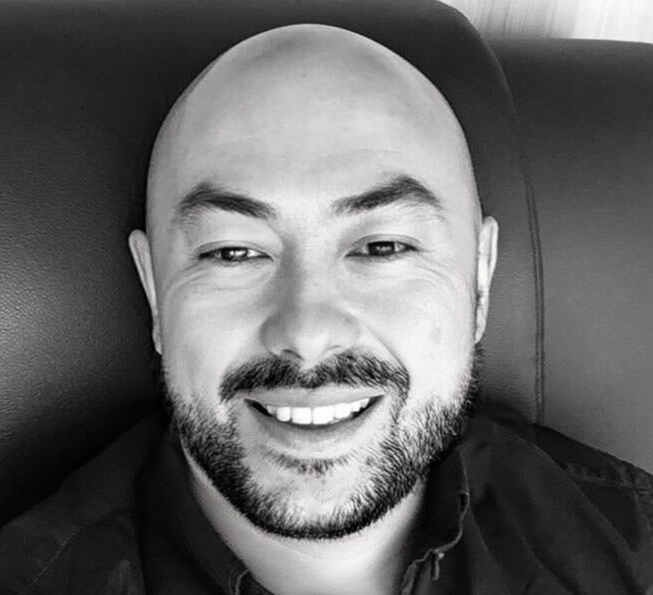

In this episode of The Quinntessential Questions Podcast, Paul Quinn sits down with Dion Jensen, Founder of the Lion Academy, Protecting Women Global, and Success for Soldiers. From being born in Changi, Singapore as an Army brat in 1974 to serving in Bosnia with the New Zealand Army, to protecting the British consul general in northern Iraq where six armed intruders burst through the door at 2 AM, Dion shares his transformation journey from warrior to the world's first Suicide Solution Summit creator.
He discusses trauma recovery, crisis leadership, organizational wellbeing, and why most suicides today aren't about trauma, they're about value and identity. Dion also opens up about losing his closest mate 18 years ago which sent him into a PTSD spiral, how Vikas Melwani broke through his walls with one question at a Singapore speaker's event, and the powerful moment he performed a haka with Gandhi's people in Malaysia's Gujarati community.
Whether you're a veteran struggling with transition, a corporate leader trying to genuinely support your people's mental health, or someone navigating your own dark moments, this conversation offers hard-won wisdom on the mirror framework (looks, language, likability, legitimacy), the suicide math equation (when value of being dead exceeds value of being alive), the think-feel-do triangle, and why adaptability is the most underrated skill in business today. Let's explore what's "Inside the mind of a Human Strategist and Crisis Leadership Expert."
TIME STAMPS
(01:09) Introduction
(02:58) PTSD Spiral
(03:39) Speaking Journey
(05:44) Starting The Lion Academy
(07:54) Maori Culture & Movies
(11:38) Environment Shapes You
(13:25) Beauty of Growing Within the Military
(15:28) Trauma & Fear
(18:10) Following his Father’s Footsteps
(19:59) Natural Calling
(23:05) Vivid Memories as a Soldier
(25:28) Kids are a Society’s Marker
(27:00) Identity & Creating Value
(27:45) Legality of Suicide in Singapore
(31:32) Challenges & Telltale Signs
(32:11) Mental Health Compass
(36:10) Inner Mana & Empowerment
(38:22) Darkest Time
(43:18) Writing The Good News Book
(44:36) Misconceptions around PTSD
(47:00) Protecting the British Counsel General in Northern Iraq
(48:51) Carrying Residual Experience
(54:08) Rebranding to the Confidence Coach
(59:25) Culture & Nuance
(01:04:27) Insecurities
(01:05:15) Advice for Young People
(01:08:49) Three-Pronged Approach
(01:11:45) Making Peach with the Mirror
(01:14:44) ‘Selfish’ as a Positive Word
(01:18:48) Rapid Fire Questions
Bio
As the South Pacific’s first global influencer in the Empowerment space, Dion’s vision is to ‘Empower people to do the things that Empower them.’ Empowerment to Dion comes from activating an ‘internal power’ within us that in New Zealand he calls #innermana. (Mana means pride/self-esteem/status or standing). Dion does this using Inspiration, Motivation and Transformation through speaking, mentoring and training.
Coming from the darkness, through trauma and pain, Dion was trained to lead and excel in life and death situations from the military, police and close protection worlds, where Dion wrote two clinically endorsed books on Mental Health, and began sharing his philosophy of ‘Make Peace With The Mirror’ and attached that to multiple industries and initiatives around the world. Providing ’human solutions’ for Corporate, Community and Military Organizations who are struggling with Crisis Leadership, Mental Health, Engagement, or Productivity, Dion Jensen is a 'battle tested' professional who provides inspiration, motivation and extraordinary impact.
Dion is a Human Strategist, meaning he deals with the human element in organizations, but unlike other influencers in the market place, Dion has come from the frontline, up and through the operational levels to provide strategic level solutions that are based upon live operational experience, not theory. He can speak the language of the frontline worker, the operations manager and the company owner, unlike other confusing approaches, where the impact cannot be measured because it gets blocked at the operational level, has no buy-in from frontline staff, resulting in millions of dollars of lost time, employee sick leave, staff retention issues and even suicide.
Dion is one of the next generation of Social Media Influencers with his latest speech being seen by over 1 Million+ Viewers. Dion Jensen offers a clearly communicated and powerful 3-pronged approach, that will increase engagement, productivity and extraordinary impact!
Transcript
I've stopped this lady from jumping out and and killing yourself in Singapore. You've got to look after the mental health of your people in Singapore. Even though money is the god over here, you've got to look after your people or you can't make money. He's asleep in one room. I'm on the couch with my Glock and then six guys come through the door. And so I've gone from asleep to awake and lining everyone up looking for weapons. None of these guys have weapons. And so they were go racing down the stairs and I didn't have to shoot anyone. A lot of people do it suicide by cop. He survived and he came back. I managed to get my hands on him, threw him in a motel for two days and we sat down and we just we just talked the whole thing out. Get a phone call from one of the boys and he's just hung himself. So I'm straight down to the house. By the time I got there, we have all these big black gear boxes. And so I saw them about to throw that on the truck. I said, "Can I spoke to his wife and I said, "Hey, listen. I'm going to hold on to this until your son's 16 and I'll give it to your son. If your son wants to throw it out after that, he can throw it out, but no one's touching this stuff." >> The first time I got introduced to Maui culture through movies were once were warriors. It was the first movie to come out and really show what domestic violence looked like in one demographic. No one had seen a woman get violently assaulted to that to that degree and then get raped afterwards. It was so hideously powerful and accurate that it woke everyone up to what was going on. We're in a we're in an identity crisis at the moment. There's always a traumatic part first that wakes you up that forces you to have to look at what you're looking at. When you get through the crisis, your whole identity and your whole value has now shifted. It's impossible for someone to go through something traumatic and not have that alter something in some way. >> Dion, good morning. How are you, brother? >> So good to see you, Paul. Thanks for having me, >> mate. It's it's a pleasure and I'm really grateful. You know, I was trying to find out when you and I got connected and it was we we'll go back into this later. Um, but it was basically during COVID and mental health awareness and you put out some posts that really struck a chord with me and some of my friends. So, I'm just I want to start off by saying thank you for that. I'm very grateful for that because a lot of the content you put out is really meaningful. >> Oh, you're very welcome. And man, it's needed in Asia right now, isn't it? >> You know it, brother. Well, globally, right? But certainly, you know, in in places like Singapore, as you know, it's a melting pot. There's a lot of pressure. And as the father of three kids and and a you know an 18-year-old son in particular, you you worry about these things. You have to be right. >> Absolutely. Yeah. My boy is uh 13 and my daughter's 15. So they can't go anywhere without running into my stuff now online which is great. >> Yeah, it's great. Well, listen, for the few people that may not know you, can you just give a quick intro as to who you are cuz your background is so colorful and we'll unpack that today, bro. >> Absolutely. Well, if you don't know me, so more Dion Jensen. So, my name is Dion Jensen. My father is a 6'6 Sour called Tama Fangar Jensen and my mother is a 5 foot0 white looking lady called Marilyn Jensen. And my dad was in the army and posted to Singapore. So, I was actually born in Changi in 1974. And I have a younger sister, Amanda, uh, who's also has a colorful background. And so, yeah, started off in Singapore as an army brat, growing up in the New Zealand army under the culture of Ta Moldi, which is the local culture of New Zealand. >> Yeah. >> Uh, even though we're sour and and we're English Danish. >> And then I went and joined the army myself. Six months operational tour in Bosnia, became a veteran. Then I joined the police force. And as a as a bullied kid, nothing better than being a police officer coming from the army because all the scary stuff is actually a lot of fun. And then all the the real dark and scary stuff, you can actually connect and help people out. That's where my uh love of youth and youth problems came from because so many of the youth I was dealing with, they just had a terrible start to life, Paul. >> Um and that was it. That was the only differentiating factor was just a horrible start to life. and then wrapping support around them stopped at a certain level in a blue uniform where you're the guy supposed to be arresting kids for stealing cough medicine because their mom's sick just can't do it. >> Crazy. >> And then uh close protection popped up. So I I disappeared to Middle East 2004 uh actually protecting the British console general in diplomatic protection over there. >> But as you can imagine back then, you know, everyone's trying to kill you every day. Uh and I lost a really close mate uh 18 years ago this year. uh which sent me down into my PTSD spiral. I found my way out, wrote the world's first good news book about PTSD and thought I'd come out and share the world on on how that solution works. Uh and got slammed down pretty hard because you didn't have any qualifications to be saying these things. Your lived experience didn't have the same amount of credibility. So, we carried on as the as the guys that were contracted to do all the dark scary stuff. Uh and then I found myself in corporate. I keep getting head-hunted into leadership and management roles because we were just really good at leading people uh in stressful situations. So back then stress was the thing and pressure um and we'd come from trauma uh which is the end result of all of that right uh and then I ended up in Singapore as the regional operations manager for Asia Pacific and running every Asian country out of Singapore and through that journey I became a speaker uh did well as a speaker and my speaking journey started in Singapore. So a massive shout out to APSS specifically to uh to Frederick Haron and and the crew there, but also out to the community crew that have just done amazing. Japuru, Raul, Sha, you know, Hzri, all those guys pulled me into the community speaking side for ideas and inspiration. So we're doing, you know, I'm corporate on one side in the in the job. I'm learning how to become a speaker with all these professional speakers. You know, these guys own islands in Sweden, so they're pretty good at what they do. Uh and then the the community speakers who then blew up on YouTube like Japur is a massive massive influencer now on on YouTube. He's just a good human being. And then probably one of the highlights uh before I left Singapore was me as a New Zealander doing a haka in the Gujarati community of Malaysia who was Gandhi's people >> you know. So to be in amongst Gandhi's people in a picture of me next to Gandhi on my whole journey of rebuilding myself after trauma was just mind-blowing. >> But then I found out that you know just speaking doesn't have the impact to to change things globally. So I came back to New Zealand during CO and during CO there was no other leadership speakers out there. So I developed a crisis leadership modality went to number one in the world during CO on LinkedIn. Paul was quite interesting. >> Amazing. >> And um we know we're just running this off a camera. We all had CO here, remember? Cuz you couldn't go and get a haircut. So, we had we had CO here. It was just like one lamp in the lounge and one phone camera. And the first podcast that I did was for uh the New Zealand Chamber of Commerce in Singapore. >> Really? Wow. >> Yes. Yeah. So, here I am in the lounge. There's like one lamp on me, Afro here, talking to a phone and talking people through crisis leadership. And so, crisis leadership blew up, but back then the technology to run sales funnels and on it wasn't quite there. >> Yeah. Um and then so now that it is um I came back out I started the line academy um basically empowering people all over the world. We started with soldiers, sailors, airmen, military, law enforcement, emergency services. Um then the women came. So we started protecting women global. So we have three organizations now. The line academy, protecting women global and successful soldiers. And now I've just run the suicide solution summit globally because no other modality can say they have solutions. Well, we can. So there's a whole map. There's all these people that come through and out the other side of suicide. So now I'm coming back out speaking and coaching again, but now with a full online academy as a safety net for my clients. Um, which is a two-edged sword, which I'm sure you'll you'll get into at some stage. >> Yeah, I I bet. Well, the thing is is I mean, we've got so much to unpack today. So the the key thing for me is I want to talk about your journey and how you've transitioned into everything. And then I do want to obviously touch upon the the mental welfare side. But before we get started, just on a lighter mode, you know, note, sorry. When we first started talking, the first time I got introduced to Maui culture through movies were Once Were Warriors. >> Yeah. >> And um again, I've got to do this cuz I I just fell in love with this movie. I This movie only came out in a few cinemas in the UK and I'd seen the trailer and it was the trailer was so powerful. I thought I went all the way to central London and I I spent quite a bit of money to watch a movie in central London because Norman is like three times the premium. >> Yeah. Yeah. Tamora Morrison, you know, his character, take away his character, his acting is just amazing. And I still think it's one of the most visceral movies you'll ever see in the fight scene. But I I just want to do a quote from it because, you know, and tell me how bad my accent is. He goes up to a guy in the bar who's just knocked the granny out of a bunch of guys and the guy's put some money into a dup box to play music over, you know, the lady that's singing live. And tomorrow Morrison Jake the Musk goes up to the guy and he goes, "Gee, bro, where'd you get your muscles from? You don't, am I right?" And after he knocks the granny out of him, he goes back to the bar and he says to his mates, he goes, "Too much weights, not enough speedwork, useless prick." And >> that's it. >> It's right. I just fell in love with it. But that's it. >> What was your So tell me about your connection with that movie and what did you take on it? >> Yeah. Well, I mean, obviously the content's flipping so accurate and and hideous, right? It was the first movie to come out and really show what domestic violence looked like in one demographic. Now, I'm an ex- cop, right? So, I've seen that stuff. >> Yeah. >> You grow up in an army family and army stuff and all the rest of it. You know, a lot of people coming from that demographic as well. >> But the live context to that movie was we're in the army at the time. We're in the infantry. We're all fighters, you know, we're all under moldy culture. And there's about eight of us that went to watch that when it first came out. And so back then we would go right down to the front of the picture theater and we would just lay on the floor um in front of the front row. So we book out the front row and we'd lay on the floor watching the movie. >> And so the movie started and you know we've all seen people like that. We got people like that in the army. But it came to that that horrible bit of of cooking your own eggs where Jake the Mus >> Yeah. >> um violently beats his wife >> just before he hit her. She's starting to throw the eggs on the ground. Yeah. >> And behind us was a bunch of students from Massie that were watching it and they were getting a little bit lippy. You know, students having fun at the movies. >> And then the moment she threw the eggs on the ground and she goes, "Cook your own eggs, Jake." One of the students went, "Oh, don't take that crap from her." Not knowing what the next >> about. Yeah. >> The next scene is is Beth getting absolutely doubt to. And I sat up and I turned around. I looked at these students and they were like, >> "Yeah." You know, because no one had seen that on screen before. No one had seen a woman get violently assaulted to that to that degree >> and then get raped afterwards, which was what the cutaway scene was to the dogs ripping into the rubbish. Right. >> Such a metaphor. So, it was so hideously powerful and accurate that it woke everyone up to what was going on. >> Yeah. >> But it wasn't just moldy. I mean, domestic violence happens in the rich classes as well. as I know as a cop and so the creator of that he thought he had done moldy and absolute injustice with that movie like it had to be made cuz it the reported domestic violence went through the roof after that because no one felt alone and isolated was such a powerful movie. >> Yeah. >> But then again that was the that was the context for Moldi. you know, they're all they're all women beaters and stuff. >> And so there was that real time period where everyone wanted to be Jake the Must to a certain point and then people are figuring, "Hang on a second, dude. >> This guy created an unsafe environment, beat the crap out of his wife and raped her to the point where Uncle Bully goes and rapes his daughter." Like, how how is there anything positive in this at all? All right. So, we had to go through all of that >> to get to what Becomes of the Brokenhearted, which is which is the second piece. >> Yeah. >> Which I saw as a more powerful movie. And so what becomes of the brokenhearted has some key concepts that you won't understand unless you unless you're from New Zealand >> is first and foremost, you know, in the first movie, Jake's the man, >> you know, like like he said, he's just beating the granny out of that other dude. >> When he goes back to the bar, there's two monster bouncers there now covered in rings like >> they're like, "Mate, you can't come in." Jake's not even messing with those fers. >> Yeah. >> So, it just goes to show like Jake's been pulled down a pig. Um, in the actual book, he actually plays rugby and gets wasted playing rugby. Keeps trying to have fights all the time. just keeps getting knocked over cuz being able to physically fight and and play rugby is different, right? >> Yeah. >> But the two pig hunters that come and pick his car up, he's trying to change the tire. >> Yeah. >> Two cops, they're actually two police officers in real life. >> They're brothers. >> What are you? >> Yeah. So, they're actual brothers. But then, and then the whole pig hunting side of things, so many of our people just get what they need when they're out there in the bush and doing things collectively, which we know from the military. But then we go back to that original conversation about the kids that I dealt with. It's just it's the environment that shapes you. And so to watch him go through that transition, massive courage, you know, there's just massive courage for a guy from that background in the second movie that he hates gangs. >> Yeah. >> Because back then, you know, should be able to stand on your own two feet. >> Yeah. And obviously dealing with gangs all the time as police officer and and family and everything I do now. I've probably got a front row seat across more lanes than most people. >> Yeah. >> You know, go to Marina Bay Sands and and and have drinks or certain people and I can be at the gang pad having a cup of tea with a prey as a cop >> and and and and have those two points of context, you Well, well, you know what's what's interesting, brother, cuz New Zealand is is a favorite destination for so many. Um, and it's cuz it's, you know, arguably the most beautiful country in the world. But there's that underbed there as well that people don't know about. And that, you know, that was my first, you know, uh, awareness of I was I was young, you know, with New Zealand. But I tell you, was so interesting. And you're right, the the sequel is very moving, right? And it's a story about fathers and sons. And there's a great quote um that I heard years ago and it kind of made sense to me cuz I had um a wonderful relationship with my dad and then things changed when I was 14 and the saying goes, you know, when you're younger you idolize your father and quite often as you get older you demonize them. Um and unfortunately more often than not when they die you humanize them, >> right? And and as a dad I I kind of don't want to I don't want all of that. I was I don't want the demonization part but it there is a lovehate thing and and especially men of our parents' generation you know they grew up in a very different environment so what we received would have been different from what they received so it's a it's an interesting journey right >> oh 100% and that was the beauty of growing up within the military you know within the military it was it was always team before self so within the military you're an extended family and that was very interesting to us as kids especially in Asia now you got to understand if you if you've never been to a Macakan stall at 10:00 at night in Farah Park. >> Yeah. >> You know, the the the different types of sights and smells and people and language and energy is so diverse. >> Yeah. >> I I still call Singapore the last >> the last melting pot of of racial harmony. >> Yeah. Yeah, >> because you can sit down at a store with every religion, every race, every political background, still have a differing conversation, eating different food, saying different prayers to different gods >> and still get on. >> You know, you know, >> it is and it is funny because you'll see you you'll see the Chinese people eating Malay food, the Malay people eating Indian food, and it's just rojack as they call it, right? >> Yeah. Yeah. And so in in the military, we were in and faro. So faro means family in in Moldi. So we're a you know we've got sour and English and moldi and Chinese and Indian it wasn't ore >> you have to pick one. >> Yeah. >> So when we came back from from Singapore to New Zealand >> and everything was closed at 5:00. We're like >> what do you do now? Nothing really starts in Singapore till 10:00 at night. >> Yeah. >> Or 8:00 at night if you if you got family. Um but then you were seeing the same types of people and the other the history of our country which has really come to the four now was you know we we're invaded you know and and signing a treaty that everyone's mucking around was so people can steal land. Our soldiers were going to war to fight for fight for the crown. Meanwhile you know the crown was giving their land away to to Aussie uh and other mercenaries that were coming across to fight against other tribes and they're coming back from the war and all their land's gone. So we we do have a a very dark history as well that's now trying to sort itself out. So we're in a we're in an identity crisis at the moment which is one of my modalities which is in transition is the VIP of mental health which we'll get to. So there's always a traumatic part first that wakes you up. >> Yeah. >> Right. That forces you to have to look at what you're looking at. And the predominant emotion in that is fear. And if you have the correct relationship with fear man it's such a beautiful thing. But fear as an acronym, focus is is the F. So you have to hit a crisis point until your wife threatens to walk out with your kids. You don't you don't start paying attention to your marriage. >> Until the doctor says you're going to have a heart attack in the next 6 months and die unless you sort out your eating. People don't pay attention. And we like to think we'd go for desire before. But we're not wired that way as you know. So pain and fear is always there's always a crisis part, right? >> Yeah. >> And then when you get through the crisis, your whole identity and your whole value has now shifted because you're no longer the same person. Like it's impossible someone to go through something traumatic >> and not have that alter something in some way. >> The difference with the military is the training is designed to alter it immediately. Pull your brain out, turn it 180°, give the ability to turn off every emotion, predominantly fear, and then turn on controlled aggression at any moment in time and then shut down emotion to run the numbers. Then you just run the numbers and it's just math. And then you turn the emotions back on, you carry on. But if that switch gets broken, which is my other definition for for for PTSD, >> you can't turn those emotions back on >> or they can't start popping up without you having control of them. >> Yeah. >> And that was that's the main issue. And then when you get into transition, you you now have to redesign your identity. You have to redesign your purpose because now it's all about value. >> And most of the suicides now that I deal with, it's not about the trauma. >> It's about the value now. And because we're in this massive value shift in the world, um, depending on your identity, everyone's trying to champion an an identity to increase their value. You know, we had the whole the whole pro pronoun narrative. >> And I'm not picking any sides here. I'm just saying the pronoun uh narrative was an identity narrative. >> All the conflict that we have around the world at the moment is an identity narrative and value. So the VIP triangle that I created, >> the value to identity link, that's the battleground. Not the purpose, not what we are here to do. Now, the purpose is getting redesigned right now without us watching with AI. >> Yeah. >> The AI is now redefining all of our purposes cuz where do we spend 80% of our life, Paul? >> Yeah. On the Yeah. And then doing all this nonsense. Yeah. >> And then what what industry is shifting the fastest? What's causing that? >> It's it's AI combined with all the conflict that's going on over here. So I see very clearly what's happening in the world >> and and have the ability to influence that for our people and then after you get through your identity now you have to come across now you have to evolve and if you don't evolve you're going to get left behind. >> You're you're you're gone. You're out of here. Well look let's just unpack this. So growing up as an as an army brat, did you feel pressure to to follow in your father's footsteps? >> No, there's no pressure in that at all. It was just beautiful. Like we're down the we're down the Fern Leaf every day after school swimming, you know. We're eating bananos at at Bobby's out there in Simbang. You know, we're at Changang Plaza. We're at CK Tangs. We're, you know, we're down at Thompson Plaza getting our comics from Comics Cage, you know, at the Cooler Bar, you know, down Chonang Markets. Like >> a 13 year old kid grabbing the 164 and the and the 167 from Suang into town or grabbing the Man, I still know all this stuff as >> You do, mate. I'm impressed, bro. >> Yeah. Yeah. Oh, we It was There's no pressure at all. It was family, you know, it was it was never seen as a job or even a career. That was just your family. We were we're an army faro, you know. >> And so coming back and going through school and all the rest of it, it was always Yeah. I always wanted to be a cop >> and want to, you know, go out there and change the injustices of the world, you know. But, you know, back then, look at look at our influence as kids. Movies, comics, comic books first in their movies because you could afford to go to the movies all the time. So, I've still got the 18 comics number one, two, and three. >> Wow. >> The original 18 comics. I've got classic X-Men number one to 20. >> I'm impressed. >> I've still got all of these comics. They're still in plastic. >> You know, all they got to be worth something. I haven't even looked at them. >> But it was that was all the influence was comics and movies. It was still war, you know. We're still in the army. >> We're all doing taekwondo down at um at the sports club. We're down watching martial arts things at the community centers every Sunday. >> So everything was always about I don't know how would you put it like the righteous battle of life. >> Yeah. you know, and you're in Asia, so it's about harmony and kung fu and and the elements and doing what's right and family, you know, it was just just a beautiful energy. So, yeah, no pressure, bro. That was just a beautiful way to grow up. >> Did you feel a natural calling to become a soldier? Cuz cuz obviously you're thinking about becoming a policeman, but being a soldier is very different, right? >> Yeah. And so the soldier side is cuz that's where you see your family doing everything, right? And so I got to the point at school, not very good at school at all. I went to school to eat lunch and play basketball, but I got I got I got very good at basketball, Paul. So, um I had the choice. >> How tall are you, by the way? >> Uh 6'3. >> Good man. Good man. I'm 5'6 and a half. So, >> all right. So, I'll tuck my elbows in if we ever go sparring. Tuck them right in and keep my hands on my chest. >> Yeah. No one with island blood likes getting that liver shot. That's That's the island knockout, right? >> I've heard that. I've heard that. >> Yeah. Slipping that right hand, get straight into that liver. No islander likes it at all. Um Yeah. So when I got to that point, I had the choice to play professional basketball or join the army. That that was basically my two options at the time. >> Really? Wow. >> Yeah. Yeah. So I mean back then, you know, just what just 17? >> Yeah. >> 17 and a half years old. And then so you know that that was the choice. Didn't do very well in my last year at school. Uh you know, working at supermarket, working at garage station and pumping gas. Uh and then so those basically the two choices. So you know, I joined the army and I actually failed my first fitness test. Wow. >> I still remember that. I ran back to grab my mate, Afena, big island boy, and he's like, "May's not going to make it." I ran back to get my mate going, and we both failed. >> Really? >> Yeah. My dad was like, "How could you fail?" And I told him, and and and you know, you recognize it later. That quality of going back for your mate was more important than than passing for yourself, you know? >> Leave leave no man behind. >> Yeah. And that wasn't that was that was just who we were. Luck is my mate, you know? That's just what you do. Um and so and then when I got on the second time now you joined the military and you got to understand my dad is 6'6. He's the first sour in the New Zealand army at the time. So he came through like his story is amazing out of sour at 10 years old not speaking English to the first sour and in and cadets and in the army for a few months right does his full career. >> Um but he's 6'6 he's the combined service rugby team softball. Like he's the man's man. >> Yeah. Yeah. >> And little little fella here is like tall, skinny, bean pole, used to skip around the rugby field when I was a kid. It's like, "Oh my god, who whose boy is that? Be pale skin." And most of my friends were moldy Pacific Islanders. >> If it's my dad, me walking next to him and one of my mates and my dad said, "That's my son." They'd always go to shake the brown guys, the brown kids hand, no this one over here. >> Which is another part of the identity with me looking like this. No one knows I'm sour. >> Yeah. Yeah. >> So, I got into a lot of rooms that Sour couldn't get into. I ended up being accepted by a different type of person than anyone of brown skin could get accepted by. >> Very interesting. >> Yeah. But I've always had a multicultural mindset. I I don't I don't care what you look like, man. Who you love, how you love them, any of that stuff. >> All depends on the person. So, yeah, no pressure. But then I joined the army and that's when you >> that's when you find out, you know, what brotherhood is really about. >> Yeah. I've seen that. My son's only been in national service for a very short period of time, but it's already had a positive influence on him. What would you say was some of the more vivid memories from from your time as a soldier? >> Well, it's interesting because if you think about that question back when you were there, it's so much different from as a 51-year-old now looking back on on what they are. So while you're there, the main thing is just getting good at your job. Just making sure you're not the weak link. Making sure that you're doing your bit for the for the section because there's it's a really healthy, you know, inter excuse me, intercore rivalry. >> Yeah. >> No one wants to be the weak link. And so that's the main bit. I grab a quick sip. One second. >> Yeah. Yeah. Go for it. >> Take your time. >> Yeah. So, so back then the main things that shape you is dealing with your own stuff, making sure your gears are squared away, making sure that you're physically capable cuz man, everyone gets to a point where physically you can't really go on. >> Yeah. >> But you're not going to stop. >> So, the most vivid memories back then just going through that first aspect of building together is just squaring your own stuff away, just making sure you're not that weak link. And then as you become that senior soldier, it's that confidence like you know there's there's nothing you can't accomplish. You get given a mission, you're going to do it. >> Yeah, >> for sure. >> Yeah. And then most of it was just all exercises. That one deployment to Bosnia was just peacekeeping. But then you start there's one thing you can't explain on a podcast or or from stage. You can't explain and every military cop emergency services person knows this. You cannot explain how something feels. >> I've walked into to situations like checkpoints in Bosnia. It's cold. Nothing's going on. No one's shooting. None of that sort of stuff. Then you see an old lady walking across carrying two heavy suitcases, you know, and she's just amling along and just what they're wearing and how they're walking is all the stuff you see on TV, you know, or movies from World War II and all that sort of stuff. So now you're actually seeing what a war zone looks like, bombed out houses and all that sort of stuff. >> And then your section commander who was gobbler at tong is go help that lady with those suitcases. And I'm physically struggling trying to carry one suitcase or two hands and this old lady will just do what she does. So that feeling until you've been in that war zone and seen how people live and interact with the kids cuz the kids are always the marker, bro. Wherever you go around the world, the kids are the marker to what that society is like. >> Yeah. >> What that village is like. And man, I know you being from the UK, without both us getting in trouble and getting cancelled on this podcast, there are some neighborhoods and some demographics of people where their kids are just little >> carbon copies of places we don't go. >> You know, it was interesting. So I grew up so I'm half Chinese half Irish and I grew up in Southall which is a migrant area uh just outside of Heithro airport and it's predominantly brown >> so Indian Pakistani Bengali and on my street there were 110 houses and there are only two non-br families on it a Jamaican family and my family >> and you know and the funny thing is because I've you know I'm halfIrish so the Irish hate the English and vice versa so I've got an Irish surname so I just found that I got racism everywhere where I got um and you know so what you learn to do is lean into who you are right and put and get past that and I think know what I learned is you you need to have a big personality you got to be confident so so like you I don't really see color I don't you know but but other people do but what I what I realize is you get past that that initial um subjective idea of who you are and it changes everything right >> it does and that's that's that identity value piece again Paul you know you start with if you're rock solid on who you are then the outside stuff can't affect you and you take that further into where you are now is your identity now has to create value for other people. >> Yeah. >> And it's interesting you know you start off with you know just starting this off and and you're you're just building new things and marketing and everyone's like you got to be able to communicate value and blah blah blah. It's all about value and in Singapore it's always about the financial value but for what we do as as human strategists is >> how do I provide value to this human being and what normally happens is the math is a negative when I meet them so in their mind the math is at a negative everything's a subtraction everything's getting taken away and suicide when it comes to math is when the value of being dead is greater than the value of being alive that's it that's the math >> well talk talk to the the audience that may know not know this. So when we spoke, we talked about the legality of suicide in Singapore and neighboring countries like Malaysia. Just as the expert, I'll let you enlighten people that may not be familiar with it and also what what the suicide rate is, you know, in New Zealand per capita and and how it's growing here in Singapore. >> Yeah. And so that's an interesting one. So back in the penal um code which came from the from the UK, um attempting to kill yourself was was a crime. It was a criminal offense. killing yourself wasn't right. So really really difficult to ask for help now. That was only uh repealed in 2020, bro. >> Yeah, it's mad. >> 2020 only 5 years ago. So the only study that's current at the moment in Singapore comes from a 2021 study or sorry 2022 study where they did a study on 221 um Singaporeans. >> Yeah. >> Right. So they got they got bug data but they still haven't worked out the psychoso the psychosocial side. They're not talking about social media. They're not talking about AI. They're not talking about. So, it's so out of date already and they're going down that path. So, if you look at all the stats, Singapore youth aged between 10 and 15 are still higher than the the general average for suicide. But you got to remember this is Singapore too, man. So, you take any reported stats. Now, I can't say exactly what the factors you'd multiply it. >> Yeah. >> Singaporeans do not talk about this. >> No. the fact that they got 221 to go through is like that's worst case scenario. >> I've got suicidal Singaporeans I deal with every week and and there's a group in Singapore >> um and they've got one champion at the moment from the Indian community. His name is Sanjie Gatthani >> and so he's been trying to get me over to Singapore for ages to speak to this but no one will let you speak to it. >> Yeah. >> Unless there's some sort of solution. Now, what's horrible here in New Zealand is our main demographic of kids that are killing themselves are moldy and Pacific Islanders when we're in a big identity clash where all moldy teenagers getting demonized. So, there's not really any sort of appetite to want to stop those kids from killing themselves. That's what I'm seeing. >> Yeah. >> Now, people will hear this and freak out. And this is the other reason why you get me to come and speak because I'm not going to hide from that. >> Yeah. >> It's like, why won't anyone implement these solutions that we already know work? is because you got to get through these other gatekeepers. >> So Singapore, you're you're 10 to 15 year olds, that's the danger group, man. >> Well, well, it's interesting cuz look, I'm 47. I've always had issues with depression. And um you know, we all, not all, but most of us at some point have crawled into a dark place. And that's why I just do what I can. I reach out to my friends and I'm reminded because years ago I had um a couple to my house for dinner and a and a friend. And it was actually my first boss in Singapore. And three weeks later, her husband who was very successful in in all measurable ways, you know, family man, grandfather, happy, great career, he took his own life. He hung himself in Singapore. And then a couple of years later, the other gentleman that that uh was at that dinner as well also tried to kill himself. Fortunately, he's still around and he's doing his bit now. But you know the the crazy thing was when I went back and I looked at that dinner, there was no telltale signs, right? And there's an amazing advert. I don't know if you've seen this advert. It's in the UK. It's about these two guys that keep going to a football game. One's very gregarious, one's very quiet, and they keep going back for a whole season. And the and then the last video scene is there's an empty seat and one of the guys has taken his life. But guess what? It's it was the gregarious guy. >> Yeah. you know, very powerful. >> Yeah, I've seen that video. I've seen that advert. And here's the interesting thing. Those of us that are in, we already know that, you know, we already know these things. And so this what we found, and this is this is this will be the first challenge to it, all right? Cuz we challenge these based on on results and experience. If you know, you know. >> If you've been through it, you know it. You you will know because you've just said to me that that you you also know that you've got the the depression roller coaster for one of a better term. >> Yeah. >> Which we'll speak to in a moment. >> You will know instinctively if anyone you're sitting next to is on that same frequency. >> Yeah. >> Or you'll see a post on Facebook or you'll just think you'll know. >> Like you don't need flipping a study of 221 people done by clinical psychologist to sit there and go something's not right there because you've been in it. >> That's why I'm saying you can't explain how it feels. >> Yes. >> And so just a just a really quick lesson here. I I call this the I created this mental health compass just to help people out straight away. All right. There there's up and down, forward and back. That's it. All right. >> So, your energy levels are going to go up or they're going to go down. >> If they go up way too high that you're freaking out, the medical model will will say that's anxiety. >> Yeah. >> If the energy levels go too far down, when it gets down to the bottom, they'll say that's depression. And and there scales up and down, right? >> So, that's your up and down. your forward and back is are you going to come forward under pressure or you going to bail and go back? >> Yeah. >> That's got nothing to do with cowardice or courage. That's everything to do with energy. If I'm under full pressure and and something I'm coming I'm going to attack, man. I'm coming forward. >> Yeah. >> That that's always going to be I'm going to come forward and go straight at it. All right. >> I love you. >> Yeah. Other people will as soon as the pressure comes, they'll fade and they want to get away to create space and distance and safety, which is very very smart. >> But if you get them too quickly, they'll lash out and then they'll go home. And so when that lashing out, so many people get misdiagnosed for, you know, uh, hyperarousal and the violence and the aggression. They're not, man. They're they're trying to create space to get away. >> And so the other thing we say here in in New Zealand and the Pacific Islands is give me the moldy word or the sour word, any Pacific Island language word for anxiety. And it doesn't exist >> because we don't have an X in those alphabets. M >> so we know that all of these words are just made up words. Every word in in in any language is a madeup word, right? It's just a word that explains something. So I figured out very quickly the word anxiety can't exist because it's never existed. It's made up. The word depression is made up. >> Piper, they're all made up words. So I'm like, well, hang on a second. Every word is made up until we agree to what it means. >> When I changed all the words, I just went, well, hang on a second. If you look at a boxing context, if if I get attacked and I slip and I want to come forward, that gives me control. >> Yeah. >> If he's a little bit faster and stronger, man, I'm going to start backing off and creating some space and try and get an angle. That's smart. Um, if it's, you know, I'm going to have heaps of energy to start with and I'm going to blow it, especially if I get a gut shot. And so, tracking that energy without the words is a very Asian thing to do. >> Yeah. >> Very elemental thing to do. Okay. We're talking about fire versus water. We're talking about wind versus earth, you know, like where where is the energy at the moment? And that's where I started looking at people as a energetic jigsaw shape. You know, the dude that had the spike at the front. Okay, cool. He's going to come forward when he's under pressure. >> Yeah. >> And that's all the complaints I'm getting. This guy's aggressive. He's intimidating. He's over the top. Does have control of his temper. Okay. So, his first piece, he's got a spike at the front. Is he coming forward? Now, when someone challenges that, is he pushing hard or is he bailing? Oh, he's bailing. when we pull it up, he breaks down in tears or we have a performance management meeting and he apologized and everything's fine. So that's not a werewolf, that's not hyper arousal, that's hyper visions. This dude's just trying to get away. >> Yeah. >> What's he dodging? And then so I just started creating all these different vocabularies for all these different languages. So now I could speak in the medical model, hyperarousal, hypervigilance, depression, anxiety, which is cool. I can speak to psyches. I'm clinically endorsed. That's cool. I can speak to a soldier and go, "What's going on?" Okay, so he's a werewolf. He's an assassin. No, she's a ghost and she's a vampire. Like that makes perfect sense. And all I was using was this compass in the middle. And then you just had to find a modality that made sense to them. The medical model, psychology, counseling, medication is fantastic for the right sort of person. >> Yeah. >> The energetic going to a retreat in Bhutan with Diana, Jana Fry, and Johnson Chong would be just as effective. >> Yeah. But there was no assessment tools across different modalities because you weren't allowed to. every modality protects their own. >> It it it'll it'll be like when crypto defied areas and blockchain take over currency in Singapore, it'll be like, "Oh my god, what's Fintech going to do?" >> Yeah. You know, >> and it's going to be Well, one of the things I wanted to talk about is you've often spoken about your inner mana and um empowerment. How did you discover your own and how have you helped reclaim it? >> Broke it. Love that. >> It broke. It broke first. Like the only time you know how something works is when it stops working, right? And and you pull it apart, >> unfortunately. Yeah. >> Yeah. So, mine broke. And so, you know, awesome family life or just awesome life. I I got nothing to complain about. I bullied at school. A lot of people get bullied at school. Gave me some good lessons now. Horrible at the time. Uh, you go through military. Fantastic. I go through police. Police is where you you see all the horrible stuff. >> Yeah. Yeah. >> You want to see the evil of mankind, you go be a cop. >> Yeah. >> You know, at least in the military, you know, there's the enemy and and and killer be killed, right? There's >> there's more of a purity to it. Um not so much now cuz they'll just kill anyone at the moment. Um they don't really care who's who. Back then there's rules of engagement, all that sort of stuff. >> Now they don't care. They'll fly 20 drones into a hospital. >> Um but police is where you actually see the worst things that human beings can do to each other. The child molesters, the rapists, the murderers, >> going Yeah. Go all of that stuff. You get to see it, feel it, taste it right up and down. You know, that's that's the cop. >> Does Does that I'm sure that must darken your soul because you're going home every night and you I don't know how like how do you distance yourself from it cuz it must be just just traumatic. >> Well, it all depends on you and your training, right? And here's the biggest thing. And so I talked about in the book, you know, I dealt with most of the dead kids when I was a cop because I didn't have kids. We had dogs. If there was a dead dog run over on the road, I'm in pieces. you know, I go home, wake my dogs up, give them a cuddle, >> you know, because there there's no point of reference for me. >> Yeah. >> After I left the police, now I've been for overseas and all the rest of it. Once I became a dad, that's when all the nightmares started. >> Really? >> So, I'm having nightmares and flashbacks of all these dead kids. >> I never had them at the time >> because there was no there was no context for my mind to go, hey, >> you've now got kids. Our point of reference for kids is they're all dead or someone's fiddled with them or something along those lines. And that's what starts that off. So there's there's lots of awesome tools and processes that you can use, but I had an advantage, Paul, cuz I'm an ex soldier, >> so I could switch emotions on and off. >> Well, I wanted to ask you about that cuz you've been on the front lines um both literally and emotionally. What was your darkest time? Was it was it after your your friend, your dear friend passed away 18 years ago? >> That that was the worst one because I wasn't there. >> I couldn't do anything. That's the most frustrating thing. Like I've been in life and death situations. Uh, one of the ones I'm not allowed to talk about because it'll get me in trouble with a with a certain government, but we're we're fighting for our life with our hands, >> right? That's the point that we got to. And so, we acquitted ourselves really well. I'm in a few people's books. Like, there's there's stuff that we did >> that if we hadn't been there, there's been a whole lot of dead people. There's a few dead people, >> but if we hadn't have been there, that whole place would have burned down, you know, and so those that are listening to this will know what that situation was. And we acquitted ourselves really well. So in the moment of the thing, there's no issue, >> right? The only issue are those that ran and weren't involved in it and we stayed. >> Yeah. >> And then it was afterwards for those that stayed, put their life on the line, man, and were absolutely crapped on for it. >> Yeah. >> And again, that comes down to value. >> So the darkest time for me was when Dip got killed cuz I wasn't there. I didn't have the ability to use all of this to protect him. And then the other dark times is when you hit those periods of your life where you've done all this stuff, real life and death important stuff >> and then you're absolutely nobody in this other environment >> and that's what makes it really really difficult. Um so regret and survivors guilt kill a lot of people and that's either because someone didn't do what they were supposed to do and somebody died which is our greatest fear, right? Which gets us to the top of the food chain why we're training so hard. >> Yeah. or you just you you straight failed or you weren't there. And then so because I wasn't there when Zip got killed, I had to keep putting myself in situations to try and get that back. You're chas you're chasing a train that's left the station. You can never catch it. >> Yeah. >> And then so if you you run out of of situations of dangerous situations to put yourself in, so you create them. And so when the Ukraine Russian conflict kicked off, there's about 12 guys that I knew went over there with one purpose and one person uh purpose only was to get killed doing it. >> Yeah. >> Because they had no >> Yeah. >> So they wanted to go and pick a righteous battle. Now I'm not picking a side here. I'm just saying you could have gone and fought for Russia. You could have gone and fought for Ukraine. You could go wherever your conscience took you know known that if you got killed at least you were doing something of value to your conscience. And you got to remember people have lost their lives. People have lost their marriages, have lost custody of their kids, have lost their houses, have been bankrupt after having put their life on their line for their country or for their people. And so again that suicidal math is there's no point being here. You know, I got to find a way to not be here anymore, but I want to go out a righteous way. or or some people were just like I just don't want to be here. And so one of my close friends and I almost got him. I almost caught him and it was just out of the corner of my eye. We're right in the middle of doing something up at the line academy and he just came out of nowhere. He just walked through the door and I was like, "Oh, bro, 2 minutes. Don't you go anywhere." And I just caught the look in his eye out of the corner of my eye said, "I'll be back in 2 minutes." And by the time I turned around, he was gone. >> Oh no. >> Straight over to Ukraine. >> [ __ ] and he went over there with the sole purpose of getting into a righteous gunfight, protecting somebody and getting killed. So that was suicide by enemy. A lot of people do it suicide by cop. He survived and he came back, >> right? So he made it all the way back and I managed to get my hands on him, threw him in a motel for two days and we sat down and we just we just talked the whole thing out and I was able to talk him through all of these processes and then look at different identities that had more value, which is that transition piece. So yeah, you've seen that side. I've also had that phone call uh on the Gold Coast doing dishes. Get a phone call from one of the boys. Hey bro, how far away do you live from? Such and such. I said, he's just down the road. What's he done now? And this is a big bodybuilding hardcore guy whose nickname is Rambo and he's just hung himself. >> Oh man, >> that's that's the phone call. So I'm straight down to the house. I've still got his I still got his military gear in my garage. >> Yeah. because the the circumstances surrounding that and the marriage breakup and everything else. >> One side of the family, they just threw all his gear out. Just threw everything out. By the time I got there, >> we have all these big black gear boxes. So, we have a black kit and a green kit, you know, depending on where you're going. He's got your your vest and all your stuff in it. And so, I saw them about to throw that on the truck. I said, "Give that." Cuz he had a young son at the time was about six or eight. I said, "Give it here." And I spoke to his wife and I said, "Hey, listen. I'm going to hold on to this until your son's 16. Then I'll give it to your son. If your son wants to throw it out after that, he can throw it out, but no one's touching the stuff. So, I've still got it. >> Good. Good for you. >> Well, I'm curious because when you wrote um your the good news book and you really thought about the counternarrative of that, you know, how did how did you come to the decision, listen, this is going to be a great medium to to get through to people? No, >> I didn't. I just wanted to argue against the narrative that was there at the time. They basically say everything about it is negative. I'm like, well, how's that going to serve anyone? Like that narrative doesn't work. I'm like, >> agreed. >> What if it what if it was good news? And I just started looking for how the heck could this and I I turned it back into section battle drills. >> Yeah. >> Because they're effective. The the number one training and duplicatable system that exists on the planet is the military model of recruiting and training. >> Like if you meet the pre-qualification of the military and you do as you're told during training, you'll get the same product every single time. >> Yeah. >> Year after year after year. And that's the difference between the military and sales. This what cracks me up when we get into our corporate conversation. How hopeless sales people are that try and hijack military stuff. >> They totally avoid the pre-quall and they just go straight to the payment and they have all these issues at the back end. >> Bro, bro, listen, I'm I'm this this is a discussion for another day, but I'm all over that because as a sales guy, I I look at other people that are in the industry and I just think they've just missed so many different parts of, you know, getting to where you are now. But talk talking about that in terms of PTSD, what are the biggest misconceptions that that you touched upon in the book and from your experience? >> Yeah. So the reason I called it the good news was I figured out and it started from a crisis situation again on doing the dishes. Doing the dishes, ironing, polishing your boots, the conscious mind is not there. >> It's a very relaxing time. Um even though I still hate doing dishes. I love ironing. I own my shirt before I came on your podcast. I own my shirt. >> You got to you got to show you got to show the emblem. I love your shirt. Oh, mate. Brilliant. I love it. >> There. Got my veteran pin and my police feather there as well. And so, you know, I'm doing the dishes and my 5-year-old daughter is sneaking up behind me to give me a fright because she thinks it's going to be funny, right? So, she goes boom. I go, "What the?" You know, because that's a >> contact. Yeah. >> Yeah. So, she's fre. So I grabbed her, given a big cuddle, and had to sit her down say, "Don't sneak up on daddy." >> She's like, "Why not?" I said, "Look, daddy's trained to protect good people from bad people." So bad people and I I have to be so fast, honey, I can't think about it. >> And so in the book, I did heaps of comics to explain that particular story. And so that's what happened. First, I was doing the dishes, that happened. Then I explained to her that this is why daddy reacts this way. Like you don't jump on daddy when he's asleep and all that other sort of stuff cuz I'm out. That's normally where the conversation finishes. These guys have been through this stuff. It's an instant reaction. Blah blah blah. No one talks you how to get out of that and change it or that there's good news. So, here was the first piece of good news, right? I'm taking my daughter into town for ice cream. And so, we're walking through town. She's eating her ice cream. We're just having a chat. And I walk past this group of uh colorful fellas, so so to speak. And one of them gets smart to my daughter >> and says, "Hey, give me a bite of your ice cream." You know, just being smart. So I turn around and communicate to this young fellow in the language of the werewolf, which then results in all these fellas running away. And then my daughter's just gives me the thumbs up because now she's seen, okay, daddy can be like that if someone tries to hurt us. >> Daddy thought it was me trying to hurt him, which I wasn't, but that's why daddy reacts. That makes sense now. So I was like, well that's that's a good thing. Having the ability to protect your family, >> but not having conscious control of it here in the world is dangerous. Not having conscious control of it in the battlefield is bloody awesome. >> And so the story I that I share was protecting the British console general in in in northern Iraq. Good guy. Rest of the team has got food poisoning. So I'm just staying in in his room in the hotel. Well, it's northern Kurdistan, so threat level is not actually that high, but he had a blonde assistant. And at the time, I think it was 10 or 20 grand US if you could you could kidnap a blonde white lady. >> Jeez. >> And so, long story short, he's asleep in one room. I'm on the couch with my Glock. And then six guys come through the door. >> Oh, man. >> And so, I've gone from asleep to awake and lining everyone up looking for weapons. None of these guys have weapons. Communicate in the language of the werewolf, which funny enough transcends all culture when you're pointing a pistol at them. And so they would go racing down the stairs and I didn't have to shoot anyone. I didn't have to do anything. Right? That goldcast video gets churched up all over the US side. Right? But that's basically what happened from being asleep instantly awake into my role. Now the Brit console general comes out sees me chasing these guys out with my pistol as we go down. He freaks out but he's impressed. And then we just put the couch up against the door and we carry on. Right. That's normal. >> So to go from asleep to instantly alert, it's training. >> Yeah. >> So I'm thinking, huh, hang on a second. How can I have hyper original hyper hyper v hypervigilance hyper arousal depression anxiety up down forward or back if that's exactly how I've been trained to react and click you turn you fight into it I'm like hang on a second >> I'm just curious because when it sorry to interrupt you there's time delay it's just when when you in in in the corporate world in the commercial world you think about dis dispute resolution right and how you deal with things no one no one on the planet is going to be able who um understand the extreme pressure that you've just mentioned. You know, like I'm I'm an ex fighter and I've been in a couple of hairy situations, but nothing like that. You know, that's just that's and that that must you must carry that residual experience into everything, every part of your your life, right? >> I I used to and I'm going to give a massive shout out to Vikas Malcani. >> Okay. >> Do you know Vikas? >> I don't know him. Shout out. He's in Singapore. He's the wisdom coach. You got to get him on your podcast. Vikas Malcani when I first met him I was going to stab him in Singapore at APSS function. This is a true story. >> Okay. >> True Singapore story on your podcast. Can't believe it's coming out now. So anyway, so all this has happened. I'm in Frederick Haron's sleepout. I'm waiting to go to Jor Buru. I'm I'm starting my speakers thing and I'm pissed off because our department had been shut down because I've done the right thing. You know, I've stopped this lady from jumping out and and killing herself in Singapore and and I've run the how to raise the value of human capital at the Fitton Hotel and try to tell people that this is important stuff. You've got to look after the mental health of your people in Singapore even though God is the money uh money is the god over here. You've got to look after your people or you can't make money. And then I stopped the Singaporean from killing herself and as a result of that our whole department gets shut down. So, I saw that as a as a universal. I'll continue on the speaking side and keep sharing this. And so, anyway, I'm learning how to become a speaker. So, I go to a speaker boot camp, which I didn't enjoy cuz I'm a soldier. So, I I'm a trainer. I'm an instructor. This is the objective. These are the outcomes, and this is what we do. That is not how speakers train people because they're not trainers. They're speakers. And so, anyway, I was not enjoying myself. I'm pretty pissed off at the time. I go sit by myself to have lunch, right? Back then I I'm I'm in the John Wick suit, right? So, black shirt, black jacket, black tie, everything's black, right? Because that's that's the mindset back then, right? >> As you'll notice, there's no black. All right? All nice and blue and all the rest of it >> because of Vikas Malcani. >> And so, I'm sitting down by myself. Vikas, I'd met him and his wife Sally at APSS Christmas dude at Brenda's house. And so I'd already met Sally. So I met VCAS just in passing. >> What's what's APS? >> APSS is uh was it Asia-Pacific speakers brother the speaker thing. Yep. >> Okay. >> Um and so anyway so I'm sitting by myself. Vika sits next to me >> and another Indian guy sits next to me and I'm so sorry brother I've forgotten his name but he's the memory champion. >> Okay. >> Uh he's the memory champion Guinness Book of World Records. One of Jits's mates. So they sit next to me. I'm like knife and fork like why are these dudes sitting next to me? I was like, "Hello, hello." And I carry on eating. Don't touch me. All right. Like, "Don't touch me. I don't like people touching me." Like, and in that mindset, you don't touch me if I don't know you. >> Yeah. >> I'm sitting there eating. Vikas reaches over, grabs my arm out on he just re and he did it cuz he's a he's an Indian guy and he's a very serene gentleman. And he reaches over like a father putting his his arm on his son to tell him something with reverence. As soon as he touches me, I've got the got the knife in my other hand. And I remember just lining him up with the knife and just looking at this guy like, "Why is he touching me?" >> Yeah. >> And he looks me dead in the eye, mate. He flipping I swear to you, Paul, he just stared into my soul and he says, "Dion, why do people kill themselves?" >> Wow. >> Out of the blue. And I looked him dead in the eye and I said, "Because we've had enough meat." And I just burst into tears. >> Wow. >> And I'm like, "Who's this guy?" So I put my knife and fork down and he says, "I want to speak to you at the end of the day." And so they excuse themsel. I'm sitting there doing this, right? Like watch this. No one gets through my armor, Paul. Nobody, right? You can't you can't get inside here. I got bulletproof glass at this stage, right? You can't touch this. >> The only thing that can sneak through there is something higher. All right. A higher power. >> This fellow just flipping snuck straight in there. And I don't know this guy, right? >> Yeah. Yeah. >> So anyway, we get through the rest of the day and I go and I sit down next to him and Vika says to me, he goes, "Dion, I have one gift on this planet." And he goes, "I'm known as the wisdom coach. I have one gift. I can look at a human being and I can see your highest form." Wow. I can see who you are supposed to be. That is my gift. And if you will allow me, I want to share with you who I see you to be uh and and what you need to do if you want to achieve that. And he goes, I don't want any payment. All I ask is when the time is right, you give me credit where credit's due, which looks like it's going to be now. All right? And he goes, "Dion, I've asked everyone about you." And they said, "What do you think about this guy?" And everyone said the same word. He said, "Man, that is one confident guy, you know." And so that wasn't a word I was expecting, but yeah, there's confidence there. Obviously, you know, not scared of much. And he goes, and he goes, "And I watched you, Dion, and it's like you've got this shield up and you don't let anyone in there, but then I saw you talk to a couple of people. You know, Jit was there, um, couple other people that I I love dearly." And he goes, "The moment I saw you certain people, it's like you open the shield up and you grabbed those people in here and you protected them." >> Wow. But to anyone you don't know, you're closed off. Everything's black. He goes, "This is my advice. I want you to rebrand to the confidence coach and I want you to ditch all the black." >> And so I switched Yep. I switched all the colors to blue and I started talking about increasing confidence. So then I become the confidence coach, increasing individual and organizational confidence. Started having the same conversations with clients. Hey, listen. Where aren't you confident here? And it could have been for speaking or communicating. I did some really cool ones on on fear and and that sort of stuff because Asians generally are such a beautiful um and they're an elegant people and so they're not a chess speedy sort of people. They're they're very gentle. >> Yes. >> And so they're very scared of saying the wrong thing and and looking silly >> and so when I was seen as someone that could come and protect that, I became a protector. >> So >> under the confidence side. Yeah. It was such a such a shift. But Vass could see that. And then so that's when things really started picking up on that side. And I've always written I've always got like you know 20 or 30 books on the go. Now with with GPT I can speed that all up cuz I've still got all my manuscripts. I just chuck that in there. Reformat that you know. >> Bang. >> So that was the first shift. >> But then you hit a conscience point, Paul. You hit a conscience point where you and I are smart enough to know how to play the game. >> Yeah. >> Yeah. And in Singapore, you got to play the game if you want to get to a certain level. Now, I couldn't play the game in Singapore because people's lives were on the line. >> I I couldn't play the game, go into success resources and try and pitch a confidence package when I knew that this was not about confidence, man. I got people in this country trying to kill themselves. But I couldn't talk about it to that degree then. So, I couldn't play the game. And so that's why I went to the online side and just coming to speak. And then when Jit asked me to speak at Ideas and Inspirations at the LLI building, it was really for a group of people that Singapore didn't really care about. Now let's be fair. There's there's a demographic in Singapore. If you're not making the money, you're not at a certain point, you're really not at the top, then you're generally discarded. No welfare. Singapore is a really tough place to survive if your income gets shut down, right? And so Jit had this amazing idea. A book had saved him. His journey is amazing. And he's like, "Bro, we want to do this. I want to bring personal development to the world for free." And so he's like, "We're going to do this thing down at LLI ideas and inspiration. We're going to get a whole lot of people speaking and telling their stories and we're just going to make that free for people." I thought, "Bro, that's amazing." So we shot down there. We did that speech which would become the Goldcast speech. The the memory guy, he's got like over two or five million views on YouTube now. He's amazing. So, you got to get Jipuru on there as well. >> Okay. >> Um, and so it was all about confidence then just increasing individual and organizational confidence. But what was missing was that academy. There was nowhere for people to go to get the information afterwards. I love TED talks. I love podcasts. I love listening to speakers. But where do I go afterwards? Like I was listening to your mate um Mustafa's podcast. >> Yeah. and and he had a quote that stuck with me and I posted it before I got online with you today. The responsibility is the reward. The money comes later, you know. So that's your podcast with your mate that I'm listening to while I'm iring this shirt. >> Yeah. >> So I know the power of the spoken word to inspire someone or motivate someone, >> but that doesn't train them, Paul. >> Yeah. you know, like you can hear all the greatest podcasts from Muhammad Ali and uh, you know, going all the way back, you know, even Larry Holmes and and and him breaking down afterwards after he beat Muhammad Ali and and and Lennox Lewis and all you can hear all this stuff about boxing. >> Yeah. >> But unless you've been in the ring and been punched in the face, >> Yeah. >> you know, it's very different. >> You can't get what you need, right? And so I was like, what was missing was the training. And so Singapore has a a trainers academy. Eugene Seia um it's when I first met David King. David King is a phenomenal human being. Um if you he made me cry in a trainer speech. This is how I knew this guy was real. I I'll take a quick diversion now because he's um so David King and there's another one. Ah >> man, names escape me, but they're doing a lot of speaking at the moment for credential uh and and the whole insurance side of things. Um, Eric, Eric, what's Eric? >> Don't worry, I'll come back to you. No problem. >> Yeah. Um, so they're doing heaps of cool speaking stuff now, but the first speech I heard from David, Eugene Sier asked me to come down and listen to some of the speeches, give some feedback cuz I'm about structure and and training, right? David King tells the story of his grandmother suffering from dementia and I and I'm sitting there crying. This is one powerful heart speaker, right? >> Yeah. >> Didn't touch the room at all. I'm looking around the room like >> why >> emotion has zero value in Singapore. >> Yeah. >> Unless you're talking about sales uh and talking about >> I've analyzed I've analyzed that right cuz you know I I moved here in 01 and um I learned that in business yes yes yes is often a no. And then sometimes I'll share stories with people and they don't have uh an expression a response and I kind of questioned it but I think it is cultural and you know it's very nuanced but what I but what I realize is I think a lot of people now that I've been doing coaching for a while they they take that away with them. >> It has impact but they won't respond to it. Like if you tell me something I say [ __ ] man that's really you know like I'll I'll let you know. But it's interesting what you're sharing. >> Yeah. And it's only when they come back to you privately. But what started happening was the kids would come back. >> Ah, >> that is very scary. That's really scary, man. >> Like you'll do something and then that person will go away and they'll watch it and their kid will see it. Their teenage kid will see it and go, "Dad, what's that?" >> I was one of the speakers that came into work. >> Yeah. That's when you need to you need to take awareness right there and then. Right. >> Yeah. Yeah. And so that's what I was going and I was watching this. I was like, "But there's nowhere to go afterwards." So that's why I created the academy. Like I refuse to speak for a client now unless they agree to the audience getting access to the to the course I'm about to speak about. If you want me to come to Singapore and and share the trauma side, how to get out of trauma to transition without unpacking that so we don't freak everyone out. Like if you're struggling with any of this stuff, this is what you do. But for this stuff, everyone will get a free course confidentially. Go do whatever you want you need to do with it. Go to your cycle counselor or or your priest or whatever. Unless the organization is willing to give me that audience details and give them, I'm not going to come and speak. I don't care how much you pay me. Not coming. >> Yeah. It's it's gonna be meaningful and impactful. Right. >> Yeah. Even when I said that now, I was given when we did the numbers, we're giving away $10 million worth of course access, you know. So, when I say to an organization, it's just like, hey, this whole program is $1,500 per person. Yeah. If you want to put me in a room with 10 people, it's 15K for me to run them through trauma, transition, evolution over the week, right? I'm willing to give all of that to them for nothing, >> you know, 1,500 all of that for so I need to know that they've got the information. They don't have to use it or even need it, >> but they've got it right. >> Yeah. >> But the first thing they come back was, "Oh, this is really good ROI." I'm just like, >> "Yeah, they're missing the point." Yeah. >> Yeah. when I this this is how I secured every every payment that I got before I left Singapore. Exactly what I said at the start of the podcast. Anyone listening to this, I can increase your engagement, productivity, and revenue by 30% guaranteed. >> And they go, what's the fee? And I'll say 10% of your loss. >> And here's the thing, >> right? They're like, "Hey, that's good numbers, Paul. You get a 30% increase on those things. You got to pay me 10% of the loss." >> Yeah. >> And then the next question is, well, how much is my loss? Also, you should know that, right? >> Yeah. >> But here's what people don't understand about engagement. >> If you take your organizational engagement percentage >> Yeah. >> and you multiply that by your yearly payroll. >> Yeah. >> That is your yearly loss in dollars. >> Yeah. >> Now, you imagine how many CFOs when they see that equation don't then want to get me in there straight away and go, can you do the disengagement assessment, please? You know, >> but what I already know, 20% of every workforce is struggling with some sort of mental health challenge. 20%. >> 100% mate. >> Yeah. And 20%, and this is big for Asian, they hate me saying this, and I reckon it's higher in in Singapore, but 20% of every corporate organization is getting bullied. >> Yep. Yep. >> And Singapore Singapore has that big hatchet where they can basically say, "No, you're gone." And there's 5 million people waiting to take a job. That that is so true. It's scary, you know, because one of the things I often say is the the biggest dichotomy in the corporate world is that the CEO is in the job today is unlikely to be in the job 5 years from now. >> It's not their fault, but they're up for re-election every year, they're being measured quarterly, monthly. So the truth is they even though they may even have the best of intentions of trying to preserve the mental health, the success of their people 5 years from now, the reality is most of them really don't give a [ __ ] because they're looking at runs on the board today. Yeah, I I had a client reach out to me, a corporate coaching client, um, and he wanted some personal coaching, and he said he is getting bullied, married, three kids, and I said, "I'm terribly sorry to hear that." >> Sent me his org chart, went through it, and, um, I mean, in the end, he had to leave >> um, his organization, but I I I wanted to put some, you know, cuz the thing is, you bring that home, >> you know, he brings that home. And I I was so proud that someone um, was comfortable enough to share that with me. Do you know what I mean? especially for a man. And the other thing I wanted to talk to you a little bit about is, you know, guys like us who men's men, tough guys. Um, I think it's very important that people like us bring some awareness. Um, I was watching an interview with Shaq this morning. I just find Shaq so interesting. And the woman asked him like, "What insecurities do you have?" And he says, >> "All insecurities." She said, "What do you mean?" Of course I have insecurities. you know, and and I'll be candid with you, like I I used to think I wasn't afraid of engagement, combat, difficult conversations until three years ago when my son said he was struggling with, you know, uh he was a bit worried about things and I realized I've been lying to myself. You know, that's how I dealt with it. And that's now changed the way that I engage colleagues um and most importantly my kids. But the the the most important thing that I've realized in >> in in this is this. Most of us, even even guys like me and you that probably in many ways in theory don't give a [ __ ] what people think. The we all care what people think. But what I always say to the guys I work with, you just can't let that hold you back from from you know trying to access your greatness. Um, I've got I've got a question for you because if you were to sit down with a young person today that was struggling with depression, trauma, PTSD, what are some of the key things that you would you would say to them to get them to re-evaluate things? >> No, absolutely. I I love teaching this stuff. So, I'll share the link with you afterwards, but I I was asked there was these these five questions that all these kids were asking in Malaysia. So, it was the Malaysia Psychology Association, MPA, asked me to answer these questions for teenagers, right? >> Yeah. And so the first thing that I say to all of these kids, if anyone is listening to this and and man, make your kids sit down and listen to it. Like my daughter's 15 >> and before she's allowed to go on an overseas trip by herself, she has to sit next to me and watch the movie Taken by Liam Niss. >> I love it, bro. >> Yeah. And and like you're not going any So I've taught my daughter all my combat stuff. Like she she's pretty flipping good, mate. >> You and I have a lot in common, man. >> Yeah. I'm just like, "No, this is a non-negotiable." When daddy says it's a nonnegotiable, it's a not negotiable. >> Yeah. Yeah. So, the non-negotiable for my daughter Ka was you're going to learn these techniques until you can throw them without thinking about them. And she hated it. >> Yeah. >> Now, she's really really grateful. She She loves the gym. She's got a gymnast sort of strength. >> Yeah. >> She can look after herself to the point where she can throw an axe kick hard enough to to pop my knee. So, I have to be careful. So, I know that she can physically defend herself if she needs to. >> She knows that, too. So, her confidence level has gone up. So, she's never in a situation where that's going to happen to her cuz she exudes confidence. No one's going to have a go. >> My son is like me. He is going to be a bean pole until he's 23. So, he's tall and he's skinny. He's got no weight to him. So, he's not going to be able to wrestle or BJJ, but he's long. So, all I'm doing is teaching him a really good jab and counter jab. >> Yeah. >> And then outside of that, buddy, if he he gets a jab and a counter jab, he he's going to move. So he he does a really good jab. He moves, goes right hand, left hook, right hand. He gets out of the way, throws another jab. If that still hasn't worked, you kick him in the nuts as hard as you can and you run. >> Get out of there. >> This is what I'm teaching my kids, right? >> As you should, mate. As you should. >> Yeah. And so coming back to if any kid is listening to this, any 10 years right now, if you are freaking out about anything, >> Yeah. >> Right. anything at all. If you're worried about your school grades, if you're worrying about letting your parents down, if you're worried about something that you've done wrong that you're about to get, if you are worried about anything as a teenage kid listening to this right now, first and foremost, I'm going to tell you point blank, it's absolutely natural. If nothing else was going on in your life, apart from being a teenager, that would be hard enough. Teenage years are tough for everyone. All right? So, I'm not devaling what you're going through. I'm just letting you know that you are not alone and that whatever you're freaking out about, there is a way through and out if you can find the map. And that's one of the things we pride ourselves on. We have a map for all of these places. >> Yeah. >> If you are depressed, we have a map so you can get yourself out of depression. If you have anxiety, I've got a whole free community YouTube video on redefining anxiety. Anxiety is a guard dog that barks so that something can't hurt you. That's its job and it's natural. Once the dog barks, it's then up to you to assess, oh, thank you for barking. That's quite dangerous. I'm going to get out of the way. Or you don't have to bark at that man. You're good. And then the dog will start barking. Right. >> We've got the same for hyperarousing. Hyper I I built all these maps and all these paths out. >> That that's so powerful. >> Yeah. Because if you if any kid and and now with AI, what we're doing now is like, "Hey man, tell me a story." And we're just writing a story on GPT and then creating all the images and there that's narrative therapy and art therapy and all the psychology stuff wrapped up in cool fun stuff with your kids. Man, >> talk talk to me about the three-pronged approach. The three-pronged approach that you guys use. >> Yeah. So, I came up with the three-pronged approach which was that think, feel, do, right? When any human being is talking to you, they're speaking from their head, they're speaking from their heart, or they're speaking from their behavior. And like like ask me any random question and I'll answer it in different ways. Like a question that a you could ask a kid and I I'll answer as a how old your son? >> Uh just turned 18. >> Okay. I I'll answer as an 18-year-old. Ask me any any life question in Singapore right now. Paul, free reign. We'll do it live on air. I'm I'm struggling to take my relationship with my dad to the next level. I think sometimes we're competitive. Um I know he loves me, but I I need to grow and develop on my own. What advice have you got for me, Dion? >> Ah, come on, Dad. No. Is this really the question? Is this really how you feel, Dad? >> I like that. >> Yep. Because he's going to say feel, right? So, he's going to he's going to identify your emotion. >> If he if he's problem solving for you, he's going to come back and go, >> "Why are you so competitive with your dad?" >> Yeah. >> He's in his head now. He's thinking, >> "Yeah, >> he's not even he's not emotional at the moment." And and one of the biggest issues that we have with talking to kids, I don't want to be here anymore. I want to kill myself. Everyone freaks out. >> Yeah. >> Because they don't know how to handle that conversation. My son handled that conversation at 9 years old at school. M >> him and another kid were just about go out for lunch and and my son was grabbing something. This other kid was there. The teacher was on his way out and the teacher said to this other boy, "Are you okay?" Dumbest question in the world. For the record, it's a close question, you know, as a salesman. Dumbest question in the world. >> Yeah. >> This kid goes, "No, I want to kill myself." >> This is what this other nine-year-old said to the teacher. What does the teacher do? >> Freaks out. >> Yeah. >> Doesn't know what to say. Someone said they're going to kill themselves. Suicide, mental. All the warning bells goes off. My son reaches over, puts his hand, she goes, "Hey buddy, what'd you say?" Goes, "Oh, I want to kill myself." He goes, "No, you don't. How How else could you say it if you couldn't say those words?" >> First thing my son said, cuz I want to teach my son. If you couldn't use those words, what words would you use? >> I'm just having a really bad day. Okay, cool. What other ways could you say it? >> Should they? >> Okay, cool. Why? What's going on? >> Yeah. >> Break it down. >> And once this comes out, it's going to fall onto think, feel, do. >> Think, feel. going to fall into think, feel, or do. It's the only three It's the only three things a human being can do, Paul. Now, I can give you a psychological or energetic and an explanation of all of these things, but we're going to end up in those three prongs of that triangle. >> No, I love it. I love it. Well, one of one of the other things, by the way, I'm mindful of time cuz you and I will be here for a week, so I want to go through some of these, but one of the most important things that that that I've read about you was your philosophy on um making peace with the mirror. I want you to speak I want you to speak on that because that that to me is so simple but it's >> it's very difficult for most of us to come to terms with >> right we're always in a battle with ourselves talk talk about that >> so horrible to ourselves >> like it's impossible for you to be bullied >> unless you agree with what the bully says >> I love that spot on >> it's impossible >> it's impossible right what about physical bullying that's called assault that's different conversation, right? But it's impossible for you to be bullied unless you agree with what the bully says. >> And so there was a time I hated who I saw in the mirror. >> Absolutely. >> How how long ago was that? >> Uh probably pre Singapore, >> so maybe six, seven years ago. It was before the speech came out. >> Okay. >> Because we are so judgmental to oursel, right? And so when I went back in time and I and I mapped this, I'm big on maps and I'm big on processes to be able to explain it. It it was about the mirror. The mirror's got four corners, right? And I found out there were four L's of confidence that we attack ourselves and if other people attack the same thing, then we agree with them in our mirror cracks. First one is always your looks. You know, at school, if kids are going to pick on something, I pick on your looks. >> Yeah. >> Fat, skinny, pimples, glass, anything they can see. >> Yeah. They're going after it. >> Yeah. And then that's looks, right? It's got a corporate context to this. We'll talk about that one afterwards. So looks first. Next one is language, your ability to communicate or what you're allowed to say. All right? So, you look in Asia like uh depending on how succinct you are with your English is how confident a lot of Asians are, if their English language isn't high enough, you know, they're going to they're going to back off that in their confidence. Right. >> Exactly. >> So, so that's the first, your looks in your language. The third one is your likability, >> which is why Facebook calls it likes. We know what the psychological programming of scrolling is designed to do. Make you put your thumb up like this all the time. >> Yeah. >> Programming yourself to like like like endorphin thing. >> And then the last one is legitimacy. You don't feel legitimate. You don't feel enough. You don't feel it. It's only four corners in your mirror. There's only three things you can do as a human being. There's only four sides to a mirror, right? And so what happens at its baseline is if you can choose to like yourself uh choose to to like how you look, love it hopefully hopefully and talk to yourself like that in the mirror. If you are confident and speaking your truth in your own language and and a lot of what I had to learn was I had to adjust my language to the audience as we all know in in what we do in our roles. But even the words that I use now, the tone, the inflection when I'm talking about this with corporate is different. Likability, you got to learn to love yourself, man. >> And the first the first word that I destroy, which is really interesting, >> is selfish. >> Yeah, >> selfish is the most positive word we should have in our vocabulary. And from zero to 100%, what percentage do you think that that is negative for most people's mindsets? >> Yeah, it's 100%. Everyone thinks it's, you know, >> they they frame it in that that's no good. But self-preservation, self-care is everything, right? You got to love yourself to begin with. >> Yeah. Yeah. Absolutely right. And so selfish, we killed that word there. And then your legitimacy and all of that, it feeds into that VIP triangle of value because you have to define it. You can't let the world define it. But us as parents, and here's the flipping danger. And here is the massive reward of being a parent. You design your kids mirror. You design your kids VIP triangle. You control what they eat. You control what they watch. You control what they say to themselves. And so my non-negotiables, my kids all have prayers. My kids all have affirmations and they're designed for them. And they have to say them every single day and every single night. They hate it now. But it is I am psychologically brainwashing my kids into being positive. >> Yeah. >> Because otherwise the world will do it. >> You know, you know, you touch upon that because it's funny. Um quite a few people have engaged me and uh they've said I want to work with you and I've only asked them a few times um it was anything specific why cuz normally it's it's it's about work and and actually the few times I've asked they actually said to me you know your opening today was really to get to know me and then you shared a little bit of information about you as a dad and what you're going through and they they connected with that and and actually when I when I look If someone asked me, you know, what are some of your USPS? What are you most proud of? And I said, well, >> to know me, all you have to do is look at my wife and my kids. >> That that tells you everything you need to know about me, right? Um, and the thing like again, I I'll use my son as an example because so I'm I'm 56 and a half. He's 61. He wasn't a natural athlete. And for some reason, he just didn't take to sport. And I I think I think sport um music, the arts, it's so important in terms of creativity for kids, but sport in particular and in particular for young men. Um and and in my humble opinion, if you can physically take care of yourself, it gives you a level of confidence that no other sport will do. Like you could be a great football player, but if if you physically can take care of yourself, it changes your aura. It gives you a level of calm. Um, but what what I learned through his journey was, you know, he dou d d d d d d d d d d d d d d d d d d d ded himself a little bit. So I was the opposite. So if you told me I couldn't do it, I' I'd tell you to f off, right? Maybe because I grew up in that environment and it was just just how I was born and I I believe so I read this thing interesting thing the other day. I think it was from Jack Welch um you know the former guru from GE. He said I could be wrong. I might be misquoting who gave me this quote, but if you have an employee that's just made a massive mistake for $100,000 cost of the business, you just fire them, right? And he goes, "No, I'd sit down. I find out I'd keep them employed." Why would you take a $100,000 loss and allow someone else to take that loss into their company, right? We we want to to keep those those guys as long as you know they've learned from it. Um and and I think, you know, $1,000 lesson >> as a $100,000 lesson. And I was having a chat with my wife. My wife's a fullulbright scholar. She's got a PhD from Yale. Um, brilliant woman. We were talking yesterday about problems and challenges. And I said, "Look, the reality is we all know this. Life is about learning to deal with challenges. Every challenge, every problem makes you stronger. So how I, you know, yesterday I had a big issue at work, had a bit of a loss. And in that moment, you get kicked in the gonads and and you you you you you sit down, you take a deep breath." But a great definition of success for me, it's high how high you bounce once you reach rock bottom, right? And you you get back up. Um, let's do a bit of a rapid fire. You know, what's something that most people won't know about you? What's the misconception about Dion? >> Uh, I'm a private introvert. >> All right. Listen, you know, do everyone does everyone think you're an extrovert? >> Yeah. Yeah. I wonder why. I'm a public extrovert, >> but I'm a private introvert. I I like going in tournament a lot. I'll go to the movies by myself. I I'll I'll go call it tippy hidey. Just go for a wander by myself. >> Like it's one of the things I love the most about being in Singapore, jump on a ferry, go to Bintan. But um and just walk and then when it starts getting dark, figure out the closest place to sleep. Like I'm an introvert. I like my own time. I I could I could stay in the bush by myself for a week and just chill out. Like I'm I love my own company even though I'm doing all this this big stuff. So I'm a private introvert. >> You and I got so much in common, mate. It's it's scary. What's one book other than your own, of course, that changed your life? >> Oh, man. There there's there's been a couple and one is ringing in my head because of your accent. So one one of the first books that really changed really changed my life was the book of Proverbs from the Bible. It just there was something fascinating about it, but I didn't understand it until I got a book given to me by my dad one Christmas and I gone through a whole lot of stuff, man. It was pretty hard stuff. Um, and it was called The Richest Person in the World by Steven K. Scott. >> Stephen K. Scott wrote a book about King Solomon. So, if you don't and just take all the religion out of it and just hear this as a Paul Quao type story. Paul Quo, awesome dude. I just finished writing another book inspired by Paulo. Um Steven K. Scott wrote this book about King Solomon. So everyone knows David and Goliath and King David was this mighty king. Now when King David died, his son Solomon was about 10 years old. So the pretty big shoes to fill. So Solomon goes before the Lord and and asks for help. And so the book of Kings says God says to Solomon, "Well, how can I help you?" And Solomon's I'm going to I'm going to paraphrase for your 18-year-old son here because he's he's just ringing in my head. He'd be like, "Bro, I'm 10. I've got no idea what I'm doing." You know, my dad was the best flipping king that who ever lived. Freaking out a little bit here. It's a bit of pressure. Um I don't want to let these people down, man. Like my dad's just this great legacy. I love my people. Can Can you just help me with my I don't want to stop this up. That's paraphrasing basically Solomon saying, "I'm only 10. I don't know what I'm doing. can you please help cuz I don't let our people down. And God's words were God was so impressed he didn't ask for riches or long life for the life of his enemies. God's promise to Solomon was I will make you the richest wisest person who ever lived. That was God's promise to Solomon, right? And so Solomon writes the book of Proverbs. And in the book of Proverbs, there's 31 chapters, one for every day of the month. Right? Hold that thought. So then Steven K. Scott writes a book on how you unlock the book of Proverbs. every successful business book on the planet from law of success Napoleon Hill all the way through to today to what's the latest one Diary of a CEO by Steven Butlet >> I've just read that actually it was a good read >> he's got a beautiful tone to how he does his thing so this book unlocked proverbs for me and so then I fell in love with Steven K Scott and he had all these awesome books that unlocked a lot of the religious texts and then I met Steve and I met Chuck Norris and and a few other people Chuck Norris said don't name drop uh his his real name's Carlos. And so that was the first one that went, "Oh, hang on a second. Here's a way to understand ancient writings because there's always something really poetic about the Bible and I've got my own faith." But Proverbs really made sense after I read that book. The second book I would say is The Greatest Miracle in the World by Ogandino. The Greatest Miracle in the World by Agmandino just allows a human being to understand just how amazing the human being is. >> Yeah. And and it's and I love metaphorical stories because I get bored on facts and figures. So he tells this metaphorical story about the the rag picker and it gives you a task to do for a 100 days. >> Wow. >> And because I'm a soldier, I was it's attached to the task. So I started learning, hey, >> if you speak that's cool, but give people a task so that they can grow and transform without you. Which is what empowerment is. When you give your power to someone else, it becomes theirs. >> Otherwise, they become dependent on you. >> That's very powerful. >> Yeah. And then uh the third book after that one is what my kids have a copy of it each. I'll tell you what the book is and I'll tell you who I got it from and you'll freak out. It's called Oh, the Places You'll Go by Dr. Seuss. >> Okay. >> That is the most accurate and powerful book on what the human life is. Every single kid should have a copy of this book. You should read that for your kid every single day until they get it. And it's such a children's book. And there's three components I love about that book. Firstly, it's all on you, man. >> And that's amazing, right? It's all on you. >> The second thing is it defines this place called the waiting place. And he says, "You must not stay here." >> And the waiting place, everyone's waiting for something, waiting for a train, waiting for the market. Just called the waiting place. >> Yeah. >> And then the third thing I love about the book, it talks about the rises and the falls as being a natural part of life. And it's such so beautifully written. Now, that's a kids book, right? So powerful. You could have a whole other podcast on on secrets of the universe hidden in children's books, I'm sure. >> Who who gave it to you? >> A an Australian special forces operator who seldom says more than one sentence at a time. >> I am the intelligence manager on this contract. He is the operations manager on this contract. He's a special forces dude, SASR, special air service regimen from Australia. I am not. And then we're just I'm just building stuff, writing books, doing all the sort of stuff as well. As you do when you're in a in a on a contract, you're building all your own stuff. He's like, "What are you doing?" I'm just like, "Oh, I'm just writing books and this that and the other and all the rest." He's like, "Nah." And he didn't say too much. You know, you're on night shift together. And then he goes, "So what are you writing about?" I start sharing some of the books and stuff. He's like, "No." Doesn't say much. Then he goes, "Oh, there's this there's this piece of orchestral music that I listen to." The moment a special forces soldier starts talking like that, man, you're just like, cuz they're a different breed, right? >> You listen. >> I'm just like, deep, dude, man. >> So, he plays this orchestral piece that I know. >> And he goes, I don't remember where I heard it, but he goes, I just it just it touches my soul. >> And it's the orchestral piece from the final scene of Last of the Makicans. >> Oh. Oh, mate. >> That's where they used it, right? And so, one of my favorite movies. I actually bought the soundtrack after the movie. >> Yeah, I've got it as well. Yeah. >> Yeah. So that final scene as a warrior that that's it. That's it. If you if you had to put that in a Oh, I can feel it now. Right. >> Yeah. >> If you had to put that into That's it. And so he didn't know was in the movie. He just actually heard the music. >> And so he had the music. Didn't even know. He had never seen the movie, >> mate. That's Well, that is that m music so powerful. I I a story for another time, but I went to Mongolia after my mom died. I had a I'm not religious, but I had a dream that I was riding a black horse next to two white horses in Mongolia, specifically Mongolia, cuz the last conversation I had with my mom, she asked me, "Where are you going on your next adventure?" And I said, "I really want to go to Mongolia." And what happened was I turned my phone off that night um cuz I didn't want to keep looking at it. She wasn't well. And um I woke up at 3:30 in the morning having had this very vivid dream. And I said to my wife, "I think my mom's just passed away." One minute later, my wife gets a phone call from my cousin, puts me on the phone because my phone's off. And um anyway, so I went to Mongolia and I rode a horse and I I followed the dream. I'm not a horseman, but it was amazing. And then when I I I put it on Instagram, it was to that music cuz it's that visceral that song. >> Oh yeah. >> Um tell me what grounds you when everything else around you is feeling chaotic. >> I go by myself, man, and I talk to Jesus. >> I I I don't like church, bro. I hate religion with a passion after what I've seen in my career. >> Yeah. >> But my relationship with Jesus is mine and mine only, man. I push on anyone else. I just go somewhere quiet and then I just I man I just moan, bleed, cry, whatever and then wait for the message and then I just dive into Proverbs man and I figure it out. >> But that's what grounds me. What what what drives me is >> when you've been dead a couple of times, you you know, we've all had what we call death days. And for all the people I've spoken to that had deaf days, the it's either one or the other, right? There's only two types of experiences when when you have negative experiences, there's that whole massive regret, unfulfilled, should have done this, should have done that, blah blah blah blah blah blah blah, right? And then for the rest of us, it is the most peaceful and warm feeling you can ever try to explain to another human being. You know that this is it, and you're just at peace. That's what total peace feels like. Peace of mind, conscience, everything. That everything leading up to this moment, you've done everything to the best of your ability. We'll lose a draw. And it's peaceful. And you're so shocked and surprised that you're still alive afterwards. We're not supposed to get out of that one, right? And so once you've been through your death days, it really gets you thinking to h and my mind didn't go to, you know, should have done, should have. I was like, what could I actually achieve? Yeah. >> What what is what is Dion Jensen at 100% of what Dion Jensen was created to be? What's possible here? >> I love that. >> So I just I just keep pushing and pushing and p and you push too hard and you fail and you carry on. But >> but that curios that curiosity is driving you, right? >> Yeah. Not only that, it's not the curiosity. There's an inevitability here. And then when you start when you start realizing that there actually no limits. It sounds really cheesy, bro. But there are literally no limits apart from self-imposed limits. >> Yeah, 100%. >> There aren't any. It's like >> I wrote the world's first good news book about postraumatic stress disorder. Never been done before. I just ran the first suicide solutions summit. Never been done before. We ran how to raise the value of human capital in Asia. Never been done before. I'm I'm doing all these things. Never been done before. >> Yeah. >> Like, so what could I actually achieve? Can I actually build villages all over the planet where people can come to in confidence, run all of these programs we're talking about and leave better without anyone knowing? >> Yeah, >> why not? Has it been done before? >> And so I always say I'm first and having those lenses means I can do it everywhere. So the four hours of confidence in the mirror for an individual is exactly the same for an organization. >> Do you look like the epitome of a business organization? Are you using language to the market you're supposed to uh is your likability at a high level for your customers and are you legitimate in this marketplace? It's the same. And so when anyone ever comes to me, they're coming to me at one of those three lanes, trauma, transitional, evolution. >> They're coming as an individual, an organization in an industry, but they're all going to arrive at these three lenses. >> And so when they come to me, like you said, personal persons come to me for coaching. Okay, cool. What's what's the conversation there? Are we down here in the trauma human side? No, we're now here in the value side. Okay, cool. What's the value here? My identity as an employee in this organization now has a negative value. And in that last example, on one lens, my identity of being an employee in this business now has a negative value of $100,000. With this view, >> this CEO flips it and says, "My identity now has provided them with a $100,000 lesson." >> Yeah. >> That if I take it on board, >> Yeah. the the the VIP triangle now of the organization. This person goes the identity of this organization is not an organization that's going to sack me because I made a mistake. >> It's a statement, man. Huge. >> Yeah. But having these lenses makes it very very clear because we don't have time. Paul, >> you know, you know, >> this is this is going to be on us before anyone's like I've been saying this for 5 years. The suicide epidemic business is going it's it's here. >> It's upon us 100%. >> It's here now. like any organization, you've got to get in and run these assessments now. >> Yeah. >> You've got to invest in your people now. And just quickly before we finish, co taught us this because and I'm still a competitive person in regards to fighting evil. All right, competition is an illusion among service providers. It's just about value. But for those that are really trying to hurt people, I I I love what I saw in CO where they they put this term out essential worker. Remember that? >> Yep. >> And guess who it was? It wasn't anyone that they thought it was. >> Who were the first people in the organization to make them essential workers? >> Were they right at the top or right at the bottom? >> Yeah, >> they were right at the top, man. And and so in a military construct, there's no top and bottom. Right? There's the highest rank and the lowest rank that people see. But that's that's the front line and support. >> General's at the back. Leaders are actually at the front. >> So as a CEO, you're not a leader. >> Yeah. >> You're a commander. >> Yeah. >> So organizations go, "What? But I'm the CEO." There's your problem. >> You got to be, you know, empowering your leaders at the front. You're the commander at the back. You send the commands from to get to the front line. Your operations level. >> I love that. >> That that's the Lo. So they've taken this hierarchy, this org chart, >> and they made it top and bottom. It's always front line at the back. >> I love that, bro. Listen, we're going to cuz I'm I'm mindful of time, so I want to go through these rapid fire cuz it was rapid fire. Yes, rapid fire. >> I want to go rapid fire. Um, what advice would you give to your younger self in a few words? >> Don't change. Keep doing what you think is right. >> Good man. Non-negotiable. What's a non-negotiable in your everyday routine? saying prayers of thanks for every meal we eat, prayers of gratitude before we sleep every night, and affirmations of positivity every day. Not negotiable. >> Tell us, by the way, on that one, every morning when you go on live and you do a live, what is what do you say cuz I love it. I want you to say it cuz you got to say on my podcast cuz to me, if you didn't >> everyone, what's good? What's good? What's good? Let's go. Let's go. Let's go. Who are you? Who do you want to be? Where are you? Where do you want to go? I love that. I should have done that to finish. But anyway, I love that by the way. I love it. >> Just quickly because it's rapid fire. What's good? What's good? What's good? Comes from Tommo Baker. Three things you're grateful for. Good friend of mine. Let's go. Let's go. Let's go. What are your top three tasks you must complete today? That's from Takipo Audi who just goes and does stuff and the other ones are from me. >> I absolutely love it. I'm telling you that I love that. Whenever I hear you say, I put a smile on my face. It's big time. What's one habit you still carry today from your military service? >> Ironing. I still love ironing. >> There you go. Crazy, right? You wouldn't believe it. Life event that shaped you the most into the person you are today. >> Yeah. It has to be it has to be creating the line academy because of what happened with the it used to be the the pain that was associated to that. Now it's it's it's the pride, man. Just so proud of what we've created for our people. I just love watching my own people on stage, man. >> You should be. It's it's amazing. What what what a journey. Um, what's one belief you held 10 years ago that you've since outgrown today? >> Oh, yeah. Uh, the us and them. So, when you're in the military, warrior tribe is the warrior tribe, right? You know, it's it's it's it's lions and sheep and all the rest of it. And when I initially went across to corporate, it was just to steal the money and bring it back for our people. But when I got into corporate, struggling with the same stuff, bro, we're all we're all the same. Quoting my friend Arisha from Singapore. We are all pieces of each other and we're all walking each other home. Here you go. >> Well, I'll just quickly touch upon this. Um, during his three years away from boxing, Muhammad Ali didn't have any money, so he would go and speak at universities. And in Harvard, they were saying, "Champ, give us a poem. Give us a poem." Because he know he was very famous. And in that moment, he said, "Me, we amazing." It was beautiful. Um, let's quickly talk about professional. What's the hardest lesson that you've learned from your time in the military? >> Hardest lesson from the military coming into today or just the hardest lesson while you're in the military? >> Both. >> Uh, nobody cares. >> Yeah. Sad truth. Unfortunately, I do I do I did say to someone yesterday cuz we were he said to me, "Who are your industry friends?" And I said, "It's a bit of an oxymoron." He said, "Why?" I said, "Well, think about this. In business, most people are thinking about self-preservation." I hate to say this, but most of us, we drop dead on a Wednesday and the funeral is on a Thursday afternoon. How many people will take half a day or a day off to attend your funeral? It's sad, but it could be true. Um, let's talk a little bit about the metric that actually reflects people's well-being at work. How can you measure this? >> Yeah, this is a big one. So, the the term at the moment is well-being and the only measurables that they're utilizing at the moment are are surveys. um basic ones are lost time injury, sick leave, uh HR issues and all the rest of it, right? Um happiness crept in there in Singapore. There's a few happiness um consultants out there measuring happiness, but no one is providing those three lenses that we provide in regards to disengagement percentage, understanding the individual and how they fit into the organization and working from the front line through operations back to the command team. And so you can't just you can't have a leadership consultant that goes and deals with leadership team and then have a happiness dude. You've got to have someone that can come in and capture the entire organization that's been at all three levels >> from the darkest to the top. EAPs are 30% effective. >> Okay, that's good to know. >> Yeah. Yeah. And culturally, man, it'll be less than that. And >> what's one leadership principle that you live by? >> Simplicity and clarity. >> I love it. >> Like just as a leader, man, if you just keep things simple and the vision clear, it's it's really it's really easy to lead, man. What gets neglected more, mental health or leadership in the corporate world? >> The effect that leadership has on mental health is what gets neglected the most. Every single issue that I've dealt with in an organization comes down to leadership. Attitude affects leadership result. Everything is on leadership. >> I know. Listen, I'm with you 100%. What a great answer. What's the biggest myth about crisis leadership? >> That it's unnatural and it's a disorder. for the crisis, right? It's absolutely natural. You're doing the best you know how to do or you're acting how you were trained. The b the biggest myth on leadership is position doesn't equal leadership. It's the lowest form of leadership from John C. Maxwell. Position does not equal leadership. >> Mate, you're you're on you're on form, bro. Talk about the most powerful speech that you've ever delivered and where was it? uh was like I said before was in Malaysia at the Gujarati association just to understand always thankful to Jipur and Rahul Sha for making that happen to be standing with Gandhi's people at that stage of my life coming from war back to peace >> and sharing Moldi culture with the Gujarati people that's just that that's just insane so powerful >> good um what does human strategist mean to you in one sentence putting jigsaw pieces together so that everybody loves the picture. >> Beautiful. Now, this one I noticed you put this up on Facebook and I I was kind of overwhelmed that you got so many people responding to you, which was what's the one word that your clients would use to describe you? So, I want two answers. I want um what was your answer or what what is your answer and what was the consensus from your Facebook poll because you had a lot of comments on there. >> Yeah. Yeah, it was because because when you ask me that question, I always know it's effective, right? So, but it's an interesting one. So, we'll start with my people. So, my people, you know, think, feel, do. My people are all emotional people, man. Raw heart people. And we got some really smart intellectual people in there. But it is, it's how you make somebody feel. Your greatest power you possess, how you make someone feel. So, the consensus was it was a positive emotion, >> you know. So, so any interaction with me as a human being, there'll be a positive interaction. clients is 5050. They'll all agree on effectiveness. >> And so I am the only person on the planet to have a suicide solution, good news, trauma, all this sort of stuff, right? No one from the New Zealand Defense Force, no one from the police force, no one from government, no one that's in charge of any of these portfolios has ever engaged us, supported us, or even shown up for any of this. >> Yeah. >> Right. Not one person on the planet has ever challenged our effectiveness. >> No one has ever said our stuff doesn't work. Our stuff works. So all of my clients that have hired me will say that I'm effective and I'll deliver what they pay me to deliver. How I make them feel is going to be 50/50 cuz I won't play the game and I won't >> I love that. I love that. >> And that's what's going to put organizations out the front. >> What's the most underrated skill in business today? Well, that was a really really interesting one to answer because business is shifting so quickly. So, I would say adaptability. So, in crisis leadership, we we've got three components. The river, the rock, and the eagle. >> The river is the river of crisis energy. The rock is who you have to be as the leader. You have to be the rock, immovable, and the safe place. But the eagle is the vision. You have to be able to see what's coming and be able to flip and get your people ready for it. And you have to be adaptable. That's all your systems. That's to go from um one thing across into Zoom. That's to go from uh chat GPT into something else. That's to go from being locked down because it will happen again. It'll go from not having like you've just got to be adaptable. You got to be really really quick on your feet >> and your people will not listen to you if they don't have trust. That's the other thing we saw in co they they've got to believe in your your leadership and the direction you're taking the company in. What's the biggest risk that you've personally ever taken in your career? >> Biggest risk if we're talking about the speaking career, it was running how to how to raise the value of human capital at the Fullerton Hotel in Singapore 10 years too early. It was a massive risk, but we we had to do it. There would have been 50 people in the room, bro. That's it. Uh and all the speakers, volunteers. So, massive massive shout out to everyone that came to speak for that one. Darren Bruntton from KBA Training Proprietary Limited. You got to get that guy on a podcast. He He's all about the make a difference guy. He just make He had the first female Muslim underwater commercial diver on the planet out of Singap. >> Really? Wow. >> This guy is He's in Singapore, bro. I'm going to connect you to all my Singapore people after this, but Darren Brunson, he's the man. Um, and before I forget about this book, because he's he's a UK brother of yours, Andy Lata, >> okay, >> wrote a book called Just Ask. The background is they all had this mutual friend. They all loved him. He died. They all went to the funeral. None of them could figure out what this guy actually did. He was just always helping them. They found out he actually died by suicide. He killed himself. >> Jeez. >> And it was because of financial pressure. Andy looked around the room. He said there would have been $50 million in the room. Any one of us would have given him whatever if he had just asked. >> Ask. Yeah. >> Andy wrote a book called Just Ask Man. And so he's from the UK as well. He's an awesome dude. Definitely get him on your pocket. So Darren Brunson, Andy Larta. >> Dion, I just took a couple of pictures before I forgot. Mate, it's been an absolute pleasure. I I'm hoping this is the beginning of a long life friendship because I just, you know, you won't even remember this, but I wrote something a year ago on my daughter where she went from being the best player on the team to the the worst player on the team. And you wrote a comment. I have to I was trying to find it earlier. I couldn't find it. Um, but it was it was a very powerful, insightful comment and uh it struck a chord with me. You so you're mate, you're an inspiration to me. It's been a pleasure and um I look forward to raising a couple of glasses with you when you're next in Singapore or when I come and see you in New Zealand. >> I can't wait for you to run the quintessential leadership summit in Singapore where you invite the guests from your podcast to run a physical event and coaching session. >> Mate, that's that's on the books and um yeah, it's on the books, so you'll you'll know about it soon enough. Um it's you know what's really interesting is up until uh last year I was always invisible as a head hunter you you try to have a mystique about you. Um the reality is that most candidates can't publicly acknowledge that they know you. They don't want their bosses to know you. And then when I set up the career coaching business I thought I'll I'll lean into this. Um and what's been interesting is because this is a passion project of mine. I mean I've had a lot of people say to me do you monetize this? Are you doing this? And I I I always stop people. I just say, "Look, you you're you're misunderstanding the point." And people have asked me, "Well, um, what are your goals? Have you sat down and thought about this?" And, you know, to be frank, those things annoy me cuz, you know, I didn't wake up, spend 20 grand on all the equipment and and go and do this without thinking about it. Um, but you know what I mean. But what it's been able to help me do, and I'm trying to do this now, is I'm trying to give back. And that's exactly what you do. And um and as someone that has suffered from mental, you know, depression myself, you've personally helped me. So look, I want to say thank you and um this is just the first chat for sure. Dion, it's been a pleasure. Thank you, brother. >> Oh, you're very welcome. And and a gift from the line academy to all your listeners. The good news trauma course, man, is free for any of your people, bro. Like if anyone is listening to this, >> you can have it. There's there's never any charge for that, man. like all the dark scary stuff that no one will talk to you about. It's all in that course, man. >> We will we will put everything in the links, brother. All right. So, look, thanks, Dion. It's been a pleasure. >> Awesome.
Our Other Episodes
Lorem ipsum dolor sit amet consectetur. Sed morbi adipiscing ultrices in vel placerat.
Building an AI Company Inside a Search Firm with Roger Olofsson #103
In this episode of The Quinntessential Questions Podcast, Paul Quinn sits down with Roger Olofsson, CEO and co-founder of Olofsson & Company, the executive search firm hiring for startups, AI, tech and fast-growth companies. From a childhood in Luleå, near the Arctic Circle, to landing in Singapore in 1996 as an exchange student with a backpack and a suitcase, Roger shares his transformation journey through almost three decades of recruitment in Asia, and the moment he finally backed himself to build his own firm.
One Video, 70K Followers: Jess Whitney Morris's Breakthrough | #102
In this episode of The Quinntessential Questions Podcast, Paul Quinn sits down with Jess Whitney Morris, model, social media management company founder, and media presenter. From growing up in poverty in Uganda and working-class England to working her way through Abercrombie, Hollister, and a self-funded university degree, Jess shares her transformation journey and the moment her father tore up her first modelling contract in half.
I Interviewed 100 Extraordinary People. Here’s What I Learned | Paul Quinn
In this episode of The Quinntessential Questions Podcast, the host takes the hot seat. After 100 episodes in the interviewer's chair, Paul Quinn, who runs Westport Executive Search and founded Quinntessential Coaching, answers questions sent in by guests, friends, family and listeners. From hitting a career plateau to building a podcast that now welcomes Olympians, world champions and global CEOs, Paul shares his transformation journey and the moment he decided to put a spotlight on helping people.