
From UBS to Podcaster: Why Podcasts Are the New PR with Nicole Lee #104


In this episode of The Quinntessential Questions Podcast, Paul Quinn sits down with Nicole Lee, host of the You Never Know podcast, speaker and moderator, and former wealth management professional at UBS. From a contract role in marketing to the Chief Investment Office at one of the world's leading private banks, Nicole shares her transformation journey and the moment she made a career decision for herself for the first time.
She discusses why doing your best at every step matters, the value of staying and building your reputation inside one organisation, and why "if you don't talk about it yourself, then others won't." Nicole also reflects on stepping out of a large institution into a fintech startup, learning to lead with humility, and why she believes podcasts have become the new PR platform. She shares powerful lessons about authenticity, trusting yourself, and what it takes to start your own podcast.
Whether you're thinking about leaving a corporate career, considering starting a podcast, or trying to understand what you really want from your work, this conversation offers hard-won wisdom on career reinvention, personal branding, and self-belief. Let's explore the journey of a leader who moved from global banking to building her own voice.
TIMESTAMPS:
(00:00) Introduction
(01:26) Welcome and Nicole's journey in wealth management
(03:06) Why she studied accountancy
(07:57) Introvert, extrovert or ambivert?
(10:00) From events to a contract role at UBS
(11:28) Why a contract role can become your interview
(13:59) Staying in one organisation vs changing every few years
(15:44) Honesty, confidence and the white belt mentality
(18:22) Inside UBS's Chief Investment Office
(22:57) The decision to leave UBS
(28:00) Running a fintech business end to end
(33:01) Humility, patterns and learning to lead
(38:13) Starting the You Never Know podcast
(41:23) "If you don't talk about it yourself, others won't"
(52:33) Why podcasts are the new PR machine
(1:11:49) Advice for leaving a corporate career
(1:19:31) Lessons on shorts, going deep and your why
(1:26:18) Trusting yourself and doing it for you
(1:33:01) Solo travel and learning about yourself
Bio
Nicole Lee is a Singapore-based storyteller, podcast host and entrepreneur with over a decade of experience in private banking and wealth management, followed by a transition into fintech. Drawing on her experience across financial services and technology, she brings a unique perspective on financial markets, investment alternatives, entrepreneurship and personal development. Her professional journey reflects a willingness to challenge conventional career paths and explore new opportunities, combining commercial insight with a strong interest in the human stories behind business and success.
Nicole is the founder of You Never Know, a storytelling and content platform through which she hosts the You Never Know podcast, moderates strategic conversations and helps individuals and organisations build authentic connections through meaningful content. She has collaborated with the United Nations Office for Outer Space Affairs (UNOOSA) to produce and host a podcast series exploring innovation and entrepreneurship in the space economy, and has moderated discussions on investment themes for Citywire Asia's Selector Symposium. Through her work, Nicole seeks to challenge conventional thinking, inspire new perspectives and encourage people to embrace the possibilities that come with change.
Transcript
I was asking myself like is this it? I studied accountancy in university. >> Okay. >> But I was never the accounting type. >> Why did you choose accounting? >> My parents thought it was a safe degree. So I just went with that flow. So I I went to UBS on a contract uh in marketing. So I had no idea what I was getting myself into. At every step of the way in your career um do the best you can even if it seems small. One of the biggest decisions I made for my career was to leave >> UBS which was uh super super difficult. >> Can you walk us through what your thought process? >> It was the first time in my life where I made the decision for me rather than my parents for anyone else and that's when I was listening to a lot of podcasts actually at that time and and that was when I was thinking hey we don't really talk about these kind of things as much in in Singapore and in Asia. If you don't talk about it yourself then others won't. But if you do, others will. Now I have my very own podcast called You Never Know, which is about alternative perspectives in life, in business, in finance and health. But in this time, I actually had to take a pay cut to actually invest in myself. I think it made me realize as well that I can be an entrepreneur as well. I think podcast is like a PR machine >> actually because people don't realize that you can make someone look Good morning, Nick. How are you? >> I'm good. How are you? >> Thank you. Happy National Day. >> Happy National Day. That's why I match the colors. >> You know what? I was going to wear red, but it just doesn't suit me. >> Really? >> Yeah. It doesn't suit me. >> I was thinking you might wear a butt shirt or something. >> I could have gone that way. I could have gone that. You know what? It's weird because I'm not Singaporean, >> but I've got deep deep Singaporean roots more so than my wife who is Singaporean. >> Okay. >> So, probably I should have worn a red shirt, but but this I'm comfortable in this, right? >> Of course. Yes. >> So, we have a lot of the same audience, but for the few people that may not know you, can I trouble you to give a quick intro as to who you are and then we can turn back the pages of time and unpack your amazing journey thus far? >> Sure. So, I'm Nicole Nicole Lee. I spent 13 years at wealth in wealth management at a top bank. Um, and then I left, took a leap of faith and joined a fintech startup for two years. Uh now I have my very own podcast called You Never Know which is about alternative perspectives in life in business and finance and health and I also partner with organizations to speak moderate and also to create podcasts for them as well. >> Beautiful. You know we've got a lot in common so I'm really excited about today. But but let's just go back in terms of uh when you were a little girl you went to CHIG. >> Wow. Yes. You did your research. Yes. But but I can tell a CHI girl >> really >> almost cuz my wife's one >> and my two daughters are CHI girls. Okay. >> So there's but you know it's a bit of a stereotype but there's a a certain way that you carry yourselves >> in a good way. >> Yeah absolutely. I wouldn't say so otherwise. >> Um so but you know when did you decide that you what do you want to do at university when you finished? >> You know I was um I didn't really decide it for myself because I studied accountancy in university. >> Okay. But I was never the accounting type. >> W Why did you choose accounting? >> My parents standard. >> Yeah, exactly. My parents thought it was a safe degree. You would get a job after you graduate. So I just went with that flow. But never thought I'll be in accounting or finance. It was very hard for me to actually do an internship in audit at that time. So yeah. >> It's not your personality, is it? >> No. >> What? But if you don't mind me asking, what did your parents do? >> Oh, my dad's a pilot. >> Oh, really? Okay. >> Yeah. and my mom's uh housewife. >> You should have Why didn't you say, "Dad, I want to become a pilot like you." >> No, I didn't think about it. Actually, it never crossed my mind. >> You never fancied it? >> No, I did not. Actually, >> I can imagine you as a as a not not as a commercial pilot, as a naval aviator. >> Can you imagine? >> I can 100% imagine. Really? >> Yeah. 100%. >> But actually being a pilot is pretty cool. I mean, I was very proud of him and what he does. But yeah, it never crossed my mind actually. >> Interesting, right? >> Yeah. Maybe at that time I always I was always always thinking male pilots and not really female pilots. >> It's slowly changing very very slowly changing. So then and then you were where did you do your degree? >> Um I did it at Singapore Management University SMU here locally. Interestingly I didn't want to go overseas at that time but yeah I did it here. >> Would you if you turn back the the hands of time would you change it? >> Yes. >> Yeah. Where would you have preferred to study? Which country? >> Very interesting. I think the US. M >> it's a it's I think that international exposure if you're afforded it you know you can't do anything but you know give you benefit >> yeah which is why I probably want to do an exchange program which I did in Bordeaux in France >> so you like red wine >> I love it >> me too we should have we should have done this over red wine >> of course >> next time >> yes it matches the red too >> um but yeah but I I I think I would have done it in the US >> yeah it makes would it would give me a different experience is that we more independent. >> Yeah. >> Um because we're so sheltered here in Singapore, right? You stay with your parents, you live with your parents, and >> you know, you just go with their flow rather than know who you are, you know. >> Yeah. You know, it's interesting cuz when I went to university, um I went through a program which looking back, I I I kind of resented my mom for putting me into cuz I found out when I was 15. I'm very dyslexic. >> Mhm. >> It really wasn't a thing back then. >> Yeah. and they had a vocational course which was called a GMVQ which is the equivalent of two A levels and then I did an A level. >> Okay. >> And then I got the equivalent of 28 UKcast points. Right. So uh 10 is an A. >> So in theory on those points I could have got into nearly any university but because it was the inaugural year of the vocational course I couldn't get accepted into a lot of universities. M >> so I chose my university based on proximity and price >> which was so I lived in London there are six zones in London I lived in zone 5 >> I couldn't afford to travel into zone one so I traveled to zone six >> to really I didn't really like the university it's a bit of a crap university >> and and I think now with the information that we have hopefully we can guide our children a little bit better. Yeah, I know. At that time, you just have so many considerations that aren't yours. >> Yeah. >> Or or that are yours, but then you don't prioritize in the same way. >> And you deferred to your parents, right? So now, >> for you, >> you know, but I didn't get any advice from my parents. My mom had two degrees, but we never really talked about it. I don't think she thought I was studious, so maybe she didn't think I was going to go that way. >> Yeah, I get it. >> Um, but like now with my kids, I've taken them to the UK and US. I mean they're privileged to do this but to see the universities to really inspire them. So my son is an aspiring filmmaker >> and and um you know so hopefully the cuz he's second year of NS >> UK US or Canada >> but I think the US it creates this dynamism that is unlike anywhere else in the world. >> Yes. Exactly. And it makes you feel like anything's possible. >> Yeah. >> Yeah. That's the thing because what I love about the US versus any other country in the world is everyone there thinks they can. >> They try. That's that's the general feeling and then if if someone else is doing well, those people are respected. >> Yeah. Right. >> I fully agree. >> Whereas in the UK, it's not like that guy's doing well or that lady's doing well. Singapore as well, >> they tear you down a little bit. >> Yeah. >> Right. So I I love that you go and win and hustle. So there's something for that >> for sure. And it also depends on your personality. >> Yes. >> Which for some kids if their parents encourage it like let's say you or like you know then then you actually will have the kid blossom earlier and know their strengths rather than know it like much later in life. >> For sure. Talking of which are you are you an introvert or an extrovert? >> Oh good question. I've done this like a long time ago. I'm like borderline extrovert. >> So you're an ambbervert. >> I'm ambivert. Yeah. Probably more introvert now. It changed and normally the other way around, right? As you get older, you become more extroverted. >> Yeah. I'm probably in the middle. I'm probably in the middle. I can go both. And sometimes I need my own time to recharge as well. >> You see, I bet everyone that meets you assumes we're an extrovert. >> Yes. >> Yeah. But that's the nature of our job and what we do. >> How about you? >> What do you think I am? >> Oh, I mean naturally extrovert. >> 100% introvert. >> Really? >> Yeah. So, my definition is when you when you spend time with people, even if you enjoy it, it naturally depletes your energy. >> Yes, it does. >> So, I'm I've always been a loner. I've always done primarily solo sports. >> Yeah. Yeah. >> But as I, you know, because of the nature of my job, your job, you have to be extroverted. Yes. In those moments. >> Interesting. Right. >> But I've analyzed that. We'll come to this later, but I want to talk about energy management. Cuz what I found is if you don't know how to manage your energy. >> Yes. >> It can you can get burnt out >> 100%. And also it tells you not it it helps you to learn that you shouldn't judge a book by its cover. >> For sure. Yeah. Right. Isn't it's fasc I find this one the most fascinating because you know I coach people on sales and how to engage with people >> but I always say the first thing you need to master yourself >> you need to understand it yourself. So before you can engage with anyone else and do well >> 100%. Yeah. Yes. Yes. For sure. And not many people >> realize that. >> Yeah. >> And I've learned it only later on. >> There's a there's a really good book that I read that helped me. It was called it was given to me. It's called the introvert entrepreneur. >> Uhhuh. And it's it's a really interesting book. >> In fact, in well, in in many cases, being an introvert might even make you a better entrepreneur because you have to then >> Yeah. >> be alone quite a lot actually. >> Yes. >> Yeah. You can't really rely on as many people as you think. >> It's a lonely place, right? It can be like who you going to speak to and so when I meet other entrepreneurs, I always love asking a lot of questions and you find you have walked the same path, the challenges that you face, you know? So, I find that interesting. So, so as you were finishing university, >> what did you think you were going to do? What was your thought process? >> Everyone around me wanted to go to a bank. >> Yes. >> But I was like, why? It's so cliche. >> And I I I I never saw myself as studious and you know, the kind who would like apply to a graduate training program and that kind of thing. So, I actually went to do events right after. Yes. My parents were like, "What are you doing?" You know, >> what sort of events? All sorts >> like uh Yeah. all sorts of events and that was like quite you know opened my mind in terms of what I liked but also the environment was you know sometimes not very conducive when you actually do events for the clients and you know they expect the world. >> Were you planning it and selling it? >> Yes. >> Bit of everything. >> Yes. Exactly. Yeah. So it it was through that that I met uh UBS where I worked for you know 12 13 years. >> Well well think about this. You're very unusual in that in in real terms, you only had one proper corporate job. >> Yeah, that's true. >> If you think about it. >> Yes. >> Right. And uh and then you're working for the best private bank in the world. >> Yes. Right. >> And it's a place where it's very difficult to get into like many people aspire to um hit there to get to UBS and and and so the way that I got in which is why I want to tell more people about it is it's very unusual. It was not it was you know from through a contract you know. Oh really? >> Yeah. Through contract work. what sort of >> the marketing team. >> Oh wow. >> I didn't know that either. Why that's really important that you touch upon this because a lot of people would probably frown upon it but but I find that contracting is brilliant because the interview process is a lot more streamlined because they think we're going to have this lady for 6 months for example but the 6 months becomes your interview. >> Yeah. Exactly. So for me when I was doing events that was when I was working with UBS at that time and they were happy with it and then you know one thing led to another but it's also it's also about I would say at every step of the way in your career um do the best you can even if it seems small. >> Yeah because like you say it becomes like your interview process. >> Yeah. >> But without realizing it right. >> So so what what then unpack that. What did it look like? So I I went to UBS on a contract uh in marketing. So we did all the events and everything in wealth management as you can imagine. Then I did my own little rotation in different departments. So the education department as well, investment banking, um marketing as well. So all these things then led me because I was thinking that it's only it's not just a contract. A lot of people think like a a contract role is nothing much. But if you stick in a place that's very good, which I believe it was very good. Um, you know, it had a lot of potential, >> great training ground, >> so much exposure, right? >> Yeah. Super. And each role that you do, each internal client that you interact with, they are basically your referrals, right? >> To then potentially get another a permanent job there, which is what happened to me. >> Amazing. Yeah. You know, you know the thing is is for example, it's also cultural because in the UK, in the US, contracting is a very big thing. >> Yeah. >> Right. So, it's not frowned upon, but in Asia, if you if you were to say to your parents, I've got a contract, for example, or your friends or colleagues, they may not understand it. >> Yes. And I think it also depends on the time >> the timing of it. I think at that time it was quite >> I don't know now there are a lot of people on contract roles as well, but I would say you're right, don't look down on it. So, how long before you were converted into a permanent? >> Good question. About a year. >> A year. Okay. See? So, >> yeah. >> And then that was it. And then how long? >> You know what? I just wanted to say that I could leave. >> Yeah. >> Like for example, a lot of people think that it's just a contract role. So, after my 3 months here, I'm just going to I should look for a permanent job somewhere else and then they leave. But I didn't leave and I chose to to keep, you know, rolling over or like going to another department. >> Right. >> So, a year. Yeah. I personally think cuz I get asked this question you know like is it better if you do so say you spend 12 years there >> is it better that you do 3 four year stints maybe doing different things and I actually think there's a lot of value to staying in the same organization >> in terms of longevity and commitment cuz then people know you're legitimate you're serious >> um and then actually I think if you do for let's just pretend you did three four year stints within the same organization >> I feel in many ways you're learning a lot more because you're the equity the brand name that you've built. >> Yeah. >> It follows you through to each role. >> But if you change companies, it takes at least 6 months to a year before people start to really know who you are. >> Yeah. No, no. Exactly. I think there's a lot of benefit in staying in the same organization. >> Yeah. >> But that would be a question I have like you know, do you actually move roles or do you stay in the same role for like that uh you know, long a period of time? you you know when I do career coaching the one thing I try to help people work out is >> intentionally where do you want your career to land 10 years from now for example and to work backwards from it and the truth is most of us when we're younger we don't know >> right so it's good for you to find out it's kind of like dating it's like you find out early on what you don't like right so your career is a bit like that at the beginning >> yeah but I think you know realistically it's quite hard >> and I think that if based on my observation um men do it better. >> Why? >> I don't know. I don't know why. They they actually have always have a plan. >> Um whereas when I speak to a lot of my peers and I'm of course I'm generalizing I I I don't know. I didn't know where where I was going to go because maybe because I haven't tried or maybe it's on me that I didn't speak to more people. But that's my general observation. >> You know what? Um it's a it's a it's a really good one. So when I work with uh men and women, this is the fundamental difference. If >> let's just say you have an opportunity as a woman versus a man in turn you're externally. >> If a man is not sure, they'll it. Yeah. Yeah, I can do it. No problem. >> Yeah. >> Right. And most women are very honest. They'll say, "I'm not sure if I can do that. I haven't done it before." >> And it depends who that person's boss is or the hiring manager. >> Yes. >> Unfortunately, that can be a deficit, >> right? And I've learned, you know, I've married to a brilliant woman. and I've got two daughters and I realized actually that is a superpower because you're very transparent. So like you know I I I took my kids to New York recently a couple of week a couple of months ago >> and we went um jet skiing around you know under the Brooklyn Bridge Statue of Liberty and the woman said >> have you guys gone jet skiing before? I said yes but we're noviceses. And she said really? I said we're noviceses. And she said I'm glad you said that cuz most people like that >> grew up doing it in Miami. said, "It's easy, but it's flat water." And she said, "Here, it's very choppy. You got to go minimum 22 m an hour >> and we have no right away. So, you know, there's a lot of boats going by. It's dangerous." So, it's better that you're very honest. I call that white belt mentality. >> A white >> white belt mentality. So, you know, you So, how a black belt works in the in theory is >> um you had a white belt that you wore so often over 10 years or more and it became so dirty it became black. That's the whole concept of a white to black belt. Yes. >> But what I find is if if you go in and you're complacent, it can be counterintuitive. But unfortunately in the interview process, >> you >> nine times out of 10 it will go against you if you say I'm not sure I've done it before. >> Yeah, that's the art. >> Yeah. And science. >> That's the thing you have to talk about that. So then how long in the marketing department before it evolved? >> Ah so then I went to no right from the marketing department in that whole one-year contract. And then there were you know the economy got better and then more internal uh more you know positions came out permanent positions came out and that's when I was looking and started applying and yeah that's when all the internal referrals helped a lot as well. >> Okay. >> Yeah. And that's when I ended up in the chief investment office. >> Now did you have any idea that that's where you were going to land? >> Absolutely not. Absolutely not. I knew at that time nothing about financial markets. I'm not someone who, you know, trades or like, you know, people in school with, you know, top marks, they'll be like, "Oh, I traded in this and that and I entered this case competition and no, no, none of that." Right. So, I had no idea what I was getting myself into. It's just that it sounded pretty cool. >> Well, it was pretty cool. Yeah, it is. >> So, so share with us like what did you do when you were there? >> Um, in the chief investment office. So I had different roles and I you know now looking back it's quite incredible to spend such a long time there because I thought I'll be like a few years here three years four years like you said right and then change roles but it was um a whole you know department by itself and it was the center of UBS it actually the chief investment office actually formulates and analyzes financial markets asset classes and then comes up with asset allocation views forecasts of you know commodities FX equities where the trends are, themes are and so that department actually sets the entire view for the wealth management business >> and it then advises not itself but it helps the client advisers to advise clients on where they should you know be investing their money. >> Um yeah >> it's such a it's interesting because I always find there are different types of CIOS depending upon the organization. Sometimes they're talking heads. Sometimes they run a small but you know global strategy team. Yes. Sometimes they run a whole ecosystem. Yes. >> What was it like? So in UBS >> all of the above. All of the above. It was um very it is probably still the largest um you know in >> did you have three different house views? >> Oh. >> When you were there? >> Well in in in the chief investment office in wealth management there was just one house view >> but there's also the UBS investment bank that has different views as well. Yeah, >> but for the wealth management business, the CIO office has one house view. Do >> you know, you know, despite no one really looks at it this way, but I feel the CIO is the leading salesperson for the bank in many ways because they're the face of the bank. >> Yeah. I was about to say that you know I was reflecting back as as you know I came for this podcast and how actually it's a very big responsibility >> huge >> for the chief investment office not just at UBS but for any bank to actually carry this weight of forecasting for the entire bank you know where they see markets heading to where they see equities it's not easy and >> so tough it's not a crystal ball right >> no and this also backs the question like do you actually need to forecast you know do you actually you know what is the purpose of forecasting I mean I know it's very controversial but you know what's the purpose of forecasting what's the purpose of at the end of the day what what are we trying to do to help the clients is forecasting the be all and end all or is it more the quality of the advice >> it's it's a tricky one right but what you know I've I've placed so many CIOS now and I realize they're all slightly different >> but they have to lean into really been the face of the organization, right? Which is which is not easy. >> Yes. And you know, different CIOS are different like you say. So >> do you want as an organization someone who is very good at speaking but maybe not as >> I want don't want to say good but has a different style of anal analysis or do you want someone who's very good analysis and maybe you can't be everything sometimes. >> It's hard. >> It's very hard but it's very interesting. It's so interesting and what but what I find I have to say this unequivocally the CIOS that I've met are amongst the nicest people in our business >> you know because they're they're humble they're engaging they they're used to walking the floor getting in front of TV you know >> um and I just find those those guys are so wonderful >> yeah and I also think that because their main targets or most of them the targets are not sales >> yes >> so you have to find creative ways to engage and to present a story because you know financial markets are so hard to predict. You have to be able to relate to your audience. Yeah. >> Right. And then the the people who are the best at relating can then really spread like have a lot of influence. >> Yeah. They're storytellers. >> Yeah. Of course. >> So as as that continued by the time you were about to leave UBS, what were you doing? >> Uh when I was I was actually part of the UBS circle one team. >> Okay. uh which was the team that was coming up with a new digital app for the bank and I'm very proud of that because it was something new in the market where we were trying to become a bit of the Netflix of you know wealth management >> you know piecing together videos with advice and and products and that kind of thing which is a lot of the wealth managers and a lot of fintexs are also all trying to do right now which is which is a brilliant uh project so I was very proud of it. >> So cool. >> Yeah. >> Now tell us about your internal journey because before you became a podcaster on the outside, >> what were you doing on the inside? >> Oh, >> and how did that come about? >> Well, I I the one of the biggest decisions I made for my career was to leave >> UBS, which was uh super super difficult. >> Can you walk us through what your thought process and why you were considering it? >> Yeah, I think that at that time um I wanted more. more. I wanted to grow more as a person and as an employee and um I didn't know which direction to to should I you know move internally should I go join something else or you know should I I didn't know right but um at that time as well is when um the fintech um that I joined approached me to actually take on this new and bigger role it was actually a like a business head role a sales role and for me at that time I I you know private equity was very hot Yeah. >> And I was like, but it was very hard when you're at a certain level in a bank and you're senior. >> It's hard to just move roles because they do expect you know a certain you know certain list of criterion before you actually move. >> Yeah. >> So it's hard to just you can't just move just like that. It really depends on a number of uh factors. >> So at that time with this this role was actually to be a business head role that includes tokenization of alternative investments. So private equity, private credit, hedge funds and that was quite appealing to me. >> Yeah. I mean the the the sexiest asset class is really >> and then what were you thinking though because giving up you know you were an executive director. Yeah. >> You reached a certain level of seniority. >> Yeah. >> Prestige, comfort. >> Surely was it was it a scary decision or is it one that you embraced and you leaned into straight away? Yeah, embraced and lean into. But it was very scary because I think it was the first time in my life where I made the decision for me rather than my parents, for anyone else. >> And >> isn't that mad that you're you're you're at that age and it's the first time you're kind of gifting yourself this? >> I know >> a lot of but a lot of us feel that way. >> Yeah, I know. It was very tough and it was not something that people could understand logically like why are you doing this? Because >> did you did you tell friends internally? >> Uh no, only after only after >> because they probably would have said, "What are you doing? You're crazy." >> Of course, because it was a very visible role. It's not it's it's not something that okay, you know, was it visible? But at the same time, I was asking myself like, is this it? Like I'm spending, you know, 12 13 years here. Is this it? And and then you know at the same time you know what you do I I see CVs coming in on different roles and I'm like how did they how how how is it possible that you know um I'm still here should I diversify my experience and invest in myself? Of course in an ideal world I get a pay bump to go but this time I actually had to take a pay cut >> to actually invest in myself. >> That's very powerful. That takes a lot of courage. Not many people have the courage to do that. >> Yeah. Huge. Huge. Yeah. So, so it it it was actually very difficult for me. Um but I would say that was a turning point. >> I love my life. But you know what that means? It means you back yourself. >> And I think that's the number one thing I always say to people. You have to believe in yourself. You have to back yourself all the way. >> Yeah. Exactly. Exactly. So then when you made that move across did you do it intentionally thinking you know this is where I'm headed or you know were you just thinking about the next maybe 2 3 4 5 years. Yeah, I would say the latter next 2 three years of I don't know for how long but I I thought it was temporary like so that I can see okay where is it going to lead me to but I remember having this vision in my mind that it would bring me a lot more experience in terms of breath that I wouldn't have today and therefore I need to invest in myself so that I can see where it leads me to. >> You know it's interesting cuz I've moved a lot of people from UBS over the years >> and it's not because it's not a great organization. It is, but it's so great, it's so big that what most people do is very siloed. >> Mhm. >> So a lot of the people ultimately leave because they want that breadth and they want to have ownership of what they're doing and then they can be a bigger fish in a smaller pond. Yeah. >> Right. So it is interesting is you know when people leave UBS it's it's not because it's not a great bank. It's just they want to take on more typically. >> Yes. No, that's a very very good point and it's it's similar to my experience as well where you know you can do more and a lot of people know they can do more but the it's so well structured a lot of the organizations are so well structured that it's hard to just take on more >> without let's say you know eating into someone else's role as well. So, you know, I think this is an important point to touch upon anyone listening is learning how to say yes to new opportunities >> and not dismissing them. >> Yeah. You mean outside of the >> of Well, either internally or externally. >> Yeah. Exactly. >> So, so okay. So, tell us about So, you joined the fintech. What are you doing? >> Yeah. So, I was I had a P&L. I had a you know, I was in charge of growing the business. >> Okay. >> Um direct to client because it's a fintech. So, a lot of it is done digitally. Um but at the same time there are also things that you have to do offline where you know you have an adviser or you have a a manager to actually help you to invest. So it's both the digital side of the business as well as the relationship side of business. >> Were you were you daunted at the fact that you become a business developer? >> Of course. >> Did you read any sales books though going into it? That's the thing. So I meet people all the time and I when I say that people would say to me no I didn't. And I always it marvels and I'm Why didn't you I'm just curious. You didn't think about it. >> I didn't think about it. I was just I just got thrown in. Um I didn't think about it. But I think what's interesting for me the sales part wasn't the difficult part. >> What can you say? >> It was it was it was managing the organ it's like the organization. >> Um and it's very different from being in a in a bank where you have all the departments already set up. >> Yeah. and people yeah with with experience. So I mean when you enter a startup you have to be mindful that all those things that were in place in a bank >> Yeah. >> processes uh people you know like it's not what you think it's going to be. You got you basically got to roll your sleeves up, you know, put the sockets in. And >> that is more the sales part was it's not was not um for me the biggest challenge for me. Yeah. It was really managing the whole thing end to end which was a lot. >> Yeah. >> But that's also where I grew. >> That's the exciting side. That's what I love. Yeah. I just think when you do that, you get to see underneath the the monet. >> You get to see really everything which is like >> which is you know can be scary. It's a bit scary but it was uh I grew so much >> and then when you look back at that was it very valuable >> super I think it made me realize as well that I can be an entrepreneur as well because it takes a certain you know when I look back is like all the things I had to do at UBS. >> Yes. which I I was not a I was not a client adviser, right? I was not a relationship manager. But because I wasn't, but I was dealing with the front line. >> Yeah. >> It it gives me a different perspective of all the middle end backend stuff that needs to be done in order for the business to work. And I think if I didn't go through risk, you know, product management, yeah, if I didn't go through research, >> it's a great foundation. >> Yeah. with so many things that you know a a a company needs to actually make it work that it would I it would not have been possible for me to sort of do the thing that I was doing in the fintech. >> So when did you start thinking about becoming an entrepreneur? Ah when I was at the fintech it was very very difficult um more challenging than I thought and that was when I started to do a lot of soulsearching um meditation um therapy as well at that time and that was when um you know I was also thinking like is this sustainable right do I stay how much longer should I stay for and what should I do and that's when I was listening to a lot of podcasts tests actually at that time. Yeah. It was helping me. >> Yeah. It was helping me so much >> like to to to hear different perspectives about life. >> Yes. >> Or or of business. And and that was when I was thinking, hey, we don't really talk about these kind of things as much in in Singapore and in Asia. So, I was like, one day, one day I I I want to help other people and I want Super Yeah. I want to inspire people. You know, you know, it's interesting because I don't do one-on-one career coaching with many people. I'll probably take on maximum 50 in a year. I just don't have the time >> and and I very selective who I work with cuz it's got they've got to be coachable. >> Yeah. >> It it doesn't necessarily matter about seniority. No, >> typically the people I work with are very senior. Um but uh when I set up my platform, my goal was really how do you help someone introspectively understand their strengths, their weaknesses, what they love, what they don't love, >> and how do you get them to really think about it? >> Yeah. >> Because I find that that I call it shadow work. When you sit down, you start introspectively thinking, >> you will come up with some solutions, but it's almost like what questions to ask yourself. Where do you begin? That's the scary challenging thing. >> Super shadow work. I I I I I did that for myself too because >> you almost need to have the humility. >> Yes. Big time. >> Super big humility. So >> when I was at the the startup, I was also trying not to repeat the same mistakes I made in in UBS in the organization like how I was how I may have treated people or how I interacted with people. I want to be better. >> So hold on that that by the way that takes a lot of introspection and and humility. So I call that patterns. So I always say like if you go back and you look at what went well or poorly, you can identify patterns >> centered around you. But a lot of people struggle with that. So what did you identify? What what you could have done better? >> I was often judging someone else's competence when sometimes it may not always be the right thing to do at that time if you want to solve a problem. >> That's powerful. >> Yeah. Yeah. Because you know when you're in a big organization, in a big bank, in a big institution, you're often taught to be perfect. >> Yeah. >> And and that sort of, you know, puts everyone on a hamster wheel like, hey, this line has to be here. This font size is not 14. >> Yeah. >> This, you know, thing is wrong. And and and therefore, you kind of judge people very quickly. Yes. >> But when you're in a smaller company or you have your own company, you can't just judge everyone. And although there are certain you know standards but you cannot like you it's just almost physically impossible I felt to be like that and I remembered you know the the founder as well telling me you know this is not UBS >> you know so you have to be humble and to understand that everyone is coming from a different or starting at different point >> you know you know what's interesting is I always say it's not who's right it's what's right >> and when I hire people and it's really difficult >> because I I think I always say look my management style is really simple. >> Yeah. >> If there is a problem I don't want you to call it a problem. There's a challenge. >> Yeah. >> And I want you to come back and I want you to tell me what you want to do. Don't ask me. Tell me what you want to do >> or tell me what you want me to do. Never ask me. >> Um and there are three ways that I will respond. I'll say, "Nicole, that's brilliant. Thank you. Crack on. Let me know if you need any help." >> Scenario two, I'll say, "Nicicole, that's great. Have you also thought of this?" Mhm. >> Cuz at one time I did something, I messed up and you know, maybe you can learn from my mistake. >> Um, so I try and give him a real world example so it's not a negative. But then thirdly, if it's really off, I'll say let's let's sit down, have a coffee, let's go back to the drawing board. >> Yeah. >> But there are there are several takeaways from that. Number one, you're creatively learning. So I say like through rational deductive logic, >> you'll come up with a solution cuz you have to we in life, we have to deal with problems all the time. >> Um, and then secondly, you won't resent me >> for telling you what to do. So you can't say I'm a micromanager and then the last thing it's like um so I I use this analogy. So if you go Google maps and you type in where you're going and you're just following it, >> you probably won't remember the journey. If you take out the map and you map it out and you say, "Okay, I want to get to Changi airport. Okay, ECP is closed down. I'm going go Nickel Highway. I want to go PIE." You work out all the different routes >> and then you commit them to memory. You've thought about it. >> But I'll be candid with you. I've struggled with that because most people their defer is what to do, boss. What do I do? >> Yes, I know. And what what you're saying I completely resonate, but it's the hard way. >> Yeah. >> And a lot of people are afraid of going down the hard way. >> Yeah. >> But actually, when you start to become an entrepreneur or like do your own thing or even in a smaller setup, >> you have to do it the hard way. Um, and that's, you know, one thing that crossed my mind as well, it also depends on the industry you're in. >> Yes. And if you're in a smaller setup but in a industry that demands a lot out of you then it's not easy. It's actually very challenging. >> Yeah. >> Um so it really depends. >> See it's it's interesting. So if you like Gautam is the he's a creative and I'm not. >> Yeah. >> And he said to well we talked about this on Friday. So I said just do your thing. >> Yeah. >> Come back. I probably have some ideas as well but I don't want you to be hampered by my limitations. >> Um and then but I have a view. Yeah. Right. And let's we'll collaborate and we'll find the best solution. So like my son is an aspiring filmmaker. So Gautam, but you know it's interesting cuz he'll say what do you think about this? And I said the only problem is if you ask too many people >> Yeah. >> It's confusing cuz you're going to have ask 10 people you get 10 different answers. >> Yes. Right. So you you have to also So it was interesting cuz when my son's just made this short movie >> and going back to Twin Peaks, that TV show, I said, "Um, >> there's a there's some beautiful instrumental music. You listen to that, maybe you can find something similar." >> Oh, yeah. >> And then we went But he's But the great thing is he will ask there's an exchange and I and and I always say to people, you got to be >> unafraid to fail cuz that's how you learn. >> Yeah. >> Right. You fall over, you get back up again. >> It's not even failing. >> Yes. >> Yeah. Yeah, I think that's the thing that I learned, you know, most is it's not about failing. >> It's just taking it at a as a step in the journey. It's actually a journey. Whereas when you're in a big organ or organization, you always try to achieve the target, the goal, >> but actually life is a journey. >> 30 years inside the rooms where careers are made. We've built an intelligence platform that's yours. Real frameworks, no theory. Quintessential coaching. Your career starts now. >> Yes. >> Yeah. >> Yeah. For sure. >> So then when did you say right I'm going to go and leave set up my own business? >> That one's tough. >> Uh let's just say the environment wasn't very conducive. Um it was hard as in like physically as well because it was yeah it was not it was not easy. So at some point you have to make a decision if you continue or you know for your health and and the kind you know that kind of thing that you leave. So yeah, so after about 2 years um yeah I decided to start my podcast. It was not easy >> but I want to know where did it where did it come from because was there a moment in time where something happened that you thought I'll give an example for me >> I was going through this period in my career and I I was actually suffering from some depression. I've always fac suffered a little bit from depression. >> So I realized sport helps me. >> Yeah. Yeah. Yeah. But at this point, I've been doing recruitment for s such a long time, and I felt it wasn't rewarding. >> So, let me give you an example. In the 31 years I've done recruitment, only three candidates I've ever been involved in placing have ever written me a letter and sent me a a thank you gift. >> Oh, really? >> That's it. >> Really? >> But nearly all of my career coaching clients do or take me out for dinner or send me a bottle of champagne. And the irony is they're paying me. >> Yeah. Yeah. >> Right. And and what I realize, it's because it's not the candidate's fault, but they think that this is a transaction to an extent, >> right? It's just like if someone shows you your your property and you saved up as your your your live stream to buy this wonderful property, you don't really think what the agent has done >> to to help you, right? >> But I felt that was not it wasn't enough for me. And I went to I did a lot of soulsearching. I went to Vietnam. I did a 10-day bike trip on my own. >> Yeah. >> And I was so busy trying to survive the bike trip. I was too tired to really think. I read three books on that trip. >> Wow. >> It didn't help. And then I I went to uh Patrick Bet David conference in Miami. >> Yeah. >> And um he starts it's a three four day event asking a lot of questions, a lot of homework. And then I started I came back and I spent one whole week. I took a week off from work work. >> Yeah. >> And I sat just there and I started thinking >> and I thought what's important to you? You know your wife, your children. >> Yeah. >> What do you want for them? And then eventually I realized you know what you've just spent three days. you haven't talked to yourself about what you want for you. >> Yeah. >> Going back to that adage about your parents. >> Yeah. >> And then I just like that's where it started. And then and then for me >> um there's this scene in a movie called Heat with Robert Dino and Alpuccino >> and I had watched it that evening and I just thought one day I want to interview these two guys, these two powerhouses. Then I was just thinking if I set up a podcast >> um I could become a center of excellence in the world of private banking. It would give me the opportunity to meet some extraordinary people outside of that. >> But what I didn't factor was, okay, a lot of the banks will say, "No, you can't. Markcoms won't allow it." >> Yes. >> I didn't think about those things. In fact, I didn't really think about failure. >> And then I didn't speak to my wife. I didn't I didn't tell her cuz she's quite conservative. >> Yeah. >> And she probably would have >> maybe said, "Are you sure?" >> Yeah. >> And I didn't want to. But that's where mine started. So I'm curious, when did your your vision start? I think it was when I was going through a very difficult time. It was a process like in in in the fintech and and I really felt like if someone who spent so long in in a bank and was successful >> Yeah. >> can feel this way then I felt many other people would be could be feeling this way too. Yeah. Because when I started, I never talk about my stuff, >> you know, and but when when when I was at a low at the fintech, I I had to and when I started to open up, then I realized like other people were opening up to me too. And that's when the moment hit like if you don't talk about it yourself, then others won't, but if you do, others will. And that was when I had to find the right time as well because it's very hard to start a podcast when you're being employed. >> Yeah. >> Um and so that was a moment when after I resigned that okay now now might be a good time. I didn't tell my parents as well. Um but that was the point for me where I I I started to ideulate. Um, >> and did you did the very first when you sat down like did you think this is what cuz for me my thought process was within two weeks of that conversation in my own mind >> that's it. I had gone and bought the equipment. I I I wasn't messing around. >> Yeah. Yeah. I mean for me I I was you know meeting a lot of people at that time. At the time I was writing a lot on LinkedIn as well. So I was meeting a number of people and everyone was very supportive of it when I talked about it. >> Yeah. And that's when I was hunt I was looking okay should I set it up at home >> or should I you know go to a studio and it cost money you know but yeah those were the options and what I was thinking about >> what did you do the first what did you do >> in in the studio >> day one how did you decide to go the studio route >> uh yeah I was googling you know podcast studios and then >> cuz it's a new thing right back then was obviously there was one but it was brand new I would imagine >> it was brand new and I was one of the I if I'm not wrong first you or the at least the first, you know, >> you know, it's so so um my colleague didn't help me. So my son was the one that really helped me with all the videos, sorry, the cameras and the setup, right? >> Cuz he's he was studying at SOT and >> um and uh my internal colleague said to me, "Let's do this at a studio." I said, "No, man. >> Because you know, there's this my favorite saying is how I do anything is how I do everything. I want to control everything." M >> and I knew I know the lighting the background will be but my thing is I wanted the it to be unique to me. >> Yeah, I understand. >> Right. And then also the thing is if I'm lucky I thought I'm going to become better friends with these people and we'll have a coffee afterwards. We roll into dinner and then and then he said don't you want to know the cost? I said no because it's going to be more expensive to do externally for me because I'm going to have to travel there. >> And then he said Paul you're going to have to drop 20 grand on equipment tomorrow. I said don't worry about that. Right. It's it's I'm I'm all in, >> but but everyone's different and I'm fascinated. Like I had Cheryl on the podcast, so she's now set up her own thing and um and I've tried to introduce some clients to her and I just said that's brilliant cuz I I love to see everyone's unique journey. >> Yeah. I know a lot of people ask me like, "Oh, uh Nicole, you know, you have your own podcast like why like how do you stand out from the crowd or why are you still doing it?" But it's more like it doesn't even >> Why do they ask you that? So who these I'm just >> ah these are these are potentially people who are thinking about starting a podcast or feel or maybe have had the aspire to do it but you know they afraid or organizations and they kind of think things like that like why it takes so much effort you see so a lot of people want to know the ROI like okay if I invest my time if I invest my people if I invest in you then you know what's the return like >> but you know what I what I find because a lot of people ask me you know how are you monetizing this and this that and the other >> and I I always tried to explain to them look you know I've been an entrepreneur for many years >> and you don't go into most things thinking immediately about that you know for me this was a passion project >> right and you know I'm going to go all in and see what rolls with it I'm very confident in myself >> but what I found is a lot of people were coming out of the woodwork giving me advice >> and I said oh you've run a podcast is it >> oh you have >> no >> right oh it's too long the format I said what's your favorite three podcasts, Joe Rogan, Darius CEO, Andrew Hubberman. Okay. The average time of that is two 2 hours 45 minutes. >> Yeah. >> So, so I said, you can't be any everything to everyone >> and and so for me the podcast was there was a TV show in the UK called This is Your Life, >> probably not familiar with it in Singapore, but um they would have they had two presenters over a period of many years and they would have this big red book. >> Mhm. >> And they would go and surprise a famous person. >> Oh, wow. >> And my my favorite episode is with Muhammad Ali where he was in London. >> Oh, so cool. and he thought he was going to a small event and then he walks through the door and there's a whole studio there and they said this is your life and we're going to unpack your story. Wow. >> And he couldn't believe it because they'd flown his family and his parents in his biggest rival Joe Lewis and it was so the way I feel about my podcast cuz it's about careers. It's it's my love letter to each guest >> and they're the star of the show. So it's a platform for them, you know, because if you think about it in the think about a CIO, >> most people know the CIOS >> because they've seen them on Bloomberg, but they don't know the CIO because it's they're talking about five or 10 minutes about the markets, >> but who are you? Where did you come from >> and the people behind them? >> That's it. What's Yes. And what's your aspirations? What's your, you know, all of that, right? Whatever their story is. >> So for you, did you have any fear factor going in >> going into >> the podcast? >> Of course. Really? because you know you're so exposed like speaking like this you're very exposed >> it's not it's not a it's not a a voice only podcast it's a video >> a lot of your guests nervous do you sense >> oh yes >> very senior people because as they're talking about themselves mentioned huh yeah they're talking about themselves right >> oh of course because you know a podcast is so intimate >> I mean for for anybody you know like how often do you get to sit down with somebody just oneon one >> that's why I admire you so much cuz you had the courage to do it. It's not people they uh I didn't doubt myself though. I didn't for me. It's like I don't think like that. >> Maybe it's because of my background in boxing. You can't if you doubt yourself you've already lost. You got to go all in. I'm not not to say not with humility, but it's like you got to go in thinking you can make it work. >> Yes. You you got to Yeah. I had a lot of doubts. I had a lot of doubts and and and because it's very exposing. >> Yeah. >> And you people see all sides of you actually. Yeah. >> I mean, of course, you can you still put on, you know, some people can still put on a show and everything. It depends on how you want to come across. >> I don't put any makeup on. Have you noticed? Have you noticed? >> Really? >> I thought the eye shadow there bit. But, you know, but it's funny because I had I had one guest come on the show and he was wearing makeup. >> Oh, okay. >> And he goes, "Do you do anything to take the shine off your head?" I said, "No, maybe I maybe I should." >> No, but it's matte. >> Yeah, it's matte. Is it? >> Remember that. It's got to be matte. >> It's matte. No, you're good. You're good. >> But I but I just I just >> good skin, >> but I like I had I had um I had a not a can a full-on cancer scare, but I had to take um some skin off here and laser treatment here. >> And then the next day I had >> multiple podcasts >> and I had plasters on my head and I'm just no no one even cares. Just roll into it. Right. >> Well, maybe because you're a guy. >> Yeah, I'm a guy. Yeah, >> I'm very I am I am conscious. Um but I think you know as you go along as well >> I think the power of being authentic and I know it's a very overused word but it's it's also not >> because not many people know actually what it means to be authentic. >> It's very difficult. >> It's very difficult especially if you grew up or or you know how how we grew up or the organization that we work in. We have to come across in a suit or, you know, in a in a very, you know, nice dress and everything and then, you know, come across to the client in a very professional way, but it's hard for people to know. But when you can be authentic >> Yeah. >> Especially on camera. >> Yeah. >> It's >> Yeah. >> It's Wow. >> Yeah. I love it. >> I love it. It's so And then So, when you were going to do it, then did you have some sort of goals like I'm going to put so many podcasts out for so long? And >> Good question, actually. No. No, I did not. So, how I'm learning to live my life as well is very different from how I lived it when I was, you know, at the bank or in the finan finance industry. I think also partly because in a startup, you can't just plan. You can't just plan and then stick to it because things keep changing all the time. >> Yeah. Big time. >> Yeah. And so, when I started my podcast journey, it was never like I want to make money. I I need to have 50 episodes. A lot of my like friends were like, you know, I'm looking forward to your 100th episode. At that time, I'm like, ah, you know, >> when did they say this? Like at number 10 or something. >> Yeah. And I'm like, wow. >> Not many podcasts get to 100. >> I know. I know. You know, you're getting there. >> It's just around the corner. I've recorded over 100 now. >> Wow. Yeah. It's amazing. It's amazing. It's a big achievement. >> Yeah. I mean, but it's not even about the achievement. I wanted to see like where it goes. >> Yeah. >> That's the fascinating thing. >> Yeah. Just just I don't know. You never know, right? Like Yeah. So I I I have no idea. So no, I did not plan how many episodes which guest. No, I did not. >> So why I'm so fascinated cuz you know, look, we we were walking a similar path and I really admire you like I love the production value. You've edited all of these the first 30 on your own. >> Yes. >> So you had to learn how to use Premiere Pro. Is it what were you using? >> I used Cap Cut Pro. >> Okay. Okay. >> At that time, but I I cannot believe that I edited all 30 by myself. >> I love that though. >> Yeah. >> And now are you still using Cap Cut? >> Then now someone is helping me and using Adobe Premiere Pro. >> Okay. >> Yeah. >> But just I think by learning the back end of it, >> it would have taught you so much about what you like, what you don't like, you know. >> Oh yeah. I I think that it was necessary and in fact because like you know we were talking about how you want you like to control these things. I mean content is like in my blood, >> you know. >> In your blood. >> Okay. >> Yeah. No, no, no. Content is like my blood. So, >> I mean, all the experiences that I've had at UBS, you know, looking at content, everything adds up. >> It does. >> And and so when you actually produce a podcast, >> I was telling, you know, people like podcast is not just a video that you put on YouTube. No, you have to really understand the content. And because of that, like because of how what I went through in the past, it helped me a lot. Yeah. In terms of framing, which parts to cut, um, how it's being presented, >> making the guest look good as well. >> Yeah, that's it. That's all about the guest. What have you learned surprisingly about doing the podcast that you probably didn't realize going into it? I think podcast is like a PR machine >> actually because people don't realize that you can make someone look actually really bad. >> Yeah. >> If you don't actually >> uh pay attention to it very well. Actually, that that's one of my biggest takeaways because when I see the final product and what I cut and how it was raw, you you you could actually make someone look really good. Yeah. >> Or really bad. >> Yeah. >> Yeah. >> Yeah. >> And that's why podcast for me are so important today because they can it's authentic and it depends on who the host is. >> Yes. >> And who the producer is. It can make or break the guest. >> Yeah. >> Yeah. >> Yeah. It really can. >> It really can. >> Do you show the guest some any of the raw footage or just the final? >> No. cuz that's I haven't done that but there have been times where I've just thought should we let them know what we did to improve this >> or if they mispronounce a word or they drop something. >> I really appreciate guests who themselves notice >> and they say like they really appreciate it because it is a lot of work to do postp production editing it >> and and I I'm truly grateful for >> how how long is your your post-production edit would you say on average per episode? >> Oh, a couple of days to even a week. It depends. Yeah, because it depends on how much you have to cut >> or how the topic is topic. >> Do you use an ATM and you cut or you record on all the cameras and then you put it together or does it vary? >> Question. Um, depending on For me, I used to just use the mixed one, but sometimes you have to use the It depends. It's a mix between the live mix one and like >> so what we're talking about guys is there's there's a device there's many different devices where real time as you're recording the editor can change angles and I what I explained to my team um >> you know cuz I've studied acting and I'm a sportsman. I said it's like a tennis match. >> Yeah. >> Right. So you're watching the ball go from me to Nick and Nick to me. So I said if if I say something funny but you're on me and you don't see her reaction like that. >> Yeah. >> Your reaction makes it lively >> 100%. You know what I mean? >> So it depends if if the person behind the console >> Yeah. >> does a very good job with live mix just use the live mix. >> Yeah. >> But it depends. >> It is interesting. So we've now got today it's the is the third time I think we're doing it a five camera setup. >> Yeah. Amazing. which so we have had for a long time in the middle camera a slider. >> Uhhuh. >> And that came from So I'm I'm come up with loads of ideas. I watched uh Arnold Schwarzenegger on Cigar Afficionado >> and that it was a middle camera was moving so slightly you can't even tell. It's like like this. >> So I immediately went out and bought a slider and just said, "Look, I want to use this." Um but the thing is it has to be manually controlled. So if the person is not comfortable doing all of that, it there's a lot of pressure. >> Agree. >> You know, and taking, you know, have you taken yours on the road yet, your podcast? >> No. Uh, no, not yet. >> That's ahead for you. You know, maybe you want to do a few, right? >> We went to Hong Kong twice to do them. I went to the US. >> Um, so next year the goal is I want to, you know, and Dubai as well. So I want to do >> hopefully my goal is to go to major cities like New York, >> LA, Miami, right? London, Dublin. And I want to go all the places where I go >> and set it up. But it's a lot of work. >> It is a lot of work. >> And it cost a lot of money. >> Yeah. You set it up yourself. >> It's It's crazy. So my biggest podcast in terms of for me, uh, there's a guy called Jim Lampley. >> Uhhuh. >> So Jim Lampley was the voice of HBO boxing, I was telling you. Okay. >> So won three Emmy awards and I wrote to him and I just said, Jim, you know, I was an exboxer. I always dreamt if I became world champion that you would be calling my fight. Would you do me the honor? And to my surprise, he wrote back. He said, you know, it' be my my pleasure. Wow. >> My 50th podcast episode. And then I said, Jim, thank you. You know what? This is so big for me. Do you mind if I come to the US and uh I'd like to bring my videographer and my my 16-year-old daughter so she could witness it. And he said, >> "Please come come to my home." So, I was in email exchange with him and his wife. >> And um you know, it's one thing I learned about business and sales. Time kills all deals. So, I said, "Jim, I can I can leave in 3 days time." >> Yeah. So 3 days later I'm at Changi airport in the morning. By the way, I got into trouble because I booked flights for my daughter, but I didn't ask my wife and um I just wanted her to experience it because rarely do my kids get to see me really at work. >> They'll meet. So why I have it here is also by the way the benefit that my kids get to meet people cuz I want to give them that exposure. I want them to why not, right? Meet some wonderful people. >> It's very powerful, right? so powerful and they will respect you not as dad but as someone they could look up to in terms of a person. >> Well, they still aren't doing that, but I'm hoping. But but that that's the desire and and I wanted to let my daughters know, look, when you're chasing great people, there's going to be problems. I guarantee. >> So, the morning we're at Changi Airport. Um Spotify noticed me uh sorry, notifies me Jim Lampley is on the Joe Rogan podcast as latest guest. And I said, I text him. I said, "Jim, you've gone from the biggest to the smallest." He said, "Paul, the biggest to the the most promising, marketing 101." Wow. >> So, I said, "Duly noted, sir." Then we arrived in San Fran. We had a 2-hour lay layover before going to North Carolina. And I hadn't realized he had just released his book. So, he's going on a book tour. That's why he was on Rogan. >> Wow. >> So, I thought, I've got to watch the Rogan podcast, which is almost 3 hours. >> Did you? >> Yeah. Okay. >> I watched everything else because on my flight from here to San Fran, I couldn't download it. the internet wasn't fast enough. >> Yeah. >> Then I've got to read his book and then I have to watch everything. >> Yeah. >> And then I've got to come at it from a slightly different angle. >> And um I was so proud. I only forgot to ask him one question and I missed. He worked with OJ Simpson for 15 years. >> Really? >> And then I forgot to ask him about that cuz there was a chapter in his book about that. But you can't get it wrong because his book is a history book. >> Yeah. >> Right. So like um >> So do you print it out in the >> I I printed everything but I didn't refer to my questions. >> Yeah. Yeah. Yeah. >> But you know what it is? It's we we spoke for over 3 hours. >> Wow. >> And I think the final cut was about 2 hours 40. >> But you forget like did I ask him this already or did I watch this or >> because it was it was 48 hours of just Jim Lampley. And um what what blew my mind was was uh that I was more nervous about the production being in someone else's house and you know setting up. We had to move furniture you know like. And then when I went live, I just thought, you know, actually shouldn't be too difficult. I'm a fan of his. But the problem was there was a lot of stuff in the book that I did not like. His best friend is Jack Nicholson, >> you know. Yeah. Taylor Sheridan, the creator of Yellowstone wrote the forward. Billy Jean King, Joe, uh, you know, John Gisham, they all wrote in his book >> part of his forward. So it's like, you can't mess this up, son. >> Yeah. People don't really realize that for each podcast episode, it's actually a whole research project. >> It's huge. >> Yeah. You know, >> and depending on the guest. >> Need help with LinkedIn optimization? Visibility decides your career. That's what we built. Quintessential career coaching? Check out our intelligence platform today. >> So, I'm going to ask you some questions. Which guest were you most looking forward to and why? Oh, in my past episodes. >> Yeah. Am I putting you on the spot? >> Oh, it's hard. >> It's hard. >> Okay. So, which which one um challenged you the most? >> Actually, the ones ah Oh, the one with um uh Oan on on on Najib. >> Yes. >> Yes. On on Malaysia politics. >> That was that was your biggest, right? >> That was my biggest fantastic. Yeah, that was my biggest one. That that was very challenging because I mean I'm not a >> I'm not someone who you know looks so deeply into politics and what happened. So I had to do a lot of research for that. >> You you have to be very careful because you could get it wrong and offend them. >> Yes. Yes. I'm very grateful that that Isan um uh agreed to it and he's very well respected in his field. But yeah, that one was a it took a lot. >> Yes. >> A lot a lot of prep and >> Yes. It's a lot of prep and you know you can if you see you know the comment section as well there's a lot of people who >> and I actually you know take it you know in the beginning when you see all these comments coming in you're like oh no you know what do I do with it because some some are positive some are negative >> but at the end of the day I I I realized that >> how involved the Malaysian population is in in the government >> of course >> and in politics actually it's it it's very I'm very pleasantly surprised by it >> and actually how yeah we we can actually learn a lot >> of course you know you know um it's funny because I don't know about you but you know I I have anxiety about you know the podcast or meeting senior people or whatever we all have we all have but I realize my nerves is really it's really about oh someone's come to the house they don't like so if it's a lady and they don't I haven't met her before >> I'll say you know feel free to bring your head of marcoms or you know my wife or the kids will be here or I try so there's that and then I'm worried about production cuz we we had a power outage once, right? Things that you can't anticipate and then everyone's on a clock, >> right? And that's the other reason why I did it at home cuz it's a bit more relaxed on time. >> Do you know what I mean? >> So, I think that was that I think that was the most um the most prep work needed and a lot of pressure >> and I would say also interviewing people that I worked with before. >> Yes. >> Yes. >> Like you know, Philip Coons. Um >> so because How long have you known Philillip for now? >> Ah, >> I've known him for 20 years, you know. >> Oh, no, no, less for the less for me. But, um, >> he's he's to me, so I I placed him at HSBC. Um, he he is really one of the few people in our business that I can say unequivocally that's a gentleman that has absolute integrity. >> Mhm. >> You know, I've known him for such a long time. Kind man, >> very kind man, man of his word. And I just I've always enjoyed working with him and and our discussions. >> Yeah. I mean when you it's such a different dynamic and actually a very positive one when you have worked with someone. >> Yeah. >> But that was another dynamic and then you've seen them grown and they've seen you grown. >> Yeah. >> And you've changed >> and and then you come back again. It has a different pressure but it's a very positive. I loved it. It's a very positive dynamic. You see the thing about Philillip there there are a couple of gentlemen Michelle Longini is another gentleman who when I first met them and I was working with them I was like 28. >> Mhm. >> But it didn't matter to them. >> Yeah. >> They they were not they were not judgmental. It's like can you deliver. >> Yes. >> And it was not like can you deliver? You got to prove yourself. It's like they they work with me. They could see that I was hungry, ambitious, driven, humble. >> Yeah. I think that's as a as a more junior person in an organization when someone senior doesn't judge you for your age is one of the most liberating and empowering things. It really is >> a gift is a gift. Not many not many do that but it's really a very empowering thing. >> They make you feel seen you know Philillip I remember cuz my son when he was first born he was in hospital for the first 3 months >> and he'd he'd call me. >> Are you okay Paul? >> Mhm. Yes. just you know so some wonderful people >> exactly and and when um and people change as well as in for the better you know many people >> what I've learned as well in life is that don't judge people for for for who I was at that time or who you were >> we evolve and that's actually the most important thing and yeah Philip is so good at you know texting and saying thank you and yeah >> he's a sweetheart what about Um, you know, like uh when you look back at your journey thus far, like have you realized, oh, I've improved skill-wise technically from doing the podcast? >> Oh, uh, 100%. >> In which ways? >> Clarity of speech. >> Yeah. >> Yeah. Clarity of communication. Um, clarity of thought as well. And in the past, um, >> memory. Has your memory gotten better? >> Oh, I think so. >> Yes, I think so. And also don't fret. Maybe look into the details, but don't fret all the the Sometimes you can just let it go. >> Don't sweat the small stuff. >> Yeah, you you can't you can you should but at the same time you shouldn't because I've learned to also let things flow and to let things be as well because that's being in the moment. >> Let it breathe. >> Yeah, let it breathe. >> So So let me ask you some other questions. What podcast do you listen to? >> You know what? I've I'm I'm not listening to any right now. >> Really? >> Yeah. Yeah. What about quintessential questions? For goodness sakes, but cut this. That's the end of the podcast, Nick. >> Of course. Yes. Okay. No, I I watched the one you did in in Hong Kong and and not the whole thing. >> Which one? To be honest, >> the one with the cigar? >> Uh the one where you were in the going to Hong Kong recently. Okay. That one. >> Um but because sometimes it's you don't have time to watch so many. Yeah. >> Which is why all the shorts >> they're very powerful. >> Very powerful as well. >> Yeah. >> Because otherwise not many people have time to watch everything. >> That's the thing. >> Yeah. So, at this point, I'm actually not I'm taking a break from podcast. >> Okay. >> Yeah. >> What What books have you read in the past or movies have you watched that have inspired your career? >> Oh, this was something that I wanted to skip, but >> that's all right. Must have been something. >> No, because I actually don't read. >> Really? >> Really? >> You've got to read about your guest sometimes. >> Oh, yes, of course. Okay. Read books in a sense, but reading from my research, reading. Yeah, that's that's >> I don't read I don't really read novels, but you know the one thing is that uh what I learned so when my wife so >> when I first started dating my wife >> Yeah. >> she had moved back from the UK she did her first degree at LSE and she had to do a law conversion >> and I thought rather than um you know go out in the evenings when she's studying let me study. So, I did two diplomas. >> Uhhuh. >> I did one in compensation and one in benefits cuz I was in HR at the time. >> And then I just thought, you know, you you've approached your career thus far all wrong. Cuz I you don't really think about your career. You get into it. You think you'll learn on the job, you'll be taught. And then I looked at all my bosses and I just thought, who which of them do I admire? What can I take from them? >> And then how how can I be better than everyone else at what I want to do? >> And then I just thought, you know what? I've been applying the science that I've applied to my sporting career all wrong in my business career. Yeah. >> You know, so for example, when I we were talking about boxing, so when I did martial arts and boxing and running, I would sit down, I would write things down. I would know how many steps it took me to run 100 m or 400 m. I would I would look at patterns. I would u I would write everything down. >> And uh what I always realized in in in particular in martial arts and boxing is what is taught is conventional. And but if it's conventional, you can read it. So I always learned to do things unconventional. If I wanted to knock someone out, if I do something a little bit different and I'm planning it three steps ahead. >> Yeah. >> Then then it's a completely different thing. They can't anticipate. >> Yeah. I need to I need to go back. >> You need to So talk about your health and fitness, right? So people don't know you've you've done some boxing. >> Yeah, I've done Muay Thai and boxing in the past. >> Which one did you prefer? >> Ah, boxing. >> Yeah. Really? Yeah. >> Why? because it's more agile. I like to use my hands, my upper body more. Of course, you know, okay, >> boxing also uses your legs and stuff like that, but >> Mai is tough. >> It is tough. >> Mhai is very tough and it, you know, it has a lot of twisting and um I mean boxing as well, but I just naturally like boxing more. >> And and why did you start? >> Ah, I started because I I I was did it at Evolve. That was a long long long time ago. Um because I was introduced to it >> and it's great. Great fitness. >> Yeah. >> Get that assertion aggression out. >> Long long long long long time. >> So talk about your health routine cuz you strike me as someone who's very fit and healthy. >> Thank you. >> So what do you do? >> I don't do that much >> really. >> Yeah. Surprisingly >> just lie and pretend you do loads. I'm joking. I'm joking. Don't don't tell cuz women would be upset if you're slim and you're not doing anything. What are you doing? >> Okay. I'm walking a lot. So >> see walking is underrated. Right. very very underrated because it can be very meditative as well. So I actually use I used to jog and do a lot of high intensity stuff but then I realized like too much is also not good for your body >> and you have to listen to it. Yes. >> So when I realized like oh I'm getting too tired like the moment I go for a high intensity thing I get even more tired then that's when I was like >> maybe I need to slow down. >> Yeah. >> Um and so I started to walk a lot more. Also with doing your own thing, you have more flexibility, right? So I started to walk, take long walks >> and think how long for an hour, >> an hour, an hour and a half. >> Good for you. >> Yeah. Yeah. >> And of course some um high intensity workouts as well, sprints. >> I want to talk about walking cuz I think people just, you know, they overlook it because the thing about walking is that you don't need a lot of time to recover. >> No. >> And the fat burning zone. So, how it works is, as you may know, 220 um minus your age gives you the maximum heart rate that you should be operating at. Oh. >> Right. So, if you're 40, it's 180. So, you hit 180 >> that you're in the danger zone. >> You know, if you hit 180 consistently, >> it's not healthy for you. So, if you then calibrate down probably for someone of your age, >> um 120 to 135 heart rate is the fat burning zone. >> Oh, really? So if you're at that rate, then you're you're going to be burning some fat, but you're not going to be overly expending yourself. >> You hit 120 probably. >> Yeah. And you go uphill. >> Well, it depends how fit you are, whether it be going uphill or wearing a backpack. >> Yeah. For me, walk is also to be present. >> Yeah. Clear your mind. >> Yeah. >> Um just look around, look at the trees. >> So you see, I don't bring my phone with me. >> Uh-huh. >> Sometimes I do, but to me that the gift is >> it's it's nature. Yes. >> The gift is to think. >> Yes. Yes. >> Right. And then come back and have a good time. So, okay. What else? What about diet? >> What are you doing on diet? Is it bad? >> No, it's not bad. But >> why do you smile then? >> Because I a few days ago I ate hockey. >> What's wrong with that? That's going to be a regular. >> Yeah. No, no. I mean, I eat what I want. >> Yeah. >> And uh balanced diet, but protein and kind of thing. But literally, I eat what I want. >> Wow. If I eat ice cream, dessert, but um I I eat more in the day. >> Yes. >> Yeah. And then he's off at night. So, let's give some people some advice. So, someone is in in their corporate job. >> Yes. >> And they're thinking about maybe making a move to another organization, another corporate doing their own thing. >> What advice would you give them? >> To another organization. >> Yeah. Or externally to set up their own business or change industry. >> Three different things, right? I think first of all they need to know who they are >> in the first place. Yeah. Not just change because to get more money. A lot of people change to get more money or >> a lot of it is internally driven as well. >> But I think there are different considerations if you want to move to do something completely different >> and that you need to know yourself very well. >> Even moving to another organization like money is just one aspect. You need to know why you're doing it as well. >> Yes. >> Right. >> Yeah. Absolutely. >> Um but I mean for my own experience it was choosing me. >> Yeah. It was choosing me. Yeah. And knowing better who I am by doing something completely different. It also brings you closer faster to who you are because in my view for some people some people can stay in in you know one role and they move banks they move organizations and that's fine >> but for me at least it was coming back to myself much faster. It's very painful. >> Yes. >> Um but choosing myself knowing who I am um that was my journey. It's so beautiful you say. It's It's weird as men and women. It's like if I feel if I said that people would misunderstand it. They would think there's there's a level of arrogance or being self-consumer. I don't think I think you you need to understand your soul. >> Yeah. >> You need to understand what makes you happy to be sustainable. Otherwise, you can't be a good parent. You can't be a good spouse and and you're going to have a miserable life. >> Yeah. I was I one one big thing I learned was that everything is interconnected. >> Yes. When I joined the startup, I realized that how you treat people at home or you know outside in the it's it's all interconnected. >> Yeah. >> Um so that's very big. >> It really is. >> Yeah. >> And then what talk to us about again if people are thinking what does it take to become an entrepreneur in terms of courage? talk about pros and cons because it's not all I mean I'm just telling you I don't want to get scared but being an entrepreneur and my hairstyle they're linked >> as you said it's interconnected. >> Does he always make this joke? >> I made it but it's true. It's not a joke. It's real. I'm lucky I've still got my eyebrows. >> You you put the you know the the new aesthetic stuff where you can do your eyebrows. >> My daughter wants to do that to me. >> Yeah. I haven't tried that yet. So courage, >> courage, you need a lot of courage and it's very different. >> It was so uncomfortable for me to own my own time. Yes. >> Because I was so used to >> delegating that ownership to my boss, to the company. >> Even in the startup, it's like there's always something to do because there's this whole list of tasks. >> Yes. >> That you have to do and like do do your schedule. You're you're always so happy that your schedule's packed. >> Yeah. >> But then for a number of months, you have to know what you need to do as an entrepreneur. >> Yes. >> And own it, which is a very big transition. >> You know, I I call it um I told a client of mine on Friday and he cracked up when I said this. I called it corporate Stockholm syndrome >> because most people don't understand that you become institutionalized. So, for example, >> even though I've worked for myself for over 20 years now, >> uh I I I went to the cinema on one afternoon months ago. >> Yeah. >> To watch a movie on my own and I felt guilty. >> And I thought this is my time. It doesn't matter if it's 10:00 or 6:00 in the morning and if I'm working, but but it's so weird. >> Very very weird. >> Right. And and I've been working for myself for over 20 years. But I guess maybe cuz I serve corporates. >> Yes. >> So this will make you laugh. So, I put Mark Dennis, who's my head of Hong Kong and the head of Thailand, onto what I call the Netflix project whereby he doesn't have any measured leave. And when I first told him, I said, "You haven't got any holiday leave entitlement, per se." He goes, "Paul, I need a holiday." >> And I said, "That's not what I'm saying. I'm saying you can take as much holiday as you want, whenever you want. Just give me a heads up. If you need coverage, >> give me a heads up." >> And he said, "Really?" I said, "Yeah." And look, he's been with me for 10 years. So I think in that in itself tells you a bit of a story that that you know he felt seen. But the crazy thing is I only measured it for the first 3 years. He took less leave in the first 3 years because when you have like 25 days 30 days leave you take that. I've got to take my leave. But when you work for yourself, you're on your own P&L. >> You do whatever you need to do to be efficient. >> And not many people understand that. >> Yeah. >> Um outside of the entrepreneurial world. >> Yes. >> Yeah. I mean, even if you're a soloreneur, it doesn't matter. Like, they I I I've learned not to feel guilty in the past, like taking walks at 400 p.m. or 10:00 a.m. You're like looking around, there's not many people. But actually, now it's such a big luxury. Yes. >> To actually be able to take a walk. Yes. >> Or go for foot massage at whatever time you want. >> We sound very similar. >> Where are why you whispering? I'm having foot reflexology. I'm having a meeting with myself. You know, but but but but sometimes people do judge like, "Huh?" >> Yeah. >> You mean you're going >> like even even for my parents like what what are you doing? But I'm like, I'm doing >> Yeah. >> But um it's it's you don't have to explain to anyone anymore that I'm so busy. I'm so busy. And being busy is like, you know, like badge of honor. I'm so busy, you know. >> But you know, you see, think about the rules, right? So, for example, I recently a few of the the people I work with, as in candles or clients I want to meet and I said, you know, I'm trying to cut down on drinking. Why don't you come to my house? We'll go for a walk. >> Go for an hour walk. >> Yeah. >> And uh they said, okay. >> Yeah. >> Right. And but also, if they said, no, it's okay as well, but I'm only going to meet you physically if you want to go for a walk. I don't have time. When I go to Hong Kong, I say to my guys, >> we have I want to go and do a hike >> and I want to do a different hike each time. And it's and it's a lot of fun and you you come back you feel great you feel high >> right so there's that but but um I think that the biggest gift that you so so for example the biggest gift you can give yourself is >> how do you make yourself happy >> yes >> and make other people happy around you take time out I say take a break you know sometimes I say to my guys go for a massage >> do things or foot reflex because you need that reccalibration >> yeah it's not easy I mean I always find like I have to balance myself out during the day Because at the same time you you you know you need to earn money as well. Yeah. >> Right. So I mean for anyone who's thinking of moving it's finding yourself making yourself happy and aligning what you're doing with with who you are. Um and then let let itself run but it takes time. >> Does take time. >> It does take time but it will open doors that you didn't expect. It will take time. So, I want to just talk a little bit about in terms of what you're doing now as you're are you building a media team to help you? You've got >> uh Well, not yet. I have a small team. Uh but like I I'm someone who builds as I grow. >> I build as I grow. >> As you should. >> Yeah. Rather than just >> But you're working with corporations. >> Uh yes. So organizations um corporations to produce podcasts but also to moderate and speak as well. Wonderful. Yeah. So that's >> very me. >> Give me give me a few things that you think I can learn from. Like give me maybe three things that you think I can build into what we're doing here. >> I think >> cuz I I think it's like see the thing about me, right, >> is I don't have an ego. I'm very humble. >> Yeah. Yeah. >> You know, and I love to learn from people and um >> I think shorts. Do you do shorts? We do shorts. We need to do more shorts. >> Oh, maybe. >> How long your shorts are you suggesting? >> My shorts are about 30 to 50 seconds. >> Okay. >> Um, but it's also the question that's asked. >> Yes. >> Right. So, >> if you want to It has to be organic, but at the same time, let's say if if you ask a guest a question. >> Yes. >> What What do you want? Like >> Yeah. It's got a cap cap to be cap. Yeah. >> So, probably plant a few of those. >> Yes. um that you think maybe if an audience watches that it would benefit them greatly but honestly a lot of the times as well it comes it depends on the on the the person's the guest response >> and so I would say that I know that a lot of people do script it >> yes >> um but I want to say a lot of times also depends on the guest response >> yeah so do more of that >> you need that chemistry >> yeah you need that chemistry but also the question has to be very pointed >> yes >> yeah Okay. Anything else? >> Uh, >> so so shorts. >> Shorts. You have to do shorts. >> Skirts. >> Skirts. Well, how you dress matters, right? I don't know. I I think how you dress really matters. >> Yeah. >> Um, maybe if one if there was one thing I learned, even though perhaps a guest has many different sides to them, >> Mhm. that you you could choose to focus on a few >> and then just go deep. >> Go deep into that one area. >> One area. No, not just one, but one. Yeah. Maybe one or two. >> Okay. >> And see it's it's trial and error. >> Yeah. >> I I've learned that in this whole journey is trial and error. It depends on who the topic. >> Um I'm sure you learned that as well. Whether you go deep or go wide, it it depends. But I think what I've I've I'm I'm trying to do as well is select on a few areas and then go deep. >> What have been some of the give us two or three challenges that you faced with the guests or with podcast that you've learned? >> Yeah, I think that a lot of people are chasing views. Um, of course it's nice when you know your episode has a lot of views. So I think the challenge is seeing what works in terms of what people like. Yeah. >> But at the same time, it's why you're doing it in the first place. >> So for a lot of the YouTubers that are chasing views or virality, >> when you find a formula, it's like they keep repeating it. >> Stick to it. Right. >> But then there's a choice because >> if you observe that pattern, do you want to follow that pattern or not? Or what is this podcast serving you? >> Yeah. >> Like how how is the podcast serving you and why are you doing it? >> Yes. >> I think for me that is the bigger question. >> Yeah. a more important question for me than to chase virality, although that comes with a lot of benefits as well. >> See, my podcast is it's all linked to my quintessential coaching platform. >> Because my goal is to help as many people as possible in their careers, I find it very rewarding. >> If I can help people earn more money, create more visibility and influence. >> Um, you know, something I'm really proud of. just over 90% of the people that my company and I have placed in the last 20 years are still working where we placed them. >> It's very rare. Very very rare. Like you know >> effectively have spent the majority of your career in one organization for a dozen years. That in itself is rare. >> So like how do you help them navigate that or how do you help them find the right thing? So my wife was my first inadvertent career coaching client because she was a lawyer and she didn't she didn't like it and um she wouldn't say she just she would tolerate it. Uh and I wrote her a five-page love letter with all of her career options and uh she realized I put a lot of work into it and I always tease her cuz she never listens to anything I say. That's why we're still together, you know, 20 years later. And um she realized I put a lot of thought into it and I unpacked her. I said, "You could become a writer like JK Rowling. this is what it would look like. You could do this, you could do this. And then I suggested that uh why didn't you consider applying for a fullbrite scholarship and then she got that amazingly and then she got into Yale and that led to her doing a second masters and PhD in law >> and then we moved to the US. So I realized actually if I can help people in that same way. >> Yeah. >> It will be so beneficial. >> Yeah. >> So my goal is for other people to watch the podcast and learn from Nicole like wow Nicole went from here to here. She took a risk from going large corporate to fintech to becoming an entrepreneur. Yes. >> And guess what? You will have inspired some people >> 100%. >> Yeah. It's a bigger purpose. It's a bigger meaning. >> It is. And when you reach when you reach like I turn 50 next year. It's like I want to make a difference. You know, you can ask my team, someone wrote to me saying how the podcast helped the trajectory of his career, what the the guest said and what I said. And it brought me to tears because he he he shared some personal information. I didn't know the fellow before. >> We've since become friends. I just thought, "Wow, I've touched and connected with that one person in a way that I didn't think I could." That was super powerful. >> People underestimate how one podcast session >> Yeah. >> can deepen it is like 10 coffee chats. >> It's amazing, right? It it is. >> It is so amazing. >> Um and then what so just so I want to I want you to give people advice at different stages of their career. So let's unpack this. So, if you're thinking of leaving a large corporate, >> Yeah. >> going to a smaller setup, maybe even changing industry. >> Yeah. >> What advice would you give them? >> Know why you're doing it. >> Yeah. Know why you're doing it and try to analyze it on your own and not for someone else. >> Love that. And what due diligence should they do? and undertake before they make that leap. >> Good question. It's hard to do. You think that you would want to do as much due diligence, but honestly, if I did as much due diligence, you may not have moved. >> Yeah. >> As well. And I think that's also a little bit of asking yourself why you're doing it. For me, for example, is investing in myself. >> Mhm. um and taking back my power instead of giving it to someone to okay please choose me for this role and yeah >> um >> that's powerful Nick that's big >> because anywhere you go to isn't perfect either >> talk to me about we said I talked earlier about how ladies sometimes have challenges with confidence >> even though they're brilliant right and probably better than a lot of the men >> how do you lean into that because there aren't many uh ladies that take the leap that you've made. That's true. >> Right. Especially from the corporate world that to make such a big change. So what are your takeaways? >> You're absolutely right. And sometimes I need to celebrate more. >> You do. >> One of >> I'm celebrating you now on national day. >> No. And especially I had a you know young kid at that time as well. People like why would you go to a place where it requires so much out of you when you have a young kid? And so there are a lot of perceptions and judgment of who you need to be as a woman >> and as a mom. And so I would say that um for women who are thinking of you know doing something totally different is you do it for you. >> I know it sounds very selfish >> but actually you need to be selfish right to actually progress in your life and to grow on a personal level. Yeah. >> And when you grow on a personal level, it will also grow you on a professional level. >> 100%. And I'm I'm a big believer that your kids for osmosis will see and learn so much. And the truth is this. This is why I've come to the realization recently. >> The kids don't really care what you do as long as you're happy and you're present. So if you're grumpy because you've had a bad day at work consistently and you're bringing that home, >> right? And also what I I want my children, two of my older kids on the Singapore national team of their respective sport and and um I always say you have to believe in yourself. Oh, my coach doesn't believe in me. your coach, mate. Double down. Go all in. You have to believe in yourself. You have to push yourself. >> Yeah. The I would say one of the biggest lessons I've learned um doing my own thing is trusting myself. >> Yeah. >> Yeah. Big time. >> Trusting yourself. >> Yeah. No one No one >> You got to drive the car, right? You got to drive the car. And in the past, you used to think that someone else would drive it for you. >> Yeah. >> And um I would say that I value now myself so much more >> than I did in the past >> because your gifts, everyone has gifts. It's just absolutely where do you want your gifts to grow? >> Well, talk about your piano gift. >> Your your grade eight. >> I can't believe you saw that. >> I see everything here. I do a lot of research. So, your grade eight >> piano here? I no I don't. >> But I can tell you music is is a gift because not everyone has it. So did you learn as a little girl? >> Yes, I learned it when I was >> four. >> Did you want to become a concert pianist? >> No, I did not actually. It's hard work. Probably. >> Yeah, it's damn hard work. >> It's very hard work. I had to practice every single day. >> What's your What's your best piece if you were to play one? >> Oh my god. >> Maybe a Shopan one. >> Really? Doctor, >> listen. getting to grade eight. It's a black belt. >> Yeah, >> it's a black belt. Don't overlook it. >> Yeah. No, no, I I still play. I still play um socially. >> Do you have a baby piano at home? >> Yeah, I do have a baby. >> You do? >> Upright and upright. >> Are you teaching your daughter? >> She doesn't really She doesn't really have the interest right now. Yeah. >> But it's okay. >> It's But think about this, right? >> Yeah. >> How many years did you play for? >> Oh, >> as in proper lessons before you got to grade eight? >> Well, I don't know. Maybe >> 10. >> 10. Yeah. So, think about those 10 years. If your parents, I'm guessing it was your mom. >> Could be wrong, but they were pushing you, right? See, I'm a big believer in not letting kids quit on things >> cuz I've seen it a lot, right? That's the one thing that if you get a black belt or a grade A, it meant you stuck with something for 10 years. >> Yeah. >> Didn't like it, still got to go. You know, your mom and dad worked hard for that money >> to pay for you. You know what I mean? >> Yeah. Yeah. >> Okay. People are disciplined. Tell us other >> Well, I think because of that, music is such a big part of even my podcast sometimes, you know, like putting putting in music and >> I don't know if you do it with yours, but even the shorts and everything, I'm very >> it's very difficult. Well, you see, my my media producer and I have very different tastes of music. I mean, we both love hip-hop, but he loves jazz. I said, you know, it's I don't think it's going to work for this. So, we spend more time deliberating the music than anything else. >> I get it. That's the number. >> Super. I get it completely. So like like um I I was in uh LA recently a few weeks ago and I did a Warner Brothers m uh music sorry uh TV tour. >> Yeah. >> Of the studios and they we saw this movie Gravity um and with and without sound effects with and without music and with different types of music. So the music can slow that scene up, speed it up, it changes everything, you know. So actually I want I've I've written to two uh writers as in uh music writers. >> Yeah. >> That I want to come on to the show. One of them has said yes. Now if I do get him on it's big because he's done some big things >> because unknowingly those scores have narrated our life. So if I played Jaws or the Rocky sequence, >> right? And it's funny. So like uh the move the music for Karate Kid 1 >> was meant to be mu used in Rocky because it was the same director. >> Okay. >> So I've watched some of the training scenes if you swap the music completely changes what you affiliate with it. >> Yeah, for sure. Do you know what I mean? >> I know. I know. And music is so big. So but I think what I've learned as well is >> for podcast as well if you want to put in music is it's if if you have different tastes >> Yeah. >> find a middle >> middle middle ground. >> Yeah. Oh, I mean, you know, who calls the shots? >> Well, the the thing is I call the shots, but what I found is No, but for example, we we put up my founders story recently. >> Yeah. >> And Gton did an amazing job and he found two or three songs and I fell in love with them. >> And then one of the songs I actually said uh musical pieces I said I think we should use it somewhere else. >> So he took it from the Dubai vlog, put into the Hong Kong vlog >> and and um and it's very difficult and I'm not gifted musically. So, so >> you you are that's why that's why you you pay so much attention to it. >> I'm definitely not I promise you I play so I wanted to be a sax player. So I was I had to learn clarinet. So I got to grade three and I realized I'm just not gifted. >> Okay. >> And then I played something called steel pans which is the Caribbean steel drums. >> And then I was the worst on the band. Like really the worst. But we became the best band in England. We played at the Royal Albert Hall. >> Played at Notting Hill Carnival which was wonderful. It was a great experience >> and I just remember thinking, you know, even though I was the worst, I got the chance and the privilege to play with some great people, >> but you find out what you're good at and bad at. So, tell us about what what else do the audience not know about Nicole, but what else, you know, do you enjoy and like doing outside of work? >> Traveling. >> Yeah. What sort of traveling? >> Solo traveling. >> Really? Oh, see, people might not know that. >> So, where have you done the last few solo trips? >> Uh, Turkey. >> Wow. >> Yeah, I love my hit list. Yes. >> It's meant to be beautiful. >> Capedokia. >> Yeah, it was really, really beautiful. >> Um, Bali is always good. >> Yeah. >> Yeah. >> Where have you got planned? Where's your next solo trip? >> Ah, I I probably go to Bali. >> Okay. >> Yeah. >> Isn't that amazing? So, as a woman doing solo travel, it's it's unusual and it's highly respected. >> Thank you. Um, and and a lot of people still >> judge, I would say. >> Yeah. Forget them. >> Yeah. You know, you know what I mean? Of course. um you know why it's so dangerous and that kind of thing. But actually when you travel alone, >> you discover so much more about yourself, but also other people because you wouldn't normally just >> talk to someone in the restaurant >> if you're with someone else or with a group of friends. >> It forces you. >> It forces you and and and very naturally because people would take extra care of you. >> Yeah, >> they would. Um but I I've realized like I've learned so much about myself being more independent. >> Good for you. I love that. I'm telling you, that's the number one thing I always say. Try and do it. Most people are afraid to do it. Men, a lot of men as well. >> I've got So, I turn 50 next September and it's a big year cuz my son turns 21, my middle one will be 18. The youngest is doing PSLE. Okay. >> And so, they can't really do many trips. So, I'm going to do a lot of solo trips. >> Awesome. >> Yeah. So, my first one I'm going on the 27th of December. I'm going to New Zealand and I'm doing a It depends how long it will take, but it's probably a seven to eight day pack rafting trip. I >> in New Zealand on my own. So you you bring your your pack raft which is like a an inflatable boat. >> Yes. >> Right. And you know got to walk like 20 25 kg. >> Wow. >> And then some of the day walk there's like 23k walks but it's through harsh terrain and it can be a little bit dangerous. I've never done it before. >> Um but I just and I want to bring my fishing rod. >> Wow. >> And I'm just going to and I'm going to try and document the whole thing. >> Wow. >> Yeah. So, you know, so I'm hoping as long as I survive it, it'll come back and I and I've learned so much about myself. >> You will. You will. And about >> being connected with nature. >> I love it. >> Feeling feeling. >> We don't feel enough. >> I want to test myself. >> Yeah. >> Do you know what I mean? >> Yeah. Yeah. >> So, look, it's been such a pleasure. >> I really admire what you're doing. You do a tremendous job >> and I'm I'm very grateful you're here today. >> Thank you so much, Paul, for inviting me. I really had fun. Um, yeah. See you again soon. >> Yes. Thanks, Nick. >> Okay. >> Cheers.
Behind the Scenes
No career journey is a straight line, and mine taught me
to ensure ambition strengthens lives rather than gambles with them.
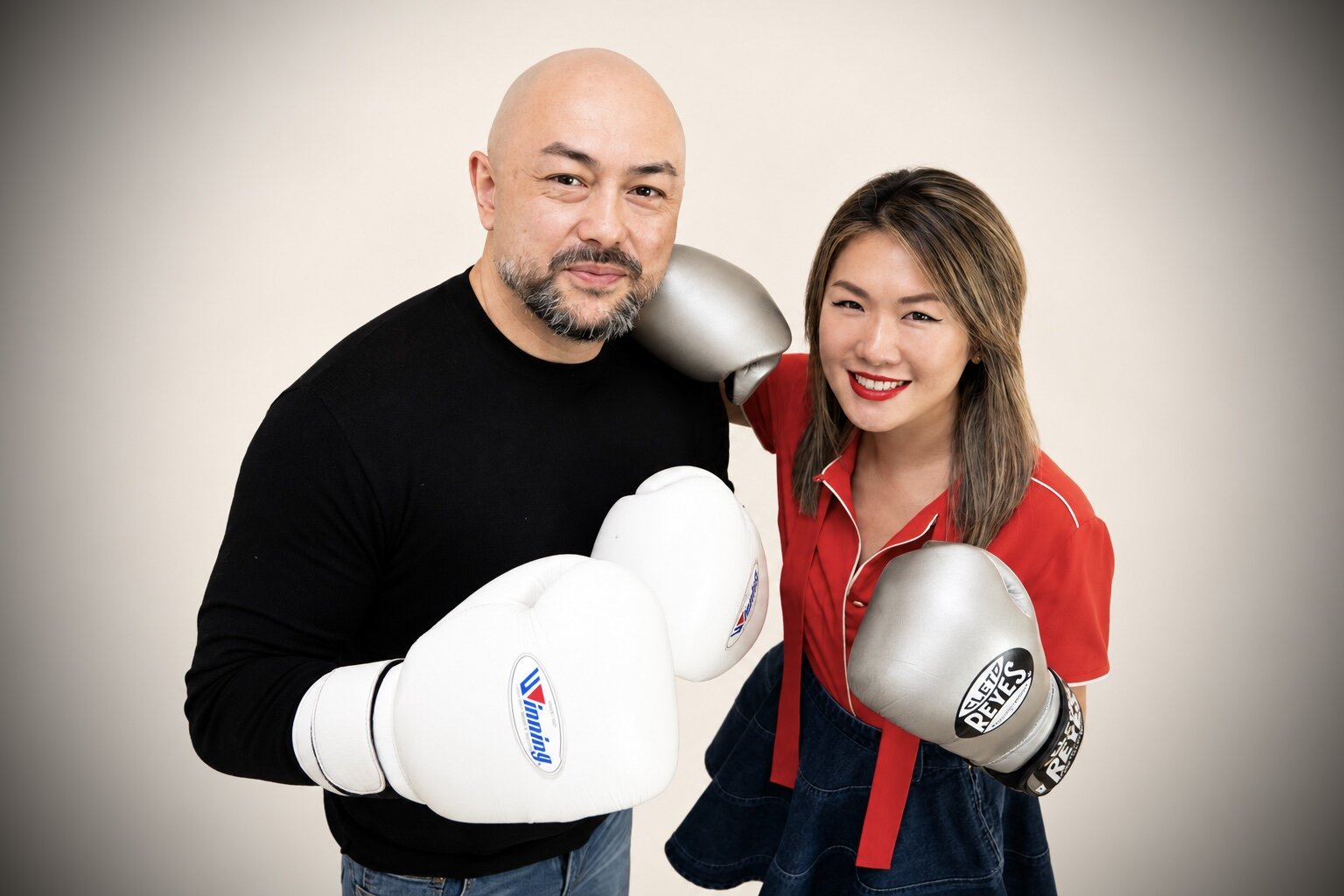
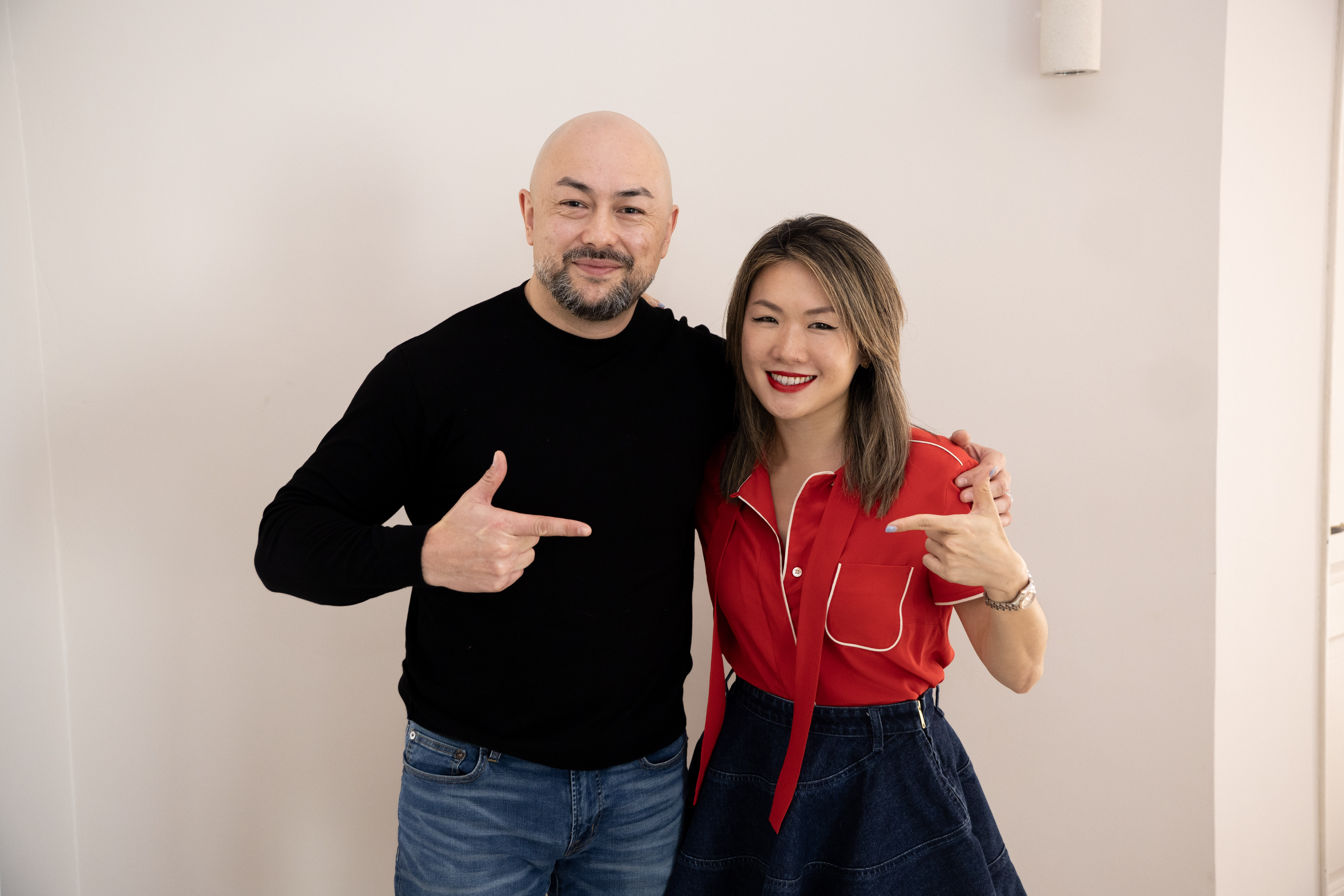
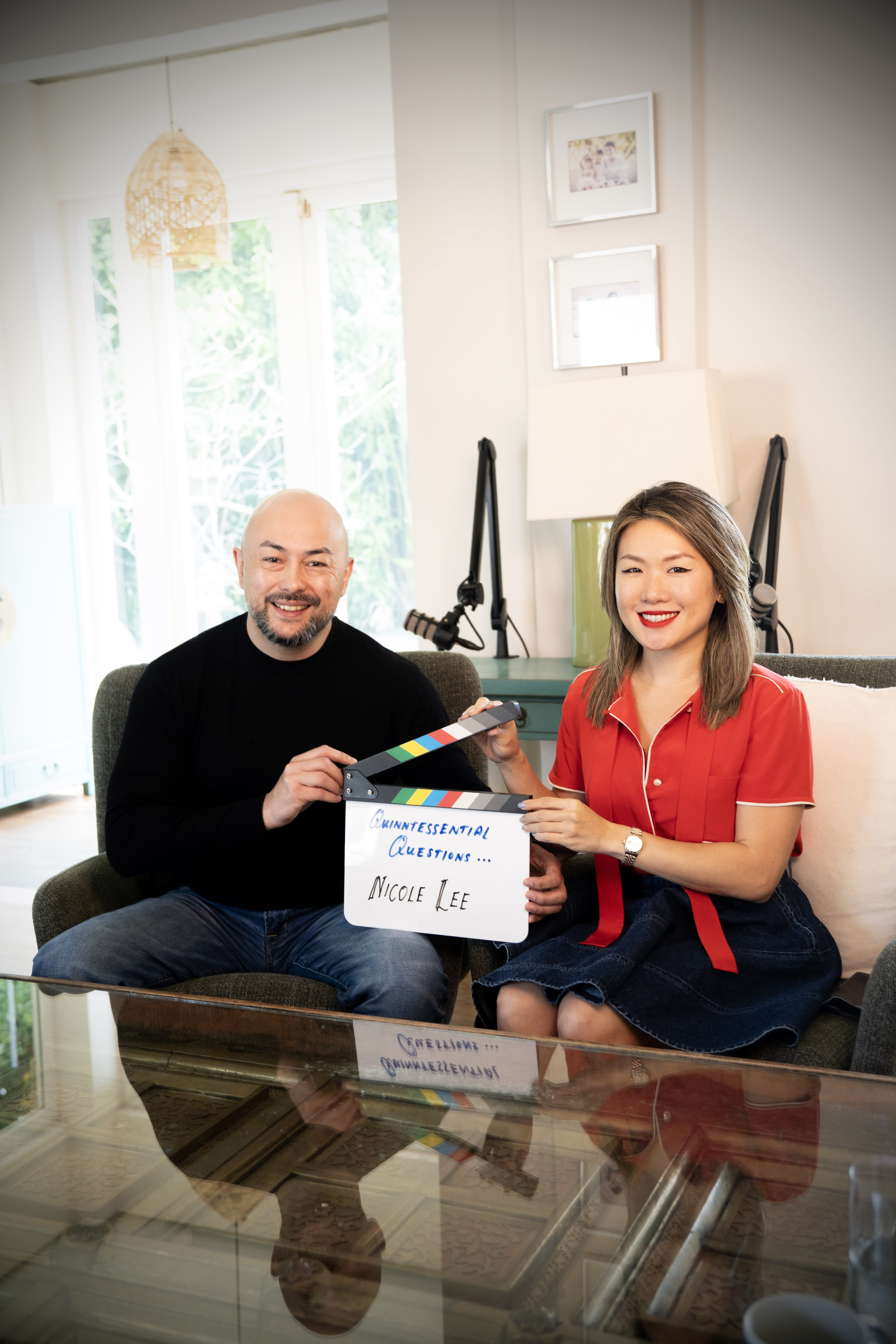
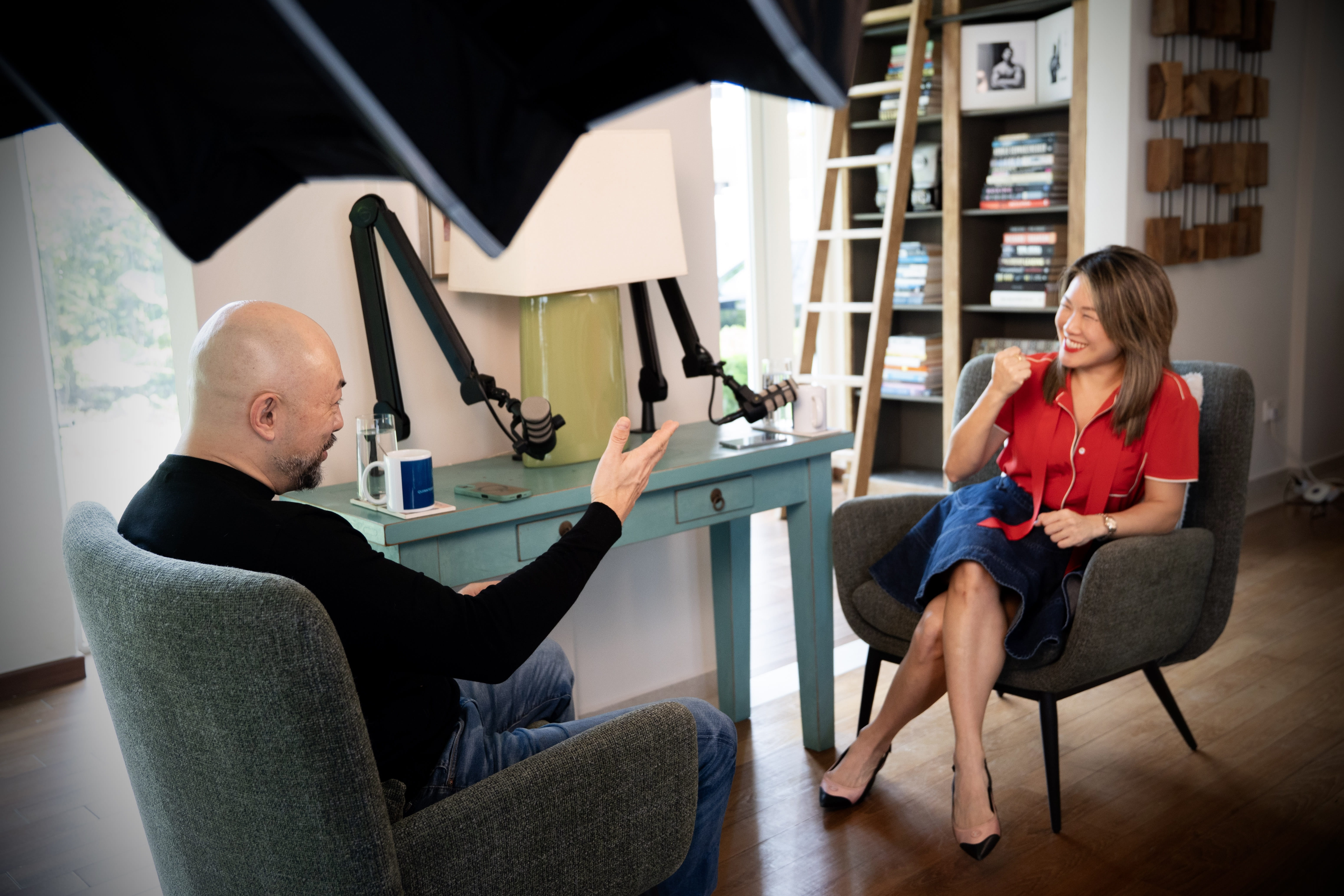
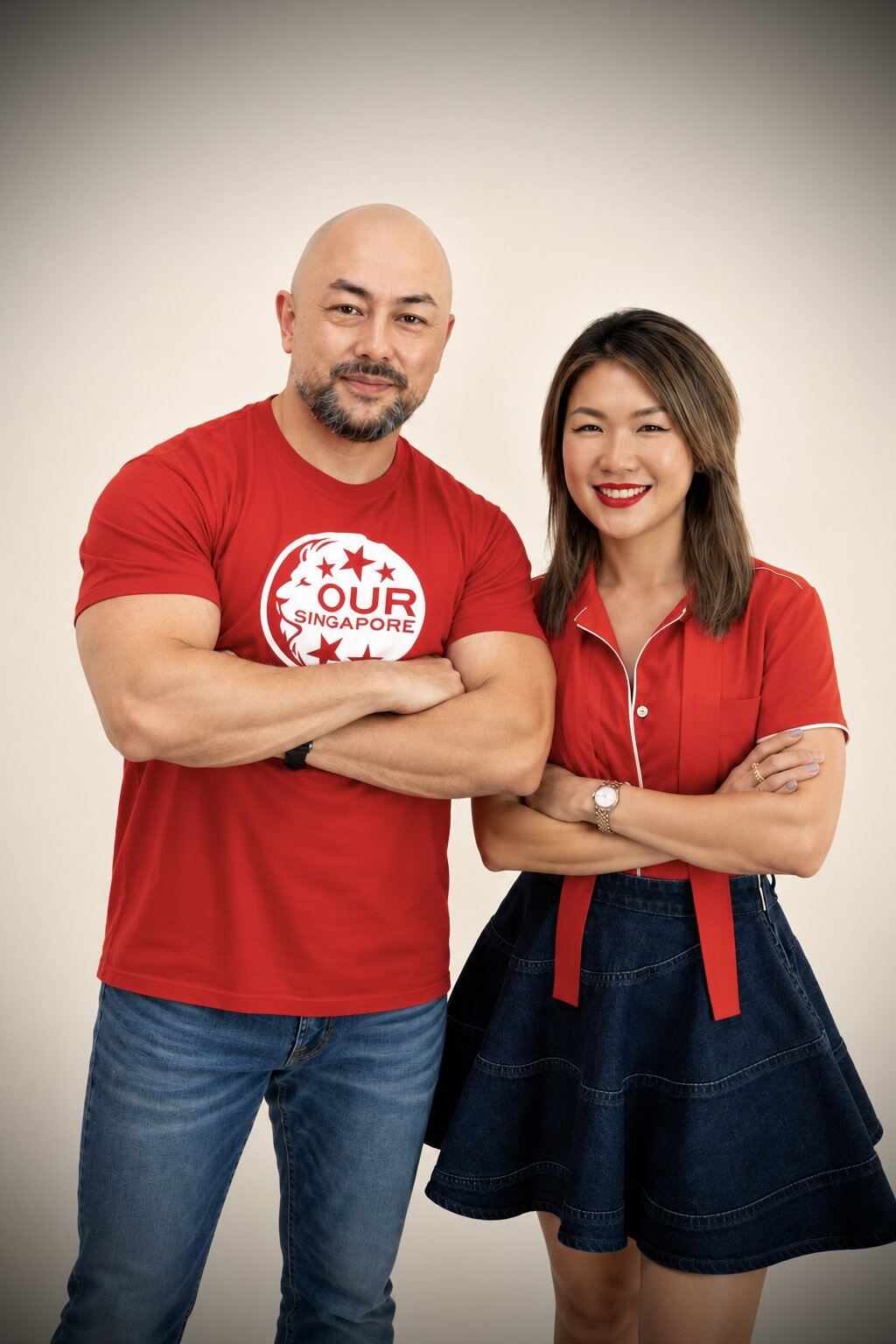
Our Other Episodes
Lorem ipsum dolor sit amet consectetur. Sed morbi adipiscing ultrices in vel placerat.
Building an AI Company Inside a Search Firm with Roger Olofsson #103
In this episode of The Quinntessential Questions Podcast, Paul Quinn sits down with Roger Olofsson, CEO and co-founder of Olofsson & Company, the executive search firm hiring for startups, AI, tech and fast-growth companies. From a childhood in Luleå, near the Arctic Circle, to landing in Singapore in 1996 as an exchange student with a backpack and a suitcase, Roger shares his transformation journey through almost three decades of recruitment in Asia, and the moment he finally backed himself to build his own firm.
One Video, 70K Followers: Jess Whitney Morris's Breakthrough | #102
In this episode of The Quinntessential Questions Podcast, Paul Quinn sits down with Jess Whitney Morris, model, social media management company founder, and media presenter. From growing up in poverty in Uganda and working-class England to working her way through Abercrombie, Hollister, and a self-funded university degree, Jess shares her transformation journey and the moment her father tore up her first modelling contract in half.
I Interviewed 100 Extraordinary People. Here’s What I Learned | Paul Quinn
In this episode of The Quinntessential Questions Podcast, the host takes the hot seat. After 100 episodes in the interviewer's chair, Paul Quinn, who runs Westport Executive Search and founded Quinntessential Coaching, answers questions sent in by guests, friends, family and listeners. From hitting a career plateau to building a podcast that now welcomes Olympians, world champions and global CEOs, Paul shares his transformation journey and the moment he decided to put a spotlight on helping people.