
From Backyard Dribbles to Spain: Madelin Lock on Betting on Yourself #97

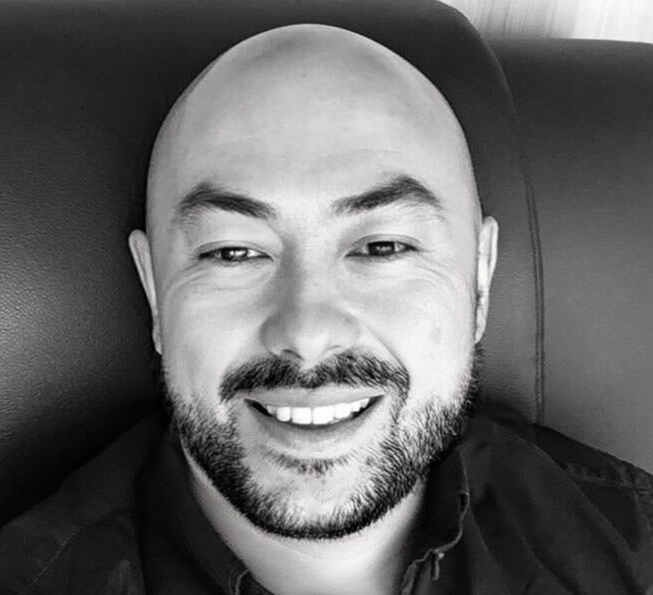
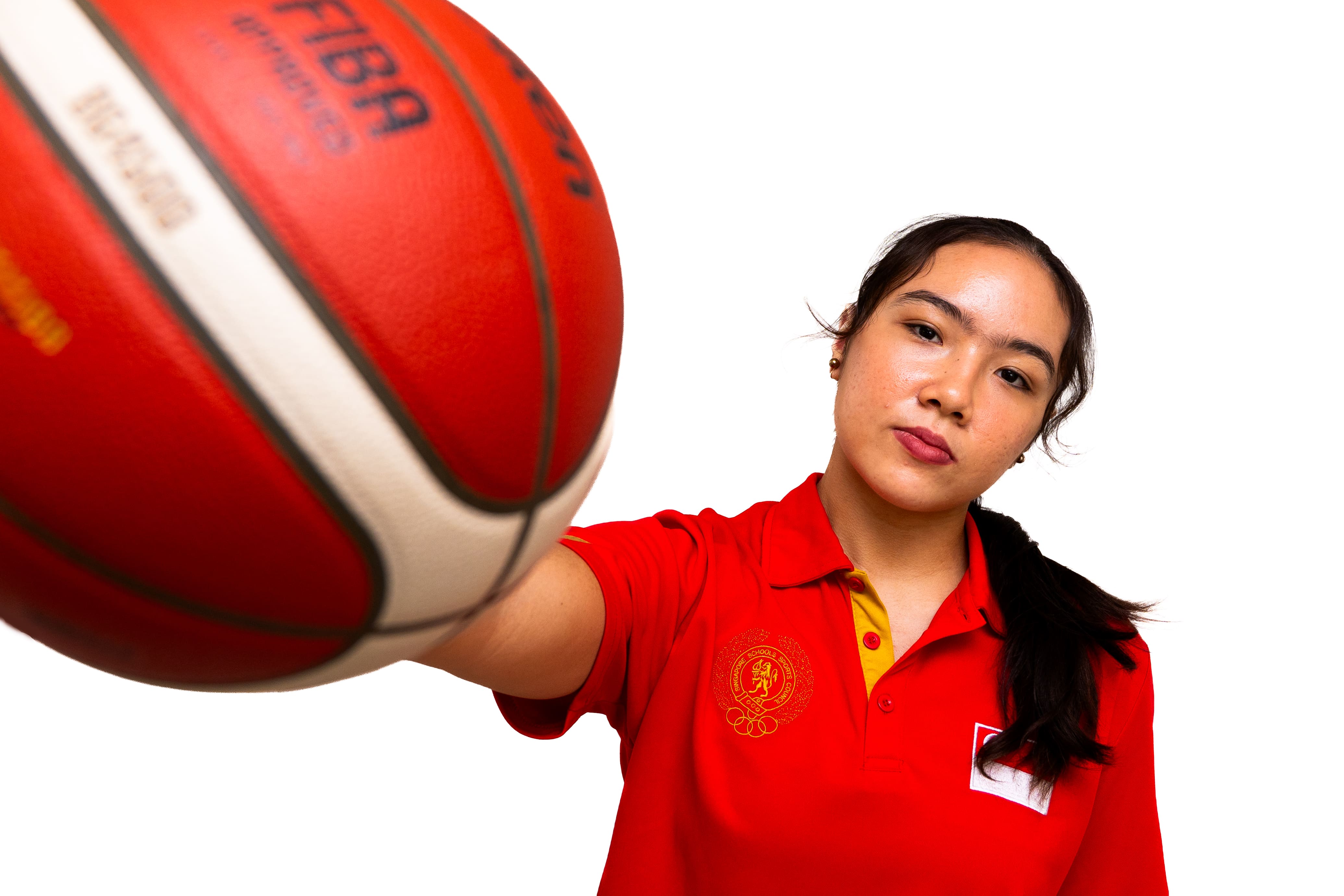
On this episode of The Quinntessential Questions Podcast, we shine a spotlight on young talent on the rise. Meet Madelin Lock: Singapore's premier young female basketball player, about to leave home for Spain to chase her dream of turning professional.
What makes Madelin's story remarkable is that she hasn't just represented Singapore in one sport: she's represented her country in two: basketball and football. At the same time, she's carried the academic rigours of Hwa Chong Institution. Academics, basketball, and football: three demanding worlds, all at once, all at the national level.
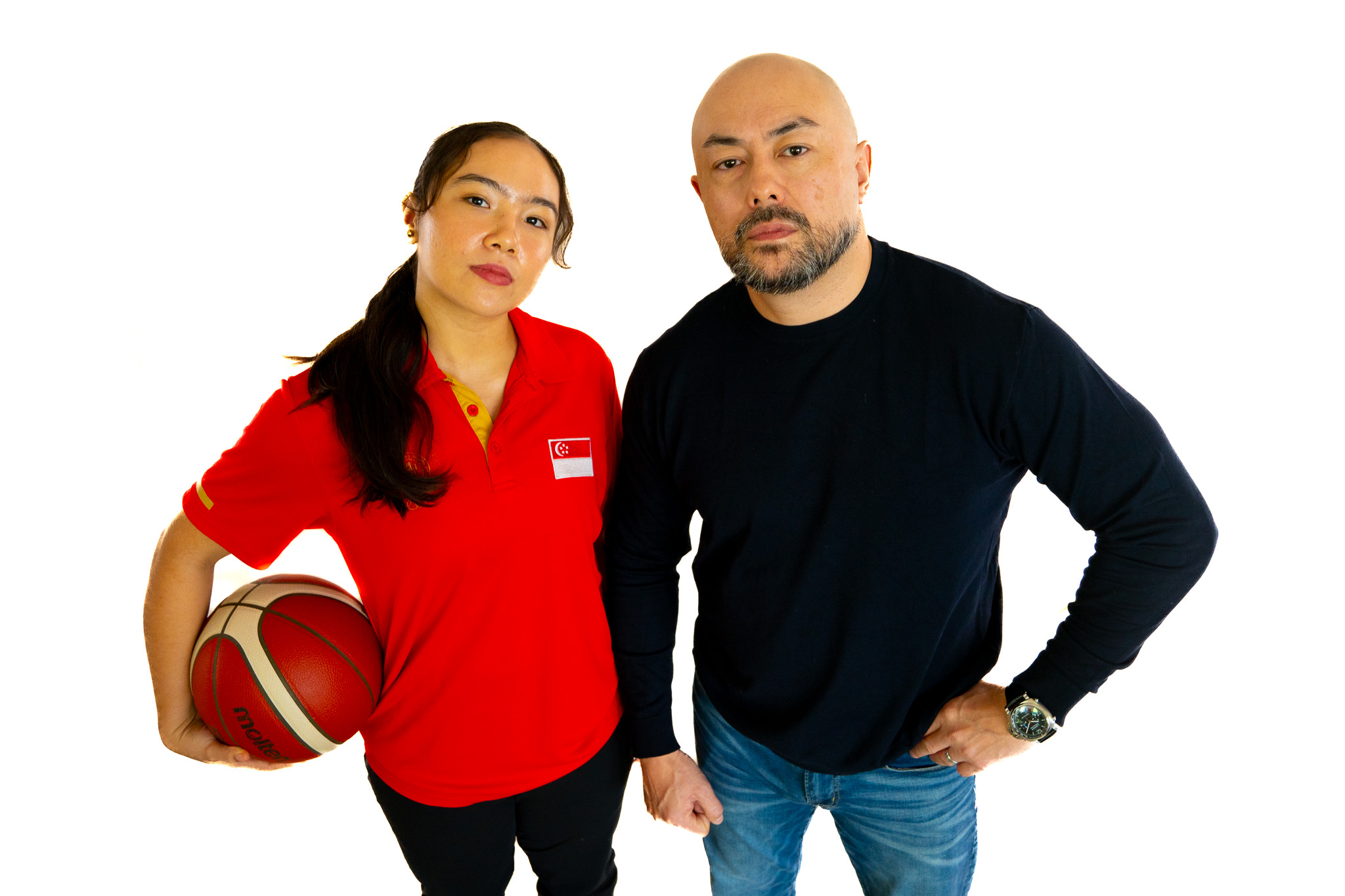
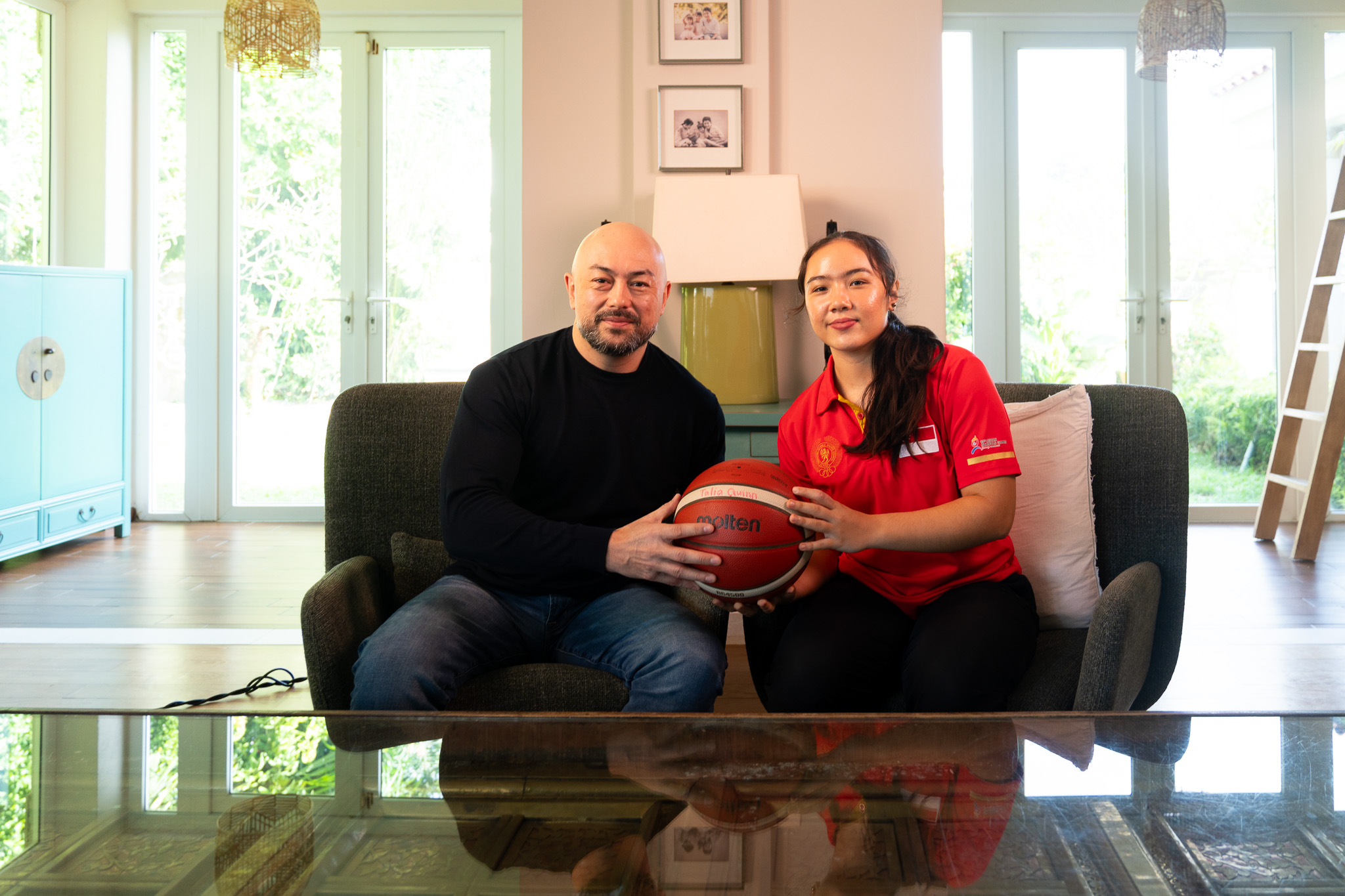
Host Paul Quinn first met Madelin as his daughter's basketball coach. She became a mentor to his family, and now a dear friend of the show.
At just 19, her résumé speaks for itself:
🏀Basketball — Singapore National Team (FIBA U21 3x3 Nations League, FIBA Asia U16 World Cup Qualifiers), NBA Rising Stars International, NBA Basketball Without Borders Asia
⚽ Football — Singapore's U17 National Team, Women's Premier League with Lion City Sailors
🎓 Starting in September, Madelin heads to Universidad Europa in Valencia, Spain, to pursue a double degree in Business Entrepreneurship and Marketing: a move chosen specifically to help advance her basketball career.
In this conversation, we unpack how she juggled two national sporting careers alongside her studies, the courage behind this leap, and what it takes to go pro.
SPONSORSHIP OPPORTUNITIES: Madelin and her family are now open to sponsorship for the first time. If you or your business want to back a genuine rising star, DM us and we'll connect you directly with her and her team.
Thank you, Madelin, for everything you've given the Quinn family's basketball journey and for your invaluable friendship. We are so happy for you and so proud of you.
TIMESTAMPS:
(00:00) Introduction
(01:21) Who is Maddie Lock
(02:09) Growing up Eurasian in Singapore
(04:04) From martial arts to tennis, football, and basketball
(05:01) Called up to the national football team at 12
(08:38) "There's no such thing as balance"
(10:37) Balancing elite sport with school
(11:54) The unprecedented path — going pro overseas
(13:24) Self-coaching: "80% of the work is done by myself"
(14:00) Training alone during COVID's circuit breaker
(16:11) Physical conditioning without a private coach
(18:19) The injury spiral begins
(22:46) The psychological side of injury
(25:17) Confidence issues and being told to "play simple"
(29:37) Rebuilding: trusting her own instincts
(31:14) The mindset of a point guard
(33:20) Kobe Bryant, Allen Iverson, and her basketball idols
(34:40) The book that changed her — Relentless by Tim Grover
(38:14) Turning her height into an advantage
(40:17) Training and recovery on a self-funded budget
(41:52) On sponsorship
(42:28) What's next: moving to Spain
(44:16) Visualising the future — goals and building an academy
(48:39) NBA Rising Stars
(50:21) Closing thoughts
Bio
Madelin Lock is a Singaporean student-athlete and rising basketball talent who has represented Singapore on the international stage. Originally a footballer, Madelin made the decision to focus on basketball in 2023, pursuing her ambition of helping to create greater opportunities and visibility for women’s basketball in Singapore.
A former Lion City Sailors Women’s player, Madelin made her Women’s Premier League debut at just 16 and ended her football career with a memorable hat-trick. She subsequently established herself as a leading young basketball player, captaining Hwa Chong Institution to the National School Games A Division girls’ title in 2025.
Madelin has represented Singapore at the FIBA U16 Women’s Asian Championship, where she averaged 9.8 points, 7.5 rebounds and 4.5 assists per game, and was also selected for Basketball Without Borders Asia 2024, bringing together some of the region’s most promising young players.
Beyond her sporting achievements, Madelin is passionate about inspiring the next generation and paving the way for greater opportunities in women’s basketball. Her journey reflects ambition, resilience and a willingness to take on new challenges — qualities that continue to shape her development both on and off the court.
Transcript
There's no such thing as a balance if you want to be good at something. [music] >> You are Singapore's elite basketballer and you're about to head off to Spain. >> My name is Meline. I am 19 this year and I am proudly Singaporean. I've represented [music] the country in both football and basketball, but currently I'm just focusing on basketball and it was it [music] was amazing. It was >> good to wear an NBA jersey. >> Yes. The truth is 80% of the work is done by myself. I don't really have a private coach. We couldn't even go to a court. So, I would just go out to the back and dribble every day. I would just dribble. And that's probably why I'm so comfortable with the ball cuz I just dribbled every day. I had no court. People would just be talking in my ear like, "No, you're doing too much. You're doing this. You're doing that." I tried to change my game >> to become more like everyone else. I didn't understand that being different was special. I think it's right. I'm going to go and do it and trust in it. If it if it turns out to be wrong, then that's fine. I'll just learn from it. I don't want to just be good here. I want to play overseas in a month. I'm [music] leaving the country. I'm moving. I'm moving to Spain. I'm a nobody. I need to prove prove to everyone that I belong. I don't know what's going to happen. That's exactly what makes it so exhilarating. >> Good morning, Maddie. How are you? >> I'm good, thank you. >> Thanks for being here. It's my pleasure. >> So, I've got you on the show for many reasons, but the main reason is because you are Singapore's elite basketballer and you're about to head off to Spain. Um, but for the few people that don't know you, can you give a little bit of an introduction as to who you are and what you're doing and then we'll unpack your beautiful journey thus far? >> Okay. So, my name is Meline. I am 19 this year and I am proudly Singaporean. So, I'm very into sports. I've represented the country in both football and basketball, but currently I'm just focusing on basketball and hoping hoping this hoping that it will take me very far and that is one of the goals that I have. >> Beautiful. So, I got to meet you because you're my daughter Talia's coach. >> Yes. >> Friend and mentor. So, I'm very grateful for that. But let's unpack your journey. So, you're mix like me. What's your mix? >> I'm half Australian, half Chinese. So my dad's Australian and my mom's Singaporean. >> You know what? I never heard of the term Eurasian until I moved to Singapore in 2001. I was Yeah. I'd never heard of it cuz where I grew up, there was typically only maybe one Chinese person in your year at school >> or maybe in the school. So meeting other mixed people was quite rare. Um but growing up in Singapore, what was it like? Did you go to local school? >> Yes. Um local school all the way. So from primary school I went to Nanyang Primary. that is one of the the elite so-called elite >> schools. So that was a very different and unique experience for me as well. >> How did you get in there? Were you part of the alumni cuz of your mom? >> Yeah, cuz of my mom. I only got it cuz my mom was um you was from Naang Primary and so was all my aunties. >> Okay. >> So that's how I got in. Then for secondary school I went to Chong Cheng Hai which is slightly different from Naang Primary but um very there was a very strong Chinese culture so that was good cuz I got to immerse myself in that. >> Okay. >> And really embrace it. >> And now >> and then I went to Ha Chong Junior College. >> Yeah. So which is one of the top two schools in Singapore. Yes. >> Are you going to say it's the top school? >> Yes, [laughter] for sure. >> Is there a lot of rivalry with raffles? >> A lot. >> Really? But I don't feel it. >> You know what's weird? I've worked with some people that can meet somebody in Singapore and know what school they went to. I can't do that. Can you >> Well, >> just by the way that they talk and the mannerisms. >> I try not to stereotype, but I think I could I could guess >> really >> possible. >> So, tell us a little bit about your upbringing. Tell us about mom and dad and you know, were they into into sports? >> Okay. So, I was raised quite differently from other kids, I think. >> How so? >> I didn't really get to watch a lot of television or have a lot of screen time as a kid. Okay. >> But I enjoyed that. I didn't feel like I was missing out. >> Sure. >> So, when I was seven or eight, I was put into martial arts. Actually, that was the first sport I did. >> Which martial arts? >> Ushu. >> Okay. And then I joined tennis CCA as well. So in primary school I was in Ushu and tennis. >> Wow. >> And then outside I started doing football and then my mother played basketball. So on the weekends I would watch her play. So actually as a kid basketball was my fourth sport. >> Really? >> Yeah. >> Okay. >> Only until maybe when I was 12. Then that's when I started playing for a club. >> Basketball club or football club? >> Basketball club. >> Oh. Did you say you played for a basketball club first before football? >> Football I got called up to the national development team when I was 12 as well. >> Wow. >> How did they see you just at school? >> So I joined this football clinic on Saturdays. It was at Queensway. It was this grassroots program. It was free. It was it was great. Like it was just for girls to go and play. And then from there I got picked. >> What position were you? >> When I was 12 there was there were no >> older when you when you got a bit more serious. >> Center midfield. So either center defensive mid, but I prefer center attacking mid. >> It's it's crazy cuz you kind of play that in a basketball context if you think about it. >> Yeah. Do you know what I mean? >> The the controller, the distributor. Yeah. >> Well, if you think about it, that means you've always had that awareness of who's playing on on the field or on the court. >> Yeah. And spacing, seeing the gaps. I think that's something that I took from football to basketball. >> I want to talk about the technicals because a lot of people don't I love breaking down things technically. We'll do that later. So, and then what happened? And then how did how did uh basketball find you? Is it because your mom said it or or because of school? >> So I decided to do basketball as a co-curriculum activity in secondary school. So in Chong Shanghai I joined the basketball team because I wasn't particularly a big fan of woou. It was very good for me but I didn't enjoy it, you know. And tennis, >> by the way, woou for people that don't know, it's a traditional Chinese martial art. It's kung fu, right? >> Yeah. And then as for tennis, I did consider actually pursuing that as well because I think I was pretty decent. >> Yeah. >> But I don't know, it was just an individual sport and I didn't feel the same passion towards it as I did for football. >> So that's why I decided to try basketball >> for secondary school. Just try something new. >> Yeah. >> And um that's where my love for the game really developed, I think. And then and then when did you start like did you realize that your mom used to play? Did she get involved? Why I'm asking is that some parents that used to play get very involved and others don't. I'm just curious what was it like with mom? >> H I would say it's quite interesting because she didn't necessarily push me towards basketball. >> Yeah. >> It was just that because of her I was around the sport. >> Yeah. So sure, she was happy that I joined the co-curriculum activity, but actually when I started doing specializing in both football and basketball, >> yeah, >> I think she preferred football for me. >> You know, you know why I touch upon that cuz I know the background story cuz I know you, right? Um there's there's probably a misconception because your mom did basketball or she was on your case to do it. It's like for me with boxing and and athletics and actually the kids ended up pursuing whatever it was that they wanted cuz it's got to be your choice ultimately. [clears throat] Um, but you know, when did you first beat her in a one-on-one? [laughter] >> Okay. But to be fair, we never did one-on-one. >> Really? >> No. >> All right. What about a game of horse or >> Yeah. But we used to play on Sundays with a couple of friends, very close friends. So, my mom, my brother, and I, and a couple of other friends, we'll always compete. >> Two and two, three and three, four and four. And I'll be super competitive >> with my brother and my mother. Okay. And I was like, I I want to guard my mom. I want to guard my mom. But then after a while, I felt kind of like >> feel bad, is it? >> I felt bad. >> So, you are you are you a better player than your mom now? >> Yes. >> Hands down. Easy. >> Well, I don't want to say that cuz I don't want to disrespect my mom. >> Why? Just be honest, you know? Like, >> can you beat Can you beat her in a race? >> She's fast though. She's doing track now, but I can definitely beat her in a race. But she is fast. I would give her that. She can beat some of my teammates for sure. >> Really? And she's how old now? >> Uh 50 something. >> Yeah, that's really impressive. All right. Now, I want to talk a little bit about this cuz when you're that young and you're in your journey, what a lot of people don't realize is you're being pulled in different directions. You've got your studying, >> you know, you've got boys, girls, you've got other sports, you've got going out, you've got the rigors of life. How did you stay committed to sport? Because a lot of people do it and they reach maybe 16. That's what I've experienced, 16 >> and then it stops. It dies. How did you keep that focal point throughout, you know, your teenage years? >> I think my mindset was very different from other teenagers because I've never had, it's never been a struggle for me to balance these things because in my mind, it's very clear what I want. Yeah. >> Which is to be a professional basketball player. So, >> I knew that I would have to sacrifice things. You know, people always talk about balance, but I knew deep down that there really wasn't such there's no such thing as balance if you want to be good at something and some things are going to have to go. So, I was very clear. So, it didn't matter to me if I got to hang out with my friends less. >> You know, I had to study more. I had to stay in more. But that was fine because um I was just so driven towards what I wanted to do. >> Where does that come from? >> No idea. >> It's innate. It's in your DNA, you know. >> I don't think it was in my DNA. When I was in primary school, it wasn't like that. But one day, >> one day when the light switch clicked >> and I said, I want to do this. From then on, it's just been tunnel vision. >> How old were you? >> I was 14. >> Yeah. >> I remember the moment. >> Yeah. It's like, well, no, the reason why I mentioned it is I I was like that from the age of maybe eight. >> I remember thinking I was dialed in. I was locked in. I was always thinking, you know, how do I get an edge? How am I competing? Um but the other misconception I feel is that a lot of people that do sports are so focused on sports that they you know don't get a chance to balance their studies right now. you've managed to do both which is really difficult and you're going to have that going into university but you know tell us about how you do that because uh you know with my kids I always say to them at the end of the day whether or not you're going to make your career professionally from doing sports it's minimal >> and even if you do you need to make sure you do your studies >> right so how how do you deal with that >> um I think again it was just driven for my love of basketball because I knew that if my studies weren't good there would be less options for me. And so if I want the highest chance of succeeding in basketball, that means going to a good university. And that meant that I had to get my grades straight. So I really didn't enjoy studying, especially when I was younger. Like in secondary school, I didn't understand why I had to do it. I would tell my mom, >> you know, just homeschool me. Like I [laughter] would get so much more done. I would get to train so much more. But she wanted me to have that experience of being a teenager as well and learning to socialize with my peers and learning to manage my time and all that. >> So for me it was it was just I had no choice, you know, I had to study in order to succeed for basketball and that was just one of the things you had to do. >> I love that. You know, for me, you are really uh a great example of someone who's coming up through the ranks who's got their eyes really focused on something because we talked about it off camera in Singapore. there really isn't a precedence for this. I think one other person kind of pursued this path. Just talk about that because what you're doing it's it's unusual. You're going to Spain, right? So, unpack that whole thought process for us. >> So, I do actually like the prospect of being the first to do something because it's just so exciting. you know, I don't know what's going to happen. And that's also what gives me the motivation to continue just this curiosity to see how far I can go. And you know, there's this uncertainty that comes with it. And a lot of people try and use that as a negative point, like, oh, you don't know what's going to happen. No one's done this before. You might fail. But I've tried to turn that into more of a positive thing, like, yes, I don't know what's going to happen. That's exact that's exactly what makes it so exhilarating, >> you know. Um, I I saw you on the bench coaching Talia, but I didn't know who you were and I just thought you were a little bit young, right? And I was a bit skeptical and I didn't see you saying much, but you were having an impact on the girls, but maybe two or three games later, I saw you during practice and I I don't know exactly, but I think I saw you shoot 15 baskets, two and three-pointers without missing. >> And I was watching you. thought, "Shit, that that's why she's here. That's what she you were doing." Um, talk about like where you go to train. So, apart from the clubs, you're on the Singapore national team. I would imagine a lot of it's done on your own as well, right? >> Yeah. True. Truly. Most of it, and I don't want to make it sound like I'm here just because of my own work is not. I have had a lot of support, but the truth is 80% of the work is done by myself. I don't really have a private coach. I have been to private sessions before before importance tournaments, but it's very expensive and I my mom didn't want and I also don't expect her to pay for so many private lessons every week. >> So, I've just had to learn to to train myself and be my own coach. And I think that's also why I'm into coaching now because I've coached myself. So, I feel like I have some sort of knowledge to help other people. >> Yeah. And um especially because when I was 14, it was co during co >> so all the more I was by myself. There was no one around and I just had to figure it out. >> So what would you do? Go to the local court? >> Yeah. So no, when I first started it was circuit breaker, so we couldn't even go to a court. So I would just go out to the back and dribble every day. I just dribble. And that's probably why I'm so comfortable with the ball cuz I just dribbled every day. I had no court. I had nothing else to do. And then when the courts opened up, I started going to the court. It used to be during homebased learning and doing recess. It was 12 noon. It was scorching hot. Like it was not fun. >> But >> but by the way, I've seen you coaching the girls when you're doing coaching outside. You're doing backto-back lessons for multiple hours >> at Evans Road in the hot sun. And I I actually thought to myself, >> that takes a lot of stamina >> just being coaching because you're out you're out there half the day sometimes, right? Yeah. >> Yeah, it's full. >> But, you know, I love it. I love what I do. And when I first started coaching myself, coaching myself, like self-training definitely wasn't the most efficient. Definitely probably was not doing the right thing. I could have progressed a lot more if there was a coach with me >> for sure. >> But at the same time, the lessons that I've learned from that process of trying to figure out how to become better, you know, it made me watch a lot of film. I watch a lot of film studied it >> study a lot of film I watch a lot of good coaches coach players like the private sessions that are on YouTube and that's slowly I began to pick up the details so yeah >> I love that you know because I think a lot of people >> they focus on certain parts so maybe they'll only watch games >> but I think you got to look and what you've just described it's you're think you're thinking as a student as a player as a coach and all of that so I always say learn one do one, teach one and actually you can do it all on the same day, right? You can learn something a technique today can try it, do well and then teach it and by teaching it your your the cycle of learning just happens. Do you know what I mean? >> Yeah. >> What about um the physical conditioning? Talk to me a little bit about that because that's a big part of it and staying injuryfree. >> So in terms of physical conditioning, I was lucky because I was in football so that took care of all the conditioning for me. The football program was very rigid. It was very good. It was very structured. So I was I was very fit during that period of time when I played football 12 to 16. And you know I played 90 minutes. So when you play a full game >> Yeah. When you come to a basketball game it's 40 minutes. >> Yeah. >> And it was just it was easy. Like I never got tired in a basketball game when I was playing football. >> Yeah. Cuz in a football game it depends, you They used to say like David Beckham just he'd run like 7 to 9 km a game easy. Yeah. All day long. But what do you do? Do you do but do you do weights as well and uh dynamic training? >> Yeah. So now it's ever since I left football that was a struggle for me actually when I was 17 to 18 because suddenly I didn't have a coach with me. Suddenly I didn't have this program >> and then I understood the importance of upper body strength in basketball which is not something you do in football. >> I rarely lifted upper body when >> before I was before I switched to basketball. >> Okay. >> So then I began to struggle with that because yes I went to the gym very consistently. So I put on muscle mass but then my speed started to drop. >> It's that balance between the two, right? >> So it took me about two years. I think this end of last year was probably the first time where I felt that I have my strength and my speed starting to come together. But it took it took two years realistically. >> How do you find out like it's it's a little bit of trial and error, right? >> Yeah. So, how do I after a few weeks of doing this? Am I getting better? Am I faster? >> Yeah. >> Yeah. And then just trying to But it was also difficult because I have a lot of different trainings. So, it's hard to do plyometrics, your conditioning cuz you don't want to overdo it as well. then you'll be sore all the time and that's how you get injur injured and I've definitely had my fair share of injuries as well. >> I had a lot of injuries early on up like around up until 12 13 a lot. >> I had something called Oscar Schlatteris disease when I was 12 which was inflammation of your knee and then I was uh not unable to do anything for 6 months >> and actually that's why I stopped playing football. Um, and then you know the funny thing is is in that time I lost my identity at school cuz I'd gone from middle school to high school >> and everyone thought I was a wimp because for the first two terms or three terms in a year I couldn't do any sports and then when I was allowed it was gradual so I had to do net with the girls. I was the only guy and at first I didn't like it and then I thought okay I'll make the most of this. Um, but then I was secretly training, you know what I mean? But then, and I don't know about you, but I I tore hamstrings. I had all sorts of things go wrong. What injuries have you had? >> So, I've tore both my ATFLs, which is part of the ankle. Two on the right, two on the left. >> From football, I'm guessing. >> No, actually only one was from football. Three were from basketball. >> Really? >> Yeah. Because basketball that's I've rarely gotten injured from football, actually. >> Really? basketball when you jump Yeah. >> in the paint when you go in for a layup and you land on someone's foot. >> Yeah. >> Done. Like >> the landing space is very unpredictable. So that's Or if I step on someone's foot when it's crowded in the paint. >> That's also how I tore my ATFLs. So I've had >> So I would those are acute injuries where something >> causes it to happen, right? >> And then there's another type of injury which is >> more chronic injuries. So, I've suffered from really bad shin splints. >> Yeah, Talia's got that at the moment. But the the pro the problem with chronic pain is it's just you you end up sometimes getting so used to the pain, but the injury becomes worse and worse and worse and then bang, you have a big injury and then you're out for months. >> Yeah. So, that did happen to me rather recently actually. It was from TW So, in 2024 in November, I tore my I don't remember right or left ATL, one of the ankles. Okay. And then my mom told me to get back by myself because I've already tore it three times. She was like, "You should know all the physio. You should know your body. >> You shouldn't need a physio." And I agreed. I was like, "I can do it." >> But then >> I got myself back [snorts] too fast and I tweaked it again. So a one month injury turned into 3 months. >> Yeah. And then when I finally got back, I was so when I'm injured, I feel this sense of urgency, [clears throat] like I'm missing out, like everyone's getting better, this anxiety. >> So when I got back, I went straight into it. And at the time, I was doing school and national team. So I would go school from 3:00 to 6:00, national team from 7:00 to 10:00, and that was on the first week that I was back. >> So I was You explain when you say school, you mean school team? >> A school team. Because so you go to school at what time in the morning? Just >> 7. >> Let's break it down. >> People don't understand this. 7. >> You finish school, you do school training from 3 to 6 in national training. >> 7 to 10. >> And the problem with national training is it's all over the place. It's not always in one location. >> Yeah. >> Right. And then you're having to get there and you know, were you able to get taxis there? Mom's driving, public transport, all of the above. >> Yeah. Depends on the day. Sometimes school training was 4 to 7 if we ended school a bit later. And then so I would either grab my mom would drive me or I just have to be late if I'm taking public transport. >> Yeah. Really tough. >> Yes. >> Yeah. But I but the the problem is with teams they if your attendance is bad or your timing is bad it can be held against you. >> Exactly. Especially in an it was the se that was my first time in the senior team training squad. >> Yeah. >> And um so that's also why I had this need to prove myself and when I just came back from that 3-month ankle injury. So I started going six hours, six hours. And then on my off days, I would do conditioning because I was not fit >> as everyone else. And then that's when I started developing shin splints. >> But then I was like, I can't be in I can't be out again. I can't afford to lose any more time because I was also preparing for my last national school games. My last national school games. So in the end, I got injured again and I was out for a few months because my shin splints got so bad. They were starting to turn into stress fractures. >> Wow. And then that's when I was like, I really have to take a step back. >> That was very difficult for me. >> It's depressing, >> right? Cuz you don't know if you're you that's that's the thing that people don't understand. It's not just the physical side. It's it's the psychological side and knowing you're out means that all the other girls you're playing with, they've got six months on you. >> Yes. >> Technique training and whatnot. >> Terrible. >> Yeah. It's really tough. You know, I've got a I've got a friend um it's a two-time Commonwealth uh gold medalist as a gymnast, and I think he's had either 22 or 26 surgeries. >> I mean, it's it's horrific. >> So, um No, you know, the thing that I really admire about you is that are you actually you've turned 19 already. >> Yes. >> You're so composed for someone your age, so wise. Um but also, you know, you're only 19, so you're still having fun. You're very competitive, but you're competitive in the right way. I find that you and your I think you've realized that your main competition at the moment is yourself. >> Yes. >> Yeah. Um so when you got called to the national team, does that change the way that you feel about, you know, where you stand um as a player? Did you feel, okay, now I've got to step up again when that first happened? >> Not so much actually. I think maybe from my experience is different because the first time I actually represented Singapore was when I was 13 for football. >> Yeah. >> So I've represented the country a lot of times. I've had the honor and I'm very grateful grateful for that. >> And hence you're wearing this wonderful shirt that you've earned. >> Great for you. >> So when I get called up to the national team, I'm not thinking I don't see it as a personal achievement anymore. I'm thinking how do I make the country proud? How do I help the team win? So, for me, I try not to think about it as, oh, this is me being good. Like, this is me elevating my my game. >> Yeah. >> I'm trying to think it I'm trying to look at it as more of a collective unit because >> I love it. >> National team is it's just bigger than you. You know what I mean? >> Yeah. and then um talk a little bit about the challenges that one has with confidence because again one of the biggest things for me is when I look at anyone be it in sports or in business I always say there's a huge difference between interested passionate and obsessed >> when you're obsessed with something it becomes everything so any little thing that goes wrong I always find that the knock-on effect is infinitely more >> exactly >> and then if things are going poorly or or you're not playing well or you know your coach isn't seeing you, next thing you know you may have confidence issues. What's that look like for you? >> So yeah, I definitely had my fair share of confidence issues. When I first started 14 to 15, none of that existed like it didn't matter. >> You just played. >> I just played. I remember I went on this went for this tournament in Malaysia. I was 15. I was playing under 23 girls. Those girls, some of them were part of the Malaysian senior national team. So, but I didn't know I I didn't know any better. So, I just went out there and played. >> Ignorance can blame. >> Exactly. So, at that age, I had no idea. I used to play against boys as well. So, that really helped. Yeah. I never struggled with confidence until I hit 16. And then that's when started playing for with girls my age. And then I had a coach. There was just a lot of issues in terms of the way I played because I played very different from everyone else. I was brought up like I was trained differently. I wasn't in a local club. >> Yeah. >> I played with an international club. I played with boys. So, I was very flashy. >> Yeah. >> Tried to do a lot of difficult moves because that's what I felt would take me to the next level. >> But then that's not how all coaches feel. They're like, "You should play, you should play simple. You should do this." frowned upon. >> Exactly. So soon I tried to change my game >> to become more like everyone else. You know, I didn't understand that being different was special because >> 100%. >> Everyone made made it seem like it was a negative. >> Yeah. >> So everywhere everywhere I played, people would just be talking in my ear like, "No, you're doing too much. You're doing this. You're doing that." And then it really started to wear down on me, you know, no matter how strong I was just 16. Like it really did start to get to me. Of course. >> And you know, my mom tried to pull me out of it. And it took about 2 to 3 years to get me out of that rut. >> Yeah. >> You know, I stopped shooting. When I was 15, I was shooting lights out >> and then when I was 16, >> some people told me, "Oh, I can't I'm not allowed to shoot anymore." >> Yeah. >> So then I just stopped shooting. >> Yeah. >> And then it was so hard for me to start again because, you know, >> I still had this mental block. I think I think if you look at Talia, you know, I remember when she very started playing basketball and it was like around the co time and it was three on three and she was just relentless and and I actually said to her the other day in some ways you were a better player back then in terms of the way that you played cuz you were just playing. >> Yeah. >> You know, you weren't afraid to take shots, you weren't afraid to do this, that, and the other. And I've seen it I've seen it with uh all my children that fear. And I remember um so the thing I've learned as a parent now is to embrace that whole I mean you are very advanced of the fact that you can even embrace it because when I was your age if you asked me are you afraid I would I would laugh in your face. >> Um and it wasn't until I was about 45 I'm 48 now through my son's boxing journey did I realize I actually was afraid. And I remember I was in a race once when it was a 400 m and I came off the third 100 and I a guy pulled up on me and I I realized I'm not going to win this race >> and my mom and dad were there and I actually pretended I had a torn hamstring and I limped home >> and I had to carry that lie out for about a few weeks and it was because I was embarrassed to lose. >> Right. And then but at the time you're really not grasping that and you just you bury it somewhere. So I'm so glad because a lot of people listening to this especially young female athletes will realize what they're going through is very very normal normal >> and and the biggest challenge I find with things like basketball. I always did solo sports but um even then there's always an element of team but >> there's this there's there is politics in a game there is popularity because if you're not well liked within the team you may not get the ball. M >> in the first place. So, it's that balancing act. But what I've seen of you in the short time that I've really gotten to know you is that I think you now recognize that in order to be great, you have to be you. You have to be authentic. You have to be unique, right? >> So, tell me now like how you've decided to embrace that and how, you know, you're the best player in Singapore because you're being you. >> So, I mean, I'm not going to lie, I'm not perfect. I have not fully overcome it. I'm still working on it. It's something that I try and work on every day, >> of course. >> But now I think it's just realizing just remembering my end goal, the big picture. You know, >> I don't want to just be good here. I want to play overseas. And that means >> that not everyone's going to understand what I want to do, and that's okay. And so on the court, I think I I feel like I have confidence in my experience. So if there's a decision, I'm going to make it. It doesn't matter whether coach or my teammates think it's right or wrong. If I think it's right, I'm going to go and do it and trust in it. If it if it turns out to be wrong, then that's fine. I'll just learn from it. But I think just being able to trust my instincts and um yeah, and try new things every game instead of always reverting back to what other people want me to do. And I found that my performance I do well when I trust my own instincts. So, it's just trying to remember what that feels like. >> You know what? When you look at any great athlete, the truly great ones, if you saw a silhouette of them playing or running or boxing, you can tell who they are without even seeing who they are because they're unique. And one thing that I always um didn't agree with with conventional martial arts and uh to an extent boxing was if you do everything that's conventional, they can read your patterns. >> Cuz I'm a big believer in patterns. So, let's talk about the technical side of of the game. When you're coming down the court, you play. Which is your what point are you? >> Point guard. >> Explain what point guard is to people. >> So I'm the facilitator. I bring down the ball. I'm in charge of organizing the play, calling the set plays, >> the distribution. >> Yeah. And I'm supposed to be the loudest on the court. And yeah, just like the leader on the floor. >> Explain the loudest. What does that mean to people that don't know? Means you're calling the plays. >> Not only that, but I try and make it an effort to talk on defense as well. I think that's very big for me. Yeah, >> because not only does it bring my own energy up, brings my teammates energy up and sometimes it intimidates the opponents as well. >> So, I just try and be loud. >> I love that. >> Yeah. I just try [laughter] just try and talk. I just try and be loud. You know, sometimes I forget because that's not my p it's not my innate personality personality [clears throat] to be loud. It's something that I've had to work on. Yeah. >> But, um I think I've had coaches who really drilled that into me. So, I'm very grateful for that. >> I love that. You got to lean into that. >> Yes. So let's So for example, when you're coming down >> the center of the court, you're thinking about everything that's going on around you. You're thinking about um you know what players cuz the other thing is you need to know your teammates really well. >> You you have to be synchronized and I think that's the challenge because in team sports it takes a long time to become synchronized and if the team keeps changing it's difficult to have that consistency, right? Um, so when when you're on any of these teams, are you sitting down with the girls and you're talking when the coach isn't there sometimes about what you're doing? You know, how does that all work? >> So, if I'm on a different team, I usually try and get on the same page. So, for example, what type of defense are we playing? Are we going to switch? Are we going to stay? Just try and talk these little things out so that on the court there are less unforced errors. >> Yeah. And then I would try and ask players like, "Oh, where do you like the ball? Do you like to shoot more? Do you like to drive more?" As a point guard, I think it's very important for me to know what. >> And you ask them. >> Yeah, I do ask. But if I >> if I can, I just try and observe. Yeah. >> Because I feel sometimes when I ask them, they're not sure either. So I think it's best if I observe. >> Beautiful. >> And see, oh, what do I think your strength is? What do I think this? And then I'll try and play to that. Yeah. >> I love that. I love that. two of your favorite uh basketball players, correct me if I'm wrong, Kobe Bryant, Alan Iverson. >> Yes. >> Why? Why these two? >> Kobe Bryant has had such a big impact on my basketball journey. He's the reason why I chose basketball in the first place. Like truly >> everything every my mindset everything comes from Kobe Bryant. >> So you got a mumba mindset? Yeah. >> Try try try [laughter] to have a mama mindset. Um yeah, I've listened to every podcast. I've read all the books about him. I've read the books that his trainers written about him. >> So, hold on. Let's let's break that down cuz I you know, if you if you look behind you, I've I've cleaned out a lot of the books there. Um but so, for example, >> boxing was my main thing. And first, I was a boxing historian. I bought every book I could, >> a on boxing, but b on on the athletes that I really fell in love with. Um so, when you do it and you're reading it, what are you taking from it? And you know, do you underline things? Do you write it down? Do you then think about I'm going to apply this strategy, this technique, this mindset? >> I don't I don't underline things. I just absorb as much as I can. And I think I have a half decent memory. So, and the things that stick with me are the things that are going to be the most important to me anyways. So, I think um my favorite book would be Relentless written by Tim Groven. Tim Grover who has trained >> What's up there? You want to ask Talia to read it? >> Yes, she should definitely read [laughter] it. >> Tell them who Tim Grover is. >> Tim Grover is was Michael Jordan's first and only personal trainer. >> Yeah. >> And then after his success with Michael Jordan, he then went on to train other greats like Kobe Bryant, Dwayne Wade. >> Yeah. >> Yeah. >> Yeah. >> And [clears throat] the way he the way he was able to encapsulate these players mindset and their and their energy. Yeah, >> I just felt like it resonated with me. It made me feel like, oh, I wasn't alone. >> And um >> spoke to you. >> Yeah, it did speak to me. And there were so many things that I took away from it as well. You know, he was very cutthroat. There was no there was no sob story in that book. Everything was just >> um how do I how do I phrase this? Very straight arrow. You know, there was no sugar coating anything. And I think I really needed to hear that. And you know, sometimes when I find myself in a rut, I go and reread these books and remind myself who I need to be >> when when you know that the thing is cuz I the the main thing that my wife and I argue about probably the only thing is the kids. And she's look, this is weird because the thing I want to be best at is being a dad. But I'm the second best parent in the house cuz my wife is an amazing parent. But there's the one thing that I feel that I have over her, but it's very difficult for the kids to truly understand it is understanding that concrete mindset and winning because when you're in the locker room, you know, you are going to have coaches and say, "We're not messing around. You buck up or you're gone. This is what we need to do." >> But I always found I became that person cuz I've always felt like when we're out there, this is war. You know, I'll come and visit you in the hospital later. I'll respect you, but I want to kick your ass, right? And and ultimately, that's what sports is. But what I love about sport, especially um at your age and the level that it is now, there's a lot of respect, you know, largely, right? You'll have a few idiot coaches. I've seen a few idiot coaches in the corner shouting things. Um but what about do you sit down and work out strategic plays? >> So that's not really my job. I would say that's the coach's job because in terms of set plays, >> will they come to you and say, "Look, Maddie, this is what we're thinking of doing." But say they're new plays, do you then sit down and try and memorize them? And >> yeah, definitely definitely I will definitely memorize them and I'll always try and think of counters. I ask a lot of questions like why why are we setting this screen? What is the point of doing this? Just try and really understand it because if you can really understand the play, that's when you can the play is just the play. You know, after a while it gets very repetitive. Yeah. >> The opponents are going to figure it out. Correct. >> So it's really how you read off the play. The play is more of a a guide to help you to help the team perform, not not an instruction manual. Yeah. >> Do you write down your personal bests for some of your training, you know? So, how fast you run this time or what are you doing? I'm just curious like how detailed and meticulous is your training? >> Yeah, I mean, I track my weights. I track my weights. I track um how high I can jump. But that's not that's just where which part of the net and now which part of the board. I don't measure I don't have any of the devices. >> Well, do do you ever get do you ever say to yourself? She'll say, "Daddy, I'm short cuz of you." And she'll blame me. [laughter] >> I used to. >> But you have to you are what you are. You have to roll with what you have, right? How tall are you? >> 1.6 on a good day. >> On a good first thing in the morning when you've been stretched out. You know what? But that's okay. Do you know what I mean? So, how do you counter that as you know being you've got to be more dynamic, aggressive in your game, right? You can't make excuses for your height. >> Exactly. So, I used to see my I used to resent my height. I truly because >> really >> I used to be like if only I was 1.7 if only if only. And then I got after a while I was just like, okay, I'm not going to grow. >> I knew I knew actually when I was >> 14 that I wasn't going to grow anymore because my mom took me to see a height doctor to as a way to convince me not to play basketball. Jeez, your mom's a savage. >> Yeah, cuz I was like, "No, I really want to do this." And she's like, "All right, let's go see how tall you're going to be then." And then I was like praying like, "Okay, at least 1.7 at least 1.75." And then the doctor was like, "No, you're not going to grow. Your your bones are nearly they they look like they're going to they look like they've fused already." >> Yeah. >> So then it was very hard for me to accept that cuz >> part of me felt like it was so unfair. >> Yeah. But um after a while I realized that it's actually a good thing that I'm short. Like truly it I'm not just saying that it's a good thing that I'm short because in Singapore if I had been 1.7 1.8 >> I would have been made to play a different position. >> I would be playing a big and then I wouldn't have the craftiness that I do. And then when I go overseas >> 1.7 1.8 is small. So you know I'm small here. I'm I'm used to being small you know. >> Yeah. >> I'm used to being the smallest on the floor. So now when I go overseas, even if I'm playing against much bigger girls, it doesn't matter because I'm always the smallest anyways. So I think I've just managed to get over that. >> You know, one of the things in talking to you is what I love is how well-rounded your thought process is, your psychology, and I think it makes a huge difference, right? Because what you're doing is you're about to step up really and play with some elite athletes. So let's talk about that because uh when we talked earlier we said um you know in football you're taking care of a lot more in terms of your physicality you know uh massages treatments and whatnot. Right now everything is selfunded for you >> pretty much. Yeah. >> Okay. So let's break that down because I think if you are an elite athlete, you're ideally going for uh some sort of physio treatment massage typically twice a week, right? You you probably go twice a year, right? >> It it depends. I have to budget very I have to budget properly. So if it's before a tournament, then I will go once and I'll make sure I have to like get the most out of the session. So I make sure that I'm super sore. Or I make sure I do it right after the hardest training 2 days before the competition. >> And do you do you see a sports physio? >> Yeah. Or I go for sports massage by um like or TCM. >> Okay. Yeah. >> You have TCM acupuncture? >> Yeah. >> Yeah. I had I used to have acupuncture a lot. I think um I never knew if it worked or not because your your body is healing but I did it for years and um I think Do you think it works for you? Definitely. >> Do [clears throat] you do cupping as well? >> Yeah, I have cups at home. >> Okay. >> So, that's the other thing. I've >> I've bought a lot of the equipment. >> Me, too. >> A lot of the physio equipment so that I don't need to see a physio. >> Yeah. >> Yeah. >> It's so weird now cuz I see cuz I used to be into all of this before anyone. It was fashionable. You know, you go to any boxing, sorry, boxing basketball tournament and you see young kids 11, 12, 13 with their massage guns, which is all, you know, I'm so surprised to see that. >> Let's talk [clears throat] a little bit about sponsorship. So, right now, you don't have any sponsorship. No, >> my goal on having, you know, some of the young most promising athletes in Singapore on the show is to help them with that journey. Um, so you're open to getting some sponsorship now? >> Definitely. I mean, I would love to have sponsorships. I love to have more people a part of my journey like that. I would be so grateful and honored to have that. >> Good. So, we're going to put that out there and hopefully someone's going to reach out to you and say, "Listen, how can we get involved?" >> Hopefully. >> Yeah. So, what's next? When are you taking off to Spain? Tell us about what you're going to be doing there and and uh what the next six months looks like for you. >> So, in a month, I'm leaving the country. I'm moving I'm moving to Spain. I'm going to be studying university and at the same time I will be under a basketball institute who will take care of my training in the morning for individual skills and gym and then they'll place me in a club. So at night I'll have club training. I'll be playing with a local women's team. >> Okay. Yeah. >> That's amazing. And then have you been there? Have you gone to meet everyone already? >> So no I've been there in January for a camp. That's how I decided like, hey, this is the place I want to be. This is this is where I think I can go far. >> How did you even come up with Spain? >> I mean, it has the second best basketball in the world, I feel. I mean, US is obviously the best. >> Yeah. >> But, um, Spain is pretty close, too. I mean, the league and then they're part [clears throat] of the Euro League as well. Euro League is actually very big now. So, um, yeah, my mom did most of the research. have to give credit to to her. >> Of course, you have to give props to mom and dad. So what so when you went there like is it linked to the university? >> Um >> was it separate? >> It's kind of linked. It's linked in the sense that the university knows that I'll be doing this. So they will put they will juggle my school schedule around my training. >> And on top of that, you're going to be learning Spanish. >> Yes. >> Yeah. >> Yes, I have. I spoke to Italy about this and I'm worried that you know if she goes to Spain it's because she she thinks Spanish people are good-looking >> and she's going for that reason. No, but in all seriousness it's a big Are you nervous? Excited? >> Excited. Definitely very excited. >> Yeah. >> To for this new part of my journey. I feel like >> I mean I love Singapore but I feel like it's time for me to move on. >> 100%. Right. Singapore will always be here. Let's go and talk a little bit about your visualization. What are the goals that you've got in the next few years? and then I want to talk about what you want to do beyond that. >> Okay. So, my personal goals are to obviously make the big leagues in the future. I know that when I go there, I know for a fact that I'm going to start at the bottom, the lower divisions because I I expect myself to start I'm a nobody. I need to prove prove to everyone that I belong and then I need to slowly climb the ranks and it's going to be a very long and grueling process. is not always going to be pretty, but I'm really looking forward to that. >> And eventually, yeah, being able to play >> play professional basketball. >> Play professional basketball. >> And one of the things we talked about, and I just love that you've you have these things in the back of your mind, is that when this is all over that you would potentially want to set up a coaching academy here in Singapore to help, you know, future generations. >> Yes, definitely. I would want to set up um an academy, but I don't really want to call it an academy. and academy sometimes implies that, you know, we're just playing local competitions. You know, the true purpose of what I want to set up is to help kids go overseas to play professionally because I don't think >> I mean there wasn't anything like there's not anything like that here as of now. >> Yeah. >> So, and I I would I would have loved to have that >> and I feel like football there are there are things >> there programs. >> Yeah. programs that that are more similar to that in helping kids go pro and that is why more there are more footballers now who have dreams of playing professional football. Yeah. As compared to basketball. >> I think I think you know the psychology has always been um Singapore is a small country so therefore we may not have great athletes but look the reality is you're one person you might come from a small nation but Joseph schooling he proved that anything is possible. Um, and I think what you're about to embark upon, we're all going to witness it. We're all going to be on side. You know, I'm excited for you. Are you going to fly out there on your own or mom and dad going to go with you? >> Yeah. >> They'll get you settled in. >> Get me settled in. >> You know, Tal's going to be really sad when you leave. I guarantee she's going to cry, you know. But I want to thank you because you've played a very instrumental role in helping her in her journey. You know, when I look I look at my kids. I look at Talia. Talia is so multi-talented. it in some ways I feel, you know, because I think your sport sometimes finds you >> for whatever reason. It could be because you watched it on TV. It could be cuz your friends play it. Um, in some ways, I'm not sad about this at all, but if she had become a boxer, I think she'd become world class. You know, she's just got that savage side to her. Um, and and the thing about boxing, you get to fight people that in theory are around your size and weight. Um, but what basketball has given her is just a passion. She loves it, right? And I think the worst thing is is if you play a sport that you truly love and then at some point that goes because of the negativity attached with competition or the politics, but you've seemed to have maintained that love for it. >> It it was not it was not easy. There were times that I that I hated it >> really. >> Yeah. Truly. But and you know what? If I didn't have the goal of playing professional basketball, I would not be playing basketball. like the lows were really in fact for basketball there's been there have been more lows than highs for sure. I've not enjoyed >> playing it a lot. You know there are times when I don't do well especially after a loss. It's just >> because it means so much to me because I've worked so hard and then I don't perform it just it was it was pretty hard to deal with. But um just always something that I've tried to work on is always keeping the big picture in mind. And I think that's really what >> helps helps move me forward, >> reset, move forward, go again. >> I love it. >> Yeah. Because it doesn't I realize that doesn't matter if I do badly or if I do well now. You know, if I do well, it doesn't matter. I still have to wake up and do the same thing. Still have to go and work hard. If I do badly, doesn't matter. I still have to go and work hard. So >> yeah. >> Yeah. just trying to take the emotion out of it and realizing that that it doesn't not that it doesn't matter. Obviously, I'm still going to try and win, but um these are all this this is all part of the process. >> You played recently in the NBA. What was it called? >> Oh, the rising stars. >> Yeah. What What was that? Tell everyone what >> So, this year was I played in the celebrity game. No, it wasn't part of the proper comp the proper tournament, but um last year I got to be part of >> You were right. >> Um yeah, the NBA rising stars. That was the first year that this tournament >> you we'll put a video up. It looked brilliant. >> Yeah, it it was it was amazing. It was >> got to wear an NBA jersey. >> Yes. Um you know just playing against we were grouped with Malaysia and Japan. So the first game we play against Malaysia. So it was basically this tournament is about the best high schools in each country. So my my junior college Ha Chong, we won our national school competition. So that's how we qualified. So we played against Malaysia. It was a very close game, but we managed to we managed to win. That was amazing. And then we played Japan and we got absolutely killed. >> Got smashed, right? Smashed. >> But they but they had one they had one girl playing who looked ridiculously big and tall. >> There were my year there were two. >> Two. Yeah. Yeah. Okay. >> And then um but Japan went on to beat everybody >> in the finals they won by like 50 points or something like that. It was crazy. like they were levels above everybody. So, even though there's a part of me that was like I wish we weren't grouped with them because then maybe we could have made it a bit further. >> But, um I'm just trying to be grateful for the fact that I got to play against such high level competition. >> Yeah. Yeah. I love that. Well, look, Maddie, I am so grateful that you're in our lives. I think you're an amazing young woman. I wish you all the very best and you know, we'll be in contact with you regularly. Is there anything else you want to tell us that you're working on or thinking on? um not at the moment, but I'm very excited for what's to come. >> We're excited for you. So, anyone wants to reach out to you, I'll put your contact details below in the links, and um you're you're open to sponsorship. >> Yes. >> All right. Thanks, Manny. We appreciate you. >> Thank you. >> Cheers. >> [music]
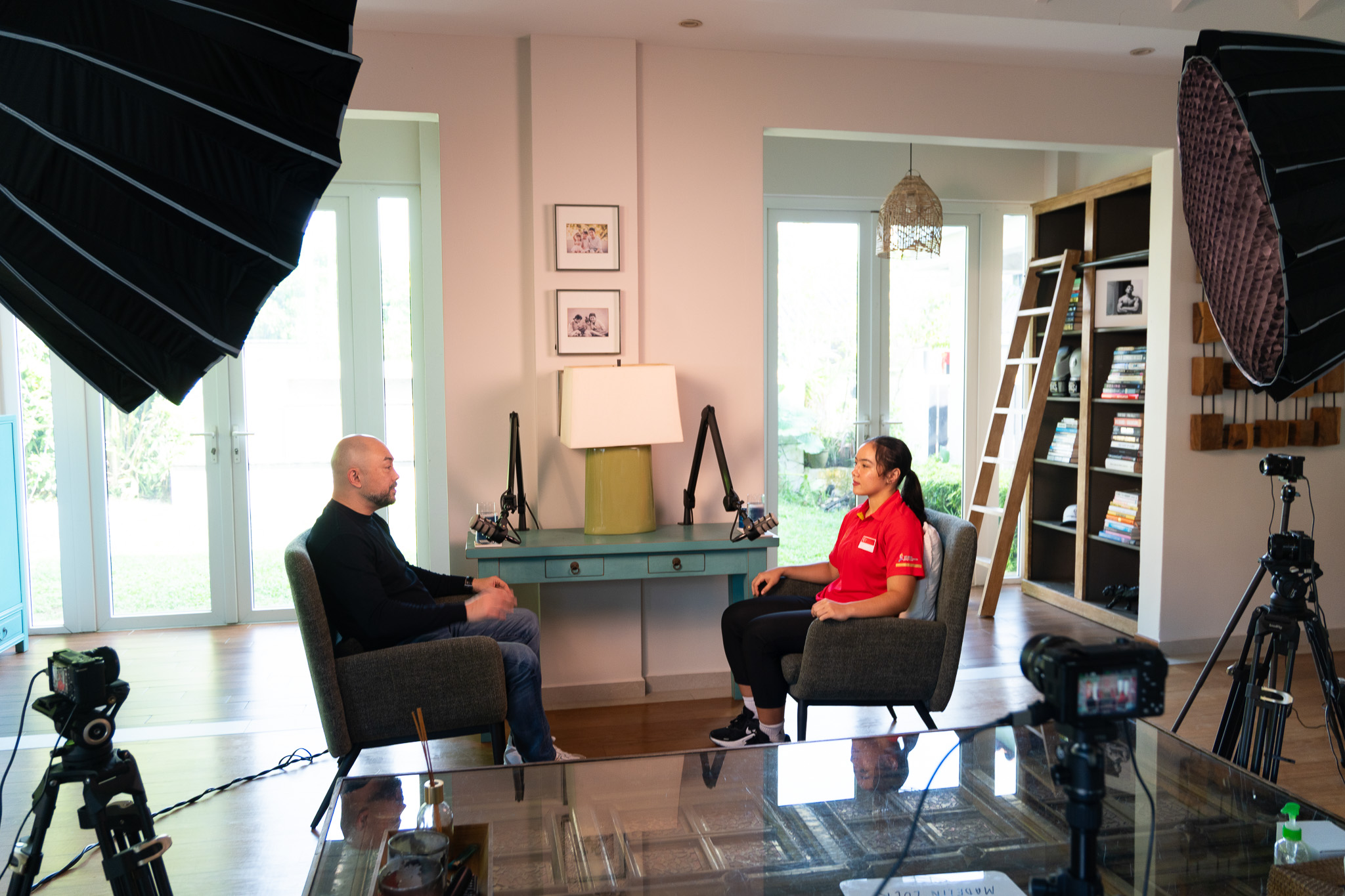
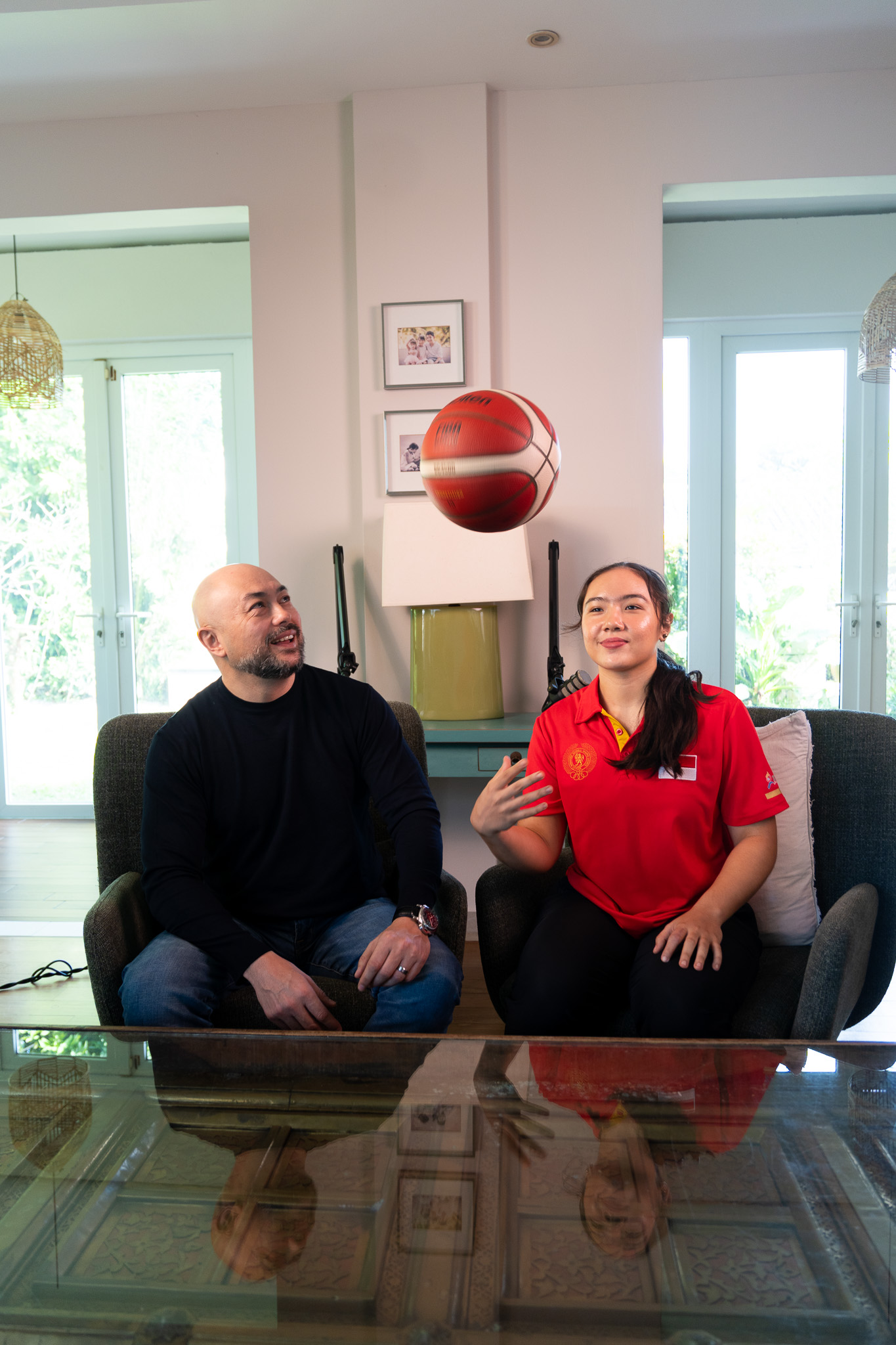
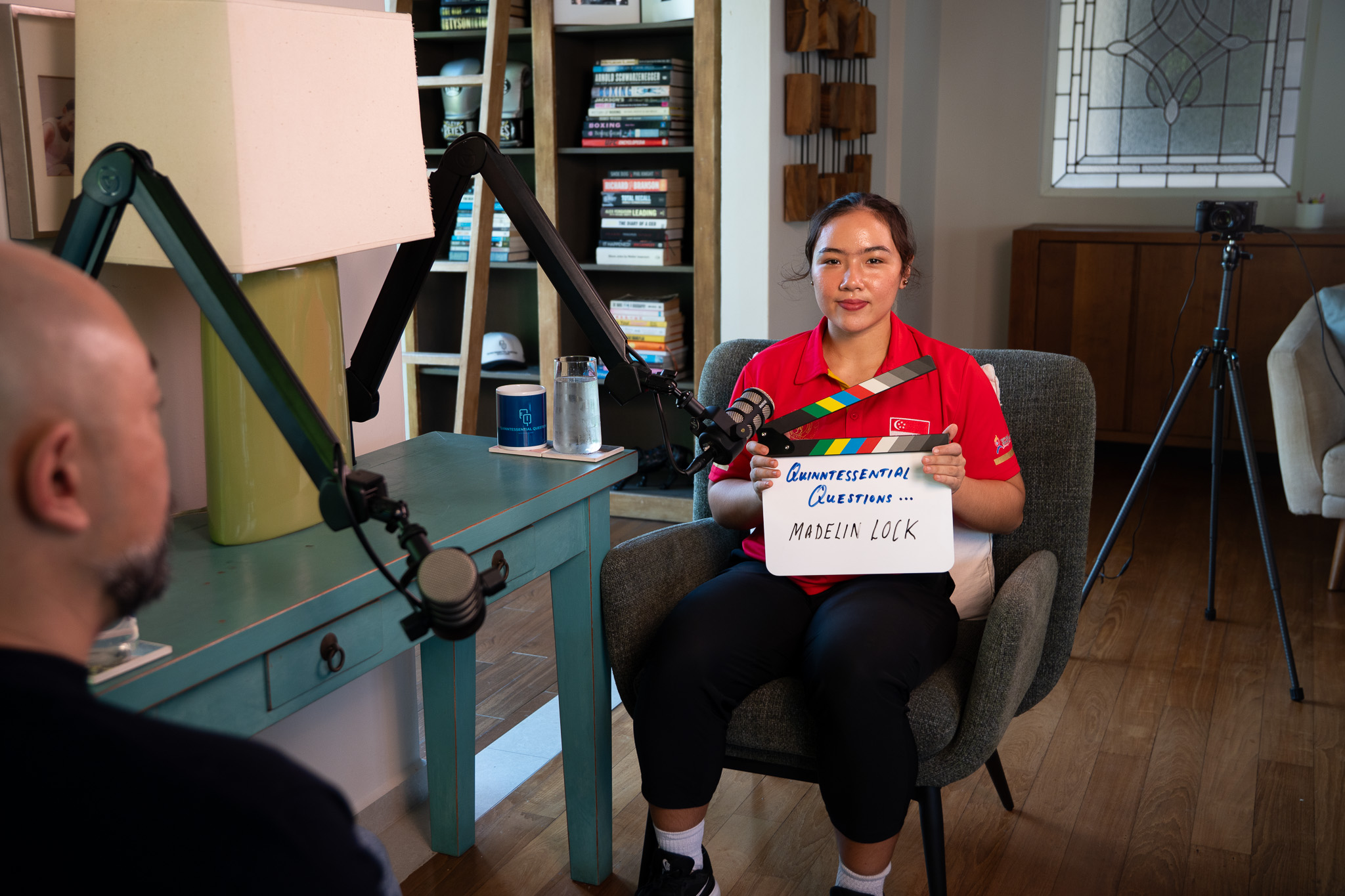
Behind the Scenes
No career journey is a straight line, and mine taught me
to ensure ambition strengthens lives rather than gambles with them.
Our Other Episodes
Lorem ipsum dolor sit amet consectetur. Sed morbi adipiscing ultrices in vel placerat.
Building an AI Company Inside a Search Firm with Roger Olofsson #103
In this episode of The Quinntessential Questions Podcast, Paul Quinn sits down with Roger Olofsson, CEO and co-founder of Olofsson & Company, the executive search firm hiring for startups, AI, tech and fast-growth companies. From a childhood in Luleå, near the Arctic Circle, to landing in Singapore in 1996 as an exchange student with a backpack and a suitcase, Roger shares his transformation journey through almost three decades of recruitment in Asia, and the moment he finally backed himself to build his own firm.
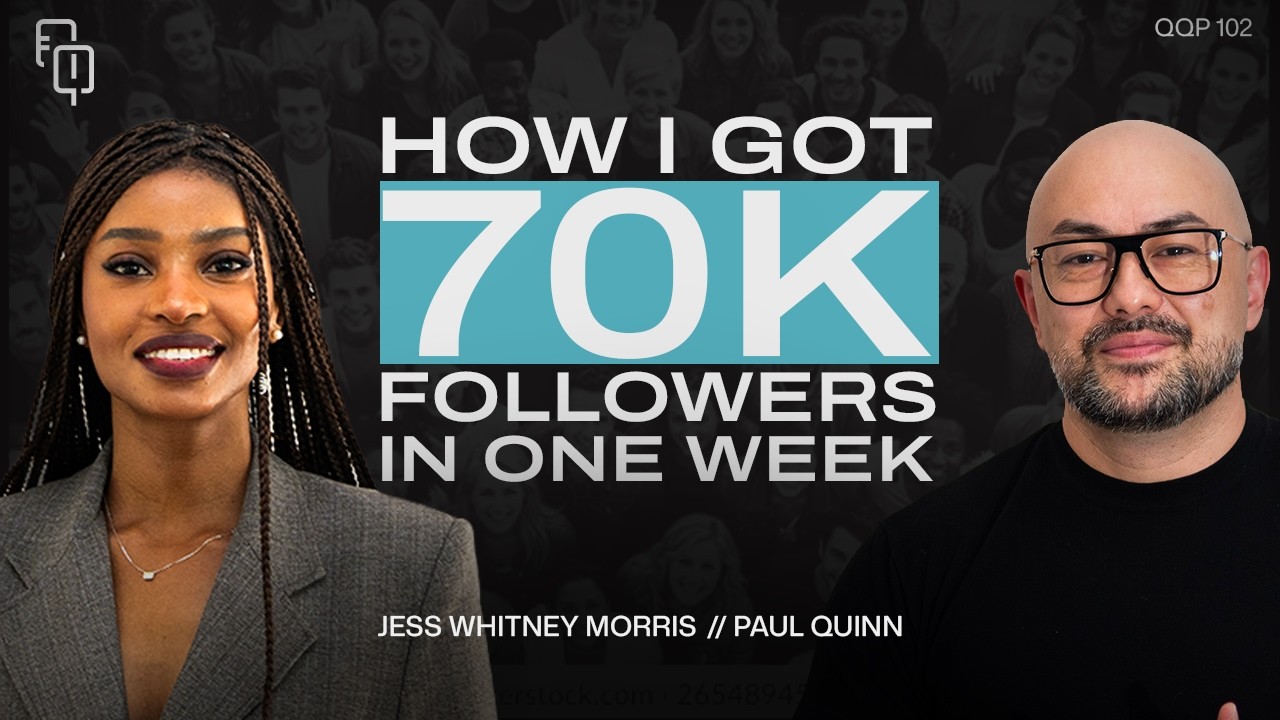
One Video, 70K Followers: Jess Whitney Morris's Breakthrough | #102
In this episode of The Quinntessential Questions Podcast, Paul Quinn sits down with Jess Whitney Morris, model, social media management company founder, and media presenter. From growing up in poverty in Uganda and working-class England to working her way through Abercrombie, Hollister, and a self-funded university degree, Jess shares her transformation journey and the moment her father tore up her first modelling contract in half.
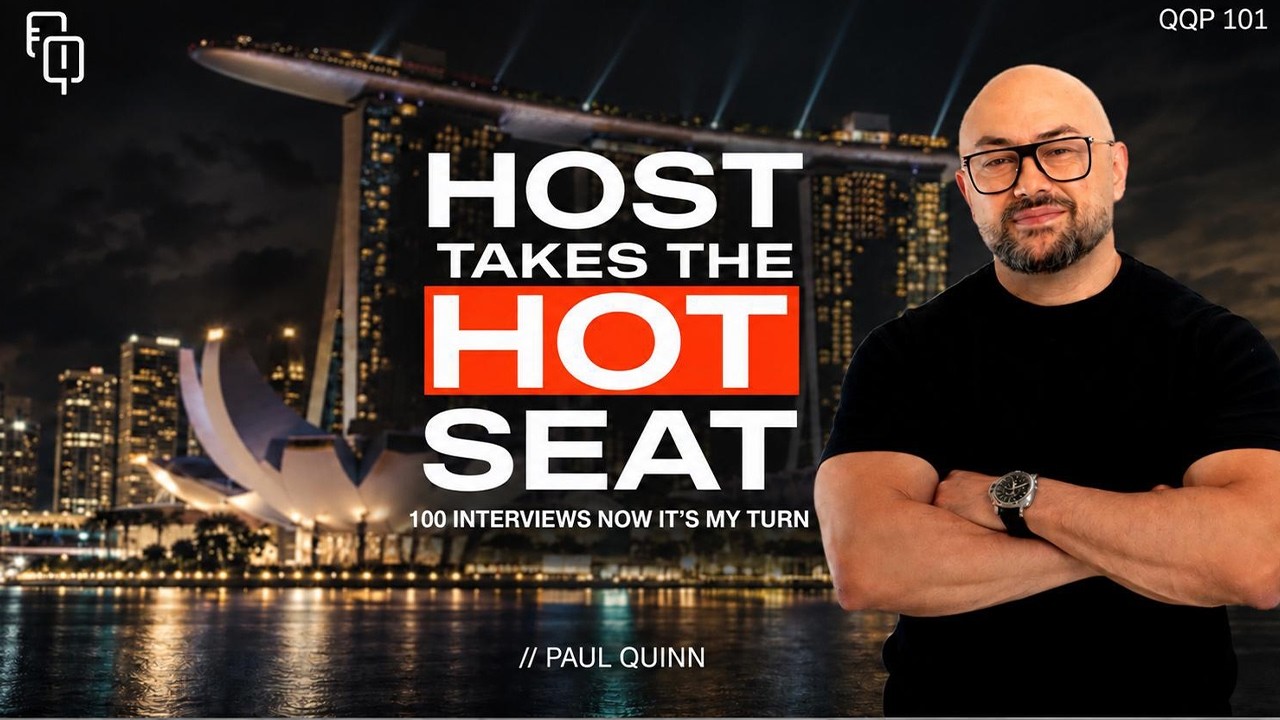
I Interviewed 100 Extraordinary People. Here’s What I Learned | Paul Quinn
In this episode of The Quinntessential Questions Podcast, the host takes the hot seat. After 100 episodes in the interviewer's chair, Paul Quinn, who runs Westport Executive Search and founded Quinntessential Coaching, answers questions sent in by guests, friends, family and listeners. From hitting a career plateau to building a podcast that now welcomes Olympians, world champions and global CEOs, Paul shares his transformation journey and the moment he decided to put a spotlight on helping people.