
Born With Cerebral Palsy, He Defied Every Doubter | Oscar Oruche #98

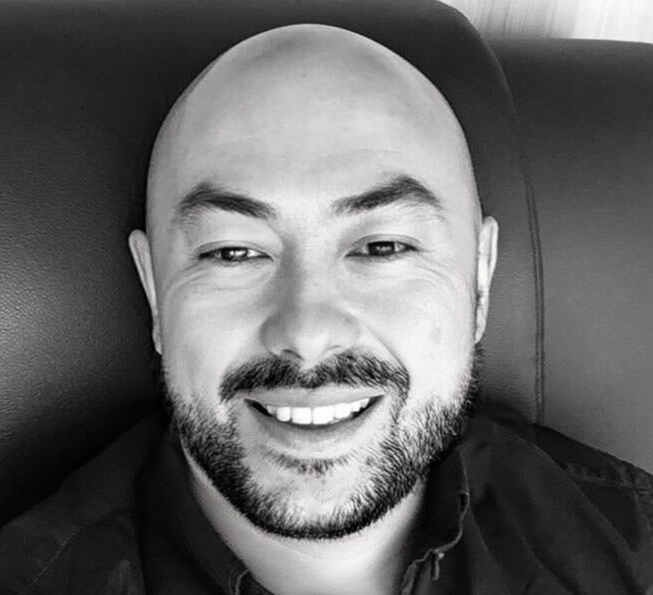
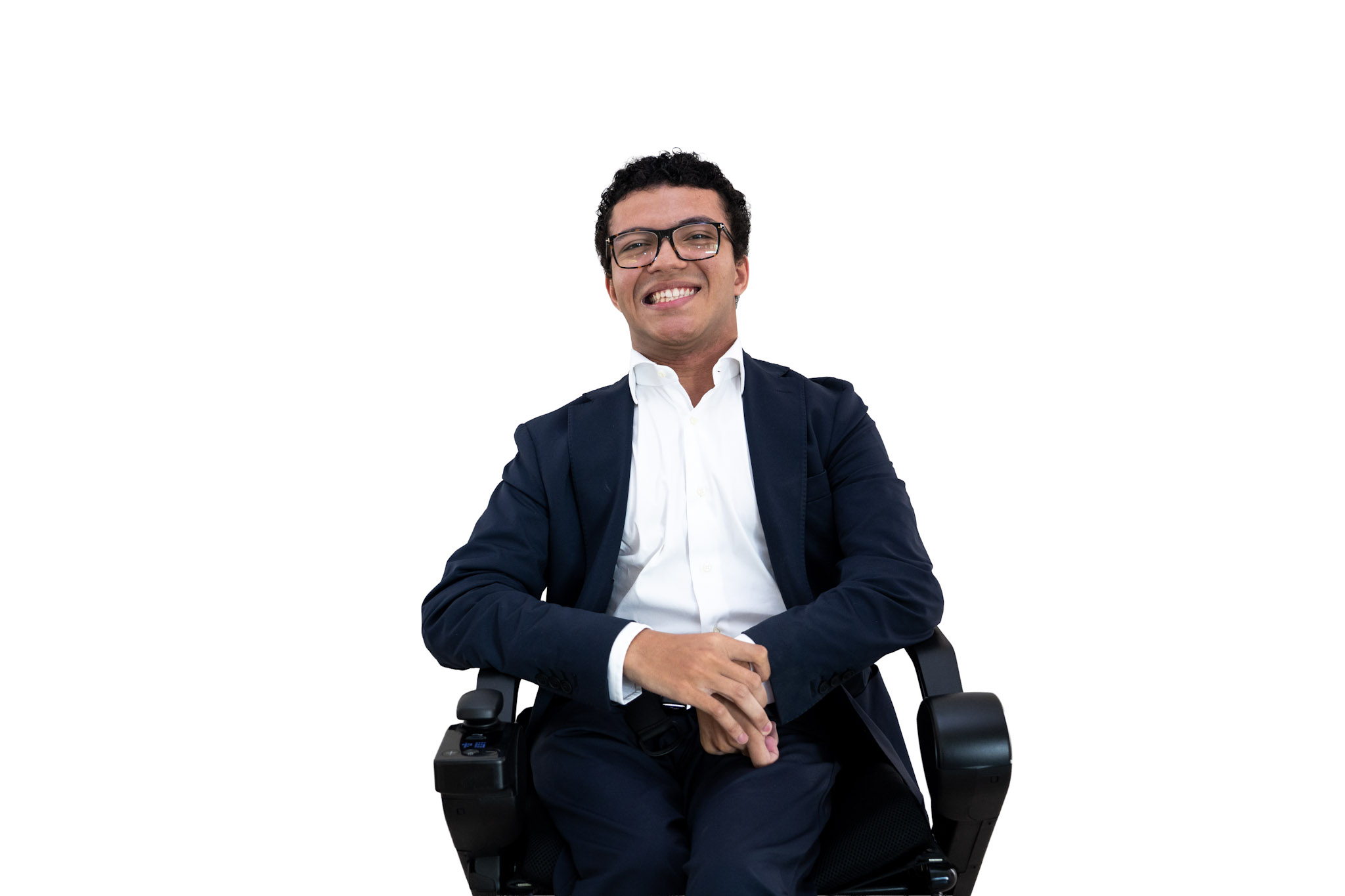
In this episode of The Quinntessential Questions Podcast, Paul Quinn sits down with Oscar Oruche, an undergraduate at the University of Manchester reading East Asian Studies and a member of the Royal Historical Society of the UK. From being told by doubters that he'd never get an interview at Oxford to earning a place at Manchester and a seat at the Royal Historical Society, Oscar shares his journey of transformation and the pact he made with himself at 11 years old to pursue academia above all else.
He discusses growing up between Singapore and the UK, the biggest misconceptions people hold about life in a wheelchair, and why disseminating knowledge excites him most about a future in academia. Oscar also opens up about being born with cerebral palsy and shares powerful stories about defying expectations, including becoming a certified level one world rugby coach and coaching for five years despite people's doubts.
Whether you're navigating your own doubters, building a multicultural identity, or figuring out how to turn a childhood pact into a life's purpose, this conversation offers hard-won wisdom on resilience, self-belief, and never letting a diagnosis define your ceiling.
TIMESTAMPS:
(00:00) Introduction
(02:02) Meet Oscar: Manchester, East Asian Studies & the Royal Historical Society
(04:36) Born With Cerebral Palsy: Oscar's Origin Story
(08:12) The Pact at 11: Choosing Academia Above All
(11:24) Doubted at Oxford
(14:07) A Word From Quinntessential Coaching
(14:21) Growing Up Between Singapore and the UK
(16:57) The Biggest Misconception About Being in a Wheelchair
(17:49) Studying vs. Learning: Finding Real Purpose
(22:11) Travel Stories: Europe, New York & Beyond
(26:47) Introvert or Extrovert? The Myers-Briggs Debate
(28:21) The Mandarin Journey: Chasing Fluency
(51:38) Why Oscar Wants to Pursue a PhD
(52:34) A Word From Quinntessential Coaching
(52:48) Rapid Fire: Dinner With Three Historical Figures
(57:29) Book Recommendations: Orientalism & More
(1:01:15) The Quote Oscar Lives By & Productivity Hacks
(1:05:33) The Wheelchair Rugby Coach Nobody Expected
(1:15:04) Family, Legacy & Final Reflections
Bio
Oscar Oruche is an undergraduate at the University of Manchester reading East Asian Studies, with research interests in contemporary Chinese politics, culture, and history. Born in Tokyo and raised in Singapore, Oscar was elected a member of the Royal Historical Society of the UK in May 2026, and describes himself as "an academic in training" aspiring towards a career in public policy or academia. His near two-decade study of Mandarin, supplemented by intermediate Spanish, reflects the multicultural upbringing that has shaped his worldview and his belief that adaptability and relationship-building are the foundation of success.
Living with cerebral palsy since birth, Oscar has made a point of not letting assumptions about his ability define what he pursues. He is a certified Level One World Rugby coach, having spent five years coaching at the Singapore Cricket Club — work he took up as the next best thing to playing the sport himself. He credits his parents for instilling values of integrity, accountability, and resilience, alongside the steady support of his longtime caregiver, whom he calls family.
Outside academia, Oscar is an avid traveler and networker, having built connections across Europe and the US, and a devoted Manchester United supporter. He is guided by a simple philosophy: "If you aspire to be the best, good things are bound to happen" — not in the sense of being first, but of consistently becoming the best version of yourself. Looking ahead, Oscar hopes to be remembered as a force for good, whether through public service, academia, or wherever his pursuit of knowledge takes him next.
Transcript
I'm currently an undergraduate at the University of Manchester reading East Asian studies. Um, aside from that, I'm also a member of the Royal Historical Society of the UK. The biggest misconception is that I have some mental problem because I'm in a wheelchair or, you know, that I can't do certain things for myself. I am a certified level one world rugby coach. >> Yeah. >> They have this misconception that somebody in a wheelchair cannot help to coach rugby. Yeah. Now that is not true and I have defied the odds by doing that for um 5 years. Obviously I've had cereable pausy since birth. I have not let it stop me doing anything that I've wanted to do. I I hope people will think and know that I've been a force for a greater good. [music] >> Good afternoon, Oscar. How are you? >> I'm good, thanks. And thank you for this opportunity. It's an absolute pleasure. >> Well, listen, we've been friends for many years. And I've been to your house many times. You've been to my house, but we never would have thought it would be in this setting a few years ago, right? >> Yes. I I I never thought that I would come on your podcast and I would have the privilege to join you uh for this opportunity, but I thank you very much uh for this and I'm really looking forward to it. >> Likewise. Well, look, I just want you to know I haven't worn a suit on the podcast for a long time. So, I'm dawning this suit to try to mirror you, but I got to say I look, you know, nothing compared. You look like a dawn today. I love the suit. >> Well, you look good, too. sir. >> Oh, thank you, brother. >> So, for the audience members that may not know you, can I trouble you to give a little bit of an introduction before we unpack your amazing journey thus far? >> Of course. So, I'm currently an undergraduate at the University of Manchester reading East Asian studies. Um, aside from that, I'm also a member of the Royal Historical Society of the UK, um, which I was duly elected for as a member in May of 2000, uh, 2026, so only very recently. Um, but that society has given me a lot of opportunity to network uh, with um, academics and particularly very seasoned ones. So um if somebody wasn't to look at my CV, I would say that I am an academic in training um that aspires to work in public policy and or academia. Um and my research interests lie in uh contemporary uh Chinese politics, culture and history. Uh so that's that's me in a nutshell. Uh uh from a academic uh standpoint. Outside of academia, I'm a qualified uh level one world rugby coach and uh when I lived in Singapore uh which uh was prior to my university experiences, I um helped to uh volunteer with the video analysis from 2019 all the way to March of 2024. Wow, that's amazing. So Oscar, one of the things I wanted to just go back is Yeah. >> You were born where? >> I was born in in Tokyo, Japan of all places. And [laughter] so it's it's really given me a a a different outlook on on life being a multicultural kid as they call it in Singapore. Um but sort of I have unintentionally sort of uh used um or sort of I would say come to grips with with my roots uh starting in Japan and I've I've sort of come to develop their uh values of sort of responsibility and respect and accountability um in all forms. >> You know the the amazing thing about you is you're so optimistic but what I want to do if you don't mind I want to go back and talk a little bit about what happened when you were born of course and cereal pausy and I want you to go back and share with us know what were your earliest memories of all the challenges that you faced >> please. So um cerebal obviously I've had cerebal pausy since birth. Um so it is secondary to PVL which is meaning that the right hemisphere of my brain is affected uh because of a lack of oxygen within the womb. Um so that in itself has caused uh me to have uh cerebal pausy as a secondary effect. Um but I don't allow cereal pausy to to stop me from doing what I want to do to stop me from being able to be the best person that I can in all uh ways shapes and forms. Um so and some of the challenges that I've faced um are that uh people sometimes look at me in a wheelchair and think oh well can he speak or can he not speak and sometimes they'll ask uh my parents you know what I want to eat at a restaurant for instance. >> Wow. Uh there was one instance uh where I was on a flight and uh the chief steward came to me with a with a teddy bear of of all things. >> Wow. >> And you know I just laughed it off because I'm that sort of person that just you know takes the humorous side to these sort of things. But, you know, dad was suitably offended uh by by that. Uh which I understand, but I just told him, you know, it's fine. They just had to judge in the moment, which is what they did. >> Yeah. >> And uh she gave me this uh teddy bear and I just at first I took it uh because I was I just wanted to be respectful and not make it a big deal. But uh dad said, "Oh, you shouldn't have done that." But I like it's fine. It doesn't mean anything. >> Yeah. >> But but then dad asked um her to uh to come back over and said, "Oh, uh you know, my son doesn't doesn't need that." Uh and oh um he he's been interviewed at at Oxford and he could speak Chinese. Um, and I know that dad had the best intention >> of course >> by doing that, but I I I said there's no need to do that. Uh, but I totally understand why he did. And I guess the other thing that I've experienced uh challenges with is just the fact that because I can't get around um I I've sort of had to decide okay what do I want to prioritize? >> Yes. >> Do I want to pri prioritize the social life aspect or do I want to prioritize academia? And um at 11 years old, I made a pact to myself saying at all costs, I'm going to focus on academia because uh academia is uh is what will allow me to use my greatest asset. >> Yes. >> Which is the brain. And once you have knowledge, nobody can take that knowledge away from you. The only person that has a say in what you learn and what you don't learn is you and as a byproduct the uh community you surround yourself with. Uh people always say you are only as good as the people that you surround yourself with. >> Yeah. So that's the key is is at the center is is academia and then I have a few very very close friends that are in my inner circle that I talk to a lot and then the other people are just the other people. Um [laughter] >> well you know you know I I want to unpack your mom and dad and the values that they brought with you because >> you know your father and I are very good friends and years ago um I said you want to go for a drink was on a Friday evening. He goes no I want I'm spending the evening with Oscar and then I I said well you going to invite me around for some pizza or what? And then it became a regular thing you know for for many many years. But share with the audience the values that they instilled in you because for me your positivity your integrity you know it in part comes from your parents of course. >> Yes of course I I think um you've hit the nail on the head there. Um, one thing that uh that dad has done a very good um job at is actually saying to us that integrity isn't a choice, it's a must. And so I um have sort of taken that on board and I try and act with integrity um behave with integrity as much as possible. And the second thing is it comes hand in hand with integrity. It's accountability >> as well because if you're if you're accountable for things then you are practicing integrity. If if you are not accountable then you are not practicing integrity. It is as simple as that. And uh as a byproduct to all of that it's resilience. >> Mhm. And as dad always says, never take no for an answer, which which is very very true. Um [snorts] I don't disagree with him at all um in that respect. It's it's very true because I um have come across people who have said to me, "Oh, you're probably not going to get an interview at Oxford. uh to to read uh Chinese studies. >> Who were the were these people that you you knew or >> Yes. Yes. There were people that that I knew that were uh fairly fairly close to me as well. But but it's fine. It's just like I do what I do and then if I if I get in for an interview, great. If I don't, I don't. But the thing is I I've always had a healthy dose of confidence in my ability. So So from that perspective, I've never sort of doubted myself. Of course, you have to put in the work. Uh and then because there's the concentric circles, what you can control, what you can influence, and what you just can't control. And only two of those two of those three circles is what you need to worry about. What you can influence and what you can control. What you can influence and what you can control is in some respects over overlapped but in other respects it won't overlap. So it really depends on on what the situation is. For example, if if I say, "Oh, I I I want to, you know, possibly do a PhD." what I can control is that I develop my research interest which I've already discussed and then I I look at that and I say okay based on my research interest where can I add new knowledge because as you will know through Tara it is pivotal that if you want to succeed as academ mic, you need a niche and the niche needs to be a real niche, not a quasi niche, a real one. >> Yeah. >> Um, so I I think once you develop that niche, then you can say, okay, within my niche, where do I really want to focus on? Because as you will know, uh, writing research papers that get published in journals, it will take years. It will take 3 to 5 maybe if you're doing extensive research it will take 8 years. >> Yeah. >> 30 years inside the rooms where careers are made. We've built an intelligence platform that's yours. Real frameworks. No theory. Quintessential coaching. Your career starts now. One of the things I find fascinating about you is because you've lived in different countries. You grew up between Singapore and obviously going back to the UK, your ability to adapt to different cultures is is really I think what sets you in greatstead, right? Wherever you go, you're going to be well adjusted. But what have you found out growing up in Singapore uh that you you brought with you when you went to the UK for university? Yeah, I think I think there is a lot. I think the first thing is that growing up in a sort of um I know Singapore is very multicultural uh but growing up in a majority sort of Chinese centric society. Yes. It it sort of instills those um values that I talked about before which is accountability and uh taking responsibility for your own actions and also uh respect. Now that is something that is not totally unique to Singapore but very unique to Asian uh culture. In the UK, some people are very sort of, you know, very fixed in their ways. >> Yeah. >> They think, "Oh, this is my way. This is what I want to do. Uh, so we must do it this way or or you know, things won't work out." Now that's not the way life works. And this brings me on to the next sub point is growing up in these different cultures. It sort of teaches you that you need to be adaptable. Adaptability is not a choice. It's a musthave because whether you're in the workplace or whether you're dealing with your loved ones or those that are more personal to you, you need to be adaptable because it's not all the time that one will will just agree with you or that somebody will just say, "Ah, let's do that." Being adaptable is is a mustave. >> Well, on on that note, what's the biggest misconception that people have about you when they first meet you? >> Well, the biggest misconception is that I have some mental problem because I'm in a wheelchair or you know that I can't do certain things for myself because I'm in a wheelchair. Yes, I need assistance. Yes, I need help. But I have my parents alongside a a very wonderful uh woman by the name of Arin Civilia who has taken care of me for uh the best part of uh two decades now. >> What an amazing woman. >> Yes, she is uh truly very special and uh and I she holds a very special place in my heart. I'm curious when did you realize that you didn't just enjoy studying but you enjoyed learning? I I I think I realized that when I was about 11 or 12. >> Okay. Why those specific uh um that specific time frame is because when you are 11 or 12, you are you are really discovering your place in the world. What is it that I want to do with my life? Because you know when you're young the uh you think ah there's not worry in the world. Um, you know, I don't need to worry about anything. I I just play with my friends, have a good time. That's it. But it then comes down to how am I going to stake my claim in the world? >> That's powerful. So that so that one I can live life to the standard I want but two so that I can be a change maker because I don't want to be just merely a member of the population. I want to be somebody who is a change maker for good. Now, how do you do that? Well, you need to know your why. Once you know your purpose, you can succeed because you can start to draw out a road map, whether it be physically or mentally. Draw out this this road map and say, "Okay, I need to do this, this, this, and this." And once you clearly have uh an idea of what you want to do, life becomes more manageable instead of being this mammoth task that people think, "Oh, I don't know what to do with myself." >> Yeah. >> Once you have that why, you certainly do know what to do with yourself. Even if you have self-doubt, >> you and I talked about this years ago and we were having, it was late one night. I was having a cigar and it was a revelation in the way that you shared it and you explained it. >> Um, really interested to know when you initially had chats with your parents in your teenage years and going into university, >> what were they saying to you in terms of what you need to do to equip yourself with what's ahead? Because going off to university for the first time away from the fold, I it was got to be exciting but daunting. >> Oh yes, certainly. Um it's I I I was very excited but then again you're like oh you know I need to do all these things myself now i.e. uh organize video um make sure that everything is in order make sure that you pay your bills on time you know and all those things that come with adult life. >> Yeah. Um but that's why I think that you know going to university is certainly very a very daunting task. Um but it's it's a task that needs to be done especially in today's world where everything is so competitive. If you don't know how to look after yourself >> Yeah. >> you're well and truly screwed. >> It's game over. Because because let me be truly honest. Nobody really cares about you except you except yourself and the people closest to you. So you need to decide that this is what I want to do. This is how I'm going to do it. And do not let anybody stop you in your tracks because once you do that, you're submitting to to the rest of the world and people will come and eat you up for breakfast. It it that's just the bottom line. >> Well, the thing about you is, you know, we talked a lot about traveling, exploring the world, and what made me so happy and proud of you was next thing I see you were off to New York on your own. you know, tell us about some of the trips that you've done. >> Oh, >> since going to university. >> So, since going to university, I have obviously traveled in uh Europe, um which is fairly easy on the on the train. Um I've gone to Scotland. I've gone to London a couple of times, including for a couple of Royal Historical Society uh meetings and and and networking events. Uh but then I've also done the more exciting things which is going to New York and uh seeing these um Empire State Building um meeting with my my my connections um in in the business field um which is always very nice uh because I I believe that uh relationships are gold. Now why do I say that? Because if you have good relationships and they're cultivated well, you set yourself up for for success. And success will inevitably look uh very different for um different individuals because you know that's what makes us interesting as a species is that everybody is different. We have 23 base pairs. We all have that. But the genetic code is very very different because of the way science works and um the the the different traits that people get from their parents. That's what makes it it that's what makes it very very interesting is is the uniqueness o of the world we lived in because because if the world wasn't unique then then it would be very boring. Another thing that I've I've done is also go to Madrid. >> Yes. >> Um and Madrid is a very special place. I must say that. Why? because it is a cultural melting pot. >> Like you go to Las Ventas uh in in Madrid, which is where the Plaza Dodorus is. Uh the the bull fighting ring. That place is amazing. It is mindboggling in terms of its sheer size. It is just crazy. >> Tremendous. I I mean um and and then you know you just uh talk to a couple of people and thankfully um I I have a very good friend of mine and he's a family friend as well. It's called uh Diego Perila. Uh and he he um actually works for um Quadriga Asset Manage Management um and uh is also a visiting professor at uh a university uh um in in in London at Imperial College London. And uh so you know I met up with him and we both went there and we said oh why don't we go and have a look at the the the sorting ordeal that happened the morning before a bull fight and sure enough you'd just talk to a couple of people you know and thankfully my my Spanish isn't too shabby [laughter] either um because I I've also in in conjunction with Chinese I have Spanish ability up to intermediate level and I'm about to start the upper intermediate course in my final uh year of study at Manchester. Um so I just talked to a few people and uh then I just said look I come here from all the way from the UK I really want to see this and and then they say ah we see what we can do you know so you just be you always put yourself out there you're very proactive um are you are you an introvert or an extrovert >> that's a that's an interesting uh question because I don't I don't know if You've heard of the MyersBriggs test >> of course. >> Um and I took this MyersBriggs test and I am in fact the rarest combination of letters INFJ >> which is tell tell the audience. >> So INFJ is you [screaming] are you are an intro you are an introvert at heart. >> Yes. Now this uh this was um quite mindboggling for for a dad because that doesn't serve me as a as an introvert because I you know I challenge him, I speak with him, I advise him, he advises me, he challenges me. So it's a two-way thing. So he was like, "Oh, why did you call out INFJ?" Well, I think the answer is pretty simple because I choose the people I want to be around with. >> Uh, and I choose the people I want to be surrounded by. And I am not a big fan of going to huge uh parties and having to host and all of those things. [snorts] But that's not to say that I don't like going out and having a good time. I love it. But it's with selected people >> as it as it should be. You know, I'm exactly the same as you. Now what was the beginning of your love affair with Mandarin and Chinese as a culture? >> Okay, so that started uh properly uh 19 years ago. So roughly when I was about 2 years old. Um and uh that's you know has has been that way ever since. >> Why? >> What sparked it? Um well I um obviously went to Eaton House uh International School uh here when I when I uh was in kindergarten and uh they have you know bilingual uh lessons which means there's an English- speakaking person and then there's a Chinese speaking person in in the same room at any one time and so that forces you to be a to speak with the Chinese uh you know person in their native tongue. >> Yes. >> And I think I think that's a very valuable thing because if it wasn't for that I wouldn't have the a love of the Chinese language that I do because you are forced to uh to speak Chinese every day. >> Yeah. Even if it's just uh which what I just said is hello, my name is Oscar in in Chinese. Even if you just say that, that's fine. >> That will take you somewhere. >> Yes, it is. >> But you know what I learned when I first moved here the first day? [laughter] >> That's that's hilarious. I love that. Um but what what did learning Mandarin teach you about patience? Oh, Mandarin is one of the things where you need a heck of a lot of patience. >> It's the is it meant to be one of the hardest if not the hardest language? >> It is regarded as the hardest language in in the world. >> Yeah. >> And uh I I am inclined to agree with that. It is very very difficult. It took me uh so I'm about to go into my 20th year of study of the language. It's taken me the best part of 10 years uh to uh uh you know reach escape velocity but even then you need to speak it every day. You need to listen to CCTV or to local news. You need to read the which is actually Singapore's biggest. >> How do you do this though? So do you do you do you want to have a Chinese girlfriend for learning Chinese and a Spanish girlfriend for learning Spanish? [laughter] >> That's that's a that's a funny way of putting it. I I love that. But but you do need to have uh people that you're close to that you can speak um with every day. I'm I'm curious because because No, >> because Mandarin is such a an integral part of what you do. Do you sometimes think in Mandarin in certain in certain subjects? >> Um >> or topics? >> I I do. I do. >> Which ones? >> Uh I I when I'm making big life choices sometime I will just uh instinctively think in Chinese. >> Really? And what about philosophically? Because >> philosophically I I also do um because of people of you know Confucious being such a a massive philosophical figure. >> Yes. [snorts] >> And um obviously there is a debate as to whether Confucianism is actually a religion or or whether it is uh simply a way of life. which uh >> what do you think >> and I think I think that Confucianism is not a religion uh per se. It is a way of life because it is it is in it is sort of entrenched in uh Chinese culture. It is entrenched in the way people behave. you know this concept of which is filop piety if if you think about all the uh Chinese people that you've seen around Singapore or you know of the chances are they are they practice which is filopiety because you know that's what's expected of them. >> Yeah. >> It's part of their culture. So you need to be good to your parents. You need to respect your elders. You then need to um work as hard as you can >> for the greater good of uh the society that matter. >> I love that. Those those core values. What do you think is misunderstood about Chinese culture typically by westerners? I I I think that people think that uh Chinese people just focus too much on family. >> Um >> interesting. >> But uh I I would say that's that's the way it should be. >> You know, you're you're of mixed heritage. Um well, your dad is as well, right? And I am and my kids really are. But what I love about that is that you just have a melting pot. I remember I you probably remember this. I was at your house. It was Christmas day and your granddad was there. >> Yes. Yes. >> And I told him that my mom had just passed away and he wanted to say a prayer and we were holding hands and not I'm not religious but do you remember I started crying and I I [laughter] couldn't stop crying for about 10 minutes and um but you were very sweet and I and I just realized in that moment wasn't it wonderful cuz sat around this table there was a collection. It was just it was just but it's a collection of people from all around the world in terms of heritage and I think that's what makes you so unique. Um what do you really think about in terms of modern China? Um if someone wants to understand because China is evolving so rapidly. >> Yes. Yes. >> What do you think that you want to share with people about modern China today? >> Yep. Um so the book that I recommend for everybody to read as a starting point to understanding uh China and its ethnic classification project is Thomas Melan's book uh titled coming to terms uh with a nation that was first published in 2010 which talks about the ethnic classification project uh of 1954 before in China. >> Yeah. >> And um it's very interesting because it shows how even within China >> Yeah. >> even though people like Changai who believe who believed that there was only one which is only sort of one ethnically Chinese group. There is actually if you look at this census response there is more than 400 responses to this census and over half of these responses they come from Reinan pro uh province um fascinating in in in China. It sort of shows that China's population is not something that's very easy. It's a huge country. Think about it. >> To understand. >> Yeah. The diversity of it. >> It's very diverse. >> Yeah. >> Um and then it it comes it it comes to this question of how [snorts] do we govern such a place? Well, in the Ming andQing dynasties, there was this thing called the Tus system, which is the chieftdom uh system. So these chiefs uh were given the task of sort of just um managing their own local communities but then also having to report uh various different administrative businesses uh uh business uh to the central government. But the central government made a point of not really getting involved with with local uh system of governance just because they they had too many other things to deal with. And then it comes down to okay here's where it becomes a bit mindbending. Why did people decide to live in the mountainous regions >> um in Rihanna? [snorts] Well, uh as academics, we we believe that this was partially done on on purpose to to become um what James C. Scott argues uh as them wanting to be illegible. >> Interesting. >> Meaning meaning that they they don't want to be be known. They don't want to be governed. >> It's fascinating. >> Yes. >> Now I want to take a side step because you touched upon physio earlier. Have you ever had traditional Chinese medicine like acupuncture? >> I have. which which um modalities work best for you. >> I think there's always space for the traditional side. >> Um there's no two ways about that. There always space uh for for both. Um I think the special bit about traditional Chinese medicine is that um it uses a range of different uh tools. >> Yeah. uh and methods of doing things. So like um they they use electrical stimulation >> um as well as acupuncture as well in in TCM and dry needling I think. Um dry needling especially >> does really have a a good place. >> What what um are you still having to do physio a solid couple of times a week? Um I I do physio once a week. >> Okay. >> Um um because I'm very very busy with uh with university and uh the university has done a very good job of making me even uh more uh busy with uh with all the additional responsibilities that they've given me. >> But you love it. >> But I I I love it. I really do. Um and uh but you know physio is just a a part of my life and so >> it always will be. >> Let's talk about when you got accepted into Manchester, how did you decide to focus on East Asian studies as a major? >> Okay. Why did I decide East Asian studies? Well, I decided about East Asian studies because because China is one of the biggest world powers and in order to understand the way the world works, you need to first understand who are the key actors. >> Yeah. Once you understand one of the biggest actors in the world, then everything starts becoming easier to understand. And the thing is um you still need to understand key things about China. So you still need to understand Deniaing is the is the sort of I like to call him the architect of uh the Chinese economy. Why do I call him that? because he is most famous for which is the reform and opening up period in the late 770s um and lasted through the 80s and slightly beyond. And once you understand that and the fact that his for modernization campaign which is um making sure that he had control over the way agriculture was done, science, technology um um and also uh defense and the education system. Once you have control of of those aspects of society, >> yeah, >> then you can control the the way the way things, you know, run. >> Which I know I'm putting you on the spot, but which lecture thus far has really been most transformative in your life thus far at university? I really think the lectures that I've heard on China's economy um are the most interesting ones because if you don't understand the um sort of the way that the Chinese economy was sort set out by those that came before the current um uh president in Pyang. You just won't understand the way the way China works today and you can understand why they're a formidable force now >> for sure >> because of that as well. >> How do you balance the rigors of academia without burning out? because I've seen it with my wife. It's all consuming, right? >> Oh, yes. Oh, yes. [laughter] Um and uh you basically drown in your own sorrows as well. >> Yeah. >> Um >> do you find yourself drifting off to space in your mind? Because I'll be my wife's been like this for years where I'm talking to her or and she she's hearing what I'm saying, but I can tell her mind's gone somewhere else. She's thinking about what she's writing, what thesis, whatever. Right. >> Yeah. No, it just it just works like that. And half of the time I'm like speaking with dad or dad speaking with me and I'm just end up talking to him about China some somehow. But you know how I balance it is, you know, on the weekends when I'm in Manchester, I'll go and watch um the um Manchester United I've seen you. You've you've seen some games, man. No, >> I wish I was there with you. >> I've really enjoyed it. It's it's a really special experience. >> Great great environment, right? >> Yes. Being at in in that environment is brilliant. And especially when you see high performance athletes >> at their optimum, >> very special. When when you think about when you've studied world history, which I know is a fascination of yours, do you become more optimistic or cynical about the future? I would like to say that I come more optimistic but if you look at the current world order >> uh I would say I you know become slightly cynical about uh what's h happening at the moment because if if you look at if you look at things like you know the current geopolitical situation within the Middle East >> Yeah. Um there's a clear reason as to why why things are happening the way they are. Yes. >> Uh but people haven't learned from history >> and that's the problem >> and it's so it's so important right in terms of the future. You look to the past you can determine a lot what's going to happen next. >> Yeah. I mean I would hesitate to say that you can determine but you can certainly predict um there is a slight difference between uh >> don't you find there are patterns though you can see things happening again >> yeah there are certain patterns yes and there is a correlation um but but this is why it I always say to people if you if you don't understand the past you will never understand the present. It's just the bottom line. And eh Car's book on what is history really does show you that you know history is not just a discipline. It is a way of thinking. It is a way of conceiving the world. >> When you look to the future, what kind of career really excites you? you think about, you know, when I'm when I've finished all this studying, what's going to get me excited on a Monday morning? >> I I think I think public policy. I I really do. Um I I think I will I will work for the foreign office or some sort of government related role. Um because you know, one I need to uh it comes back to being a change maker. >> Yeah. and being in government. Yes, there's politics, but there's politics everywhere. As long as you work for a highowered organization, >> Yeah. >> then there's politics everywhere. >> Listen, there's politics in my house with the kids, you know, trying to my my 11-year-old trying to manipulate me. >> Yes. Um, 5 years from now, what do you hope people will know about you? 5 years from now, I I hope people will think and know that I've been a force for a greater good. >> You're a remarkable young man. >> Well, you really are. >> I tried, but [laughter] >> you're doing a very good job of it thus far. You see, a lot of what you talk about, it's selfless. You talk, you know, you're always uh looking to improve. >> Yes. Um, and I think self-improvement is the only way of succeeding. >> Yeah. Because let's just bring it to the modern world, bring it to the present. Have a look at the AI revolution. Have a look at the blockchain revolution which in fact uh INSEAD has a bunch of very good courses on Corsera for and uh some of which I've done myself. And if you don't improve consistently, you just won't keep up with developments. Yeah. And if you don't keep up with developments, you ultimately will trail behind. And if you trail behind, you have no future because there's too many people that are going to be more hungry than you. There's too many people that will want to kick ass. >> Yeah. more than you >> 100%. Well, what what I think sets you up for life, I I noticed many years ago, which is this, and I I kind of related to it cuz I was similar. When there are adults around the table, you will engage, but you're taking it all in. You you've been, you know, you've always been listening to what everyone's saying. You've been engaged in very at the time cuz you you were a teenager, mature conversation. I think that's placed you in a very different position. What do you think? >> Well, I I certainly agree. Um I think that is a byproduct of of my situation as well because I I've had to sort of like I say, okay, I'll take a step back from from my sort of personal life and uh just worry about academia and you know growing as a person. But uh you know um post my degree and things I mean uh that will slightly shift. Um but I I I think that yes children should be pushed out their comfort zone and I I feel that um uh mom and dad have done a good job of that. uh specifically on my part. >> Yeah. >> Um >> they've challenged you, right? They've challenged me >> and now you challenge yourself >> and uh I I am incredibly uh you know blessed and proud uh for you know dad's achievements in in the the the uh finance world and also his you know very uh kind and selfless nature to introduce me to very interesting people that he believes will um you know will be good contacts for me but also will help uh help me in my career because you know there's no two ways about it. It's all about you rub my back I rub yours and that's the bottom line. >> Yeah. When when you think about let's just say if you were to go on to do a PhD >> Yeah. What excites you about that? >> What excites me about that is a oneline answer. And the oneline answer I will give you is disseminating knowledge onto other individuals. >> Oh man, that's powerful. >> That's it. >> Clean. disseminating knowledge because why I love academia and pro probably why Tara loves academia is because you learn every single day you impart knowledge on people you are a change maker in their life. >> Yes. and academia and or teaching are the only careers you can do that in bar you know being a a coach of some sort of career coach. >> Need help with LinkedIn optimization? Visibility decides your career. That's what we built. Quintessential career coaching. Check out our intelligence platform today. Let's uh some rapid fire questions. If you could have dinner with any three historical figures, dead or alive, who's having dinner with Oscar Arouch? Well, I would um I I would have dinner with Dang Xiaoing. >> I would have dinner with uh the one and only Barack Obama, >> of course. And I would have um I would also have dinner with this is not really a historical figure but I would have dinner with uh John Gray. >> Really interesting. >> Why? >> Yeah. >> Uh so all these three people have very different uh takes on on an outlook on life. Now um first start with Dang Shaoping. Dang Xiao Ping was in what I like to call the architect of the Chinese economy. He was the one who spearheaded the um um the sort of reform and opening up period. And it is just as simple as this. If it wasn't for the reform and opening up period, China wouldn't be where it is today. >> I It's only the economic powerhouse that it is today because of those reforms. I won't go into those reforms now because there are too many and uh that's not what this podcast is for. >> And then why why Mr. Obama? >> But why Mr. Obama is because he he always says um always think that yes we can yes we can love that >> that's that's his line powerful >> yes we can >> and why John Gray now you look you look at his um pedigree in the financial world you look at how how many people he's mentored at how many people he's you know seen get fired >> and then you think there's clearly something to learn from him. >> Yeah. >> As in how how has he survived all of this? Um and how has he survived all the all the company restructuring? Yeah, >> that is uh I would say sadly all happens all too often in the financial world. >> Brilliant answers. >> Let's turn to books, movies. Any book or movie that's had a really lasting impression on you? Well, uh I would say um I'll start with the movie first. Um the movie is Dead Poet Society. >> Ah, that was your dad's favorite movie. Yes. As well. >> Um >> when did you first watch it? How old were you? >> Um well, I watched it with him, funnily enough, when I was about maybe 11. >> It's an amazing movie. Robin Williams was it was very special. >> Very very very good. Yeah. >> Um and the the line that always sticks with me is gather rose while you may. >> Um which which really is is a very poignant line because >> dem because because you need you need to make the most of every opportunity you have. >> 100%. >> There's no choice. you need to, >> you know, and that's why when I asked you to do the podcast, what I love about the way that you reacted, it was yes, hell yes, because a lot of people [snorts] a little bit nervous and apprehensive and um you doubled down, you know, you were ready to rock and roll, you know, [laughter] and and book. Well, yeah. I I'm always ready to take a challenge. Yeah. And uh those that know me well and are close to me and are in my inner circle and my close friends, it's those uh you know, they all know. Um and I always tell them if you don't take a challenge, you will never succeed. >> Very true. You got to keep >> that's the bottom line. >> And then any books that have inspired you a book. >> Okay. So there's a couple one is orientalism is um a world without work is very interesting because it it predicts the the world um that is you know run by by sort of automated uh machines which which we are we are slowly going into. >> Yes. Um but uh but by by Daniel Suskin as well that's a a very very good book. And the third book is uh small actions. Uh 66 small actions. >> Brilliant. >> Uh so why do I why do I say these three books? Uh and also by the way this this book is um by Eric Sim. Eric Sim is a career coach. He uh used to be a managing director at uh UBS. >> Um although it hasn't been as it wasn't a smooth road for him getting into UBS because he came from very humble beginnings. Yeah. and also, you know, got uh got rejected from Princeton uh which um obviously made him have a chip on his shoulder. Yeah. But uh >> that that can fuel a person. >> Understandable. But but he's obviously very very successful now in what he what he does. Um and uh yeah, so why these three books again? Orientalism it is really really really very important because it shines a light on the sort of racist prejudices >> that people have about China >> and it's it's very real >> it's very real and the fact that people think oh the orient and that sort of the Orient if If you say that today, if you say that to any historian, they'll be like, "Oh, not the Orient, it's China." >> Yeah. >> Because the Orient has this ring to it. >> Yeah. >> It has all the political loadings that don't really place China in the light that needs to be placed in. Um and then you have um small uh 66 small actions. Now why is this such a good book? In my opinion, this is a brilliant book because it talks about the importance of being a combo specialist and having what Eric Sims terms as um having a portfolio career, >> meaning that you have you have your central career that your banking your lawyer, your professor, your whatever. And then you have your sort of side hustle. So you have your business, you have your um, you know, your shop, your whatever. And then you have your hobby, your your sort of everyday. Oh, I like to go out for food. Oh, I like to take photos. Oh, I like to go to the um you know cinema or you know that sort of thing. >> Yeah. One of my favorite quotes I live by is how I do anything is how I do everything you know which means allin. What's one of the quotes that you love to live by? >> Um this isn't a quote per se, but this is a way of life. If you aspire to be the best, good things are bound to happen. >> Um >> that's beautiful by the way, Oscar. And and why? Well, first let me let me caveat it. When I say be the best, I don't mean uh literally you have to be number one all the time. No, it's be your best. >> Yes, >> it's be the best version of yourself. >> Beautiful. >> Because that's how you succeed. Not by pleasing others, but by surpassing your expectations. You're a wise young man. >> That's it. >> You're a wise young man. Let's let's talk about productivity hacks. What productivity hacks do you live by? >> Okay, so um productivity hacks. Number one, you have to have a routine. And the routine needs to be stuck to >> Yeah. >> as far as possible. >> Discipline. >> Practice. discipline, routine, practice. That's number one. Because whether you talk about personal life or whether you talk about professional life, that discipline needs to be there. And then second productivity hack is open communication. >> Yeah, >> open communication with your stakeholders. Open communication with your uh nearest and dearest. So your close friend or your girlfriend or your wife or your husband or your partner. It needs to happen. Open communication is key. Third productivity hack. You're dropping some knowledge. ask [laughter] >> and and arguably the most important one in today's world is you have to know how to prompt AI properly. >> Yeah. >> And when I say properly, I mean properly because a lot of people say they know how to do it. >> Yeah. >> But they don't. And even I don't know how to do it properly. I don't think anybody really knows 100% how to >> and it's evolving. It's evolving daily. >> Yes, it's evolving daily. I mean, those that know the AI landscape in Singapore will know that uh N US has just um made it possible for every student and staff member to have access to chat GPT for education. >> Yeah. >> Why? Well, because Singapore wants to be at the forefront of AI in Asia, and I have no doubt that it will be. >> Yeah. >> Um, and uh, you just need to understand AI because it will make you more productive because, you know, AI isn't there to do things for you like write your essays. No, it's not there for that. It's there to to challenge you. It's there to challenge the way you think. It's there to give you different perspective now because as a human you can't have every perspective in your head. >> Of course not. >> You cannot. >> Yeah. So AI is there to serve as your uh sort of intellectual sparring partner as I like to call it. >> Well, I love that. Well, what what's one thing that uh people may be surprised to know about you? >> Uh one thing that people are very surprised about me is that I am a certified level one world rugby coach. >> Yeah. >> Why? because they think and again this is just the way society is. They have this misconception that somebody in a wheelchair cannot help to coach rugby. >> Yeah. >> Now that is not true and I have defied the odds by doing that for um 5 years. >> Amazing. for um this Singapore Cricket Club when when I lived here permanently and you know um I did it because I loved it um and I I did it because I've always wanted to play rugby but obviously for obvious reasons can't. So the next best thing is coaching. >> Beautiful. Give me a word that your friends would use to describe you and another word that your family would use to describe you. Okay. My friends would say that I'm committed. >> Amen. >> My family would say that I'm resilient. >> Yeah. >> Why would my friends say that I'm committed? Because I'm committed to fostering uh very very strong, healthy relationships with people. the closest friend of mine I've known for 10 years. >> Um, and she is a very close friend of mine because she she understands my situation. She genuinely cares about my situation. >> Yes. She she wants to see me do the best I can, but she will always she will also tell me, I think you should maybe think about doing things this way or you're not doing things the way I would do it. >> Yeah. >> And this is why. But you always need somebody in your life that does that because if you don't have that somebody, you won't improve. You won't grow. And why do my family say that I'm resilient? Because I have not let me being in a wheelchair, me having terrible pausy mean that I cannot do certain things. I have not let it stop me doing anything that I've wanted to do. Um yeah, so um those are the two words that people would use to describe me. Um I'm I'm interested to to to hear Paul uh how would you describe me? Uh and uh maybe give a bit of explanation as to why. >> Well, when I look at people who are successful versus people that struggle to be successful, people that struggle to be successful are maybe interested in what they're doing. People that are pretty successful, they're passionate. But the truly great ones like you, Oscar, you're obsessed. You're obsessed with being the best version of yourself. You're obsessed with learning. And we've gone back and forth. You've done things. You've shared with me what you're studying, what you're looking into. And look, you have no other option in my mind and in your mind to to be outstanding, which is your pursuit of academia, right? and you've doubled down on it and that truly is remarkable. So I would say uh obsessed, committed, resilient, they're all inextricably linked. That's how anyone can describe you. You know those some them up perfectly. >> Well, I appreciate that. >> Well, it's it's very heartfelt. If you could master one new skill, what would it be right now that you could learn instantly? I I I think the one new skill I would want to master instantly is negotiation. >> Why do I say that? >> I'm surprised by that answer. I love that answer, by the way. >> Yeah, >> I love it. >> No, no, no. And I I I will just let me go into to why cuz um negotiation is one of those things. It's very important in business because stakeholder management >> big time >> is very important uh in relationships with people >> with your friends with close uh with people that are nearest and dearest to you because let let me just talk about the business case first. In business, you need to be able to navigate politics. How do you do that? Well, it is by negotiation. How do you make sure that you can negotiate? Well, you need to read the room. >> Yeah. >> You need to understand personality. >> Spot on. Only when you have understood personality and have read the room can you unequivocally say I can negotiate with this party with this stakeholder. If you don't know them deeply, if you don't know their desires, if you don't know your desires, you won't get anywhere. >> You just won't. >> And that's that It's really hard to explain to some people that you need to know how to deal with other people. Yeah. >> Otherwise, you're not going to get >> the the art of human communication. >> Yes. Yes. Yes. >> Is something that I think is overlooked. But you're spot on. And I listen, I love that. Um right now, what's making your life meaningful? What is making my life meaningful is my support network. Beautiful. That's as simple as that. Because without the support network, I wouldn't be where I am today. Without without Allen, who I mentioned at the start of this project uh podcast, I wouldn't be where I am because Allen is an enabler. Allin has made my university life stressfree. >> Amazing. because she knows the way I work, knows what I like, knows what I don't like, knows my bug bears, you know, just knows me inside out and, you know, knows what needs to be done when and and to what standard, you know. And when you have that level of trust in somebody, which I do in Ireland, uh to be honest, she's uh uh um my second mother. >> Yeah. >> Uh then uh it's pretty pretty special and uh you know, nothing can replace it. >> Yeah. Uh and I I think it's the same with my uh my close friend because when I share when I share difficulties with with her, she will say, "Oh, I'm sorry to hear that." or you know or when I've told her that a job has fallen through she has said oh uh any company is uh would be happy to have you and it is their loss >> you know >> you need someone in your corner >> you need somebody in your corner >> and uh but also my uh my family and Um particular mention to dad. Uh dad is uh second to none. >> Second to none. >> He is really really second to none. And uh dad has got to a level where uh it's very very high pressured but he still he still finds time for family >> always >> which is very special because family is everything. If you don't have your family, your nuclear network around you, your world is meaningless. It's nothing. So that's what makes uh my life meaningful and makes me strive for what I strive for is because of my support network and because of the people that are nearest and dearest to me. >> Well, Oscar, you know, you are so eloquent. I think you've done a tremendous job today. You're a fine young man. You know, I love you. Thank you for being on the episode. I hope you had a great time. >> No, I I certainly did. Thank you very much. It's been a pleasure. Thank you. >> I've got a feeling there'll be a few more of these to come. >> Thank you, >> Oscar Roo. Pleasure. >> Thank you. Pleasure. [music]
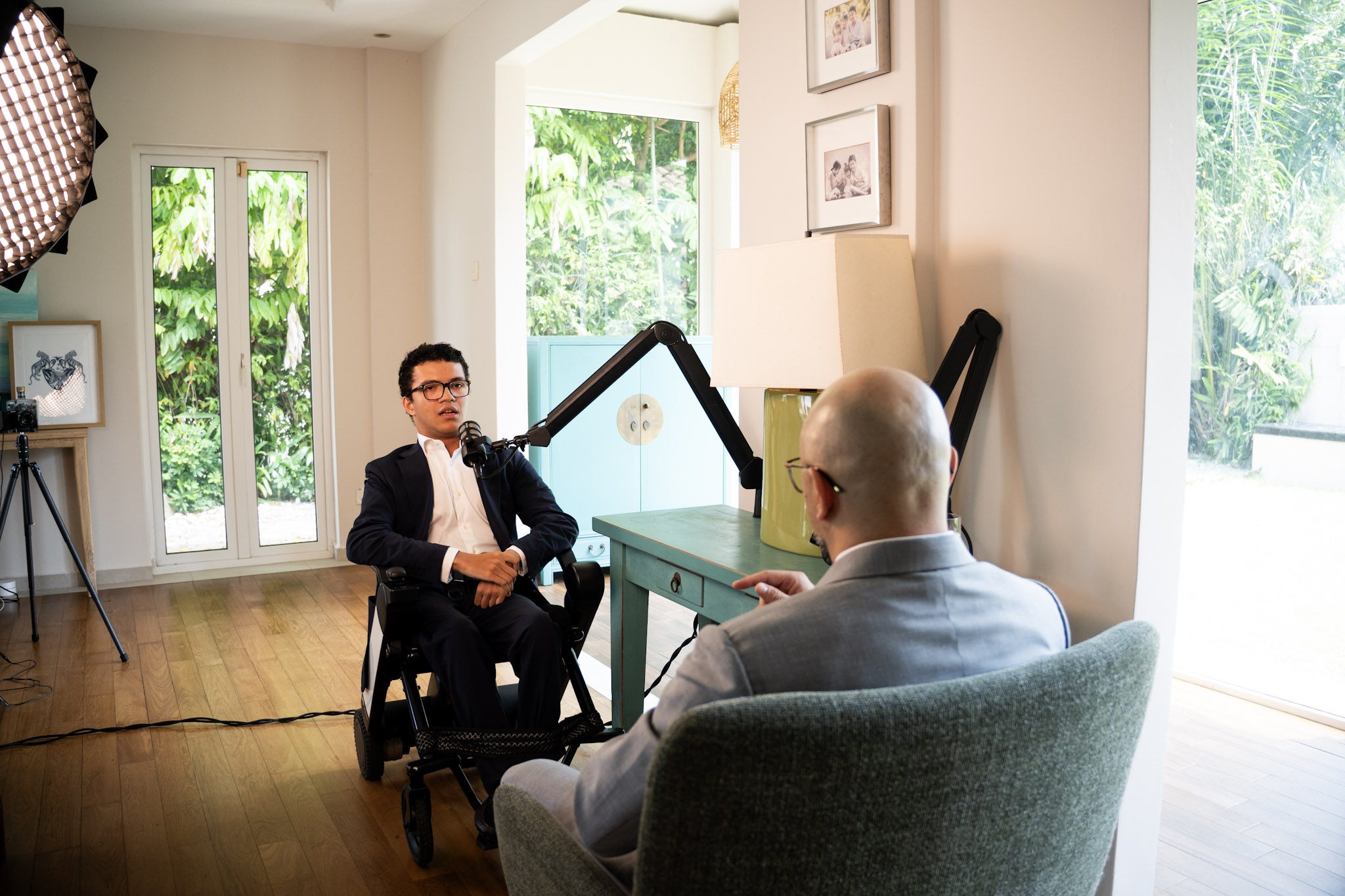
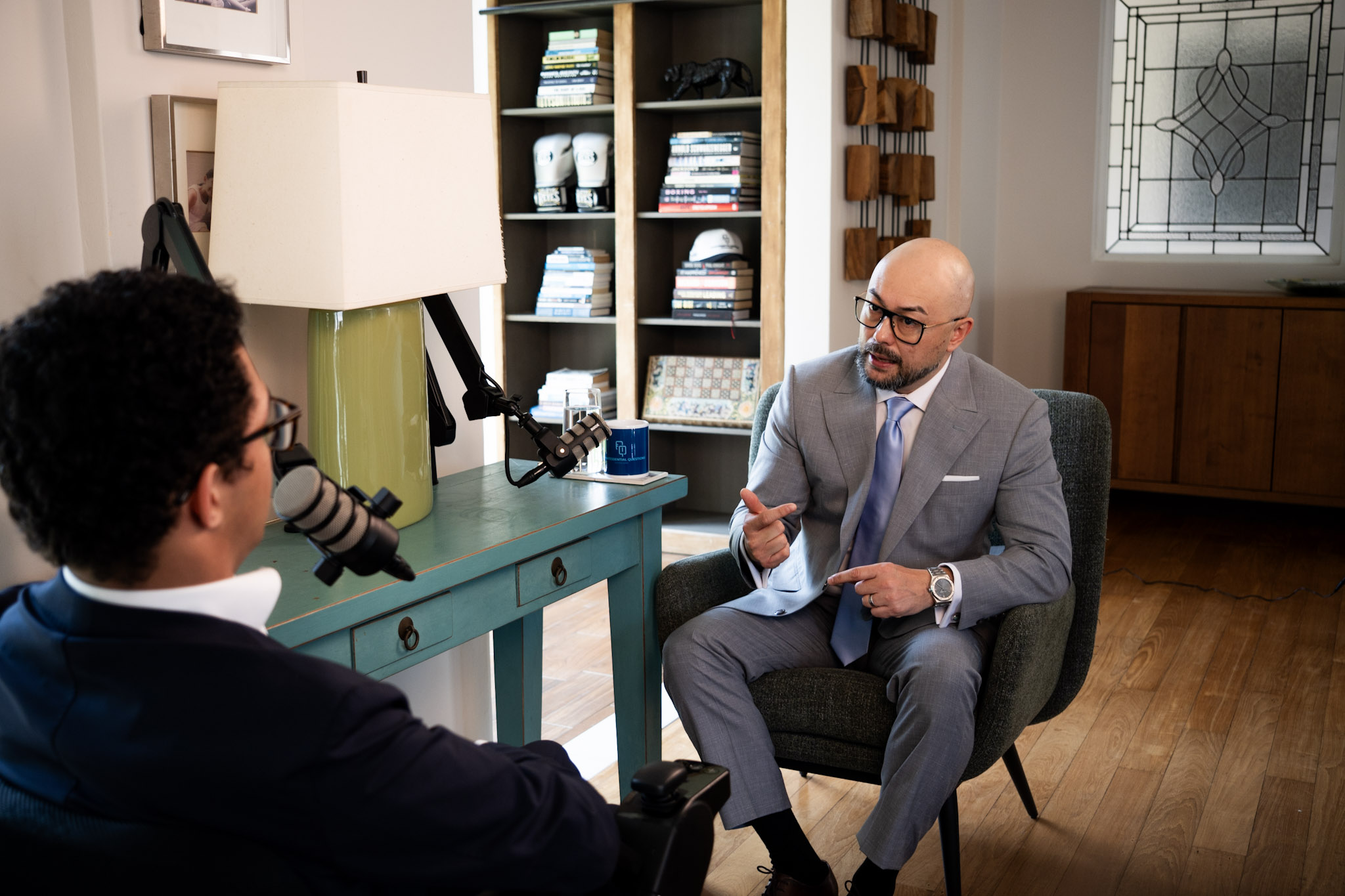
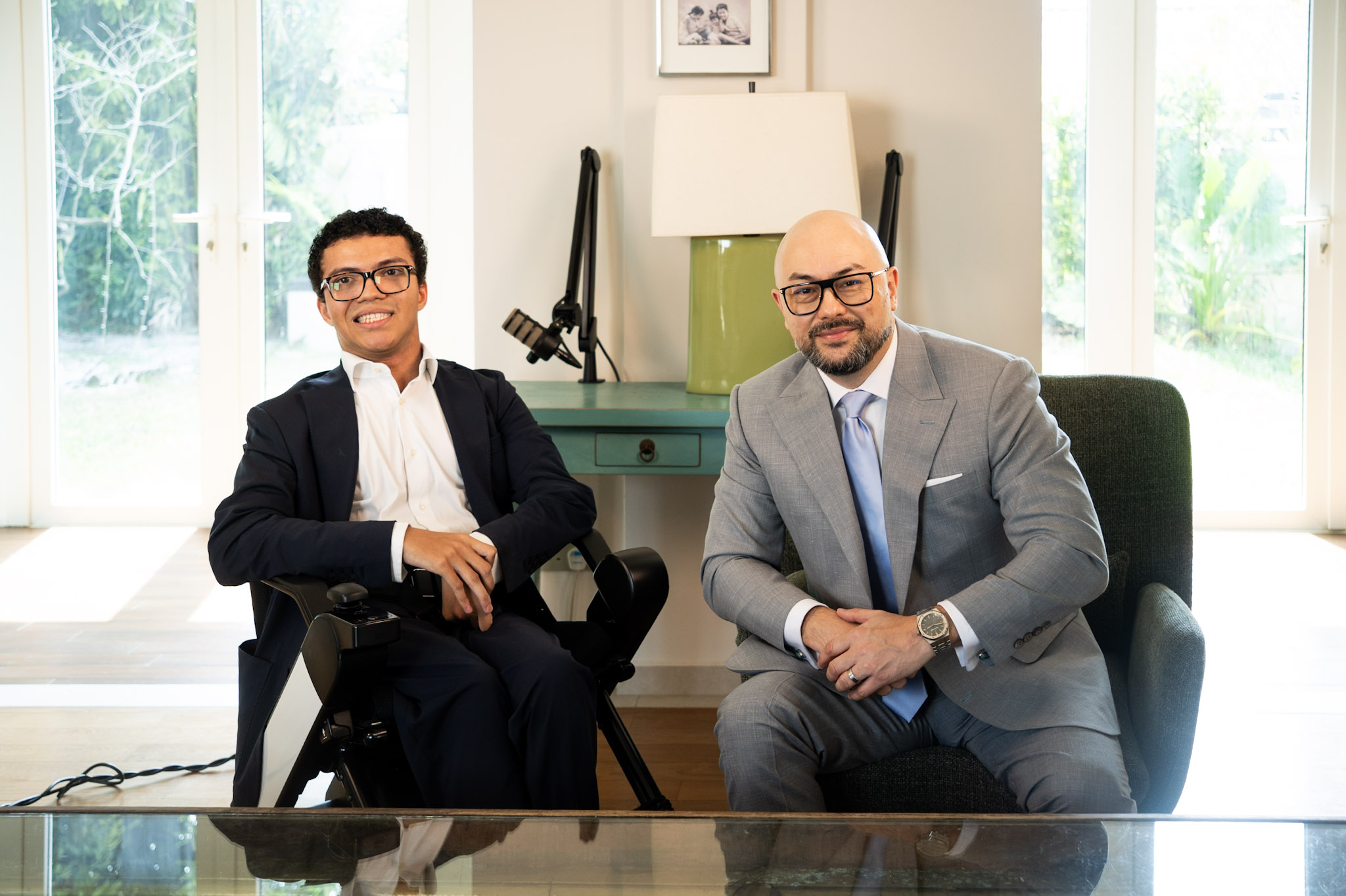
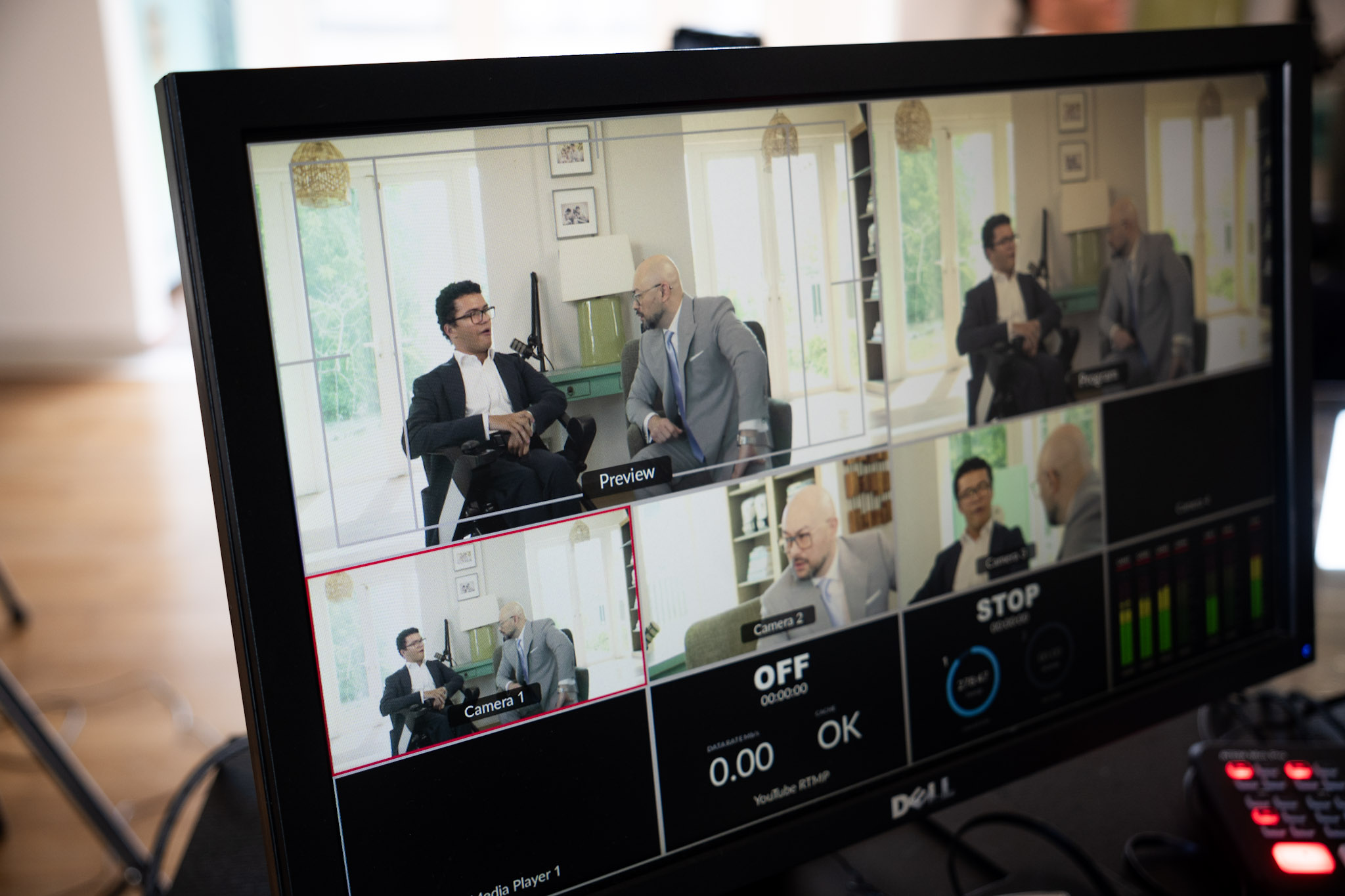
Behind the Scenes
No career journey is a straight line, and mine taught me
to ensure ambition strengthens lives rather than gambles with them.

Our Other Episodes
Lorem ipsum dolor sit amet consectetur. Sed morbi adipiscing ultrices in vel placerat.
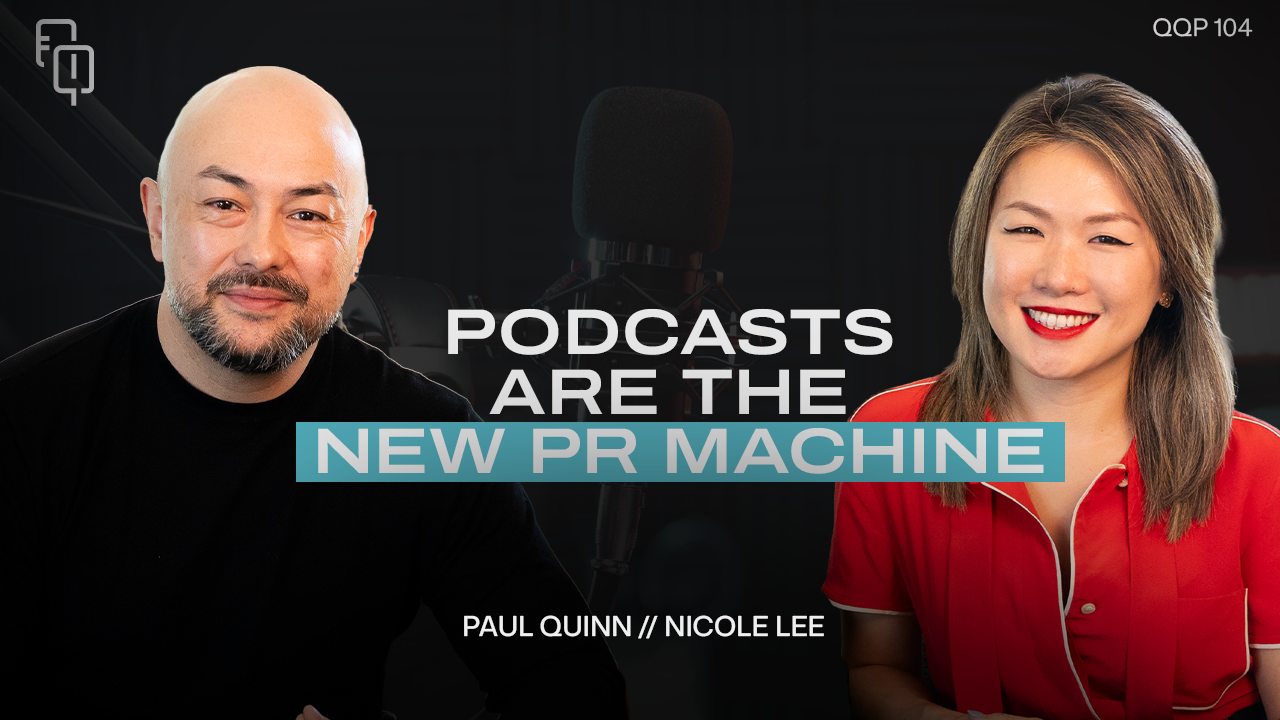
From UBS to Podcaster: Why Podcasts Are the New PR with Nicole Lee #104
In this episode of The Quinntessential Questions Podcast, Paul Quinn sits down with Nicole Lee, host of the You Never Know podcast, speaker and moderator, and former wealth management professional at UBS. From a contract role in marketing to the Chief Investment Office at one of the world's leading private banks, Nicole shares her transformation journey and the moment she made a career decision for herself for the first time.
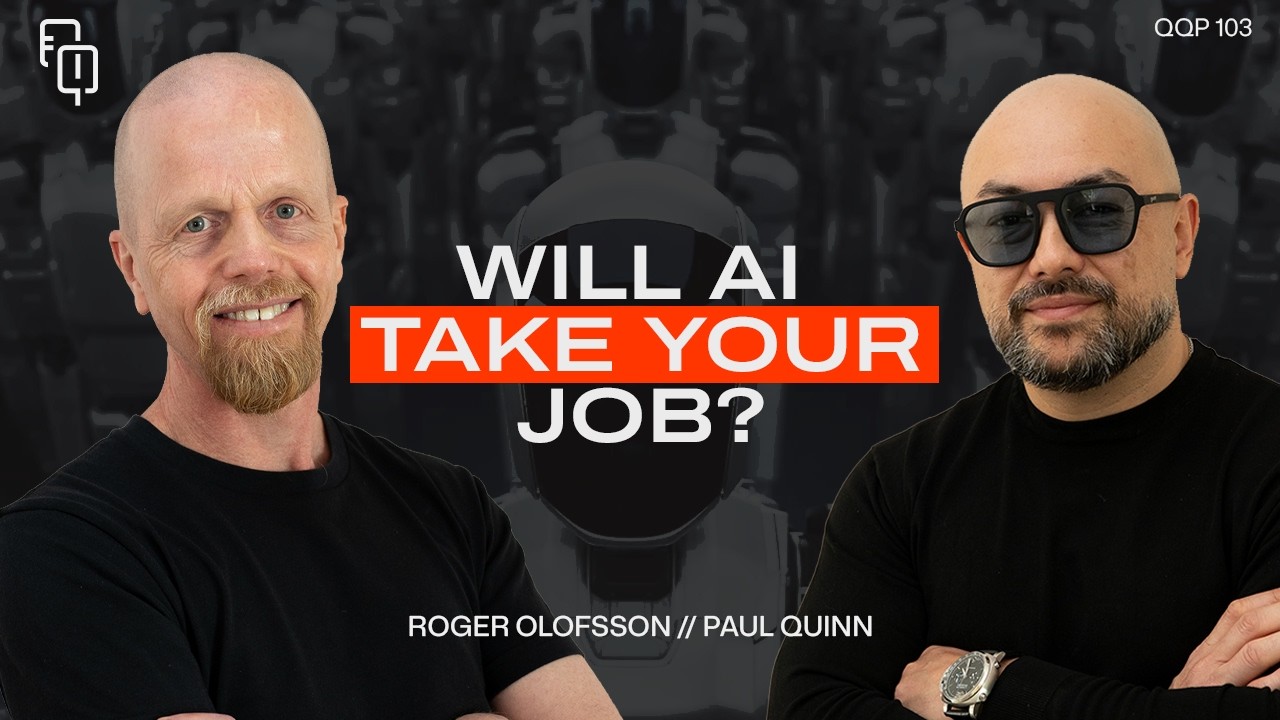
Building an AI Company Inside a Search Firm with Roger Olofsson #103
In this episode of The Quinntessential Questions Podcast, Paul Quinn sits down with Roger Olofsson, CEO and co-founder of Olofsson & Company, the executive search firm hiring for startups, AI, tech and fast-growth companies. From a childhood in Luleå, near the Arctic Circle, to landing in Singapore in 1996 as an exchange student with a backpack and a suitcase, Roger shares his transformation journey through almost three decades of recruitment in Asia, and the moment he finally backed himself to build his own firm.
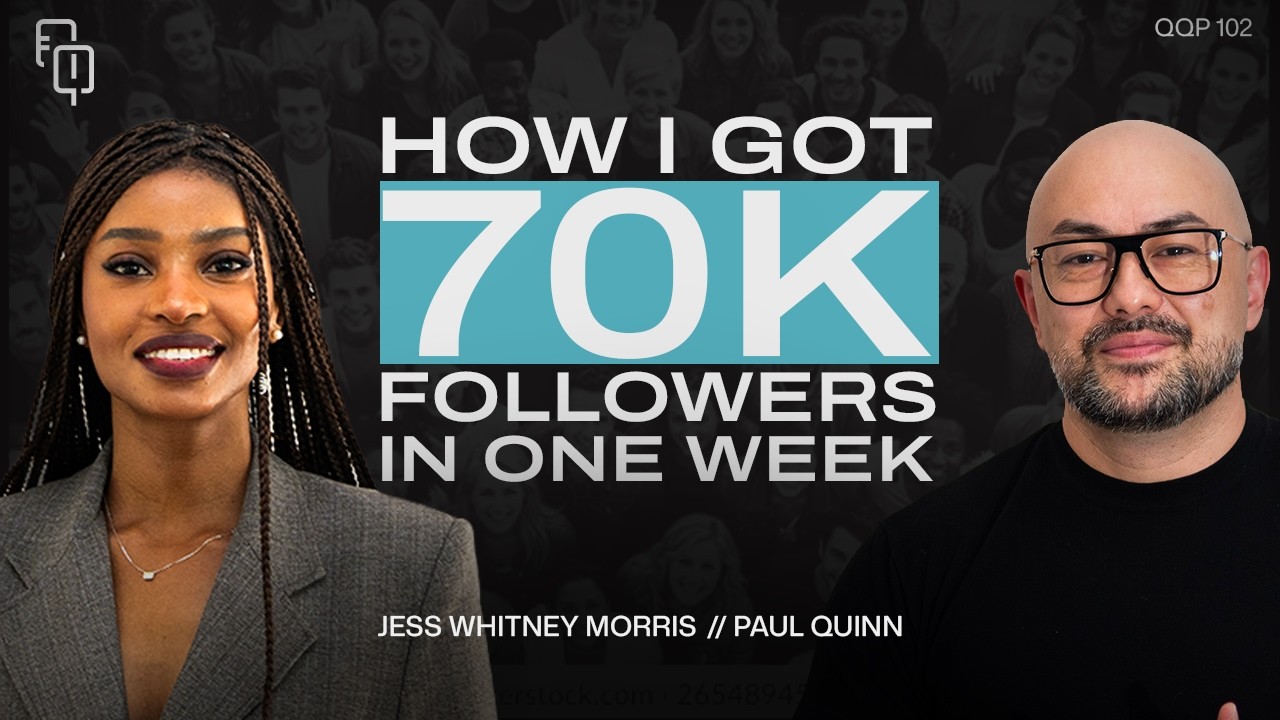
One Video, 70K Followers: Jess Whitney Morris's Breakthrough | #102
In this episode of The Quinntessential Questions Podcast, Paul Quinn sits down with Jess Whitney Morris, model, social media management company founder, and media presenter. From growing up in poverty in Uganda and working-class England to working her way through Abercrombie, Hollister, and a self-funded university degree, Jess shares her transformation journey and the moment her father tore up her first modelling contract in half.