
Exploring leadership, risk, performance and humour from two different stages | Ben Quinlan | #83

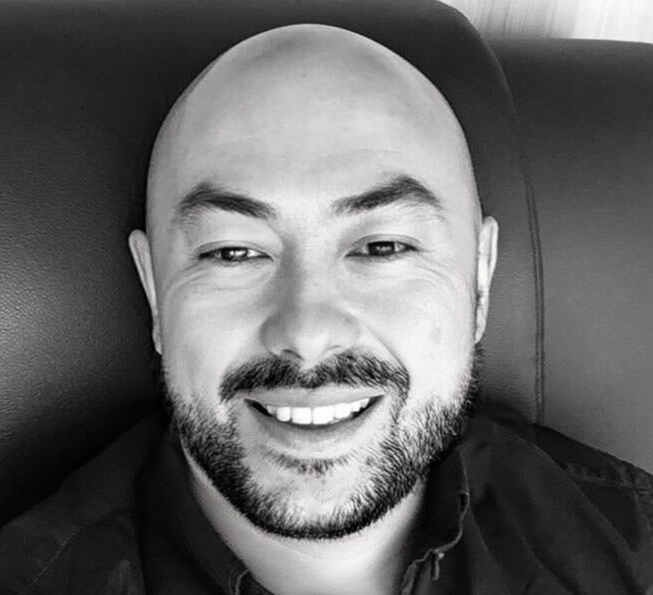

In this episode of The Quinntessential Questions Podcast, Paul Quinn sits down with Ben Quinlan, Founder & CEO of Quinlan & Associates, a financial services strategy consultancy headquartered in Hong Kong. From burning out as a road warrior consultant to then starting his own firm in his 30s with no clients, no track record, and no safety net, Ben shares his unfiltered journey of building something from scratch.
He discusses entrepreneurial resilience, building a global brand through content rather than marketing spend, and the leadership philosophy that has defined his firm's culture across 30 countries. Ben also opens up about the moment he nearly threw in the towel, and shares hard-won lessons on business development, sales, and what it takes to get the Financial Times and Bloomberg to treat you as the authority in your space.
Whether you're navigating burnout, thinking about going out on your own, or building a boutique firm trying to compete with the global giants, this conversation offers battle-tested wisdom on resilience, authority building, and entrepreneurial identity. And yes, he's also a stand-up comic who has performed alongside Russell Howard, Kevin Bridges, and Tom Segura. Let's explore what's inside the mind of a boutique CEO who has served clients in 30 countries, all out of Hong Kong.
TIMESTAMPS:
(0:00) Introduction
(3:38) Stand-up comedy — how it all started
(4:00) The 2013 sabbatical — burnt out and working himself to death
(9:06) Early career — PwC, UBS, and the reverse engineering of consulting
(12:07) Burnout — five cities in one week, lost track of where he was
(13:55) Day 1 induction — the sinking feeling that changed everything
(15:32) Taking the plunge — no clients, no track record, no anything
(19:26) Best idea wins — the leadership philosophy ingrained every day
(23:47) Zero paid marketing — how the FT and Bloomberg became his strategy
(26:10) The art of selling without selling
(28:24) The best salespeople came from hospitality
(31:29) The absolute best salespeople sell feelings and emotions
(32:04) Starshots glamour photography — where it all began
(36:40) 30 countries, all out of Hong Kong
(39:00) There are no shortcuts — you are going to eat it all the time
(39:37) Every entrepreneur wants to throw in the towel — the Miami conference
(47:34) Comedic heroes — Russell Howard, Kevin Bridges, Tom Segura, Ricky Gervais
(53:30) Current projects — central banks, CBDCs, stablecoins, digital assets
Bio
Ben Quinlan is the CEO of Quinlan & Associates, former Chairman of the FinTech Association of Hong Kong, Board Member and Chair of the Innovation & Technology Committee at the Australian Chamber of Commerce, Adjunct Professor at the AIT School of Management, Advisory Committee at Hong Kong Science and Technology Park and Hong Kong Trade and Development Council, Conference Ambassador at the Hong Kong Tourism Board, Finance & Treasury Committee at Hong Kong General Chamber of Commerce.
His other roles include Mentor at Ping An FinTech Accelerator, Guest Contributor for eFinancialCareers and Regulation Asia, and Board / Senior Advisor to a number of leading startups.Extensive experience advising governments, regulators, multinational companies, financial institutions, SMEs, and leading start-ups on a wide variety of strategic engagements.
Transcript
We have the Financial Times and Bloomberg pick up on a piece of insight that we put out. And that was my strategy from very early on. How do I get in the largest media publications in the world in 2000 and 13. I was burnt out. I was working myself to death. And I took 7 months off. So, I was looking at other comics and I thought to myself, I can do that. No, I went up and just started to talk about my mom and it it hit. It resonated. And I realized everyone has the same Chinese mother as my mom. One thing led to another and it became a parallel second career for me. When you when you intertwine comedy with that, it's a it's public speaking on steroids. >> Yeah. You're up there, you're completely naked. There's an instantaneous feedback mechanism from the audience and the audibility of that tells you how good you are. Yeah. >> Just need to go out with no track record, no clients, no anything. I was completely completely and utterly burnt out. >> What what was it from? I just overwork. I lost track of time. I lost track of where I was. I'll never forget being in there in the first day of induction and this sinking feeling in my stomach saying >> Yeah. what am I doing? It it gave me perfect clarity that I had to do my own thing. Every entrepreneur I know has wanted to throw in the towel. I have wanted to throw in the towel. You are going to eat [ __ ] all the time. Yeah. And if you don't know how to eat it and enjoy the flavor and just munch on it. I wanted to put a Hong Kong brand on the global map and export that to clients all around the world. Ben, welcome. How are you? Very well. Yes, good to be here. It is good to meet you. Listen, we've probably got a lot in common other than our hairstyle. You're also well I am a hapa, which I'd never heard before. >> Mhm. So, hapa means half. Half. Half usually Asian, half Western. So, we're both half Irish, half Chinese. Mhm. I love it. So, for the people that in my audience that may not know you, although you're very well known, can you just please give a quick intro as to who you are? So, I am a Hong Kong born and raised guy. Um I have a Chinese mother and Aussie dad. I lived here until I was about 12 years old and got shipped down to Australia where I picked up this really posh accent that I have right now. And uh I did my education down there, my uni, started my career. I was allergic to the Aussie taxman and I always missed the buzz of Hong Kong. So, as soon as I could, I shipped back to Hong Kong with the company I was working with at the time. That was back in 2009, end of '09. And I've been here ever since. And I've been doing lots of different things over my career. Well, there's no there's no city like Hong Kong on the planet. I just I'm drawn here. And the vibe, the energy is just boom. It's amazing and it's it's so much better now. I think if you came maybe 6 9 months ago, it was still coming out of this long lull. Yeah. But the energy is really back and you can tell because the wait for an Uber ride or the taxi queue is significantly longer than it used to be. So, while I'm happy that the energy is back, I'm a bit frustrated by the commute home. You know, when people ask me cuz I come here regularly, they say, "Has Hong Kong changed?" I said, "The only thing that you would notice whereby Hong Kong has changed is all the taxi drivers are really polite to you now." I don't know if you noticed that. When I used to come here, it was like chop chop in and out, you know, but now hi how you doing? There's a bit of conversation. Yeah, I still get the [ __ ] every now and then. But that's that's cab drivers globally, right? >> Globally, yeah. Now, how I came across you was on an Instagram because and this is what really drew me to you was that you're a stand-up comic part-time outside of work. Where on earth did this start? So, I I think it's a story I've told in many podcasts and interviews, but I think for your listeners I can I can just summarize it as fast as possible. So, I had a sabbatical from work in 2000 and 13. I was burnt out. I was working myself to death. And I took 7 months off. So, in that period I was drawing up a bucket list and I thought like what do I actually want to do? How do I want to utilize this time because sabbaticals are very rare. They don't come around often. And travel was number one, but I always felt that urge to perform. I had been a performer since I was young, did a lot of stage shows, was in bands. Uh I MC'd a lot and I always loved humor. Yeah. >> So, I was looking at other comics and I thought to myself, I can do that. And it was actually Russell Peters when I used to watch the skits That was brilliant. where he was talking about his dad, his Indian dad. And I thought my my Chinese mom can give your Indian dad a run for his money. So, I went up and just started to talk about my mom and it it hit. It resonated. And I realized everyone has the same Chinese mother as my mom. >> 100%. So, it was the start of a very interesting and fun career and then one thing led to another and it became a parallel second career for me. Amazing. Did your mom used to do this to you? Yeah, all the time. >> Yeah, I've got that. I've got the finger part. When I when the finger came out, I knew I was in trouble. The other thing Chinese women do, I always say they like to point with their face. You know that? Yeah. Oh, yeah. >> And you know you know generally how their facial expressions work in terms of proximity. So, if something's close, and my mom will say, "Pick up the glass. It's just there." Right? >> Yeah. But if it's a bit further, she'll point more. She need Do you need to cross the street? That's a long head pull. Yeah. So, there's a lot of nuances and funny things I picked up growing up in that dual culture environment. >> Has your mom seen your shows? >> She's seen all of them. Does she scold you afterwards? >> No, because I'm not lying. So, she knows She knows she does this. So, there's nothing she can say. And when she watches it, she does have a laugh. And sometimes it's good to put the perspective in and to say, "Mom, you do know you do that." And yeah, it's good fun. Do Do some of her mates I'm sure they've watched it as well. >> it. They love it. >> it. roasting material. And sometimes they feel bad when her friends are watching it while she's there. But I think when she's there, she gets it in isolation and yeah, everyone can have a laugh. It's it's all in good fun. >> Did Did you grow up with a lot of humor in at home because in my family, you know, it was it was mixed cultures and there was just a lot of banter. Yeah. My dad's hilarious. So, he's very funny. He's the Aussie Irish humor. He's got the British style humor ingrained in him. So, I think I picked up on a lot of that. Then, you know, my mates very international. And in Australia, I got a whole different kind of humor when I was down there for my boarding school and university years. My mom, no humor, but that's what made her so funny. >> Yeah. So, straight-laced. Exactly. So, I got a good balance of all of it and I think that what I realized as a common thread through everything that I did, laughter just brought people together in an amazing way. Huge. Well, look, you've inspired me to do my first comedy show. Um I don't I don't know when it's going to be. I know I'll be [ __ ] myself. I told you this today. I went up to Suicide Cliff and I almost started crying when we were going down the hard side. And the only thing scary for me would be doing a comedy show. Uh yeah, well I mean people say one of the most common fears is the fear of public speaking. So, when you when you intertwine comedy with that, it's a it's public speaking on steroids. You're up there, you're completely naked. There's an instantaneous feedback mechanism from the audience and the audibility of that tells you how good you are. Yeah. And it does it in real time. And there's nowhere to turn to. It's not like a Q&A session. Do you find cuz you've done it internationally, do you find that your audiences are different in each location? So, you have to fine-tune it. Yeah, so I I used to tour a lot. I still tour now, not as much as I used to because of the workload that I have from the day job. But the golden rule is if I would travel to a particular country or city and I would headline a comedy club there, usually be a Friday Saturday night back-to-back. But I would always say I need the first 5 10 15 minutes of my show to be about this city, this culture, things I've observed because comedy is all about relatability and connection. I can't just go into a city and say, "Oh, I'm from Hong Kong. Let me tell you about Hong Kong." >> Yeah. As soon as I pick up on something, when I go to Singapore, I I tear Singapore to pieces in a nice way. But I do it in a way that Singaporeans will get because they see it and they feel it. And here's an outside observer coming in and look at what I've found is very peculiar about this city since I've been here. >> What What I want to know is at work in corporate meetings, do you struggle not to bring humor in all the time? >> I always bring humor. Always bring humor. >> Me too. I love that. Yeah. I mean, it's important to make people laugh. Corporate meetings are boring enough as they are. But you have to find the balance. You can't just make it a joke. What we do in the day job is very serious. But adding in a bit of levity at the appropriate times is a great way to defuse tension, build rapport, read a room, you know, create a bond that's very different to some consultant running through a bunch of numbers in PowerPoints which is going to send you to sleep. >> Just creates that connection, right? >> Yes. Talk to me about the first half of your career before you set up your business, please. Unpack it. So, I went down the very traditional Asian approved track. So, I started my career at a >> Asian approved. Asian approved. Asian mother proud proud vocalization of it to her friends around a mahjong table about what I would do. Uh so, I started my career at PwC. I was in the M&A tax team there Okay. >> in Australia. And it was Yeah, it was interesting. It was very technical. And I studied law as one of my degrees, so I could apply a lot of that to the job. But I also realized that I was just dealing with Microsoft Word day in day out. I was focusing on a particular piece of work that was very jurisdictionally bound. So, it was Australian tax legislation. And I always knew I wanted to leave Australia for for my career. Okay. that's why I was thinking, well, what's more transferable? How do I get back to Hong Kong? And then I set my eyes on investment banking. How old were you when you came back? I was 26 when I came back. I think it's an important thing to mention cuz a lot of people come to me and they say, "Ah, I don't know if I should move abroad." Or I mean, you were coming home in many ways, but I always say, "Get out there, do it because, you know, by the time you're 35, you're probably tied down and it never happens." Yeah. You know? I think I left at the right time and it was a good time to get that experience. And Hong Kong was an amazing place to be. It's either New York, London, or Hong Kong. Yeah. For finance. Yeah. And Hong Kong, it's it was my home. So, I wanted to get back. So, I joined UBS at the time in Australia. I was doing strategy for the bank as part of an Asia Pacific strategy team. And then I spoke to my managers saying I really want to get back to Hong Kong. So, they opened the door for me to transfer back. >> Mhm. And then I was working with UBS here for about 2 and 1/2 years, rotated into a client coverage team. >> On the IB side? Yeah. Yeah. Uh and on the group, actually, which covered IB, wealth, and asset management. And I was as part of the strategy teams, we would get a lot of pitches and inbounds from the McKenzies, the BCGs. And I was always quite fascinated by the work they did. How they coming up with this insight? Where do they get their perspectives? There was a certain intellectual rigor and pace about it, which you probably wouldn't get the same experience if you're working in-house. Yeah. So, that's when I reached out to one of the firms that I had a lot of respect for at the time, and I said, "Are you hiring?" And they brought me in as a manager, and I started my baptism of fire in strat consulting. And it was quite peculiar because most people go from consulting in-house. Yeah. And I went from in-house to consulting. >> You reverse engineered it. Yeah. So, I realized the the work life, the pressure, the nature of not being the client anymore, but being the advisor. It It was a very important learning experience. And I did that for about a year and a half. And then I took my sabbatical. And after that Talk to me about that cuz it's it's you had the courage to do it and a lot of people won't. And then I think that's why so many people crash and burn in their careers. It's like that salient moment you realize, actually, I needed to take a pause. I had to take a break. I was completely completely and utterly burnt out. >> What what was it from? I just overwork. I think just you mix ruthless hours with constant travel. Yeah. I think one of the weeks I was in five cities in one week. It's crazy. Yeah, I lost track of time. I lost track of where I was. I remember when I got back to Hong Kong one time, I was watching TV and I called my brother up. And I said, "Hey, man, they they're playing TVB Pearl, which is a Hong Kong channel, in Jakarta." And he said, "You're calling me from Hong Kong?" I didn't even realize I was home. That's bananas. I remember one time I actually came home. I was so tired that I got out of the taxi I So, paid for the taxi, I got out of the cab. Yeah. And I just left my suitcase and laptop there and walked up to my apartment. I was that out of it. >> Yeah. So, I I think when you realize you push yourself so hard that your normal functions are getting a bit of rye, that was my wake-up moment to say I need a break. Now, I could either work out how to balance it in a career that really wouldn't facilitate that kind of a lifestyle, or I could reset and try and work out what was right for me. So, that sabbatical was super important. So, what did you did you decide Was that the genesis to starting your own company, or did that happen later? No, I was thinking about starting a business at that time, and I was putting together the thoughts around it. And then I got scouted. There were a couple of inbounds from different banks looking for senior strategy, head of strategy roles for certain functions. And there were two that were lined up, and I decided on one of the roles because I thought it would be an interesting and new experience. And it it was it was good for what it was. But I'll never forget being in there in the first day of induction. And they were running through the corporate values and the business and all of the the checkboxes that you needed to go through. And this sinking feeling of in my stomach >> Yeah. saying, "What am I doing?" >> You're back in the belly of the beast, right? Yeah. And that realization it it for me was very important because I realized it didn't matter about the company I joined. This was more of a reflection of me and my character and what would work for me. And working through the two years in that last corporate job, Yeah. it it gave me perfect clarity that I had to do my own thing. I love that. Mhm. Now, was entrepreneurialism in your family anywhere? Always. Every single Quinlan man runs their own business. There you go. It's in your DNA. I believe that. Yeah. I do believe it as well. It was a good influence to see people around me, you know, finding their passion pet project. My father's a composer. Okay. >> My brother was an elite international swimmer. Oh, wow. He ran a swim swim business. And I was the consultant that felt I was very good at the job, but I had my ways of doing things. I think I was impossible to manage. I was very difficult to manage as an employee. >> I I think all entrepreneurs are. I I actually I don't think I ever had a boss. I would tell him what was going on. It's probably why I got fired from my first couple of jobs. Yeah, I felt sorry In hindsight, I felt sorry for a lot of my bosses. But it was important for me. I mean, that's part of a a growing and learning process to understand what made me tick. And I had to take the plunge. And when I did, I was 32. I thought I was a bit young to start a consulting firm. I'd never been at a partner level before. Yeah. So, to then run my own company and build that, >> it was just, well, how do you learn? You learn by doing. And I just need to go out with no track record, no clients, no anything. Yeah. And You backed yourself. Yeah, I backed myself. >> I actually didn't speak to anyone when I wanted to do it. Um I wasn't married at the time. I was with my missus, but I had such strong conviction that this is what I wanted to do. How did you feel? I was I I It was a bit mixed. I was very very clear that I knew how to do the role and I would be successful at it. But you naturally have niggling doubts. It depends who I who I spoke to. There were some people who were, let's say, not as close to me that thought you're mental. You're going up against the juggernauts in this space. It's just one guy. Yeah. It's not even Quinlan and Associates. It's just Quinlan. So, good luck. And then there were other people that thought, "Well, we know the quality of the work that you do. And we know you have the capacity to build the relationships. And we know you have extremely strong level of conviction around the way you should consult." I love that. >> different from the the big consultancies. Yeah. And they said, "You never know unless you try it out." And that's that's ultimately what I centered myself on. Like, how am I going to know? I'm going to regret it if I go back into a corporate job. I think the line that I said to myself is I can always go back to a [ __ ] job that I hate. You know, it's interesting cuz I I had no intention of ever going back. People say, "What was your plan B?" There is no plan B. It was, you know, I'm all in. Um So, what's your How long has it been now? Cuz it's been 20 years for me. It's been 10 years. 10 years next month. Good man. Yeah. Yeah, really an amazing story. And I've noticed you're on the board of many different How how did that come about? Just from all your connections? Yeah. I think getting out there and making sure that the the name, the content, the visibility is strong enough that people putting me on a board would add value. So, I've been a bit selective around the roles that I do take. Yeah. Uh and I've worked with some very interesting companies, ones that have been extremely successful, others that haven't been as successful. Sure. It's normal in this space. But I've really enjoyed that perspective. I think leaving a big corporate organization, a machine, to do your own thing, your your view of the world just becomes exponentially wider. 100%. So, I really love that process. One of the things I noticed I really admire about what you do. I've done it, but on on a smaller scale, is you've you've had a lot of interns. Mhm. Right? And actually, some of the interns I've worked with have stayed on. Some have moved on, but I've, you know, remained very close to them and I've loved to see their stories. You know, that a lot of them have become mentees. Tell me about that part of your journey. I love interns because it wasn't that long ago that I was an intern from setting up my business. I think I was an intern 8 years prior, right? I hadn't even working for that period of time when I launched. So, I always love looking for young, hungry talent. And you're not an ageist because a lot a lot of establishments are, right? >> No. No. I I'm truly a a believer that your capabilities reflect what rank and position and responsibilities you are given. Everything else is just noise. And I remember the things that annoyed me about the big firms were you could get one of the the young stars to develop, let's say, a piece of thought leadership content for the company, but when it got published to market, they would never be listed as an author. And I thought, this not right. I need to give the recognition to people. I need to put them in positions where they grow. And you're not going to run someone through a career where they're learning their core consulting skills, and then by year six or seven, you say, "You need to be a manager and you need to learn how to work with clients." Yeah. You need to do that from the first day of your job. >> 100%. So, I've always been a believer in you stretch people and you give them the responsibilities of the rank above them. I love that. And as soon as they can perform at that level, you regrade them. Yeah. Otherwise, Yeah. how are you going to stretch people? >> Makes perfect sense. I think um one of the things I found really interesting is if you bring new people or young people into the business, especially nowadays with the way that technology is advancing, they've got I'm 48, so they they've got ideas. I mean, like they take the mickey out of me and they they say, "Look, Dad, you know, we have apps for these things now and this, that, and the other." But, all jokes aside, their their whole thought process is completely different. Completely. I'm a dinosaur. I thought I was very tech-savvy, and I remember insulting my parents about how technologically impotent they are. >> Yeah. And then when >> That's what it is. It is. I mean, but the speed of that that technological know-how Yeah. with the young generation is frightening. Yeah. I thought I was good at selling modeling, and then I see the next wave come through and I think I I just can't compete. And it's great. And the philosophy we have, and it's it's ingrained every single day with the team, is best idea wins. Love that. So, we talk about hierarchy in the sense that I believe in hierarchy for checks and balances and ultimately making decisions. Yeah. You have to have that in place, otherwise it gets chaotic. Who's accountable for what stage of a decision at what point in time? But, not for but not for ideas, right? Not for ideas. Ideas is open slather. So, when interns are coming in, you can see they're very reserved or new graduates. We're having our weekly team meeting, and I'll say, "What do you think?" Yeah. And you're you're more than welcome to challenge me and challenge everyone in the room if you have a better idea because if we don't do that, we're resting on the loudest voice in the room. >> Yeah. >> And that loudest voice can inevitably be wrong because they outrank you. Yeah. And then what? Then the quality of work suffers. Yeah. And the whole franchise suffers. Yeah. It's well, it's it's not who's right, it's what's right. >> Yeah. Yeah. 100%. >> I love that. Um talk to me a little bit about some of the lessons that you've learned in business because for me, being a business owner, the the challenge is we're paid for delivering. Mhm. But, the reality is unless you're a great salesperson, you understand the ethos of bringing business in, you're not going to get paid. I'm sure that was a an interesting part of your journey. Great product with no distribution equals no business. >> Equals f-all, yeah. >> Nothing. Mhm. So, you have all these talented people in the world who I think are very underutilized and they struggle to commercialize either their skill set or their product because they can't connect with a target customer and an end customer. >> Yeah. And there's just two ways you connect. Your customer likes you and they trust you. That's it. There's nothing else. There's no other magic around it. But, how you build up that like and trust, it does take time. It does take that experience, but it does take screwing up. And I think part of that entrepreneurial journey is learning when you screw up. Yeah. So, everyone will see every single bit of success that we have because I'm not one of those people looking for a humble brag. I failed and here's the lessons that I've learned. Yeah. We failed a lot. We have missed a lot of deals. We have been beaten by a lot of competitors that we thought we were better than. We got outbid on certain proposals or projects where we would be undercut and we would be unwilling to match. Did you did you find out afterwards cuz at least you found out what went wrong to, you know, analyze it postmortem? Very important. So, to have that level of trust where you can have a discussion with a C-suite, understand what that deciding factor was. It's it's it's very important determining not only how to change what you want to do if you go back to that client, but actually whether you want to work with that client. >> That's a really important point. And knowing if that is the a suitable kind of persona Yeah. >> and relatively matched with what your capability and value proposition is. We don't need to work with every client out there. Yeah. That's not the goal. It's like with comedy, your goal is not to make all people laugh all the time. >> Yeah. It's to make most people laugh most of the time. >> Yeah. And the logic with business is to pick your battles and to fight in the space where you can compete and win. Yeah. And talk to me a little bit about your whole sales strategy cuz you know, my my wife was a corporate lawyer, and I said, "If you become a partner, you're now going to be responsible for generating revenue." >> Yeah. And and the funny thing is no one teaches it. >> Mhm. Right? And uh I've I've had quite a few coaching clients that think uh business development is just networking. And um and it's it's interesting and I always think, you know, these guys always say, "Look, you could have written the world's greatest love song. You could have got Whitney Houston to have recorded it before she died, but unless it's not, you know, played on the radio right, you're not going to make any money. People need to know you exist." >> Yes. You have to put yourself out there. So, one of the first things that I did was, "Why are people going to pay attention to me?" So, there's a lot of cases of senior executives leaving companies and they have a wonderful title and a great name of a firm that they used to work with. The shelf life of that is about 6 months. >> Yeah. And then it's worth nothing. Yeah. So, what they'll tend to find is there's a bit of work that comes on the back of that bridge where people will say, "Hey, you know this, we can bring you in to be a consultant or an advisor." If you don't renew that knowledge base or keep up-to-date or keep a fresh identity around what you are adding value to, Yeah. you expire very fast. Very fast. >> So, from my perspective, how do we compete? We have to produce the best content and insights. Period. We have to look at what the other firms are doing, write it better, go deeper, make a braver call, just go all out. And the only authority to what we do is getting a stamp of approval. Where do we get a stamp of approval? It's not through paid ads and marketing. We do zero marketing in terms of paid. >> Same. It's we we get in the media. We have the Financial Times and Bloomberg pick up on a piece of insight From the client. And that was my strategy from very early on. How do I get in the largest media publications in the world as the authority and voice on particular topics that when people do a Google search, which they will, they see that this is endorsed. Yeah. If you could say that. Yeah. So, the BD strategy is not magic. We constantly have to put the right kind of content and insight out there that matters, that makes a difference for the C-suite that they go, "Yes, Yeah. these guys are talking sense." >> Yeah. And then the other side of it is we have to think about there is an outbound approach. It's not just you Google us or an SEO hit will allow you to find us. We do have to reach out in the right way to proactively share our perspective, but we never sell. Yeah. Any outreach that we do is simply, "Please take a look at this piece of research. You may find it interesting, and we're available for a call." I I call that the art of selling without selling. Yeah, you don't want to sell. >> Yeah. It's not No one wants to be sold. Anyone watching this podcast will know that when you sit down and your inbox gets flooded with a pitch, "This is our company. This is our product. This is the it's done. And every single LinkedIn message that you get doing the same thing, you're done. You're going to ignore it. So, why would you do that? >> Yeah. >> But, if someone reached out to me proactively with something valuable that they've done for me with no ask, >> Yeah. you're going to put your your name in the right space in my brain. Very powerful. >> And when I'm ready to talk to you because consulting, you can't force people to hire a consultant, but you have to plant the seeds such that when they're ready to do the exercise, your name is front and center. Have you found that I've I've got guys working for me that I realized are great account managers. >> Mhm. And I've always I've struggled to understand, "Well, why don't we just take that Mhm. and then now replicate that with two or three other firms, and you're going to increase what you're doing three or four X?" >> Mhm. But, a lot of people just don't have that. It's cuz they And I've I've questioned it. I've I've thought about it in detail, and I think the reality is a lot of people are afraid of failure and the the fear of no. And I always say, "To be a great salesperson, a business person, or even if you're chatting up girls, you just need 20 seconds of courage to pick up the phone." Do you know what I mean? Well, you delineate it in terms of the hunter versus the farmer. >> Yeah. Right? There's a lot of farmers out there. There's a lot of people that are good at managing an existing account and relationship where you're just responsible for delivery and making sure that the client, an existing client, is happy. But, finding new clients and building that relationship from scratch, it is very rare. It is very rare to find pure hunters. The challenge in my business is I've always found the best sales people are the ones that have worked in retail, the ones that have worked in hospitality, know how to speak with customers day in, day out, build that rapport and connection immediately. The challenge with what we do is you need to pair that with a a level of intellect that you can sit in front of a CEO that can ask you anything. >> Yeah. And you can't be saying, "Let me get back to you. Interesting question. I'll go do some research and find out." >> Yeah. You need the answers there. Yeah. So, it's really hard to pair that soft skill with that IQ. Yeah. And finding those kind of individuals, I always say if I can find a whole bunch of them, they wouldn't work for me. They'd do this by themselves. >> That's the irony. That's that's the challenge. I always think it's interesting because you you kind of have to be like an a diplomat, an ambassador. You have to have real breadth of knowledge >> Yes. and a level of sophistication. And look, the the reality is is Some Sometimes I think early on in our careers, you have to redline conversations. Cuz when you're younger, I remember when I started at my company, I was 27, and I was in in the room with CEOs. It was like, "Well, you're very young Mhm. >> And then I was treated like [ __ ] and I And, you know, they said, "Well, how do you differentiate yourself?" And I said, "We deliver." Mhm. And if you don't, then what? And I said, "Well, then you won't engage us again." Um but, over time, things change cuz you have you have a lineage, you have credibility. What I was going to ask you was um I think getting referrals is something that's massively overlooked. A lot of people they they don't sit down and think about it cuz I always say getting referrals is so powerful from people that you've worked with. You have to think about when you ask for them cuz the time has got to be right cuz if if you owe them something, they're not going to do anything for you. Talk about referrals. Well, we don't ask for direct referrals. What we do hope for is word-of-mouth and I think that's been a huge contributor to our pipeline of work cuz the work speaks for itself. Yeah. So I think the nature of what we do given it's institutional based work. We're not around trying to push an agenda with individuals. You ultimately need a board sign off on what we do. Sure. So it's a long sales cycle and it's one where huge amounts of trust and energy need to be built into relationships. Sometimes my team will consider things I've had the conversations where let's say we publish a piece and they'll say we didn't get any work on the back of it for the the 3 months since publication. I'll say this is not how this works. It's highly transactional if you're thinking about it like that. >> Correct. So we need to build that brand and credibility around this domain and again when people bite is when people bite, we can influence them to make that decision. We can give them a reason to actually go ahead. Yeah. But we can't force them to do it. But if you're not at the table, you just won't be considered. For sure. So we've always positioned ourselves as how to be at the table and how to be front of mind. Yeah. As for the sales angle, you were talking about I always delineate between different kinds of sales people. It's very easy to go out and sell a product. That's these are our features, these are our functions. Yeah. That's great. That's an okay sales person. Good sales people sell results. You're talking about results and the value that you deliver. The absolute best sales people sell feelings and emotions. Yeah. That's really it and I I learned this strangely through my very first job which was working at a glamour photography studio. Really? >> Yep. So at university, yeah, I worked at a company called Starshots glamour photography in Australia. And if you've ever seen those photo studios with those cheesy Yeah. beauty shots. That was that's where I worked. And it had 20 franchises around Australia and I worked at one in suburbia and they hired me as the young flower pot boy where I had hair before and I could go out and woo people to come into the store. Good man. >> I got a very low base salary but with a commission for every single person I brought in. I brought in so many people. And that's that's where your journey started in sales. That was it. Everything that I have learnt around building that level of establishing that connection and what you're selling. Product is product but people buy a watch for how it makes them feel, a bag, a car. It's not because it does 0 to 60 in that amount of time. >> Be honest with me, what percentage of your customers were women? Some. No, but is you're absolutely right and I always I always feel that you know, business development communication is just about human communication. Of course. >> really what it is and once you're inside the tent, then you can start having a proper conversation about how you can deliver. Absolutely. I think one of the interesting experiences when I worked at this photo studio is I remember when I was at this suburbia franchise I 6X the revenue of the business. Crazy. And I was getting paid so much commission that I made more than the manager of the store. So the owner came to me and and said, "Ben, you're getting paid too much and we need to reduce your commission." Cuz of this nonsense about the manager salary. And I thought >> Yeah. you're crazy. I'm bringing in all the business Yeah. for you. >> Yeah. And he suggested we halve the commission. The manager at the time bought the head office franchise and said, "You're coming with me. Clever guy. I'm increasing your lady. Lady. I'm increasing your salary and I'm giving you X percent of everything." Brilliant. And I went in and we made a lot of money together. And that franchise that I no longer work with, I got a call from the owner saying, "Come back and we'll reinstate your old commission." I didn't go back and then they shut down. Ahead of the tide. >> Don't Yeah. Don't bite the hand that feeds you. Well, you know, you know, it's interesting like in in private banking and in a lot of corporations the more you build the the greater the AUM and the revenue, the less you earn as a percentage against revenue. And I've always not understood that because they'll turn around and say, "Oh, well, you know, you've got more internal people supporting you, critical mass." But I think if you've got a real superstar you you've got to let them fly. Pay your revenue generators. It's not that hard. >> It's simple. Without the revenue, you've got nothing. So I noticed on one of your LinkedIn profiles you were invited uh by one of your former employers to go back and have a a chat. What was that like? Weird but good. >> Yeah? So it was Yeah, I I got invited back to do one of these I think it was called power talk. I I don't I don't even know. It was probably talking about the power of my hairstyle. It was basically talking through my career journey and the lessons I'd learned since leaving the bank 10 years earlier. And it was great. I mean a lot of the colleagues that I had previously worked with had come along to listen and I thought, "You guys are still here." But that's what I was thinking. No, no, I was thinking it's a double-edged sword but bringing you back it's like what is it saying? You're going to lose more staff. You're going to say, "We're going to follow Ben and copy what he's done." Yeah, it was it was great. Look, it was it was very nostalgic. I had good and bad memories as people do from many places. So but it was good. I went back up to the trading floor. I looked at my old desk and it was it was really nice to reconnect and remember why I left. It's important to remember where you come from. You know, and then you're always I'm always grateful cuz my dad was a builder. I I started my career at 17 as a toilet cleaner. I had to get a job immediately. We had no money at home and the only job that was paying me weekly was as a toilet cleaner and I fell into recruitment after that and I'm always grateful. I'm always grateful that I I get to travel the world. You know, I I get to wear a suit every day, going to an office. I know those things seem a little bit silly to a lot of people but I never take it for granted. You know what I mean? >> Yeah. Talk to me about the next the next 10 years. What is that going to look like you think for you? Family motto, nothing succeeds as planned. Honestly, I don't know. Yeah. And I'll be a very honest business owner here. I can tell you about our strategic vision and all the things we want to achieve. You're rolling with the punches. Yeah. And I think the reality of running a business and doing it in a nimble fashion is working out well. We will go where the clients are. We will follow where we're in need and we'll add value where we can. And if that means we scale to new markets, new offices and so on, we will do that. Think one of the things that I reflect on is we've got clients in 30 countries. We've We've served clients in 30 countries all out of Hong Kong. Amazing. And I'm very proud of that because the thing that always frustrated me about Hong Kong is we're in a professional services Mecca of lawyers, accountants and consultants. Yeah. >> But there's no home-grown brand. Yeah. And I always wondered why isn't there an Asian So interesting. Yeah. Why? Why isn't there an Asian Skadden? Why isn't there an Asian PwC? Okay. >> And where is that entrepreneur that wants to drive it? I realized after setting up why there is none because it's so hard. But I really wanted to do that. I wanted to put a Hong Kong brand on the global map and export that to clients all around the world. So I'm grateful but I'm limited in terms of what I can do. I can't be in 30 countries at the same time. So I would like to work out how we can scale that proposition and just continue to deliver the right kind of you know, value add to the clients. What are some of your key takeaways like lessons you've learned, things that you could share with young people that were thinking of going into business for themselves? You're always going to deal with rejection. So I think one of the most important things is very fun when you first start a business. It's very exciting. Yeah. Like, "Oh, this is my company. I'm the CEO." Yeah. >> my title. Yeah. But then you got to do it. >> Yeah. And I think one thing that a lot of people aren't prepared for is there's no glamour associated with running your own business. There's no weekends. Damn hard work. It's it's 24/7 all the time. >> Yeah. Understood. So the commitment that you need to put into the business is indescribable if you want it to be successful. There are no shortcuts to building a successful business. The other side of it is just resilience. You are going to eat [ __ ] all the time. And if you don't know how to eat it and enjoy the flavor and just munch on it and Yeah. You sample it like you're going to be doing that a lot. >> Yeah. And you need to just roll with the punches. If you can't tolerate if you don't have the capacity to tolerate it, then be realistic that entrepreneurship is is not an easy path. And it gets easier with time. Yeah. >> everyone reaches a breaking point. Every entrepreneur I know Yeah. has wanted to throw in the towel. I have wanted to throw in the towel. Yeah. I'm not Superman. >> Mine mine was a few years ago and I I I went away and I actually went to a conference in Miami and uh I was thinking what should I do? You know, because actually business was going well, but I wasn't enjoying it. >> Mhm. And if you don't enjoy it, I mean there's really hard parts, but it's not sustainable. If if if you're not Yeah, if you're smiling more than you're frowning. Of course. You know, and um and that gave me some objectivity and I thought I'll come back in and that's actually the genesis of the podcast. I thought cuz it would add a layer of something new. Um it takes up a lot of time, takes up a lot of the weekends, but I enjoy it and the other interesting thing is when I'm sitting down with with guys like you you know, indirectly people are becoming my mentors, indirectly I'm learning from them um and I love that. One of the questions I had for you was are you specializing in one particular market or do you cover different industries? Cuz that that was probably a challenge, like which way do you go? Do you specialize or do you go broad? We we specialize. Yeah. So, that was very deliberate. I think going out there and saying we're all things to all people is foolish. >> You have to pick one thing and do it very well, better than the competition. So, we said we go in financial services. My natural moat and experience was financial services. My expertise was financial services. If I went out and said I'm a beauty consultant, that would have been rather bizarre, especially for shampoo or But it would have been believable. Sure. Maybe 10 years ago. But I think with what I wanted to do, it's the same advice we gave every client, which is when you think you about expansion or doing something new, piggyback on your core strengths and your natural adjacencies. Don't depart too much from the moat that you have built. So, I wanted to work out how to capitalize on that. So, we went straight for FS. And within FS, we started to build out that functionality from investment banking, then to corporate banking, then to digital banks, then to payments, then to market infrastructure, then to central banks, then to government. And we actually have done a lot of work very interestingly for education, international schools, e-commerce, retail, beauty. Yeah. We don't market it, but this this is all come inbound from people that have heard about our capabilities. Fantastic. >> And I have had to be honest that yes, we are not an expert in this space. Yeah, but you bring that expertise and energy from from banking and corporate for example. And those projects have been some of the most successful where clients have been extremely happy with the work because I think generally a good consultant data driven, structured thinking. Yeah. As long as you know how to put that together in the right way the the skill set that you pick up can be applicable to any industry, but we still have to pick our battles and we pick the battle with financial services to start with. I've I've worked with the government in the past and the tendering process was completely different. Have you found that that's what I found different different uh industries have a completely different beauty pageantry in the lead up to getting business that I had to adapt to. Financial services, particularly with large global organizations, very difficult. Mhm. So, the beauty pageant in terms of the minimum number of bids that they must bring in and also the consideration that they will give to, let's say, global brands and connectivity and network. I'll give you a story. We just lost a project quite recently and the CEO had enough class and uh and and politeness to give me a call and give me the direct feedback. I really really appreciate it. >> it's rare. But one of the points that came in from the board was you don't have that global franchise where you can bring in all the capabilities and expertise. Yeah. And I had to have that very real conversation to say I do hope that the 30 photos of the partners that were put on the pitch day on the team I hope you get to meet one of them. Love it. Because I've been there and done that. I've worked with these firms where we stacked proposals with every expert in the universe. Yeah. But the only people that matter is the manager and consultant and the partner sitting in the room with you. On the ground. Everyone else is just noise and they don't get involved. >> Yeah. And no partner is going to get them involved because they have to pay away their revenue if you know how those models work. >> Exactly. Clients that get it get it. Yeah. And when they see the team in front of them and say this is the team, that's very important. The other side of it is they will say this firm bring globally brings global experience. And my view is yes, they bring global experience from their 30 offices, but we bring 30 international geographic experiences from our Hong Kong office. Yeah. And no Hong Kong consultancy has that much experience. You know what's interesting, what I've learned about that is a lot of a lot of C-suite practitioners is sometimes they're afraid to go with something that's a little bit unconventional because if it goes wrong, they're next on the board, right? And I've always trying to said that. What I've what I've learned like in Singapore, I always say it took me I moved there in '01, it took me seven or eight years to learn that yes, yes, yes was actually no. In Hong Kong, you know it's a no cuz they kick you out the door. Um so, I I tried to bring the nose forward, but what I find really interesting is when I when I meet with people, I recognize are they trying to do something that's conventional because they're trying to play safe or do they want to win? And typically what I found is I I I partner with clients that want to win. Of course. And and it's all about delivery. Yeah, you can't be all things to all people and there are certain clients that I know the nature of our business is a depends on the the project, but it can be a stamp of approval to do something big. And if you get that endorsement from a big name, it is easier to say a big big big firm asked us or said we should do that than this very good, but smaller boutique asked us to do it. Yeah. But I think that is changing. And the nature of the work we're doing and what we're putting our stamp on Yeah. is at a level that I would say is is very hard to to top. The kind of advice we're doing and the projects we're doing. >> Who who are some of the business people or the books that you've read that you look at and think I love the way they've done things and you've tried to incorporate into your business? Or have you not done that? >> I don't really do that, honestly. Yeah. I know there's a lot of books out there. I know the principles that are taken and the learnings that are taken Yeah. can be a Tim Ferriss. Yeah. It can be a Simon Sinek. Like I like a lot of their perspectives, but ultimately it has to ring Should be applicable to you. Yeah, just taking elements of what I think makes for a good business. I'm not perfect at it. I'm not some superstar entrepreneur. Um I I think there are many things that I don't do necessarily as good as I can. But it's a learning process and you need to forgive yourself. I think most entrepreneurs are awful to themselves and just beat the [ __ ] out of themselves Yeah. all the time. >> And if you had a friend who spoke to you in the way that you speak to yourself in your head, you would think your friend's an absolute tosser. >> Yeah. So, Yeah. you need to >> point. You got to be kind to yourself. >> You need to be kind to yourself. You need to be tough on yourself when it's required. You need to really step up and do things and not winge and complain all the time because no one cares when you run your business. No one's going to save you. For sure. You're responsible for your own journey, but you also need to take stock and recognize this is good. Like What have you done well? >> done well? It's like we're coming to, as I said, the 10-year anniversary and I said, let's just throw a big bash. Yeah. Do I want to necessarily throw all the money in? No. Like do I want to celebrate this important milestone in the history of the company? Good for you. Absolutely. >> Love that. And it's silly if we don't. >> Yeah, I love that. Talk about some of your comedic heroes or people that you still follow and think I love these guys other than Russell. The Brits. Yeah. So, the Brit humor always does it for me. It's like when you look at the British and American humor, I'm sorry, the Brit humor's on another level. I'm sorry. No, no, no, 100%. >> But I've, you know, I've had the privilege of performing, you know, with Russell Howard, with Kevin Bridges. I've >> performed with Tom Segura, you know, like all of these guys, they're amazing. But they all have their own style. They all have things that you go, can I borrow a concept or an idea from you, but I can't replicate it. >> Tom Segura, when he when he when I watch he and his wife, I just I crack up. I just think that's, you know, I can't even imagine hearing any of that conversation the conversation my wife and I have. You know what I mean? >> Yeah. I remember when I got on stage and Tom nudged me and he goes, I like your Chinese accent. And I thought, nice, yeah. This was before Tom became really big, but I thought he was so funny. You know, so I knew he was going to be a star. Yeah. So, I I I love Ricky Gervais. I love man. His his Oscar speech was just I've watched it about a dozen times. I just thought he just went to town. >> Yeah. Yeah. I just like people that are prepared to push the envelope a little bit. That's the idea. You don't get up in comedy to play it safe. Sometimes when I watch that that stream of comedy that's designed to appease everyone and you call it clap to as opposed to laughter, a political statement that's leaning towards what is PC and everyone in the audience is clapping and I think where's the funny? Yeah. You're not going to make everyone laugh, as I said, but part of growth is testing new material, trying new things and being prepared to eat it if it doesn't work. That's that's the territory. I love it. You just don't know. And when you do it, you may eat you may eat it really bad on one show and you go to another audience and they're dying with laughter. And that's the thing that I realized with comedy, there is no universal sense of humor, and you're there to perform to your audience, and that specific audience >> That evening. That evening, that moment in time, that's your audience. Not yesterday. >> So you got to adapt. >> You're only as good as your last show. Have you Have you ever done any shows drunk? Yes. Did it go worse? I did two absolutely off my face. One was horrendous, but I was so drunk that I thought I was funny. That's all that matters. I had a good time. But there was another one where I was well and truly inebriated, and I just I had a dig at the crowd, and it worked wonderfully. I didn't do a single joke, no set material. It was just 30 minutes of full Oh, and I got off stage, and there was a big round of applause, and I thought That worked. It's sometimes I just felt in my element. It was a long week of work, and I You were out. >> a couple of happy hour beers, and I wasn't intending to go, and the club owner said, "Are you around? Come do a spot." And then I said, "Sure, I'll be there late." He said, "You close up the show." >> Wow. >> I walked in, he goes, "You drunk?" I said, "I have But I had a great time. You need to be careful. You know, I don't want to get on stage completely out of it. But sometimes having a few beers, there's a certain level of intellectual freedom Yeah. You just roll with it. >> that you won't otherwise. >> Yeah. Yeah. And do you Tell us about the process with your bits. Do you work on them? Cuz I you know, from what I've heard most of the best comedians, they work on their bits at home, with audiences. What's the process look like? What takeaways can you give me? Sometimes it's it's important to trust the judgment of the joke and the quality of the joke. >> Okay. My wife would 100% cringe, and she won't come if I do a show. I know that for a fact. >> lot of people that cringe at my comedy. There's there's a certain level of discipline that you need around it to understand that what makes people laugh is delivery. Yeah. 90% is delivery. 10% is the joke. You can have 20 comedians get on stage, all tell the same joke. One of them will kill it, the other 19 can bomb. Yeah. And you ask yourself, "Why?" So it's the the energy, the connection, the stage presence, the delivery, the time, the timing. Oh my gosh, the timing. >> That's it. One of the things I do is I used to record my early shows. And when I go back and look at them, Oh, it's horrendous. Yeah. You're just thinking, "I'm Do you do that? Do you analyze stuff?" >> Yeah, of course. You do, right? People But people overlook that. In every In If you're a sports person, the same thing, right? You need to do it. Yeah. I will even go back and look at some of the old podcasts I did. Yeah. Saying, "Why am I umming and ahhing all the time? What's that about?" >> So that's part of the growth, and I think with the timing elements, when I used to look at those old videos that gave me the understanding to say, "Ben, you rushed this." Or the audience was laughing, why did you interject and stop telling your next joke? Let them lap it up. >> Yeah. The best is sometimes when you land a joke, and you just do nothing. Yeah. And there's 30 seconds of laughter, and sometimes you just need to pull a face, and you can get another 30 seconds of laughter, and you haven't said anything. Wow. >> So It's an art form, really, isn't >> It is, but you need the experience to do it on stage, and I never would have been able to do this early in my career. Yeah. You're nervous. It's really awful when you're not landing something. >> Of course. And it feels like a seppuku session on yourself. >> Yeah. Um and you want it to end immediately, but you're on stage for 30 minutes just torturing yourself. >> ever gone to a client meeting with a prospective client, and they said, "I saw you all the time." Really? Yeah. But the thing is, they're probably thinking you're a bundle of laughs when it comes to negotiation, and you put your straight face on, and they're like, "Well, what happened to that Ben?" Yeah, it's like when I'm presenting the PowerPoint strategy, and I go, "Why aren't you laughing?" Well, look, Ben, I've really appreciated your time today. Thank you so much. Are there any projects that you're working on that you can, you know, talk a little bit about or highlight? We're doing some really cool stuff with central banks at the moment. Wonderful. >> We're really helping central banks with national fintech strategies and agendas, launching new central bank digital currencies in different countries. >> Wow. Amazing. >> Yeah, we're doing a lot of work in the digital assets space with many of the big web3 players, more of the institutional web3 players, working with big banks on their brokerage businesses. We've been helping launch these new stablecoin projects. Amazing. Um it's it's really varied. I think it's fascinating. And that's what makes me love this job. There's not just one thing we're doing every day. >> Yeah. Changing all the time. Yeah, what's new today is old tomorrow, right? It's moving quickly. Yeah. I appreciate your time. Thanks, Ben. Thanks for having me. >> Cheers.
Our Other Episodes
Lorem ipsum dolor sit amet consectetur. Sed morbi adipiscing ultrices in vel placerat.
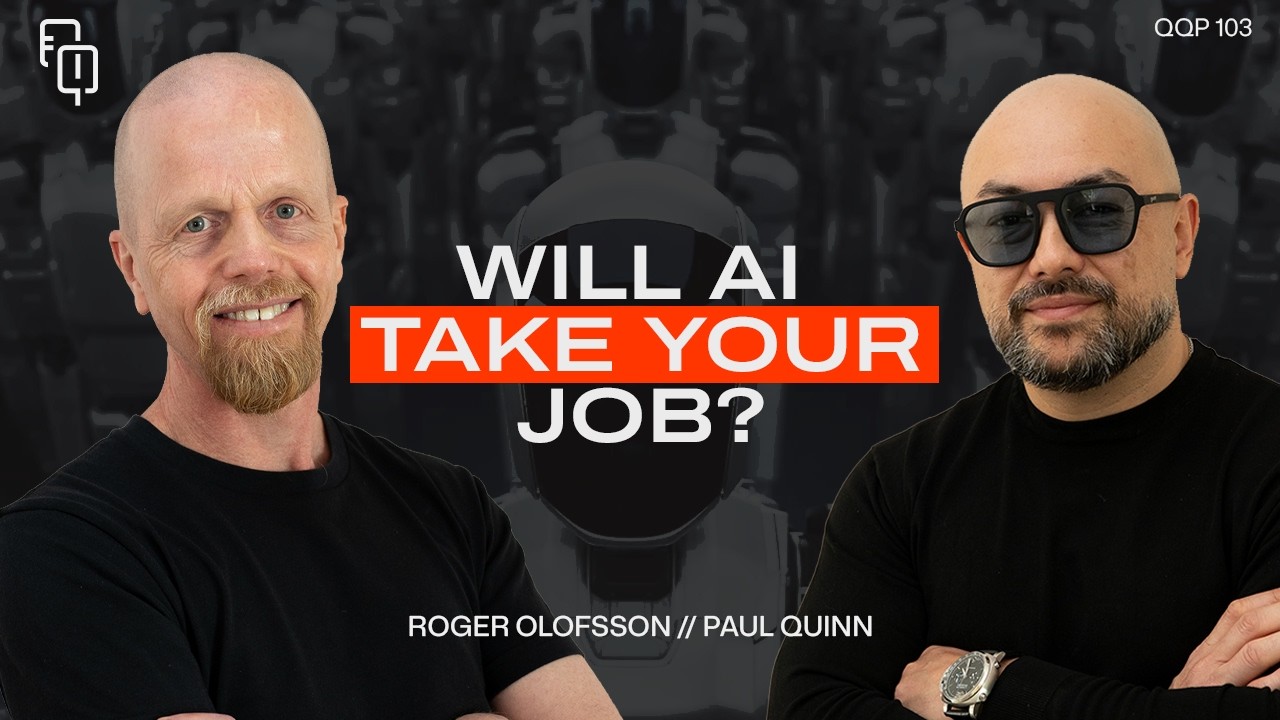
Building an AI Company Inside a Search Firm with Roger Olofsson #103
In this episode of The Quinntessential Questions Podcast, Paul Quinn sits down with Roger Olofsson, CEO and co-founder of Olofsson & Company, the executive search firm hiring for startups, AI, tech and fast-growth companies. From a childhood in Luleå, near the Arctic Circle, to landing in Singapore in 1996 as an exchange student with a backpack and a suitcase, Roger shares his transformation journey through almost three decades of recruitment in Asia, and the moment he finally backed himself to build his own firm.
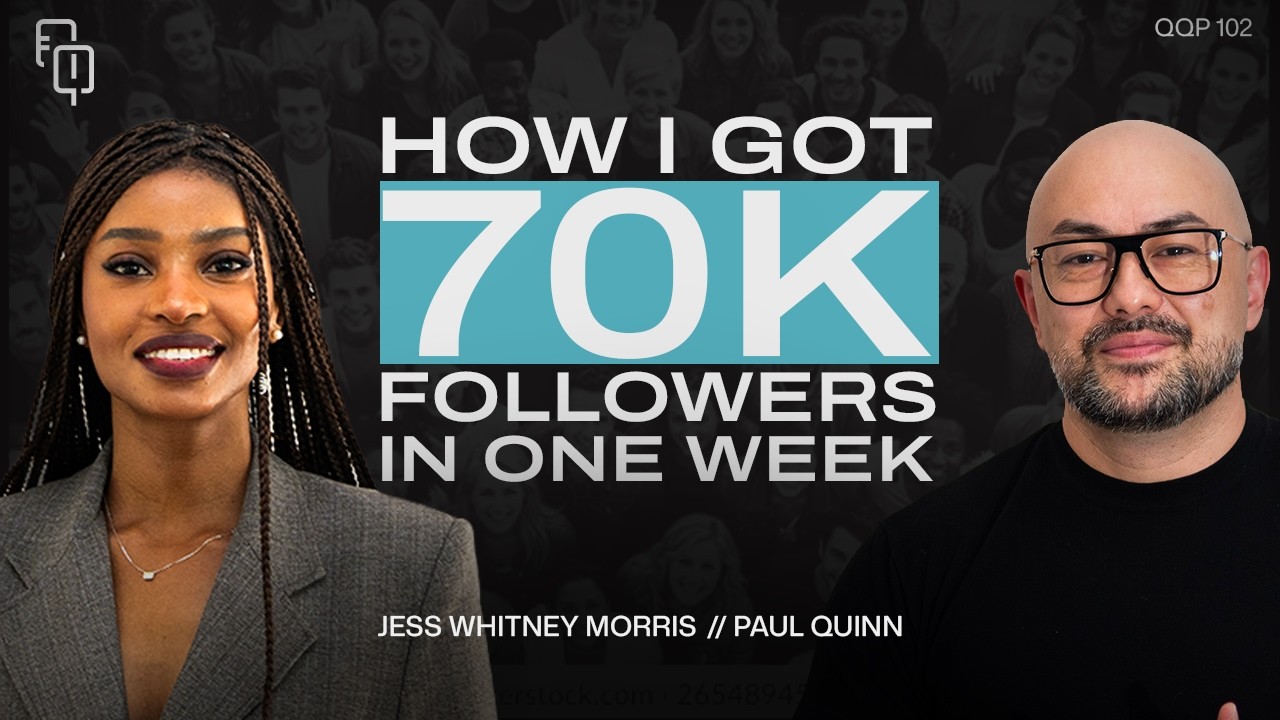
One Video, 70K Followers: Jess Whitney Morris's Breakthrough | #102
In this episode of The Quinntessential Questions Podcast, Paul Quinn sits down with Jess Whitney Morris, model, social media management company founder, and media presenter. From growing up in poverty in Uganda and working-class England to working her way through Abercrombie, Hollister, and a self-funded university degree, Jess shares her transformation journey and the moment her father tore up her first modelling contract in half.
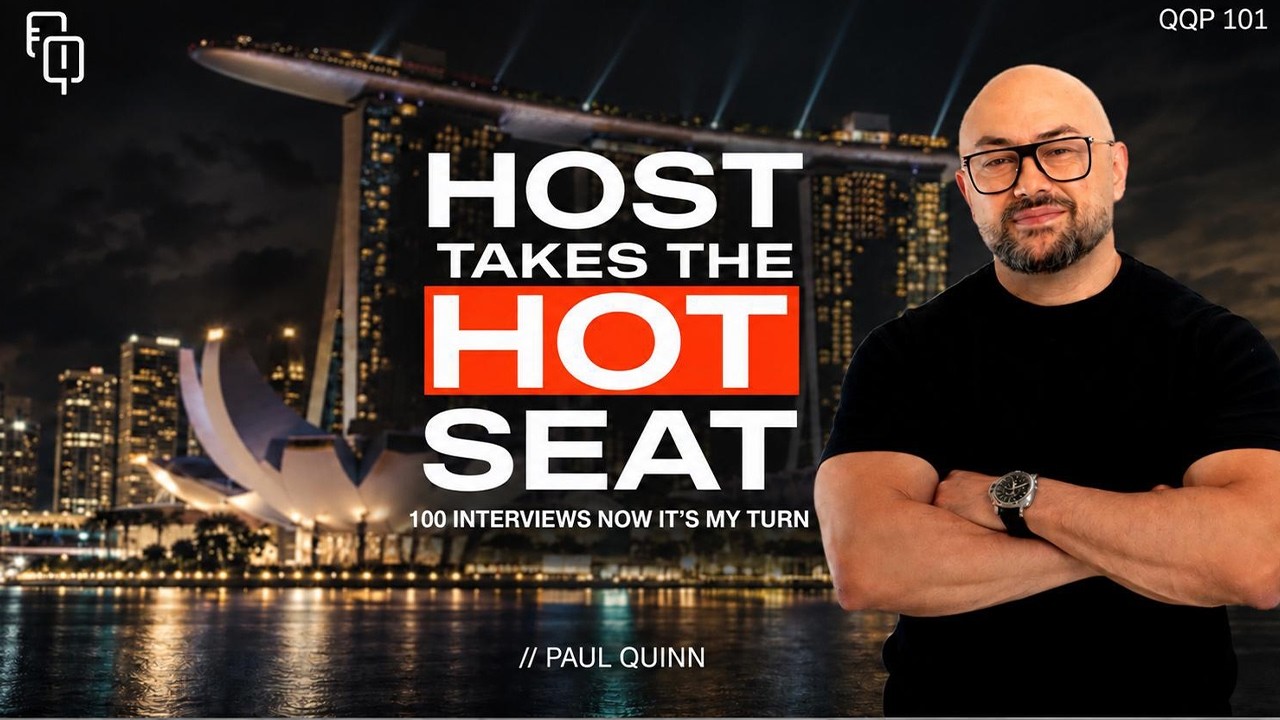
I Interviewed 100 Extraordinary People. Here’s What I Learned | Paul Quinn
In this episode of The Quinntessential Questions Podcast, the host takes the hot seat. After 100 episodes in the interviewer's chair, Paul Quinn, who runs Westport Executive Search and founded Quinntessential Coaching, answers questions sent in by guests, friends, family and listeners. From hitting a career plateau to building a podcast that now welcomes Olympians, world champions and global CEOs, Paul shares his transformation journey and the moment he decided to put a spotlight on helping people.