
Entrepreneurship Masterclass - What Business Schools Won't Teach You | Khush Ahmed | #80


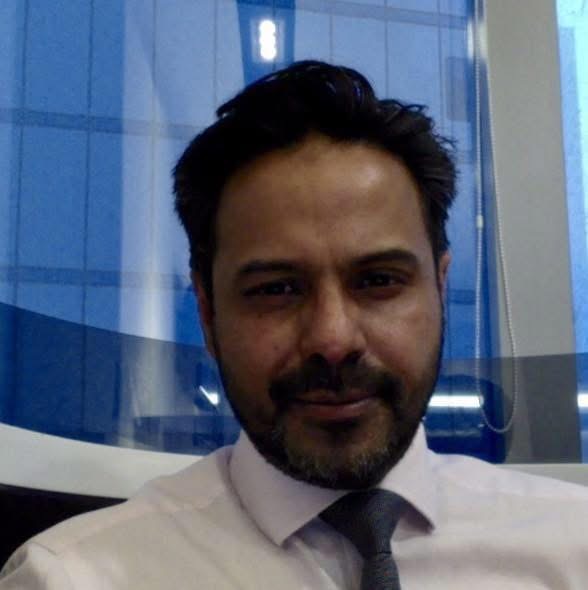
In this episode of The Quinntessential Questions, Paul Quinn sits down with his long-time friend and former business partner, Khush, to recount a 25-year journey through the high-stakes world of executive recruitment. From the high-pressure "rat race" of 2001 Singapore to building a dominant search firm from a tiny cubbyhole, this conversation is a masterclass in professional resilience, integrity, and the "Founder’s DNA".
Khush shares the powerful story of the 9/11 market crash, a day when 20 people were fired in a single afternoon. While others headed to the pub, Paul stayed at his desk, securing 21 interviews in 24 hours. We dive into the "Maturity Gap," the ethics of a "Clean Exit," and why being "average" is a career death sentence in 2026.
Key Takeaways:
- Immediate Reclamation: How to turn a professional crisis into a strategic pivot within minutes.
- The Maturity Catalyst: Why personal responsibility (family and risk) is the ultimate performance enhancer.
- The Ethical Exit: How to resign with honor to maintain a 25-year network.
- Value-Based Positioning: The art of reframing redundancy to maintain executive presence.
Episode Timestamps:
(00:00) - The Cold Open: Turning a mass firing into 21 interviews
(04:55) - The First Meeting: Detecting a Leicester accent in Singapore
(06:15) - The Maturity Gap: Why responsibility is a professional engine
(09:19) - The 9/11 Office "Massacre": Choosing the phone over the pub
(13:50) - "The Best Sales Guy You Never Hired": Reframing failure
(14:56) - The Ethical Exit: Starting a firm with honor and transparency
(22:15) - Building the Team: The cubbyhole era and the legacy of first hires
(42:20) - Financial Crisis Survival: The "Recession-Proof" mindset
(55:15) - The "Sixth Sense": Reading CEOs and identifying A-Players
(01:12:10) - Leading with Inspiration: From Top Biller to Business Builder
(01:31:05) - Evolving Relationships: Turning 20-year clients into friends(01:38:40) - The Full Circle: The ROI of the hustle for the next generation
Bio
Khurshed Ahmed has had a career in executive search spanning nearly three decades — beginning as a Senior Consultant at Glotel Plc in London from 1996 to 2000, moving through Robertson Smart in Singapore from 2000 to 2003, before founding his own practice at Nisus International Search where he built a reputation as one of Asia's most trusted and enduring headhunters, a business partner to Paul Quinn in the formative years of both their careers, and a man whose quiet authority, deep client relationships, and unshakeable integrity have defined every room he has ever walked into.
Transcript
It's just your mindset >> and you realize you're driving your your own business here and for the first time in a long time I would wake up in the morning and I would look forward to going to work. You're driven and you're focused on that success and it all feels genuine. I was always going to go alone. It was always in my business plan. >> It's in your blood. It's in your DN come from a business minded family as well. I kind of grew up in that environment. It was always going to happen and I thought, well, I need to make more money. The only way I can make more money is if I go out on my own. >> When you refer to ego, that never stopped you from coming to me and saying, look, I've got this problem. We would brainstorm. We would discuss all the different possibilities and it would just help you with the decision-m process both ways cuz you and I would always discuss our deal. We'd break it all down and and that that was invaluable in hindsight. it was probably a matter of time before you either went out on the road or before you joined me. Um, we were good friends. One of the nice things about our relationship, you respected what I was as a person, right? So, I was a Muslim. I didn't drink. I didn't, you know, go out clubbing so much and all of that kind of stuff. I was a family guy and you never held that against me. So, I think our connection was well established. So, whilst I might have deliberated, it was always inevitable. In hindsight, it was an easy decision. I don't think I had a choice. I didn't have a choice. And it's, you know, and in those situations, we don't actually have a choice. It's, you know, you're desperate. You're you're back your back against a wall. And it's the decisions you make at that point that I think build you as a person. >> What you say, man? >> What What sword have you got behind you? What's that? >> That's what you >> It is. Let me see. >> Yeah. >> Oh, man. I forgot. I forgot more about that. Yeah. Yeah. Yeah. Yeah. So when I left Paul, you told me that. >> Tell me about your journey because when you went wanted to go alone, you're the only person that did it transparently where you spoke to the owner of the company and said this is what you're going to do because your the honor and integrity that you showed in that cuz no one else did. Everyone went to set up, didn't say anything, maybe got sued and you were just transparent, right, without without got anything sensitive. Just, you know, put a spotlight. >> Yeah. >> So, I I don't think it was quite as noble as that in hindsight. Um, so I think I always knew, you know, from from a young age, even when I was in the UK before I'd got to Singapore, that that I was always going to go alone. Uh, it was always in my business plan or in my in my vision. >> It's in your blood, mate. It's in your It's in your DNA. >> Yeah. Yeah. Yeah. Perhaps. Yeah, perhaps you know and and I you know my family had come from a business family. I'd come from a business-minded family as well. So, you know, and I kind of grew up in that environment. So, it was it was always going to happen. And you know, I if I think back at it, you know, I was never as good as somebody like you. I was never the best recruiter in the room. I was I was good, but I was never the best. So, I was never going to make top dollar. And I had a I you know, whilst you guys were thinking about yourselves, I had the kids to think. I think I had two children by then, you know. um you know so I had a family to to think about and you know I was thinking you know we were kind of all new to Singapore. I was thinking of international schools and this and that and all the expenses um associated with that and I thought well I need to make more money and the only way I can make more money is if I go out on my own. Um the whole um the whole resignation process with with our MD at the time um yeah it probably wasn't as noble as you know being open and transpiring. I I I didn't want the guy I didn't want the guy to sue me and and I I actually had always had a really good relationship with with with Roger at the time. >> Yeah. >> I I I think he just liked me and you know >> you're genuine. You're you'll always be genuine >> and you perhaps Yeah. And um so I said, "Look, Roger, you know, these are my plans and I want to progress and I want your blessing." And and he said, "You know what? I I I respect that and you've got my blessing." And that was it. But, you know, it was kind it wasn't immediate. So, I resigned and I said, "Rog, I'm going to I need to figure out what I'm going to do." And it was probably uh and I started literally the day after, you know, everything was set up. And I literally one day I stopped at their office, the following day I moved into my own office, you know, in Raffles, Raffles's place as we did, you know, because we we both spent a long time with those lobsters. Um and I think it was probably three four weeks later I arranged a meeting with Roger and I said Roger you know and he was gracious enough to meet me and uh and I said to him this is this is what I've done this this you know I've set up on my own and and you know I want your blessing and he said okay look I respect that you've told me this and you've got my blessing and hey I actually already knew anyway that's what he said to me so you know um >> maybe he did maybe he didn't he would have just said >> no I think he I I think he did. You know, we had a couple of snitches in the office probably and I suspect one of them would have leaked it. But, you know, you know, so I wasn't although in hindsight, I think I did take some of his clients. You know, you you take the relationships with you, don't you? >> Um I I think I did perhaps take some of the clients, but I you know, listen, I wasn't I wasn't generating a million dollars for him. So, I don't think he felt threatened. You know, he didn't think I was going to collapse his business or anything. So, so it was good. It was good. So >> you know you know I I'll just share with you and it will dovetail to the next part of the conversation. So you know I had different changes but um you had been in business I think for two and a two and a half years before I contacted you about I mean we'd become best friends. cuz we were talking all the time. >> But what had happened was I'd gone through a period of being, you know, really skinn. I was on commission only and I got a job just to bring back your memory. I got a job with Black Mountain. You know, they were my client and they hired me and um I'd gone back to my old firm and I just realized that these guys don't really see me and they don't believe in me and I resigned and I I I knew I was going to set up but I just thought, you know, if there's one person I'd love to do this with, it's you. So, this is my memory. I invited you to go for a little bit of a romantic meal at Michelangelo's because >> Okay. >> That was >> Oh, really? Yeah. >> So, let me let me remember that. Okay. >> Well, see if you remember it. So, what happened was So, Michelangelos was the first restaurant that I'd ever taken Tara to for dinner. Right. So, I met her on a Monday and I took her out on a Saturday for dinner and I couldn't afford it. you know, I put on my credit card and um it was also Tara's dad's favorite restaurant. And funny enough, I think it was Roger's favorite restaurant. >> Oh, really? >> So, I took you for dinner and actually that that night what happened was it's quite funny. I went into the toilet and we were sat outside and Tyrone's dad was there and he grabbed me by the arm goes, "Who are you here with?" And he was with all of his friends. And I acted a little bit, you know, like I was guilty. And I said, "I'm just here with a friend. It's a good friend. Nothing to worry about." And he said, "Does Tara know? No way." >> And then I said, >> "No, but you know what does she need to know?" And he said, >> "You should tell her. Who are you here with?" And then I said, "Is lovely to see you all." Went to the toilet. I came around the other way and he was a big man as you know. and he came rushing out and then he saw me with you and I said, "I told you don't ever doubt me." I was just winding him up. So So you don't do you not remember that dinner cuz I took you I don't actually I I I I don't I don't I don't actually remember that dinner. Um >> so >> yeah, my me I'm getting old, Paul. And my memory is not what it used to be. >> You are old. You're not getting old. You are old. >> I am old, right? And my memory is fading, right? I feel it in many ways. But >> what happened? My memory was I invited you for dinner, you don't drink, so I had to drink for both of us. And um at the end of it, the next day you called me up and you go, "Okay, let's do it." And I said, "For real?" He goes, "Yeah." And you go, "Yeah." And you go, "Do you remember what we talked about last night?" And I said, "After the first bottle of wine, no." >> I think you were, you know, come to think of it, maybe there's a bit of a memory coming back because you I think you were so drunk and we'd had this deep conversation, right? Yeah. >> And you couldn't remember anything the following day. Yeah. I couldn't really remember anything. >> Okay. Now, now there is some some memory there. There is some memory there. I mean, you're talking what 25 odd years ago, right? >> No, it was 20 about 20 years. 20 years. Yeah. Two definitely more than two decades ago. Yeah. So, I I think I do have some recollection of that. >> So, so what happened was my memory is is that um you had said to me, you know, in the next day or two, you know, what are you going to do? You going to give me some money? You're going to buy in? I've been talking to some of my friends. They should they said you should buy in. I said I'm not going to buy in. I'll pay you I'll back pay you for half of whatever your costs are for your recruitment license or whatever. But I I didn't I I wanted to feel like I was coming in as an equal based on my own merit. So then you said okay fine. And I cut you a check. But what was your thought process about because >> going into business with someone it's not a small thing as you know. I never really asked you like did you go back? Did you deliberate? Did you speak to the misses? I you know I I think I did uh in hindsight. Um I think I did and I must have considered it. I must have you know sought council kind of stuff. Um but I I I I think without realizing it it was always a bit of a done deal because >> you know you you and I think were were already very good friends there. Yeah. And I think perhaps one of the one of the things at that time, you know, you were working with Black Mountain. Um, and you know, it's not always nice working for other companies, especially when you're as driven as somebody like you. Um, and I think I I had immediate success as soon as I set up this company. >> Um, you know, checks were coming in, you know, I had a good network and I'd said to these the guys, you know, over the time, uh, look, I'm setting up on my own. Are you guys happy to support me? And they said, yeah, 100%. we'll back you up. And so so so deals were coming through and because you and I were probably talking almost on a daily basis just as great friends. >> Yeah. >> You know, we were meeting and I was saying, Paul, this has come through, this has come through. You know, all these deals were coming through and you were like, oh my god, that's phenomenal. And I could see this kind of spark in your eyes >> really. >> And yeah, of course, you know, because these were big checks and they were coming through and I was saying, Paul, you know what? This this is all mine. I'm not giving a big cut to anyone. >> So, and I could see it on your face like hang on, I'm doing something wrong here because I should be having those checks. So, in in hindsight, you know, if we look back, you know, in hindsight, it was probably a matter of time before you either went out on your own or before you joined me. Um, so whilst I deliberated, I I don't really know what I was deliberating about. you know, we were good friends, we were getting on. You know, I think you respected, you know, one of the nice things about our relationship and it's always been the case right from day one, you respected what I was as a person, right? So, I was a Muslim. I didn't drink. I didn't, you know, go out clubbing so much and all of that kind of stuff. I was a family guy and you never held that against me, which was quite usually quite awkward in a in a >> in in the expat community. >> In the expat community because they all drank, they all went out, they all socialized, and I didn't want to be a part of that. And you never judged me for that. you just said, "Well, that's great." You know, this is what you are and I like you as a person and we're going to be great friends, right? So, you know, you never held me back. You never held that against me. So, I think our connection was well established. So, whilst I might have deliberated, you know, I I think because we were great friends and you were a great guy, it was always inevitable. And, you know, in hindsight, I probably took a bit of pity on you. You know, you're lonely, not not many friends or what have you. Um, but so it was it was it was in hindsight it was an easy decision and and you know I guess when you say you know you you I do remember yeah you kind of um you offered to pay half the cost. Um and I remember you said look I'm going to give you half the cost but I haven't got any money. >> Um or you know I'm >> No, I had I had some money. I had some money. >> But you didn't pay me. You you asked you asked for an extension as such but >> No, I did. Did I? >> You did. You did. You did. You did cuz you I think you some money. >> No, you know what it was? >> Um I didn't get paid by my last employer. They cut me out of a bunch of money and then what it was was Tara dad Tara's dad died >> and it was just at that moment an inception and then you know so it was it was a difficult time but I >> it was a difficult time and you said look you know give me a few months I think you put some kind of payment plan in place and you know I remember thinking yeah that's absolutely I don't remember that. >> Yeah. Yeah. Yeah. Yeah. Yeah. Yeah. So, so you said, "I'll pay you later." And uh >> Did I pay you? >> Yeah, you I think you did. I think I hope you did, >> you know. Um but you know, it it was never about the money. >> I know. >> It was It was never about, you know, it was never about the money. That That's what that Yeah. So, you know, in terms of buying in, I think that was just for the sake of what do you do when you're you know, when you're self-employed, when you're in a business, how do you bring a partner on? There should be some exchange of consideration. >> Yeah. that you know it does more of a thought process but you know we're great friends right so >> you know the interesting thing is I wanted to ask you this I I don't know this about you but I never build as much as I did until my first year of doing business with you and and I I don't know if that was the same did you build more when you were on your own versus working for someone else I think you did right >> yeah yeah 100% 100% significantly more sign triple is it because you know you've got no one breathing down your neck and you you know you're you know, you're you're giving it your best foot forward. I I find that so interesting. >> Well, I've not I've not thought about it, but I I think I think it's just your mindset >> and you realize you're you're driving your your own business here. And you know, um you know, for the first time in a long time, when I was when I had my own business, I would wake up in the morning and I would look forward to going to work. I I wouldn't mind going to work, >> you know, and and and you're excited and you know, you're you're engaging with customers with a lot more passion, with a lot more drive, you know, you're you're you're driven and you're focused on that success. Um, and it all feels genuine. Um, so I, you know, which is the case as you know, right? Um, you know, and you're in, and whatever success you have, you know, you become so determined. I I just remember some of the conquests that I had. you become so determined and so driven, you know, and I think when you're employed by someone, I you don't have that drive, you know, work is just a chore, isn't it? You're forced to go in because you have to go in and you know, it's your 9 to5 or whatever environment and you know, you're going to get a a reasonable amount of money, you know, and and you know, it's all a struggle, but suddenly everything becomes exciting when when you're your own boss. You know, you know the funny thing about our relationship is we'd always take the piss out of each other in a friendly way. And um I know >> always and I remember when I said to you, "Come on, I want to come into the business." And then, you know, you were um and a little bit. And then I said, "Listen, mate, I'm already a better recruiter than you, you know, and then and then you kind of liked it because it was it was just a little bit needling. But I've got to tell you this now. I learned more from you >> than anyone else by 10 times. And and I and I've analyzed it because what I realized is indirectly you were a sponge. Cuz I would ask you, you know, I'm selling retainers. What else do you know about retainers cuz no one ever taught me how to sell a retainer? And you said, "Well, there's a guy I used to work with, >> Chris, and he sold a rolling retainer to a major multinational. I remember it was as a technology company." And then I said, "Yeah." And I said, "How did that work?" And next thing we were talking for about 45 minutes based on your observations. And I said, >> "Do you think I can call him and ask him how he did it?" And um you weren't sure whether or not he would really come back to me. And I did call him. He didn't share that much. He did cuz he didn't know me that well. So half of what I learned from you was from your own experiences and you would share things with me. And what I loved was we had no ego. So, I remember you closed a gigantic deal, >> the biggest deal of your career, I think it was, >> and I remember we we were sat outside in the accountant's office in my car or your car, and we were going through all the different steps. Okay, if the deal goes this way, how do you pull it back? If it goes this way, I think I remember that. >> Do you remember that? And, you know, I I missed that camaraderie because the reality is is, you know, I wanted you to close that deal. Um, yeah, >> it's not I wouldn't there's no money in it for me. But that that to me was where I learned the art of recruitment. I I didn't learn before that. I learned everything from sitting next to you and exchanging ideas. >> Yeah. I I you know, it's interesting you say that because um uh I I think that is I think you just described it really well. You know, when it comes to our relationship, you know, whether whether it was friendship or in a business context, um there was no ego ego involved. you know, I I didn't I I always wanted you to succeed and I think in the same way you wanted me to succeed, you know. Yeah. Which is a really special thing because I don't think we come across that too often. >> Um and and I think one of the one of the great things about our relationship, you know, I mean, you know, let's face it, you you you're in terms of your career and my career, obviously I left some time ago, but you know, you've had a phenomenally successful headunting career. you know, you're you're established, you're recognized, you know, you bring a lot of credibility. Um, and so so you you know, you're right. You you you you were significant than me, but that you know, well, and I think I think you always knew that. Um, but that never stopped you and and this is the nice thing about you and and you know, when you when you refer to ego, that never stopped you from coming to me and saying, "Look, I've got this problem. Can we brainstorm this? Can we discuss this? You know, this is what I think. What do you think? You never said, "Hey, I'm much better than you." You know, I don't need to listen to you. You know, I and and you know, and and that's that's a nice thing, right? You you you just kind of established that um I I had something to bring to the table and you know, we would brainstorm, we would discuss all the different possibilities and and you know, it would just help you with the decision-m process. So, so it's it's humility. It's humility on your side, right? and and you know both ways because like you said you and I would always discuss our deal. What do we do? What do we do? You know which way should we go? What are the options? We'd break it all down and and that that was invaluable. It was invaluable. So and I think you know especially earlier on in our careers when we set when we were partners um >> um you know I I as you know I I don't like taking credit for those ideas because they weren't my own doing but I was exposed to some really great people you know. you were who were Yeah. who were corporate >> and you always said you hadn't you know the things that you had done things you had observed. >> Yeah. They they were observations and and you know they were fascinating observations and and whilst you know you and I were young at the time um you know these were like you know prolific head hunters you know they closed they were real moving movers and shakers in Asia not forget Singapore it was kind of Asiawide. Yeah. They were the best. they were working with some really top level clients and and I would see all this and I would like you said I would just absorb it on think because I was so impressed with these guys. They were just so impressive. Um and you know when you when you would hit some kind of wall you know it just made sense for me to draw on that experience and and share that with you. And you know, I think when I think back at it, you know, for for me, some of those ideas were like just something to look up to. You know, I I I I never had your level of confidence. Um, but I would share these ideas and I think every single one of those ideas I shared with you, you executed on almost immediately. Almost. You know, there was no fear. I don't know if there was any fear. I certainly didn't see any fear. Yeah. And I would say, Paul, what do you think about this? What do you think about this? This is how it worked. This is why I thought it was really impressive. And you would take it on board and you were like, and next thing you're delivering the bloody thing. You know, you you've pitched it to your clients. And not only, you know, not only were you were pitching it, you were pitching it, you were winning those contracts. >> Yeah. >> And and they were they were high ticket contracts, weren't they? They weren't small piddly deals, right? They were they were high value >> significant >> significant you know and and you know the good thing is they you know you weren't messing around. I mean they they you know a lot of that work involved a lot of work you know and you you then went on to hire Elton you know you hired people because we you know we decided you needed support. Um >> by the way by the way you know so I'll tell you about this. So, I had kind of decided before I'd even talked to you, I thought, I want to hire a researcher because I'd never had I I had a researcher. In fact, I had a whole team of people doing research for me. >> And you know, you your take your you're more conservative like Tara and my wife and my mom, you know, get up and billing and then hire a researcher. And I just thought, no, no, no, cuz I'm going to bill. I'm going to bring the business in. I'm a great business developer and we need research. And then I didn't want to solicit anyone from my old company. And back then, and you know this better than anyone, I thought I could convert anyone. If you worked in McDonald's, if you're a taxi driver, I could make you a great researcher. I was convinced about it. >> You did. You did. Yeah. I I And I was never equally as convinced with some of your uh >> Well, you were suggestions. You were right in the end, more often than not. >> Yeah. Absolutely. Yeah. I mean, you know, we hired and fired a lot of people unfortunately, but but yeah, I I remember that about you. You would literally go to look at a car and offer the sales guy a job. Paul, are you crazy? This guy can he can't even speak English properly, you know. Um, but you Yeah, you you did that frequently and often. >> What was your memory? Because what so with Elton what it was was he worked for Tara's dad and and I only only met him twice but I always felt badly because when Tara's dad died Elton unfortunately lost his job immediately and and he spoke so high Tara's dad spoke so highly of Elton and I just thought I don't really need to think about his integrity because Tara's dad was a very successful businessman but when I spoke to Elton he said to me Paul I had about seven or eight rounds of interview and when I finally came to come and work for you. I was so shocked because it's just two of you in a tiny cubby hole. And I said, "What did you think?" He said, "I thought you had 20 or 30 people cuz we" And I said, "Yeah, me and Kush we." >> And but what was your memory of hiring Elton and and that very first hire back in ' 06? >> Um, >> yeah. I I you you know, like like you said, the hiring you always drove the hiring. So, you know, you and I by that point we were we were successful head hunters in our own right and we were we were doing well. We were kind of engaging with some nice deals. We had some good good corporate clients. The business was coming in and we you know we we we were rolling with it and delivering quite successfully. Um but so I I you know so and we were making good money by then and um I was comfortable with that but you know you always had this vision to grow and to employ people and it wasn't just one guy or two two people you know you wanted the team underneath you. Um which you know in hindsight made a lot of sense because we're we're in business and you know we'd seen established recruiting companies around us. So it made a lot of sense and so you were always that driving point. So yeah, you know, and and unfortunately every candidate that we interviewed would we would put them through everything. It would be a number of interviews. It would be some crazy questions. It it was really putting them on the spot. Um I I remember they all had to do presentations. Um and we would really challenge them. Um, >> and but that that was always driven by you because because you see one of the ways you work, you you're just really thorough. You're you're very thorough. You're hugely detailed in your work. And you know, I don't know how much you realize that about yourself, but as somebody who's completely different to you in terms of style of working, uh, and just person as well generally, um, that was always one of the things that was really impressive about you. you know, you would always regularly blow my mind. I mean, you know, as we kind of developed and carried on working, I I just remember some of the things I had to pay for, which I knew I was never going to use, >> but I would just overlook cuz I knew you wouldn't you wouldn't let it go. I mean, it was it was the simplest things like simplest things. And and this is just how you worked, but it you know, it was always nice for me to see it was just the way you work. So, you know, you had your filing system, you know, you had all these folders and I was never like that. Mine, my my stuff was always just a pile on my desk and, you know, cuz I think you were running a lot of the admin of the company as well. >> Um, so you had all these, you know, all these folders all exactly the same and then you needed the labeling on the folders to show what they were. And you said, Kush, look, you know, I need to buy this digital printing machine thing. >> I've still got it. I've still got the same thing. It's lasted good value. Same one. Yeah. absolutely >> mate, >> you know, and I I was like, I don't need that ball. And you said, "No, no, we absolutely need it." And you know, and and the thing was, you know, each time you had a new folder or a new file, you would you would put your whatever in and you would print out that label and and you would stick it on, you know, and you know, you're I'll tell you another thing that always really impressed me by you. you know, obviously in our work, you know, you you you're getting a million emails, you know, and and and I always wanted to learn this from you. Um, and I could say to you, you know, this email or this reference and within 45 seconds, you've pulled out that email from a filing system which >> probably had hundreds of emails in it, >> you know, and that always blew my mind because I was never that organized. So, >> you know, you know, I I printed and created action planners for all the staff. >> You did? >> I remember someone said to me once, "Why the hell do we have to use it? Kush doesn't use one." And I said, "Let me tell you something." Yeah. And I said, "Let me tell you something. Kush has got a diary for the whole year." It was We're big black D this big. >> And I said, "I can ask Kush for the name of someone that he got nine months ago." and within less than 30 seconds he's going to find it and it's going to be written upside down diagonally, but he'll know exactly where it is. You don't have that guy's memory, right? And and then and they said, "Paul, you're full of shit." And I said, "Right, let's test it." And then >> Oh, really? Okay. >> Yeah. Yeah, I remember. And I remember you opened it and sure enough it was written diagonally. I said, "There you go." >> But there have memory then. Yeah. Do you do you think I think we had probably more in common than we didn't working style, but we were yin and yang in many ways as well. >> Yeah. Yeah. I think we were I think well well you know just one of the differences I've just just described you know and that you see that was all a learning process for me watching you work um you know and and the detail and the thorough because you were always very thorough. That's why a lot of these candidates that we interviewed to join us had would have to go through all these rounds of interview. Um, I think I was more of a um a gut instinct type of guy. You know, h have a meeting. I like I like this person or I don't like this person. And I think you needed to do due diligence. You know, you needed to see the presentation. You needed to challenge them and see how how uh how they were. Um so I I you know I knew when you know when you made suggestions I had to agree to them and I did because firstly I didn't want to clash with you. there was no need because these were minor things and I would say Paul yeah go ahead whatever you want you know he was always going to cost me money but he it didn't really bother me a great deal um >> we were different different but I think we complimented each other >> we complimented each other you know I have to say in many ways Elton spoiled me and spoiled us in terms of a first hire because >> you know I look back and I I think to this day other than maybe maybe myself I don't know if I'm quite as good at him as he was but he was an amazing noteaker and he neat handwriting and he was very diligent and he had I mean his I spoke to him the other day and he said he can't remember yesterday but he can remember a pass that we wrote on a candidate 20 years ago >> and um and and you know what what was interesting was I do think we've shaped the lives of some of the people that we hired and that we worked with and um I think the other thing is we we were we always had good intentions you know we we're kind people right and we're in a business that has a lot of shyers and I always think that we felt we didn't think transactionally. If you think about it, your clients were effectively lifetime clients, >> you know, lifetime clients. Yeah, you're right. >> You had clients for donkeys years and >> donkeys of years. >> Yeah, that was that was really interesting. >> Yeah. I mean, you know, talking about Elton, um, you know, I think he he, you know, he had a big impact on us in terms of, you know, from the support that he offered us and he was he was very good at his job. >> He's just intelligent. um he he he understood how we both worked separately and he knew he knew how to services accordingly. So that was probably his key skill and then on top of that he was very good at his job. He was just an intelligent guy. He knew how to engage and and you know the good thing was I think he he was equally uh ambitious as well. So he wanted to progress we which was which was fine. Um he you know >> and you're still good friends with him, you know, after all these years. You're still great friends with him. So >> it's interesting because he always said to me he didn't consider me a friend. He couldn't call me a friend when I signed his checks, which I kind of understood, but I just said time will tell if I'm a good friend. But I remember um really sitting down with you and talking about, you know, I think we should make him a consultant. And I only wanted to do that because I thought we can't hold him back. But I remember in it was in the first six months when we hired him, he'd supported a million dollars in revenue. Half from you, half from me. And he was he was we gave him uh it was like his end of year appraisal and we'd never done one before together, right? So I said to you, "Let's get him a present." And you said, "Let's get him a nice Gucci tie or something." I said, "You know, Elton, he won't he won't appreciate it." And I convinced you. I said, "Let's go and get him a PSP." You know, he's into all that gaming and [ __ ] >> Yeah. Yeah. Yeah. Yeah. Oh, I think I remember that. Right. >> So then So then what happened is >> I I went up on the whiteboard and basically I was about to tell him, "Look, we're giving you a promotion. We're giving you a pay rise. Here's a gift." It was all quite significant. So I got up on the whiteboard and I said, "Mate, this is where you are in terms of where you came in. this was where you are now, right? You've really made a massive impact. Um, and this is where I think your potential is. And he took it the wrong way, you know, cuz his nickname was snaps cuz he used to snap at things sometimes. So he he got up on the whiteboard and he took a pen and he goes and he on his tippy toes cuz he's even shorter than me and he goes, "That's where my potential's at." And then and then I don't even remember this, he got really angry. He said, "I'm not going to take advice from someone who's done three placements, you know, in the last, you know, few months." And I've never ever seen you get angry before because at that point, you realized that we were about to do something great for him. And he he'd obviously misunderstood it. And then you scolded him and you said to him, "Listen, Elton, if in 10 years time or even in 15 years time, you can make three placements that equal half a million dollars, mate. you then you can talk right and um but but it was it was a good ride with him as well. Yeah, it was it it was uh and I think, you know, I think he was young and I think part of him he he was probably trying to be ambitious. You know, he had these two big profiles around him and I think he was probably trying to step up to it and live up to what our expectations were. And uh you know that was probably a lot more your influence than mine, you know. Um you you were always the detail guy. You were always the guy developing develop people, developing people. you were always the guy seeing potential in people. >> Um perhaps too often >> too often, >> you know, too often, right? You know, uh seeing the good and seeing the potential. And I I was always the cautious one saying, "Boy, I I don't think this guy's got it." Or such and such person, I don't think they've got it. And you were like, "No, no, I think they can do it. I think they can do it." You know, and I I think I think because I'd see the determination in your eyes, you know, I wouldn't challenge you too much. I would kind of let you roll with it. >> Yeah. you know, um, you know, because you wouldn't give up on it. >> If I didn't go with it, you probably wouldn't have given up on it, right? And, you know, it was never a major thing. So, that's, yeah, so as a result, we hired a lot of people and I think, you know, >> well, listen, lost a lot of money, bad hires. >> We made some I made some bad hires. I mean, we we lost a lot of money and I I learned a valuable lesson then. And actually the reality the reality is is I wouldn't have learned that lesson unless we hired those people because I always was >> and you know what I realized now looking back I always wanted to believe in the underdog because I always felt I was an underdog. So I always thought >> give this person an opportunity. >> Um but what I now realized looking back not everyone was going to put that work in. Do you know what I mean? >> No. >> So I I want to bring back your memories. >> What was your first memory of when we met? Because I'll tell you mine and then you tell me yours. So I had already started working in Singapore. >> Okay. >> And Shati was the manager of the old company that we used to work for and she said, >> "I want you to meet this guy. He's coming into the office and she gave me a copy of your resume >> and you and a couple of hours later you walked in and I I stood up. I shook your hand. I said, "How you doing?" And I said, "Oh, you're from Leicester." And then you were quite impressed like you said, "What? You got my accent already." and I said, "Yeah, but it wasn't. It was because I had your CV in front of me." >> So, I actually remember that. I remember that really vividly, actually. So, gosh, I mean, that was such a long time ago. Um, and uh yeah, so I I remember and I was impressed. I thought, "Wow, how can he how can he tell just from the way I was speaking that I was from Leicester?" Um, but I I remember you. I mean, you had hair in those days, right? So, it was obviously a very a very long time ago, right? And uh >> do you remember which month it was? It was 2001, but which month? Cuz you were you'd been in Malaysia, right? >> I I I went on uh So, we No, no. Uh not not that time. Not that time. It wasn't that time. So, no. No. So, this is I'd just flown in for an interview. >> Okay. >> And I'd come I'd come to Singapore for I think two or three weeks and I had two or three interviews arranged. Um, and I was literally just doing interviews and I I I could, you know, honestly I can't even really remember meeting Shaki during the interview, but I remember meeting Roger. >> So, I had a second interview with Roger and at that point they, you know, made me an offer. I'd kind of negotiated my salary to increase it because I was the only guy pretty much in the office who had a family married with kids and you guys were all bachelors and single and and and what have you. And there was a whole bunch of new people in the team if you remember all all the ladies from Australia and and what have you. >> Um so um but I still remember meeting you because you you made that comment, oh you're from Leicester and obviously I had no idea you'd seen my CV. Um but you and I met Neil as well. Um but I think we engaged immediately and I think we kind of connected immediately. Yeah. you know, and uh and you know, you had this cheeky smile on your face and uh you know, you you must have been what? >> Early. Yeah. Yeah. >> How old how old your Aisha now? >> Older than Asha's 27. Oh gosh. Aisha 27 now. Aisha's 27. Aisha will be 28 in May this year. So, >> what's the rest of the ages? Remind me. I can't believe. >> So, Aisha is 27. Yustra's 24. Yasin's 21. Hannah's 19. That's bananas, mate. We were We were babies back then. I mean, you were definitely a baby older than you. You had two kids. I was married. Um >> No, I had one child. I had one child then. Yeah. And um but as we relocated to Singapore, literally at that time, Marin was expecting with our second expecting our second child. So, so I think that so I I got married at 24 years old. 24, 25 years old. Um, so I think that had matured me. >> Yeah. >> A little bit. I had responsibility. I wasn't mcking around like you guys were. Um, so so you I don't know if you remember this. Um, so that night that that day, in fact, that moment you said to me, you and Neil were going out and did I want to come along? you know, and uh you know, you guys must have been going out on a crazy night like you probably were in those days. And and I was a I was a family guy. I didn't drink alcohol >> and uh and I think I I said, "Well, look, I'll join you guys for dinner if you want, but you know, I'm I'm not going to come out with you guys." >> But that was that was our first engagement >> and and it's it's I think it's a positive memory, right? It's a it's a positive memory. It's a nice memory. Yeah, you know, I think I kind of liked you straight away. I was impressed that you could tell I was from Leicester and it wasn't I think it wasn't until much much later that you said, "Oh, no, I'd seen your CV." >> Um, so yeah, so that was that was that was a long time ago. >> Let's let's fast forward. So >> yeah, >> the day the day that I lost my job, I think 20 people in the office had lost their job. It was it was a lot of people. >> A whole bunch of people. Yeah. A whole bunch of people. I won't go into the ins and outs because you you were the only person that sat under two different umbrellas of the business, the executive search business and the search and selection business >> and I don't know if you remember in the contract it said that um if you were terminated cuz we're all expats that they the company would pay for us an economycl class flight home. >> So so of the 20 people 19 went to the pub because it was December and it you know 911 and they thought you know what I'm out of here and I was the only one that stayed in that room. in the search and selection room. >> Yeah. Yeah. And I said, do you remember that? And I was close to tears because do you remember my my my rent had doubled cuz Mark lost his job. My mom and dad were arriving and I went to go and speak to you and you gave me a bunch of name cards. >> Do you remember? >> Yeah, I remember that. I remember that really clearly. And and so one of the interviews that I intended when I flew across for interviews um and I passed on that card. But you know, again, I think uh I think that just to me it just reflected who you were as a person and and honestly I' I've told that story to other people. >> Have you? >> Everybody. Yeah, I have done. Yeah, for sure. Because I think it just reflected what you were. Um so a lot of people went to the pub, you know, they were depressed, they were upset, they were whatever. And you you you you made that decision. Well, you know, I don't have time to go to the pub right now. I I've just lost my job and I need to secure. And you were on the phone >> straight away. >> I I Yeah, straight away. And if I'm not mistaken, you'd arranged a bunch of interviews. >> I got, you know, 21 first interviews. >> There you go. You'd arranged a bunch of interviews for yourself. >> Yeah. >> Um, which just kind of reflects what you are as a person. You know, I I think you you're probably at a really low point in in your mind because you've just lost your job. >> Yeah. >> But you've overcome that. You've battled it. >> Yeah. and and you've just arranged a bunch of injuries because you're saying to yourself, look, there's no way I'm going home. I can't go home. I'm not going home, you know, and to have that foresight, to have that discipline, um, >> you know, at that age where you're 22, 23 years old and, you know, now we look at 21, 22 year old, 23 babies >> and they're babies and and they they don't have that strength of character and I think you did. you you just did and that was so impressive and I think that was the start of what you were as a person you know to me right >> you know interestingly I didn't really feel like I had a choice because you know back then if you're on unemployment pass you had 30 days otherwise you'd had to leave the country I mean yeah in theory could go across to Malaysia and come back >> and then my mom and dad were leaving and and the the lease was in my name >> and you know I've only ever borrowed money from one person and that's you when you know years later, a few years later, I brought $1,000 from you to fly back to see my dad cuz you and I don't like debt, right? But I was desperate, you know, and I thought, you know, I got to go back and see him. What happens if he doesn't make it? But, um, but yeah, it was your fault I joined that company. >> Yeah. Yeah. But, you know, I think I, you know, it's interesting what you say because you said you, you know, you said um, you just said to me, I don't think I had a choice. I didn't have a choice. And it's, you know, and in those situations, we don't actually have a choice. It's, you know, you're desperate. Your your back your back's against a wall. And it's the decisions you make at that point that I think build you as a person. >> And you know, so um and and that's what built you. I remember that. I can actually still see you on the phone at a desk, you know, um because I was I was literally the only survivor >> in that massacre, wasn't I? I was I remember going to Roger and saying, "Rog, look, you know, you're scaring the hell out of me here." And he said, "No, no, no. You're you're perfectly safe." I said, "What does safe mean? You you know, you've just spied all my colleagues." Um, but you know, these when we look back, you know, these things happen for a good reason, don't they? >> They shape they shape you, you know, they shape you, of course, >> because everyone that left, they never came back. They probably went back to their home countries. I haven't stayed in contact with a lot of them, but they never stayed. And um yeah, it's just what what was interesting was I remember one of the interviews when I called somebody up and they said, "Well, why on earth would we hire you? You've just been fired." And I said I said, "Look, I've got nothing but great things to say about this company. The reality is 9/11's happened and I don't think I was fired because of my lack of skill or performance." And put it this way, I'm the best sales guy that you've never hired. And I thought about it in the moment cuz it was it was I wasn't slagging off his guys. And I remember that was quite a good line. Um but but man listen I that morning started I was close to tears because you're just thinking we're gonna do >> and then next thing at the end I just thought oh mate you you bounce back you've got something I got a job offer the next within a week. >> Yeah. Yeah. Yeah you did. And you did bounce back phenomenally. Um and I think that's just you know credit to the to to the effort you put in and and you kind of survived it you know. Now, let's let's fast forward to the financial crisis because if you remember, there was a period everything went pear-shaped. Neither of us in the company hadn't built for six months >> and and yeah, it was it was it was a tough tough time, right? And we were like saying, "Hey, what are we going to do?" And you know, without going to too much detail, you went and had a think about and you basically said, "Look, Paul, I've got four kids." You know, I think were three of them in international school at the time or two. Yeah, something like that. >> Something like that. >> Yeah. Yeah. Yeah. >> And you you just said, I think I'm going to go back to the UK. And um what was your memory of that? Because I I was so taken back like I felt like I got hit by a freight train because I was thinking I'm not just losing my business partner, I'm losing one of my closest friends. And I just enjoyed coming to work with you and you made, you know, what would be very gray days a lot brighter. But what's your memory of that period? >> Yeah, I you know, I mean, it's it's interesting that you kind of bring that up. Um yeah, I mean it was it was a difficult time for me and you know I I did have you know just the the the costs of living in Singapore even at that time was sign astronomical. >> Yeah. Absolutely. Yeah. And you you kind of sit down and you work out the numbers and and you know you're like Jesus Christ you know this is this is so much money just to live. Yeah. >> And you know you know how I lived. you know, I you know, you were very frugal. >> I was frugal. I mean, it was a good lifestyle, but I I was always careful. Um, you know, because you and I both know how hard it is to make money. It's not easy, you know. Um, >> and and I think I think at that time I think I was just going through a little bit of burnout, you know, I was tired mentally and and I was kind of losing that drive. Um, and I'd made, you know, both of us had made a decent amount of money and and I did and at that crisis time I I I didn't want to lose that money and I knew that if I'd stayed in Singapore, I just would have kind of eaten chipped away at that money and w with the way costs were in Singapore um >> just would have would have vanished in no time, right? >> It was like something silly like, you know, with your apartment cost and the school costs. I remember it being something like quarter of a million dollars. >> It was it was ludicrous. Yeah. Before you even out your front door. >> Absolutely. Yeah. My clients I I remember a couple of clients, you know, we when we were talking and they'd say, "How many kids have you got and what schools are they at?" And I'd tell them and they and they would quickly do the numbers in two seconds and they're like, "Oh my god, it's costing you $150,000 just in school fees." And I was like, "Yeah, it's crazy, isn't it? It's frightening, you know." Um so a and you know in our job the thing is with our job it was never an easy job you know I I don't think >> you know our sector really got the credit you know we we we were never really recognized as as as you know true professionals and what have you but our jobs to be successful even not to be successful it was just a hard job you know you you you're just dealing with things you're dealing with egos you know we you know you and I both worked at a pretty senior um you know you're dealing with clients and even candidates often um you know you're dealing with big eos and you know you and I throughout our career have always discussed how customers very rarely bought us a drink or bought us a coffee or bought us lunch we were always paying we were always buying because it was just expected you know the service provider >> how many people have actually after you placed them sent you a thank you note and a gift because I know >> very few >> two have done it for Yeah. So that you know there was uh a few years back after I came back to the UK there was um one guy who sent me a message and I'd placed him many years ago. So he was a client and I you know he needed a job. I think he he'd been retrenched or something or other. He was a software guy. Um and and I you know and I just got on with this guy re really well like I did with a lot of the clients that I had as you know. you know, I got on with this guy really well and and he came to me and you know, he was on a full expat package and he said, "Look, I need a job. Is there anything you can do?" And I said, "Right, you know, there is something." And and I got him a job at Microsoft. So, he went from a small software company to one of the biggest software companies in the world. And he loved the job and you know, they made him the offer and he took that role and I think he he literally when he joined he decided he was going to spend the rest of his career, you know, Microsoft, right? one of the greatest guys in the world, right? He was like, "Right, I'm you know, I'm gonna see out my career here." >> And then many, many years later, he sent me a message and um he'd basically retired because he was he was quite a lot older than me. >> Wow. >> And he'd retired, you know, because he'd come to age >> and and he sent me a message just completely out of the blue. Um, and he and he basically just said, "Look, I really wanted to thank you cuz you got me this job and you know, you you transformed my career and, you know, I'm I'm just really grateful and I've had a fantastic career and it was all down to you." It was such a touching message, right? You know, >> yeah, it was lovely. It was really love and he was a lovely guy. He just he was a lovely guy. He gained a lot of business over the years. Um but it was just that recognition that we we we'd had an impact on his life, right? >> Beautiful, man. >> So yeah, so we we you know, our jobs were tough and we we you know, we you'd get a thanks, but they don't people really never understood how much and how much effort we put in in the background. It was always significant. They were no idea whatsoever, you know, >> and people don't realize that, you know, we make a placement, you know, I always we always never really recognize successful placements because their stages, okay, they sign a contract, a bit of relief, >> they resign, they go through the counter offer, they get they start, and then you're waiting for the six-month guarantee period to clear because, you know, there's a refund clause. So the reality is the money is not contri obligation free basically roughly for 12 months from inception and and then you're paying all your staff costs and that that weighs very heavily. >> Of course it does. Of course it does. But you know also they don't really you know people never appreciate you know the effort you've put in >> to build the relationships that we've built, you know. So, so if if if we met a an interesting candidate who had some kind of match to some of our client requirements, you know, we you know, we you and I could have been working with that client, you know, for many many years. And and you know, again, you know, something you're you're actually much better than me at is working at a super high level. So, you know, there was one particular memory I have where I' I'd returned to the UK and obviously, you know, after a little while, I I had a bit of a break and I then went back to I would travel to Singapore, uh, as you know, with your encouragement to to enga re-engage with clients, right? So um and you know there was one particular meeting with a bank um somebody I'd worked with for many years you know who who I'd kind of witnessed kind of progress up the ladder you know quite rapidly and you know I and there were a few of these guys but this one particular guy I messaged him and I said hey look I'm in town you know have you got time for a coffee and he said yeah sure I'll meet you and I met him and he said to me he said look I meet recruiters, but you know, I just don't need to meet them anymore. My people do that for me, but I see you more as a friend and so I'm happy to meet you, which was such a massive compliment, >> you know, and I think whilst I had that off the back of a relationship, I think you had that at multiple levels across multiple organizations. Not so much cuz you'd built a relationship with these guys cuz I think these guys just respected your work, you know? So, and you were you were working at CEO level, right? You were meeting the global heads >> and you'd had a relationship and it wasn't cuz they considered you a friend. I think it was because they just rated your work so highly. >> You know, they knew they knew from their perspective they had to meet you cuz you know because of your delivery levels. And you know, >> you know, when I think about, you know, what what your skills are and what you bring to the table, you know, you you know, your confidence was always phenomenal. You know, I've been in meetings with you and I I'm thinking in my mind, I'm thinking, I can't believe this guy's just got the balls to say what he's just said. And, you know, it wasn't it was always professional. >> Yeah. >> It was just your pitch. You know, you know, when I heard you say to, you know, a very large investment bank, you know, I don't know if I'm going to work with you guys. I haven't made that decision yet because we I never faced that scenario. It was always the other way around. It was always the customer saying to you, "Well, we'll let you know. We'll call you. Don't call us. I" And you're saying, "Well, I I don't know if I'm I don't know if I'm going to work with you guys yet. I'll figure it out and I'll let you know." >> You know, mindboggling to me. >> But this this is how I've maybe it's because of my sporting background, right? But the reality is this. If okay, let's just say there are 40 banks and you meet a bank. >> Let's just say they're the 10th best bank. So, does that mean it's the 10th best CEO in the market? Maybe. But I think I'm the best at what I do. And I remember saying that to you once and I said to you, cuz you're a contrarian. I said, "Mate, I think I'm the best private banking head hunter in Asia, maybe in the world." And you said, "You don't know that." I said, "Of course I don't know that, but if there were a hundred different things and criteria points that we were measured on from revenue, you know, structuring deals, business development, whatever, I would win that race." And then you would always say, "Yeah, but you don't know." And then I don't even remember this. Um there was a Euromoney poll that came out ranking head hunters and it doesn't exist anymore and I'd never heard of it before. >> Um I threw my hat into the ring >> and I got ranked se second in technology and >> okay >> you did technology, Neil Bulock did technology and you said how the hell did you get that ranking? But it was because I'd done this feasibility studying this tech project for that private bank. >> Oh, I see. Okay. >> And but I'll tell you something that's interesting. A lot of people won't know this. So, I came second in private banking behind a lady called Alice Louie who runs her own company, Lion Rock, and she came first and I'd heard of her name. And I wrote to her to congratulate her. I said, "Huge congratulations. I'd love to, you know, invite you for a glass of wine when you're next in Singapore, when I'm next in Hong Kong." And I did. I actually met with her and I realized, you know what, she was pretty damn impressive. And then we became friends cuz I do think that a rising tide raises all ships. And in sports, it's the the reality is there's always going to be someone bigger, better, and stronger than you, but you can learn from them, >> right? And I was absolutely I was never I was never worried. And the other thing is this, no one I mean, you're the closest person who's ever given me anything in my corporate career. No one's ever given me a hand out. No one gave me a payriseise or a promotion. I had to go and win it. And I also I thought, you know what? I'm never going to meet someone in our business that I can't knock out. I'm never going to meet someone that I Well, you know, that was the confidence. Well, that was the stealth belief you always had in yourself, you know, and and I wasn't that kind of personality, but you were. And and I think that, you know, that was your that was your superpower. You just had this unbelievable self-belief. I am the best in the world, right? And and but but at the same time, you were always humbled. So So you had this >> this overflowing confidence and self-belief, which which kind of I think makes you what you are. Yeah. >> Um but you would meet someone, it doesn't matter if they were more senior than you or significantly junior than you, but you would treat them with respect. You know, they that ego wouldn't it would stay within yourself. It would mate. I was a toilet cleaner. I was a toilet cleaner, right? You know, >> you were humble, right? So, you wouldn't judge that person. And I think that's, you know, a really nice thing about you, you know, and if you think there was something to learn from that person, you you wouldn't look down on them and think, hey, who are you? You know, I can't learn from you. would say okay you know you would treat them respectfully >> and and and that's a you know listen that as you you know me as a person that is a that that is a you know a beautiful characteristic to have and I think a really important characteristic something we try and teach our kids right >> 100% do you remember um I'll mention the name of the bank because they they closed shop but >> I got a call from the head of HR ABN Amro private bank at the time >> and he said look we I want you to come and pitch for retainer to come and do this work no Sorry, he he didn't say retain. I wanted you to come and meet with everyone. And I said, "Well, I only work on a retained basis." And that wasn't true about 80% of it. But I was I was just trying to fend him off cuz we I was busy, right? And then he said, "No, look, Paul, I I just really want to work with you. I'd like you to meet the team." And I said, "Well, how many people am I going to be meeting?" He said, "Six or seven people." So, it was the seauite, all the key guys. And I said, "Kush, can you come with me to the meeting?" Because >> I I do remember that. I do remember that. So we we turn up to the meeting and they've left the name cards of the seven or eight recruiters that they've met. Obviously not all in that day. And I remember saying when everyone arrived, I remember and I had said to you beforehand, there's going to be a moment in that meeting and if you can help me take down some notes cuz I'll be doing a lot of talking. And I pulled together a presentation. I said, there's going to be a moment in that meeting where I'm going to tap you on your knee. And in that moment, I just want you to look up at everyone because at that moment, they're all going to be nodding their heads. And you started laughing. You go, mate, you're so full of [ __ ] And yeah, >> what what happened? I saw the name cards. I said, "Who did this?" >> And then they looked I said, "Who left the name cards of all the the previous recruiters?" Cuz I think that's pretty disrespectful to them and to me. And then someone said, "Why is that?" And I said, "Well, look, imagine if you invited a girl around to your house right now and you left, you know, six or seven pairs of panties of the girls that were there, you know, the last couple of months. Would you do that?" And then, you know, they were like, and then they came into the room and then they didn't have notepads. And I said, "Guys, you don't have notepads and pens. Hopefully, you're going to be taking some notes down at the end of this as to whether or not we can work well together." >> And they started off and they were pretty aggressive. And I showed them a PowerPoint presentation. I said, "Who's your biggest competitor?" And they said, "Well, you tell us." Right? And I said, "Well, I pulled together a presentation, but I'm just curious whether or not I'm on the same page." age and they said, "Well, obviously it's ING." And I said, "Have you ever seen ING's video that they show to their clients and to their prospective bankers they're trying to hire?" They go, "We didn't know they had one." And then I played it and I knew the script off by heart and it was a 7 and a half minute video and I knew exactly where to go on the timestamps and and then at that point I said, "Look, do you guys want to create something that is meaningful, will make an impact?" And in that moment, they were writing down notes and I tapped you on the knee and then I smiled. >> Yeah. You know, I mean, I I do remember that presentation and and I think, you know, again, once I think about it, it was just the way you worked. You you knew your stuff and, you know, you you would go into these meetings with, you know, all these sea levels in there, all the heads of the various departments, and you would literally blow their socks off with your presentation. And and I I you know I think what was interesting was um you know that that wasn't copied that was your own initiative that was your own collateral that you kind of pulled together >> and it it would just establish your credibility very quickly and it was different to what every other recruiter would offer. They wouldn't offer that kind of knowledge or that kind of expertise. You know, I remember you would kind of be sharing you you would give them glimpses and it was just to tease them glimpses of their organization charts. >> Their organization of of of theirs, of their competitors. Yeah. >> And you you Yeah. You would just skim through it. >> Do you remember this in that meeting? >> They said that person hasn't joined yet. They're joining on Monday. Do we have a mole in the company? I just said no. We're just pretty good at what we do. I just I just thought putting that on there was pretty funny. Um, let let me ask you when we had that final conversation when you decided to leave it it wasn't it was probably a 2-hour conversation and I remember just buying you out and and giving you a check. When you left, how were you feeling? Cuz when you left, I I just felt empty. And I remember going coming home to speak to Tar. I said, "I can't believe Kush has left. I mean, I I don't I don't think it's real. if he cashes the check. I know it's real, but what's your memory of that? Was it very cloudy? >> Um, no. I mean, it's not cloudy. And And honestly, I I think, you know, I wasn't necessarily in a great place then. I I mean, I was okay. I was okay, you know? I mean, you you know, you and I were tough guys in those days. We never did depression, right? Can you remember? We'd have those conversations. We were too tough, >> you know. Um, and >> I feel differently now, by the way. I >> Yeah. Yeah. You know, it was a difficult time, I think. and and I'd made a decision and and I kind of thought about this because I knew you'd be asking me this. Um I I think you know and I think it it really again is a reflection of our friendship you know cuz I I didn't actually ask you for any money at the time. No, Kush, look, no, you said, Kush, look, if if you're leaving, you know, we need to do this properly. Cuz that was the kind of guy you were. You were a detailed, thorough guy, and you wanted, you know, you wanted the everything cleared and and settled. Um, you know, but so I'd made that decision. Um, you know, obviously we had all the associated costs of stuff and office rent. I I remember we had a very posh office at the time which we moved into and it was expensive and we had a beautiful view and all that kind of stuff. >> Um now you know I I'll I'll tell you what I remember. >> Um and this is just on reflection. Now you could have made that difficult for me if you wanted to. You could have said hey look we've just signed Yeah. Well, you know, you could have said, "Hey, look, you know, we've just signed up to a new expensive office." And, you know, you signed that contract as well. And, you know, you could have said, "Well, look, I can't let you just walk away cuz I I'm not going to share all these costs." But I think I think because we were great friends and you know what was nice is we worked together day in day out, but we were we were genuinely really good friends at the same time. >> Yeah. >> Um, you know, the best of friends almost the best of friends, right? And and I think cuz I talked to you and you saw that I needed to do this, you know, you you actually made it really easy for me, >> you know. I think it came to you as a shock in terms of because it was a sudden decision and I remember I went in one weekend and I cleared my desk and I didn't tell you. I didn't tell Elton. I just went in and I packed everything into a box and when you guys came in on Monday and I sent you an email actually I remember saying, "Look, Paul, this is what I've done." Blah. Yeah. But you didn't see it till Monday when you kind of walked into the office. Um um and I and I cleared my desk. So I think you know I wasn't there but you must have caught you must have come in Elton was was there he must have come in and my desk was just suddenly clean and empty because I packed everything up and taken it away. So So that was probably shocking but you know in hindsight you made it easy for me. You you you didn't say well no you can't for this reason for that reason. You just said, "Okay, fine. If this is what you got to do, you that's what you got to do and I'm not going to stand in your way." You know, so we didn't we didn't even have to have that conversation. The understanding was just there. >> Yeah. >> You know, so so I guess >> I I have to be grateful to you for making that process easy for me. You know, if you want, you could have been difficult. So >> I listen, I'm always forever grateful because, you know, if I'd gone alone, who knows what that journey would have looked like, but you you gave me an opportunity when very few people would. And I'm forever grateful. And I'll say this to you on camera. I've said this to you before. I haven't said it to you for a while. But of everyone that I know on the planet, if if God forbid if anything happened to to me and Tara, I' I'd want you to, you know, look after the kids. You know, >> come and see them. I better come and see them. >> Yeah. They need to know who Uncle Kush is. >> They need to know who I am. But you know, it's rare when you know that if if you know, for example, if Tara was stuck in London or one of the kids were there and I said, "Can you go and pick him up from the airport or whatever, I know you'd always be there. You'd always look after them." And that's >> Yeah. Yeah. 100% I would%. >> That kind of friendship is very rare. Do you know what I mean? >> Well, well, listen, I I left Singapore in 2009, okay? Um, and you know, so that's what 16 17 years ago. And fine, I traveled back for work for the first few years. Um, but beyond that, you know, over the last, if we say the last seven, eight years, you know, we we physically haven't actually seen each other much. It's either when you flew in, which was very rare, into the UK, you know, we'd go for a lunch or something or, you know, >> I haven't seen you physically in a long time, >> but you and I speak quite often. >> Yes. Um, and even if we haven't spoken in a while, when we do speak, you know, nothing's changed because we know we're great friends. >> And that's a really special thing. And and you know, >> it's a really special thing. And and you know, like I've always said to you, you know, we you don't have many great friends. >> No. >> So when you do have a few or a couple, you you cherish them, you know, and and if if you've got a good friendship, it it lasts. And you know, you and I have lasted really well. Yeah, you know, absolutely. I could I could still call you for advice. And surprisingly, even though I'd left the sector, >> you know, and this probably wasn't so long ago, you would still call me for advice. And I I I'll be honest with you, I would think, Paul, I don't understand, you know, you're such a top you're literally a top head hunter in your in your area. And I would say, why? In my mind, I'd be thinking, why is this guy calling me for advice? He's, you know, he's exceeded me in terms of performance so significantly. because you care and you're you're objective. >> Yeah, exactly. Give me another say, "No, I need you to break it down." You know, I need you to break it down and and you know, there were those times in in your career where things had got difficult for whatever reason or a deal had got complicated and you know um you know, you would process that and again that shows your hum your humility because you would you would come to me or go to whoever and you would break it down and you would say, "Okay, you would seek counsel and I think that's really important because you can't always make your own decisions. You don't you can't always separate, you know, the the problems from the good things and and you know, you need to have that humility to go to people and say, "Look, help me work this out." And, you know, and you did that and you you know, and that's always, I think, a good thing. >> You got to remember, you were the only person other than Tara that believed in me, saw me front and center. And the other thing is this, you saw me become a man. You saw me, you know, go through Tara's dad's death, getting married. Kaden was in hospital for 3 months and it was so helpful cuz you're five years old. >> Yeah. You were five years you're 5 years older than me. You've been there. You were a dad and I could lean on you for wisdom and um you know you're you're like the bigger older uglier brother I never wanted. >> Absolutely. I I I you know what I I think you've actually just described our relationship really well there because I you know it's you know although we've never actually called it that I I I perhaps was always your older brother >> um because I was you know because I already had a family I was slightly more mature I was more mature than you more stable and more settled and you know you were like literally as you said 22 years old when I first met you and you know you were just full of this ambition and this drive and this fire inside you >> and you know you you know you would come to me for that advice and for that guy and I, you know, some of the most difficult times in your life, you know. Yeah. I remember when you told me, right, I'm going to marry Tara. Um I remember when Kaden was born. I remember coming to the hospital, you know, cuz cuz there were issue. And I I remember you said, Kush, what shall I do? And I said, pray, >> right? I said, pray. And you said, I don't believe in God. I said, just pray. You need to pray. And you said to me, you did, right? I did. Because there was nobody else you can turn to, right? And as you know, I was I was always a, you know, man of God all my life. Um you you so perhaps you you're right. You know I I was that older brother um you always >> I mean when you when you look back at it now that you've seen what I've gone on to do with the career coaching right and it's quite become quite prevalent and now I'm you know recreating the second iteration of the online platform and the podcast. I'm just curious because you know I I've not met anyone else in our industry of recruitment that has have really done those two things. Maybe maybe someone's done the podcast even then that's quite rare. But what's your observation when you look back at it? Were you are you surprised that I did those things or or not really? >> Yeah. You know completely surprised completely surprised. So um >> really >> you know Yeah. Yeah. I I I am surprised. Um, and I don't mean that in a negative way. I in actually a positive positive way because you've surprised me with greatness again. Um, um, so so you you're a guy in my eyes, you're a guy who has successfully transacted on on some of the biggest deals in Asia probably, you know, within private banking uh, very successfully. Um, and to turn that around and continue that obviously and to do this coaching that you do, this professional coaching, I appreciate you do it at a good level, you know, but in terms of the physical numbers involved, you know, if it was me, I'd say, hang on, I'm not going to I'm not going to mess around with that, but you you know, the numbers just aren't worth it in my mind. But I think what you've done is you you you've built this platform um and you've seen the opportunity and and the subsequent doors that those opportunities open >> and ultimately because of your credibility, you know, I think this business would thrive in the future. Um and >> but the number the numbers always start small, right? you know, >> they start small and you and that's the thing and you see what you've done, Paul, you know, with with the coaching with um with this podcast thing that you've done. Now, Henry, have you just suddenly decid you know, because this all came out the blue for me and not only have you just started it, you've gone full on, you're like a full on professional, you know, there was there's no halfhearted >> here. You've gone full on into this. You know, you've got a professional team behind you. Everything is proper. You're flying around the world. You've got everything, you know, and and that's you. You don't mess around. >> Once you once you commit all in to a high level, if you're going to do it, do it properly, you know, which is a phenomenal example to anyone younger than you kind of kind of working with you, right? You know, you're the kind of person that people learn from, you know. Um, >> so so listen, well done, mate. Well done. >> And what Thank you. What would you say about because you know my leadership style it's evolved. I've I've actually become a bit softer over the years. You knew me when I was pretty damn intense. What was my leadership style back there? Was it pretty savage? >> What was it like? And what what's yours like in contrast? >> Well, you listen, you you always drove the teams, right? The people that we hired, you know, um I don't know why. It's just the way it worked out, you know, like so we, you know, you and I always had a joke, didn't we, at the company where, you know, you were managing director, but I was always the chairman. >> Kevin doesn't, the chairman doesn't speak much, right? But when he speaks, it counts, right? >> Listen, that's what I learned. It's like less is more because no one would, you know, you know, Paul's talking again. He's giving us a lecture. >> Yeah. Yeah. Yeah. Absolutely. >> You would you would come and say something >> as well, but Yeah. >> Yeah. And they're like, >> absolutely. >> Then they listened. >> Yeah. Yeah. So you you you know you you would always run the team meetings in the morning. You because you were always the detail guy. You was the thorough guy. You know you you you had a list of to-dos which all needed checking off. Um I I you know I think I think your leadership style um is is is you as an example. So the people that work underneath you >> um they'll either be impressed and want to learn from you or they'll actually just be overwhelmed by you because as an individual, you know, and this is the many years that I've worked with you and I've known you as well. You know, you you you you not only are you hugely professional, um but you you you just have this overwhelming work ethic, you work so bloody hard, >> you know, and that that is impressive. you've got this you've got this phenomenal discipline, you know, which I never had. >> Well, you always I think you've always had discipline, but you said this to me once and I've I've had to factor into consideration, but I can't really switch it off is my energy level and the vibration that I run at is just so intense that it intimidates some people. They don't like it. It scares them. And and I say, "Listen, you got to keep up with me, mate. If you're going to run with me, you've got to bloody run." >> It does. You've got to run. and and you know you're still it's like you know what I've just described with the podcast and the coaching you you're still running at that high speed you know you haven't slowed down even though you're much older so that so in terms of your leadership it's you know I I'd switch it more in terms of inspiration so if people genuinely want to learn and they want to be inspired you you're actually the the guy who would inspire them you know so I can probably touch on all these different aspects of your life because I know you so well you know as a father as a husband as a businessman, as a you know, every aspect you you know, you're physically in great shape, >> you know. >> Well, less so these days. >> Well, less so these days, but listen, you you know, you work out. I know you work out all the time and you know, um, you know, it's important to you. You know, you and I when we were young, we were both smokers, right? Yeah. I still smoke. You quit years ago because it was bad for your health. Well, apart from that, the problem >> Yeah. >> I went cold turkey. I went cold turkey and I I remember like cuz you and you you and I used to go down for cigarettes all the time actually. Quite funny anecdote. You and I had um one night we had a cigarette in the office cuz we wanted to be naughty. It was after hours and there was a there was a $1,000 fine, right? And next thing there was a memo the next day in the service office and everyone thought it was Elton and he didn't even smoke. >> Yeah. Absolutely. So, I mean, listen, you you you were always, you know, you were always just great at what you did and, you know, it was the smoking is bad for my health. I'm going to stop smoking and you just did it, you know. >> Um, so you're listen, you're an inspiration even to me. >> Well, you're kind as pretty as me. But, uh, >> just a couple more questions. Um, my media team pulled all these questions together. Quite interesting. What was I like under pressure? Because I've always felt that in some ways I've handled pressure well, in other ways it kind of got to me, but it fueled me. But what was your observation? And and because I always felt that you were the calm ship in the middle of a storm that I could cling to, whereas I was a bit more frantic. I was like, "Come on, let's go." Right? You know what what are your observations? >> I I I think I I think you've kind of described yourself quite well there. Um but I think what what you would do is um once you had a crisis situation for instance or or or or something was going wrong in a in a deal you know you you you would what you would be able to sit down you'd be able to break it down and I think quite importantly you would know where to seek counsel whether it was a friend whether it was another client whether it was you know somebody you can get advice and you would break it down and you would run all the scenarios as you and I did many many times over the years right and and you you be open to advice and you'd be open to to to to options and you know we would run through all these scenarios and you would you know we'd often jointly or even you on your own you would make that decision and and you would then go and execute right so I think you were I think you know I think you were okay and you know when things got tough when when pressure got intense and and you know that's all of us right >> I don't think I told you this so when you left the business um in the few months that that followed you the economy was going through a recession and the team would just I think you leaving coupled with all of that I just think they thought it was going to happen and um no one was billing and everyone's energy was so low that they'd given up and the the one thing about me in in all my years of doing martial arts and boxing was I never gave up like in fact I've never been put down right not not from a proper head blow from a few you know leg kicks and I don't think I told you this I sent everyone home for a sbatical, a paid sbatical. I said, "Listen, you're going to take two to four weeks off. Maybe it's a month. I don't I don't really know. But you need to make a decision if you want to be here in this company, in this industry, because at the end of the day, you're just pulling me down with your negativity." And you know, you know, when people are just sitting there like like three calls in a day, no one's hiring. I said, "Yeah, but keep speaking to me. you're going to get a lead and at some point there's going to be a glimmer of hope because someone critically important to the company has left and you're going to be in position. And so what happened was I sent them home and I worked like a beast and I'd been working like a beast. >> And in that month of December, I remember this mate, I closed $997,000. >> And I remember thinking to myself, >> I was [ __ ] pissed off it wasn't a million. I wanted to get another $3,000. You know that was my mental. >> I think you you I I think you you know you you were creative and you you you take drastic measures when you needed to. I mean you know something like what you've just I mean I I don't remember that to be honest but you know sending your team home and saying figure out what you want to do. Yeah. Exactly. So you know and not many people would do that. Not many companies would do that. >> But you know you you know and and we always paid people. We never held money back did we? >> We always paid everyone. Right. >> We always paid everyone, you know. Um uh and so you've you've paid them and you've said think about >> what you want to do. You know, I've never heard of that before. No, I don't think any boss would do that, especially when they're paying people. They would just carry on dragging them in. But you differently though. >> You know what I always I always thought this about people. It's like there's a moment where you have make you make a decision. And it was like, it's exactly goes back to 2001 when those 19 people decided to go to the pub and I decide to stay and fight, >> right? You know, I've had a couple of clients that don't know me and they saying, "Well, look, Paul, you're not you're proven." And I said, "To whom?" And they'll say, "To us." And I said, "Yeah, but I'm proven in the industry." You know, that those things would make make me mad. Another few questions. What three key words would you use to describe me? >> Good guy. Okay. >> Don't don't involve swearing and cursing. >> That's you're you're the only one swearing here. Um uh I would say discipline. Um I would say um I would actually say balls of steel, you know, from a confidence perspective. You know, sometimes you just amazed me with with your level of confidence in in a few different aspects of your life, right? too quite >> you know I I wouldn't have the confidence or or certainly the balls to do some things that I've seen you do uh you know both professionally and personally um and I think um I think probably adventure because you you know from what I can see you live your life to the fullest >> have to you you don't you don't like wasting time you know you're so well traveled now you know um I love the fact that you you know on occasion do trips on your own because you want to spend a bit time alone and you just want to explore the world, you know. I really respect that. And >> well, we were talking last week on the phone and >> we were Yeah, absolutely. And I said, "Where?" >> Yeah. Where we going? We're going to go on a trip. >> Absolutely. Yeah. Absolutely. But you've always done that. You've always had this sense of adventure, you know, >> riding horses, sailing boats, whatever it is. It's crazy. It's a dream. You're living the dream, right? So, >> but you know what? I'll share with you a little secret that no one really understands. When you go on those trips, they unequivocally >> will lead to dollars and cents because when you speak to senior people, they admire you, they respect you. You know, a lot of these top top guys have traveled the world and they've done things and all of a sudden the I always say this, the best way of learning is just getting another stamp in your passport, right? I mean, like like you said to me and it's one of the best trips that we've ever gone on. You said, Paul, I've just come back from Oman. I know Neil used to live there, but you you talked about in great detail and I said, "Mate, I'm all over it." And then the next year we went, it was one of the best trips of our lives. >> Beautiful place. >> So, and then and then Tara, talk to me about that. Did you Did I cuz I I always tell Tara that after two weeks of dating her, >> I told her I was going to marry her and she always thought I was full of crap. But could you tell cuz you know, I'd gone out with a few girls before. Quite a few. Um, what was it? >> Quite a few. Yeah. What what was your observation? >> Well, listen, I you know, I I I remember I was there. I think it was the second time you met Tara. >> It was the Friday night. Yes. >> Yeah. We'd gone out. You and I had gone out and you said, "I'm going to introduce you to the girl that I'm going to marry." That's what I think that's what you said to me. This was the second time. >> So, that was that was that was within a week. That was within a week. That was less than a week. And I haven't even gone on a date with her. >> Yeah. Yeah. You you you said that. >> She was amaz Yeah. I I I'm pretty sure you did and you said to me cuz you know like you said you you you had had a number of conquests by then. >> I would call it that. Jeez. >> And um >> uh different about Tara and you said this girl is amazing. She's special. Yeah. She's very special. She's amazing and and I met her and and she you know Tara is amazing you know in so many different ways right. Um, and you you you were I think right from the beginning you were you you were very focused. You were very clear on what was going to happen there. Um, >> got to close a deal, mate. Got to close. >> And you did. And I think and I think you did very quickly, right? You did. And then subsequently uh you were getting married and I was there with my kids in uh was it Bali? >> In Bali. In Bali. But you nicest weddings I've ever been to. >> Thank you, man. It was >> on that clifftop. On that clifftop. Right. >> It was stunning. Well, actually people won't know this and uh Tara I mean I told her subsequently but because I was in the first two years of business >> you know my my credit check you know the credit check within the first two years is not great so the banks wouldn't increase the level of finance I had on my credit card and we were using credit cards to make certain payments and I went to go and buy an engagement ring and I I didn't have enough money so I said can you pay the rest of it cuz I didn't have enough on my credit card. >> Did I did I pay for that as well? God. >> No, you you paid for some of it and then we got >> Okay. >> Don't let Marin see this, but >> we got a discount because you bought something for for Marin. >> I did. I remember that. I remember we went ring hunting. Yeah, I went with you and I went with >> I think it was earrings or something. Diamond earrings or something for my wife. Yeah, absolutely. Yeah, I I do remember that night. Yeah, >> that's crazy. >> Absolutely. Yeah, absolutely. And now here you are still, you know, Tara is still amazing. >> 20 years will be in in years later. >> Bad 20 years. 20 years married in July. Crazy, right? Goodness. And um we're meant to we're going to Jackson Hole, Wyoming >> and um with the kids and the five of us in July and we're going to renew our vows and um you know we're going to just just you know kind of celebrate and well really I've got to congratulate her for putting up with me for >> Yeah, absolutely. She's a >> she is. Yeah. Um, you know, I I I think when somebody's, you know, somebody like you, you're probably not easy to live with. >> You're probably very high maintenance. You're probably a nightmare. You're probably a nightmare. I mean, you you know, your mind works at such speed at times, >> you know, and you've got so much going on it and you've got your finger in so many pies. >> Yeah. >> You know, I I think your partner, you know, Tara would probably have to be really really patient. And, you know, I I had a glimpse of that when we were working together. I knew I would have to agree with you because I couldn't be bothered to argue with you and uh I would say, "Oh yeah, just go with it. Go with it." Even if I didn't necessarily even if I thought at times it was going to be a waste of money, but you know, you you were driven and you know, you you didn't waste money, but I I think I think anyone who lives with you has to be very patient with you. Sataris have to be. >> Just to wrap up for for for you know people that may listen or may not listen to this. What makes an outstanding recruiter because you've worked with some of the very best people in the industry beyond me. You've worked with some amazing people actually. You worked up close to some of those people beyond me and you had an amazing career you know before you moved to Singapore. You had one major client. just share with people what makes a great recruiter and also share what you learned because you you travel to places like Mexico, Malaysia, Singapore, the US, you know, in your last >> South America. Yeah. Yeah. >> Um so yeah, the number of people employees that we kind of shared what makes a great recruiter with. Um >> so so I think you know I I think you you need a lot of determination, you need a lot of willpower. um you need discipline is is significant um because we have to work hard and and like you and I just discussed earlier you know I don't I don't I don't think a lot of people especially a lot of our clients appreciate the effort that we put behind in the back office the effort that goes on um for sure >> so you you need discipline and you know if you have a great level of confidence you know which kind of exemplifies what what you've done with your career to go higher and higher and not be afraid of those people, not be afraid of those titles and be able to speak to them almost at a peer level and say look I can deliver a phenomenal service to you. Um you know that that that I think you know re really promotes you. Um and of course one one thing that's significant and you know you'll know this in your own career is that ability to maintain relationships. it it would just make your life a lot easier if you could maintain relationships for many many years. That means the business is just going to keep on coming through. Um and that's you know I I I I know you know when you and I are talking you mentioned names and I know they're connections you've made from 10 years ago and you're still speaking to those people and and not only are you speaking to these people you've kind of evolved that relationship and and this is really the perfect scenario. you've evolved that relationship from a entirely professional one to a friendship as well. >> So you're not necessarily just meeting these people. You're now having dinner with them. You're having a cigar with them. You're having a you know a glass of wine with them. They're coming to your home. You know that that's client management and client development at a different level alto together. Right. >> You know um I've got to give a shout out to Michelle Longini because he was my first client and >> I remember that. Yeah. >> You know I discussed this with you and you you thought this would be a good idea and I ran it past you. I invited him, I think it was the head of investment, the COO and the deputy CEO to my house for dinner and I was I was 28 and >> Yeah. Yeah. I got >> Absolutely. >> I think that was my idea. >> Yeah. Yeah. Because I discussed it with you, you know, what do I you know, how do I take this relationship forward because I really want to cuz I was young but I was doing well and I wanted to cement that relationship. And then we talked about it and then I got Brazil um to come and cater and then I got them to actually I had a barman here and you know it was Cheriskar they were chopping it up and um they brought all of their lovely wives. All of their wives are called Isabelle. It was kind of crazy. Tara was there and when I look back at it now I was 28. >> You were 28. Yes. >> 28. >> And that's where you're thinking that that's where those boards that I was referring to come into play. you know there are probably very few headters in Asia who who who would have achieved that level of accomplishment where you know you're talking you know a significant European private bank you know and you've literally got their seauite in in your around your dining table and you're talking to them as friends at 28 years old those guys were >> much older than you very very accomplished in their roles very accomplished right >> I don't think there's many people >> who could claim that >> it was you know what's funny because when I when I was in Dubai recently Michelle Longini is now based there and we met for dinner >> I'm still in touch with him very much so and >> 20 20 years later and it was just two weeks before his 60th birthday so I insisted on you know he wanted to pay for dinner I said no no it's your 60th dinner 60th birthday and we weren't really talking about business we were talking about life and children and you know he's older than me I I think he was the youngest CEO in Asia. I think he became CEO at 38 or 39. And he was not agist at all. He he was all about talent and delivery and and I and I thanked him because it was 20 years that I I had been working with him. And on on that note, just to wrap up, funny story. So >> I think it was it was on the 6th of March. I'd had a bad morning. I'd lost a deal. It was a bad morning. And I thought, you know, I never really leave the office. Um I I have lunch at my desk, right? And I I thought, you know, I'll go for a walk. I might even go and have lunch on my own. And I thought, you know what? Elton's just started working down the road. Like literally 2 minutes walk down the road. So I tried to call him and um he he hung up um and uh he messaged me. He goes, "I'm just about to get into a grab." And I called him back and I said, "Where are you?" And he goes, "I'm just about in front of my office about to get a grab." And I said, "Do you want to go and get a bite to eat or a coffee?" >> So he goes, "Yeah." And like literally unknowingly I was about you know 30 yards away from him. He was up up this this stairwell and then um so he countered the taxi >> and I said fancy cheeky lunch. So we're there having a lunch and he's just started and I'd sent him some cookies you know he doesn't drink. Sent him some cookies on his first day and I said you know what actually today is 25 years to the day that I moved to Singapore. And he goes what date? And he goes what date is it? I said, "It's the 6th of March, 2026." He goes, "Paul, you and Kush hired me and I started work today 20 years ago." >> Oh, really? >> Wow. I didn't realize. Okay. >> Yeah. Isn't that serendipity that I bumped, you know, that I was I called him and he was and I I I had forgotten that obviously, >> right? >> Um but listen, I I just want to say thank you because, you know, I cherish I cherish you and um I'm so glad that we're still the best of friends, mate. And remember this, you are still the second sexiest guy on this VC. >> Absolutely. Absolutely. I'll never forget that. I don't think you'll ever let me forget that. >> But you you still got a full set of hair and you still >> It's going, you know, it's going. So it's fitting. >> It's going. Yeah, it's Look at that. I'll look like you in no time, but obviously better at bit better looking. All right, mate. I love you, man. I appreciate you. >> All right.
Our Other Episodes
Lorem ipsum dolor sit amet consectetur. Sed morbi adipiscing ultrices in vel placerat.
Building an AI Company Inside a Search Firm with Roger Olofsson #103
In this episode of The Quinntessential Questions Podcast, Paul Quinn sits down with Roger Olofsson, CEO and co-founder of Olofsson & Company, the executive search firm hiring for startups, AI, tech and fast-growth companies. From a childhood in Luleå, near the Arctic Circle, to landing in Singapore in 1996 as an exchange student with a backpack and a suitcase, Roger shares his transformation journey through almost three decades of recruitment in Asia, and the moment he finally backed himself to build his own firm.
One Video, 70K Followers: Jess Whitney Morris's Breakthrough | #102
In this episode of The Quinntessential Questions Podcast, Paul Quinn sits down with Jess Whitney Morris, model, social media management company founder, and media presenter. From growing up in poverty in Uganda and working-class England to working her way through Abercrombie, Hollister, and a self-funded university degree, Jess shares her transformation journey and the moment her father tore up her first modelling contract in half.
I Interviewed 100 Extraordinary People. Here’s What I Learned | Paul Quinn
In this episode of The Quinntessential Questions Podcast, the host takes the hot seat. After 100 episodes in the interviewer's chair, Paul Quinn, who runs Westport Executive Search and founded Quinntessential Coaching, answers questions sent in by guests, friends, family and listeners. From hitting a career plateau to building a podcast that now welcomes Olympians, world champions and global CEOs, Paul shares his transformation journey and the moment he decided to put a spotlight on helping people.