
Building Barclays Private Bank from Scratch in Asia| Evonne Tan | #57

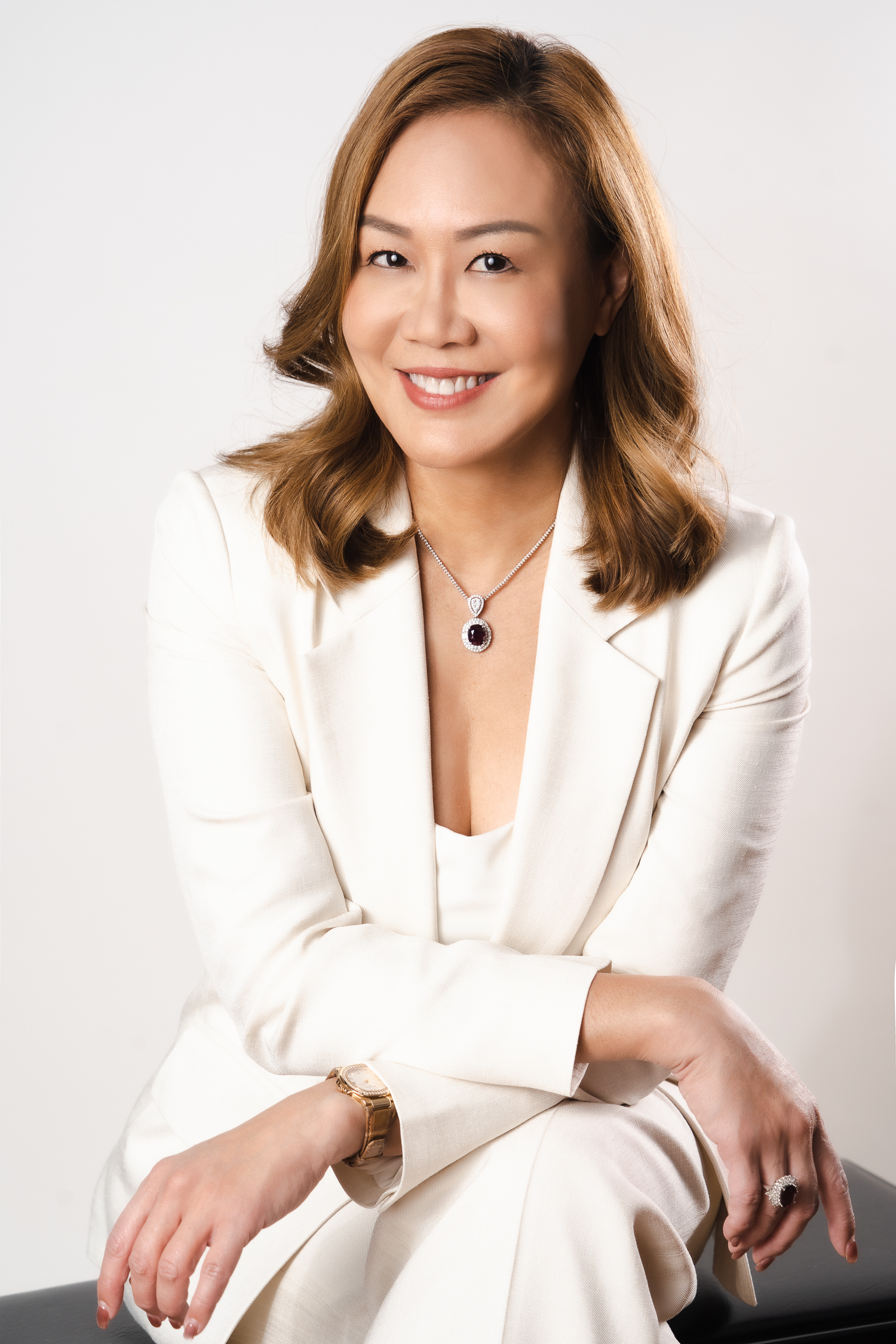
In this episode of The Quinntessential Questions Podcast, Paul Quinn sits down with Evonne Tan, Head of Private Bank at Barclays Private Bank Singapore. From navigating multiple career pivots across industries to becoming employee number one in building a private bank from scratch at age 50, Evonne shares her fearless transformation journey and her philosophy that shapes every decision she makes.
She discusses overcoming imposter syndrome, embracing career pivots, building from scratch, and why she believes your 50s are the "golden age" for making impact. Evonne also opens up about being asked "what if you fail after two years?" during her interview and shares powerful lessons about building confidence through surmounting challenges, the importance of lifelong learning for bankers, and creating genuine client relationships.
Whether you're considering a career pivot, building something from the ground up, or wondering if it's "too late" to take on ambitious challenges, this conversation offers hard-won wisdom on fearless leadership, self-awareness, and living life forwards. Let's explore what's "Inside the mind of a Trailblazing Private Banking Leader".
TIMESTAMPS:
(01:52) Introduction
(02:25) Leadership & Imposter Syndrome
(04:17) Advocating for Yourself
(06:18) Joining Barclays Private Bank at 50
(09:07) Decision Making Process & Support System
(11:28) Past Aspirations
(12:30) Evolution & Change of Mentality
(15:30) Building a Diverse & Inclusive Team
(17:32) Studying Sociology & Geography
(23:02) Working Hong Kong
(27:15) FX Sales Background
(30:59) Key Pivotal Moments
(34:15) Entering Private Banking
(38:24) Building the Barclays Private Bank Franchise
(43:09) Creating Impact
(46:10) Hiring the Right Talent
(48:52) Entrepreneurial Journey
(54:33) Visibility & Influence
(57:05) Self Development
(58:47) Leadership Culture Within Barclays
(01:02:20) Non Negotiable Values
(01:04:05) Rapid Fire Questions
Bio
With over 25 years of experience in the financial industry, Evonne serves as Managing Director and Head of Barclays Private Bank, Singapore, where she focuses on developing and delivering a distinct offering for UHNW and family office clients across Asia.
As a member of the Barclays Singapore Management Team, she contributes to shaping business strategy, overseeing risk management, and ensuring robust governance for the Singapore branch.
Her expertise spans financial advisory, coaching, and operational risk management. Through collaboration with the Corporate and Investment Bank, she supports clients with holistic and strategic wealth management solutions tailored to their unique needs.
As a founding member of The Elevate Group, she is committed to advancing social justice and inclusion for women in Asia. Additionally, as an Unreasonable Mentor, she mentors high-growth entrepreneurs tackling global social and environmental challenges.
Transcript
Uh my name is Von Tan. I would describe myself as a mother, daughter and wife, but also I am a head of Barclay's private bank Singapore. I sometimes call myself an accidental banker. I was a humanities scholar back in the day. There was an article in newspaper for traininey dealer in UBS. Do you want to work in a fast-paced dynamic environment? I was like >> that's me. I didn't know what was what I was getting into at all. There were few thousand applicants I only knew after I I guess I got the job. I was one of 11 training dealers, the only woman and I think sometimes I have too much courage. So I took 5 years off to be a stay at home mom. I went to marrow as my first job and it was not easy because everyone's just looking at what's your book, what's your rolodex and I guess I have none. Within 18 months I bought in 150 million back then it was >> from and and from scratch. people who who ask me all the time about you know why I took on this role right at Barlay place I started as employee number one and then of course I had to build that I always joke that this is my midlife crisis project >> you're planning and you're building everything up >> I mean at this stage of my career where I feel like I would want to give back for me it's this space of supporting women I'm a mentor with FWA I'm serious about my mentorship I come up a structured program building community and the ecosystem bringing more people together and then that You create that awareness and if each and every one of us pursue it wholeheartedly, the universe will conspire to support you. I will do my best. I can only control what I can control. I will do my best >> and the rest is in the stars. >> Ivonne, how are you? >> Very, very good. Very well. >> It's lovely to see you. Thanks for making the effort. >> Yeah, thank you. So what I want to do is I want you to give a quick introduction for the rare few that may not know you and then we will unpack your story please. >> Sure. Uh my name is Von Tan uh and I would describe myself as a mother, daughter and wife but also um I am a head of private bank uh Barclay's private bank Singapore. >> Wonderful. Yeah, people often forget that right. That's who we are. our job is almost not last but we are we have a personal life first right um I want to talk a little bit about women in business and leadership when you think about what you know a lot of people in business at a senior level believe it or not have imposter syndrome right and a lot of the career coaching I do a lot of people ask me how do you get over this but from what you've seen with a lot of people that have imposter syndrome how do you think one gets around that >> I think for me it's very important for anyone to really first know yourself. >> Okay. So, a lot of that self-awareness, self-reflection, and I do that a lot. I think that's really important. So, you know yourself, know what your strengths, what your weaknesses are. And when you understand yourself, you I guess you structure your thinking around what is as I mentioned strengths and weaknesses, what you can do, what you cannot do, etc. You know, and therefore what you need help in, right? And when you're genuine about that and you know being real about how you should be you know doing what you do I think that really helps in you know what you call the imposter syndrome. I don't really know what that exactly means to be honest but you know when because a lot of that is about whether it's self-doubt or self-limiting and that happens when sometimes you go into something but you don't really sit back to reflect what it really means and what you can really bring to the table. So I think that's really the first thing >> and and I do a lot of that right. um not necessarily to say oh I'm trying to you know handle that or manage imposter syndrome but I think just generally when you do that you just have clarity of mind clarity of what you want to do and I think I think that would help a lot >> I love that it's very powerful cuz my observation has been this the fundamental difference between men and women in business I find is if a man is unsure at a senior level he will buff up his chest and you know almost over exa he will exaggerate and a lot of the women I work with that are brilliant are almost so honest I say I'm not sure if I can do that and they become a little bit introverted so I'm curious in terms of advocating oneself you know what have you learned because you've always taken on challenges you haven't shied away from them you know like what's the selft talk you're you're you're giving yourself when you're taking on something new >> no you're right and I think sometimes I have too much courage because um but that said I mean before taking on a challenge or you know something um I do take the time and to be deliberate about thinking through again uh back to that self-reflection and you know to talk through you know things like basic things like you know what's your motivation you know what your objectives are you know things like that right and listing them down >> and then thinking whether that's you know what you want and >> whether you talk about career pivots you know I've done a few in you know in my my career journey as well >> um I do do that, right? But again, as you said, have it's it's about courage, right? But you you have the courage to take that next step, right? And >> my philosophy in life, and maybe that's because the way I think and my mindset and philosophy of life is, and I have this um quote that I really like a lot, and I talk about this quote quite a lot, is that life can only be understood backwards, but it must be lived forwards. >> Wow. >> Danish philosopher, >> love it. >> Saurin Kyagot. And there are many other different sort of sayings like that. Generally you can only connect the dots you know when you look backwards and see what has happened but you must always be looking forward right and so that's kind of I guess maybe that courage to always take on the challenges you never know what what comes you know with it >> and you know you create the opportunities right >> so um yeah so I think I think uh yeah that's the way kind of the way I think and maybe that's why I've been able to take on these challenges but of course I do analysis right to see what the pros are what the pawns are and on balance if I feel that um you know there are enough opportunities or pros that uh reflect my motivations objectives in life I'll just do it. No, I love that. We look, we were talking off camera. I've just turned 48 and you said at 50, you took on your current job, right? So, what was the inflection point? Because I said to you, I've come to the conclusion if not now, when? Was that part of your thought process at 50? >> Yeah, I think yeah, we we talked about that earlier. So, I always joke with, you know, friends and people who who ask me all the time about, you know, why I took on this role, right, at Barclays because it is a I still call it a startup role, right? um I was employee number one and so the challenge of that right and I had a lot of people kind of advising me or telling me oh you know you uh why did you take on this role you're a bit crazy you're the first person why you um it's the most challenging right and people always talk about if you want to do something new you know do it wave two when everything's been established and you know the hard work has been done and you know um then you come in right rather than sort of doing it from right at the beginning >> and so um >> and so I always joke with you know people to say but why not why not that's one uh but secondly uh and I said and you said about the 50 kind of thing I always joke that uh this is my midlife crisis project but uh but exactly I think when I talk about being in the 50s and we talked about that right you were saying that you were going to be 50 soon >> personally I think this is the golden age >> 100% >> golden age right for for us uh for me at least the way I see it because we have enough experience and expertise I won't be able to do this sort of 10 years back >> right when I'm in my 40s right >> but enough experience expertise knowledge and therefore able to also contribute bring value to the table also credibility etc etc right so >> and at the same time enough energy >> yes that's often overlooked no one talk about energy and stamina in business >> if I look at maybe 10 years down the road. Maybe at 60 I'll still have energy. Oh, I'm 54. I'm 54 today, just for the record. >> I will still have energy. But I think just looking at it from that perspective, right, that this is um I feel it's a golden age. To be honest, I have more energy now than I have ever have. And the reason is because I'm just, >> you know, able to, you know, with all the experience I have able to bring all that out, >> right? Uh you know, with what I'm doing. what what I I've come to the conclusion that there's a bit of agism in in business now, right? And I think especially in the world of banking, if someone's not lived through two or three recessions, really, what do they know? And then the other thing is this is when you're in your 40s, your kids require a lot of your time. Now, at your age, the kids are gone. You can be fully focused. Do you do you know what I mean? And I think these things are a little bit overlooked. Um the other thing uh you know I wanted to ask you is in the decision-m process do you go back and speak to your husband? You know what is who's in your corner and your support system when you're about to embark upon doing something so big is taking on the role of Barclays. So good that you mentioned that because I think exactly that whenever I've made um I guess a more major decision in my life and not just about career but you know kind of everything else. Um, I would say that I've really had the support of my husband. >> And when I say support, more of like a sounding board, like bouncing ideas, right? But I think what's been good with the support is that he's let me allowed me to make my own decision. >> Cuz sometimes a lot of times when you talk to someone, it's like, oh, I give you advice like, you know, do this or do that. I think that's not necessarily helpful because every decision that someone makes, it's actually an individual decision. You may want to um ask people for viewpoints or perspectives, but ultimately you make the decision. >> Yeah. >> And what's been good is, you know, having that sort of um sounding board to come up with different um viewpoints, but ultimately letting me make that decision and that I think is the greatest support. >> Yeah. >> Right. Um >> it's empowering. >> Yeah. Yeah, it is. I think I think I think that's the way I look at it, right? I mean when it and it can be for anything else um across even when I support my you know the people um that work with me it's really about um you know I'm giving you different ways of thinking guidance and I use the word guidance because that's the way maybe I would do it and that's the way I always say okay if this this is the way I would do it. Yeah, >> but ultimately, you know, you decide, right? And sometimes I see when I talk to a lot of maybe younger people, it's a lot of like they seek advice. But it can be a double-edged sw because you seek advice and then someone says a >> but someone says completely the opposite and then they get torn. They're like, "Oh, no. You know, I've spoken to this person and they're telling me to do it this way and someone else are telling me to do it that way." You shouldn't be asking people what you should do. Yeah. Yeah, >> you should be asking about perspectives and then put them down and then you think what makes sense to you, right? So, I think it's really about that as well. >> I love that. You know, if you go back 10 years ago and if I had asked you, do you have aspirations to become the CEO? You know, the head of the bank, what would you you had said? Would it have been an immediate yes? Were you already thinking about it? >> And knowing you probably yes, right? >> Okay. What don't talk about 10 years ago. I guess even from long ago. >> Yeah. uh and if someone said to me or asked me whether not say about ambition but whether it's possible that you you could one day be >> yes >> and my answer would be yes >> yes >> because um why not right I mean in terms of the possibilities right because whether or not you get there uh is another matter and it's about you know how and these are things where you know it depends on the opportunities that come across right um >> so I wouldn't say that it's necessarily an ambition But it's something I I definitely thought was possible. >> You see, the thing that I marvel at when I when I've spoken to you in the past is, you know, you were a very senior banker, then you became a team head, now you're taking on something else. And I think where a lot of bankers struggle cuz there are some brilliant rain makers. The the trouble is is how do you become a leader and at some point you have to evolve and you have to change your mentality cuz you're not thinking about, you know, 1x. Like if you're a billion dollar banker, now you're thinking about 10x. So I always say 1 plus 1 actually can equal 11 when you move into a leadership role. But I find that a lot of people can't make that transition. What did that look like for you? Cuz you've done it. You've evolved many times. >> You're right. But I think there's no it's not one is kind of not necessarily that's the evolution as well. I think it's a choice as well because >> being a banker and being in a leadership role where you lead people and manage a business um is two very different things requiring different skills as you mentioned but also what do you really want as well right because when you are a banker you manage your own books of course you look up to clients etc but you kind of you can just think about yourself in a way >> right because your objectives your you know your KPIs you have to meet but it's it's kind of your book but when you become when you evolve to become a leader uh the mindset totally shifts because it's not about you anymore. >> No, >> to some extent it is. Yeah. >> But it's about the people. >> Yes. >> It's about the business. It's about a lot more than just you. >> Yeah. >> And so it's that mindset shift that is I think the most difficult for some people and and for others maybe that's not what you know that what that's not how they think, >> right? And so there and and therefore if you know and there are people who as you say are very senior banker who want to stay as a senior banker and um there's nothing wrong with that right of course if they say I do want to take the next step right I think it starts with do you know what it means right it's about the motivation and objectives why do you want to take the next step it's not just oh because I want to move up the ladder it shouldn't be about that it's not a career ladder it's about the why right that's important why do you want to take up the role you want to take up. >> I love it. >> Right. So again, and and to be honest, I I mean, I have these conversations live because I'm, you know, I talk to I interview candidates now because I'm, you know, looking to build my team. And there are, as you say, bankers who want to step up, you know, I'm looking for team leaders, etc. And and these are the conversations I have because when I'm having my interview, I'm always trying to understand why they want to do what they want to do, >> right? And so that to me is important. I love that. You know, talking about women in leadership, I remember my mom had a conversation with me years ago where her boss said to her, "You're only getting this promotion because you're a woman and you're from a minority." And my mom said, "What did you say?" I remember I was 14. And she said to him, "Well, it's only taken me 40 years of my career for that to work in my favor. So, thanks very much." Obviously wasn't a particularly nice guy. Um, but what I find is is that a lot of women in business don't necessarily have a lot of internal support from other women. That's been my observation, but I've I've noticed that you've been building a great team. It's diverse. Um, but how is it working in an organization where the global head of the bank is also a woman? You do you feel seen more in that way and and therefore you see other people and you help rise them? >> Yeah. So I think in this organization um definitely I mean as you say you know uh Annabelle bride PB international head is is a is a is a woman's a lady so is Sasha who is also a lady um and actually within Singapore as well. So my counterpart um investment banking head uh Eching is also a woman. Our apex CFO Joe Chan is also a woman. So we have a lot of women leaders within uh Barclays and I think that's >> one thing about this organization is really >> advocating for diversity and inclusion um respect integrity all that I mean that's that's for me is very much something that really struck me when I first joined the organization the culture of that right which is great and I think um therefore giving the opportunity I would say it's actually about opportunity right end of the day the best woman or man wins, right? It's not about, oh, you know, women and therefore, you know, you're a woman, I give you a promotion. It shouldn't be about that. It shouldn't be about that at all, right? It has to be about >> that there are no necessarily structural barriers. Of course, there are sometimes talking about uncaution, unconscious biases, etc. and stereotypes, but generally how do we create the culture? Of course, structurally it has been placed, but also the culture that will support opportunities for both men and women. Yeah. >> And may the best >> person win. That's it. Game on. >> It has to be that. It has to be about ability and the competence and etc. etc. and the rest of everything that else that we look for, you know, in a leader. >> Uh but it should be about that. Yeah. >> Talk to me a little bit about your journey started cuz you didn't study finance to begin with. Tell us what you studied at a university. It was sociology and >> geography. >> Yeah. So diverse. >> I did that. Yeah. So, >> so and I chose that actually. um I could have um studied different things but I chose that because I guess at that young age and again my parents were also one where you know they were quite chill they never sort of guided me that you must do this or study this >> and so really supporting me in whatever that I chose and I chose it because I was interested >> in that in sociology and and geography and all that um in the arts and humanities basically I was a humanities scholar u back in the day and so I I took that so I didn't really know what I wanted to do as a young girl, right? Um, you know, it wasn't like I was young and I was like, oh, very ambitious that I wanted to do ABC and how I sort of stumbled into finance, I would say, right? And I sometimes call myself an accidental banker maybe. Um and yeah so I mean after I mean it was actually before graduation so we had like you know before that you would apply for different jobs right to um uh to to get into after graduation and and I applied for a few different jobs actually they were quite diverse jobs uh you know it wasn't really and then there was an article in newspaper and back you know you had like newspapers classify fights that you had to flip right and then >> there was this really I still remember it was like a small it was like this size it wasn't really that big. It was this size um um newspaper ad uh for traininey dealer in UBS. So the back in the day of Union Bank of Switzerland >> really. >> Yeah. And it wasn't even they didn't even say what the role was for. Um and what I remembered and maybe I remembered >> I didn't remember rightly or I just remember what I wanted to remember was just the way they described the role, right? It was like, do you want to um uh do you want to work in a fast-paced dynamic environment? >> Yes. Right. Do you want every day to be different? >> Wow. >> I was like, >> that's me, right? I was just obviously I'm quite adventurous overall. Um and so I went for the interviews >> just I didn't know what was what I was getting into at all. Right. And actually the role was to be a traininee dealer in the dealing room. Yeah. Um, >> so it's not cuz you watched the Wall Street movie with >> No, no, nothing like that. No, no, no. I was just like I was reading the the the ad and um it just spoke to me. I don't know. It just spoke to me. It was like, "Yeah, that sounds really interesting." Cuz I guess I was just a young girl, right? I mean, I was I don't know, 20 years old. >> And so when I was reading that, I was, "Okay, sounds really interesting. I'll give it a try." Right. Um and then I went for the interviews and I didn't realize that Union Bank of Switzerland back then was you know uh they were like the number one >> creme de la creme. Yeah. >> Yeah. The creme de la creme and everyone was trying to get into that organization to be a dealer in the dealing room. There were few thousand applicants I only knew after and in the end I went through 11 rounds of interview. >> 11. Wow. >> 11 rounds of interview. I was grilled by all these >> uh traders. So they you know put me in the room with two two traders to grilled me with another room and another two traders. >> You must be think what what what's this? It's just this like an interrogation. >> Yeah, it was funny. I will ask I will tell you some of the funny questions that came like you know why you here that kind of thing. Anyway um I went through all of that. Um and I I guess I got the job. I was one of 11 uh traininee dealers. Uh the only woman >> Wow. >> Only I guess it was Yeah. Only woman. only lady but also um the only non finance background because everybody else had you know either accountancy or economics or something along those lines and so with zero knowledge about anything >> plunge into the dealing room. Uh but you just learn you just learn and everything was new to me but you just you just learn I asked a lot of questions everything right whether you know I was in the FX foreign exchange and so uh you know and then I I remember I had to do night shift because they you know for young trainee they put you night shift I used to do like um uh I started at 700 p.m. until the next morning 7:00 a.m. the graveyard shift. >> The graveyard shift >> and that was great time for learning actually because then I could sit down because you know in the especially after sort of New York closed it's kind of quiet. >> Yeah. >> And then uh I'll sit down with um with my senior and I will ask questions that you know what is this, what is this, how do you calculate a swap, what does it really mean, etc. and all that. So I'll do all that. So I learned on the job. Um, and to be honest, after 3 months, I think I knew more than the rest of everybody else or by my in my batch, right? So, >> well, you were probably asking a lot more questions as well, right? >> Maybe, maybe, right? I mean, I I I don't really know, but you know, I I was curious, right? And I was plunged into in fact for me was all new, right? I never learned it in a textbook or anything. So, >> so I just I but I had to learn. So, I just, you know, I just learned, right? Yeah. Don't you find it fascinating because uh quite often I say this to people is is it's a generalization but you can if someone does FX or equities or fixed income and has done it for a decade or so you their personality is shaped by the asset class you know what I mean and typically if you're an FX in particular you're lively you you're having to hustle you know there's there's it's interesting what about in early on in your career working in Singapore and Hong Kong do you think that helped you because working in Hong Kong especially back and that that diversity and the hustle and everything is different there. It's it's in fast forward. Did it help with the beginning of your career? >> Yeah, it was. So, you're right. I think back in the '9s, right, um between Singapore and Hong Kong, it was always oh, Hong Kong fastpaced everything like people walk really quickly and Singapore was a bit more usey, but you know, a bit more, right? Um probably it still is a little bit to that extent, but I remembered back in the day, you know, that was the comparison between Singapore and Hong Kong. So um yeah, I think that was a interesting time because I think yeah early in my career but um so I guess what it probably helped me in terms of just really adapting to you know whether you talk about diversity in different um styles and different ways of working >> versus uh Singapore um and uh I guess there's there's advantages and disadvantages of both right but it's just really adapting ing to a different, you know, way of of working. And I still remembered because back in the day when I was working in Hong Kong, um, not many people spoke even English in the office. >> Yeah, Cantonese. >> It was Cantonese. >> And I guess I was lucky in the sense I grew up in KL. I don't even know. I grew up in KL. And so I grew up so in KL a lot. Cantonese is one of the, you know, kind of um, Chinese language people spoke. And also I grew up watching all these uh Cantonese dramas, right? So I had >> you knew >> I knew some Cantonese but not very good to be very honest. But when I went to uh Hong Kong um so I had to again you know when you're immersed in that you just have to pick up and then you speak the language. Uh but again because I was not very good. You could say some people say oh I'm not very good so I don't speak it for example or maybe I try to uh but what I did was you know I just tried and I spoke bad Cantonese >> but I think by speaking bad Cantonese I probably connected >> with the people and on you know >> you were making the effort as well. >> Yeah. Yeah. As well but I mean everyone was speaking Cantonese anyway right. So in order to be able to fit in if you want to put it that way you know I I did that right. So, so I guess that's the adapting piece I was talking about, right? So, I guess it taught me a lot about, you know, being adaptable and all that, right? But to be honest, I think that's really also me uh sort of I think more what shaped me really is my growing up years because I although I was born here, I grew up in KL because my my dad went there to work when I was really young >> and I actually grew up in an international school. Okay. um in KL and with an international school as you know you meet you know you're friends with many different people who come and go >> all sorts of backgrounds >> yeah and also a lot of diplomats children that come for two years and then leave so you'll make friends easily but you also adapt quickly to all kinds of diverse you just diverse crowd right >> um so I think that probably shaped me a lot more of who I am today right the Hong Kong sin of course was good is more like you know kind of maybe different ways of working >> but your formative years in KL >> yeah I think that really maybe if you talk kind of who I am today. I feel that does because of the fact that I have this maybe more international exposure. >> Yeah. >> And also I think if we're working in an international firm like myself here in in you know in bar place and um uh which is actually a very international firm >> very much so. Yeah. >> Yeah. And we work very closely with our colleagues in the UK etc. So I think that really helped me as well. You know, my observation is that most um Chinese that have grown up in Malaysia, >> there there's a different hustle because there you're a minority, >> right? And that I've seen that you can tell there's a different uh vibration. And when I first moved to Singapore in 2001, and Singapore was very different back then, it took me about seven or eight years to learn that yes, yes, yes, was actually no. Right? And I always say to people because globally people will ask me in the UK or in Switzerland, why is it easier to hire in Hong Kong? I said in Hong Kong it's yes or no. They'll kick you out of the meeting and they don't like you. Here it's almost people are so nice no one wants to say no or the the mentality is a little bit different. So that that's that's I found very very interesting. Um talk to me a little bit about you know growing up in FX sales. How much of what you learned in terms of human interaction, engagement, sales came from that time in FX? >> Um I guess well sales is sales overall, right? In that sense where it's um you have to exactly say interact with people, talk to people, right? So whether you're I mean you know car salesman whatever you know or FX sales or you know it is um trying to sell a product if you want to put it that way. >> Uh but I think that the role or what we are doing today within and I to be honest I don't really like the word sales I you know I even do not like the word sales management. I always say do not use the word sales management internally. >> It has a negative connotation sometimes. No, no, because it's selling a product, right? And I think the way >> we should be looking at ourselves, which maybe not many uh bankers or banks even look at it that way, is really looking at, you know, we should be looking at ourselves as advisers, >> right? Um and products is really a means to an end. >> Yes. >> It's for you to be able to implement what your objectives are, etc., etc., right? So in fact to your point about how has that sort of maybe shaped me or you know what I do today that was a bit more of exactly because I I used to look at it a bit more as a sales because of my background. >> So when I first transitioned into wealth and that was in 2005 >> uh also at that time I was in marrow which was a little bit more of a brokerage style again a little bit more sales focused I guess. Um and I started out exactly that where my comfort zone was sales, my comfort zone was technicals. So I would go into oh once I go into you know I would then be very alive to talk about oh the product features and all that all that but I think it's an evolution in terms of self-reflection as I as I evolved and I realized oh it's not really that >> it's not really that it's much more than that. It's it's because when you're in wealth and you're talking about a person's wealth, it's personal >> and just as your own wealth, right? If you have accumulated that over a number of years, it's very personal, >> of course, >> and therefore very emotional. >> And if it's very emotional, very personal, then I think it's really talking about, you know, understanding what do you want to do with your wealth and how can I support you >> uh to do to to meet your objectives, right? And then we have products obviously and these are the different products etc that will help meet your objectives. >> And it took me it took me time to sort of get there. Yes. >> But it's a self-realization just through just doing the work that I do. >> But I did start out being very just because of my I guess FX skills. I used to sell >> two institutional clients and a specific asset class. >> Yes. >> So it became my comfort zone actually. So when I when I first started and you know I was talking to you know clients and also some clients they wanted you to sell them products. Okay, you know, brokerage style. Anyway, Melro was like, "Okay, give me a portfolio and um equity portfolio and and and you know, show me some equity ideas, right?" It was that that's how I started, >> but I've evolved um to moving towards kind of uh wealth management, right? Um and looking at it from a different lens. Yeah. I think I think the reality is what I always say to people the initial sale is really when you first meet someone but beyond that you're advising the client maybe this is too risky you know actually let's let's construct your portfolio like this so you're not really selling you're guiding them right so that's key when you look back at your career what are some of the key pivotal moments because you've you know your career's evolved you pivoted what what stands out to you >> I think earlier we talked a lot about the flow of life >> and I'm a big >> go with the flow uh go with the flow because sometimes I mean I took career pivots for sure but it's also different things happen at that point in time and therefore uh different opportunities presented itself and then I make different decisions right um but we talk about the first pivot I guess uh when I was I initially started in FX and then I don't know if you know but I actually took a career break >> so I took five years off to be a stay at home mom and I guess at that point so the first the first decision that I made at that time was so I so you had the you know the Asian financial crisis >> yes >> 9798 so that was a and I was in FX so it was the time where you know used to stay until I don't know very late at night every night uh kind of a crazy time very intense and everything but a good time a good time you know from kind of uh doing well etc because you know the markets were good um for FX uh uh traders and dealers. Um, and then I and then I I became, you know, uh, pregnant with my first child. And so I kind of decided I wanted to take a break, right? Because I had in and that was in um, 99. >> Um, and and so it's it's just a a career choice. It was just a choice around what I wanted to prioritize at that point in time, but also at that point in time, I wanted I I wanted to take a break >> and that's what I did. So yeah, so that's one where you know it's just something that presented itself. Now did I think at that time what I want to do after and the answer is no right as I said I go with the flow right because it doesn't really matter much in that sense in my in my mind was more of >> um when the time comes that I mean I always thought of just taking a short break it wasn't like you know I was going to be a stay-at-home mom you know forever but um I just wanted to take uh that break to then prioritize you know uh uh raising my children. Yeah. >> And then when the time came where actually I wanted to do it like actually year three I I thought I wanted to come back already but then my husband went to Hong Kong to work and then I followed him. So it sort of then I then I got my second child so that it became 5 years in the end and then when I wanted to come back and that was where I had to make um the decision of what I wanted to do right so what I had really was just my FX sales sort of experience >> and so I could obviously the natural choice on people oh go back to doing that right uh because that's my my experience but I didn't want to do it because um you know in the early years when I was in FX you know it was big dealing room you you know, we had $3 mark traders as an example, right? Uh and then it went into electronic broking where you have one dealer looking at, you know, 30 currencies, right? And um a very different world and very commoditized. FX is very commoditized product, right? And so I felt >> um sunset industry in my mind. I felt I wanted to move on to something else. Uh and you know, looking at what that would be and of course I still wanted to bring kind of my experience. So I have experience there and so at that time um um wealth management was sort of taking off in Singapore. >> Yeah. >> And I enjoy interaction. I enjoy kind of client coverage talking to clients etc. So I wanted to use that. And then finally I looked at it as that you know I also wanted a career not just a job but a career a long longevity of the career. And when I look at a lot of these private bankers, in fact, a lot of them have white hairs and maybe the older you are as an adviser, the older you are probably the better. >> And so I said, okay, this is a career that I think I could be last me a long long time. >> There's wisdom in that. Yeah. >> Right. So I thought, okay, so that's great, you know. And so when I look at again that decision- making around pros and cons, okay, it's a it's a growth industry versus a sunset industry. a growth industry. Longevity of career uh allows me to you know work with clients which I really enjoy. I really enjoy the you know sort of um talking to you know clients and human interaction etc. And so I said okay this is what I'm going to do and I went to Maro as my first job and it was not easy because even now but even more so at that time is everyone's just looking at what's your book? >> Yeah. you know, uh, what's your rolodex? And I guess I have none. >> Yeah. >> I was like, >> you're starting at zero, right? >> Yeah. I was like, you know, I don't have rolodex, right? Um, and I don't really I don't come from a, you know, super wellto-d do family that I can say I have many wellto-do friends. I don't have that, right? I have some contacts obviously and I know people. Uh but I was also coming back into the uh coming back to work you know uh after uh and so um and so I thought okay because I have uh uh friends etc you know working in meril as well and so I thought okay uh I knew the merill model and the marrow model was you kind of have your own business and you know you it's a bit more like a a uh insurance agent type I mean um you Yeah, it's your own business, right? And then they will give you kind of like a >> they help you start up, but after that, you know, it's commission based, right? So, I I thought it was good because I felt like um if I could pitch and get the role, uh it means that I can it's my own time and target. >> Yes. >> In a way, and maybe that's a good way to start. >> Yeah. >> You know, a business so to speak. And then, you know, I can build my business that way rather than even if I could get a job in a in a bank, um the expectations are different here. I could, you know, find. So I went to uh um back then the the head of uh soat. Yeah. I still I'm still in touch with him now. >> He was there forever, right? >> Yeah. He was there forever. So I remember went to him and he was a bit skeptical and like oh but he he gave me the opportunity and I gave I put up a business plan you know etc. you know >> and and just I mean >> I guess I just put down people I know I would I wasn't sure but I did like a three-year plan and how much assets I would bring in, etc. I gave him the plane was skeptical and he was uh but I said you know just pay me a really low base I don't care >> by the way that's very powerful that shows confidence >> yeah I said but if I'm successful >> you know >> look after me >> yeah I get paid right I mean if not then you know but you know give me that opportunity I'm variable cost >> I told him I'm variable cost >> and he was oh rather not not a very expensive cost then he went >> okay okay okay okay he was really like I still remember that okay it's like okay okay give it to you okay So fine. So I started uh and of course I did very well uh within um 18 months, right? I think I probably within 18 months I brought in 150 million back then. It was >> from and and from scratch. >> Yeah. So I I thought it was a good and that's how I started and because never looked back since then. >> Amazing. Cuz I think that's that where people don't realize this that's very powerful cuz what I what worries me in a lot of banks now is they'll hire 10 bankers only five will be kept. And I think, you know, it takes time to do things. I always subscribe to hiring fewer people, but hiring the right people, not not mass hiring. That's my that's my personal philosophy. Talk to me a little bit about Barclays because I'd worked with Barclays before they were sold and what you're creating in Barclays now is so exciting because you've literally built everything up. It's like it's like you've you've got this plot of land and you're sitting down with the architect and you're planning and you're building everything up. You know, what's the journey been like? so far. >> Yeah. I wouldn't say that it's really a blank piece of paper, >> but you know what I mean, right? You know what I mean? >> No, it is. But it is. I think that's the reason why I took up the challenge um and took up the role to begin with because exactly that that it's um >> it's exciting to be able to I guess >> shape um and for a for a a really good brand. And I mean I joined because I had to believe in the brand that >> that um that we could build something great with this brand and which I really believe in. That's why I joined. >> And so I won't um I won't deny that it's it's been a it's been a journey. It's you know because it's always been a bit up and down. It's not >> and with every new I guess startup I do use the word startup again, right? It always comes with both sides of the coin. All the positives and all the negatives. >> Yeah. >> Yeah. >> Uh I would deny that it's been challenging. I started out as number employee number one and then of course I had to build that etc. But I have a lot of support from the firm. I have a lot of support from >> uh you know I've had a couple of bosses you know um uh James Penny was my f first boss actually in London. He's provided a lot of support. So I've had support along the way but >> uh but also the support again and I talked a little bit about the my husband giving the support of guidance >> and then letting me decide is the way way the support has been given to me >> which is for me the greatest support. >> It's huge. >> Oh it's huge. I always say who's in your corner and the and the thing is as you know like if you're not having if if for example say your husband was negative about it or even said yeah do it but he didn't believe in you or what that that would undermine everything right >> yeah no exactly right so I think so that's the way I see it right as the greatest support so so to be honest it's again not say really go with the flow but kind of right and it's a bit of a step by step >> because when I first joined again would I know that in four and a half years like uh or rather three and a half years. We got the approval for booking center last year that we get booking center. Thank you >> maybe not right >> but I took it just being present in the present what can I do the best of what it is because when I joined >> um they had ambitions obviously to I mean it was still early but it was just let's look at coming back >> uh and what I call a landing strategy. >> Okay, I like that. let's come back to Asia right and set up a presence and that was kind of my initial mandate right we'll do that of course did I did we look at the potential the possibility for us to grow and grow bigger and become you know and to be honest we are still early right uh in our journey and for me I we are still a startup so I still look at you know just taking baby steps right so everything is about taking baby steps >> and so I took that mandate and said okay that's what we will do >> yes >> and So I did that right and then then of course along the way when I felt like we needed to do more and sometimes whether it's you know advocating or asking for additional products or new things new ideas or whatever right I mean it's just along the way so it's not say going the flow but as I so I like to use the word I like to grow with the business >> grow with the business so when I see the business when I see what my clients are asking me for when I see I respond. >> Yes. Right. And so I grow with the business. When I have enough business, when everybody's really busy, I hire more people, >> etc., etc., right? And um so that's the way I look at it. And in that's what we're doing as well, right? With the booking center, everything. We we're growing with the business. We are getting, you know, a lot of um clients, you know, asking us for us to be here to have a booking center in Singapore. there's there's a lot of interest level because what's interesting growing up in the UK I've always known Barclays to be a very dynamic organization and um you know what you're hearing in the market people are excited about it and one of the things I find fascinating so the people that you will hire now and you've already hired they have a certain mindset and psychology which is cuz they're part of this pioneer batch and I always think that comes with a lot of excitement because I always say if if you're involved in that kind of setup when you look in the rearview mirror 5 years from now You can say I was involved in this. Yes. >> In in very large organizations, it's very difficult to move the needle, right? It's like moving a tank, an oil tank is like very gradually here. You know, 5 years from now, you'll be able to say, "Wow, this is this was the growth." >> No, exactly that. Right. And I think again going back to why I joined and why I left you know uh my last organization was really when I for me was really about and again again I talk about at this age etc you know my 50s creating impact >> creating impact what impact can you create right >> yes >> and to your point about in a very large organization um it's different because you know whereas here like and and on and the other flip side to it and that's why with the team and I'm quite selective of who I bring in the mindset is important but actually >> there's nowhere to hide as well it's very clear who's doing >> who's uh >> that's a very important point right >> who's doing what right because we only have this many people >> and if no if someone is not able to pull their weight it's very obvious >> right whereas in a very large organization it's not so easy because you know >> you can stay hidden >> you can no because the the the numbers will still come in you know the wheel you know keeps turning still >> here it's possible that just you know one person could then create a big sort of blockage or bottleneck right >> uh but of course now as we are growing larger and know bigger with you know more people coming in it's definitely it's been you know better as well but I think you're right right I think you know that's the reason why I've joined I think when I hire people often I see it's a bit of a you know mutual attraction as well. Yes. Right. People are attracted to kind of and so for me I always tell my rather they also like to ask me about my story or why I joined but I always tell the story of why I joined >> uh because I want to have alignment on you know it has to be that you also are looking for that excited about the growth story >> and want to participate in that because what we do today is hard. >> Yeah. >> I'm telling you it's hard. It's hard because, you know, we say built is exciting, but there's a lot of things >> that we need to do. It's not because when you go into an organization where everything is established, you go in and you just switch on the light, you just click your buttons, >> you're done. You brought in, you know, made some revenues, whatever, right? That's it. And if you're looking for that, nothing wrong. >> Yeah. >> This is not the organization for you. But if you come in and you look, >> okay, this doesn't really work. Maybe I have to fix a broken leg. I don't know. I'm, you know, making this up. But in general there are a lot of things there's a lot more right and but but by doing that you actually you're able to make the difference. >> Yeah it's meaningful. >> It's meaningful and I look for that in in people who want to join me. >> Yeah. >> Um and people who you know in fact some of those who have joined me and exactly they're excited about that. Right. Uh and >> you know it's been some of them have been with me sort of from day one. Right. And they're still excited and that's a good sign. >> That's fantastic. What are you looking for when you're looking for when you're hiring people in general? Because I think there's a certain energy that is required in the kind because I I feel like anyone that's joining the organization has to understand it's a sprint but it's also a marathon and you're running both races simultaneously which is not easy, right? >> Yeah, it's not easy. >> What sort of energy are you looking for? >> Uh my energy. >> I don't know. Not everyone can keep up with you. >> No. So hopefully my energy rubs off on you know the people who will join me and that typically is that mutual attraction where they are attracted >> to >> to my energy because I think that's been so far the people who have joined >> a lot of them tell me this right they've joined because of my energy >> which is good so uh so that that's um that's heartening to hear but >> but I think attitude mindset mindset first I think mindset first exactly to motivations why you want to drive mindset growth mindset that um and and being able to roll up the sleeves and just kind of take it on take on the challenge right so the mindset when you say about uh it's about taking on challenges because what happens is when you are faced with a challenge there are many different responses and one response could be complaining which we hear a lot about >> or you can say how do I fix that >> yes yes >> right so that kind of mindset is very important for me attitude always versus aptitude more. So attitude, teamwork, collaboration. These are the key things I look for. Of course, do you come with a book and everything and all that? Um you I need I mean for bankers in particular obviously we are looking to acquire assets. So of course I need to see you know whether you have those relationships and not only that we are in ultra high uh looking at ultra high family offices. So that segment as well because a lot of >> that's a sweet spot for you guys. Yeah, it's that's our but uh I think that's the way we we play and that's where we have our value proposition and an advantage there. Um so of course that goes without you know saying that you need to have you know but I'm looking for much more than that right it's not just about the book uh it's a lot more around uh the attitude the the teamwork collaboration is very important to me and and also um the ability to kind of be resilient I guess or take on challenges in that sense >> I love that it's not it's not easy to find because I find private banking is is a strange one because it's not like if you're hiring for example any other role. You're you're just changing jobs. But a banker's having to move their 25 30 clients, you know, um fortunately with you guys right now, one of the key things you're not going to have a lot of client duplication. I I think it's a wonderful opportunity for the right people. Talk talk to me about your entrepreneurial journey because you know you've done many different things and you're helping raise awareness for women in business as well. Talk about this project that you've been working on because I find I'm fascinated about it. >> The Elevate project. Yes. >> Yeah. So yeah, so maybe just taking a step back around I guess myself in terms of what I want to do not just in this space but just generally I guess um and we talked about us being in the 50s and being the golden age earlier and and while I do what I do in creating impact for the firm and for the business something um more than that is I I actually want I feel like I'm in this stage of my career where I feel like I would want to give back >> to society and to industry and there are many different ways to give back right different people do it in different ways and for me it's it's uh this space of uh supporting women I guess in that sense and one of the things I do uh I'm starting with of course I'm really busy so but I have to be because if it's something that I want to do I will carve out time for it and this is one of the things that I'm carving out time for Yes, >> because there's many things you could choose, but this is what I'm choosing. >> Um, and so mentorship is one of them. So I'm I'm I'm a mentor with um with FWA um done that for a couple of years and I really like that because we talk about mentorship etc. But I'm serious about my mentorship as in I come up a structured program. >> Oh, you do? >> Yes. Around that. >> That's very rare by the way. >> Yeah, it is. But if I because as I said I if I want to do something I I want to do it properly >> and so I'm I mean there are many things I could look to choose to do but I chose to do you know um you know sort of empower I mean supporting empowering women and so FWA anyway it's it's run by and is this is just the simplest to me right and so just um supporting women and uh I've done a couple of mentorships that's been great actually I learned a lot also from the >> of course >> from my mentee So I I really enjoy those. Uh uh so that's that's one. Uh of course internal Blay's you know mentors uh mentorship programs as well. I I I always try to participate as much as I can. And um Elevate is um I don't even know Uma and Jingjin they actually are these two women. They are the founders of Elevate. And so now um >> how did you meet them? How did you connect or have you known them for many years? >> No I it's just the community. So I guess for me I I guess I know people etc. But I've been connected through uh other women uh you know who who who talked to me and say oh you should meet >> um in so I don't I don't know Serena this lady who's now in like JB Morgan now she's in Jul. >> Yes. >> And we fo she's in women in family offices. Yeah. So she was the one who connected us. We met we spoke we loved each other >> and then you know then we we talked about how we wanted to do something together. >> Okay. >> Um and then they set up this one. So I guess for me and and this is uh it's actually their gig. It's not my gig, right? It's their gig. But what I what I enjoy sort of being part of that gig is because they are two also women leaders who are running this. But >> but the way we're looking is if I can give my kind of um ideas I guess right and then they can help to amplify that. So we're looking at different ways to to work together. >> I love it. >> Yeah. And um and your voice and your visibility all these things lend to it. >> Yes. Yes. Exactly. Right. So, so and so for me it's a really it's really more about say not concrete but it's more really about building community >> building community in the ecosystem and that can be very powerful actually. >> Yes. >> Right. And bringing more people together and then that you create that awareness etc etc. Right. I mean there's many things and so so I I chose to be part of the sort of female empowerment community if I put it that way. So within uh within elevate within FWA and a few other things. Uh so that is my way of giving back. >> Giving back. I love it and it's very powerful and you will inevitably touch people's lives, young women's lives. >> Yeah. So so and then it's about like um you know we talk about this role modeling etc. Right. And so for me it's a bit more of like you know whenever like in the mentorships as well I I always just share my story. >> Yeah. >> You know I just share my it's like this is how I did it and how whatever. So hopefully they find in some maybe nuggets of wisdom around here how I've done it >> but also about what is possible right like everybody's journey is very different. It's very individual. There's no straight line. >> Yeah. It's also not like oh because I did it this way it's you know you have to do it this way. It's not about advice on this is the way to do it. this is the way to do it but it's more like I'm just sharing the way I thought about it but hopefully that gives you some perspectives and inspiration >> when you are going through your journey right so so that's all I'm doing right because I mean >> at 54 I I hope I have wisdom to share and that's what I'm trying to do >> but the thing is you've got also it's tangible cuz they can go if you speak to a young lady that's come out of university thinking of doing something different they can realize it's possible cuz that's the problem most of us especially when when we were younger, it was like if if your parents weren't in the industry, who are you seeking counsel from? So that I think that's big. Um, when you when you think a little bit about taking on the role of Barclays, all of a sudden you had to step into the the the the limelight. You have, you know, now you have to be very visible. You have to think about influence. Was that something that you thought, "Oh, this is I I have to step into this because it's different, right?" Like what we're doing today, all these new things. How did you feel about it? Um >> actually if I look at it I I it's not even about this. I mean you're talking about this specifically but it's really about everything that we do whenever you go into something new. >> Yeah. >> So for me it's you know I've taken up the role and I know that this role would require maybe you know and I remembered uh when we when I first joined and they were like okay have you had media training? >> No I've not had media training. Okay let's have a media training. And so we did that. It's just learning new things. Yeah. Right. And so I I wasn't I didn't feel any >> like then I had to learn right. I had to learn I went through me the training and just as I learned everything else >> and actually everything else that has gone before as well. So I just take it as part of that learning journey. >> I love that. >> Right. There's nothing there's nothing to it to me. It's just learning new things. Right. Yeah. >> But a lot of people will shy away from it. It's not easy. It's it's um >> but you have to take the first step. >> Yes. in order to also build the confidence and it's with everything that we do. >> Yeah. >> When you're a young girl, you know, when I'm a young girl and I'm doing something, you're not very sure, you feel a little less confident, but if you've done it once, twice, >> that confidence grows >> 10 times, you build the confidence and then it's natural and then you move on to doing new learning a new thing. And so I think it's really that you know not just courage but you know you you you because sometimes people have that shyness is because they they're afraid that they fail or that they do something not so good etc. And it happens to be honest >> of course >> but I think it's really you know you don't have to be that too yeah I say go with the flow. It's like you just have to if it if it really happens and it's not so good for example >> it's okay. I mean you know you know people have short memories people forget >> they do they do that's >> you move on and then you but you use that and say what could I have done better you know etc and then you do better the next time and you will do the better the next time right >> you don't lose you learn >> yeah you learn exactly and then and then through like just you just have to take action and do something and then you will learn and then you will become better you will improve and then >> I've known you for many years you you've always had a lot of gravitas you've always been very engaging um but I think some you know I think it helps if you're a storyteller, if you find ways to connect with people on a human level. Um, it's it's not everyone. Talk about self-development. Have you gone out of your way, you know, to read things in terms of your personal development? What have you done over the years to to get better in your career? uh I do a lot uh in the sense that if you look at uh what I stand for my p I mean what motivates me more is I'm actually all about personal development >> right because um not because I feel like the world is changing and that's why I always like you know you think about it the world has changed so much >> you know and I've started being sort of fx and you know and and and then moving on to doing something different and even within wealth right I mean who talked about sustainability and impact investing say 10 years ago or even crypto isn't something new right everything there's a lot of new development and so you always it's lifelong learning yeah >> doesn't stop learning doesn't stop >> and so we talk about personal development so I'm always learning >> right uh I'm if I can find a time I would take time to take on courses etc um you know I'm now trying to be a certified compliance officer uh I'm I have one more module to do that right so I'm always trying to learn different things all the time. >> Yes. >> To expand my knowledge because when I do that, >> I I almost get a high out of it. I feel good and I feel great. I feel like >> I've grown. >> I love it. >> And I take on the next one and so I keep learning. So I'm always uh um trying to improve myself, I would say. >> But that's the thing. The funny thing is a lot of people as they get older, they uh sometimes shy away from it. I said, "No, if anything, it picks up, right? You have to keep because things are what is new today is old tomorrow." especially with technology and platforms. Um, talk about the leadership culture within Barclays. Let me talk about my culture uh rather than overall because I think different whatever but I think if you talk about the culture within Barclay's overall whether it's leadership and I mentioned a lot about the empowerment piece about you know support and guidance and I think that's across Barclays that's kind of what I've been supported with which which has been great. >> Yeah. And for myself down to the people who work with me, uh my leadership style is really about authenticity. It's really about being very open and transparent. I'm a very direct um person speaker, you know. So I don't So if you're not doing well, I'll tell you that >> you're straight. >> Straight sometimes diplomatic depending on the person. >> But I would tell you what is good, what is not so good. >> Yes. uh what the your strengths are. I'm quite good at sizing that up quickly like if you know I will know what your strengths are and what your weak weaknesses are >> and so my role as a leader is really to how am I able to support you in your strengths give you the platform to showcase your strengths but also support on your weaknesses. >> I love it. >> And so um so that's my style. I'm transparent. When I say transparent, I'm also of course there are things I know as you know because of uh the things that I can't say etc. Right? That's that's normal >> but uh I often you know you have to make unpopular decisions as well and you have to make decisions that not you that doesn't benefit necessarily everybody and some people be unhappy but I always explain why I make those decisions and that transparency around that. Yeah. >> Right. And there are many different things. It's not you know you can't say oh I want to do everything and so everything is approved everything no that doesn't work because there are other considerations right uh we're trying to run a business we're trying to run something where there are also you know whether it's regulatory frameworks whether it's bar place framework a lot of things that we need to consider but I would explain so that people understand where you're coming from right I think that's more important about why you do what you do etc rather than just sort of making a decision saying this is it so So I try to instill that kind of culture uh you know with myself with the team and and hopefully that um and and therefore with that really is to cultivate you know the the values of respect and integrity >> rightful across >> so that I think is more so and I feel that once we have that I mean I'm one who believe very much in building culture and values because if you get that right actually the numbers will come in when the team is happy and everyone's doing well. >> Yes, >> everyone will do well. You know, of course, we had to work on the proposition. I have my targets. I mean, I'm not saying that. Oh, no. That's all there. It's all there. But for me, what is important and the most difficult part, this is sometimes almost the easy part. The most difficult part is building the culture and value, right? >> Yeah. >> And then and the rest I think will take care of itself. >> Yeah. >> Yeah. >> And you've got you've got a a wonderful opportunity because you're hiring people from different organizations. >> Yes. Um, and then you're you're creating this culture, but it's I always think when you when you think about when you hire people from other organizations, hopefully they're bringing with them, you know, some best-in-class and some of those things, but you can create this now. So, which is a wonderful opportunity, right? Um, talk a little bit about the non-negotiables, things that you know, for you in terms of values, this is what you must have in place in your team and things that you don't want to have. >> Uh, I used the word teamwork, collaboration earlier. Uh not be and maybe I put it another way is not being selfish. >> Yes. >> And people who are oh this is mine is it my job or your job? Uh oh it's actually not for me to do it's for this other division to do. It's not me. >> Oh I get really upset with that. Okay. >> Really upset. And I would like it does not matter. Yeah. >> We have to get the job done. I don't care. >> Get the job done right. Yes. >> We have to be focused on outcomes. I don't care who does it. >> Yeah. And that to me is very important. So we it's about the mindset again, right? And so and so again it's back to kind of when hiring people that's what we look look for. >> Um the other one is I mean I guess it's related but it actually being hardworking as well is very important to me. >> Of course it is. >> It's yeah super important >> to me as well. >> Um so yeah so again attitude I talk about non-negotiables. I think these are the key things. It's again all about the values piece, right? That that's important to me. Yeah. >> Listen, when when I meet people, one of the things I almost feel, it sounds a bit weird, but I almost feel I can sense their color of their energy, the vibration. And I mean like like if you and I are speaking and it's 7:00 at night, 8:00 at night, 7:00 in the morning, you've got that high level energy all the time. And I think actually it's uh it's quite intoxicating because I find when I speak to people like you that have that energy, I feel pumped afterwards. It's it's a big thing. All right, I've got some rapid fire questions. Okay, >> I want to run past you. Um what's one book that you've read in the past that has a has had a long-lasting impression on you? >> Have you read The Alchemist? >> Yes, I have. >> That's my favorite book really of all time. And the other favorite book I have is The Little Prince. Well, tell me about the Alchemist first. >> Okay. So, I love philosophical books. So, Alchemist for me is a it's a novel. It's a fable, but >> it's a philosophical fab fable. >> Yes. >> About about destiny, about finding your own path and also is about, >> you know, because you know the story is about, you know, the shepherd who looks for this treasure but never finds it actually, right? So, it's really about life embracing the journey, not the destination. I love that. >> But also it's about um I guess the central thesis or of the of the novel is really about finding what you call the personal legend where all of us or each of us have uh a role to play in this world >> and that our our sole purpose in life and this this is the book sole purpose is life is to fulfill this destiny. Yes. Yes. >> And if each and every one of us pursue it wholeheartedly, >> the universe will conspire to support you. >> I love it. >> And so I I always use this phrase, trust in the universe. I really trust in the universe. I will do my best. I can only control what I can control. I will do my best >> and the rest is in the stars. >> No, I believe I believed it. I did a post on LinkedIn yesterday. I said, I believe the universe speaks to you and and and you but you have to listen. Sometimes people ignore it. There's there's there's a quote. I love that you love that book. I didn't know that. There's a quote that I love is what we observe is not nature itself, but nature exposed to our method of questioning. And you can read into that aund different ways. But what I've realized is more often than not, people when they talk to you, they look at you through their own lens. And and I' I tried to reverse engineer it because we're all coming at things from a So to your earlier point, the reason why >> Yeah. >> is perhaps one of the most important reasons. And the little >> I always ask this question in interview anyway. >> Go on question about yeah about your motivation. I always ask and I always ask about why you do what you do and what is and of course you know people talk about oh what do you want to do in 5 years it's is not so much about that like you know job whatever it's really >> what is it that you are looking for right so that's important. >> Do you find though a lot of people haven't necessarily thought about it they have to go away that's true they have to go away and be introspective because uh that to me is everything your reason why is everything. Um, productivity. What's your go-to hack to be productive given that you're balancing so many spinning plates? >> Uh, I don't really have a productivity hack, so to speak. >> Do you sit down and plan like your day like the night before or the morning? I'm just curious what your MO is. >> Yeah. So, I work really long hours. >> Yeah. >> And that's the way it is. Uh but um I do kind of write down everything that I I mean the you know the usual everybody has a to-do list so I do write down everything that I do etc. Um and I do a lot of planning so I I'm a planner. Yeah. >> I kind of plan everything >> um including like dinners and weekends and everything like I will plan everything and my husband's always okay so what's what are we doing on Saturday? like I'm a planner but uh so so when I plan okay so I think generally I feel I'm quite efficient and I'm quite productive but maybe and and I I see I mean there's no right or wrong but the way I look is because I plan of course >> and because I plan so I know exactly what I want to do tonight I will know exactly what I'll do next. Yes. >> Right. And um so every so of course uh I do work weekends as well just you know a couple of hours each day but every Sunday night for sure Sunday night I'll be at my desk because I will plan my week and my day. Yeah. >> You know, and I'll put down all the things I want to do. >> Yeah. >> And um in fact, what I do with so so of course I have my my planner, but with every >> because I have I'm in backto-back meetings uh most days anyway. Yeah. >> What I'll do with every uh meeting that I have, >> so within the planner, I would have a uh I'll put another like site sort of next to it about topics that I want to cover on this meeting. >> Yes. >> And so so that's how I do with everything. And then whenever I think of an idea, >> yeah, >> I will like for the meeting on Wednesday, then I'll go to that and I'll click it on and I'll just add on the topics. So then maybe there are four or five topics. So when I when the time comes on Wednesday 9:00 a.m. and that meeting comes, >> I'll just click on the topics and it's all there and then we'll just we'll have some small talk maybe, but we'll then talk about the five topics that I want to talk to you about. >> So I write that down. So I I >> I'm quite deliberate and structured like everything I write it down. But you see that is that that nugget of wisdom because people they forget and then in the moment you oh what was that thing and it's gone >> right and that's very powerful >> and and also when I do planning it's not so much about just you know tasks and everything I do look at short-term minimum long-term >> so with that time horizon that is you look at different things at different times and also that ability which is important in my role to be able to do go up and down meaning up looking at bird's eye view and what this stretch strategic kind of um way of looking things and some decisions that you need to make at this level and yes >> and then down into details as well because you need details like sometimes for certain things. So you need to be able to make quickly decisions around what is the granularity you need to know and what is the gran granularity you don't need to know. You don't need to know everything but you need to know what is sometimes some details are important and therefore and that sort of fits you know back and forth. So that ability to do sort of up and down is important. so important to to work at different levels and look in your role now actually your memory will have had to have the the the expansion the bandwidth of what you're covering the volume of the people it's just and it keeps going up and it's uh that requires some work right >> yeah so I mean of course then you need to have good people right uh that you can delegate and then they would then look but then you need to be very precise I mean I'm a planner so I'm specific in my delegation or precise like you know it has to be people need to know what are the expectations. So, okay, I'm delegating this to you. I'm expecting ABC. Yeah. >> And I'm expecting you to come back to me by when? Like, so I'm very specific on, you know, uh I don't just say, "Oh, just do it." >> You know, your team are going to be laughing if they listen to this. They're going to say, "Yeah, that's exactly what I think." So, I think so. Yeah. Yeah. But I mean, not not like, you know, um it's more like because at least if we are clear about what we're supposed to do. >> Yeah. >> It's about clarity, right? So this is what I'm expecting and in and then if you agree >> and it's about know we discuss okay this is this I need what do you think yes no yes okay maybe add on a few points by when is it a good is this a reasonable deadline you know etc so I think >> that's the way I I work with with the team but of course I I I have to delegate down and then of course coming back to me you know at the end for me to make whether it's certain decisions or et is very important talk to me about health and wellbeing like how do you stay stay on top of things cuz it's very easy to get so consumed with work we don't look after our physical mental well-being. How do you balance that? >> I think I'm quite balanced. So I go for holidays. Some people don't go for holidays. >> They're very important. >> I go for holidays four times a year for sure. I love it. I love it. >> Every roughly 3 months. So I will work really hard and then okay, it's time to go for holiday. So >> you can look for And you can look forward to it, right? >> Yeah. So I plan that as well all the way. So I have my Yeah. So I always plan like the year ahead on what I you know want to do um and different places I want to go to. So definitely uh holidays um I so my sort of you know exercise for me so now I mean through the years I sort of done different things. I used to I used to golf a lot. I don't really golf now uh or hardly because it's also takes up a lot of time consuming and also I think it's not just that I think sometimes you know with golf you you go through those phases where it's become something you want to do all the time and you know and then not so I mean I still can play recreationally and I do that >> uh but now I gym uh I yoga I like brim hot yoga >> okay >> and also um I used to run but now because my knees are not great so walk/ jog sometimes and so between these three um I three to four times a week. >> Wonderful. >> Yeah. So, that walking is important to me. >> Walking is uh it's overlooked, I think, because the thing is you can do a long walk, come home and you're not shattered, >> right? But you've still got your steps in and that that fat burning zone, right, that we all need to chase, you know, >> it's just you need to do a longer period. So, usually my walks will be in the weekends because sometimes I do like a one and a half hour kind of long walk to two hours. >> Do you go with your husband? Do you listen to music, podcast? >> No. No. No music, no podcasts. >> Good. >> I I don't really like music, podcast. >> And with your husband? >> With my husband. Uh we exercise together across everything. Yoga, gym, and and all that. >> And and with the walks is the time we we get to talk as well. So, um >> you know, I always tease my wife cuz I I always say number one, it's it's a it's a cheap date because you they're kind of a date, right? When you're going for a walk, but if she's ever peed off with me, I can always run run away quickly, you know? No, but I think I I have to say when we go for walks, we enjoy them so much. So, we try and do it once a week, you know, go for an hour, >> which is good. >> Yeah. >> Talk to me about what's the best piece of advice you've received in your career. >> Ah, >> is there one? >> This is an interesting one because uh it's an advice. Okay. So, let me tell you what the advice was first. So I think so I we talked about how um how I am as a as a person in terms of being direct and and all that right and also being transparent and etc etc. And the advice that was or the feedback that was given to me right by this person was that and you know a wiser person I would say but you know said oh Ivon Ivon you are too direct okay you shouldn't be so transparent right you should be putting up your guard and saying and not you know like you need to also not be taken advantage of because there were times you know obviously when people took advantage of the of that right of and and me maybe being nice. So maybe giving in, right? Which is another trait of mine that I always, you know, I never really necessarily always ask like what's in it for me kind of that, you know, because that's my mentality, but always, you know, giving, but don't take advantage of me. If you take advantage of me, that's it, >> right? But I I do that and then so the advice was, oh, you know, um, you know, if you want to be survive in this industry or you want to like do more or climb, etc., right, this is not the right thing to do. Right? That was the advice I gave. And I and and then I thought to myself, "Oh, yeah, maybe that's true." Cuz I was I was young, much younger then, right? And I said, "Okay, I think maybe that's probably true, right?" >> Uh and I should uh maybe change, >> you know? And so I tried changing. I did that for a little bit where I tried to okay not kind of be myself. >> Yeah. >> Okay. Nothing really major happened or or you know, or that, but I just felt really uncomfortable. I just felt not myself. I just felt like I was this other person that I'm not. >> Yeah. >> And so in a way why that was the best advice because of that advice when I tried to change then I really then became more comfortable with myself of who I really am. >> Yeah. >> And I was like >> forget about that. Okay. I will do it >> the way I want to do it and my way. >> Of course I'm not necessarily saying this is the perfect way. There is no perfect way. this is this is my way my style and I will however I will hone it that it will be such that it it will you know I because at the end of the day I will do this it doesn't mean that I will be disrespectful to somebody right there certain values that I will still stick by right doesn't mean that I'm being direct and I would just >> you know not care about this person's feelings I'm just saying right different things >> so so okay forget about about this advice not working for me I will do it my way my style >> yeah you recalibrated you went back to So, so it became of maybe more sure of myself. Put it another way. The the confidence in this is who I am and this is who I will be. Yeah. >> And therefore I will work on myself as it is rather than to say I want to be something else. >> Yeah. >> And that's for me that was you know because I I was thinking about that. I mean that was for me the >> No, that's very powerful cuz you know that's why you test drive a car. It may not be for you. You know like it's funny. I said this to a sales guy once in and in the car showroom and I said can you take a picture of me in the car and he goes well I've never had that request before and I said think about it you try on a pair of glasses or suit jacket you look in the mirror and then I I looked in the car and I just said no I you know I I that car and I we don't work because otherwise it' be a very expensive lesson right and it's the same in in management in business sometimes you have to test drive things >> but but also I think it's not just about that it's also about for me it's really But you need to be true to yourself. >> Yeah. >> Yeah. Yeah. Be authentic. This what for me is authentic, right? Because if you're trying to do something different, but you can improve yourself and you know kind of maybe okay you rough in the edges for a little bit of thing then maybe improve but you have your own style and you should work on that and believe in that. >> What fear have you learned to outgrow over the years? >> I have no fear. >> Ah boom. Uh no I think back to what we talked about about >> were there naysayers confidence were there naysayers when >> there are lots of naysayers of course there are lots lots of naysayers right and that's going back to the confidence level again right so when you talk about fears from let's say when you're young >> no I don't have like a big fear fear but like you know when you're young when you are not very sure about something you take do something for the first time yeah >> is there some fear I'm sure there is you know and then you build confidence through time yes right so uh and but because I've surmounted various challenges I guess that's where my experience comes in surmounted various challenges that I've faced in the past and then bounced back I guess to that extent >> that I felt more confident about myself >> right and so so when I use the word I have no fear I mean it's a joke but you know in a way kind of there will be a lot of challenges and there will be more to come but it's more of just you know am I afraid to take them on no do I think I can necessarily for sure surround them. I'm not sure, but I will do my best. >> You're going to try. >> I'm going to do I I will try. I will try and do that. >> Um and so it's so the overcoming the fear is really more you have to try maybe fail and and then that builds your confidence. >> Yeah. >> Again, right? And so it's Yeah. So that's the way I I look at it. >> Cuz I I find that so interesting because a lot of people they let fear prevent them from from evolving. And I always say actually on the other side of fear and around the corner some of your greatest successes are >> yeah but I think the fear is always about the fear of failure right a lot of people are fe afraid that oh if they did this and it's the same with the thing you talk about taking on this role and people were >> you know and to be honest I that was a question that was posed to me in the interview when I joined Barclays >> I wouldn't name who was the one who interview asked that question but he asked that question to me. I guess it was a similar question around asking around kind of the way I think or my mindset you know and all that and the question was that what if you join and after two years we are not successful because that could happen right >> and it was a valid question uh and I I did think about it as well and my answer really was it doesn't matter >> it doesn't matter because today I do feel I do think that there is an opportunity I've looked at the opportunity. I've done uh my analysis. I think it's a great opportunity. It speaks to me because I'm also at the point in my career where I want looking for impact and creating impact and taking on a challenge, I will do it and I will do my best and we'll see where it takes because I don't know where it's okay. But if after two years for whatever reason we are not successful, I would have learned a lot in this two years. >> Yeah. >> Of being able to yeah uh uh you know um try my best whatever. So that's the answer. is you know I really it was it was a question that was asked to me what happens if if after two years you know we're not it's not working out right um what what is you know your view around that and to me was it was really it doesn't matter and I I I I felt that >> that was about the journey again right you have to be looking into how you know I mean you try your best of course you want it to be successful it's not that you don't want it to be successful but if it doesn't and it goes different ways right I think it's then uh I mean because you try not to make sure you try to make sure it doesn't go the different way but if it does it every failure actually uh um >> it helps you >> teaches you something >> so much so you have to listen to it >> yeah yeah and I and I felt that really through the years right that you know every time there's some setback you know you actually learn a lot from that as well >> that's why I always say if you fast forward your failures you embrace them you fast forward your learning and your success >> and exactly to you know my quote again about life is understood backwards but if you look back >> and then you sort of connect the dots and kind of oh okay this happened that happened and sort of and some failures actually open up new opportunities like what you said earlier. >> What's harder starting something new or turning something around? Cuz you've done both. >> Both just as hard. >> Good answer. >> Just different. >> Just different. >> Yeah. >> Different. Yeah. >> Fair enough. What's one skill that you think every private banker really needs to have at the core? >> I talked about the lifelong learning. I feel that's really important because as a banker when I use the word banker means actually you're an adviser. >> Yes. >> And so uh you so it's not an easy it's it's it's a difficult job because it's a difficult role because um you need to know many things right um because that's why we talk about being a specialist. A banker is generally a generalist and if you're a generalist >> you you need to have broad knowledge. Maybe you have depth in certain aspects, but you need to have very broad knowledge. >> Yes. >> And in order to be able to do that, you need to continuously upgrade yourself, learn new things, etc., etc. >> So important >> about also not just about >> you know products or what is in within the finance world, it's also about beyond that, right? >> Whether it's macro, whether it's politics, whether it's you know crypto, I don't know like what's happening in the world, AI, right? What's happening? What's businesses doing? What are businesses doing? You need to like know that. So that to me is a skill that I feel some bankers do it but a lot of bankers don't necessarily look at it you know that way as well. >> Last question when you look at Barclay's future ahead in Asia how would you describe what we can expect? Barclay's future in Asia. Um maybe I answer the question in a bit of a different way in terms of >> say I don't know how long 5 years 10 years from now when when we are successful. So first of all we have to be successful we will be successful when we are successful what would I like to see that I would like that um within this space so an ultra high client you know or a family officer would talk about us >> yes >> would say if I'm looking for a solution provider who understands me who knows my objectives my hopes my fears is what I care about and are genuinely interested in supporting me through this journey, coming up with smart solutions, bringing all the resources that Barclays can provide to me. They talk about us. That's what I would want happen. They talk about us and talent want to join us. >> That would be what I hope Barclays would be or Barclays private bank would be. Um, I love it. >> In the future, >> that would be the legacy. Avon, I really appreciate your time. It's been enchanting and I've uh I've been watching your career just flourish and uh we we're we're just beginning, right? You know, you've got a a beautiful journey ahead. Thank you. >> Thanks, Paul, for inviting me.
Our Other Episodes
Lorem ipsum dolor sit amet consectetur. Sed morbi adipiscing ultrices in vel placerat.
Building an AI Company Inside a Search Firm with Roger Olofsson #103
In this episode of The Quinntessential Questions Podcast, Paul Quinn sits down with Roger Olofsson, CEO and co-founder of Olofsson & Company, the executive search firm hiring for startups, AI, tech and fast-growth companies. From a childhood in Luleå, near the Arctic Circle, to landing in Singapore in 1996 as an exchange student with a backpack and a suitcase, Roger shares his transformation journey through almost three decades of recruitment in Asia, and the moment he finally backed himself to build his own firm.
One Video, 70K Followers: Jess Whitney Morris's Breakthrough | #102
In this episode of The Quinntessential Questions Podcast, Paul Quinn sits down with Jess Whitney Morris, model, social media management company founder, and media presenter. From growing up in poverty in Uganda and working-class England to working her way through Abercrombie, Hollister, and a self-funded university degree, Jess shares her transformation journey and the moment her father tore up her first modelling contract in half.
I Interviewed 100 Extraordinary People. Here’s What I Learned | Paul Quinn
In this episode of The Quinntessential Questions Podcast, the host takes the hot seat. After 100 episodes in the interviewer's chair, Paul Quinn, who runs Westport Executive Search and founded Quinntessential Coaching, answers questions sent in by guests, friends, family and listeners. From hitting a career plateau to building a podcast that now welcomes Olympians, world champions and global CEOs, Paul shares his transformation journey and the moment he decided to put a spotlight on helping people.