
70% Of Winning Is Mental: Olympian Sally Gunnell On Confidence, Pressure & It's Never Too Late #100

.jpg)
In this episode of The Quinntessential Questions Podcast, Paul Quinn sits down with Sally Gunnell, Olympic champion, world record holder, and the only woman in the world to have held the Olympic, World, European and Commonwealth 400m hurdles titles all at once. From growing up on a farm outside London to standing on the podium in Barcelona, Sally shares her transformation from a self-described "not the most confident" young athlete into one of Britain's greatest ever competitors.
She discusses the mindset work behind two of her most perfect performances, the funding struggles that shaped her early career, and why she believes 70% of performance in sport or in life is mental. Sally also opens up about the moment she broke the world record in Stuttgart and didn't even realise it until the crowd's reaction told her, and shares what she's building now with her son Luca through Life's Hurdles: helping women 45+ build confidence, strength and health as they age.
Whether you're chasing a goal that feels out of reach, rebuilding confidence after setbacks, or navigating a major life transition, this conversation offers hard-won wisdom on mental performance, resilience, and, in Sally's own words, why it's never too late.
TIMESTAMPS:
(00:00) Introduction
(01:35) Catching up: 60th birthday & the European Championships
(03:08) Growing up on a farm & discovering athletics
(04:45) Finding her speed at age five
(05:45) How the 400m hurdles found her
(07:03) Seoul 1988: the turning point
(08:31) The "perfect stride pattern": only twice in her career
(11:03) Confidence, sports psychology & self-belief
(14:47) The 1994 World Cup relay: "it was like fuel"
(15:50) Peak performance & knowing your worth
(19:00) Bringing down the magnitude: the 1992 Olympic final
(21:06) Breaking the world record without realising it
(23:08) Recognition, Sports Personality of the Year & women's sport
(25:24) Funding struggles: pub jobs & sponsorship letters
(29:13) Balancing training with a normal life
(30:56) Building a team
(34:37) Life after athletics: Life's Hurdle with son Luca
(37:44) Menopause, ageing & the "power age"
(41:08) It's never too late: final thoughts
Bio
Sally Gunnell OBE is one of Britain’s most celebrated athletes, having won Olympic gold in the 400m hurdles at Barcelona 1992 and, a year later, the World Championship title in Stuttgart in a world-record time of 52.74 seconds. She remains the British record holder and is the only woman to have simultaneously held the Olympic, World, European and Commonwealth titles in the 400m hurdles. Her journey began in Essex, where she grew up on a farm and initially competed in the long jump and 100m hurdles before moving up to the 400m hurdles.
Since retiring from athletics, Sally has built a career around translating the lessons of elite sport into everyday life. She has become a respected keynote speaker, broadcaster and advocate for resilience, confidence and performing under pressure, drawing on her own experiences of competition, setbacks and the intense psychological demands of elite sport. Today, her focus has evolved towards strength, wellbeing and longevity, particularly for women navigating midlife and beyond. Through Life’s Hurdle, the platform she founded with her son Luca, Sally combines exercise, mindset, nutrition, accountability and community to help women build sustainable habits and feel stronger and more confident in their lives.
Transcript
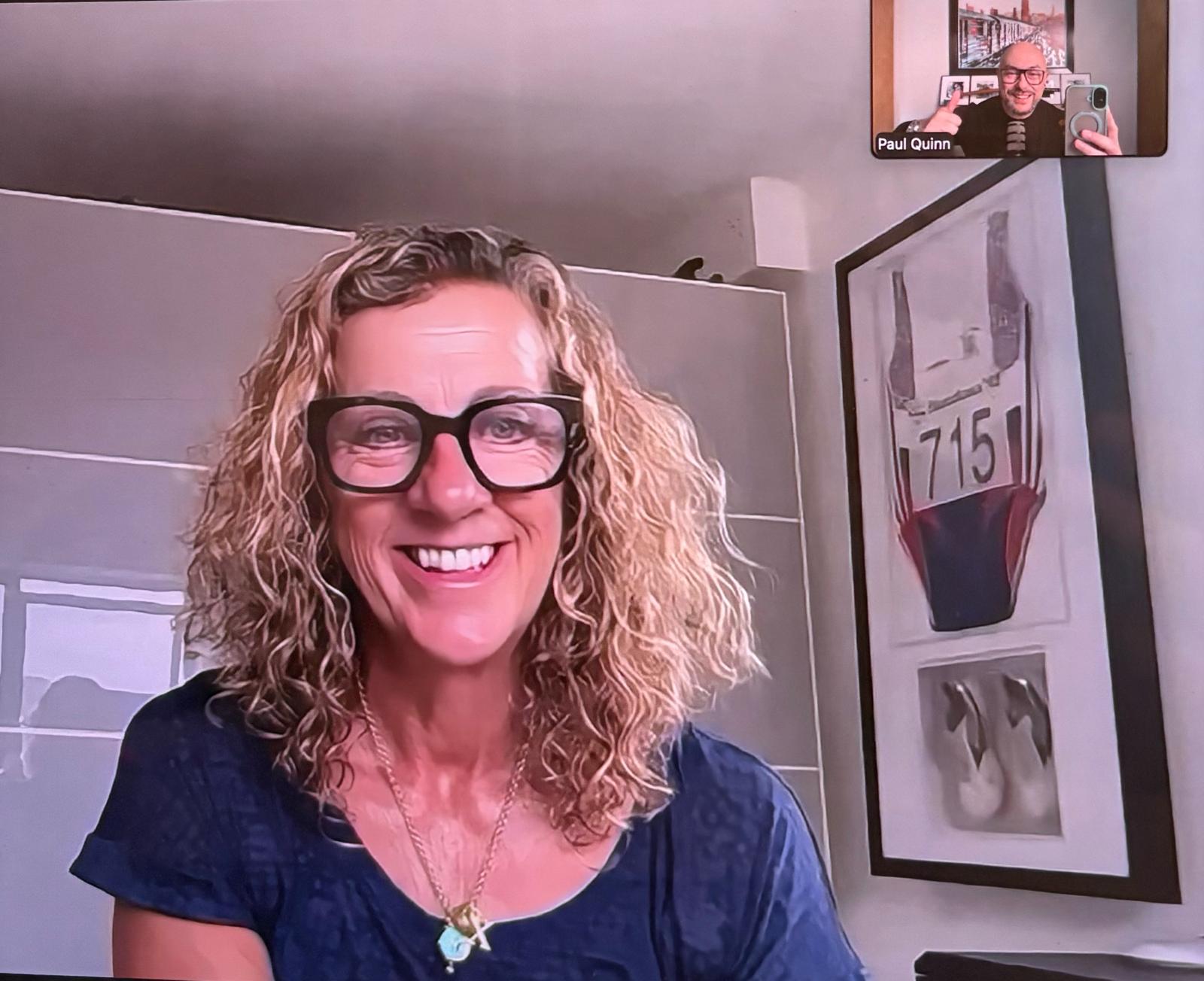
I don't remember any of the race basically. It's you were so [music] in the zone. >> That was that was hard earned. >> Yeah, that is my leotard and shoes from uh the Olympics. The Olympics is the ultimate. Um but that race I learned a lot about myself and just you know I always say 70% of it is in the mind. My whole, you know, younger days were of just running around the the farm and being active and just I was never inside. [music] So, I think sport was always my natural thing. I think about the struggles that I had, the part-time jobs in pubs, [music] the the letters that I wrote because we didn't have lottery money, but I wanted it. I worked for it and I wasn't bitter. Got a fifth in the four hurdles. So that was like the turning point almost where it was like right okay let's concentrate now I always say it's then shutting that voice down the negative throwing it out and then finding what you want to hear finding the confidence and finding [music] those words because no one else gives it to you. I feel like all the things I've done since my retirement has led me to this moment now. Um, and I think life's hurdles is about working with women probably, you know, 45 plus, um, to build confidence, to get fit, get healthy, um, and around being fit as we age really. It's never too late, you know. [music] >> Sally, good morning. How are you? >> I'm very well. Yeah, I've been out for a little, very slow plaud, so uh, feeling good. Good way to start the day. >> Well, firstly, happy belated 60th birthday. Can I say that online? >> Ah, you can. Yes. Yeah. And uh nice to still be running at 60, isn't it? Very lucky. >> How was it? Did you have a great time? >> We did. Yeah. We had lots of I've always had big parties for sort of 50s and 40s, so we've gone a little bit lots of smaller things. And we've got a big family holiday coming up as well. So yeah, we're just spreading it out a bit this time. >> And you just got you just got back from the European Championships. >> Yeah, it was a really good couple of days up there. It was really nice. They brought lots of us legends all together. So uh it was lovely to see people that we were on the team with and people that I had um yeah who inspired me many years ago. And I think it was a yeah and it was successful. What a great championships we had out there. and uh lovely to see the new talent and young talent that's coming through. So yeah, very exciting times for >> Well, I saw I saw a picture with you of you with Roger Black and Lynford Christine. The three of you were all always my three heroes growing up. I had posters of you on my bedroom wall. My ex-girlfriend made me take your poster down because she was jealous. Um [laughter] and and I can see the There you go. Right. But I can see the 92. just share with us what's behind you cuz I'm hoping the camera picks it up. But what a piece of art that is. That was that was hard earned. >> Yeah, that is my leotard and shoes from uh the Olympics. So, um yeah, not many things I have in this house, but that's that's made the wall in my office. So, there you go. The rest of the bits are in the downstairs. Low. [laughter] >> Well, what I want to do is I want to unpack your amazing journey. So you grew up just outside of London and Essex on your father's farm, right? >> Yep. >> When and how did you fall in love with sport and when track and field? [gasps] >> I guess um just having Yeah. My whole you know younger days were just running around the the farm and being active and just I was never inside. So I think sport was always my natural thing. I was always doing cartwheels and hitting tennis balls against the walls and all of these sorts of things and riding my bike and just running everywhere. Um, and then at 12 years old had, you know, really encouraging teachers at school, Mrs. Kay, one in particular, who sort of introduced us to um an athletics club, a club really. I didn't even know. When you when you have a a farming life, there's not a lot goes on outside of it. You know, your summer holidays are all on the farm. So um to be introduced to a club which was down the road, Essex Ladies was uh unbelievable at 12 years old. And the rest is history really. I absolutely loved it. Got spotted by my coach when I was 14 at the track. Um and from there the dedication started really it got very real. You know, you know this will make you laugh cuz I love sprinting. was my first love and people ask me like when did I start enjoying running and it was when I was seven or eight playing kiss chase in the playground >> you know I'm sure you remember that game right [laughter] >> I do and I always say that was the first time about five years old that I realized that yeah these legs were quite fast so yeah we used to we always play that and you could always catch the boys that you quite liked and run away from the ones you didn't so that was always good so yeah and I wasn't particularly academic and I think sport was just my my moment my moment to shine really. >> Well, your your mom was a county runner, was she? >> My mom and dad were very sporty. They were county runners. They didn't really do, you know, go anymore. They didn't join clubs and stuff, but they loved sport. They're always playing tennis or Yeah. running and things like that. So, they had, yeah, natural ability in there for sure. Both of them. >> One one of the things I covered with Roger Black, I asked him, you know, how did you find your event? and he he said that he felt the event found him and I know that before 1988 you actually hadn't really run the 400 hurdles properly. Tell us about how the 400 hurdles found you. >> Uh I think the 400 hurdles does find the person because you never choose it that's for sure. It's not the nicest event. Um, I started out as a long jumper. Then I went and did multi-events, which I think now when I look back in hindsight was brilliant because it gave me all over strength and ability. Um, and then from there won a Commonwealth gold medal in the 100 hurdles and then realized if I wanted to be the best in the world, the 400 hurdles, it was going to have to be. Um, and yeah, a big step up and um, could quite easily have stayed doing the nice little easy 100 hurdles that doesn't hurt very much, but no, we wanted world domination, if you know what I mean, and realized that was going to come in the in the 400 hurdles. >> Can can we talk about that and unpack it? Because it takes a lot of awareness and introspection and honesty to say to yourself, look, I'm a great runner. I'm a great technician, but I'm just not, you know, you won a Commonwealth gold, but to be at the very top of the tree at a global level to then switch events, that had to take a lot of fortitude and courage, right? >> Yeah. I mean, I sort of kept both events just in case. And actually, the 100 meter hurdles improved. So, I think just having training a little bit harder for the four hurdles, you know, helped my 100 hurdles. But yeah, I then went to uh my first Olympics in Seoul and and then got knocked out of the the 100 hurdles first round because I still wasn't fast enough. It was that that was the thing. It was, you know, you had to be so fast over those barriers back then. Um and then got fifth in the four hurdles. So that was like the turning point almost where it was like, "Right, okay, let's concentrate now. You proved yourself." And I think that was sort of two years really just to get my head around that and um yeah and and to know that I had made the right decision really. >> You're so the year before I'm just curious you did you just dipped under 60 and then in the 88 final you were right down to 54 right? Is that right? The timing. >> Yeah. Yeah. Yeah. I was Yeah. I was big improvement all the time in those younger days. And that's what's so lovely about the four hurdles. you can get your stride pattern right and you can knock big sort of chunks off. So I think yeah two years of getting in the grips with the event almost um yeah allowed me to to yeah perform at that sole Olympics and you know to reassess what the goals were and to realize that I was capable of doing something special in the next four years. You know, one of the things that I really marvel at, and I know you've talked about this before, but you only ever had a certain stride pattern in ' 92 and 93, which were your two biggest performances where you were, I think, if I'm if hopefully I'm not wrong, on the seventh and ninth hurdle, you used your right leg as the lead leg. Can you talk about that? Because a lot a lot of people say the 400 m flat is the hardest race in athletics, but actually the 400 hurdles, you've got 10 obstacles in front of you. You've got to be thinking about the cadence, the rhythm. Tell us about how that even came about. Yeah, I mean it's um it's one of those things you you know it's hard for you to practice your stride pattern in a quiet little old track or whatever else, you know, because you know to get the right stride pattern to run the times you want, you need to have pressure, you need to have people around you, you got to have everything right. Um and your body's got to be at its peak really. So that's where I only ever run, you know, what I call the perfect stride pattern twice in my whole career, which was the Olympics and breaking that world record because, you know, the leadup to it, the body wasn't quite in its peak. Um, it wasn't quite the right situation. The mind wasn't quite, you know, mentally prepared because I did a lot of visualization and things for that event. So, you know, it was just getting everything right really. But I guess what I had got was I had a plan. Um, and it was about sticking to your plan and not I think for many years I sort of was led by what other people were doing in the race and who'd gone off fast and you know somebody had clipped a hurdle. I was sort of aware of things going on around you. And actually the the key was is to be as as to stick to your plan, be as smooth as possible um and to block everything out and you know not not hear the noise around you almost and you know to get yourself into into that place does take a lot of pressure, expectation, visualization and just that mind piece to get there and and you can't do that day in day out. It's you know it's too tiring and too challenging. Uh so all those other races were almost the the practice, the leadup, trying new things to get it right on that Olympic final and um on on that world championship final. >> When I think of you um if I was to give a word to describe you in the heat of the moment, it would be composure because you know you were you always started slow. You timed yourself and I'm just I was just thinking about this. Did it help that Sarah Farmer Patrick was on the outside of you? Sandra Farmer Patrick was on the outside of you um in the Olympics in the world champs because you you had her in ice line, right? Did that help? >> No, not at all. No. Um it didn't bother me because >> that's what I would have done before cuz I always knew she would go off fast and I always go off a bit slower and it wasn't I don't remember any of the race basically. It's you so in the zone that you are just keeping to how you want to feel uh what your stride patterning and just working on what you need to be able to deliver um within yourself. So yeah, I had no idea where she was in that race or how where she was around me or what she was doing. And that was the difference from, you know, coming fifth in an Olympics or being a runner up for years to being just totally focused and executing your plan really. I mean, that that was the answer. And um yeah, it's a it's it's a key thing, but you know, and running your the race that you want to run because if I'd gone off too hard in the in the home in the first bit, I wouldn't be able to sustain that and the batteries would have run out. So I had to make sure that I was executing my own race. >> In terms of psychology, if you can share with the audience and how they can apply this to their careers, what do you think was really important? Because I know that you talked about having self-confidence issues. We all have those. But what was the point that that turned around and how did you get prepared for those two major races in particular? >> Yeah. Um, I think it's working on it. I think it's, you know, I was, as I always say, I wasn't the most confident of athletes. You know, I look, I love this generation of athletes that we've seen last week with Amy and people like that. Just that real confidence that they ooze on the track. That's not me. That's not my personality and it isn't me. Um, so, but I had to work at that. Um and I did work with a sport psychologist and and I think the piece that sport told me and he taught me is that there's always a way and um and to turn things around. So, every time a negative came in, um, you know, even now I drive everybody mad. You know, I'm I'm a fix it. Um, and there's got to be a way, you know, I it's and I think that's what I had to learn that, you know, it's um, you know, once you know what you've got to do and there might be things that are thrown at you, whether the bus is late, whether you hit a hurdle, whether someone says anything, but I turned it into a positive. And I think that's been a really biggest thing that you know it's recognizing it in your mind and then you know I always say it's then shutting that voice down the negative throwing it out and then finding what you want to hear finding the confidence and finding those words because no one else gives it to you. You have to find it yourself. And I think so often we're we go around, don't we, with the glass half empty and oh my god, I got so many emails and haven't slept well and you know, I'm tired, you know. And the more that we just keep doing that and saying that, the more that we react over it. And and I think what I'd learned really in that apply now is that, you know, I can I can still I can still get through those emails and I can still achieve what I want to achieve and I can still do what I need to do even though I'm a bit tired. You know, it's it's just turning it into that positive almost. >> I love that. Um, one of my favorite races of yours outside of 92 and 93 in Stogard was in 1994 when you ran the 4x400 in the World Cup and you got the baton in third place. Did you did you say to yourself, "This is mine or when did you realize that that this race was yours to win?" >> Oh, I just loved it. I just um you know the relays after doing the individual you know there's a lot of pressure on the individual but >> of course >> you know you get through that and you run well you're you know you've got massive amount of confidence in your own ability and I think you know handing the bat to me on that last leg I just I just I don't know it was like fuel almost and I I wanted to do it not just for me but for the team >> and I was in great shape so and what it meant really so yeah I just I it was much more energy and I just loved that feeling and I was in a happy place when you get out there in those relays on that final leg. >> What an amazing comeback. That was beautiful. Um when when you talked about knowing that you were in peak condition, I find a lot of people in their careers and this is fundamentally what I find coaching the difference between men and women. Most ladies when they're not sure, say they're up for a promotion, they're having a job interview, they will say, "I'm not sure. I've not done that before. And depends on who's interviewing them, they kind of might undermine themselves where most men BS it. They'll say, "Yeah, of course I can do it." Right? How do you would you recommend to someone that they recognize, look, you're actually at the peak of your career and your powers, right? This might last for however many years. And how to build on that confidence because I think that's something a lot of people struggle with. >> Yeah, I think um there's a number of things there really, isn't it? I think it's about, you know, it's hard to know when you're in it and this is the peak. Is there more? It's easy when you when you look back. So, I think sometimes it is about appreciating and yeah, letting yourself know that telling yourself that I am in, you know, I'm in a really good position here. It is about that talking to yourself and highlighting rather than always putting yourself down. Um I think if I go into a situation or whatever I think I you know I have to be prepared. >> Yeah. >> You know I have to put the work in. It's not just about rocking up. So I know that I have to prepare properly whatever I do whether you know I was running running the London marathon which I only did once and never again but I couldn't just like just rock up. So, you know, whether that's an interview, whether that's, you know, going on to telly or doing a talk, it's about the preparation piece is really because that builds confidence. Um, and then I think it's about that visualization of seeing yourself in that situation. >> Yeah. >> Seeing yourself in that role and seeing yourself in color, seeing yourself in black and white and being that third person looking in. are seeing yourself, I don't know, being interviewed in the room or being in that role, how you want to be perceived. Um, how do you want to get across? I think so often we just stop and we're scared of um, you know, sometimes I think before I sus this out, it might be a scary place to go to or a bit, you know, oh, I'll worry about them when I have to. But I think it's about actually addressing it beforehand and allowing yourself to actually find time, whether that's on a walk and just going five minutes into something that sometimes might feel a little bit uncomfortable, but the more you go into that space and you see yourself as the third person watching it, whether that's, you know, you could be on the room on the outside or whatever, I think that's a really good piece. Um, I think the other thing that I got myself into, you know, before I'd go into the stadium is that we can only ever do our best. >> Yes. >> And if your best is good enough on the day and you've given it everything you can, um, then that's fine. And I think that's just how I dealt with it. And if it doesn't happen, your your family is still there. Uh your team's still there and you'll learn from it and it will make you a better person and you'll go again. So I think that's you reset. You know, one of the things if if you can touch upon this that you said I thought was so powerful um in particular before 92 you said bringing down the magnitude of what's happening. Can you talk about that because a lot of people things get built up in our minds, right? I mean Olympic finals of course is going to be built up but talk about that please. >> Yeah. Yeah. I mean I think it's similar to what I was just sort of saying in that sort of I had to go through in my head because if you know that that last sort of like 20 minutes and in the croom and things if you start thinking right if I don't win today I'm never going to have this chance again and this is the biggest stage on in life. Do you know what I mean? And yeah could change your life. I you can't go there. So, I did have to bring it literally back down and just say, "Look, I've done everything I can. I've prepared properly." And sometimes you don't always prepare properly. Sometimes, like the following year going into the world, I ended up not 100%. I hadn't ticked all the boxes. I had a bit of a sore throat. Had a bit of a cold and never really ran. But it it was just about me telling myself, you can only ever do your best. So, I had to bring that magnitude down. And it's just it's not just another race, but just just go out there. It's not about enjoying it. It's about just doing the best that you can do and and it is about accepting that if it doesn't happen then, you know, you will you you'll learn from it. You know, I think that's the other thing that sport has taught me that, you know, to become the person you want to become, um you have to go through these challenges. you've got to do the disappointment. You know, I often say it to an athlete, you know, it's like you still got a lot to learn. You know, there's 100% >> if you don't do that work and the disappointment and the challenges and pick yourself up and go again. Um, then you'll never succeed in the long run. So, that's where I sort of used to go with it. And it's like, I'm not ready. It's not your time. Uh, if it doesn't happen and we'll go again, but let's just give it a go. you know, in 1993. >> No, I love it. In 1993, it was so funny because when I watched it live, I was thinking, um, why why were you unhappy with the result, but then we only recognized afterwards that you didn't realize that you'd won, let alone broken the world record. Um, did you ever break the world record in training? That's what one of the questions I had for you. >> Yeah. Uh, no, never. And, and it was really hard in training because, you know, you're not being pushed. I mean, Sandra completely pushed me in that race, but Oh, yeah. You know, where I talked about being in the zone, I again, I didn't know where she was. I just had a feeling as I went across the line that she was closer than she was the year before. Um, had no idea what the time was. I was just like, um, yeah, let's just wait and see really. And I think it was pretty obvious from everybody everybody else apart from me. So, I think there's a lovely bit where I finally realized and it was like >> why are you looking so calm? But I just I was just in the zone. Um and I think that was my favorite race just because >> has to be >> yeah I just um you know the Olympics is the ultimate um but that race I learned a lot about myself and just you know I always say 70% of it is in the mind and I'm and I think so much of whatever we do in life it is it's the mindset that holds us back you know whether that is to get fit whether that's to run a marathon whether that's to go for a job interview or you know just to do a challenge or whatever it may be. You know as much as 70% is in the mind and and it's just about engaging that respecting it learning about you learning about your mind and what you can bring to it. >> I love that you said that because I always say to people if you think you can or you think you cannot guess what you're right either way. Do you know what I mean? >> Yeah. Exactly. Yeah. Yeah. Talk talk about um this I don't know if it's a sensitive subject. So I idolize you Lyford Christie and Roger Black in in ' 92 and 93 in sports personality. I actually think that you and Lynford should have both won. Um because you both had your amazing 92 and 93 but you broke the world record. And I always look back on that. Was it because Lynford had a huge personality or was it because you know the 100 meters is the blue ribbon event? But I actually think you should have won that alongside him. [laughter] >> Do you remember that? >> You know what? Yeah, I do. And I think well 92 I think he won. And then 93 when I broke the world record and won the world, Nigel Manel um beat me and I was second again. And I think um >> I think he hadn't even won I don't think he won Formula 1 that year or whatever else. But do you know what? It's one of those things. I think um you know women's sport back then is was very different to how it is now. And I'd love to think that you know I moved it up to the next level almost 100%. >> And um yeah it was you know it was a fight. I had to, you know, I won sort of silvers and things like that, but I never got the recognition. Um, that, you know, the John Regis and all these guys and the money that they would get and the cars and all of that, but I didn't look as it was like right, I've just got to keep proving myself. So, >> well, think about your accolades, Sally. World champion, >> you know, Olympic champion, European champion, Commonwealth champion, and then world record holder. It's undisputed, right? >> Yeah. And I think by doing that and being the best and going right, okay, I'm just going to push push the barriers even more and do better than them um you know started to put me and and I sort of started to get the recognition and the sponsorship after the world championships that year made a big difference and things. So yeah, I'd love to think that, you know, I started that to close the gap for the Jess Andis and Kelly homes and people like that and you know to think where women's sport is now is incredible and um >> you really it's come a long way. It's come a long way. >> It has and it's amazing to see. >> Can can we talk about that because one of my goals with this podcast is to help young athletes get funding and track and field athletics is really it's a great big sport in the UK but a lot of athletes still struggle with funding. What's your advice to young athletes coming through the ranks now to try to increase their profile and their social profile to get that branding? >> Yeah, I mean it's it's a very different world because of social media. >> Um I'm not sure I'd like to be caught up. You're judged straight away, aren't you? But you know, I read an article yesterday that actually um people are earning more money from their social media than they are on the track. You know, >> bananas. Yeah. >> Which is mad, isn't it? Which is crazy almost. 30 years inside the rooms where careers are made. We've built an intelligence platform that's yours. Real frameworks, no theory. Quintessential coaching. Your career starts now. I just think it's about, you know, when I look back and I think about the struggles that I had, the part-time jobs in pubs, the the letters that I wrote because we didn't have lottery money, but I wanted it. I worked for it. and I wasn't bitter. >> Can you talk about that, Sally? Cuz I've not heard you talk about your part time cuz to me that that's so important that I I value that so much. >> Yeah. I mean, I I wasn't, you know, it was about me going out to find it. And when you've invested so much time in writing those letters, in getting that job, that part-time job to fuel your sport, you're you're so invested in it. Um, and I'm not saying take lottery money away from it, but I would just say to any young person, you know, I mean, I had loads of people going, "Why are you wasting your time? Go and get a proper job." All of those sorts of things. Um, and yeah, you know what? I I succeeded at the end of the day. Not everybody does, but I think >> what you learn and the hunger and you know, I loved what I did. And if you're getting that enjoyment from it, it goes a long way. Um, >> I'm all for just Yeah, just keep going doing it part-time and stuff. I mean, I worked right up to 92 and had time off and had a great >> Oh, did you? >> I didn't realize that. I didn't realize that. Wow. >> Yeah. Yeah. And I And I think what happened is I I got I used to earn £17,000 a year. And I think it just took the pressure off almost because, you know, I could then go, well, if it doesn't happen, >> I've still got £17,000 to live off, you know, and I can do that. Yeah. And I sometimes it is. I think we put so much pressure on ourself. Um, you know, and I know now, you know, even with lottery money is brilliant and I think it's great, but if you don't perform because you get injured or, you know, you don't you have a bad couple of years, you're off it. And >> you got to fall back onto something. >> Yeah. >> Yeah. that's on you to get everything right and of course you do have good years, bad years and things like that and uh all of those sorts of things. So it is it is added pressure. So but I think it is about yeah if you love what you're doing um I was lucky I had supportive parents that could buy me my spikes um pay for a bit of travel but I did you know as soon as I left school I had part-time job in a pub. I was then a nanny for a couple of years and then I had an accountancy firm that sponsored me after winning uh that Commonwealth Games really. So yeah, I had >> amazing. >> Yeah, it took quite a lot. [laughter] >> One of one of the things that I think a lot of young athletes struggle with, you know, I've got two kids on the respective national teams for Singapore and I I look at at them and they struggle with, you know, should I should I really do this? I miss going out with my friends and and you know talk a little bit about that because I think you you man you fell in love with the sport so much and you got to travel internationally you didn't feel that you missed out on it but talk about that commitment that young athletes really have to dedicate to >> Yeah. I mean I I think you you do have to dedicate your life but at the same time you're still young. Um, you know, I think at 14 a lot of my friends gave up and I went through a bit of a, you know, Monday night was my going out night because uh, I knew that I didn't have a session the next day. So, I sort of made it work and I sort of challenged it a little bit at that sort of 14 15. I think also I had some really good friends at the club. I loved uh I was starting to sort of at sort of 16 17 get weekends away and trips and we used to have Yeah. You know, sometimes I remember thinking it wasn't so much about the racing, it was about the party afterwards and the and the laughter and the jokes on the coach and and that sort of thing that I loved and that was all part of it and I couldn't wait to get dressed up and go out, you know, of a of an evening afterwards and stuff. So we sort of still lived our >> life through it and I think you need to but it is you've got to do your training. >> Yeah. >> You know if if your training gets effective and it affects your racing or your training then it's not right. Um so I used to work around it almost and made sure that yeah I was still great to race still turn up for training and I was okay and things like that. So that's how I managed it. >> I love that. you know, I've been married for 20 years. You and John have been married for many years. And I think that, you know, when you talk about building a successful team around you, a team that you trust. He's very central that to that. But can you talk about that because I I find in sports and in and in business and in your career, building a team around you that you can rely upon is everything. And people overlook that and and in track and field, people think it's a solo sport. It it it is, but it isn't. You need a team behind you. >> Yeah. Absolutely. And um you know I I say one of the the real things between coming fifth and winning was you know the people that I brought in around what I was eating around recovery around the sports science side of things. So, you know, and I do say to people, you know, if you've got stressful jobs, um I think, you know, reach out to people, you know, and and h have ask for help, get people around you, and if that is somebody really good to chat to, I think that's really important. Having someone that you can offload, I think, you know, having supportive family and sharing um and communicating is really important. Um, but also, you know, looking at what you eat, how you sleep, and all of those things are gonna really make a big difference to huge how you rock up the next day. And, um, you know, it's those, it always is those little 1%s that sometimes can see so insignificant in life, but they're the bits that, yeah, they make the difference almost. So, >> they comp they compound. When did you first get a nutritionist then? And then the sport scientist. Was it in before ' 92? Yeah, before 92. So that was sort of, you know, I think it was realizing that, you know, that four years building up, you know, sometimes you can't work any harder, you can't train any harder. It's that sort of thing because your body won't, you know, as an athlete, you can only add in sort of like 5% each year without the body getting injured. Um, and that you have to build that up over the years. And I, you know, massive respect for my coach to be able to do that. And I think it's the same when we work. We can't just all of a sudden take a new job on and think, "Right, I've got to work all the hours because we'll have burnout. We won't make it." So, I knew that the the percentages and the deliverables were going to come from uh me rocking up with a clear head, having a good sleep, having the energy, not having the afternoon slump, um having Yeah. having somewhere to offload. um being fit, being healthy, um allowing myself time to look after myself as well. That's that's where the small percentages are going to come to being able to deliver what we're all capable of doing and that that resilience piece almost. >> Was your was your husband John a big part of um being a pacemaker for you? Did that help tremendously? >> Yeah, I always say he was the backbone. uh he gave up his career and uh you know his athletics career but also his own career to come and train with me. So he was there could come away was the backbone run next to me you know had incredible coach but you know John just helped on those sessions so I had somebody there that I was chasing down and um could understand what I was doing. Um, and I think that's that's the thing, you know, not having a partner that didn't understand why you're not there on a Saturday night and why you miss every birthday and >> whatever else. So, it's Yeah, huge. >> Yeah, exactly. So, really, >> so important. So, my podcast is about careers and no career journey is a straight line. >> Need help with LinkedIn optimization? Visibility decides your career? That's what we built. Quintessential career coaching. Check out our intelligence platform today. Let's talk about what you're doing now. So, you've got over half a million followers on Instagram, which is amazing. >> You've set up a business with your son, Luca. Talk about that evolution and what you're doing now. >> Yeah, it's weird, isn't it? When I look back, you know, when you retire, I mean, I retired at 31 and I was listening to some of the athletes the other day and um when I look back from 31 to now, so we're talking 30 years and it's almost like your athletics career um is now I've just redone it. So, you know, you retire, but you you're out there in the in the next chapter of your life, and you still got so much to learn around what you really want to do, who you are, not trying to be somebody else, uh trying to trust people because, you know, you realize that you haven't really come across many people in your life. So, you know, there's a lot of people out there that are in it for themselves. So, having to navigate that as well, which has been interesting. again, massive disappointments, things failing that you've invested money in, you know, all sorts of things. And um, you know, and some really great things you love doing working for the BBC for 10 years. Yeah. >> Um, love doing my motivational speaking. Still doing that. Probably done that for 25 years. Learned just be yourself. That's the biggest thing I've taken. >> Be authentic, right? >> Be authentic. Don't try and be somebody else. So, that's really been great. Um, and I love this next chapter. You know, I think I feel like all the things I've done since my retirement has led me to this moment now. Um, and I think life's hurdles is about >> working with women probably, you know, 45 plus, um, to build confidence, to get fit, get healthy, um, and around being fit as we age really. And I think I never thought it would grow like it has. Um, Luca brings the dynamics. He worked in sort of fitness marketing and a personal trainer and the technical side of it which is brilliant. The bit I love is how Yeah. I'm changing people's lives and >> big time. >> Yeah. And that's what you want to do in life, isn't it? You want to do something for somebody else and I think that's what I've been looking for. Um, and you know, it takes to what 58 to find what it [laughter] really is. So when people talk about your legacy, I feel like I'm in this legacy now where >> Yeah. >> you're and it's not just about >> toning up, building strength and losing weight. It's the confidence that people are having within themselves and you know what they are then yeah able to rock up for them f their family, for the people around them. uh themselves and you know developing new careers and things which is just incredible. >> What I love about it is you relate it to your everyday person and how you know this exercise is going to help you get up. this exercise is gonna help you because that as we get older that's what it's all about right you refer to 45 plus as the power age and what I'm seeing in work no one talks about this but at least 50% of my friends have got divorced and I've analyzed it cuz I'm I'm nearing 50 you know menopause sets in early menopause all these developments and changes and and people are only gradually talking about it now but I I think this is where you see a lot of women especially in the in in the uh and workplace reach that highest level. This is where their career is about to take off and if you don't have your physical health, your mental health, and your well-being, you're going to you're going to plateau, you know, just talk about that. >> Yeah. Yeah, definitely. And I think it's um so realizing how our bodies do change and it's going to, you know, I think sometimes we look at it as a real negative. We look at it as like the end of but actually you know us women go through menopause you know we are now in this is our section of our life and we could be here for 30 40 years. Yeah. Um and of course you know that your body has changed because your hormones have changed and I think you know we could do a whole thing for men you know men's hormones change testosterone changes as well and you do change and what used to work whether that's physical or you know mentally or whatever it is has to change because it it's not the same and I think that's where I've had to navigate. My body isn't what it used to do. I can't just go for out for a run and keep myself nicely toned, you know. I've now got backachches. I've now got all these things. But yeah, >> by physically being stronger um has given me the confidence has allowed me to still do the things that I wanted to do, but I've had to do it differently. So, it's just how we've had to adapt our bodies, what we need to add in. We don't have to train as hard, but strength training is a really important part of that. How we do we keep our cardio up. I could eat, you know, what I used to eat, I can't eat anymore, but you know, what do I need to eat now? More protein, all of those things. And it's just, you know, it's just moving with the times almost. That's what I'm I'm helping. And, you know, it's the same for guys as well. But it's um and I think it's having again reaching out, having somebody there to help you and support you. And that's the role we're playing and and being accountable for it as well. And I think that's what women love is that we're the coach in the pocket to guide them through being to have those high-end jobs >> and, you know, physically be able to handle it. And that's that's what we do here. >> Well, you're you're relatable on several levels. Number one, you're lovely. I think, you know, when you talk about some of the the modern day athletes and how super confident they are, I think your appeal has always been you've just been very honest and transparent and and people can relate to you, even though you hold all these amazing records. But the other thing is you you've had, you know, three kids, you're 60, and and you're showing everyone how to do it. And I I was showing my mother-in-law yesterday. I said, I've got a podcast this with this amazing woman. and she actually it piqued her interest because you know if you look at social media you've got all these amazing athletes in their mid20s but they're not relatable. >> So so >> yeah and I think you know it's not something that I've you know purposely done. I think I've got great people around me that have always brought me back down to ground which I think is really important. Um and with life's hurdles this is about I still want to enjoy life. I want to have that glass of wine. I want to party cuz I'm 60 today. Um, and I just, you know, life can be sure, it could be taken away from you at any point. And, um, I think it's like, you know, I don't want to destroy myself by eating rubbish and drinking and partying all the time, but we can still have that balance in life and we can still enjoy life. And if medicine is going to keep us alive, if you know what I mean, I want to be as fit and healthy and have, you know, as I age as I can do. You know, my parents are 97 and 95. Incredible. >> Wow. >> But for the last probably 15 years, they've not been able to go out much. You know, they're in their little bungalow and their quality of life, they're very happy and it's incredible to see. But I sort sometimes sort of think God I want to if I you know if we are going to live to 80s 90s because of what you know medicine can keep us to that point um then I still want to be able to walk up that hill. I still want to be able to open my jar of jam you know I want to be able to do those things and I know it's about investing in our health now >> and keep that going and I think the thing I want to always say is it's never too late. You know, lots of people that come to us have never done anything, but they now know they look need to look at their bone health. They need they want to have that longevity piece or lifespan as we call it. Um, you know, you could you never we we got people coming to us in their 70s, never done anything, you know, come on, let's take you in, let's help you and support you. So, yeah, it's never too late for sure. >> Well, Sally, it's been such a pleasure. Congratulations on this second chapter of your career. Truly amazing. It's almost as amazing as the first chapter, right? [laughter] >> Oh, thank you. Yeah, I couldn't do and it's lovely. I get the opportunity to work with my son, Luca, which is incredible as well. So, thank you. And I Yeah, I love what I do. So, yeah, just keep being ourselves. That's what I say. And being authentic. >> It's an absolute pleasure. Thank you, Sally. >> Lovely. Thank you, Paul. >> See you. >> [music]
Behind the Scenes
No career journey is a straight line, and mine taught me
to ensure ambition strengthens lives rather than gambles with them.
Our Other Episodes
Lorem ipsum dolor sit amet consectetur. Sed morbi adipiscing ultrices in vel placerat.
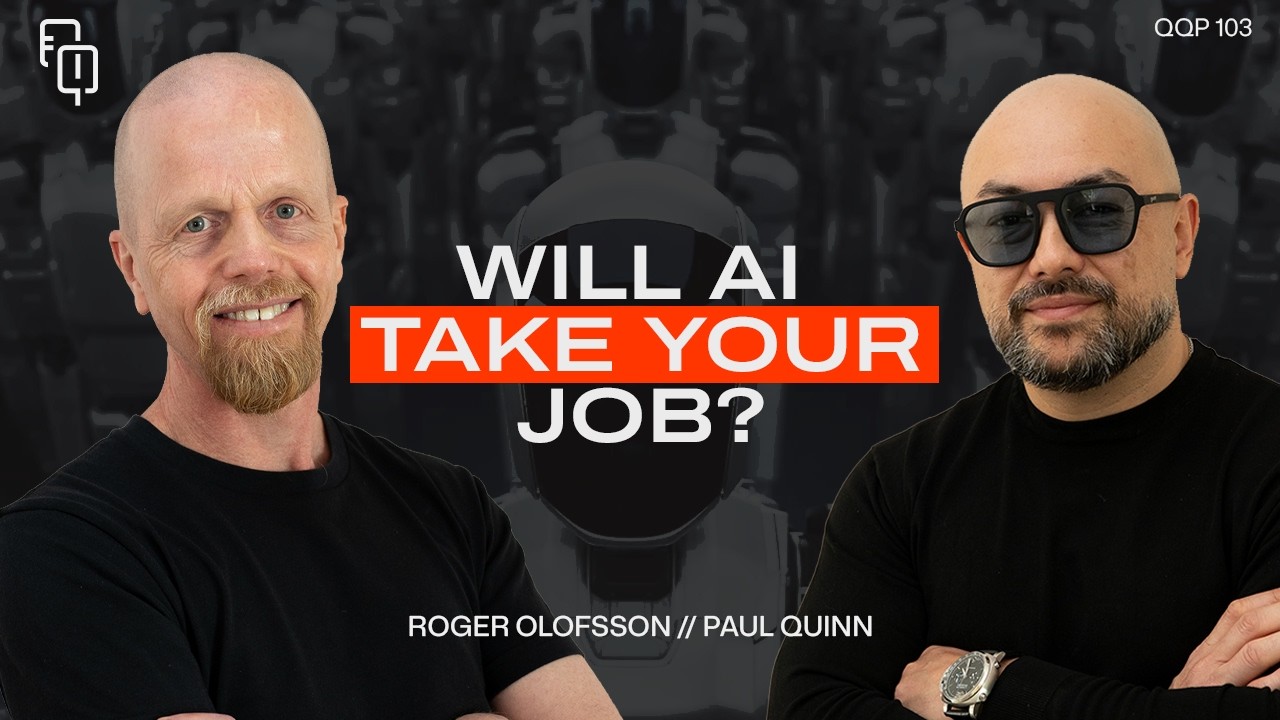
Building an AI Company Inside a Search Firm with Roger Olofsson #103
In this episode of The Quinntessential Questions Podcast, Paul Quinn sits down with Roger Olofsson, CEO and co-founder of Olofsson & Company, the executive search firm hiring for startups, AI, tech and fast-growth companies. From a childhood in Luleå, near the Arctic Circle, to landing in Singapore in 1996 as an exchange student with a backpack and a suitcase, Roger shares his transformation journey through almost three decades of recruitment in Asia, and the moment he finally backed himself to build his own firm.
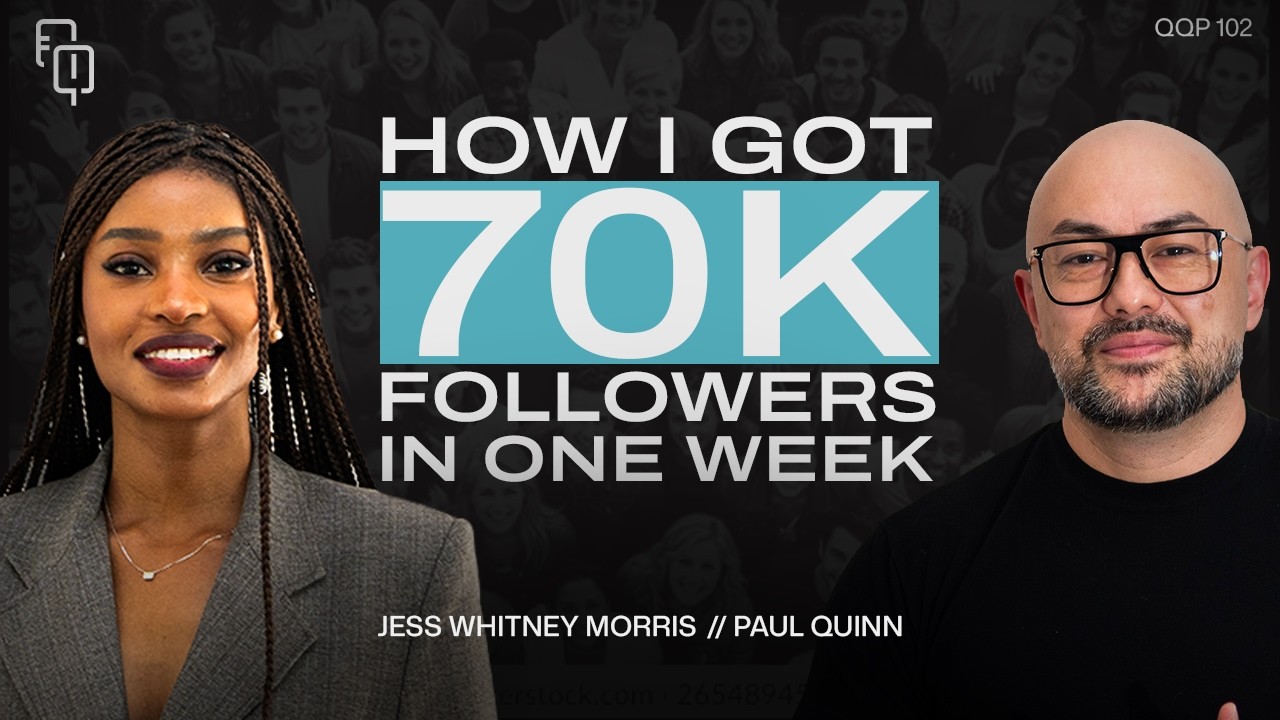
One Video, 70K Followers: Jess Whitney Morris's Breakthrough | #102
In this episode of The Quinntessential Questions Podcast, Paul Quinn sits down with Jess Whitney Morris, model, social media management company founder, and media presenter. From growing up in poverty in Uganda and working-class England to working her way through Abercrombie, Hollister, and a self-funded university degree, Jess shares her transformation journey and the moment her father tore up her first modelling contract in half.
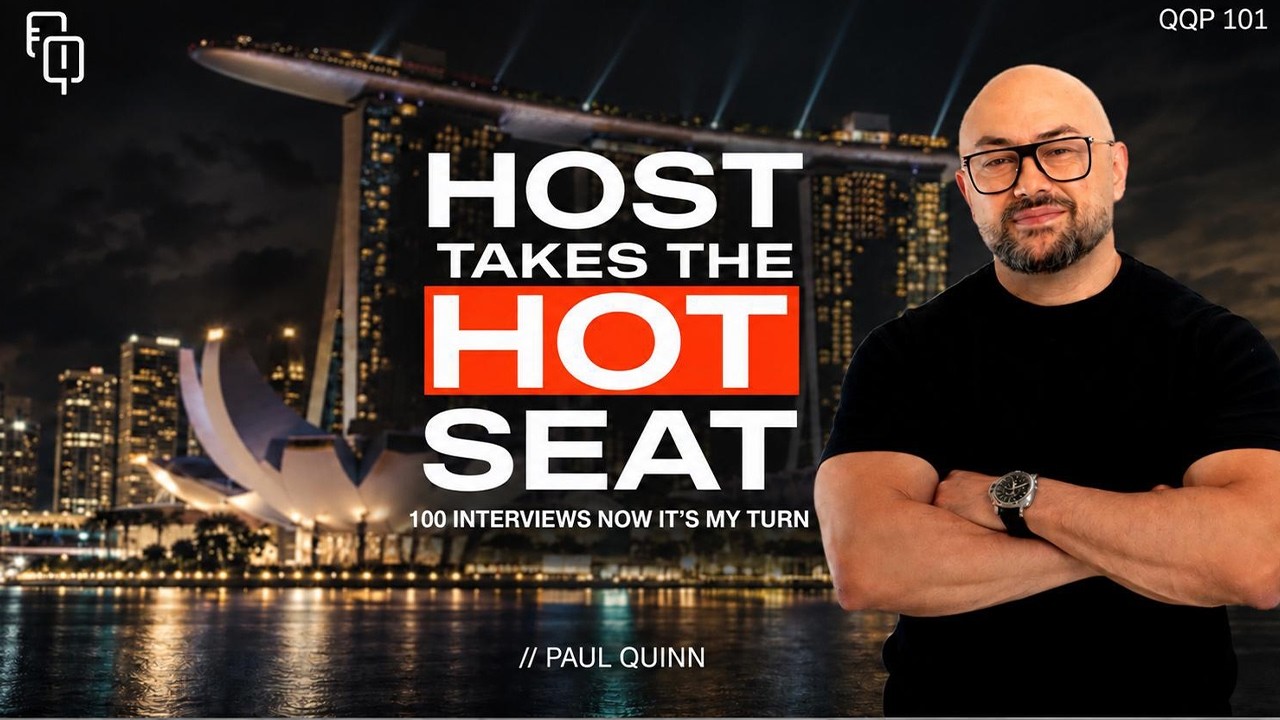
I Interviewed 100 Extraordinary People. Here’s What I Learned | Paul Quinn
In this episode of The Quinntessential Questions Podcast, the host takes the hot seat. After 100 episodes in the interviewer's chair, Paul Quinn, who runs Westport Executive Search and founded Quinntessential Coaching, answers questions sent in by guests, friends, family and listeners. From hitting a career plateau to building a podcast that now welcomes Olympians, world champions and global CEOs, Paul shares his transformation journey and the moment he decided to put a spotlight on helping people.