
AI Will Take 50% of Banking Jobs CEO on the Future: Dr.Vincent Ming | #66

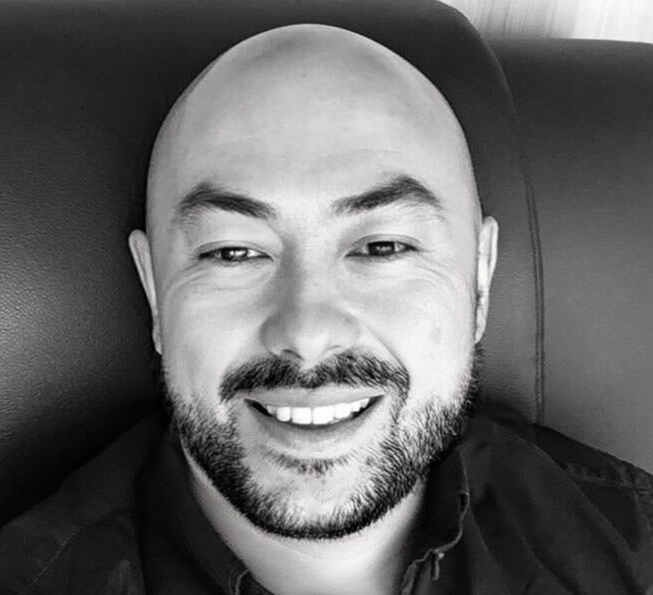

In this episode of The Quinntessential Questions Podcast, Paul Quinn sits down with Vincent Ming, CEO of a global multifamily office in Singapore. From working in Taiwan's Defense Department at 23 to leading a firm serving billionaire families, Vincent shares his unconventional journey through IT, academia, and private banking.
Vincent discusses his unique path of working for over 10 years before pursuing his PhD, spending 20 years in private banking, and why he believes AI will fundamentally change the wealth management industry. He opens up about taking three years to feel comfortable in front office roles, the conflict of interest in traditional banking, and why the future belongs to "family bankers" rather than product pushers.
Whether you're navigating a career transition, considering further education mid-career, or working in financial services, this conversation offers hard-won wisdom on preparation, leadership, and building genuine client value in an AI-driven world. Let's explore what's "Inside the mind of a CEO."
TIMESTAMPS:
(00:00) Introduction
(02:18) Who is Vincent Ming - Entrepreneur, Banker, Professor
(03:04) Growing Up in Taiwan
(03:32) Family of PhDs - Vincent Was First
(04:21) First Job: Taiwan Defense Department
(05:26) Sent to Dallas, Texas at Age 23
(06:20) Taiwan's First Aircraft Design Project
(07:08) Youngest Deployment Manager
(07:51) Work First, Then PhD - The Unconventional Path
(08:42) Self-Funding 5-Year PhD While Working
(10:36) Theory Meets Practice Philosophy
(11:44) KPMG Consulting & Entrepreneurship
(12:21) Software Startup - Early Chinese NLP
(13:03) Intel Investment & NASDAQ Prep
(13:50) Year 2000 Dot-Com Crash
(14:46) Moving to Singapore in 2000
(15:08) Business Risk Manager - Second Person Globally
(15:33) Covering 170+ People Across Asia
(16:38) Risk Management in Front Office
(18:09) "I'm Too Entrepreneur"
(18:49) Introvert vs Extrovert in Banking
(19:47) They Trusted Me - Front Office Opportunity
(20:56) Taiwan Desk - Big Challenge
(21:22) Not Confident at First
(22:45) Three Years Learning Journey
(23:50) CEO Aspirations - Preparation Over Goals
(25:10) Building Teams & Platform Skills
(27:27) What Makes a Good Private Banker
(29:03) Hiring for Determination Over Credentials
(31:38) Private Banking Reality - 20-30 Clients for Life
(33:22) Can't Put Own Interest First
(35:43) Why I Left Banking
(37:17) Global Multifamily Office - Serving Billionaires
(38:35) No Products to Push
(39:43) Opening Up Asian Market
(41:39) Asia vs West Wealth Management
(42:44) Generational Wealth Transfer Challenges
(46:11) AI Will Take 50% of Banking Jobs
(47:42) Information Barrier Breaking Down
(48:38) The Family Banker Model
(49:21) Clients Have 5+ Banks
(51:34) Asian Wealth Management Differences
(54:10) Nurturing Young Talent
(56:22) Less Than 5% Train to Be World-Class
(58:31) Personality Matters Most
(59:56) Determination & Values in Hiring
(01:01:23) Most Underrated Leadership Skill - Trust
(01:02:56) Patience & Kindness in Business
(01:04:17) Looking Beyond Numbers
(01:06:12) Blockchain & Tokenized Assets
(01:07:15) CEO KPI - Bouncing Back from Challenges
(01:08:14) Leadership: Trust and Inspire
(01:09:14) Sustainable Change Comes from Inside
(01:11:08) Colleagues Describe Me as "Kind"
(01:11:35) Daily Value - Cannot Fail Trust
(01:12:30) How I Unwind - Future & Tech Movies
(01:13:26) AI is Already Here
(01:14:46) Guest Lecturing - AI, Blockchain, Fintech
(01:15:52) Philosophy & Logic Thinking
(01:16:48) Daily Practice - Reprioritizing Scenarios
Bio
Dr. Vincent Ming is CEO of a global multifamily office in Singapore and believes "you don't set out the target to become a CEO—you prepare yourself, and when the chance comes, you have the capability."
At 23, Dr. Ming worked in Taiwan's Defense Department on the nation's first aircraft design project before being sent to Dallas, Texas. He became the youngest deployment manager at a century-old British company, then did something unconventional: worked 10+ years in IT before self-funding a five-year PhD.
After the 2000 dot-com crash wiped out his Intel-backed Chinese language NLP startup, Dr. Vincent Ming moved to Singapore as only the second person globally in a new role: business risk manager embedded in front office, covering 170+ people across Asia. The transition took three years.
After 20 years in private banking, Dr. Vincent Ming left because of a fundamental conflict: "Banks want to push certain products. But sometimes it might not be in the client's benefit." Now he's pioneering the "family banker" model—trusted family advisor over transaction processor—because AI will take "more than 50% of banking work."
His hiring philosophy: "I look at the nature of the person. Determination. Values. I once hired an engineering student with no clients—but he put his soul into it. That determination told me everything." Colleagues describe Dr. Vincent Ming in one word: "kind." The reason? "I will never make a critical decision based on my own interest. I cannot fail the trust of people."
Dr. Vincent Ming holds a PhD and teaches AI, blockchain, and fintech at universities. His daily practice: reprioritizing tasks from different scenarios—because preparation is the discipline of being ready when opportunity knocks.
Transcript
My name is Vincent Min. Uh I am an entrepreneur, a banker and also a professor. From my heart that's a entrepreneur type of characteristic or desire or some of the drive. No, I I want to run the business. I I don't think I I can sit in the control side for forever. Right. [laughter] >> Yeah. It's not it's not in your heart. It's not in your DNA. My whole family uh brother and sister tree own PhD degree. >> Who was the first that got the PhD? >> Um in fact uh myself >> really >> yes I'm not in the same path like most of the people. Most of the people uh in the academic world starting from the university I'm not uh the same as I actually start to work first. My first job interestingly uh is part of national service. I actually joined uh arrow research center. >> Okay. >> In Taiwan uh in the defense department I was assigned to the mission in states. >> How how old were you? >> It's just 23 plus and it changed my life I would say which is the youngest department manager in the whole group since I already work in the IT industry [music] for more than 10 years. >> Yeah. >> So I'm qualified to apply a direct uh PhD program. >> Okay. Okay. [music] In Taiwan, but I still spend 5 years on the study to get a degree. I get a job in from the bank. It's a we soal business risk manager. I think it take me about 3 years. >> Yeah. >> 3 years to to make me comfortable on that kind of front office role. You have to go through the learning journey. I'm I feel now I'm truly ser for the clients. >> Yes. because we don't have our own product. I don't set out the target to become a CEO. But you have to well prepare yourself and when [music] the chance come to you, >> yes, >> you have the capability. >> Good morning, Vincent. How are you? >> Good morning. I'm fine, thank you. How are you, Paul? >> It's wonderful. Listen, thanks for coming. I know you've been to my house before, but this is a slightly different setting, right? >> Right. a very interesting experience I would assume. >> Well, I'm I'm looking forward to today's chat. So, this is part of our CEO series. Now, for the few people that may not know you, can you just give a quick introduction as to who you are, please? >> Okay. My name is Vincent Min. Uh I am an entrepreneur, a banker, and also a professor. >> I love it. There's a lot there's a lot of things that you've covered there. >> Yes. >> So, wind back the story. So, you grew up in Taiwan. In Taipei? Uh actually my hometown is in Tynan which is a south of uh Taiwan. >> Okay. >> But most of my uh learning journey and work experience is in Taipei area. >> Now if you don't mind me asking I'm just very curious because you know you you followed firstly the academic route. So what you know were your mom and dad academics? What do they do for a living? >> Wow. Uh that's a very very interesting question because nothing to do with academic for my mom and my father but my whole family uh four uh brother and sister tree on PhD degree. >> Okay. >> And most of us in the academic work. >> Wow. >> Who was the first that got the PhD? >> Um in fact uh myself. >> Really? >> Yes. [clears throat] myself and then my my young brother. >> Did they talk did they call you and say Vince we're thinking you're doing this? >> No. But I I I'm not in the same path like most of the people most of the people uh in the academic world starting from the university and then directly to further study master and then PhD degree. Right. >> So I'm not uh the same as most of the people. I actually start to work first. >> Yes. So go what was your first job then? My first job interestingly uh is part of national service. I actually joined a research center. >> Okay. >> In Taiwan which is uh in it's kind of safe semi-government organization. >> Yes. >> Uh in the defense department. >> Wow. >> Okay. And the IT guy. So I worked there as IT and was sent to US for two years. >> Where about there? >> I didn't know that. Where in the US? >> Uh photo was Dallas. >> Oh really? Texas. >> Wow. How did you fit into Texas? It must have been Did you buy cowboy boots? >> Well, yes. >> Yeah, you have to, right? >> Uh, not have to, but interesting. Everybody Everybody buy, right? So, I I think that's >> Can Can you see there, by the way? Can you see? I've got a saddle there. Have a look. See that saddle and the cowboy hat in the corner. >> Yeah. I love it. I love I want to, you know, if I lived in the US, I would, you know, I would love to learn how to cowboy. >> Yes. I buy the hat. to buy the boot but not many chance to wear it. >> Yeah. So, so, so really and how was that experience? It must have been fun, right? >> Yes. It's really a turning point for me, right? Because I from the first beginning I didn't expect I have a chance uh but I get into and just uh graduate from the university and it's a kind of part of the national service but I just worked for half a year. I was assigned to the mission in states. >> How how old were you? >> It's just 23 plus 24. >> You see I think when things happen at a very young age like that it shapes you. It opens your mind to >> Yes. >> many different possibilities. >> Yes. Yes. And it changed my life I would say. >> Yeah. >> Yeah. Um so I'm I'm so surprised that's the first part of my journey become a IT guy working in the defense uh department uh industry right and uh uh participate in the first aircraft design and manufacturing from the government >> really >> yeah at that time we cannot buy aircraft >> particular no defense or fight >> aircraft so that's why we need to do do it by our own with the collaboration with uh dynamic. >> Well, the interesting thing is when you know when I saw a chart the other day in terms of the air force the the largest fleets in the world and the US has I think at least 10x what the next biggest country has. It really is very very significant. >> So and then after that what happened then you went went back to Taipei. Yes, I back to Taiwan and still work for the organization until uh my contract finished and I was placed by the Hunter to a British group companies. >> Oh, really? >> Which in Taiwan in all in China in Taiwan is over 135 years old. >> M significant. >> Yes. I was uh placed as IT manager. >> Okay. >> And they attain about 15 people there. Wow. Yes. So it's my first management role. >> Okay. And you're still young. Really? You're still young, right? >> Still young. Yeah. Very young. Which is the youngest department manager in the whole group, British group. >> Wow. >> Yes. So that's why no I'm not traditional study get a PhD and get in the school to teach as a professor. >> So when did you So then did you do your masters? That was the next chapter. Uh well no I actually jumped directly from bachelor to the PhD degree study. >> How come? How were you able to do that? >> Uh we have a pass as a qualification by all the work experience know on on the big organization really and uh yes and related job. >> Okay. >> On that part since I I already work in the IT industry for more than 10 years. >> Yeah. >> So I'm qualified to apply a direct uh PhD program. Okay. >> In Taiwan, but I still spend five years on the study to get a degree. >> Yeah. >> So, I accumulate a very long work experience and I finalize, you know, um I I need to do something to to study more. So, then I go back to the school for the PhD degree. >> Now, did you self-fund it if you don't mind me asking? >> Yes. Yes. Or do you get? So that why I ask that question is I always ask that question because I find [snorts] that when people are later into their journey and they're doing it and they're paying for it themselves, it's very meaningful because it's a lot of money and it's a 5year time commitment, right? >> Yes. >> Wow. And how did you choose your course and your thesis? >> Okay. I u as I mentioned I need to be qualified. Yes. >> To take the program. So it is the field I work right. So accumulative work experience is in the IT field. So I need to use my experience and knowledge to apply the program. Yeah. >> I still need to go through all the enrollment task examination. >> Yeah. >> But it's not difficult for me, right? Because I'm in the field. So that's why I I I go to two school to go through examination. >> Yeah. >> And I was assigned by two both university. >> Amazing. in a very top university in Taiwan. >> Yeah. Really? And you so you must have been blown away thinking, "Wow, >> right. [laughter] >> People are surprised." >> Yeah. >> Because my job I don't need a degree frank speaking, right? In in the real world, in the industry, you know, they always look into your expertise and experience. >> Yes. >> So particularly in the in the know commercial company, they they don't want to spend the money know high degree. Correct. Just for the degree, right? >> Yes. But for the academic, yes, you must get a degree to become a professor. That would be different. >> I personally think it's a lot more meaningful when you've got a long period of work experience and then you take on the academic because it's reversed. You you can apply the logic, the science that you've learned to your studies and and vice versa. >> Yes. >> You know, and and it's probably I think >> because you're more deeply in entrenched in what you're doing, it carries over. >> Yeah. But but I'll share one anecdote with you that I I remember my wife telling me this. So when she got a fullulbright scholarship and she got into Yale to do a masters than then her PhD in in law and in one of the first lessons one of the students asked the professor how do we you know excel how do we get an A right? And he said look you're you're thinking about this all wrong. You've got into Yale. >> You're amongst the very elite lawyers in the world. M >> the question you should be asking yourself is how are you going to change and make an impact on the world >> right >> you you're already here now it's what are you going to do with it and I I just thought that was so powerful I just thought it was you know very interesting right >> yeah and no also very inspiring >> very inspiring you know and I just thought cuz that's the thing you know when I think about competition in the corporate world it's something that we've all created like there's KPIs there's revenue but when you really think about human endeavor s it's not about competitions like how you how you helping improve people's lives what are you doing >> um okay so then tell us how did you then go from that to banking >> and consulting was it consulting first [laughter] >> well it's part of the business in fact KPNG as a joint venture with my company >> okay >> okay is a consulting uh particular in the logistic uh in and IT industry >> so I become the the one of the executive in in the company and I represent the commercial side. KPng represent the consulting side. So I'm I set up a company as a entrepreneur within the group, right? And then become the consultant to many companies in Taiwan. >> Yeah. >> And yeah, the turning point to Singapore that's because I leave the organization, a big group, British group. And the reason is because my boss a very young uh entrepreneur type of u businessman and he become the first man director of Chinese in the British group. >> Oh really? >> Yes. So first one 165 years in total know they have in in there's a big change there >> and after couple years he he sense there's a changes he invite me to set up two new company one is a software company. >> Mhm. >> Very different right and then the other one is a biote technology company. >> Oh really? >> Yes. Yes. >> I didn't know that. Okay. >> Yeah. So it's in the year of 1997. Okay. >> Okay. So very interesting development after that. No because the Soviet company I actually respond for the Soviet company uh as a president of the company and I do a lot uh and have some corporation and research and and and work on the solar and finally we get to invest by Intel >> is is in the year 1998 1999. >> Wow. >> Yeah. So we are preparing to go for NASDAQ. >> Yeah. because they were major player Intel amazing amazing company >> because what we do is actually very early stage of chat GPD in Chinese language >> wow >> in the field we call it a nature language processing >> okay >> okay it's a new start and initial stage there so Intel invest us and at that time we are a bit advanced than Microsoft >> so that's why the investment come to but unfortunately year 2000 home. >> Yeah. Everything changed. >> Everything changed. All of a sudden all our cry uh with the old no contract with us all gone because they are we apply the technology in into the internet. Right. Yeah. >> Become the sales agent or service agent on the internet for Chinese society. >> Yes. >> But then internet bubble wipe out all the companies and all our clients disappear >> by that. >> Yeah. all of a sudden. So, well, unfortunately because I got a potential to be a private bank in crime. >> Yes. >> Not a private banker. >> Yes. Yes. >> So, I moved to Singapore in year 2000. >> That's how it came about. >> Yes. >> I didn't know that. All the years I've known you, I didn't know that. Okay. Okay. >> So, you know, in that time, there's no proper IT job for me. >> Yes. >> In Singapore. >> Yes. Uh fortunately no I I get a job in from the bank. >> Yeah. >> Not the banking or financing is a we soal business risk manager. >> And back then the actually business management was a relatively new concept. >> Yes. >> You know cuz I think the banks didn't the bank you work for had the critical mass. They had enough size to warrant that. But it but it was a new role. Right. You must have been you must have been one of the first guys in that role. >> Uh second one. >> Second. Okay. [laughter] It's a big or organization. Yes. Okay. So the team I need to cover is over 170 people within different uh jurisdiction. Yes. Including Singapore, Hong Kong, you know, Taiwan, all the places. So the the reason for I got a job because I'm in the in the practice in the business right for so long. I know the business and know I know the people, the crime, the background and the regulations. uh because I'm actually in the ins consultant experience and and all this management uh role in my past experience. >> Yes. >> Qualify me to do the job. >> Yes. >> Okay. >> Uh it's Yes, you're right. There's a first initiation they put someone taking care of the risk control in the front office. >> Yes. >> Most of the situation they put in the back as a second defense, right? Second line or one point fine line. Yes, >> we are the uh put into the market. So my the right reporting line still to the control side. >> Yes. >> But my >> you're embedded in the business >> in innovated in the business and report to the market group the management of the market. >> You see for me that makes so much sense because if you think about what is private banking at the end of the day you're managing risk. >> Yes. >> Right. And and what I find in a lot of organizations, if you think about it, how many risk practitioners and compliance practitioners truly understand the nature of the business? I'm not so sure if they do, right? You if you if you're not meeting with a client, you're not sitting down, you know, like one of the things that always makes me smile is like nowadays with the older generation of clients, source of funds, source of wealth, >> right? You know, but you know, even my own father, not that he was ever wealthy, but the story is that when he met my mom, he never had a bank account. He used to keep his cash under the mattress. >> Yeah. >> Right. You know, so true. >> This is not that long ago, >> right? That's true. >> So that's why in these days um know those young people recruit by the bank sitting in the compliance or risk control side. That's a checklist. >> Yeah. >> Right. So they look at a checklist, ask for the document numbers. >> Yeah. Yeah. >> And that's that's where the the things goes wrong. >> Yes. >> Right. Because they don't understand the business. They don't know the businessman. >> Yeah. >> In the business. >> Yes. >> They don't know the industry practice in the local country in the domestic environment. >> Yeah. >> So that's a big gap. >> Big gap. >> Very big gap. But so that's why luckily I got a job in the banking industry and starting from that role. But I'm true entrepreneur know I I don't think I I can sit in the control side for forever. Right. >> Yeah. [laughter] It's not it's not in your heart. It's not in your DNA, >> right? Not my DNA. Yes. That's a business need to control. Yeah. >> But I I still more pro business. >> Can can I ask you about because this is a very interesting point. So when I speak to a lot of people at all chapters in their life, quite often they'll come to me, Paul, I'm thinking of making a move. Then I always ask them why. So one of the questions I try and find out is you know what's your reason why? >> What's driving you? And then I say like firstly are you an introvert or an extrovert. So are you an introvert? I know the answer but are you an introvert or an extrovert? [laughter] >> What would you say? >> I would say I I want to try to balance on both side. Right. >> But in your heart in your you know in terms of cuz I I given a good definition. I'm an introvert. Most people will not believe me. So I always say um an introvert even if we enjoy spending time with people it naturally depletes our energy. >> So I've had to learn how to be extroverted throughout the course of the day. But in the evening if I've done it all day I'm my social battery is gone. >> Right. So I've learned to be extroverted in a professional context. But the truth is if I had my own weight I will be very quiet. But is that you similar like similar? Yes. [laughter] So at work you have to you have to put it on. Right. >> Right. Right. So that's why for the job sometime you need to be find the balance on on both side right behave differently maybe as you mentioned in the daytime and in the night time they will be different. So at this point you were introspectively asking yourself a question what's next did your one of your bosses come to you and talk about other opportunities or did you do that self analysis? >> Well actually there's an opportunity for me comes uh from the organization because the >> I'm I'm worked with IM for so long right they they like me very much >> and they trust you which is a big thing. >> Yes. Yeah. So although they always push those u difficult part to me right you know so clean the mess and sort it out the the the well the troubles and find the solution help them access from the on the trouble right that's always I am doing with them so they trust me very much >> so that's one position open which is a tinly >> uh in the in the front office >> so people actually approach approached me said that why you are the best candidate to take over the team >> which is brilliant and that is the Taiwanese desk. >> Yes, in the in the Taiwan greater China market >> greater China market. >> And then did you hesitate? Did you say let me think about it or you said straight away yeah I'm I'm up for this. >> Well >> it's a big challenge a big step up different role completely. >> Yeah. Yes, you're right. So I I yes I take few days to consider and then I say yes because I believe I can do it right and it's also my interesting uh on it but fresh speaking I'm not so confident right because I'm I'm not the financial guy yeah right I never manag assets and I didn't do anything you know about the the wealth management in my past experience or although I I get in connect with all these bankers for so long I I know most of the knowledge and and necessary fundamentals >> but you must what must have given you a bit of confidence was your bosses or whoever brought this idea to you because they must they believed in you >> yes yes so including the IM in the ground including the tinley who is going to the other um market >> yes >> okay um so so people approach coach me and also uh my boss say okay yeah why not you try take up this yeah >> I love it >> so it's also a kind of turning point you know when I move from the risk management to the front >> yeah and it's well it's very different and what was that transition like you know like how long into that role did you feel before you I belong here >> well it t yes this first part is quite a challenge >> yeah of course [laughter] >> you have Yeah. Uh you definitely need to show know how you management team and how you come to a kind of out outcome in in the numbers right so I think it take me >> about three years >> three years to to make me comfortable on that kind of front office role front office management role >> by by the way I really appreciate you sharing that because there's a lot of nonsense a lot of BS in our business where people will say oh yeah no problem and The truth is most of us have insecurities. We worry because everything's on the line. You know, you're a family man. Um, and the other interesting thing I think about that is I read this book called Outliers by Malcolm Gladwell and he says to become an expert in something it takes 10,000 hours, >> right? Or in martial arts to get a black belt it takes 10 years. And even though so you had all this wealth of other experience, it reduces some of the time >> but 3 years is it's it's very realistic. >> Yes. Yes. And I also experience some failure, right? And then and also I'm I'm disappointed sometime in in the outcome. >> Yes. >> So you have to go through the learning journey. Yes. To become very comfortable and confident on that role. I think that's necessary. >> It's very very necessary. And when did you realize like so one of the questions when I one of when I got to know you better one of the questions I asked you I don't know if you remember this but I only ask it very selectively of people that I think have the potential and the appetite. I always ask them um do you have aspirations to become the CEO? I don't know if you remember that but I remember I I don't ask it to many people um and and you said to me yes right but in a very humble way. And why that to me was very important and I I'd like to feel I'm part of that journey with you was because I think in you know sometimes you can fall into roles but if you don't have a vision and a road map to get there it's very difficult to get there. >> Yeah I I think that's a interesting question because I don't set out the target to become a CEO. >> Yes. I never do that by naturally from my heart that's a entrepreneur type of characteristic or desire or some of the drive know I I want to run the business. >> Yeah. >> Right. So I I would say that know you you have to um well prepared. >> Yes. >> You are not setting the target and you want to be that role. >> Yes. But you have to well prepare yourself and when the chance come to you. >> Yes. >> You have the capability. >> Yes. You're ready. >> Yeah. To capture >> because I think you've always, you know, you wanted to take on more P&L, you wanted to make impact. Yes. >> What my observation of you, you know, and when you moved into the next role and you became regional head of North Asia, market head >> was that you had two components. So let me share with you my observation and then I want to get your take. So you had the commercial awareness. You had the ability to hire bankers, build a team internally and externally. Why I say that's important is a lot of people can hire externally or bring their old friends. But I've always felt that you had natural following internally as well because people within an organization trusted you. That's why you got that initial job. >> The second thing is the platform. You need to understand the platform, >> investment product, technology, operations, risk, >> and then the regulatory side of things. How do you how do you keep a clean bill of health? Mhm. >> Um I'm just curious, you know, when you were on this journey, did you ever sit down and say to yourself, look, these are the major components I need to do to to grow a business? >> Well, definitely. Yes. Because not only you yourself, but people will also assess you from different dimension, different angle, right? And you will be pointing out, you know, you are lack of something. >> So you definitely need to fulfill and catch up on the gap, right? But for me that's another drive in my background or my past experience know the uh people ask me the question from the beginning why you try to get a PhD degree >> although you already in a senior management position know you have accumulated a good job and work there why you invest time and effort and money on that >> yes >> okay and although pe people only know my profession as a background they also come to another question. Oh, you are acadeam academic guy. You know, you don't know the business, right? [laughter] >> So, that's very interesting because I actually got the PhD degree. That's because I learn accumulate expertise and knowledge from the job. >> Yes. >> But I'm not sure whether I'm right or wrong. Sometime you actually accumulate something yourself. Yes. >> But you don't really know >> Yeah. >> which is good or bad. Right. >> So that's why I come to myself a question. you know should I learn more and also I realize people have sometime a misunderstanding on this on this academic academic theory. >> Yes. >> Okay. What is a theory? >> Yes. >> In fact a theory is something to explain know to summarize the phenomenal of the real world. M >> this country by thousands of researchers and and big know professors working on the fear accumulate from all these researches papers and they come out this genetic theory >> to apply to expand and summary summarize the real world phenomena. >> Wow. >> Some of them can even predict >> yes >> the world or the future phenomena which we haven't seen yet. Yes. >> So just no matter it's a technical technology side all in the social >> time the old theory that's the most valuable important of that. >> So interesting. >> Yeah. So that's why I yeah I try to map the theory. >> Yes. >> In the in in my work the field work. >> Yes. >> And find the right way and also predict what might happen. >> So interesting. >> Yeah. >> I'm curious. I wanted to ask you some questions if you don't mind me asking these. What do you see if I say what makes a good private banker? >> Mhm. >> Now, now a lot of people in theory will say, you know, great aum, great revenue, boom, boom, boom, boom. But I'm looking a little bit deeper. What do you think represents a great private banker? >> I think I always look inside of the person. Very difficult, very challenged. >> Yes. >> But you have to do it. >> No. What's the nature of the person personality? >> Mhm. It might come from the born nature. It also might come from accumulated uh background. Yes. >> In his past journey in life. Right. But you can always find some characters which will be the fast feet for the relationship manager. >> Yeah. >> In the front office. >> Yes. >> Okay. Even his junior even sometime the banker in the first few years is not performing. >> Yes. Right. But you know from the nature of the person, >> yes, >> he will be successful in the R& >> you see I've worked obviously I've covered private banking for 20 years. For me I think you're one of the rare few people that truly understands how to nurture young talent. >> And to be fair to a lot of senior managers the problem is is everyone's under pressure to deliver today. >> Right. But I know you that you have personally taken young talent under your wing and you've seen them and I'm talking about guys in their you know mid to late 20s >> and in most organizations they wouldn't have been given the time to develop >> and they would have been squeezed out and some of those guys have gone on to become rain makers >> right so I'm just curious like when you know when you look at that and you're trying to identify that what are the qualities that come through to you >> what do you see >> okay the first one he need to or she need to very um show what's the role or what's the kind of professional u u career he's looking for >> okay >> I I take one example >> please >> okay very young uh guy young gentleman fresh graduate from a school >> in in my first private banking man role I actually uh the one who was the most out of box hiring >> yes you [laughter] I I I actually uh sponsor for the anist >> Yes. >> know program and then try to find out the talent from that. So I see one guy with true determination. >> Yes. >> And putting all his time and effort and soul on the job he want to get which is a relationship manager. >> Ah >> okay. >> Okay. How is the determination now? Most of the student acquire to study here in Singapore in a university. >> Yes. >> And with the a scholarship offer. Yes. >> Is in a tech technical engineering side. >> Yes. >> But this guy want to go to the financial industry. So in the study university study, he go for the financial courses. >> Yes. >> He even get into the CFA. >> Oh wow. >> Okay. It's not easy. >> Yeah. >> Not easy. >> Not easy. And he attending all those social event connection know people and try to find every opportunity he can be part of the financial industry. >> That's how is determination. >> Yes. >> Right. >> But definitely he don't have any crime. >> Yes. >> There's no crime. >> Yes. >> But how can he get a crime? >> Yes. That's the key. >> That's the key. But I can see the potential. If someone is so determinate, >> yes, >> he want to be the role, >> then he'll get there. >> And he put all the time and effort. >> Yeah. >> To prepare himself. >> Yes. >> He definitely will find a way. What I find so interesting about that insight is most um hiring managers and most private bankers themselves when I speak to them they always talk about their existing clients which is of course okay but they never talk about future prospective clients you know and I I think what private banking is different because if you're a regular business development person every year you're doing more business development you're getting new accounts private banking doesn't really happen like that if if you're fortunate you'll end up with a good solid base of 20 30 clients, you'll have maybe 6, 8, 9, 10 key clients and they'll stay with you and you'll stay with them for the rest of your career. So that kind of stops. But I think that thought process, especially if you become a team head, market head, you have to think about future business development the whole time, right? >> Yes. But unfortunately there's a reality, right? >> Yeah. >> The the bank will look into the numbers based on the the current performance. All the decision is based on the numbers. >> Yeah. So how you can justify and how you can try to uh defense for your view even it's not political right right then you have to make up mind and you want to put >> your head on it [laughter] so that that's uh you have to do you you know cuz for me one of the most important facets to to anything in life you want to be a chef you want to be a footballer it's it's training development >> and when I look at you know in the world that I'm in recruitment or in private banking >> I think people think of things very in a very binary fashion in other words so the irony is as a private banker your job is to give advice to your clients to help them make money not to lose money preserve money but without the client you can't do that job so a massive part of your job becomes sales creating that client in the first place um and the same in in anything but having met and you know I probably interviewed over 10,000 people that have some sort of revenue new generation capacity in their job. But I find I I can tell you less than 5% of those people that I've interviewed have sat down and really thought how do I become a world-class salesperson? >> Yeah. >> You know, um what do you think what's your experience been on that? >> Well, first I I think yes, we are want to look into the sales number, right? >> But if people define himself as [clears throat] a salesperson, >> yes, >> sometime they will make they will not make it. >> Yes. >> Right. >> Yes. So he need to know really uh how is the value of a role. >> Yes. >> How they can really bring him the value to the people to the crime. Right. >> Yeah. >> That that's the key. >> That's the key. >> That's the key. So I was see naturally know when people can really make a good performance on the investment is he he cannot put his bonus interest in that investment. Correct. >> Right. Otherwise, you will never get it. >> That is so important. That's the thing because it's it's interesting because years ago when I decided to set up my own company and and this will probably speak to you. One of the main reasons was I wanted to do right by people. And I've worked for organizations where I was being put under tremendous pressure. Close this deal. It's got to happen this month >> or we don't hit our numbers. And and the reality is a lot of deals and especially when you're placing senior people, they can take a long time. >> Yeah. 12 months, two years, who knows? Um, what I've always tried to do is, so for example, is if you are adding value to people and you care about them, I think especially senior people, they'll know instinctively. >> So I never think about the money. The money in my mind, it will be there, >> right? Because you you're helping people. And the other thing in private banking is you're dealing with, you know, I you're dealing with extremely business-savvy practitioners, typically business owners, and they are probably able to have a detector. They know what's real, what's not. >> It's true. It's true. Particularly, they are not just one bank or one banker serving land, right? They they have so many bank then. So very easily they can identify know what's the agenda and what's the intention >> you know bring the benefit to to them or just want to make a deal. Yeah. >> Right. >> It's you can tell now bring us into this chapter this part of your career. Go give us an overview of what you're doing now. >> Well [laughter] very interesting change actually for me. uh I've been in the bank industry for so long and I I have seen those say global international uh company um bank uh for in the private banking industry and I also see the local um private banking right so I actually um feel the senior management in the banking industry are actually facing two challenge right the first one is how you can deliver uh what the banks require you to deliver. >> Yes. >> Right. >> At the same time you are facing the crime even I'm not directly managed the client but my team are facing the crime in the joint call I'm sitting in front of Kai in person face to face. So at that time you need to make um how you really be truly in the front of the client say that no I'm serving you. >> Yes. >> Okay. >> Yes. >> All the bank will have some campaign promotions or they want to push certain products. >> Yes. >> That's nature of the business. >> Yes. So you have a periodically a target on certain campaign, certain product, right? And you want to push it, you want to have the numbers. >> Yeah. >> But when you talk to the client, you want to bring this to the table, you want to believe this bring to the benefit of the client sometime. Yes. But sometime might not be. >> Yeah. >> Right. So the senior manager will also facing this challenge. Right. So that's why I'm now working differently in a global family office. Yes, it's a multiple family office, right? So we have a the vision of the founder is want to set a company to serve a billionaire families, right? But not only the billionaire family, we will still have a surrounding client from the relationship manager. We also serve them. >> Yeah. >> But we need to find a best best way to serve them. So back to your your question now. I'm I feel now I'm truly ser for the clients. >> Yes. >> Because we don't have our own product. >> Yes. >> We are not try to promote something to reach a financial target. >> Yes. >> We are ser for the client because the client give us the mandate. >> Yes. >> The Frank give us their issues, their problem. We need to find a solution for the client. >> Yeah. >> Okay. So that's why I think that's the different role. You know the our KPI is only one. If I cannot serve the client properly, the client is not satisfied. >> Yeah. >> They they don't want to use us. >> Yes. >> We are out of the job. >> Yeah. >> Right. >> So you have to deliver that value. >> Yeah. We have to deliver the value and we find the best for the client. >> So you've eliminated that whole conflict of interest. >> Yes. I think the original the company the group of company Azura set up is because by the request of a crime. >> Yes. >> Okay. So that's why >> that's where it came from. >> That's the genesis of it. >> Yes. >> And you know now in your role as the CEO you have a balance of growing the business, making it clean and healthy. How have those challenges come to you? Cuz because it's a step up and a different type of responsibility now. >> Yes. >> Everything kind of combined together from your previous experience, right? >> Yes. I think the biggest challenge will be uh we are the Singapore office is the only one office in Asia. >> Okay. >> Right. So most of our other office in Europe and states and now the majority of the clients are European Middle East US. >> Yes. Interesting. >> Yes. Now I'm responsible to open a market in Asia. >> Yeah. Asia have a different culture, different mindset, different local business practice. >> Yes. >> And even the banker they are facing different issues, right? >> So that's big challenge is how to convince Asian client to buy in this idea. >> Most of the Asian client want to manage things by themsel >> themselves. Yes. >> Okay. So they set out not very professional um teams. Yes. >> They just leverage the what they have in the organization in their in their company. >> Mhm. >> And the people surrounding them to manage the wealth for them. Yeah. >> Right. So >> but then they're facing the issues most of them are the family members. >> Yeah. Right. They are not in the professional financial industry. Yeah, >> they have a challenge and difficulties to manage the wealth of the family in the in the most productive most uh uh efficient and the highest you know the the the rear but most importantly safety and avoid the risk. >> Yeah. >> That that that whole balancing act. >> Yes. But how the client in Asia can move to understand the benefit and the the nature of the multiple family office. >> Yeah. >> Is the key, right? >> That's the key. >> That's the key. >> What are some of the major challenges that you see um in running a multif family office here in Singapore and in Asia? Is it is it the infrastructure, the regulatory side of things? Is it educating the clients and gaining their trust? >> Okay. Okay. I think for the infrastructure I think Asia is very good uh know productiv uh productivities and a lots of innovation. Yeah. >> Advance and the momentum I think is much more stronger. Yes. In in Asia >> for sure. >> Yeah. But the challenge as I mentioned no Asian people they want to make >> Yeah. >> control on >> full ownership. >> Yeah. Full ownership and full control. No. But that is not uh I mean uh good for the marketing and and the business of multiple family office. Yeah. >> Yeah. So that's a transition period. How long will it take? I don't know. >> But you look into the wars of the family. >> Yeah. >> In Europe in states maybe already 100 years. >> Yes. >> 8 n generation. >> And for Asia take the greatest China as an example. >> Yeah. Second generation only. >> Yes. Everyone so new. >> Yes. All the first generation in the age of 70 80 90 they still want in control. >> Yes. >> So the second generation 50 60 they they still not taking the full control of power. Yeah. Right. So just imag how to make the right of the family succession the wells pass to the the next generation. >> There's a lots of issues in Asia. >> I I already see a lots of uh things happen. >> Yes. >> You know the business owner in the first generation they want to hand over the business to the second generation but the second generation might not interested >> to do it. >> Yeah. and also might not have the capability to to take over. >> Yeah. >> What to do since there's no plan for this secession? >> Yes. >> They are facing challenge. >> It's so tough. >> Tough tough. >> I just I I just had um I had the pleasure of having dinner with the owner of a vineyard. He's the seventh generation owner. >> Yeah. >> Um he's based in France. And I was just talking to him about how has it happened that you know one of his daughters has taken over the business and that transition and I asked him what his relationship was like with his father and he said it was it was testing. It was very trying at times and um I I I've been using this quote recently cuz when I talk to you know you also have a son I have a son but I always say when you have a lot of boys with their dads this this is the relationship with their young children they idolize their fathers and then later on they demonize their fathers they fall out of you know love with their dads they don't like them anymore and unfortunately quite often after the dad dies they humanize them and um you know I I I've tried to learn from I don't want that to happen with my son, right? I want us to have a good relationship while I'm still alive. Um, but that but you know, the analogy I would give would be, you know, you've worked, you've built this amazing business, you've bought a top-of- the- range sports car, you know, a little bit about mechanics, but would you fix the engine, >> right? M >> if you or or let's use a better analogy is that you've got the you bought the jet >> are you going to fix everything or do you have to ask the mechanics the experts that have done it their whole life and there's that and it was funny you know cuz I was talking to a friend of ours about insuranceances and >> I was asking well what what are you doing like how is your presentation and your pitch and I've always subscribed to I don't believe in pitching by and large we all are asked to do it cuz I think that if you're a practitioner you're advising You're sharing the good, the bad, and the ugly. You're saying to the client, "Actually, this is dangerous. If you do this, it's too risky. Maybe we need to diversify your portfolio." You're not selling to them. You're explaining. Right. And I said to him, how I would do it if I was an insurance agent, if I met a client, I said, "Well, look, if you if you owned, for example, um, a stable and you had horses and you had this one horse that was a grand champion and was breeding other champions and that horse was making you $20 million a year, would you ensure that horse?" Yes. >> So, are you are you the are you the equivalent of that horse in your family? Yes. So I I my approach was is it was a very different approach from his approach. Do you know what I mean? >> Yes. [clears throat] >> I wanted to ask you something about this because you touched upon AI earlier. AI is such a disruptor. How do you think it's going to change the landscape of private banking of our business? >> Well, I think it's critical and it would be really challenge to the relationship manager. Yeah. >> Yeah. I would say in the banking industry not particular private banking I would say no AI will take more than 50% of the of the work. >> Yeah. >> You know from particularly traditional banking process. >> Yes. >> And work. >> Yes. >> So how we can adapt to this new age? Right. We need to think through what's the value in the end. >> Yeah. >> You provide to the client. People will say oh human connection human touch but if you really talk to a AI >> you'll find not necessary [laughter] the AI already promote uh pro provide this human >> yes >> kind of um uh emotional yeah >> touch and all this surrounding >> simply say that no in the booming of private banking the private banker own something which client don't have >> which is if information we call it information barrier right most of the client at that time don't have a very fast information feed in from the financial industry >> correct >> but >> now >> time changes client have more information flow into >> from all the sources right sometime even the client have a more advanced information than us because they are in the industry >> they have more inside information than us for that particular >> industry industry for sure. >> Yeah. So >> they're in it. >> So yeah. So what's a value right? >> Yes. >> Right. Particularly when AI take over all this uh information uh sourcing you know summarizing and then feeding to the client what's the value the private banking can provide. >> Yeah. >> It's really a challenge. >> It's the big question. >> Yeah. A big question. So we need to really seriously think it's true. >> Yeah. >> Okay. So that's that's why I would say no. U when we when we go to the real world those rich family they have the family doctor. >> Yes. >> They have a family lawyer. >> Yes. >> They have a family accountant. >> Yes. >> But talking about the banker. >> Yes. >> We saw private banker. >> Yes. private bankers to the individuals. >> Yes. >> Who owns the whales? >> Yes. >> But not the family. >> Yes. >> So I I would say we should be the family banker. >> That's that's the key because if you think about it, you will not have Okay. You will have a different doctor. You have a cardiologist. >> You have a lawyer if you need a shipping lawyer if you run a shipping company. But you unfortunately one day might need a divorce attorney. Yes. [laughter] Right. But but but what I found with you know private banking is the reality is every client is multi-banked. >> Yes. >> So who so and they don't know the full 360 view of your portfolio. So that so say you you've got a 100 mil with five different banks 20 bucks each. >> That banker is only going to talk to you about that $20 million. Yeah. >> And it might be a conflict of you know information with the other 80 million. >> You're right. >> This is where things are not working. >> You're right. So that's the the whole structure mechanism and issues. If we can be a a trustful uh family banker. >> Yeah. >> Actually client are sharing with us all the family issues. >> Yes. >> Not account investment how much they earn in the account or losses in the account. No, it's not the case. Right. The private banker if we working on that particular bank or account >> Yeah. the value we can add will be gone. >> Yeah. >> Will be gone for the in the AI, you know, AI can take over easily. Yes. But if you are the truly trustful family banker, >> yeah, >> it provide a much more know the value to the client. >> Yes. >> And you have to be neutral and independent. You really need to be served for the client's needs. Yes. Right. So that's a true no matter where you are in the in the band or in in the family office or like me in the multiple family office of the global platform. >> Yes. >> You will see the difference. >> Do you do you know what's interesting is when you think about when I watch interviews with very senior business owners and they look back they they thank a few people but that one of the things they always said they have a great relationship with the banker because they had to leverage at some point. And there's a famous Donald Trump saying which I always from years ago which was if you owe the bank a million dollars, you're in trouble, but if you owe the bank $100 million, they're in trouble. And it always it always made me laugh that one. >> Yeah, you are right. You're right. Look, diversification is a must. >> Yes. >> Right. But once you make the diversification, then you need to think about how you manage it. >> Yeah. >> That's the key. >> I'm lucky getting into a global multiple family office. We have seven office around the world in seven major financial center. >> Wow. >> So if the client need to diversify >> you you can help >> we can help them you know we we manage the family wells the family business even the business need to be diversified our team in that jurisdiction can also help. >> Yeah I mean and nowadays listen everyone is multi-jurisdictional right the world is a small place now. Um when you look at people in in our industry, what do you think they need to be doing? Let's just say you know the next generation of people or even in today current bankers to upskill what can they do to take their career forward? >> Okay. Um frank speaking know due to the structure issue the the bankers sometime will be restricted right in offering banks view offering banks products. Yeah. offering the service within the bank the scope. >> Yes. >> Very difficult for them to become really a family banker. Right. When you talk about tax, no, they cannot because they don't have license in the bank to do so. >> Yes. >> Talking about the wells uh insurance, they need someone know out of the bank license to help on that. >> Yeah. >> Okay. But very difficult. But you still need to equip yourself when there's a talking point you can understand. >> Yeah. >> Even you cannot provide advice but you can understand clients requirement and issues. >> Yeah. >> And you can find a proper partners business partner. >> Yeah. >> To fix the issue, find a solution for the client. >> Yeah. >> Yeah. I find you know when I meet people very quickly I I can work out um are they a problems person or a solutions person >> right very very quickly like I give an example I placed someone pretty senior person a while ago and she was complaining to me that the bank didn't do aviation finance and I've known her for 17 years and I said but you've you've never done aviation finance in the last 17 years and you already knew the bank didn't do this and she said yeah but I need to do it now cuz she's under aum and revenue venue pressure. Okay. >> And I said, "Have you spoken to your boss?" And you know, in Asia, in any organ culture, but certainly in Asia, going to the big boss, the CEO is not something that you'll do lightly. >> Um, so I said, "Look, meet with me." And what I did for the first half an hour, just let her complain >> because she just it she was worried. I understood that. So I said, "Okay, let's try and find a solution." Mhm. >> In my opinion, if you find a solution, even if the bank can't charge and you don't see anything from it, you add value to your client, you create a lifetime relationship with your client, >> right? And then, but she, by the way, it's not that she's not capable. Is what I realized is because the problem that she faced was different from what she's faced before. I'm so used to dealing with problems left, right, and center. I just always go back. I take a so I always say take a backward step, analyze, create some objectivity. So, I said, "Look, give give me half the day." So, I made three chords. I found an aviation finance lawyer. >> They ended up doing the deal. The bank got quart of a million dollar referral fee. >> Yeah. That's a great, >> you know, just to sit down and I just said, "Look, it's it was not, you know, cuz the Listen, the reality is there is a solution on the other side of the mountain. You just like you got to go over the mountain or around the mountain, you know. Um, I want to ask you some rapid fire questions if I may. So professional questions data intuition what drives your decisions more data or intuition [laughter] definitely not the data right in fact I'm uh background my background is actually uh double E electronic engineering and then IT information management right >> yes >> from the nature I should more focus on the information right based on the information to manage But the war is not so >> it's not black and white, right? >> Black and white. You always need to find know the the dynamic the the the structure right the the behind things the insight >> there's a lots of things >> it's not a data right it's not data so I think >> but it's challenge >> it is challenging you know you know the thing that drives me crazy is like nowadays in in 2025 people are living longer we're healthier for longer >> yet the retirement age hasn't changed and I've seen amazing people in their early 60s being put out to pasture. >> And in my humble opinion, you know, as a businessman, as an entrepreneur, if someone hasn't been through three recessions, I'm probably shouldn't be listening to them, >> right? >> You know, okay, if there's a young person, I'll listen to them. >> But if I've seen someone that is non-reactive because they've seen it, sleep on this, we'll deal with this tomorrow. Let's see what things happen. You know, not to be impetuous. I think that's a big thing. Mhm. >> And and the the other thing I've learned is the more experience you have, the more you especially when you're younger, we we redline things. We push things. >> You learn then what is the breaking point in any situation, any deal or whatever. But I find if people have always played safe and not done things differently, their their thought process is very limited. >> Yes. >> And that comes back to intuition. >> Yes. >> Strategy or execution? What excites you more? >> Strategy. [laughter] >> You know it. Yes, strategy actually we can always see the the big impact right and the loan sustain sustainability on the strategy right >> but execution definitely is very important >> it's part of it right but in terms of excitement yeah I I get you know it's more fun what do you think are the top three qualities >> that you pri prioritize when hiring banking professionals >> okay most of people in hiring look into the past numbers, right? The AU they manage, the revenue they generate, right? >> Yes. >> But think carefully what he produced has different background or condition. >> Correct. >> Probably the bank, probably the timing, probably the the whole economy's situation, right? >> Absolutely. >> So you need to look into the nature of the business which are back to the person. Yes. >> Okay. What he experienced or she experienced in the past, right? What's the reaction or what's the proactive major he on those things and what can he find a way to achieve something? >> Yes, >> that's more important. So I think the banker you look into again back to my original talking about the personality the nature of the person. >> Yeah. >> Right. You can easily find the strengths or weakness through the interview. >> Yes. >> Might not 100% correct but with accumulating experience you can tell >> you can tell >> you can tell what's the nature of this person whether he really can right can be the right fit to the relation manager or not. >> Yes. The second part is he need have something in his mind. The determination >> he want to do this. >> Yeah. Want to do it. He has to have that motivation, right? >> Yeah. Motivation. And the third one importantly the value. >> What's his value? >> Because the value will impact on his mindset, his behavior, >> everything. >> Yeah. We can see every impact in his performance. But also link to the bad or good, right? The risk. >> Yeah. >> Yeah. The value also lead to the risk. >> I love it because one of the things, you know, I'm very proud of this. Over 90% of the people my company have placed in the last 90 and a half years are still working where we place them. And that that's a number of different factors, right? But the one thing that you and I know is integrity goes a long way. I hate to say it. I don't see that much of it in our business, right? And there's I feel, you know, I'm being very candid with you. I feel there's a lot of mediocrity, but I'm still very, you know, I was I was raised by my dad that was old school. When you shake hands, you mean it. >> Do you know what I mean? And and that I feel is unfortunately a little bit lacking today. Um, what do you think is the most underrated skill in leadership today? >> Undervalued. Un sorry, underrated. >> Underrated. >> Okay. [laughter] [gasps] Well, I think um a lot of leadership kind of um know lesson training, right? People has been told all the skills. >> Yeah. >> Of the leadership, but the true leader is how to really make people trust you. >> Yeah. Yes. No, >> so that it's not something know you can you know go through a technical skill or everything on the part. I will say that no the the true leader will show their value through their behavior >> through the the way they treat people. >> Yes. >> Through the way he managing sins and make decisions. >> Yes. >> Okay. I don't know whether this can be trended. No, >> I I'm I'm not sure. >> It's not easy. >> I'm I'm not sure. But that's how the people will follow you. >> Yeah. >> The people will follow you. It's not because of the position. >> No. >> Or title. >> They trust you. >> Or even PhD degree. >> Yeah. >> No. They are meaning nothing to the people who really choose to follow you no matter in good time or bad time. >> Yeah. you know, you know, I've done this for I've covered private banking. It's coming up to my 20th year and one of the qualities that you have which I think is very underrated in our business cuz business is about making money today. But in terms of your personality and who you are, is patience and kindness. I just wanted to touch upon that because those those two things, it's very rare. Like I'm someone I'm not a patient man. I want to get things done well, but at the same time, I know that if it takes you 10 years to get a black belt in something and to become really good in business, that patience is at the core. And and when you look at like um you know, I've just read reread this book about the five rings about uh this wonderful samurai warrior. And the thing about these amazing samuris from the old days, they would often do or would do calligraphy. So, you had yin and yang, you had this, >> you know, this [snorts] this side that's very dynamic. you, you know, you're an assassin, you're killing people, >> but in order to balance it out, you have to have this slow, gentle technique side of things. And I think that's a big part of life. >> That's a very good that's very good conclusion on that, right? Yeah, you are right. Yes, >> it's interesting, right? >> There's no shortterm kind of um solution or value, you know, in in leading people. >> Yes. >> They have to be really in their mind. >> Yes. >> Believe it. Right. >> Yeah. >> Yeah. um financial metric is often overlooks most critical decision making. Everyone's looking at the numbers. >> Yeah. >> But when you look beyond the numbers, what do you see? >> Well, I will see uh a lot of um infrastructure, a lot of uh kind of structural issues, right? >> I think number is the outcome. >> Yes. Yes. You know in in in Chinese saying there's a ingu means >> whatever you see in the outcome is something you plant it in the root causes. >> Yes. >> Right. So how can we find the root causes of the number particular when you facing the challenge right and you need to make the decision how to face the losses how to cut losses particularly difficult to make the decision. >> Yeah. colorosis now or give it more time. >> Yes. >> To see the outcome. >> Yes. >> Right. So then you need to back to see you know how is the new causes of the current outcome. >> Yeah. >> There are more issue in that part. >> Yeah. So interesting. What financial trend do you think is overhyped? >> Uh sorry overhyped. >> Overhyped like overrated. >> Overrated. Okay. you know >> um >> anything that jumps to mind >> financial numbers >> no financial trends >> or financial trends >> you know so it's like at when when when yeah when Bitcoin came out or when people were looking at what is going on in the market everyone is running towards something >> but do you look at it and say listen this is just a lot of white noise it's not real >> okay I would say blockchain and digital assets is definitely the trend yes >> and it's not re it's not reversible because people some sometime will say oh it's just a >> cycle it's just a you know the the yeah it will changed >> but I do see this impact will be continuously >> and we're not turning back that's for sure that's a trend >> particularly you see the traditional financial industry how how it work >> and you see the blockchain yeah >> how that can change >> yes >> you'll see a lots of potential and value there. Okay. So you you we will never compete know using the the blockchain technology and you compete with traditional process even is already computerized. >> Yeah. >> Right. >> For example issue bunk. >> Yes. >> In a chi traditional industry compare with you structure a tokenized um real world assets. >> Yeah. [snorts] the cost, the efficiency, even the security will be different. >> Yeah. So interesting. As a CEO, what is the one KPI that you have in the back of your mind when you're measuring your staff? >> Okay. >> Well, definitely you cannot avoid the financial numbers, right? >> Yes. >> But also, you need to see how they structure the the work. >> Yeah. >> Then they how they make the progress. >> Yes. Sometime people facing the challenge are disappointed >> all the the the button >> Yes. >> of their career. >> Yes. >> But how he rework? >> Yeah. Bounces back. >> Balance back. >> Yeah. >> Find a solution. >> I love that. >> And make it work. Right. So the KPI very easily show me. >> Yeah. >> Know what you have done. >> Yes. >> Okay. And why you get this outcome. If he can understand and find the problem, >> yeah, >> then there's a tightly the chance he can fix the problem. >> Correct. I love that. I love that. You look for it. You know what's interesting is when I I talk to my team and I'm coaching people, I say one thing that there's no obvious grade for this. But in school, when I went to school, they had this and it was so you had your grades and academically I struggled. So let's just say I got an A for this, a B for this, a C for this. The one grade we had was called effort. >> Yeah. >> So you could be minus 0, one or two. >> And the one thing my mom always made it very clear was Paul, you gave you got plus two, which was the most on every single subject, >> right? That was the number one thing. >> And um to me, I always look at people's effort and then I break it down. I just say, well, look, are you trying to improve? Are you analyzing? So I always say if you do something badly, of course analyze it, improve it, but also if you've done something well, understand how you can repeat it so it's not a fluke. Find two or three different ways to do that same thing and replicate it. Look for the patterns. I find that very interesting. >> Yes. >> Um >> high impact. What's your definition of a high impact leader in one word? >> Well, we said trust before. Yes. You know, >> we Yeah. >> Anything else? Well, if I want to think at second word, you know, on the on the leadership, you know, is you need to um inspire >> uh >> the people, right? >> Yeah. >> And because you cannot push the change from outside. >> Yes. >> All the all the uh sustainable change will be have to become from inside. Yeah. Right. So you know the weakness of the people but how you inspire them to improve that that's a challenge to to the person >> also to the to the leader. >> Yeah. >> Yeah. >> That's very interesting you say that because I I have analyzed over the years I've got certain so in theory if I place someone at this level with any client I work with in theory I'll get roughly paid the same. It will vary. So what is the difference for me between the clients that I want to really deliver for >> and it's that you know so for example if you call me today and say Paul I need to hire a secretary >> it doesn't matter it's not a seale role if it's important to you it's important to me why and it's that word it's inspiration because it's like and it's also going back to what you said cuz at some point you trusted me you gave me something I want to deliver for you and I think that's something that people often overlook >> right because the reason why someone wants to do something for you it's not because they have to right you truly to be a great leader they've got to be inspired by you you know because they could go and work somewhere else it's not a prison they could do what they want >> true >> you know >> true yeah >> okay so describe your you know if I ask your colleagues you know past or present to describe you in one word >> my colleague >> yeah [laughter] what what would they say [gasps] >> well the most of the the word I receive know they they think I'm in the a kind person. >> That is very true. >> Yeah, the kind person. Uh I think the reason for that, you know, I I will never make the critical decision based my own interest. >> That's key. >> Yes, that's key. >> Yeah. Yeah. Yeah. I I I think that's so brilliant the way you've phrased that. I love that. Um what's a value you try to live by every day? the value of I need to I think I always said that no I I my behavior know in my dayto-day >> I always remind myself no I cannot know uh fair >> yes >> the trust of the people >> yes that's key >> that's key right when I do something I think well for the people who give me this or who want me to do is know because they trust me, right? >> Yeah. >> So what I do daytoday, you know, I I I cannot feel their trust. >> Um I I love that. It's very empowerful. Let's just talk. I want to get people a bit of an insight into you. So how do you unwind in the evening? How do you relax? [laughter] >> Like me a glass of wine. >> Well, I'm poor. I'm not good in drinking. Okay. particularly I I I cannot know uh resolve the alchco nature of my body. So I I I listen to the music but I love to love to look movies. >> Yeah. >> Really? I didn't know that about you. Really? Me too. All sorts of movies. all sorts of movies but particular those u the the the u something uh relate to the the future with the uh uh kind of technologies. Well, listen, if you think if you go back to the Terminator with Arnold Schwarzenegger where the robots are taking over, it's AI. You can kind of see it now, you know, like Chat GBT is becoming people's best friends. >> They're going for advice, >> you know, on relationship advice, you know, like um Chat GBT, my wife and I just had an argument last night. This is what happened. Can you please create a nice poem for me to send to her? This is what one of my best friends did the other day. And he's he read it. He made But what he's very clever, he put some spelling mistakes in it. >> Yeah. Yeah. >> Then sent to his wife and then she bought it. [laughter] >> You're right. But oh, just imag >> Yeah. >> Which is the earliest movie you would have been in your mind >> talking about >> the future >> the the the now it happened now, >> right? >> Yeah. >> It's already know the movie there for 10 20 years talking about the AI people. Yeah. The happened. >> It's real. >> It's very real. >> It's real and it's happening far. You know what? It's exciting, but it's very scary cuz I think, you know, our future grandchildren, they I don't know how it's going to impact them. Who knows? Um, as a guest lecturer, if you could guest lecture at any university, what topic would you choose and why? >> Well, actually, it's not um it's not just you say that. I I actually doing that now. >> I know. [laughter] I know. But you could choose any topic. >> Oh, okay. Okay. Any topic. >> Any topic. Okay. I think I'm I'm always uh pick up something relate to my experience because I I believe that's a uh something we I can help. >> Yeah. >> I can become a legacy to pass through to the young people to the young generation. Right. >> So I I always uh teaching uh the people regarding the how to do the worst management naturally. Right. Yes. >> Uh but how we manage the wells through the new technology like the blockchain. >> Yeah. >> Right. So now my lecture to the people most of time is related to uh the AI the blockchain. >> Okay. >> Finacy interesting >> fintech. >> If if you could um develop or teach one financial skill or sorry let me rephrase that. If if there was one non-financial skill you would say to the next generation that they need to learn, what would it be? >> Non-financial skill. >> Yeah. >> Okay. I think the most important is to uh know equip themsel in more kind of uh philosophy and and logic thinking. Yes. Right. So I think very important uh nature they have to equip themsel is to analysis and then to look inside particularly understand the the reason of the mind. >> Yeah. >> Okay. So it's a bit philosophy >> um fear. >> Yes. or even psychologically feel. >> I think that's something >> it changes everything. It changes the way you perceive other people, your human interaction, your engagement. Yes. >> Um and then one last thing as a co I'm just curious, what one practice do you utilize every day in your business, right? Or in your in your personal life that spills over that you think is very important. So one habit that you have right now. >> Okay. I I will always um try to list down something maybe thing to do or the the thing need to plan things through or whatever you list down everything. >> Okay. >> And then rep prioritize that. >> Yes. >> Okay. From different scenario >> if it's this happen >> how will you prioritize this differently? >> Yes. >> Okay. And then you will then you will consolidate into a true >> part list needed to do. >> That's so interesting cuz a lot of people so my company I've actually created an action planner. It's very I designed it and what I find is most people will always do what is easiest first. >> Yes. >> Right. And I say you can't do that. Right. And then you put off the hard thing and then it never gets done. Right. So then sometimes I say when you're looking at you have to say what is closest to the revenue now? What do you need to do with right now that is the most >> overriding? Right. So, like say you have a car and you know the insurance is running out tomorrow, you have to get it done today cuz you'll you'll be in trouble. You'll be breaking the law if you don't do it, >> you know. So, it is interesting. Well, Vincent, you know, I've known you for many years. It's been a pleasure and I'm I'm grateful to call you a friend. Thank you so much for today. >> Thank you for your invitation. Beautiful. And then it's very interesting experience, Paul. >> Great chat, huh? >> Thank you. Thank you. Thank you. Thank you. >> [music]
Our Other Episodes
Lorem ipsum dolor sit amet consectetur. Sed morbi adipiscing ultrices in vel placerat.
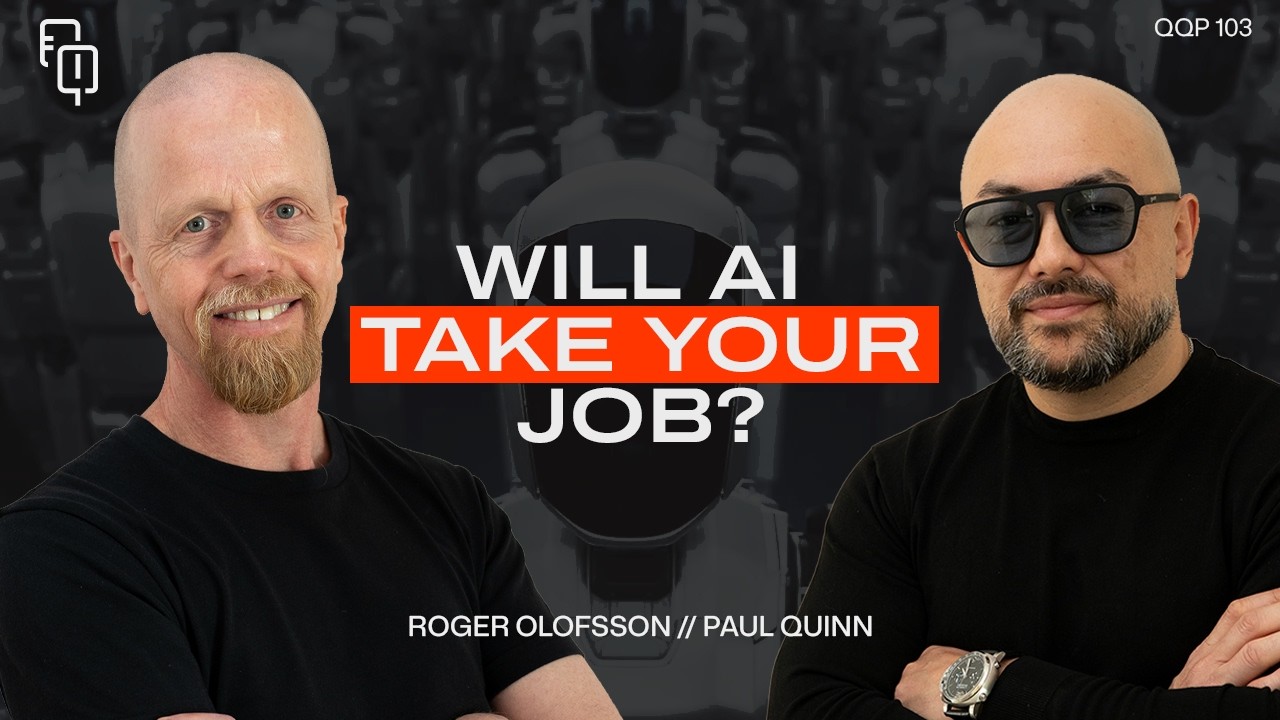
Building an AI Company Inside a Search Firm with Roger Olofsson #103
In this episode of The Quinntessential Questions Podcast, Paul Quinn sits down with Roger Olofsson, CEO and co-founder of Olofsson & Company, the executive search firm hiring for startups, AI, tech and fast-growth companies. From a childhood in Luleå, near the Arctic Circle, to landing in Singapore in 1996 as an exchange student with a backpack and a suitcase, Roger shares his transformation journey through almost three decades of recruitment in Asia, and the moment he finally backed himself to build his own firm.
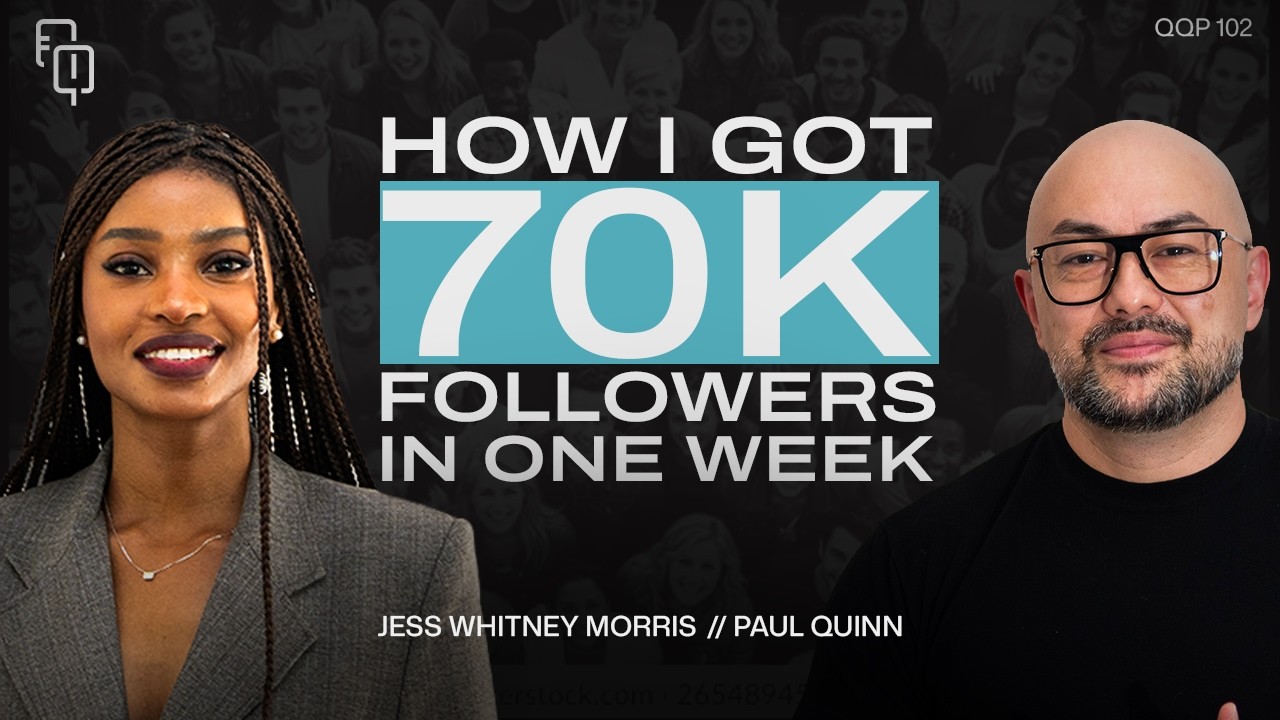
One Video, 70K Followers: Jess Whitney Morris's Breakthrough | #102
In this episode of The Quinntessential Questions Podcast, Paul Quinn sits down with Jess Whitney Morris, model, social media management company founder, and media presenter. From growing up in poverty in Uganda and working-class England to working her way through Abercrombie, Hollister, and a self-funded university degree, Jess shares her transformation journey and the moment her father tore up her first modelling contract in half.
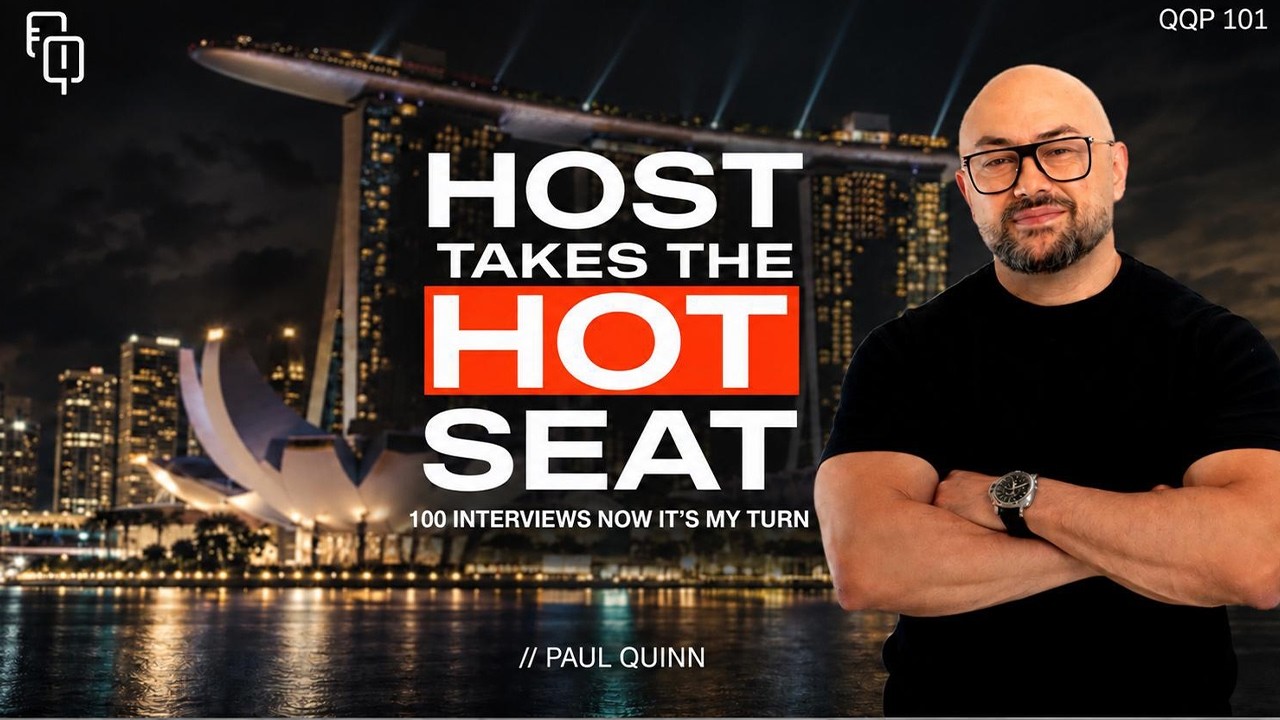
I Interviewed 100 Extraordinary People. Here’s What I Learned | Paul Quinn
In this episode of The Quinntessential Questions Podcast, the host takes the hot seat. After 100 episodes in the interviewer's chair, Paul Quinn, who runs Westport Executive Search and founded Quinntessential Coaching, answers questions sent in by guests, friends, family and listeners. From hitting a career plateau to building a podcast that now welcomes Olympians, world champions and global CEOs, Paul shares his transformation journey and the moment he decided to put a spotlight on helping people.