
2X Commonwealth Gold & Cirque Performer shares mindset behind world-class performance | #72

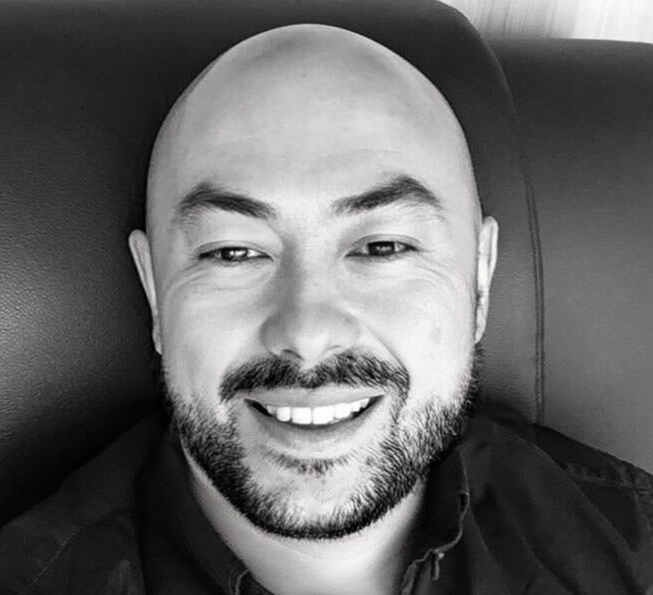
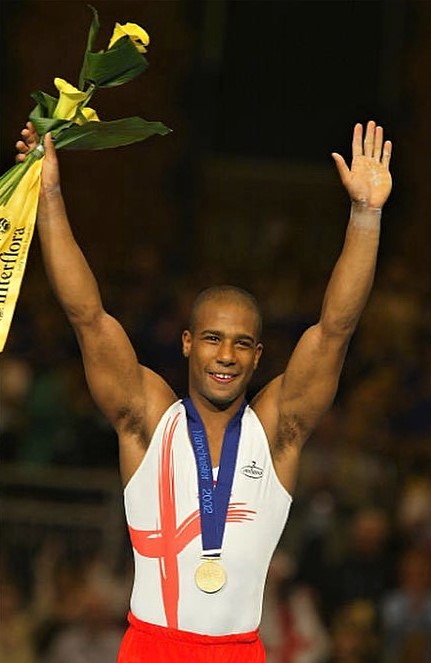
In this episode of The Quinntessential Questions Podcast, Paul Quinn sits down with Kanukai Jackson, Commonwealth Gold Medalist & Former Cirque du Soleil Head Coach. From winning 2 Commonwealth golds to spending 15 years touring the world with Cirque du Soleil, Kanukai shares his transformation journey and the philosophy that knockdowns aren't negatives, they're opportunities.
He discusses resilience, elite performance, career transformation, and why winning gold felt like relief instead of joy. Kanukai also opens up about competing through 22 surgeries, learning to act and show emotion on stage, and developing his own performance act that he sold to Cirque du Soleil.
Whether you're navigating career transitions, building resilience, or pursuing elite performance, this conversation offers hard-won wisdom on mental toughness, strategic pivots, and long-term success. Let's explore what's "Inside the mind of a Commonwealth Champion."
TIMESTAMPS:
(00:00) Introduction
(02:01) Kanukai's Career Overview - From Gymnastics to Cirque du Soleil
(04:22) Making the National Team at Age 12
(06:36) Coach Said He'd Never Amount to Anything
(07:14) 22 Surgeries - Dealing with Constant Injuries
(08:14) "Knockdowns Aren't Negative - They're Opportunities"
(24:00) Sydney Olympics Rejection - Nearly Retired, Then Came Back
(26:47) 2002 Commonwealth Games - Winning Gold Felt Like Relief
(28:46) Competing Through European Championships with Broken Shoulder
(35:57) Joining Cirque du Soleil - 15 Years as Performer & Head Coach
(48:45) Learning to Act and Show Emotion on Stage
(50:24) 7 Years Touring Across US, Canada, South America & Japan
(1:10:47) 85 Consecutive Chin-Ups During Competitive CrossFit
(1:16:00) Developing & Selling His Own Straps Act to Cirque
(1:28:27) The Politics of Youth Sports & Developing Young Athletes
Bio
Kanukai Jackson is a 48-year-old 2xCommonwealth gold medalist who built his legacy on one principle: "Knockdowns aren't negative—they're opportunities."
A British gymnast born to a Zimbabwean mother and German father, Kanukai made the national team at 12 and never left. His philosophy, inherited from his father: "He's always instilled a belief in me—it's not that knocked down is not a negative thing. You can turn it into a lot of positives."
Kanukai Jackson spent 27 years proving you don't measure athletes by medals—you measure them by how many times they get back up.
Transcript
I was a competitor with you way back in the day. Commonwealth gold medals, um, two of those, uh, two silvers, European Championships, uh, World Cup medals. I I actually nearly retired for the Sydney Olympics. I didn't get picked out of the the trials for Sydney. Um, so I was reserved. Um, after that, I quit to join sex alone. >> Okay. >> Didn't get on a plane. The day I was meant to get on a plane to go to Las Vegas for a show, I was like, you know what? I'm not done with gymnastics yet. Those two years leading up to Commonwealth Games, I don't I think it was the most focused. I think I'm still the only British gymnast that qualified for each World Cup event in a year and meddled in four different pieces. We ended up winning the team competition. I managed to qualify for the allaround uh in first. It was almost relief winning the allaround as opposed to enjoying it. I did a bounced cross and felt a massive pop in my shoulder. I could only lift my arm about this high. >> Yeah. >> Thankfully, the vault final was 2 days later. Fino did an amazing job and ended up winning a bronze medal. 2003 coming up to Athens and I was like, I'm not going to qualify for the games. Joined the circus where I was there for 15 years. uh both as a performer and a head coach eventually um and whilst they're also developing my own act which I sold to Cir as well. Seven years between the US and Canada. So all over east and west coast and uh the bits in between uh Mexico, Lima, Peru, Brazil, Argentina. >> Wow. >> Japan. Japan for 18 months. Whilst I was at circus, I got into competitive CrossFit. I got up to 85 85 chin-ups. So I was one of at 13 I was one I was still one of only maybe five people in the world that were doing a double front on on a vault. >> Kakai, good morning mate. How are you? >> Good morning mate. I'm I'm fine, thank you. How are you >> mate? I'm so chuffed to have you on this show man. It's I've wanted you on the show for a long long time. So thanks for joining me. >> You're welcome. You're welcome mate. It's good it's good to catch up with you again. >> Oh brilliant. So, what I want to do, I'm going to unpack your amazing career journey and what you've been doing. But for my audience members that may not know you, can you just give a little bit of a quick intro about your career? Then we'll turn back the pages of time, bro. >> Turn back pages of time. It's going to take a while, isn't it? >> Uh, in terms of career-wise, in terms of sport, I was a competitor with you way back in the day. So, we do athletics and everything like that. um football um played county football, county cricket and gymnastics was gymnastics was my thing. ended up um national squad. Um from there as a senior uh European championships uh world cup medals, comwalth gold medals um two of those uh two silvers um and then after that career joined the circus where I was there for 15 years uh both as a performer and a head coach eventually um and whilst there also developing my own act which I sold to circus as well. >> Wow, what an amazing journey. Well, look, I I I I'll just share with you, you know, for the audience members that may not know, so we went to the same high school and for me it's like you are one of those rare guys. You could have played professionally probably several different sports if you had, you know, put your mind to it. How did you fall in love with um gymnastics and why was it gymnastics over football and cricket? Because you could have you could have gone those ways either or even athletics. >> Oh, no. I think it's football and family that I'm from. my brother my brother was at Chelsea, my dad was semi-pro, my mom's a qualified ref and coach as well. Um, and I I I still remember the smell of a football pitch in the changing rooms. I do I do love that, but I think and it almost happened all within the same week. I had the coaches from cricket, football, and gymnastics all sit me down. I was like, you can't keep going. You can't keep going like this. You need to focus on on something. So, let's make the decision. And at the end of the day, it was a bit of a no-brainer. I I loved I loved all of them, but I was national squad gymnastics compared to county and potential trials with football clubs and everything like that. It was it was it was although I loved them all, I was in national team for gymnastics. It was that simple. >> How old were you in when you got onto the national team? >> Um so my first my club's policy was it's it's a bit um old school these days, but um we weren't allowed to compete until we were 12. Um, so my my my first competition was a was a regional competition which I had no idea where I was at which I ended up winning. And then from that that took us on to the nationals and same thing again I've never competed against anybody which I ended up winning which got me then an invite to national testing um and made the national squad. So that was that was at 12. Um and then from then I never left never left the national team. >> That's that's crazy. But I want what I want to know let's go back. So like who introduced you to gymnastics? Did mom and dad think this was great for you or did you want to do it? How did it all start? >> Again, it's a it's a sporting family and it's something they saw. So, um there was a couple Lennon and Ivon Arnold. So, Ivonne, she went to I think it might have been the Montreal Olympics which strangely my parents went to go and watch. >> Really? >> Yeah. Yeah. My mom used my mom used to work for British Airways and she used to get super cheap flights. I think back back then, like this is going to sound crazy. I think I paid like a fiverr to get on get on a plane to modul end up staying at the YMCA and watching a bunch of bunch of events. So yeah, I think gymnastics is one of them. But when when they came back into Haron um there was an advert in a newspaper at the leisure center and they were starting up gymnastics classes and there was um they were asking for boys to come cuz I think they had some girls at the time but there was no boys and they literally just took me along for something something to do. Um I think it was about six six boys when I started and as it goes it was a it works on the school term system. So when we went back after a half term I was the only boy there. Everyone everyone else quit. >> That's why you kept going. It might it might have something to do with it. But um for fortunately one of the the receptionists there at the time her her son was at Henden which was an all boys club and she said look there there is a boys club but it's a bit it's a bit further away. Why don't you take him along? Um and that's where I met my my long long-term coach and the rest is history as they say. So yeah went there for a trial. She see except the funny the funny thing is the head coach at the time um said I wouldn't amount to anything >> really. >> Yeah. Yeah. But my my coach was like no there's something in him and I'd like him to stay. And she's like he's like well you know that's that's your gymnast. It's up to you. Let's see see where it goes. And at the end of the day when when I retired I was the only one that was left standing if you like from from that squad and I was the one that was never meant to make it. >> Listen I want I want to unpack that. I'll come back to that in a minute because the whole thing that I think separates you from you know why you were world class athlete is beyond the physicality was the psychology the mental frame um what what's really interesting is when I when I think about you in high school you were injured for such a big chunk of it and I remember thinking you were going through the wars I mean you've had 22 operations now >> yeah I'm to 22 now yeah It's it's crazy. I mean, like like for for you, how did you deal with the nose? Cuz you know, I was saying to my son when he was on the Singapore National Boxing Team, he said at one point, one of the coaches didn't believe in him. And I said, "Fuck your coach, mate. You've got to double down. You've got to believe in yourself." And you know, how did you tackle that from a young age? >> Um, I obviously it's it's as much about the support network as as anything else. um like you you got your you got your kids back and my parents have always had my back and there's always been there's always been lessons and my dad was like said he was semi-pro and he's had he's had some injuries along the way and again it's about how you pick yourself up and what you do with it. Um >> he's always instilled a belief in me and so like I carry through the mantra that it's not >> that knockdown is not a negative thing you can turn it into a lot of positives. Um, so for example, when when I had a knee injury, well, it was a perfect time for me to work on all the pieces that were upper body, make my flexibility a little bit better, and all all those things that you didn't have time for when you were fit, >> you can focus on them a bit now because >> I can't train full-time on everything. So, I can now focus on >> what are the more minute details and then when I'm ready >> to come back, then >> that that's that's well, not the easy part, but it's almost the easy part. If like I say I've always framed it or I've been with the coaches and my parents. It's always been to look at it's not a negative. It's an opportunity >> to focus on what what you need to build on and time. But yeah, >> that's so powerful. What's your mom and dad's heritage? Tell everyone about, you know, where they originally came from, what sports they did. >> Um because both parents from Zimbabwe. >> Okay. >> Dad came over for university to study. um accounting um which is his jam and then he he retrained later as as a baker and he was a he was at Harrods so he's I guess I guess he's he's he also chases high-end stuff. Um yeah, mom was an athlete originally. >> She was a runner, was she? >> He was a run runner and long jumper. >> Yeah, I remember you telling me. >> Yeah. Um and then there dad was football and cricket but um football was more of his uh more of his jam. He was a he was a midfielder. Um, yeah. >> Which sport did you enjoy? Which sport did you enjoy more when you were in school? >> You know, I'll be honest. I really really enjoyed athletics cuz >> it's it's definitive. >> It is, isn't it? There's no Yeah, >> that's that's that's it. It's like you got your time and you're next to the person in front of you and there's >> like like with gymnastics, it's >> it's somebody else that's giving you a score regardless of what what you're doing. But in athletics, it's it's quite simple. 100 meters, how fast can you run? How far can you jump in long jump? Sorry. >> Were you jump aspect of it? Hey, triple jump. Yeah. Yeah. I was going to be tall enough to do that though, was I? Not probably in the long run. Not probably in the long run. But you know, you know, um, have you got something on the end of your nose? Was it in my eyes? Just check. Is it gone? Yeah, it's gone. So, you know, actually, I'll tell you a funny story. So, when we were 13, when we were me, you, and it was LOL, we were running 100 meters. >> Oh, Bridget. >> Oh, mate. And this was my memory, right? Cuz I, it was the first sports day that we had and it was meant to be two semi-finals and then the relay just like the Olympics. And I thought I was running a bunch of events that day and I thought right as long as we qualified like top three and I knew obviously you were very fast. LOL I had no idea was fast. >> Did you Did you know? >> No. Not until then. >> So we So we ran the race, >> wasn't he? >> He came first, you came second, I came third, which was all right cuz I wasn't giving it the beans. Um but then they took the fastest times. They never had a final. I don't know if you remember that. >> Yeah, >> you remember that? And I was just I wouldn't like losing is one thing but losing because we didn't have time to run a final and it really pissed me off. And then the next year you were injured. >> Do you remember? >> Strange that >> you you were you were injured on the sidelines and I thought well I've just I've just lost my main competition and I wanted to smoke him so badly. I beat him in theund200 meters and I just thought I want to make put an exclamation on it so he never comes back again. And that's the last time I saw of LOL. He never he he decided running wasn't for him. >> Yeah, exactly. Yeah. Yeah. I remember you you were always a better 200. I remember. >> Yeah. I think actually I think I was probably a 2400 guy, but of course I fell in love with 100 because of Limpford Christie. It's the glory. It was the glory event, right? >> Yeah. Yeah. Totally totally was >> flipping hell. So So walk us through the journey. You're you're on nationals. You're 12. Talk us through because that's when your career really just soared. And I want to know how you balance school with, you know, international competition because that must have been so tough. >> Um, I was lucky because obviously once once we went to Whitmore, um, there was a few few guys, I can't remember his Mark, I don't remember his surname, but he was on the judo team. >> Okay. >> There was another lad I think when we first went there, he was in I think he played for QPR. Um, but already installed at Whitmore, there was a support network for people that were involved with sport. >> Yeah. Um, so for example, whenever it was um a national competition or whatever, I I could leave school early on a Friday and I wouldn't go back in until like Monday afternoon and the school was very accommodating with that >> in terms making sure I've got the rest and and recovery. >> Um the the other side of it was also yeah parents keeping in touch of on top of all all the academic side. >> Yeah. >> Um I'm not going to lie, that was a bit tough especially coming into GCES. It was like >> really tough. So 16 I would have been training five days a week. So that would have been two Tuesday, Wednesday and Friday would have been like 5:00 till 9:30. >> Wow. >> Saturday would have been like a 12 till 6 and a Sunday would have been like a 10 till 10 till 4. Um so obviously it's fitting in the work either side of that. Um and obviously up until about 15 it was then also the Mondays and Wednesdays weren't really off because I'd be playing football or cricket. >> Yeah. >> As well. Um, but when when I got back from sport, it was mom mom was on top with the food straight away. Get the food in and then it was do do work, you know. >> Amazing. >> Get school. >> What was the training like? Were you doing it? Was I know it was it was a bit of everything, but I've always felt that gymnasts are the best athletes on the planet because you have to have everything. Dexterity, flexibility, strength, conditioning, you know. So, break break it down for us. Like, how what was your training like? Um, I it's it's change it's changed a bit now as in it's more um I'd say the science has got better in terms of the recovery and everything else. >> Yeah. >> Um but even still back in the day like like you say is is a bit of everything. So it's like in terms of a gen general session come in it's a bit of a warm up into flexibility then you do a preconditioning um so not not maximal strength but specific sort of like more shaping handstands things like that but still obviously it's like still quite quite a bit of work and then you'd go into pieces um so in general back then when I was at school it's I say 30 minutes a piece so you might not get around all six but 30 minutes per piece working on current skills new skill development. >> Yeah. >> And you'd finish off the session with another 30 minute, but that would be more maximal strength if you like um specifically and then a quick quick little stretch at the end. Um compared to I started full-time training, I shouldn't have been there really, but when I was 16 at the National Center, I was going more and more. Um, so I dropped out of college after the first year because the exams for my A levels would have been the same time as the Europeans when I turned 18. >> It's a choice. >> And I was on a path for I should have been top top 10 for for that Europeans. And it was a bit like, well, I can't commit to what I want to do for my A levels and commit to what I want to do for for that European. So it was a choice that education can happen later on and you can always read books and you can do whatever you need to but your your lifespan as an elite performer is limited. >> Um made that choice with my parents. Um >> what was that conversation like? Did did you sit down cuz I you know it would have been very difficult to have that make that decision unless you had the financial and emotional support of your mom and dad. Right. >> Yeah. Yeah. I especially back then as well because um like other other than football sport wasn't making money back then. Um gymnastics didn't have any lottery funding. >> Um so when we made that choice I moved to the national center which is it's it it was multiple fold because it meant I was also leaving my coach >> um cuz she was at the club um she's one she's one of the only female elite male gymnastic coaches that there has been. Um but I I left her to go to the national center. Um but at the time obviously I wasn't working. I was 16. So between 16 and 18 it was all completely on my parents. Um later on we had lottery funding but even back then when I turned 18 the only way all the gymnasts at the national center were funded. We we had to sign an adult >> really every two weeks like we had accommodation paid for our food paid for. We had full full-time training facilities. Um but yeah we were getting getting money from the doll and that was the only way that we were >> that was crazy function. I remember I remember you had a per a white Peugeot. Is my memory right? >> Yeah. Yeah. Yeah. 205. >> Yeah. That was a nice motor. I I remember you picking me up. That was a really nice motor. But then so everything was selfunded then for the longest time. >> Yeah. For the longest time back then. And again go back to you were talking about the train hours. How how that changed in full-time training back even then that's evolved. So back then they were still only doing five days a week. So when I first arrived it was a Monday Monday to Friday. We had the weekends off and Wednesday was a half day. So it would be a 10:00 till 1:00 training and then the afternoon would be 4:00 till 6:30. >> Yeah. >> Towards the end of my career that had changed. So we were now training Monday to Saturday. Wednesday was still the half day, but you'd do 7:15 in the morning till 8:30, which was just conditioning. So SNC then we go for breakfast back in the gym at 10:00 or 10:30 depending on the program until 1 or 1:30. >> Yeah. >> Wow. >> Lunch, physio, whatever you need to in a break, sleep back in at 4 until 6:00 or 6:30 times a week. Then you go and do some weights. But again, it evolved with the SNC's and everything else. So before the Conwells in two afternoons a day, rather than going straight for lunch, I'd be going do interval training. um make sure that I was on point in the fit. But yeah, it's a mass massively different jump in terms of the training, how long you spend in the gym. >> It's completely different. I remember, correct me if I'm wrong, and I could be wrong, but I remember you and I having a conversation and you were telling me that you were sprinkling and if I'm wrong, tell me creatin on your on your um Kellogg's breakfast in the morning. >> Yeah. >> Is am I right? Cuz I I didn't know what creatin was. I asked you about it and now it's proven that you know it's it's fantastic for you but so at least you coaches were ahead of the time then. >> Yeah. Yeah. the same blessed in terms of like Carol was she I'd say she's she was ahead of her time in terms of if she didn't know something she'd always go to somebody to find find out whether that meant it was an SNC person another coach or happy to take me abroad to go and see right these guys are doing dismounts betting everybody else let's go at that gym and work with those people to see it in the flesh >> um and in terms of the science it's the same um >> what's her name Let's give her a shout out. >> Carol Ford. So, yeah, she was a pioneer at the time. Um, she's passed unfortunately. >> Okay. >> But yeah, she's she was a genius of a time, but my my main SNC guy, um, Nick Grantham, he's now the the head of SNC at Newcastle Football Club. >> Oh, really? >> I used to call him the body mechanic cuz he he's put me back together again with SNC so many times. But he's again, it's the same. He's >> he's that person. The first time he got introduced to us, he watched for maybe two or three weeks and then it was a question. What do you as a performer think you need to work on? >> So interesting. >> And then it's a conversation that you have. Right. Cool. I'm struggling on this. Okay. And then then it's a two-way street. >> I love that. >> I think in in terms of coaching, whether it's the SNC or the psychial psychological part of it, >> it does have to be a conversation. Yeah, >> there's no point in somebody spurting it to you because you >> don't you don't have that buying >> when someone's generally interested in you and they are good at what they do. >> Yeah. >> The world is your oyster as far as I'm concerned. It's like Yeah. >> I love that. It just opens up doors. >> That's so on point. And I think that that's so important in any type of coaching, right? It's got to be a two-way street. What What was your greatest strength? You know, was it was it your speed physically? Your strength? Was it your you know, your flexibility? And what did you struggle with most? >> Oh, I struggled with flexibility. >> Really? >> I I had to work I had to work so hard on that. Um from day do it's like we don't have enough time in the gym to do it. So you're going to have to do it at home. I remember so many times I remember like grand stand on a Saturday. If I was able to watch sports, I I'll be there in splits or doing like a lumbfold or something else. But a big big thing for me was my my hat. It's the blessing, but also the curse. My hamstrings are so tight, which is why I was b I used to sit there watching like grandstand with books books on my knees. >> Yeah. >> To like straighten up my legs and get get my get my line going. Um but f flexibility was a real struggle for me. So >> um for like the national testing it it split into you got flexibility, you got strength, and then you've got skill skillbased scores. >> Okay. >> That used to be in the morning you do the the flexibility and strength and you do the skills later on. I could rock the strength part so much that the flexibility would carry over to make to make an average. But I was never I was never like make yourself stronger cuz I know I don't know what what what I was weak at. But I had to work really hard on that. That that never stops. Like it's the one thing that I'm like yeah I can't I can't. >> And that's what that's what people wouldn't have seen when they saw your performances. They wouldn't have a clue what what you were struggling with. How did you balance, you know, doing power training like weight training and not becoming too stiff and too rigid? >> Because that that balance wouldn't have been easy, right? >> No, there was a misconception back in the day that if you were lifting weights that it make you too too big for gymnastics. >> Yeah. >> I don't know if you see you've seen the guys now, they're a little bit taller than I am and they're much more hench. But >> weight training is an integral part of what it is. um against it's another beautiful sport that I got interested in later on in life. Um >> I think it's another sport where you can spend your whole life working on two movements to make them perfect. >> Yeah, >> it's it's a good thing, but there's >> the power you need and the force that you need to generate with the weightlifting like really really helps with with gymnastics. Um, and we did have a couple of guys that come in that helped and again like Nick. Nick was a big pioneer on getting us to like lift weights and again a question of a few guys like what do you want to work on? People like I want bigger arms. We need dubs. But doesn't necessarily help you with your sport, right? Um, but yeah, so the thing was trying to keep on top of that but not getting too sore. But again, so again, it's part it's part of the team. So we had the gymnastics coaches and we had a lot of Russians that came over at the time with us. >> They were head of the game, right? >> Yeah. So they they were working a lot on the technique and obviously ended with like the SNC guys. So it's was a balance with the team um to make sure when we end of competition what we need to peak for or equally like a lot of times in my case going into physio rehabbing and making sure that I can get back into the gym. So yeah it t it t takes quite a few people to make that work. And then what were you doing mainly? Were you doing power moves in terms of weight training like clean and jerks? What were you doing? Half squats? >> Yeah. Later on. >> So it was quite yes a bit of research in terms of what sort of movements in terms of SNC give you bang for the buck for what you need to work on in the gym. >> Yeah. >> Um so for example something like a a crucifix. So we're straight out there. then you can't do that in a gym all day every day to make it better. So then it was funny with the SNC guys whether we're using elastic bands, >> uh cable machines, all these things to elicit the same >> muscles but not working through that range on on the rings. So yeah, >> it's so important. I want to talk to you a little bit about how sports and being on the national team at such a young age gave you a sense of selfworth because you know the thing about you is you've always been super confident but always super humble and you know like I like I told you I did a post about you on Instagram you didn't know about it but like during co one of my kids asked me know who's who are some of your sporting heroes and actually said you were right because I always watched you and I thought this guy he's just getting on with it keeps his uh head down and puts in the work. But how did it change your whole psychology? Cuz I'd imagine that, you know, gives you a great deal of confidence being up there, but also there's a lot of pressure. >> Yeah, it's it's an interesting one. I don't I guess it was installed in me from my family that it is to be humble and ultimately it's about respect to your competitors >> because they've also worked as hard as you have to be there. >> Yeah. If you get beat, well, you might not have just been good enough on that day, but they've they've worked hard to do that. Respect that and congratulate them, you know. Um, >> win, lose, or draw, right? Well, you can't draw. >> Yeah. But exactly. It's respect the people that you're on on on the floor with. But on the flip side of it, when you're on top, there will be somebody that will come and beat you one day. There will be someone younger that will come and beat you. >> Yeah. And it's to own that, respect that, and not to be that guy that's talking down to anybody else and like I'm I'm I'm the cheese >> cuz cuz your end is coming. >> Yeah. >> Always will like you can't stay top forever. >> But how do you but you know look cuz when you're on the British squad you these guys are are your compadres but at the same time you're competing with them to get onto the squad. So, did you did you have to assert yourself as as the alpha male as a dominant guy as well or how did you approach that? >> I mean, there's it it's I'd say in gymnastics once you get to that level, everybody understands how much work you have to put into it. >> Yeah. >> When it comes down to something like Yeah, you got the Olympic Games and there's only one place to go. Of course, everybody everybody wants to go and you want to be that person. But yeah, again, it's that it's that thing of on your day. If it's not you, it's not you, but it's not because Yeah. >> of of of anything else. Like it's not it's not doing something shady in the background to make sure that that you that you get there. It's like like it needs to be on a on a fair place. And like at the National Center, we all we used to live at the time we were top eight in the country. We all lived in one house together. Wow. >> Yeah. So, so you imagine it's get up in the morning, you're going, you see the work that everybody's doing. You go, you go back, you eat together, >> you relax together, like >> Yeah. >> So, it's like everyone's an equal part, but if you if you've had a bad day or a bad competition, you got to go back and live in the house with them. >> Yeah. >> It can make for some interesting times. But yeah, >> that's amazing. talk to us about your amazing magical moment in 2002, the Commonwealth Games because it was in England, it was in Manchester. Tell us tell us about, you know, what went down and how your feelings were going into that. >> Uh, it was quite an issue one cuz depends how people want want to look at it, but it's like from I I actually nearly retired before the Sydney Olympics. >> Did you? >> Yeah. due to the fact that um there was a selection procedure and I didn't I didn't get picked out of the the trials for Sydney. Um so I was reserved. Um after that I quit to join sex alone. >> Okay. >> Didn't get on a plane. The day I was meant to get on a plane to go to Las Vegas for a show. I was like you know what I'm not done with gymnastics yet. >> Okay. >> I'm not coming. So which another thought I was never going to go back to Clay. I'm like yeah I've done that. I've ruined that. let's let's focus on the gymnastics. And those two years leading up to up to the Commonwealth Games, I don't I think it was the most focused and I dedic British gymnasts that qualified for each World Cup event in a year and meddled in four different pieces. Wow. >> In 2001 and 2002 leading up to it. Um, also in 2002 I had my European medal as well. Um, so I was pretty confident going going into it. Um, I was team team captain at the time and relinquished it to somebody else cuz I was like, you know what, I just need like it's just about my performance and that that the other side all that other stuff didn't matter to me. I've got a job to do. I need to go there. And again the team were really really helpful with me. So most of the team arrived in Manchester a little bit before me and I stayed at the national center just to focus a little bit a little bit more and just turned up like a day before what was the podium training because you have a a podium session on the competition floor. So there's one session for you to do that beforehand. So I I arrived at the the village the day before that. Um >> and then obviously then did the competition and everything was everything was banging. It's one It's one of those weird things though as well though. It's like a home a home coms. I can only imagine like the Olympics as well. It's magical. But yeah, when we first got announced it's like this is my com. So I'm like well the last crew got to go to Malaysia and the other why do I get go to Manchester? >> But the the the flip the flip is a home a home thing and the support that everybody gave us. It was >> astronomical. >> Absolutely incredible. Absolutely incredible. >> Could have done some blazing heat though. Yeah. And well, I can imagine, but watching you, I mean, I wish I was there live, mate, but watching you on TV, it was just it was just something else. Now, one question I had for you, your best event was Vault, >> would you say? Would you say? No. Was it not? I was I was going to say, what was your best and what was your favorite? And are they are they different? >> Yeah, they're different. So So with vault, so that vault that I did, um I was doing that from about the age of 13. So I was one of at 13 I was one I was still one of only maybe five people in the world that were doing a double front on on a vault. >> Jeez. >> And carry that through on my career. So I think I think a lot of people say that that's my best. >> So it's not your reaction clearly was there's something else. Tell me. >> It's quite quite because like I was I caught up one of the the Danish gymnast. We used to compete together and Tui his name Tui Lodo. one of the most talented little junior athletes ever and we still remain good friends but he his thing was vault and he was like I always thought that you would medddal on floor >> really >> and he was like yeah everyone used to think that floor floor was my thing and a lot of the coaches used to think that floor was going to be the one that I'd break through on but >> I actually really really liked pummel >> really think I I spent so many times I can't I think I've got a new move I can have because in gymnastics when you have something Yeah. >> Present it. Then you can get the skill named after you. >> Yeah. >> And I spent so many hours at home probably I think I think I think I've got a new move like somebody's done that. Somebody's done that. Somebody's done that. But that was that was my thing. I was like I spent so much time with it. I was like I'm going to get a new M after me. I'm like yeah I probably should have done it on V. >> Which which one did you enjoy most? Was it the pommel? I say I really really loved um Pobles, but in terms of like I think it was like re research and the geekiness of like looking through the code and what I'm going to do >> I really liked high bar to train it but I hated competing it >> really why I'm be honest with you I'm quite small and a high bar is quite high um and in competition >> it's scary must be I was going to say you can't be afraid of heights doing what you did especially with Cir But I'm But are you afraid of heights? >> I'm not too bad, but there's a couple of lads that I was on the team with that are actually afraid of heights, believe it or not. >> Um, but yeah, for the high bar, it was always me like in in training, you've got you got all the mats and you got a pit and that was never a problem for me. When you go to competition, it's that hard floor and a very thin mat and it was high and it hurt. Um, >> of course. So yeah, I I didn't I didn't enjoy competing high bar, but I actually love training it. Like the the feeling of flying is is amazing. >> I can't even imagine. >> Walk us through your your medal victories and and let's talk about the Commonwealth Games. Like tell me about that and what you won and just share with the audience, you know, a little bit about that. >> Yeah. So for the Commonwealth, similar to the Olympics, um you have a team competition uh which is the first day and that competition is also the the qualification for the individual all around and individual apparatus pieces. Um so for the comwell it's team of five, four people go up and it's the three best scores that count towards the team total on every apparatus. Um I was one of only two people that did all six pieces. >> Yeah. which would then allow me to qualify for for the allaround. Um so we we ended up winning the team competition. Um and that was in the back of the Commonwealth beforehand. Um and it was quite hard work cuz the Australians had a couple of medalists, world medalists that were in there. Canadians also had two one world champion or two world champions at the time in a team. So it was it was actually a pretty tight team competition. We we decided quite early on that that was the main focus for the Comwells as a team that we were going to retain the gold. >> Yeah. >> Which we managed to do and everything else is a sort of buy to buy after. Um I managed to qualify for the allaround uh in first and I also qualified for every piece. In hindsight, looking back now, I probably should not have done every final on finals day because um back then it was all the finals in one day. So I basically went >> six pieces of apparatus team, six pieces of apparatus all around. Six pieces of apparatus for for the finals. >> Yeah. >> Um so it's pretty knackering. Um >> do you think if you done it less it would have you would had better performances in the other events? >> I think I think despite being aware of it I think the it was the emotional drain of it. Obviously the main focus was the team >> of which which we did do. Um, then it was the allaround and like I don't I don't know if you watch the video back and everything like with the psychology I'm like I'm really into my space to f focus on it and I think it was it was almost relief winning the allaround as opposed to enjoying it and then the finals >> relief that's why I find interesting because talk about that because most people think you're jubilant but in the moment you've worked so hard it's just relief I've I've delivered what I wanted to deliver. >> Yeah. I in in all elite sport, there's such a fine line between success and failure. >> Yeah. >> Um gymnastics is one of those that you you can just slip off a high bar. Um a hangar can just rip and that's it. Your your four years of work is gone >> or something that's not there. So it's like just doing what you've trained to do is it's a relief. Like it's I'll be honest with like I think for the major competitions I think that's the underlying the underlying thing. >> Yeah. >> The first thing is relief and then after it's like you properly enjoy it a little bit later on. >> Yeah. >> Um but just know >> was it antilimactic in some ways because of that at first? >> Um no there's there's a lot of emotion. Um but again like that's one of the things standing on a podium and hearing a national anthem >> and you see in all sports is absolutely inc absolutely incredible. >> Yeah. >> Um >> and it is your moment like that that anthem is there for you and you're on the podium like that that's when it really sort of sinks in. I think I think that's why so many people get so emotional about it. It's like, >> yeah, >> you can be track, but that moment >> it's all about you. You know, like I wanted to ask you because I know you're very humble, but what do you think helped separate you from other worldass athletes and especially in those moments where you were really at the top of your game? I think I think it might it might also be related to the injuries in in the sense of I can't do what somebody else can do. You can't replicate what somebody else has done. >> You can analyze and know your strengths, know what your weaknesses are and navigate it that way. Think I think through through my career with my coaches, it's never to try and be like somebody else. >> Finding what we needed to do in the code and be the best version of me. >> I love that. >> So I think I think that's that's what really really helped me I think because I can go and appreciate somebody else at a competition and wow. >> Yeah. >> Do that. So, appreciate them, but how how are we going to analyze and how is that going to make you better? If if that competition was at the start of the year and they're 3/10 better than me, how am I going to make those 3/10 up on my gymnastics and challenge myself to get there? I think >> it's huge. >> It's huge. Well, look, you and I are now coaching, you know, business professionals, people in the corporate world. Um, talk to us a little bit about what you can share about the how you handled the pressure in the moment right in the leadup because the pressure can well the reality is under the spotlight most people crumble. So like how did you tackle that? Because what you did in my humble opinion it's unlike anything else other than maybe something like high diving where you know you've you've worked for four years or actually your whole your whole life to this one moment and you're about to do something even though you've done it hundreds thousands of times in practice >> in that moment. And how do you handle the pressure? >> Um, it's a hard one. It's a It's a cliche thing as well that we talk about like free sport. It's like pressure is all internal. >> It it doesn't exist in the real world, right? Unless you're diving. It's it's it's all about you. And there's a period where it's like that pressure that you feel is because you care, >> right? >> Yeah. Once you've got that care in and you understand that this is why I feel these things going around it, then you need to break it down. Have I prepared right? Have I done have I done all my notes if I'm doing a keynote speech? Um am I sure that I'm talking to the right audience? Like am I doing breathing exercises? What you need to what you need to calm down? I think once once you analyze it's it's it's all about you and then just stripping down making sure you're prepared and going through everything as a as a process. >> Um >> that's not to say that just because you a checklist one time that it's going to work. It's it's always a work in progress. It's like all right cool. >> All right, that was good, but how we can make it better next time? Well, actually the breathing exercise didn't work. Maybe I need to do the rea exercises 10 minutes earlier than what I did because it makes me relax. It's analyzing the performance. >> Yeah. >> How you feel. So it's Yeah. Again, it's it's it's always fluid, but essentially like say coming back to that cliche of like pressure doesn't exist, but if you're feeling a lot of pressure, I think that's because you care about what you want to do. >> I love that. >> As long as you got that care, we we can work with it. >> Did you did you science? Because what you did at the core it's science right the foundation of your training and everything else but then it becomes an art you know like did you sit down and have to write down notes obviously you were measuring things in terms of your diet your weight you know like like just break down that analysis because it's something that is often overlooked right >> you I still I think I still have them with my parents I've got every when I went to national center I always had a training diary so I'd write down date time all of my conditioning how many sets reps routine routines tick fell half routines got them got them all written down because again it comes down to all right if I'm preparing six weeks before a com and it didn't work well how do you know it didn't work >> unless unless you got something um >> it's a reference right >> a reference yeah then then we can work on it the next time right if we nailed that we only had four weeks prep this is what we did and that rocked okay if we've got a bit longer how do we apply that Do we have short? Some sometimes like you can get an invite to like here's a World Cup event that we weren't going in. It's in two weeks. All right. We get that. What's what's the goal? Let's have a look at our training plan. >> Yeah. >> You know, you know, because many of them >> you you touched upon this earlier like when you turned up a day before like I always say to people that are flying in for big meetings, right? Why are you turning up the day of and scrambling? What happens if there's a flight delay or whatever? And then everything from like if you've got a bad stomach, do you have emodium? Do you've got have you got tablets for your stomach? Do you know what I mean? It's it's there's so much to it, right? It's it's not easy. >> Yeah. Yeah. I mean, again, it's a it's it's the preparation of of what what you want to do. It's like like you know, if you're turning up for for a meeting, if you need to have a suit, >> well, >> do you know that it's going to get pressed when you get to the other end or if it's not going to get pressed? Why are you not carrying your suit as your hand luggage onto a plane? You know that it's all there. There's little things that you can do. >> Yeah. >> That make sure that you're there. You're not worrying about that's that's an external factor in terms of coming back to the pressure that something you've taken care of. Um like for example for us was like all right it sounds crazy but carry all of your gymnastic stuff that you need your competition >> leotard tracksuit handguard everything else always goes on a plane with you cuz guess what if that bag gets lost >> forget about it. You're gone. I don't know. It's something else you have to worry about, but you can control what what what you need. >> You know, >> if you're h if you're happy to turn up lastminute.com, but you've got your bag with your emodium, your suit, and whatever, as long as you're willing to accept the fact of, you know what, a taxi might be late. I might be 15 minutes late. Cool. I've got the number of the guy that I've got the meeting from. Hey, >> if you're calm about and you're aware and you got your checklist, you know what I mean? That's how you want to roll. That's how you want to roll. I I would need a little bit more, but yeah, there's there's always something manageable, but you can always control what you need to. >> Yeah, 100%. I I I really love that. Talk to me about um when you when you were now at that point, you've you've won this. What happened? When were you starting to think, okay, it's time for retirement, you know? When when did that happen? >> Uh so that 2003, I needed shoulder surgery. Um yeah, and >> shoulder surgery is a nightmare, right? >> Yeah. Yeah. I had it as well. What did you have? >> Um, I had a funny one. So, it was actually at the European Championships in the allaround final. I did a bounced across and felt a massive pop in my shoulder. >> Jeez. >> Um, I'd qualified for the vault final. I could only lift my arm about this high. >> Yeah. >> Thankfully, the vault final was two days later. physio did an amazing job and ended up winning a bronze medal. >> Amazing. >> Couldn't do my shoulder after. I had to go went straight to the surgeon and then they were like, "Right, we'll do the MRI and have a check." So, it was a slap lesions. I think it's a grade one to five. >> Okay. >> Um, so they're like, "Yeah, you've definitely done it. It's a three, but cuz all gymnasts have shoulder issues, they're like, we'll do the other side just to check it out." And they were like, "Well, the one that saw is a three, but your other ones actually got a slap four." >> No way. Really? I was like, "What?" >> Oh god. >> I don't I don't have any pain. They were like, "But you will do at some point." So, we did the most painful one first and then the second one. And it was just one of those at the time it was 2003. It was coming up to Athens and I was like, I'm not going to qualify for the games. Um, I don't I didn't have another four years in me at the time to go for Beijing. I was like, that's It was it was a long road back and I was just like I I can't do another four years if if this was going to happen to me again the year before in Beijing. It was going to be really difficult for me. Um and and with the funding at the time because I wasn't competing there were they were dropping me from from the program um obviously because of all the surgery um which is it's just how sport works. >> Who paid for the surgeries? >> Nothing personal. um the federation. So all all that stuff was covered and a rehab was covered. >> Can we talk about what parents have to talk to their children about? Because one of the key things I think you know like for me um I had to make a decision not not to pursue my boxing because I've had to pay the bills. My dad had a stroke, you know, my mom was struggling and we couldn't have paid the mortgage. And it was like you don't know this, but um I my mom came up to me. I was doing my homework. I was 17. She goes, "Honey, I think you might have to drop out of college and and, you know, get full-time work." And she said, "You need to get a job on Monday." And the only thing is got to pay weekly. And I I went into panic mode cuz up until then, you know, money had been a little bit tight, but we were okay. And I went to a high street agency next to South Harrow Tube Station. And I went in there and and the only job they had was as a toilet cleaner. And I said, "Yeah, yes, please. I'll take that." And they started laughing. They said, "No one says yes, please to do a toilet cleaning job." and um you know and and looking back you know I didn't really feel like I had a decision right and and money was really tight for quite a few years but I'm I'm just curious like were you sitting down and part of your decision was also an economical one >> um it was because at that time um my partner um and it was about providing a life I' worked my way up from going to national center and signing on unemployment to then starting to win prize money, having a sponsorship, having lottery funding, you know, being able to buy a new car, all of these things. And it's a point of, well, yeah, I'm getting cut from my funding. I can't compete, which means I'm going to lose sponsorship. I can't go to World Cups, which means I'm losing all of this stuff. So, it's a reality moment. It's like, and at that time as well, it's like, well, the only way to be successful is to train full-time. And how do you train full-time without money? You need to live somewhere. You need to do all these things. So it it was it was a part of it. Um I mean growing up was a bit similar to you. It's like money money wasn't always there. But I remember at time like my parents sat me and my brother around. It's like, well, we want you guys to do sport, but we're no longer having takeaways on Fridays and Saturdays anymore because we need to pay you guys to go for your gym club or the football or you need a new pair of boots, >> but it was then like, right, it's a sacrifice that you make or my parents also made it as well. >> Yeah, of course. >> Fulfill your dreams at that point. Um I think it's it's always been instilled that yeah with a success does come some sort of sacrifice on whatever level that is or whoever you are >> whatever your privilege >> there will be a sacrifice for you to succeed. >> Yeah it's huge. Um and then how did so the sole come around because you thought you'd burnt your bridges there. How did that come about? I thought I thought I'd totally done it and I it was quite funny because like I said, Hibar was not my best thing and they called and I thought it was a joke. Someone was like, "Well, there's there's a new show um and it's Hibar." And I was like, >> "Who are they calling you from from head head office? Who's calling you?" >> So, um the first time I was offered, they approached me at um at European Championship. So they were they were changing the concept of the show in in Vegas and they approached me directly um for that one which I which I turned down and a similar thing for the next one. Um because in general if you're well for for for most things unless you're an established circus artist and they want something specific it's either you come from a circus school where you'd still have to do an audition send your tapes in or you're a gymnast and you send your your tapes in. Yeah. Um I was fortunate enough that they they >> they saw your work. Your work spoke for itself. >> Yeah. Yeah. So straight away, but then I was like, "Hi bar." I'm like, "You're having a laugh." >> But but we were quite we were quite a good crew when I went there. So it's like um couple of Spanish guys that were from the Olympic team, they they were there. A couple of French guys that I knew. So we were all ex international gymnastics when we came. So there were there were eight of us at the time for the for the high bar. But we we all we all knew each other from sport, but it was very different in terms of having to get together because we were at most we're six six of us swinging around this cube at the same time. >> Yeah. >> And I know it sounds crazy, but like you watch gymnastics, but everyone swings at a different speed on the bar. >> Completely different. >> We we didn't understand that until we had to swing next to someone. It was like, "But you're too fast." You're too slow. And it it was it was a really really interesting time um getting to understand understand that side of it. >> That must have been and also now you're performative in a different way, right? >> Yeah. I think um I think all of us are a bit naive in the sense of like you think that retiring to the circus would be easier than doing gymnastics and it's it's not because there's so much that you have to learn. Um, like we did singing classes, acting classes, but again, it's another thing of like delving deep into it. I've read so many books on like clowning and I put putting yourself forward to learn to learn the art. So, >> I love I love that. But, by the way, that's so important because you put the work in. You'd learned the craft, right? >> Yeah. Well, that's it. So, to be able to sit to sit at a table with somebody that's a circus performer, I need to know I need to know about their world. >> Yeah. >> And the only way I'm going to do that is is quickly. So it was information asking people staying back to watch other people's trainings. >> Yeah. >> Sneaking into other acting workshops that I wasn't really meant to be there but watching how other people work. >> And then then we can have a discussion after when somebody's asking me then on stage like oh I need you to give this emotion. Well as a gymnast 5 years before I'm like what are you talking about emotion? I'm like, well, I'll cheer at the end of a routine to ask me to go on stage and show me joy without going, "Yay!" Well, how would I know about that? >> It's crazy. Tell us tell us some of the countries that you worked in for circ, right? >> I did I did must have been about seven years between the US and Canada. So all over east and west coast and the bits in between uh Mexico, Lima, Peru, Brazil, Argentina. >> Wow. >> Japan. Japan for 18 months. Um >> which was your which was your favorite? Did you have a favorite? >> Um I never wanted to go to South America. Like it never been on my like bucket list. >> What? Have you Have you not seen the women and what they look like there? What are you talking about, bro? >> When I went there, I was like, Colombia and Argentina, best kept secret. >> That's why when I went to the the the last the World Cup in Russia, I went to go and watch a Colombia game. I was on my own and I was I was I I sto I was like, "This is crazy, mate. The the women there on another level." But anyway, I don't want to sidetrack and get myself into trouble. >> You me both. Um but yeah um I think I don't don't know whe it's because I never had a desire to go there but I went there completely open with no expectations of South America. >> Yeah. >> And in general like like everywhere there's there's some bad bits or whatever but in general the people are so lovely. >> Yeah. >> Every country is so different and warmth. I love the food. love the people and yeah like once you embraced it it was like my path there was like it was it's it was so natural and humbling and I like I really really enjoyed South America like all of the countries made some really really good friends had some great food drank some great wine >> great food >> tell me tell me about so of all all the stuff that I've seen you do and this this is going to sound really strange but my favorite picture of you is where you are are you naked in the picture I'll I'll put this up on the podcast where your what what is that position that you're doing is you and another guy and your seratus muscles. >> Oh, we're doing we're doing a Russian lever. So, we'd actually done um it was an idea of mine that we came in. It was to do for breast cancer. Um so, >> is that what it was for? I didn't know that. >> Yeah. Yeah. So, um I managed to get approval from CIRC. So, we used I can send you a whole a whole bunch of So, we did a whole whole catalog. So the artistic director at the time, he was a bit of a photographer. Um we wrote in the uh lighting technician and a few other people um and the idea was that we did our our show calendar. Um everyone was naked, but each each month was sort of a representation from the show. Um and we ended up one of I know that picture me and Duke are like pretty rich, but we ended up like one of the clowns did it and we did animation. So, it wasn't just about like us looking looking buff, but it was quite funny cuz all the girls were trying to sneak into our secret sheets at night. We totally busted them a few times. Yeah. Yeah. But but it was quite it was quite a fun experience because we ended up doing um I said we used to do it's called an animation at the start of the show. So, we had like just like little hats on as props, but we were replicating what was done in the show and then shooting that. But obviously, we were all we're all in a buff. But, um but yeah, but >> it was aesthetically amazing. And what tell us about so you sold what did you sell to SER? Tell me about that. >> Um Oh, so so we did a um I started to learn straps. So str strangely my my partner at the time I didn't know this but I was really interested in straps and again I think doing gymnastics most most of the guys think straps is easy because you do rings it's completely different cuz ring rings you're going linear with straps you're going every which way the first time I started training I thought broke my ribs the muscles so and I've never experienced that pain before I was I can't breathe properly but it was literally just muscles moving in in a different way. But strange, the girl that became my partner, um, I was researching coaches in France and she was one of the first women to do straps and I didn't know, but her coach was the coach I wanted to work with. >> Oh, really? So, it was very very meaningful then. >> Yeah. Yeah. So, she she started to teach me. Um, and then that started developing into, oh, potentially we could work as a duo because I was only thinking about doing it solo. Um so we we put together an act um that got then good enough. So dur during the course of Japan uh we would pay the technicians in coffee from Starbucks and come in super early in the morning use the stage. Um it got to a point where we were able to do a presentation for for CIRC um to see if they wanted to to buy the act. Um obviously they did in the end and we we got to perform perform our do a strap accent. Yeah. >> It's amazing. I've seen it. It's just so breathtaking and it's elegant. It's beautiful. It's It's But it must be scary as hell when you're up there. >> I'll be honest with you, when when it's in the show lights, it didn't bother me cuz >> really >> it didn't seem as high. But during training when it's like white lights and you look around, you're like, "Oh, I'm quite high." That that that used to be bother me a little bit. But >> the strange thing about doing it as a duo, it was like I was never really as worried about myself as I can't drop this. I can't drop this person. Yeah. >> And it's like >> that's that's the one thing if you're working in a partnership like you can never you can never let them down. >> Again, that's that >> there's so many things to take away from that as as a performer, as a business person, as a parent. Um how is it performing and working through injuries? Because you must have been performing I don't know what percent time but a high percentage with injuries. >> Yeah. Um it's similar to sport in the sense of um it's managing what you can do. Um I think like the traditional circus heads, it doesn't matter if you if you turned up and you're doing a show, you can have a broken leg and they will do the show, >> right? We we had a we had a guy come from high bar and he had a cut in his heel. I don't know if he had surgery or he stepped on a glass or something. It must have been about a six inch gash in his heel. And we were like, "You can't possibly perform." And he was like, "Well, I'll just land on one leg." >> And it wasn't even a question. It wasn't He wasn't even like He's like, "Well, I'm here. I'm doing the show. I'll just land on one leg." >> Savage. >> Don't even Don't even think about it. It's like, "If you're there to work, you're there to work. If not, don't." >> Um, it's kind of like it's quite quite an extreme mentality, but it's it outside of CIRC, it's quite simple. If you don't go on stage, you don't get paid. >> It's very simple. >> Yeah, >> that's crazy. >> What's the mind? >> What's the mind shift? >> Um, it is well, I'd say at CIR, you have the luxury of like there's a contract and if you're injured, you get paid sim similar to elite sport as in if you need to go for surgery, they'll pay for your accommodation and and and all of that, but it's not it's not as much, but you you are looked after. But the the the thing is at the end of the day you move away from the contract and it does become about show because if I'm one not in the show I'm not giving to people as in the audience and equally if I'm not there I'm asking other people to work harder for me. So it become it comes a shift away from what is the financial and it's all about the heart is it's really strange. You don't want to let people down. You don't you want to make sure that the show's going on and it's the best thing and everyone has the best experience. It's it's a bit of a it's a bit of a change. >> It's crazy. What What when you look back at your career now and working with CIR and as a as a gymnast, what does high performance mean to you now compared to, you know, probably when you were a teenager doing it, did did your thought process about performance, high performance change? Yeah, I think it's it's the understanding of you can't do it alone. High performance worked with multiple people, whether that's you taking the time to go and understand somebody else, increase your journey, working with your direct team. I think high performance is surrounding yourself with the best people that you can to get what you want out of it at the end of the day. Um I think when I was younger you looked at high performance it was quite simple like you watch the Olympics you know oh cool that's that's high performance but without really knowing the journey people were bringing me on that journey but now it's understanding >> what stuff needs to be in place and how how you follow that through to achieve to achieve the high performance. Um and again it can it can happen at any time but it's the first step would be do you have buy in to do it and then understanding again like coming back to where your weaknesses are what you want to develop on surround yourself by those good people and that that's that's high performance. I think it works with sport and with anything else. >> And you know, I'm curious about this just as two dads, you know, like cuz one of the thing I was conscious with with my children and I've got three kids, you got two. Each are very unique and different. They're very individual. But one of the challenges I had was I didn't want to put my own, you know, love for certain sports and and get the kids to do it. And like when my son started boxing, at one point he said, "I don't know if I'm doing this, Dad, because you put me into it." it. And I said, "Well, it's a great point, but I said, do you love steak because I introduce you to steak or do you just love steak?" Right? And so I said, "But it's your choice." And then I one of the things at one point he said, "I don't know if I'm good enough." And I said, "I never want you to give up something because you don't know if you're good enough because you won't know until you try and keep trying." But how was that was that a conscious decision for you when you know you got two boys? Like how do you how did you tackle that? Um well Caleb Caleb the the oldest one he's got a natural ability for sport and it's one of those that seeing his ability for me I really wanted him to be in elite sport but it's not something that he wanted. >> So as a sporting family he's played football he's done archery he's done swimming he has a broad base of everything. So as a healthy human being is a healthy human being like >> the elite performer is like it's a bit of a waste of talent but it's not my journey. >> Yeah. >> I never wanted to be that guy that like you said like that's forcing somebody to do it and he's he's never wanted to do it and that's okay. >> That's okay. >> Sam Sam the younger one he's he's I'd say equally is his attributes are quite good but he's um he's more intellectual like he's he's 11. He spanks my butt at chess already. >> I love it. >> That's his jam. This weekend he actually had a book the the techniques of chess and right already you're beating me and now you're reading a book to beat me even quicker. So but he's he's he's a different path but again it's >> I'd say it's it's helping him navigate sport and all those things is important to me but it's not my journey. >> Yeah. Oh, I I I I love that. And you know, I want to get your take on this cuz I've spoken to a lot of our friends from high school and a lot of them tell me they didn't enjoy high school and I and I know I loved high school. Did Did you like high school? >> I love it. >> What did you love about it? Because a lot of people that I thought loved it didn't and I I was surprised, but like why did you love it? >> I find it's such a melting pot. Right. >> At school we go on tell us tell people that because we where we grew up is multicultural, right? >> Yeah. Yeah. So like so middle school it was quite small. I think we were like two two or three classes of 30. So like 90 kids maybe most the turn up at high school what there was like what over a thousand a bit more. >> Yeah. >> And you got different ages and again people from yeah different backgrounds different areas. I've never been to like like I went close to South Harrow but I'd never really go into South until Whitmore and people like oh go fish and chip shop and you you tag along. It's it's just expanding. You just it's just understanding people is great. And then the other side of it as well, the sport side of it, I got to race with people like you or play football. And it was different. You know, like I don't know, I guess maybe it's just my talent as well. I was no longer what you call it like the big fish, you know what I mean? I I quite enjoyed being a little fish in the big pond. Do you know what I mean? Like I quite enjoyed that. It's like come and earn your place. You know what I mean? Like >> I really love that. >> I love I loved that. And I just um it was weird cuz uh it was quite funny, right? It was um when I I remember doing the walk around Whitmore before we started like so you know Norbury you you went to which school? >> I went to Roxus. >> Roxith that's right. So like there was all these feeding schools and like Whitmore was a magnet for all those schools and I remember seeing you know cuz sprinting was my first love. I saw the sports day results. >> Yeah. >> Right. And then I remember >> right by the office. >> It was right by the office. I remember seeing um Elliot Gay won the 100 meters and as Scott Lbrook came second and I thought, "Oh, I was faster than Scott. He was the year above me and and you know I I just realized that for kids if you get a few victories early on, it can shape you. >> But yeah, >> flip side is if you lose early on and you let that define you. And what I wanted to ask you was cuz I I feel that sport has given us something that has carried through for the rest of our life. But when I look back at school, it sounds terrible. I could already tell who was going to be in shape when they were hitting knocking on 50 and and you know who was going to keep working hard and it sounds terrible, but at the core of it, the guys that did sport and took it seriously, you knew it was going to it would be for the rest of their life. I don't know if you ever thought about that, you could identify with that. >> Yeah. Yeah. To totally. But again, I think it's also that it's um the intrinsic desire >> um to lead through because like again there's kids I was at the gym club with and they were like you were talented and actually caught up with one of them not too long randomly we ended up we were at a competition watching some of the young guns and I was like oh my god I haven't seen you forever and what happened to you and he's like well I left because at the end of the day his dad really wanted him to do golf but he was doing gymnastics so really was a bit friction and he was at the end of the day like I didn't really get on with my coach. So, he was doing something that he didn't really want to do and he wasn't supported to do it. So, of course, you're going to drop out. But, if you >> find something that you enjoy and you're passionate about, yeah, >> whatever level of sport that is, I think it all will carry through and like you don't have to be elite, but if you've been playing football since you were 10 years old and you're still playing it when you're 45, >> yeah, >> you're in pretty good shape. >> Yeah. >> Something you want to do, it's important to you and you're living a lifestyle, but it's because you want to do it, not for someone making you. Um I think I think that's quite important in terms of like that you seeing the ones that are still in good shape that are still doing something else because we all wanted to do it. >> Yeah. Yeah. Absolutely. I think it's uh but I also think um iron sharpens iron when you look at you know I remember at one point I was in pretty good shape and someone said you you know you're you're in really great shape and then I remember the next day I saw you and I was thinking no I'm not that guy's in great shape but that but that that keeps you that keeps you going. And it keeps you focused, right? And it's just But the other thing is I've also found that um >> I got to say on that because of you, I've signed up for a 2,000 press up challenge this month. It's your fault. >> Have you? Have you? Really? God tell us what >> really? It's for mental health. So between I think starts it starts tomorrow. What's today? >> But in what time frame? >> It is. It's two 2,000 press ups before the end of before the end of February. So works out to >> I thought you were going to say by the end of tomorrow. You could do it. I'm not there yet, mate. But because you keep facing your press up thing, it's the same thing. It's like, all right. >> You know, you know what it was? Was my son my son when he was on the national squad, he was doing push-ups. And and I said, mate, that's you're you're nowhere near the level you could be at. And he he got a bit annoyed. I said, "Look, until you can do 100 push-ups in one go, you know, you can't really say that you're you're in shape, bro." Right? and he doesn't believe this, but I I don't have on tape, but I used to do 100 push-ups in a row, >> uh, five sets with a minute in between each set when I was boxing, and my nipples would be hurting at the end of it, right? But, but it's just like, and then I was reading online the other day cuz, you know, I had this big surgery on my shoulder, my pec, I tore my pec off my bone, and it's just not been the same. And, and I'm I'm 80 kg now. I'm probably about, I reckon 8 kg overweight, right? I'm a bit too heavy. And so I thought, you know what, let let me try again. And I'm I'm probably about 70 now, but it's not I want to get back to 100. And then I was reading like what, you know, guys our age 48, if you can do 100 push-ups in a row, where are you? And you're, you know, in the top 1% of the world. And I was, yeah, that's that's where I need to be at. What could you do now? >> I haven't tested it like that in a while. I'd say probably about 50 would be all right. >> No, mate. There's no way. >> You know what? You know what? It's one of those that on a oneoff on a day, I might be able to bank 100, but I won't be able to move for a week. >> You know what I mean? I put my back out sneezing the other day. I'm not even joking. I was like, what's going on, bro? But tell us about some of your personal best because you it will shock people like how many pull-ups could you do in your heyday in one go? >> So >> did you ever max out? >> After when I was doing um whilst I was at circus I got into competitive CrossFit. >> Yeah. >> The competition side was one of the big drivers but equally it was learning something new. So, in terms of the weightlifting and all that, the gymnastics aspect of it was like, well, I've had that down for years. But I got up to 85 85 chin-ups in a row. That was my >> 85. That's just astronomical. That's crazy, bro. >> Even with with the training, I had lost a little bit. So, I compared to gymnastics was like 65 kilos. So, I was bigger looking, but I actually lost them two kilos. >> Yeah. >> To do it. >> Um, the flippers with the cross. Like, then it was like, oh, to lift more tin in terms of the weights. I was like, I need to put on weight. And I went up to 68, but then I could only do about 30 pull-ups. And I'm like, this is stupid. >> It is. Why am I Why am I sacrificing? It's only three kilos. Well, I'm sacrificing all these pull-ups to try extra 10 kilos on my deadlift. It's a bit of a no-brainer. >> Doesn't make sense, actually. Do you know like cuz cuz cuz you know talking about triple jump. I remember when Jonathan Edwards uh broke the world record in 1993 and the year after I noticed and I I don't know I'd love to speak to him about this. He put on a little bit of muscle and my gauge was and I don't know if this is true or not. He became a little bit faster but the balance I felt was off. He never recaptured that that and and isn't it funny just a couple of kg can change everything. >> Changes everything. Yeah it does. Right. >> It's so minute. It's like, yeah, it feels the same, but it's not at all. >> It's It's not at all. Um, talk to me about defining success, cuz someone asked me about this today, and I said, for me, there's so many different definitions, but to to become successful, it's about making the right choices daily, you know, making good choices. And failure is often about making the wrong choices. But talk to me about your definition of success. Uh I like you said I think I'd say it's having a part like I don't know I don't know I can't speak for everybody but I don't think anybody looks back on when someone sees you as being successful. I don't think when you're on that path that's what you're chasing. >> Interesting. >> You're you're you're you're looking to get better in small increments in general. I think >> and that looks to the outside as someone's like oh my god you you've been successful. So it's it's like me looking at you now. I don't know you. It's like you've got your wife, you got your kids, you got your job, you got everything. Oh my god, Paul is so successful. >> Yeah. >> But you didn't quite chase this. >> Yeah. >> You You've got better and better slowly. >> Yeah. >> This I don't I don't think Well, go and talk to you, but I don't think this was your goal. At the end of the day, my dream of success looks like >> three kids, a house, and living where you live. That's not That's not what what it is. I think I think >> Good point. You end up being successful by wanting to improve yourself. >> Simple as that. I love that. >> And and those and those little steps that do it. And I think it's then for other people that then look on you >> to say you're successful. >> You know, I think that's where it goes with me. But >> one of the things I I've always loved about our friendship is is, you know, we we want the best for each other. And I feel that I've come across a lot of people that are negative, right? Or they're competitive in the wrong way. And I've never understood that. I just think a rising tide raises all ships and to celebrate your friends victories and and be there for them when they're going through tough times. But it's quite rare I find. >> Yeah. And I don't know why. >> It's weird, right? It's so weird. >> Yeah. Because you want you want to be surrounded by these good people, but then Yeah. Like you say, it's like not everybody's as accepting as we are and wanting and celebrating those wins for the other person. Yeah. Um but again, I think it it comes down to >> trying to identify what's better for you? >> Yeah, I'd rather have five friends for the rest of my life that support me than have 500 that don't. >> I love that. That's That's spot on. Do you So, let's talk about some of your idols growing up because who were the people that you looked at? I know Muhammad Ali was one of them, right? Talk to me about your sporting idols. >> Ali is always up there. I've got so many books. Um I can look at my bookshelf now. I've got like I've got I've just got the baddest man. Have you read that yet? >> Yeah, I have. Of course, mate. Yeah. >> Bagging. It's bagging. So Tyson, I went boxing similar to you. My my dad's always had me interested in boxing. I think I he probably would have taken me along to a gym if my mom let him. But um boxing. Yeah. Haggler. Uh >> Sugar. All those boys used to love them. Dy Thompson. >> Oh yeah. Max I used to I remember >> reading a report that he would he would train on Christmas Day. >> Yeah. Savage. >> I would go run when I was little. I'd go running on Christmas day because D used to do that other relevant gymnastics, but I'd go make sure I was doing something. >> His mindset was was concrete, right? He was just the ultimate competitor. So, what about how how is it like being a black gymnast in the UK? You know, like you know, Lynford Christrist is one of my heroes and he had a lot of racism. He's he's older than us, but did you have any racism? >> Yeah. I think um I'd say growing up when when I was younger, I didn't notice it as much, but there's been a there's been a few few comp I remember when it was it was Austria and some far right guys turned up at the comp full-on classic like with a bomber jacket, shaved heads like shouting abuse at me whilst I'm competing and I'd never had that before. Uh, we went to one competition in it was East Germany again and it's quite funny like growing up like I think I think you know what you think a gangster looks like. Yeah. >> And I remember we walked in as a club and we were a bunch of us. It was a World Cup event and we walked in and straight away I'd identified >> these black guys. I was like they're gangsters. I don't want to go anywhere close to them. And we're on a dance floor. >> Yeah. >> They surround me at some point and I was like oh no. >> Oh yeah. >> I'm in trouble. They're like are you all right? I'm like yeah. and they're like, "Well, there's a bunch of farright people here. I want you to come and sit at our table. We'll look after you. We'll make sure you walk you back to the hotel." I had no idea. The funny thing is I'd identified these guys as gangsters, but they're ones I needed to be worried about. >> Um, and they were lovely and looked after me all night. Again, it's another thing. >> That's crazy. >> Ultimate racism. I've been to a sponsor event where I've had the wife of somebody that was sponsoring an event actually say to me, "Oh, he's so well maned." really knows how to use a knife and fork. >> You're joking. Jeez. >> I wish I was. >> That's horrific. >> Yeah, I know. And these are some of the things that happen later on and I don't know where it's because you know I mean like you become more aware to it rather than just doing what you're doing but yeah but um yeah there's a few of those and I think I just I don't I don't understand it but it's crazy. >> What I loved about you know where we grew up it was so multicultural. did notice when by the time I went to college and uni, people were segregated, right? But in high school, that wasn't the case at all. You were just mates with your mates. Do you know what I mean? >> Yeah. Yeah. >> It was It was What's your memory of Mr. Pillar? >> It's all right. M Mr. Mr. Mouse, was he Mr. >> Yeah. >> He was But he was your form tutor, right? >> Yes. Yeah. Yeah. >> You know, you know, I I I'll give a shout out to him. Um, but what I I didn't like him as a teacher cuz one time he was really I got into the highest math class. I don't know how I was the worst at math and I had I had three of of my mates on it and they were the three of the top five students in maths in the year and I don't know how and I would I start sweating and do my tie and Mr. Pillar like threw my homework diary in my face in front of everyone. He said listen you haven't done the work and I said I have I spent three and a half hours on it and he said you're lying. I took him out my homework. I said I just don't get it. It's another language. So I hung back and I think he thought cuz I was, you know, an athlete, I was lazy or whatever. And I said, "No, listen. I'm I'm the hardest working person in that room, >> dying a bit now. >> Can I can I come and learn from you after school?" And he taught me for about a year and a half, five days a week. And mate, he wasn't getting paid to do that. >> Yeah. >> And and I'll always be grateful to him. And um you know, but it was funny because I really didn't like him as a teacher. And and but then you know, to his credit, he put a lot of hard work in. But I remember he was uh but he was your form tutor, right? >> Yeah. Yeah. But I mean because he was a form tutor we really saw him at the beginning and then it was like at lunchtime but I never did maths with him. So >> you never did. Isn't that funny? >> Yeah. Yeah. So it was a diff it was a different vibe completely. So it's like like my relationship again is like in terms of sport. It's funny that you say that because it was me like all right I'm not here this weekend or whatever. Oh good luck for the competition and whatever. So he was yeah he he was always nice to me but we didn't have the same >> I'll tell you a quick funny story. We're talking about Simon Burton off camera and um he's one of your best buddies but we were running in the 400 meters in high school and it was my first event and I mean I smoked him. I mean he was like he came second but he was so far be behind me you thought he was in a different race. And there there was a rule on sports day where you could only do two track and one field plus relay or two field and one track. And I I didn't I I participated in the one two and the four the shot put the high jump and and anyway so Miss Hay Miss Haynes was pres >> she was she was presenting the you know some award during uh assembly saying like the best the best per the winner of the gold medal for the 400 meters and I went to stand up before she'd said my name. She goes, "Sit down, poor Quinn." Um, and then she said, "Simon Burton." And then I said, "Sorry, miss. I think I think you got it wrong. He uh he came second." And then she and and what I realized, this is this is a more serious thing. It was like, "Well, actually, >> she in England, it's not like America, if you do really well and you win, they don't want you to win." >> Yeah. And in America, what I noticed when I lived in America, if you win, they they they celebrate it. >> Yeah. >> Can you talk about that psychology? Because I I always found that was a really big thing. It's a big problem. >> I don't again again it's a sh it's a shift like specifically about say that gymnastics team. So, you'll know in America you might have like the go bears. >> Take the bag away, mate. Sorry. [ __ ] Take my bag away because the phone's ringing in my laptop. Just take my laptop away somewhere, bro. >> Sorry, bro. >> It's all right. No problem. Um, you'll have all like the motivational signs and everything up. It's like, you know what I mean? Like, be the best. Today's your day and all of those things. And growing up in sport in this country, we never had that. >> We never >> there was never any positive affirmation. But like, for example, like the gym team now, there's lots of quotes of the day. Um, how you going to succeed today? and it's driving forward that that positivity and it's a lot of celebration and like I remember growing up it's like yeah go USA and there was none of that in the British team whereas now it is it's changing >> it's changed has it okay that's nice >> yeah it does yeah he has a massive it does have an influence on you it's like I remember growing up like that's cheesy but it's it's actually not you're building each other up and you know what if we come in we're low in energy it's like let's go in today let's go team and you start to you start to achieve, you start sharing in in what it is. Um, but yeah, that there has there has been a shift and I think it's it's a good one. >> It has to be we that's why if you think about it in like in the football team, I've always thought why don't we do better >> in the World Cup or the European Championships and I think that's partly to do with it. >> Yeah, I think I think I think it does. I mean like Gareth Southgate did a massive massive job in in shifting it with with the young kids that come up and it's definitely got better but I think still needs to go >> to the next level >> another level but I mean again that's a it's hard for them I think as well it's such in the spotlight doing that sport as well. It's like >> it's huge. All right, I've got some rapid fire questions. What was the most pivotal moment in in your gymnastics career when you look back at it? I would say probably pivotal moment I'd say it's when I didn't qualify for the Olympics because from that from that moment my mind shifted and the last the last three years although I was successful before everything was much more focused after >> yeah I love that. Um, what was the most underrated skill or that you feel as an elite gymnast that people overlooked? >> Oh, that's a tough one. It's hard because the code changes for so some some things you can work you can work really hard on and it has a value and in the next four years they devalue it. >> Really? >> Yeah. So between safety and how they want the direction of sport. So, for example, now kids are doing triple backs again. I started to do a triple back way back in like early 90s, but then it became not of value because if I was doing a double straight somersault cuz they didn't want people to do triple backs, it was of the same value. >> So, why why am I going to do three summers assaults when I could just do two and get the same value, but now it's coming back. So, in terms of the most, you know what I I'll put it in general. People think Pummeles is quite easy, but it's super super hard, >> mate. I can't even I can't even imagine. Um, what what professional mistake taught you the most either with CIR or or as a gymnast? >> Um, I'd say it's preparation between between between the two. Um, there's so much you can do behind the scenes to get your best result. Um, and whether you're injured or not, the preparation is key to getting closer to where you want where you want to be. >> Yeah. >> How how did you deal with the the constant knowledge that you know you've had 22 operations and you just had one last week. It's like did it ever come close to breaking you? Um the f the first time when I had my ACL done, I think it was because at the time I know technology was getting better, it was it was almost like it was deemed as like the kiss of death. As in like you got an ACL, that's it, your career is done. >> Um I'd say that that one would be the only one where I've was like, oh my gosh, like this this is quite a big quite a big thing and I might not make it back. >> Yeah. >> Um but that was more like the hype the hype around it. But again, having a good team of a good physio, it was a good surgeon, did my good rehab and totally fine. And I've had another one since done on the same the same knee. >> What's what's the the the most common misconception about elite performance? >> I think it would be. Don't get me wrong, obviously elite performers are talented, but it's not the raw talent that makes you an elite performer. >> I love that to Yes. Go on, explain that to everyone. >> I think it's the drive of the individual and again somebody else seeing something in you that you don't see yet. >> Yeah. >> Without your child is like, "Oh my gosh, that kid's got this attribute to be boxing. He's got the attitude. This guy's going to be a judo player." Somebody else that sees it in you. >> Yeah. Yeah, but it's drive is you're not you're not born you're not born to be a tour to France guy. You know what I mean? Somebody seen something and it's that drive and I think the misconception is whoever's elite in whatever sport it is. It's like well yeah it's their genetics or whatever. It's like it's not it's not that >> that's a part of it. >> Yeah. >> But that's not what makes them elite. >> Talent without application equals nothing. You know what I mean? >> You got to outlast out hustle out work everyone. And just just what advice would you give the next generation of athletes and performers? >> I'd say selfcare, >> right? I think if you want to be an elite performer, I think you can't let your sport define you. I think you need to have your own interests outside and expanding it because at some point that bit that yes your your sport and your performance is a part of you but it doesn't identify you and it's not who you are. So it's like you you might have a love of film and you watch all of it at the end day when your sport is done you know what you might become filmmaker or director or >> do something else but that's your interest. It's not your sport that defined you cuz you could get injured and it might all get taken away from you if you identify with that. It's it's going to be it's going to be a hard one. So, I think it's taking care of yourself and understanding trying to understand yourself as soon as possible. Um, and that will again only help with your performance later on. >> I mean, I I just love all your insights, mate. Now, apart from doing some of the coaching stuff that we're doing together with business professionals, what are some of the other projects that you're working on that you can tell us about? Do you want to give us a bit of a shout out to what you've been doing or what you got planned? >> Yeah, I'm doing a couple of um personal training with some people online um which is which is quite good and and interesting. I know like it's a different challenge for me not to be in the same room as someone coaching. >> Yeah. >> Are you doing it are you doing it live? How walk me through it? So I go through so we have a sit down meeting well or whenever they want but every couple of weeks in general um just to touch base and see what they're on. Um like one of the clients currently he in again it's that journey of what what you want to be on. So when when we first started his big thing was like I want to get I want to get big. and going through the program now we're we're four months in and we're switching into like isometric training because he's actually realized it wasn't that he wanted to be big, he wants definition. >> Yeah. >> So it it's finding a way of what what your path is and him understanding what he enjoys in the gym. >> Yeah. >> So again there as you know there's many different ways to train but unless you're into it you're not going to see the results. >> Yeah. Um, and now now it's defin I'm like enjoying that challenge of the catchup chats and then now we're delving down into what your diet is, what you want to do. We're getting into the the fine stuff. So, it's quite interesting that way, but >> it's different in a sense of like I'm not there and we're working on form. It's it's a different style of coaching, but I'm equally equally really appreciating appreciating that. Um, I've just started um working with a new bunch of development boys for uh for gymnastics again. Um, so it's been it's been a little while. >> That's got to be rewarding, right? >> Kids kids are the best because it's almost you see it straight away when when they had a good one and celebrating their wins is absolutely banging. Um, you know what I mean? Like and it's something as simple as like they've nailed the cartwheel today. It's not it's not about doing the the triple back. Um, which which I'm quite enjoying and we'll see where it goes. So there might be a few things in the works gymnastics wise, but >> you know, you know, bro, one of the things I feel that a lot of uh elder statesmen or coaches overlook sometimes is they forget that most of the kids that are coming up through these programs, they're not going to make their living from doing this sport professionally and you're trying to help develop young adults. And I've just feel I just feel that sports burns and churns people out. like the kids become a commodity and you know and there's you know we don't need to go into this too much but you and I know there's so much politics behind the scenes in every sport. It's it takes away the pure love for the game and it's I think that burns a lot of people out. >> It does. Well my he coaches at the moment >> does he? >> Yeah. Yeah. Wow. So, he's a goalkeeping coach, but um we were chatting touching base in terms of like coaching and he I was asking about one of the little lads and he's like, "We had to let him go." And what do you mean you had to let him go? I thought he thought he was one of your best ones. Bearing in mind this kid is about 10 or 11 and they deemed that he wasn't going to be tall enough and be in a theater club. They're not going to be able to make enough money on him later on. So, they cut him now rather than wait. >> Jeez. The clutch of the argument is what I said. Jordan Pigford, who's the England goalkeeper, was also deemed to be not tall enough. >> Yeah, exactly. >> Someone took a chance on him and now he's an England goalkeeper. And I'm like, but then why is that not happening? And in terms of the politics, like, well, I'm just a coach. I'm the one that makes those decisions. And I'm like, that that's that's for me sad. You've turned out a kid. >> Yeah. >> He hasn't even started on his path yet. Um I mean, so sorry. Yeah. That's that's that's the hard side of of big money sport. I'd say it's Yeah, >> that's the thing. That's that the the thing that I loved about individual sports was I mean there's always going to be politics, but it's on you. You you you I mean, you've obviously have to have your corner team and whatnot, but it's down to you a lot more. And um yeah, it's tough, mate. I've really enjoyed today's conversation. Even though I've known you all these years, I found I found out some new things. Um I've just I've always rated you. you know that I've always admired you and loved you, man. I I appreciate you sharing your journey, bro. >> Well, thank thanks for having me on, Paul. >> It's been a pleasure. It's been a pleasure. So, um I will put a link into the description so everyone can reach out to you and connect with you. And for anyone that wants to really learn how to be elite in their game, um contact me in Canai because we're going to take you to another level. >> Yeah. Yeah. We Let's do that this year. >> All right, brother. It's a pleasure. I'll speak to you soon. >> Yep. Let's catch up, mate. All right. You take care. I love you. Yes.
Our Other Episodes
Lorem ipsum dolor sit amet consectetur. Sed morbi adipiscing ultrices in vel placerat.
Building an AI Company Inside a Search Firm with Roger Olofsson #103
In this episode of The Quinntessential Questions Podcast, Paul Quinn sits down with Roger Olofsson, CEO and co-founder of Olofsson & Company, the executive search firm hiring for startups, AI, tech and fast-growth companies. From a childhood in Luleå, near the Arctic Circle, to landing in Singapore in 1996 as an exchange student with a backpack and a suitcase, Roger shares his transformation journey through almost three decades of recruitment in Asia, and the moment he finally backed himself to build his own firm.
One Video, 70K Followers: Jess Whitney Morris's Breakthrough | #102
In this episode of The Quinntessential Questions Podcast, Paul Quinn sits down with Jess Whitney Morris, model, social media management company founder, and media presenter. From growing up in poverty in Uganda and working-class England to working her way through Abercrombie, Hollister, and a self-funded university degree, Jess shares her transformation journey and the moment her father tore up her first modelling contract in half.
I Interviewed 100 Extraordinary People. Here’s What I Learned | Paul Quinn
In this episode of The Quinntessential Questions Podcast, the host takes the hot seat. After 100 episodes in the interviewer's chair, Paul Quinn, who runs Westport Executive Search and founded Quinntessential Coaching, answers questions sent in by guests, friends, family and listeners. From hitting a career plateau to building a podcast that now welcomes Olympians, world champions and global CEOs, Paul shares his transformation journey and the moment he decided to put a spotlight on helping people.