
#2. Mustafa Jaffar: Skills-based Careers: The Next Frontier

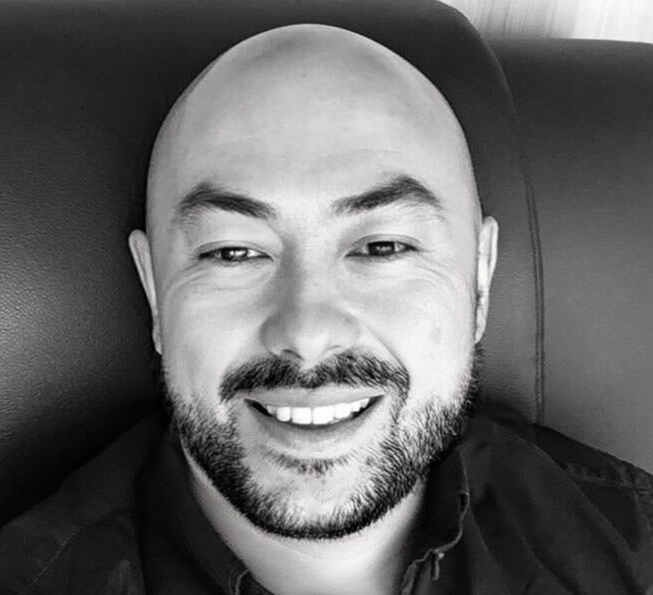
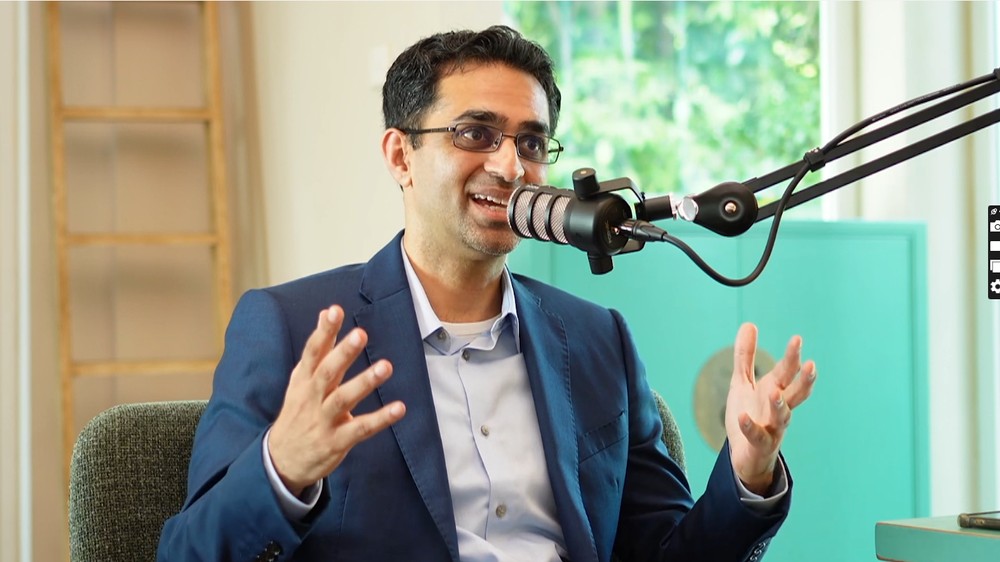
"The Quinntessential Questions Podcast": Paul Quinn, renowned Headhunter and Career Coach, and CEO of Westport Partners, talks to Mustafa Jaffar, a senior global HR Executive at Standard Chartered, about his career, and the key human skills he recommends building to stay relevant in these uncertain times.
TIMESTAMPS
(00:00) Intro
(01:52) Current Role & Responsibilities
(04:06) A Bit of Banter
(07:37) Adaptability
(12:18) Privilege
(15:20) Serendipity
(22:34) Grit
(29:06) Inspirational Leadership
(36:35) Promotions
(42:20) Teamwork
(48:18) Critical Thinking vs Conceptual Thinking
(51:31) Humility
(58:33) Growth Mindset & Learning
(1:02:53) Communication
(1:07:03) Resilience
(1:09:06) Why Take A Skills-Based View
(1:12:24) Resilience
(1:14:54) Leadership Styles
Bio
Mustafa is the Global Head of Talent, Learning and Resourcing for Standard Chartered Bank, and also the Global Head of HR for Consumer, Private and Business Banking (WRB).
He joined Standard Chartered in March 2016, prior to which he was at Barclays for close to 10 years and held senior HR roles in London, Mumbai, and Singapore, where he has been based since 2010.
Mustafa began his career in London on the JPMorgan Analyst programme, where he spent five years in a variety of roles across businesses, before moving to IBM as a Strategy Consultant within the Organisational Change practice. Mustafa studied Economics and Statistics at University College London and is married with three young daughters.
Transcript
[Applause] [Music] hi guys for today's podcast we are joined by a very dear friend of mine Mr Mustafa Jaffa at standard ched Bank managing multiple different lines of business with oversight for over 90,000 people I'll let him talk to you a little bit and introduce himself shortly um but what's really interesting is Mustafa shares with us his Journey uh moving from Birmingham to London to Mumbai and then here to Singapore um he talks a little bit about career transformation and in particular the skills that we as humans require to do well not just in our business Journey um but also in our personal Journey it was a real pleasure talking with Mustafa and I hope you enjoy the conversation too cheers Mustafa it's great to see you looking well it's great to see you too Paul you've lost you've lost weight you've always been slim but you've trimmed down what have you been doing I think you always say that to me and unfortunately my mother always says that to me as well every time I see her after a few months my uh my general answer is simply to say thank you and uh but is she saying that CU like most moms they want you to eat more food and put more weight on totally I mean you know in the Asian tradition uh the word healthy yeah always meant that you were a little plump yeah and rather than being careful about your diet so so yeah when you are uh when you are told that you're you're healthy it's a compliment in the Asian culture but but I wouldn't necessarily take it that way so Mustafa we've been friends for a long time now um so such a long time I actually think I might have had a little bit of hair when we first met no you didn't I didn't I was still bored lost a long time ago that's embarrassing Al so we we've known each other long but not that long so um I I've known you throughout as being a fantastic HR practitioner uh strategist and leader if you can just share with the audience a little bit about yourself you know and what you're currently doing if you can please so now Paul I I I hold two hats at standard charted uh the first of those is that I head HR for our wealth and Retail banking business so we split our business into two we have a corporate and Investment Bank which primarily covers institutions and we have a wealth and Retail Bank which primarily covers individuals so I'm manage and lead and deliver the people agenda for the wealth and Retail banking business across all aspects of HR in addition to that I also play a horizontal role where I lead one of the centers of excellence that Center of Excellence covers Talent resourcing learning and also has ownership for our skills-based transformation and talent talk a little bit about that that's a big part of your responsibility right so Talent of course is uh um is a is an aspect of of HR that is can be defined in many different ways for me it's all about the career experience of the colleague okay so it's about delivering to all of our colleagues an experience that makes them feel that they have the opportunity to be the best that they can be at standard charted and that's something that I've carried with me through multiple organizations and seeing the transition of HR and I think that that's a really really key component of what we do I know look the last time you were at my house I think it was before you were married and I think I might have had one child so we've now got three kids so six kids later what on Earth's happened it's crazy how time passed what's happened is you've obviously not invited me over for a long time hey I didn't get any invit to your house either but that's true but where did the time pass it was just like that yeah do you remember when that was that was that was a long time ago when did you get married I got married in 2012 so it's definitely uh wow that means it was probably and I moved to Singapore in 2010 so it was probably 2011 really bananas well forgive me well I noticed you saw my bookshelf so you saw some of the old boxing uh books I didn't realize you were a fan of boxing well you're not really well I like to dabble in a little bit of everything as you know so uh you know one of the skills we'll talk about later is that ability to connect the ability to empathize and and therefore developing that ability to be a bit of a diletant in various topics that can be useful but Cricket is your first love sportswise Cricket is yeah you know my uh my father moved over it was a bit of a kind of a the the the colonial way to fight back uh against your Masters at the time and so that Pakistan England rivalry which was very very strange growing up in England and yet supporting Pakistan in in cricket yeah whilst being obsessed with England in the football uh was uh was an interesting one is uh did you get get to meet any cricketers like Imran Khan or any of your Heroes growing up I've had the opportunity to meet plenty of them over the time over the years actually have you who is your favorite player there's this cricketer called Brian Laro have you ever heard of him PA I have I have I told you that story right you did indeed that was so embarrassing so what happened was I was having dinner in Trinidad and Tobago and he was next to me and I didn't have a clue who he was which probably meant what you know he was comfortable with me because I wasn't asking him questions yeah so when I found out later who he was I was thought that was a bit embarrassing but ignorance is bliss one of my friends just met Brian Lara yesterday and just posted an article on LinkedIn wow unlike you he seemed to have grilled the poor chap on all sorts of questions relating to his pass so I bet but he still holds a few World Records right he does yeah yeah he holds the world records for the highest test match score the highest first class score amazing amazing but I remember at that uh at that dinner you were also sitting next to a sprinter at o b yeah I'll tell you what atto bald you know he was fantastic so I was asking him lots of questions but not Brian Lara but there you go Depend and the thing about sports I found when I grew up so you know depends on what your dad played or watched and it depended potent potential in the school that you went to yes right so that kind of shaped everything so I've never played Cricket yeah so I know you used to play at Turf Club right yeah I so I had both of those advantes my father played cricket and my school played Cricket wow but on those sprinters I was reading the BBC today there's an article about why black sprinters have always been the medals right there's I think since 1980 yeah is the last Al Alan Wells Wells right oh you read I haven't read that but yeah Al BBC you know it's something that's been talked about often but it's this kind of natural advantage through the the movement of slaves who had a advantage on from the physical side and they moved over and that kind of natural selection process continued over the years is fascinating um I also think it's also your background so if you look at boxers most of them were were black guys that grew up through slums yeah didn't have many opportunities but if you look at the UFC now that's changed cuz most UFC athletes out of the US went to college yes and this weekend um yeah there's a big fight and the two top guys are white guys so it does change yeah we're going to spend a lot of time talking about skills today and and the acquisition of those skills how it arises is is fascinating and we've got a couple of examples today on if you can so what I want to do today is I want to talk a little bit about skills um and how you feel they really can help one in their career in business but also in life and one of the things we've talked about a lot is adaptability and if I may just share with the audience a little bit about your background so you grew up in the disadvantaged area of Birmingham in the UK we're both from Humble families which is probably one of the many reasons why we get along so well um but unlike me you did really well in school and you got a full scholarship right to go to a top private school um how did you navigate that Journey what what did that look like for you so the so we we we'll talk about uh multiple skills today but as you said adaptability is a is a is a key kind of human skill that many of us are going to need in the future and need today uh I had the the privilege or the luck of having the opportunity to be adaptable at a relative early age so as you mentioned I grew up in Birmingham with relatively little money but a lot of love okay so it was a very happy childhood but we grew up in a segregated area uh with uh limited means to dabble in anything beyond kind of your very traditional aspects of learning and then I got into this school which was probably the best school in the country at the time can you unpack that how does how does one do that like we used spotted or did you do exams like you're 11 plus yeah so look my my parents played a huge role in in wanting that desire you know that desire for people who moved over from uh from Pakistan or India or you know other countries at the time the desire for their children to do well the desire to kind of put everything aside and and make sure that they had all of the opportunities so there was there was some real uh there was some real assistance coming my way and then there was I guess some natural ability that that aided me what were what were your best subjects in school back then math and English and those were very helpful okay in getting into those schools so there was an 11 plus exam and so I took that 11 plus exam and I came particularly high in that cohort and was offered a place at that school where my parents didn't have to pay any money in fact not only did did they not have to pay money but I also received additional benefits for example I received free dinner tickets which you remember was uh was was something that used to happen back in back in the 80s and and the '90s and the dinner tickets is a very interesting story because when I moved to this new school and very quickly found myself out of place with other students who became who came largely from kind of upper class much more privileged backgrounds and in the first year I got bullied essentially for being poor oh no and and and the way that they discovered I was poor was the didn't tickets because yeah when you when you weren't paying for your lunch with money it was very quick and and children are not always so forgiving so it was a very very difficult first year and then I would go back from this school to my friends in uh the area of Birmingham which is called spark Hill and my friends would also look at me as if to say wait who are you who do you think you are you're talking differently you're you're speaking differently you think you're better than us now both ways right so both way was very very difficult so you go through that period where you don't fit in on either side all of a sudden and then you've got to crack that yeah and so that's where the adaptability skill comes in it's the point at which you learn from that and crack it and so my technique essentially was I started selling those dinner tickets at school had a discount oh wow and the money I would get I'd come home and I'd spend it on some of my friends wow and so that helped me on both sides and then once you kind of figure out how to fit in then you then you take that to the next level yeah cuz you're only 12 at that point right you're young very young your formative years and then like was it far you know was the private school quite far away I would imagine wasn't on your doorstep yeah it was it was uh it was two buses okay so age 11 taking two buses do you remember the buses I still remember some of the bus numbers I were on the middle and red 83 and I had to switch to uh 61 it's funny what we remember yeah okay and then and then but that teaches you a lesson as well right because of course you know you're you're developing certain aspects of what I call grit and we talk about grit a bit because I think that's a a really necessary skill to have well as you said whilst you didn't have the financial privilege you had the privilege in terms of love and support from your parents yes which I think actually outweighs the former big time I completely agree so so privilege I see is is is genuinely one key aspect out of three in terms of the way that we acquire skills yeah and so you're born with this essentially a dis with with an advantage over others it might come through for example for me it was a passport you know the British passport my father didn't have that British passport that gave me a privilege that he didn't have and of course privilege extends particularly up into the upper echelons of society so privilege is one aspect and privilege can be mitigated through what you just described Paul as perspective right so looking at something through a different lens there's a quotee by William Shakespeare where he says I think to paraphrase there's nothing that's good or bad it's just how you look at it yeah and that's probably a bit of a stretch there are undoubtedly some things that are good and some things that are bad but but that ability to develop a positive mindset to look at things from a positive perspective and so for me working in my father's Corner Shop we had a little small business for a while I had to work there when I was age nine as aming 9 10 years old I remember I had to miss the fresh prince of belir once Fresh Prince of Bel that's criminal that's crial p.m. on Thursday I know that was a great show and I had to stand at the shop instead while because my dad had to go and buy some more supplies and I had to help my mom at the shop what was it a grocery shop or was it a news agent do you remember the corner shops back in the day Corner shops were basically very they small convenience stores and uh I I don't know if I told you I grew up in Southall yeah you did of course so on on my street there were I think there were 110 houses it was a cuac and there were only two non- brown families a Jamaican family and my family wow and um so I kind of got hammered but you know after a while everyone just becomes friends what I love about primary school maybe going into Middle School no one really sees color that much or if they do it comes from their parents yeah and I went to Multicultural school and I loved it right so we I really didn't see any Nuance change until we kind of went to college where everyone broke up but it's interesting now and you still didn't get into Cricket Paul I still didn't actually I wonder if I would have been any good at Cricket but it was uh it's one of some of my best friends played it but I think what happens is you choose something that you love yes and I I loved running right and that took all my time up so that's all I did um and and for me even though most this was a running after girls that you were doing if my wife is watching perhaps or running away from them no it was definitely that's why I was so fast right but you know the interesting thing is is if you do Sports seriously whilst it's seasonal it's not really because training is Around the Clock yeah you know it's year round so for me that was big so privileged the other one I know you mentioned was Serendipity yeah so have you seen that movie by the way a long long time ago John kuzak and Kate beckin sell which is really not my wife's favorite actress but I love her I think she brilliant well that was a moment that everyone went wait what does that word mean yeah exactly of course now it's uh well that was filmed in New York which I used to be I don't know if it still is your favorite City New York is one of my favorite cities what's your top three now then my top three cities now um gosh that's a tough one I I I I I do have a very soft spot a real soft spot for Mumbai okay because I live there for two and a half years through a a time that it was transforming significantly yeah and uh I went to Tokyo recently it's amazing and I think everyone uh I think pretty much everyone who goes to Tokyo Universal and the last one is Istanbul and Istanbul is all about cultures meeting each other yeah and so again if we talk about something like adaptability or as I extend that into Concepts actually of Tolerance and diversity and and interesting things like that then then actually there are elements of Istanbul where you see it in the historical sense coming together that that really remind you of the possibility not all of the stories necessarily lend themselves to uh the the victory of diversity but there's certainly the opportunity and and things you see there my my memory was when we had a talk about New York was I would always play that JZ song every time I will arrive yeah yeah you know um so I played the Alicia Keys version okay that's pretty good as well although I I like his a little bit more so talk to me about serendipity so Serendipity so we talked about privilege one so you acquire through privilege that's the advantage you get Serendipity is being the right place at the right time and we often credit ourselves for a lot of our achievements but they're often down to some aspect of luck there's a there's a book that uh Nasim Talib wrote a long time ago now Fooled by Randomness and it's it's resulted in multiple other books coming out of that but the idea is that we think that we achieve something through our own capability and hard work and tenacity but the reality is that there was a strong element of luck involved in that and there have certainly been aspects of my life where I was in the right place at the right time uh certainly if I hadn't been in uh you know my parents had not decided to prepare me for that exam at King Edwards school would have charted a different path for me there were moments at work where I didn't necessarily apply for a job I just happened to be sitting in the in the right place at the right time and the number one example I give of that is that I went on a short-term assignment to India and I talked about Mumbai being one of my favorite cities and I'm of Pakistani origin yeah so how was that getting an employment Visa in India to be based out of India when you're Pakistani origin even though I held a British passport actually is incredibly difficult and I would say it was nothing more than a stroke of luck at the time that led me to getting that employment visa and allowed me to then come and make that First Leap internationally so so Serendipity plays this big role in our lives and as I talked about in terms of mitigating privilege with perspective you can also actually start to mitigate Serendipity or enhance Serendipity through what I call Instinct so instinct is actually the knack for being in the right place at the right time and we all look around and we see people we say how are they in the right place at that time how did they get that opportunity and it's because they've started to hone that Natural Instinct for the way in which they prioritize what they do my boss is fantastic at this and I've discussed with her often this kind of concept of soaring and swooping sometimes she's out at a conference speaking other times she's really in the detail at for for a very specific piece of work but what we always see is there's this Natural Instinct for how to prioritize your time being the right place at the right time and that I think is a a very strong mitigant or enhancement as I mentioned too to both of those so you take privilege and Serendipity and then you can you can you can Aid those two yeah so organizations have really a huge role to play in equalizing some of those advantages that can be gained through privilege and Serendipity and the the idea around positive discrimination is one that is is often controversial but I do see it as being a having a responsibility to equalize some of those natural advantages that some people have earlier on in their lives and therefore overinvestigation do have to bring everyone up to that same level of playing field do you do you think I I completely agree with you but um one of the things I realize that a lot of people where they feel they haven't made career progression is going back to your earlier point is perspective like half empty half full glass um and then the Instinct point one of the principles I teach is rational deductive logic MH um so for example if we're in Hong Kong and we're in the IFC area at in the morning when people are going to work or lunchtime we're far more likely to bump into somebody right or if you go for a drink after work in that vicinity you're going to bump into people yes um so sometimes you want to be in the mix and if you know you're going to be in the mix be be dressed be ready um well it's the same time of if if you're at the bottom I was at the bottom of HSBC building the other day and I saw the global CEO and it's just but if I wasn't there there was no chance I would have seen her yes do you know what I mean yeah yeah yeah you make your own luck I think you do right but as you said a lot of the luck that we have is before you know we're even conceived the born right to our parents and as said you know like I always remember talking to my ex business partner imagine you know he's uh from Leicester but originally of Bengali descent what happens if you grew up in Ducker yeah same parents but a very different outcome yes right it's is a game changer agree what I what I encourage people to do is not to see those aspects of privilege and Serendip say oh my God I didn't have access to yeah the privilege and oh my God that person was just lucky that's why I often drive this idea that you can mitigate these aspects by really focusing on perspective taking a very positive view whatever you're doing and and then secondly as as you've said Paul putting yourself in the right place at the right time to maximize those opportunities you miss 100% of the shots that you never take yeah 100% actually that's a really good point cuz my daughter plays basketball and at one point she was becoming a little bit gunshy31 I want to go back because I know you got your third point on that was was it grit grit yeah okay so let's come back to grit but one of the things um can you share because a lot of people won't know that you had to do a lot of cold calling in sales when in M buai which I think differentiates you from a lot of people in your role yeah right is the sales aspect because I've worked with a lot of heads of HR and your ability to engage with very senior people but talk to them on a very basic level so take something that's complex make it simple I think that's a unique skill that you've acquired over time but go back to the the call calling that you had to do yeah I think everyone should have the opportunity at some point in their lives where they're place in this scenario where they have to cold call and they have to really go out there and and kind of fight tooth and nail for whatever they whatever they earn U and and so I was employee number three to set up Barkley's Private Bank in India we had a CEO o a COO and I was there in this kind of broad project management stroke HR type role and the number one thing we needed to do was to hire people and so this task was assigned to me and all I did for a long period of time was just call people and say hi we are setting up a brand new business at Barkley's we would like to talk to you about an opportunity and what you realize when you go through that process is that most of the time people say no thank you no thank you no no no no no right and and day after day after day and then you have one breakthrough yes and then you use that breakthrough to build a broader map of candidates you get 12 more people who you're going to call and you just keep going yeah and that Journey gets easier and easier and easier as you do it because you've become much more comfortable with being rejected yes right and and then the other thing you've done is you've enhanced your capability to to actually sell and and that leads into this idea of of grit um and and grit is there are multiple acronyms associated with grit but the three skills that I like to bring out of grit using the gr and the TR are growth mindset resilience and tenacity so a growth mindset is all about that Curiosity that willingness to to keep learning every day you want to do something else you're not you're not content with knowing what you know on a day-to-day basis resilien is exactly what happened in that cold calling scenario you get the no no no you're able to absorb it and you're able to bounce back faster than others can and then tenacity is that hunger and desire never to give up and I took my daughter you mentioned your daughter plays basketball and I'm just starting my daughter out on basketball and how was it and enjy she well well she said that she doesn't know how to shoot a hoop or score a goal as she still calls it I think she's been spending too much time on football uh but I took her down and and I said we're not going to leave until you've managed to shoot your first hoop beautiful and for a nine-year-old I tell you an hour is a very very very long time and it's a full 10 did you have no was a full oh wow so max Len so she's 9 years old and she had to that's we're not going home until we did it oh my goodness of course in a in a made it fun in an encouraging way to make it fun and and of course that moment at which she finally did that after 57 minutes was you know was a was a game changer for the rest of the day and now she wants to come back and and do that again yeah and actually next time I'm going to do three or four it's it's we we've talked about this before but I had one of my very first meetings with a regional CEO I think I was 27 and he he noticed I was very young so he said look if this I'm going to ask you a question and if it doesn't go well I'm going to kick you out of my office and the then head of HR who's a lovely lady was a little bit embarrassed cuz he was quite aggressive and I said shoot what's the question and he said what's your definition of success and I said oh that's easy it's high how you bounce once you reach rock bottom and given who your current incumbent is I think you're near it now yeah and he started laughing so put some humor into it um but I think grit is unequivocally it's everything inextricably linked yes and how do you deal with adversity and and I think even I remember when you and I first worked on a on a project we placed a very senior Banker with you and uh after day one he didn't want to come back in on day two so something that was a a a very happy Point turned South quite quickly and we had to roll the dice again and we had to adapt and come back to your point you had to pull everything together yes yeah yeah the the the point on grit is um one that I think and often often we we you know we we're looking at our own careers but many of us are parents as well and so when I go back to uh privilege and Serendipity the third aspect is grit and the less you have of the first two the more you're going to need of the last one for sure and interestingly Often by not having privilege you can actually enhance your capability to have grit because you have to fight harder because you've not had the luck you you know the opportunity to fight harder but you've got to do it and and and then of course if all three come together wow and that's magic so you know the story of Bill Gates yeah came from that wealthy family he had the privilege then he got this fortuitous access to a computer at at a university and suddenly he's there all day every day with access to people who nobody else had so he had that Serendipity yeah and then of course he had grit in bucket loads combine all of that and you see the the the results of that possible well unless people have really you know cuz I I struggle with reading because I'm dyslexic but I try still to read two books a month which isn't easy and um but I remember reading about Bill Gates and then Richard Branson going up against the establishment yeah right so for for Bill Gates it was against the US government because he ran a monopoly effectively and with Richard Branson it was British Airways right and uh it's so interesting how these guys were prepared to face Giants and you know they came out on top they became Giants themselves I said what what are some of the qualities of of Business Leaders that you really admire like when you look at so so what I love about Richard Branson is he's a wild man he's an adventurer when most people won't put it all on the line and you know get on a a mission to to the the the outer solar system or getting on a massive balloon that guy just and he enjoy seems to enjoy life um so I look at guys like that think wow but you know what are the qualities that you admire most about people the quality that I always look for and we're going to talk about multiple human skills today but it's inspirational leadership yeah so that's what I admire most about anyone who has who has made it because they Amplified their contribution by bringing along tens hundreds of thousands of of people along that along that journey and U and a very recent example for me from my favorite sport of of of cricket around how you inspire people is Ben Stokes so Ben Stokes is the the captain of the England cricket team at the moment and he inherited a team that had lost lost lost lost pretty much every test match for a couple of years wow and when he when he was given this team and he came back having fought multiple personal Demons of his own so he was in a very very interesting position and he took that team to become the world number one team so they then won one one they literally won every game for for for a period of time not only did they win every game they completely transformed test cricket by making it incredibly entertaining to watch so they scored faster than anybody else had ever scored in history yeah whilst winning now the most fascinating aspect of what Ben Stokes did was it was exact actly the same players so most of the time you see leaders come into a new role and they say oh my God my team is not good enough yeah and they bring their own people in they bring new people in Ben Stoke simply took exactly the same bunch of players and said you guys are amazing wow and I just need to get that incredible capability out of you and he just inspired them and he inspired them and inspired them and when they failed he backed them and then he backed them again until they were all producing collectively at a level that there's there's really something to be said for that because I don't know about you my dad was pretty hard on me and uh my son's 17 now and I've just raised him through nurture as he's gotten older I've tweaked that a bit right and I've tried to challenge him a little bit which by the way doesn't work well for me now he beats me up he's uh but but U what I find with him was he there were times where he didn't believe in himself and uh going way back to when he got a Christmas from Santa Santa would write you could be a world champion Caden yeah right and he goes dad Santa thinks like could be a world champion I said absolutely yes right and I think that really helps um and one thing I wanted to share with you when when Tara my wife got into Yale on her first day um one of the students asked well how do we get you know an a how do we do really well and the professor said don't worry about things like that you've already got accepted into Yale you're all world class now it's about how you can change the world right and that sense of belonging you you're part of this winning team yeah and and I think that goes a long long way um I think the biggest dichotomy um in in Commerce now especially in banking is that most CEOs are I hate to say they're not even measured annually it feels like sometimes they're under quarterly pressure maybe even monthly pressure so whilst they're talking about 5 years from now and trying to aim for 5 years from now the reality is they've got to move the needle in the immediate and and the problem is most CEOs 5 years from now may not be in that role so that's really challenging and for you as as as head of HR and you're you're helping drive this long-term uh aspect of your business that that's a major consideration for you right how do you nurture that Talent that's that's a very very good point Paul and and the role that I believe that HR has the power to play is to provide that balance in terms of helping leaders to think 5 years forward there was a time when the role of HR was simply to respond to a business request which came as simply as cold called 20 people and hire three of them and you've hit your kpi and that's how I started out that role has evolved progressively for HR leaders to play that more important role to say here's something that we think is important with the long term we're talking about skills today and we're talking about the fact that skills will become perhaps have already become the future currency of work and therefore aiding that skills-based transformation is something that's going to be useful probably not tomorrow perhaps in six months perhaps in two years without a doubt in five years yeah and you don't want to get to that point and then you say hey why didn't you tell me about this yeah at that point so so so that role that we play uh as as HR leaders has become really important and then of course HR has evolved even further I think for the for the Third Leg of it which is really to dial up the representation of employee interest to put employee experience at the heart of what we do I grew up in a very client Centric environment working my early days at JP Morgan then as a strategy consultant IBM very very very client focused we've got to bring that level of client Focus to the way we look at our colleagues and provide them with the same level of experience in order to get the best out of them so goes back to to what we were discussing around inspiration and inspiration you described it with your son is highly personalized so you can't actually to some extent you can use some of the same mechanisms and inspire a 100 people at one point but actually the best leaders are able to inspire each member of their team and that man manm marking becomes so important in in well it's like understanding one's love language right you know cuz we've got three kids each and they're all uniquely very different so how how you work with them guide them nurture them is different yes you know um well my wife leaves Amna leaves a copy of Love Languages out in the living room have you read it permanently I think in the hope that not that I will read it because I've read it but and in the hope that I will absorb it and then act upon it okay I won't ask you what your love languages are but it but it is interesting one question question I had for you is one one of the things I realize a lot of people are afraid of is no and doing the the the sales calls what I've learned is no means different things in different countries um it took me seven years of learning in in Singapore that yes yes yes is actually no so what I learned to try to do was bring the nose forward so it wasn't rude to say no yes um conversely if you're in Hong Kong they'll kick you out of a room if if it's a no there's there's you know so I found that interesting but going back to growth within an organization I feel a lot of people feel that they've plateaued when they I don't think they need to so my question to you is if you get a promotion and your boss says to you hey look must stuff I want you to do more additional responsibility I'll pay you a little bit more on your base salary but you need to prove yourself I I think that's a great opportunity but a lot of people I speak to complain and say oh I'm going to do all this new work and I'm only going to get a small uplift what's your take on that I know they go hand inand but I'm curious yeah yeah well I'll give you an official HR answer yeah take take the opportunity and then I'll give you uh slightly more Nuance for but there is a funny story associated with that because when I was given the responsibility to Double Hat in my current role yeah and when I went from doing a business at HR job and I added on a center of excellence many people at the management team said to me we hope you don't get a pay rise to go with your enhanced responsibility because all these years you've been every time we've got some more responsibility you've explained to us that the responsibility is the reward yeah rather than the pain that the reward comes later right so um so I'm probably not in the best position to uh to answer that question but of course you've got to find again you've got to find that balance of how to motivate your people yeah you've got to be able to understand your people and and and figure out how they want to progress but I always think element of that I think the money will come I think if you're doing a great job people will recognize it um and you know it goes back to Paul that long-term view again I often tell it's a bit like investing in the stock market by the way and I'm hopeless at this right I look at my portfolio pretty much every day do you right but you shouldn't you shouldn't be looking at your progress every single day you should be working on improving your skills every day yeah and then you should look back and say okay over the past one year or two years or three years look at the progress I've made I've been passed over for promotions in years that I absolutely thought that I should have got them sometimes that was through nothing that I did it was just happened to be a downturn in the economy and and the bank decided we're going to do 20% of the promotions we did last year sorry you miss out this year and at that time that really hits you hard sure but again that comes back to to one of the aspects of resilience is being able to look at that longer term picture and imagine yourself in one year or two years looking back at that event yeah and trying to understand the gravity of it and thinking okay if I dealt with that differently if I looked at the positive side of it actually after five years it all plays out it all balances out and perhaps you come out ahead well the thing is you you may not know as an employee all the considerations that your bosses have or what politics are at Play um one of the things I always say to people when you prepare for a pitch be prepared likewise if they say what happens if you don't get this right so I tell my guys when you call someone when you call a candidate and the candidate's just moved um or just got a promotion and doesn't want to leave a lot of head hunters will put the phone down because that's the end of the transaction and I said no look be happy for them look congratulations that's fantastic um when you can tell me where you going let me know be great to stay in contact because that way you're you're developing a relationship and generally speaking I've always believed in a rising tide raises All Ships so if that person moves up there's another opportunity somewhere else you know and that that's the circle of life standing on the shoulders of giants yeah 100% so um when you in your career have been promoted was it ever unexpected or had you ask for those promotions cuz your career soared you know very progressively over over the last decade yeah and let's think about promotions in the context of enhanced responsibilities I think that not money yeah yeah and not necessarily a title or a grade either I think that in today's hierarchical construct a lot of people measure a promotion by being moving from one grade to another grade yeah but actually I would think about it as the opportunity to build a different skill set to get an opportunity to do something else and that normally is enhanced in some way in terms of responsibility so actually sideways moves are also a very clear aspect for me of a reward of a promotion because then you put those two together and the next one can can move up and that's one of the reasons why I didn't want to tell my career story in the context of I got this job and then I got another job and then I got promoted and then I got another job because that's not the way that careers pan out no I look at it in the context off here's a smus board of skills that I have acquired through different ways some through jobs some through my education and when I say education I don't just mean University learning is lifelong so some through jobs some through education some through experiences some through extracurricular activities some honestly through feedback and self-reflection yeah sitting in a quiet room even that is an opportunity to develop that skill you got got to put all of those aspects together tie them into some of those aspects that we talked about in terms of the the the grit and then build from there and then you realize that magic happens and it leads to multiple different opportunities in your career where you bring all of those skills together have you always been highly introspective because I remember having a coffee with you few years ago and uh I was sharing with you some of my frustrations and challenges and you said Paul why don't you look for the problems and I and I I went away and I thought about that heavily and I thought he's absolutely right you know cuz you you know when you're working on your own as the owner of a business it's very difficult because you get stuck in your own you know your own Circle and you can't really look and get perspective but have you always been introspective when it comes to your own life and career I have but I I I would I would add that I've not been as proactive upon that introspection as you have so the great combination where I do a bit of the introspection and you do the acting upon it and actually take that idea forward that's uh that that that's teamwork right team well I'm grateful for that Intel you shared with me because it really in part led to this journey yeah right and I was at a low point in my career at that stage I don't know if you sensed that um but you you gave me a boost in the best possible way yeah you know so that's interesting so going back so we're talking about leadership and skills uh and the England cricket coach coach teamwork collaboration that's got to be well up there in terms of skill set cuz a lot of people are I feel a little bit too insula yes um and I think being being a great leader and I've seen many different types of leaders and directors um some people lead from the front some people lead from behind where they they push their guys up and they help so I was talking to my son who wants to become a movie director and he directed uh one of the movies from my corporate video and I was just so impressed how quietly sofly spoken he was and he was guiding and directing people in their 40s and 50s and he's not really a fan of Clintwood he doesn't know his work so I showed him a documentary I said look how he's talking and it's the same with Christopher Nolan look how he's directing everyone and he's just quiet and he's just guiding them um but yeah so teamwork collaboration yeah of course so massively useful skill sets as you get away from leadership it's really important sometimes to remember that everyone's aspiration doesn't have to be to be the one individual at that top table trying to get the best out of everybody else everyone else has to play their part for sure and and one of the skills that I think is really really useful to learn and I'll give two aspects of of teamwork but the first one is actually learning not to be the best it's a very strange one so when I was when I was growing up what my my desire was often to to try and Excel in whatever I do and anything that I didn't want want to that I wasn't excelling and I wanted to give up that's that's quite that's quite natural in fact uh my my uncle my maternal Uncle once gave me some advice to say you've got you've got to find something that you're the best at in fact there's a there's a Walt Disney quote that whatever you do be the best and I really hang on to that and it's fantastic advice but it applies to one or two Pursuits that you're going after but we operate in a multifaceted way in our lives and therefore learning to play your role is is equally important so getting into aspects of a team where you play a very useful role but are not necessarily the Lynch bin or the best is very very good I I used to play five aside football and the best footballer that we played with was a guy who only liked to score goals and he would stand at the front of the pitch and he would shout yo yo and he'd never come back to try and help the team so when we were playing a better team we'd always lose yeah whereas those individuals who who lean in as part of a team so going back to Cricket again I actually was never particularly good at Cricket so I I realized probably by the age of 15 that I wasn't going to be an amazing cricketer but I loved the game and I love being part of the team so I found my usefulness in multiple other ways so I was the scorer I was the Umpire I was the strategist and then progressively I became quite a good sledger okay and all of these are roles on a team and so everyone wanted me to be part of their team even though I wasn't necessarily the best player at that point so so yeah learn to learn to figure out how you can participate and and often team sport is a great way to do that where your contribution is to raise up the team as a whole not just yourself personally yeah I I think there's there's a lot to be said for that I when I used to be at uh College in high school I did a lot of acting I loved it um I started the theater group I was the only guy in it for a while which is probably why I started the theater group but what I found interesting about acting with people was um you you're acting a role that's been pre-written you can't change it it doesn't matter how big your personality is and there's always Teamwork because was if you forgotten your lines right I can prompt you and vice versa and you're live on stage there's no second take uh and you learn to lean on each other right and it's the same if you're doing a relay race so um I was trying to explain to my guys in the 4X 100 meters the second leg of the relay is actually the longest leg um and historically people like Usain Bol or Carlos O Christie would run the final leg cuz it was the glory leg but also if they got the Baton and they were a little bit behind potentially they could catch up up but for the longest time throughout my my Athletics career I ran the second leg because it was the longest it was the fastest and um you you learn quickly about teamwork because at the end of the day you'd rather a gold medal yeah right than a bronze medal or worse so it goes a long way so one of the things I wanted to talk about is critical thinking versus conceptual thinking and I know it's something that you've thought a lot about in your career can you give us some insight into that yeah I'm working on multip skills as I mentioned learning is a lifelong journey there are some that I feel that I have got better at there are others that I feel I'm still a long way from from getting to I I I like to get a lot of feedback I do some assessments and a recent assessment actually resulted in me getting the feedback that my critical thinking was very very strong and my conceptual thinking was a bit weak to be honest it's very interesting the context of the roles that I was doing in the business HR head role and certainly other aspects of my life as well it's very much about reviewing and endorsing other people's work so you bring me something and I can grasp it very very quickly I can review it I can I've stopped taking the red pen out by the way now it's just all digital the red pen I think was not an inspirational form of leadership it's funny it puts people off it does absolutely but nevertheless you know the the ability to absorb information very quickly and then provide an opinion on it on how you should do something better is something that over the years I've honed and and therefore comes quite naturally to me on the flip side being asked to to be more creative to take an idea and figure out how to to build it out is is actually harder and there's an element of thought leadership to that and I need to develop that in my in my expanded role now where I cover multiple centers of excellence including resourcing Talent learning and and our overall skills based transformation and one of the examples I I think to is is reading about uh IQ tests and and I was always very good at IQ tests and and and when you're good at IQ tests people tell you very early on that you're very very smart and you're very very intelligent which is one of the worst things you can tell people by the way because they start relying upon that very very quickly but an IQ test very interest is is of course a a convergence test so you're taking multiple different inputs and you're trying to converge towards the right answer a more interesting test that I think we need to do more of with with younger people and and then progressively uh beyond that is is a Divergence test so in the book outliers which you yeah they of course talk about how many uses are there for a brick and they ask the same folks who who got really really high scores in the IQ yeah and those guys come up with about two uses they say well you can build a house with it and you can break a window with it and then other kids who didn't do so well on the IQ test are coming up with 30 different uses of a brick amazing right so actually you start thinking about that leading to development of a conceptual thinking or creativity so very very important skills to develop early on but also help to build out the view that you need multiple different areas so that's one thing that I'm working on now in in my role and I've got to practice at it and i' and I've got to learn from others who are doing it far better than I can well I'm going to come back to this point in a minute but I did want to say one of the things that I've always admired about you is you've always been very humble and grounded because I've seen people that come from a very humble background but that changes when they start to do well and they kind of forget where they come from which I always find is a little bit sad um but you've really become a strategist um and a lot of people come to you for advice informally and and uh not just formally so I want to come back to that but I just wanted to talk to you about the brick so my dad was a builder and um my brother and I had to move sometimes a thousand bricks a day because he wasn't a strategist maybe maybe he was maybe he decided that he want us to move bricks to make us strong and we never understood like why are we doing this just make a decision strategically where you need them um so what I did was just at the off offset of covid I bought a thousand bricks and I got my kids to move them back and forth just a little bit to build up that resilience but my question to you is you know growing up in a corner shop you know coming from a humble background what has driven you what continues to drive you and has that changed it's a great question um humility is a is one thing I've learned about along the way I I learned in one of my assessments that humility is not to think less of yourself it's to think of yourself less yes so I may not be the greatest example of humility sitting here talking about my achievements but nevertheless I've invited you I know that's a great quote but it's uh it's one that I found very useful by the way in the context of humility yeah and the other aspect of humility that I've learned is that humility is something that you can become proud of very quickly and of course that doesn't quite tally either so you're now proud of being humble which no longer means you're a humble person either so yeah humility is one to be very very careful of and uh it is a very important characteristic but it's one that you have to strive every day to manage uh but what drives me uh what drives me every day so I had responsibility at an early age yeah so when you grow up in an environment and you see your parents struggling to do their best for you but you see that the amount of effort that goes into that and the results that it yields are not linked in the way that you might ordinarily thought they would be yes so working harder harder harder doesn't necessarily lead to to greater greater greater success and and I assumed that responsibility pretty early so that drove me for a very very long time and I got to the point where I was I felt comfortable that i' that I'd overcome that first level of responsibility to to others to parents to um to others who who uh who didn't have as much as I did yeah but of course the turning point for for for you and I both came with uh with children yeah right um and so children becomes a way having children actually helps you to become more future focused 100% And we go back again to talking about whether we want to deliver something tomorrow or we want to deliver something for the future I have three little girls and there's a quote that I read and I can't remember who who I attribute this to but it essentially said that when I was a son I didn't realize how hard it was to be a woman when I was a brother I didn't realize how hard it was to be a woman when I became a husband I didn't realize how hard it was to be a woman but when I became a father I suddenly did realize how hard it is to be a woman yeah and that changes your perspective on on quite a few aspects because you're now your primary goal is to ensure that your children in my case three girls are growing up in a world where they can be the best that they can be where they can equalize those aspects of privilege and gender privilege is very clearly one aspect of of privilege as well yeah and so that is uh that's been a big goal for me um and that extends Beyond gender of course to different aspects of diversity again I grew up with certain characteristics socioeconomic diversity is is is a huge driver we talked about socioeconomic diversity in the context of privilege it's actually often the number one reason why privilege is afforded to to one party and not the other and so helping to equalize many of those aspects is something that continues to to drive me forward in the context of what I do at home what I do at work what I do in the community it's big you know um I tell you funny story so my my 15-year-old Talia of my three kids she and I are the most alike and for about a year uh going back about a year ago for a year we were butting heads and I had to reassess what I could do a little bit differently so I I don't crowd her I give her a lot of space um I ask her how she's doing if she's had an exam I I've just always say look I hope your exam went well if if you want to have a chat about by all means let me know because sometimes if if kids have exams I remember what it was like when I was younger if it didn't go well you don't want to talk about it so anyway the other day was a few weeks ago she said to my wife she had a boyfriend for the first time she's 15 and then she told my son and my son started asking a lot of questions so I had about 24 hours before I physically saw her after I heard this news so I thought about it a little bit so I knocked on a room and in the evening and I said hi darling can I come in she said yeah and I said um is it real do you have a boyfriend because she's a wind up Merchant like me and she said yeah it's real daddy so I I gave her a hug and I said good for you I'm happy for you um when when you want please feel free to invite him over his name is Andrew for dinner and please tell him that I was professional boxer well I I I I let my son take care of that he was he was sharpening the samurai sword whilst I was saying this and getting the chainsaw already and what happened was this this was really interesting so she was pleasantly surprised but not that surprised U because I was just very understanding and three days later she said to me Daddy you're right it was a windup let I'm not going to tell Mommy and Caden for the rest of the month is April fools but for the whole but it actually made me I mean cuz I didn't know it was a wind up right and made me really think about things and what I said uh to my son was um he was just saying you know you know you're still working out hard and um and I said look what I learned a long time ago is how I do anything is how I do everything yeah so I'm going to do it I'm going to give it the beans as we say back in the UK and what I love about some lessons I learned from that Malcolm Gladwell book was number one um so with children when are they born right so if you were born um in September in the UK or in the US you're the oldest in the year um and my son is born in late November which means in Singaporean terms he's one of the youngest in the year and he was struggling academically for a while and I said to his teacher look he's grown Believe It or Not 14 inches in the last year physically imagine how much he's grown in terms of his majority maturity's ability to learn uh because they were they were really contemplating was he struggling too much um so I then also realized that a lot of people don't know how to learn right so one of the key things I think that I learned from that book was also think about this when you're teaching people how do they learn is it visual is it auditory and you know because how many how many staff are under your responsib 990,000 or something crazy well we have a test poll and I learned this the hard way so for many many years I like to read as you know and and I would send my team article after article after article and say Here's a topic and they would never reply really and I thought what is wrong with these guys they just don't have a growth mindset they don't want to learn more yeah or maybe they don't have time what is it and I never really figured it out until we introduced this test on what is your learning style and then I put all the team through the learning style and not one of them came out with reading some of them wanted to watch videos some of them wanted to listen some of them just wanted to do yeah and I was the one who wanted to read so therefore it's incumbent upon me again as a leader right to to shift that approach and and figure out what the right learning style is for everybody well and the other thing is different age groups cuz I went to this conference in Miami and I was sat next to these two 26 year olds and at one point I thought to myself I'm 46 do I really want to be sat with these two 26 year olds and I thought I'll lean into it so I gave them an idea of some of the training I was doing I said look but it's not really having an impact on the guys in their mid 20s and they said look I hate to break it to you Paul it's either because it's crap and or it's Waring right so I went away and I thought a little bit about but they then we broke it down and they said the format cuz nowadays everything is real time yes right and it's got to be accessible immediately like if we if we wanted to watch our favorite show back in the day you'd have to wait a whole week you know and then make sure you were at home and Thursday to watch The Fresh Prince yeah isn't it hilarious how things have changed absolutely of course that's taken away little bit from the level of enjoyment I I try still try to seek out specific elements of yeah things that are only available at a particular time Indian and Pakistani mangoes yes and there's of course a debate on which one is better and I know which one you're but um they still only come in the summer yeah and this one of the very few things that's left that you can only get at a particular time and I always think how how much better it tastes you're you know your your the bakery that's named after Paul yeah that when it opened in Singapore I used to love the bread that came out of Paul and whenever I went back to London I'd always have that exactly it's on now that it's here I never get it it's weird isn't it it's the same with Shake Shack all these things it's it's bananas what we do on Netflix is we just flick flick flick flick flick for a while we don't watch anything right I know I do feel that it's um well going back to that that book outl the other thing I found interesting was you know the the whole concept of 10,000 hours because I think to do anything well like to get a black belt in martial arts historically it's meant to take 10 years and and I think people Rush that and the whole concept of an apprenticeship you know it takes time to become good at something really and I think people need to be allowed to become good at something yes which is not always the case going back to my earlier point you know everything's Rush you've got to be quick you've got to be impactful um talk to me a little bit about communication because one of the things I know is HR has become in a lot of organizations a very process driven business but I still think HR the core is to attract identify attract motivate and retain employees and the communication that bosses have with their their staff and the empathy behind it it it's so critical to the retention of those staff um but what's your take on that so first I'll I'll I'll challenge you back Paul I don't think I think HR has become less process driven but we can have a separate conversation about that in your in general in your organization well in our Organization for sure I do have a certain level of pride in in the way that we run the people agenda at Standard Chartered I think we have we I I talked about the three aspects of the role that we play to support the business to support future growth of the company and to support the employee experience and and how we play a role in in meshing all of those three to deliver a people agenda I think there are multiple other organizations that have the ability to do that and of course now that we've got technology emerging and allowing us to do some of that at scale I think it's actually accelerating uh the way that we do that I think there are lots of great examples out there of of companies who are leading the way in having a culture that is people driven of course there are many that that are doing it less so as well um but going back to to your point now around the the role of the people leader the role of the people leaders is is is critical and some companies are looking at people leaders and saying I don't think they're particularly useful anymore let's eliminate middle management let's move towards agile constructs we've got the technology to be able to deliver at scale we no longer need uh these individuals who become bottlenecks in the process I still think that the those people leaders play an incredibly important role and we spend a lot of time developing our people leaders on various aspects of of the role that they need to play you talked about empathy very specifically and I alluded earlier to this idea of personalization and manm marking and I think that there was a point in time where you came to work and you kind of took on your work Persona and you left everything you left all the baggage behind at home and you did your work and then you went home and you got back to your life again we called it we used to call it work life balance right yeah and and and I think that that is in itself an outdated um concept now we simply deal with work and Life as we call it but essentially I think we just all aspects of our life of which work is one and we just mesh them all we deal with them 247 well covid had an impact right working and you know from home and the hybrid working piece for us is a is a huge element of allowing our employees the best way to to figure out how they can be the most productive where do they work when do they work how do they work these these are all very very important aspects so if you a people leader and you were previously dealing with just the work during the context of the day but now you expect your people to be working in multiple different ways sometimes different location sometimes different hours then you realize that actually all of those aspects of their life have become meshed and therefore you as a people leader need to become far more empathetic and understanding of what drives them as an individual what challenges they're facing at home as well as facing in in life and of course the career coaching work that you do Paul I know is bringing out aspects where the home life is is driving the outputs at work even more than the challenges at work it's a funny one sometimes people come to me and and they they want to know more about that how do you balance it right and uh I I I think firstly if you don't have your me mental and physical health everything else will devolve you're you're in big trouble um and life you know in the course of time when you you know someone from their 20s to their 60s parents die you know we all go through trials and tribulations and how do you deal with it if your employee has it I mean you've had you've had issues right um you've had I don't know if you can touch upon it miscarriage is right and and then you realize well hold on I'm well built and equipped to handle with these problems at work when there's problems at home and especially when it involves your wife and children all bets are off and and it's a very different mechanism right to handle those problems yes yeah that the the example that you gave there was in the context of resilience and I always considered myself a highly resilient individual and perhaps I actually didn't completely get the concept of resilience for example I I was in a car crash at a an early age I was about 18 19 years old and I was in the US with a friend of mine and and and a car hit us from the side and I was thrown to the other end of the car of course we don't wear seat belts perhaps life- saving that moment and he was kind of thrown on top of me and for a second I was in a in a days and I looked at him head spinning a little bit and he said to me hey we've got 17 minutes to get this train get out the car bang and we were out of the car we were running to the train station again and we were just and and as I reflected on that and built upon that I thought I have become an incredibly resilient individual no matter the challenge that hits me yeah I can jump up and bounce back you're a boxer Paul right and and how many times have you bounced back up after getting I I never got knocked down by the way you never got knocked down okay that's a that's an important uh but in life but in life many many times probably daily but that's that was your friend nittin right yes so are you still good friends with him I am yeah he's a he's a very successful doctor in fact he's just ask you his own podcast wow so um he has uh he has been a great proponent actually of of the the skills-based transition because he started off as a GP and now he does maybe five or six different jobs having acquired multiple different skill sets in medicine business in law and really there a Renaissance aspects along the way so it's really a great example you see it in so many different Industries yeah my sister is in education and she she teaches one day she examines another day um you know she's marking another day she's doing University One Day School the other day and so this kind of gig economy that's that is developing has a lot to do with this Advent of being able to build different skills in in at different it does feel it does feel like that but I don't think a lot of people understand that grasp you know like you you come to the end of the road you still want to get paid you want to find another gig yes right and I I'm seeing that increasingly right because one of those days where someone was sat in the same job with the same company for 20 years you know that that doesn't work anymore right so you have to adapt it's it's and it still works for a few people yeah and so what I like to think is whatever works for you is the right answer right and if that works for for you still then that works for you but there are far more opportunities and far more many many different ways to reach your goal now than there were previously so so in essence you know when when you look at the future of HR this whole skill-based journey it's it's key right and those skills are transferable yes not just within industry but outside of Industry yes um what other what other Trends are you seeing or do you think are Salient for us to think about yeah so look the the the future of the future of work relies upon this skills-based Advantage the future currency of work is skills and so you will acquire and develop skills throughout your life and you will use those to do some of the jobs that exist today some of the jobs that exist in the future you might do multiple jobs at the same time and so focusing your journey around the and development of those skills is is very very critical there are technical skills that you'll have to be very good at if you want to do a very specific kind of role yeah we talked about medicine for example there's still a certain track you need to go to you'll have to acquire technical skills but the human skills and there are probably 10 or 15 of them we' we've touched upon some of them today right we've touched upon adaptability we've touched upon leadership uh we've talked about empathy communication communication right there there are others critical thinking conceptual thinking problem solving there are there are probably about 15 or so skills I would be very very deliberate in in my plan to to acquire those skills I do that for my daughter today's nine and she has a skills-based plan rather than a class-based yeah plan on on on on what skills he needs to acquire then of course we were touching upon resilience just now um and I mentioned earlier that resilience alongside that growth mindset and tenacity which form grits for me are probably the first three that you want to acquire um and and you learn along the way and sometimes you have to go through those experiences as I mentioned I thought I was highly highly resilient until and then you know we had uh we had a miscarriage and my wife had been she was 16 weeks pregnant when terrible when we when we lost uh we lost our baby and she still had to deliver and and and then we we buried the We buried our little boy yeah and and something inside me told me positive mindset positive mindset um remember you're resilient next day you're on this yeah you can take care of everyone else and you can go back to work and I almost did that and it was about two or three weeks into that Journey that I was at work and I suddenly felt completely disconnected and realized that um I was not set up to cope with this and really it was Amna who helped me at that moment because she was just she was actually in reality far more resilient than I was she knew how to absorb and then cope and then come back and then and then of course we had to get through that journey together which becomes the most important aspect so so developing those um do you I I find that women are so much tougher emotionally mentally than than we are as men uh because when when our son and you know I'm so sorry to hear that you had told me uh you had a couple of miscarriages right yeah we had two along the way yeah yeah really horrific and um and getting pregnant is something that a lot of people conceiving don't realize just how difficult it can be and with the stresses of modern-day life uh but when our son was born he was born a month premature uh and he was in hospital for the first three months and that's effectively when I lost my hair very in a very short period of time in about two months and I couldn't cope you know you of course I got through the day but I was I was thinking the worst and and and my wife just held it together and I just hung on to her but I've learned I witnessed that so my my two biggest heroes in my life have been my mom right and uh my wife so it's it's quite humbling when you see that yeah so just just to come back to one of our earlier points that we kind of probably missed was leadership right and I and I know you've experienced the journey from being an individual contributor and Beyond can you just give us a bit of insight into that that that transition when when you go from being a high achiever who gets things done yourself and then you get the responsibility of a team and again we talked about amplifying that that uh that impact which is why I admire this as the the greatest trait in a leader is really critical and and and most people are not deliberate enough about that they take that leadership style of simply saying I'm a high achiever look at the way that I do this follow me and and we'll kind of get there together and that's one very very specific style which can work in certain scenarios you can be directive um at at times but actually you've got to figure out your approach for getting the best out of everyone and and here is where I've learned so many lessons along the way for figuring F out how you balance achieving your objective whilst allowing somebody else to develop and feel empowered I had a boss at Barkley Phil Smith um who uh who actually got me into HR originally and and then sent me to sent me to India and he would always he always had his vision in mind he knew exactly how he wanted to get something done and he'd always use this little line to me to say now it's entirely up to you how you want to do this because you're super smart you know what to do and he'd say something that really really resonated with you and made you feel really really special yeah and then right at the end he would say but here's how I would go about it and then he'd throw in three or four lines and then he'd end it again with but of course you know you've got this so whatever you want to do yeah and so you'd end up taking that away and You' you'd have the the foundational Viewpoint of how you wanted to construct it in the way that your boss wanted it and then you'd be able to play around a little bit so there are little lessons like that around the way that leaders need to learn yeah around how to balance delivering the work whilst empowering their teams yeah well that's that's insightful because one of the key things I've learned is uh so my management style is if one of my guys has a problem don't come to me ask me what to do always come back and tell me look this is the situation this is what I'd like to do and I'll have three responses that's brilliant fantastic crack on medium case scenario is look that's really good um have you also considered this as a possibility and if it's really bad I'll say look let's go back to the drawing board let's unpack this and we'll work on a solution together but in so doing you create Future Leaders people that really understand how to problem solve um and going back to that earlier point I think most of us have rational deductive logic find the solution yeah good yeah absolutely multiple Le different leadership styles and we could talk about leadership all day setting a vision giving people Clarity coaching them guiding them through the hard times yeah well look it's a complex job it's been an absolute pleasure I'm very grateful you know as soon as I called you you said yes you know so I feel very privileged that you're here today it's really good to see you in great form thank you for taking the time thanks Paul always good to talk to an old friend thanks buddy [Applause] w [Music]
Our Other Episodes
Lorem ipsum dolor sit amet consectetur. Sed morbi adipiscing ultrices in vel placerat.
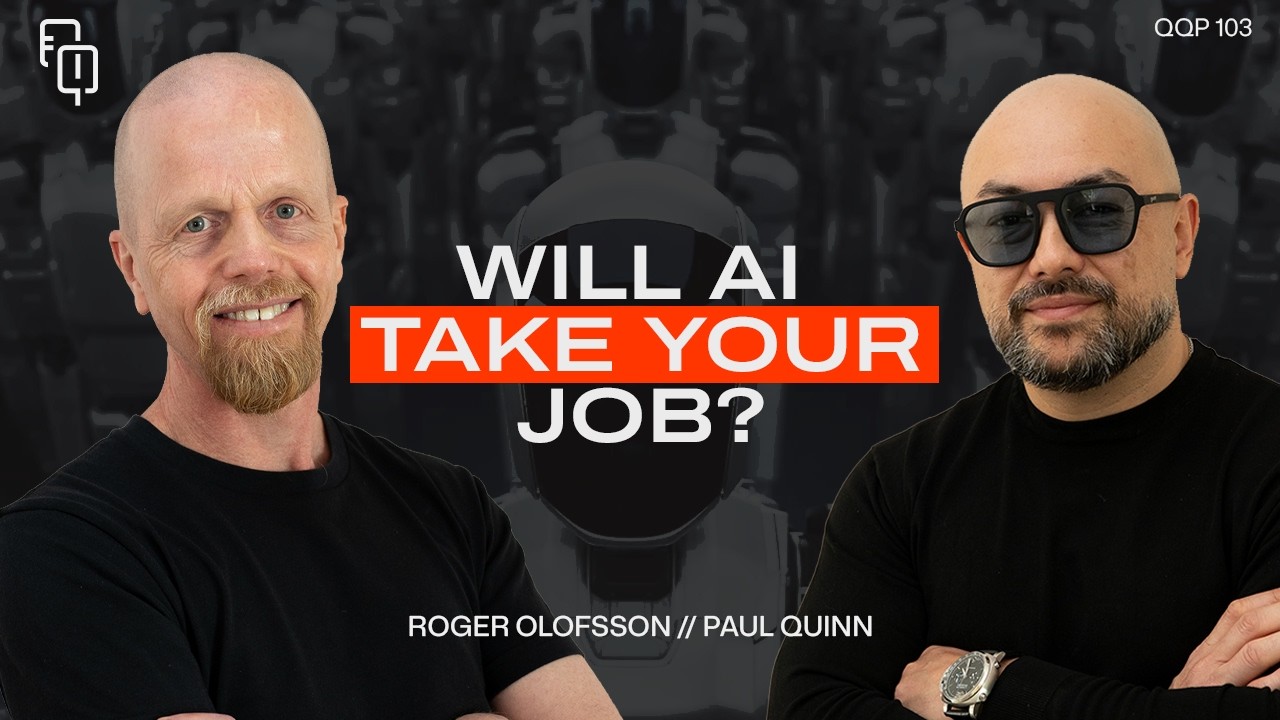
Building an AI Company Inside a Search Firm with Roger Olofsson #103
In this episode of The Quinntessential Questions Podcast, Paul Quinn sits down with Roger Olofsson, CEO and co-founder of Olofsson & Company, the executive search firm hiring for startups, AI, tech and fast-growth companies. From a childhood in Luleå, near the Arctic Circle, to landing in Singapore in 1996 as an exchange student with a backpack and a suitcase, Roger shares his transformation journey through almost three decades of recruitment in Asia, and the moment he finally backed himself to build his own firm.
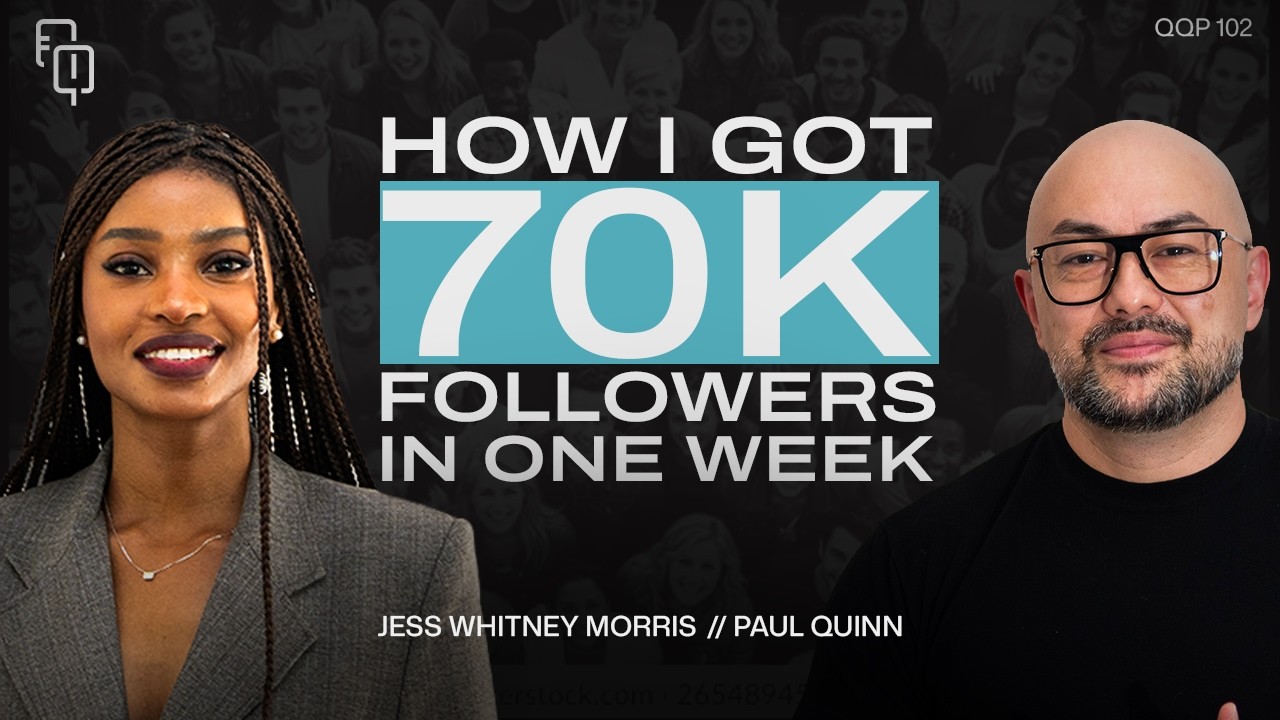
One Video, 70K Followers: Jess Whitney Morris's Breakthrough | #102
In this episode of The Quinntessential Questions Podcast, Paul Quinn sits down with Jess Whitney Morris, model, social media management company founder, and media presenter. From growing up in poverty in Uganda and working-class England to working her way through Abercrombie, Hollister, and a self-funded university degree, Jess shares her transformation journey and the moment her father tore up her first modelling contract in half.
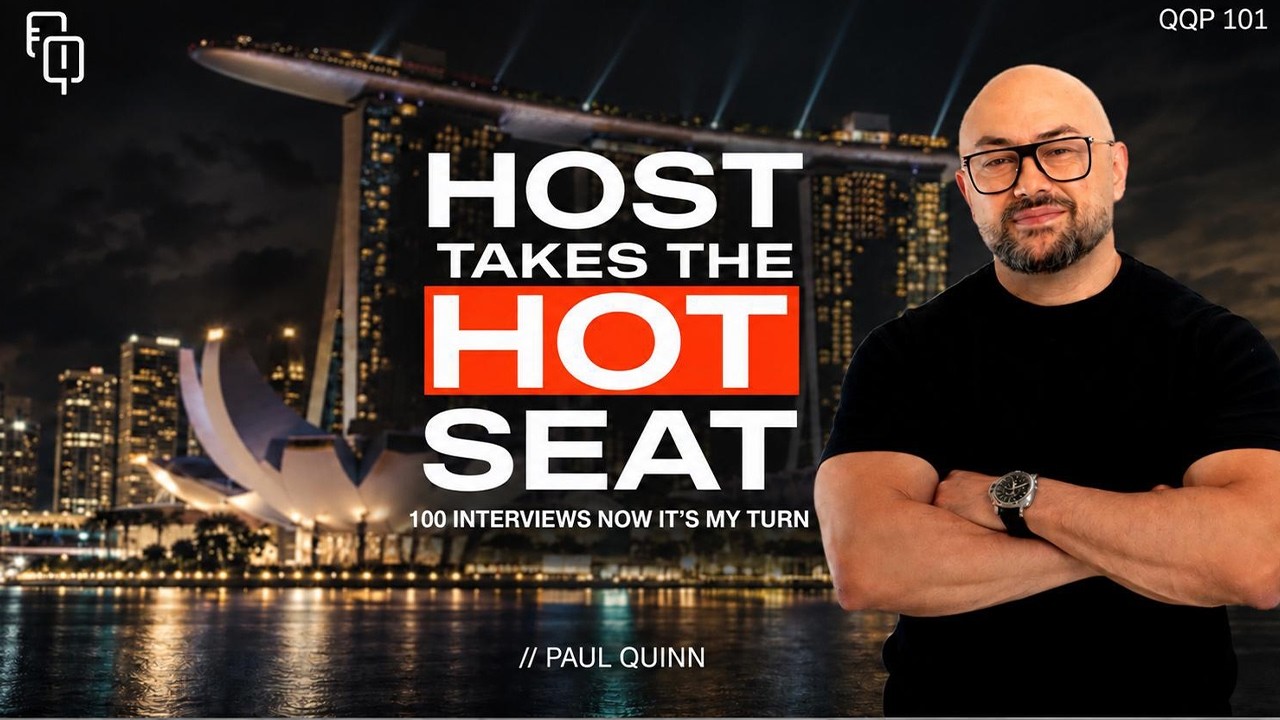
I Interviewed 100 Extraordinary People. Here’s What I Learned | Paul Quinn
In this episode of The Quinntessential Questions Podcast, the host takes the hot seat. After 100 episodes in the interviewer's chair, Paul Quinn, who runs Westport Executive Search and founded Quinntessential Coaching, answers questions sent in by guests, friends, family and listeners. From hitting a career plateau to building a podcast that now welcomes Olympians, world champions and global CEOs, Paul shares his transformation journey and the moment he decided to put a spotlight on helping people.