
A Wedding Gig Led to a £230M London Property Deal | Peter Ng | #105

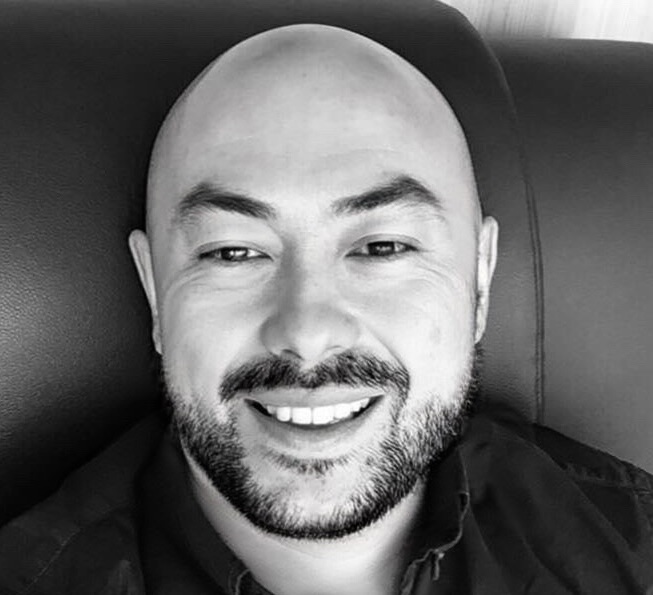
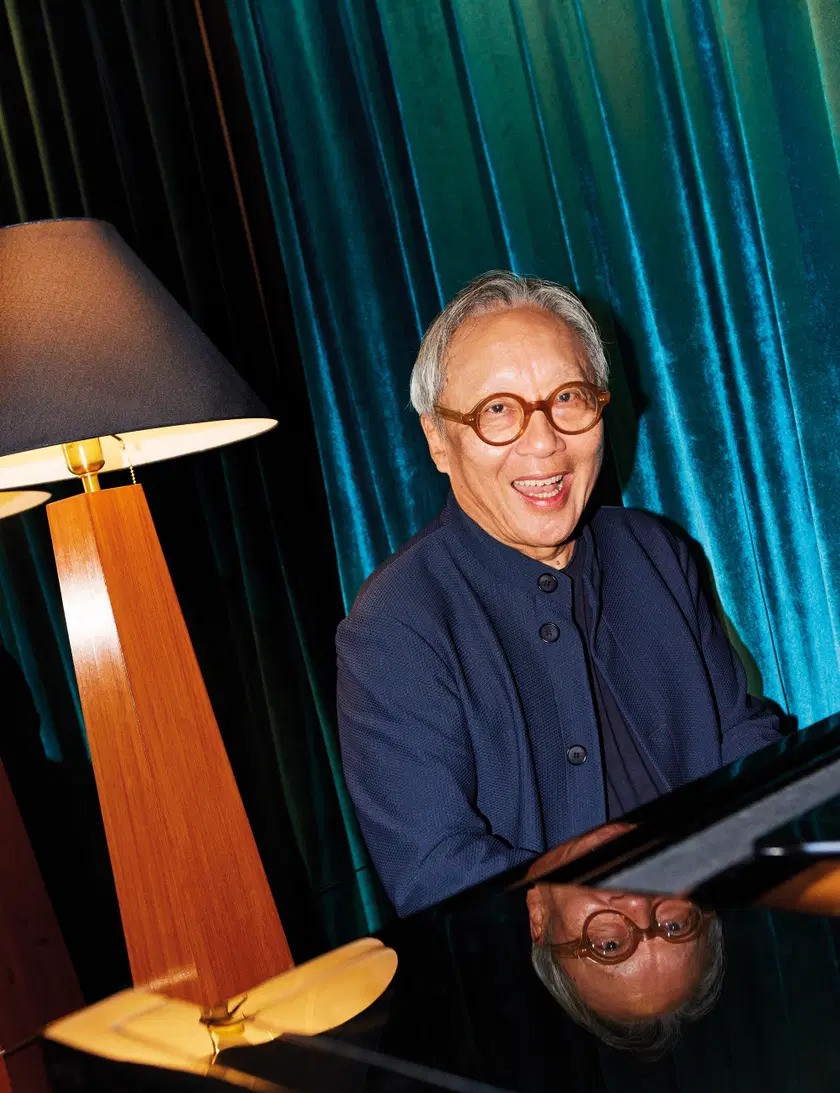
In this episode of The Quinntessential Questions Podcast, Paul Quinn sits down with Peter Ng, pianist, international property investor and founder of Maduro, a cigar lounge and whisky and jazz bar in Singapore. From playing piano in Singapore's fine dining rooms at 16 to dealing in London property, Peter shares how a lifetime in music shaped the way he builds trust and does business.
He discusses property cycles, why the news usually reaches you at the peak, and why integrity means never selling something you know will cost your client money. Peter also opens up about how a wedding performance led to a £230 million deal, how he came back to music through a jazz and cigar lounge, and why he is now composing calm, memory-free music for hospital treatment rooms.
Whether you're an investor trying to time the market, a professional choosing a business partner, or someone who wants to build relationships that last decades, this conversation offers hard-won wisdom on trust, timing and integrity. Let's explore the world of Peter Ng.
TIMESTAMPS:
(00:00) Introduction
(02:51) Who Is Peter Ng: Piano, Cigars and Art
(05:25) Starting as a Pianist at 16 in Singapore's Fine Dining Rooms
(08:38) How a Wedding Performance Led to a £230 Million Deal
(10:18) From Singapore Shophouses to Bringing London Property to Singapore
(12:00) Property Cycles: Why the News Usually Arrives at the Peak
(13:27) Why Hong Kong Is Next, and Commercial vs Residential Property
(14:33) Closing a London Deal with a Group of Cigar-Smoking Friends
(15:40) Integrity: Never Selling What Will Cost Your Client Money
(17:26) Coming Back to Music: A Jazz Bar for Artists
(18:10) Taking Over the Dempsey Space on Impulse
(19:28) Sourcing, Freezing and Curing Authentic Cigars
(24:25) Furnishing the Lounge: London Antiques, Art and Texture
(27:35) Why a Cigar Changes a Client Meeting
(29:57) Choosing Business Partners: Why Motivation Matters
(35:05) Calm, Memory-Free Music for Hospital Treatment Rooms
(45:11) Staying Relaxed and Why Giving Is the Best Reward
(51:02) Kindness, Self-Respect and Life After the Corporate Badge
Bio
Peter Ng is a Singaporean entrepreneur, property investor and former professional jazz pianist whose career spans music, international real estate and hospitality. Beginning his professional life as a jazz musician in Singapore during the 1970s and 1980s, he eventually transitioned into property, identifying opportunities in the city’s shophouse market before expanding his dealings internationally across Hong Kong, Australia, Malaysia and London. His career in real estate included brokering significant property transactions and working with prominent hospitality assets, including the Philippe Starck-designed JIA boutique hotel in Hong Kong.
Despite his success in property, Peter has maintained a lifelong passion for music, which eventually inspired his return to the entertainment industry. Following the establishment of Robusto, a private cigar establishment, he founded Maduro in 2019, a jazz listening lounge that brings together his interests in live music, cigars and whisky. Now located at Sofitel Singapore Sentosa Resort & Spa, Maduro provides an intimate setting for live performances while supporting both established and emerging musicians. Peter’s journey reflects an entrepreneurial instinct, an ability to reinvent himself and a commitment to pursuing his interests across different stages of his life.
Transcript
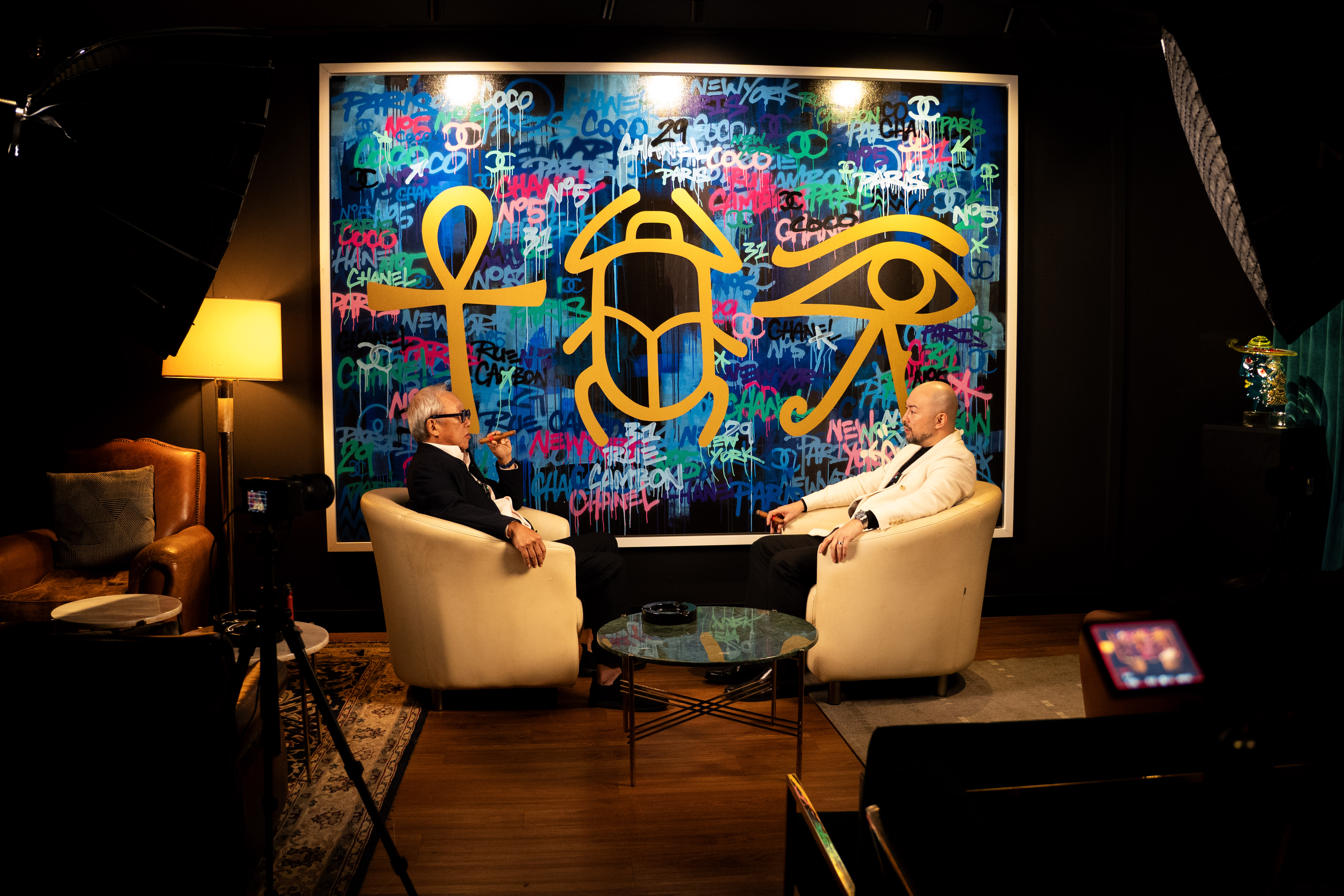
Through the music, the people I meet are amazing. When I created a new business doing properties, they knew me through the music as part [music] of it, which actually leads me to where I am today because I was asked to play for a wedding. After this wedding in 20 years down the road, he came and said, "Would you play for my daughter's wedding?" At that stage, I was already in properties dealing in London. He said, "Are you still dealing in London properties?" I said, "Yes." And from that conversation, playing for the wedding just for the fun of it, we did a deal for a 250 Cheers. >> So, what's your advice for young up-and-coming investors? >> [music] >> Thank you, sir. Thank you. Wow. So, what can you tell us about these uh the your private members, is it? >> Private members. They are some of my collections here. >> Wonderful. >> This is that good. >> May I try one of those? Beautiful. What are you going to have tonight? >> I'm going to have one, too. >> Oh, please. I didn't realize. Wow. >> I did that off the cigar last year. >> Amazing. [music] >> I didn't I didn't leave that here before. >> No. >> Amazing. Beautiful. So, what Chinese tea are we going to have today? >> This is cool. >> Yeah. Beautiful. Please. Can you show us a couple of bars? >> Sure. >> Yeah. It's beautiful. [music] >> [music] >> Is all this furniture Is it made for you >> Oh, collectibles along the way. >> Yeah. >> Yeah. >> Cuz just just getting nice bar stools is not easy. Wow. >> Beautiful behind you. >> What's that? >> What is that? >> This Banksy's work. >> Really? >> Yeah. >> Wow. Amazing. So, when I go to Vegas, they have these with that whole smoke concept, you see? >> Yes. >> It just they they >> Yeah, they give you that they they stick to it. >> And you designed everything. >> Yes. >> Amazing. >> You've got because are my [music] favorite. >> It's my favorite is it's become my favorite. I think you can't really go wrong with it, right? >> Yeah. Yeah. >> You want to light for me? Oh, thank you. I always say to the [music] people, you know, when it's like in in Chinese culture when you serve somebody food. When when you have a cigar with a good friend, if you light it for them, it's it's a privilege. It's part of the process, right? >> Yeah. It's sharing, giving, you know. >> Have a look at that Captain. Can you see it? You'll see it. It's beautiful. And I really wanted to try this because um >> It's very well received. Very well received. >> Yeah. Well, it's got the heritage of Singapore, right? We have to be proud of that. >> Yes. They got cigar bars, you know. >> Beautiful. >> Wine and tables. >> Peter. >> Yes. >> Thank you so much for hosting me at your beautiful establishment. Can you give a a quick introduction as to who you are before we we talk about cigars, music, and all the things that we enjoy. >> So, who am I? I guess I'm just a person who wants to enjoy life and simple things. A cigar, music, art. So, music which always my core. Music my blood for a longest period of time being a piano player. And cigars are a time to relax. >> Mhm. >> And my business which actually most of the time doing in London. Basically dealing for investments in properties. That's where I get all the the elements of uh quality lifestyle. As a result of the time spent there, I decided to have her cigar bar here. And this is where you see all the artwork. The finishing emulates what you find in the somewhere in London or New York or or certain uh uh level of elegance and sophistication. >> Yeah, well, your your place really has it all. And tell us about this beautiful piece behind us. >> Yes. This was the last piece of art we show us uh painted we show us used in the uh in in Paris. 3 months before um Karl Lagerfeld. >> So, he passed away, right? That's the creator of Chanel. >> Okay. >> Right. >> So, Cyril Kongo is the artist who created for Hermès, for Chanel. You see the scarves and all that, you know? Which are his creation. And this is a painting which was at the history uh at the fashion show in Paris. >> Amazing. >> And uh >> And he's French-Vietnamese, right? >> Uh he just painted five Rolls-Royce specially dedicated for his artwork. >> Where was that? >> In London. There was a There was launch sometime in August. >> Wow. Do you know my favorite piece is we'll have to show it later is the humid or more >> behind me. >> Yes. >> Because it's I mean, it's just a classic piece. And um but it's it's got his stamp on it, right? You could >> We have another one that's quite nice. Okay. So, we can show you two of that. >> Wow. >> Yes. >> And and some of his work here is for sale if you want it, right? >> Yes. >> Wow. >> So, this is about half a million dollars. >> That's a That's a bargain, yeah. >> He's one of a few This is the last left. You don't have any of these painted because after the death of Karl Lagerfeld, uh Chanel, you know, there's no that's changes are already done from that. >> So, tell us about you. So, you were born and raised in Singapore? >> Born and raised in Singapore. Uh started life as a piano player. >> Okay. So, from a very young age you started play? >> I started at I was what? 16 years old. >> Okay. So, not that young, right? >> Yeah, yeah, yeah. So, I studied classics. >> Okay. >> And then I decided to play the piano. It was uh asked to play in bands, in restaurants. So, I spent a career starting playing piano. But through through the music the people I meet amazing because the places are all fine dining rooms. Yes. And the communication, you know, music is is a medium that has no agenda. Purely about that. I love that there the moments that and which later proved to be a huge benefit because when I switch my business or I create a new business doing properties the people I meet they knew me through the music as part of it. So there's no barriers to it. This is a question you having the right products, right investments, you know, or which presented to them and which has enabled me to be financially much more stable and us to a different lifestyle. >> Amazing. What I would imagine they met you through music. They know that you know you got high integrity, so trustworthy. There's no as you said there's no agenda. >> No agenda. >> And and I think if you meet under those circumstances is a game changer. >> Yes. >> And then did you want to be a concert pianist or >> No, no. I never would I mean I If you ask me what do I want to do for my next life, I still want to be a piano player. >> Beautiful. >> Because I think that something that I would advise anyone who has studied music or play the piano continue because it's a lifetime with you. Yes, you can reach 60, 70, 80 you still can continue play. >> Yeah, absolutely. And then growing up in Singapore, what was it like because you know, I moved in 2001 and there's been enormous change. A lot is still the same but you you've seen all changes, right? We really great What was it like? >> I mean working in restaurants and bars and restaurants is whatever fine dining rooms, you know? There was uh star restaurants that always have a piano in the background. That is the kind of lifestyle that they have. If you don't see that anymore nowadays. >> Yeah, it's a shame, right? >> Yeah. So, the elegance of you know, that you see in the '50s, '60s, '70s, where people have a ballroom dancing, dining. >> We used to have that. And uh there was a Tiara Supper Club in the Shangri-La, where we have international shows, where they dance music, show music. And then uh so that So, my role as a piano player was to dictate the the mood for the room. >> Well, that's And it's a big responsibility. >> Yes. So, it's a It's It's fun in the sense that I didn't realize it and as I you know, cuz when you see a couple coming in where they dine, you play their favorite music. Oh, you catch their eye and say, "Ooh." You know, it's a strict communication. And as you go as you go on, then you're friends, you know, you develop friendship. And uh so, we allow us to which which actually leads me to where I am today because in one of the uh I was asked to play for a wedding. And uh his wedding. And after his wedding in 20 years down the road, uh he came and said, "Would you play for my daughter's wedding?" >> Really? >> Yeah. >> How meaningful is that? >> Sure. >> Beautiful. >> So, I went ahead and did that and then that time at at a stage, I was already properties dealing in London. He said, "Are you still dealing London properties?" I said, "Yes." Uh so, I mean something. And from that connection from that conversation playing for the wedding just for the fun of it, we did a deal for 230 million pounds. >> Jeez. Jeez. >> That's only one one story. So, there's a couple of others that another friend of mine whenever invites me to his house, he said, "Play the piano for us, you know?" His birthday. I mean, come for dinner. Come. After dinner, he said, "We play the piano." So, they came. And years down the road, he said, "Yes, we have to find 150 million pounds. Look for something." Yeah. So, it was that. So, from that point, that music has given me that options opportunities to to really to uh to succeed in life. That's what I love that. >> Yeah. Well, you know, the thing is, when I first met you, you were my best friend. You know, that you were so gracious, kind, humble, you know, despite all your success. I want to know what So, what was the entrance to property? What was the very first deal that you got involved with? >> Uh in Singapore, we do a lot of shop houses. You know the old shop houses? >> course. >> So, we had good timing where people not aware of it. >> Yeah. >> So, they said, "We look at it." And >> When did When did they become heritage? >> In about year 2000. >> Really? >> Yeah. So, you were in before that. >> So, it was before that. >> Wow. >> So, it was amazing time. So, right after that, I find that I understand markets are cycles. So, I decided look around the world, and London happened to give us a very good opportunity. >> And had you spent any time in London at that time? >> No. >> Wow. >> So, I went there, knocked at doors. Can we represent you to sell London properties? >> Yeah. >> And they said, "No. How much is it? 200,000? No." But then, we were very fortunate we were landed an agency for one of the biggest development there. And at point of time, London was going through a slump. You know, Canary Wharf was in a receivership. And we brought it to Singapore. We sold a good 1/3 of the assets. >> Really? >> Yeah. >> Wow. >> Then, people start looking at it. "Oh." So, we were the first to bring London properties to Singapore. >> Yeah. >> And >> But it's really quite a new new concept, because if you think about it, to bring foreign investment in. >> Yes. >> You know, so you went there, you got the property, brought it back home. >> Yeah. Yeah. Yeah. >> Amazing. >> So, as a agent, you know, it was uh it was it was fun. I mean So, I think life is about looking at opportunities and just move and just momentum. Drive it. Don't wait. Don't wait. Don't wait. Right or wrong, if it's keep evolving. >> Tell us about that because I find timing for the for the majority of us. >> Yeah. >> You know, fear gets in the way and people are not sure. So, what's your advice for young up-and-coming investors? >> I think the the basically you need to understand cycles. >> Mhm. >> All right. Cycles is always there. Be in properties, be in commodities, shares, or anything. There's always a cycle. And the fundamentals will come after the cycle. >> Yeah. >> It comes follow up. Because in today's world, by the time you read about it in the papers Yeah, most likely at the peak of the cycle. >> Yes. >> So >> late. >> So, it's too late. >> Yeah. >> So, what you hear in the news is just Yes, it's about that that that, you know, information thing. But, if you look at the chart you see cycles that just at its bottom and it goes up and you see how high it goes. All right. When you say that level, you really got less of whatever you hear in the market. Oh, people are making so much money and so forth. Think about it because always remember cycles >> Mhm. >> they were correct. When there's a correction, it's a time. So, you need to measure. There's a technical analysis. You measure it. When it comes down then there is a 50% correction and there's consolidation. So, there's timing that you always have to be aware of it. Be commodities, shares, properties. Uh that's how you judge it. So, I think we were quite fortunate in that sense. And you have to sit out because at certain time there's nothing you can do. >> Mhm. >> You just have to be patient. >> Yeah. >> And for us, when we look out after UK, we look at Tokyo. >> That was the next stop. >> Yeah. >> Okay. We went to Tokyo. And uh it was not bad. But, right now I think looking at Hong Kong. Okay. >> Yeah. >> Because I think Hong Kong has gone through a cycle where it has corrected quite well. >> Yeah. >> And it's right now in a consolidation phase. >> Yes. >> And if you look at the macro of what's happening in the world, I think Asia's definitely the growth, for sure. >> Yeah, 100%. >> that with China as a hinterland and Hong Kong is just next to it. >> Yeah. >> Uh, it's a question of time. >> And what type of properties does it vary? >> Doesn't matter. >> I mean, just look at it in terms of even in commercial, residential, you know. >> Uh, we look at both as investment basis. >> But do you have a preference? >> Uh, commercial makes sense because it's very commercial. >> Yeah. >> Residential is emotional. >> Yes. >> So, you know, that is something that that you have to It all depends because the ticket size for a commercial is huge. >> Yeah. >> For residential, it's all individuals. >> What you know, can you share with us a little bit about one of your favorite deals you've ever worked on? And how it came together. I'm just curious. >> So, so the friend of mine who was uh who asked me to play the piano for him all the time. You know, I would have to go to his place. Uh, so he called us up. Yeah, "Chris, you look for us a property." And you know, in in London, you have to be there to meet the buyers. >> Mhm. >> You know? So, at the time, he's he doesn't base in London. So, I had a group of friends. Oh, by the way, they are cigar smokers. >> Okay. >> Who who I look, I mean, London come up, have good time, we enjoy ourselves. Anyway, I got a call that morning. I said, "Hey guys, you got to come with me to do the inspection of the properties. You are the financial controller. You represent the owner. You got to ask the correct questions." You put together your own >> investment board. >> committee, yeah. You went across that. And then, I was on the WhatsApp talking to my client, showing them the building. And these guys are asking the agents all the questions. Yeah. So Harris very very close idea. He's really celebrated that being a deal. It was wow. I think what a way to do it. Amazing. So if you think about it, it's all your passions and loves have come together and you know, if you think about it music, cigars, property. But but it's it was all through your passion. Passion. They also in property deals and all that you have to remember integrity. Yeah. Okay. You got to understand cycles. Yes. You've got to know that. Whatever you sell to somebody, remember that it's hard earned money. Be the company or individual. So don't sell something that you know it's going to cost him money. That's great advice. Yeah. And you have to sit back and say I can't do it anymore because I will get caught in the market. I don't want to be in that position. So don't do it. Look elsewhere. You know, you've got to shift your mind, evolve. Do you find cuz I've been my business experience, too many people are short-term in transactions. And and for me, if you you create a great relationship, nurture it, then that relationship becomes a lifetime friendship. You know? I think that's important. You walk out proud. You're never afraid that I saw I saw you a duck. That is a key important that you know you're always that that that integrity that that is your you know, you will never feel ashamed you can look at me in the eyes years down the road. I feel a good deal. Yeah. Of course all buyers say we made a decision. Yes. Yeah. Enjoy your decision. But for us in the conscience of what we do, we are that's how we we address the matters. It's just like the piano, the music. So every note that you play on it, there's a texture to it, the tone of it, you know? Yeah, people don't understand. A lot of them are technical players and they don't understand the beauty of a single tone. And people who knows it and people who understand it when you play the music to them, >> Mhm. >> it is just amazing. >> Do you Do you find now that you enjoy music as much as you did when you were younger? >> me come back to life. One big cycle. >> Yeah. >> So, after music for about 15 15 years in the market, and where I went to do business and all that, um, which enables financially to have what we want to do. And I'm coming back to music. So, which which I created this. Then I realized, "Hey, that's a jazz bar." You know, "Why don't I put a bar for music and support the conservatory?" >> Yes. >> So, they have And they're doing the COVID time, they need All musicians, all artists need a space. >> Yes. >> For us, we provide that space for them. >> It's beautiful. >> So, that give them the opportunity to perform. >> Yes. >> 30 years inside the rooms where careers are made. We've built an intelligence platform that's yours. Real frameworks, no theory. Quintessential coaching. Your career starts now. >> And uh >> And your first place was in Dempsey, was it? >> It was in Dempsey, yes. >> And you had because I remember going there cuz it was above, um, after the French restaurant. >> right. >> And I And what I remember about the first time I went there, why I fell in love with it was because you could smoke on the balcony. >> Yeah. >> And one of the things I enjoy tremendously is smoking outside. >> Yeah, yeah, yeah. >> You know, it's, uh, because I don't know, there's just something very refresh- refreshing about it. >> Right. >> Thank you, sir. >> Yeah. >> So, so how did you How long, you know, did you think about it before you set that up? >> We didn't. It was impulse. >> Really? >> It promised. >> [laughter] >> It was >> Did you do it with friends, with other partners? >> No, it's all we have our existing partners whom we started a cigar bar on the back of because I was always smoking in the bar in Emerald Hill. >> Yes. >> A friend of mine asked me to open the bar up there. He runs the cigar He runs the whiskey and wine bar. >> Where was that? Up in Emerald Hill? >> Emerald Hill. >> Really? Keep up, sir. >> Mhm. I never went. it is a there's a wine bar there. So where we started at So for 10 years that's where my smoking room. >> Oh. >> So I was going up there because I said, "Okay, I start a bar there. I we provide the cigars, you know, the drinks are yours. No rent." >> Okay. So it was a convenient partnership. >> Yeah. >> And we started on that for 10 years. I'm doing the just run. And after that there was an offer for the space. >> But go back home just curious cuz you know I'm into small details. But how do you go about a procuring procuring the cigars and cuz it's not easy. >> No. So what happened? We have a we have a exporter who come is a good friend of ours and call us say, "Peter, why don't you start a cigar bar? We supply you the cigars." >> Mhm. >> I said, "No, it's not my business." But then after that we decided to start on that and we uh we start procuring from them from UK, from Switzerland, even from Cuba we ship, you know. And uh we just develop from there. >> And is it very difficult to get them into the country? >> No, we have a license to import. So it's not a problem, you know. And uh but question is to make sure we get the right source. That's the thing our quality is so important to us and how we keep it. And I mean in today's market there's so much fake cigars around. >> Really? >> You hear of it, you know, hear [ __ ] you know, that especially that the top brands, you know. So we are very careful. >> Are you the person that is doing all the the checks? >> So I procure everything, make sure and today what we need to do is that because of what's happening in Cuba, the electricity, the the shortage of it we make sure that all the cigars when we when we brought it here, we make sure we freeze it. >> Really? Yes. >> Then after that you just let rest and cure it for a while. >> But there's a science behind this cuz if you get it wrong you lose so much money. >> We have yeah. >> Really? >> be careful. So you need to understand that and you You take your time and so the cost of things like this is the stock holdings because when it comes it give you Yeah. Some is a huge >> to warehouse them. >> You have to warehouse them. >> Really? And how long can you keep them but when they're frozen >> They frozen They frozen for good 20 30 days 20 days. >> Okay. >> Then after they take it out to to to recondition it and let it rest. >> You can't refreeze them again though, right? >> No, we don't. >> Yeah. >> We don't. Yeah, after that We got kept in certain temperature temperature shows yeah. And humidity to make sure that it maintains. >> Yeah. I'm always fascinated about these things because what always makes me nervous is you know, you spend a lot of money and you get it wrong. We go on holiday and something breaks down or whatever. But I mean we're lucky in Singapore the humidity is >> We had a problem once in a warehouse. Unknown to us the next The next door they were cigarette importers. >> Mhm. >> And they are reverse in their cigarette into tobacco. >> Oh no. >> And we have a whole stack of aged cigars we were >> Swipe that one there. >> [ __ ] Yeah. >> So really that was the experience we had. >> Yeah. Terrible. Really terrible. Well, you was you were saying earlier about um the flavor cuz when I went to Cuba actually it was during my Cuba trip that I kind of decided to set up the podcast cuz I'd been in Miami for conference. And I went there on my own. And you know, the thing about Cuba is there's a lot of poverty. >> Yes. >> Right? And people don't you don't see that side of this. And when I I went to Vinales I was riding a horse around the National Park all day. And I realized that historically these guys men and women they're rolling cigars you know, on their lap. And then you know, on the horse. And um but then there's one farm that I went to everything was farm to table. So I had a cigar there um and then some coffee but it was subtle. And just as you had said that gentleman said no if it's too strong tasting you know, it will take away it will not work well with the cigar. >> Yeah. >> You know. Um so then so then when so when you would set that up >> Mhm. >> how long before you decided to come to this place because to me this is a very specialist establishment? >> Yeah. So it's really fate because so what happened was when we were there in in Amber Hill somebody came to us. They said there's a there's a bar in Dempsey. Uh >> Would you like us to take over it? >> Yes, perfect space for smoking. And we never intended to do that at all. Never. And then there's a first party brought me there. I said, "No, I'm not going to do that." Then the second party said, "Okay, Alice come with me." And third person called me said, "Business must come. Let's go for lunch there." >> Wow. >> I met the owner of the restaurant. He said, "Would you take the space?" And on impulse I said "Okay, let's do it." >> Wow. >> It was a decision. >> license for a cigar? >> So you do. >> Mhm. >> Yes, you do. You need to have a license to make sure that that smoking room is correct. Yeah. So we are very lucky because right after that it was COVID. >> Mhm. >> So COVID there was no place to smoke. And then our old place was shut. So because I had that cigar space so because you are allowed as a businessman to go inside there to look after that place. >> Okay. >> So I'm so happy to be smoking cigars every day. >> Amazing. >> So it was very fortunate. And so it was a pop-up because what happened was after agreeing to the space, I know the next room which we are planning with cigar I just decided I'm going to fly to London and look at all the furnitures. >> Mhm. >> And I know what I my mind what to do with it. >> Did you want to get Did you want to get some of the leather Churchills? What were you thinking? >> All the leather Churchills and all the antique furnitures and all that that makes that space. I mean I believe it was in London. >> Yeah. >> Yeah. >> So we brought it back. Put it in the middle of the room. I decided, "Okay, this furniture goes there, that furniture goes there." And so it was really pop-up. No interior designer, you know, this is a impromptu. Okay, this looks good. >> Yeah, this looks good. It's like you're jazz. >> Yeah. >> improvising with it. >> Yeah. So, the important thing is the texture. So, we need to understand what is a key points. So, because for our from the background of where we are doing our business in London, we see a lot of properties. And we see a lot of interior design. We go to the finest uh hotel, the finest office, residential. The change and the color is a really You know, you learn to look at it. Yeah. So, which brought me to the subject where uh So, we fit out in that way and when we came here, the first thing I know, yes, we walk through the room, there must be a picture in here that looks amazing. Really. >> So, that captures the essence of the straight away bang. >> Yes. And then the texture >> this place before? >> You It was a It was a function room. >> Oh, really? >> Yes. So, we converted the whole thing. >> Yeah. >> And the next thing we look at, leather chairs. Yes. So, you look behind me. >> Yeah, that's my favorite chair, by the way. That's why I always sit there. >> Exactly. So, you look at it when you when you come through the door, the painting takes your attention. Then you look at the texture. Oh, that is a nice comfortable chair. So, the comfort comes into play, so the thoughts of that. And when you look at different elements of artwork, you know, that one was purchased. Uh it's a Picasso laughing face. >> Wow. >> So, it was purchased in Venice. So, I was walking through. I said, "Ooh, this is funny. This is cute." So, things like that we just buy and >> I love it. >> Put it here and that is No, it's not correlated like when you do a with interior design. Yeah. It's all made to measure and it's I mean, that's what they are, isn't it? >> But what I also love about this place is that a lot of cigar lounges are overly masculine, you know? And here, you know, you'd I'd happily bring my wife and and enjoy a cigar and but also, you know, that I've been here a couple of times on my own just to read the newspaper. You know, and just have a cigar and just just quiet. You know? Cuz I can have a cigar at home, but there's there's there's noise. >> [laughter] >> I think cigar is about space where we men have our own space. >> Yeah. >> Quiet. >> Yes. >> And yet I call it a men's tight tight group. >> [laughter] >> I like that. I like that. >> You know, tight tight with a T. >> Yeah. >> But men we have our congregation. You know, we you can be coming alone and you meet a counter friend of mine, you know, some friends who are smoking cigars. >> Yeah. >> And if you know, you may have a conversation and it's it's sooner or later you have a group of men coming together as men together and conversations are amazing. >> You know, you can speak on this, but when I first started smoking cigars, I was 27, 28. And I didn't realize the power of the simplicity of inviting someone for a cigar. So, you know, if I sit down with a client, especially a new client and they don't know me and I say, "Would you like a cigar?" And and sometimes quite often they'll say, "I don't smoke cigars or how do you know if I smoke cigars?" And I say, "Just have one." And their whole posture changes. >> Yes. >> And everything, you know, they don't it's calm. You don't have to have a an alcoholic beverage. It's it's a game changer, right? >> That's right. Yeah, so you meet people. I mean, number of deals which I have done was over a cigar with no intent. A friend of mine who was I knew him from smoking. Oh, I said, "What do you do?" He said, "Well, we are investors in US market. We sold out in Tokyo and so forth and so forth." But because of the time that I spent getting smoking cigars and just chit chat, you know, you know his character, how he deals, his behavior. And one day he came to me and said, "Say, oh, someone need to take up that location. Would you be interested?" I said, "Yes, done." >> Wow. >> Because I know where he's trading. He's back down where he's correct. >> Amazing. >> Aaron, so we start the day. >> Why do you think that Singapore doesn't have more cigar cigar lounges? Cuz we're talking about where you do property in New York, right? London, Tokyo. And whenever I'm in these cities, I will nearly always go out to at least two cigar lounges, or three of depends how long I'm there. But Singapore, it's it's it's not really a a life. >> It's a lifestyle which we do not have the benefit of for people in Hong Kong where have the British uh it was British colony for many years and that heritage. A lot of area. Mhm, people emulate that that lifestyle of English gentleman's club. Mhm. So this is where Singapore that we're not exposed to it. >> Yeah. And that's why that's why, you know, one of my goals when I set up the podcast was I have a few different passions, cigars are one of them. To me, and you know, you know, I interviewed Eric Perez. And like yourself, he has seen the world. He's a gentleman. He's done different things. And what I find is the stories that are unfolded over a cigar. You don't know where the conversation's going to go. >> Absolutely. >> You know? So tell me about you know, giving giving young mid-level professionals some advice when going into business with people. Thank you, sir. What, you know, in terms of working out who you can do business with cuz I've been very fortunate the people that I have done business with like my ex-business partner we don't we don't work together anymore, but we're still the best of friends. But my wife always warns me because she saw it with her father was a businessman. Friendship and business is oil and water quite often. >> I just suppose one part of it you have to be Yeah, business is tricky. Mhm. Right. But uh You got to know what you can do and you got to know what you're doing because I remember someone was Well, it was one day we do a presentation or someone brought new technology in and we introduced to uh someone who was investors, you know, IP. And one thing he said to me, which I remember it very clearly, was that ideas are great. Execution. Execution. Everything. Everything. Yeah. So, it's not just ideas, you know, to execute means a whole breadth and depth of you know, matters of uh integrity, also you have so much to look into. >> As a businessman, what key, you know, learning lessons can we learn from you? Because I speak to different people. A lot of entrepreneurs will say to me, "Sales, sales, sales, cash flow." But what what key things are do you think are good takeaways? Because I I've been in business for 20 years and I've met a lot of corporate people >> Yeah. >> that think about going into business. Because they run large companies, but when you run your own business, it's very different. >> Yeah. You got to be a nut. >> You've got to have your head on a swivel, right? >> Yeah. You have to always be make sure that I love ideas, but very few people think through the depth of it. You know? But not necessary to think too much. You can overthink that. Yeah. So much things to cover. >> Yeah. >> But I suppose >> instinct. All right. Do you listen to your instincts? >> Yeah. Quite this listen to it. You know, it's always there. >> But you just need to be have That's why I see guys walking. >> Yeah. >> You think about it, you know? >> Yeah. >> Then you I have learned lately also just It's quite It's all there, but it's just it's just need to be quiet and listen to me. >> Mhm. >> And partners are not easy. It's true, because partners have their own motivation and agenda. You never know. >> Yeah. >> So, Saturday days real That's a reality life because things changes. It's not about them, maybe yourself. You have different You have shift your goals differently and communication was not there. You know, why you point the fingers at them? Don't forget you have four yourself. You might be the culprit for the matter. >> Yeah. That's the big perspective. >> So, that is important to understand that so that uh there's a balance in how you are your talk process. >> Need help with LinkedIn optimization? Visibility decides your career. That's what we built. Quintessential Career Coaching, check out our intelligence platform today. When you when you meet people and you're making those observations in terms of who will be good partners for you, what are you looking for? >> Motivation. >> Mhm. >> Where's the motivation coming from? >> Yeah, what's the why? >> And also what to where are they in the financial strength matters. >> Mhm. >> You know. >> What do you mean by that? >> In the sense that I mean I come across a situation where someone wants to open a a cigar bar, but the motivation is the lifestyle for themselves. >> Uh >> We are in the business. So, it clashes because their lifestyle is all about my place. But when it comes to business, dollars and cents, cash flow and everything. So, that motivation factor although he's multimillionaire and all that, but he'll be at the mercy of that, you see? >> Yeah. >> So, you're going to run into that situation. >> Yeah. Did you have any mentors growing up? >> Mentors growing up? Maybe friends. Yeah, some friends. But not business. You got business, I think it's all on No, I mean yes and no. I don't I so. No. I don't think so. >> Yeah. Good friends, but people I talk to and also the realization because of of the arts element artistic elements in me that the intuitive has much higher level of awareness. >> That's something I think that people overlook. You know, in talking to you today and just watching, you know, in your environment, um I think it's like I'm a martial artist and I and I find that you there's a flow in the way that you think. So, like you know, I I have this thing I will never make a decision on an empty stomach, right? If it's an important decision and um nowadays you'll laugh, but if I've got a really big decision I'm going to sit down with a cup of tea, a notebook, a pen, and a cigar. >> Think about it. Yes. >> And I will I will really sit and think. Absolutely. You know? So, how many stogies are you smoking a day now? >> Uh three. >> Really? >> Yeah. >> Wow. >> So, talking about that, that's exactly what happened this afternoon. This afternoon I sit down. >> So, talking about music >> Mhm. >> So, one of my inspiration in music recently was to have music in the treatment rooms of hospitals. >> And where did this Where was this idea born? >> So, what happened was that I had I had prostate cancer last year. >> Okay. >> So, I went for No, it's it's life. >> Yeah, it's life. >> One in eight. One in eight, man. >> Yeah, that's a one. >> You're okay now? >> I'm okay. >> Good man. >> But So, waiting for a treatment, the music they put on was random. >> Yeah. >> So, I said no. I plug in my ears listening to FM Classic. >> Nice. >> And the hours midnight. So, it's calm, beautiful music. >> Mhm. >> So, I enjoy that through the treatment. And so, that that taught me music I mean, I knew at the back of me, but my recent trip to London where I found that or there's a very good friend of mine who writes music, who plays for who uh concert pianist and she plays calm music. I said, "Hey, that's a very good idea, you know?" >> Yeah. >> So, listening to her I say I came back Singapore and say maybe we can, you know, do some cooperation in that. Still looking at it. Still [clears throat] looking at the possibilities. But in the meantime I I thought I can use this music for the hospitals. Yeah. And the kind of music to use for hospitals has to be positive. It has to keep your nerves calm while you're doing a treatment, waiting for your you might be doing a kidney dialysis or you're doing waiting for your treatment or surgery. And and and has no narrative. Does not You're not allowed to have any memories relation to any other tunes because in case it triggers >> Yeah. >> certain moment. >> That's that's so insightful because most music brings us back to a moment in time. >> Exactly. >> Good or bad, right? >> Exactly. >> So, I have to, you know, what is that genre music? So, this is that got me thinking about it. So, I decided to go on the piano and improvise all with that four motive, positive in the major key, calm, you know, and this is that and so that I improvise it. >> Wow. And you recorded some today? >> I recorded I have done four sessions in the recording studio. >> Where's your studio? At home or >> No, it's a proper recording studio. >> Amazing. >> So, at the same time I have decided to call a friend of mine who just happened to won a huge award in the music composing for the film The Violinist. >> Wow. >> He's Ricky. So, I had an album before which I played the piano, he wrote the orchestration part for me. And and I say, "Hey, you know, I mean, to present ourselves with credentials we need to have a good up different, you know, what is the timbre of the music, you know, what's the rhythm?" And so I say, "Hey, let's record it." So, I formed that. And then this afternoon exactly sitting there listening to music while although this music was written for that. Then I realized say, "Hey, while smoking my cigars listening to the music which I recorded to see what's the effects on it. >> Yeah. >> Wait a minute. I can use this for a cigar music. >> Yeah, it's created for with things I would be done now with a cigar box figure and do. So we talk about it. Then we talk about the sense music that you're listening to and just calm and just it's neutral. You don't hear this song but it's exact which I will send you a sampling of it. >> Yeah, you can hear it and then >> Love to. >> Wow, that is so nice. >> It's so powerful because you know when you when we talk a lot about music for the podcast and I'm not a musician. I've I've I play clarinet badly because I wanted to become a saxophonist when I was a kid and they said start with clarinet and I realized I was not musically gifted and the problem is I find if if you have a a teacher that is not a great teacher or supportive and and you don't have that strong resilience, it can knock you off your perch. You know, and then I ended up playing steel pans and we were very lucky we had a gentleman, Mr. Joseph, who taught us. He was from the Caribbean. >> Right. >> And we we played for a few years. I was the worst in the band but we were we were the best steel pan band in England. There weren't many but I remember we played at the Royal Albert Hall >> Yeah. >> and my mom watched us and I was very I was you know, I was just when you get the chance to do something like that, you remember it forever. It's very and I think for children, I think all children should try all different sports and explore >> food for the soul. >> Yeah. >> Absolutely. 100%. >> Absolutely. >> So what are your children into music? >> Yes and no. She studied the violin and after that she was busy with her work. She dropped off but she's good violinist, you know. >> And what about the wife? >> The wife, she used to play the used to teach the piano. >> Oh, really? Is that how you met? >> Yes. >> Okay. Who's the better piano as player? >> Uh Let her have it. >> [laughter] >> But different styles, right? >> Different style. your style is okay classically trained okay but I'm back to learning classics so what happened is I purchased a very nice piano and I decided I got to go back to the basics that foundation just go back because the repertoire is huge and to me that went for I go for my music lessons every every week even though I don't practice I go there and practice and let him listen to how I practice Wow so that I had that something that it keeps you alive keeps your mind sharp and you put yourself to different things and I answer practice I was watching this BBC documentary a few years ago and they were assessing which type of exercise works best for people when they you know reach their 70s and 80s and interestingly enough it was dancing because of the music and the rhythm and the enjoyment and thinking right because versus if you're playing tennis or whatever it's very different and and I just thought wow that's powerful the new recent I read a lot of neuroscience so they're working with some of the universities on the on the database okay to understand why it works so one of it is when you're playing it evokes emotion very you know there's emotion but when you play then you also think technically yes so there's a few senses it triggers creativity senses of hearing and all the other stimulus that helps the mind to I love it so tell us about when do the jazz guys turn up is it Friday and Saturday and is it different people how do you how do you source them so we have established ourselves as a place for our music so passing by artists okay we write to us we're coming around this week and uh would you have a space that we just stop by and eat? Yeah. Otherwise, they have local musicians. >> Okay. >> And we just rotate them, you know, from time to time. >> it. And >> And we always try to make sure it's good music. I mean, it's so that they can sit there and enjoy the music. Yeah. You know, that's the key. >> Yeah, you're you're in your element here. >> Yeah, so I really enjoy that. >> Would you say you're an extrovert or introvert? In- I'm an introvert, too. But how do you find it cuz when going to talk cuz sometimes, you know, like you know, you came to talk to me here, and I was very grateful. Um but, you know, for me cuz I have to do it in my working life, so in the evenings, I want to switch off, you know. Do you find that you need to balance it? >> Well, I mean, introvert you can be introvert for the sake introvert in the sense that be still with yourself. You know why? As a rule, I mean, the for me, introvert, yes, I can be friendly, but there's a there's some because you're running a space. >> Mhm. >> And the business is a people business. >> Yeah. >> And people who smoke cigars are having conversation with them. And you'll be surprised sometimes that most of them are introverts, too. >> Yeah. >> Right? Cigar smokers is all the quiet type. >> Yeah. >> They're not loud, otherwise they'll be at a bar singing. >> True. >> And when you talk to them, there's a lot of meaningful conversations from the different industries. >> Yeah. You know, it's funny, one of my clients, a dear friend of mine, when I was I went into a bar in New York, a cigar lounge, sorry, and um you know, I was only there for a couple of nights, and I went in it, and he was sat at the corner of his and his uh he's from Asia. And I just thought, you know, that's that's the beauty of cigar smoking. Do you know what I mean? It's just a game changer. So, tell us about this this space. So, you've got the beautiful bar outside where the the jazz band are. Are these private rooms behind us? >> rooms, yeah. >> Okay. >> So, the cigar is a place we conduct business. >> Yeah. >> Business meetings, so it gives them the opportunity to either work their when they do their Zoom calls or they have a private meeting, they can sit in there and >> They do that, do they? >> Yeah, yeah, yeah, yeah. >> Wow. >> Yeah. So >> I know, I know, Pete. >> Yeah. Yeah, I mean, anytime, you know, most welcome. We understand if you're so occupied, you know. >> Yeah. >> Use it and do your calls. >> Beautiful. >> Yeah. >> That's that's the You see, the funny thing is the best part, right? It's the best part, right? See, the thing is a business owner, I've had a few other guys on the show and they and they said they want to do a cigar with me. But when they've turned up, they didn't want to do a cigar on camera and I said, "Why?" They said, "I'm worried about how people will receive it." And I I was quite I was quite surprised about that, you know. >> Uh be confident of yourself. >> There you go. There you go. Thank you, sir. >> Be yourself at the end of the day. And live life. >> I love that. I love that. >> I think it's >> And then and then for for you now with this with the with this business, how does it work? Do you have to lease the place for quite a few years? >> Yes. >> Cuz company leases are quite >> We have We have another 4 years to go. Can you hold on a second, please? >> Sure. Thank you. We have 4 years to go up here now, yeah. >> So, but in the meantime, we offer other spaces. So, hotels are coming to us which open a space. So, we just looking at it. Do I have the energy or should we do a management contract and uh just considering the options. >> It's Well, it's always nice to have options. >> Yeah. >> So, we are working. We just remain as we are. We'll be happy, you know. >> Yeah. What How do you keep at your age How do you keep a healthy lifestyle and balance in terms of your physical and mental health cuz one of the things I realize I'm I'm turning 50 next year. Um I've still got a lot of energy, but it's not what it was. It's different. You know, so I mean, how do you keep it? I want to learn from you. How do you keep your energy at a at a really nice strong level? >> Um Be yourself. >> Mhm. >> Relax. >> Sure. You seem super relaxed. Are you? Have you always been that way? >> I think so. Maybe because my way of thinking, I'm always a very controversial person. >> Really? >> Nonconformist. >> I love that. >> You know? And and maybe being in the heart in the business of in music, then I can I mean I enjoy talking to artists and musicians. It's You look at that my own heart would respect all this practicing. >> Yeah. >> You know, I remember I wrote a check for the artist who came to perform for us. Yeah. >> My god. >> I feel for that because >> it's pathetic. >> Yeah. >> So, that is something that taught us about humanity. >> Yes. >> And you are able to keep >> Yeah. >> so I think giving is one of the best reward we have. >> 100%. >> Right? Giving to people brings a smile. >> Yeah. >> You know, I mean, people are walking in the joy they give to you in return of that. Because most of the people that walk in in the row or you know, on the stage or wherever you are, it's for the hierarchies. Uh but you just come down to their level and be a human to them. And that Yeah, everywhere you go, you just enjoy that process. >> Yeah. That's that's one of my goals with the podcast cuz in the last the last two podcasts I had, I've got some big name CEOs, Olympians. Um but this week it was uh with a 21-year-old gentleman with cerebral palsy. >> Mhm. >> He can really only use his right hand. >> Mhm. >> He's a an academic in training, a remarkable young man. But my goal was for everyone to hear his story. And to help him on his journey. >> Right. >> And the week before it was a young 19-year-old Singaporean basketballer. >> Right. >> She's the number one basketballer in Singapore. She's about to go to Spain to pursue her dream come a professional player. >> Right. >> But sports in Singapore is not a focus. So, I wanted to give her a platform also to hopefully get her some funding. Because I think if you can help people >> Yes. >> along the way, as you said, it's very meaningful. >> Yeah. Yeah. >> You know? >> Always give. >> Yeah, I mean, one of the books that I love uh is Malcolm Gladwell's book Outliers where he says it takes 10,000 hours to become great at something. And if you really think about musicians vis-a-vis nearly any other type of, be it sports or acting, I think musicians practice more than anyone else because you can't kick a football for 6, 7 hours a day. But the musicians I know, they play many hours in a day. >> Exactly. >> You know, isn't it beautiful? >> Yeah. >> Did you play any other instruments? >> No. >> I would say >> In the army, yeah, we had the national service. Yeah, the baritone sax was the sort of fun. >> Really? Can you sing? I'll tell you something. So, so 3 years ago, um unfortunately my mom passed away and she she's from Singapore, but she moved to the UK when she was 14. And she retired with my father in Ireland. He'd passed on and quite a few people turned up. We we had the wake in the house. And most of the people were there in their 70s or 80s. And there was this awkward moment of silence. >> Yeah. >> And uh I thought, you know, I'm going to start singing one of my mom's favorite songs, which was Elvis Presley's "It Was Now or Never." >> Okay. >> And I'm I'm not a very good singer, but but I just thought I'd try and do something to connect everyone. >> Yeah, yeah, yeah. >> And that's the beauty of music. >> Yes. >> Because most people knew the song, they all sang along, which was good for me cuz I can't sing a lick. But um it's very powerful. >> Yes, absolutely. >> So, so now at this junction of your life, you know, you're just enjoying. Enjoying? >> No, it's a passage. It's a journey. >> It is a journey. >> Yeah, it's a journey. >> Enjoying? You have to enjoy what you do. >> Mhm. >> You know, the state of mind is a key to your health. Yeah, and that is so important that you got to understand that what you think or you need not overthink. I mean, I've been reading a lot of books on it and also looking at different philosophies and uh just see what they preach about. Any books that you would recommend? >> There's a good book which called Why we suffer and how we heal. >> Wow. >> Written by psychologists and a psychiatrist based in New York. She's a Korean lady. >> I'll check it out. We'll check it out. >> Yeah. How we suffer and why we suffer and how we heal. So, one thing I understand from that is that because of how we are brought up to validate our existence. >> Mhm. >> Right? That unknowingly we carry out through our life. >> Yes. >> In relationship with everybody, anybody. >> Mhm. >> And depending on your intellectual, where you are in society, >> Yes. >> that dictates a certain element of behavior. >> Yes. >> So, and because of this, you need to survive by instinct, you know, in work space, in relationships and all that. That that part to validate it sometimes compromises the whole being of yourself. >> Absolutely. >> Because in the wrong environment, then you are screwed. >> I see this a lot in the corporate world. >> Yes. So, how do you withstand all that and to know it, so that you know that correct actions taken to circumvent or prevent or to cure. So, that book actually where I read about it. >> Wow. Now I understand >> why I'm doing certain things, how I'm doing certain things, you know. All right. So, it was very enlightening. >> It really is. One of my favorite quotes is uh what we observe is not nature itself, but nature exposed through our method of questioning. >> Yes. >> Because I find what depends where you are in your life journey, you know, I you know, in investment I always think if someone's not been through two or three recessions, you know, maybe you shouldn't work with them, but I I find that when you've experienced loss, when you've experienced great love, >> Yeah. >> it it changes everything. And um the the one thing that I say to my team is kindness because you know we've all been screwed over by people but I never want that to change my philosophy for life and I work with a lot of corporate people that I I realize they've drunk the Kool-Aid. They did what they did to to survive because self cuz you know preservation is very important but at what cost? >> Yes. >> You know cuz I always say self-respect is the most important type of respect. >> Because it comes back to hurt them at the end of the day. >> Yeah. >> They will because inevitably they keep on running running. Yes, if they're successful they practice the same old habits. >> Yeah. >> And they get killed and then they may I have seen many you know come out of the world come out from the corporate. Then they say who am I with all the badge behind? >> Yeah. >> Who am I? >> Very true. >> I tell them I say who are you when you're in the in the corporate you're an [ __ ] >> Yeah. And you tell them good. I love it. >> Yeah look I mean at the end of the day you know that's that's how his life so why he comes in the picture. You know it is it's a it's a big cycle. >> Yeah. I've got I've got a no [ __ ] policy which is not easy in in the world of business but my wife always says this cuz I always try to help people which can be a double-edged sword but she always says the road to hell is paved with good intentions and she's a she's a very wise lady. But I I can't help myself. I love to help people. >> Yes, yeah. >> You know it's it's uh and and what I've the thing is a lot of what I do now unknowingly I'm I'm hoping I impart some wisdom >> Yeah. >> to my children. I've got three kids 19, 17 and 11. And through osmosis they're going to see those things. You know and it's strange cuz I always talk to my team about this kindness right? How do you engage people? So so my mom taught me wonderful things like uh writing thank you notes. >> Yes. >> You know just being gracious kind. >> Yeah. Yeah. >> You know what a beautiful journey you've had. >> Yeah, I think we're thankful for it's really if it's not that for us then what's the meaning of that? You know, I mean I see a lot of rich people seriously. >> You must have unhappy. Yeah. >> No need to have be there. The world is a stage. We are all actors and actresses. Let's get out there but when you retire from the stage, be yourself and really you know, keep the humanity. And last last a people always extend your hand you know. That's it. >> I love it. >> You'll be happy. >> I love it. >> State of mind. >> It really is. I've learned a lot from you today. I don't know. We share. Peter, thank you so much for hosting us in your wonderful establishment and I'm I'm really looking forward to my friends coming and joining this evening. But I just want to say thank you for your kindness. I appreciate you. Wonderful. >> [music] [music]
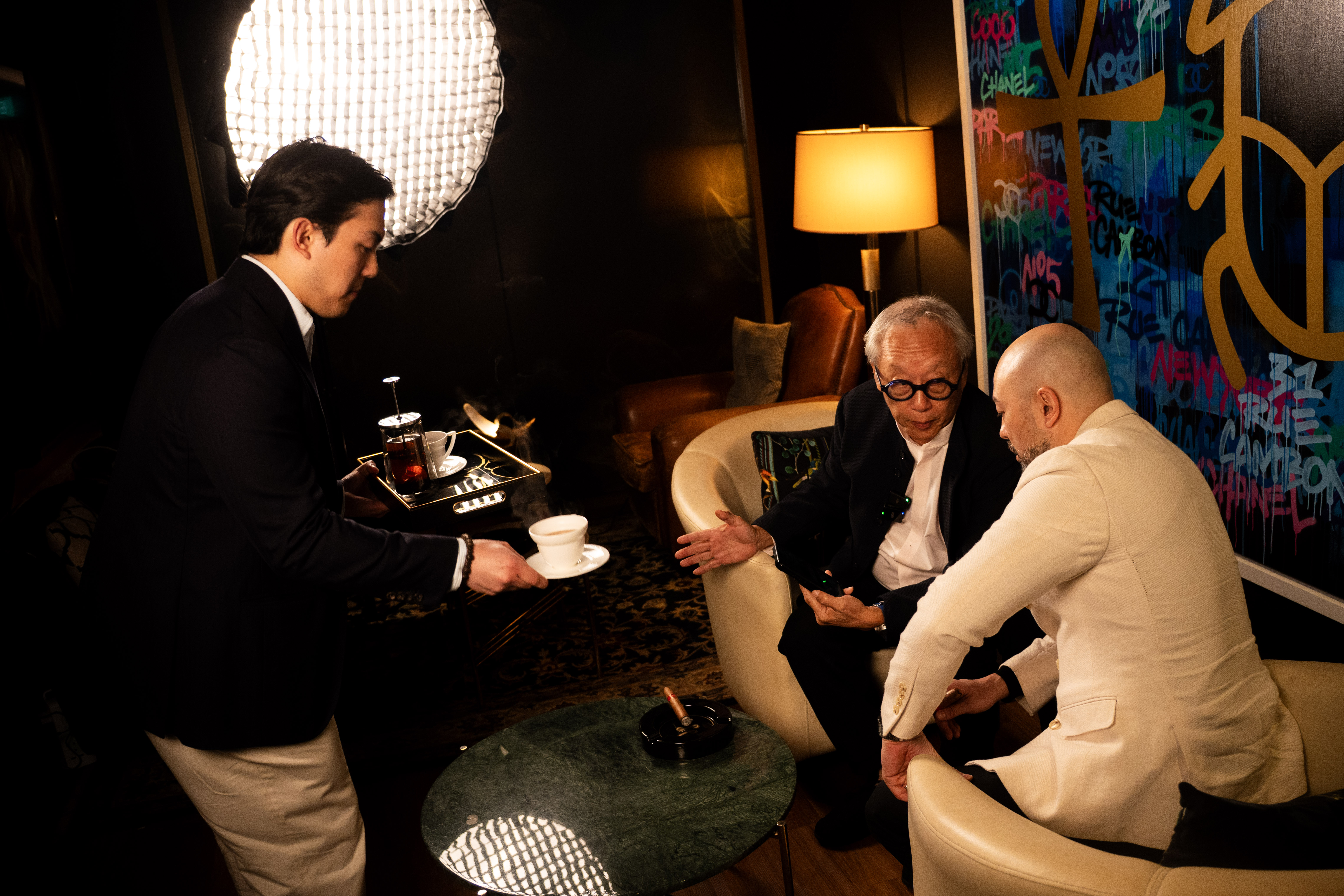
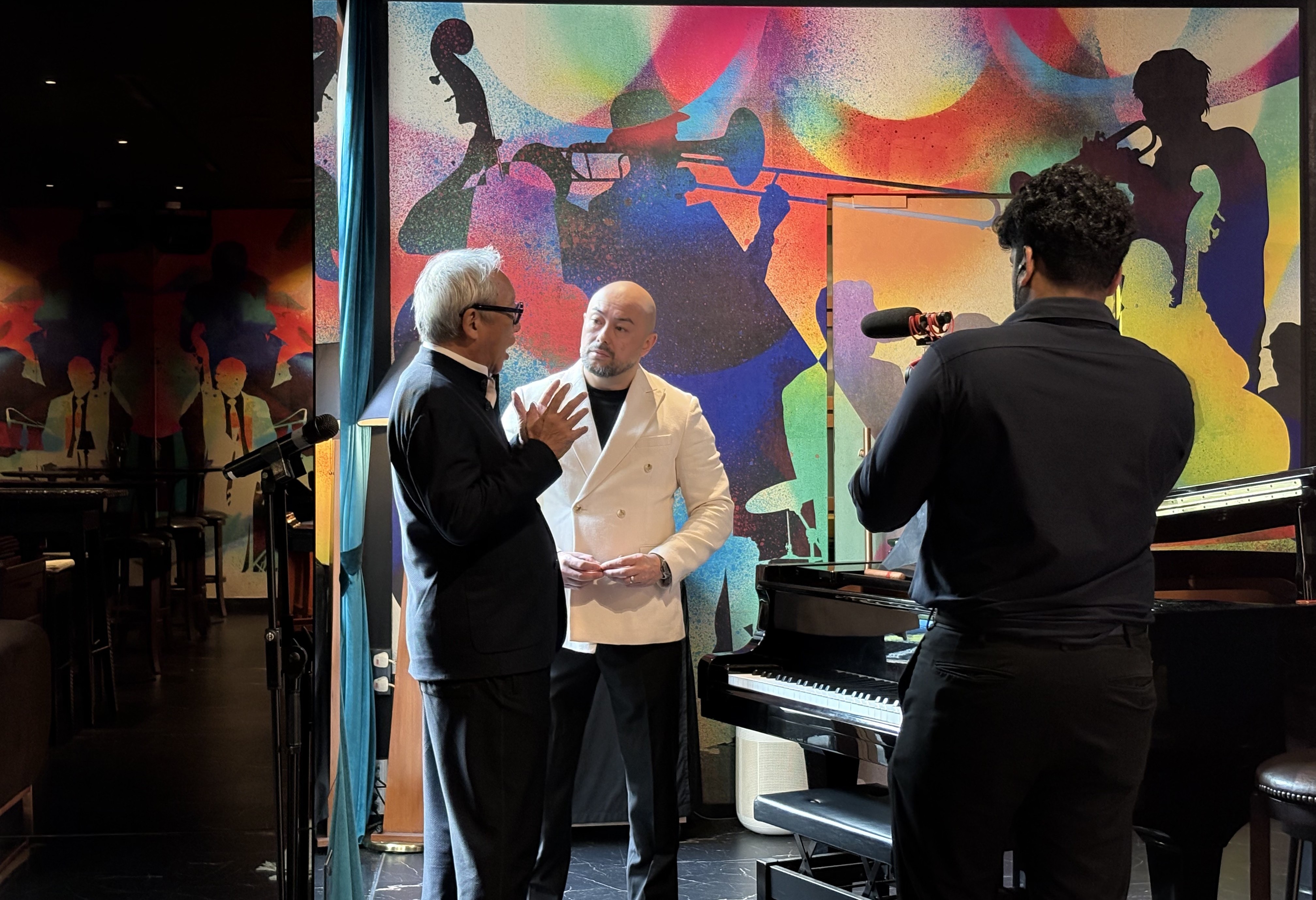
Behind the Scenes
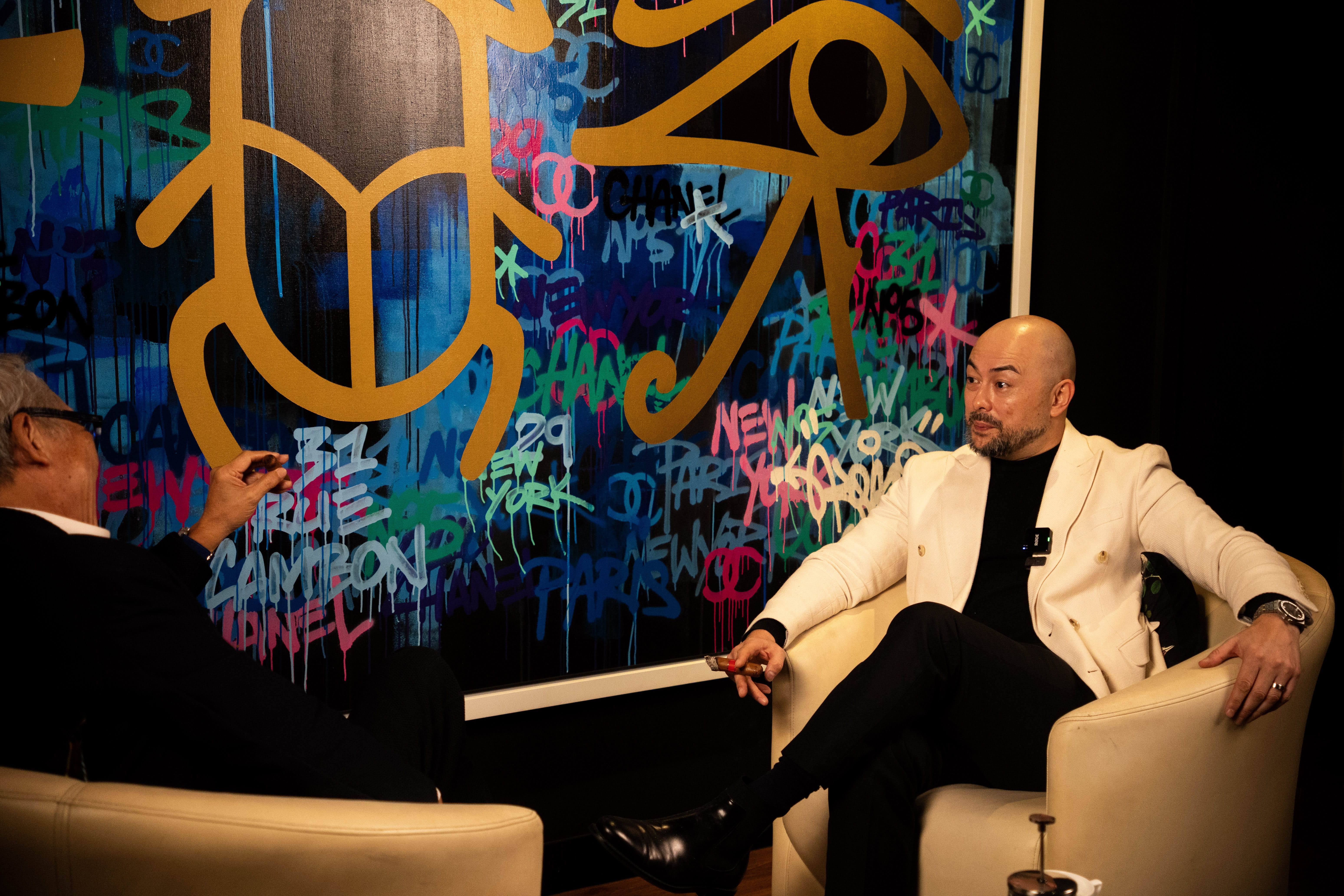
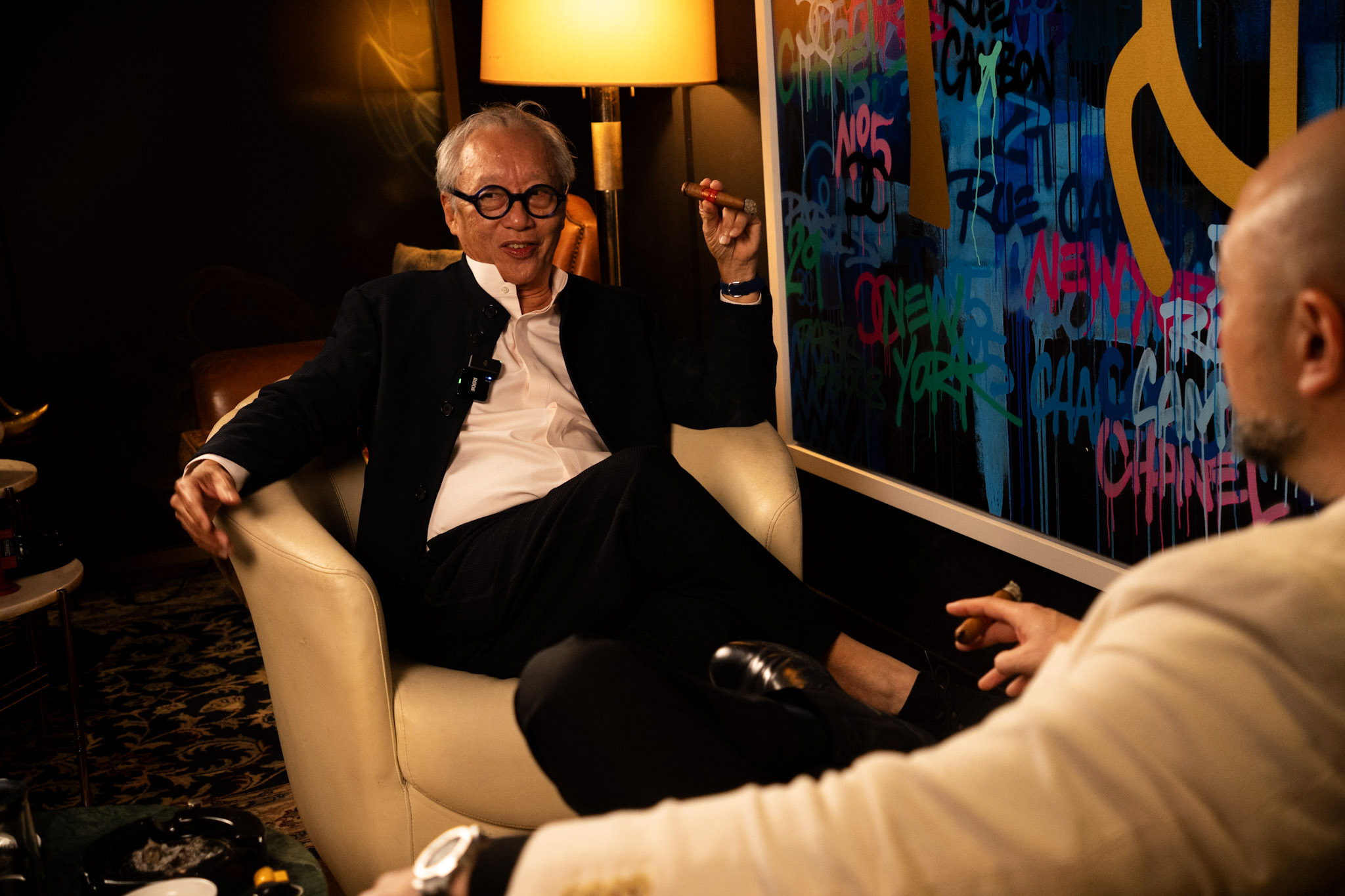
No career journey is a straight line, and mine taught me
to ensure ambition strengthens lives rather than gambles with them.
Our Other Episodes
Lorem ipsum dolor sit amet consectetur. Sed morbi adipiscing ultrices in vel placerat.
Going Out on Your Own? Ask This First | Paul Quinn & Nandan Jeyaratnam
Thinking of leaving your job to start a business? Ask one question first: is there a problem only you can solve? If not, corporate may be the better call. Nandan Jeyaratnam, an adviser, investor and founder at 30, shares the test and what he's seen in the founders who make it.
Offered a Job You Can’t Do Yet? Say Yes | Myra Vaughn
Offered a role you don't feel ready for? Nobody ever does. Myra Vaughn went from a bank job she couldn't do yet to a singing career she never planned, and she shows you how to close the gap: learn from people who've done it, start with what you already know, and put in the reps.
Why the Best Person Doesn’t Always Get the Job | John Dykes
Why doesn't the best person always get the job? Premier League presenter John Dykes explains how communication skills decide who gets promoted, and why imposter syndrome is a sign you're growing.